

Which Greek islands might surprise you for the wrong reasons or not meet your expectations?
Having personally traveled to over a dozen islands, I’ve seen firsthand how crowds, high costs, and nightlife can turn a dream trip into a challenge.
In this guide, I share my experiences and insights to help you navigate these choices smartly.
From budget pitfalls to first-time traveler traps, you’ll learn which Greek islands to avoid and why.
By understanding the real conditions and planning ahead, you can enjoy calm, accessible, and memorable island experiences tailored to your style.
Why Some Greek Islands May Not Suit Your Trip

Some Greek islands might not fit every traveler’s plan. During the busy summer months, popular spots become crowded, making it difficult to enjoy peaceful moments.
Hotels, restaurants, and activities can be expensive, which can quickly raise your trip costs.
Some islands focus heavily on nightlife and parties, which may not match a desire for quiet or family time.
Reaching certain islands can also be challenging, with limited ferry or flight options, adding extra travel stress.
On top of that, social media often shows an idealized version of these islands, which can create expectations that don’t match reality. Choosing the right island helps avoid disappointment.
Most Crowded Greek Islands to Avoid
Some Greek islands get very crowded during peak season. If you prefer calm and space, it helps to know which islands to avoid.
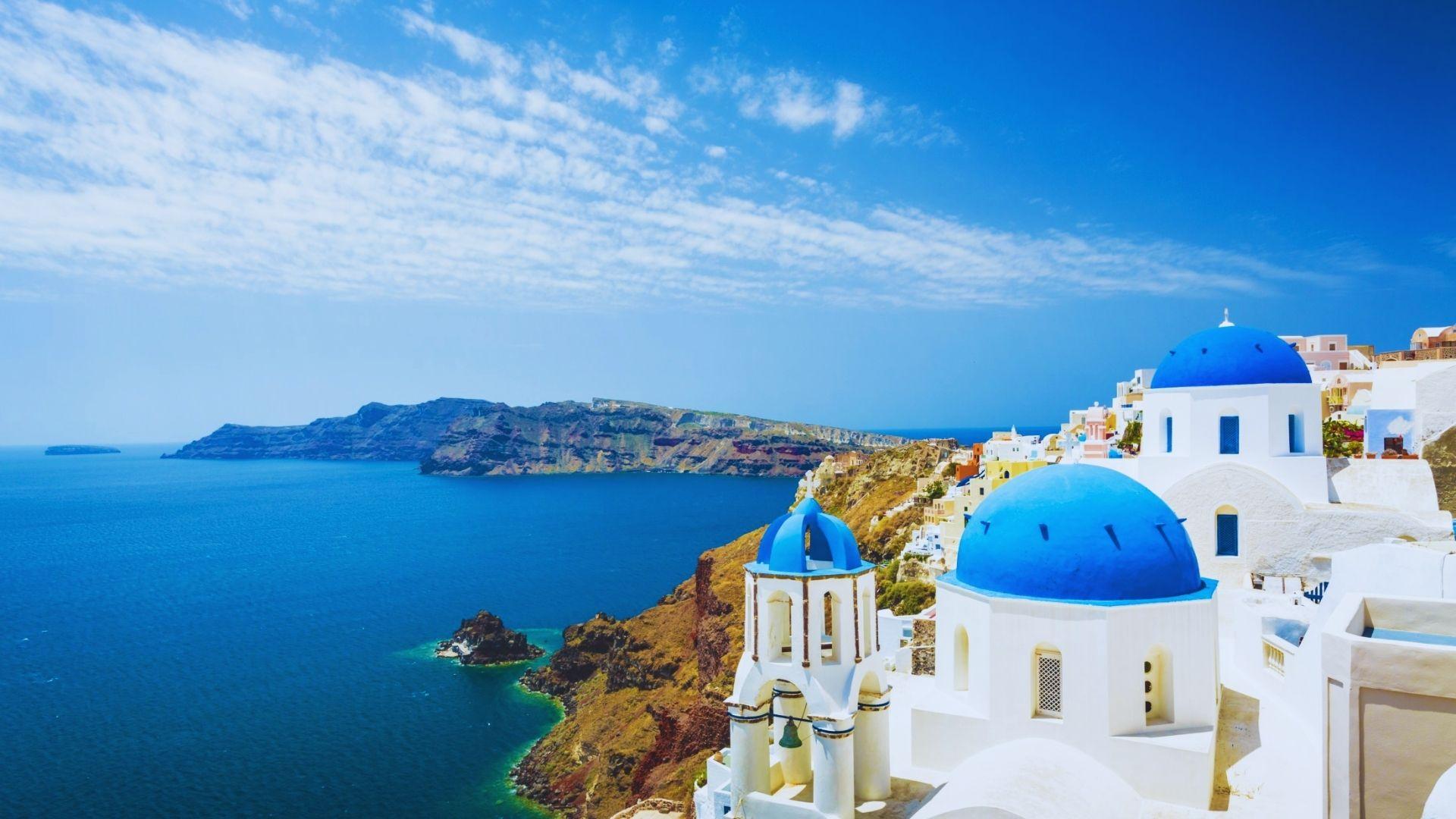
1. Santorini

Santorini’s narrow streets fill quickly, especially when multiple cruise ships arrive. Hotels and restaurants are often fully booked, making it difficult to find space.
Walking around can feel stressful, and privacy is limited. Even short visits require planning to enjoy the views without being overwhelmed.
Better alternative: Naxos offers calmer beaches and a more relaxed pace.
2. Mykonos
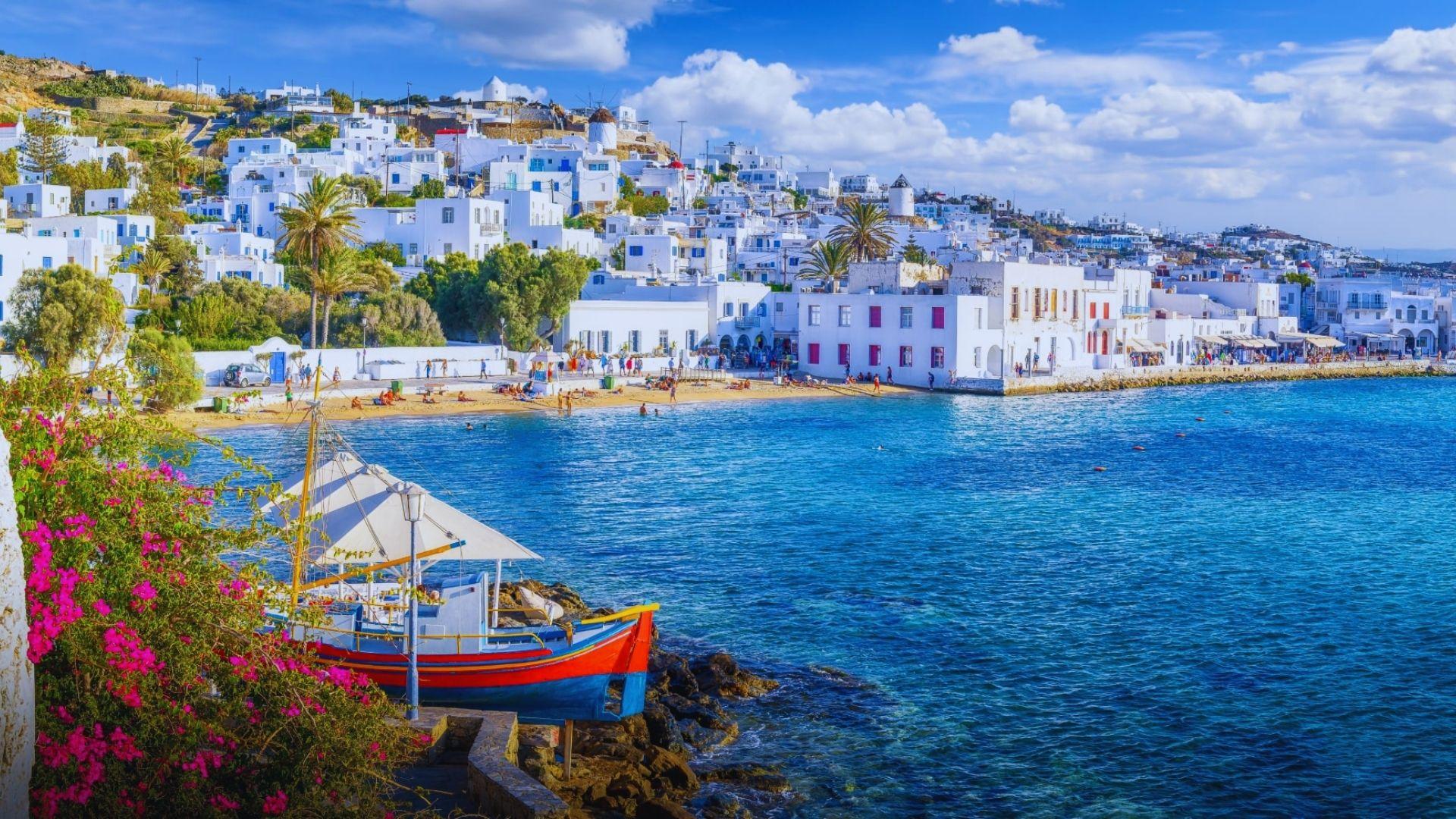
Beaches and town centers are usually packed, and lively clubs stay active well into the night. The constant energy suits nightlife enthusiasts but can overwhelm travelers seeking calm.
Daytime crowds make moving around tricky, and planning ahead is necessary to avoid frustration while visiting the island.
Better alternative: Tinos provides less busy streets and more peaceful surroundings.
3. Paros (in peak summer)
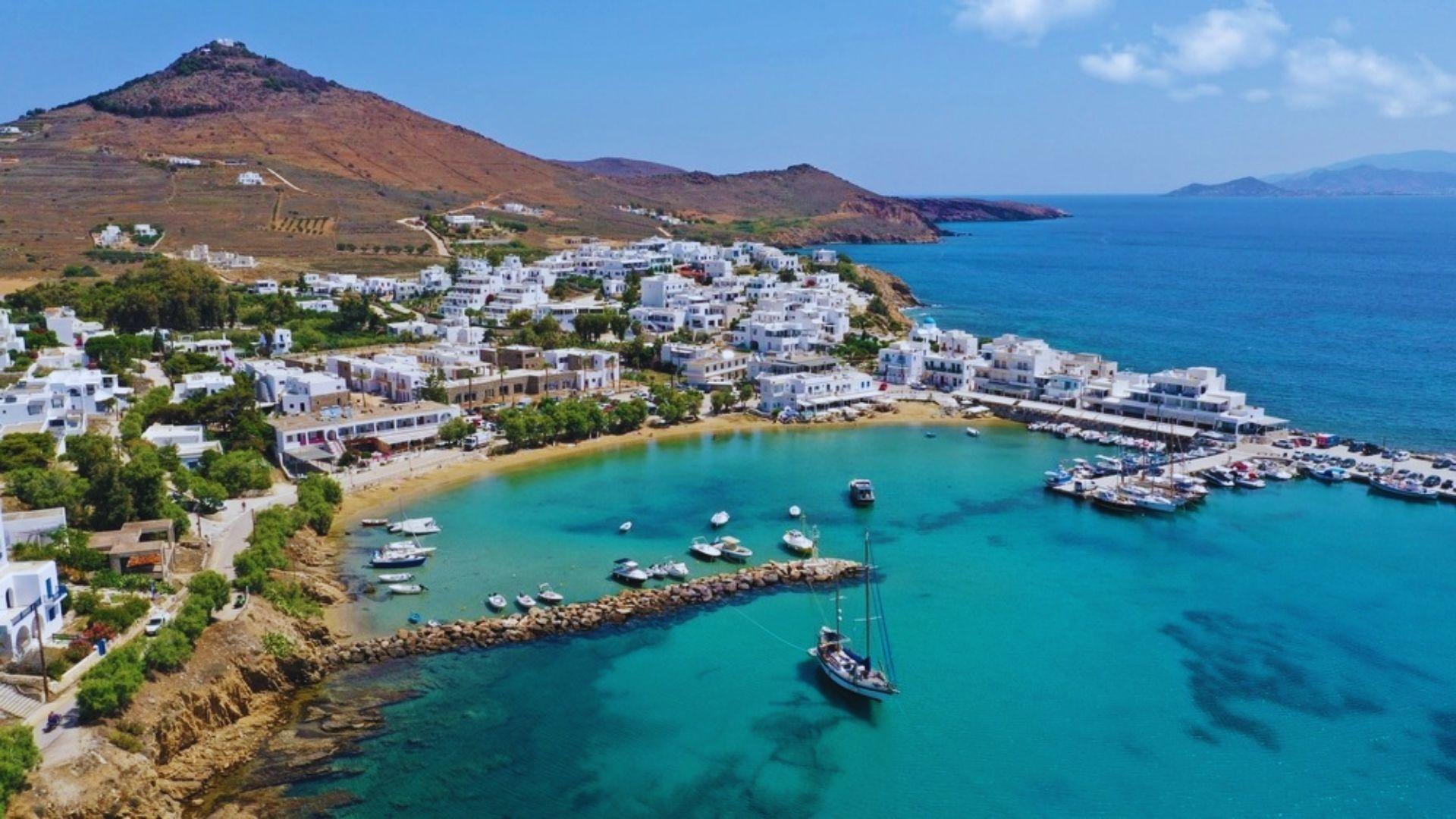
Paros has grown rapidly in popularity, and towns like Naoussa can feel crowded. Restaurants, beaches, and shops often fill quickly, making spontaneous plans difficult.
Visitors should book in advance and expect busy areas, as the island’s charm comes with limited space during high season.
Better alternative: Antiparos has a small size, quiet streets, and easy expedition
Greek Islands to Avoid for Budget Travelers
Budget travel in Greece requires knowing which islands are expensive to avoid overspending.
4. Crete
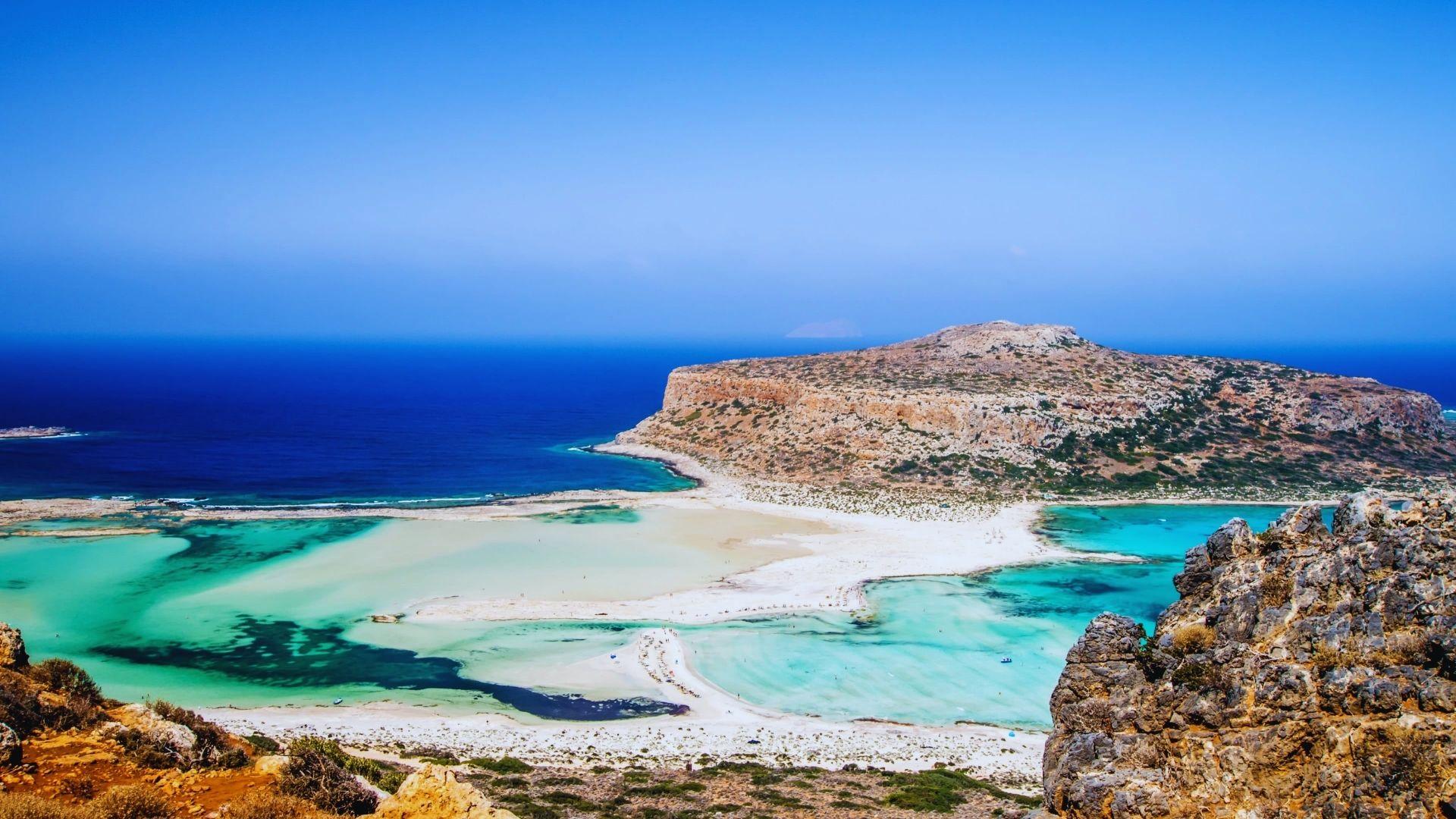
Crete can be expensive in popular towns, with hotels, restaurants, and activities costing more than on smaller islands.
Daily expenses rise quickly, making it challenging for budget travelers to fully enjoy attractions without careful planning, especially during peak summer months when demand drives prices higher than usual.
Better alternative: Thassos provides affordable hotels, meals, and quieter beaches.
5. Lefkada
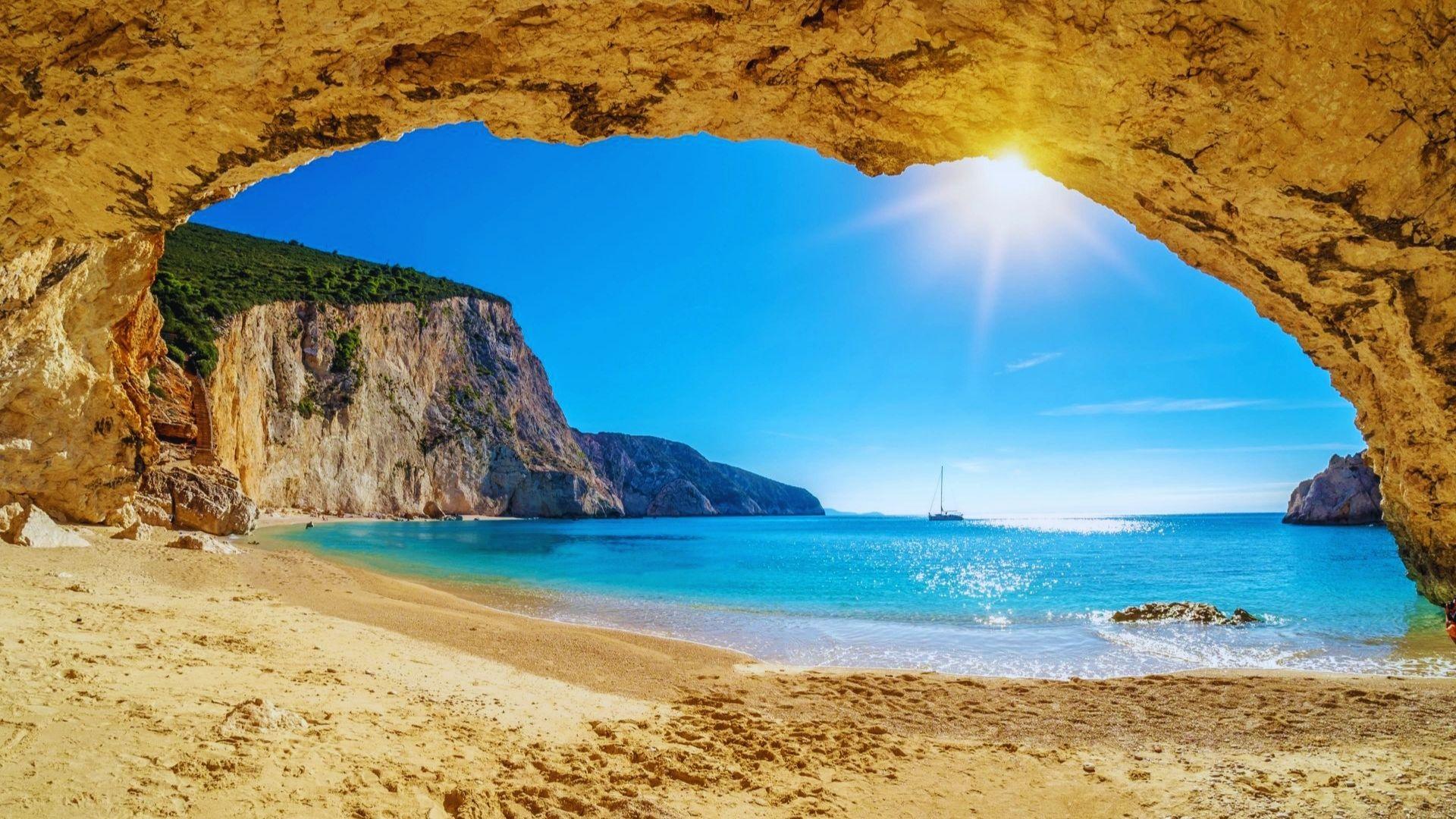
Lefkada’s resorts and activities can be costly during peak season. Accommodations and restaurants in popular towns are priced above average, and water sports add extra expenses.
Budget travelers may need to avoid high-season hotspots or plan well in advance to experience the island without overspending.
Better alternative: Kefalonia provides beautiful beaches and more budget-friendly options.
6. Corfu
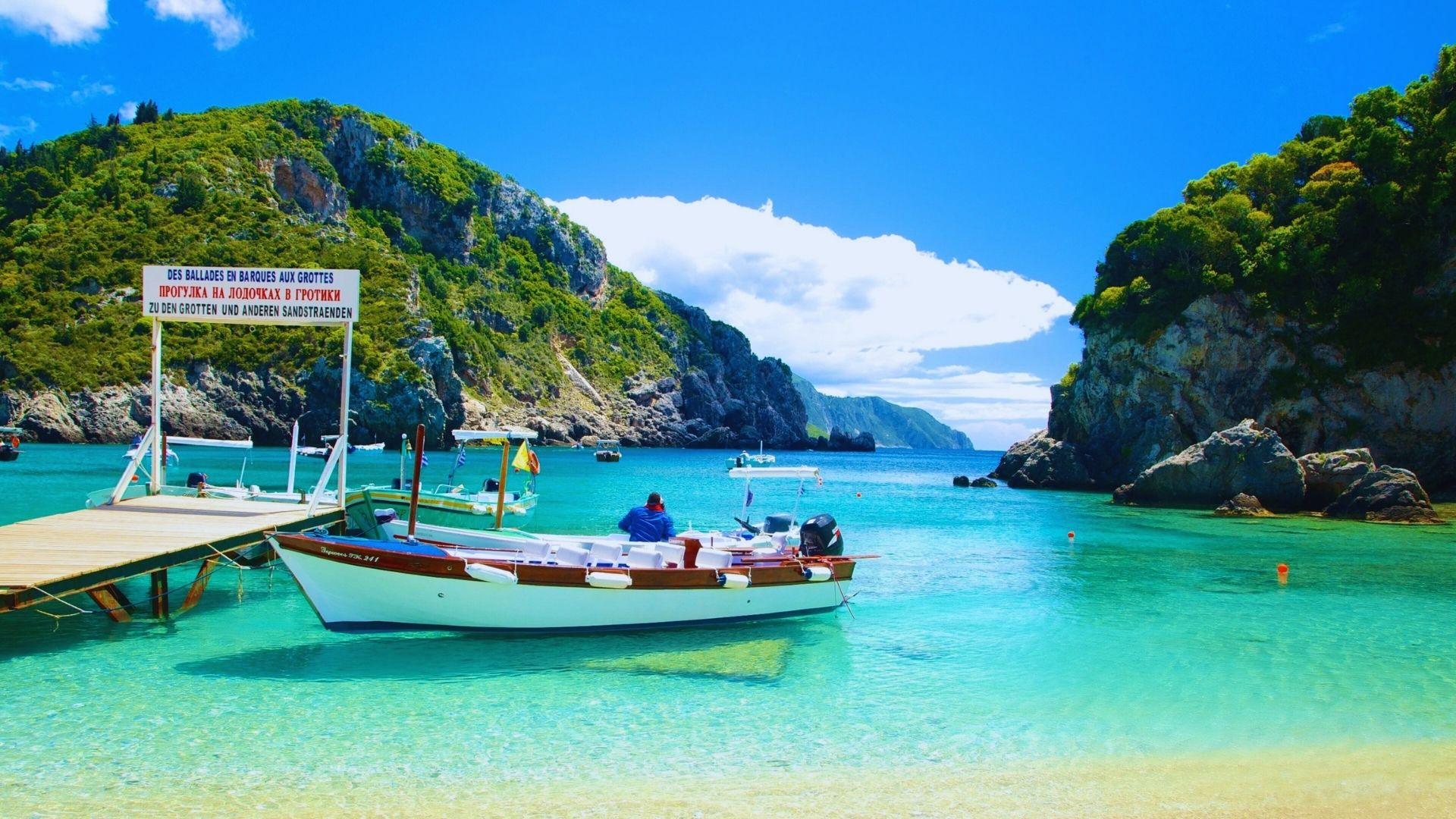
Corfu has areas with higher daily costs for accommodations, food, and local activities. Popular tourist spots fill up quickly, leaving budget travelers with limited affordable options.
Careful planning and early bookings are necessary to enjoy the island without stretching finances during busy periods.
Better alternative: Alonissos offers affordable hotels, local food, and peaceful beaches.
Greek Islands to Avoid for a Quiet or Relaxing Trip
If you want calm beaches, some islands may not suit you because nightlife and crowds dominate.
7. Ios
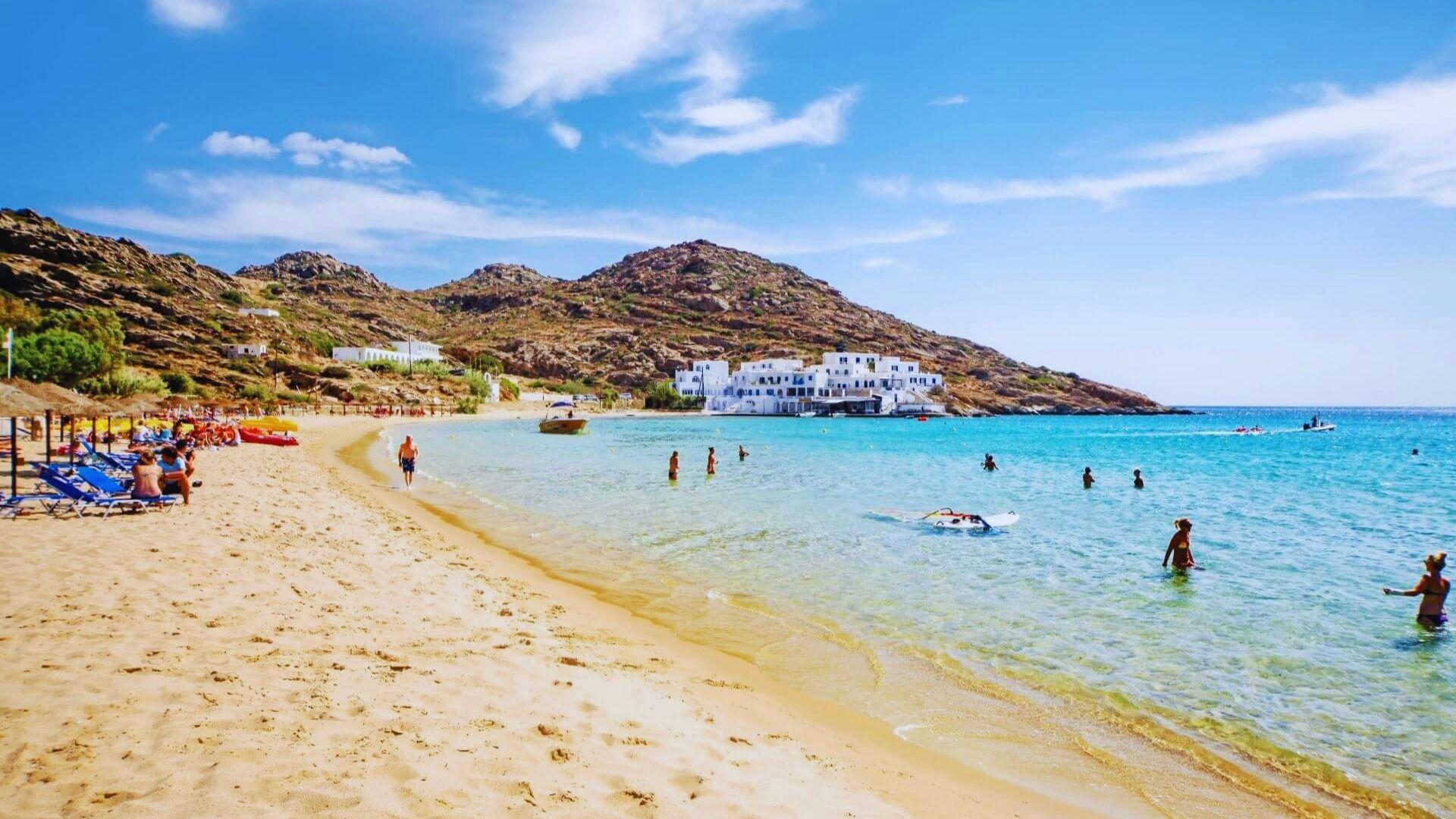
Ios has a reputation for parties and youth-centered nightlife. Beaches, streets, and town centers are dominated by constant activity, which can overwhelm travelers seeking a slower pace.
Even during daytime, the island feels lively and loud, leaving little opportunity for peace or quiet experiences.
Better alternative: Skopelos provides tranquil beaches and relaxed village life.
8. Zakynthos (Laganas area)

Laganas in Zakynthos is known for heavy nightlife and crowded areas. Daytime and evening activities revolve around parties, which can make the island less suitable for travelers wanting calm or privacy.
Families or those seeking a relaxing experience may feel stressed by the constant activity.
Better alternative: Sifnos offers calm beaches and quiet towns to unwind.
9. Amorgos
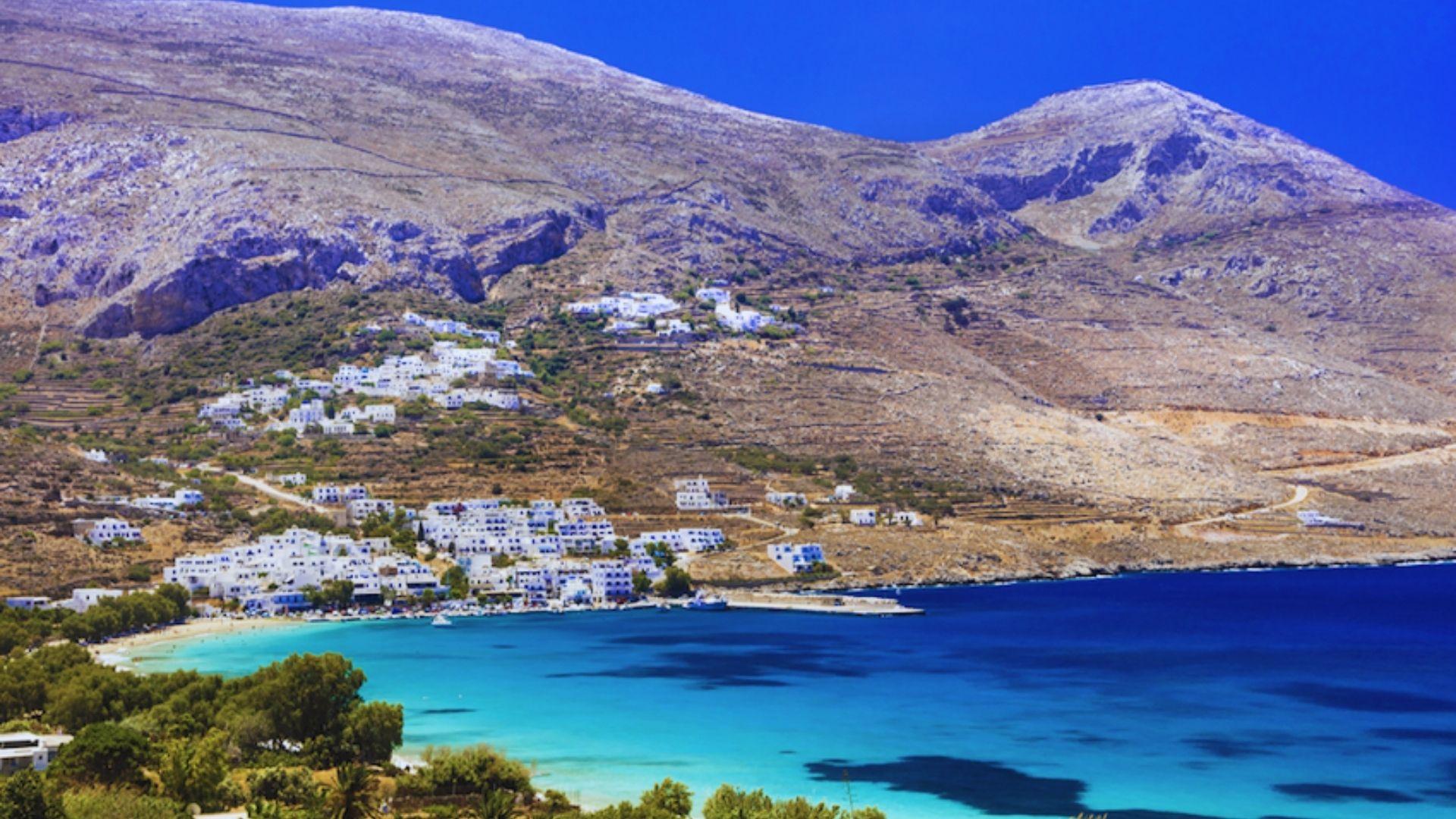
Amorgos is quiet and less developed, but some areas are remote and facilities are limited. Travelers who prefer convenience or structured services may find it challenging.
Planning is required to reach beaches or towns, and while peaceful, the island may feel isolated for those used to more amenities.
Better alternative: Folegandros provides quiet beaches and easy-to-reach villages.
Greek Islands That May Be Difficult for First-Time Visitors
Some islands are difficult for first-time travelers due to transport, logistics, or limited accommodations, so knowing this helps avoid frustration.
10. Milos
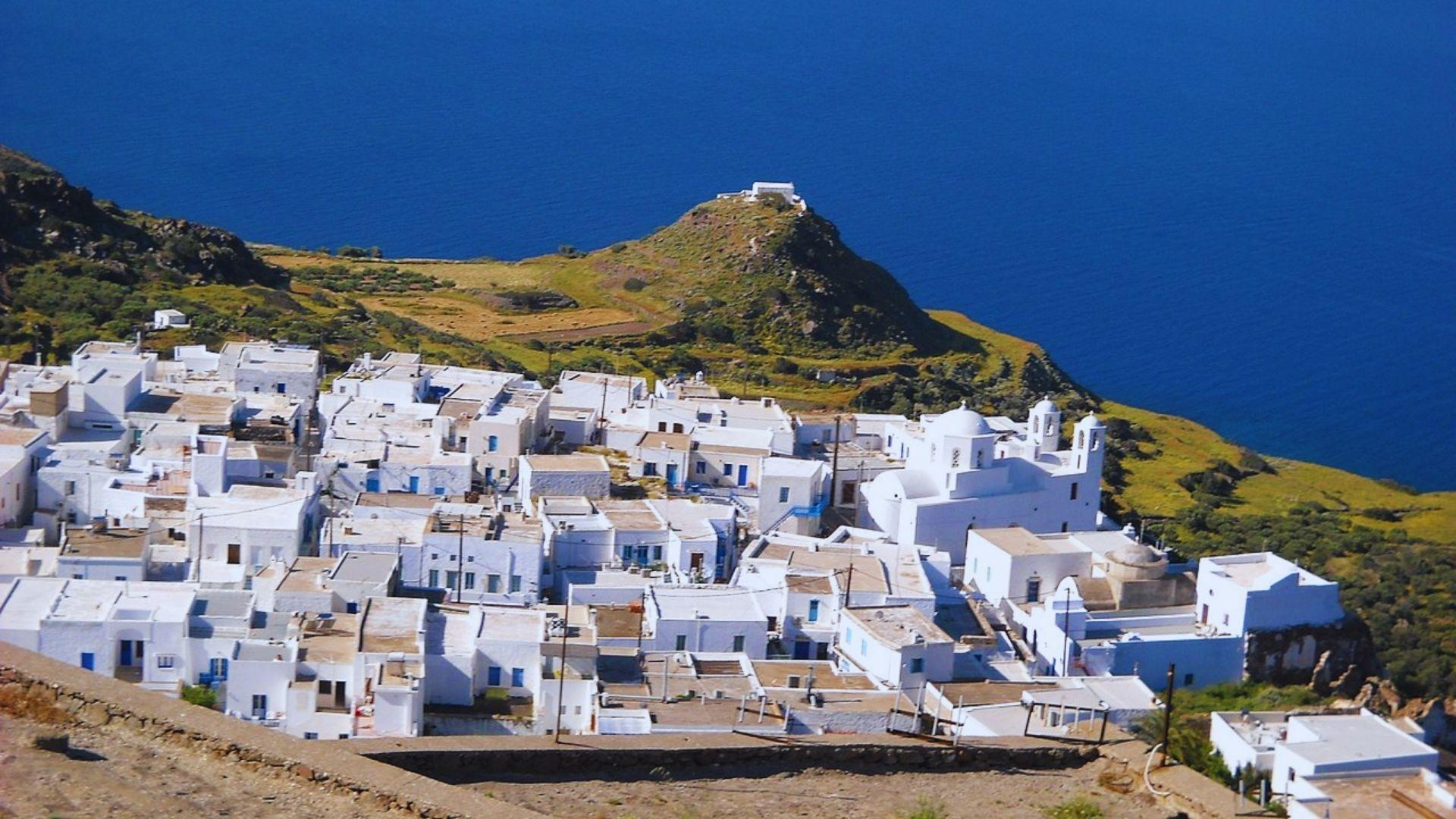
Reaching Milos’s beaches often requires private transport or long walks, and public options are limited.
Visiting without a car can be difficult, and first-time visitors need careful planning to fully enjoy the island without missing key sites or struggling with logistics during the trip.
Better alternative: Skiathos has easier transport, more accommodations, and accessible beaches.
11. Symi
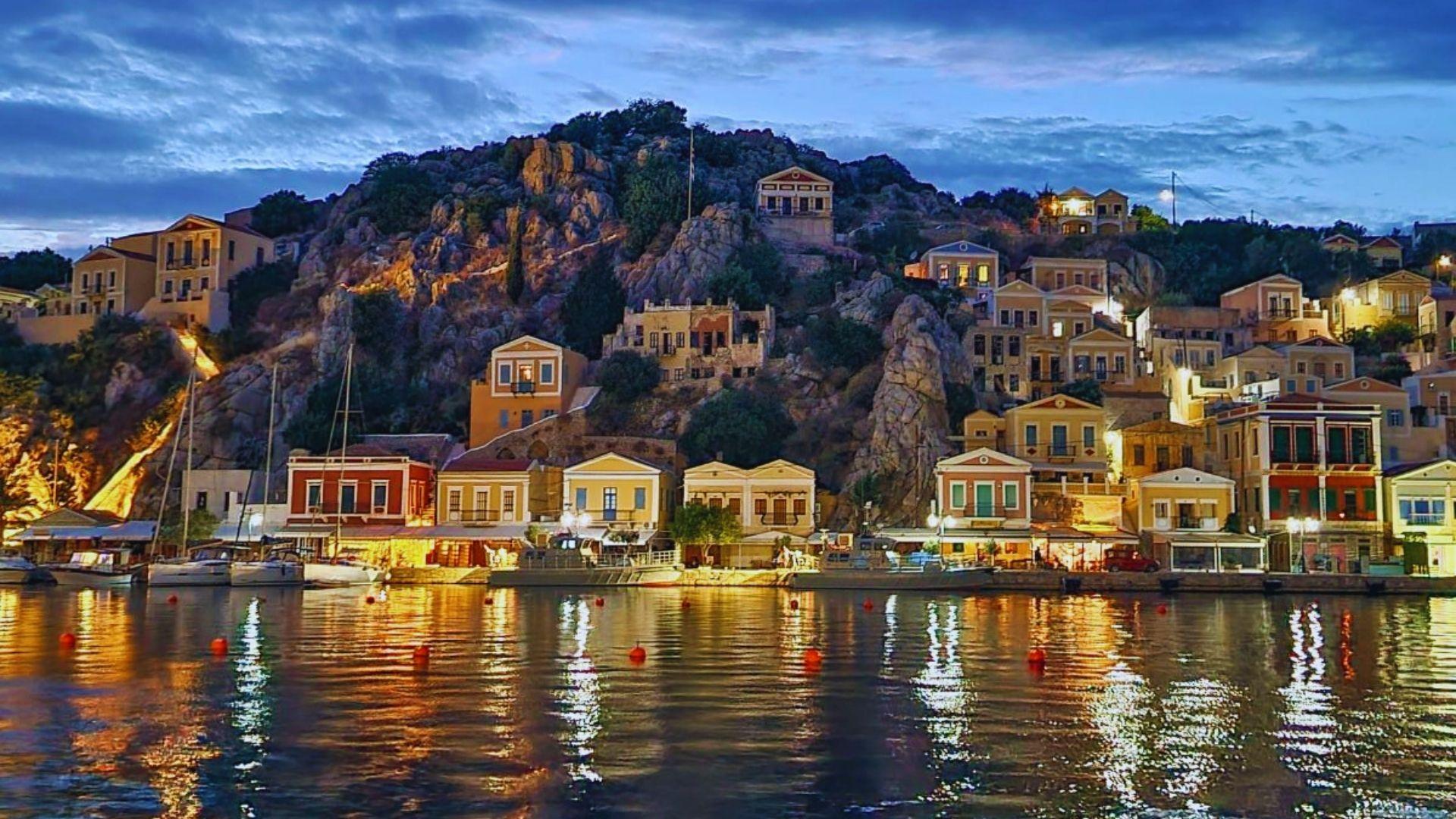
Symi is remote with limited ferry connections and local transport. Travelers may struggle with schedules or accessing attractions independently.
Planning is necessary for first-time visitors to avoid frustration and enjoy the island’s beauty without getting stuck in areas with fewer services.
Better alternative: Rhodes provides more frequent transport and a wider range of accommodations.
12. Tinos

Tinos has scattered villages and limited public transport, which can make first-time visits challenging.
Visiting without a car may take longer, and new travelers might feel confused by logistics, requiring extra planning to experience beaches, towns, and attractions efficiently.
Better alternative: Naxos offers straightforward transport and plenty of visitor support.
Greek Islands to Avoid for Families with Kids
Families need calm and safe islands, as some popular spots focus on nightlife or difficult terrain, making them less suitable for children.
13. Kefalonia

Kefalonia has steep hills and rocky beaches, which can be difficult for families with young children.
Strollers and small kids require careful supervision. Popular areas can be crowded, and moving around safely may be challenging without planning.
Better alternative: Sifnos provides flatter areas, safe beaches, and family-friendly facilities.
14. Paros
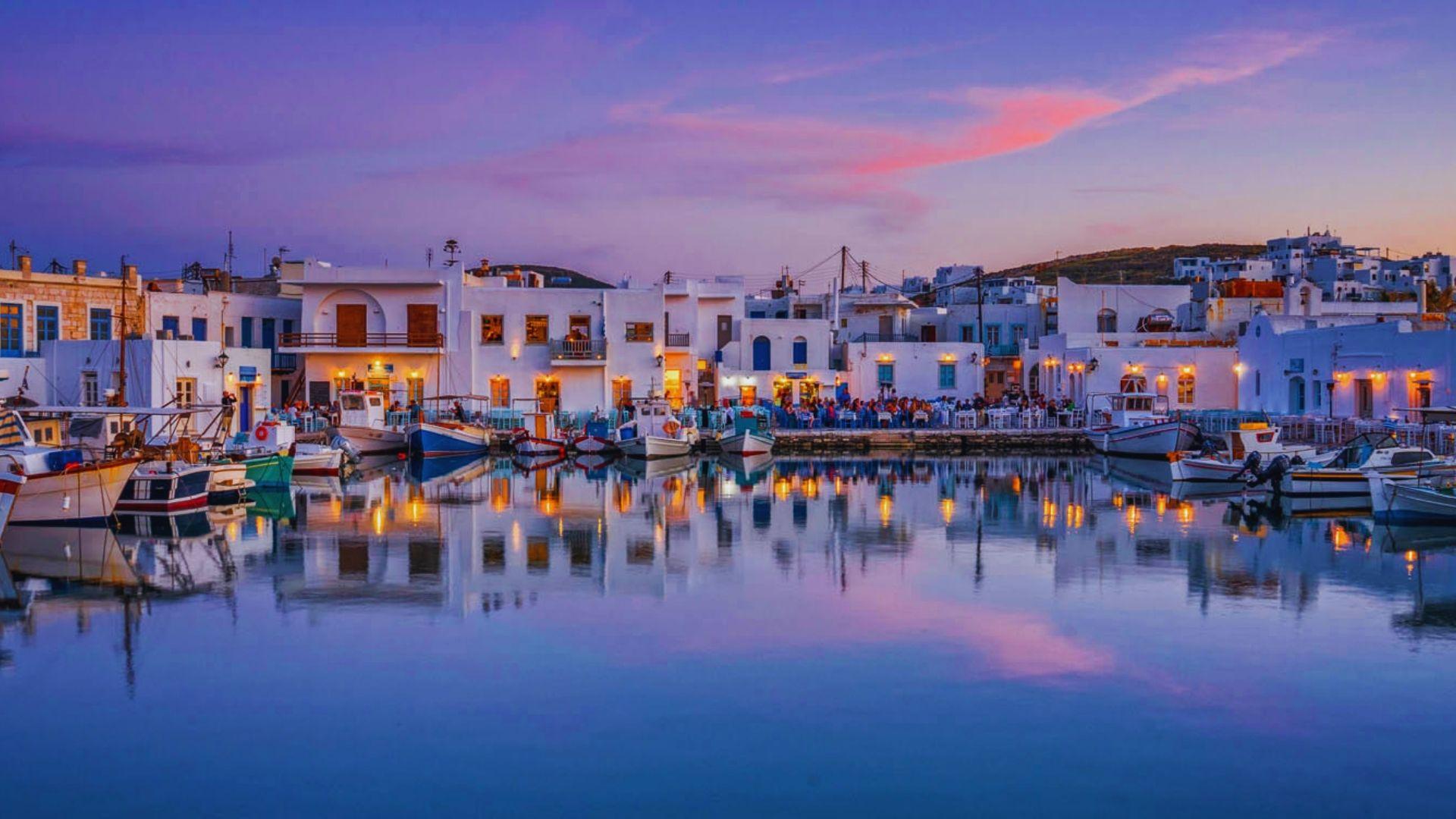
Some areas in Paros can become crowded during peak season, and popular beaches may fill quickly.
Families may find it harder to enjoy quiet time or relaxed strolls, as restaurants and shops get busy. Planning is important to avoid frustration and make the most of your visit.
Better alternative: Alonissos offers calm beaches and kid-friendly activities.
15. Rhodes
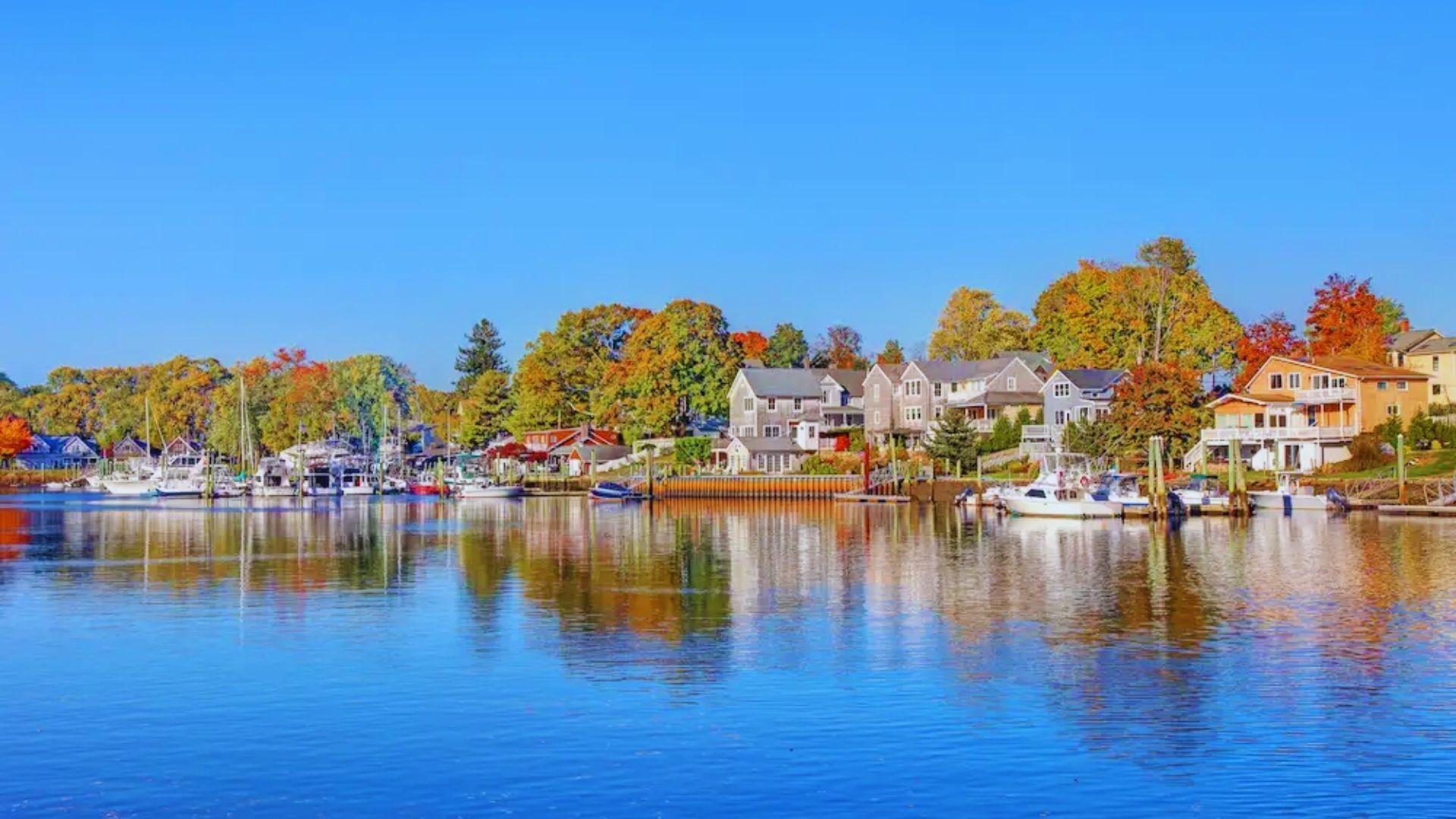
Certain parts of Rhodes focus on adult tourism and nightlife, which can overwhelm children.
Busy streets, crowded attractions, and loud activities make some areas less suitable for families seeking calm and safe experiences.
Better alternative: Crete has family-oriented beaches, accessible towns, and safe activities for all ages.
How to Choose the Right Greek Island Instead?
Choosing the right Greek island makes your trip smoother and more enjoyable.
Define your goal:
Decide if your trip is focused on relaxation, nightlife, cultural experiences, or sticking to a budget, as this will guide which islands suit your preferences best and help avoid choosing a place that doesn’t match your expectations.
Consider travel logistics:
Think about whether flights or ferries are more convenient for your schedule, budget, and luggage. Some islands are easier to reach by plane, while others require multiple ferry connections, which can affect your travel time and experience.
Match accommodation type:
Choose hotels, guesthouses, or vacation rentals that fit your comfort level and style. Consider proximity to beaches, towns, or nightlife to ensure your stay aligns with your plans and daily needs.
Check seasonal crowd levels:
Research when each island is busiest and plan your visit during quieter periods if you want more space and a relaxed experience. This helps avoid crowds, long waits, and higher prices during peak season.
Following these tips helps you select an island that matches your travel style perfectly.
Common Mistakes Travelers Make When Choosing Greek Islands
Many travelers make mistakes when choosing Greek islands, which can affect their trip experience.
- Many travelers pick islands based only on Instagram photos, which can be misleading.
- Some ignore seasonality, not realizing July and August are the busiest months.
- People often underestimate the travel time between islands, leading to tight schedules.
- Not matching the island’s vibe with expectations can result in disappointment.
Avoiding these common mistakes helps ensure a smoother and more enjoyable trip.
Final Thoughts
Having visited many Greek islands, I learned that choosing the right one shapes your trip.
Some islands are crowded, costly, or focused on nightlife, which can be challenging for families, first-time travelers, or anyone seeking calm.
Planning, checking transport, matching accommodations, and considering seasonal crowds helps avoid stress and ensures a smooth stay.
Knowing which Greek islands to avoid allows smarter choices and a more memorable experience.
Start planning your island trip now and pick the destination that fits your style!
Frequently Asked Questions
What Is The Best Time To Visit Greek Islands For Mild Weather?
The shoulder seasons of May–June and September–October offer pleasant temperatures, fewer crowds, and lower prices compared to peak summer months.
Are the Greek Islands Pet-Friendly?
Some islands allow pets in accommodations and on beaches, but rules vary, so it’s best to check with hotels and local regulations before traveling.
Can You Use Public Transport To Visit Smaller Greek Islands?
Many smaller islands have limited buses or taxis, so renting a car, scooter, or ATV is often more convenient for visiting.
Are the Greek Islands Safe For Solo Female Travelers?
Greek islands are generally safe, with friendly locals and low crime, but standard travel precautions like avoiding isolated areas at night are recommended.
Do the Greek Islands Have Local Festivals Or Events Worth Attending?
Yes, most islands host cultural festivals, music events, and religious celebrations, often providing unique experiences not found in tourist guides.
