


Looking for the most beautiful German villages to visit? I’ve got you covered.
I spent months visiting small German towns, testing which ones truly deliver medieval charm without the tourist traps. This guide covers 13 villages that passed my real-world test.
You’ll find cobblestone streets in Rothenburg, painted Alpine houses in Mittenwald, and riverside wine towns along the Mosel. Every recommendation comes from actual experience, not recycled travel lists.
I’ll show you where to go, how to get there, and what makes each village worth your time. Let’s find your perfect German getaway.
How to Plan Your Visit to German Villages
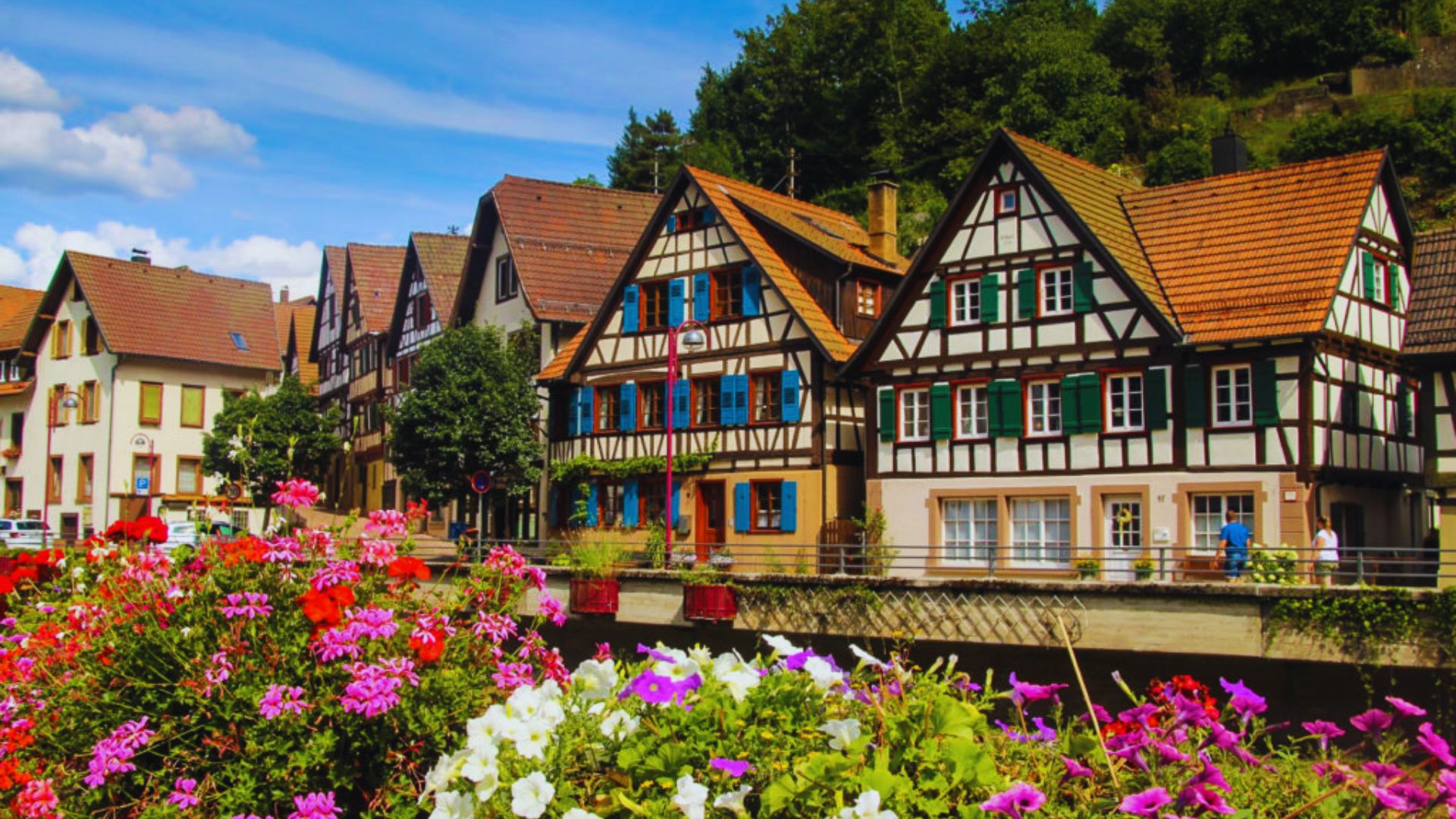
Visit between April and October for the best weather. Fall is my favorite with golden vineyards and harvest festivals. Winter works for Christmas markets but some places close.
Regional trains reach most villages. Deutsche Bahn connects to major cities, and buses fill the gaps. Buy a regional day pass to save money on multiple stops.
Plan three to four villages for a week-long trip. Larger spots like Rothenburg need two days. Smaller villages need one day each. Group villages by region to cut travel time.
Most Beautiful German Villages to Visit
Germany’s fairytale villages offer cobblestone streets, half-timbered houses, and medieval charm that make you feel like you’ve stepped into a storybook.
1. Rothenburg ob der Tauber
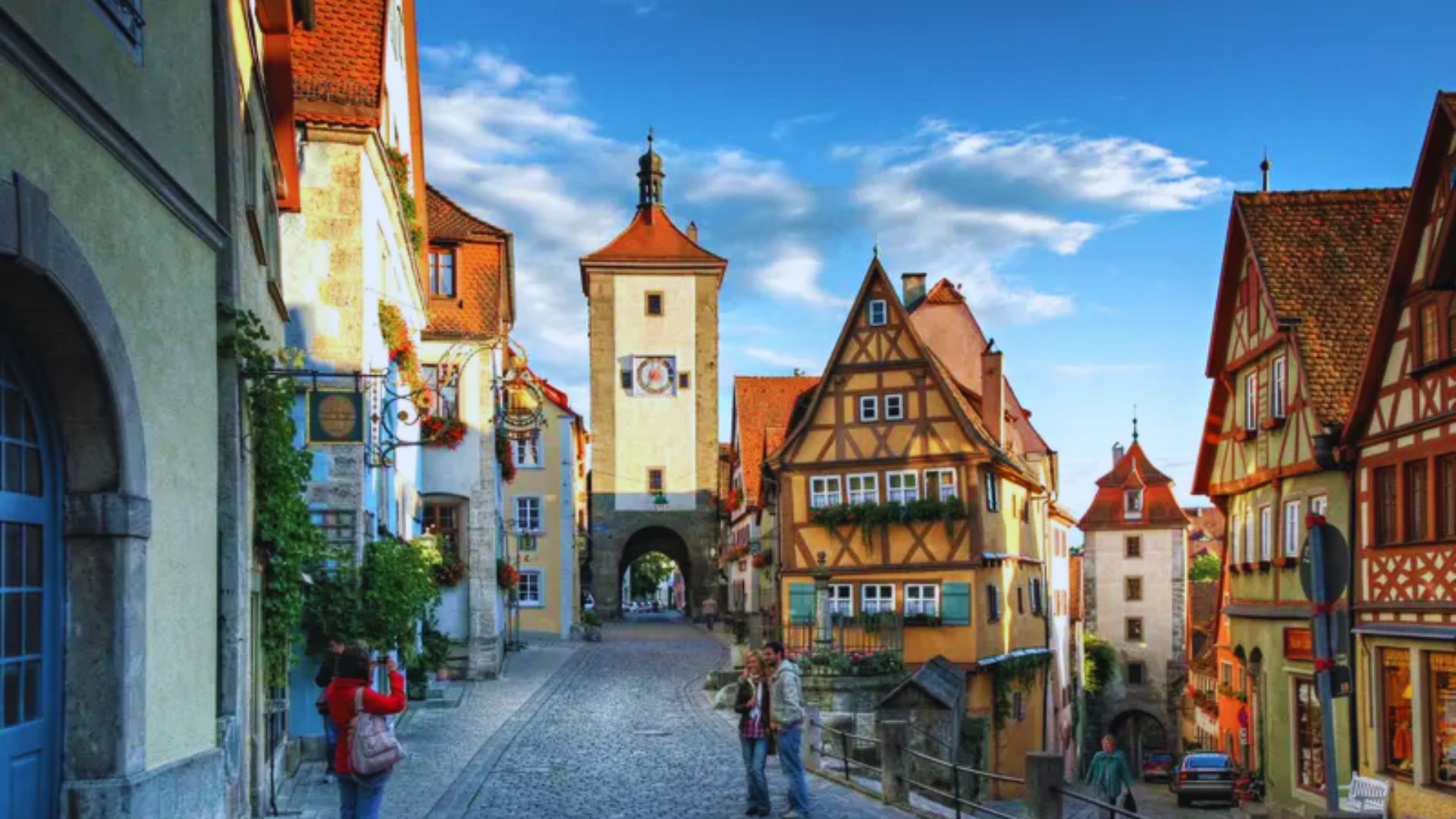
I’ve walked through dozens of German towns, but Rothenburg still takes my breath away. The Plönlein corner creates Germany’s most photographed spot for good reason.
Complete medieval walls circle the entire town. Visit at sunset when golden light hits those red roofs. The atmospheric streets feel like stepping back 600 years in time.
2. Dinkelsbühl

Most “medieval” towns have modern additions that break the spell. Not Dinkelsbühl. I found perfectly preserved streetscapes without a single modern interruption.
Winter visits are special here. Snow transforms the medieval center into scenes straight from fairy tales. You’ll feel like you’re walking through a living museum.
3. Mittenwald

Building facades here tell stories. Intricate painted designs and vibrant artwork cover nearly every surface in this Alpine village. I spent hours just looking up at the walls.
The dramatic mountain scenery frames these colorful streets perfectly. Traditional Bavarian artistry makes every building different, with religious scenes and local legends maintained for generations.
4. Schiltach

The Kinzig River shapes everything here. I love how the vibrantly painted timber houses reflect perfectly in the flowing water below. Each building shows off different colors like nature’s own rainbow.
Dense woodland surrounds Schiltach, creating an intimate feeling you won’t experience in larger towns. You can walk the entire village in thirty minutes, but you’ll want to spend hours taking photos.
5. Gengenbach
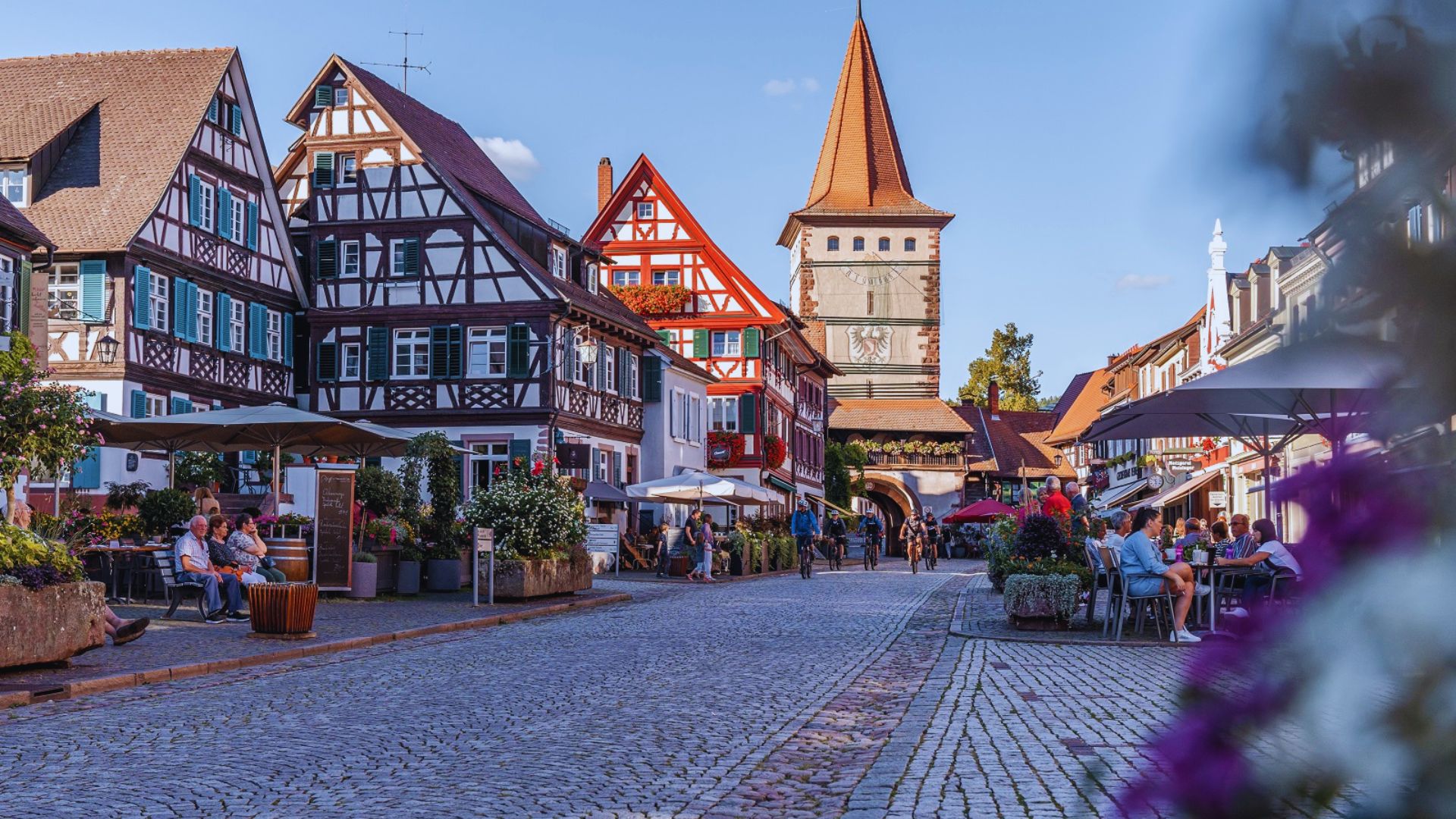
December transforms this place into something extraordinary. The entire village becomes a living Advent calendar with house windows revealing holiday scenes each night.
Intricate wooden details and carvings cover every building here. Evening visits are magical when warm lights illuminate those narrow medieval streets, creating golden glows that make the timber work look even more detailed.
6. Beilstein

The Mosel River bends dramatically here, creating water reflections that double the village’s beauty. Buildings are painted in harmonious colors that work together perfectly.
Steep hillside vineyards form a natural amphitheater around the village. The tiny size works to your advantage since you can appreciate every architectural detail.
7. Cochem
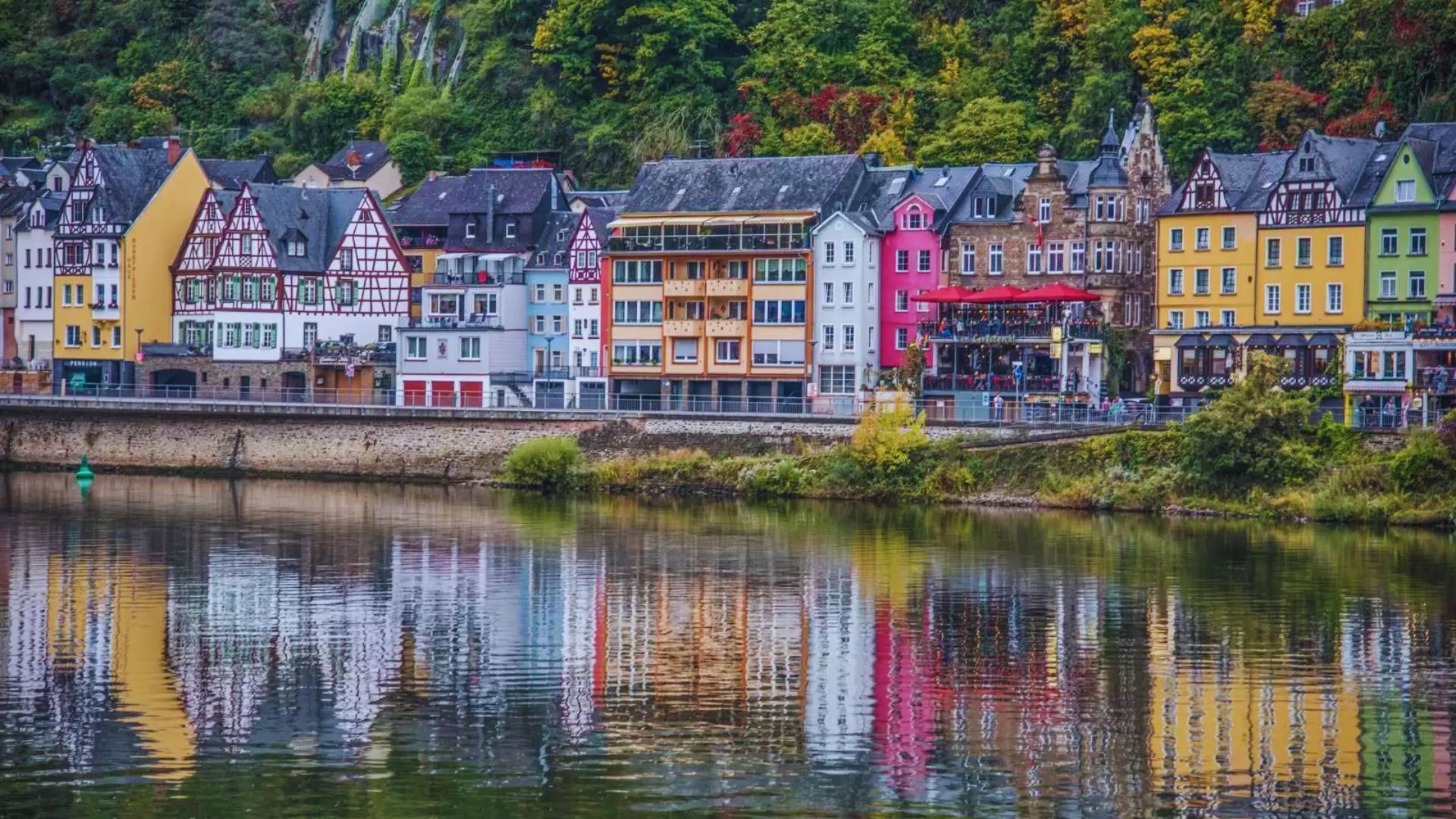
Reichsburg castle towers dramatically above this riverside village. The fortress creates an impressive silhouette that dominates every photo you’ll take here.
Terraced hillsides cascade down to meet village rooftops. Sunset time is special when evening light illuminates both the village below and the hilltop fortress above.
8. Rüdesheim am Rhein

The Rhine River creates a grand backdrop unlike smaller village rivers. Grapevines flow seamlessly from hills into village streets, making wine culture visible everywhere you look.
Elevated positions throughout the village offer sweeping valley vistas. Autumn transforms those vineyards into golden colors when the hillsides become a natural masterpiece of yellow and orange hues.
9. Bernkastel-Kues
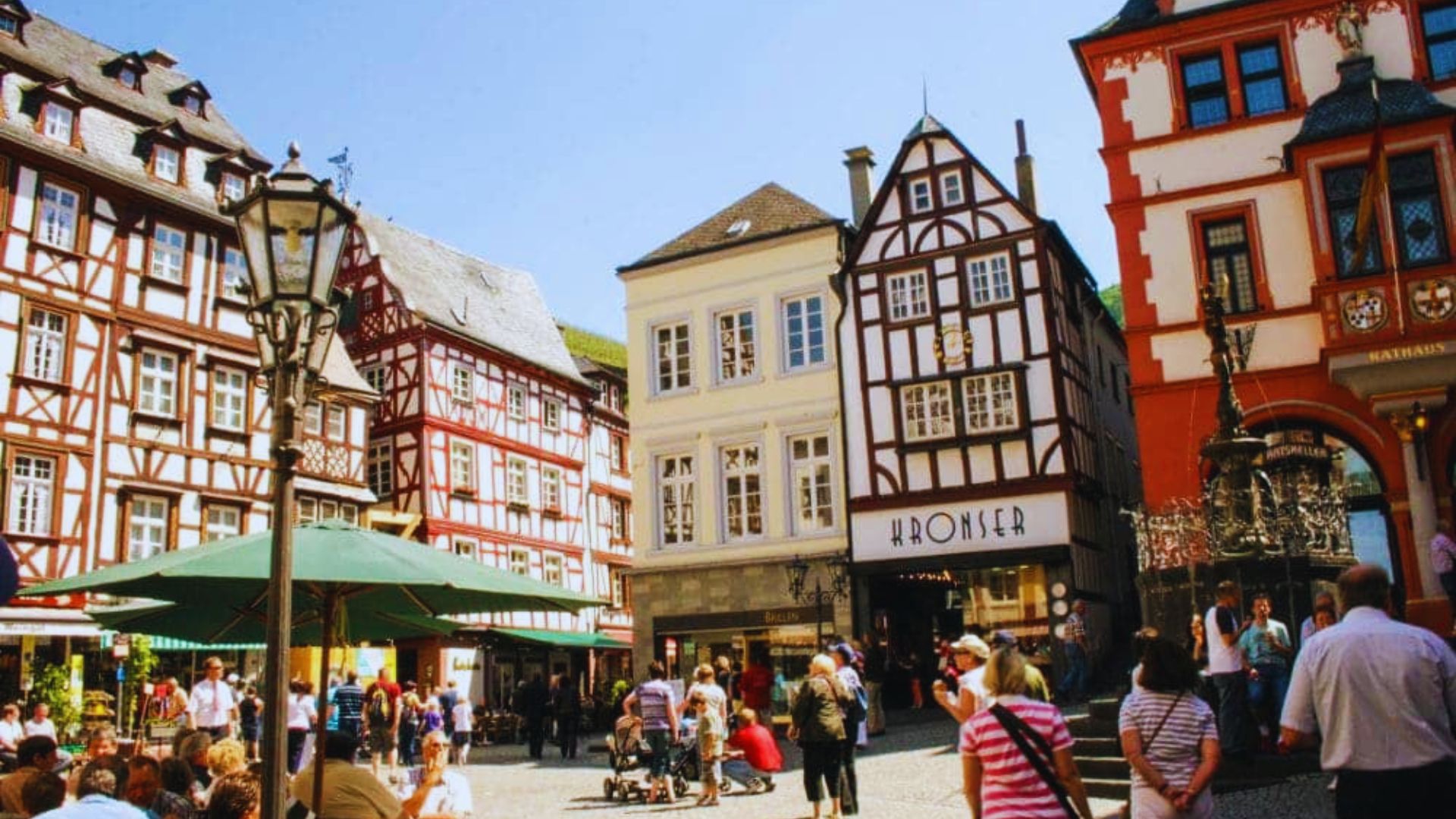
Two settlements face each other across the flowing Mosel River. This twin village setup creates double the beauty since you get scenic views from both sides.
I always point out the Pointed House to visitors. This triangular building creates an instantly recognizable landmark. River mirrors double every village scene, perfect for photography sessions.
10. Quedlinburg
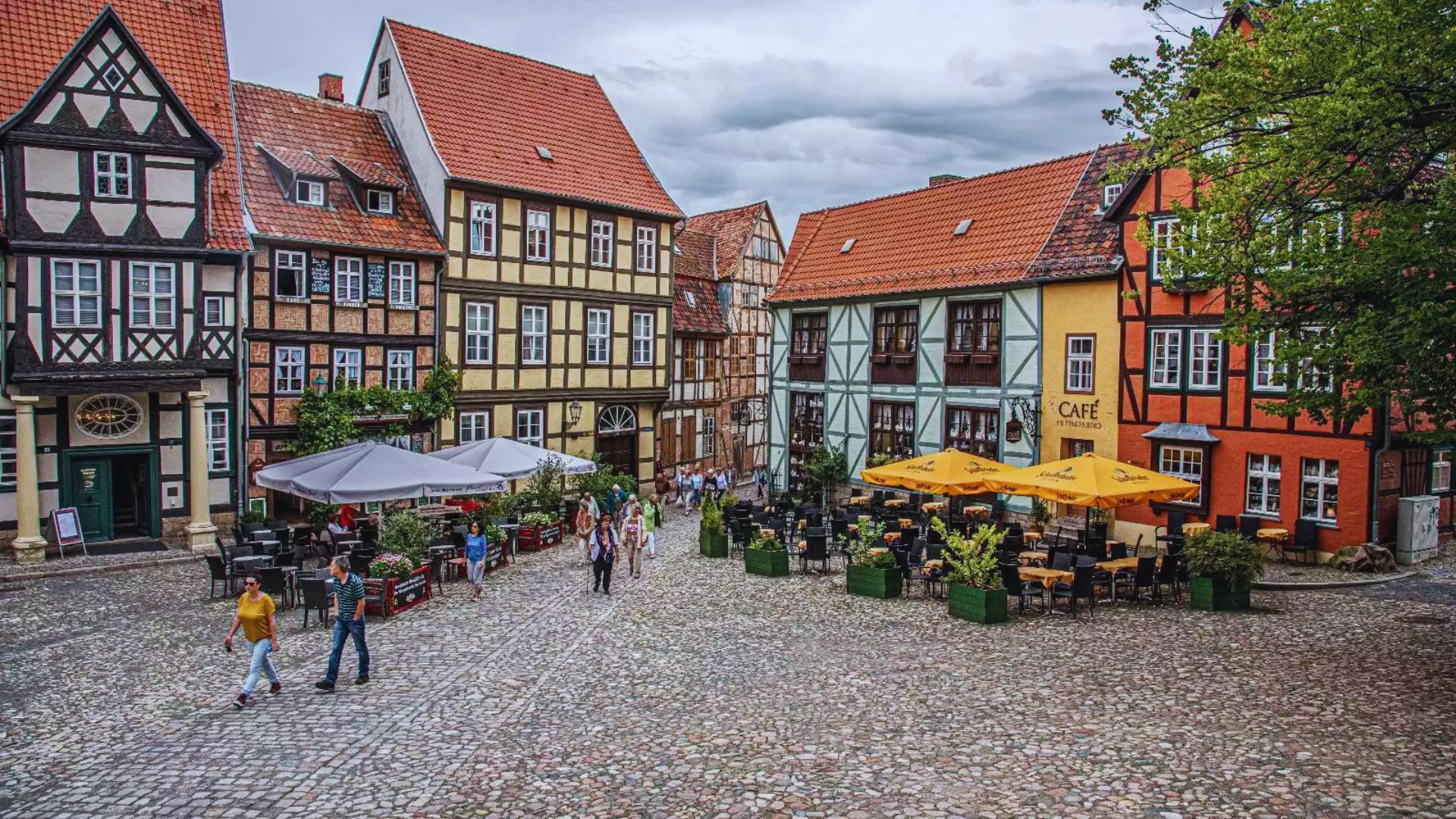
Over 1,300 preserved wooden houses make this place a living museum. I’ve never seen timber house concentration like this anywhere else in Germany.
Medieval streets wind between colorful buildings in narrow paths. Window boxes and gardens brighten every facade here. The village spreads across slopes with commanding views of the surrounding countryside.
11. Meersburg

Lake Constance creates shimmering reflections of village buildings in the water below. This lakeside location offers completely different scenery from river villages.
Snow-capped Alpine peaks frame the settlement perfectly. Narrow twisting alleys create intimate spaces where every corner reveals something new like hidden courtyards or unexpected lake views.
12. Monreal

The Elzbach stream babbles peacefully through this village, creating a natural soundtrack that adds to the serene atmosphere. Twin hilltop ruins frame the village from elevated positions above.
Village life remains unchanged here. This authentic atmosphere creates a genuine medieval feeling that many tourist destinations have lost over time.
13. Idstein
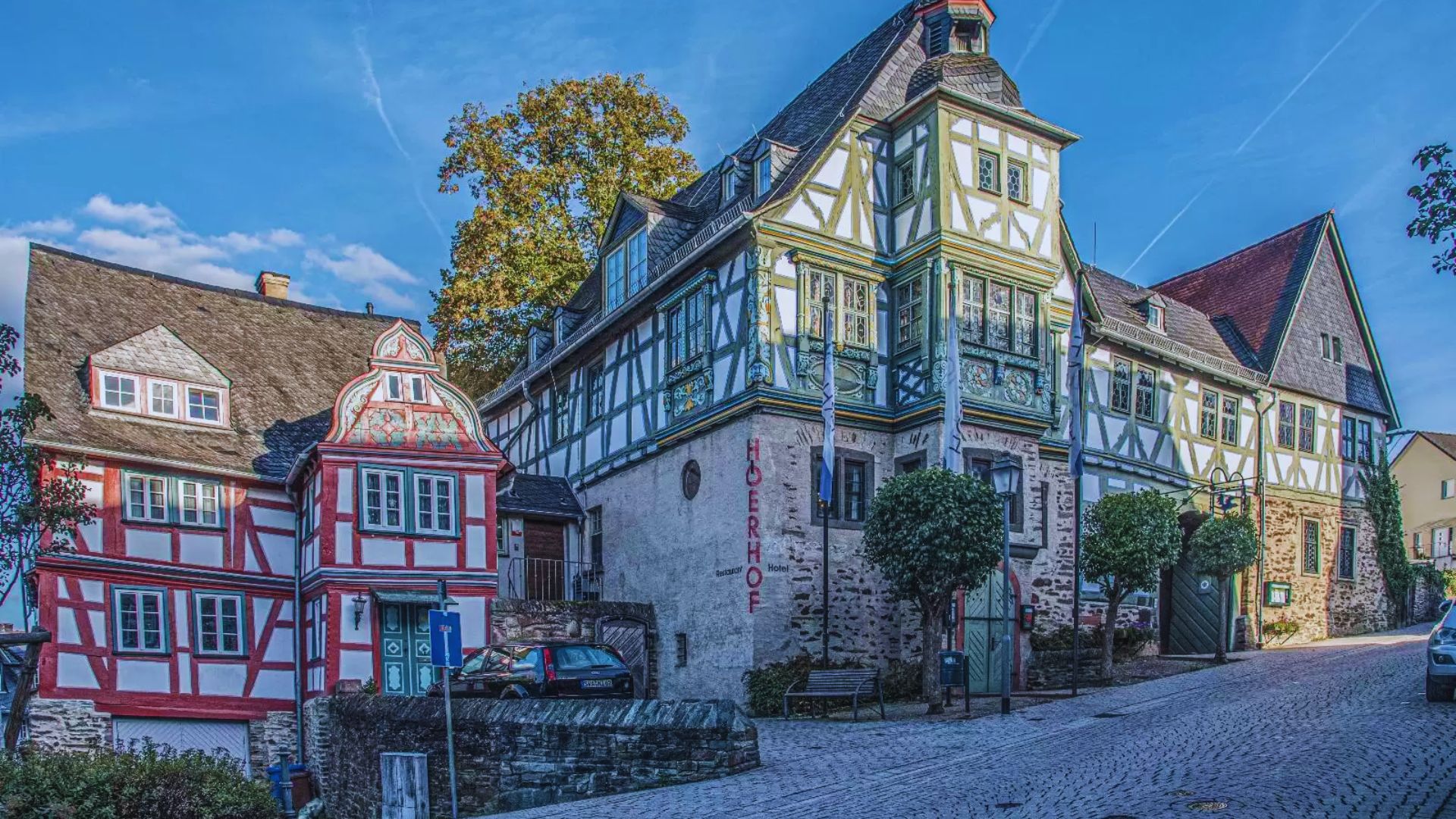
Bright blue and orange buildings create vibrant street scenes unlike anywhere else on this list. The color explosion makes every photo pop with energy.
Intricate wooden details showcase traditional craftsmanship throughout the town. Buildings from different centuries create rich visual layers that add depth to every street view you’ll capture.
Tips for Visiting Small Villages in Germany
These small-town tips will help you avoid common mistakes and fit in with locals.
- Book accommodations early since small villages have limited guesthouses. Bring cash because many shops don’t accept cards and ATMs are scarce.
- Germans eat dinner between 6 and 8 PM. Kitchens close by 9 PM in small villages, so plan your meals ahead.
- Greet shopkeepers with “Guten Tag” when entering stores. Learn basic phrases like “Bitte” (please) and “Danke” (thank you) since older residents speak limited English.
- Most shops and restaurants close on Sundays. Stock up on snacks or plan restaurant visits for weekdays.
- Respect quiet hours between 10 PM and 6 AM. Round up bills or add 5-10% for tipping, and tell your server the total amount rather than leaving cash on the table.
Conclusion
I still remember my first walk through Rothenburg’s cobblestone streets. That trip changed how I see Germany completely.
You now have 13 most beautiful German villages ready for your 2025 trip. Each one offers something different, from Alpine views to riverside wine culture.
Pick one village to start. Don’t try to see them all at once. I spent two full days in Dinkelsbühl and never felt bored.
Which village are you planning to visit first? Drop a comment below and let me know. I’d love to hear where you’re headed.
Safe travels!
Frequently Asked Questions
What makes these German villages so special?
These villages feature authentic medieval architecture, pristine timber houses, dramatic natural settings, and unchanged local culture that creates genuine historical atmospheres without modern interruptions.
When is the best time to visit German villages?
Each season offers unique beauty: spring brings blossoms, summer provides lush landscapes, autumn creates golden vineyard colors, and winter adds magical snow-covered charm.
How do I get to these remote German villages?
Most villages are accessible by regional trains and buses from major German cities. Rental cars provide the most flexibility for visiting multiple locations.
Are these German villages crowded with tourists?
While some like Rothenburg attract more visitors, many remain relatively quiet. Visiting during weekdays or off-peak seasons ensures more peaceful experiences.
Can I stay overnight in these small German villages?
Yes, most villages offer accommodations ranging from historic guesthouses to family-run hotels. Booking ahead is recommended, especially during peak seasons.
