


Germany is one of Europe’s most exciting countries to visit. This guide covers 33 fun things to do in Germany, from famous castles to cozy Christmas markets.
I have traveled through Germany myself and know how hard it can be to plan a trip without missing the best spots.
That is why I put this list together for you. You will find something here no matter what kind of traveler you are.
History lover, nature fan, or foodie, this blog has you covered.
Why Germany Is a Top Destination for Travelers
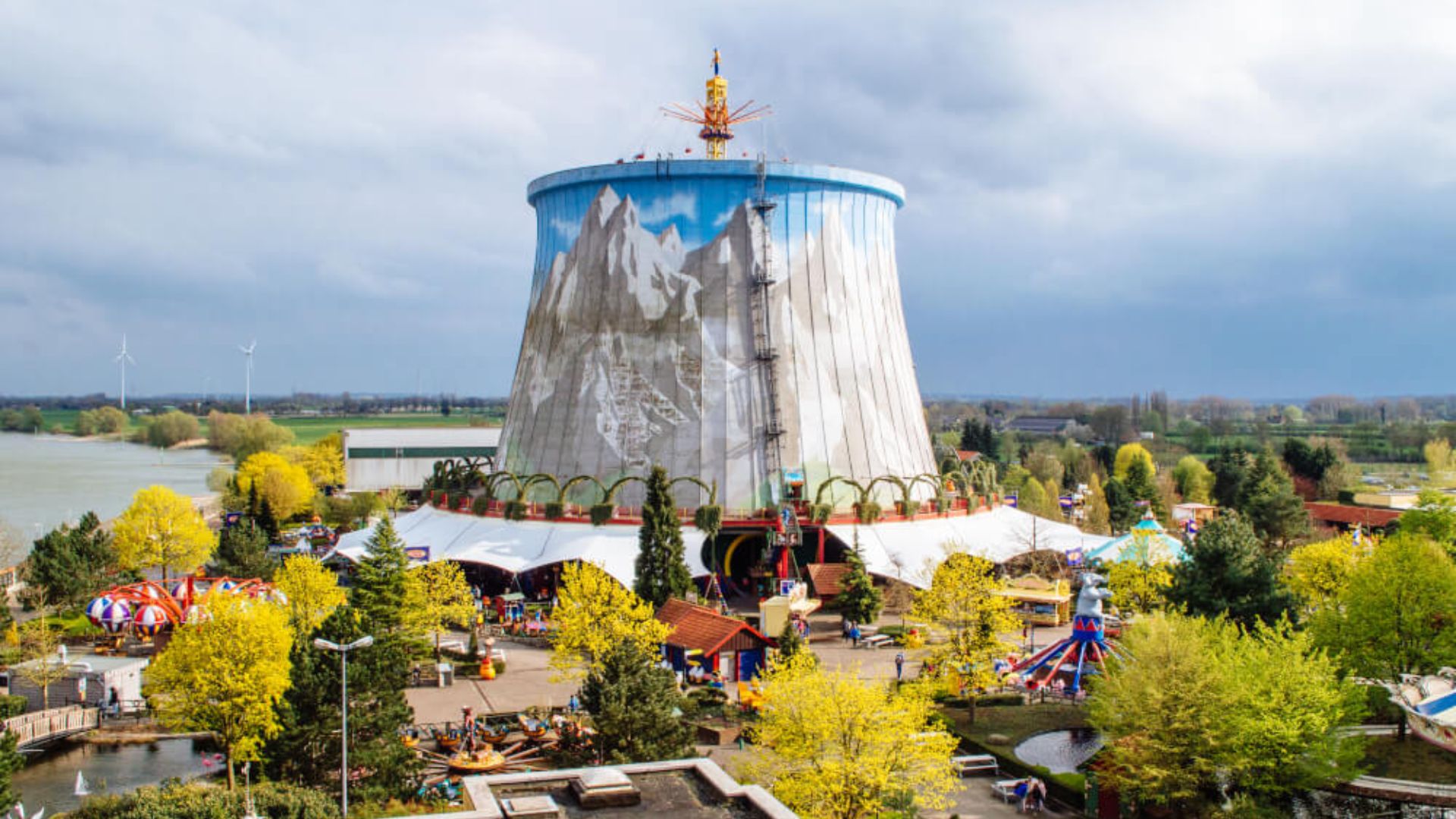
Germany offers a rich mix of old history, modern cities, and natural beauty all in one country.
You can walk past Roman ruins in the morning and visit a modern art gallery in the afternoon. Getting around is simple with fast trains and English widely spoken across tourist areas.
Families, couples, and solo travelers all find something here. Coastal beaches in the north, Alpine mountains in the south, charming river valleys in the west, every region feels different.
33 Fun Things to Do in Germany
Here is a full list of the best things to do in Germany, sorted by location and experience type.
1. Visit Berlin’s Iconic Landmarks and Culture

Berlin is Germany’s capital and packed with history. Visit the Brandenburg Gate, Berlin Wall Memorial, and Checkpoint Charlie all in one day.
The Museum Island area has five world-class museums. Plan at least two to three days here.
2. Visit Neuschwanstein Castle in Bavaria
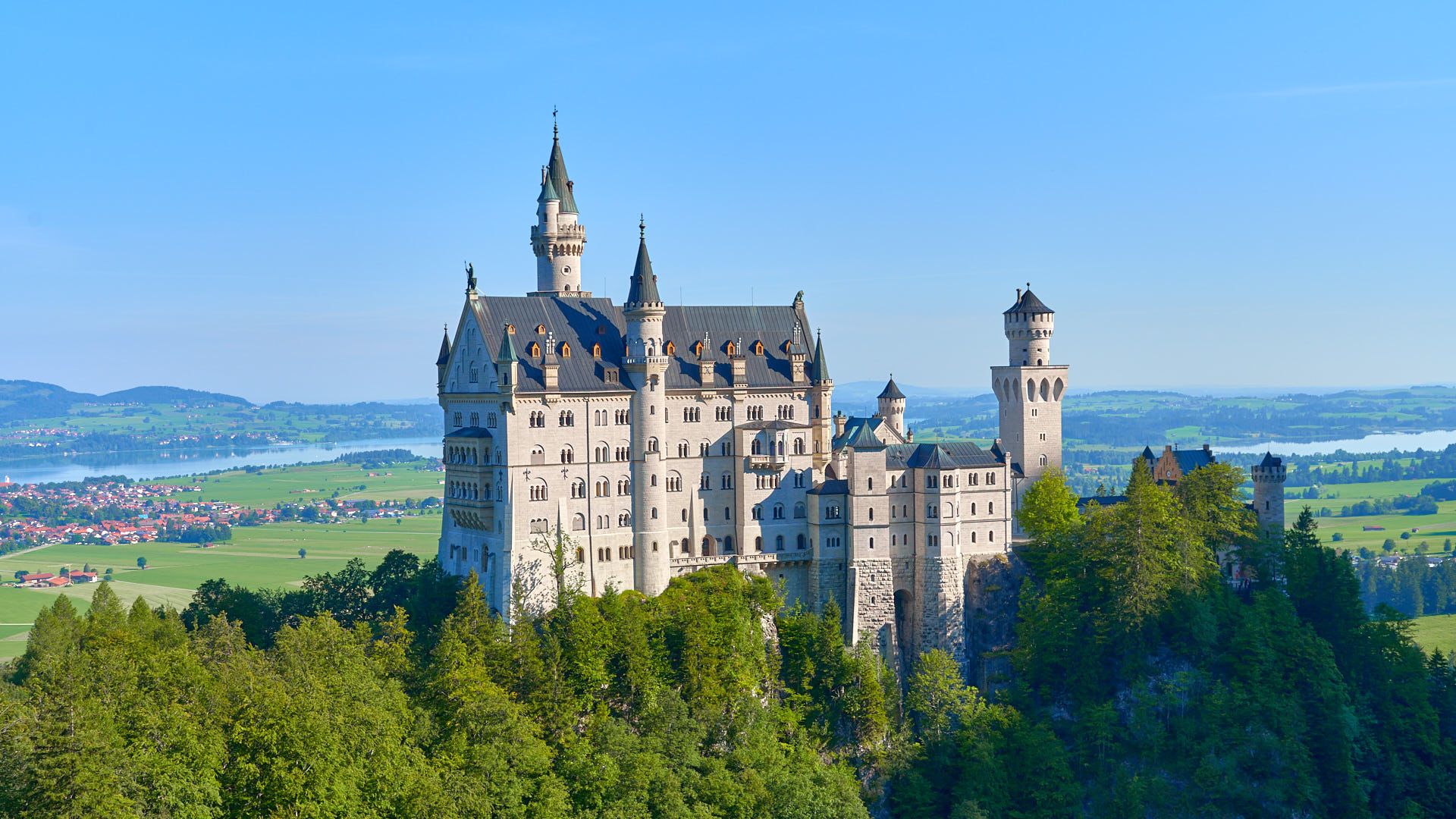
Neuschwanstein Castle sits high on a hill in Bavaria and looks like something out of a storybook.
Built in the 1800s by King Ludwig II, it offers breathtaking views from the nearby Marienbrücke bridge. Guided tours inside are available.
3. Walk Through Munich’s Marienplatz and Beer Gardens
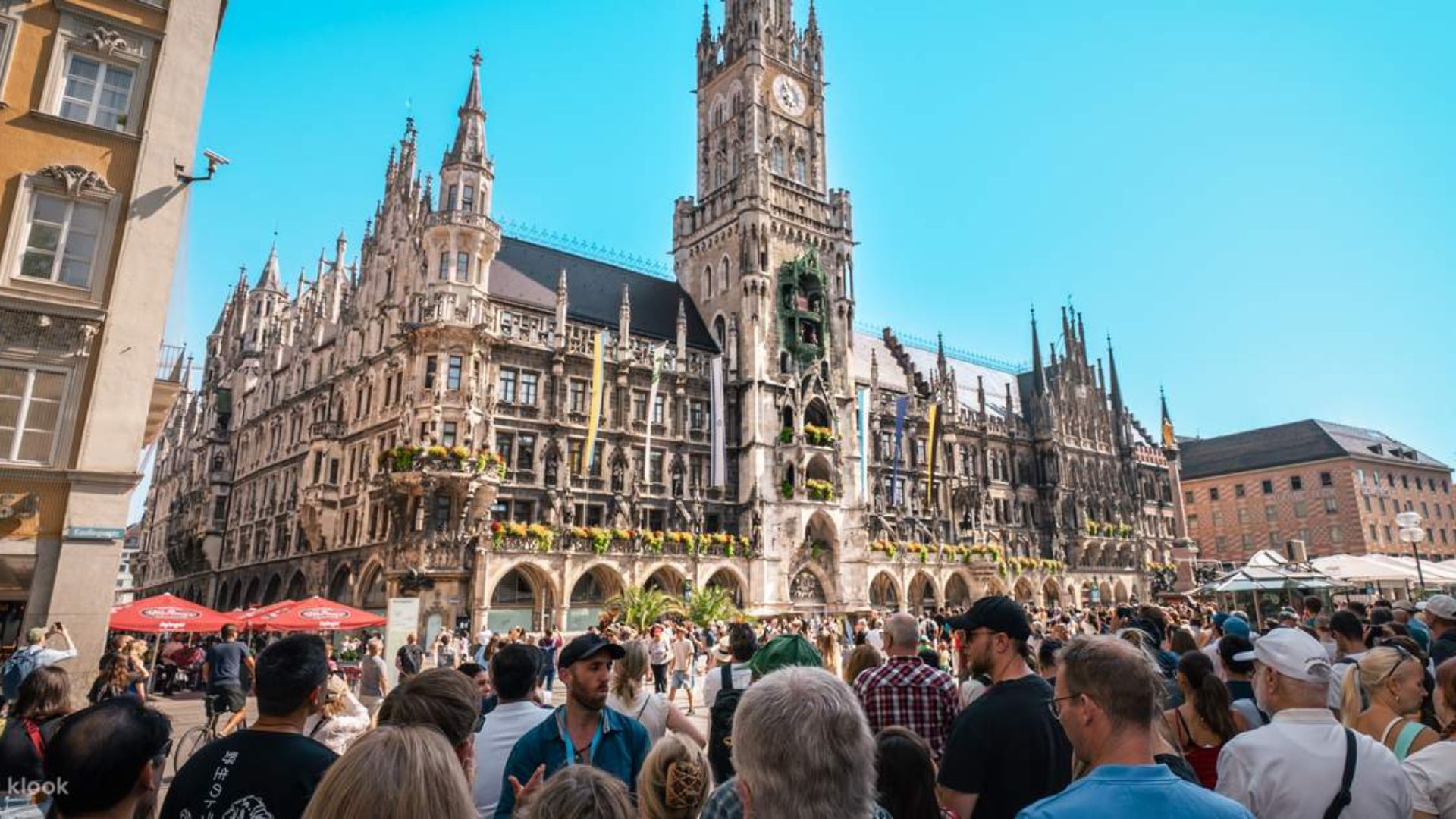
Marienplatz is Munich’s central square and a great starting point. The Glockenspiel tower puts on a show twice a day.
From here, walk to the English Garden where locals and tourists enjoy cold beer and pretzels in open-air beer gardens.
4. Take a Rhine River Cruise

A cruise along the Rhine is one of the most relaxing things you can do in Germany. The stretch between Bingen and Koblenz is the most popular.
You will pass old castles, vineyard hillsides, and small riverside villages along the way.
5. Visit Hamburg’s Harbor and Miniatur Wunderland
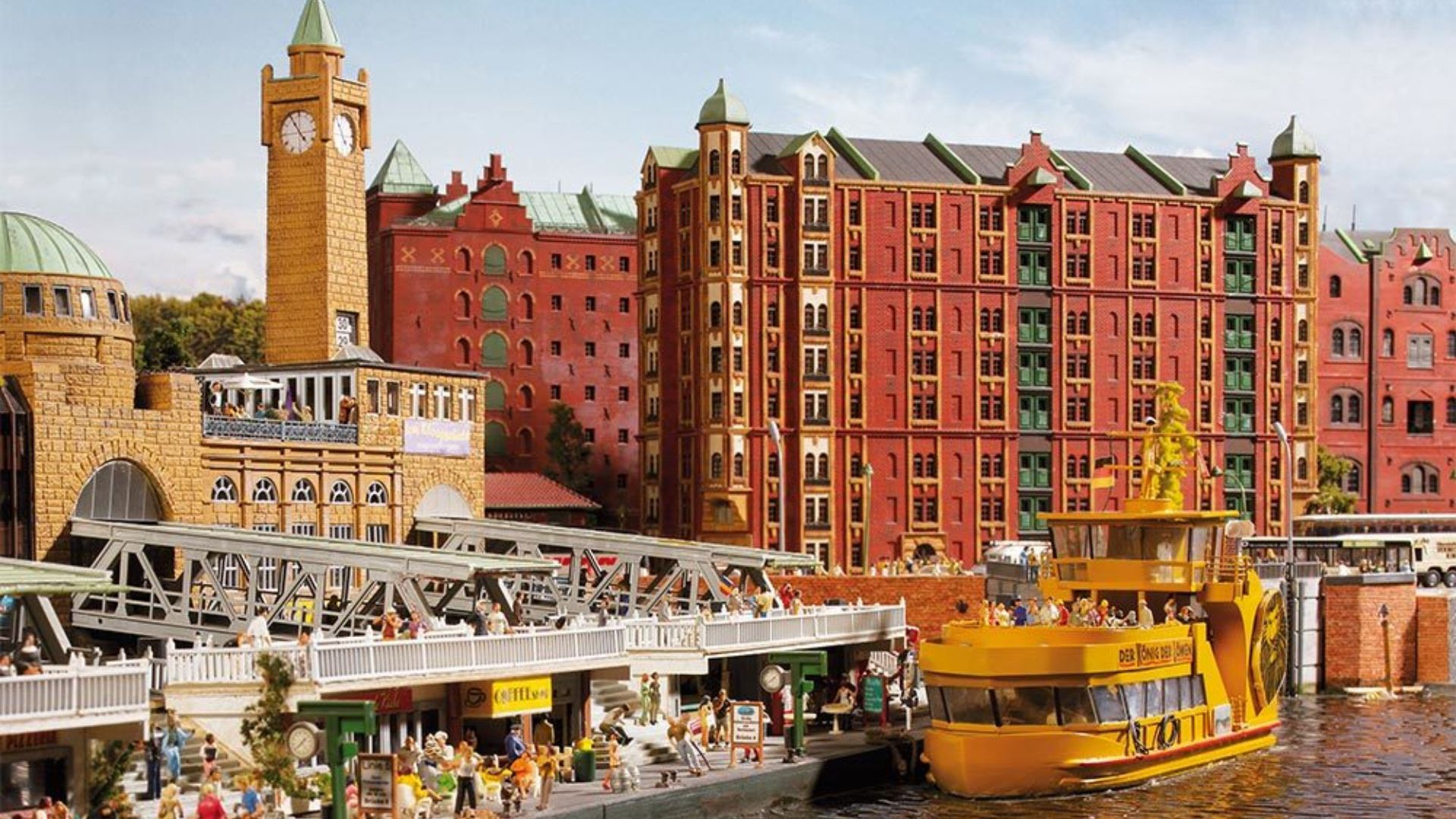
Hamburg’s harbor area, the Speicherstadt, is a UNESCO World Heritage Site filled with museums and cafes.
Miniatur Wunderland is the world’s largest model railway exhibit and a must-visit for adults and kids alike.
6. Experience Oktoberfest in Munich

Oktoberfest is the world’s largest beer festival, held every year in late September and early October.
Large tents offer live music, roast chicken, pretzels, and giant mugs of beer. Book your hotel early as the city fills up fast.
7. Visit Cologne Cathedral and Old Town
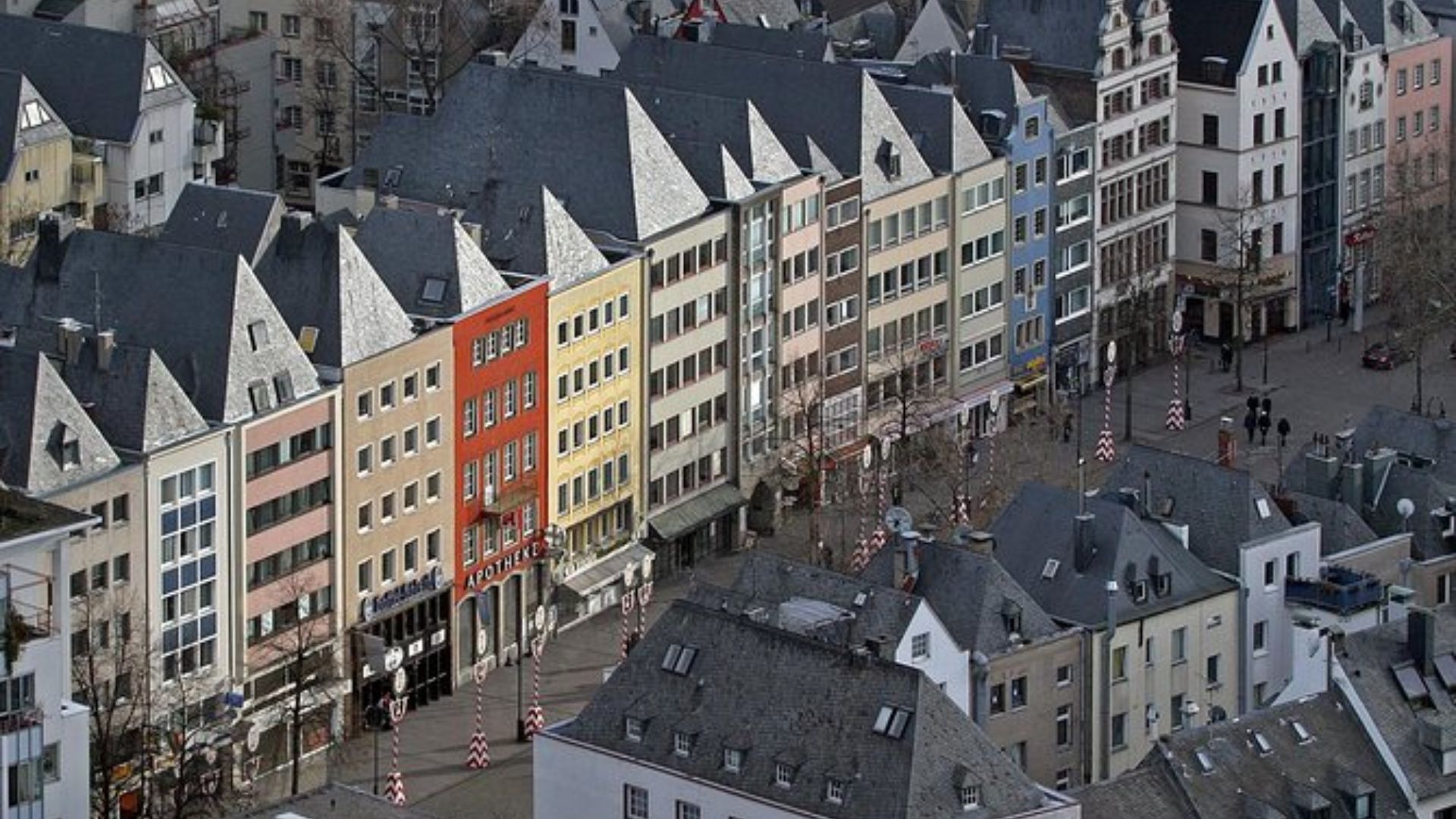
Cologne Cathedral is one of the most impressive Gothic buildings in the world, taking over 600 years to complete.
Climb the south tower for great views over the Rhine. The old town nearby has charming streets and a strong local Kölsch beer culture.
8. Visit Dresden’s Historic Architecture
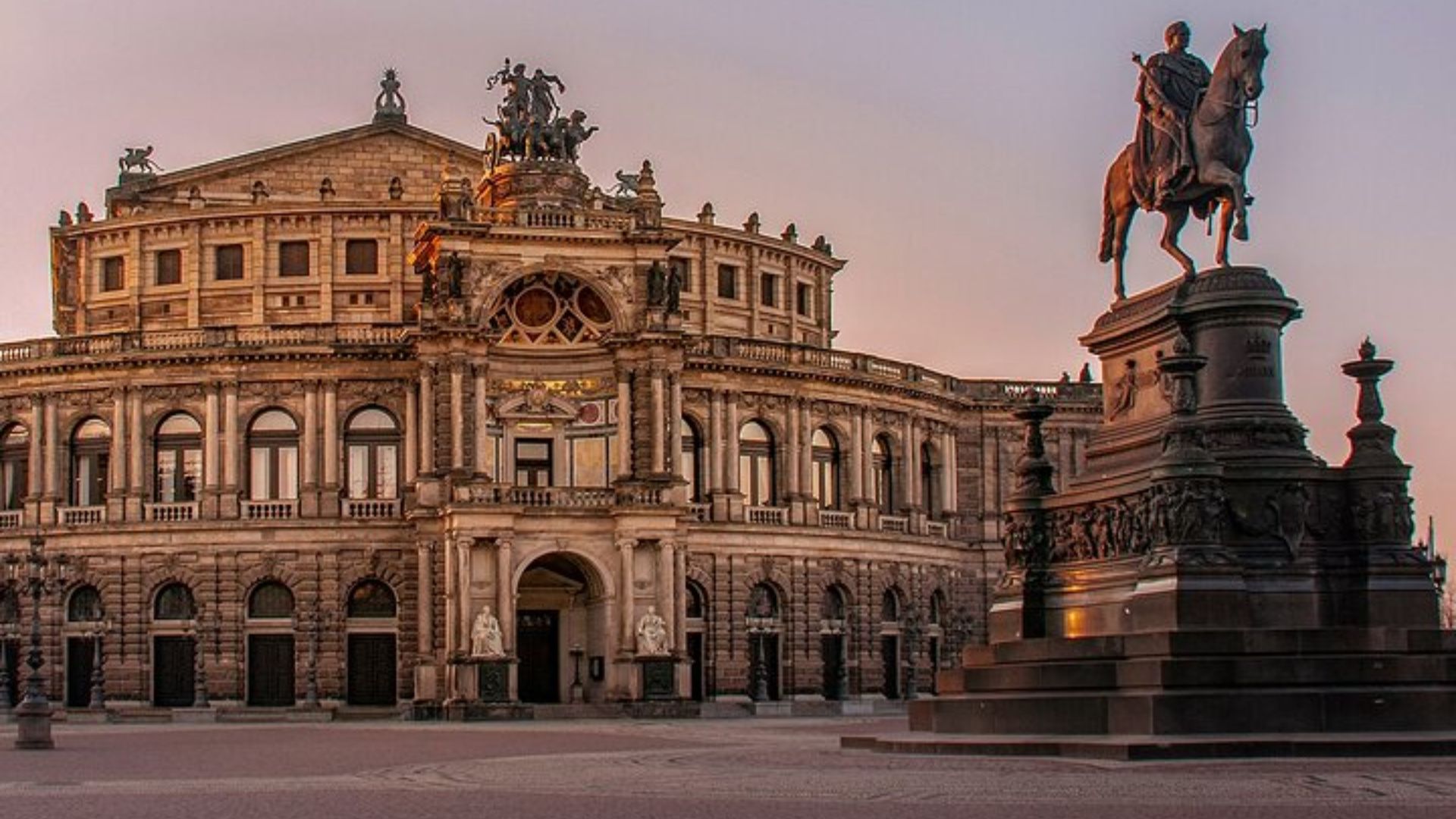
Dresden was heavily damaged in World War II but has been largely rebuilt. The Frauenkirche church and Zwinger Palace are the top highlights.
The riverside walk along the Elbe connects many of the city’s historic buildings.
9. Travel Along the Romantic Road

The Romantic Road is a scenic 460-kilometer driving route from Würzburg to Füssen. It passes through medieval towns like Rothenburg ob der Tauber, with old walls, half-timbered houses, and cobblestone streets.
Best done by car or coach tour.
10. Visit Heidelberg Castle and Old Bridge

Heidelberg’s partly ruined castle offers wide views over the Neckar River valley. The old bridge below, Alte Brücke, is a classic photo spot.
The old town around it is full of bookshops, cafes, and a lively university atmosphere.
11. Relax in Baden-Baden’s Thermal Baths
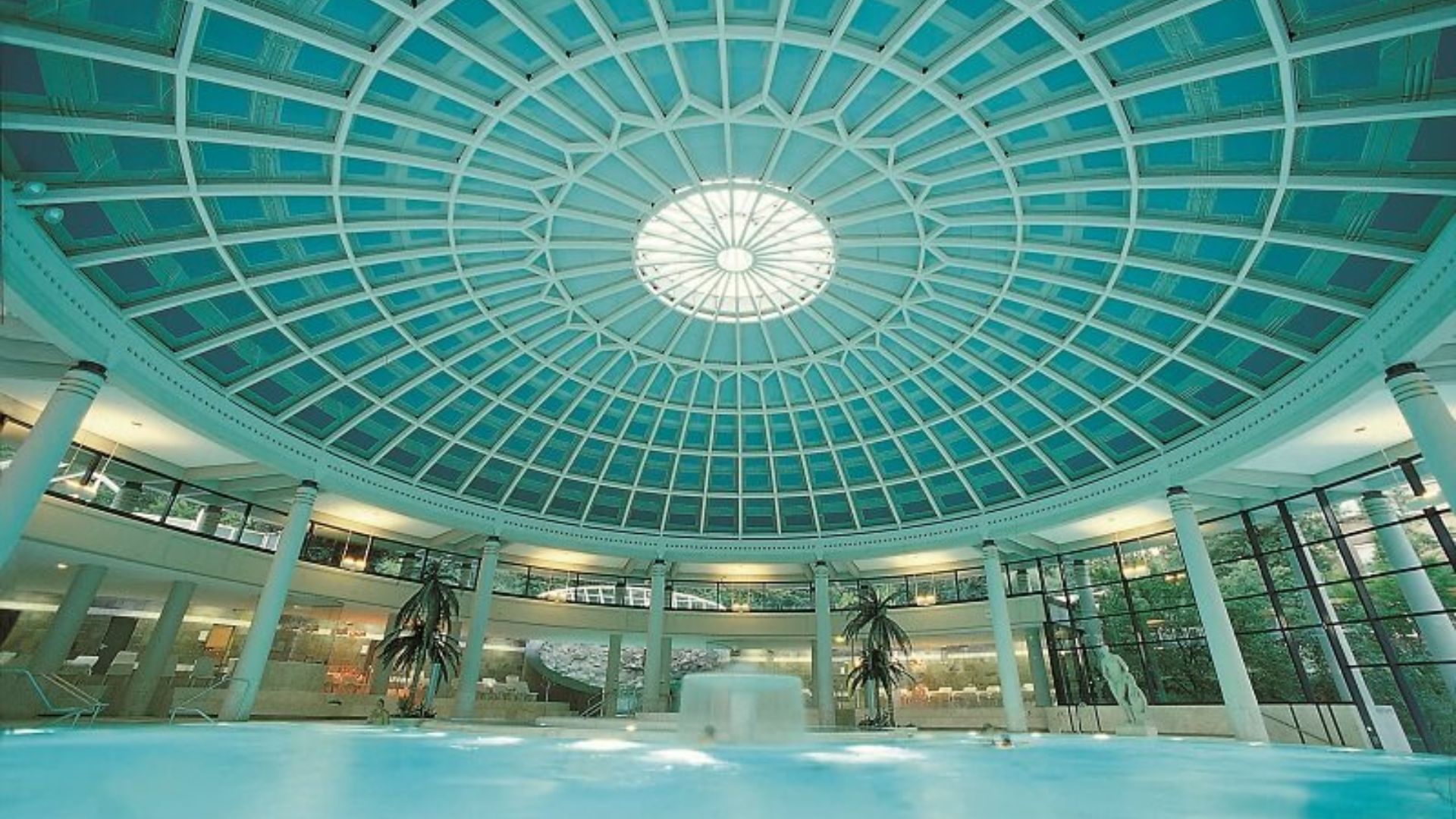
Baden-Baden has been known for thermal baths since Roman times. The Friedrichsbad follows a traditional bathing ritual while the Caracalla Spa offers modern outdoor pools and water jets.
A few hours here leaves you feeling very refreshed.
12. Visit the Black Forest and Triberg Waterfalls
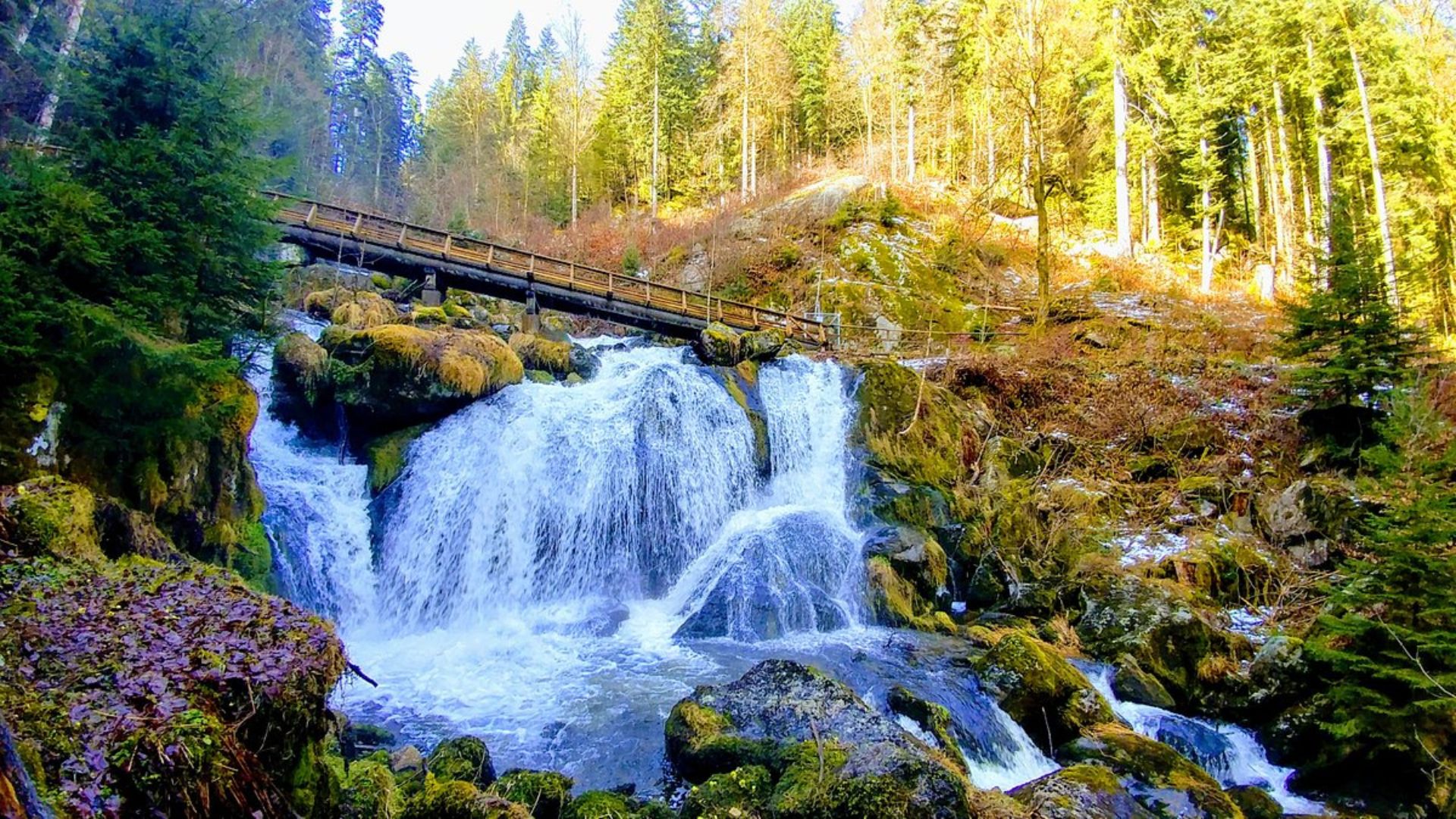
The Black Forest in southwest Germany is known for dense trees, cuckoo clocks, and Black Forest cake.
Triberg is home to Germany’s highest waterfalls, dropping about 163 meters through the forest. Well-marked trails make it easy to visit.
13. Hike in Saxon Switzerland National Park
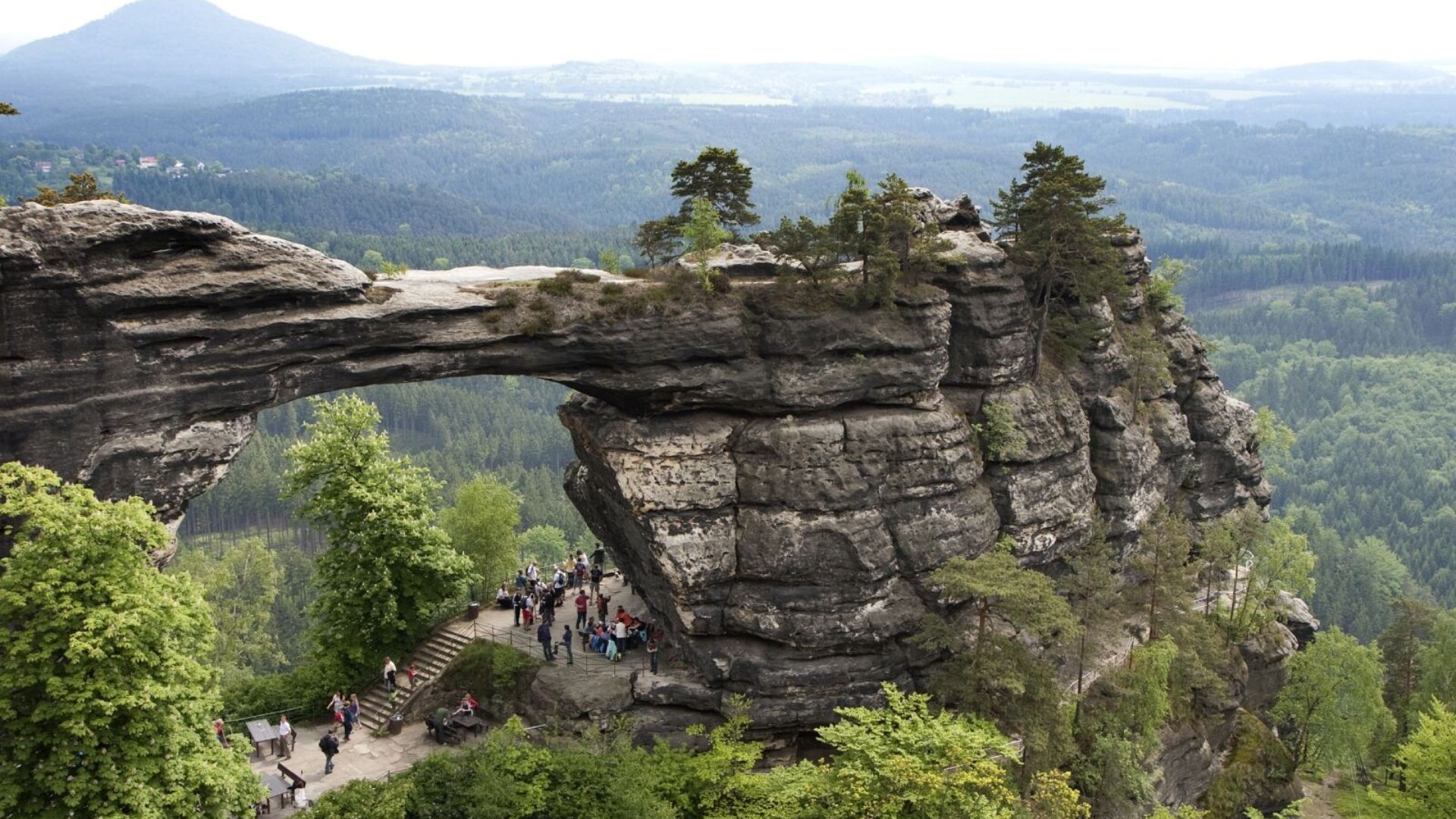
Saxon Switzerland near Dresden has dramatic sandstone rock formations rising from thick forests.
The Bastei Bridge offers wide views over the Elbe River. Hiking trails of all difficulty levels run through the park.
14. Visit the Harz Mountains and Folklore
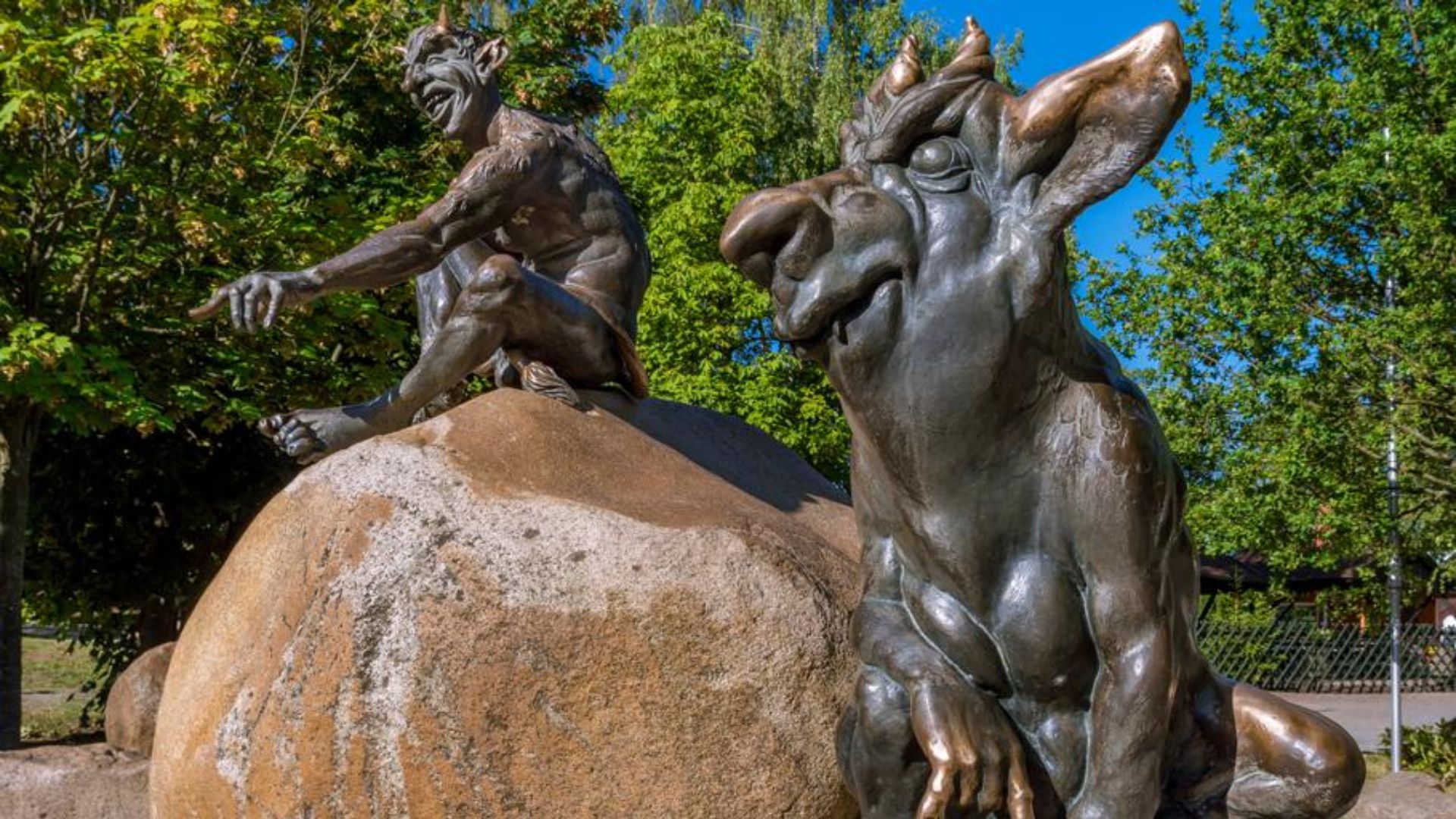
The Harz Mountains in central Germany are rich in local folklore about witches and spirits.
The Brocken, the highest peak at 1,141 meters, can be reached by a historic steam railway. The mountain is often wrapped in fog and clouds.
15. Visit Europa-Park Theme Park
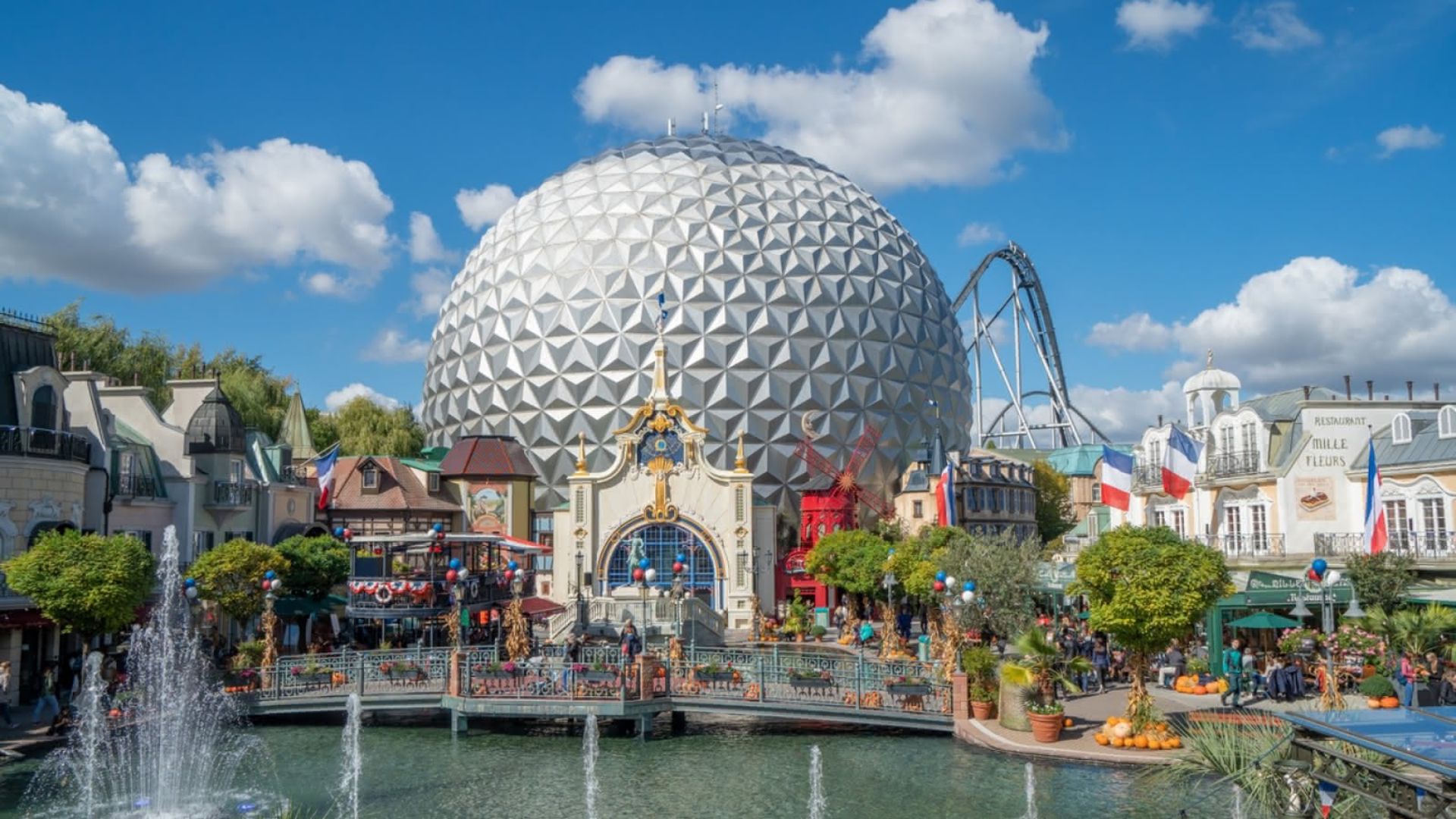
Europa-Park in Rust is Germany’s largest theme park and one of the most visited in Europe.
The park is split into sections representing different European countries. Roller coasters, shows, and food from across the continent are all here in one place.
16. Visit Düsseldorf’s Altstadt and Food Scene

Düsseldorf’s old town, the Altstadt, is sometimes called the longest bar in the world. The city is also known for great Japanese food thanks to a large Japanese community.
Traditional German restaurants and international options are easy to find here.
17. Walk Through Erfurt’s Medieval Old Town
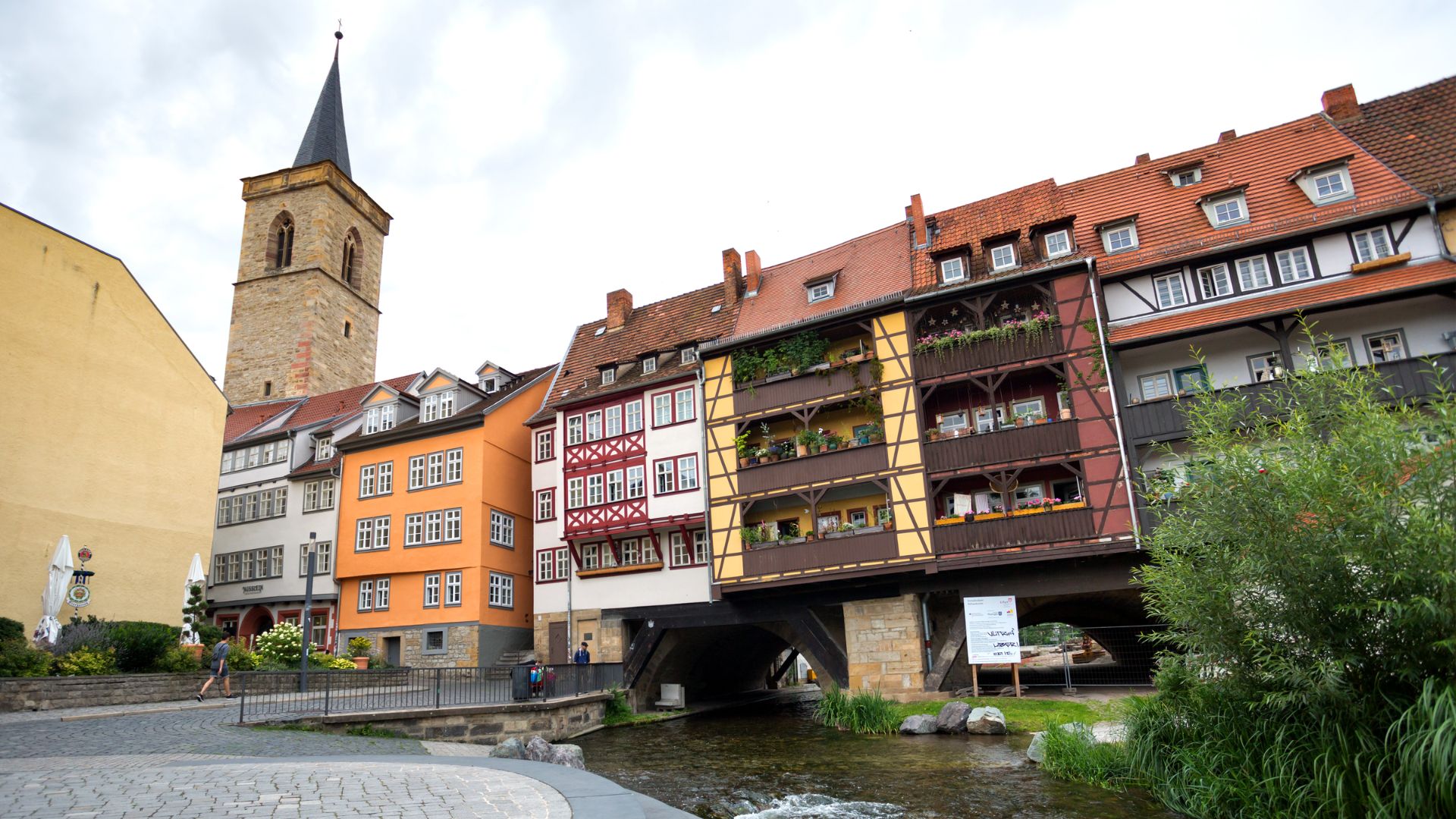
Erfurt is one of Germany’s best-preserved medieval cities. The highlight is the Krämerbrücke, a bridge over the Gera River lined with small houses and shops on both sides.
Walking across it feels like stepping back in time.
18. Visit Bonn and Beethoven’s Birthplace

Bonn is the birthplace of Ludwig van Beethoven. The Beethoven House museum holds original letters, instruments, and personal items from his life.
The city is calm and walkable with a pleasant riverside area worth spending a half day in.
19. Visit Brandenburg’s Lakes and Nature
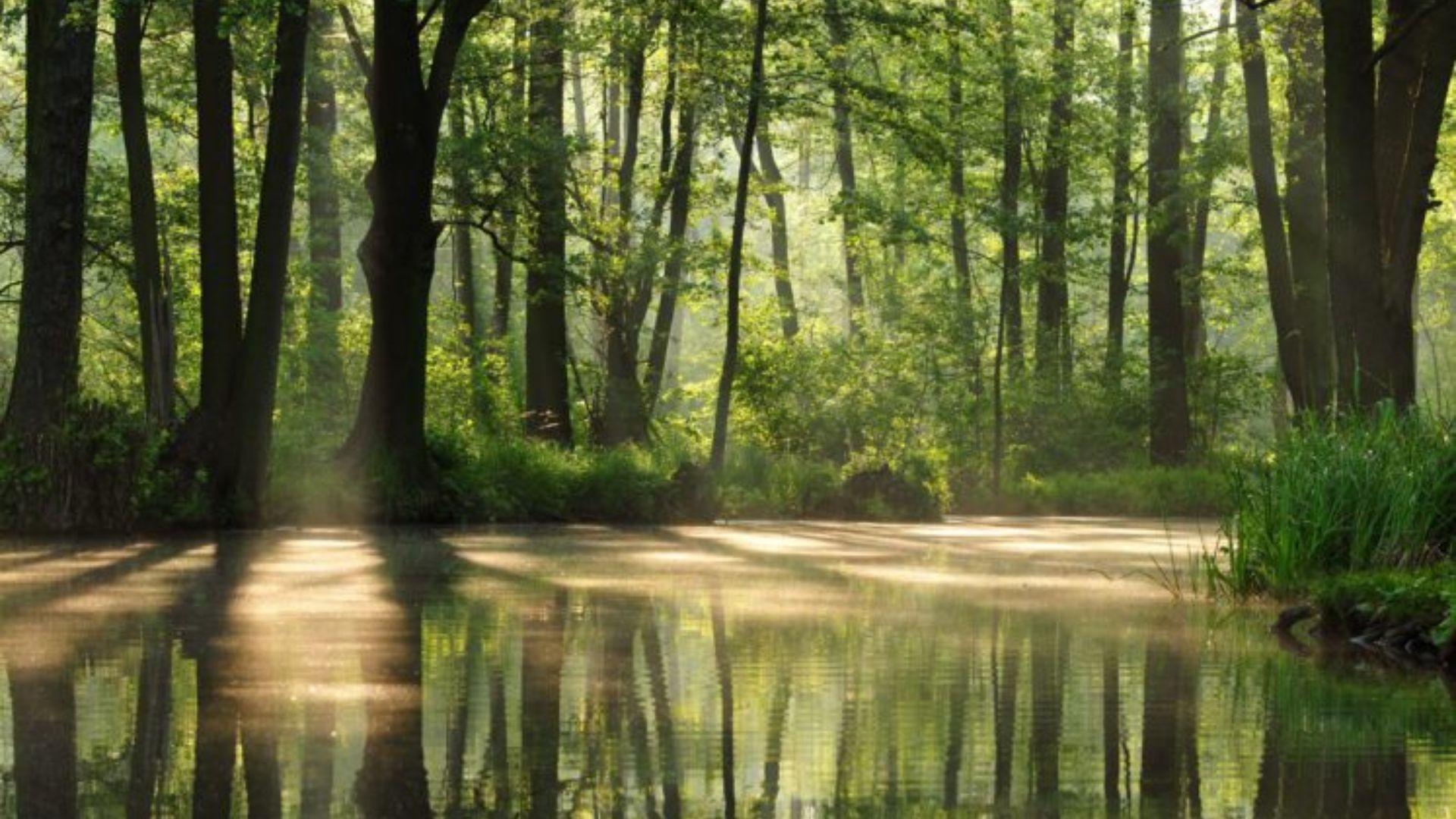
Brandenburg surrounds Berlin and has over 3,000 lakes. The Spreewald biosphere reserve is great for canoeing through forest waterways.
The region is also known for its famous pickled cucumbers, a well-loved local specialty.
20. Visit Quedlinburg’s Half-Timbered Streets
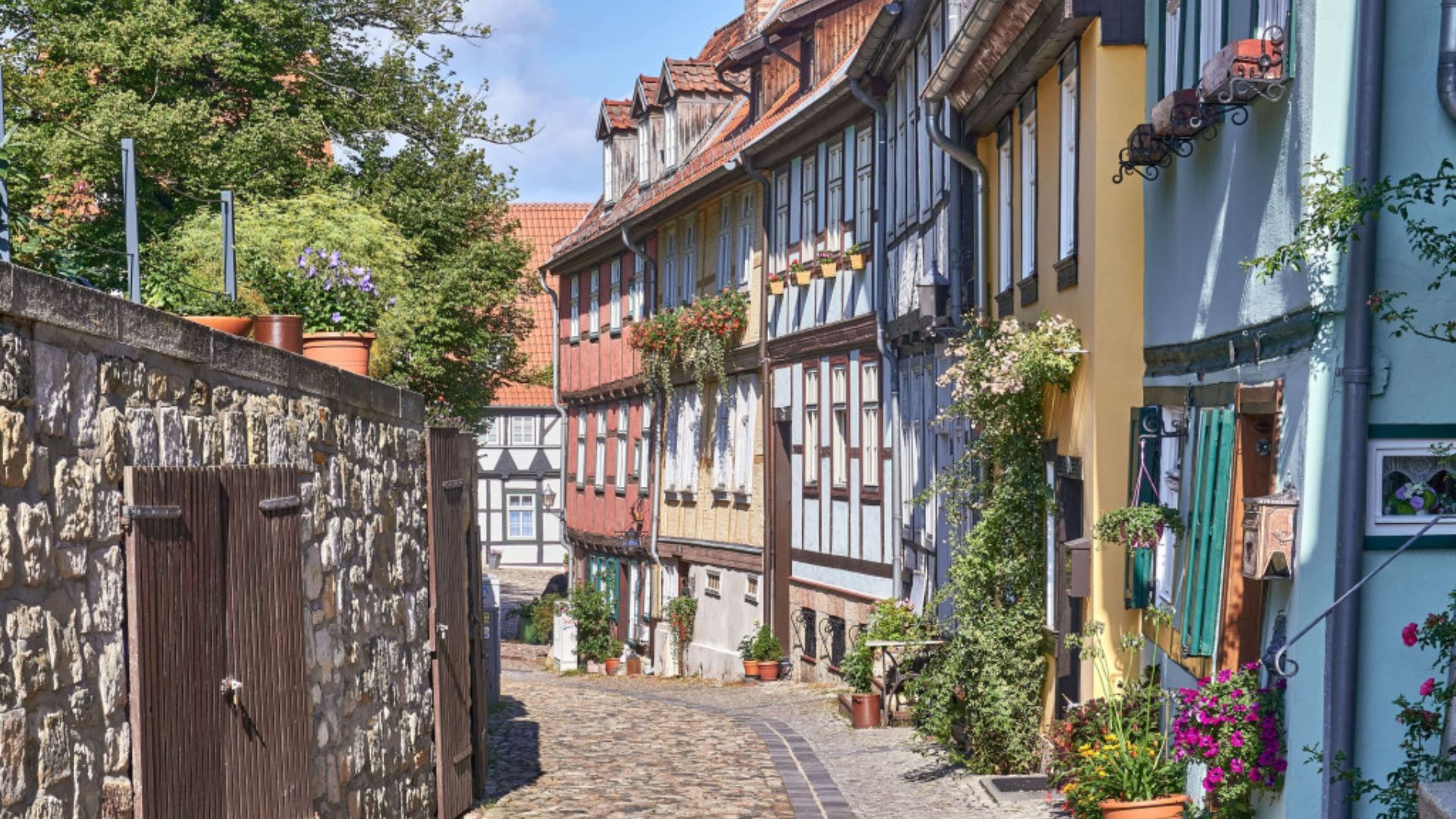
Quedlinburg has over 1,300 half-timbered buildings and an entire old town that is a UNESCO World Heritage Site.
The hilltop castle and church of St. Servatius offer a good view over the town. It is a peaceful and often overlooked stop.
21. Visit Mittenwald’s Alpine Charm

Mittenwald in the Bavarian Alps is known for its colorful painted building murals called Lüftlmalerei.
The town also has a long tradition of violin making with a small museum dedicated to the craft. Great for hiking in summer and skiing in winter.
22. Enjoy Wine Tasting in the Mosel Valley
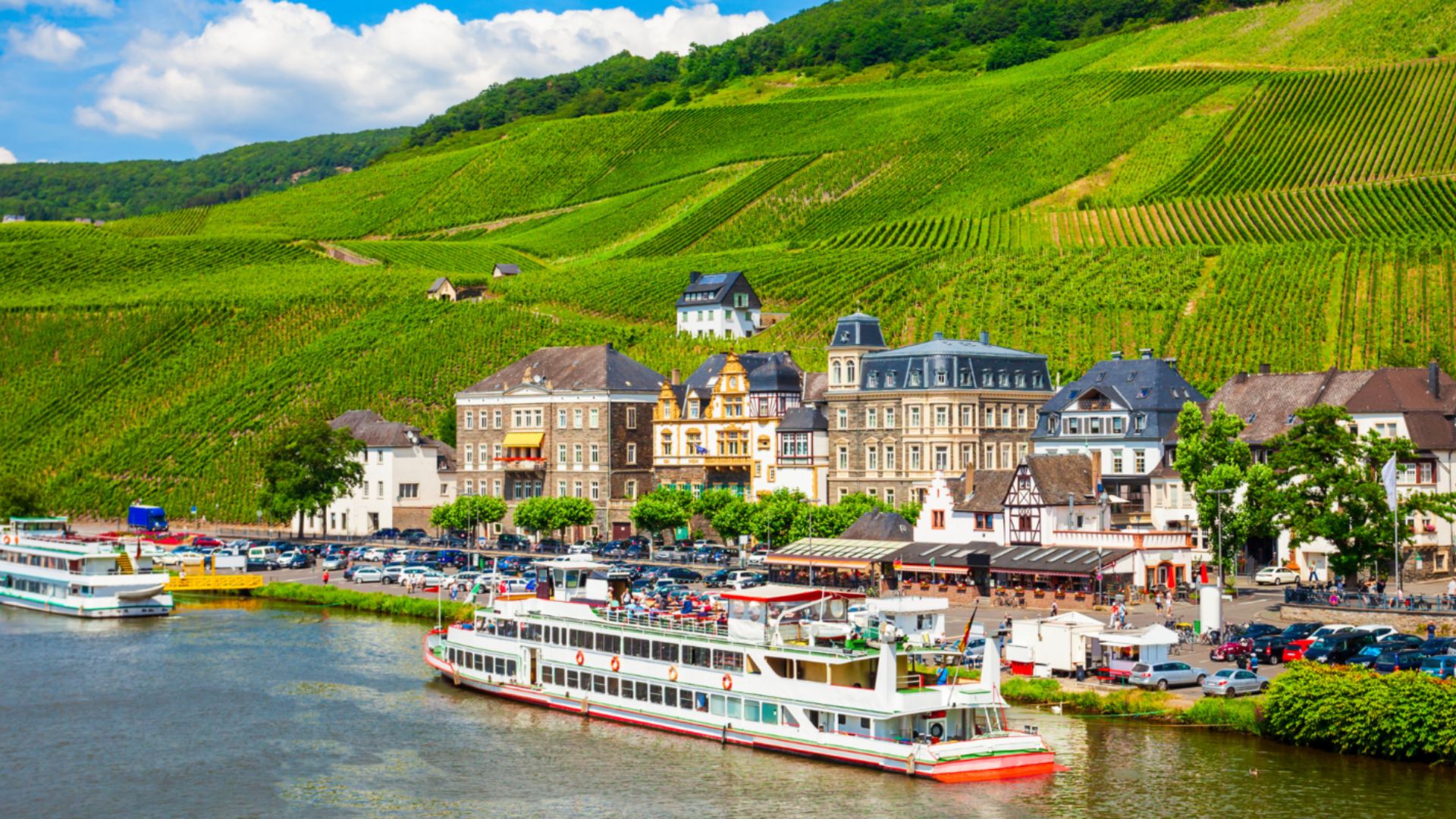
The Mosel Valley between Koblenz and Trier is lined with vineyards producing excellent Riesling wines.
Many family-owned wineries offer tastings and tours. Autumn is the best time to visit when the grape harvest is underway.
23. Visit Monschau in the Eifel Region

Monschau is a small medieval town near the Belgian border with well-preserved half-timbered houses.
It is popular in winter for its Christmas market and in summer for hiking in the surrounding hills. The local mustard is a famous take-home gift.
24. Visit Hainich National Park Canopy Walk
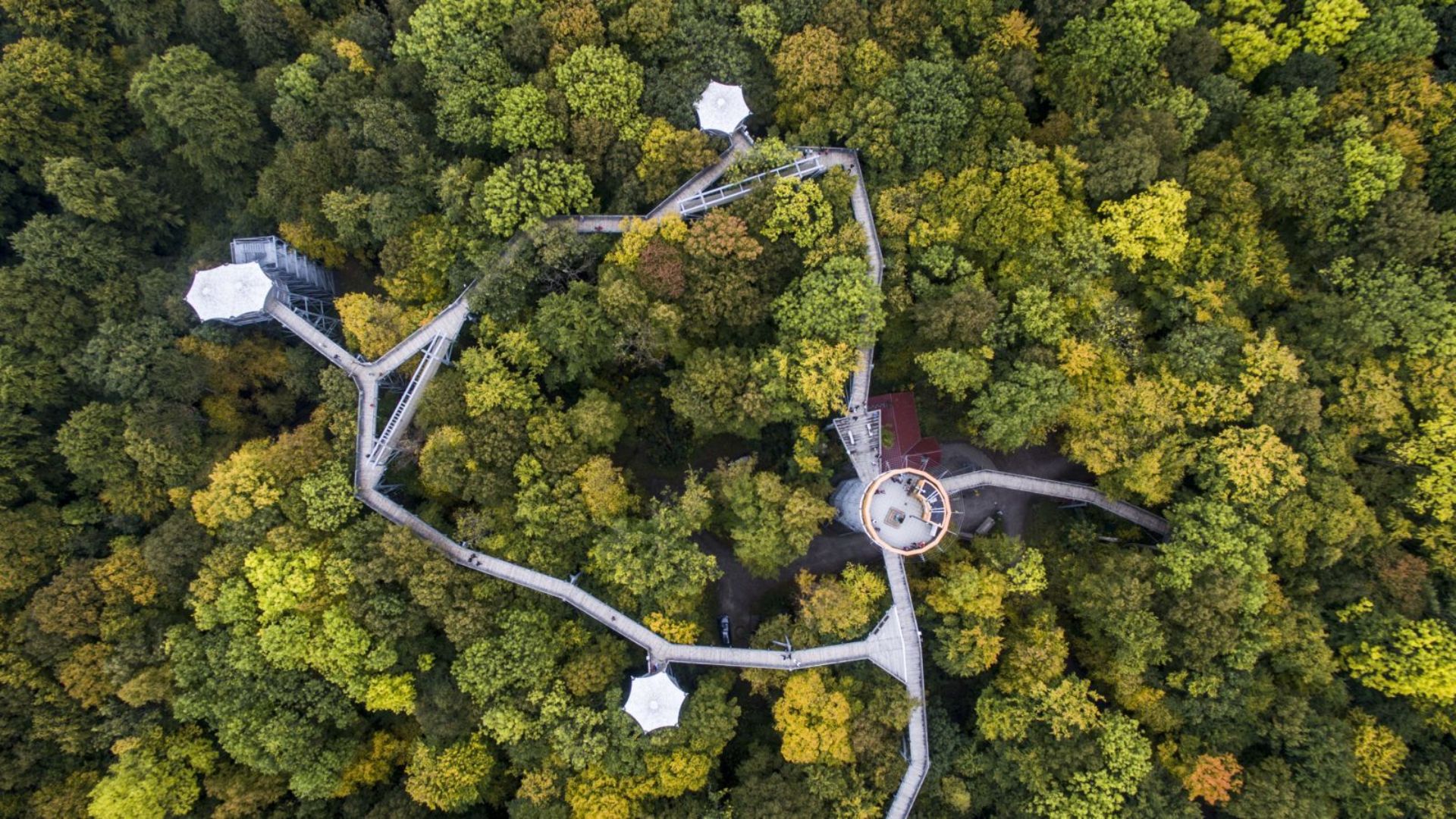
Hainich National Park in Thuringia is home to the Baumkronenpfad, a canopy walk 500 meters long and up to 44 meters above the ground.
The views over the beech forest are impressive. It is quiet and peaceful, far from crowded tourist spots.
25. Visit Neanderthal Valley
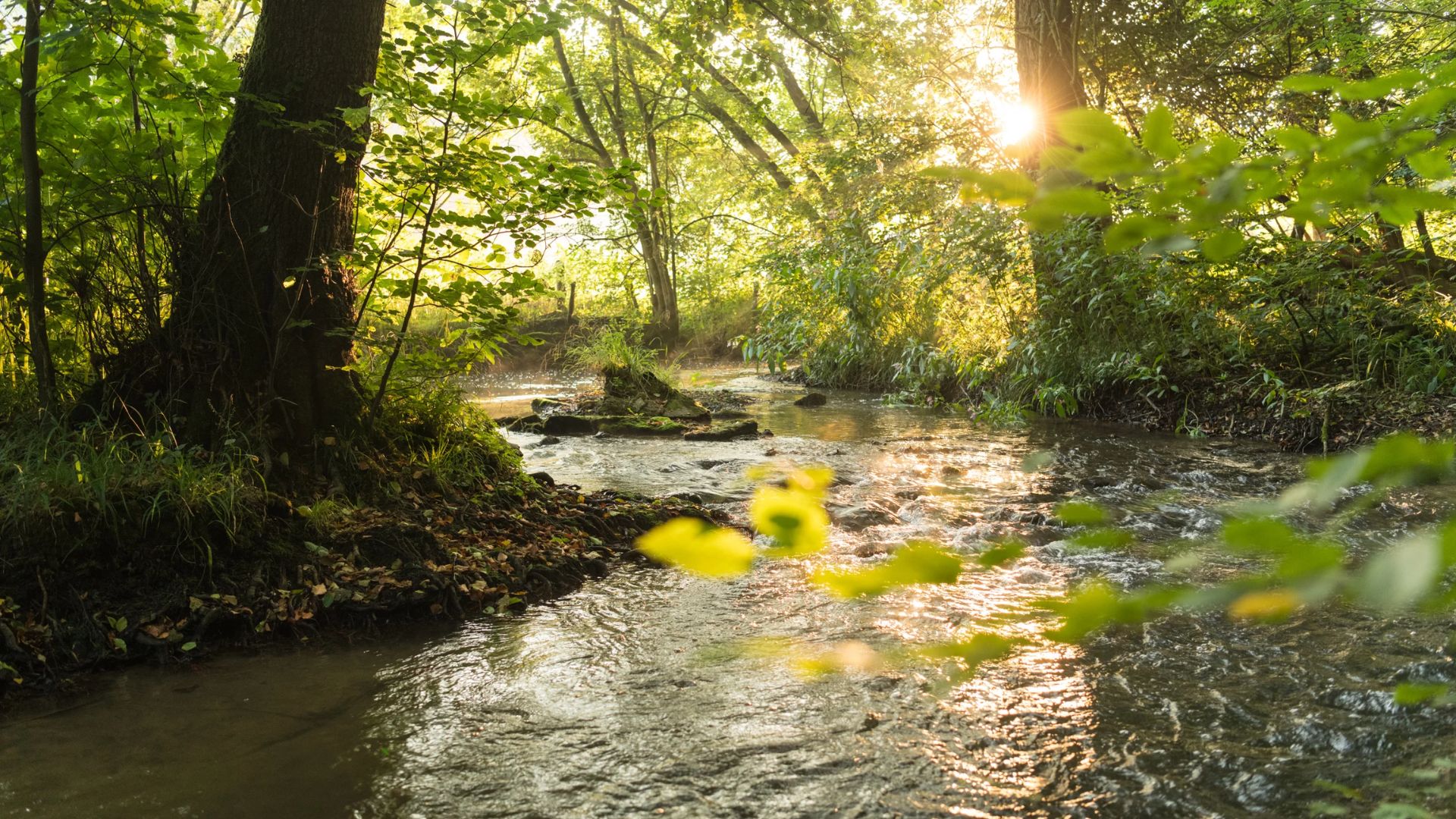
The Neander Valley near Düsseldorf is where the first Neanderthal skull was found in 1856.
The on-site Neanderthal Museum explains human evolution in a clear and interactive way. A nature walk along the Düssel River is also nearby.
26. Hike the Rheinsteig Trail

The Rheinsteig is a 320-kilometer trail along the eastern bank of the Rhine connecting Bonn to Wiesbaden.
It passes through forests, vineyards, and riverside towns. Most hikers tackle it in sections over several days.
27. Visit Landschaftspark Duisburg
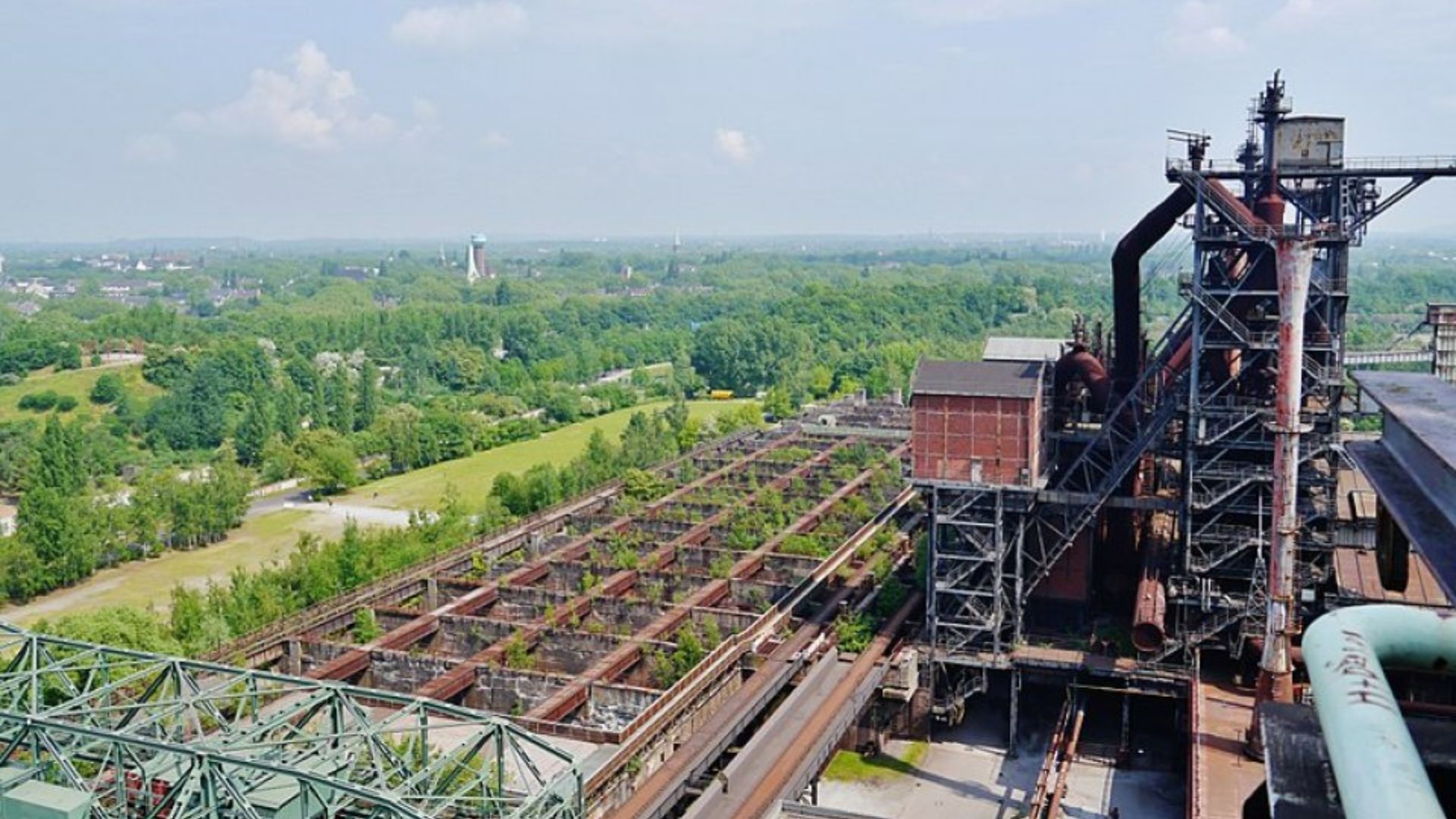
Landschaftspark Duisburg-Nord is a former steel plant turned public park. Old blast furnaces and ore bunkers are open for walking and climbing.
At night, the structures are lit in different colors. There is even a scuba diving pool inside a converted gas tank.
28. Visit Detmold and Teutoburg Forest
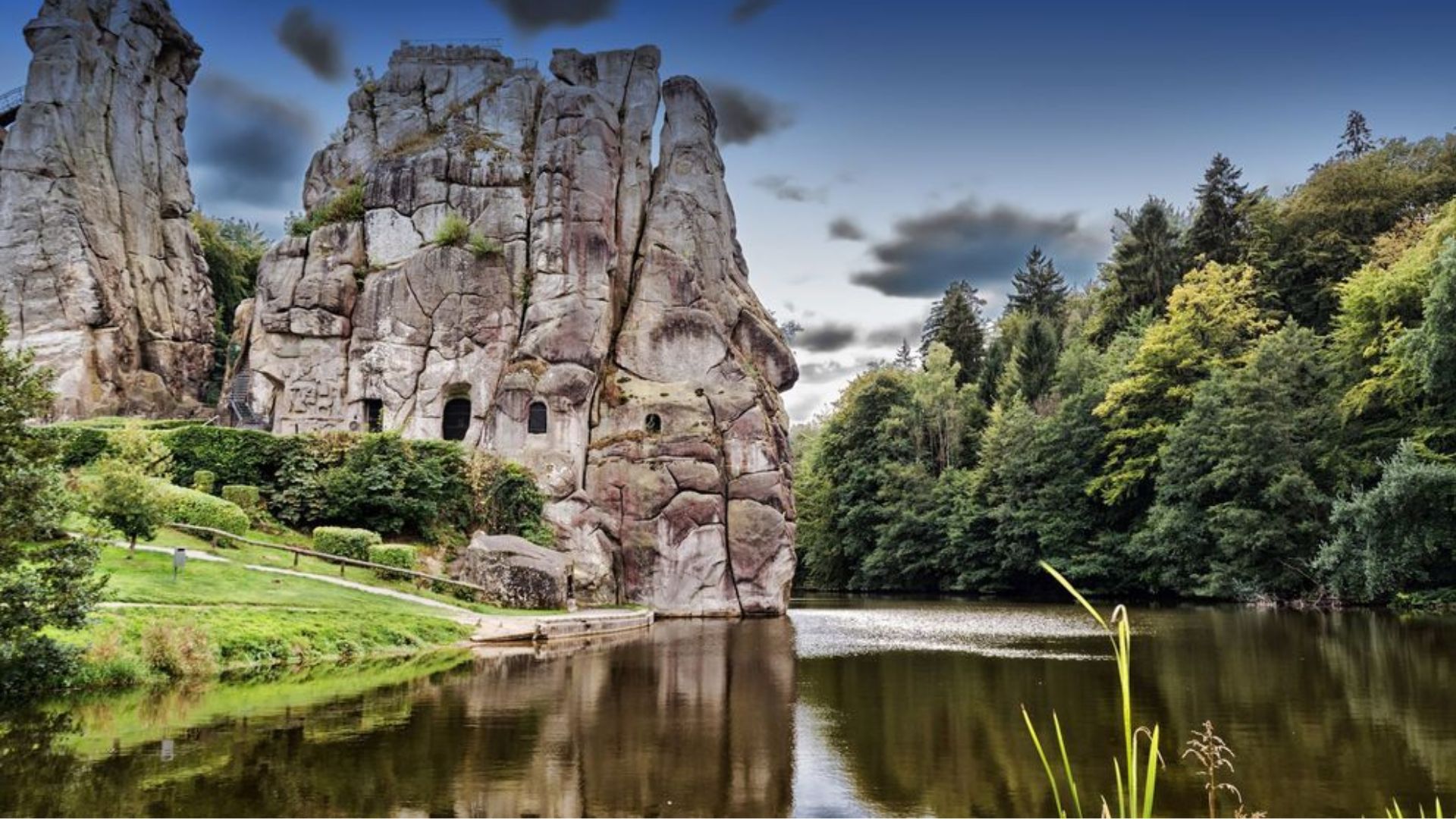
The Teutoburg Forest is famous as the site of a major Roman defeat in 9 AD. The Hermannsdenkmal monument near Detmold honors the Germanic leader Arminius.
Detmold has a preserved old town and an open-air museum with traditional farm buildings.
29. Visit Oberstdorf in the Bavarian Alps

Oberstdorf sits in a high Alpine valley surrounded by some of Germany’s tallest peaks. Cable cars take you up to wide mountain views.
It is good for hiking in summer and skiing in winter. The town center is walkable with solid local restaurants.
30. Visit Schmalkalden’s Historic Town
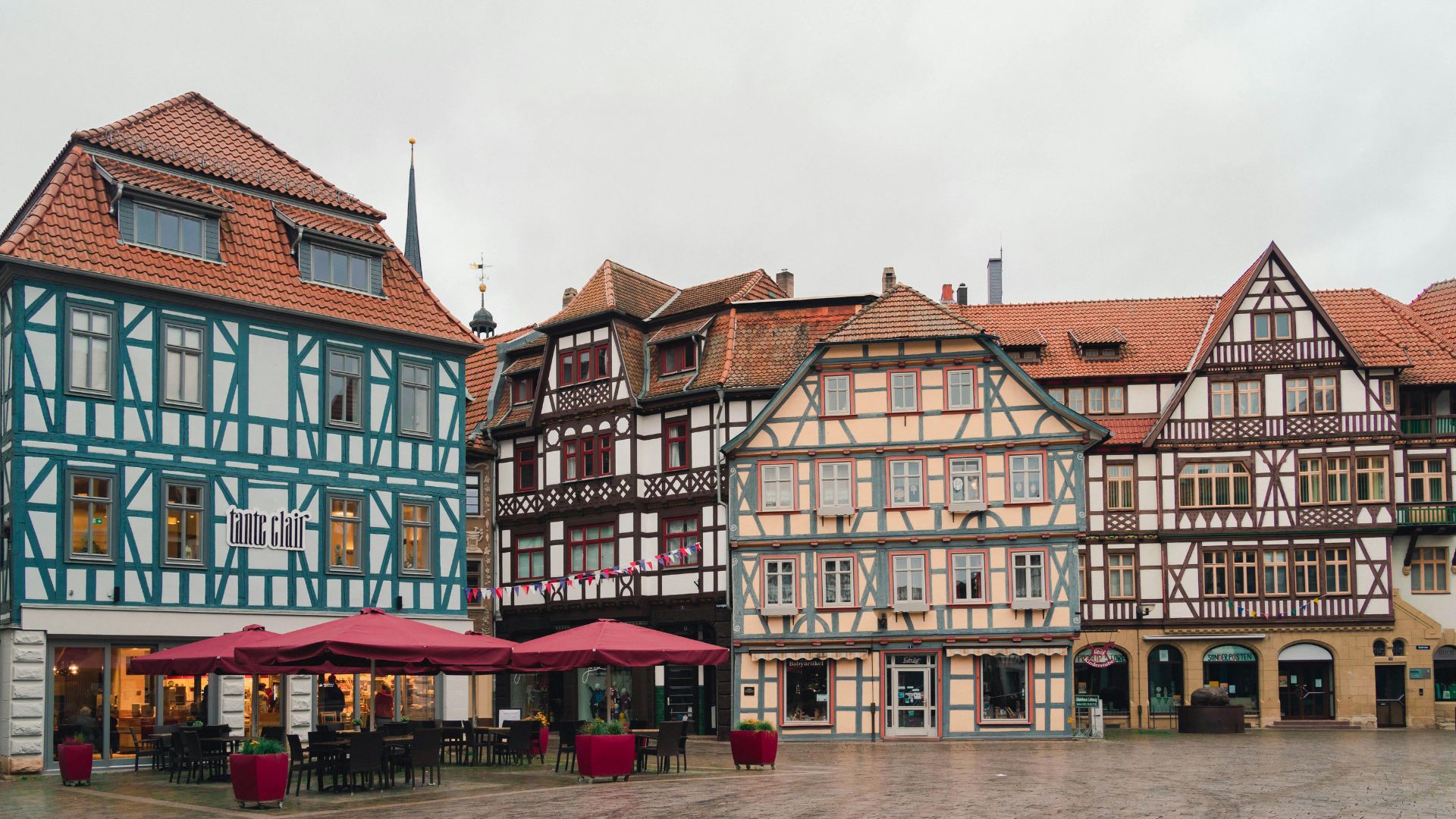
Schmalkalden is a quiet Thuringian town with strong ties to the Protestant Reformation.
The Wilhelmsburg Castle from the late 1500s is one of the best-preserved Renaissance castles in Germany. It is a good spot if you want a calm and crowd-free stop.
31. Relax on Usedom Island Beaches

Usedom on the Baltic Sea has over 40 kilometers of sandy beaches and more sunshine than almost anywhere else in Germany.
The resort towns of Heringsdorf, Bansin, and Ahlbeck have old-style seaside promenades and a calm, relaxed atmosphere.
32. Try Traditional German Food Experiences

German food goes well beyond sausages. Bavaria has pretzels and pork knuckle. Thuringia is known for bratwurst.
The Rhineland has Himmel und Ärd, a mix of blood sausage, potatoes, and apple sauce. A local Gasthaus is the best place to eat like a local.
33. Shop at Christmas Markets and Local Stores

Germany’s Christmas markets run from late November through December across almost every city and town.
Nuremberg, Cologne, and Dresden have the most famous ones. You can find handmade ornaments, gingerbread, and mulled wine at every turn.
Travel Tips for Enjoying Germany
Smart planning makes your Germany trip smoother, cheaper, and more enjoyable from start to finish.
- Use ICE trains for fast city connections and the Deutschland-Ticket for unlimited travel on local trains, trams, and buses. Download the DB Navigator app for easy booking.
- Learn simple German phrases like “Danke” (Thank you), “Bitte” (Please), and “Entschuldigung” (Excuse me). Locals always appreciate the effort.
- Focus on one or two regions per trip instead of trying to cover the whole country. Planning by region saves time and reduces travel fatigue.
- Book popular attractions like Neuschwanstein Castle, Miniatur Wunderland, and Friedrichsbad at least a few weeks in advance during peak season.
- For Oktoberfest and Christmas market periods, book accommodation months ahead as hotels fill up very quickly across major cities.
Conclusion
Germany keeps giving you more every time you visit. I remember standing on the Bastei Bridge in Saxon Switzerland and feeling completely amazed by the view.
That moment stayed with me. Whether you are drawn to old castles, mountain hikes, or lively city streets, this country has something real to offer.
Start with one region and build from there. Have you visited Germany before? Drop a comment and share your favorite spot. I would love to hear about it.
Frequently Asked Questions
What is the best time to visit Germany?
Late spring (May to June) and early autumn (September to October) are the most comfortable times. The weather is mild, crowds are smaller, and outdoor attractions are fully open.
Is Germany expensive to travel around?
Germany can be affordable with good planning. The Deutschland-Ticket cuts transport costs, many museums have free days, and eating at local bakeries keeps the budget in check.
How many days do you need to see Germany properly?
Ten to fourteen days is a good starting point for multiple regions. If you only have a week, focus on one area like Bavaria or Berlin and visit it well.
Do you need to speak German to travel in Germany?
No. English is widely spoken in hotels, tourist areas, and most restaurants. Learning a few basic words is not required but always appreciated by locals.
What are the must-try foods in Germany?
Try pretzels, Bratwurst, Schnitzel, Sauerbraten, and Käsespätzle. For dessert, Black Forest cake and Stollen are both worth trying at least once.
