


Most people think they know Maine’s coast. Rocky shores, lobster boats, lighthouses. Acadia National Park proves them wrong.
This 47,000-acre coastal gem draws over 3.5 million visitors annually, yet most miss the park’s most fascinating secrets.
I’m sharing surprising facts that even seasoned travelers rarely know. From a millionaire’s secret road system to a fire that improved the scenery, these stories go beyond typical travel guides.
After years of researching national parks, I’ve gathered 12 facts that showcase Acadia’s unique blend of natural beauty, innovative engineering, and cultural history. Ready to see Maine’s coast differently?
What Makes Acadia National Park So Remarkable
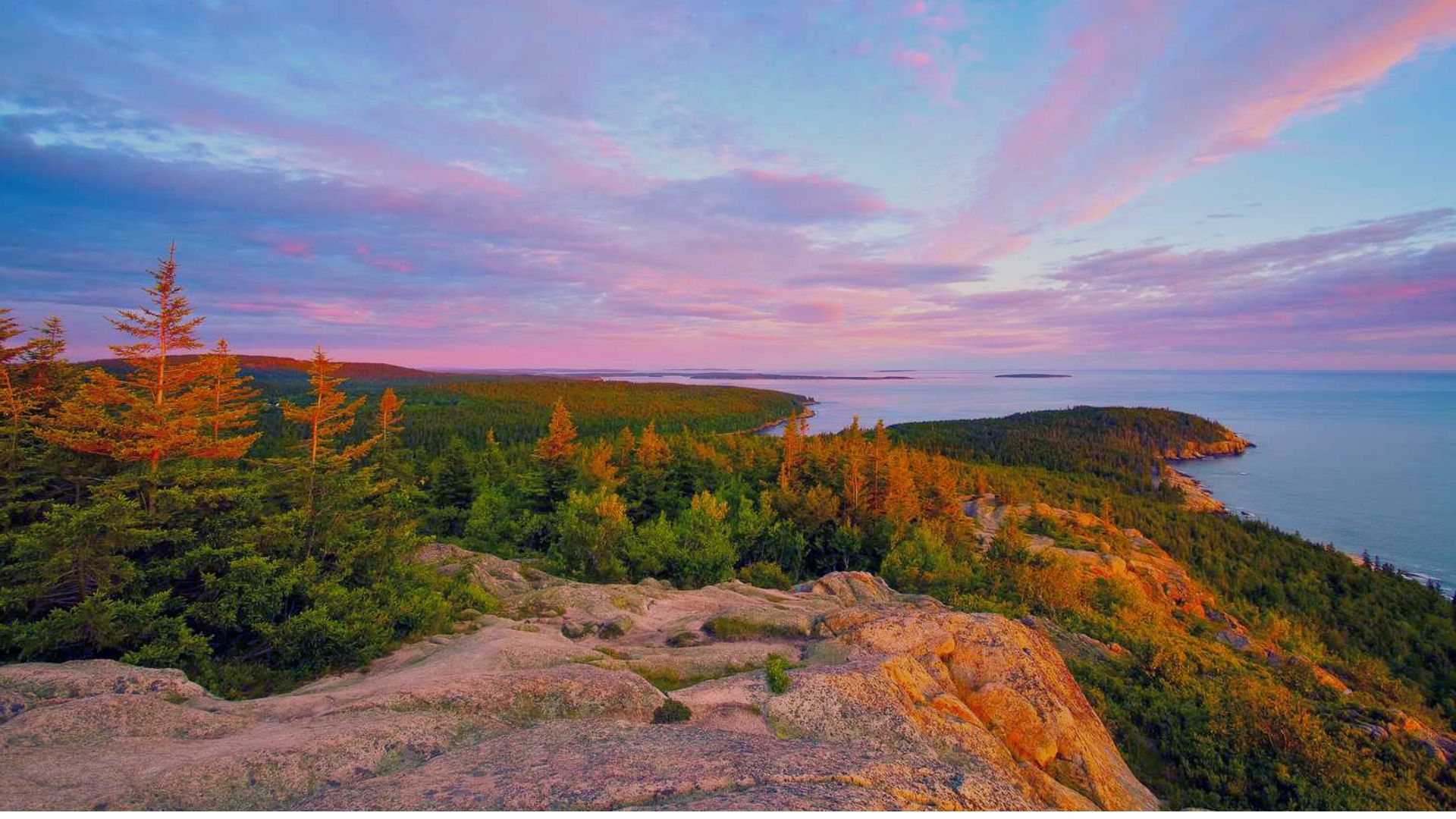
Acadia National Park stands out as the only national park in the northeastern United States. It combines dramatic coastal cliffs, forested mountains, and pristine lakes in one compact area.
The park’s location on Mount Desert Island creates a rare meeting point where granite peaks drop directly into the Atlantic Ocean. This creates scenery found nowhere else on the East Coast.
What truly makes Acadia special is its accessibility. You can watch sunrise from the highest point on the Atlantic coast, hike through forests, and explore tide pools all in a single day.
The Surprising Origins of Acadia National Park

Acadia National Park got its name in 1929 from “Arcadia,” an ancient Greek paradise, because Maine’s rugged coastline reminded people of that mythical land.
1. A Name Motivated by Ancient Greece
Acadia’s name comes from ancient Greece. The park started as Sieur de Monts National Monument in 1916, then became Lafayette National Park in 1919, making it the first national park east of the Mississippi.
In 1929, Congress changed the name to “Acadia” after “Arcadia,” a Greek region. Maine’s rugged coastline reminded people of that mythical paradise.
2. The Only National Park Built Entirely from Private Donations
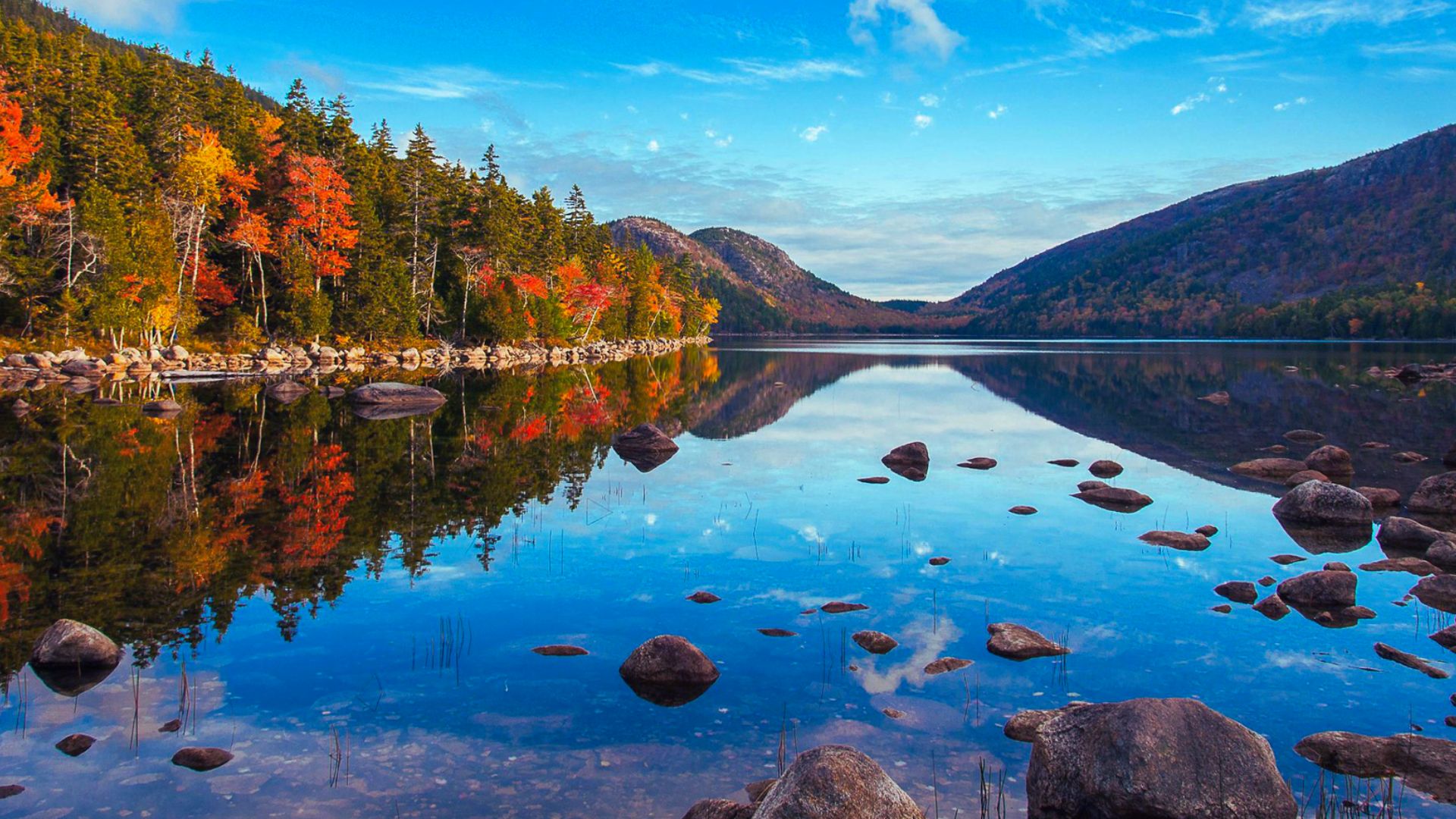
Every single acre of Acadia came from private donations. No other national park can claim this distinction. John D. Rockefeller Jr., George B. Dorr, and Charles W. Elliott led this effort.
They saw Maine’s coast getting developed too fast and knew future generations would lose this treasure. Their generosity created a public treasure belonging to all Americans today.
3. One Man’s Extraordinary 40-Year Mission
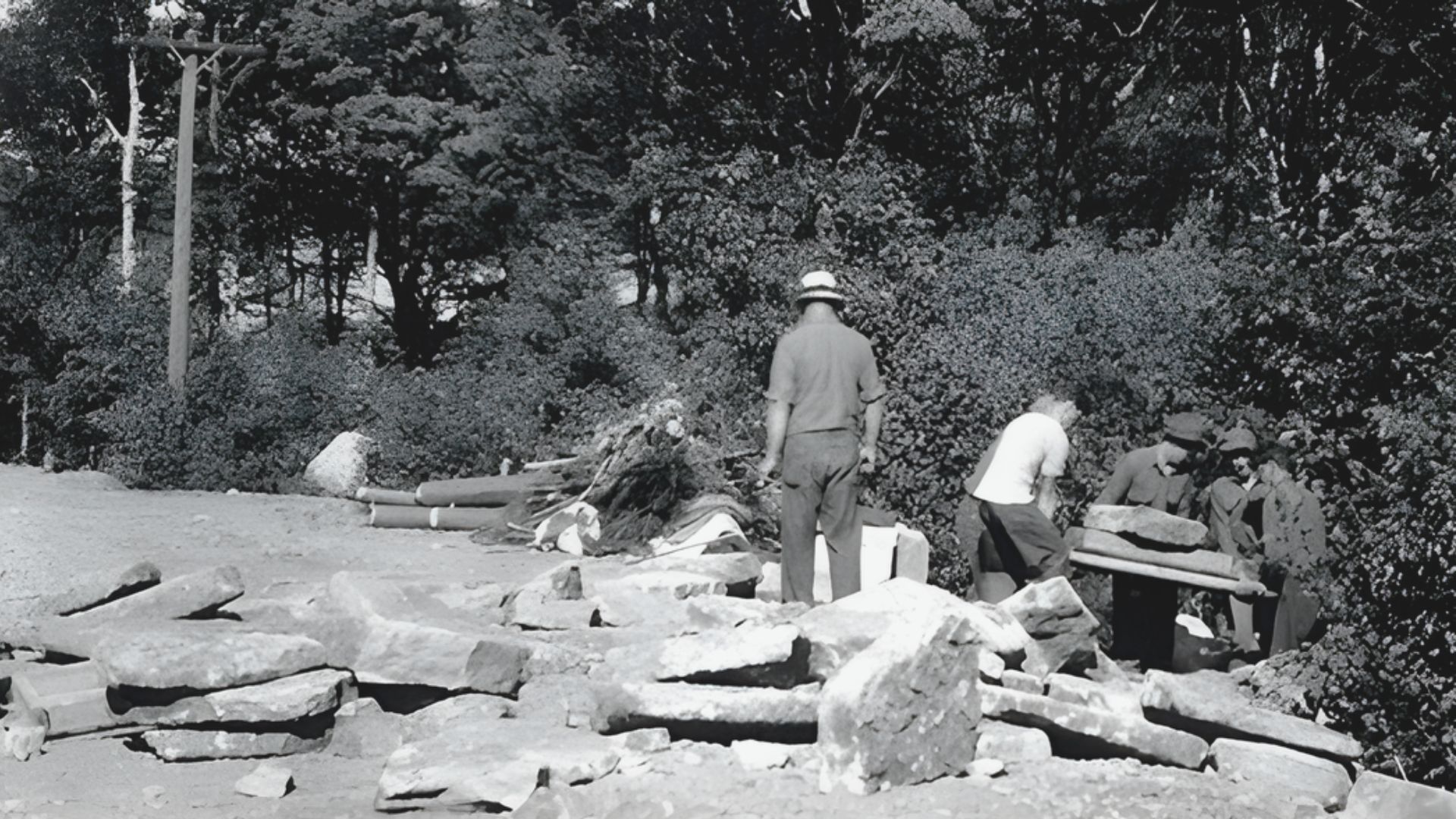
George B. Dorr gave his life for this park. A Harvard graduate from a wealthy Boston family, he first visited Mount Desert Island in 1869.
Dorr spent his entire fortune buying land over 40 years and convinced others to donate. When the park needed a superintendent, he took the job for $1 per year until he died in 1944.
4. Rockefeller’s Revolutionary Carriage Road System
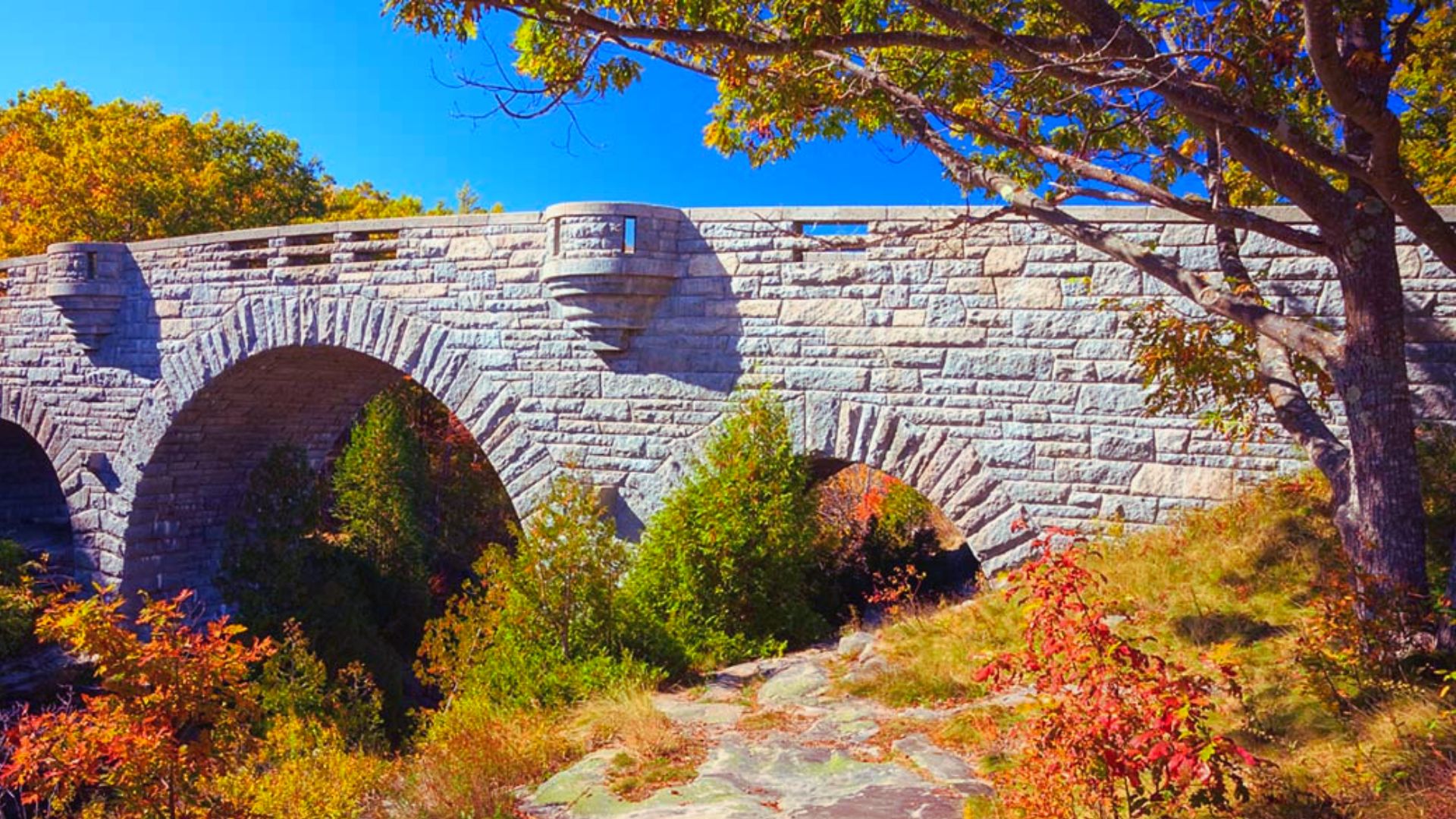
John D. Rockefeller Jr. designed and funded a 57-mile network of stone roads between 1913 and 1945. These weren’t just roads but works of art with 17 elaborate stone bridges.
He hired Frederick Law Olmsted Jr. to help design routes using the island’s ancient granite. Three carefully placed stone layers created roads lasting centuries.
5. A Transportation System Ahead of Its Time

Rockefeller worried cars would ruin the park’s peaceful atmosphere. So he built 16-foot-wide roads designed specifically for carriages with no cars allowed. Stone culverts handled drainage perfectly while wide ditches prevented erosion.
Starting in 1933, the Civilian Conservation Corps provided manual labor. Today, you can still walk, bike, or take horse-drawn carriage rides on these roads.
6. The Highest Point on the Entire East Coast
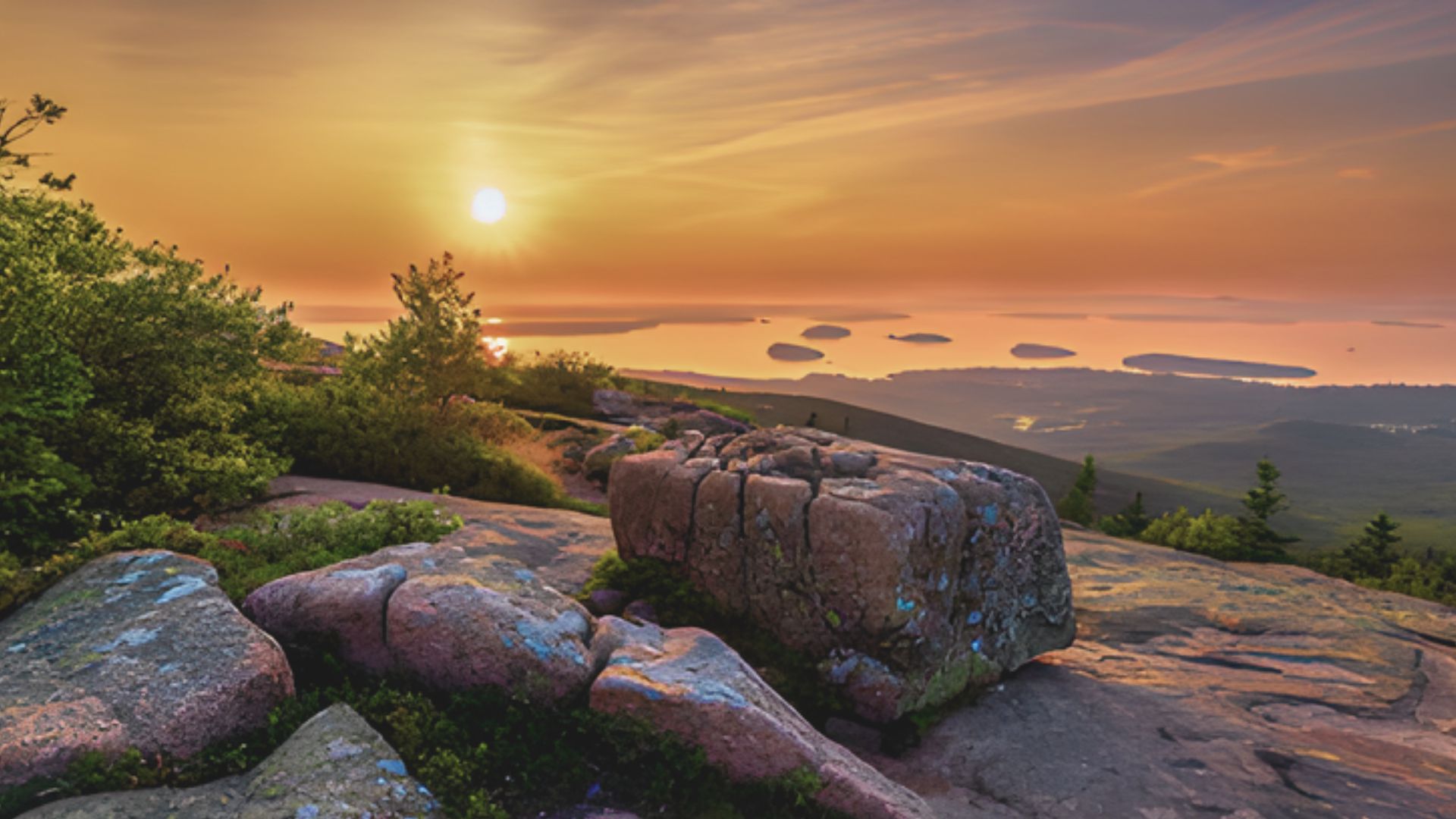
Cadillac Mountain rises 1,528 feet above sea level, making it the tallest mountain on the entire eastern seaboard. The summit features beautiful pink granite that glows in sunlight.
From October 7 through March 6, it’s the first place in the United States where you can watch sunrise. You can hike up or drive the 3.5-mile scenic road.
7. Incredible Biodiversity in a Compact Space
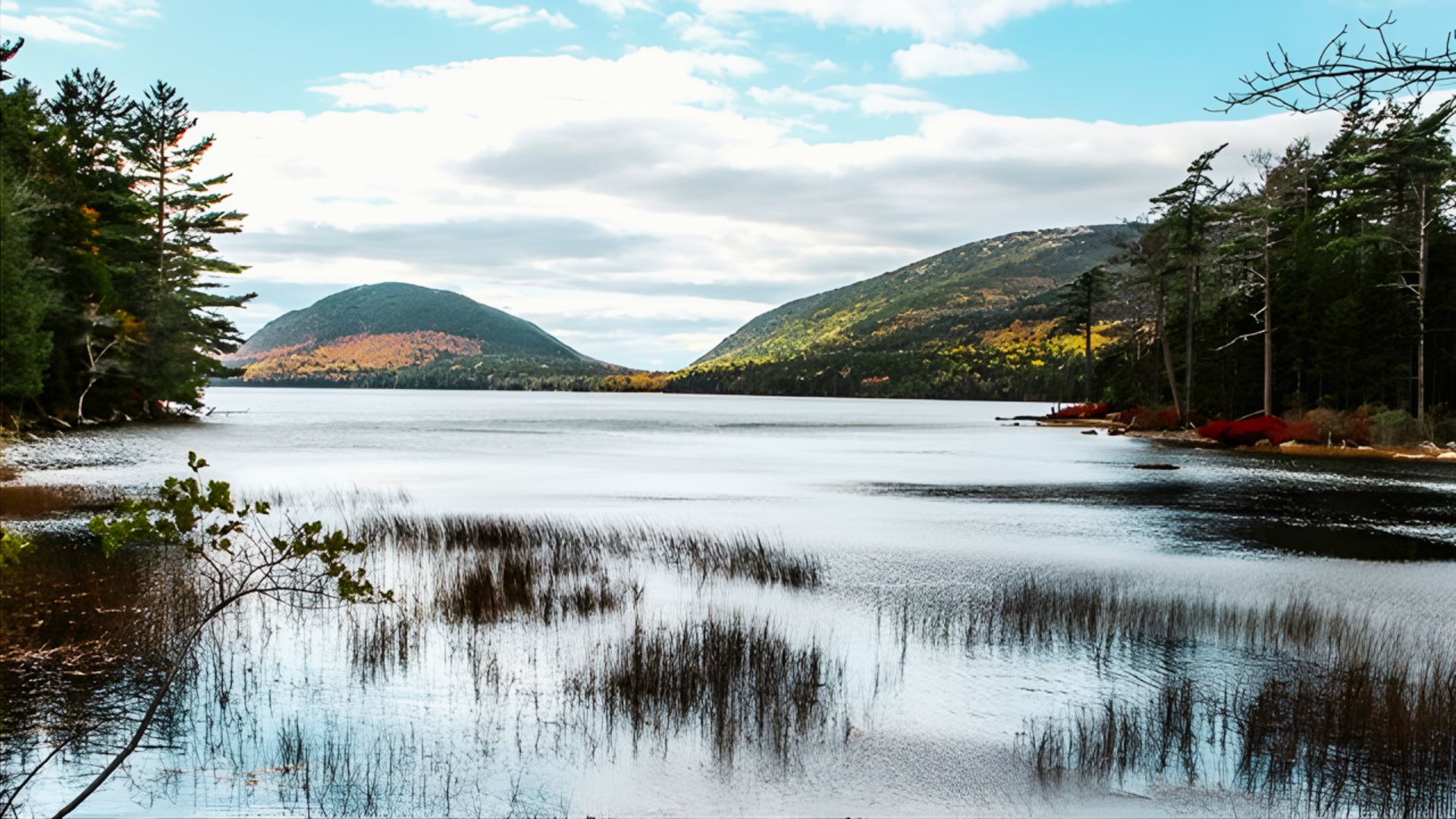
Over 1,000 plant species call Acadia home. The park has four different ecosystems including coastal areas, mountain peaks, wetlands, and forests. Common trees include ash, aspen, spruce, beech, pine, maple, cedar, and birch.
Wild strawberries, blueberries, cranberries, and huckleberries grow throughout. Different plants thrive at different elevations, creating stunning seasonal changes year-round.
8. Wildlife Watching Paradise
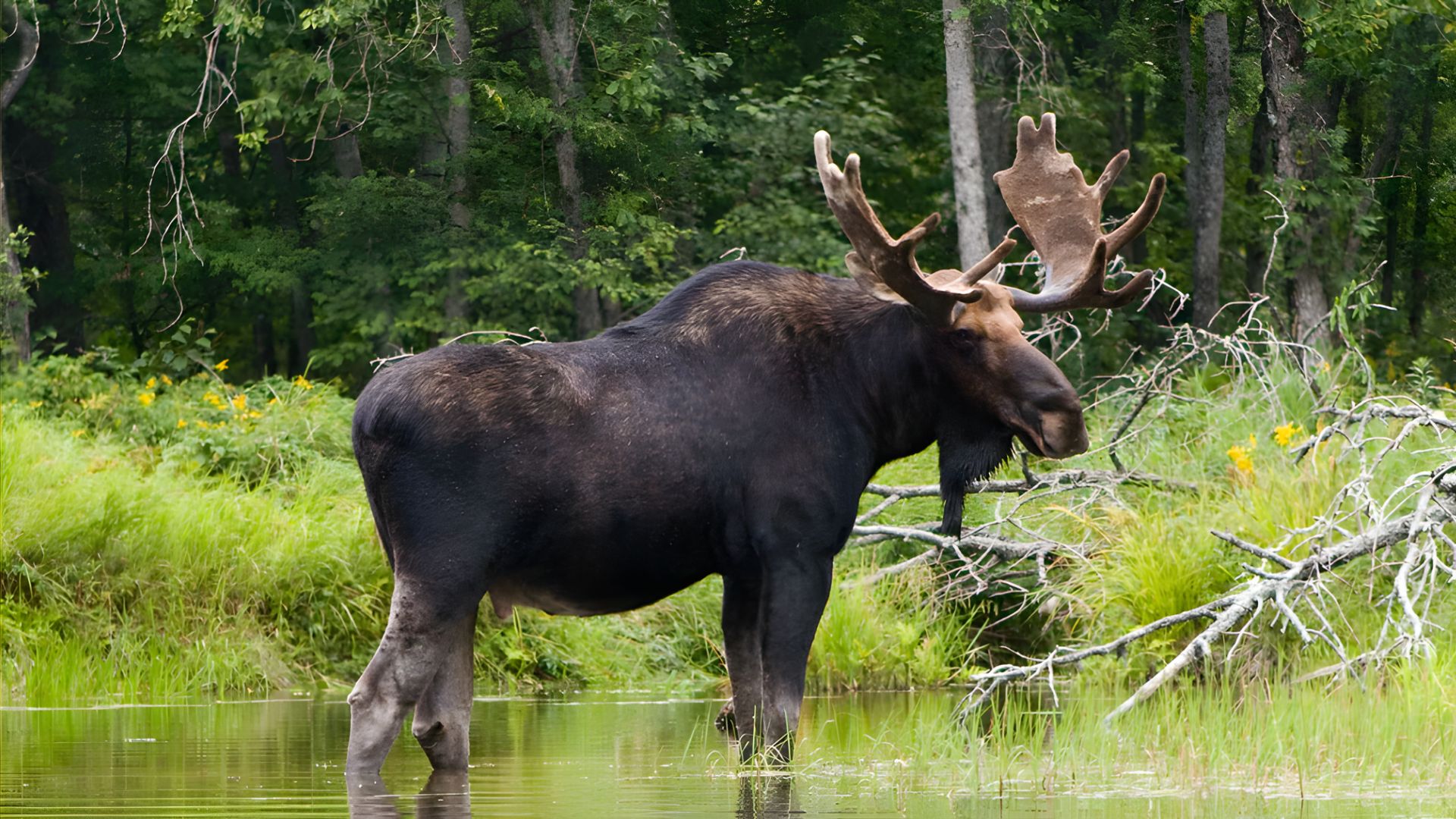
37 mammal species live in the park, including black bears, bobcats, and coyotes. The ocean adds otters, seals, porpoises, and migrating whales.
Bird watchers see 2,500 birds yearly on average. Eagles, vultures, owls, falcons, and osprey fill the skies. During the annual Hawk Watch, volunteers have tallied over 71,000 birds of prey in 25 years above Cadillac Mountain.
9. The Great Fire That Almost Destroyed Everything
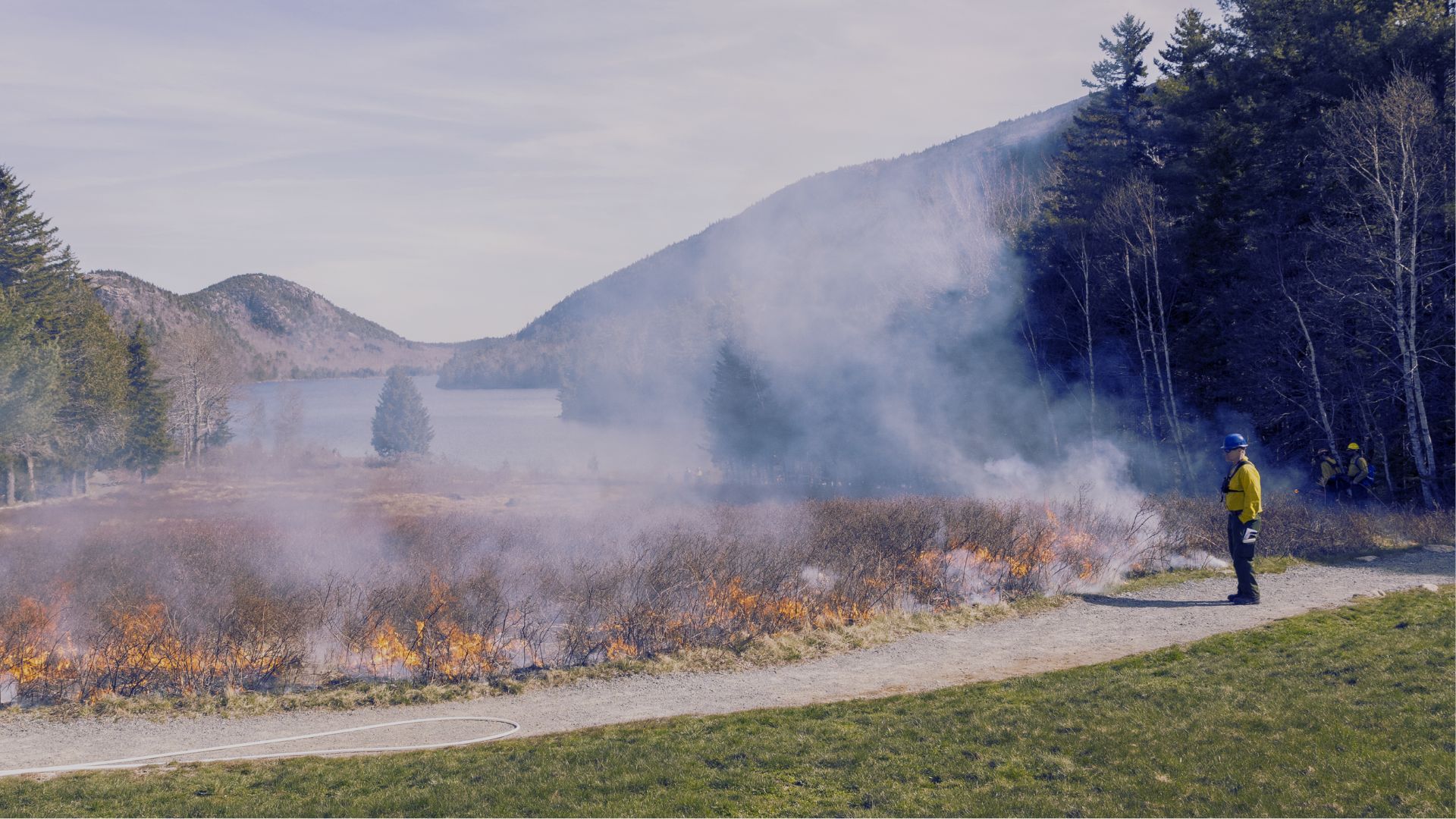
In October 1947, a massive wildfire burned over 17,000 acres of Acadia. The fire destroyed 237 homes and forced thousands to evacuate.
But it helped the park by clearing dense overgrowth that had blocked scenic views for decades. Burned areas regenerated naturally with diverse plant species. Nature’s resilience created the mixed forest habitats we see today.
10. Hidden Underground Cave Systems
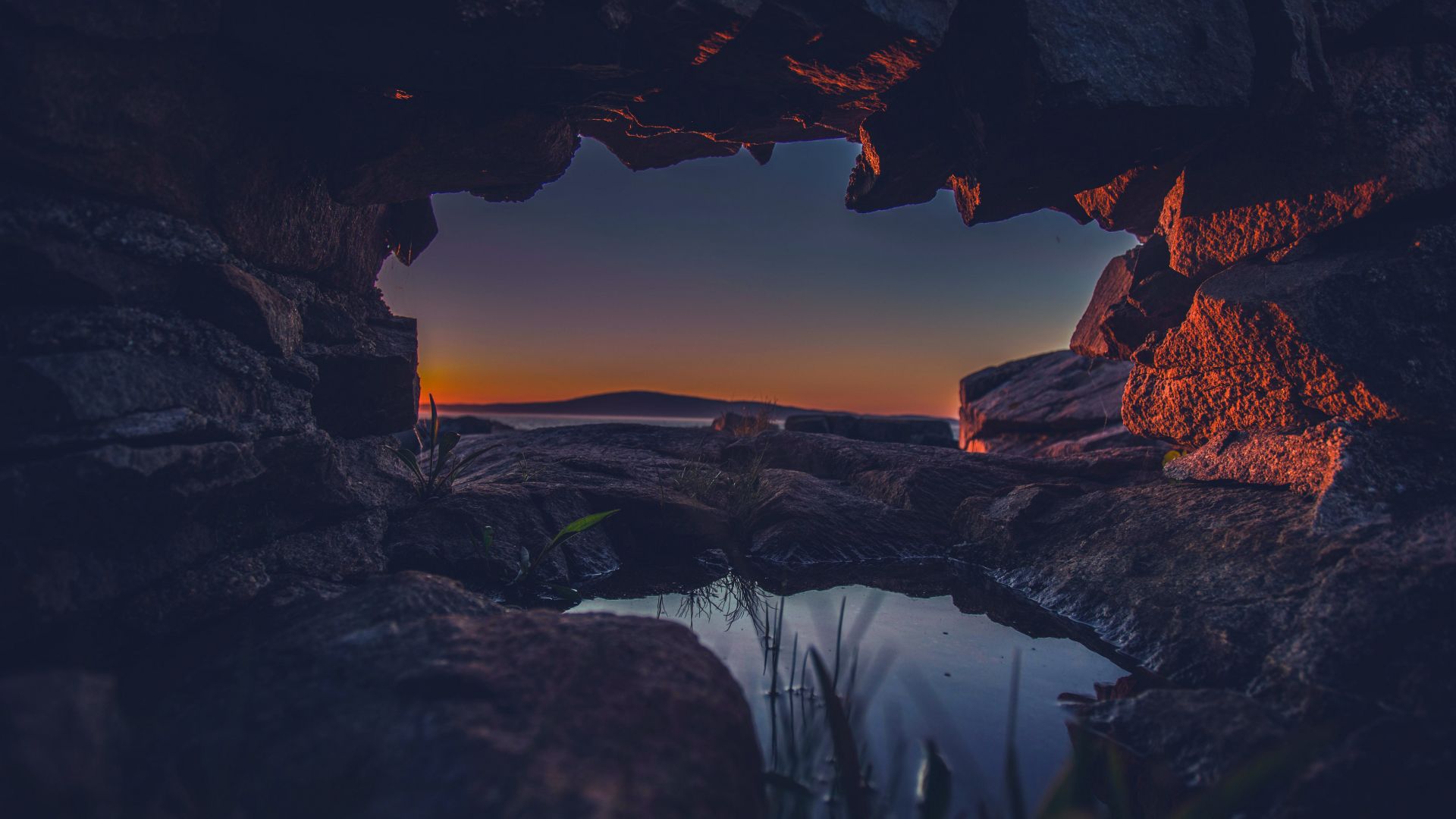
Acadia sits on ancient granite formations containing fascinating underground cave systems. Thunder Hole represents just the tip of extensive chambers carved by thousands of years of wave action.
These caves store fresh water feeding the island’s streams and ponds. Marine caves provide shelter for sea creatures during storms. Most remain off-limits due to safety and environmental protection.
11. A Secret World War II Radar Station
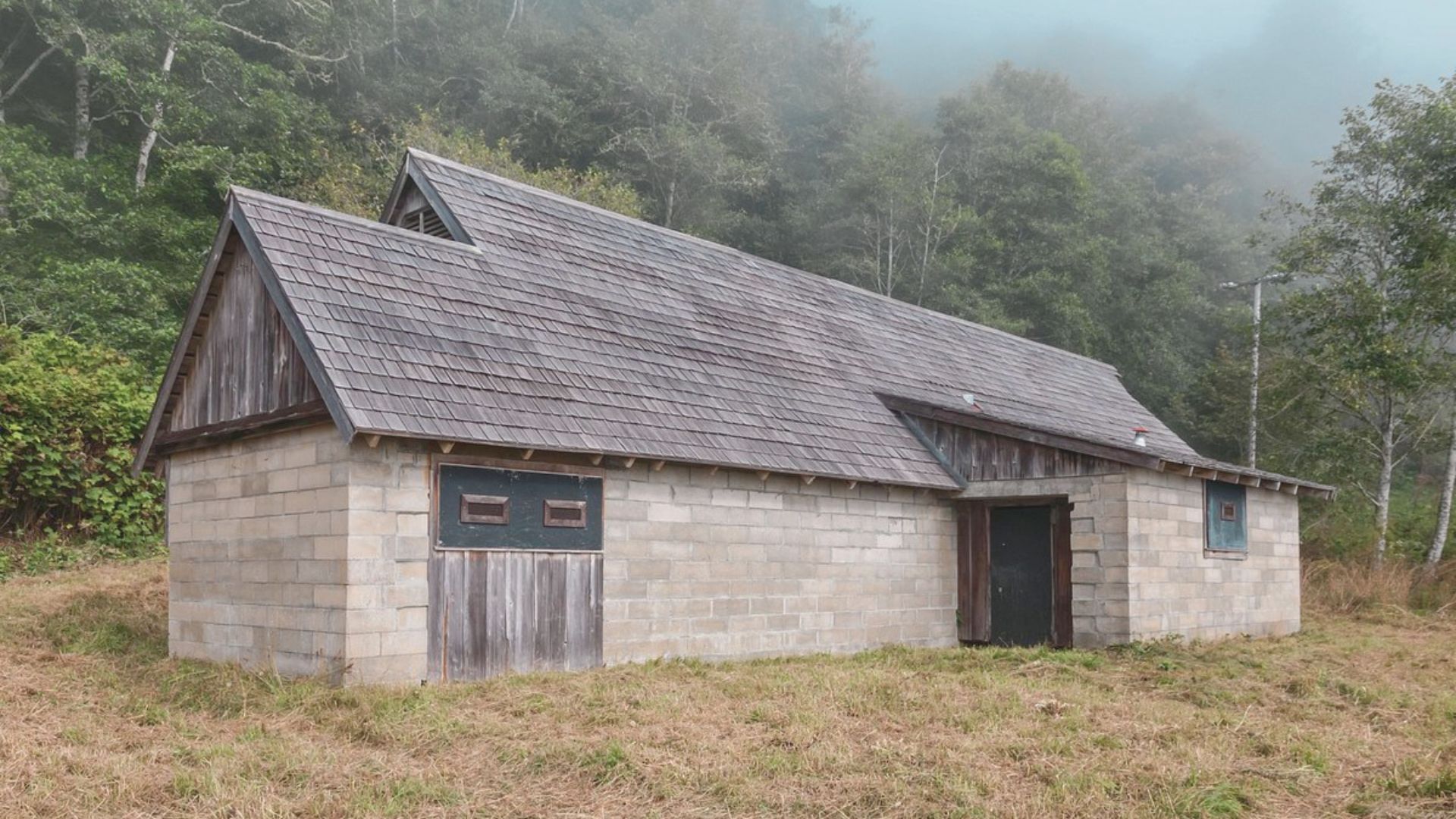
During World War II, the U.S. military built a secret radar installation on Cadillac Mountain to watch for enemy aircraft and submarines. The station operated 24 hours daily from 1942 to 1945.
Radar equipment could detect aircraft up to 150 miles away, protecting Maine’s coast. Concrete foundations remain scattered around the summit today, though most visitors don’t know their wartime significance.
Best Times to Avoid Crowds at Popular Viewpoints
- Your sunrise game-changer: Skip Cadillac Mountain crowds. Head to Thunder Hole for sunrise instead. Same dramatic views, no parking battles.
- Pro timing for Thunder Hole: Visit 6:30-8:00 AM or after 6:00 PM. Tour buses are gone. You’ll hear the waves.
- Your Jordan Pond secret: Arrive at 11 AM when they open. Best lakeside tables before lunch rush hits.
- Mid-week magic: Tuesday-Thursday in September means perfect weather, fall colors, and half the weekend crowds.
- Insider tip: Check BarHarborCruises.com for ship schedules. Cruise days = swamped attractions from 9 AM-4 PM.
Conclusion
Acadia National Park truly offers more than scenic overlooks and hiking trails. From its fascinating tide pools filled with sea creatures to the historic carriage roads built by John D.
Rockefeller Jr., this Maine destination provides countless opportunities for discovery and wonder.
With these fun facts about Acadia National Park in mind, you’re now equipped to plan a visit that goes beyond the standard tourist experience.
You’ll know where to look for the park’s hidden gems and can appreciate the rich history behind its most popular features.
Ready to experience Acadia’s magic firsthand? Start planning your trip and prepare to create lasting memories. Have you visited before or found out any special spots? Share your experiences in the comments; we’d love to hear what makes this park unforgettable for you!
Frequently Asked Questions
What makes Acadia National Park special compared to other national parks?
Acadia stands out as the only national park on the East Coast featuring dramatic rocky coastlines, pristine lakes, and unique granite peaks. It offers both ocean and mountain experiences in one location, plus historic carriage roads and diverse wildlife viewing opportunities.
What are some hidden gems visitors often miss at Acadia?
Many visitors overlook the quiet Jordan Pond Path, the secluded Great Head Trail, and the fascinating tide pools at Bar Harbor during low tide. The park’s carriage roads also offer peaceful alternatives to crowded hiking trails.
When is the best time to visit Acadia National Park?
Late spring through early fall offers the best weather and accessibility. September and October provide stunning fall foliage with fewer crowds. Summer brings peak season energy, but also the most visitors and higher accommodation costs.
Can you see wildlife at Acadia National Park?
Yes! Acadia hosts over 270 bird species, harbor seals, porpoises, and occasionally whales offshore. Land animals include white-tailed deer, red foxes, and various small mammals. Early morning and evening offer the best wildlife viewing opportunities.
Are there easy activities for families with young children?
Absolutely! The Ocean Path is stroller-friendly with spectacular coastal views. Jordan Pond Path offers easy walking, while tide pool exploration during low tide fascinates children. Many carriage roads provide safe, car-free biking and walking options.
