


Have you ever stood at the base of a mountain and wondered if you could actually make it to the top? Mount Fuji gives you that exact feeling.
At 3,776 meters, it is Japan’s highest peak and one of the most iconic climbs in the world. People from all over the globe have been making this climb for hundreds of years.
The trail, the thin air, and the sunrise from the summit. None of it feels ordinary. This guide covers everything you need to know before you take that first step up Fuji.
How Hard Is Climbing Mount Fuji?
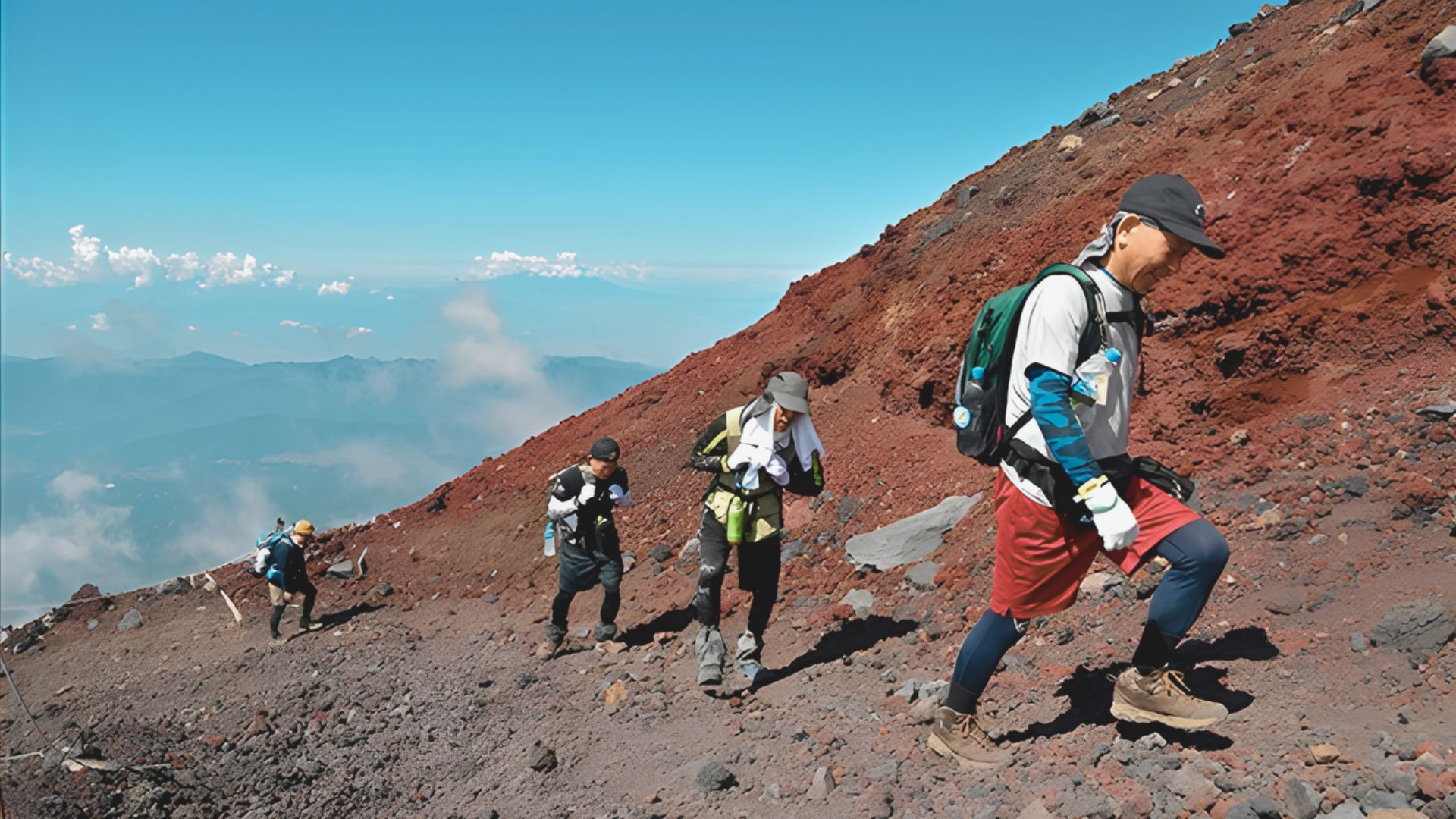
Mount Fuji does not require any technical climbing skills. With the right preparation, beginners can absolutely make it to the top. But do not let that fool you.
This is still a physically demanding climb that will test your stamina. The trail is long, and the terrain gets steep and rocky as you go higher.
Loose gravel makes every step feel less steady. The altitude is another real factor. At nearly 3,800 meters, the air gets thin and breathing takes more effort.
Preparation matters more than fitness level here.
Best Time for Climbing Mount Fuji
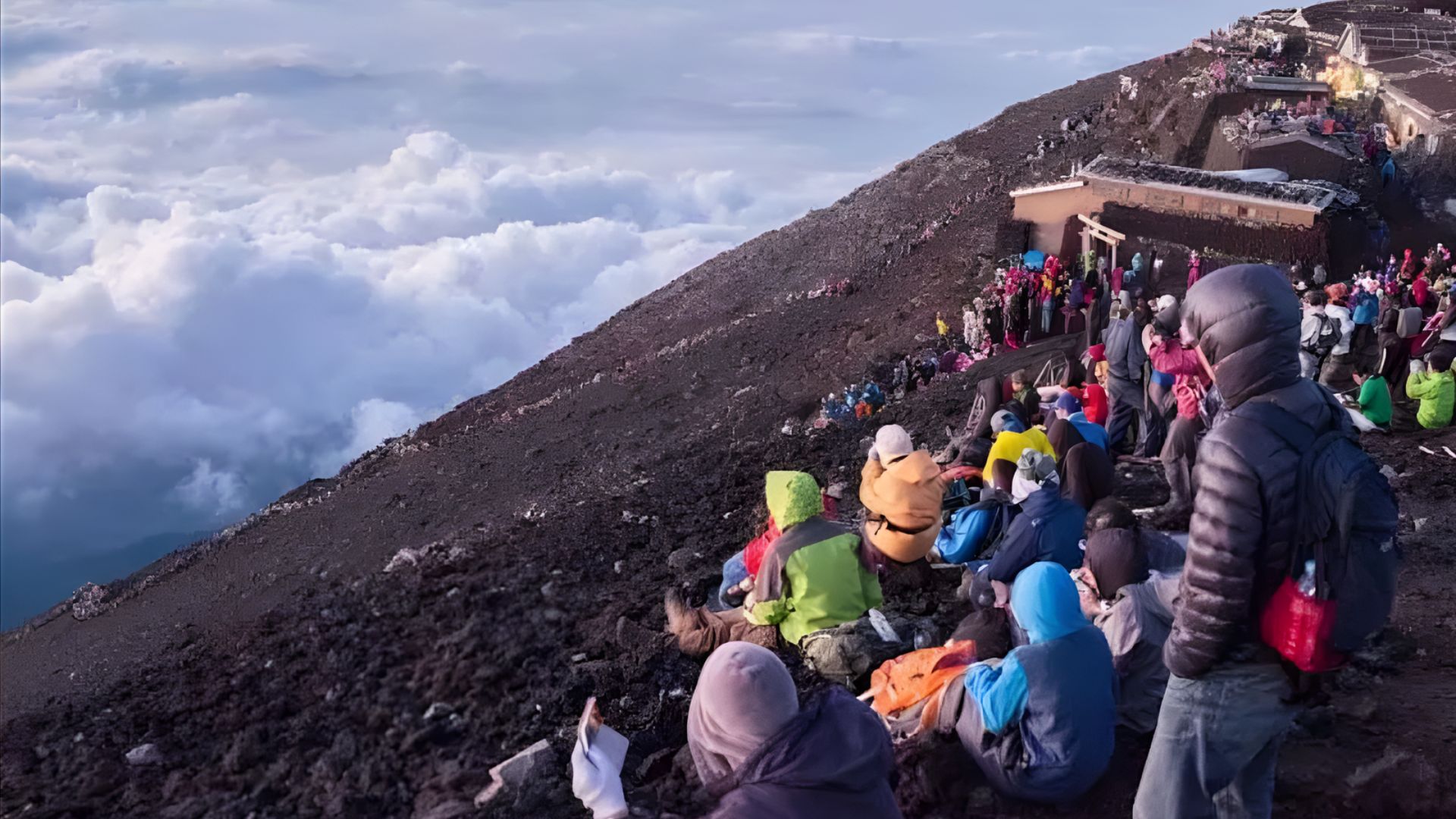
The best time to climb Mount Fuji is July to September. Timing your trip right makes a big difference.
Official Climbing Season (July–September)
The official climbing season runs from July to September. This is the safest window to attempt the climb.
Trails are open, mountain huts are operating, and weather conditions are far more manageable. If this is your first time, stick to this period.
Peak Season vs Off-Peak
Late July through August draws the biggest crowds. Trails get packed, huts fill up fast, and wait times increase at certain points.
For a quieter experience, aim for early July on a weekday. You get the same trails with far fewer people around.
Why Off-Season Climbing Is Risky
Climbing outside the official season comes with serious risks. Most facilities are closed, so there is no support available on the mountain.
Weather turns harsh quickly, and the upper trails can have snow, ice, and avalanche conditions. It is not worth the risk, especially for a first-time climber.
Mount Fuji Climbing Routes Explained
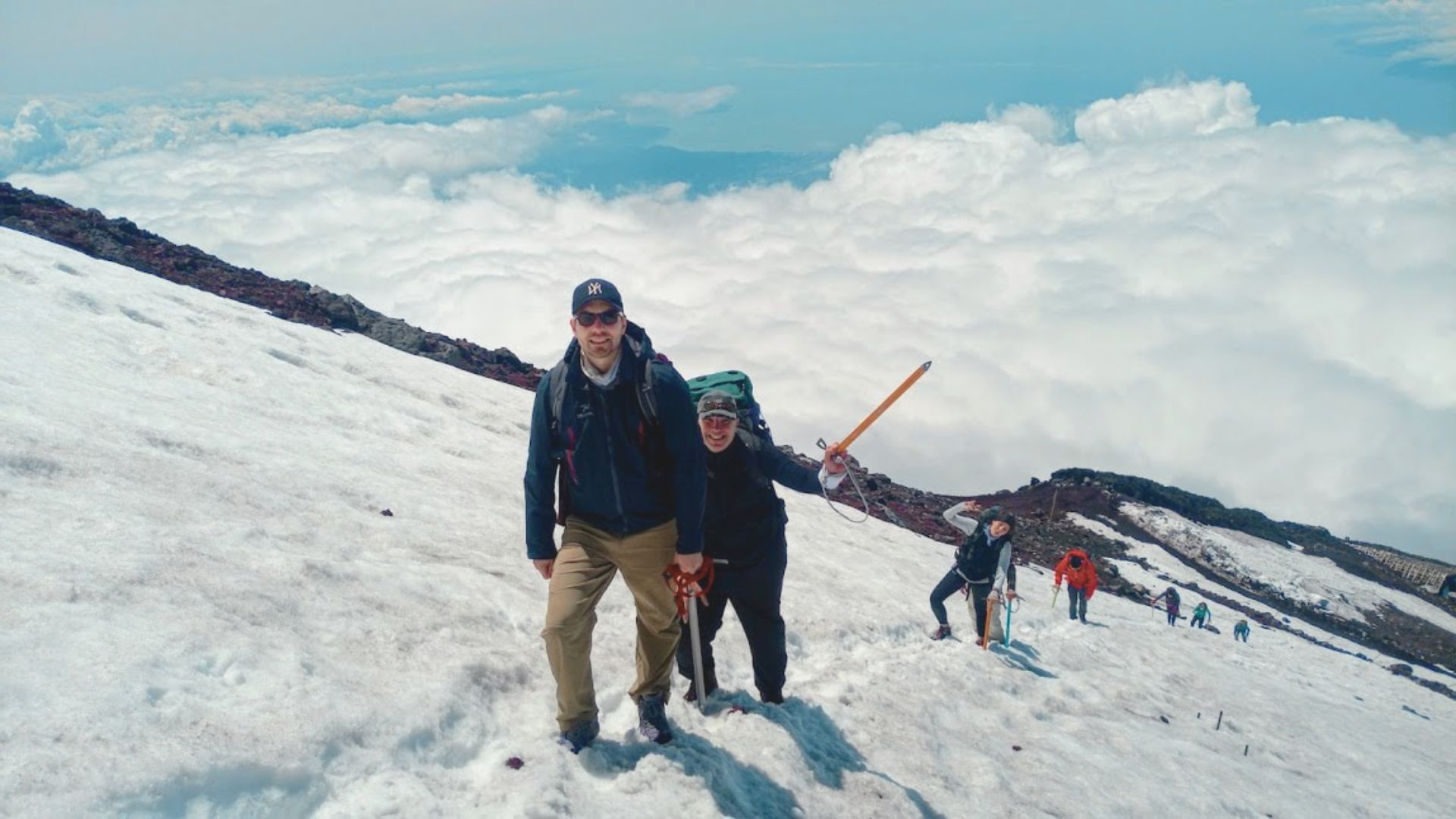
Mount Fuji has four climbing routes, each offering a different experience. Pick the one that fits your pace and preference.
Overview of the 4 Main Trails
Mount Fuji has four main trails, each with its own feel.
- The Yoshida Trail is the most popular and has the most huts along the way.
- The Fujinomiya Trail is the shortest route to the summit.
- The Subashiri Trail is a quieter option with fewer crowds.
- The Gotemba Trail is the longest and most physically demanding of the four.
What Is the 5th Station?
The 5th Station is where most climbers begin their ascent. It sits roughly halfway up the mountain, cutting out the lower forested section.
The Fuji Subaru Line 5th Station on the Yoshida Trail is the most commonly used starting point. It is well connected by bus and has facilities like restrooms, shops, and rest areas.
Choosing the Right Trail for You
The right trail depends on a few things. Think about your fitness level, how much time you have, and how you feel about crowds.
First-timers often go with the Yoshida Trail for its clear markings and frequent huts. Those short on time may prefer Fujinomiya. If you want a quieter climb, Subashiri is worth considering.
How Long Does It Take to Climb Mount Fuji?
Climbing Mount Fuji takes anywhere from 5 to 10 hours depending on the trail and your pace. Coming back down takes around 3 to 4 hours, though it is harder on the knees than most people expect.
Many first-timers underestimate the descent. A two-day climb is worth considering. Spending a night in one of the mountain huts breaks up the effort and gives you a chance to catch the famous sunrise from near the summit.
What to Expect During the Climb
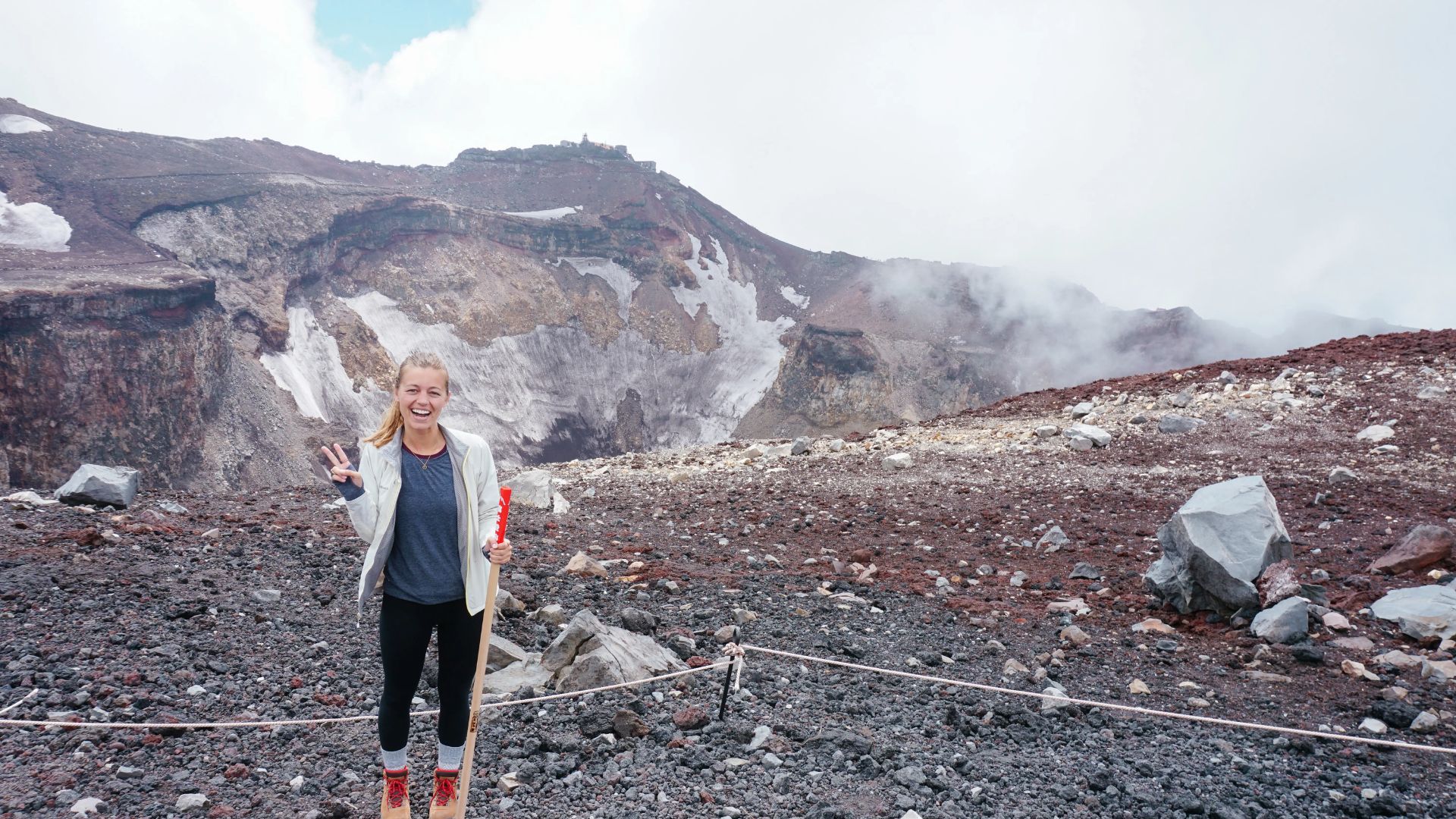
Mount Fuji’s climb brings rocky terrain, shifting weather, and busy trails. Knowing what lies ahead helps you stay prepared.
Terrain and Trail Conditions
The terrain on Mount Fuji is mostly rocky and steep with stretches of loose volcanic gravel. There are no paved paths once you get past the 5th Station. The ground shifts under your feet in places, which slows your pace and tires your legs faster than a regular hike would.
Weather Conditions
Weather on Mount Fuji can change fast. A clear morning can turn into rain and strong winds within an hour.
As you climb higher, temperatures drop significantly. Near the summit, it can feel freezing even in July or August. Always pack layers and rain gear, no matter how sunny it looks at the base.
Crowds and Atmosphere
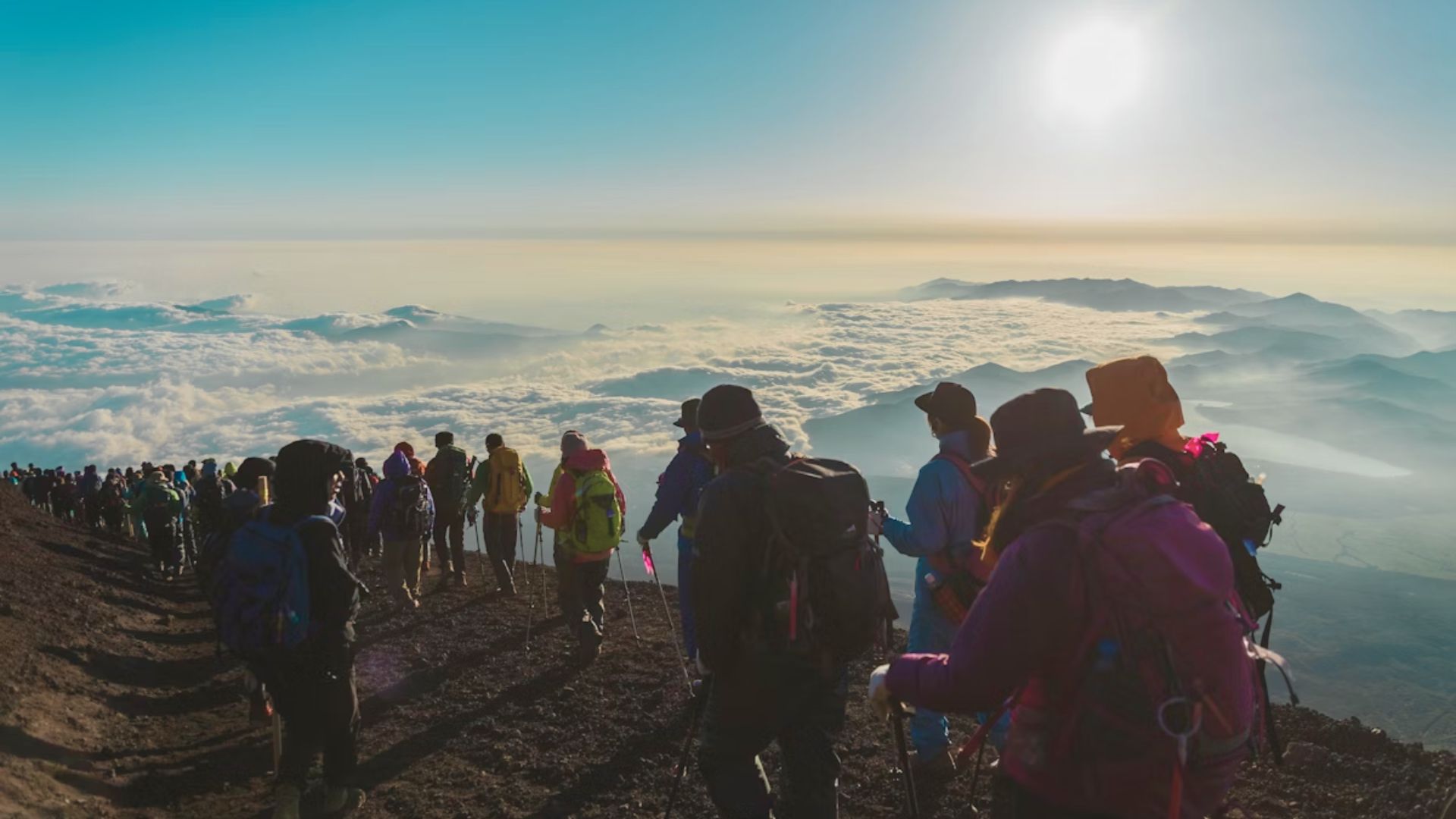
Peak season means busy trails, especially on weekends. There will be long lines at certain points and plenty of fellow climbers around you. But that shared experience has its own energy.
People cheer each other on, rest at the same spots, and push through the same tough sections together. It is one of the more communal hiking experiences you will find anywhere.
Essential Gear for Climbing Mount Fuji
- Wear sturdy hiking boots with good ankle support. Layer your clothing to handle temperature drops as you climb higher.
- Pack a waterproof jacket and gloves before you head up. Conditions near the summit can feel bitterly cold even in summer.
- Carry a headlamp with extra batteries for early morning or overnight climbs. A well-packed backpack with enough food and water is non-negotiable.
- Bring cash on the mountain for hut stays, snacks, and paid toilet stops. Cards are not accepted at most points along the trail.
- A hiking stick helps with balance on steep and loose terrain. Oxygen canisters are optional but can make a real difference at high altitude.
Rules and Etiquette on Mount Fuji
Mount Fuji is a sacred site and a protected natural area. Littering is strictly not allowed anywhere on the mountain.
Do not pick up rocks, plants, or any natural items from the trails. Huts have their own rules around noise, space, and sleeping hours.
Respect them. Other climbers around you are putting in the same effort, so be patient and courteous on busy sections.
Always follow local guidelines and any instructions posted along the trail.
Conclusion
Climbing Mount Fuji is one of those experiences that stays with you long after you come back down. It is not easy, but it is absolutely worth it.
With the right gear, a solid plan, and a realistic mindset, most people can reach the top. Start planning early, pick the right trail, and give yourself enough time to do it right.
Ready to take on Mount Fuji? Share this guide with someone who has been thinking about making the climb.
Frequently Asked Questions
Do I need prior hiking experience to climb Mount Fuji?
No prior hiking experience is required. With good preparation, a reasonable fitness level, and the right gear, first-time hikers can make it to the summit.
How much does it cost to climb Mount Fuji?
Climbing Mount Fuji is relatively affordable. Costs include transport to the 5th Station, trail conservation fees, and cash for huts and toilet stops along the way.
Is it safe to climb Mount Fuji alone?
Yes, it is generally safe to climb solo during the official season. Trails are well-marked, huts are open, and there are always other climbers around you on the mountain.
What should I eat and drink during the climb?
Carry enough water and high-energy snacks like nuts, energy bars, and chocolate. Hot meals and drinks are also available at mountain huts for purchase along the trail.
Can children climb Mount Fuji?
Older children with good fitness levels have completed the climb successfully. However, the altitude, long hours, and tough terrain make it more suitable for teenagers and well-prepared adults.
