


Yes, you can swim in the Dead Sea. But it’s not quite what you’d expect.
In this guide, I’ll walk you through everything you need to know before you step into those salty waters. From why you float so easily to key safety tips and the best time to visit, I’ve got you covered.
I’ll also answer the most common questions travelers ask. So you can go in prepared, stay safe, and actually enjoy it.
Why You Can Float Easily in the Dead Sea

The science behind that effortless float is simpler than you think.
The Dead Sea has a salt concentration of around 34%. That’s nearly ten times saltier than most oceans.
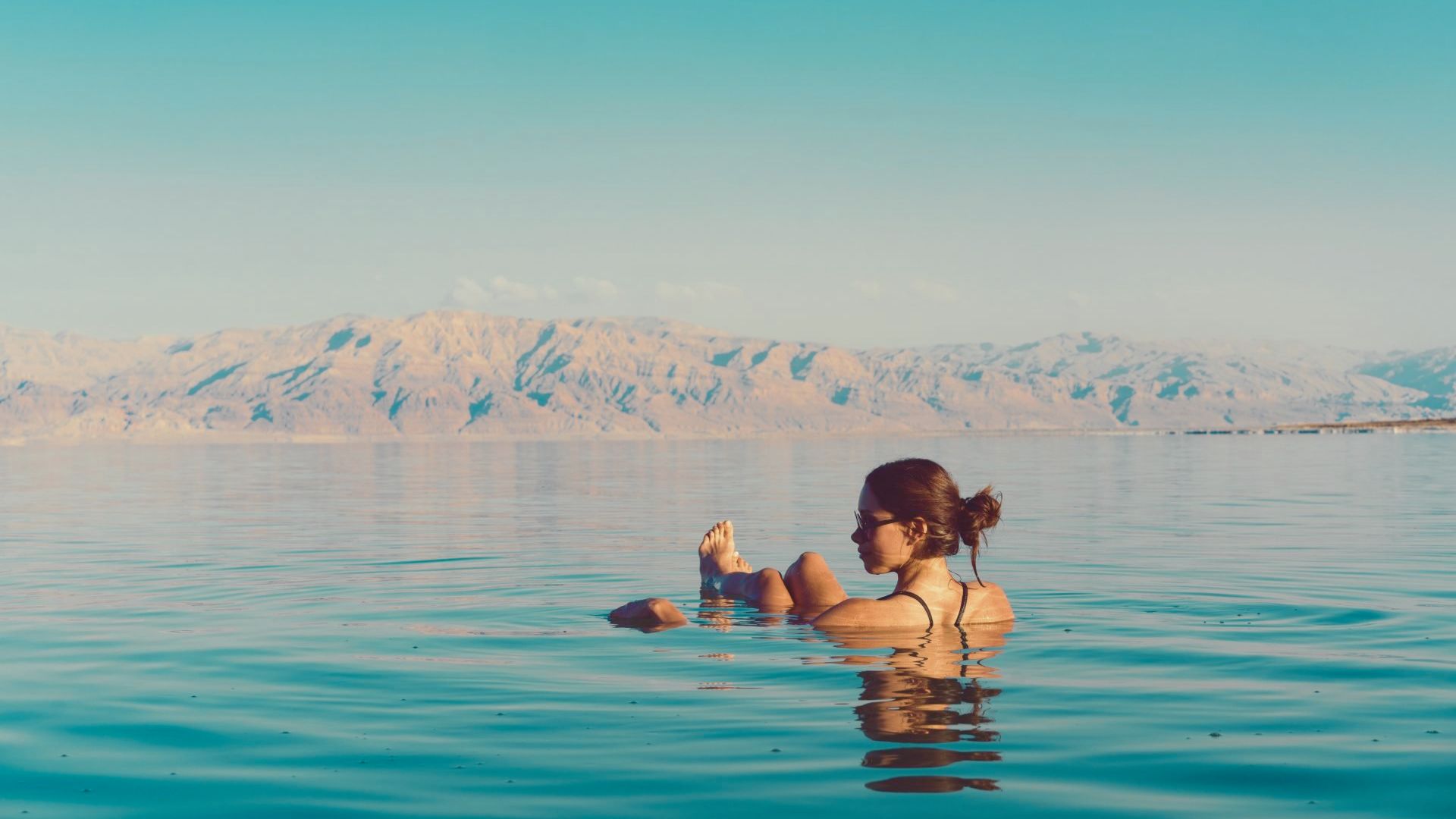
All that salt makes the water incredibly dense, which pushes your body up automatically.
Trying to swim normally feels awkward. Your legs rise, your body tilts back, and you lose control fast. Most people give up within minutes.
And honestly? That’s fine. Floating is the whole point.
When you first step in, the water feels thick and almost oily. Your body lifts before you even try. It’s a strange sensation, but a good one.
Is It Safe? Key Safety Measures You Must Follow

Floating in the Dead Sea is fun, but there are real risks you need to respect.
Never Put Your Head Underwater
The salt concentration is so high that it causes intense burning in your eyes, nose, and throat. Even a small splash can sting badly. This is the most important rule to follow.
Keep Water Away From Your Face
If water gets into your eyes, rinse immediately with fresh water. Most beaches have freshwater showers nearby for this exact reason.
Avoid Entering With Open Cuts or Freshly Shaved Skin
The salt will sting like nothing you’ve felt before. It’s not dangerous, but it is incredibly painful. Wait until any cuts or irritation have healed before going in.
Rinse Off Right After
Salt residue stays on your skin after you get out. If you leave it, it causes dryness and irritation. A proper freshwater rinse makes a big difference.
How Long Can You Swim in the Dead Sea

More time doesn’t always mean a better experience here.
Most experts and locals recommend staying in the water for no more than 15 to 20 minutes at a time. The high salt content is intense on your skin, and longer sessions can lead to dryness, irritation, or a burning sensation.
Signs it’s time to get out: your skin starts to feel tight or itchy, you feel any stinging or burning, or you notice your skin turning red.
Taking a break, rinsing off, and rehydrating before going back in is always a good idea. Treat it like a dip, not a long swim. You’ll feel much better for it.
Where Can You Swim in the Dead Sea

The Dead Sea borders both Israel and Jordan, so you have more than one option depending on where you’re coming from.
Israel Side
Ein Bokek is the most popular spot on the Israeli side. It’s well set up for visitors with free public beaches, nearby hotels, and freshwater showers that are easy to find.
The area is clean, accessible, and a good starting point if you’re visiting from Israel.
Jordan Side
Amman Beach is the most visited public beach on the Jordanian side. It has basic but decent facilities.
If you want more comfort, there are several private resorts close by that offer showers, changing rooms, loungers, and sometimes even mud treatment areas.
Can You Swim in the Dead Sea Year-Round
The short answer is yes. But some months are better than others.
Can You Swim in the Dead Sea in December, January, and February?
Yes, you can. The water stays warmer than the air during winter. Crowds are smaller, but it can feel chilly once you step out.
Can You Swim in the Dead Sea in March?
March is a solid choice. Temperatures are warming up and the weather is comfortable without being too hot.
Can You Swim in the Dead Sea in November?
November works well. The weather is mild, the water is still warm, and it’s far less crowded than peak season.
Best Time to Visit
Spring and autumn are the sweet spots. Summer can hit 40°C, which gets intense. Winter is manageable but cool.
What to Wear for a Safe Experience
Packing smart makes the whole trip more comfortable.
Simple Swimsuit

Go with a plain swimsuit and skip anything with metal parts. The salt water can damage them quickly.
Water Shoes
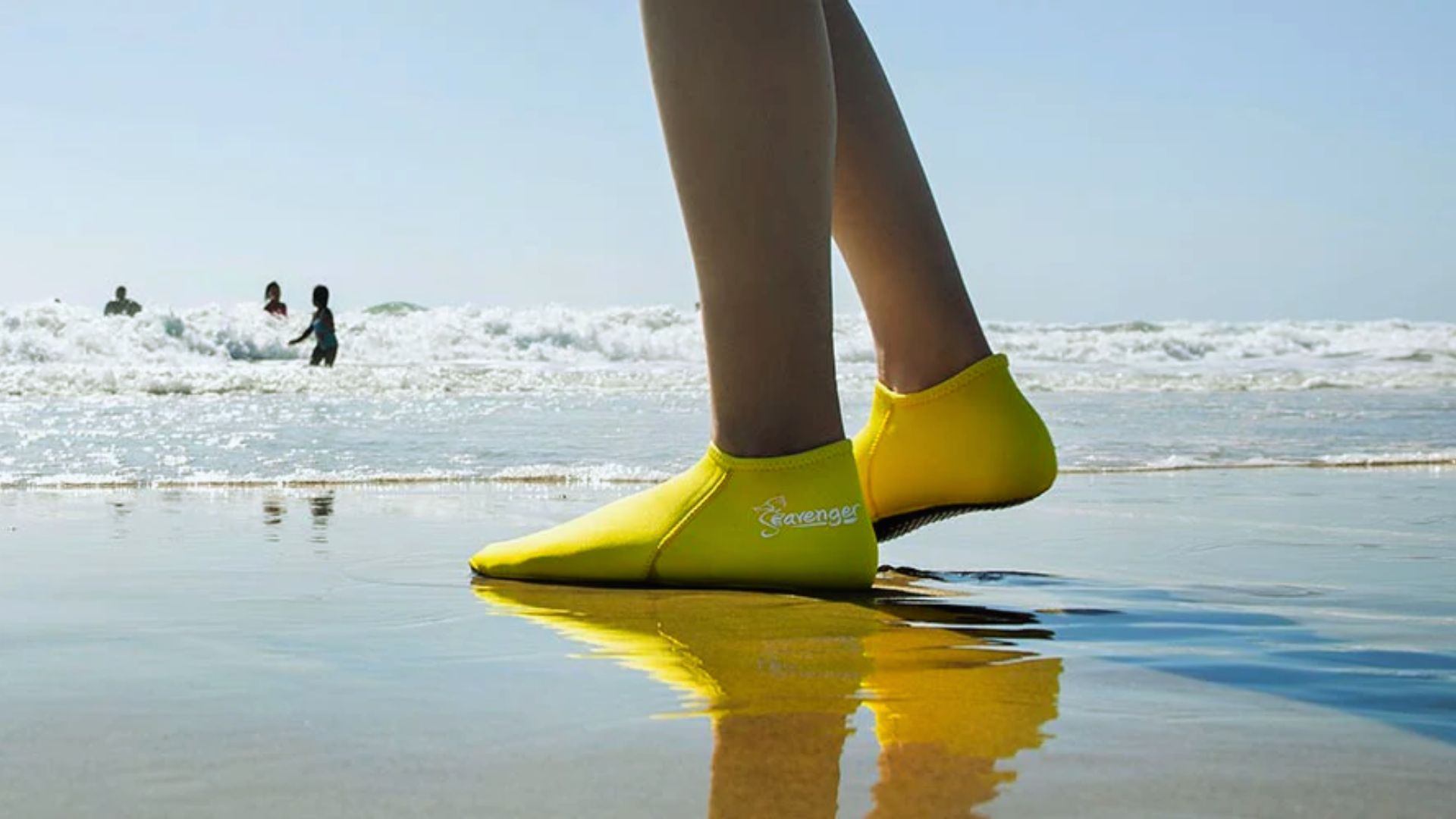
The shoreline is rocky and uneven. Water shoes protect your feet and make walking in and out much easier.
Avoid Jewelry

Leave jewelry at home. The mineral-rich water corrodes metals and can irritate the skin underneath.
Benefits of Swimming in the Dead Sea
It’s not just a fun experience. There are real benefits to floating in those mineral-rich waters.
Skin Benefits
The water contains magnesium, potassium, and calcium. Most people notice softer skin after just one dip. The shoreline mud is worth trying too.
Therapeutic Effects
People with psoriasis, eczema, and joint pain have visited the Dead Sea for relief for centuries. The minerals and low-altitude air pressure both contribute.
The Float Itself
Lying back in water that holds you up without any effort is genuinely relaxing. You’re not fighting the water at all. Many people say it’s the calmest they’ve felt in a long time.
Tips for a Safe and Enjoyable Experience
A few simple habits can make your visit go smoothly from start to finish.
- Float on your back and stay calm. Let the water do the work.
- Don’t splash around or dive. Keep your face dry at all times.
- Enter and exit the water slowly to avoid slipping on the rocky shore.
- Shower immediately after using the freshwater stations on-site.
- Stay hydrated and take breaks every 15 to 20 minutes.
Conclusion
If you’ve ever been curious about floating in the Dead Sea, I hope this guide gave you everything you needed.
I’ll be honest, the idea of “swimming” there sounds strange at first. But once you’re lying back in that water with zero effort, it clicks. It’s not about swimming. It’s about letting go.
Go slow, follow the safety tips, and enjoy every minute of it. Have questions or tips from your own visit? Drop them in the comments. I’d love to hear your experience!
Frequently Asked Questions
Can you swim in the Dead Sea?
You can float in the Dead Sea, but traditional swimming is very difficult due to the extreme salt content. Most people simply lie back and let the water hold them up naturally.
Can you put your head underwater in the Dead Sea?
No, you should never put your head underwater in the Dead Sea. The high salt concentration can cause severe burning in your eyes, nose, and throat almost immediately.
Can you drown in the Dead Sea?
Drowning is still possible if you panic or flip face-down. The buoyancy keeps your body up, but it also makes it hard to write yourself if you lose balance. Always stay calm and avoid floating face-down.
Is it safe for beginners?
Yes, it is safe for beginners as long as basic precautions are followed. Avoid putting your face in the water, stay close to the shore, and limit your time to 15 to 20 minutes per session.
What does it feel like to float?
Floating in the Dead Sea feels effortless and a little surreal. Your body rises automatically, the water feels thick and slippery, and many people find it deeply relaxing once they stop trying to swim normally.
