

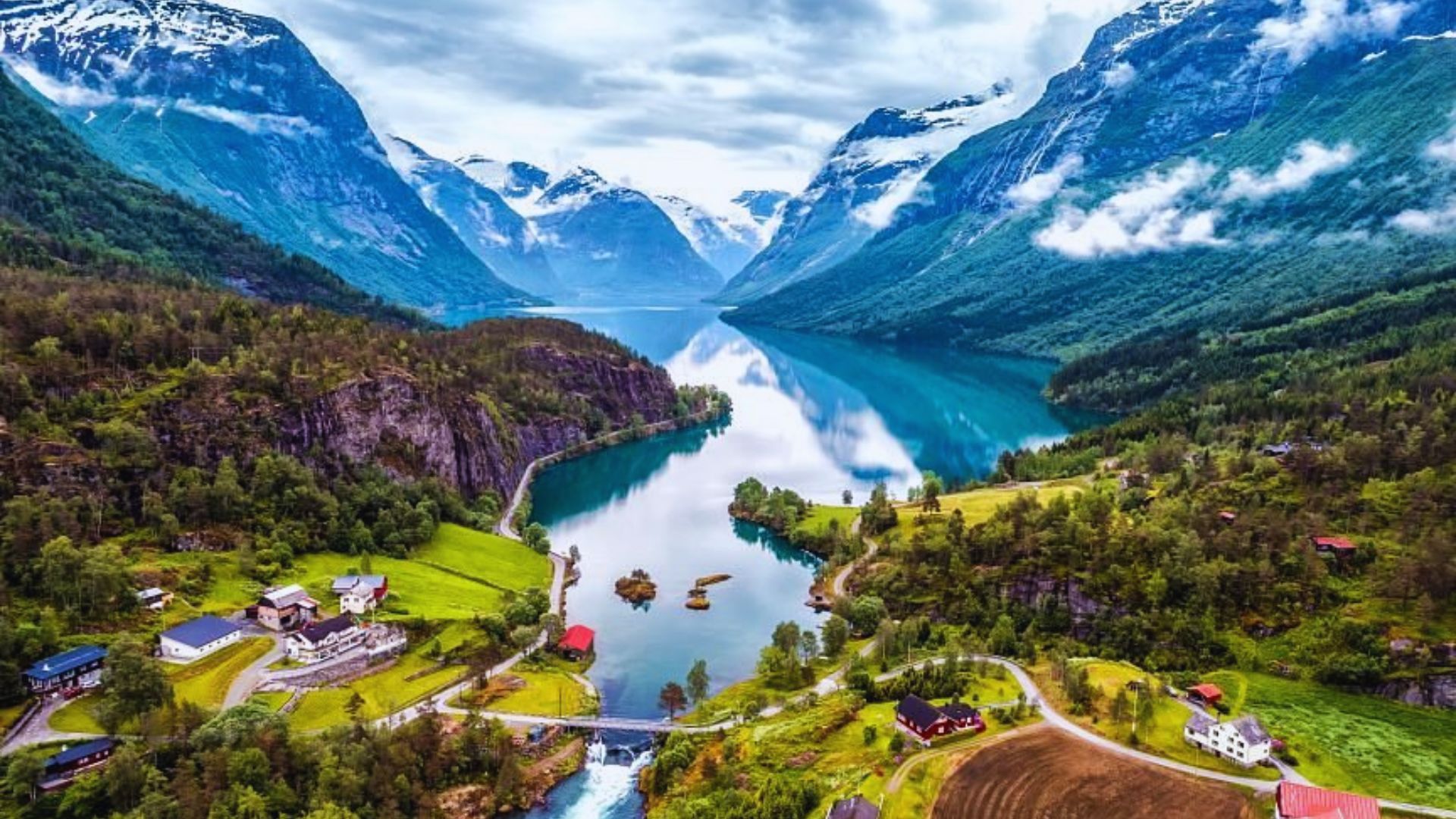
I still remember staring at a Norway fjord photo thinking, “That can’t be real.” It was. That moment changed everything for me.
If you’re searching for the 17 best places to visit in Norway, I’ve done the hard work for you.
This list covers the top spots, what to expect, and exactly how to plan your time. No fluff, no filler. Just real, useful information.
I’ve helped hundreds of readers plan smarter trips, and Norway is one destination I always get right.
Let’s get started.
Why Norway Should Be on Your Travel List
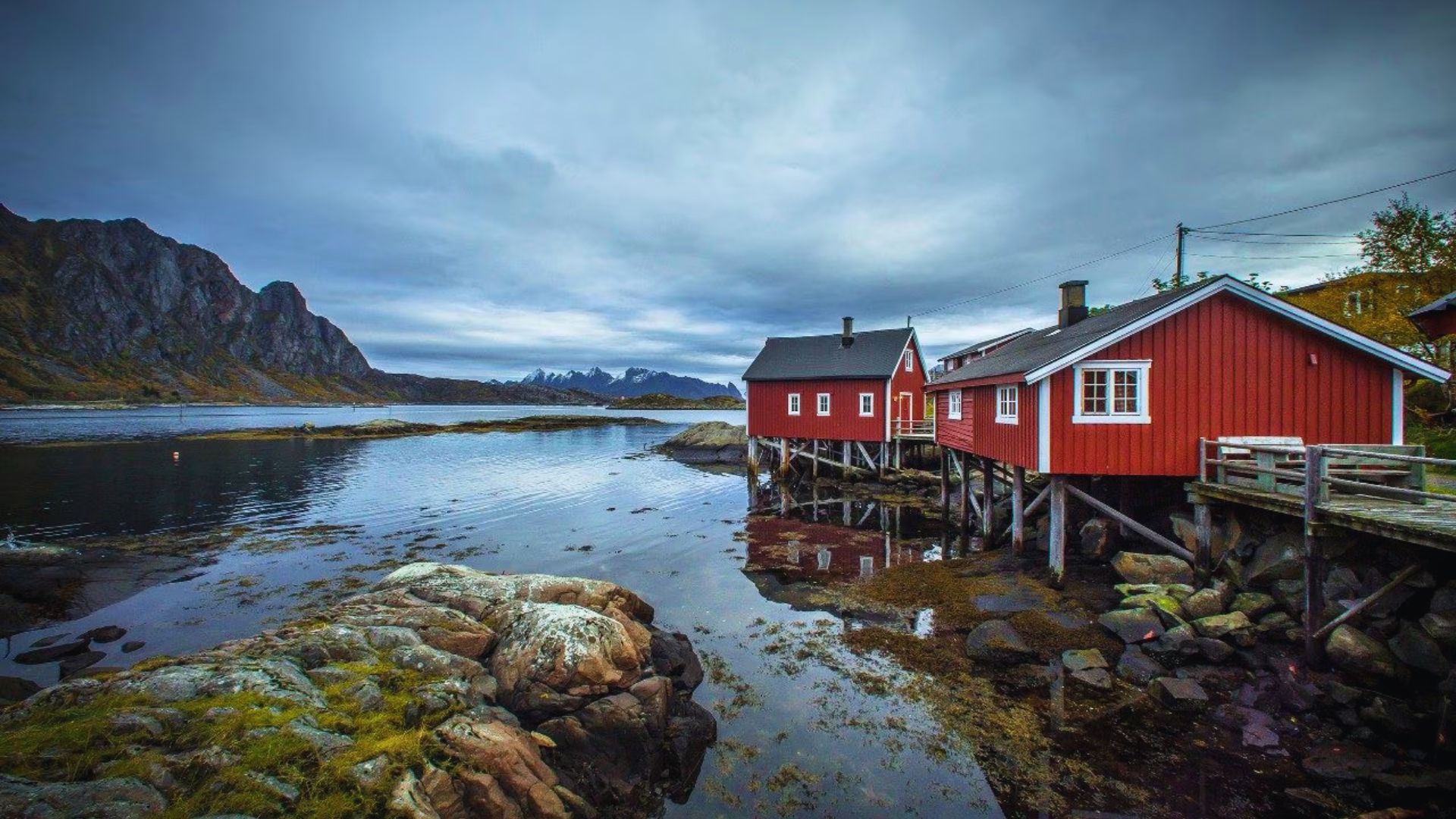
Norway is not your average country. It has fjords that stretch for miles, mountains that rise straight from the sea, and towns that feel frozen in the best way possible.
The country runs smoothly, the landscapes are wild, and there is something to see in every single season.
Summer brings long daylight hours and open hiking trails. Winter brings snow, the Northern Lights, and a deep quiet that is hard to find anywhere else.
Norway rewards people who show up ready to take it slow and look around.
List of 17 Best Places to Visit in Norway
Norway has dramatic fjords, colorful towns, and wild landscapes. These 17 spots cover the best the country has to offer.
1. Oslo
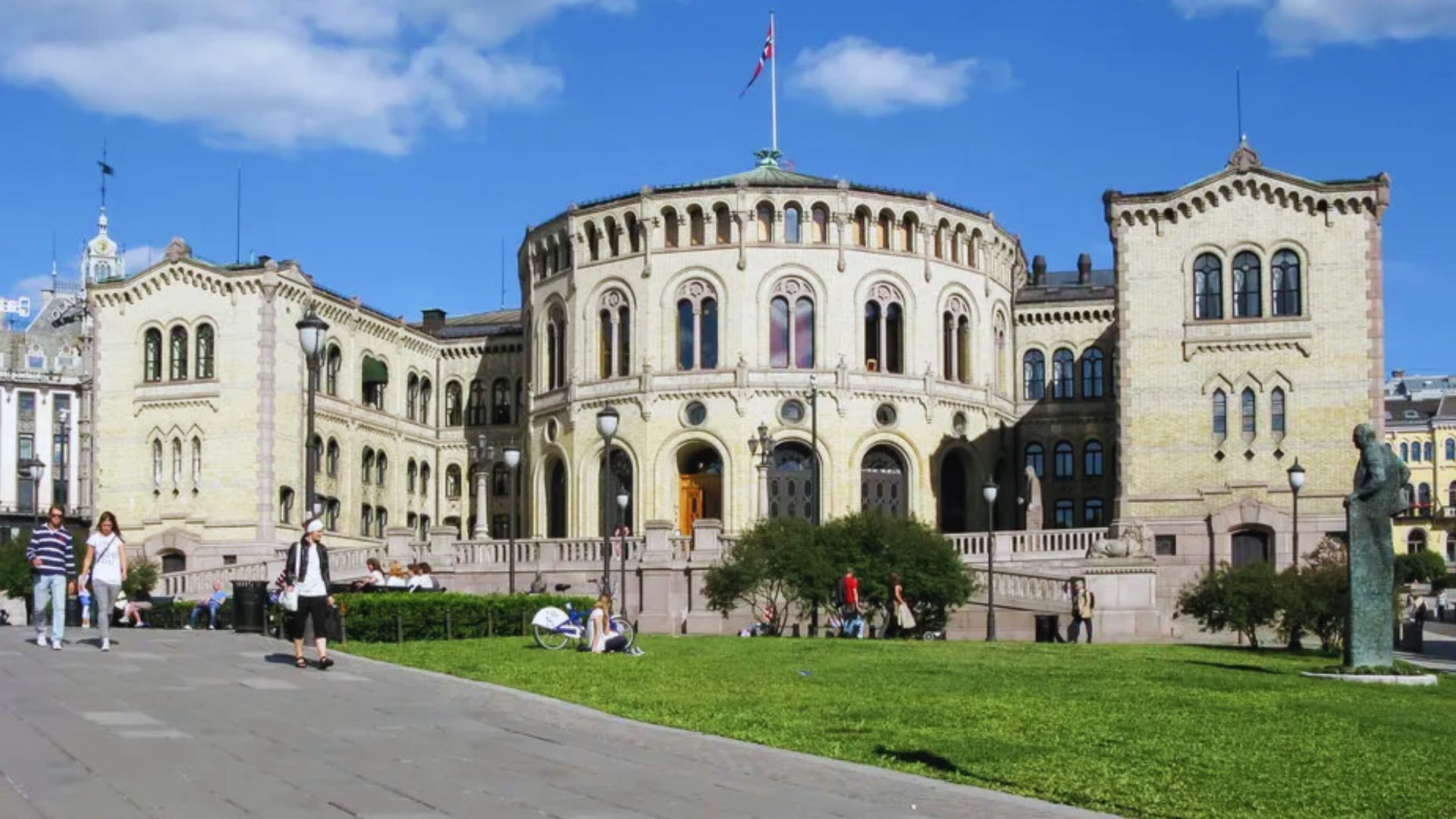
Oslo is Norway’s capital and a great starting point for any trip. The city blends modern buildings with deep history.
Visit the Viking Ship Museum to see real Viking boats up close. Walk along the Aker Brygge waterfront for good food and open water views.
The Vigeland Sculpture Park is free to enter and always worth a few hours of your time.
2. Bergen

Bergen is one of the most visited cities in Norway. The colorful wooden houses at Bryggen Wharf are a UNESCO World Heritage Site.
Take the Fløibanen funicular up the mountain for wide views over the city and sea below.
Bergen is also the main gateway to the fjords. Rain is common here, so always pack a waterproof jacket.
3. Lofoten Islands

The Lofoten Islands sit above the Arctic Circle in northern Norway. Sharp mountain peaks rise straight from the sea.
Small fishing villages with red and yellow cabins dot the coastline. In winter, it’s one of the best places to see the Northern Lights.
In summer, the midnight sun lights the sky for hours. Lofoten is raw, quiet, and like nothing else in the country.
4. Tromsø
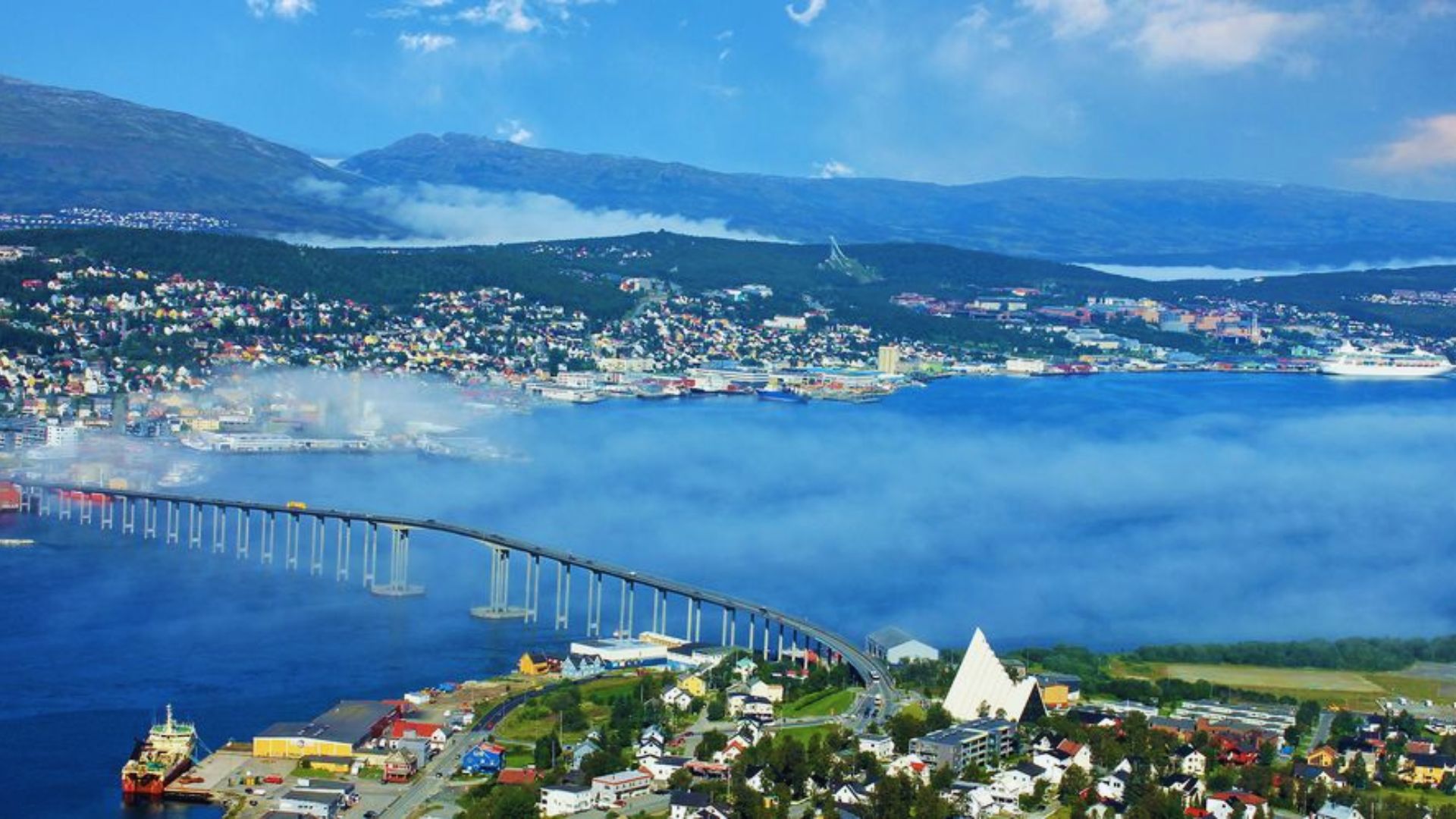
Tromsø is one of the top spots in Norway to see the Northern Lights. The Arctic Cathedral is a well-known landmark worth visiting.
In winter, you can go dog sledding, whale watching, and snowshoeing. The city has a lively feel even in the deep cold.
In summer, the midnight sun lasts for weeks. It’s a full Arctic experience packed into one accessible city.
5. Geirangerfjord
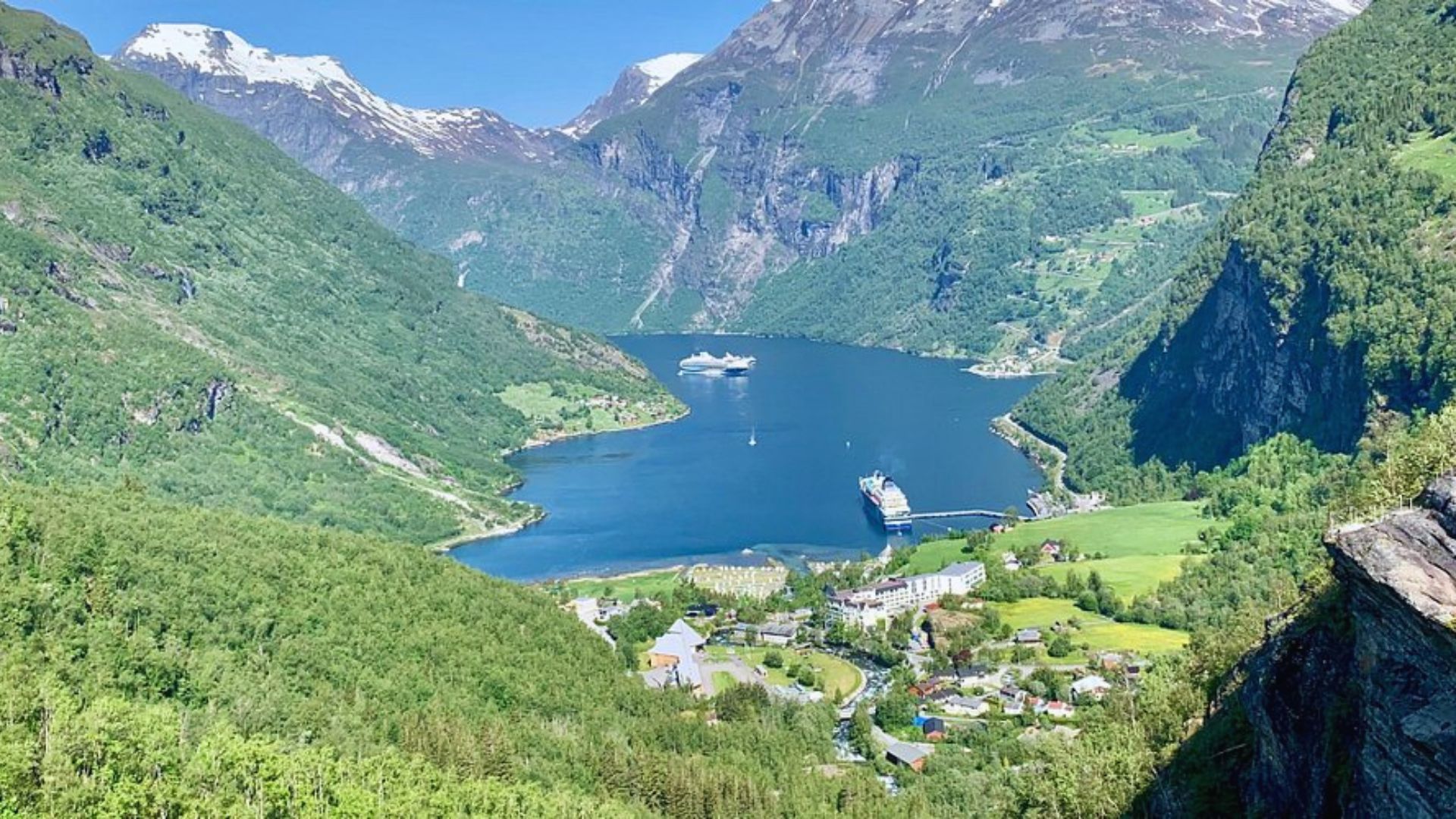
Geirangerfjord is a UNESCO World Heritage Site and one of Norway’s most recognized natural landmarks.
Tall cliffs and waterfalls drop into deep blue water. The Seven Sisters waterfall is one of the most photographed spots here.
Boat tours give you close views from the water level. Visit in summer for the best weather and easy ferry access across the fjord.
6. Aurlandsfjord and Nærøyfjord

Aurlandsfjord and Nærøyfjord are two arms of the Sognefjord, Norway’s longest fjord.
Nærøyfjord is one of the narrowest in the world and holds UNESCO World Heritage status. Small farms sit on steep hillsides above the dark water below.
Kayaking is a popular way to see both fjords up close. It’s quieter than Geirangerfjord but just as striking in person.
7. Stavanger

Stavanger is in southwestern Norway and the best starting point for the hike up to Preikestolen, also called Pulpit Rock.
The old town of Gamle Stavanger has white wooden houses dating back to the 18th century.
The Norwegian Petroleum Museum covers Norway’s oil history in an interesting and hands-on way. The food scene here is solid, with fresh seafood along the harbor.
8. Ålesund

Ålesund is spread across several small islands and known for its Art Nouveau architecture, rebuilt after a major fire in 1904.
Climb the 418 steps up to Aksla Hill for a wide view of the islands and open sea. The town is easy to walk around in a day.
Ålesund is also a solid base for visiting the Geirangerfjord area and has a relaxed local feel.
9. Nordkapp (North Cape)
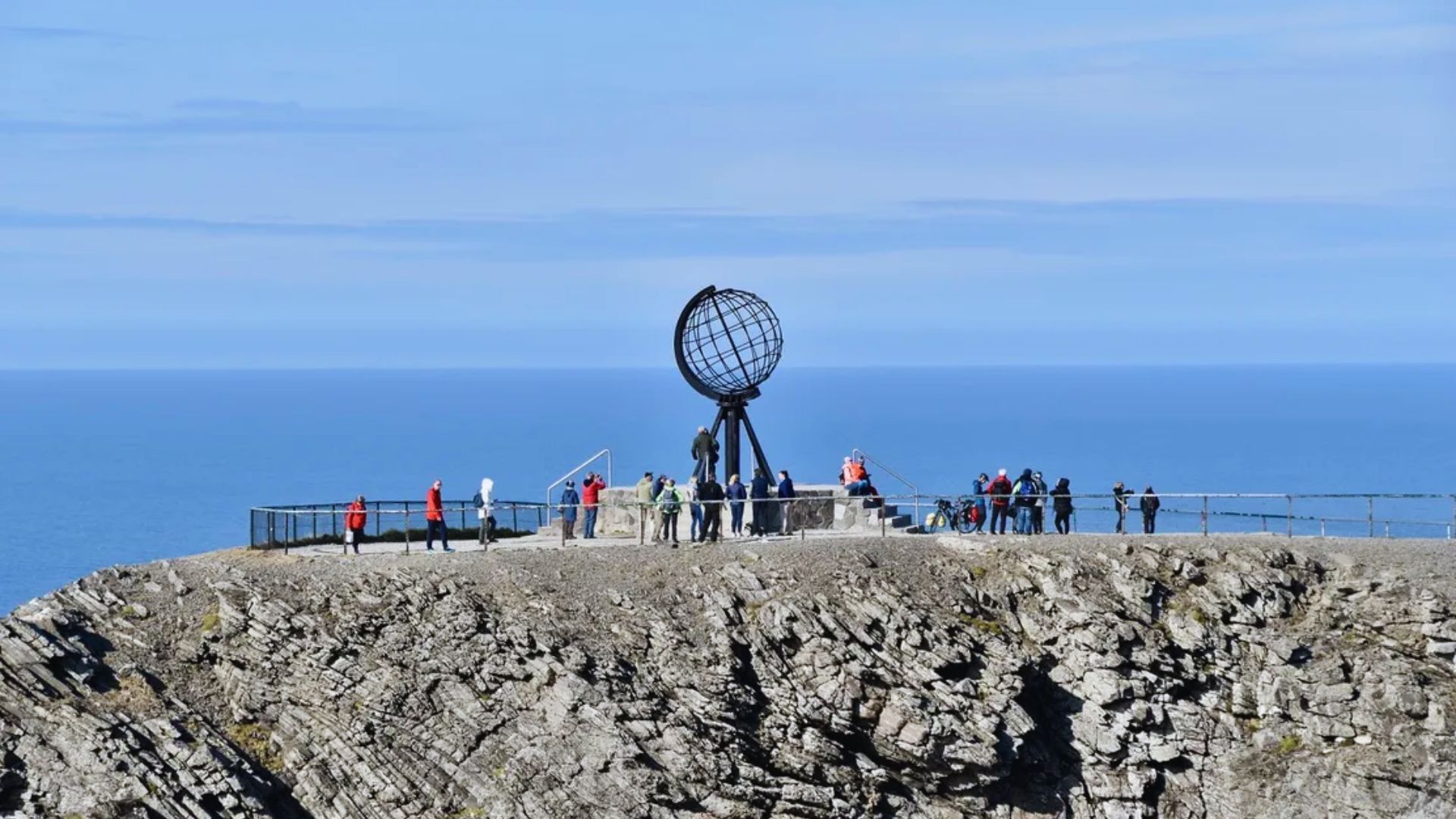
Nordkapp sits on a cliff 307 meters above the Arctic Ocean. It’s one of the northernmost points in Europe.
The globe monument at the top is a popular photo spot. In summer, you can watch the midnight sun from the clifftop. In winter, the Northern Lights sometimes appear overhead.
Getting there takes effort, but standing at the edge of Europe is a moment that stays with you.
10. Svalbard

Svalbard sits halfway between Norway and the North Pole. It’s one of the few places in the world where you can see polar bears in the wild.
Glaciers and mountains cover most of the land. Longyearbyen is the main town and a good base for guided tours.
Summer brings the midnight sun, and winter is one of the best times to spot the Northern Lights.
11. Trolltunga
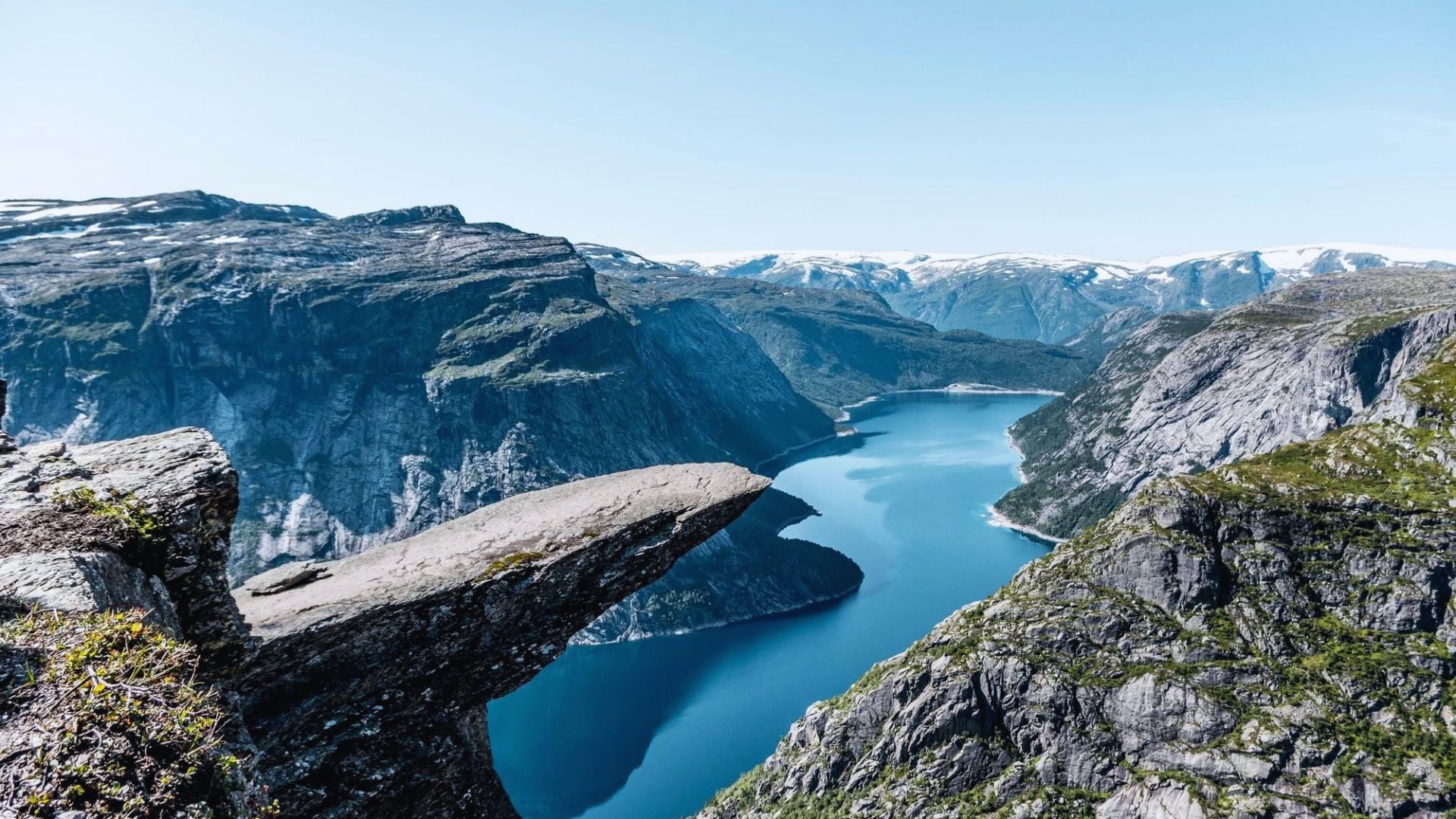
Trolltunga is a rock formation that sticks out over a lake far below. It’s one of the most well-known hikes in Norway.
The trail is about 27 kilometers round trip and takes 8 to 12 hours to complete. It’s a tough day out, but the views from the ledge are hard to match anywhere else.
Start early, and bring enough food, water, and warm layers for the full day.
12. Flåm and Flåmsbana Railway
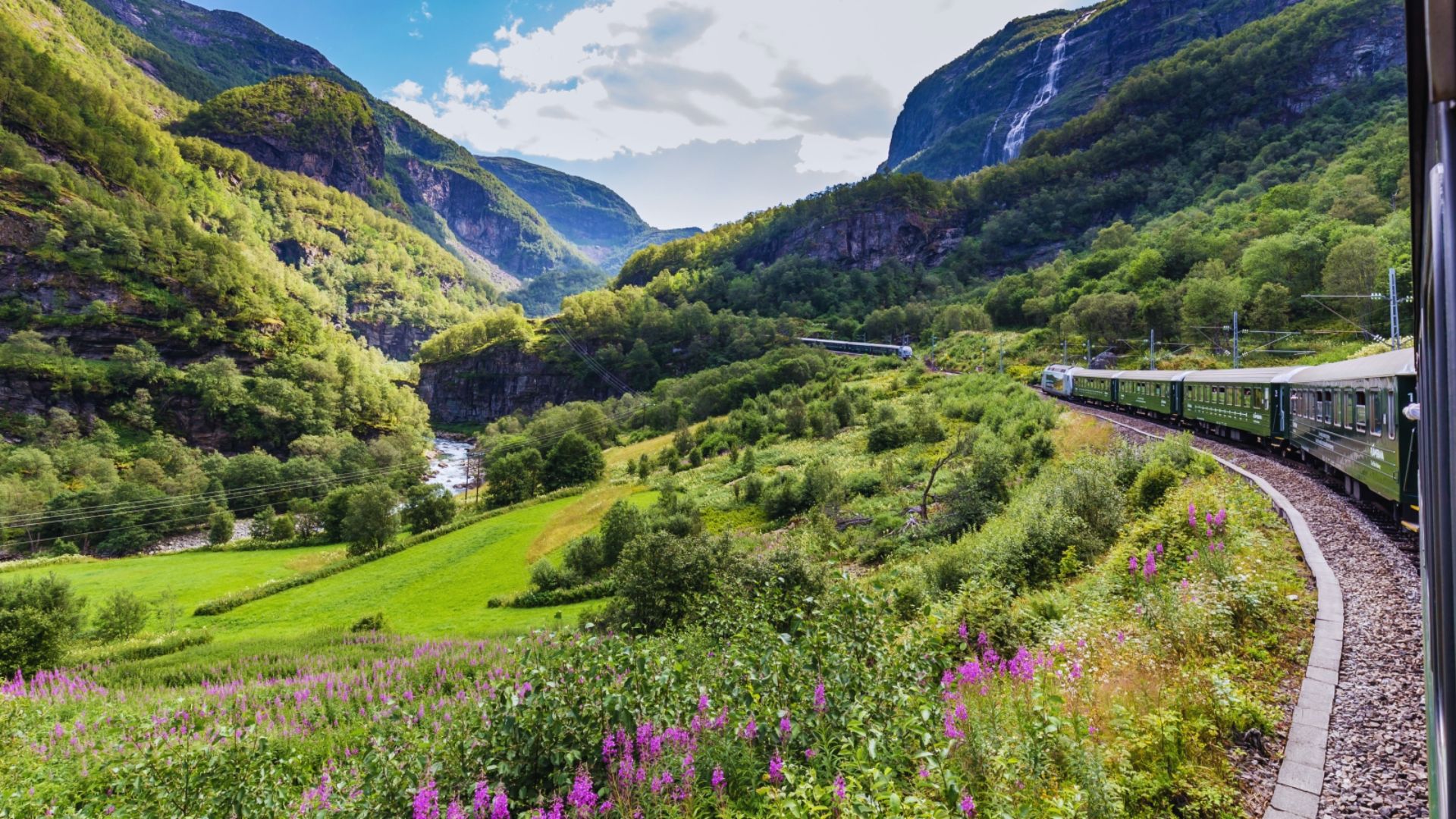
Flåm is a small village at the end of the Aurlandsfjord. The Flåmsbana Railway is one of the steepest train rides in the world, passing through mountain tunnels and past tall waterfalls.
The ride takes about an hour and the scenery stays dramatic the whole way.
Flåm is also a solid base for fjord cruises and cycling routes along the valley floor.
13. Atlantic Ocean Road

The Atlantic Ocean Road is an 8.3-kilometer route built across small islands in the open sea.
Eight bridges connect the islands along the way. It’s one of the most scenic drives in all of Norway. Stop at the viewing platforms to watch waves crash into the rocks below.
The drive itself is short, but the views make it one of the most memorable stretches of road in the country.
14. Rondane National Park
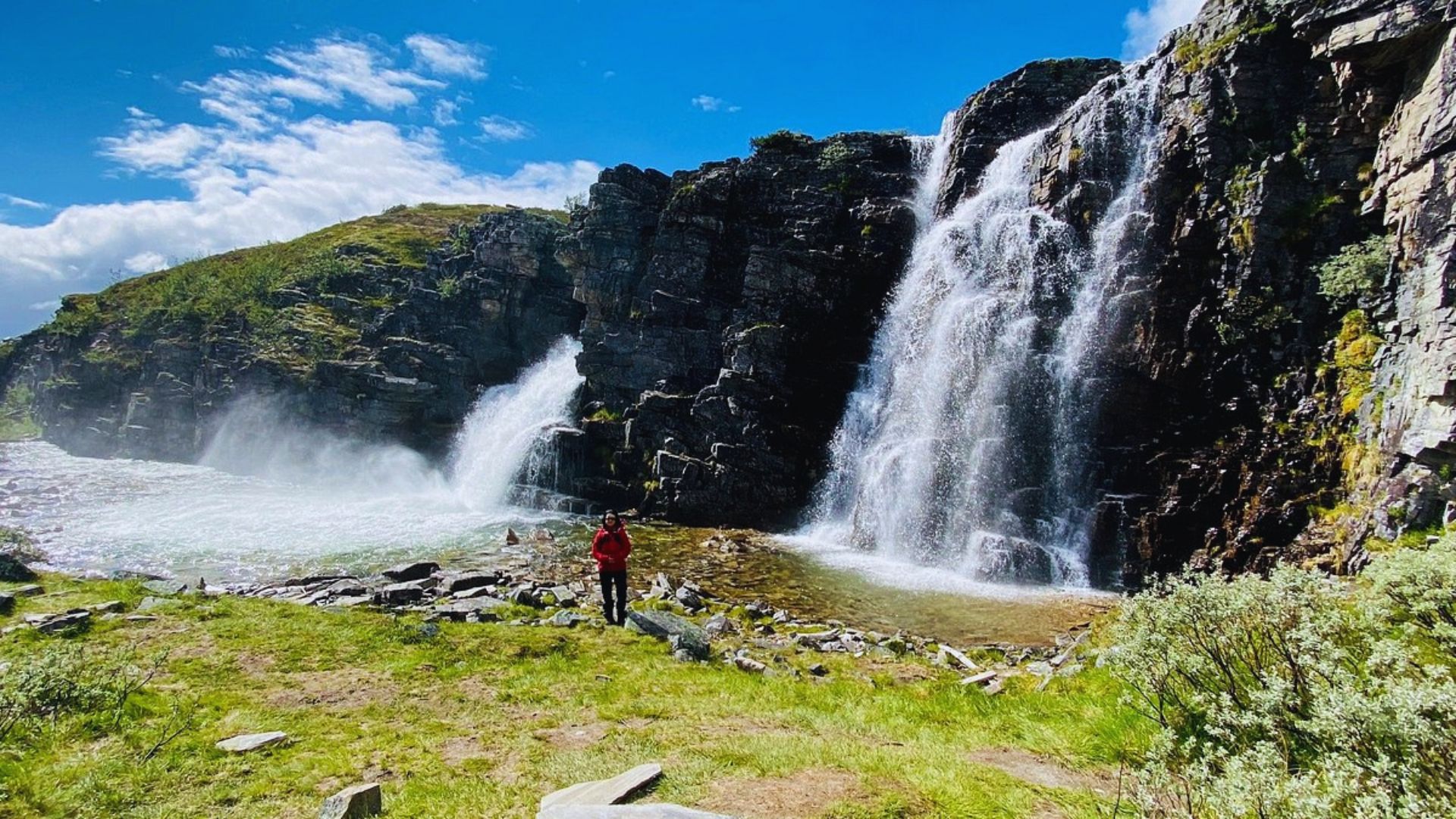
Rondane was Norway’s first national park, opened in 1962. It has ten peaks rising over 2,000 meters.
The landscape is open and wide with rivers, gentle hills, and wild reindeer roaming freely. Trails are well-marked and good for most skill levels.
It’s a popular spot for hiking and skiing. Rondane is quieter than most of Norway’s famous spots, which gives it a calm and open feel.
15. Kristiansand
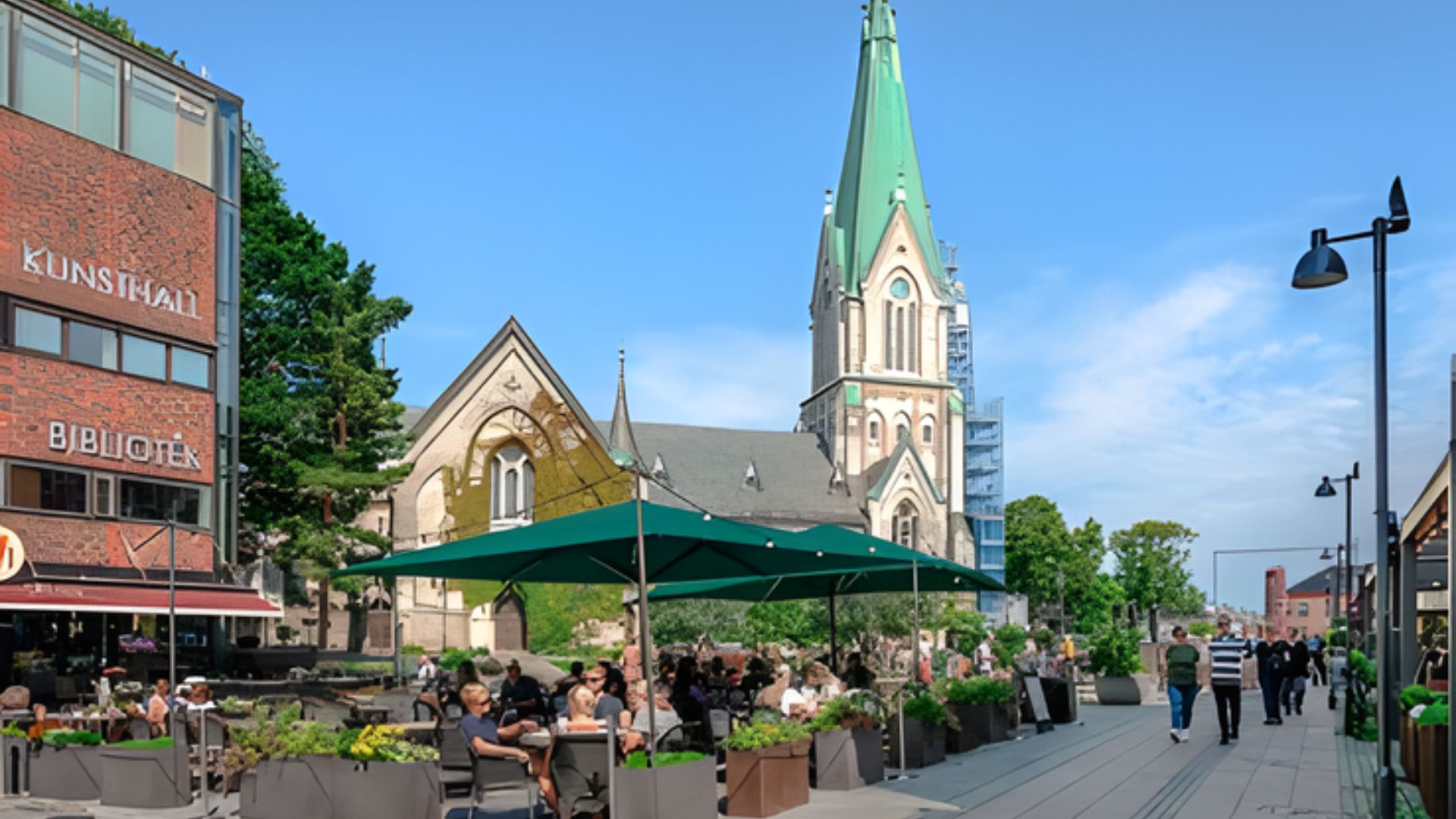
Kristiansand is a coastal city in southern Norway with some of the highest sunshine hours in the country.
The Posebyen district has well-preserved old wooden houses worth walking through. Dyreparken, a local zoo and theme park, is one of the most visited family attractions in Norway.
The beaches nearby are clean and good for summer swimming. It’s an easy and relaxed place to spend a few days.
16. Hardangerfjord

Hardangerfjord is Norway’s second-longest fjord, known for its fruit orchards and spring blossoms.
The Hardangervidda plateau, the largest mountain plateau in Europe, sits just above the fjord. The Vøringsfossen waterfall drops 182 meters and is one of the most visited in the country.
It’s a calmer and greener alternative to the more dramatic western fjords. Spring is one of the best times to visit.
17. Senja Island
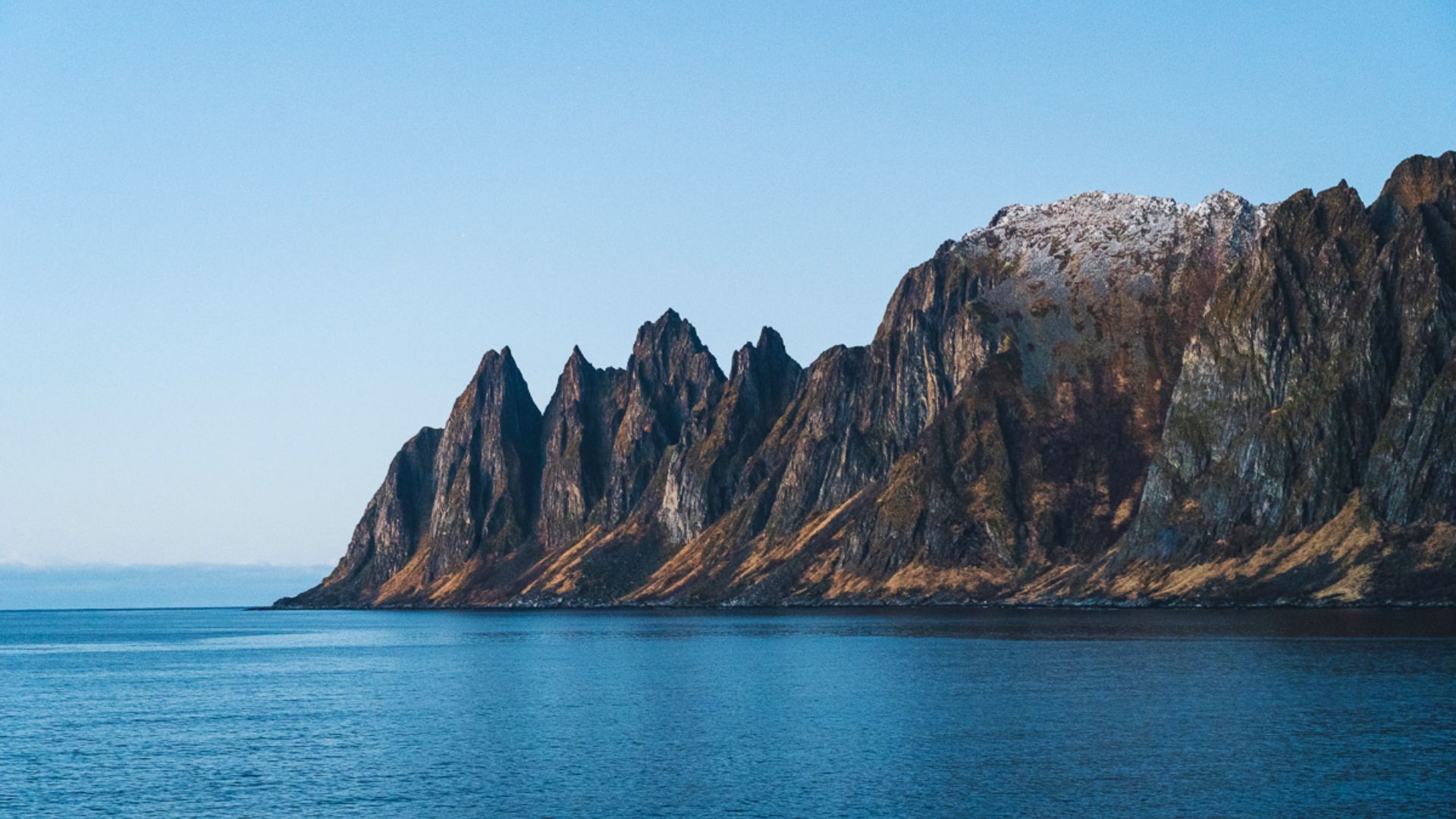
Senja is located in northern Norway and is the country’s second-largest island. It has dramatic mountain peaks, quiet beaches, and small fishing villages along the coast.
The Senja Scenic Route passes some of the most striking views in all of Norway. It’s far less crowded than Lofoten but offers the same kind of raw northern scenery.
Senja is a great pick if you want open space and fewer tourists.
Tips for Visiting Norway’s Best Spots
A little planning goes a long way in Norway. Keep these tips handy before you head out.
- Book accommodation early: Lofoten and Flåm fill up fast, so book two to three months ahead.
- Pack layers for every season: Bring a waterproof jacket and good hiking boots, always.
- Use the Norway In A Nutshell route: Covers fjords, mountains, and villages in one easy trip.
- Travel by train when possible: Cheaper, scenic, and more reliable than flying between cities.
- Carry some cash: Some remote spots and local vendors don’t accept cards.
Plan smart and you’ll get far more out of every stop on this list.
Conclusion
Norway has a way of staying with you long after the trip ends. I still think about the first time I saw a fjord up close.
It felt almost too good to be real. The 17 best places to visit in Norway on this list give you the full picture, from Arctic islands to fjord towns to steep hikes.
Start with one spot and go from there.
Drop a comment below, which place would you visit first? Share this post with someone who needs to see Norway.
Frequently Asked Questions
What is the best time to visit Norway?
June to August is the best time, with long daylight hours and great weather.
How many days do you need in Norway?
10 to 14 days gives you a solid mix of cities, fjords, and northern spots.
Is Norway expensive to visit?
Yes, it is one of Europe’s pricier countries, so budget carefully before you go.
Do I need a visa to visit Norway?
Most EU and many other nationals don’t need one, but check your country’s rules first.
What language do people speak in Norway?
Norwegian is the official language, but English is widely spoken across the country.
