


Most people visit national parks in summer. I stopped doing that years ago. April changed everything for me.
The best national parks to visit in April look nothing like they do in July. Waterfalls are running full. Wildflowers are out. Trails are quiet. And the light is different in a way that is genuinely hard to explain until you see it yourself.
I have visited parks in every season. April is the one I keep coming back to.
This guide covers 15 parks worth your time this spring, and exactly what makes each one special in April.
Why April is an Ideal Time for National Parks
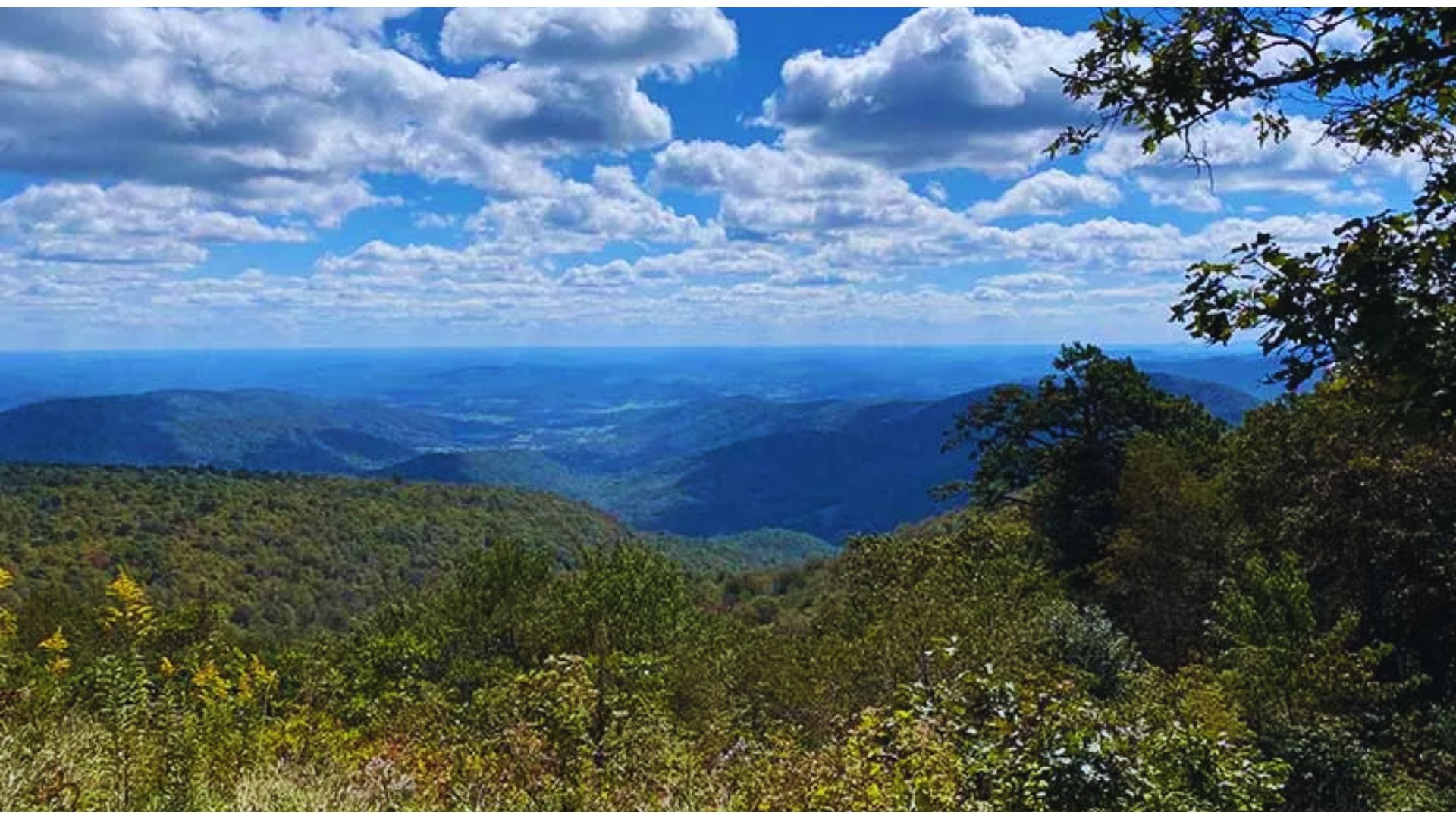
April sits in a sweet spot. Summer heat has not arrived yet. Winter closures are mostly lifted. And the landscape is doing things it only does for a few weeks each year.
Temperatures across most parks are mild enough for comfortable hiking without the punishing heat that arrives by June and July.
Many of the best trails are accessible without the crowds that define summer weekends.
Many travelers seek the best national parks to visit in April USA for stunning spring landscapes and ideal hiking conditions.
The wildflower blooms, rushing waterfalls from snowmelt, and active wildlife make April one of the most rewarding months to be outdoors.
Pack layers. Spring weather is unpredictable and temperatures can swing significantly between morning and afternoon.
A light rain jacket, comfortable hiking shoes, and sun protection cover most scenarios. Book accommodation in advance even in April, as popular parks fill up faster than most people expect.
15 Best National Parks to Visit in April
April opens up options that are either too hot, too crowded, or too snowy in other months. Here are the parks that deliver the most in spring.
1. Yosemite National Park, California

April is arguably the best month to visit Yosemite. Snowmelt from the high country pushes Yosemite Falls, Bridalveil Fall, and Horsetail Fall to their most powerful and dramatic flow of the year.
The Mist Trail to Vernal Fall is exceptional in April. Expect to get wet and expect it to be worth it. Yosemite Valley itself is lush and green in a way that the dry summer months simply cannot match.
Parking and road access improve from March onward, but Tioga Road typically remains closed until late spring or early summer. Focus your visit on the valley and lower elevation trails for the best April experience.
Photography in April is outstanding. The combination of full waterfalls, green meadows, and dramatic granite walls gives you images that look almost too good to be real.
2. Grand Canyon National Park, Arizona
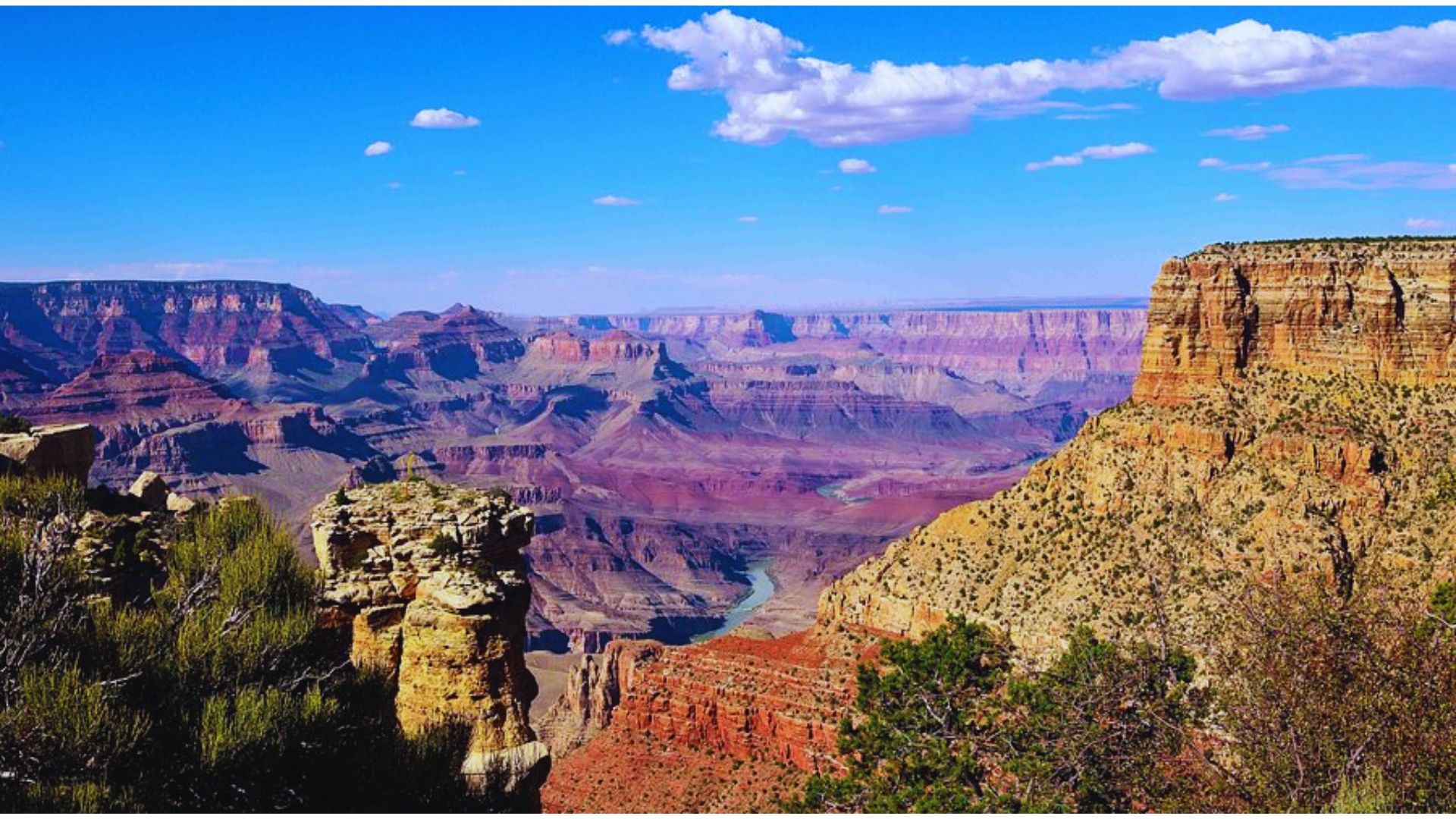
April brings comfortable temperatures to the South Rim, typically ranging from the mid-50s to low 70s Fahrenheit. That makes it one of the best windows for rim-to-river hiking before summer heat makes lower canyon trails genuinely dangerous.
The South Rim trails including Bright Angel and South Kaibab are accessible and rewarding. Crowds are noticeably lighter than the summer peak, which means better trailhead parking and a quieter experience overall.
The North Rim remains closed in April, typically opening in mid-May. Plan accordingly if you were hoping to access that side of the canyon.
Clear skies are common in April, making sunrise and sunset photography from Mather Point and Desert View particularly striking.
3. Zion National Park, Utah
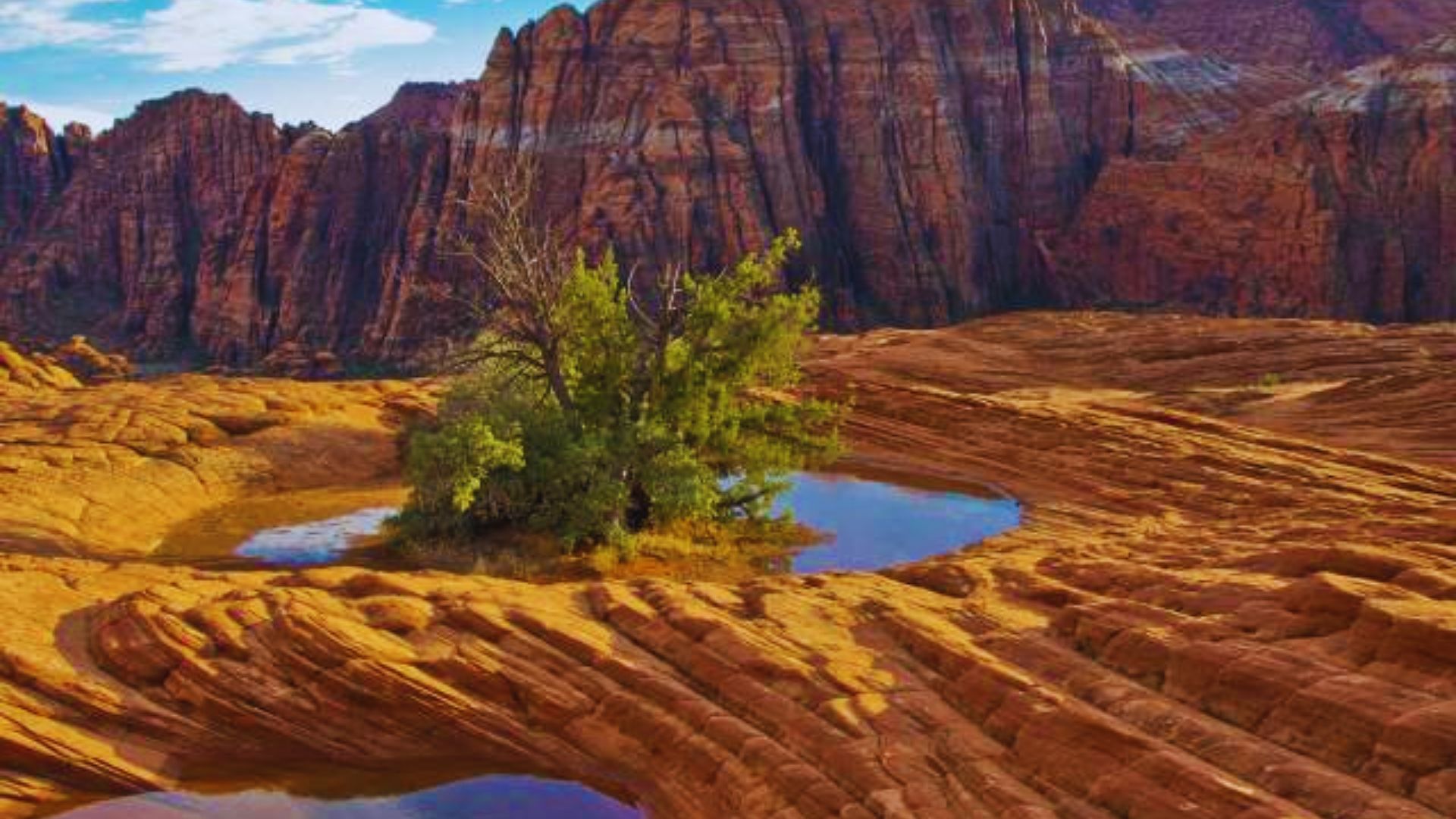
Zion in April means wildflowers along the canyon walls, the Virgin River running with purpose, and temperatures that make long days on trail genuinely enjoyable.
The Riverside Walk and Emerald Pools trails are beautiful in spring. Angels Landing is accessible but check conditions before you go as some sections can be slippery after rain. The park introduced a permit system for Angels Landing, so book ahead.
The Narrows is one of the most memorable hikes in any national park. April water levels can be high from snowmelt, so check current conditions with the park before attempting it.
Zion Canyon Scenic Drive is served by a shuttle system during peak season. April is often just before mandatory shuttle use kicks in, giving you more flexibility with your own vehicle.
4. Great Smoky Mountains National Park, Tennessee and North Carolina
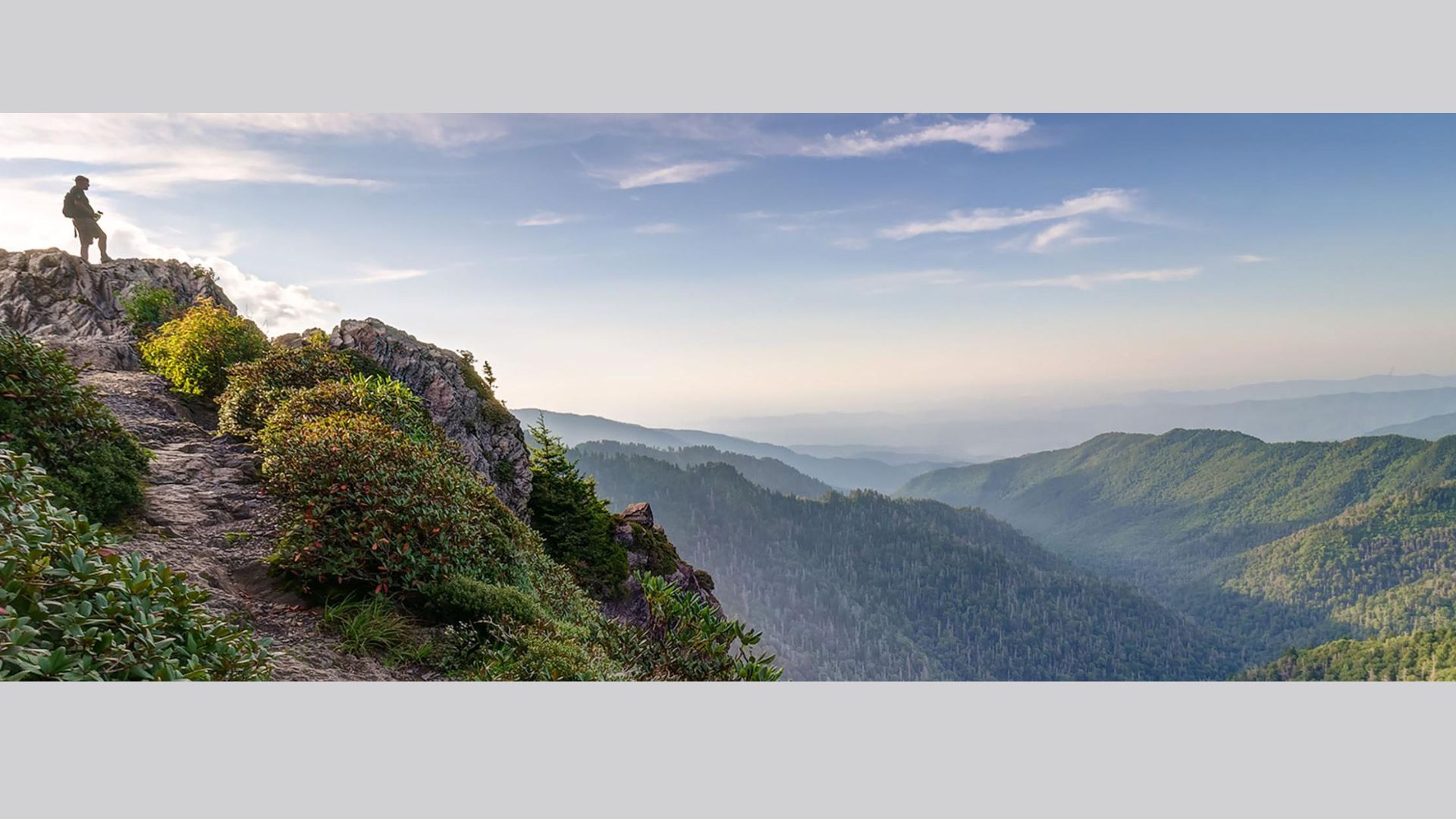
The Smokies earn their name in April when morning mist hangs over the ridgelines and everything is in full spring bloom. It is one of the most visually distinctive national park experiences in the country.
Wildflower season in the Smokies is genuinely world-class. The park contains one of the highest concentrations of wildflower species in North America, and April is peak bloom time.
Wildlife is highly active in April. Black bears emerge from their winter dens with cubs, and white-tailed deer are visible throughout the park. Clingmans Dome Road typically opens in April after its winter closure.
The park is free to enter, which makes it one of the most accessible options on this list. Cades Cove and Laurel Falls are reliable highlights for first-time visitors.
5. Arches National Park, Utah
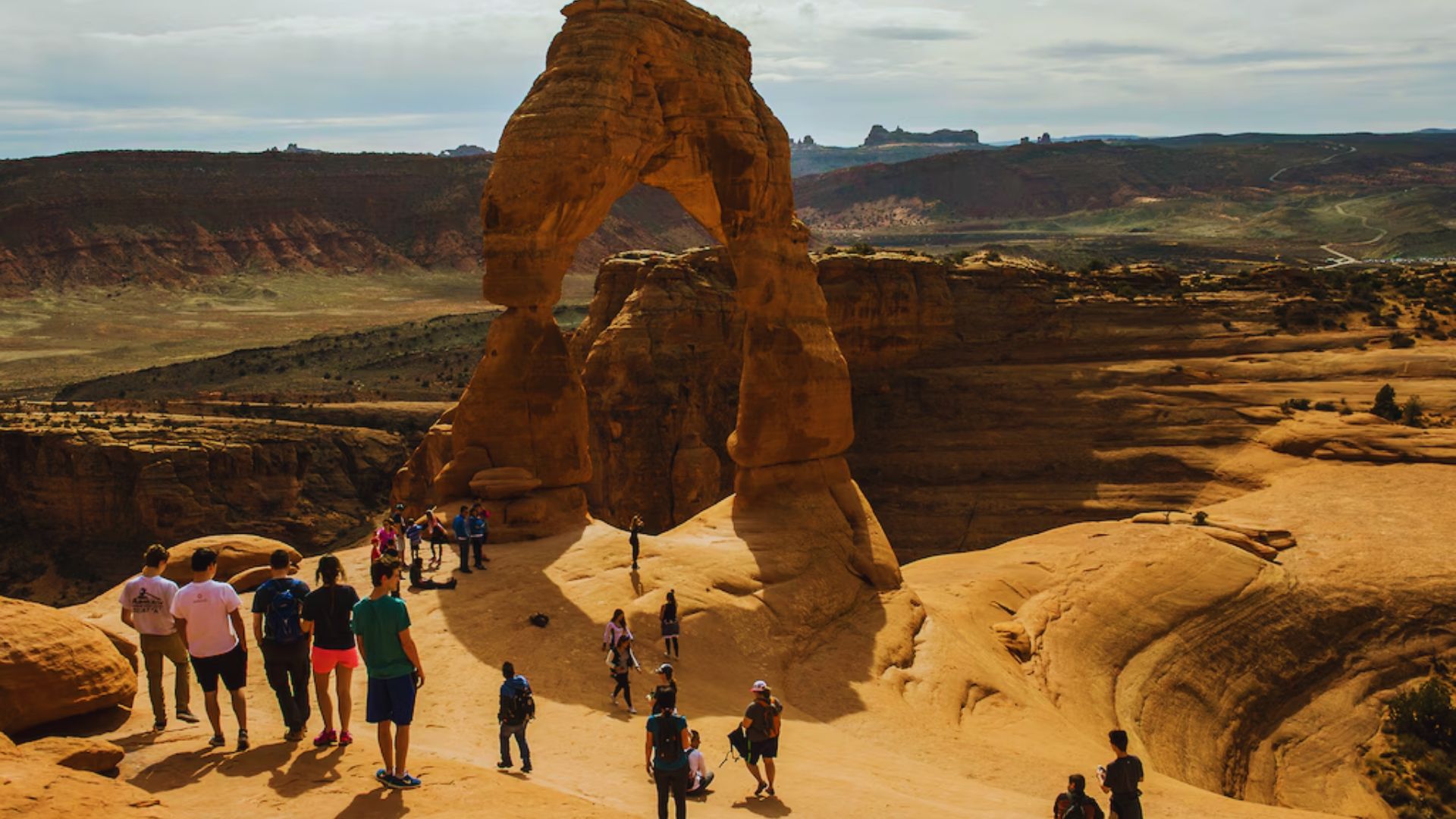
April temperatures in Arches sit comfortably in the 60s and 70s Fahrenheit, making it ideal for hiking before the brutal summer heat arrives. The desert landscape takes on warm tones in spring light that makes every photograph look composed.
The Delicate Arch hike is the park’s signature trail and April is one of the best months to attempt it. The 3-mile round trip with 480 feet of elevation gain is manageable for most reasonably fit visitors.
Arches now requires timed entry reservations during peak hours. Book your entry window before your trip to avoid turning up and being denied access at the gate.
Fiery Furnace is a labyrinthine section of fins and canyons that requires either a ranger-led tour or an advance permit. It is one of the most unusual hiking experiences in any national park.
6. Joshua Tree National Park, California
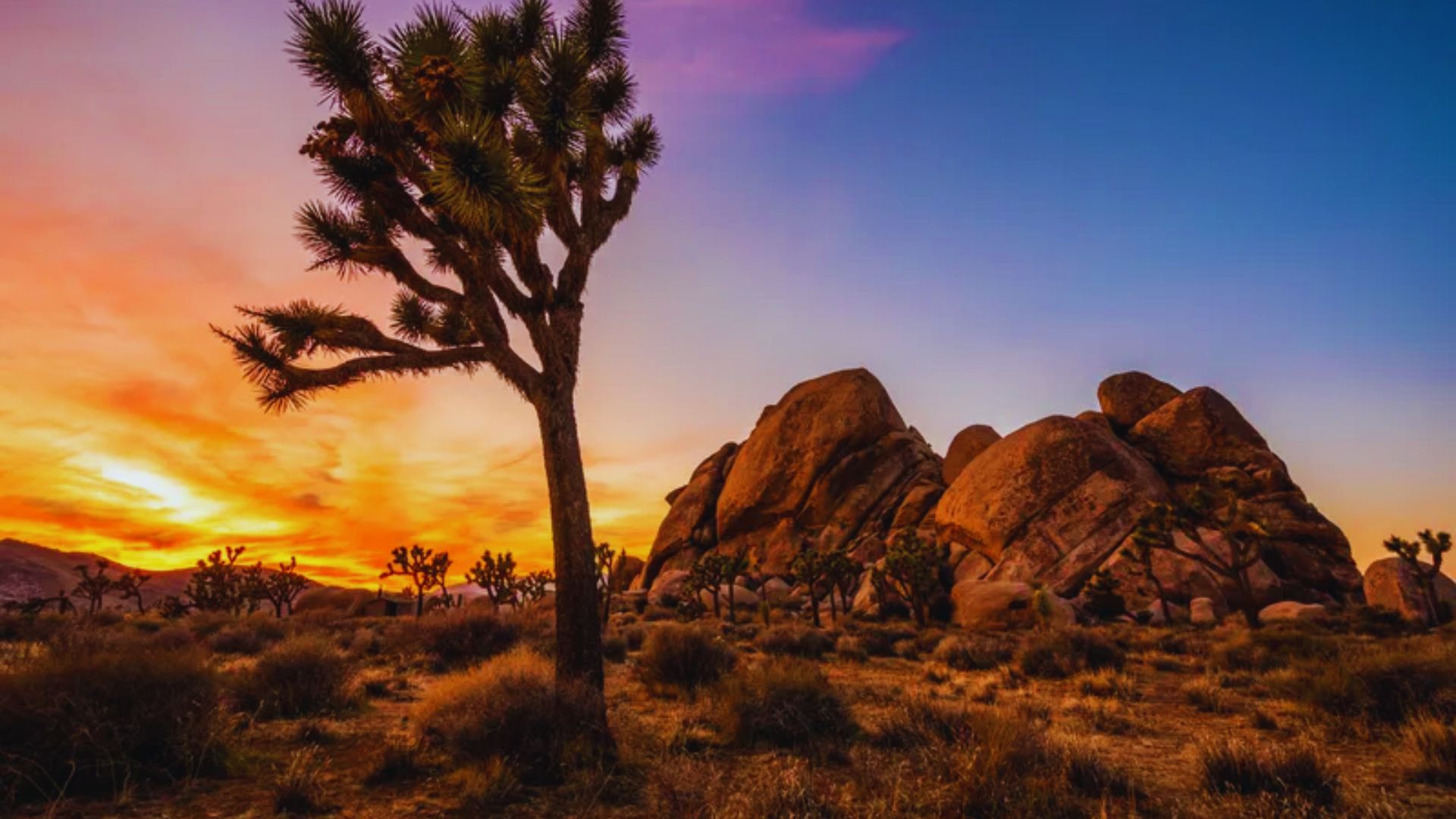
April is the last comfortable month to visit Joshua Tree before summer temperatures become extreme. Desert wildflowers bloom in late March through April, transforming the landscape with color that most visitors never see.
The Cholla Cactus Garden and Skull Rock Nature Trail are excellent easy options. For longer hikes, Ryan Mountain offers panoramic views of the park and surrounding desert with a manageable 3-mile round trip.
Joshua Tree sits at the intersection of two desert ecosystems, the Mojave and the Colorado. That crossover creates a diversity of plant life that makes the park visually distinct from any other desert park.
Stargazing here is exceptional. The park is a designated International Dark Sky Park, and April nights are clear and cool enough to spend extended time outside after dark.
7. Everglades National Park, Florida
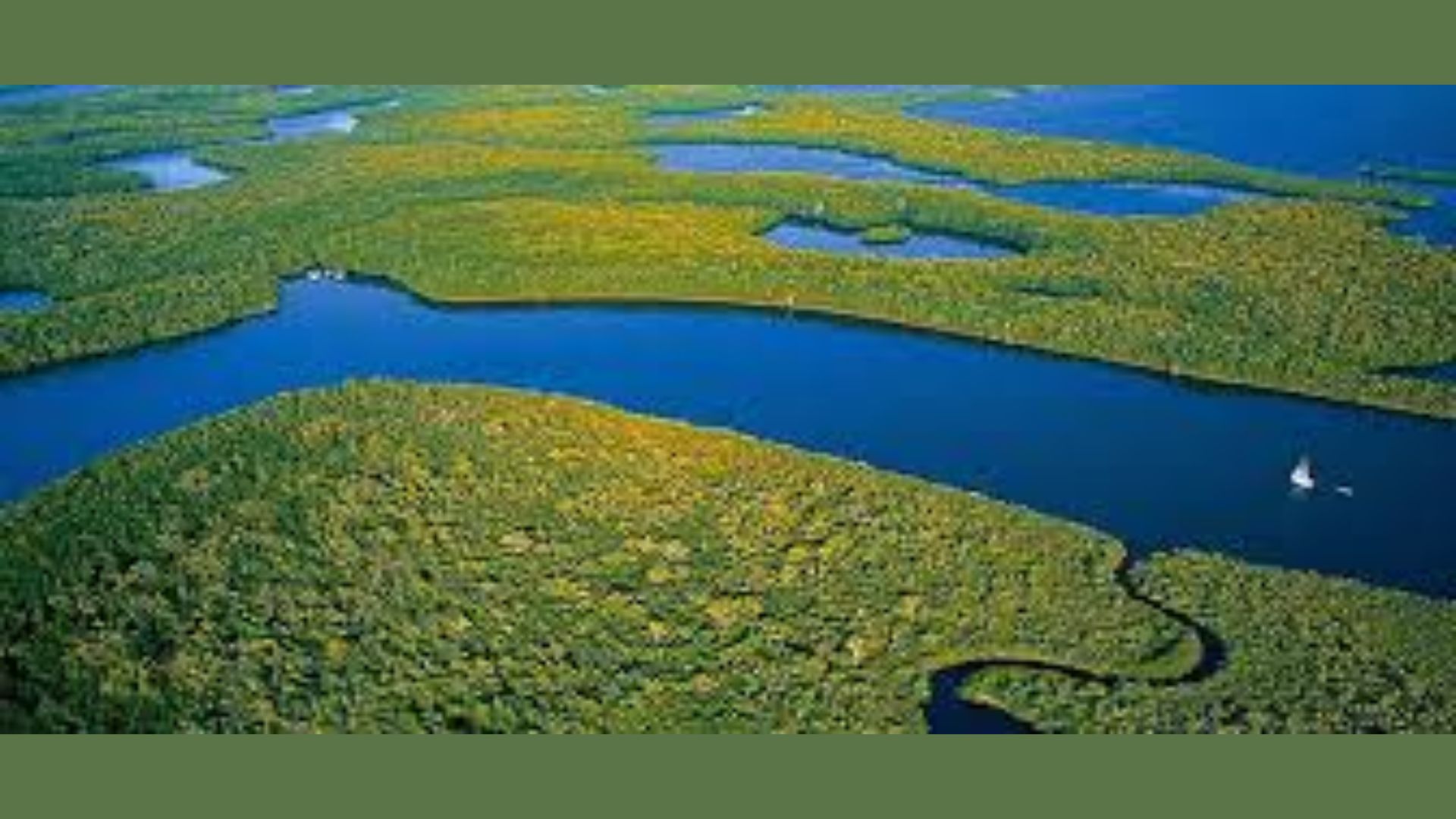
April falls toward the end of the dry season in the Everglades, which is the best time to visit. Water levels are lower, wildlife concentrates around remaining water sources, and mosquitoes are far less intense than the summer wet season.
Alligators are highly visible in April, often basking on the banks of the Anhinga Trail. Manatees, dolphins, and an extraordinary variety of wading birds are all active throughout the park.
The Anhinga Trail and Gumbo Limbo Trail are both short, flat, and packed with wildlife sightings. They are among the most rewarding easy walks in the entire national park system.
Boat tours through the mangrove channels offer a completely different perspective on the park. Several operators run daily tours from Flamingo and Everglades City.
8. Acadia National Park, Maine
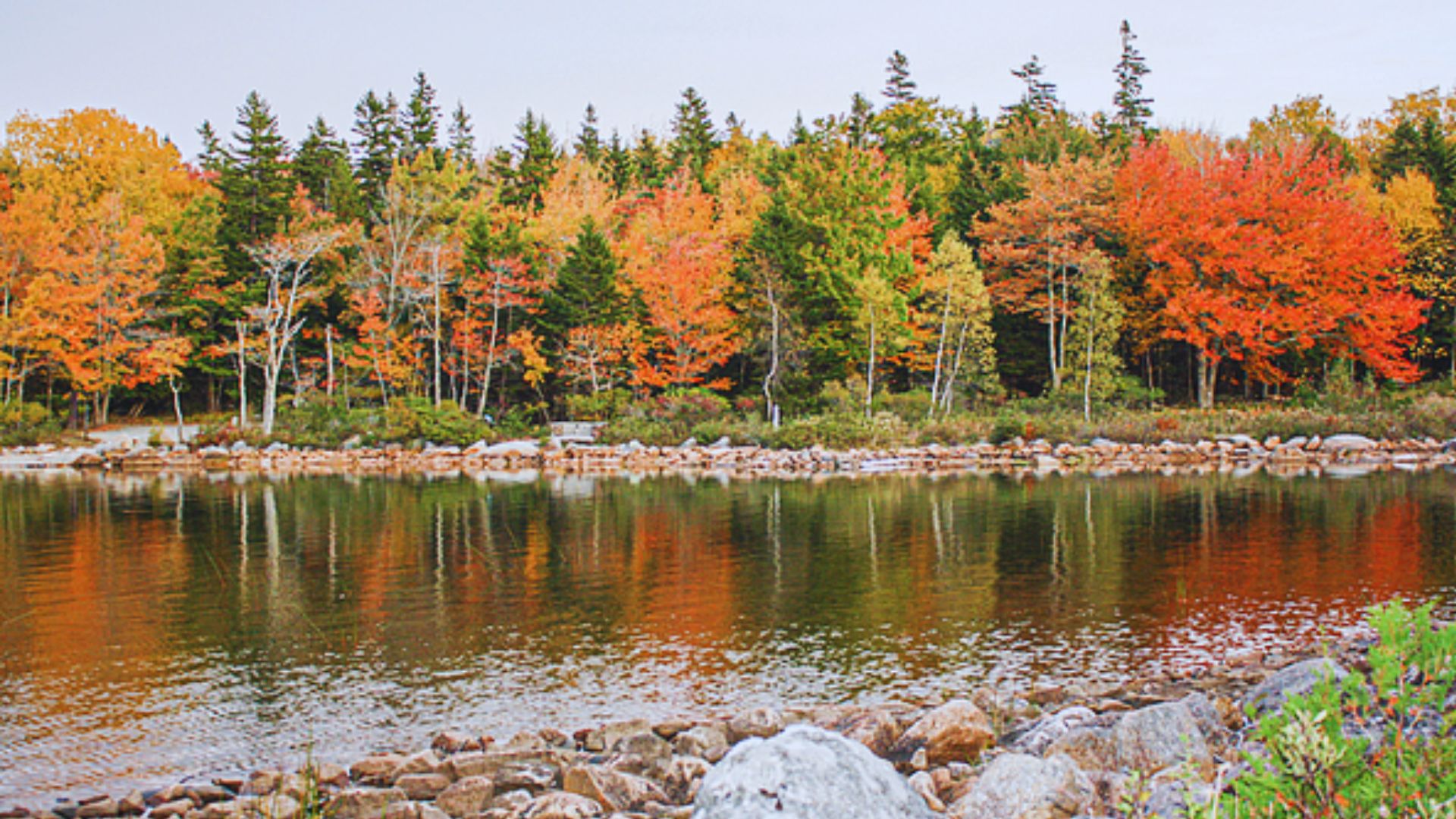
April in Acadia is quiet in the best possible way. The summer tourist season has not yet begun, the coastal landscape is crisp and dramatic, and you have popular spots largely to yourself.
The Park Loop Road opens in spring and gives access to Thunder Hole, Sand Beach, and the Otter Cliff viewpoints. Carriage roads are also accessible and offer a gentle way to cover significant ground on foot or by bike.
Wildlife is active in April. Migratory birds return to the Maine coast in spring, making Acadia a rewarding destination for birdwatchers. Peregrine falcons nest on the granite cliffs and are often visible from the Precipice Trail area.
Cadillac Mountain is the highest point on the eastern seaboard and the first place in the contiguous US to see sunrise for part of the year. In April, the summit road is typically open and the early morning views are worth the early alarm.
9. Glacier National Park, Montana
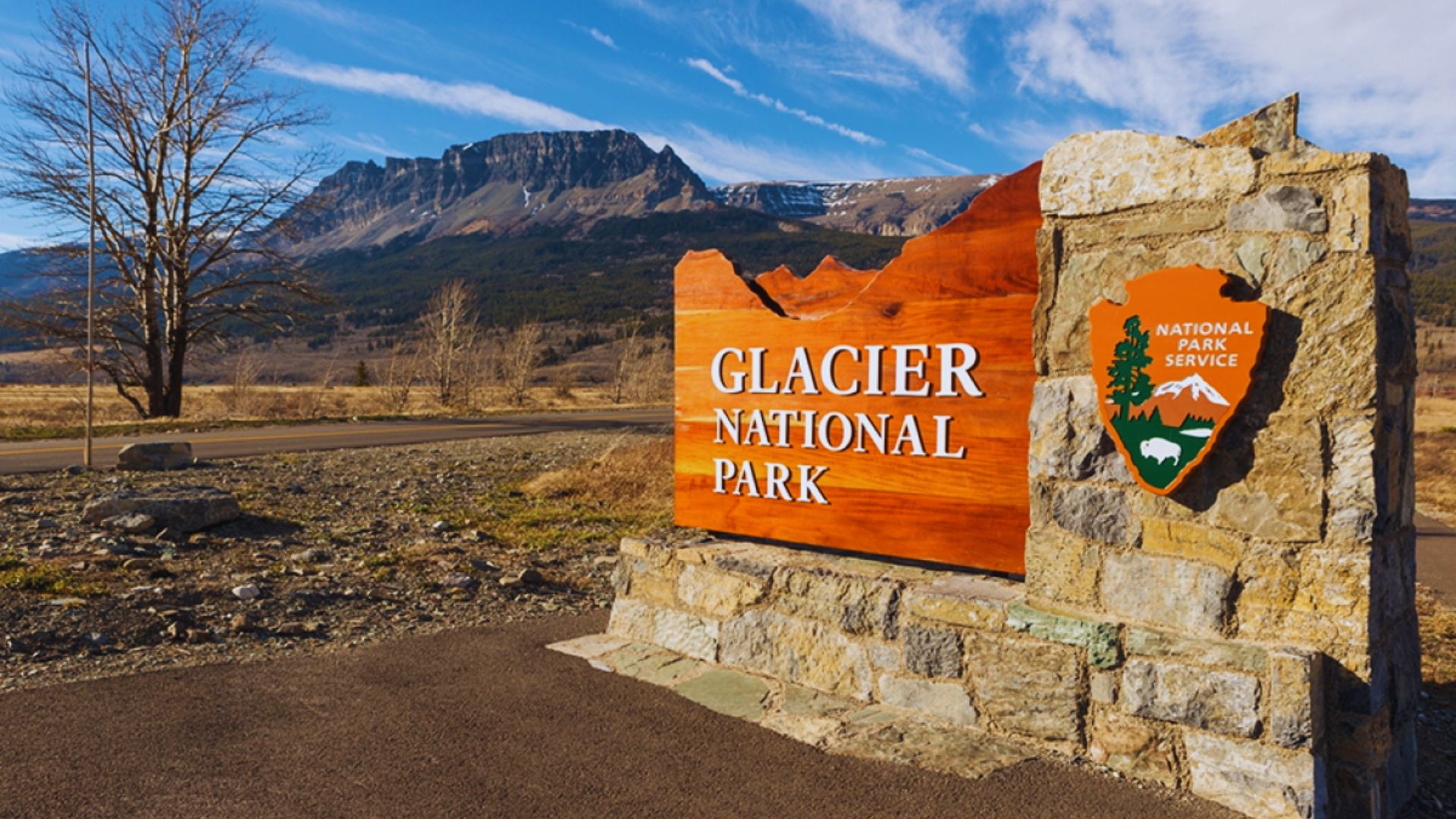
April is early season at Glacier and that comes with trade-offs worth understanding. Going-to-the-Sun Road is typically still partially closed due to snow, and many facilities have not yet opened for the season.
What April does offer is genuine solitude and waterfalls running at full force from snowmelt. The lower elevation trails around Lake McDonald and the Apgar area are accessible and beautiful without any crowds at all.
Wildlife is highly active in spring. Bears emerge from hibernation, wolves and elk are visible in the valleys, and migratory birds return. April can be one of the best wildlife viewing months in the park.
Check the park website before your visit for current road and trail conditions. Glacier rewards flexible travelers who are prepared to adjust plans based on what is actually accessible.
10. Yellowstone National Park, Wyoming, Montana, and Idaho
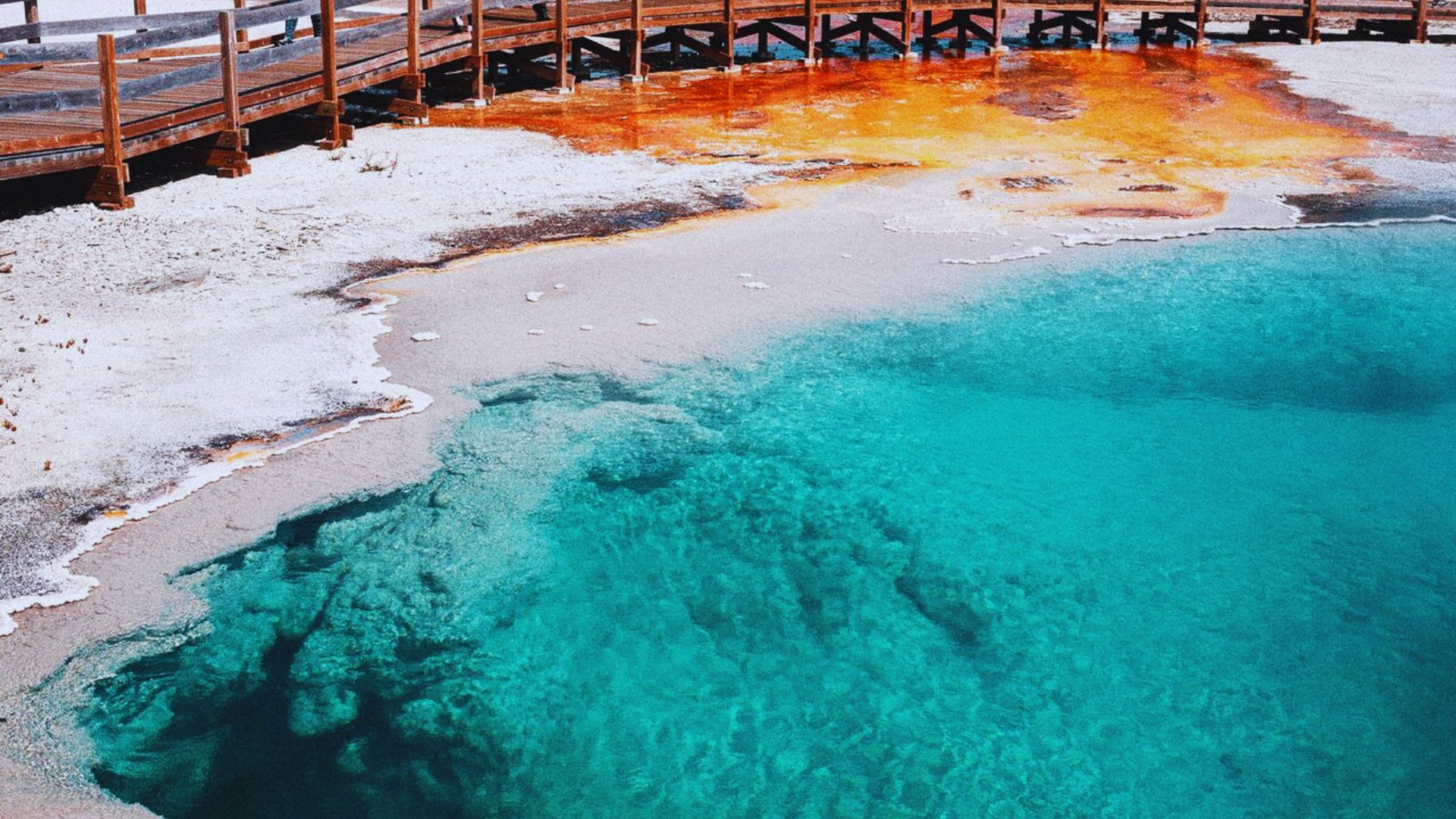
April is shoulder season at Yellowstone and one of the most rewarding times to visit. The park opens its interior roads in mid-April, and visitor numbers are a fraction of the summer peak.
Geysers including Old Faithful are active year-round and equally impressive in spring. The thermal features throughout the Upper and Lower Geyser Basins are often enhanced visually by cool morning air.
Wildlife viewing in April is exceptional. Bison calves are born in spring, grizzly bears emerge from hibernation, and wolf packs are active. The Lamar Valley is the best location in the park for consistent wildlife sightings.
Some services and facilities open gradually through April. Fuel availability inside the park can be limited early in the season, so fill up in gateway towns before entering.
11. Death Valley National Park, California and Nevada
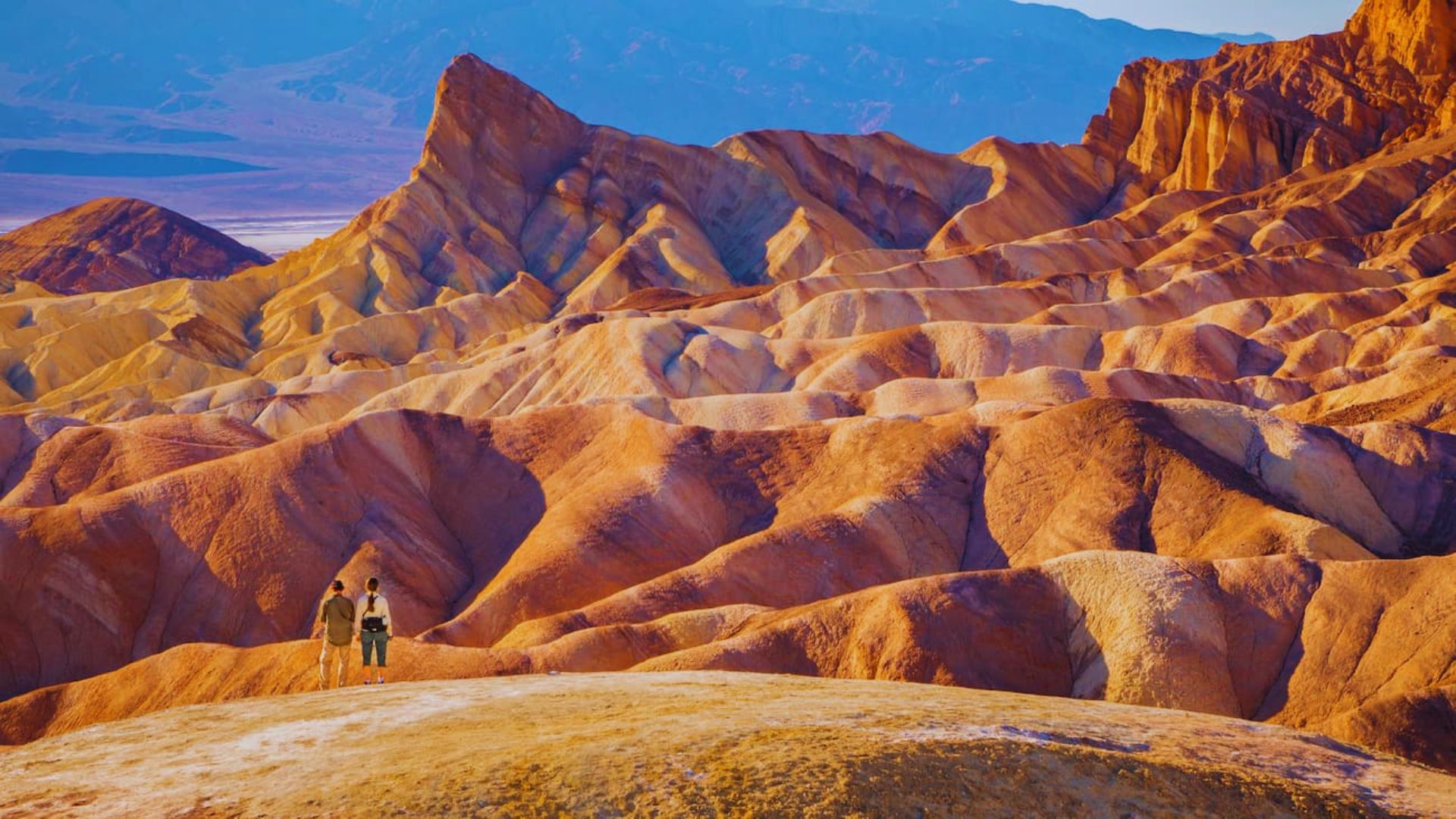
April is one of the last comfortable months to visit Death Valley before temperatures become extreme. Daytime highs in April typically range from the mid-70s to low 90s Fahrenheit at valley floor level.
Spring wildflower blooms in Death Valley are one of nature’s more spectacular events. In years with adequate winter rainfall, the valley floor erupts with color in March and April. The 2023 and 2024 super blooms were among the most impressive in decades.
Mesquite Flat Sand Dunes, Zabriskie Point, and Artists Drive are all accessible and stunning in spring light. The golden hour photography opportunities here are among the best of any park on this list.
Badwater Basin, the lowest point in North America at 282 feet below sea level, is a short easy walk and a genuinely disorienting experience.
12. Shenandoah National Park, Virginia
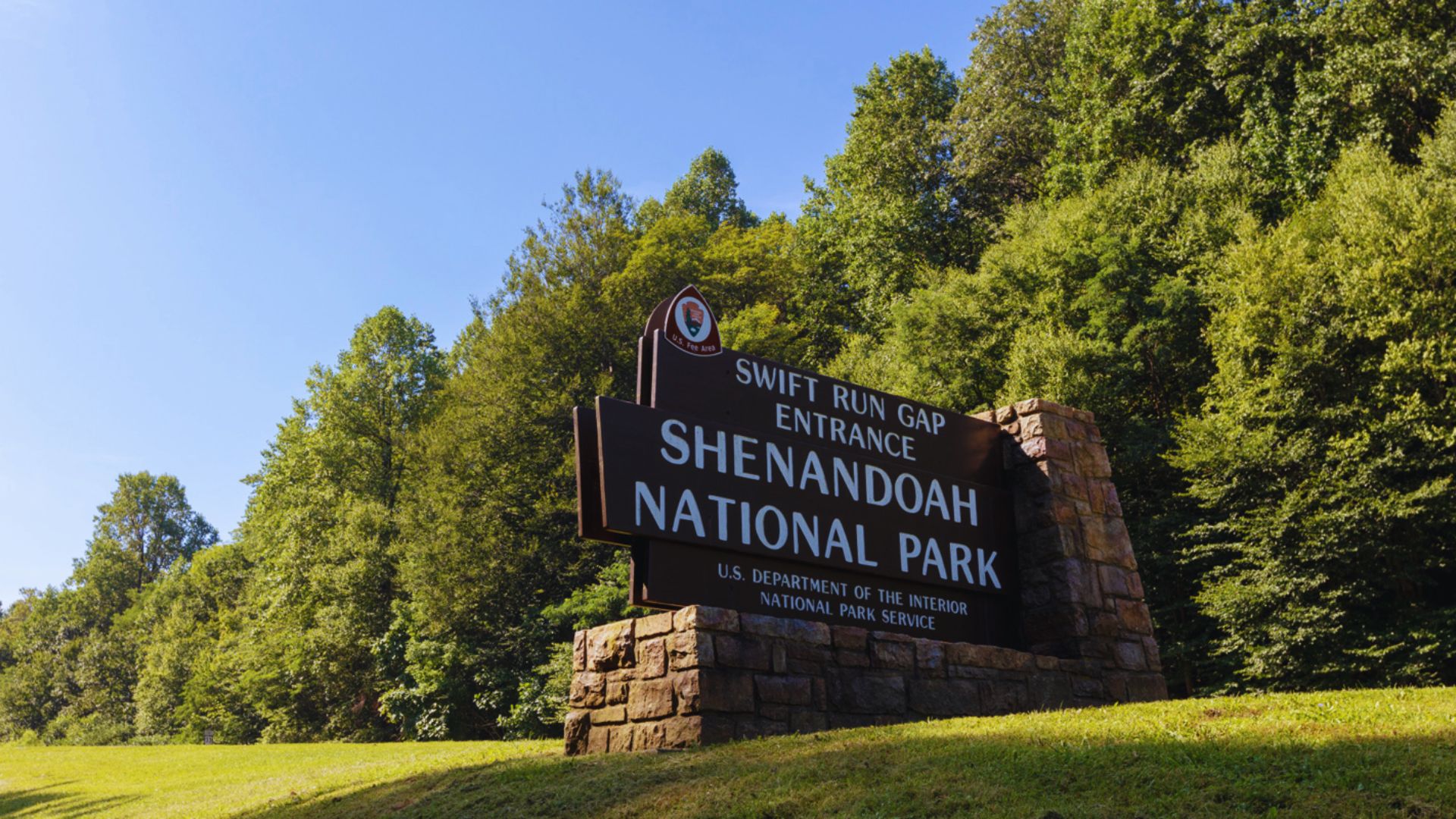
Shenandoah in April offers Skyline Drive lined with redbuds and dogwoods in bloom, creating one of the most scenic drives in the eastern United States.
The park sits along the Blue Ridge Mountains in Virginia and offers over 500 miles of hiking trails. Old Rag Mountain is the park’s most demanding and most rewarding hike, involving a rocky scramble section near the summit.
April weather in Shenandoah is mild and variable. Fog in the mornings often burns off by mid-morning to reveal long views across the Shenandoah Valley and the Appalachian ridgelines beyond.
Wildflowers bloom throughout April in the lower elevation sections of the park. Trillium, Virginia bluebells, and fire pink are among the most striking species to look for.
13. Rocky Mountain National Park, Colorado
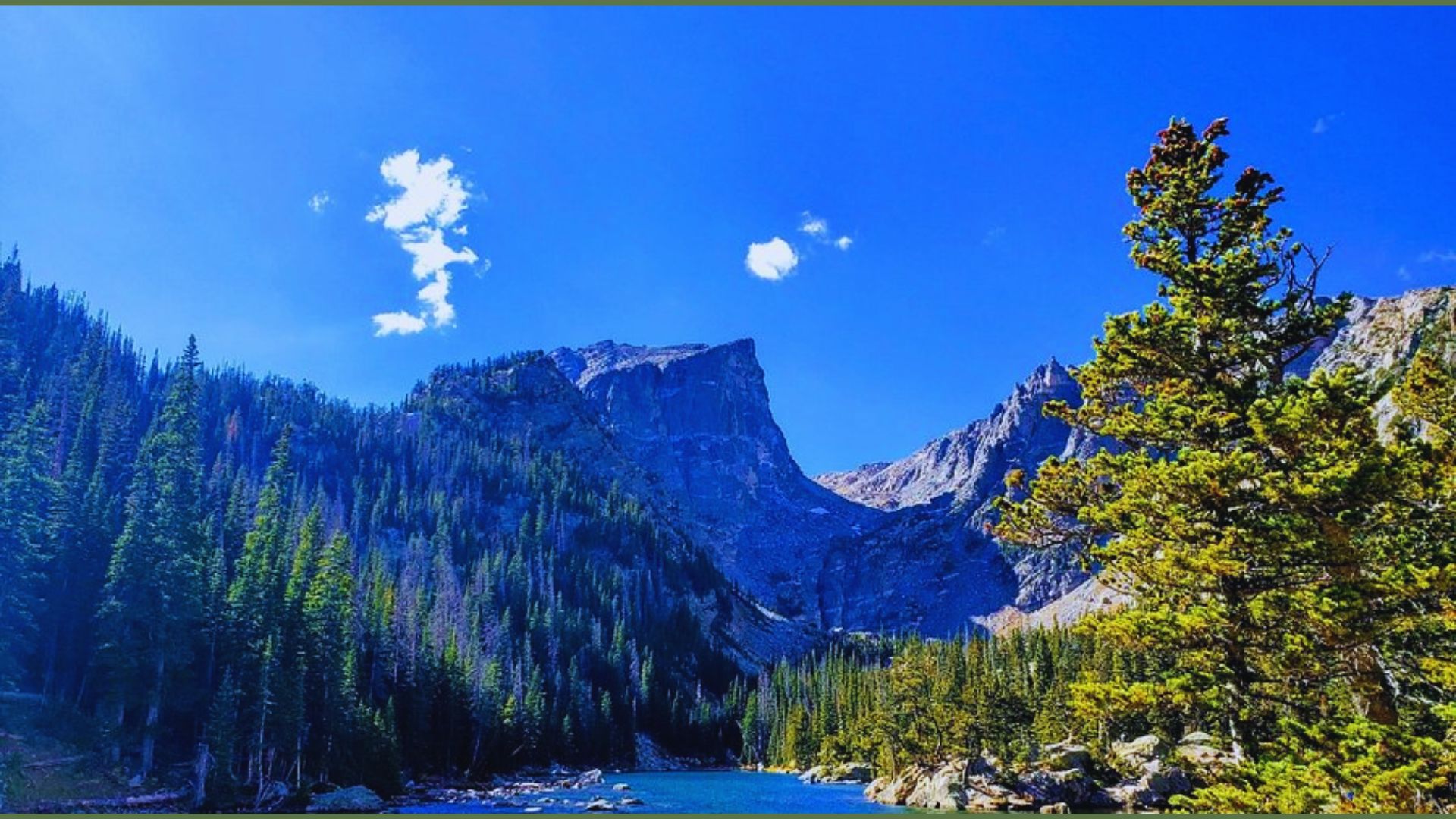
April is transitional in Rocky Mountain National Park. Lower elevation areas are accessible and beautiful in spring while higher trails above 11,000 feet often remain snow-covered through April and into May.
Bear Lake and the surrounding lower trails offer excellent hiking without requiring crampons or winter gear. Wildlife including elk, mule deer, and bighorn sheep are active and highly visible in the valleys.
Trail Ridge Road, the highest continuous paved road in the United States, typically remains closed until late May. The lower Fall River Road section may open in April depending on conditions.
Timed entry reservations are required for popular entry corridors during the busy season. April typically falls before the busiest reservation windows, giving you more flexibility.
14. Bryce Canyon National Park, Utah
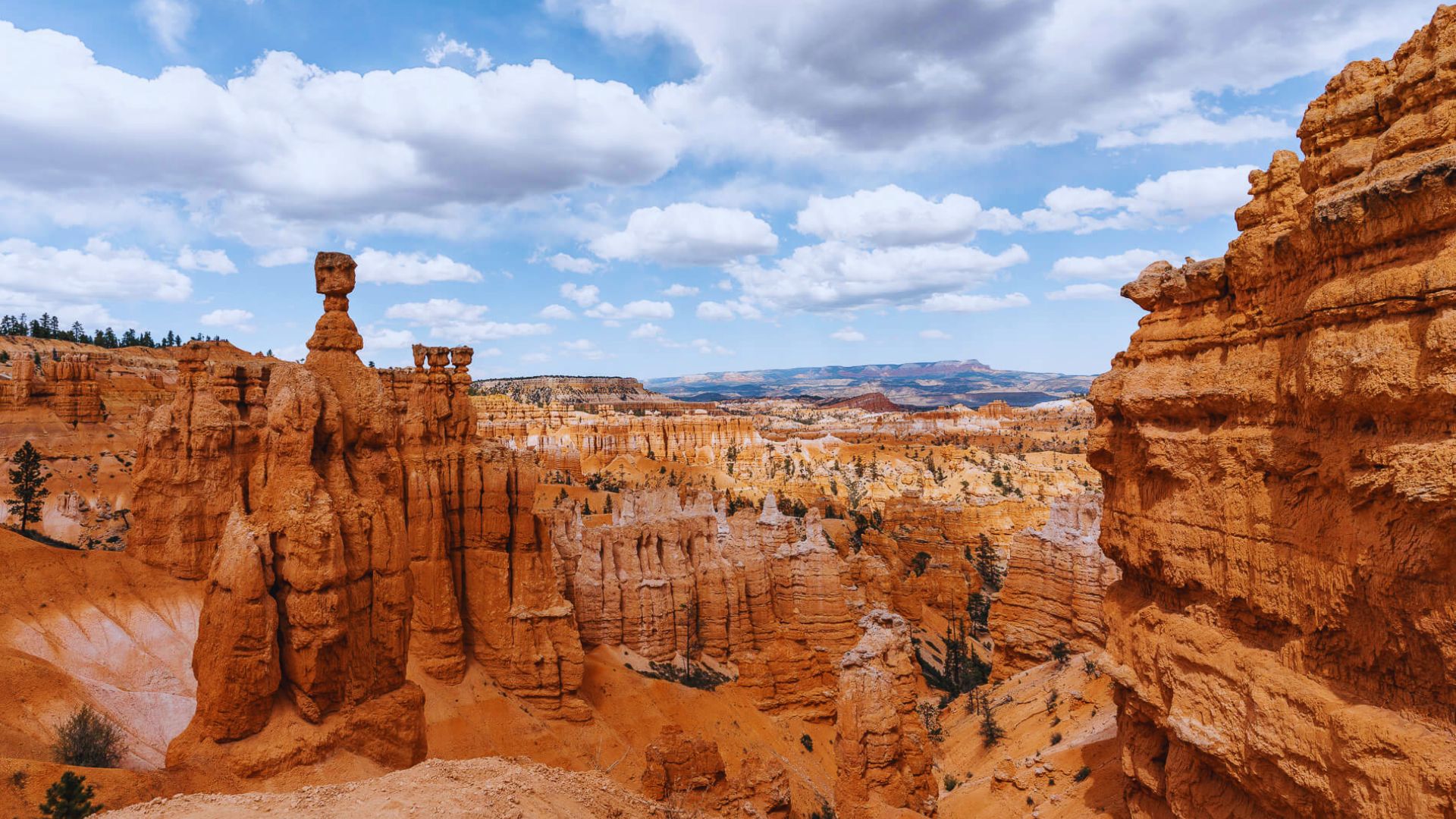
Bryce Canyon sits above 8,000 feet, which means April temperatures are cooler than you might expect. Snow is possible in early April, and the contrast of fresh snow on orange and red hoodoos is one of the most striking scenes in any national park.
Navajo Loop Trail and Queens Garden Trail are the two most popular hikes in the park and both are manageable in April with appropriate footwear. Together they form a loop that takes you into the canyon and back out through the hoodoo formations.
Sunrise and sunset views from Bryce Point and Sunrise Point are among the most photographed in the national park system. April light has a quality that summer haze often obscures.
Stargazing at Bryce is exceptional due to its elevation and remote location. The park hosts an annual astronomy festival, and April nights are clear and cold enough for impressive viewing.
15. Big Bend National Park, Texas
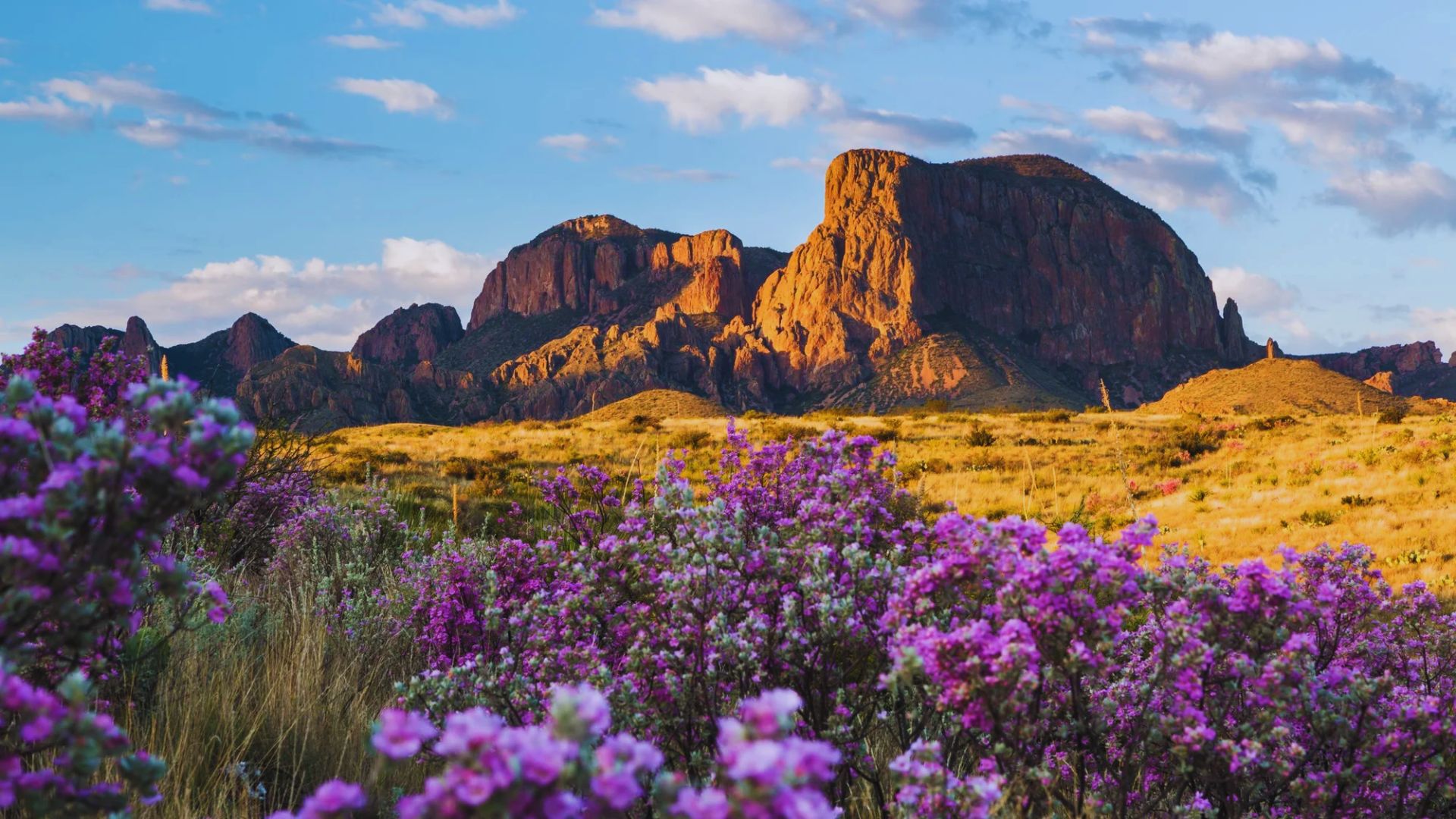
Big Bend is one of the most remote national parks in the lower 48 and April is one of the best months to visit. Temperatures are comfortable before the intense summer heat arrives, and the desert landscape is at its most colorful.
The Chisos Mountains in the center of the park offer hiking at higher elevations with sweeping views across the Chihuahuan Desert. The Lost Mine Trail is the best introduction to the mountains for first-time visitors.
The Rio Grande forms the park’s southern boundary with Mexico. The Santa Elena Canyon hike along the river is one of the most dramatic short walks in the park, with canyon walls rising over 1,500 feet above the water.
Wildflowers bloom across the desert floor in April. Ocotillo, prickly pear cactus, and various desert annuals create color that is completely unexpected if you have never seen a desert in spring.
Tips for Visiting National Parks in April
A little planning goes a long way in April. The parks are beautiful and the conditions are favorable, but spring comes with its own considerations that summer visitors do not always think about.
Practical tips for April park visits:
- Book accommodation early. Popular parks like Yosemite, Zion, and Yellowstone fill up even in shoulder season. Do not assume April means easy availability.
- Get a National Parks Pass. The America the Beautiful pass covers entrance fees at all national parks for one year. At $80 it pays for itself quickly if you are visiting multiple parks.
- Pack layers. Morning temperatures in April can be 20 to 30 degrees cooler than afternoon highs. A light down jacket, fleece, and rain shell cover most situations.
- Check trail conditions before you go. Snow, mud, and high water levels can affect trail access significantly in April. The NPS website for each park posts current conditions.
- Arrive early. Popular trailheads fill by mid-morning even in April. Getting on trail by 7 or 8am gives you better parking, cooler temperatures, and fewer people.
- Wildlife awareness matters. Spring is active season for bears, bison, and other wildlife. Carry bear spray in bear country, stay at least 100 yards from bears and wolves, and 25 yards from other wildlife.
- Watch the weather. Spring storms can arrive quickly, especially in mountain parks. Check forecasts the morning of your hike and be prepared to turn back if conditions deteriorate.
- Timed entry reservations are expanding. More parks are implementing reservation systems each year. Check whether your destination requires one before you arrive at the gate.
April rewards visitors who prepare. The parks are genuinely spectacular in spring, and a few practical steps ensure you spend your time enjoying the experience rather than troubleshooting it.
Conclusion
I have never met anyone who visited a national park in April and regretted it.
The timing is right. The crowds are not there yet. And nature is doing something genuinely special for just a few weeks.
That window is open right now. Pick one park from this list. Book the dates. Go. The best national parks to visit in April will not look like this in May. Spring moves fast.
Which park made your shortlist? Drop it in the comments. I would love to help you plan it.
Frequently Asked Questions
What are the warmest national parks to visit in April?
Joshua Tree, Death Valley, and Everglades all offer mild and comfortable April temperatures. These parks are especially good choices if you want to avoid any remaining winter cold at higher elevation parks.
Are all trails open in April?
Many lower elevation trails are fully open in April, but high-altitude routes in parks like Glacier, Rocky Mountain, and Yellowstone may still be snow-covered. Always check the specific park website for current trail conditions before your visit.
Do I need reservations to visit popular parks in April?
Yes, parks like Yosemite, Zion, and Yellowstone have timed entry or permit systems that apply even in April. Book as early as possible since spring availability is more limited than many travelers expect.
What is the best time of day to visit for fewer crowds?
Early morning arrivals before 8am and late afternoon visits after 4pm offer the most peaceful experience. These windows also provide the best natural light for photography at most parks.
Can I camp in national parks during April?
Many campgrounds open in April, though availability varies by park and elevation. Check individual park websites for opening dates, reservation windows, and any weather-related closures before booking.
