


Looking for the best mountain hikes in North America? You’ve come to the right place.
I’ve spent years hiking trails across this continent, from Alaska to Arizona. Picking the right trail is not easy. This guide makes it simple.
Here’s what you’ll find in this blog. How to choose a hike based on skill level. 11 top mountain trails worth visiting. Gear tips and safety advice.
Every trail here is well-researched and worth your time. I’ve done the hard work so you don’t have to.
How to Choose the Best Mountain Hikes
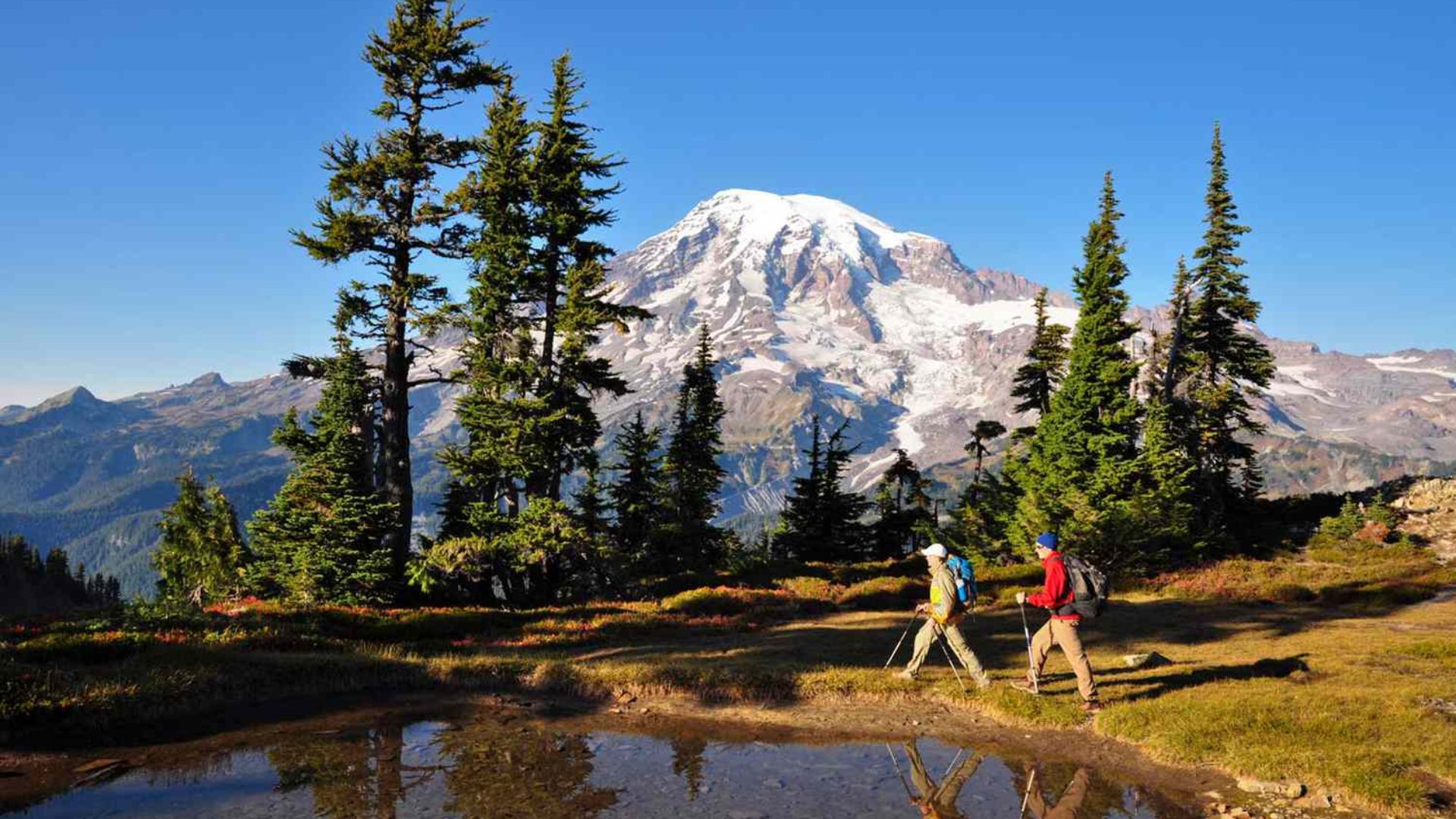
Looking for the best mountain hikes in North America? You’ve come to the right place.
I’ve spent years hiking trails across this continent. Picking the right trail is not easy. This guide makes it simple.
You’ll find how to choose a hike, 11 top trails, and gear tips. Every trail here is well-researched. I’ve done the hard work so you don’t have to.
11 Best Mountain Hikes in North America
These 11 trails cover a wide range of difficulty levels, landscapes, and regions across North America.
1. Teton Crest Trail, Wyoming
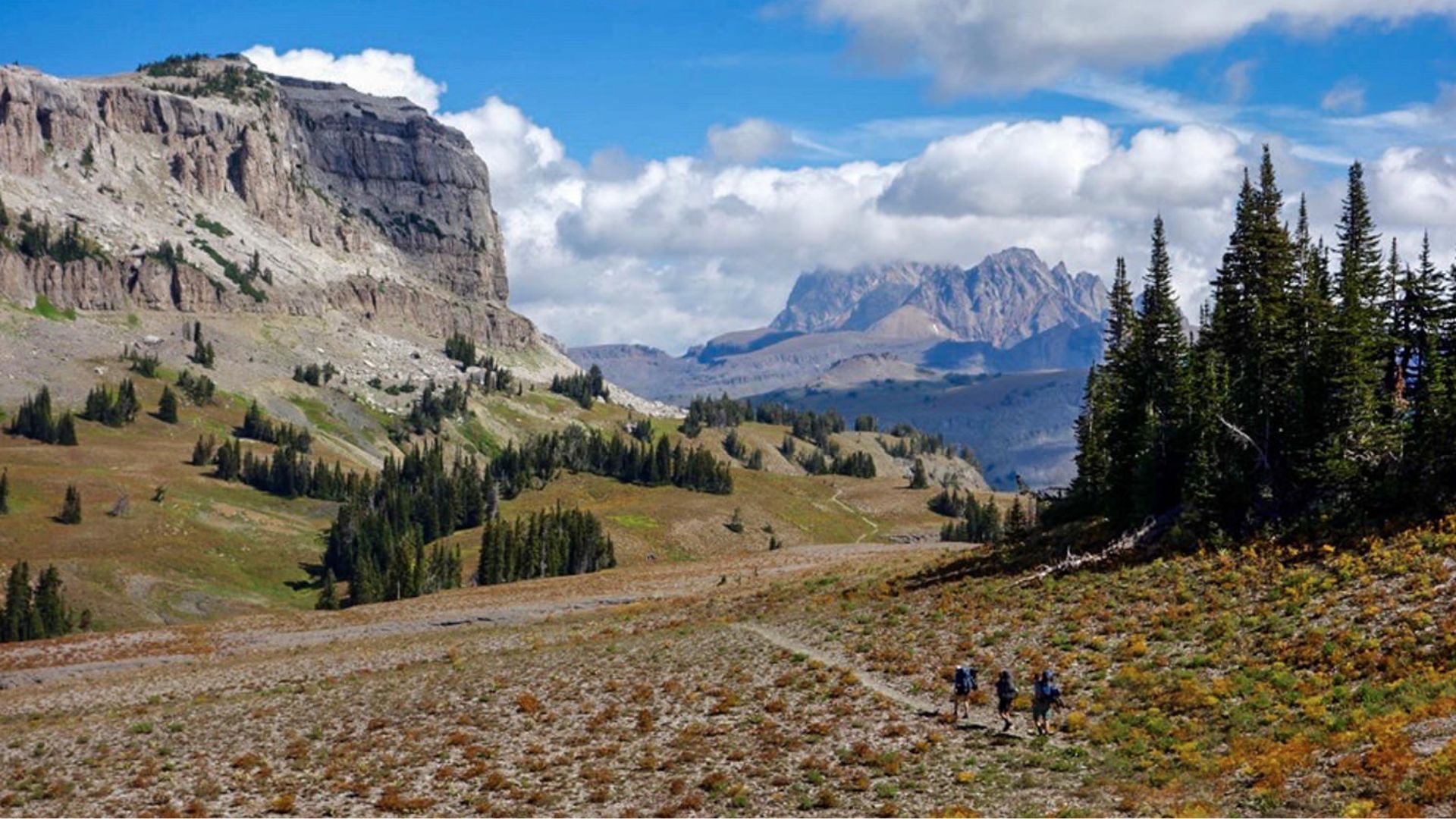
The Teton Crest Trail is one of the finest multi-day hikes in the country. It stretches about 40 miles through Grand Teton National Park.
You’ll walk past alpine lakes, open meadows full of wildflowers, and rugged peaks. Wildlife sightings are common. Moose, elk, and black bears live in this area.
Best for: Experienced backpackers
Distance: 40 miles
Best time: July to September
Most hikers complete it in 4 to 6 days. Permits are required for overnight camping. Book well in advance since spots fill up fast.
2. Sierra High Route, California
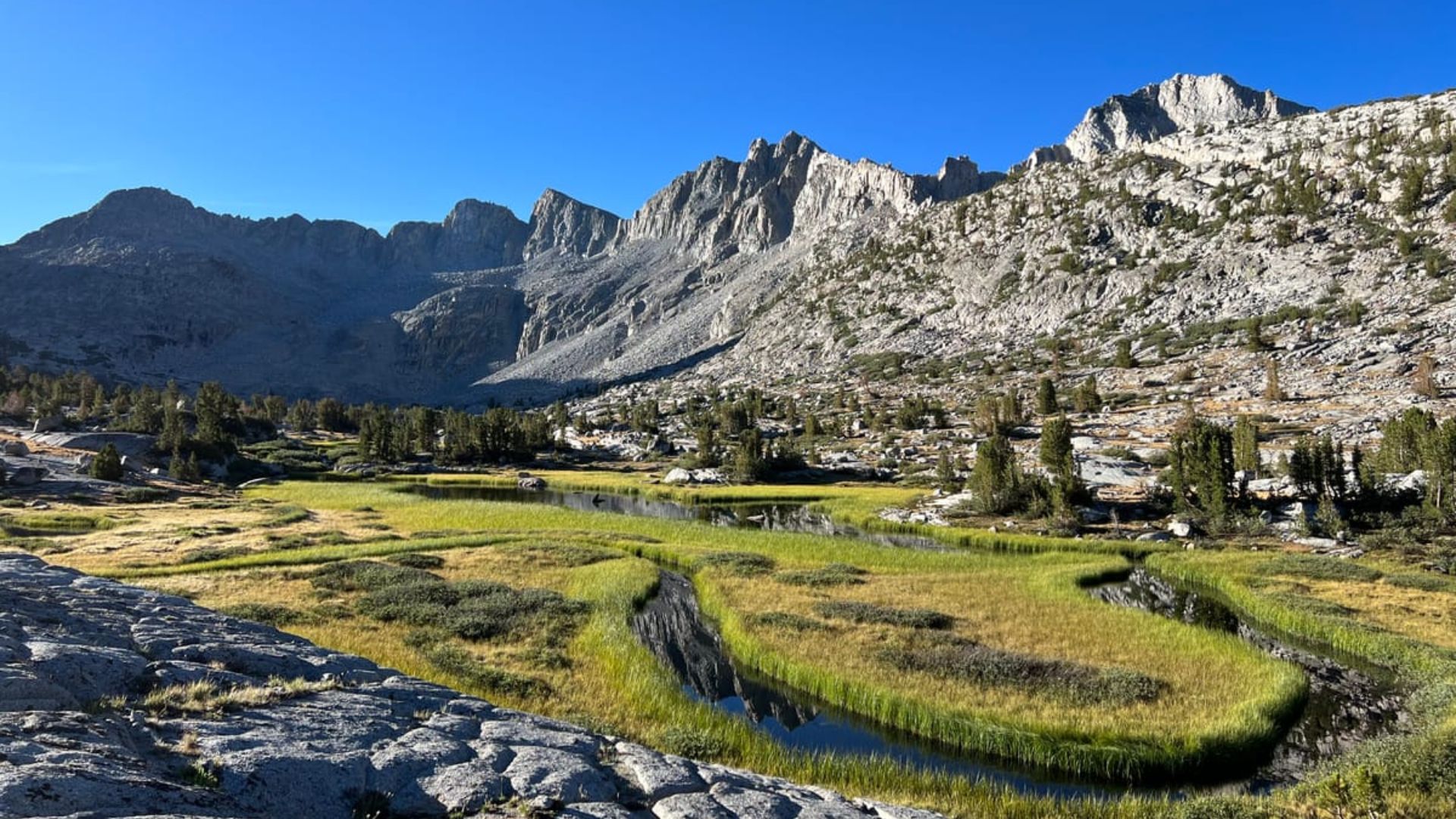
The Sierra High Route is not for beginners. This 195-mile route runs parallel to the John Muir Trail but stays mostly off-trail through remote backcountry.
You’ll cross high passes, scramble over granite slabs, and camp in some of the most remote corners of the Sierra Nevada. It’s raw, quiet, and demanding all at once.
Best for: Expert backpackers
Distance: 195 miles
Best time: July to early September
This route requires strong map-reading skills and real backcountry experience. There are no marked trails for much of the way.
3. Presidential Traverse, New Hampshire
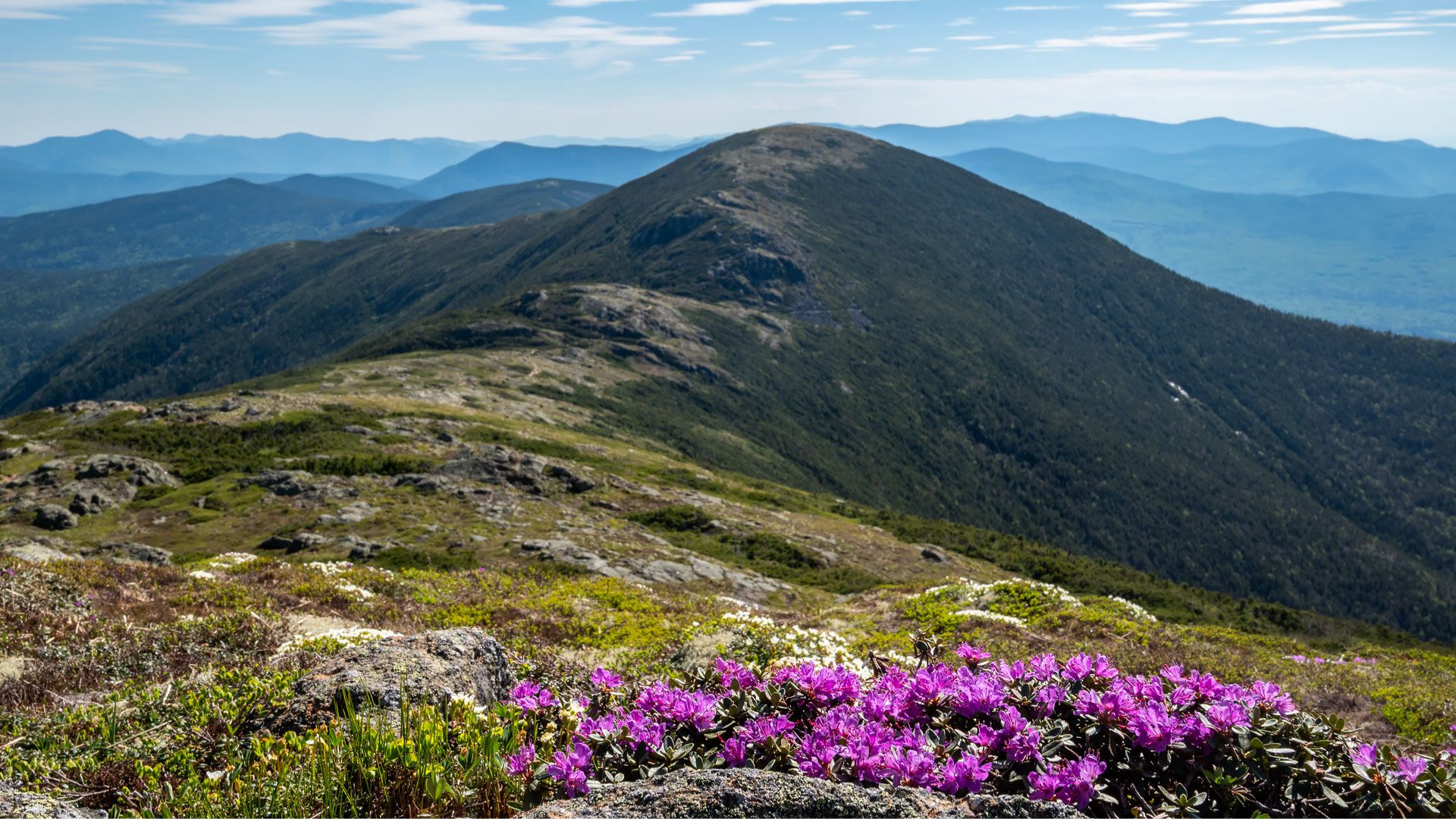
The Presidential Traverse crosses nine peaks in New Hampshire’s White Mountains, including Mount Washington, the highest point in the entire northeastern United States.
This is a full-day hike for most people. Long sections of the trail run above the tree line, leaving you fully exposed to wind and changing weather.
Best for: Fit day hikers or overnight backpackers
Distance: 23 miles
Best time: June to October
Mount Washington is known for some of the harshest weather conditions on earth. Go fully prepared or don’t go at all.
4. Longs Peak Climb, Colorado

Longs Peak stands at 14,259 feet, making it one of Colorado’s 58 “fourteeners.” It’s among the most-hiked high-altitude peaks in the entire country.
The trail is long and steep. The final push involves scrambling over large boulders with significant drops nearby. High altitude adds another real layer of challenge.
Best for: Fit hikers with altitude experience
Distance: 15 miles round trip
Best time: Mid-July to mid-September
Start before sunrise to avoid afternoon thunderstorms, which are very common in this area.
5. Kalalau Trail, Hawaii
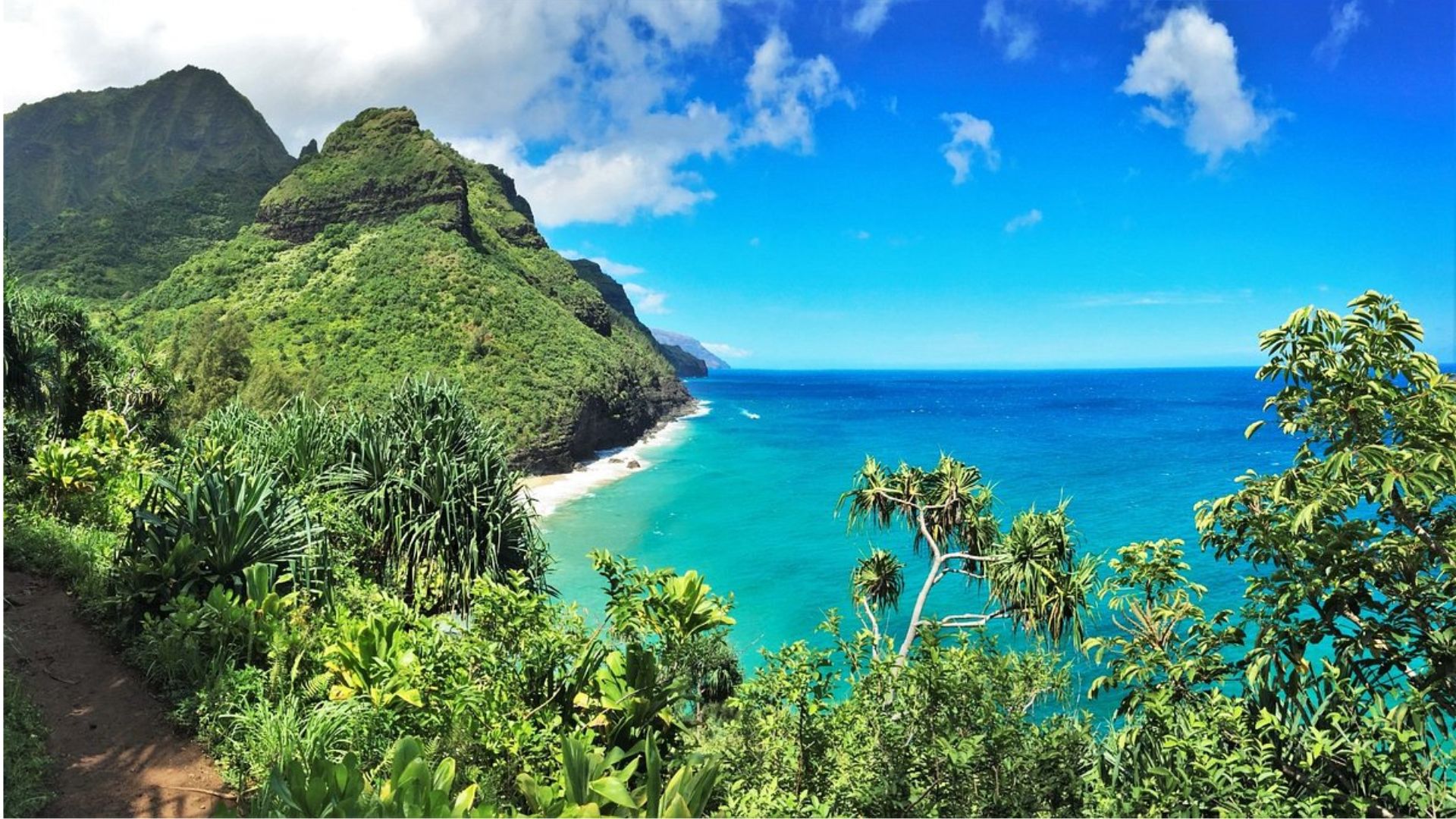
The Kalalau Trail on Kauai’s Napali Coast is unlike anything else on this list. It hugs dramatic coastal cliffs above the Pacific Ocean.
You’ll walk through valleys, cross shallow streams, and pass sea cliffs that drop straight into the water below. The scenery is hard to match anywhere in North America.
Best for: Moderate to experienced hikers
Distance: 11 miles one way
Best time: May to September
A permit is required to go beyond the 2-mile mark. The trail gets muddy and slippery after rain, so check conditions ahead of time.
6. Acatenango Volcano Trail, Guatemala
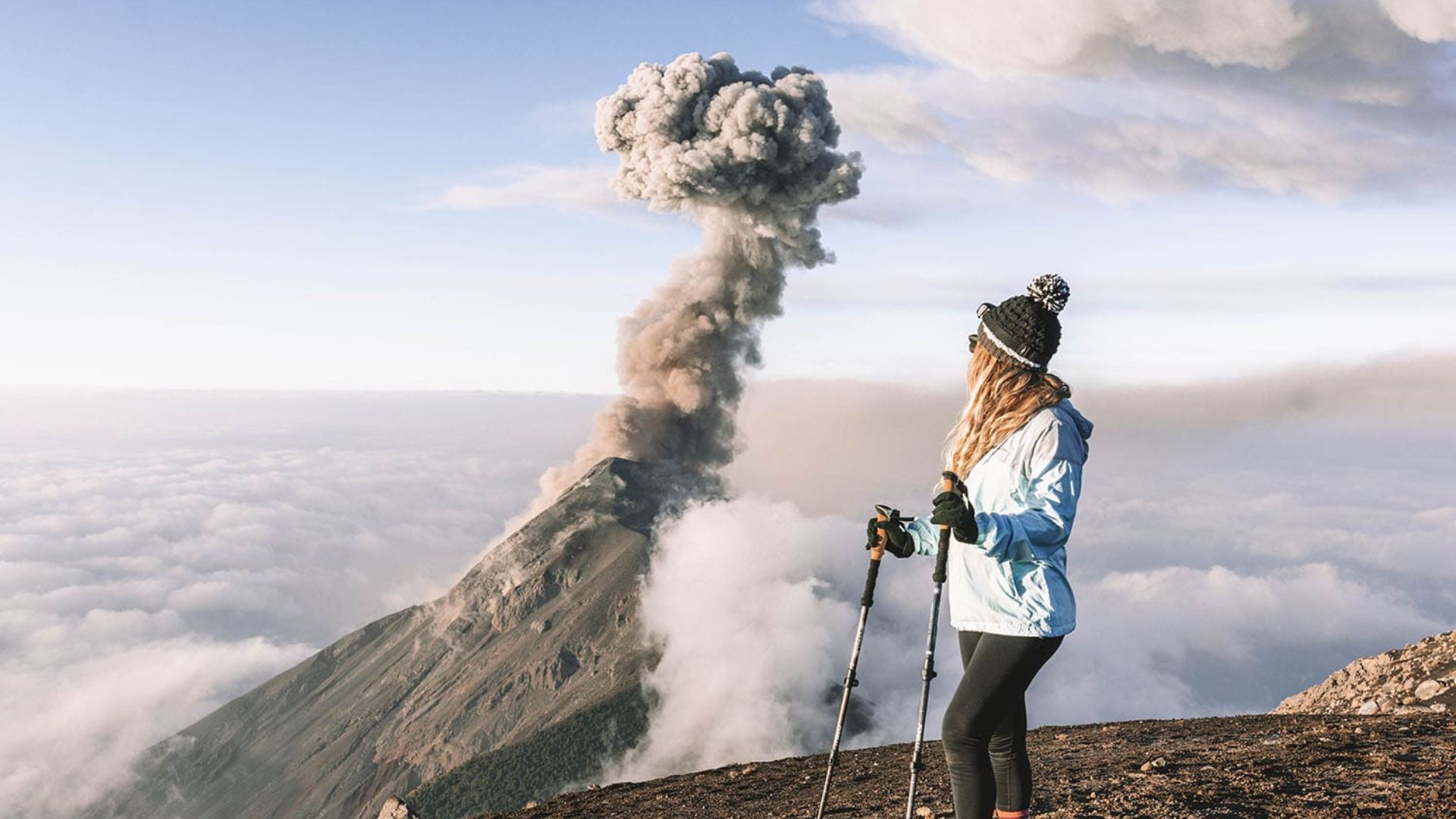
Acatenango is an active volcano in Guatemala standing at 13,045 feet. The hike to the summit is steep and tiring, but the reward is truly one of a kind.
From the top, you can watch the neighboring Fuego volcano erupt in real time. Lava flows and ash clouds light up the sky at night.
Best for: Moderate to experienced hikers
Distance: 10 miles round trip
Best time: November to April (dry season)
Most hikers camp near the summit to catch the best views. Bring very warm layers because it gets cold fast at that elevation.
7. Howe Sound Crest Trail, Canada

Located near Vancouver, British Columbia, the Howe Sound Crest Trail offers ridge-line hiking with wide views of the ocean and mountain ranges below.
The trail mixes dense forest with open alpine terrain. On a clear day, you can see Vancouver Island across the water. It feels remote without being too far from the city.
Best for: Moderate to experienced hikers
Distance: 29 miles
Best time: July to October
The trail starts at Cypress Mountain and ends in Squamish. Most hikers take 3 to 4 days to complete it. Water sources are available along the route.
8. Brooks Range Traverse, Alaska
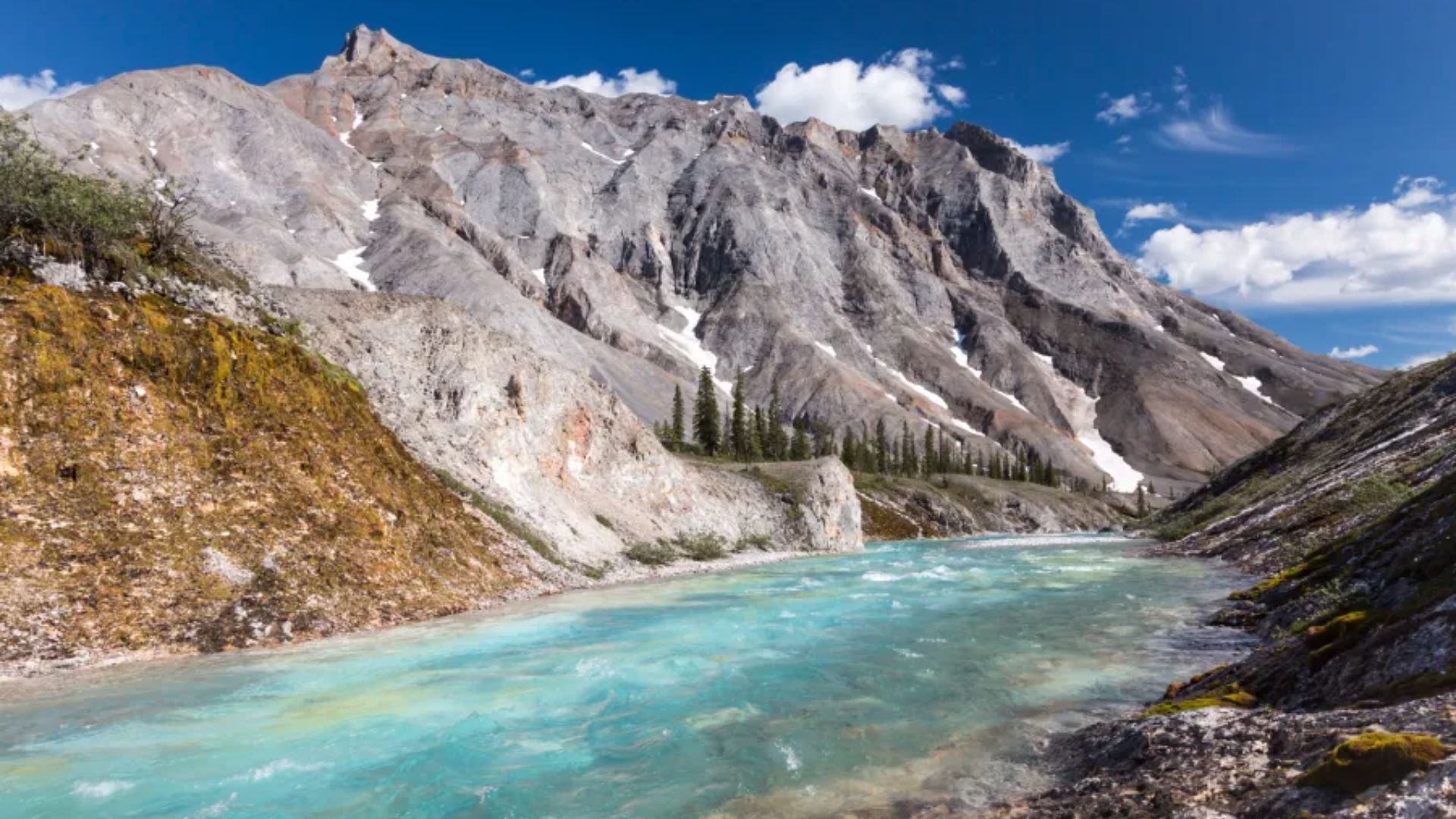
The Brooks Range Traverse in Alaska is one of the most remote hikes in North America. There are no marked trails, no rangers, and very few people around.
You’ll cross tundra, ford rivers, and hike through untouched wilderness. This is true backcountry travel in every sense of the word.
Best for: Expert hikers with wilderness survival skills
Distance: Varies, often 100 or more miles
Best time: Late June to early August
This hike is not for the unprepared. You need real experience with river crossings, bear safety, and off-trail route-finding. A satellite communicator is strongly advised.
9. Johnston Canyon to Upper Falls, Canada

Johnston Canyon in Banff National Park is one of the most beginner-friendly hikes in Canada. It’s short, well-maintained, and delivers a big visual payoff.
The trail follows a narrow canyon carved by the Bow River. Metal walkways hug the canyon walls as you make your way up to the waterfalls above.
Best for: Beginners and families
Distance: 5.5 miles round trip to upper falls
Best time: May to October
The lower falls are just 1.4 miles in, making it a great stop even for short visits. Parking fills up early, so arrive in the morning.
10. Boquillas Canyon Trail, Texas
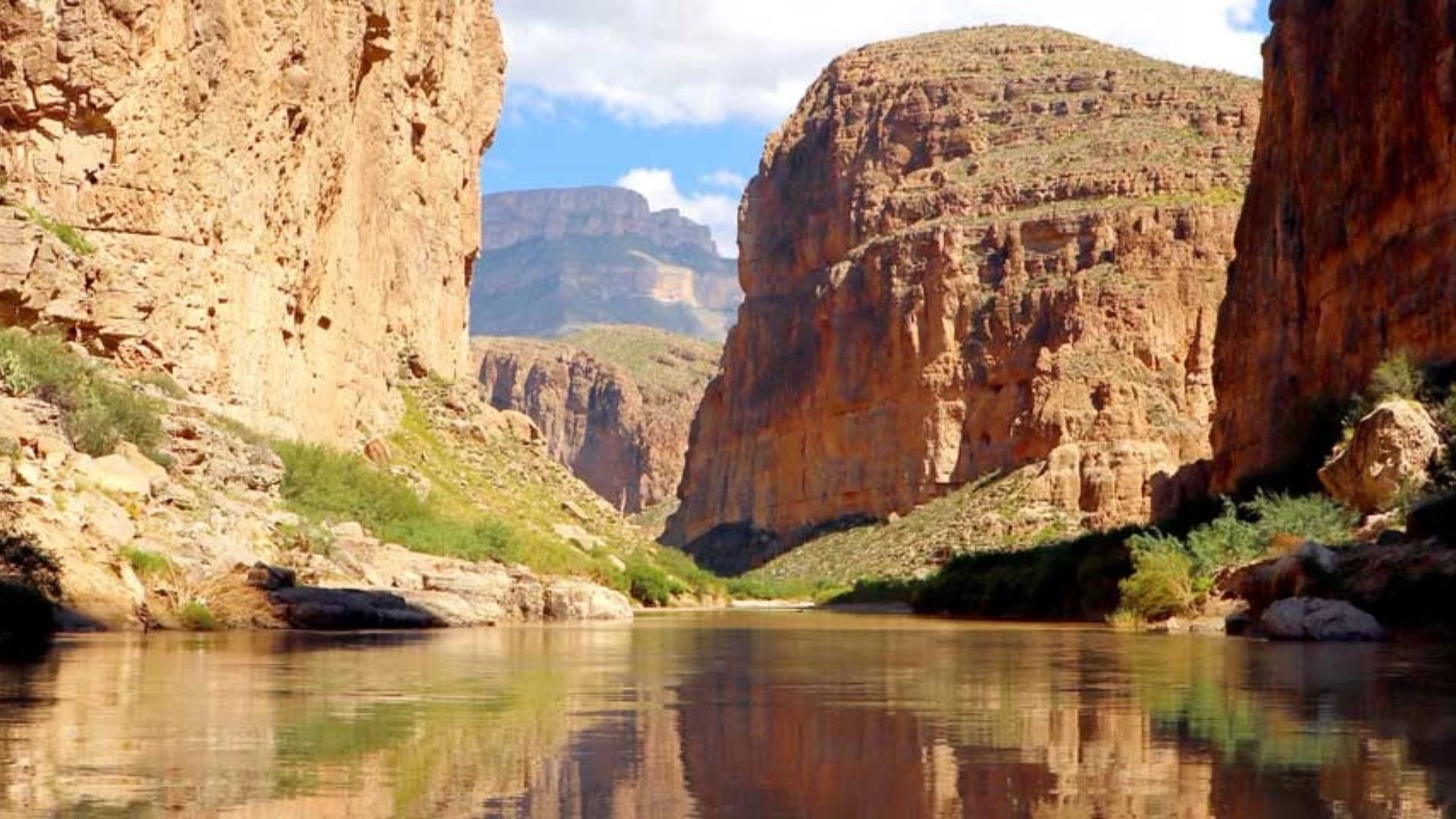
The Boquillas Canyon Trail in Big Bend National Park is a short, easy hike through the Chihuahuan Desert. It ends at the banks of the Rio Grande.
You’ll walk between canyon walls that rise hundreds of feet above you on both sides. The river views are calm and quiet. It feels like stepping into a completely different world.
Best for: Beginners and casual hikers
Distance: 1.4 miles round trip
Best time: October to April
Summer heat in Big Bend can be extreme and dangerous. Always carry water, even on short hikes.
11. Devil’s Bridge Trail, Arizona

Devil’s Bridge is the largest natural sandstone arch in the Sedona area. The hike to reach it is short but involves some rocky scrambling near the top.
Standing on the arch gives you wide, open views of the red rock landscape below. The walk up is worth every step.
Best for: Beginners to moderate hikers
Distance: 4.2 miles round trip
Best time: March to May and September to November
This trail gets very crowded on weekends. Go early in the morning or visit on a weekday for a much quieter experience.
Key Tips for Mountain Hiking
Good preparation keeps you safe and makes the experience more enjoyable.
- Wear hiking boots with ankle support and solid grip
- Carry at least 2 liters of water per person
- Download offline maps and carry a paper backup
- Tell someone your plan and expected return time
- Pack out all trash and stay on marked trails
Conclusion
North America has mountain trails for every skill level, from easy canyon walks to full wilderness treks in Alaska.
I still think about standing above the tree line with no phone signal, no noise, just wind and open space. That feeling never gets old.
Start with a trail that fits where you are right now. Build from there. The mountains will always have something new waiting for you.
Have you hiked any of these trails? Drop a comment below and share your favorite. Pass this along to a friend who loves the outdoors.
Frequently Asked Questions
What is the easiest mountain hike in North America for beginners?
Johnston Canyon to Upper Falls in Banff is a great starting point. It is short, well-maintained, and suits all fitness levels.
How do I prepare for a high-altitude mountain hike?
Spend a day at elevation before your hike. Stay hydrated and head down if you feel dizzy or short of breath.
Do I need a permit for mountain hikes in national parks?
Many popular trails require permits for overnight camping. Always check the park’s official website before your trip.
What should I pack for a multi-day mountain hike?
Bring a tent, sleeping bag, food, water filter, and a first-aid kit. Keep your pack under 30% of your body weight.
When is the best time of year to hike in the Rocky Mountains?
Mid-July to mid-September is the safest window. Snow can linger on high passes well into June.
