


Glacier National Park sits in Montana’s Rocky Mountains, covering over one million acres of raw, rugged land.
It has more than 700 miles of trails, and every single one feels like it was made for people who love the outdoors.
The air is clean, the views are wide, and the wildlife is real. If you have ever wanted to hike somewhere that truly takes your breath away, this is the place.
This guide walks you through 11 of the best trails, with details on difficulty levels, trail highlights, and practical tips to help you plan well.
How to Choose the Best Hike in Glacier National Park

Not every trail in Glacier National Park suits every hiker. Start by being honest about your fitness level. The park has easy walks, moderate climbs, and tough all-day routes.
Pick one that matches where you are right now, not where you hope to be. Most trails are fully open from late June through September.
Snow can block paths well into summer, so always check conditions before you go. Pack enough water, bear spray, a map, and extra layers.
Weather changes fast here, and being prepared makes the whole experience safer and more enjoyable.
List of 11 Best Hikes in Glacier National Park
Glacier National Park has trails for every type of hiker. Here are 11 worth adding to your list.
1. Highline Trail (11.8 miles | Moderate)

This is one of the most scenic trails in the entire park. You get wide views of the Garden Wall, open alpine meadows, and plenty of chances to spot wildlife. It is a long walk, but the scenery keeps you going the whole way.
2. Grinnell Glacier Trail (10.6 miles | Moderate to Strenuous)
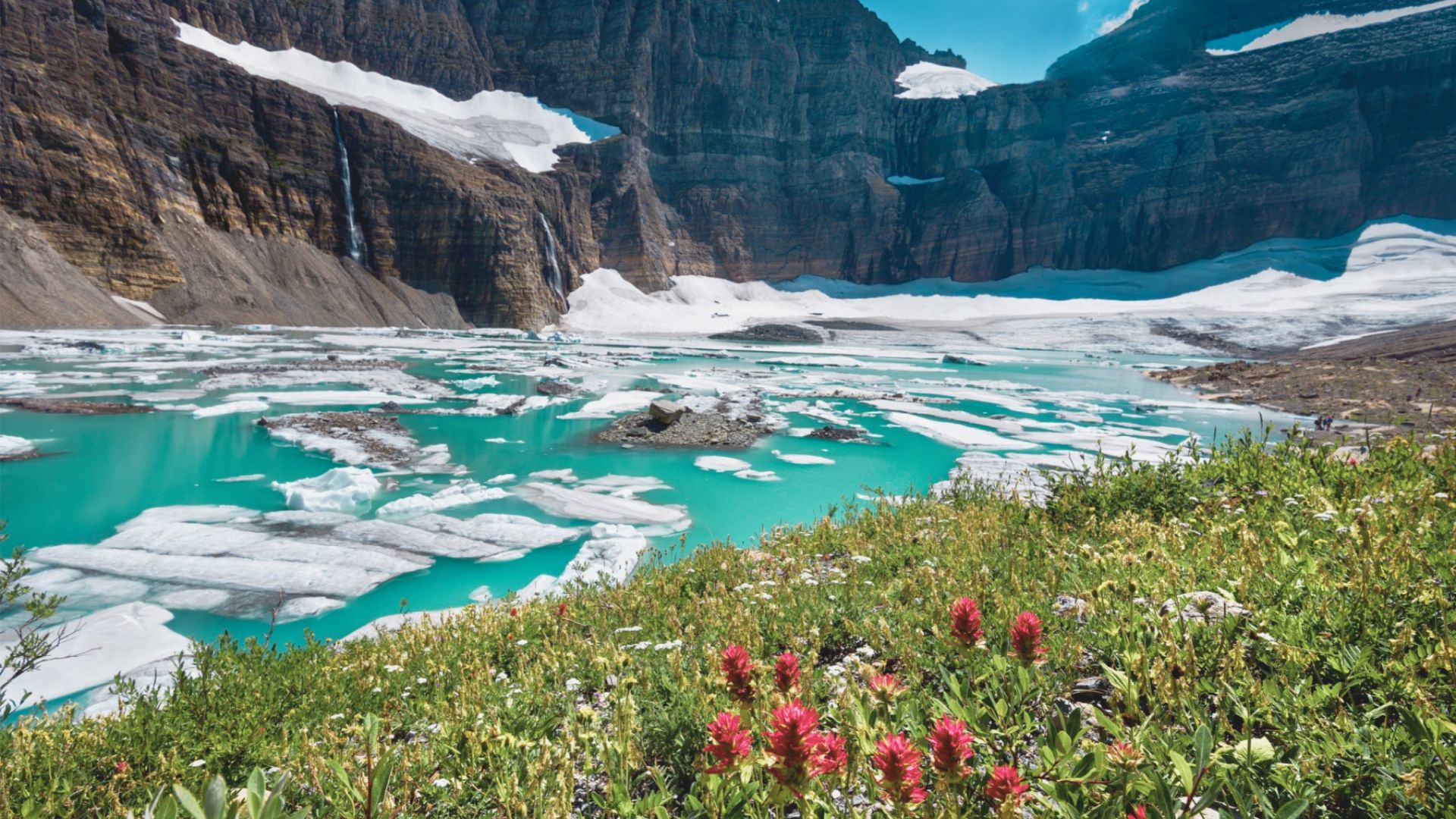
This trail takes you past turquoise lakes, rushing waterfalls, and right up to an actual glacier. The views are iconic. If you only do one longer hike in the park, make it this one.
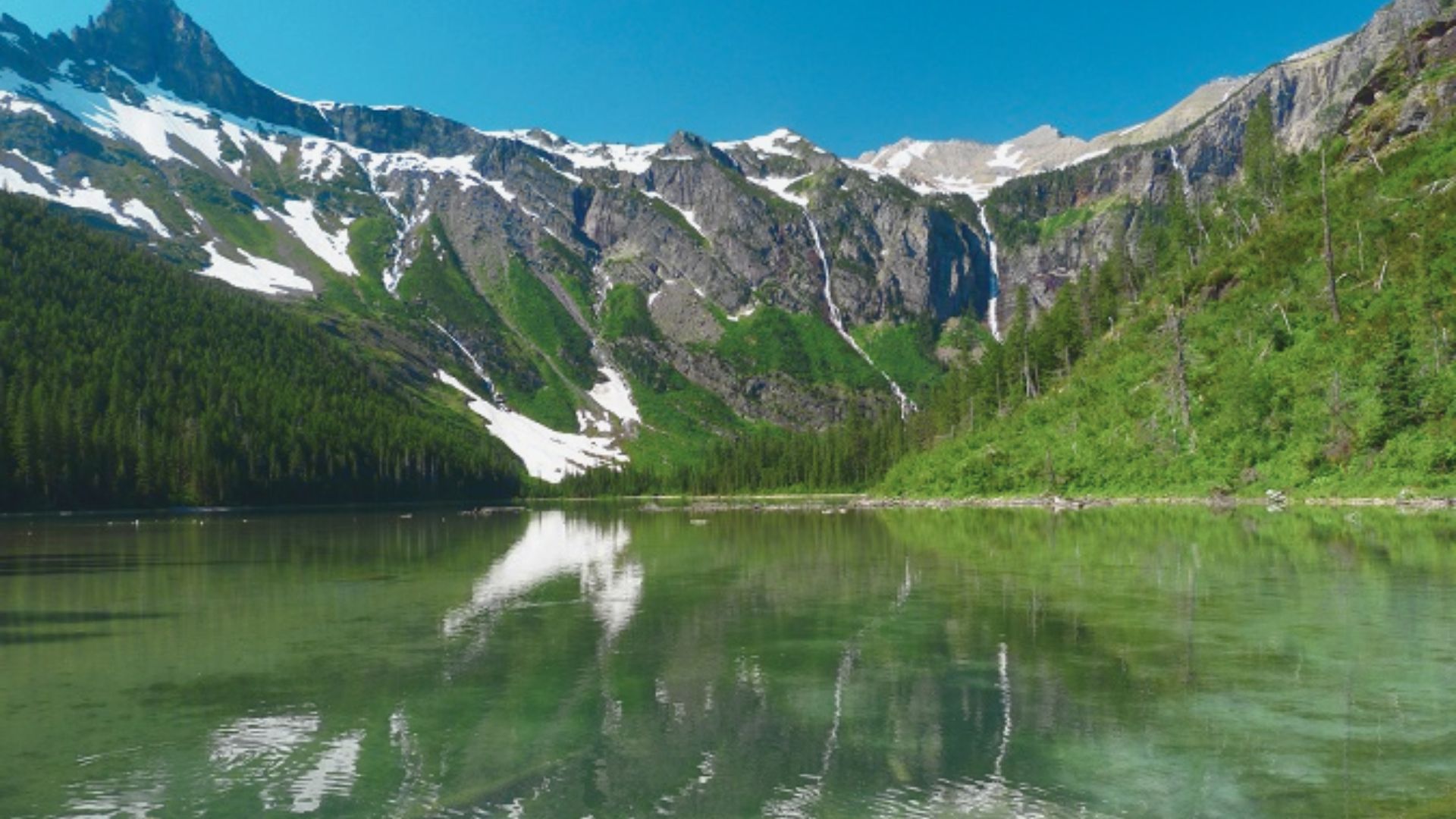
3. Avalanche Lake Trail (4.5 miles | Easy to Moderate)

Perfect for beginners and families. The path moves through thick cedar forests before opening up to a calm lake with waterfalls all around it. It feels peaceful without being too demanding.
4. Hidden Lake Overlook (2.7 miles | Easy)
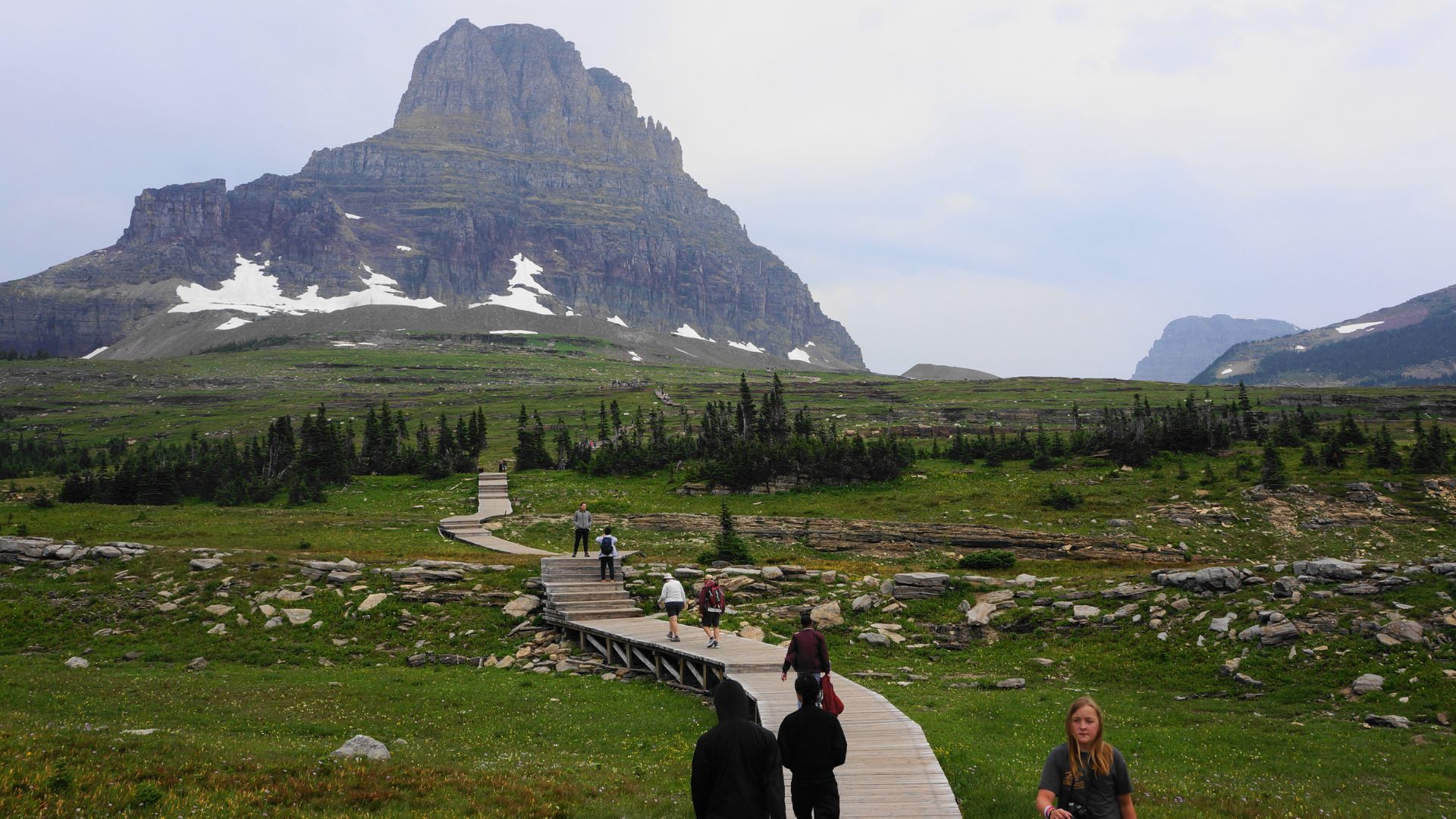
Starting from Logan Pass, this boardwalk trail is short but very rewarding. Mountain goats roam nearby, and the panoramic views at the top are hard to beat. Great for a quick but memorable outing.
5. Iceberg Lake Trail (9.6 miles | Moderate)

Visit in mid to late summer and you might still see chunks of ice floating in the lake. The trail passes through wildflower fields and runs along dramatic cliffs. It is one of those hikes that surprises you at every turn.
6. Ptarmigan Tunnel Trail (10.7 miles | Strenuous)

This one has a truly unique feature. The trail leads you through a historic tunnel carved right through the mountain. The scenery around it is dramatic, and the tunnel itself makes the whole experience feel unlike anything else in the park.
7. Swiftcurrent Pass Trail (13.6 miles | Strenuous)

Built for experienced hikers, this trail covers lakes, waterfalls, and big mountain views. It is a full day out and physically demanding. But those who finish it rarely say it was not worth it.
8. St. Mary and Virginia Falls Trail (3 miles | Easy)
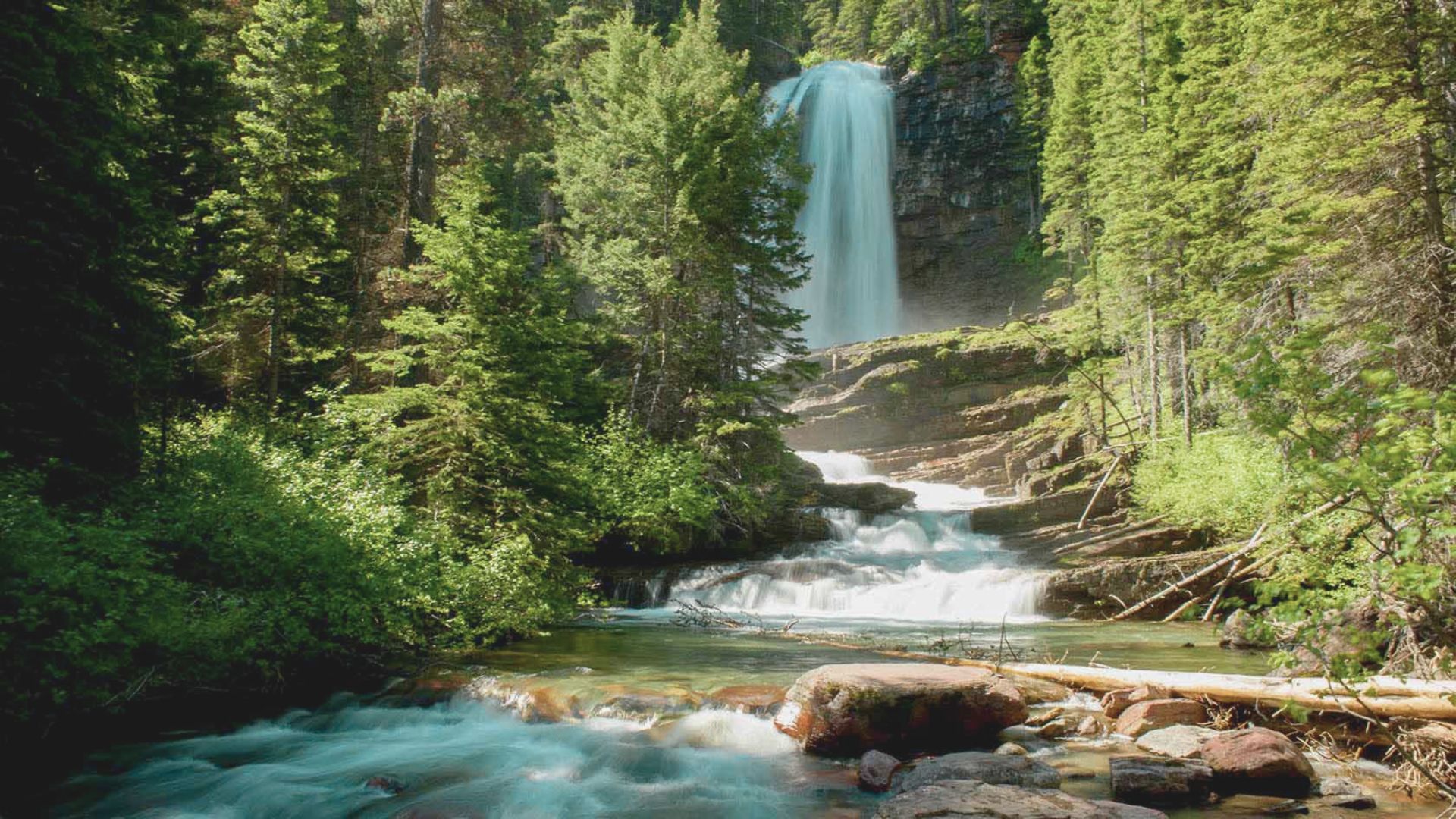
Short, easy, and packed with beauty. This trail brings you to multiple waterfalls in just a few miles. It works well as a quick stop or a relaxed morning walk.
9. Siyeh Pass Trail (10.3 miles | Strenuous)
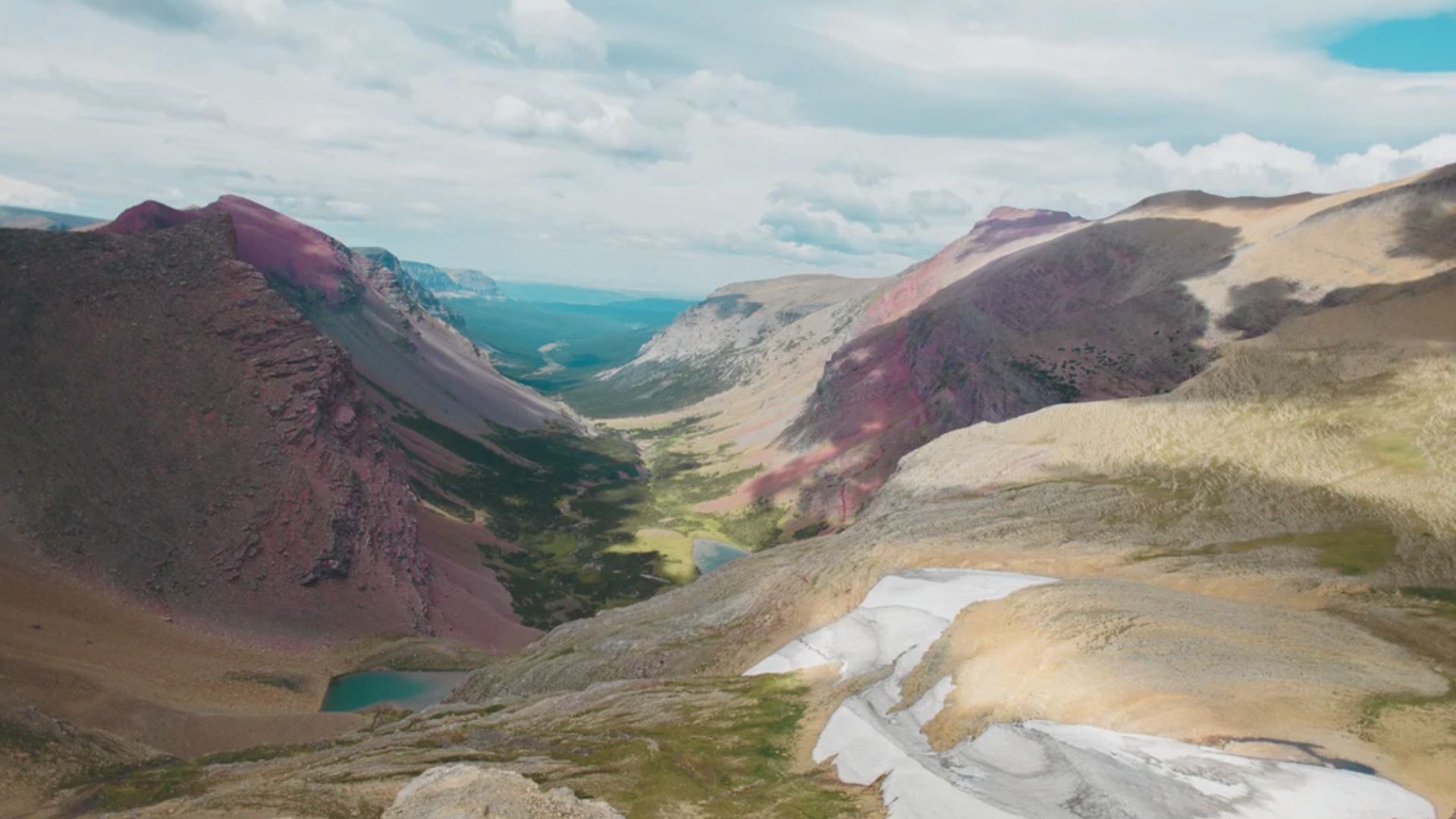
Fewer people take this trail, which makes it feel more personal. You walk through wildflower-covered slopes and climb to high alpine passes with views in every direction. A great pick if you want scenery without the crowds.
10. Trail of the Cedars (1 mile | Easy)
This short boardwalk trail is open to all ages and accessibility needs. Ancient cedar trees line the path, and the whole loop feels quiet and grounding. It is a gentle reminder that not every great hike has to be long.
11. Cracker Lake Trail (12.6 miles | Moderate to Strenuous)

The milky blue color of Cracker Lake is unlike anything you will see anywhere else. Dramatic cliffs rise around it, and the trail to get there is both challenging and beautiful. Keep your eyes open for bears along the way.
Tips for Hiking in Glacier National Park
- Always carry bear spray and keep a safe distance from wildlife. Never approach animals, no matter how calm they seem.
- Start your hike early in the morning to avoid crowds and find parking easily. Popular trailheads fill up fast, especially in peak summer months.
- Check trail conditions before you head out every single time. Weather shifts quickly in the park and some trails can close without much notice.
- Wear layers and pack rain gear even if the morning looks clear. Temperatures can drop fast at higher elevations.
- Stick to marked trails and follow Leave No Trace principles at all times. The park stays beautiful only when every visitor treats it with care.
Sample 2–3 Day Hiking Itinerary
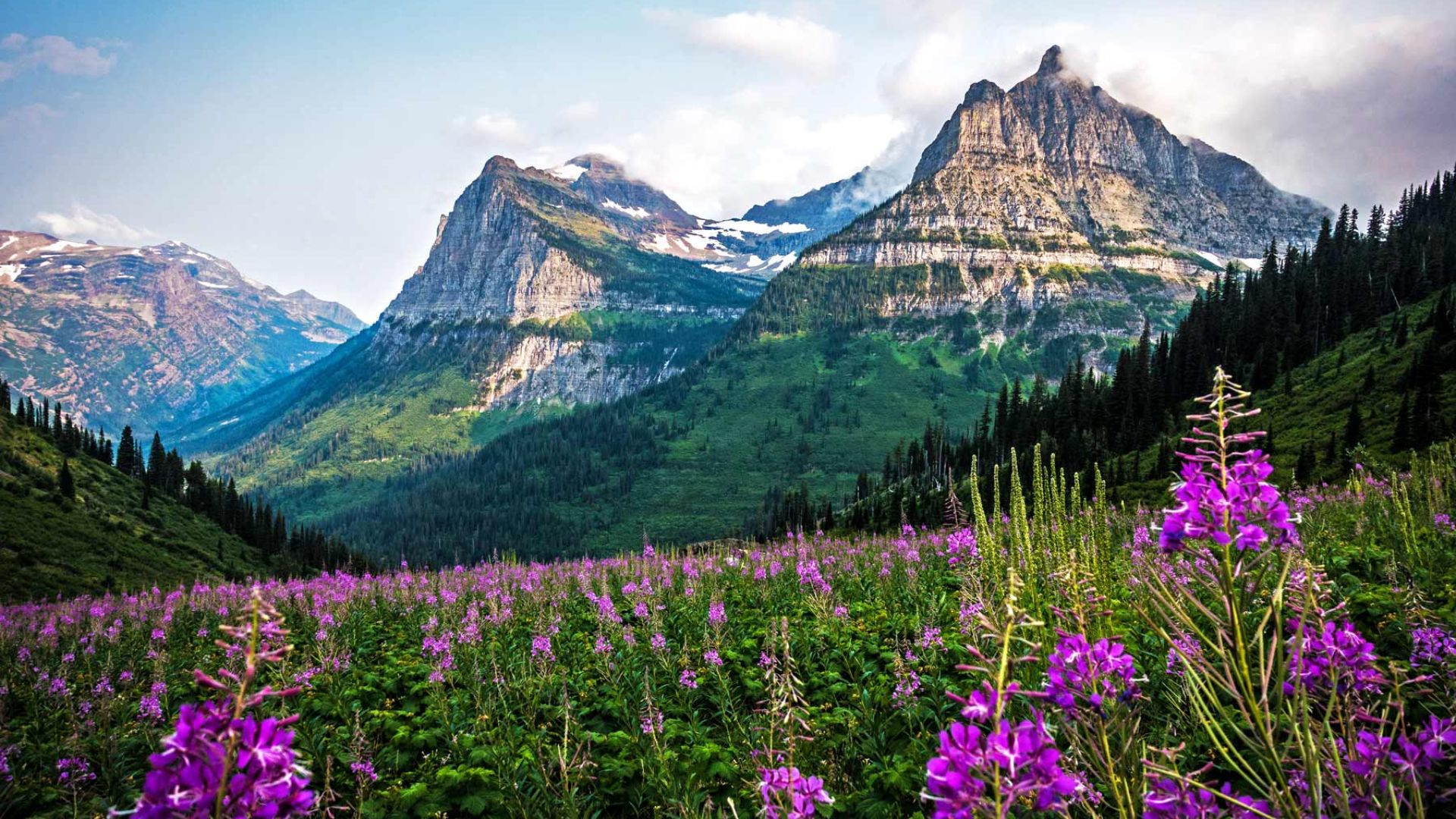
A simple day-by-day plan to help you cover the best trails in Glacier National Park.
Day 1: Hidden Lake Overlook + Avalanche Lake
Start your first day with the Hidden Lake Overlook trail from Logan Pass. It is short, easy, and gives you great views right away. In the afternoon, head to Avalanche Lake for a calm walk through cedar forests. Two solid hikes without overdoing it on day one.
Day 2: Highline Trail or Grinnell Glacier
Pick one based on how your legs feel after day one. The Highline Trail gives you long, open views across the park. Grinnell Glacier takes you up close to actual glacial ice and turquoise water. Both are rewarding and worth the effort.
Day 3: Iceberg Lake or Siyeh Pass
Finish strong on day three. Iceberg Lake is a moderate hike with a big payoff, especially in late summer when ice still floats on the water. Siyeh Pass is the tougher option but far less crowded, with wide alpine views all the way to the top.
Final Thoughts
Glacier National Park has something for everyone. Short walks, long climbs, easy paths, and tough mountain routes, it is all here.
The key is picking trails that match your fitness level and what you want to see. This park is one of those places that stays with you long after you leave.
If it is on your list, stop waiting and start planning. Pick your trails, pack your bag, and get out there. Have questions or a favorite trail? Drop it in the comments below!
Frequently Asked Questions
What is the easiest hike in Glacier National Park?
The Trail of the Cedars is just one mile long and works for all fitness levels. It is a flat boardwalk walk through ancient cedar trees, perfect for a relaxed outing.
When is the best time to hike in Glacier National Park?
Late June through September is the ideal window for most trails. Snow clears out by then and the majority of paths are fully open and accessible.
Do I need a permit to hike in Glacier National Park?
You do not need a permit for day hikes, but you will need one for overnight camping. Always check the park’s official website for the latest entry and parking requirements.
Is bear spray necessary in Glacier National Park?
Yes, carrying bear spray is strongly recommended on every hike. Bears are active throughout the park and having spray within reach is one of the smartest safety steps you can take.
How hard is the Highline Trail for an average hiker?
The Highline Trail is rated moderate and is manageable for most people with a reasonable fitness level. The distance is close to 12 miles, so wearing good shoes and carrying enough water is important.
