


South Africa has some of the most varied coastlines in the world. From rocky cliffs to warm Indian Ocean shores, the best beaches in South Africa offer something for every type of traveler.
I’ve put together this guide to help you stop guessing and start planning. You’ll find beaches for swimming, surfing, hiking, wildlife spotting, and quiet getaways.
I’ve visited many of these spots myself, and I know how hard it can be to pick the right one. This list covers all 17 beaches, what makes each special, and tips to help you visit smartly.
Why South Africa Has the Best Beaches
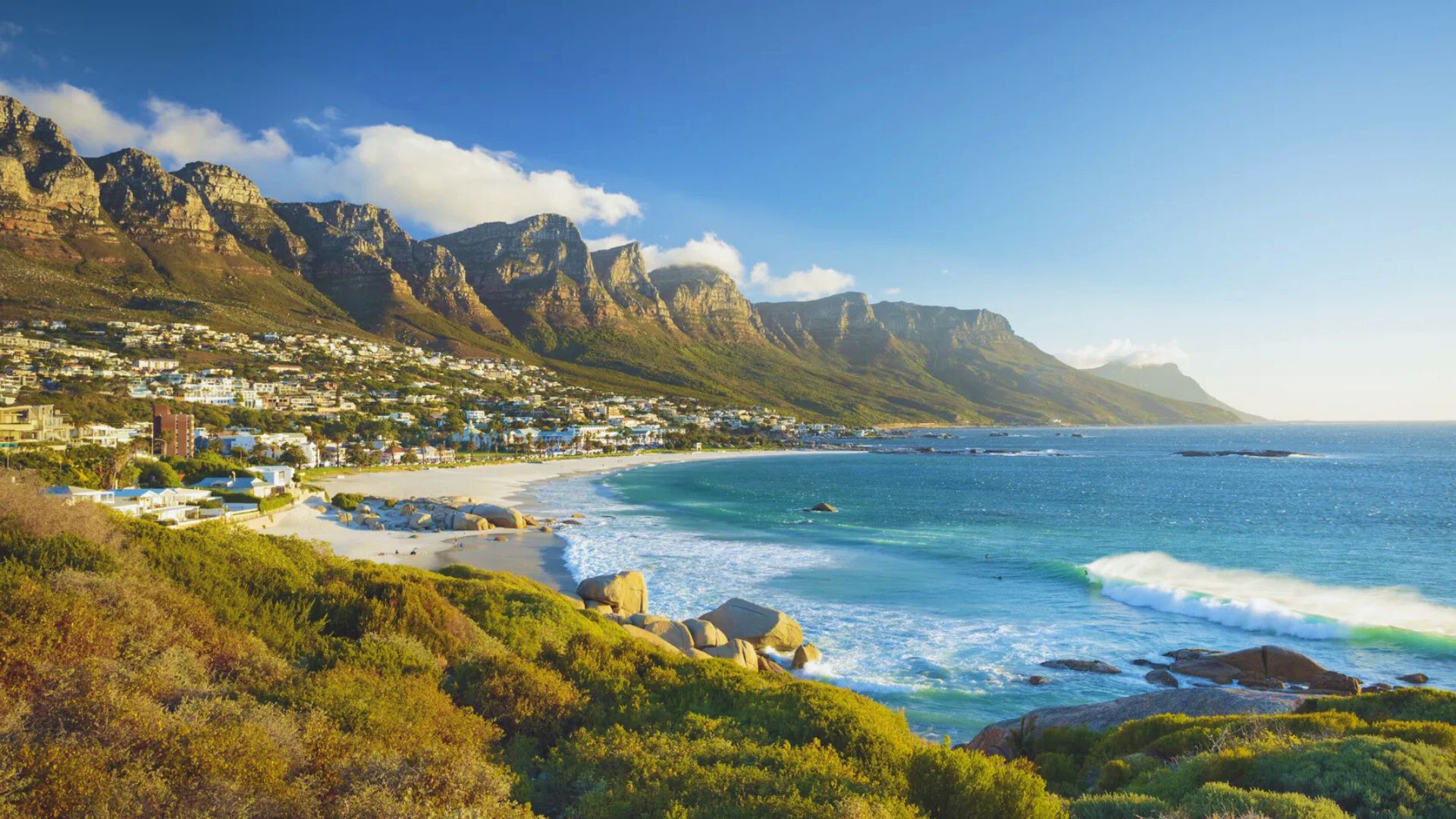
South Africa sits between two oceans. The Atlantic on the west is cold and rocky. The Indian Ocean on the east is warm and calm.
This gives you everything from dramatic cliffs to long sandy shores and forest-backed lagoons. You can surf, dive, snorkel, kayak, or hike near nature reserves on the same trip.
Not every beach is crowded either. Many are quiet, easy to miss, and loved mostly by locals.
That mix of variety, wildlife, and peaceful spots is exactly what makes the coastline here unlike anything else you’ll find in one country.
Complete List of 17 Best Beaches in South Africa
Here’s a quick overview of every beach covered in this guide, all in one place.
1. Diaz Beach, Cape of Good Hope
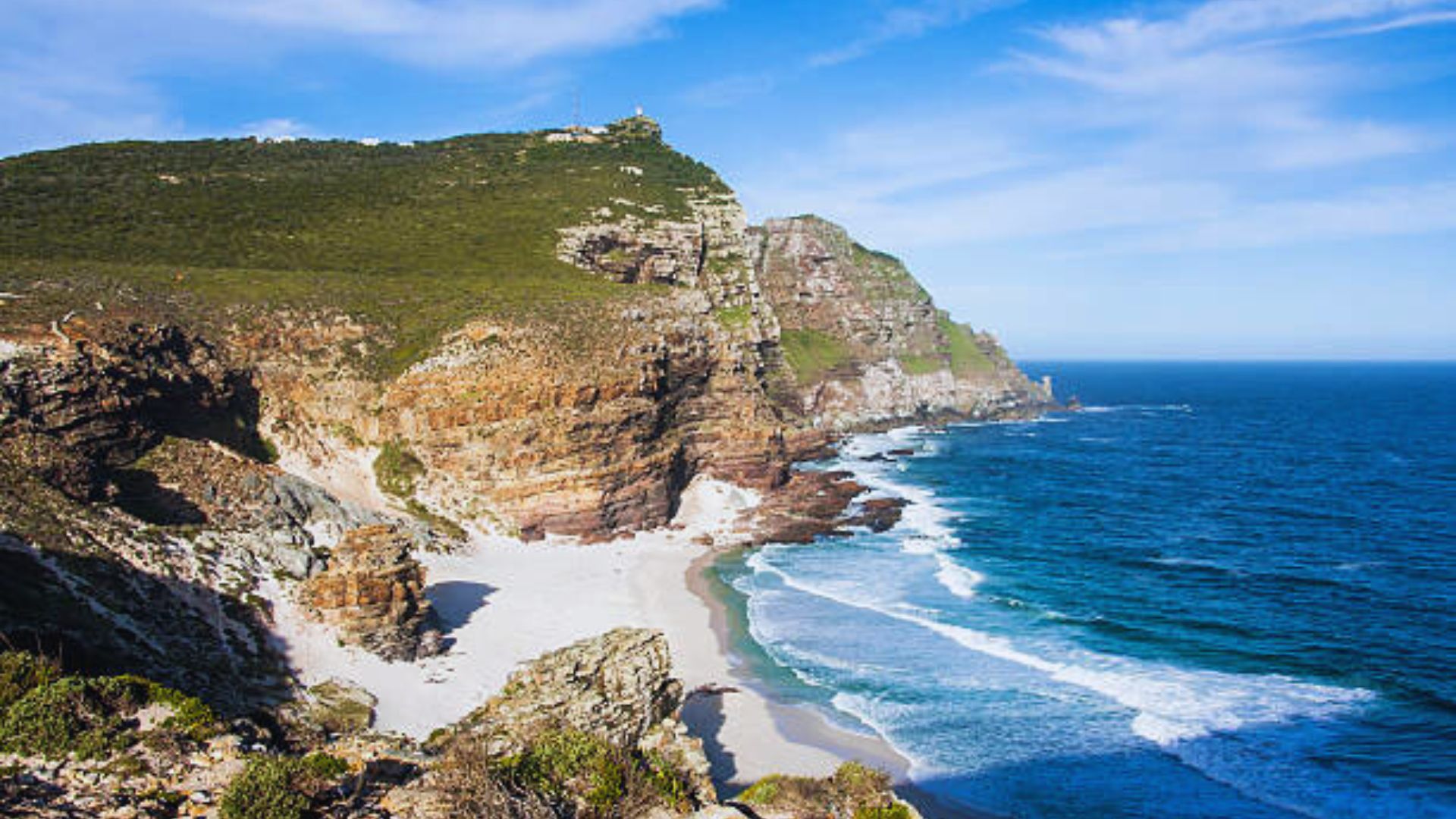
Diaz Beach is wild, remote, and not easy to reach. You have to walk down a long set of steep stairs to get there.
The waves are rough, the cliffs are high, and the whole setting feels raw and dramatic.
2. Boulders Beach, False Bay

Boulders Beach is home to a large African penguin colony. You can walk right next to the penguins on the sand and watch them swim in the calm, sheltered water.
It is one of the most unusual beach experiences in the country.
3. Muizenberg Beach, Cape Town
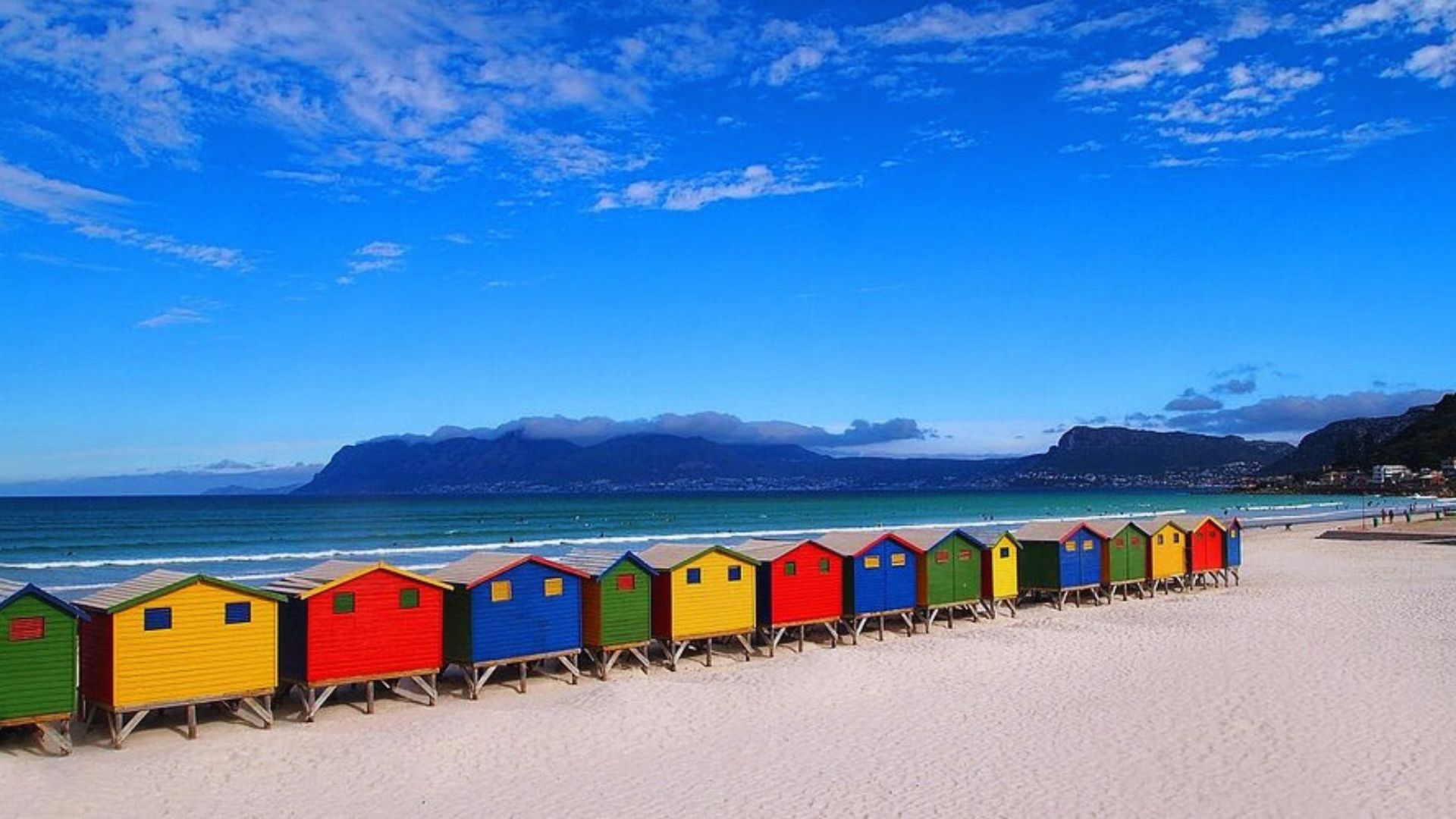
Muizenberg is one of the best beaches for learning to surf. The waves are consistent but not too strong, making it perfect for beginners.
Several surf schools operate here, so picking up a board and getting started is easy.
4. Noordhoek Beach, Cape Town

Noordhoek is a wide, open stretch of white sand that runs for several kilometers. The Twelve Apostles mountain range sits behind it, making the scenery hard to beat.
It is quiet, uncrowded, and great for long walks or horse riding.
5. Camps Bay Beach, Cape Town
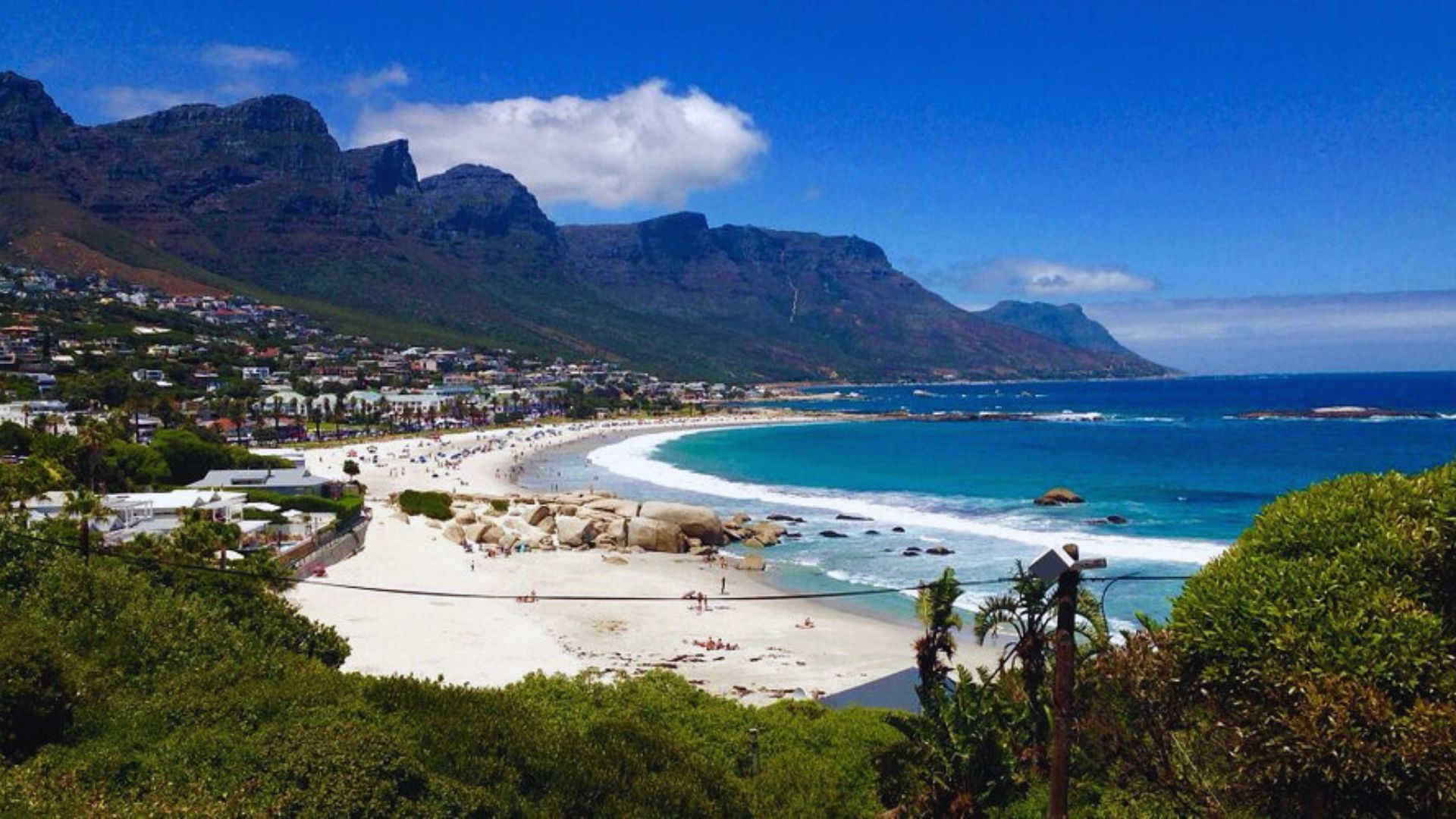
Camps Bay is one of Cape Town’s most well-known beaches. It sits at the foot of the Twelve Apostles and is lined with restaurants, cafes, and bars.
The water is cold due to the Atlantic Ocean, but the setting more than makes up for it.
6. Cape Agulhas and Struisbaai

This is the southernmost tip of Africa and the official meeting point of the Atlantic and Indian Oceans. Struisbaai, right next to it, has one of the longest natural beaches in the country.
The area is calm, historical, and far less visited than Cape Town.
7. Noetzie Beach, Knysna

Noetzie is one of the most out-of-the-way beaches on this list. The cliffs above it are lined with small private castles, which makes it look unlike any other beach in South Africa.
A river mouth runs alongside the sand, and the walk down to reach it keeps most crowds away.
8. Island Beach, Robberg Peninsula

Island Beach sits inside the Robberg Nature Reserve near Plettenberg Bay.
The peninsula around it is home to a large seal colony, and dolphins and whales are regularly spotted just offshore. The hike to reach it is worth every step.
9. Salt River Mouth and Nature’s Valley

Nature’s Valley is one of the quietest spots along the entire Garden Route. The Salt River flows into the sea here, creating a calm lagoon perfect for paddling or swimming.
Dense forest surrounds the beach, giving it a completely hidden and peaceful feel.
10. Storms River Mouth, Eastern Cape
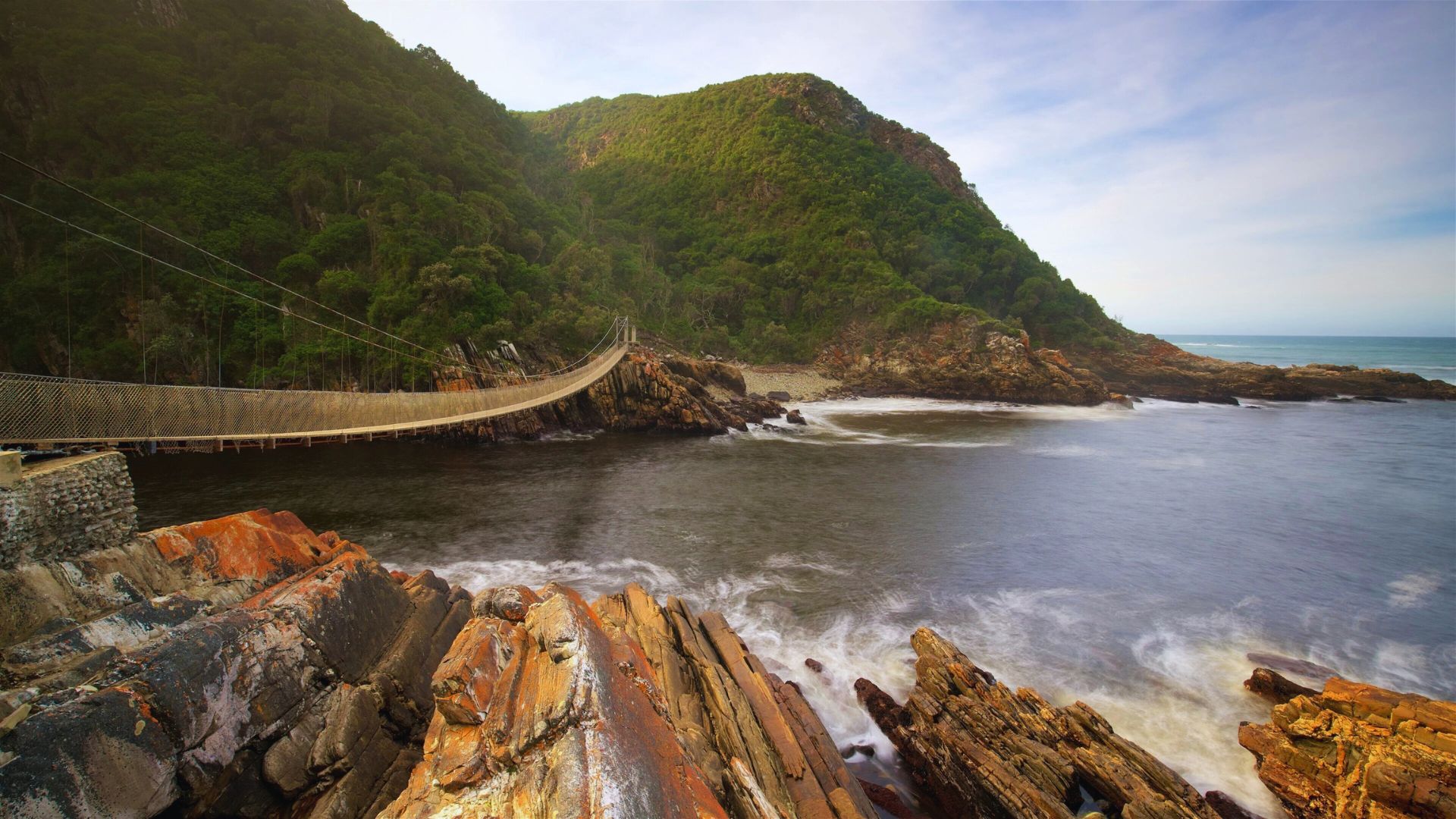
Storms River Mouth is inside the Tsitsikamma National Park and is known for its famous suspension bridge above the river.
The coastline here is rocky, dramatic, and backed by ancient forest. It is more of a hiking and sightseeing beach than a swimming one.
11. Sardinia Bay Beach, Eastern Cape
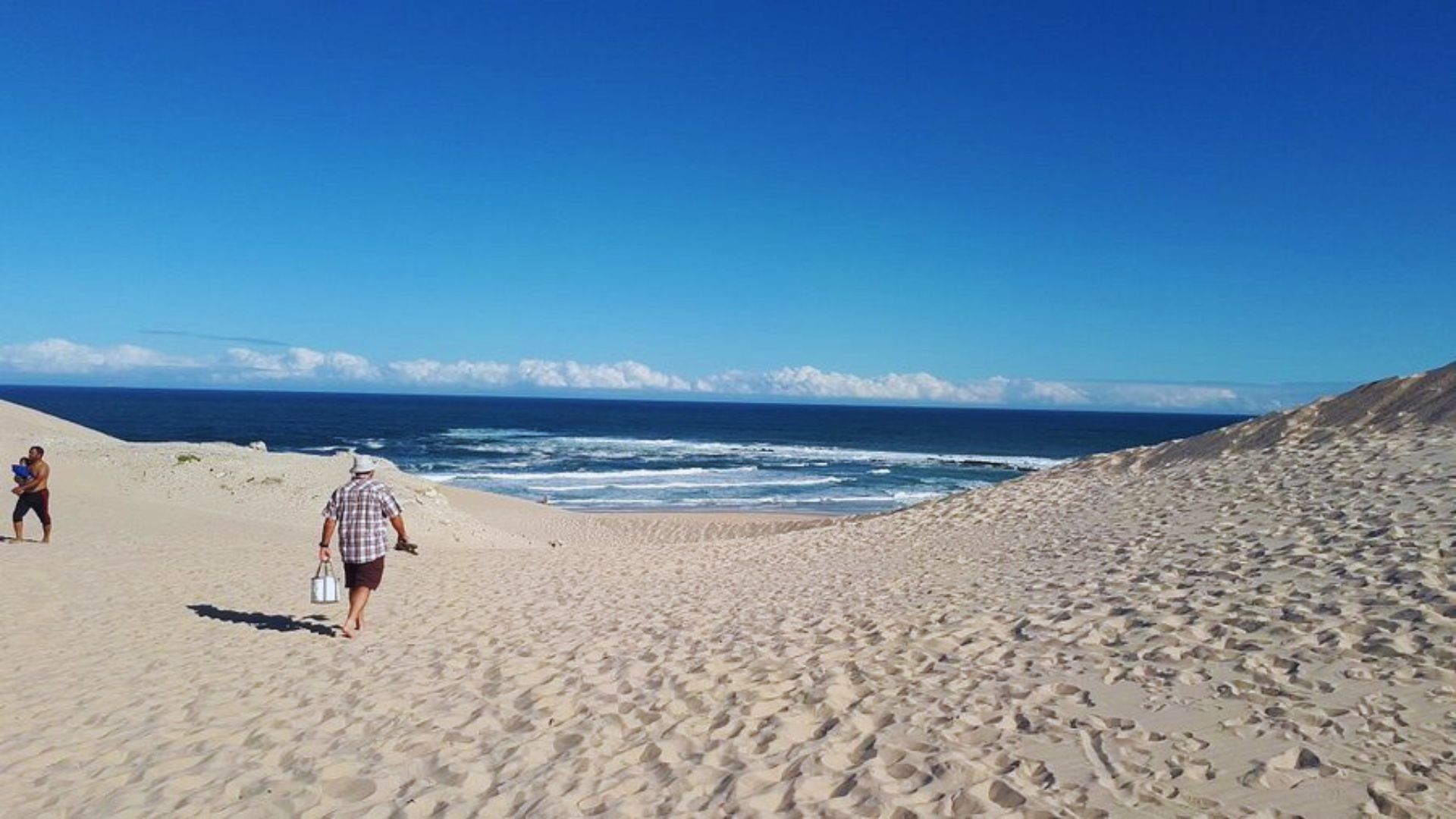
Sardinia Bay is a protected marine reserve near Gqeberha, formerly known as Port Elizabeth.
The water is clear, the sand is clean, and the dunes that rise behind the beach are worth climbing for the view. It is a low-key spot that feels far removed from city life.
12. Golden Mile, Durban
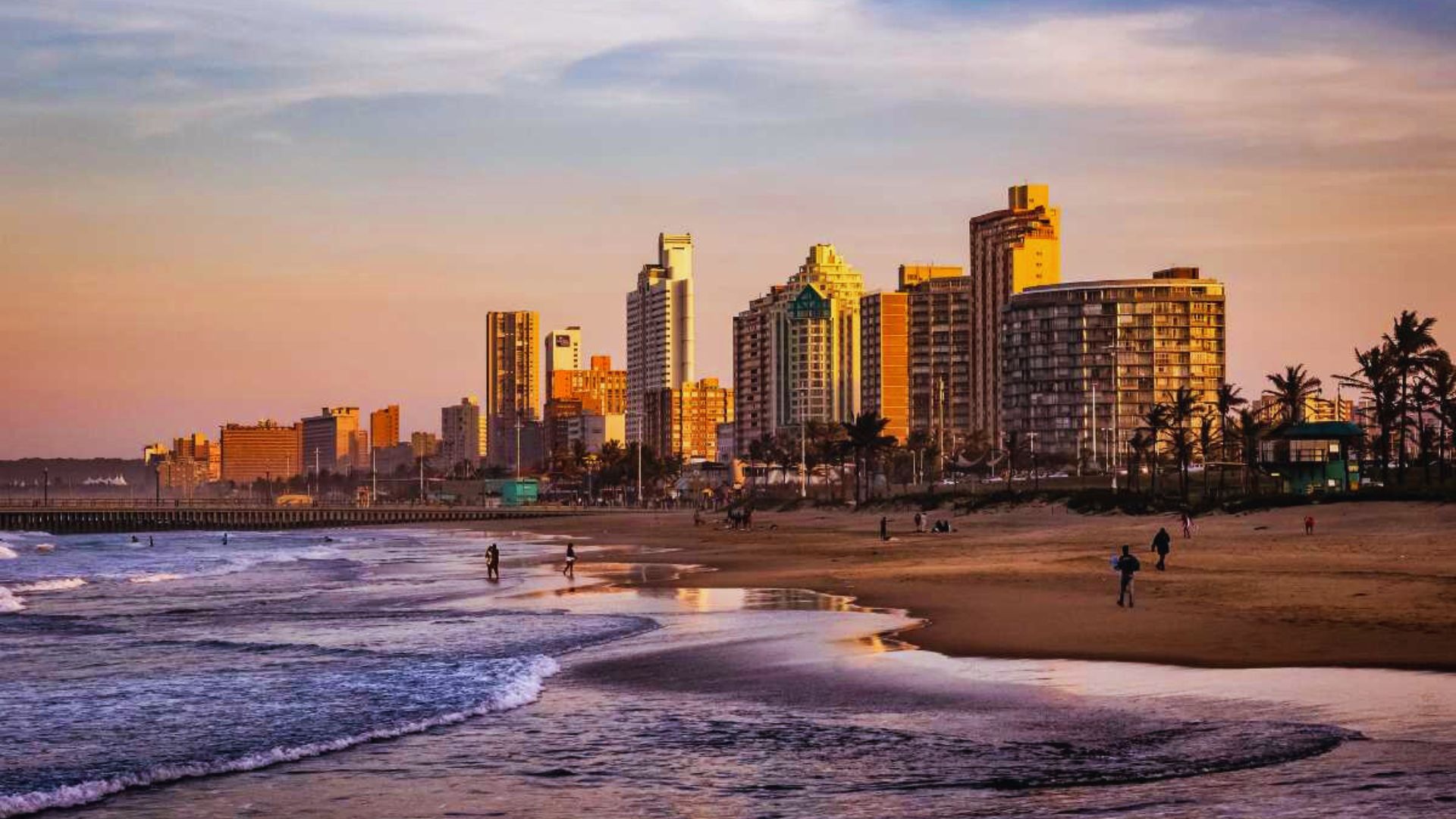
Golden Mile is a long stretch of beachfront in central Durban along the warm Indian Ocean. It has lifeguards, shark nets, surf zones, and a wide promenade that runs the entire length.
Families, swimmers, and surfers all share this busy and well-maintained beach.
13. Umhlanga Beach, KwaZulu-Natal

Umhlanga is a short drive north of Durban and has a more relaxed, upmarket atmosphere.
The beach is clean, the water stays warm all year, and the old red-and-white lighthouse is a well-known landmark. It is a great option for those who want comfort and calm.
14. Santa Lucia Beach, iSimangaliso Wetland Park

Santa Lucia sits inside the iSimangaliso Wetland Park, a UNESCO World Heritage Site. The beach itself is wide and backed by forested dunes, while the nearby lake is home to hippos and crocodiles.
The combination of ocean and wild nature makes this place feel completely different from any other beach on this list.
15. Sodwana Bay, KwaZulu-Natal

Sodwana Bay is widely considered one of the best scuba diving spots in Africa. The coral reefs just offshore are full of fish, turtles, and other marine life.
Even if you do not dive, snorkeling here gives you a clear look into an incredibly active underwater world.
16. Wilderness Beach, Garden Route

Wilderness Beach sits in the middle of a town by the same name and is surrounded by lagoons, rivers, and forest.
The surf here is strong, making it popular with bodyboarders and surfers. The contrast between the green hills behind it and the blue ocean in front gives it a great natural setting.
17. Llandudno Beach, Cape Town

Llandudno is a small, tucked-away cove about 20 minutes from Cape Town’s city center. There are no shops, no restaurants, and no lifeguards, which keeps it quiet and local.
The boulders framing the beach and the mountain behind it make it one of the most scenic spots near the city.
How to Choose the Best Beaches in South Africa

Picking the right beach depends on what you want from your trip.
Activity or Rest?
If you want to surf, hike, or dive, focus on the Western Cape or KwaZulu-Natal. If you want to swim and relax with easy access, Durban’s beaches or Camps Bay are the better pick.
Swimming Safety and Water Temperature
The Atlantic side is cold between 10°C and 16°C. The Indian Ocean side is warm between 22°C and 27°C. If swimming is your priority, go east. Always check for shark nets and lifeguard flags before entering the water.
Accessibility and Facilities
Some beaches like Golden Mile have toilets, parking, and lifeguards. Others like Noetzie or Island Beach require a hike to reach. Know what you’re getting into before you go.
What Makes a South African Beach Truly Special

It’s not just the sand and sea, it’s what you find around and beyond the shoreline.
Scenic Views, Wildlife, and Standout Features
South African beaches often come with extras. Penguins at Boulders. Whales off Hermanus. Seals at Robberg. These are not zoo experiences, this is wild nature at your feet.
Hidden Spots vs Popular Tourist Beaches
Places like Llandudno or Nature’s Valley are low-key and beloved by locals. They don’t have big signs pointing to them. That’s part of the appeal.
Popular spots like Camps Bay are great if you want energy, food, and nightlife close by.
Seasonal Considerations
The Western Cape is best from November to February. KwaZulu-Natal stays warm most of the year but gets busy during South African school holidays in December and July.
Tips for Visiting the Best Beaches in South Africa
A few things to know before you pack your bag and head to the coast.
- Always swim between the flags. Rip currents are strong, especially on the Atlantic side.
- The Atlantic Ocean is cold and can cause fatigue fast. The Indian Ocean is much warmer and safer for swimming.
- Cape Town is best from December to February. KwaZulu-Natal is great from May to September.
- Do not swim in lakes or rivers near iSimangaliso. Hippos and crocodiles are active in those areas at night.
- Check for shark nets and local safety notices before entering the water at any beach.
- Families with kids should head to Golden Mile or Umhlanga. Both have lifeguards and calm water.
- For diving and marine wildlife, Sodwana Bay is the top pick on the entire coastline.
Conclusion
South Africa’s coastline is one of the most varied in the world. From penguin colonies to coral reefs, from wild cliffs to calm lagoons, the best beaches in South Africa really do have it all.
I hope this guide makes your planning easier and your trip more memorable. Start with two or three beaches that match what you love, then build from there.
If you’ve already been to any of these spots or have one to add, drop a comment below. I’d love to hear where you went and what surprised you most.
Frequently Asked Questions
What is the warmest beach in South Africa?
Sodwana Bay and Umhlanga in KwaZulu-Natal are among the warmest, with Indian Ocean water temperatures staying above 22°C for most of the year.
Is it safe to swim at South African beaches?
Most popular beaches have lifeguards and shark nets in place. Always swim between the flags and check local safety notices before entering the water.
Which South African beach is best for families?
Golden Mile in Durban and Umhlanga Beach are ideal for families. Both have calm water, facilities, and lifeguard supervision during peak hours.
Can you see wildlife at South African beaches?
Yes. Boulders Beach has penguins, Robberg Peninsula has seals, and the iSimangaliso area has hippos and crocodiles near the waterways. Whales are often spotted off the southern coast.
When is the best time to visit South African beaches?
It depends on the region. Cape Town is best from November to February. KwaZulu-Natal beaches are enjoyable almost year-round, with May to September being especially pleasant.
