


Aviation security plays a critical role in keeping passengers, crew, and aircraft safe throughout every journey. Security procedures continue to evolve as air travel grows and new safety standards are introduced. Understanding how these measures work helps you prepare for your trip with confidence, especially if you’re flying for the first time or unfamiliar with airport screening.
Modern airline security relies on multiple layers of protection designed to maintain safety and order. Many travelers feel uncertain about what to expect during screening, which items are allowed in carry-on bags, and how to move through checkpoints efficiently. This uncertainty can lead to delays, confusion, or unnecessary stress at the airport.
This piece explains what aviation security involves and how it affects your travel experience. You’ll learn about screening procedures, travel restrictions, preparation tips, and your passenger rights. With the right preparation, you can move through security faster and begin your journey with fewer disruptions.
Understanding Aviation Security
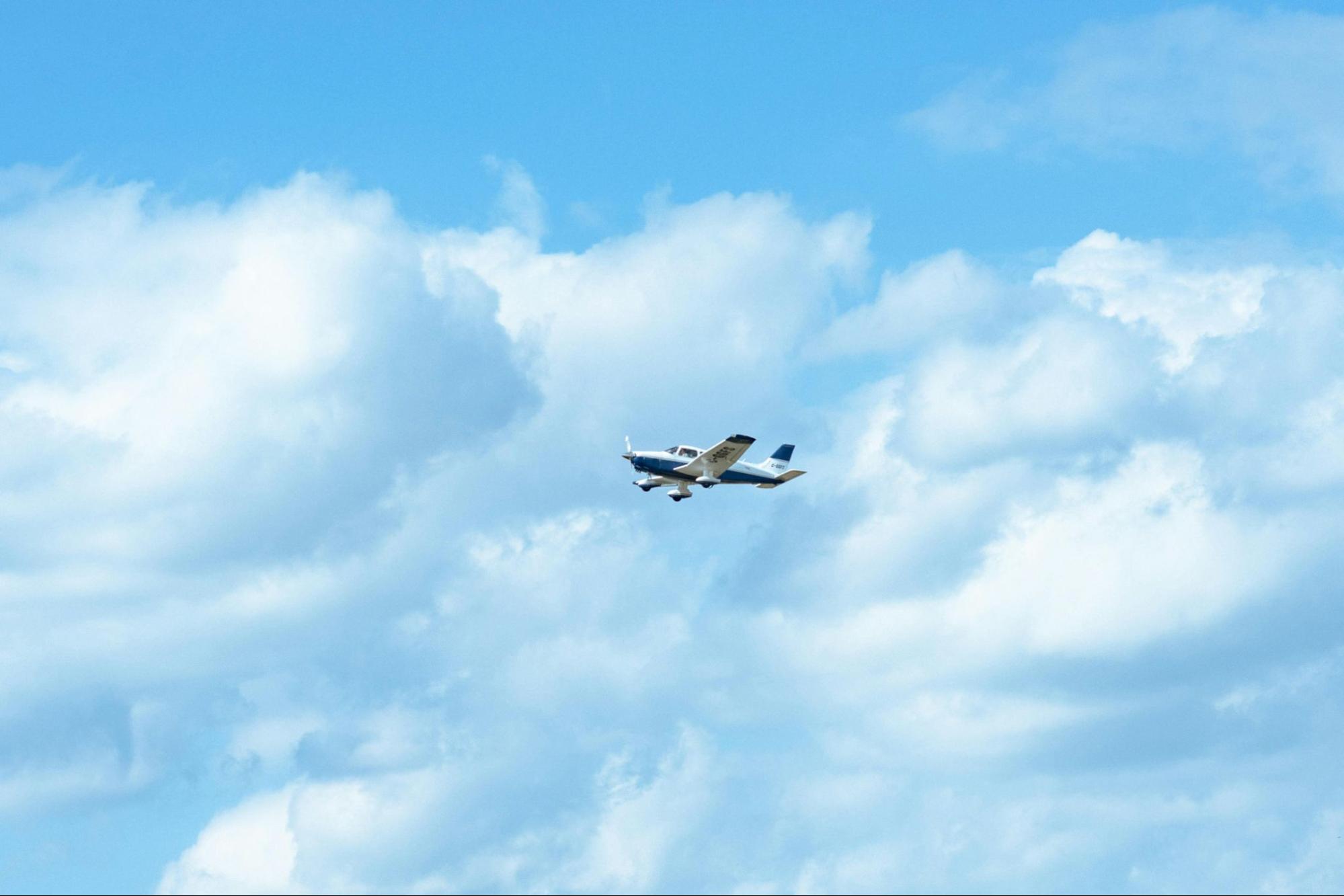
Aviation security includes coordinated systems and trained personnel working together to prevent threats and maintain safe flight operations. These measures operate both behind the scenes and in visible areas to ensure every stage of air travel remains secure.
The Role of Airline Security Teams
Airlines employ dedicated security teams responsible for protecting passengers, crew, aircraft, and airport operations. These teams coordinate with airport authorities, government agencies, and law enforcement to monitor threats and enforce safety protocols. Their responsibilities include verifying passenger information, managing secure boarding procedures, and responding to suspicious activity. Airline security personnel also receive specialized training to identify behavioral indicators of risk and ensure compliance with aviation regulations.
Security teams also conduct routine inspections of aircraft and restricted areas to prevent unauthorized access. Their presence ensures that safety procedures remain consistent throughout all stages of boarding, flight preparation, and departure.
Emergency Equipment
Commercial airlines equip their aircraft with certified emergency equipment designed to protect passengers in rare emergency situations, including aviation life rafts on routes that operate over water. These life rafts are stored in designated compartments and can be deployed quickly by trained crew members to provide flotation, shelter, and survival supplies. Strict aviation regulations require airlines to inspect and maintain this equipment regularly to ensure readiness.
Even when flying on smaller aircraft, safety requirements still apply. Aircraft operating beyond a certain distance from land must carry approved flotation equipment, including aviation life rafts. Aviation safety equipment providers offer aviation life rafts for sale online, and these products must meet strict regulatory standards to ensure reliable performance across different aircraft types and emergency situations.
Intelligence Sharing and Threat Prevention
Aviation security relies heavily on cooperation between airlines, airports, and government agencies. Authorities share intelligence about potential risks, suspicious individuals, and emerging threats. Passenger screening programs, watchlists, and identity verification systems help prevent dangerous individuals from boarding flights. This coordinated approach strengthens aviation security and helps detect threats before they reach the aircraft.
Advanced data analysis tools help authorities identify unusual travel patterns that may require further review. Continuous communication between agencies allows faster response to potential threats and improves overall aviation safety.
Prohibited Items and Travel Restrictions
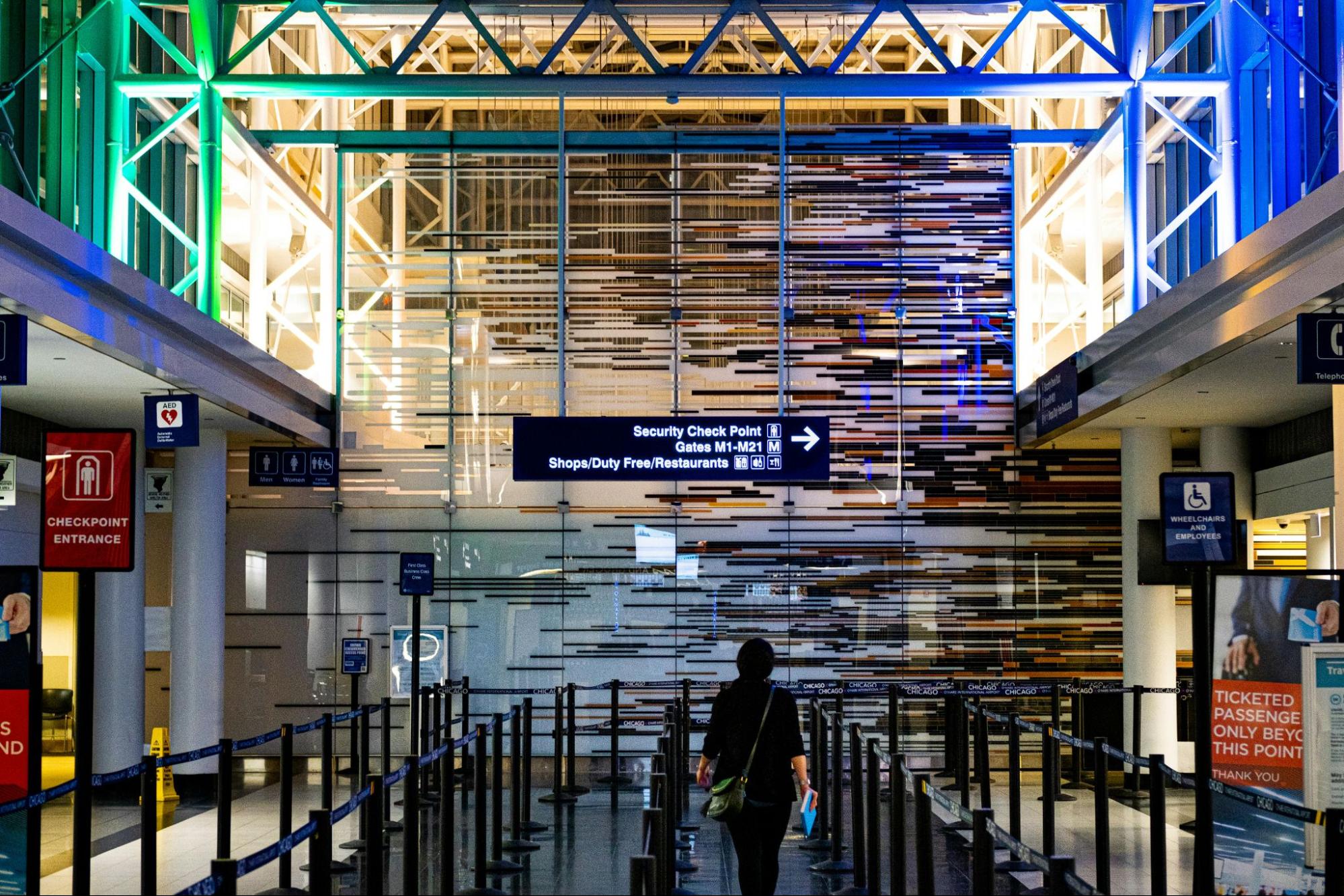
Knowing what you can and cannot bring on your flight prevents delays at security checkpoints and confiscation of your belongings. Aviation security regulations establish clear boundaries for items allowed in carry-on and checked baggage.
Items banned from carry-on luggage
Sharp objects face strict prohibitions in cabin baggage. You cannot bring knives of any length or type, box cutters, ice picks, or straight razors through security. Metal scissors with pointed tips join this list. Plastic cutlery and safety razors receive approval. Cutting instruments remain banned whatever their intended use.
Sports equipment that functions as a bludgeon stays out of the cabin. Baseball bats, cricket bats, golf clubs, hockey sticks, and pool cues must travel in checked luggage. Axes, hatchets, crowbars, and hammers face the same restriction. Tools measuring more than seven inches in length face carry-on restrictions, including wrenches, pliers, drills, and saws.
Self-defense items are prohibited universally. Mace, pepper spray, stun guns, and tasers cannot pass through security in carry-on bags. Martial arts weapons, brass knuckles, and similar items face the same ban.
Explosives and flammable materials present obvious dangers. Fireworks, flares, gunpowder, and ammunition cannot enter the cabin. Aerosol insecticides are banned from carry-on bags, though they travel in checked luggage when not labeled as hazardous material. Alcoholic beverages exceeding 70% alcohol (over 140 proof) are prohibited entirely.
Restrictions on liquids, gels, and aerosols
The 3-1-1 rule governs liquid transport through security checkpoints:
- Containers must hold 3.4 ounces (100 milliliters) or less per item
- All containers fit into one quart-sized, clear plastic bag
- Each passenger carries only one bag
This regulation applies to toothpaste, shampoo, conditioner, mouthwash, lotion, and similar items. Anything spreadable with a butter knife falls under this category, including peanut butter and cream-based products.
Duty-free liquids purchased internationally receive special treatment. You can carry containers larger than 3.4 ounces if the liquids are packed in transparent, tamper-evident bags by the retailer and accompanied by the original receipt showing purchase within 48 hours. The bag must show no signs of tampering when presented to security.
Powders exceeding 12 ounces (350 milliliters) need separate bin placement for X-ray screening. Containers may need opening for additional inspection.
Rules for traveling with electronics
Laptops need removal from bags and placement in separate bins for X-ray screening. Tablets and other large electronics follow the same protocol. TSA PreCheck members skip this step.
Lithium battery regulations prioritize safety. Devices containing lithium metal or lithium ion batteries belong in carry-on baggage where flight crews can respond to overheating or fires. Spare batteries must travel in carry-on bags only and face quantity limits based on capacity.
Power banks under 100 watt-hours need no approval, while those between 100-160 watt-hours need airline approval with a maximum of two units. Power banks exceeding 160 watt-hours are forbidden on passenger flights. Devices must display their watt-hour rating or risk confiscation.
When checking bags at the gate, remove all spare lithium batteries and keep them with you in the cabin. Damaged or recalled batteries cannot travel on aircraft in any form.
Medications and medical equipment guidelines
Solid medications face no quantity restrictions. You can bring unlimited amounts of pills as long as they undergo screening. TSA doesn’t need prescription bottles, though individual states have labeling laws you should follow.
Liquid medications receive exemptions from the 3-1-1 rule. You can carry medically needed liquids in reasonable quantities for your trip, but you must declare them at the checkpoint start. These liquids undergo additional screening and may need container opening. Nitroglycerin tablets and spray are permitted.
Baby formula, breast milk, and toddler food in quantities exceeding 3.4 ounces are allowed whatever the case, even if the child doesn’t travel with you. Ice packs and cooling accessories for these items are also exempt. Remove them from your bag for separate screening.
Medical devices attached to your body need advance notification. Tell the TSA officer about insulin pumps, neurostimulators, feeding tubes, or ostomy devices before screening begins. You may present a TSA notification card describing your condition. Expect additional screening with careful inspection if you cannot disconnect the device.
How to Prepare for a Smooth Security Experience
Preparation before reaching the airport determines how quickly you move through security checkpoints. Smart packing and clothing choices eliminate common delays.
Packing tips for faster screening
Start with an empty bag and verify all pockets contain nothing. This prevents forgotten items from triggering alarms. Pack items in distinct layers with one layer for shoes, another for clothes, and a separate layer for electronics. Place large electronics on the top layer of your carry-on to remove them quickly.
Your 3-1-1 liquids bag belongs in the front pocket where you can grab it right away. This placement saves time fumbling through your bag at the checkpoint. Organize your bag to avoid clutter that obstructs X-ray images, as jam-packed bags require additional inspection time.
Attach a card with your name and contact information to your electronics. Items sometimes get separated during screening. Roll clothes tightly instead of folding them to maximize space and reduce wrinkles.
What to wear for easy security clearance
Your outfit impacts screening speed directly. Metal clothing fasteners and body piercings trigger metal detectors and cause additional screening. Wedding rings pass through scanners without alarms most of the time, but most other jewelry should stay in your carry-on.
Choose slip-on shoes to remove and replace them easily. Most travelers must remove belts before metal detectors since the majority contain metal clasps. If your pants require a belt to stay up, wear different pants to the airport.
Avoid these items that complicate screening:
- Cargo pants with multiple pockets that need emptying
- Maxi dresses and full skirts that often trigger pat-downs
- Metal hair ornaments and bobby pins
- Heated clothing (remove battery packs before screening and keep them in carry-on)
- Bulky or oversized clothing that appears suspicious
- Offensive clothing with questionable messages
Wear socks to keep your feet clean when removing shoes on airport floors.
Your rights during security procedures
TSA officers conduct screenings but cannot arrest you. You can request private screening at any time, and airport personnel must complete it in time so you can board your flight.
You have the right to wear religious head coverings. If screening is needed, request a person of your gender conduct it in a private area. Officers cannot conduct additional screening based solely on race, national origin, religion, gender, or political beliefs.
If problems arise, file complaints with TSA’s civil rights office or the Department of Homeland Security.
Conclusion
Aviation security plays a vital role in keeping passengers, crews, and aircraft safe. When you understand what to expect and prepare properly, you reduce delays, avoid unnecessary stress, and move through checkpoints with greater ease. Knowing the rules allows you to travel with confidence and cooperate effectively with security personnel.
Staying informed and prepared helps protect both your journey and those around you. Simple preparation improves efficiency, reduces complications, and supports a safer travel experience. Awareness remains one of the most effective ways to ensure your trip stays smooth, secure, and predictable.
