


Planning a trip to Maine’s most popular national park with your furry friend? I’ve been there with mine, and you’re in luck!
Yes, dogs are allowed in Acadia National Park, making it one of the most pet-friendly national parks in the United States.
Unlike many parks that restrict pets to paved areas only, Acadia welcomes dogs on most trails and carriage roads.
This makes it perfect for pet owners who want to enjoy nature without leaving companions behind. However, bringing your dog comes with important rules and responsibilities.
Understanding these guidelines before your visit will help ensure a safe and enjoyable experience for everyone, including your pup.
Pet Policy and Leash Requirements at Acadia
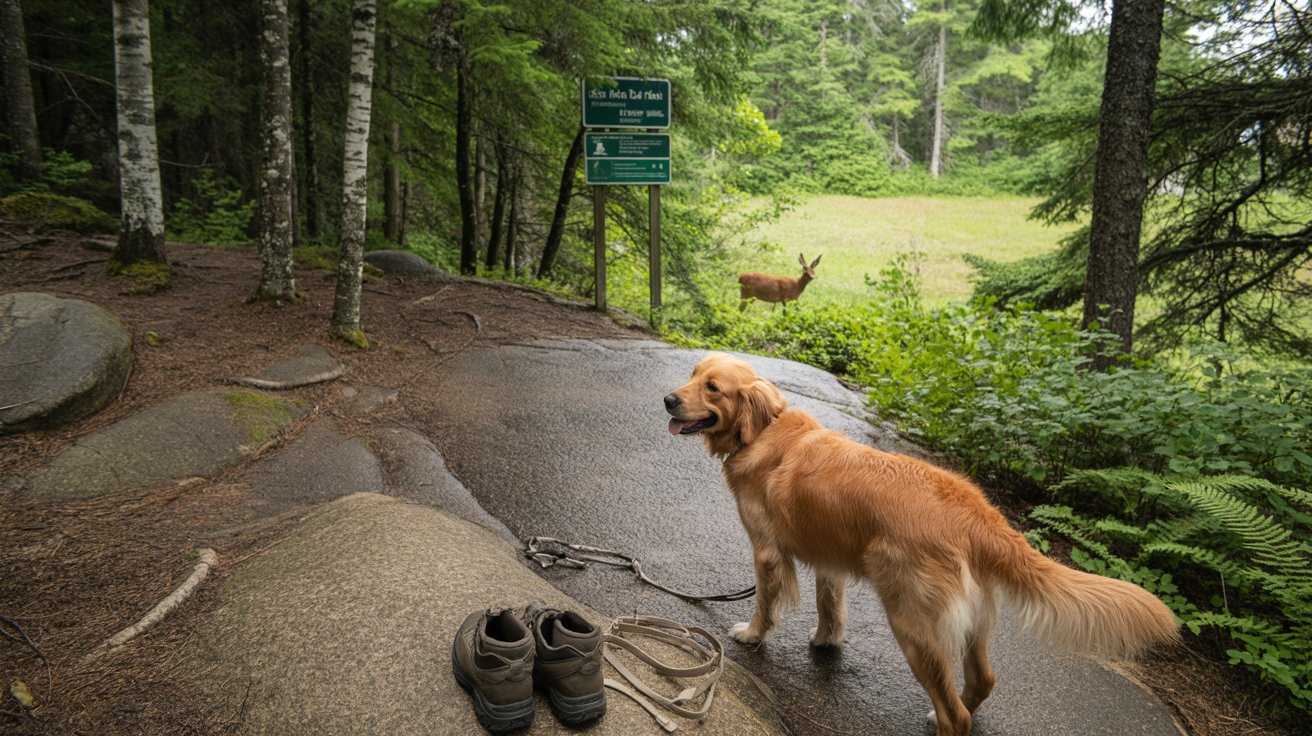
Understanding Acadia’s pet rules before you arrive saves hassle and keeps everyone safe during your visit.
Mandatory 6-Foot Leash Rule
Acadia requires all dogs to stay on a leash no longer than 6 feet at all times. This rule applies everywhere in the park including trails, carriage roads, campgrounds, parking areas, and beaches.
No exceptions exist for well-trained dogs. The leash must remain attached to your dog throughout your entire visit to ensure safety and compliance.
Why Leash Laws Matter
The leash law protects both your dog and the park’s wildlife. Unleashed dogs can disturb nesting birds, chase deer and other animals, and create unsafe situations for other visitors.
Leashes also prevent dogs from eating harmful plants or getting injured on rocky terrain. This policy helps preserve Acadia’s delicate ecosystem while keeping your pet safe from potential dangers.
Enforcement and Penalties
Park rangers actively patrol trails and enforce leash rules throughout Acadia. Violating the leash requirement can result in fines starting at $50 or being asked to leave the park immediately.
Keep your dog leashed even if they’re well-trained or friendly. Other visitors may not be comfortable around unleashed dogs, and respecting these rules shows consideration for everyone sharing the park.
Waste Disposal Requirements
You’re responsible for cleaning up after your dog everywhere in the park. Always carry multiple waste bags and dispose of them properly in designated trash receptacles located at trailheads, parking areas, and campgrounds.
Never leave waste bags on trails or bury them. Proper waste disposal prevents contamination of water sources and maintains the park’s natural beauty for all visitors to enjoy.
Dog Friendly Trails and Carriage Roads
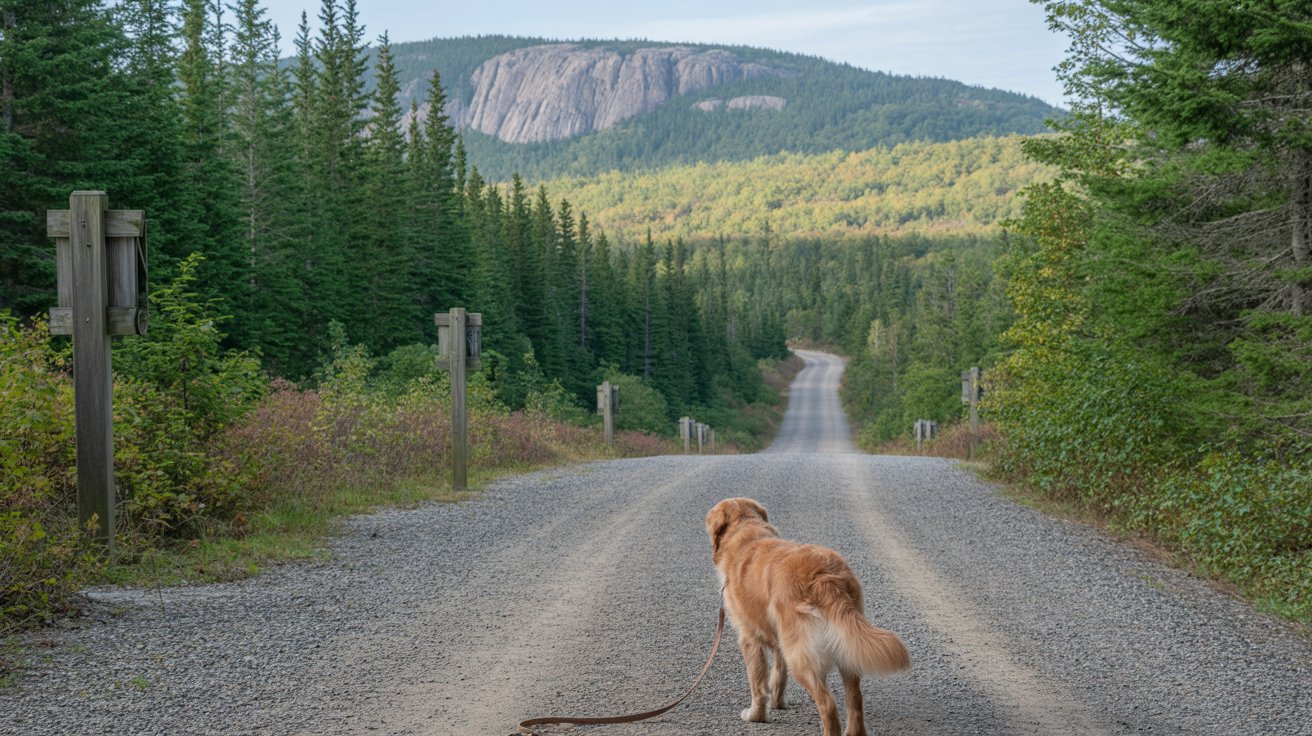
Absolutely. Over 100 miles of hiking trails throughout the park welcome leashed dogs. Additionally, 45 miles of historic carriage roads provide wide, scenic paths perfect for walking with pets.
These gravel roads offer easier terrain than many hiking trails and work well for dogs of all fitness levels. They’re also less crowded than popular hiking routes.
Trails Dogs Cannot Access
Some trails are not safe for dogs. Iron rung trails and ladder trails require climbing metal rungs built into cliff faces. Dogs cannot safely navigate these obstacles.
Examples include Precipice Trail, Beehive Trail, and sections of Jordan Cliffs Trail. Attempting these trails with pets puts both you and your dog at risk.
Safety Tips for Hiking with Dogs
- Always check current National Park Service recommendations before heading out, as trail conditions change due to weather, maintenance, and wildlife activity.
- Bring plenty of water for both yourself and your dog since many trails lack water sources along the way.
- After each hike, check your dog thoroughly for ticks, paying special attention to ears, between toes, and under the collar.
- Start with shorter, easier trails to gauge your dog’s fitness level before attempting longer or more challenging routes in the park.
Camping with Your Dog
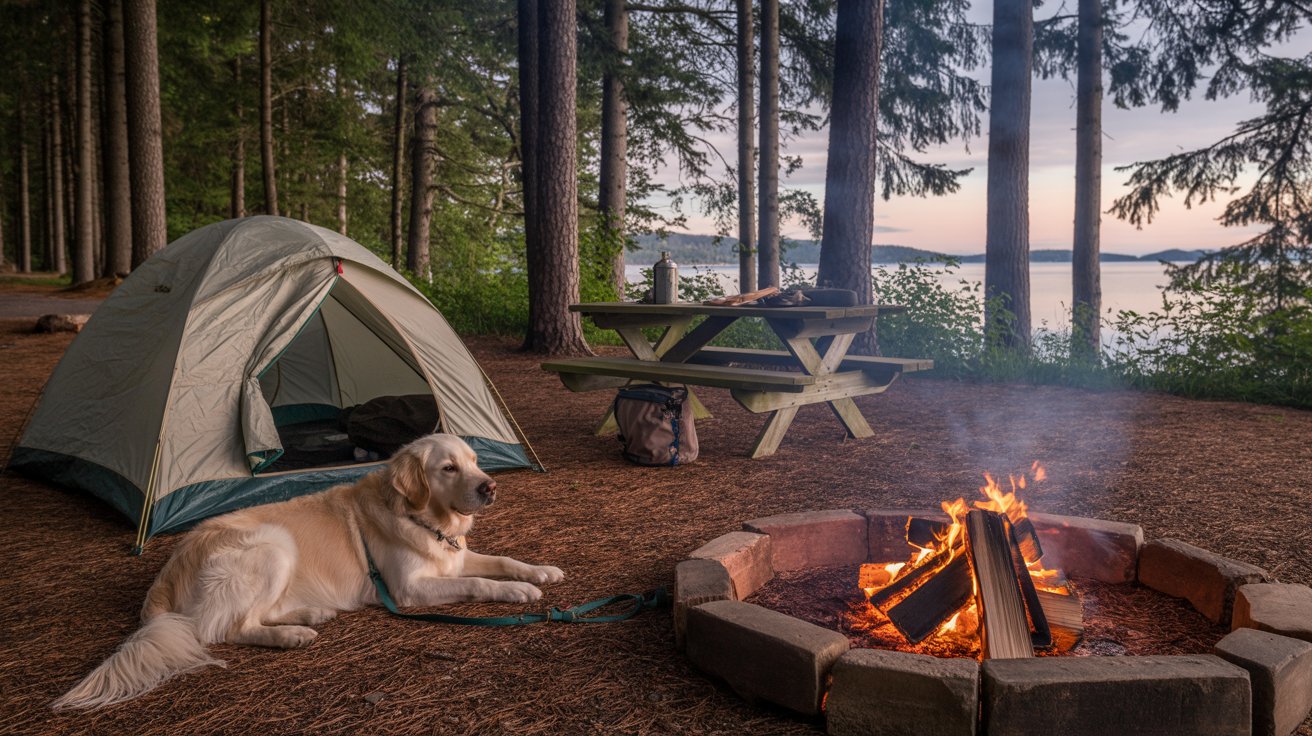
Three campgrounds in Acadia allow dogs: Blackwoods Campground, Seawall Campground, and Schoodic Woods Campground. All three offer flush toilets, running water, fire rings, and picnic tables at each site.
Seawall Campground Details
Seawall Campground sits near the ocean on the quiet side of Mount Desert Island. Sites range from $22 to $60 per night depending on season and site type.
The campground provides easy access to several dog-friendly trails and the Seawall area. Shower facilities are available at Blackwoods and Schoodic Woods, though Seawall doesn’t have showers on site.
Booking and Reservations
Reservations open in late March, and you can book campsites up to 2 months in advance through the National Park Service reservation system. Popular dates fill quickly, especially for summer weekends and fall foliage season.
Acadia does not permit backcountry camping or dispersed camping anywhere in the park. Staying at an established campground is your only option for overnight visits with your dog.
The B.A.R.K. Ranger Program
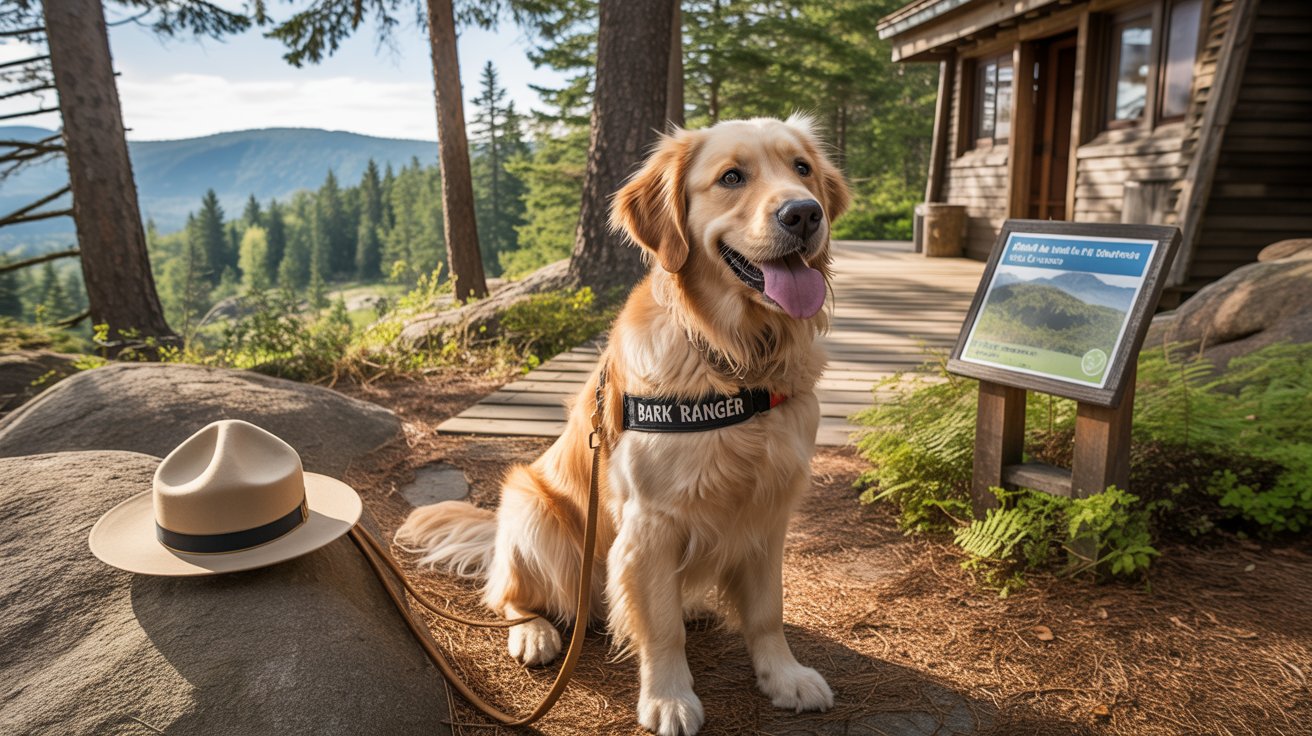
Acadia offers a special B.A.R.K. program that educates dog owners about responsible pet practices in the park. B.A.R.K. stands for Bag your pet’s waste, Always leash your pet, Respect wildlife, and Know where you can go.
How to Become a Bark Ranger
Dogs can officially become Bark Rangers by following all park rules during their visit. Owners pledge to follow the B.A.R.K. principles and set a good example for other visitors.
After completing the program requirements, dogs receive a special collar tag available at the Hulls Cove Visitor Center. The tag serves as a memento of your visit and shows that your dog is a certified Bark Ranger.
This fun program helps create awareness about proper pet etiquette while protecting Acadia’s resources. It’s a great way to make your visit more memorable for both you and your furry friend.
Planning Tips for Visiting Acadia with Your Dog
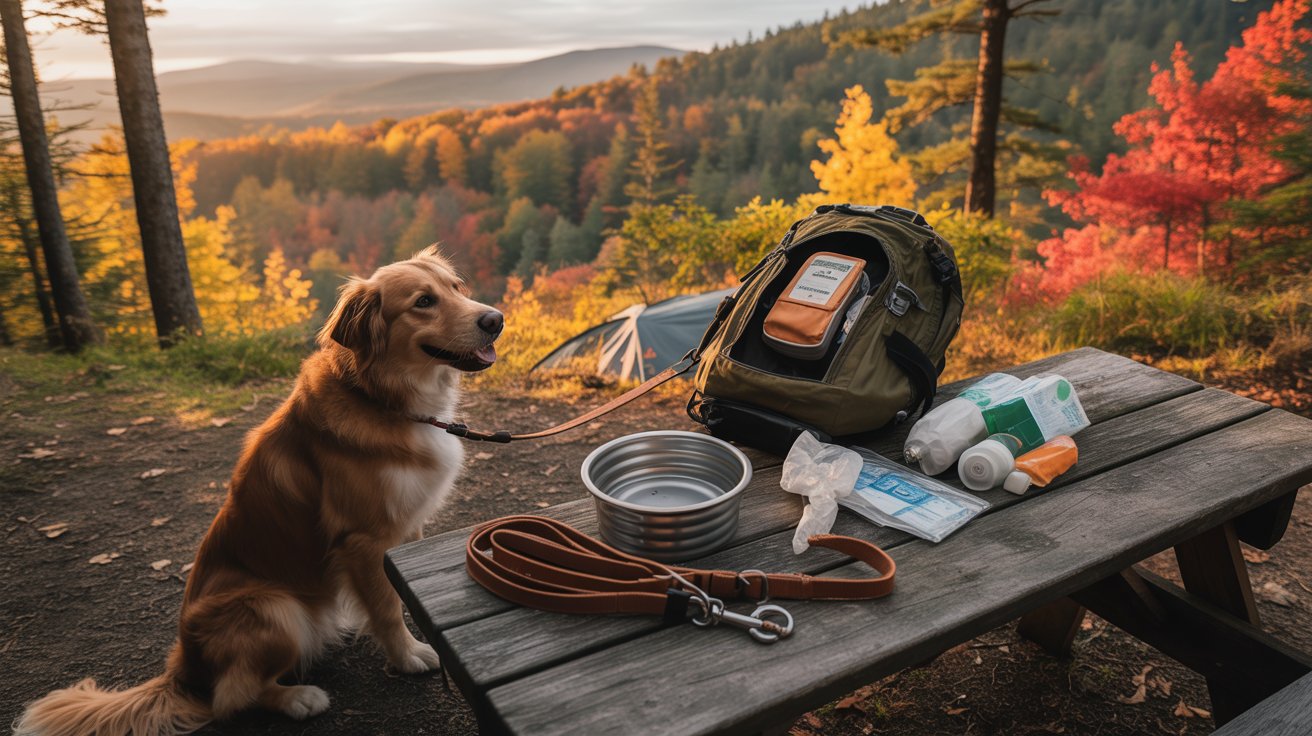
Planning makes visiting Acadia with your dog much easier and more enjoyable. Consider these important tips before your trip.
- Visit in fall after Labor Day for fewer crowds and comfortable temperatures for hiking with dogs. Avoid peak summer weekends when parking lots and trails get very crowded.
- Bar Harbor, the main gateway town, welcomes dogs at many businesses. The Bark Harbor store specializes in pet supplies and local dog-related information, while many restaurants offer outdoor seating where dogs can join you.
- Pack a sturdy 6-foot leash since retractable leashes don’t meet park requirements. Bring plenty of waste bags, a collapsible water bowl, extra water, and a tick removal tool with first aid supplies.
- Carry current vaccination records and a recent photo of your dog in case they get lost. These documents prove ownership and help others identify your pet if separated.
- Plan to spend at least 3 days and 2 nights to see the park’s main attractions with your dog. Park entrance fees range from $20 to $35, or get the America the Beautiful annual pass for $80.
- Research trail difficulty and length before starting any hike. Some trails are steep and rocky, which may be too challenging for small dogs or older pets, so start with easier trails first.
Conclusion
Are dogs allowed in Acadia National Park? Yes, and from experience, the park’s pet-friendly policies make it an excellent choice for outdoor lovers bringing their dogs along.
From miles of trails to overnight camping, Acadia offers plenty of opportunities to create lasting memories with your four-legged companion. Following park regulations protects wildlife and ensures future visitors can enjoy the same access.
Ready for your adventure? Pack your gear, leash up your pup, and hit the trails. Share your Acadia dog adventures in the comments below!
Frequently Asked Questions
Can I bring my dog to Sand Beach in Acadia National Park?
Dogs are not allowed on Sand Beach or any other swimming beaches in Acadia from May 15 through September 30. During off-season months, leashed dogs can visit beach areas.
What should I do if my dog encounters wildlife at Acadia?
Keep your dog on a short leash and calmly walk away from wildlife. Do not let your dog chase or approach any animals. Report aggressive wildlife to park rangers immediately.
Are there veterinary services near Acadia National Park?
Several veterinary clinics operate in Bar Harbor and the surrounding towns. Mount Desert Island Animal Hospital and Acadia Veterinary Hospital provide emergency services. Save their numbers before your trip.
Do I need to make reservations for pet-friendly campsites in advance?
Yes, reservations are strongly recommended, especially for summer and fall visits. Bookings open in late March. Walk-up sites may be available, but cannot be guaranteed during busy seasons.
What restrictions apply to service animals at Acadia?
Service animals are allowed everywhere in the park, including areas closed to pets. They must be under control at all times. Emotional support animals follow the same rules as pets.s
