


Planning a trip to Ireland means preparing for weather that changes by the hour. I learned this the hard way on my first visit when sunny skies turned into pouring rain within minutes.
After multiple trips and countless conversations with Irish locals, I’ve figured out exactly what you need to pack. This isn’t generic advice but a tested checklist that works for city streets and rugged coastlines alike.
I’m sharing everything that kept me comfortable and dry so you can focus on enjoying Ireland instead of scrambling for rain gear.
Why These Essentials Matter
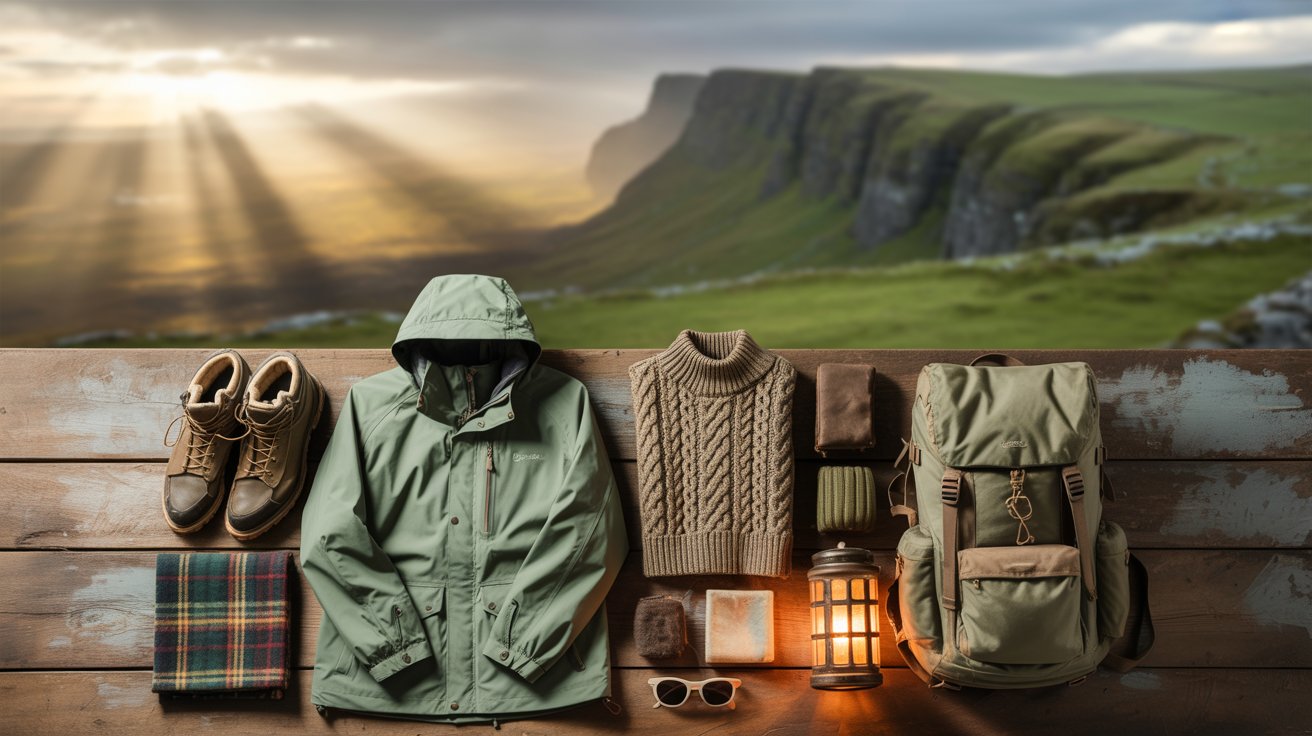
Ireland’s weather changes faster than you can say “Sláinte.” Locals joke about experiencing four seasons in a day, and they mean it. Morning sun can turn into afternoon rain, then wind, then clear skies by evening.
Skip the umbrella. It’s useless against Ireland’s sideways rain and coastal winds. Locals stick with good rain jackets and waterproof layers instead.
Your packing needs to work for city cafes and countryside hikes alike. Smart choices let you handle Dublin and the Cliffs of Moher without overstuffing your suitcase.
Clothing Guide For Ireland
The secret to dressing well in Ireland is layering smart and staying dry. Think of your clothes as a flexible system that adapts to changing conditions throughout the day.
1. Outerwear
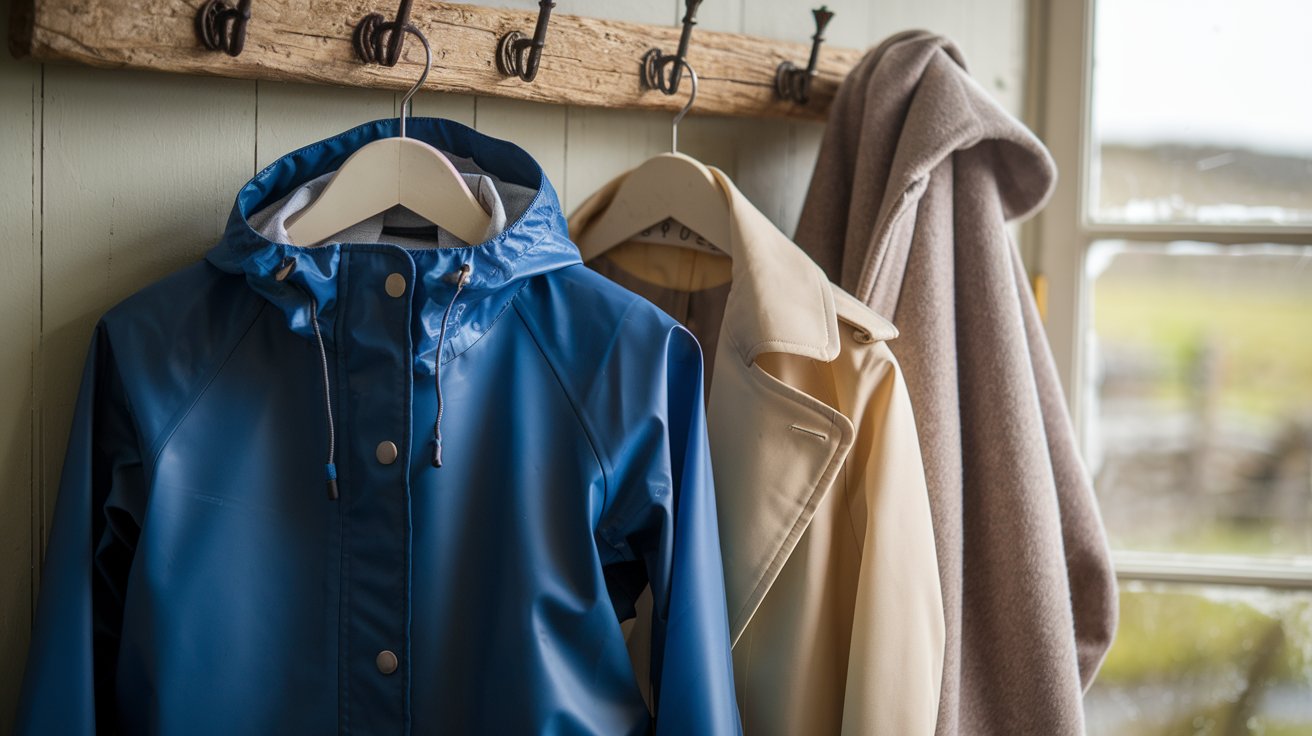
A waterproof rain jacket is your best friend in Ireland. Choose a lightweight version for summer trips or an insulated model for winter visits. Look for breathable materials that won’t make you feel like you’re wearing a plastic bag.
A classic trench coat works great for city days when you want to look put-together. Many Irish locals wear stylish wool coats that handle light rain while looking appropriate for nice restaurants and cultural sites.
2. Layering Pieces
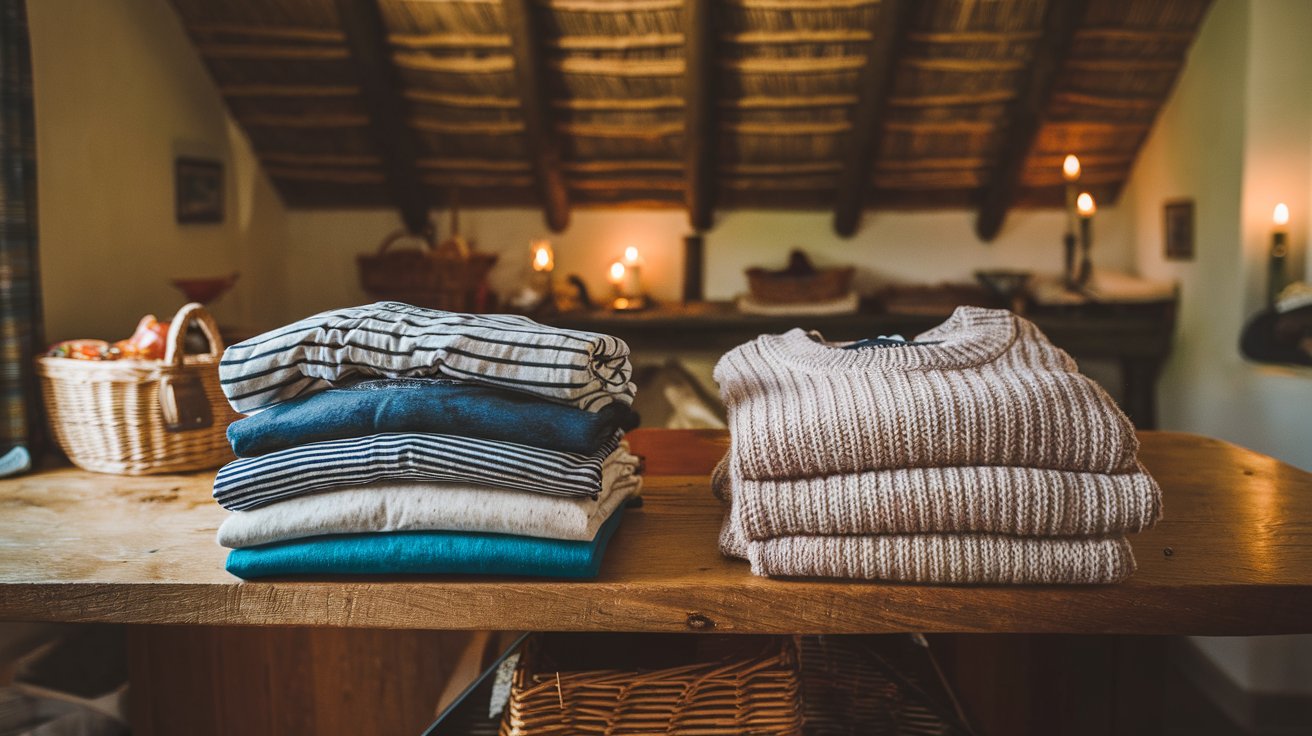
Start with basic T-shirts and long-sleeve shirts that you can mix and match easily. Cotton and moisture-wicking synthetic blends work well for active days exploring castles and walking city streets.
Irish wool sweaters aren’t just tourist souvenirs – they’re practical choices that locals wear regularly. Wool stays warm even when damp, making it perfect for Ireland’s humid climate. Consider buying a traditional Aran jumper once you arrive.
3. Bottoms
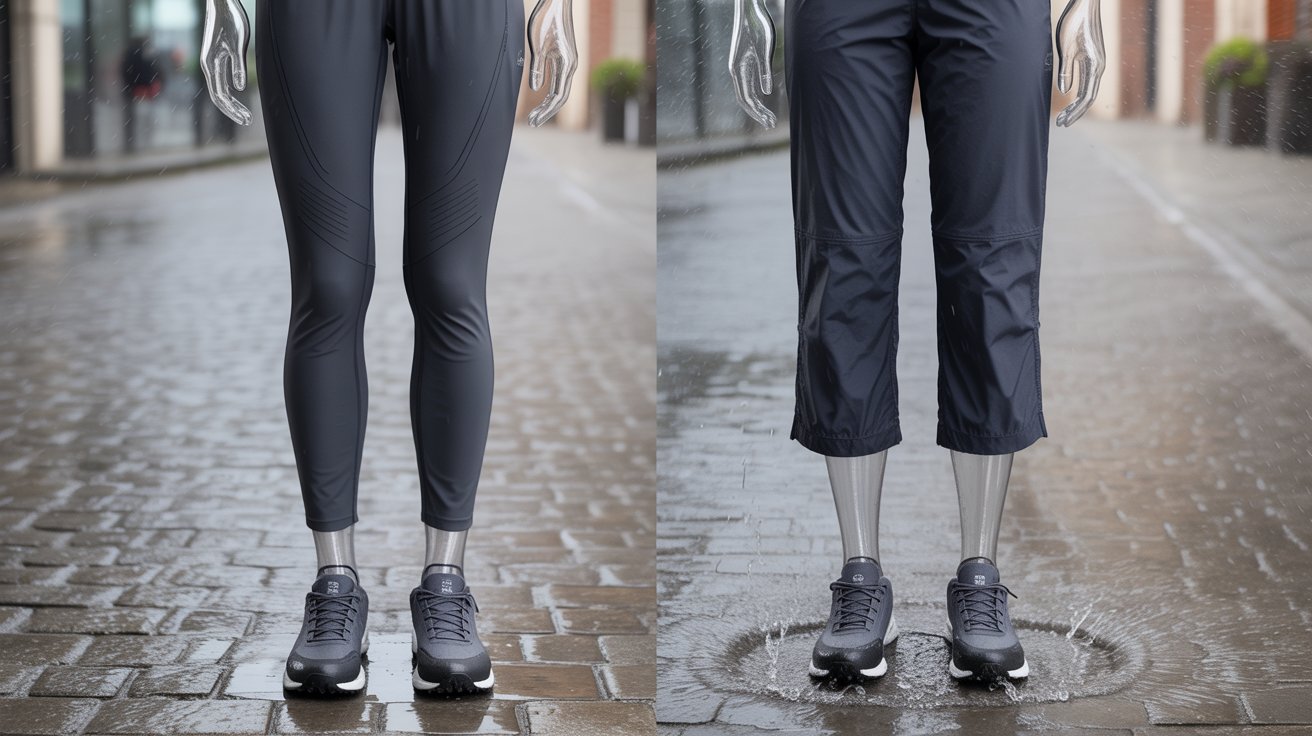
Leggings or athletic pants work great for outdoor activities like hiking or cycling. They dry quickly if you get caught in the rain, and they’re comfortable for long days of sightseeing.
Skip full-length jeans that drag on wet ground. Cropped jeans or pants that hit above your ankle keep your hems from getting soaked on rainy cobblestone streets.
5. Accessories
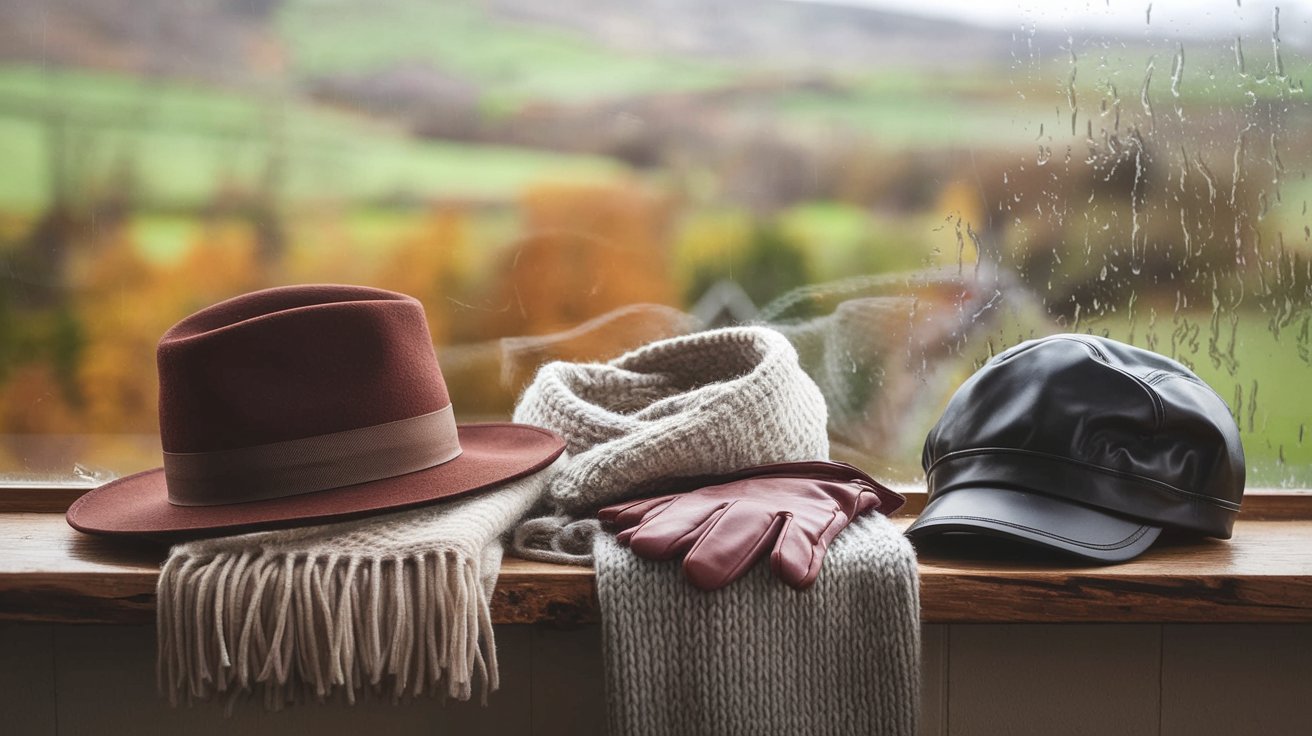
Pack a warm hat, scarf, and gloves if you’re visiting between October and April. Irish winters are mild but damp, and these items make outdoor exploring much more comfortable.
A light rain cap or baseball hat protects your face during summer showers. Choose something that won’t blow off in coastal winds, which can be stronger than you expect.
Footwear Choices
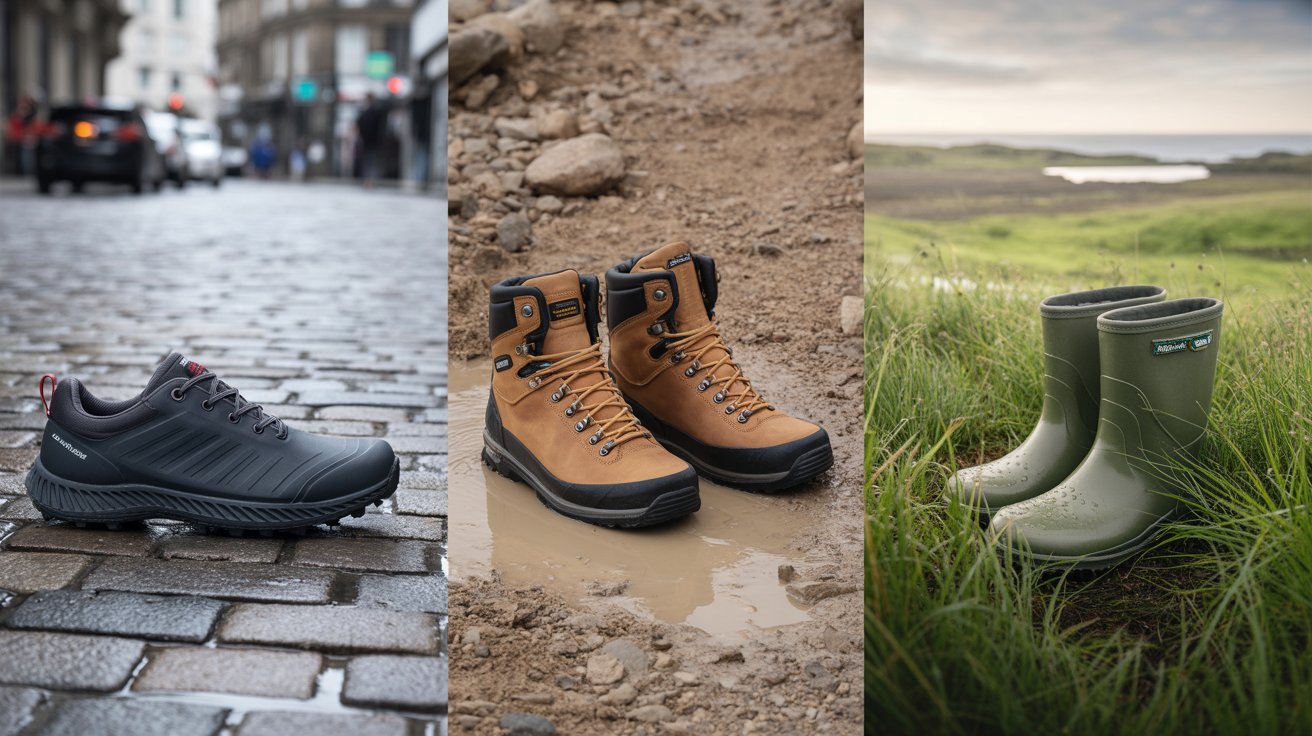
Your feet will thank you for bringing the right shoes to Ireland. Wet cobblestones, muddy trails, and long walking days demand comfortable, sure-footed footwear.
Waterproof walking shoes handle city streets and country paths. Look for good grip soles that won’t slip on wet stones. Leather or synthetic materials work better than canvas.
Hiking boots help if you’re tackling trails and hills. The ankle support handles uneven terrain, and waterproof versions keep feet dry during stream crossings or boggy areas.
Low-cut rain boots (wellies) work great for rural areas with muddy fields or coastal paths. Irish locals wear them regularly, and you’ll stay completely dry.
Travel Gear & Tech Essentials
The right gear makes your Irish trip run smoothly, especially when the weather turns challenging or you’re exploring remote areas where services are limited.
6. Day Bag
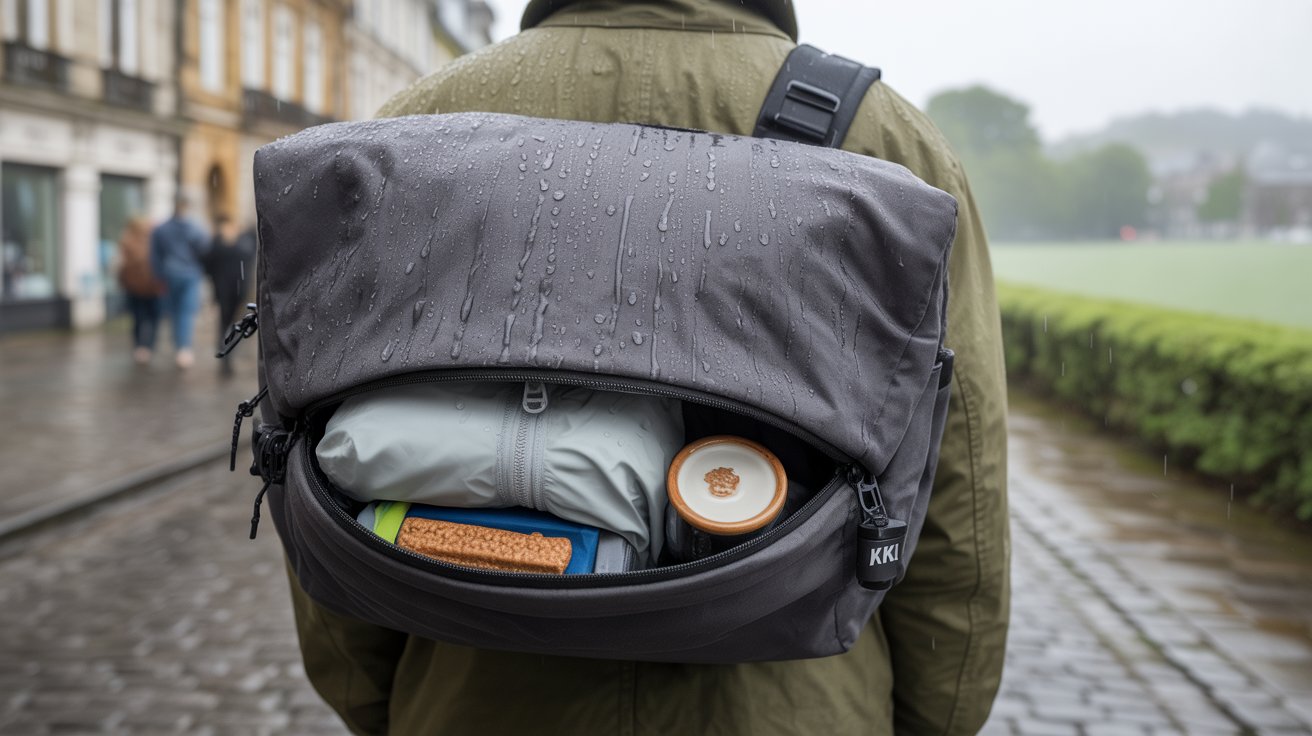
Choose a water-resistant backpack or messenger bag that protects your belongings during sudden rain showers. Anti-theft features like locking zippers give peace of mind in crowded tourist areas.
Size matters – pick something large enough for layers you might shed, snacks, and souvenirs, but not so big that it becomes a burden during long walking days around cities or countryside.
7. Travel Adapter
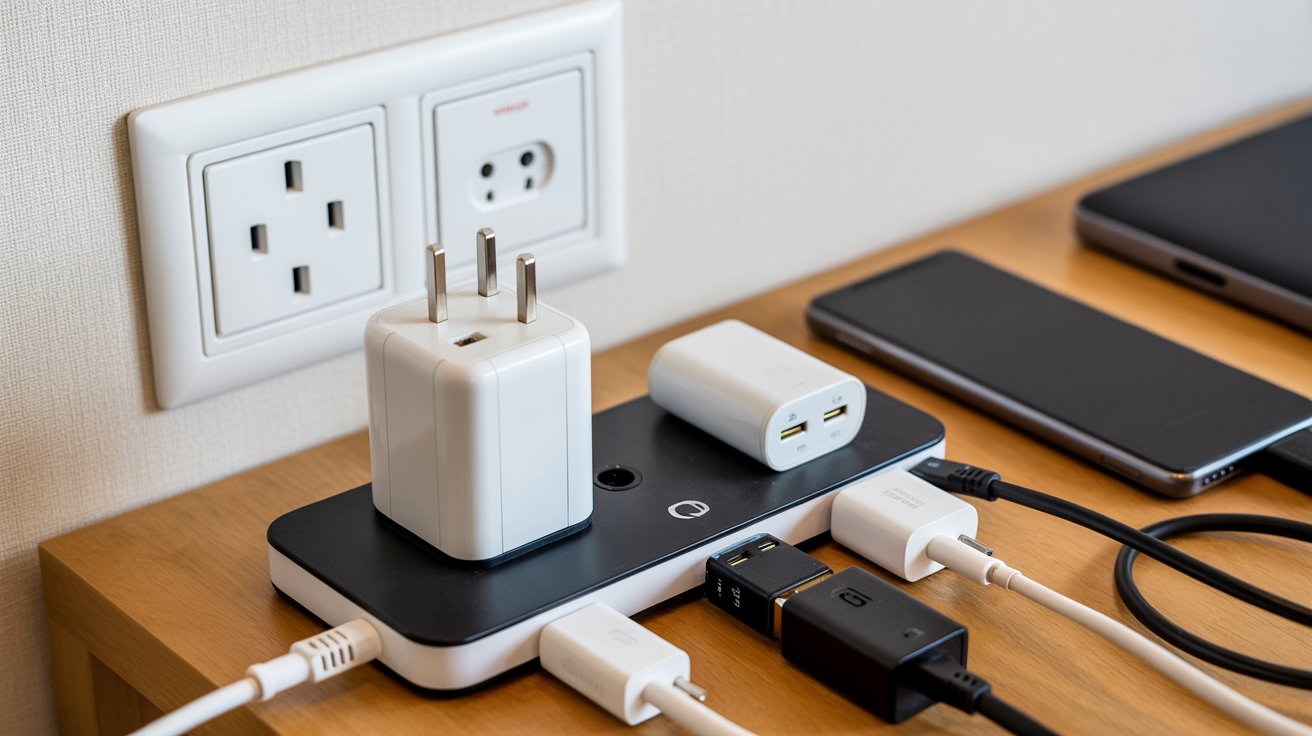
Ireland uses Type G plugs with three rectangular pins, and the voltage is 230V. Bring a quality adapter that fits securely – loose connections can damage your devices or create safety hazards.
Universal adapters work fine, but dedicated Type G adapters often fit more securely in Irish outlets. Many Irish hotels have limited outlets, so consider bringing a small power strip if you have multiple devices.
8. Waterproof Phone Case
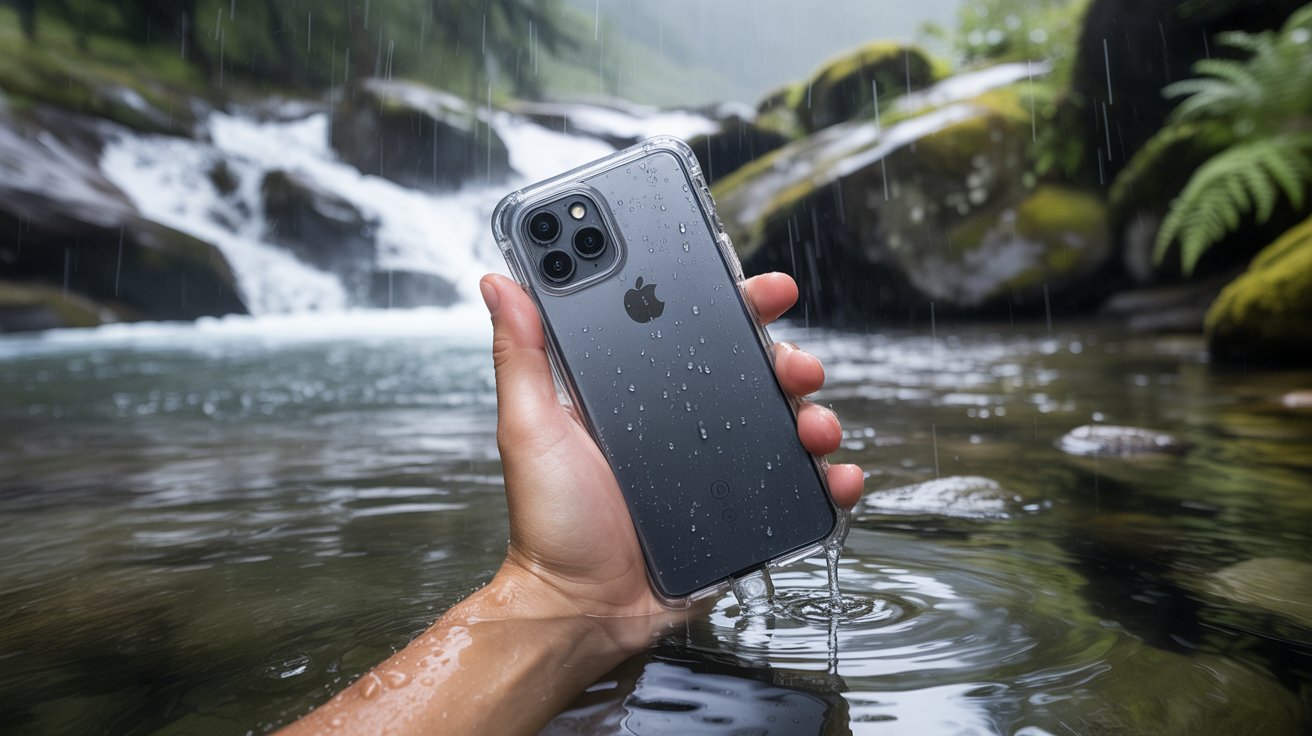
Protect your phone from Ireland’s frequent light rain and coastal spray. A good waterproof case lets you take photos during showers and keeps your device safe during outdoor activities.
Some cases are designed for underwater photography if you plan to try water sports or want to capture unique angles near Ireland’s many waterfalls and streams.
9. Portable Power Bank
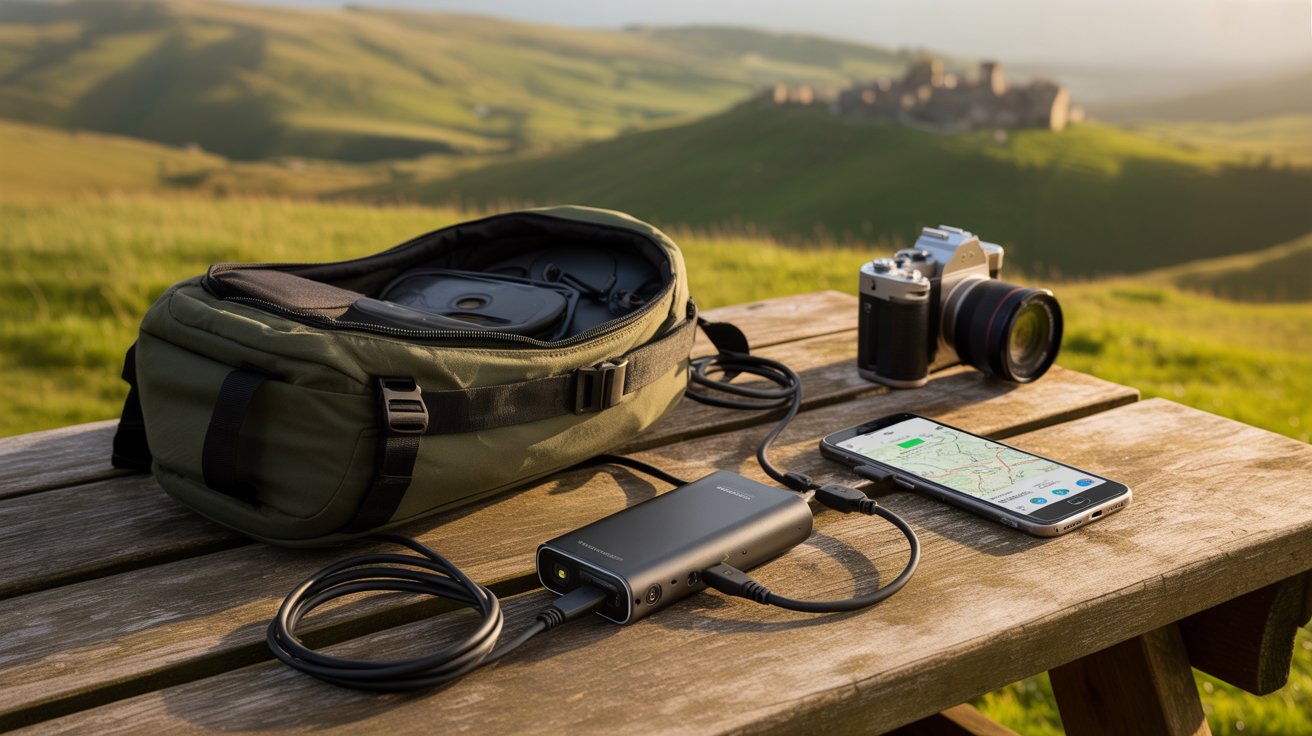
Irish days can be long, especially during summer when daylight lasts until nearly 10 PM. A power bank ensures your phone stays charged for photos, maps, and emergency contact during extended outdoor exploring.
Remote areas of Ireland sometimes have limited charging options, making a power bank essential for multi-day trips or when staying in smaller towns and villages.
Optional But Handy Items
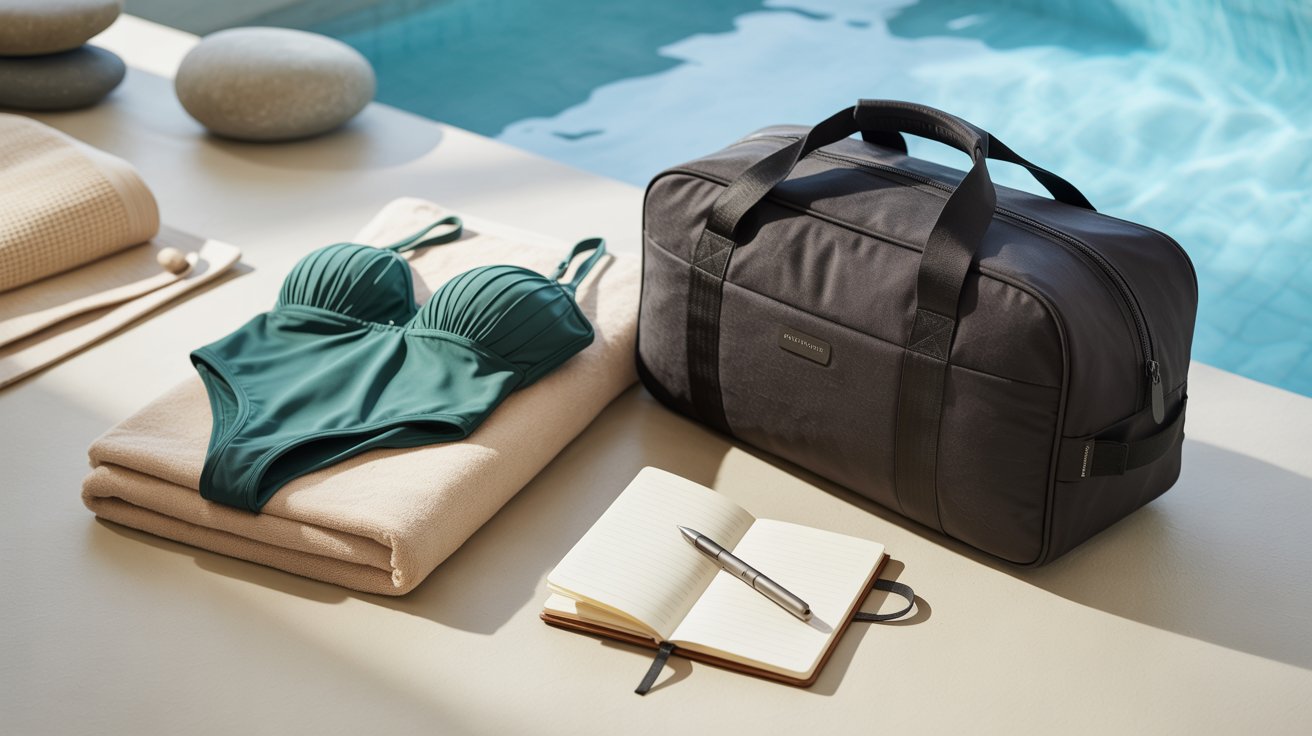
These extras can make your trip more comfortable and help you take advantage of unexpected opportunities.
Many Irish hotels have spas with pools, and coastal areas offer swimming spots. A swimsuit takes little space but opens up relaxing options.
A foldable duffel bag gives you extra room for Irish wool, linens, and crafts you’ll want to bring home without overstuffing your original luggage.
Keep a small notebook for local recommendations, special moments, or quick sketches. Handwritten notes become treasured memories that photos can’t capture.
Packing Tips
- Use packing cubes: They keep clothes organized and compress items, leaving space for Irish wool sweaters and souvenirs you’ll find in local shops.
- Summer essentials: Pack a light rain jacket, breathable quick-dry fabrics, sun hat with sunscreen, and layers for cool evenings.
- Winter must-haves: Bring an insulated waterproof jacket, warm base layers, wool sweaters, waterproof gloves, a warm hat, and extra socks.
- Skip the umbrella: Locals avoid them because they break in strong winds. High heels are also impractical on wet cobblestones.
- Choose quick-dry fabrics: Avoid cotton that stays wet. Pack light to leave room for quality Irish linens and woolens you’ll want to bring home.
Conclusion
This packing guide comes from years of travel experience and feedback from thousands of Ireland visitors. Every item here has proven its worth across the country’s varied landscapes and unpredictable weather.
Smart packing makes all the difference. Focus on quality waterproof gear and versatile layers instead of overpacking for every scenario.
Save this checklist for your planning. These tested strategies remove packing stress so you can focus on experiencing Ireland’s magic. Share your own packing tips in the comments, and don’t forget to bookmark this guide for your upcoming trip.
Frequently Asked Questions
What Is The Best Time To Visit Ireland For Outdoor Activities?
May through September offers warmest weather and longest days for hiking and cycling. Ireland’s mild climate allows year-round outdoor activities with proper clothing.
How Can I Keep My Clothes Dry Without Carrying An Umbrella?
Invest in a quality waterproof jacket with a secure hood and breathable layers underneath. Good outerwear beats umbrellas that break in Ireland’s coastal winds.
Do I Need To Carry Cash Or Are Cards Widely Accepted?
Cards work almost everywhere, including small towns. Carry some cash for parking meters, tips, and occasional cash-only businesses.
What Is The Best Way To Stay Connected While Traveling In Ireland?
Most US phones work with international plans. Consider a local SIM card for longer stays or use widely available WiFi in hotels and restaurants.
How Do I Pack Smart If I Plan To Buy Souvenirs In Ireland?
Leave 25-30% empty space in your luggage and bring a foldable bag. Many shops offer international shipping for larger items at reasonable rates.
