


I’ve been to Oktoberfest twice, and honestly, it changed how I think about festivals.
This massive celebration in Munich attracts over six million people every year.
It’s the world’s largest beer and cultural event. But after spending my own money and dealing with the chaos, I learned it’s not for everyone.
I’m sharing what I actually experienced. The costs, the crowds, the moments that made it worthwhile, and the parts I could’ve skipped.
You’ll get my honest take on whether it’s worth your time and money, plus tips that’ll help you decide.
Let’s get started.
What is Oktoberfest?
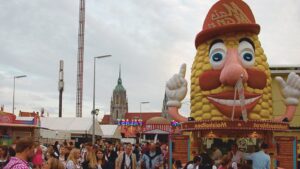
Oktoberfest is a 16-day festival in Munich celebrating Bavarian culture, beer, food, and music. Here’s what you need to know.
History and Significance
Oktoberfest started in 1810 as a wedding celebration for Crown Prince Ludwig and Princess Therese. The locals loved it and kept coming back.
What began as a horse race grew into something massive. Beer tents appeared in the late 1800s.
The festival moved to September for better weather. Now it’s the biggest folk festival worldwide.
What to Expect at the Festival
Massive beer tents hold thousands of people. Live bands play traditional Bavarian music while everyone raises giant liter mugs and sings along.
The food is hearty. Pretzels bigger than your head, roasted chicken, pork knuckles, and sausages. Outside the tents, there’s a full carnival with rides and games.
The crowd splits evenly between locals in lederhosen and dirndls and tourists from everywhere. Weekends get packed with younger crowds. Weekdays attract more families and older visitors.
Personal Experiences at Oktoberfest

Oktoberfest hits differently for everyone. Here’s what real travelers shared about their time at the festival and whether they’d go back.
First-Hand Stories from Travelers
Nomadic Matt spent five days there and called it intense but fun. He met people from everywhere, though it wore him out by day three.
Travel Off Script checked it off their bucket list but had mixed feelings. They loved the energy but felt overwhelmed by crowds and costs.
Reddit and Rick Steves’ forums show split opinions. Beer lovers rate it highly. People who don’t drink much or prefer quieter experiences often feel disappointed.
The Pros of Attending Oktoberfest
- You get an authentic slice of Bavarian culture with genuine traditions, music, and atmosphere
- Meeting people comes naturally at long shared tables with locals and travelers
- The food is fantastic with traditional dishes like giant pretzels, roasted chicken, and sausages
- Live bands play all day, creating an energetic, fun environment
- Carnival rides add a nostalgic, playful element
- It’s a memorable bucket-list experience for first-timers
The Cons of Attending Oktoberfest
- Accommodation prices triple during the festival
- Beer costs €13-15 per liter, and food adds up quickly
- Reserved tables require extra payment
- Crowds are overwhelming, and tents fill up fast
- You might wait hours just to get inside a tent
- Non-drinkers often feel left out
- It’s loud and beer-focused, not ideal for quiet cultural exploration
Costs and Budget Considerations

Money adds up fast at Oktoberfest. Here’s what you’ll actually spend and how to keep costs manageable.
Accommodation
Hotel prices triple during the festival. A basic room that costs €80 normally can jump to €250 in late September.
Book months ahead, not weeks. Hostels offer the best budget option at €40-70 per night for a dorm bed.
Stay outside Munich’s city center. Towns like Freising or Dachau are 20-30 minutes by train and save you €50-100 per night.
Food and Drinks
A one-liter beer costs €13-15 inside the tents. No way around it.
Food runs €10-18 per dish. Half chicken costs €13, pretzels €5-7, pork knuckle €15-18.
Money-saving tips:
- Eat breakfast at your hotel before the festival
- Grab lunch from outside food stalls for €5-8 instead of €15 inside
- Bring snacks in your bag
- Limit yourself to 2-3 beers
- Share dishes since portions are huge
Table Reservations & Extras
Reserved tables cost €25-50 per person and include food vouchers worth €30-50. You get a guaranteed seat for 3-4 hours.
You need reservations for weekend evenings. Weekday afternoons, you can walk in and find spots.
Most people skip reservations and arrive early instead. Get there by 10-11 AM on weekends or 2-3 PM on weekdays to grab unreserved seats.
Tips for Attending Oktoberfest
- Plan 1-2 days maximum: One day gives you the full experience without burning out. Weekdays are less crowded and easier to find seats than weekends.
- Arrive early to skip reservations: Get there by 10-11 AM on weekends or 2-3 PM on weekdays. Tents fill up fast after lunch, and you’ll wait hours to get in later.
- Bring cash, not just cards: Many food stalls and smaller vendors only take cash. ATMs get long lines, so withdraw €100-150 before you go.
- Wear traditional outfits if you want: Dirndls and lederhosen help you fit in and make great photos. Rent them for €50-80 or buy second-hand online for similar prices.
- Take the U-Bahn to Theresienwiese station: It drops you right at the festival grounds. The walk from Hauptbahnhof takes 20 minutes but gets crowded during peak hours.
Conclusion
So, is Oktoberfest worth it? For me, yes, but with conditions.
If you love beer, socializing, and don’t mind crowds or spending €200-300, you’ll have a great time. But if you’re on a tight budget, prefer quiet settings, or don’t drink much, skip it.
Think about what matters to you. Check your budget.
Have you been to Oktoberfest? Drop a comment with your experience.
If this helped, share it with someone planning their trip.
Frequently Asked Questions
How much money should I budget for Oktoberfest?
Plan for €200-300 per day including drinks, food, and tent entry. Add accommodation costs of €100-250 per night depending on where you stay.
Do I need to book a table reservation in advance?
Not always. Reservations help on weekend evenings, but you can walk in during weekdays or arrive early (10-11 AM) on weekends to find seats.
What should I wear to Oktoberfest?
Traditional Bavarian outfits like dirndls and lederhosen are popular but not required. You can rent them for €50-80 or buy second-hand for similar prices.
Is Oktoberfest safe for solo travelers?
Yes, it’s generally safe. Stick with crowds, watch your belongings, and set meeting points with friends since cell service gets spotty inside packed tents.
How many days should I spend at Oktoberfest?
One to two days is plenty for most people. One day gives you the full experience without exhaustion or overspending on accommodation and drinks.
