


Planning your first winter trip to Iceland’s Golden Circle? You’re probably wondering how to fit everything in without freezing or missing the best spots. I get it. Winter conditions change everything.
This guide breaks down a practical day-by-day itinerary that actually works in winter weather. You’ll learn the best time to visit each stop, what to pack, and how to handle icy roads. I’ve tested these routes in January and February, so you won’t waste time on closed attractions or dangerous detours.
Here’s what you’ll find inside: exact driving times between locations, winter-specific safety tips, budget estimates, and backup plans for bad weather days. No fluff or generic advice. Just real information from someone who’s done this route multiple times in snow and ice. Let’s get your Golden Circle trip sorted.
Important Things to Know Before Your Winter Visit
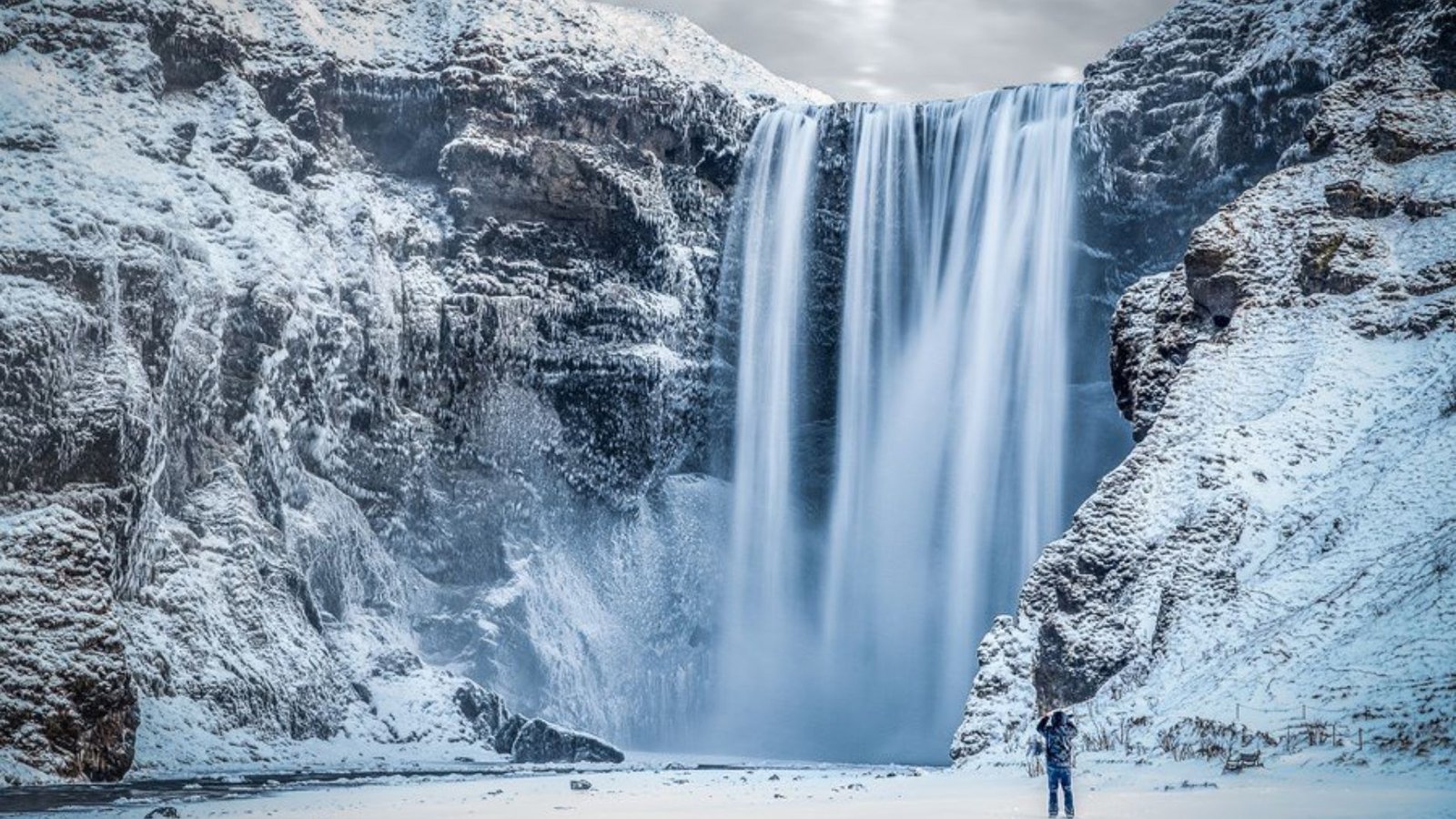
Iceland’s weather shifts from sunshine to whiteout to snowstorm in one hour. Temperatures sit between -1°C to 3°C, but wind chill makes it feel like -10°C. Strong winds hit hard at Gullfoss and Kerid. Ice forms on paths overnight. You need grip shoes or crampons. Regular boots won’t work.
December and January give you 5 hours of light. Sunrise at 10-11 AM, sunset at 3:30 PM. You must start at sunrise or earlier. I leave Reykjavík in the dark to reach Thingvellir by first light. Check the road.is before you go. Roads close without warning. Use yr.no for hourly weather forecasts. Drive slowly and leave huge gaps between cars.
I prefer driving for flexibility. You control timing and catch good weather windows. But icy roads and whiteouts are stressful if you’re not used to winter driving. Guided tours remove that stress. The driver handles conditions while you watch the scenery. Perfect if winter roads make you nervous. Tours include pick-up and drop-off from Reykjavík.
What to Pack for a Golden Circle Winter Trip?
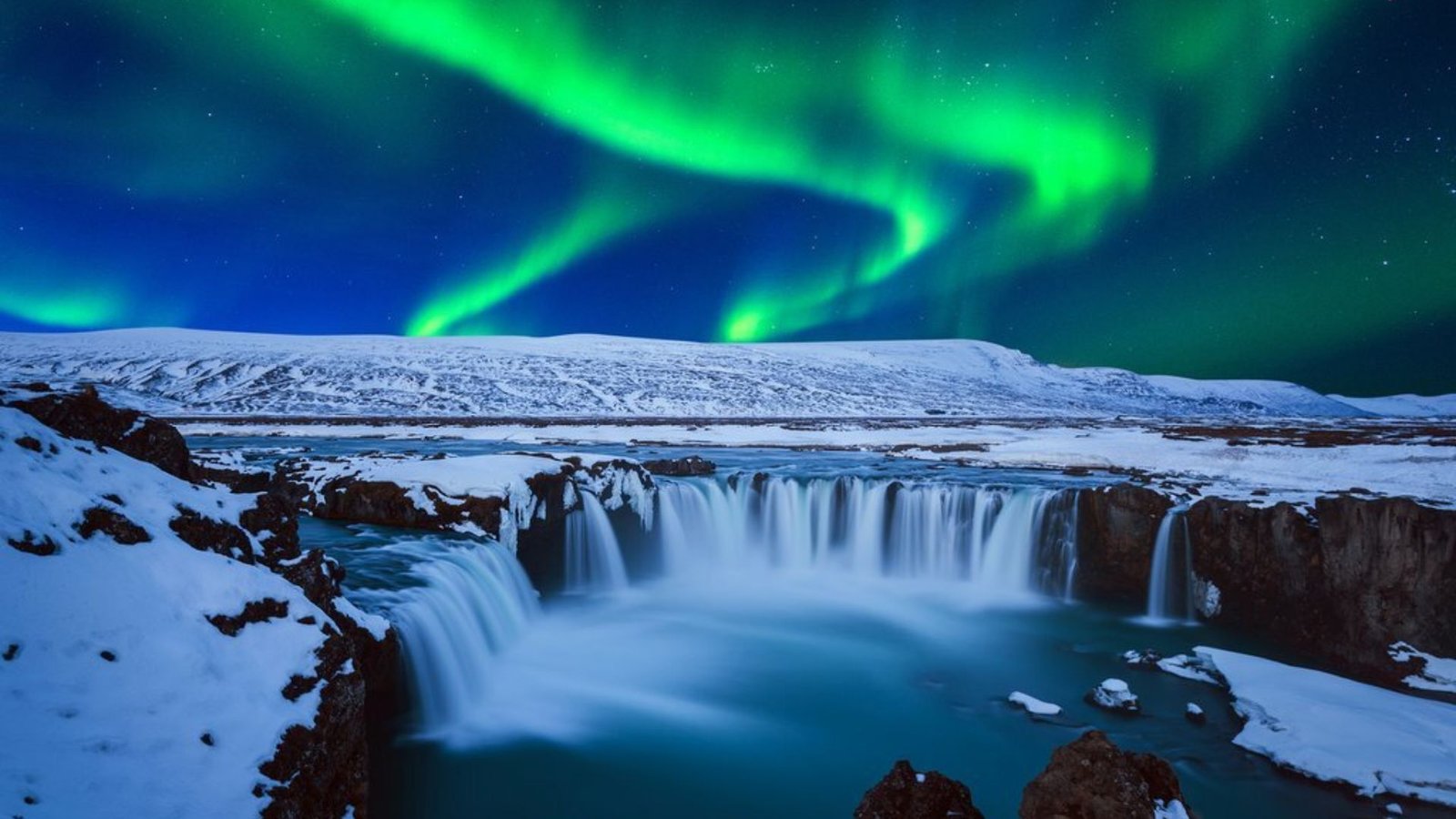
I’ve seen tourists freeze at Gullfoss in regular jeans and sneakers. They lasted five minutes. The wind cuts through cheap jackets like paper. You need real winter equipment for sub-zero wind chills.
- Waterproof layers: Wind chill drops temperatures fast, so layer your clothing for core warmth
- Traction devices: Thingvellir and Kerid have seriously icy paths, you’ll slip without grip attachments
- Waterproof gloves: Your fingers go numb in minutes near waterfalls, pack extras in your pockets
- Winter boots: Smooth-soled shoes turn you into a skating hazard on frozen ground
- Snacks and water: Food stops are limited and expensive along the route, pack your own supplies
Planning Your Golden Circle Iceland Winter Itinerary
Winter needs a different approach. You can’t just wing it like summer visitors do. Limited daylight, weather changes, and road conditions force you to plan tightly.
But don’t stress. The route is straightforward once you know the key timing decisions.
- Start early: Leave before sunrise to maximize daylight at actual stops. Most people start at Thingvellir (closest to Reykjavík, but reversing the route, starting at Kerid or Gullfoss, might help you avoid small crowd pockets when tour buses arrive later.
- Time you’ll need: Deep winter (November-January) gives 5 hours of daylight, only enough for the main three stops. Shoulder winter (October, February-March) offers 7-8 hours, allowing extras like Bruarfoss waterfall or Secret Lagoon if conditions permit.
- Stay flexible: Road closures, whiteouts, and high winds change plans fast. Check the road. Every few hours, build backup options. If Gullfoss closes, spend more time at Geysir. Some days you’ll wait out storms in your car, that’s normal winter driving here.
Detailed Breakdown of Each Golden Circle Stop
Here’s what you’ll actually see at each stop. I’m including real distances, what to expect in winter, and which parts stay accessible. Some spots close due to ice. Others require grip devices. Know before you go.
Thingvellir National Park

Your first stop is 48 km from Reykjavík (45 minutes driving). You’ll arrive in darkness if you leave early, but sunrise over the tectonic plates makes it worth it. The main lookout is right by the car park, maybe a 2-minute walk, to see dramatic volcanic scenery and snow-covered cliffs.
- Öxarárfoss waterfall walk: 1.7 Km each way on icy paths, requires traction devices, less crowded after the first 500 meters.
- Frozen waterfall: Partially or completely frozen, depending on temperatures, changes every visit based on ice buildup
- Trail conditions: Offshoot trails are not maintained in winter, high slip risk without proper grip equipment
I always do the waterfall walk. Crowds disappear after the viewpoint. The scenery changes completely from summer, and you’ll often have the path to yourself.
Geysir Geothermal Area
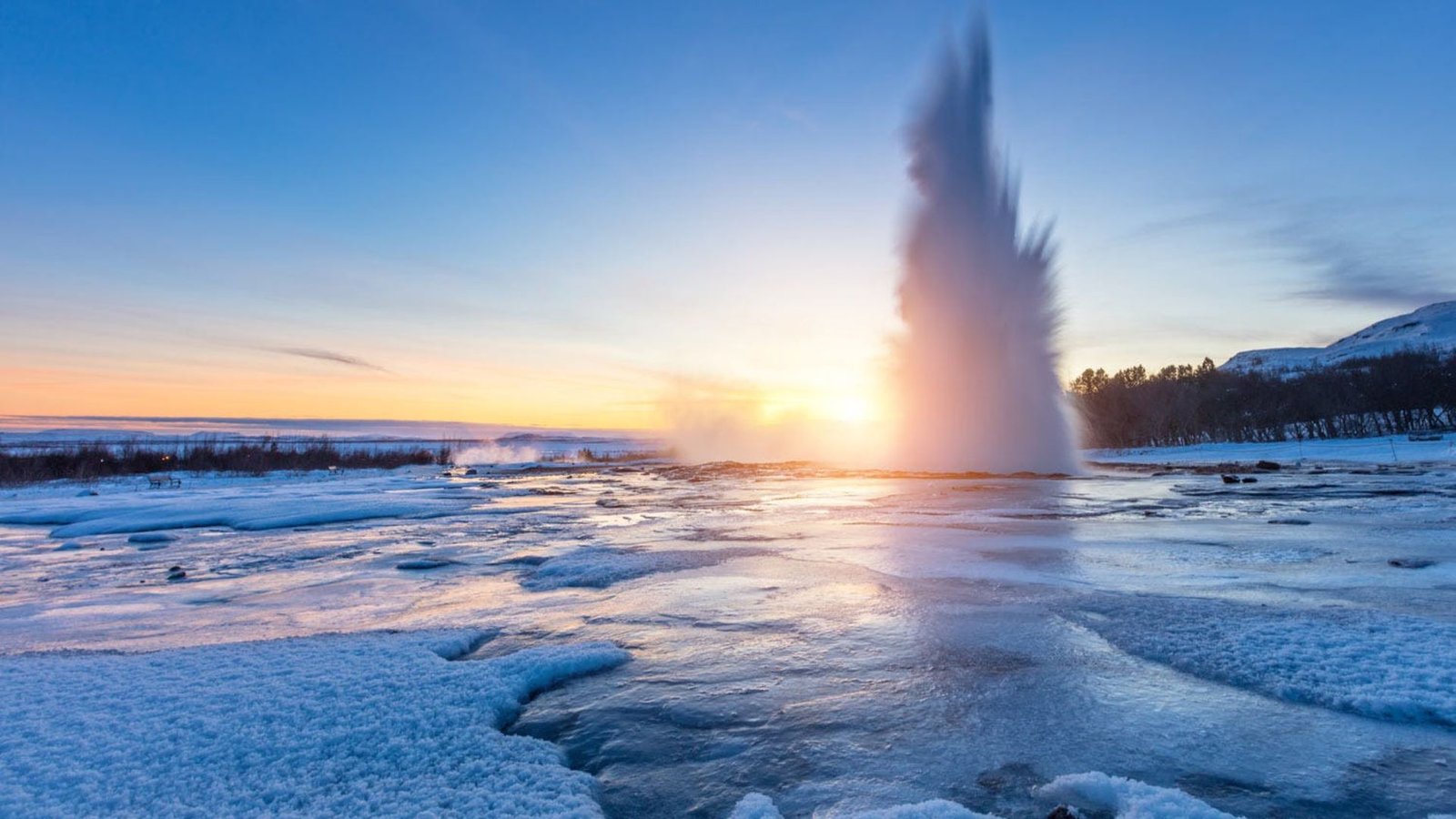
Second stop, 106 km from Reykjavík (1 hour 30 minutes). Strokkur erupts every 5 minutes, so you won’t wait long. The walk is flat and easy, about 1.4 km total if you do the full loop. Steam creates weird fog in the cold air.
- Strokkur geyser: Erupts reliably every 5 minutes, easy viewing from marked paths around the area
- Winter accessibility: Some paths closed, but key sights fully accessible, open layout prevents congestion despite crowds
- Time needed: Spend 30-45 minutes total, watch 2-3 eruptions, walk the loop, use facilities
The café charges high prices if you need coffee. Most people cluster around Strokkur. Walk the full loop to see the other hot springs and get away from the crowds.
Gullfoss Waterfall
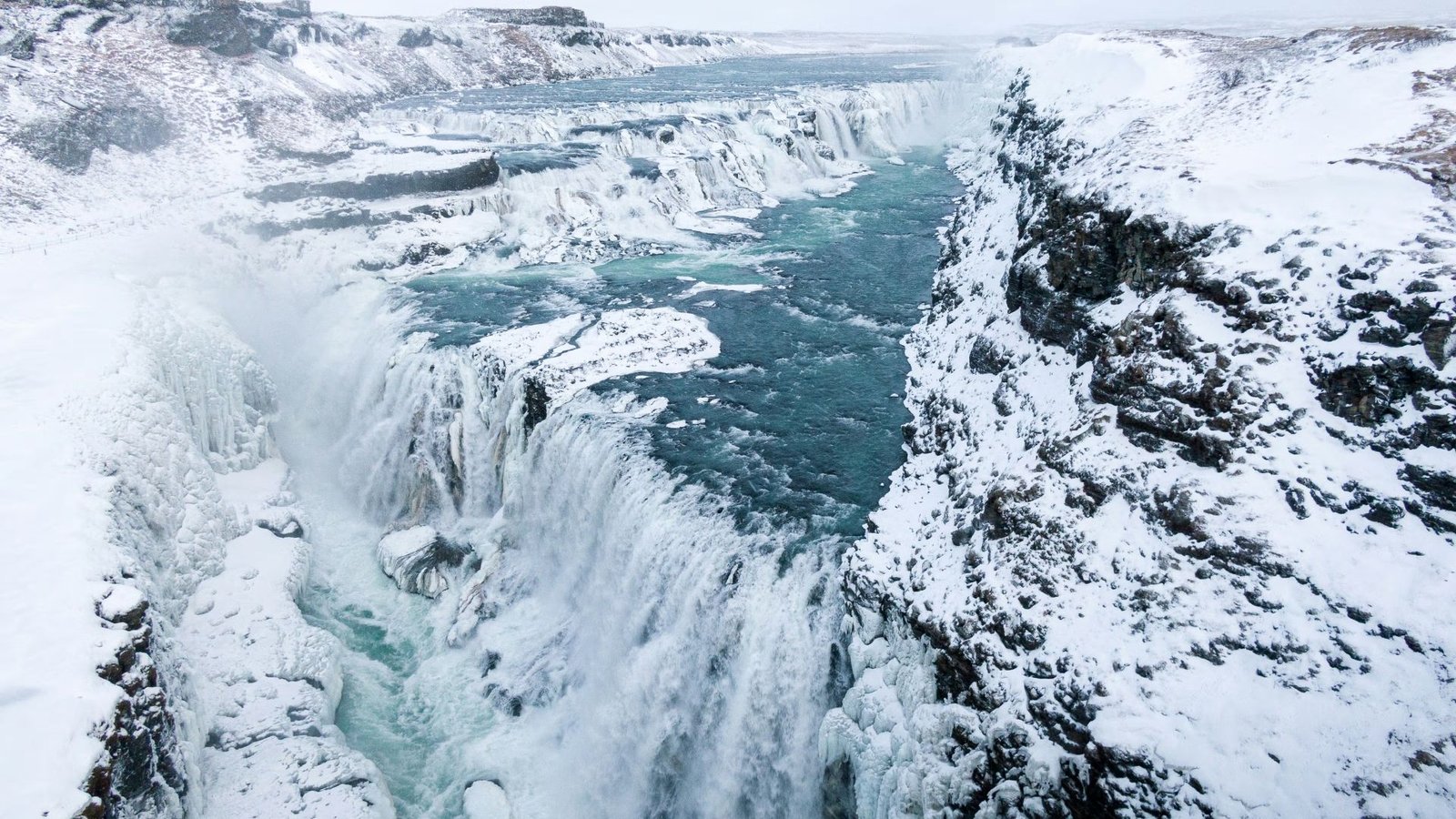
The highlight sits 116 km from Reykjavík (1 hour 45 minutes). One of Iceland’s most powerful waterfalls. The spray freezes on railings and creates ice sculptures. Winter scenery beats summer here.
- Upper lookout: Metal stairs usually open, safe with railings, best winter viewing spot
- Lower viewpoint: Often closed due to ice buildup on paths. Check the signs at the car park.
- Weather changes: Whiteout conditions can clear to blue skies in 10 minutes, patience pays off
Wait in your car if visibility is bad. Check every 10 minutes. Weather shifts constantly. I’ve gotten my best photos after sitting through brief storms. The power of the waterfall in winter is incredible.
Optional Stop: Kerid Crater
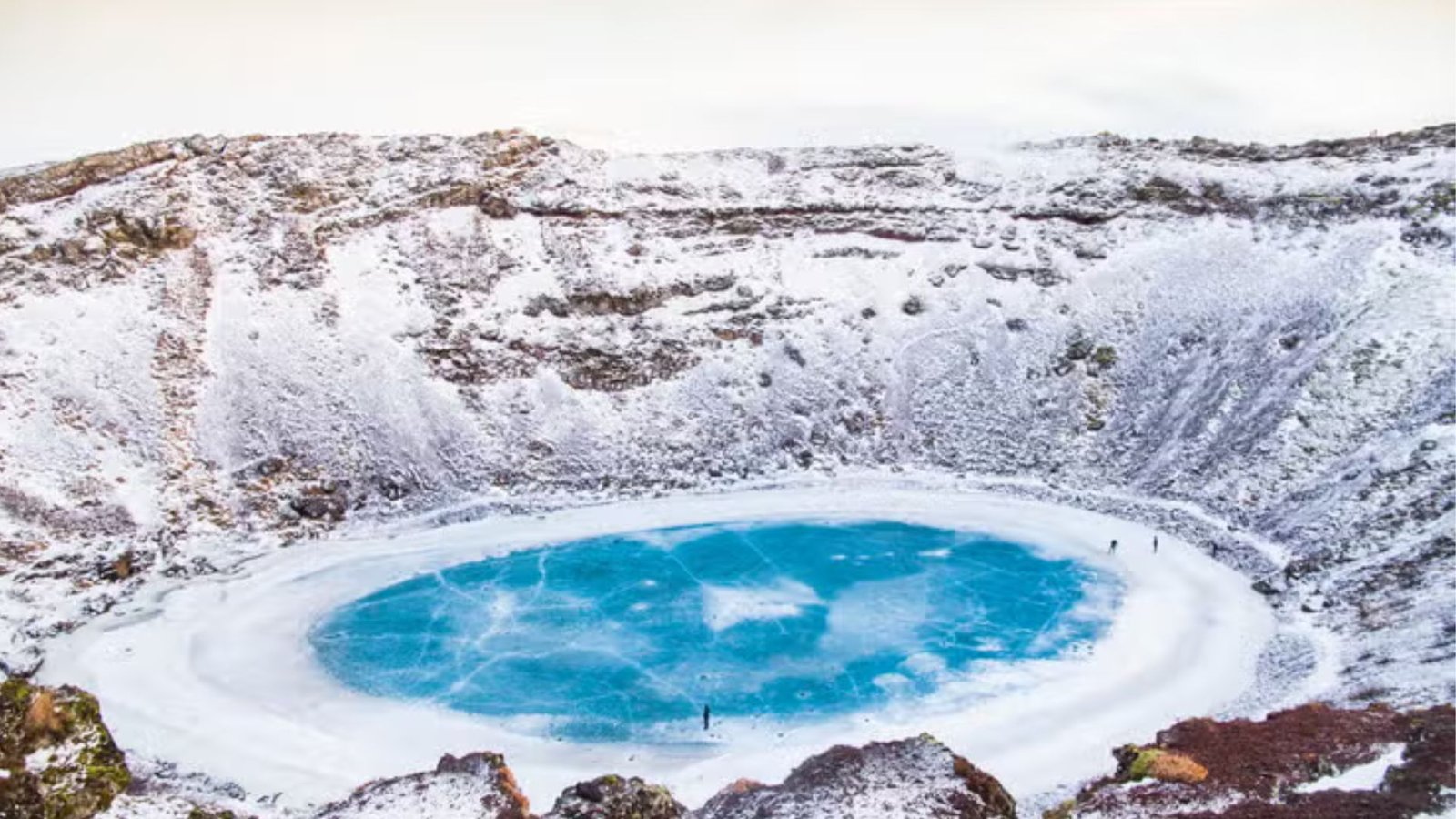
Entry costs 450 ISK. The crater lake freezes over in winter. Some people love it. I think it’s fine, but not essential. You’ll spend 15-20 minutes here maximum.
- Icy stairs: Extremely slippery, traction devices are essential for walking down safely
- Frozen lake: Less dramatic than summer’s blue water but still photogenic
- Timing: Save for last, skip if daylight runs out, least exciting stop on route
Without grip devices, you’re risking a fall on those stairs. I only visit when I have extra time and good weather. It’s the first thing I cut if conditions worsen.
Optional Stop: Bruarfoss
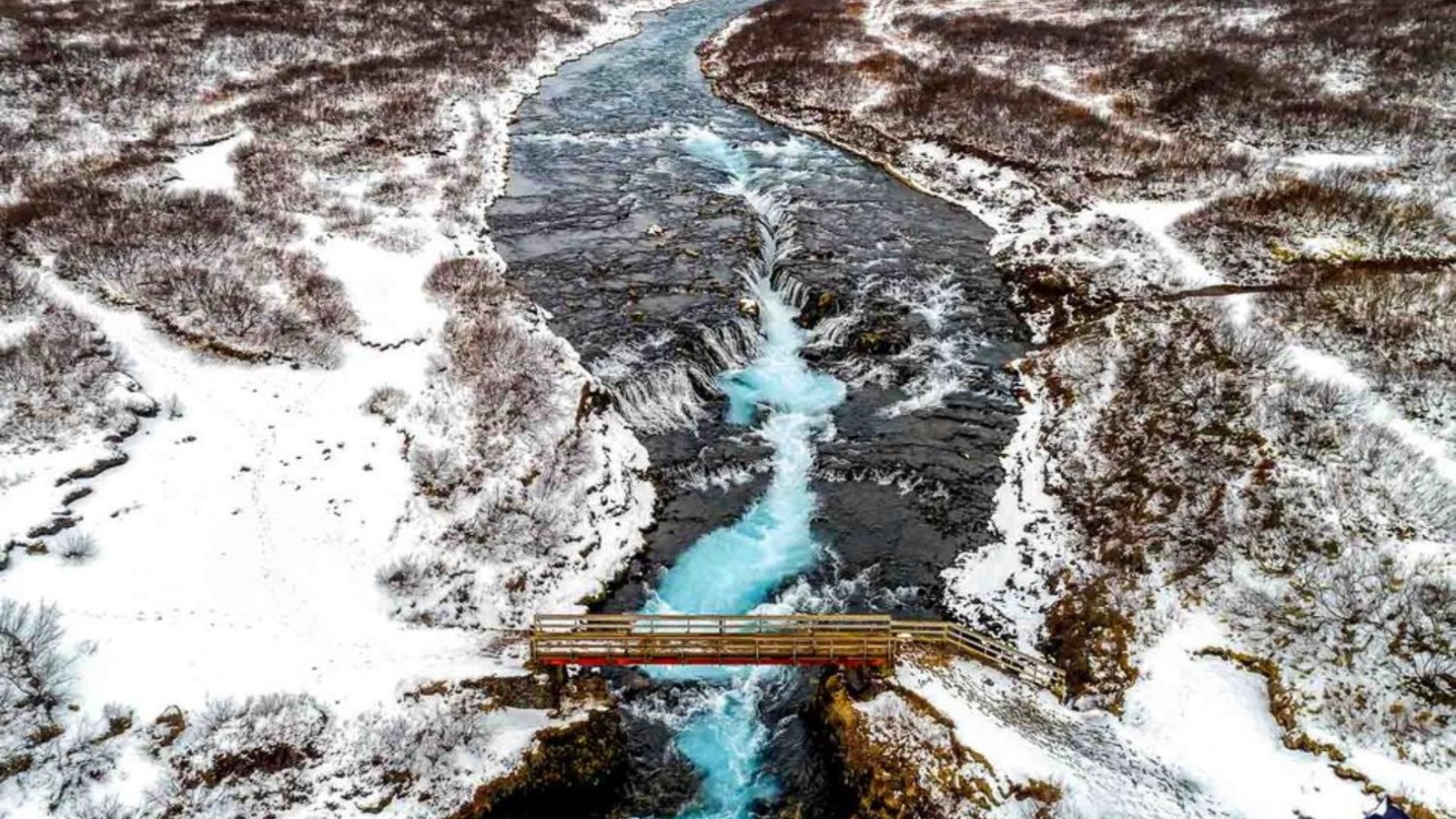
Only doable with more daylight. October or March visits work best. Deep winter doesn’t give you enough time. Most tours skip this completely.
- Shoulder season: October or late February-March is ideal, needs 7-8 hours of daylight
- Trail conditions: Hike not maintained, requires good weather and winter hiking experience
- Tour availability: Not visited by most tours in winter, you need to drive yourself
The blue water looks incredible in photos. But access depends heavily on conditions. I only recommend this if you’re visiting in shoulder season and are comfortable with unmarked winter trails.
Food & Rest Stops on the Route
Food options are limited along the route. That’s why I told you to pack snacks earlier. You’ll find cafes at Geysir and Gullfoss, but they’re expensive and the quality varies. Restrooms stay open at all major stops, even in winter. If you want a sit-down meal, Friðheimar is your best bet.
- Geysir cafe: Basic sandwiches and soup, overpriced but warm, has clean restrooms and indoor seating when you need to thaw out
- Gullfoss cafe: Similar quality and prices to Geysir, located in the upper car park, hot drinks cost around 600 ISK
- Thingvellir facilities: Restrooms near the visitor center, no full cafe but vending machines, parking area has basic amenities only
- Friðheimar greenhouse: Unlimited tomato soup and fresh bread served at tables with basil plants, 15 minutes from Geysir, expensive but unique experience
- Walk-ins accepted: Despite online notes about reservations, winter visits usually don’t need booking, friendly service, but you’ll pay a premium price
Sample One-Day Winter Itinerary for First-Timers
This is what a realistic winter day looks like. I’m basing this on December-January conditions with 5 hours of daylight. You’ll adjust the timing if you visit in October or March. Stay flexible.
Morning (Start at/Before Sunrise)
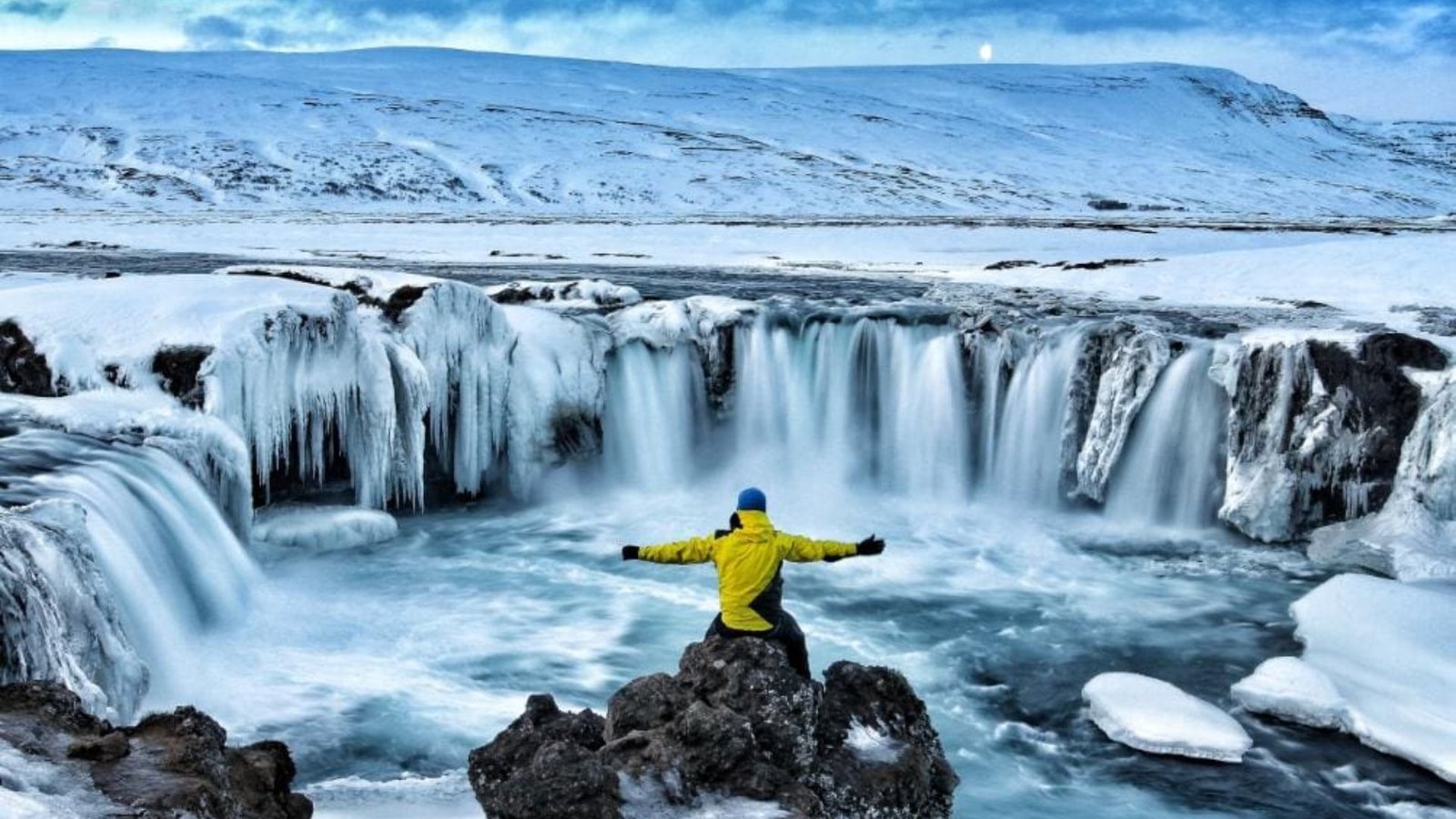
Leave Reykjavík in darkness. Aim to arrive at Thingvellir 45 minutes later, right before sunrise, around 10-10:30 AM.
Hit the main lookout first, then decide on the waterfall walk. Check the path conditions. If ice looks manageable with your traction devices, do the 1.7 km walk to Öxarárfoss. If paths look dangerous, skip them. Spend 45-60 minutes total at Thingvellir.
Midday
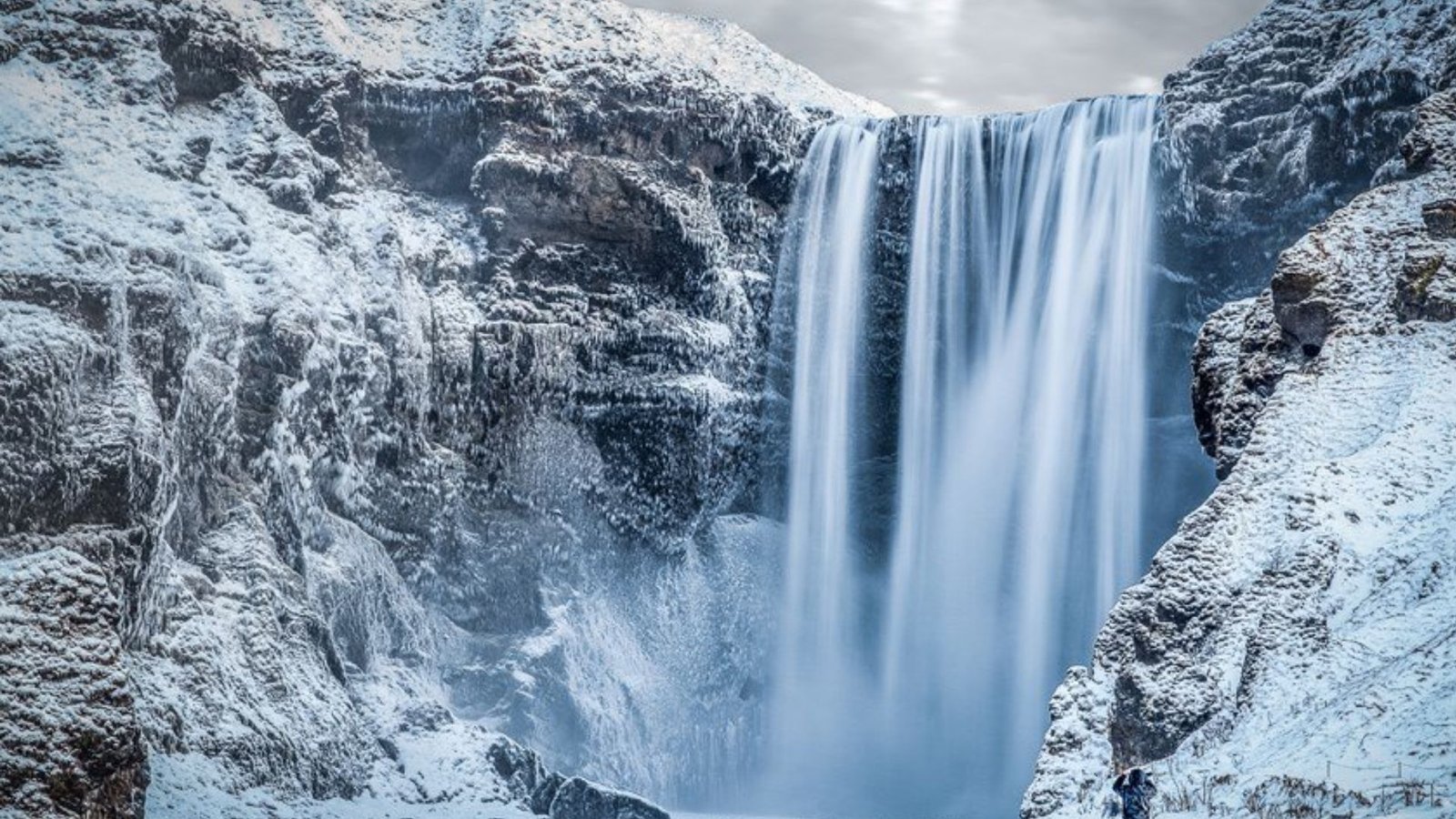
Drive 50 minutes to Geysir. You’ll arrive around noon, which is perfect timing. Daylight is at its peak.
Watch Strokkur erupt 2-3 times. Walk the full geothermal loop if the weather allows. Use the restrooms here, they’re the cleanest on the route. Budget 45 minutes to 1 hour total. Leave by 1 PM at the latest.
Afternoon
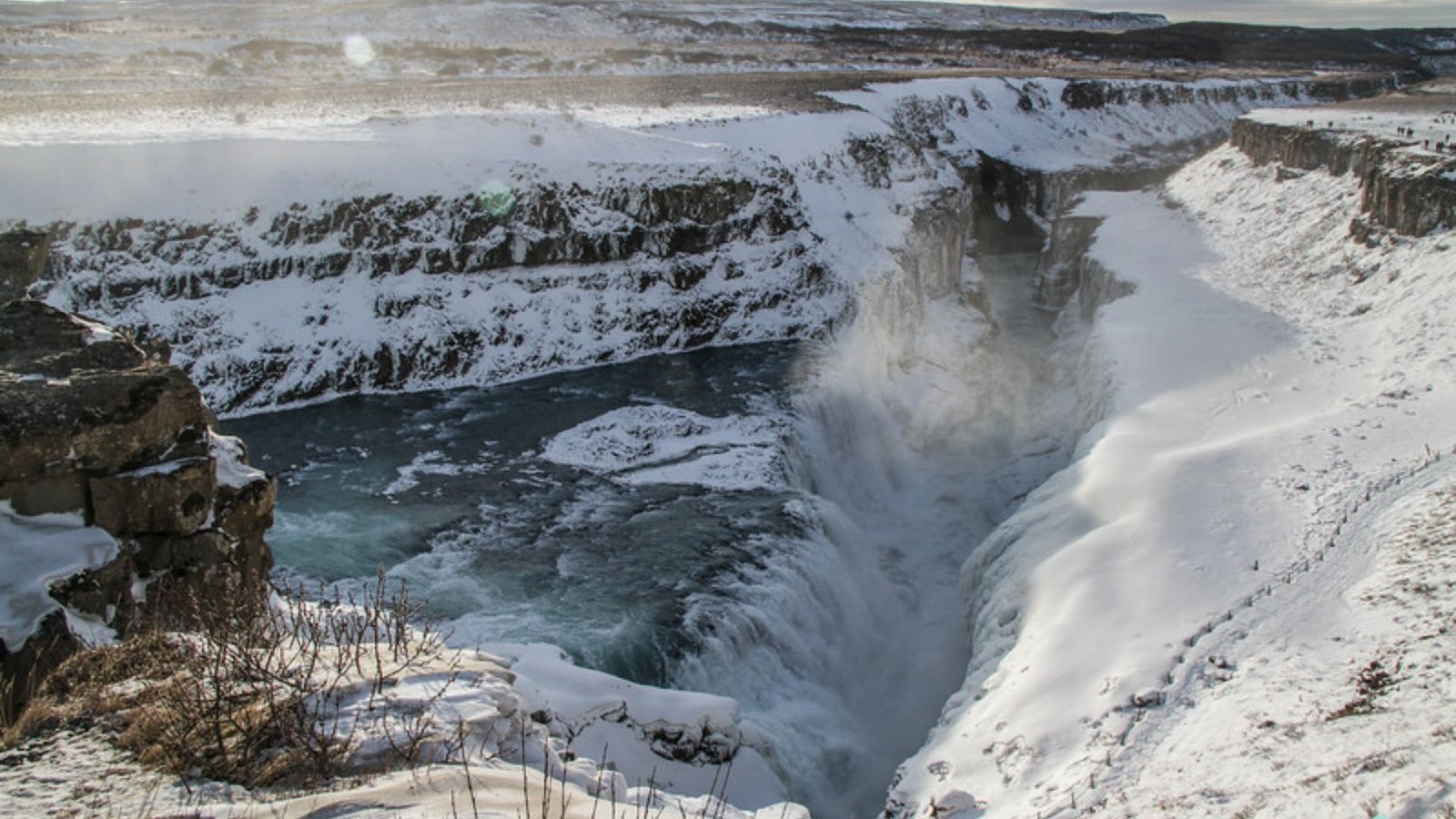
Gullfoss is only 10 minutes from Geysir. Arrive around 1:15 PM. You’ll have roughly 2 hours before sunset at 3:30 PM.
Visit the upper viewpoints first. Check if lower paths are open, usually, they’re closed. If you arrive in whiteout conditions, wait in your car. I’ve sat for 30 minutes before and watched the sky clear. Leave by 3 PM to drive back ithe n the remaining daylight.
If Daylight Allows

Deep winter rarely gives you extras. By the time you finish Gullfoss, you’re driving back to Reykjavík before dark. That’s the reality of December and January.
Shoulder season opens options. October or late February-March gives you an extra 2-3 hours of light. Add Kerid Crater (15 minutes from Gullfoss) if conditions are safe. Or attempt Bruarfoss if you have winter hiking experience and the weather cooperates.
Conclusion
Your Golden Circle Iceland Winter trip doesn’t have to be stressful. You now have a solid itinerary that accounts for short daylight hours, icy conditions, and the best photo opportunities. Stick to the timing suggestions, and you’ll see everything without rushing.
Remember to check road conditions daily and book accommodations early. Winter weather is unpredictable, but you’re prepared with backup plans. The Golden Circle works perfectly for first-timers because the route is straightforward and all major sites have winter facilities.
Got questions about specific stops or driving concerns? Drop a comment below. I answer everything. And if this guide helped you plan your trip, share it with anyone else heading to Iceland this winter. Safe travels, and enjoy those geysers and waterfalls.
Frequently asked questions
How long does the Golden Circle Iceland Winter itinerary take?
The Golden Circle Iceland Winter route takes 6-8 hours with stops at all major sites. This includes Thingvellir National Park, Geysir, and Gullfoss waterfall. Add extra time for snow, ice, and shorter daylight hours. Start early to finish before dark, which comes around 4 PM in December and January.
Can you drive the Golden Circle in winter without a 4×4?
Yes, but a 4×4 is highly recommended for Golden Circle Iceland Winter trips. Main roads stay plowed, but parking areas and side roads get icy. Regular cars work if you have winter tires and drive slowly. Rent a 4×4 for safety and peace of mind.
What should I pack for the Golden Circle in Iceland in Winter weather?
Pack a waterproof jacket, insulated pants, warm layers, winter boots with grip, gloves, and a hat. Temperatures range from 5°C to 5°C. Wind makes it colder near waterfalls. Bring snacks and water since restaurants are limited. Hand warmers help at outdoor viewing points.
Is the Golden Circle Iceland Winter route safe for first-timers?
Yes, it’s the safest winter route for beginners. Roads are well-maintained and clearly marked. All major attractions have parking and facilities. Check the road. It is daily for conditions. Drive slowly, keep a distance from other cars, and turn back if the weather worsens. Tours available if driving
What time should I start the Golden Circle Iceland Winter drive?
Start by 9 AM to maximize daylight during the Golden Circle Iceland Winter months. Sunrise happens around 10-11 AM in December. You need 6-8 hours total. Finishing by 3-4 PM means you drive in daylight. Earlier starts give buffer time for weather delays or extra photo stops.
