

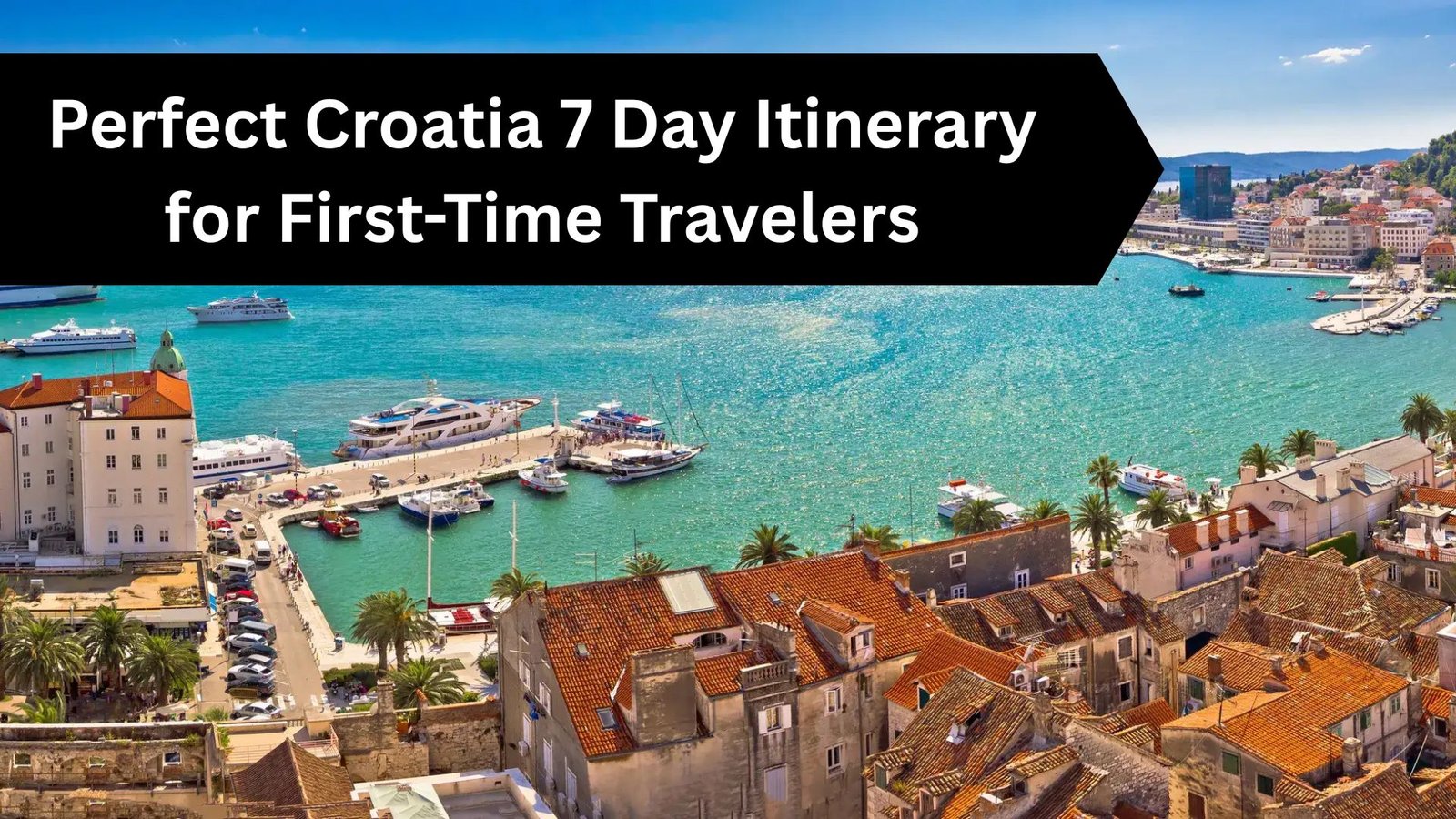
Planning your first trip to Croatia and feeling overwhelmed by all the choices? You’re not alone. Most first-timers struggle to fit everything into one week without missing the best spots or wasting time backtracking.
This guide gives you a tested 7-day itinerary that covers Croatia’s highlights. You’ll get exact stops, realistic timing, and honest advice on what’s worth your time.
I’ve walked this route myself and helped dozens of travelers plan their trips. No fluff, just practical information you can use.
Inside, you’ll find: daily breakdowns for each city, transport tips between destinations, accommodation recommendations, and money-saving tricks. This itinerary balances famous sites with local favorites. By the end, you’ll have a clear plan that makes your first Croatian trip smooth and memorable.
Important Trip Planning for Your Croatia 7 Day Itinerary

Getting the basics right makes your trip run smoothly. I’ll walk you through timing, airports, money matters, and getting around. These details matter more than you think.
When to Visit Croatia?
Timing changes everything. Your experience depends heavily on when you go.
- May through October brings warm weather you can count on
- July and August are the hottest months with the biggest crowds
- September and October give you the sweet spot, warm water, fewer tourists, and better prices
- Winter months mean closed restaurants and hotels in coastal areas
- Late September is ideal for first-timers who want swimming weather without chaos
I recommend avoiding peak summer unless you love crowds. The sea stays warm through October. You’ll save money and actually enjoy the sights without fighting through tour groups.
Best Airports for a 7-Day Croatia Trip
Start where you want to spend time. Flying into the right airport saves you hours of backtracking.
- Split Airport works perfectly for central Dalmatian coast itineraries
- Dubrovnik Airport is best if you’re starting in the south
- Both airports connect to major European cities like London, Frankfurt, and Rome
- Summer brings more direct flights and better schedules
- Zagreb Airport serves the capital, but adds 4-5 hours to reach coastal towns
Most first-timers want beaches and islands, which means flying south. Skip Zagreb unless you’re spending real time in northern Croatia. The coastal airports get you to the good stuff faster.
Currency & Practical Basics
Croatia switched to the Euro (€) in 2023. No more converting Croatian kuna, which makes everything simpler.
- Cards work at hotels, restaurants, and larger shops throughout the country
- Small family cafés and market stalls might need cash
- Keep €20-50 on hand for emergencies and small purchases
- Water shoes are essential, Croatia’s beaches are pebbles, not sand
- Download Google Translate for basic Croatian phrases
Most locals in tourist areas speak English well. But learning “hvala” (thank you) and “molim” (please) shows respect. ATMs are common in every town if you need more cash.
Transportation Options
You have four main ways to get around. Each works for different travel styles and budgets.
- Car rental: gives you total freedom for national parks and wine regions
- Fast ferries: connect Split, Hvar, and Dubrovnik (6 hours Split to Dubrovnik via Jadrolinija)
- Buses: are cheap and reliable (Split to Dubrovnik costs under €20, takes 3.5-5 hours)
- Organized tours: handle logistics for first-timers who want simplicity
- Book ferry tickets online a few days ahead during the summer months
I recommend ferries and buses for coastal routes. They’re affordable and stress-free. Save car rentals for trips that include Plitvice Lakes or inland areas. Parking in Split and Dubrovnik costs more than your transport between cities.
Croatia 7 Day Itinerary for First-Time Travelers
This itinerary starts in Split and ends in Dubrovnik. You can easily reverse it based on your flight times. I’ve tested this route and it gives you the best balance of cities, islands, and natural beauty.
Day 1: Arrive in Split & Visit the Old Town
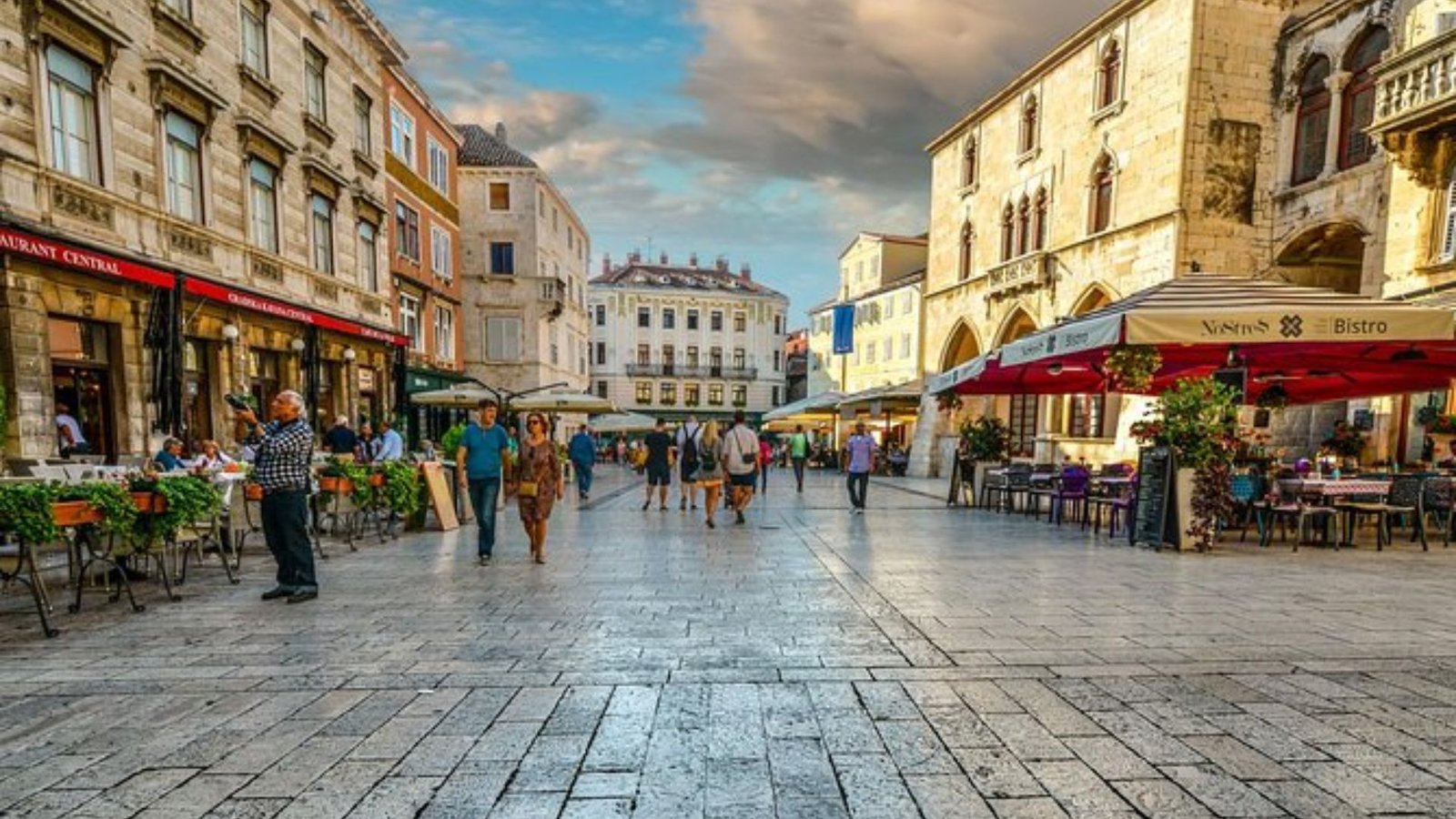
Split’s Old Town sits inside a Roman palace. Yes, people actually live in a 1,700-year-old monument.
- Walk the limestone streets of Diocletian’s Palace, a 4th-century Roman complex, buy the combo ticket (€15) for Bell Tower, Cathedral, Crypt, and Museum access, and climb the Bell Tower for panoramic views.
- Visit the underground cellars where Game of Thrones filmed scenes, then visit the maze-like alleys and hidden courtyards throughout the palace
- Stroll the Riva Promenade along the waterfront for sea views, outdoor cafés, and watch the sunset over the harbor
Start at Pile Gate and just wander. You can’t get truly lost, the palace walls keep you oriented. The best parts are the random courtyards and alleyways you stumble into.
Day 2: Island Speedboat Tour (Blue Cave, Hvar & More)

The Blue Cave is the main attraction. Sunlight filters through underwater openings and turns everything electric blue.
- Blue Cave on Biševo Island, luminous blue water inside the cave (weather dependent), transfer to tiny boats that fit 8-10 people to enter.
- Vis Island, Budikovac Blue Lagoon, and Stiniva Bay, a traditional stone village, shallow turquoise water for swimming, and a dramatic cove with cliffs
- Hvar Town, free time for dinner and exploring Fortica Fortress at sunset with panoramic island views
The tour runs from around 8 AM to 8 PM. You’ll spend about 1.5 hours on speedboats between locations. The Blue Cave closes if the seas are too rough, tours get rerouted to the Green Cave instead.
Day 3: Krka National Park & Sibenik
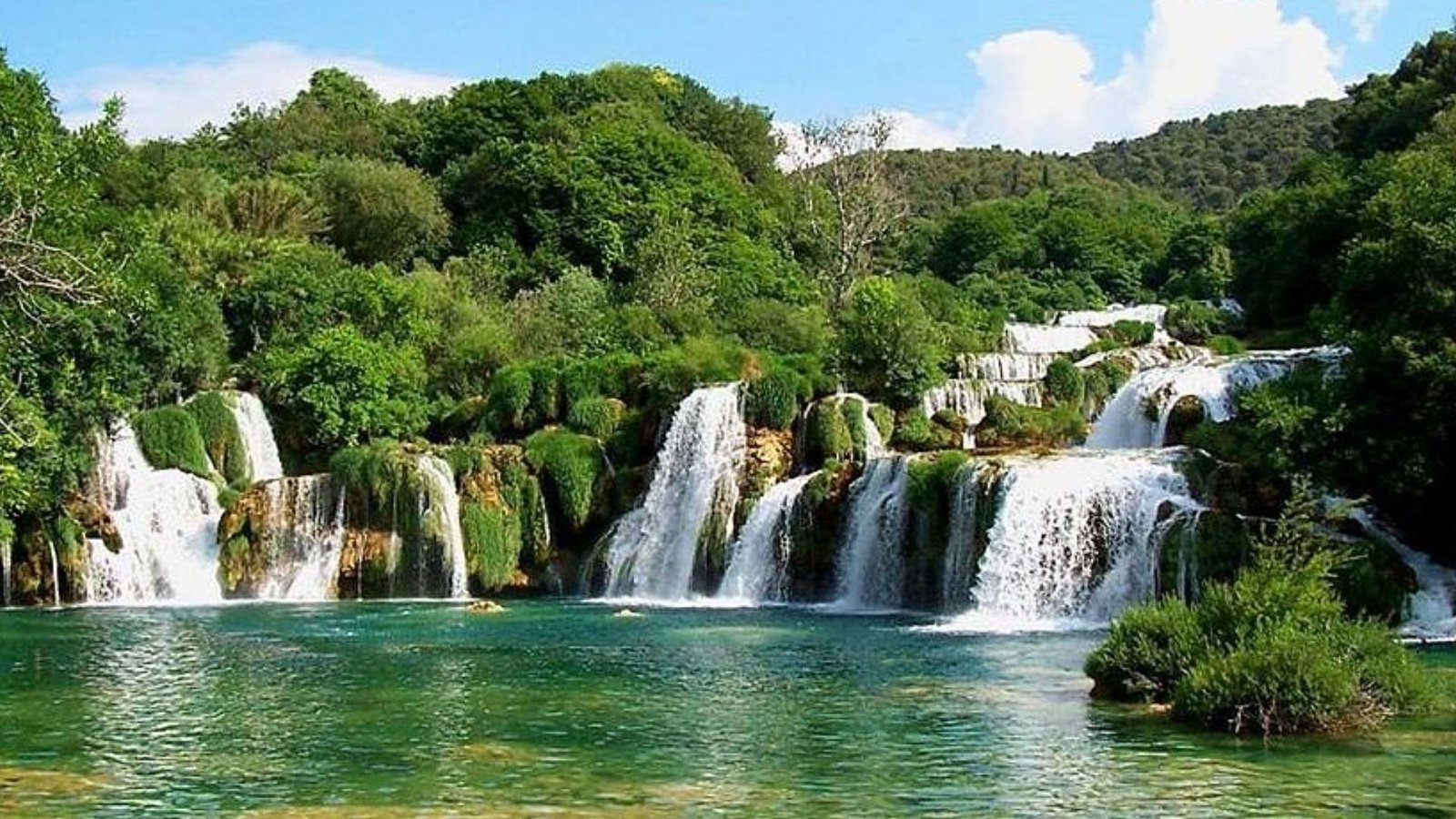
The wooden walkways here are famous. They wind through forests right next to rushing waterfalls.
- Skradinski Buk waterfalls, 17 waterfalls cascading down terraces, park entry costs €10-30 depending on season (summer is most expensive)
- Choose the Lozovac entrance for the closest access, take the optional €5 shuttle bus, or walk the steep 20-minute trail down
- Swimming is no longer allowed at Skradinski Buk (changed in 2021), plan 2-3 hours to walk the full loop. op
Arrive early, especially in summer. Tour buses flood the park by 10 AM. Wear comfortable walking shoes, the paths get slippery near the water.
Day 4: Blue Lagoon, Trogir & Split Beach Afternoon
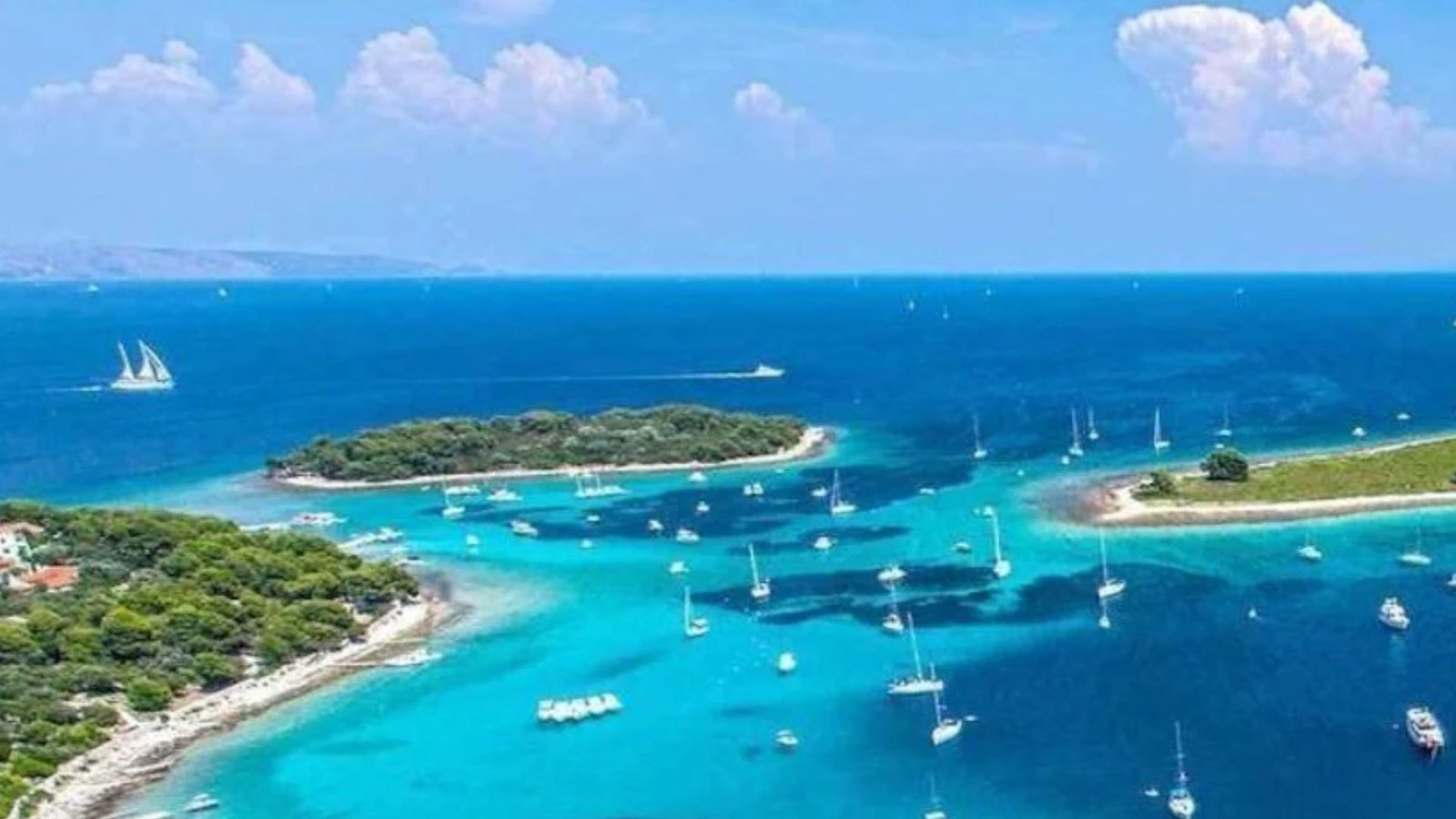
This Blue Lagoon is different from yesterday’s. It’s near Solta Island and has shallower, calmer water.
- Half-day tours leave Split around 9 AM, return by 2 PM, and cost €35-50 per person.
- Visit the Blue Lagoon near Solta for swimming and snorkeling in turquoise water.r
- Stop in Trogir (UNESCO World Heritage town) with medieval streets, St. Lawrence Cathedral, Kamerlengo Fortress, and waterfront
You get about 1.5 hours in the lagoon and 1.5 hours in Trogir. Less rushed than yesterday’s five-island tour. Perfect for families or people who want easy swimming.
Day 5: Travel to Dubrovnik & Visit the Old Town
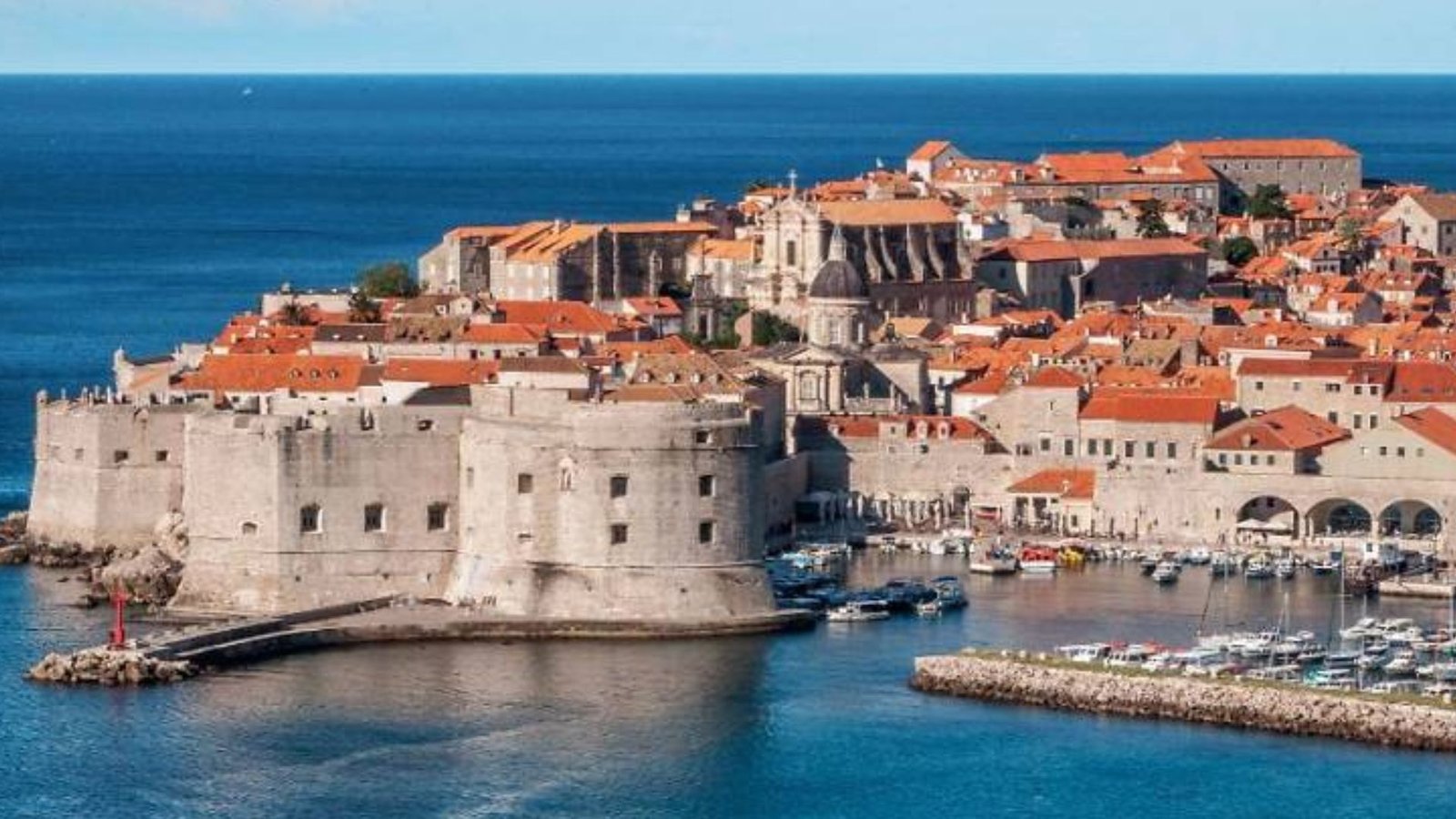
Three ways to reach Dubrovnik from Split. Each has pros and cons.
- Drive: 3 hours via the A1 motorway, tolls cost around €10, gives you rental car flexibility, but parking in Dubrovnik costs €25+ per day.y
- Bus: 5 hours from Split bus station, costs €15-25, stops at the border checkpoint for passport control
- Ferry: 5 hours via Jadrolinija catamaran, scenic sea route, costs €50-70 per person
I prefer the bus for cost, or the ferry for views. Driving means parking hassles in Dubrovnik’s old town. The catamaran gives you sea views and skips traffic completely.
Day 6: Dubrovnik City Walls & Lokrum Island
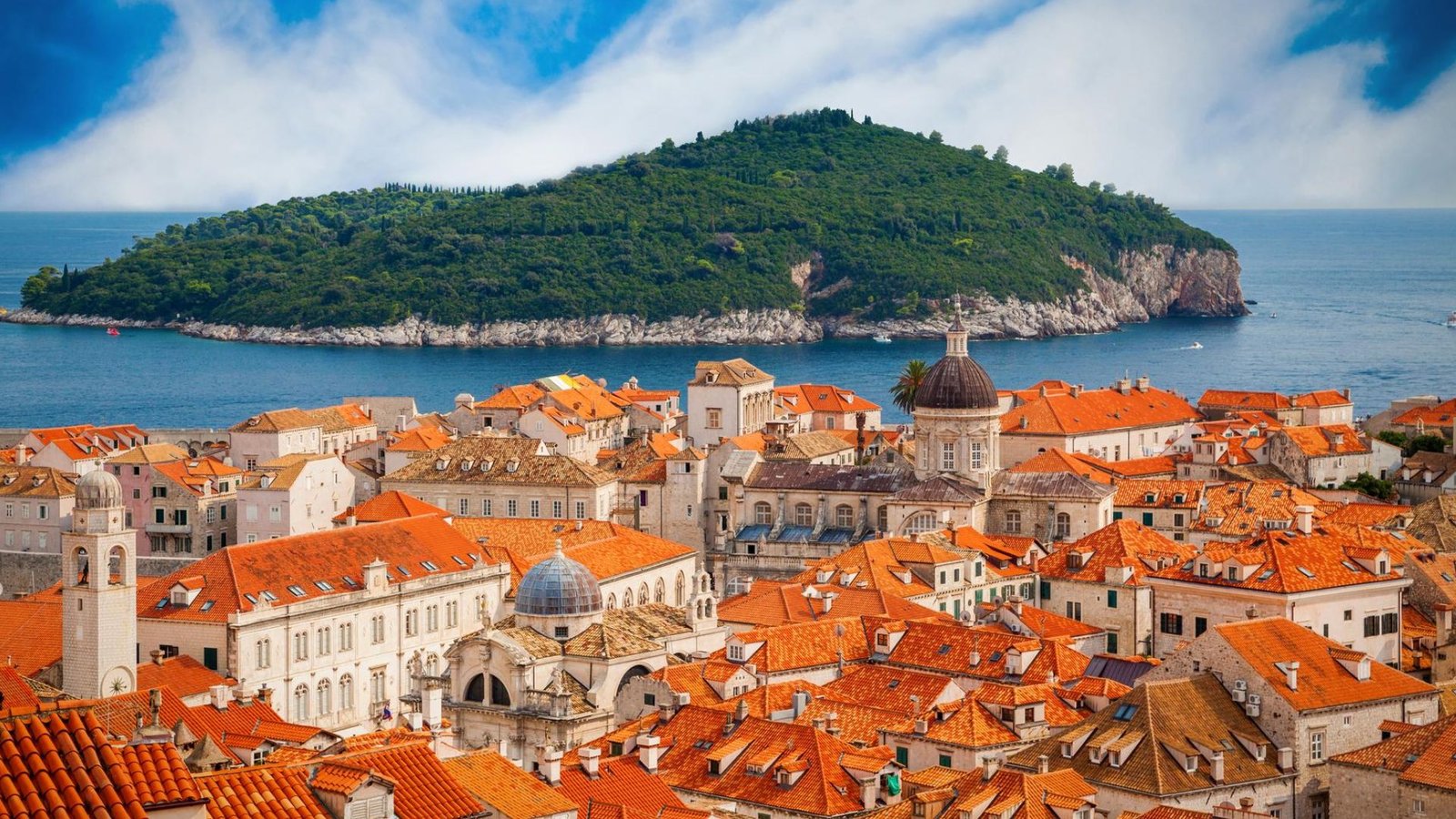
Your best Dubrovnik day. Walk the famous walls in the morning. Escape to Lokrum Island for swimming and nature in the afternoon.
Walk the City Walls (Morning)
Start early. By 9 AM, cruise ship crowds flood the walls. You want to finish before they arrive.
- Entry costs €40 (includes St. Lawrence Fortress), the full loop takes 1.5-2 hours at a relaxed pace.
- Get views of terracotta rooftops, Lovrijenac Fortress, Adriatic Sea, and the old harbor from 25 meters high.
- Multiple entry points available, but Pile Gate is the most convenient, bring water, as there’s limited shade.
There are steep stairs and no shade for long stretches. Not ideal for people with mobility issues or a fear of heights. The views are worth every step, though.
Visit Lokrum Island
Ten minutes by boat from Dubrovnik. This island feels like a different world, with peacocks, botanical gardens, and a “Dead Sea” where you can float.
- Boats depart every 30 minutes from Dubrovnik’s Old Harbor. The €27 ticket includes the return boat and island entry.
- Highlights: Botanical Gardens, Benedictine Monastery ruins, Dead Sea lagoon with high salt content, where you float easily
- Rocky beaches, cliff views, peacocks roaming free, and well-marked walking trails throughout the island
Bring your swimsuit and sunscreen. The island has a beach, but it’s rocky rather than sandy. The monastery ruins sit at the island’s highest point with great views back to Dubrovnik.
Day 7: Relaxing Beach Day or Trip to Cavtat

Beach Sulic offers turquoise water just outside the old town walls. It’s a small cove near Lovrijenac Fortress.
- Walk 10 minutes west from Pile Gate, a mix of pebble and concrete platforms for sunbathing.
- Clear water, good for swimming and snorkeling, a small beach bar for drinks and snacks
- Gets crowded by midday in summer, arrive by 9 AM for the best spots
Other nearby options: Banje Beach (the most famous, expensive beach club) or Sveti Jakov Beach (quieter, down many stairs). I prefer Sulic for the fortress views and easier access.
Additional Tips for First-Time Travelers
A few practical things will make your trip smoother. I’ve learned these lessons from my own travels and from helping others plan their Croatia trips. Small details matter more than you think.
- Water shoes are non-negotiable, Croatia’s beaches are pebbles and rocks, not sand, and your feet will hurt without them.
- Sunscreen (SPF 50), a wide-brimmed hat, and light layers for boat rides when the wind picks up
- Keep your swimsuit accessible in your day bag for spontaneous swimming stops.
- English is widely spoken in tourist areas, and servers, hotel staff, and tour guides all speak it well.
- Weather forecasts can be unreliable on the coast due to mountain-sea microclimate effects.
- Petty theft is rare, but keep valuables secure in crowded areas like Dubrovnik’s old town.
- Accommodation, restaurants, and attractions all charge premium prices in Dubrovnik’s old town
- Shoulder season (May, June, September, October) offers cheaper hotels, ferries, and tours, sometimes half the summer price
- Book ferries and popular tours 2-3 days ahead to lock in prices and guarantee spots
Conclusion
Your Croatia 7 Day Itinerary is ready to go. You’ve got a clear route from Dubrovnik through Split and Hvar, finishing in Zagreb. Each day is planned with real travel times and honest recommendations. No guesswork needed.
This week gives you the right mix of coastal beauty, historic towns, and local experiences. You won’t feel rushed, and you won’t miss the must-see spots. Your first Croatia trip is going to be great.
Start booking your accommodations early, especially for summer travel. Got questions about specific stops or need to adjust the timing? Drop a comment below. And if this helped you plan your trip, share it with anyone else heading to Croatia this year.
Frequently Asked Questions
What’s the best time to visit Croatia for a 7-day trip?
May, June, and September offer the best conditions. You’ll get warm weather, fewer crowds, and lower prices than in peak summer. July and August are the hottest and busiest. Avoid October through April unless you prefer cooler weather and closed coastal attractions.
How much does a 7-day Croatia trip cost?
Budget travelers spend $70-100 daily. Mid-range visitors average $150-200 per day. This covers accommodation, food, transport, and attractions. Summer costs more than the shoulder season. Split and Dubrovnik are pricier than smaller towns. Book ferries and popular tours ahead to save money.
What cities should I include in my Croatia 7 Day Itinerary?
Focus on Dubrovnik (2 days), Split (2 days), Hvar or another island (2 days), and Zagreb (1 day). This route covers coastal highlights and the capital without rushing. Skip less important stops to avoid constant packing and travel time.
Is 7 days enough time to see Croatia?
Seven days works well for first-timers, hitting the main highlights. You’ll see key coastal cities and get a taste of island life. You won’t cover everything, but you’ll experience Croatia’s best features without feeling rushed. Return trips let you visit other regions.
Do I need to rent a car for a Croatia 7 Day Itinerary?
Not necessary for this coastal route. Buses connect major cities reliably and cheaply. Ferries run between islands and mainland towns. Cars help in rural areas, but parking in Dubrovnik and Split is expensive and difficult. Public transport works fine for first-timers.
