

Experience a road trip through five iconic national parks of the Pacific Northwest that are located in Washington, Oregon, Idaho, Wyoming, and Montana. Among these parks, the nation’s fourth-largest forest, Mount St. Helens, and Yellowstone are home to a wide variety of animals.
This northwest national parks road trip is a 12-day itinerary that covers a 12-day loop and different kinds of lands like rainforest, desert, and mountain. Along the way, you will see animals, hike on trails that are different in length and difficulty, and camp.
This complete guide will give the best and top route to reach the destination. If you follow this complete circuit from Seattle and back, you will be driving about 2,500 miles through the most beautiful parts of the country.
Overview: Planning Your Pacific Northwest National Parks Road Trip
Planning your Pacific Northwest National Parks road trip is more than just mapping routes it’s about creating your own adventure through wild coastlines, lush rainforests, and rugged mountain peaks that tell the story of the Northwest’s natural beauty.
Route Snapshot and Map
Your northwest national parks road trip begins in Seattle, loops south through Oregon to Crater Lake, cuts east through Idaho, then heads north through Wyoming’s Grand Teton and Yellowstone before reaching Montana’s Glacier National Park.
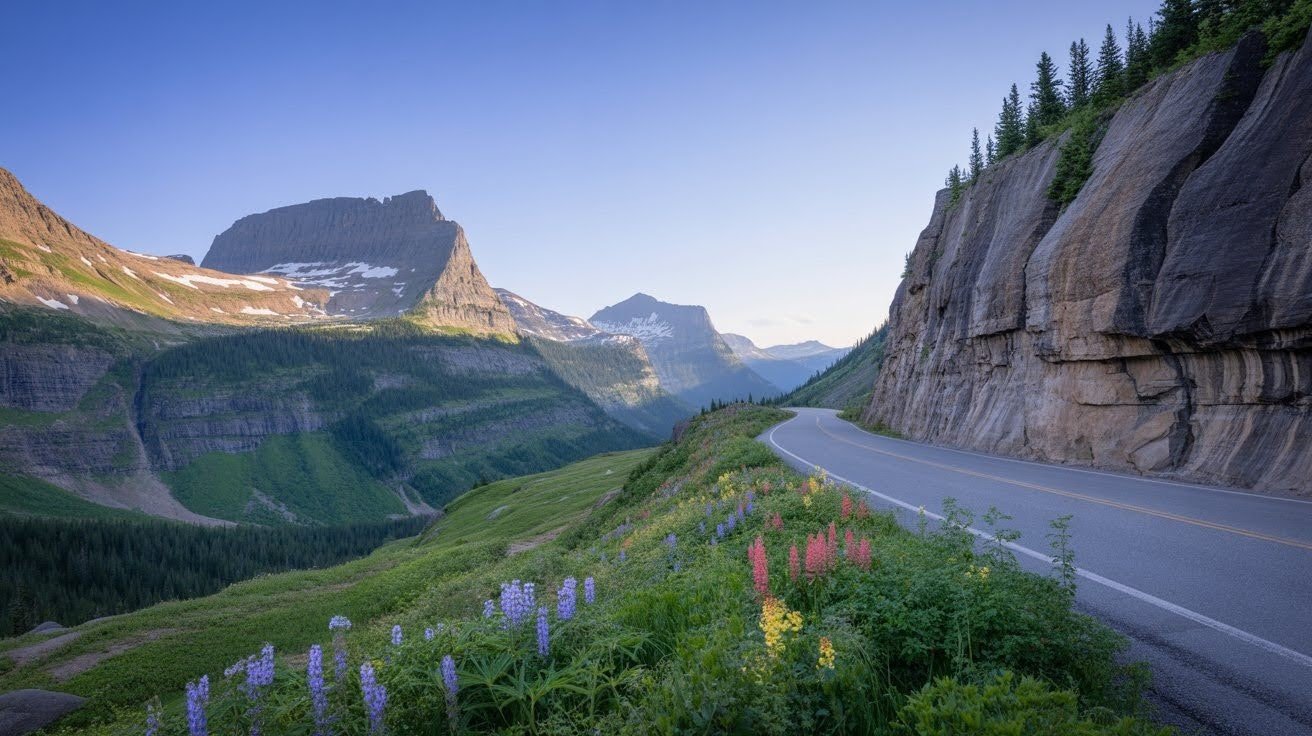
This route maximizes your time at the parks while minimizing backtracking. You’ll drive through diverse ecosystems and climate zones, from the wet forests of the Cascades to the volcanic landscapes of central Oregon, then into the Rocky Mountains’ high country.
The total driving time amounts to roughly 40 hours spread across 12 days, leaving plenty of time for hiking, wildlife watching, and simply soaking in the views. You’ll average 3 to 4 hours of driving on travel days, with longer stretches between Crater Lake and Grand Teton.
Trip Length Options
The standard 12-day itinerary provides enough time to see highlights at each park without rushing. You’ll have full days at the major parks and shorter stops at smaller monuments and scenic areas.
If you’re working with a tighter schedule, a condensed 7-day version focuses on Mount Rainier, Crater Lake, and either Yellowstone/Grand Teton or Glacier. This abbreviated route requires longer driving days and fewer hikes but still delivers amazing scenery and park experiences.
For those with more time, a 16-day extended trip adds Olympic National Park at the start and North Cascades National Park on the return leg. These additions give you deeper access to Washington’s diverse ecosystems and reduce daily driving distances throughout your trip.
Customization Ideas
Add Olympic National Park to your front end for temperate rainforests, rugged coastline, and alpine meadows. This extension adds 2 to 3 days and showcases a completely different ecosystem from the other parks on your route.
North Cascades National Park makes an excellent final stop before returning to Seattle. Known as the “American Alps,” this park offers dramatic granite peaks, hanging glaciers, and turquoise lakes.
Consider spending additional days at Yellowstone and Glacier, as these parks deserve more time than a quick pass-through. Both are massive, with extensive trail networks and wildlife viewing opportunities that reward visitors who linger.
The 13-Day Pacific Northwest National Parks Road Trip Itinerary
This day-by-day breakdown helps you make the most of your time at each stop while maintaining a realistic pace that accounts for driving, hiking, and rest. Adjust timing based on your interests and energy levels.
Day 1: Seattle, Washington
Arrive in Seattle and pick up your rental car from the airport or downtown location. Take time to check your vehicle, load your gear, and stock up on road trip snacks and supplies before leaving the city.
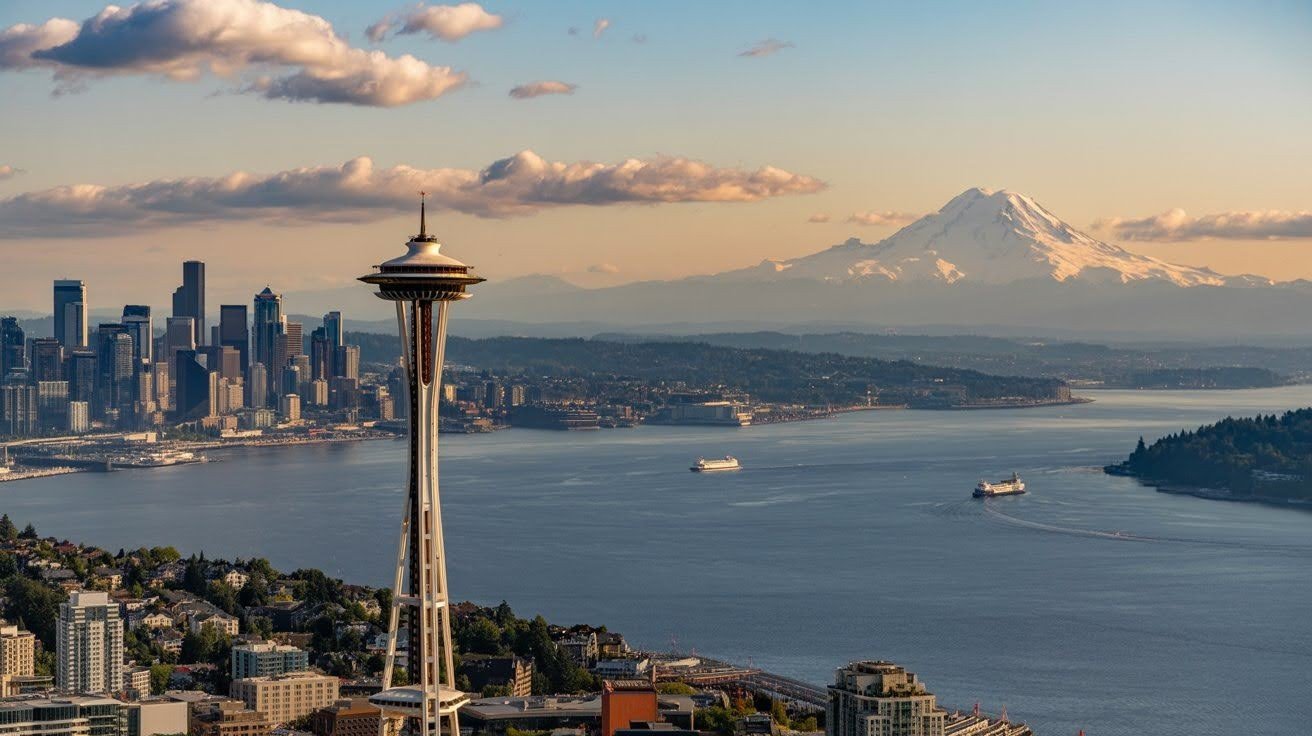
If your flight arrives early enough, spend a few hours exploring Seattle’s core attractions. The Space Needle offers 360-degree views of the city, Puget Sound, and the surrounding mountains. Pike Place Market delivers fresh produce, local crafts, and the famous fish-throwing vendors that have entertained visitors for generations.
Plan to reach Mount Rainier by early evening, a drive of roughly 2.5 hours from downtown Seattle. This puts you in a position for a full day at the park tomorrow. Book accommodation near the park’s Nisqually or Paradise entrance to minimize morning drive time.
Day 2: Mount Rainier National Park
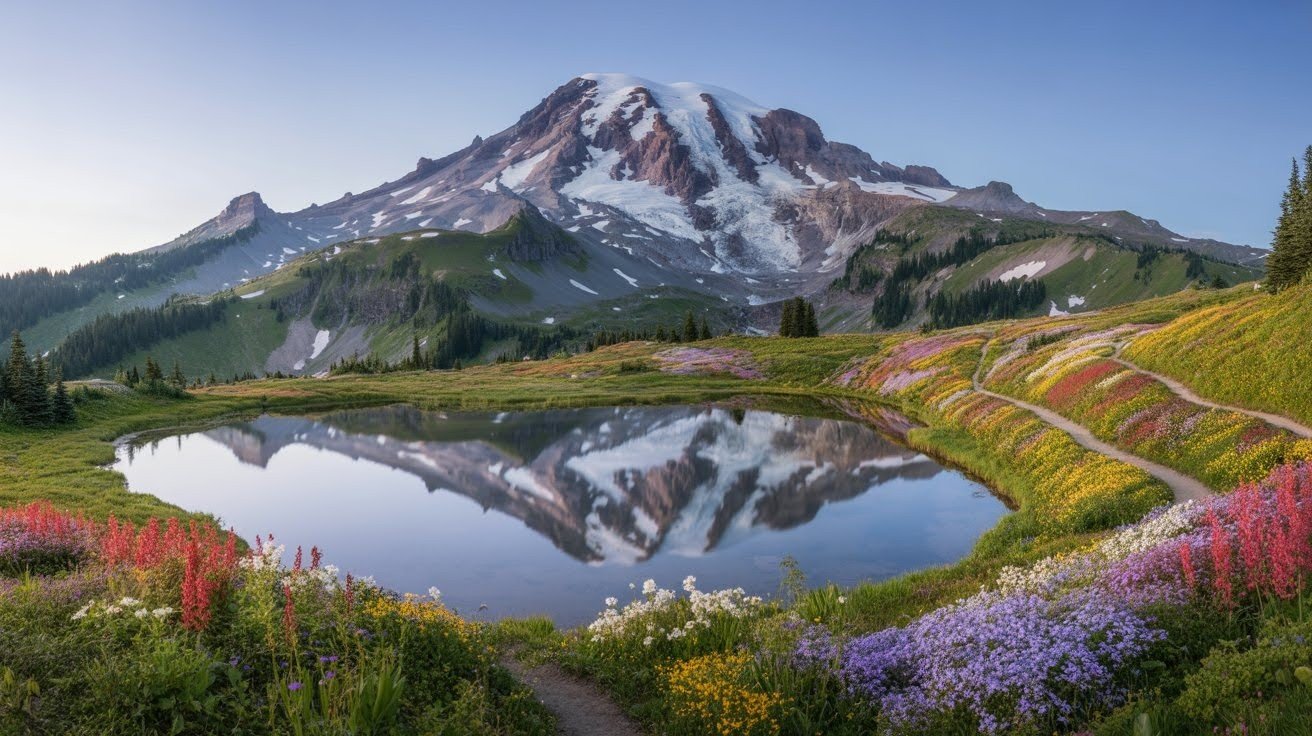
Start your northwest national parks road trip at Paradise, Mount Rainier’s most popular area. The Skyline Trail Loop offers 5.5 miles of hiking through wildflower meadows with constant views of the mountain.
Reflection Lakes provides easier walking with mirror-perfect views of Rainier on calm mornings. Stop at Box Canyon to see the Cowlitz River rushing through a narrow gorge. Drive the scenic route to Sunrise, the park’s highest point accessible by car at 6,400 feet in elevation.
Watch for wildlife, including black-tailed deer, marmots, and occasional black bears. Summer visitors enjoy peak wildflower displays in July and August, while early fall brings golden larches and fewer crowds.
Day 3: Columbia River Gorge

Leave Mount Rainier and drive south toward Oregon, stopping at the Columbia River Gorge for waterfalls and scenic overlooks. The Historic Columbia River Highway winds through this natural corridor where the Columbia River cuts through the Cascade Range.
Multnomah Falls drops 620 feet in two major tiers, making it the tallest waterfall in Oregon. Arrive early to avoid crowds and secure parking at this extremely popular stop. A paved trail climbs to Benson Bridge between the two tiers for close-up views of the upper cascade.
Some trails require permits during peak season, so check current requirements before your visit. Many gorge trails allow dogs on leashes, making this a good stop for travelers with pets. Budget 4 to 5 hours for waterfall hopping before continuing to Portland for the evening.
Day 4: Portland, Oregon
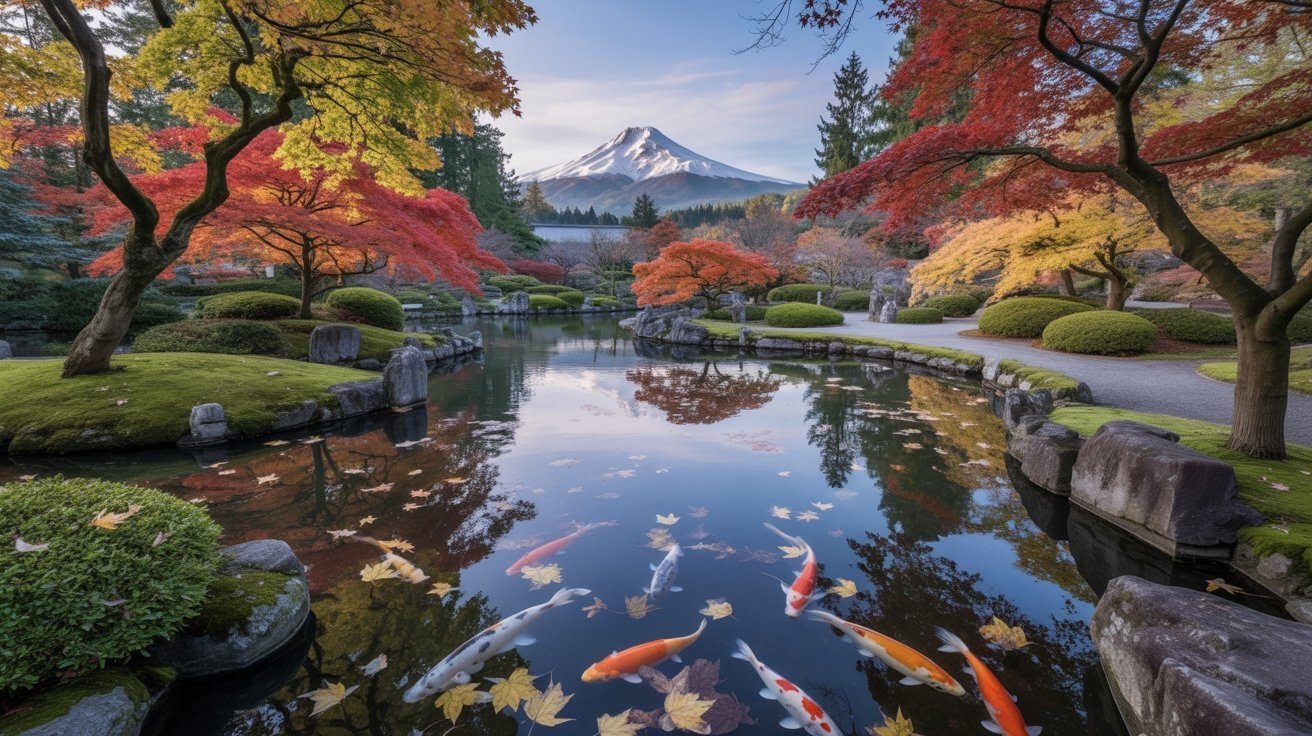
Take a break from driving with a full day in Portland. This city’s relaxed vibe and creative culture provide a nice contrast to wilderness camping and early morning hikes.
Powell’s City of Books occupies an entire city block with new and used books across multiple floors. The Portland Japanese Garden offers peaceful walking paths through traditional landscape design on 12 acres overlooking the city.
If you’re craving more nature, drive 90 minutes west to the Oregon Coast for rugged shoreline, tide pools, and sea stacks. Cannon Beach’s Haystack Rock stands 235 feet tall and hosts nesting seabirds in summer.
Day 5: Crater Lake National Park
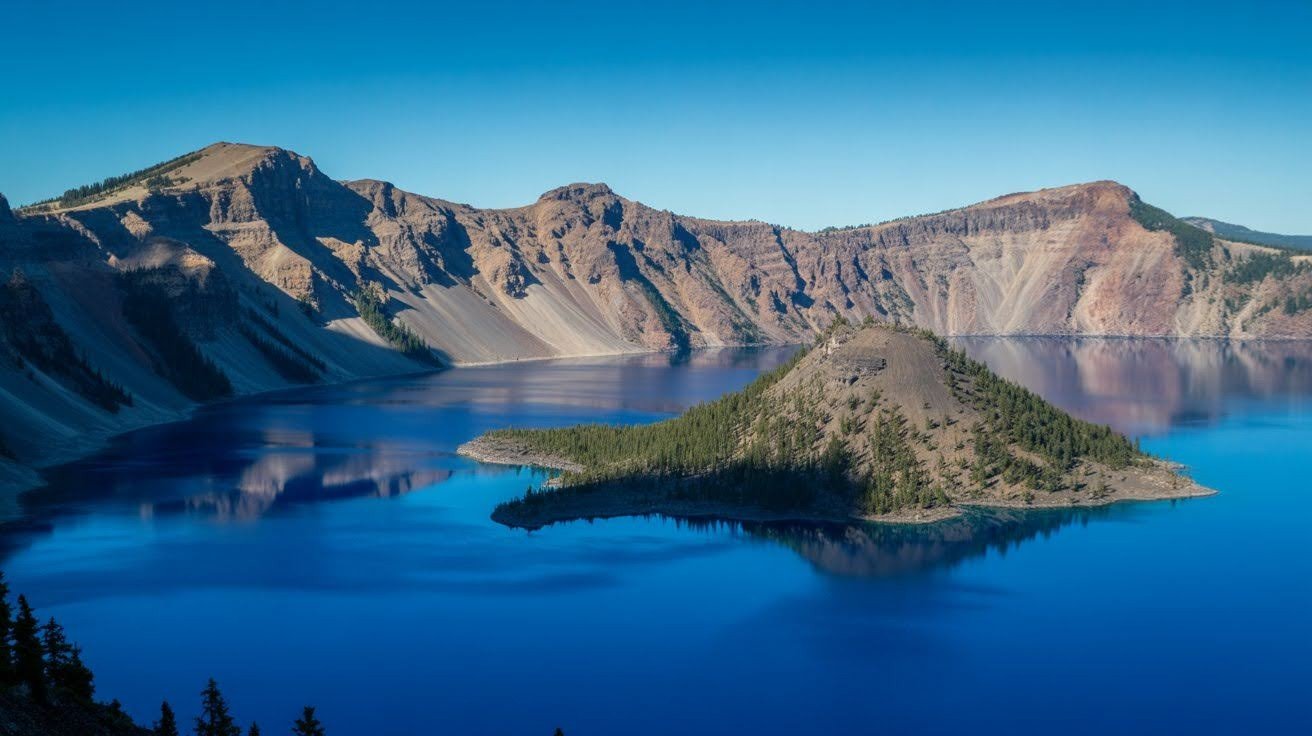
The drive from Portland to Crater Lake takes about 4 hours through forests and volcanic landscapes. Arrive at the park and immediately drive the 33-mile Rim Drive for constantly changing perspectives on the lake’s intense blue water.
Discovery Point Trail offers a relatively easy 2.3-mile round trip to excellent viewpoints. Watchman Peak Trail climbs 0.8 miles to a fire lookout with panoramic views across the lake and surrounding peaks.
Swimming in Crater Lake is allowed but cold, with water temperatures rarely exceeding 60 degrees even in summer. Boat tours run from late June through September, providing narrated trips around the lake with stops at Wizard Island.
Day 6 to 7: Craters of the Moon and Drive to Wyoming

Leave Crater Lake and drive east across Oregon into Idaho. If you want another morning at Crater Lake, take it. The park deserves a sunrise visit when the light turns the water from deep blue to turquoise.
Craters of the Moon National Monument protects a vast lava field with cinder cones, lava tubes, and volcanic caves. This alien landscape formed during eruptions between 15,000 and 2,000 years ago.
The drive from Craters of the Moon to Grand Teton covers about 350 miles and takes roughly 6 hours. This long driving day crosses southern Idaho through small towns and agricultural land. Break up the trip with stops in Idaho Falls or Rexburg, then continue north into Wyoming’s Teton Valley.
Days 8 to 9: Grand Teton and Yellowstone National Parks
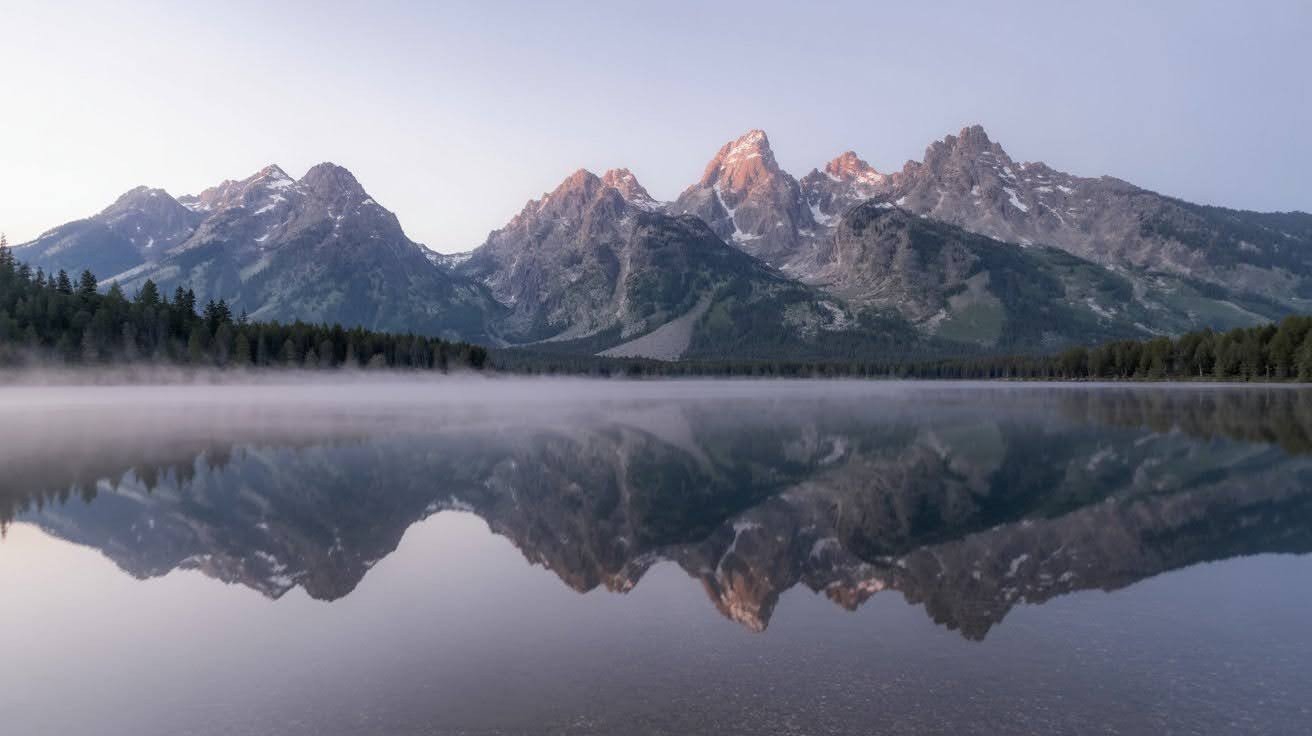
Grand Teton National Park deserves a full day despite its smaller size compared to Yellowstone. The Teton Park Road runs along the mountain range with frequent pullouts for photos. Jenny Lake serves as the hub for hiking, with boat shuttles cutting the distance to popular trails.
Hidden Falls and Inspiration Point make an excellent half-day hike, either by walking the full 5.2-mile loop around Jenny Lake or taking the boat shuttle to cut 4 miles off the round-trip distance.
Yellowstone National Park, just north of the Tetons, requires at least a full day but rewards visitors who can spend longer. The Grand Loop Road connects major attractions, including Old Faithful, Grand Prismatic Spring, the Grand Canyon of the Yellowstone, and Lamar Valley. Old Faithful erupts approximately every 90 minutes, shooting water up to 180 feet high.
Days 10 to 11: Glacier National Park
Leave Yellowstone and drive north through Montana toward Glacier National Park, a 6-hour drive through Big Sky country. This leg of your northwest national parks road trip crosses ranchland and small mountain towns before reaching the dramatic peaks of Glacier.
Going-to-the-Sun Road ranks among America’s most scenic drives, crossing the Continental Divide at Logan Pass. The 50-mile road typically opens fully by early July and closes with the first heavy snows in October.
The Hidden Lake Overlook Trail starts at Logan Pass and climbs 1.4 miles to views over Hidden Lake, with mountain goats often visible on the surrounding slopes. Avalanche Lake Trail follows Avalanche Creek through ancient cedars to a cirque lake fed by waterfalls.
Day 12: Return to Seattle
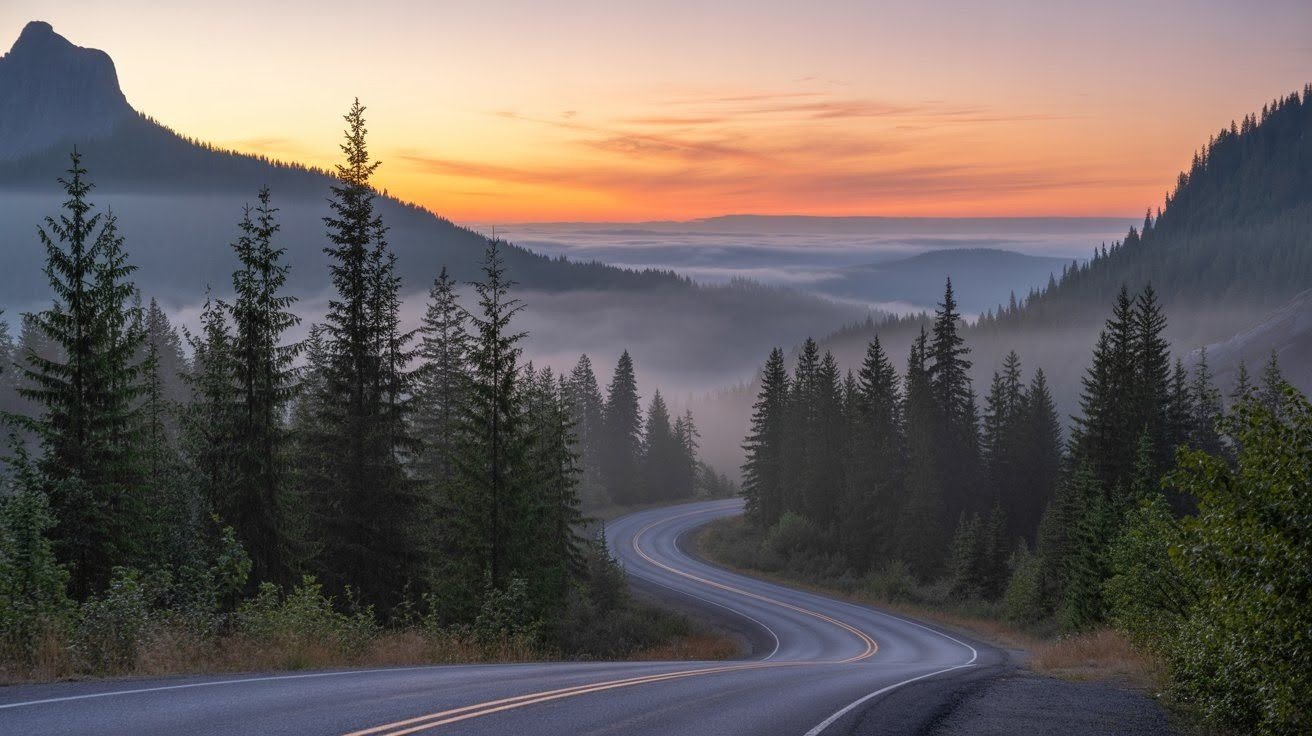
The final leg of your northwest national parks road trip covers approximately 9 hours of driving from Glacier back to Seattle. Leave early to maximize daylight and minimize night driving through mountain passes.
This route takes you west across Montana, through northern Idaho, and into Washington’s eastern side before crossing the Cascades. Stop in Spokane for lunch and fuel, then continue west on Interstate 90 over Snoqualmie Pass and down into the Seattle metro area.
Reflect on the incredible variety of landscapes you’ve experienced over the past 12 days. From Mount Rainier’s glaciers to Crater Lake’s blue waters, from Yellowstone’s geothermal features to Glacier’s mountain wilderness, you’ve covered some of America’s most protected and beautiful terrain.
Practical Travel Tips
Here’s what you need to know to make your Northwest National Parks road trip smooth and enjoyable, from what to pack to where to sleep each night.
- Packing List: Layer your clothing with moisture-wicking base layers, insulating mid-layers, and waterproof outer shells. Bring hiking boots broken in before your trip, plus camp shoes for evenings.
- Permits and Passes: The America the Beautiful Annual Pass costs $80 and covers entrance fees at all national parks, making it worthwhile for this multi-park trip. Some trails require advance permits during peak season, particularly at popular spots like Hidden Lake in Glacier.
- Driving Tips: Fill your gas tank whenever you see a station in rural areas, as services can be 100+ miles apart. Watch for wildlife on roads at dawn and dusk, especially deer, elk, and bison.
- Where to Stay: Camping provides the most immersive park experience and the best value, with sites ranging from $20 to $35 per night. Reserve popular campgrounds like Many Glacier in Glacier National Park or Jenny Lake in Grand Teton months in advance.
- Food and Supplies: Stock up on groceries in cities before reaching remote areas. Most parks have small stores with limited selections and high prices. Bring a cooler for fresh foods and pack non-perishable snacks for hiking.
Conclusion
The best attractive national parks you can drive and see through with a Northwest national parks road trip is really a once-in-a-lifetime experience of the United States’ protected wild nature. After such a trip, you will definitely have memories of Mount Rainier glaciers, Crater Lake with its deep blue water, and Grand Teton with its jagged peaks.
It is possible to shorten, lengthen, or tailor this 12-day round trip according to your preferences and the amount of time you have. Some people decide to see only two or three parks to have a more relaxed and calm pace.
Surprisingly, each park along this itinerary is worth coming back to hike the deeper trails, see more animals, and enjoy another season. To mention one, summer is the time of wildflowers and full opening of the park.
Frequently Asked Questions
What is the best time for a Northwest National Parks road trip?
Late June through September offers the best conditions for this road trip, with all roads open and comfortable temperatures. Going-to-the-Sun Road in Glacier typically opens fully by early July. Wildflowers peak in July and August at Mount Rainier and Glacier.
How much does this Northwest National Parks road trip cost?
Budget approximately $2,500 to $4,000 per person for 12 days, including rental car, gas, park passes, camping or budget lodging, and food. Costs increase with hotel stays instead of camping, dining out frequently, and activities like boat tours.
Can I complete this trip in less than 13 days?
Yes, a condensed 7-day version hits Mount Rainier, Crater Lake, and either Yellowstone/Grand Teton or Glacier. This requires longer driving days and fewer hikes but covers major highlights. You’ll miss some parks but still experience the region’s incredible scenery.
Do I need reservations for campgrounds and lodges?
Summer campground and lodge reservations fill months in advance, especially at Glacier and Yellowstone. Book as early as possible, typically when reservations open 6 months ahead. Some campgrounds operate first-come, first-served, requiring arrival by mid-morning for sites.
What wildlife will I see on this road trip?
Expect black bears, elk, deer, and marmots at Mount Rainier. Grand Teton and Yellowstone host grizzly bears, black bears, bison, wolves, elk, moose, and pronghorn. Glacier offers mountain goats, bighorn sheep, and both bear species.
