


Japanese food has always pulled me in. The first time I tried ramen at a small Tokyo-style shop, I finally understood the world’s obsession.
This guide covers the 50 most popular Japanese food dishes you need to try at least once.
I’ll walk you through what each dish is, share easy recipes for home, highlight the best vegetarian picks, and help you order with real confidence.
From street snacks to fine dining, it’s all here. I’ve spent years eating and studying Japanese cuisine, so you’re in good hands. Let’s get into it.
Understanding Japanese Food Culture (Washoku)

Japanese food is more than eating; it’s a way of life rooted in balance, respect, and seasonal beauty.
What Makes Japanese Cuisine Special
Japanese cooking focuses on fresh ingredients, simple preparation, and beautiful presentation. Every dish respects the natural flavor of its ingredients.
Health Benefits of Japanese Food
Japanese diets are rich in fish, vegetables, fermented foods, and light broths. This balance is linked to long life and low rates of chronic illness.
Why Japanese Food is Popular Worldwide
The bold yet clean flavors appeal to almost every palate. Dishes like sushi and ramen have become global comfort foods loved by millions.
50 Most Popular Japanese Foods to Try at Least Once
A complete list of iconic Japanese dishes, from everyday meals to rare delicacies worth seeking out.
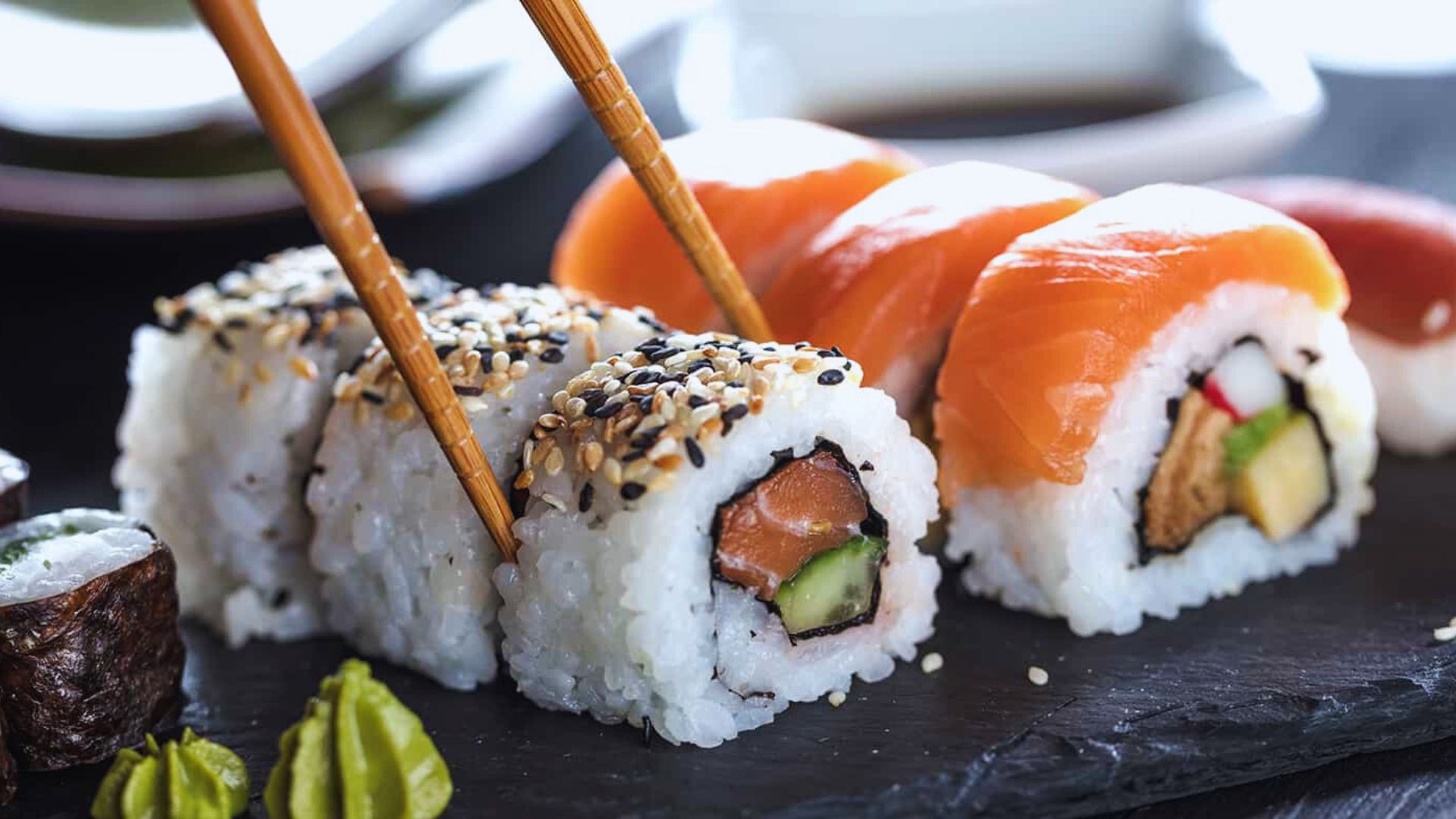
1. Sushi
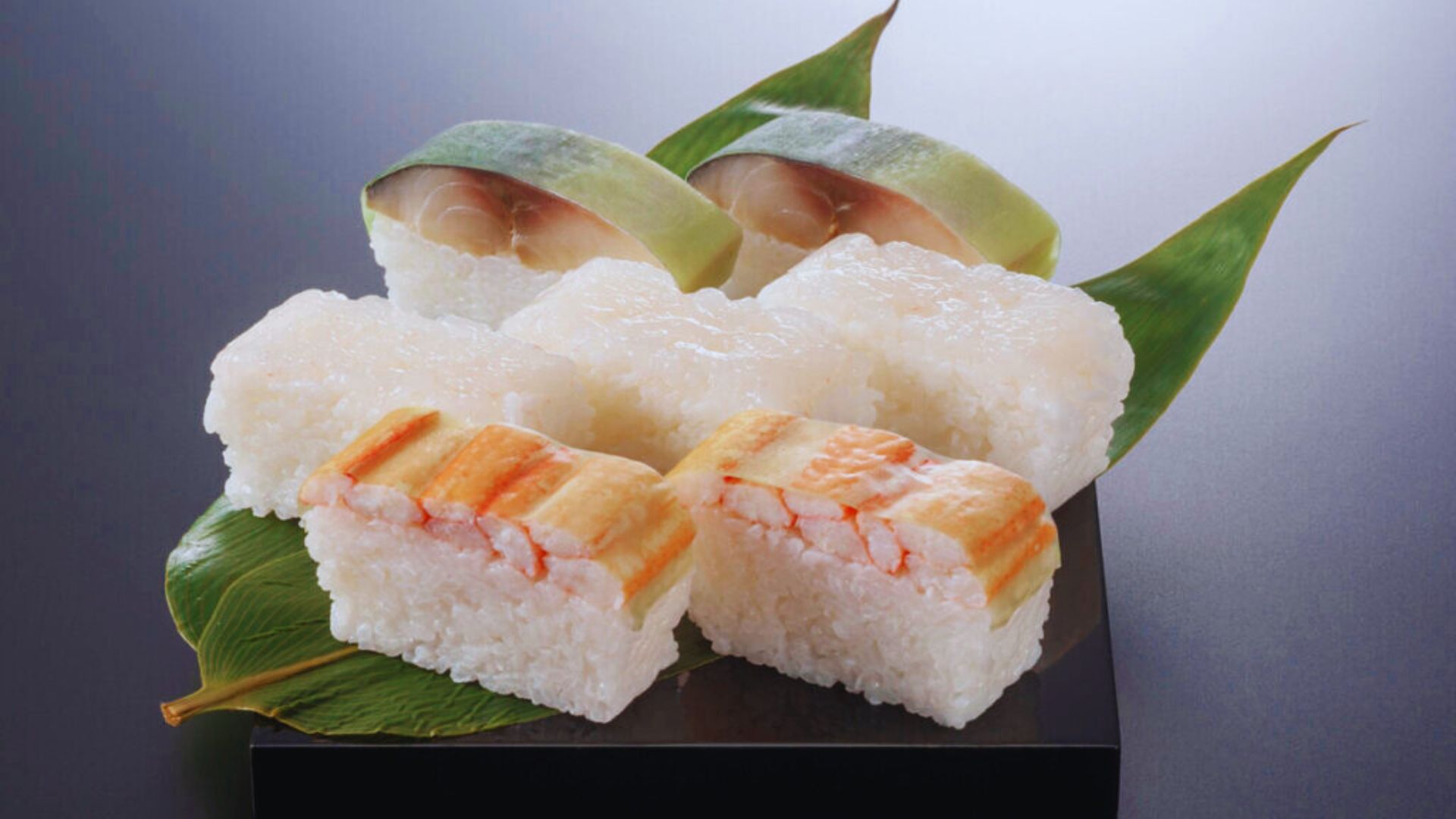
Vinegared rice topped with fresh fish or vegetables, often served in one or two bites. It’s clean, precise, and endlessly satisfying.
2. Sashimi
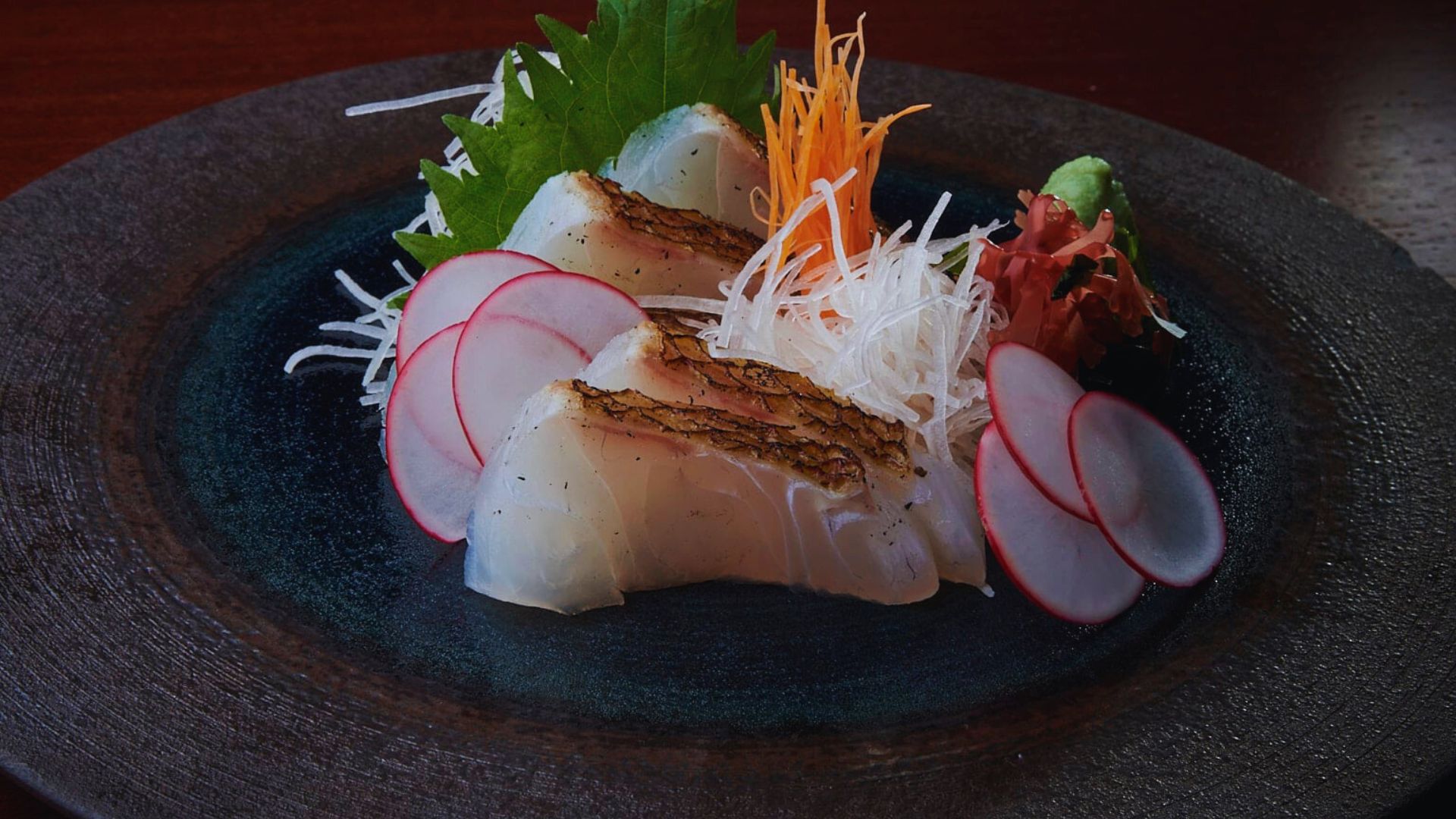
Thinly sliced raw fish served with soy sauce and wasabi. The quality of the fish is everything here.
3. Ramen
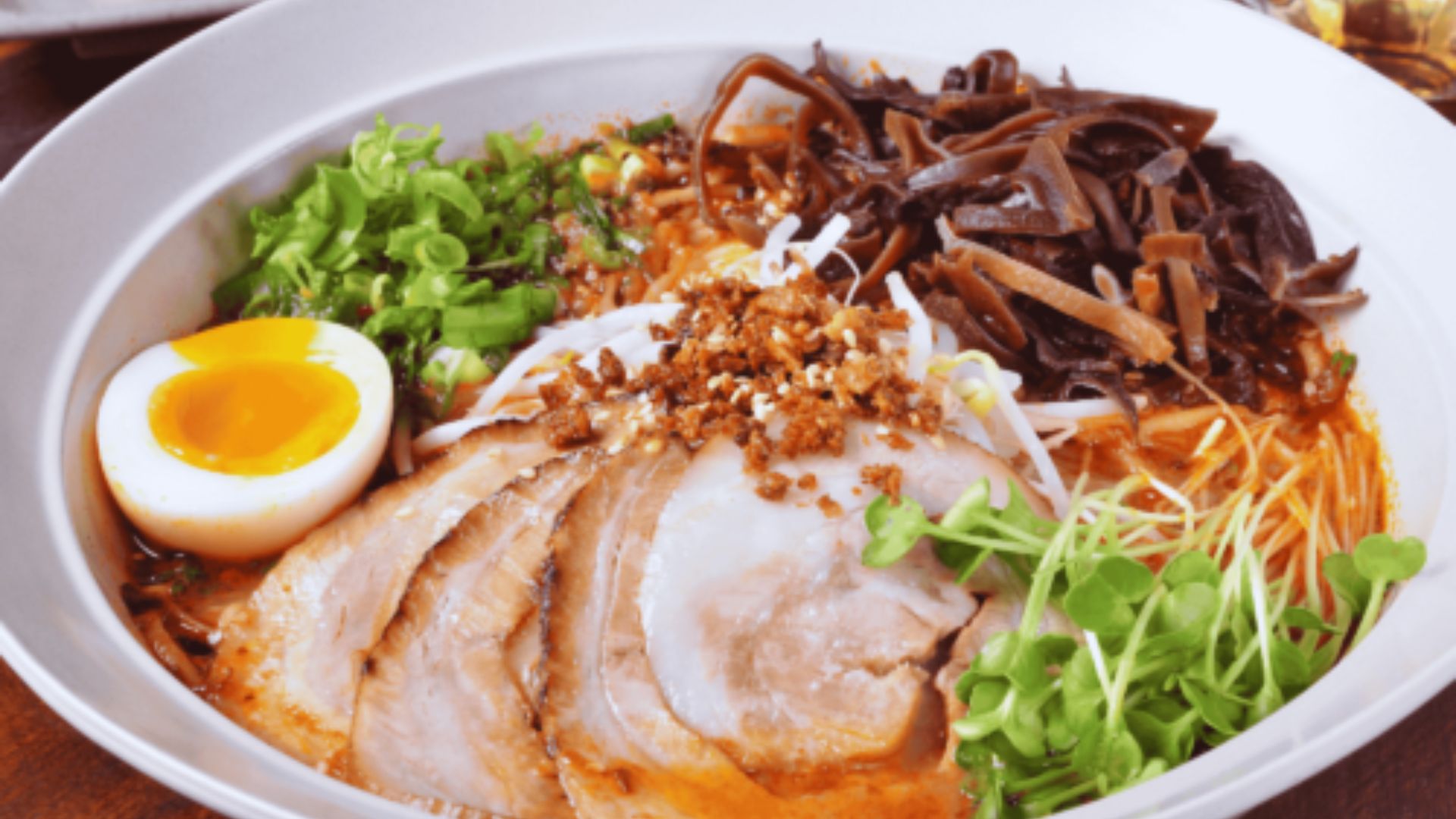
A rich noodle soup with broth ranging from light soy to thick pork bone. Every region in Japan has its own style.
4. Udon
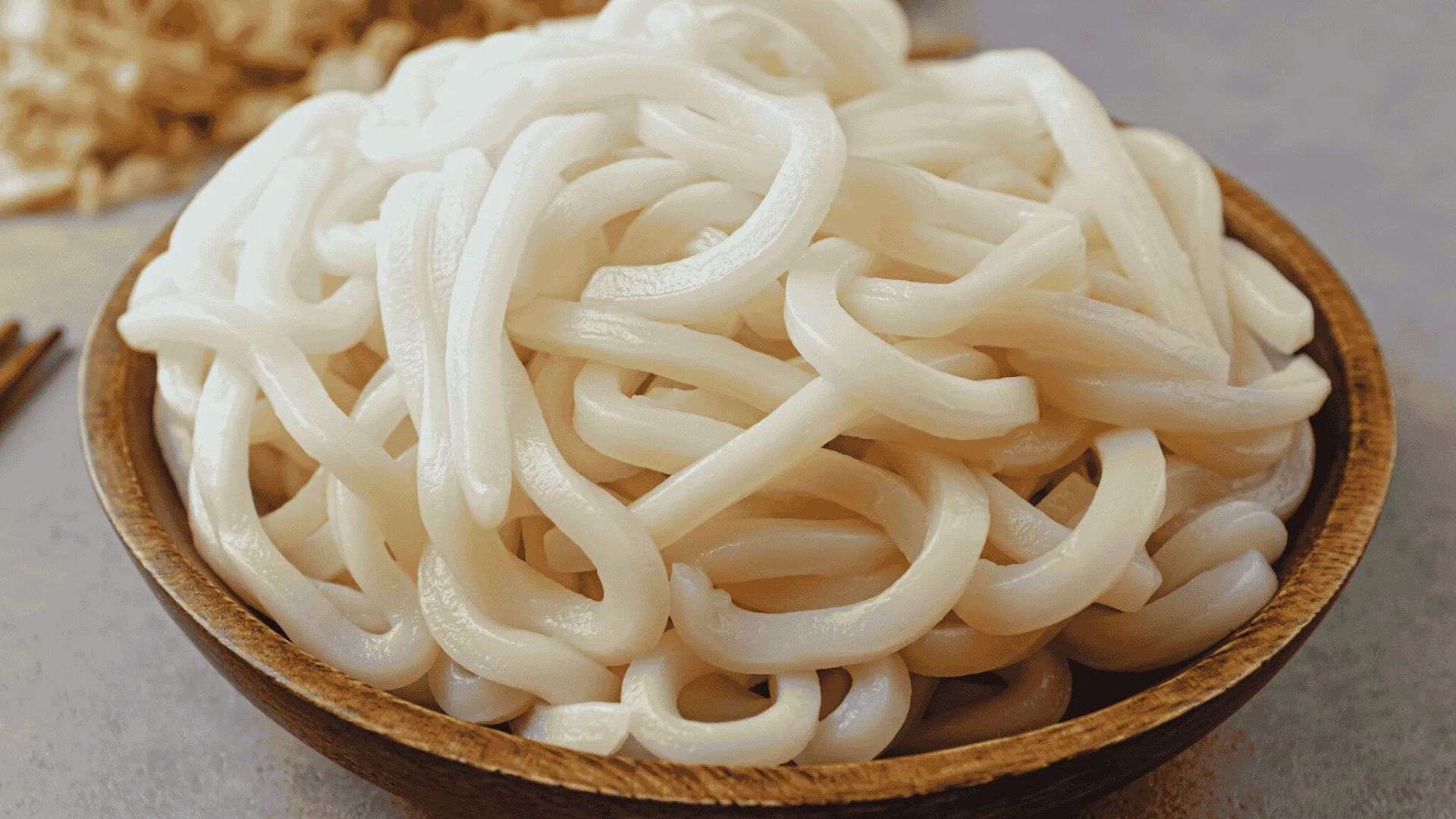
Thick, chewy wheat noodles served in a mild dashi broth. They’re filling, simple, and deeply comforting.
5. Soba

Thin buckwheat noodles eaten hot in soup or cold with dipping sauce. They have a nutty, earthy flavor.
6. Miso Soup

A warm broth of fermented soybean paste with tofu and seaweed. It’s served at nearly every Japanese meal.
7. Tempura

Lightly battered and fried seafood or vegetables with a delicate crunch. The batter stays thin and crisp, never heavy.
8. Tonkatsu
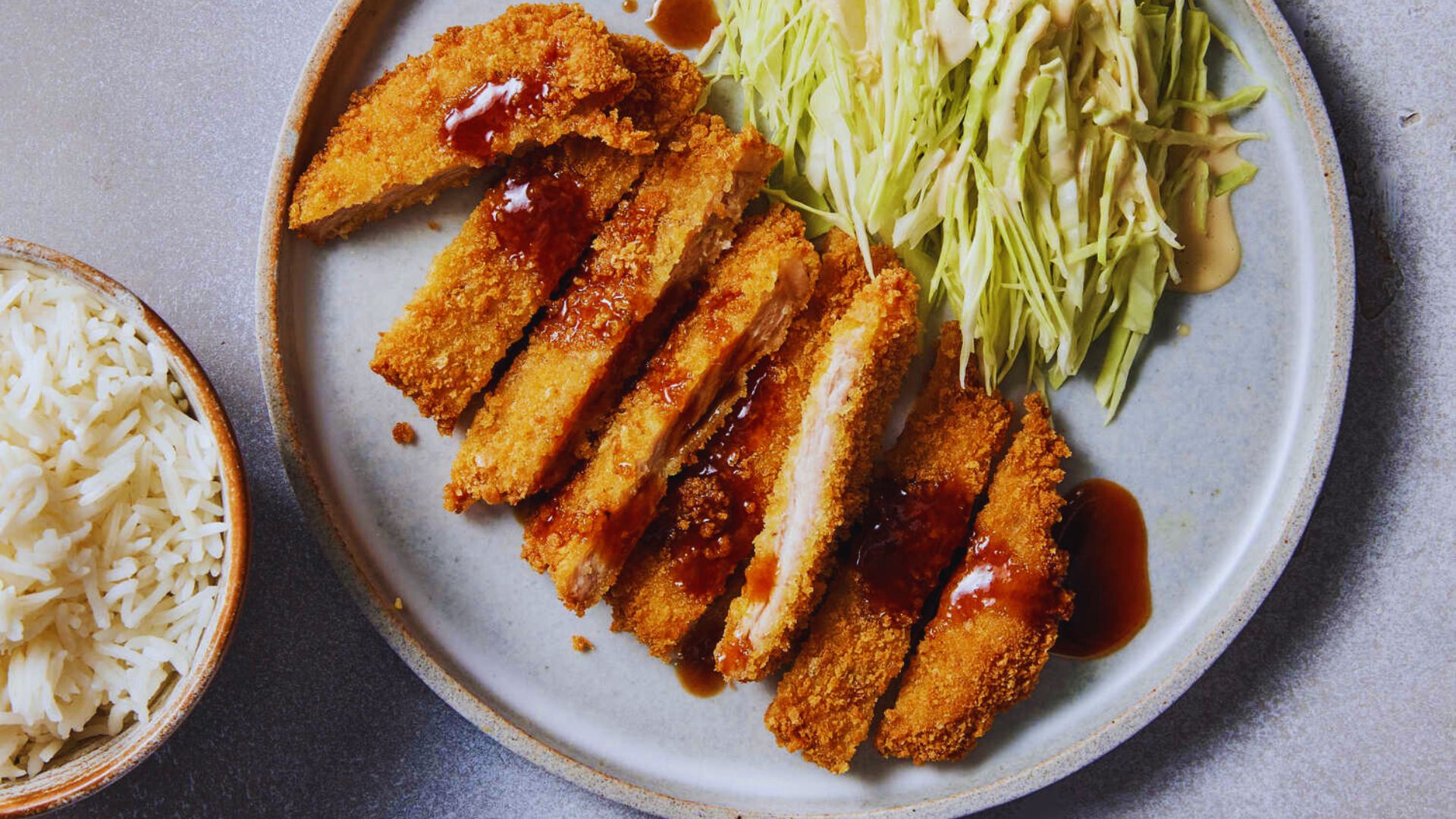
A breaded and deep-fried pork cutlet served with shredded cabbage. Crispy outside, juicy inside, and addictive with tonkatsu sauce.
9. Yakitori
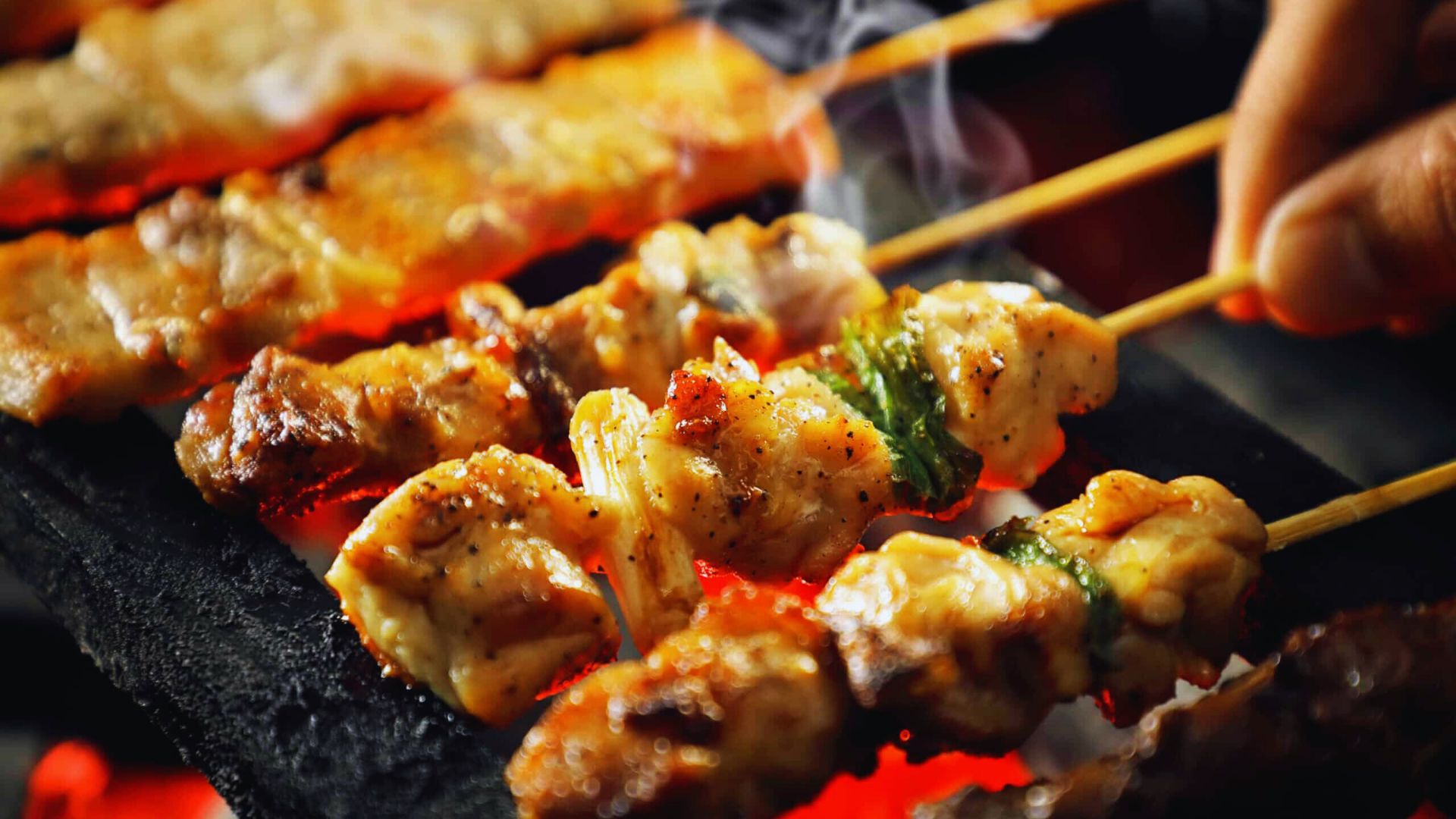
Skewered chicken grilled over charcoal with a savory-sweet glaze. A classic izakaya snack best enjoyed with cold beer.
10. Yakiniku
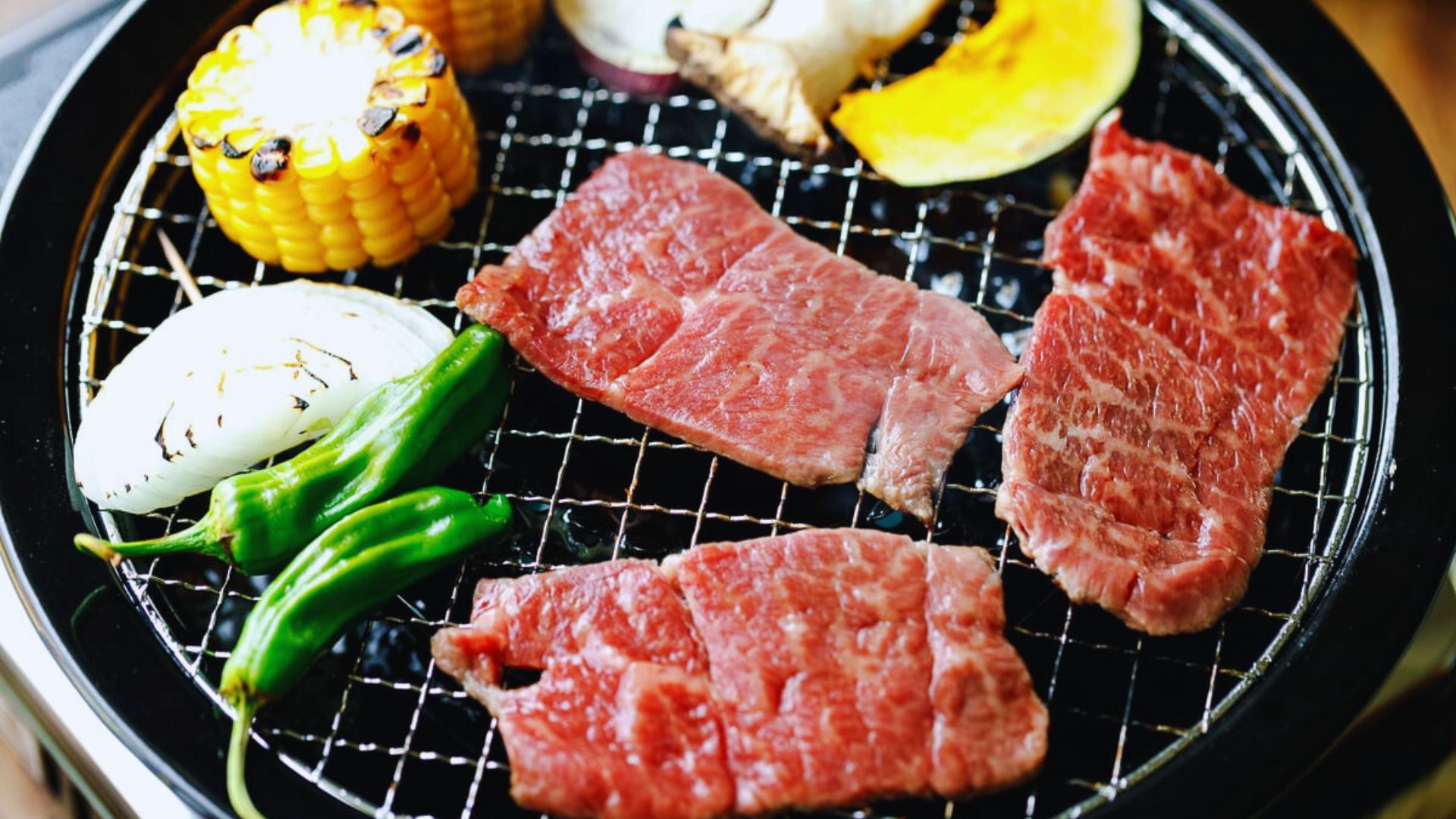
Thin slices of marinated beef grilled at the table. It’s a fun, social meal you cook yourself.
11. Wagyu Beef
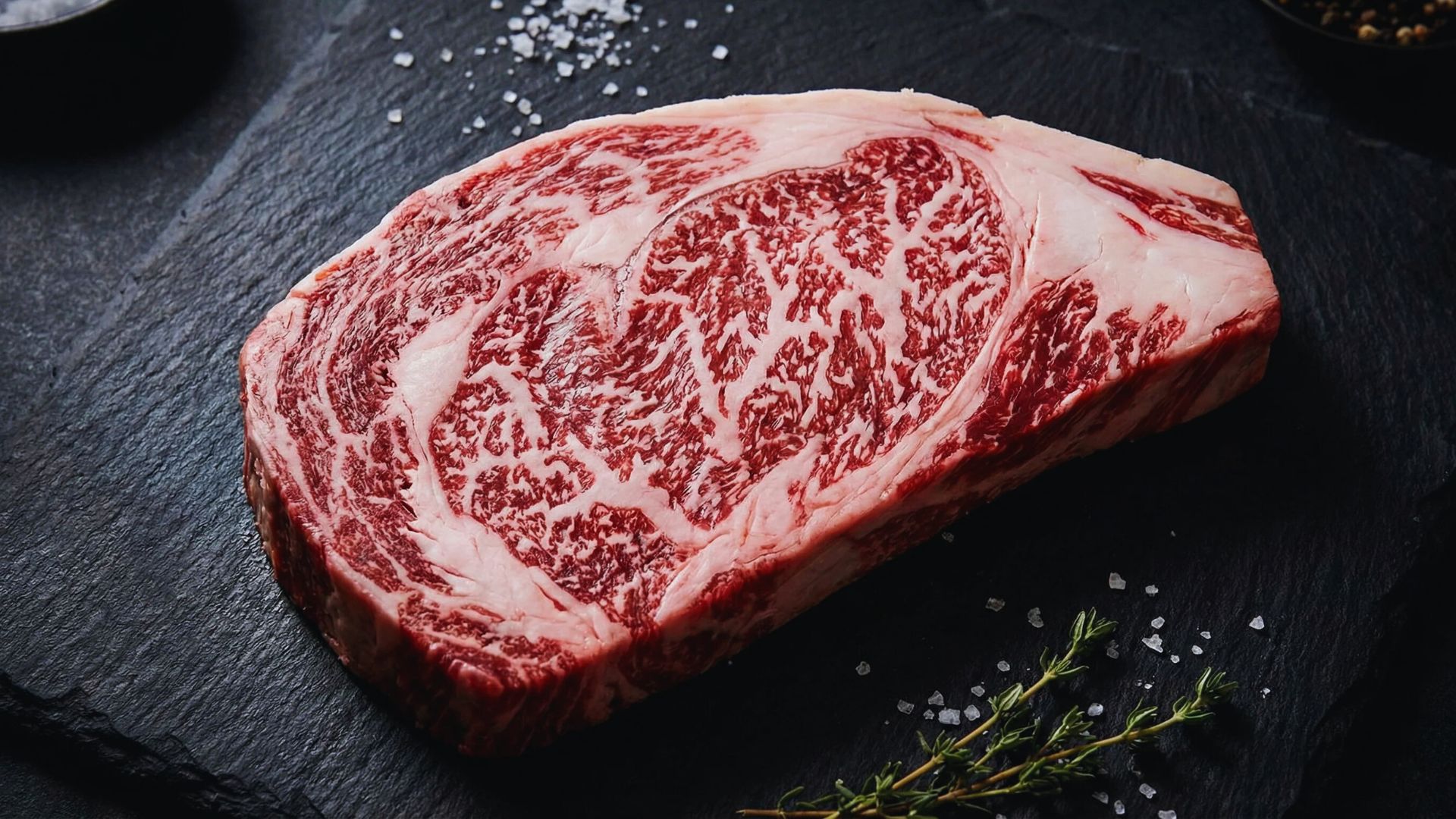
One of the most prized meats in the world, known for intense marbling and buttery texture. Even a small portion feels luxurious.
12. Gyudon
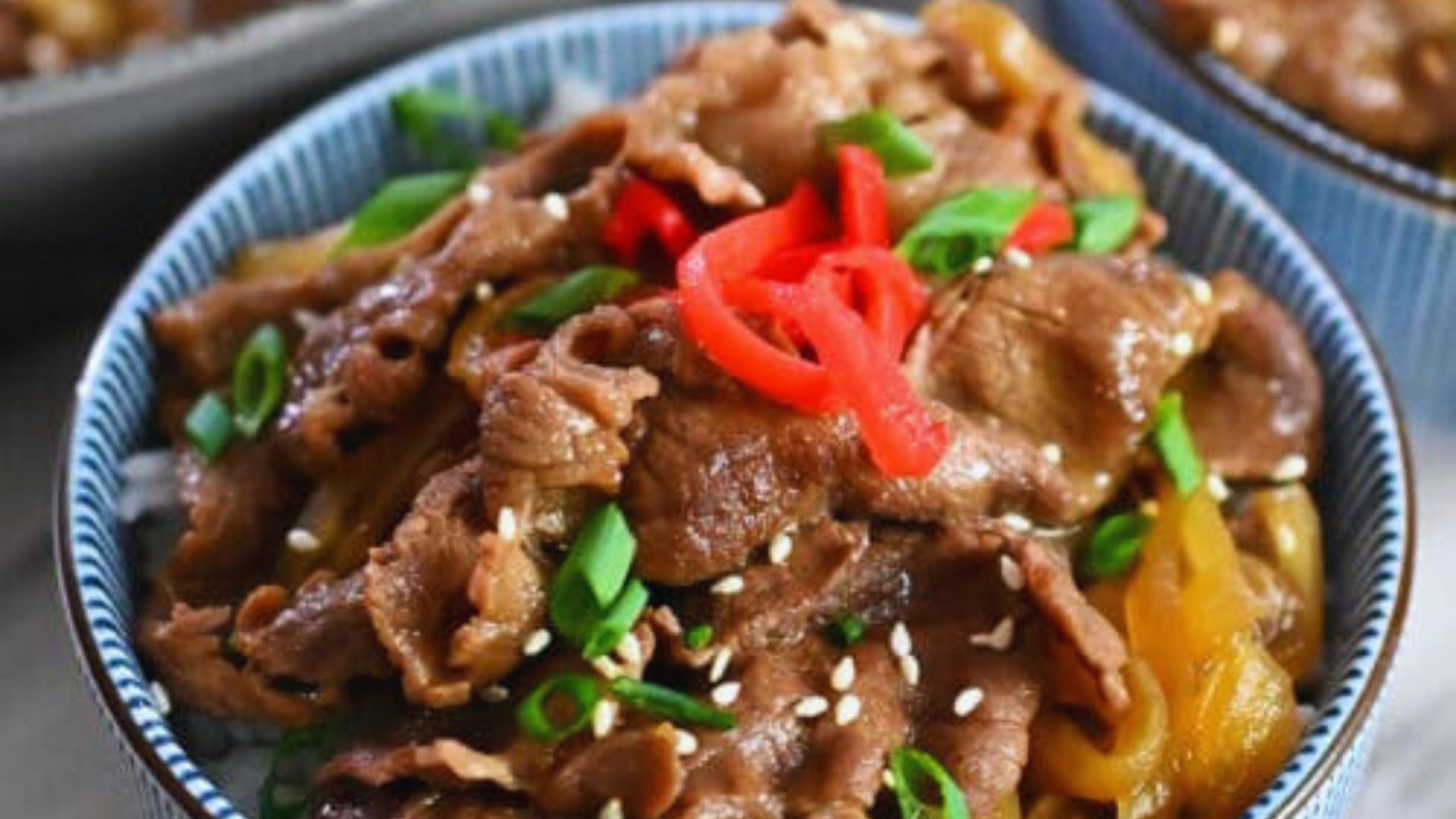
Thinly sliced simmered beef over a bowl of steamed rice. It’s quick, savory, and the ultimate weekday comfort meal.
13. Oyakodon
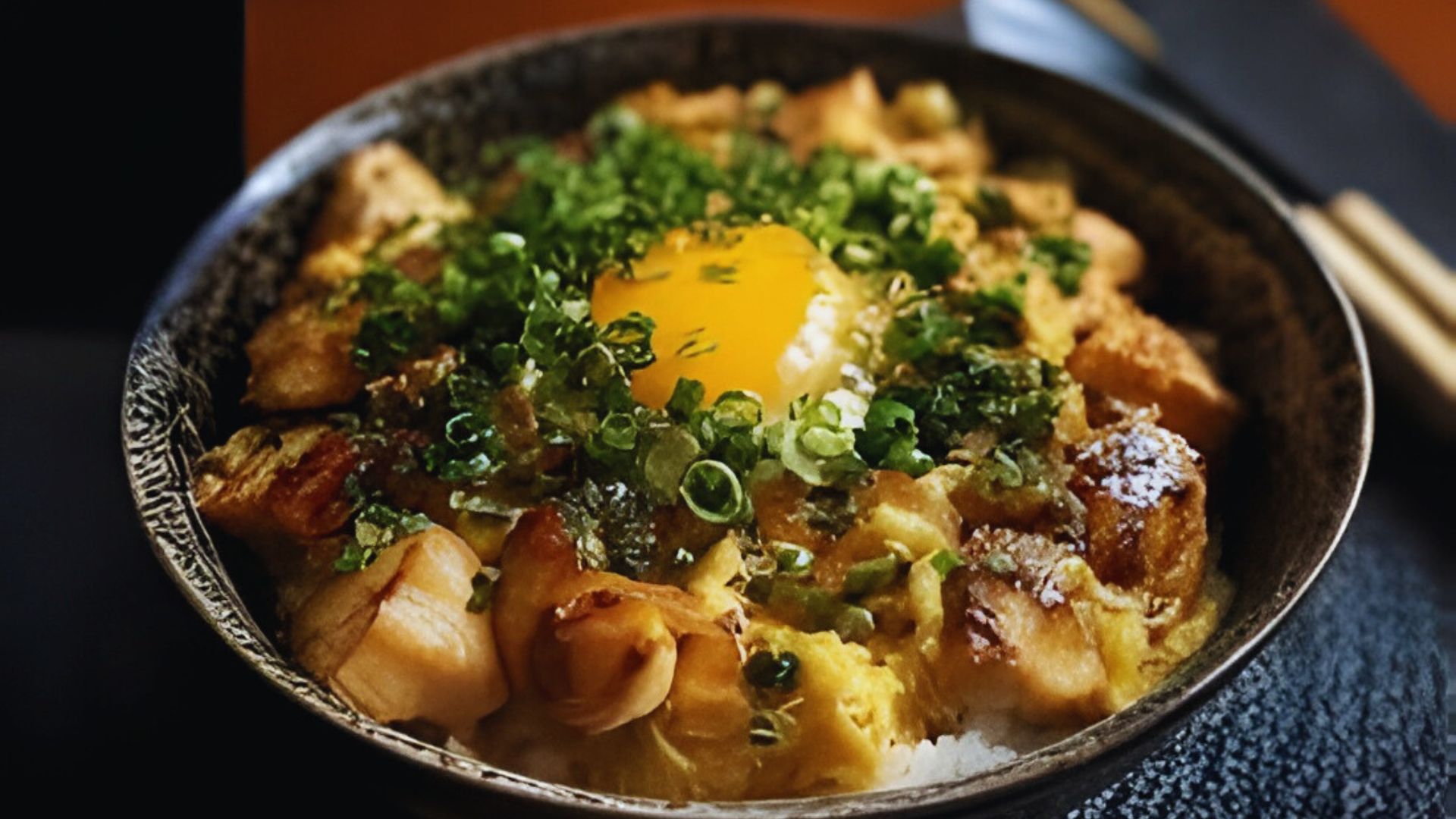
Chicken and egg simmered together in dashi, served over rice. The name means “parent and child bowl,” and it’s as cozy as it sounds.
14. Curry Rice
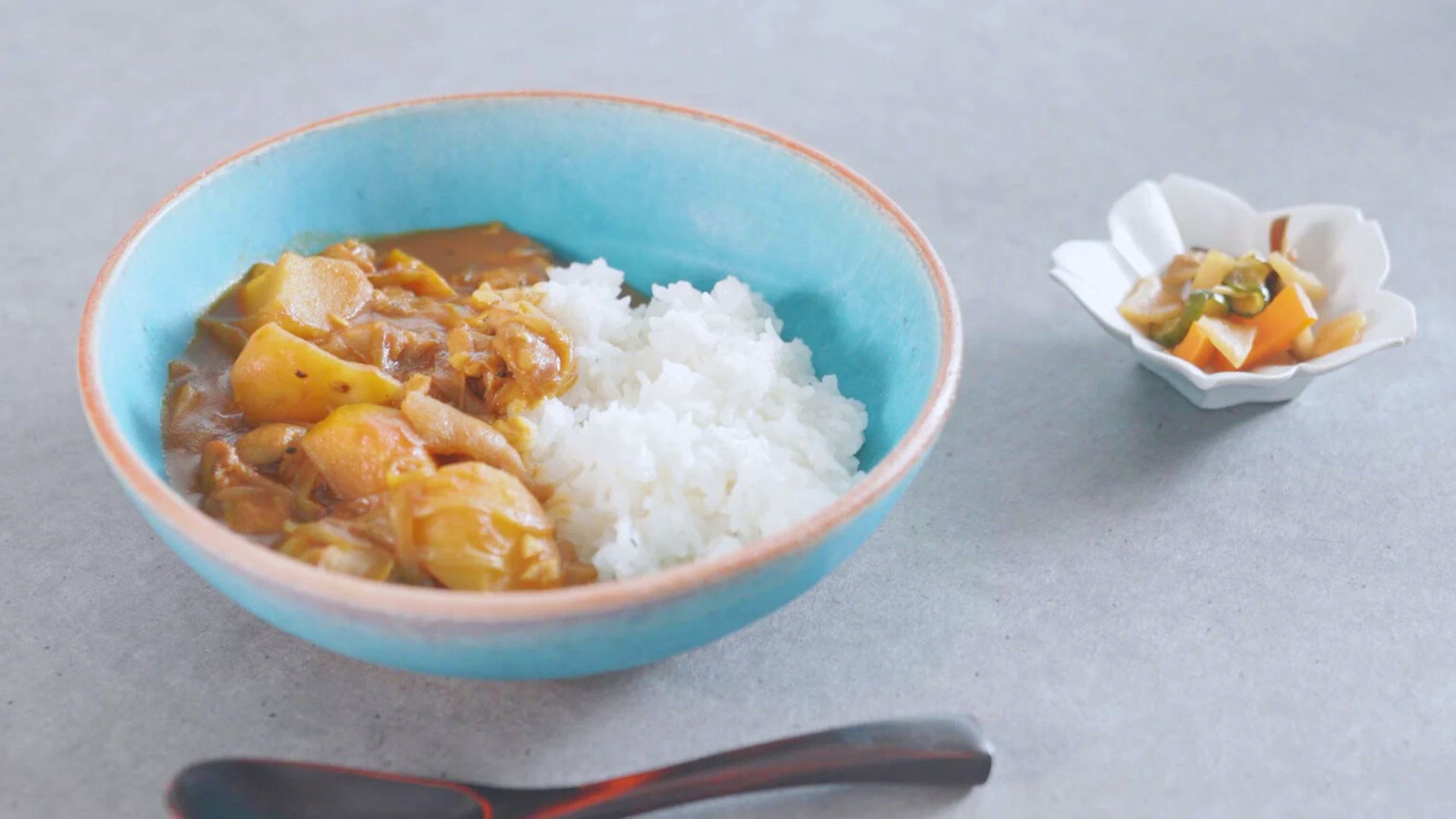
A thick, mild Japanese curry served over white rice with pickled vegetables. It’s sweeter and less spiced than Indian curry.
15. Onigiri
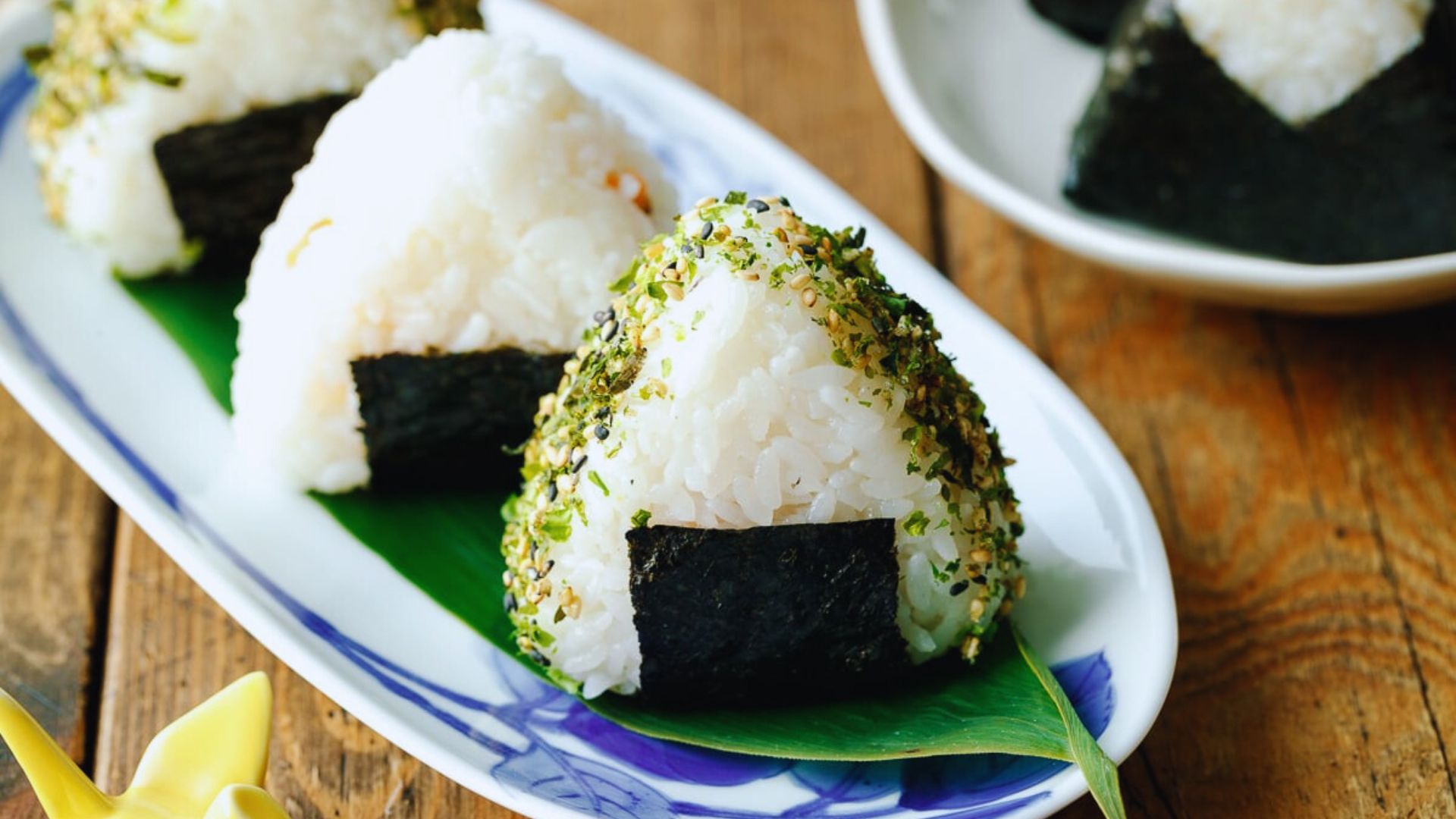
Triangular rice balls wrapped in seaweed and stuffed with fillings like tuna or pickled plum. A perfect grab-and-go snack found in every convenience store.
16. Takoyaki

Round, doughy balls filled with octopus, green onion, and ginger, topped with mayo and bonito flakes. A beloved Osaka street food.
17. Okonomiyaki
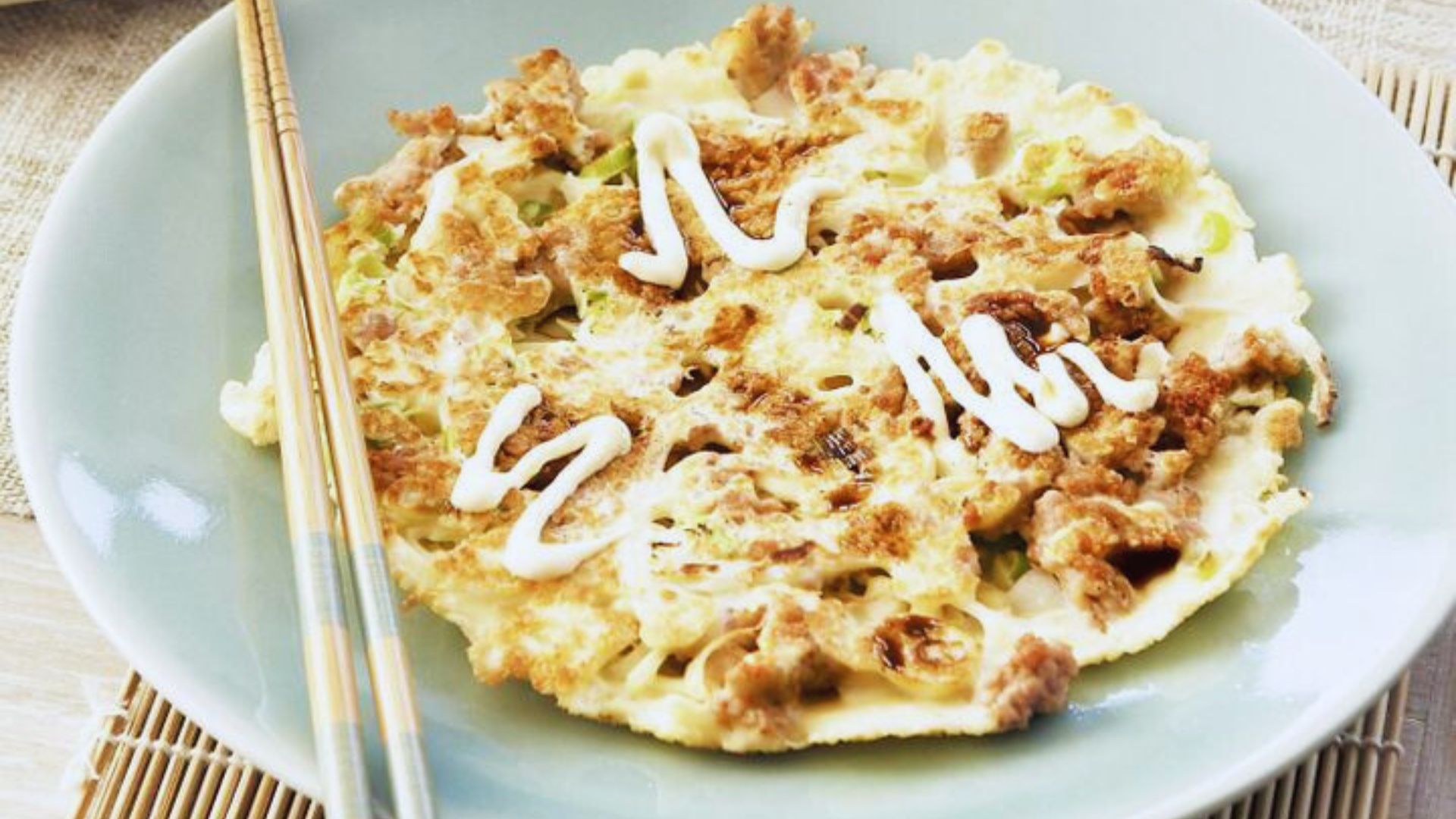
A savory pancake made with cabbage, egg, and your choice of meat or seafood. The name means “cooked as you like it.”
18. Yakisoba
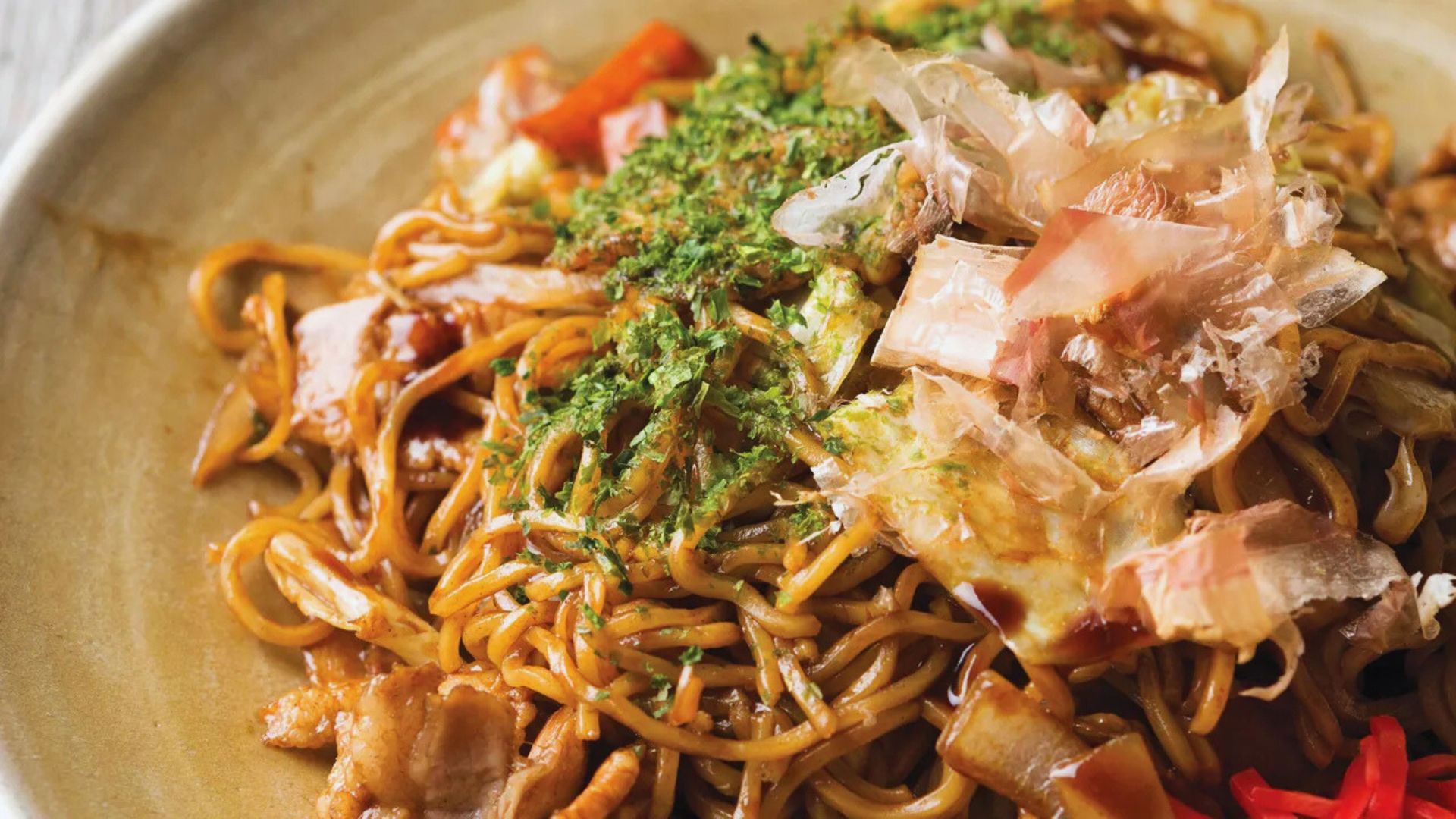
Stir-fried wheat noodles with pork and vegetables in a tangy Worcestershire-style sauce. A quick, smoky, satisfying dish.
19. Gyoza
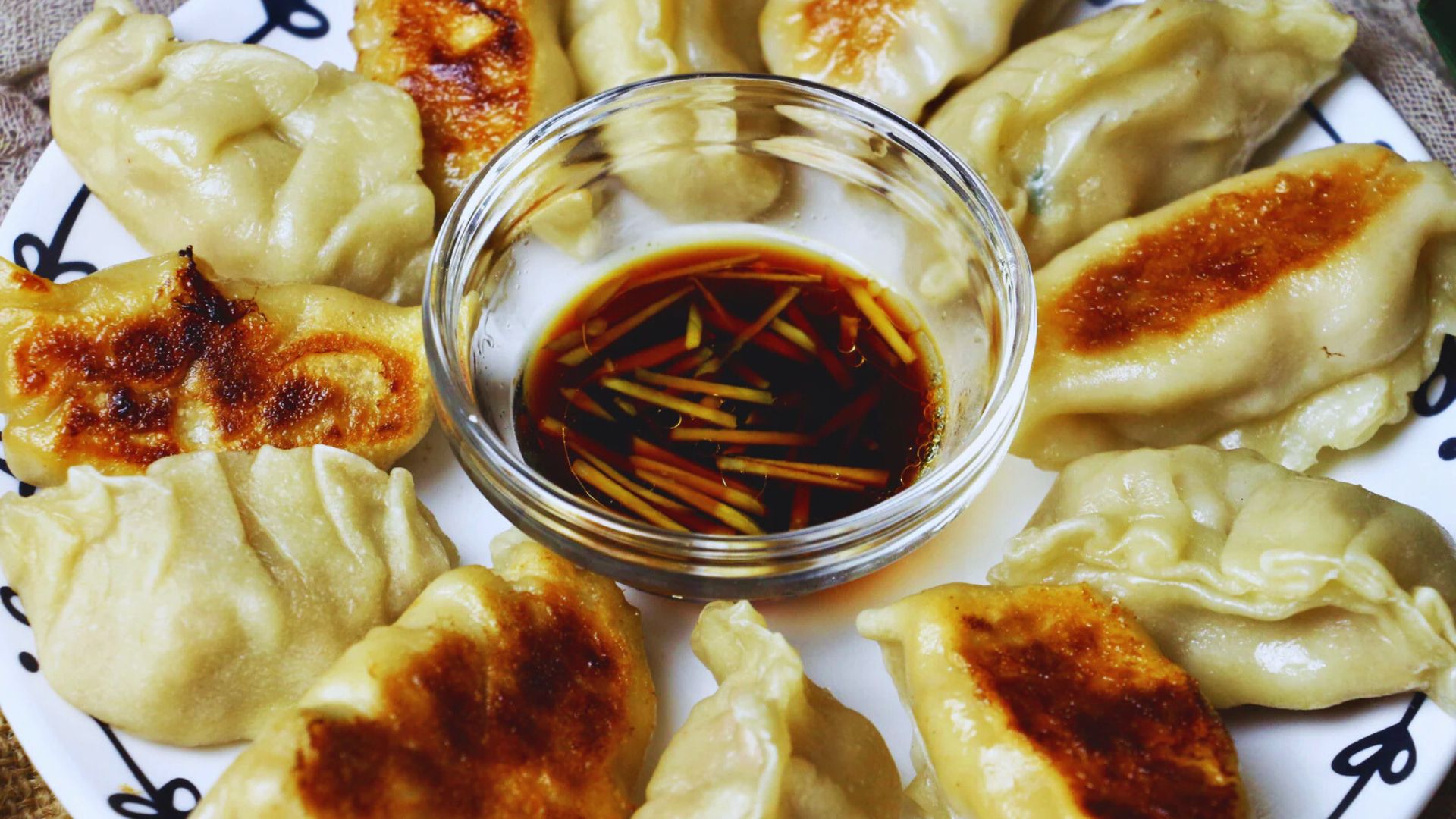
Pan-fried dumplings filled with pork and cabbage, crispy on one side and steamed on the other. Dip them in soy sauce with a splash of vinegar.
20. Korokke
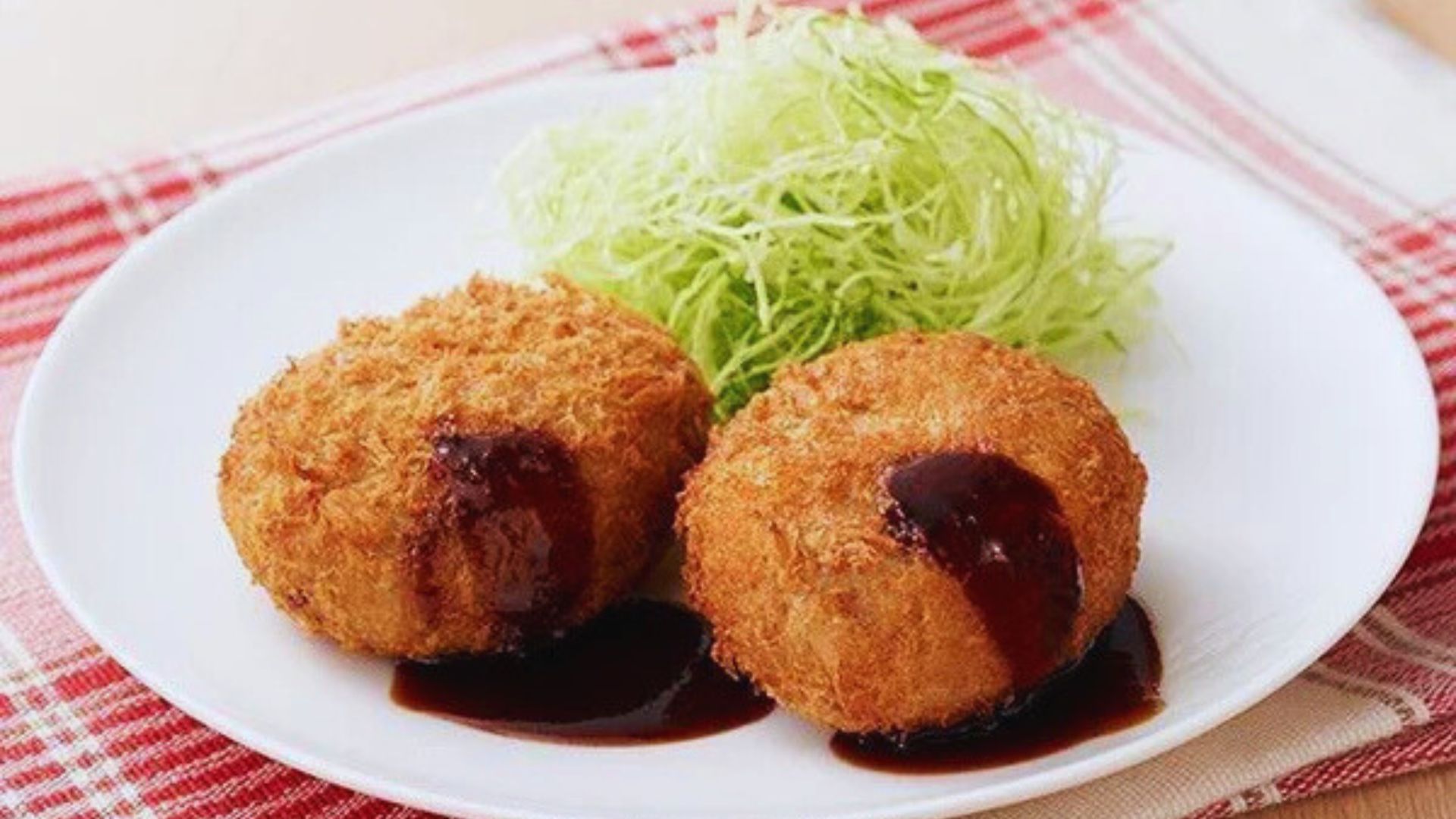
Japanese-style croquettes made from mashed potato and minced meat, coated in panko and fried. Cheap, filling, and deeply nostalgic for most Japanese people.
21. Karaage

Japanese fried chicken marinated in soy sauce and ginger, then fried until golden. It’s juicier and more flavorful than most fried chicken you’ve had.
22. Unagi
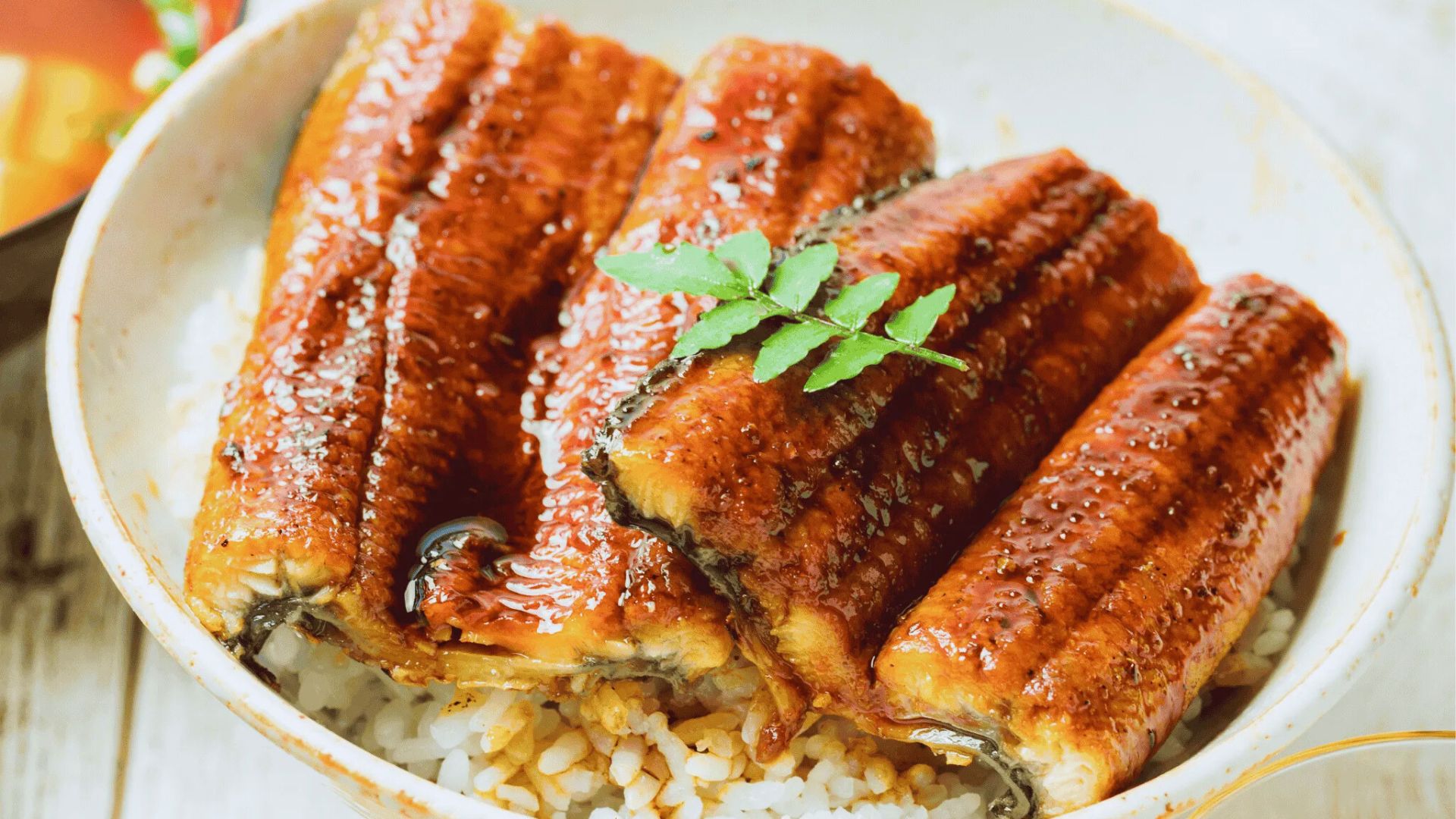
Freshwater eel grilled and glazed with a sweet soy-based sauce, usually served over rice. It’s rich, smoky, and deeply satisfying.
23. Saba
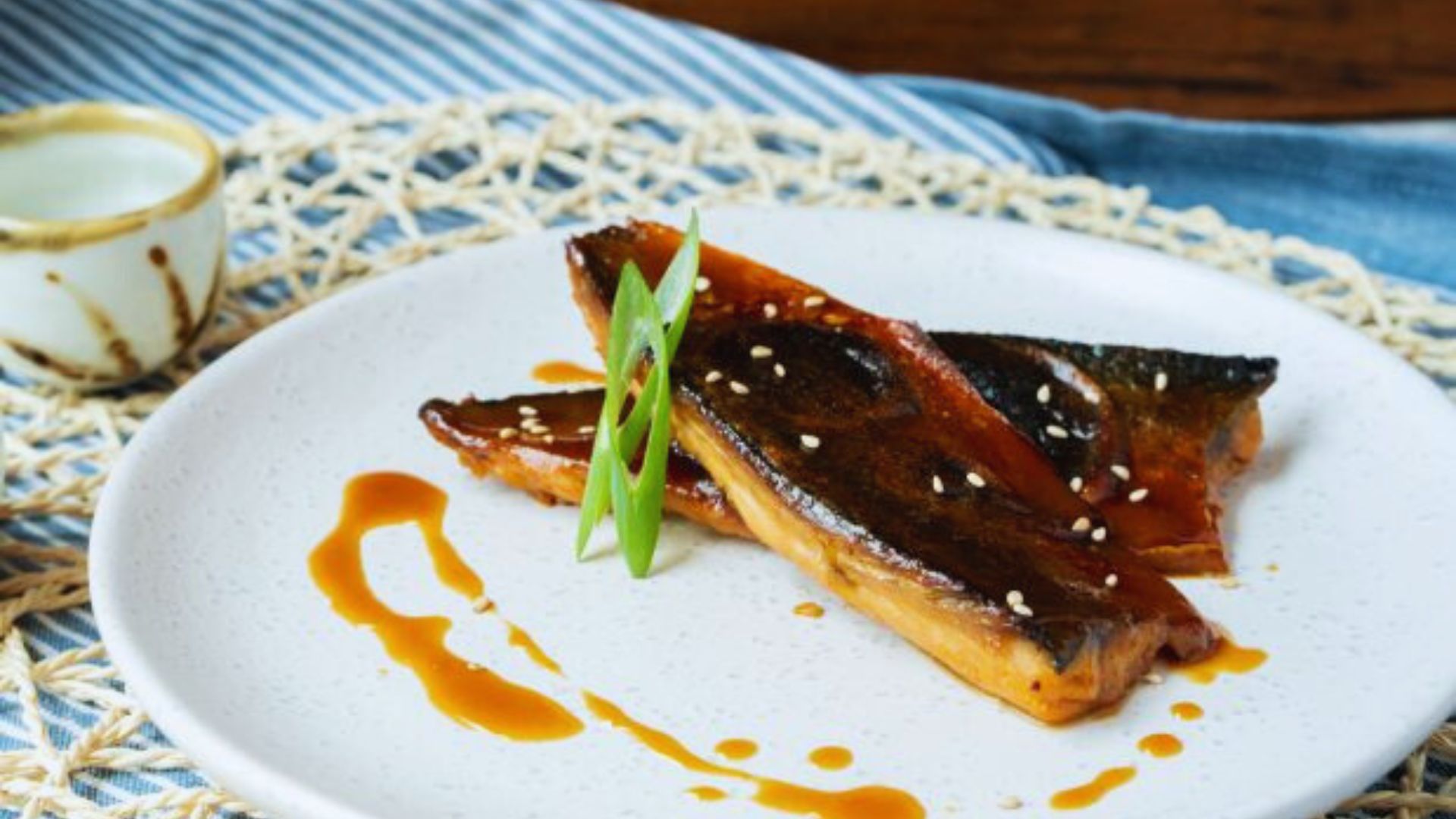
Grilled or simmered mackerel with miso or salt. A budget-friendly dish with bold, oily flavor.
24. Ankimo
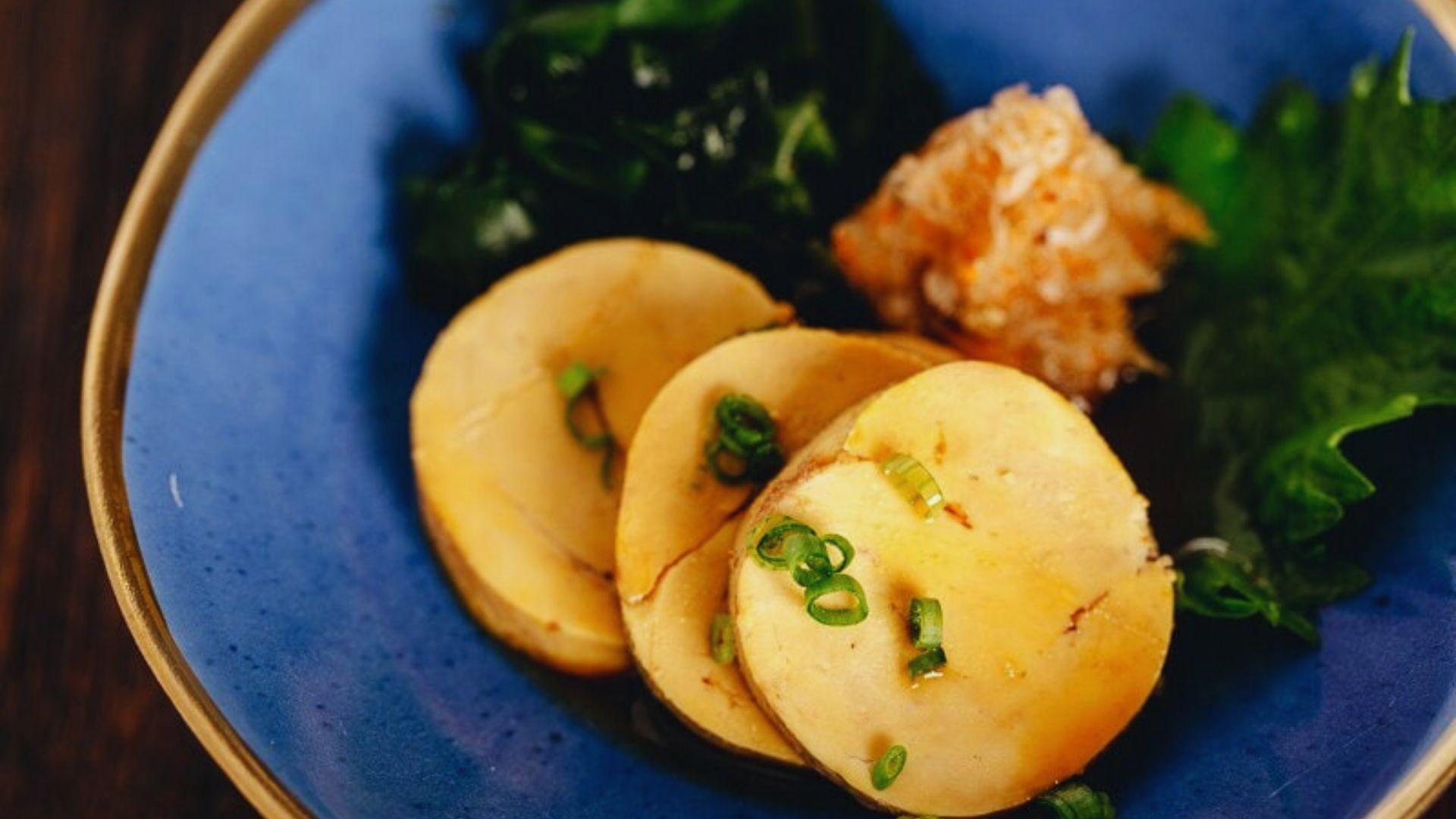
Monkfish liver, steamed and served with ponzu sauce. Called the “foie gras of the sea,” it’s a rich Japanese delicacy.
25. Kaki Fry
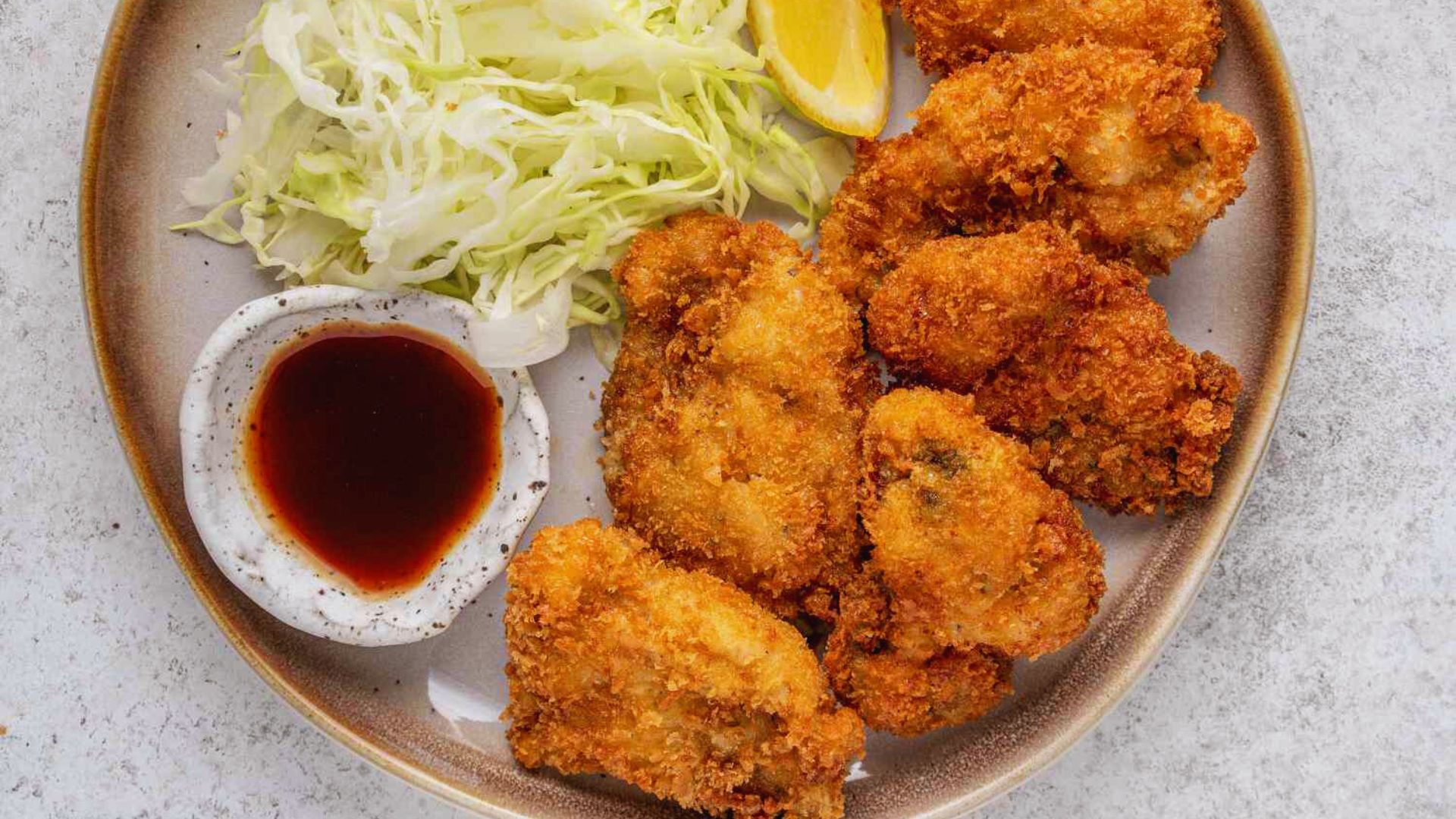
Breaded and deep-fried oysters served with tartar sauce. A seasonal favorite enjoyed most in autumn and winter.
26. Basashi
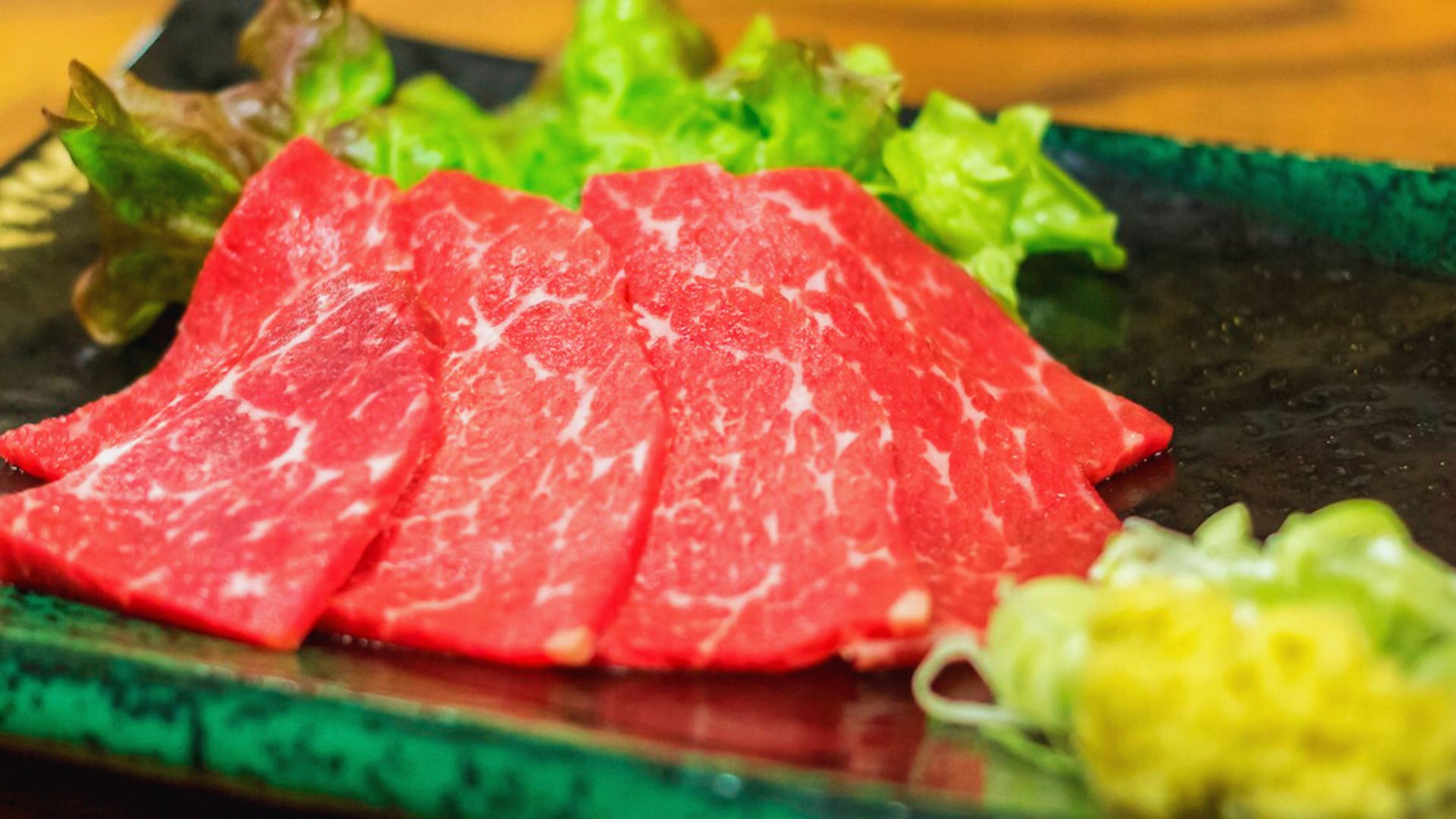
Raw horse meat is served as sashimi, often with garlic and ginger. A regional specialty from Kumamoto, not for the faint-hearted.
27. Shabu-Shabu

Paper-thin beef swished through a pot of simmering broth, then dipped in sesame or ponzu sauce. Light, elegant, and surprisingly filling.
28. Sukiyaki

Beef and vegetables simmered in a sweet soy broth, dipped into raw beaten egg before eating. Rich, warming, and deeply savory.
29. Nabe
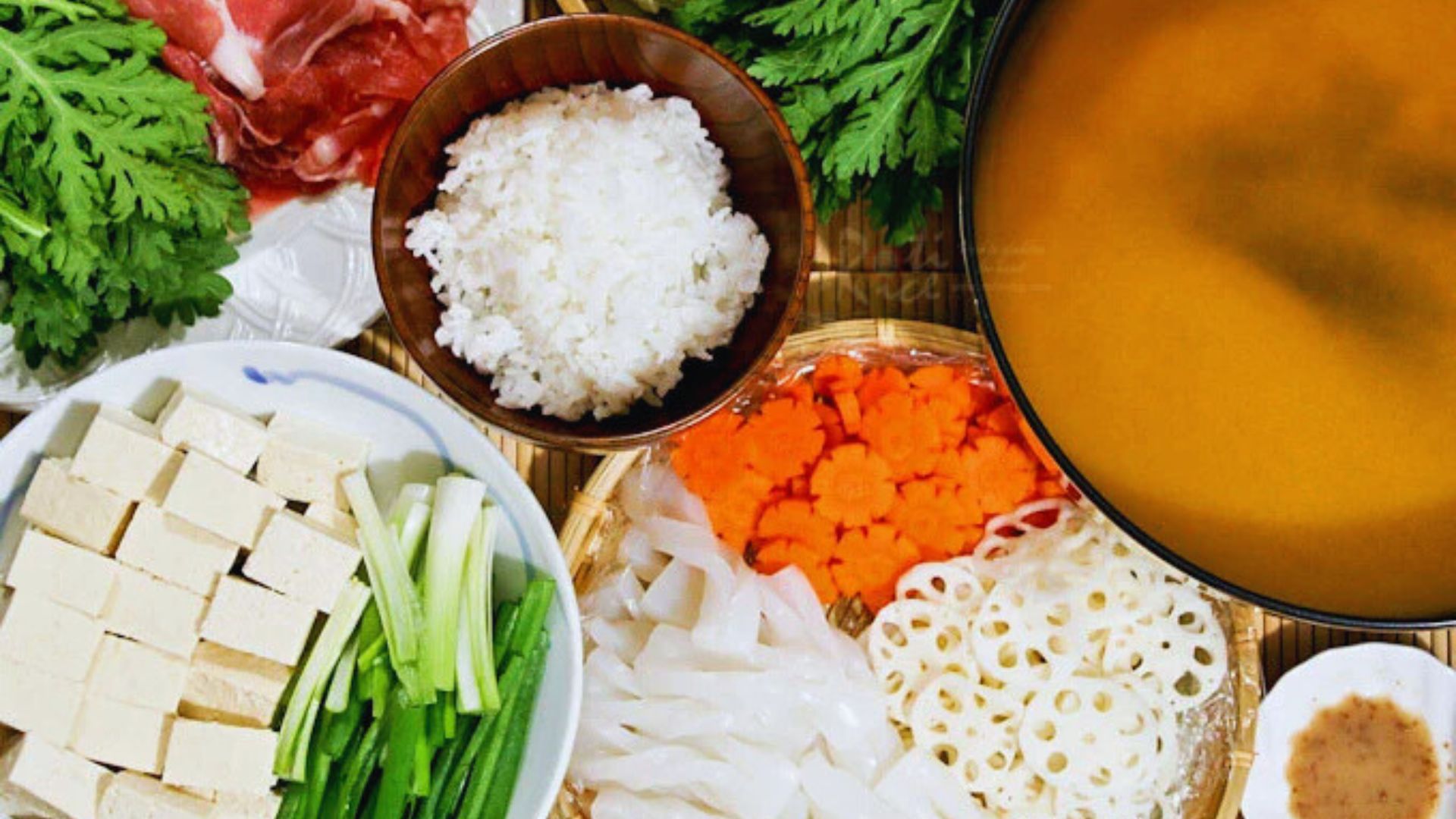
A hot pot dish with broth, vegetables, tofu, and protein cooked at the table. It’s a winter staple that brings people together.
30. Nikujaga
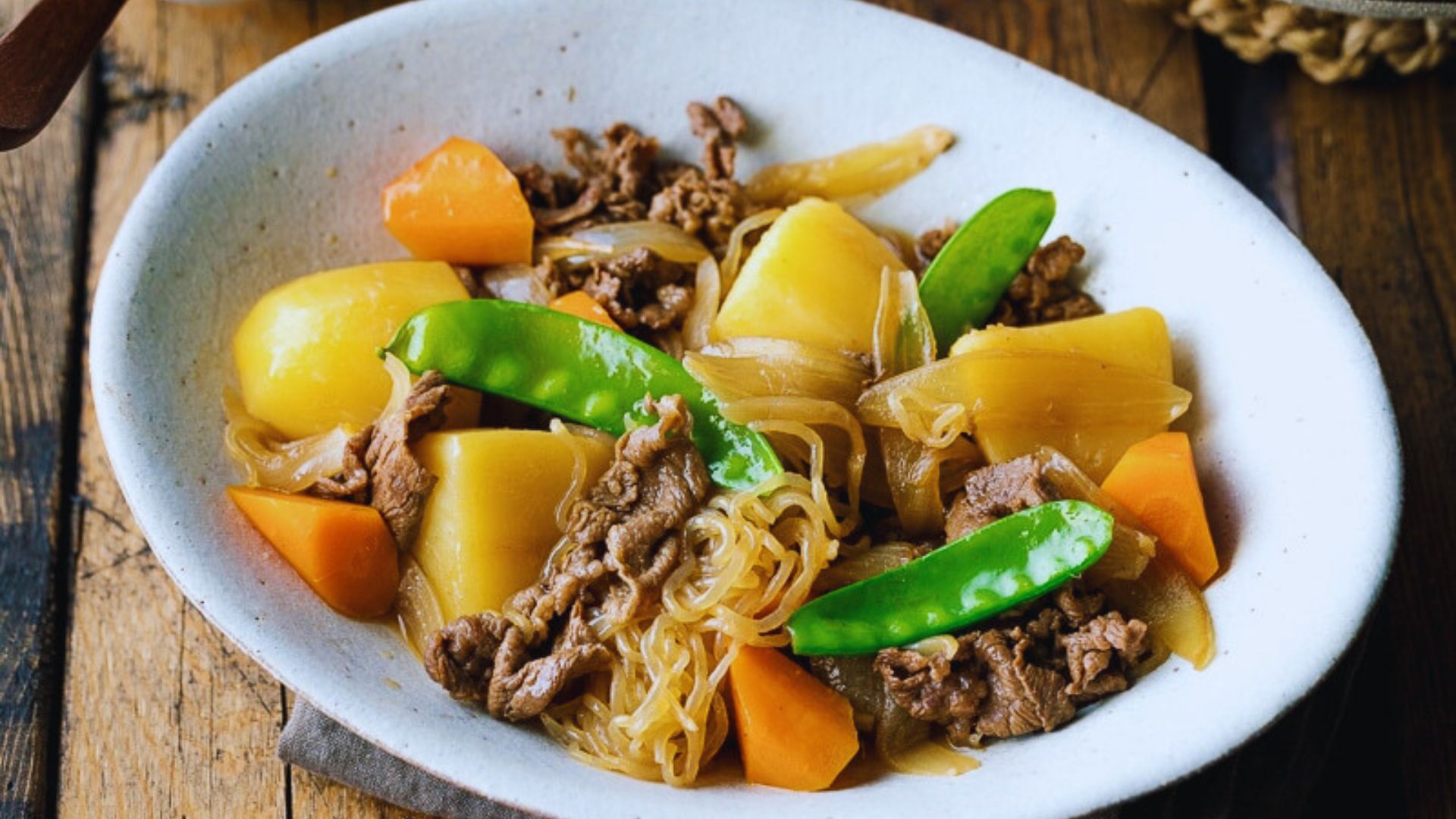
A homestyle stew of beef, potatoes, and onions in soy-mirin broth. Many Japanese people call this “mom’s cooking.”
31. Oden
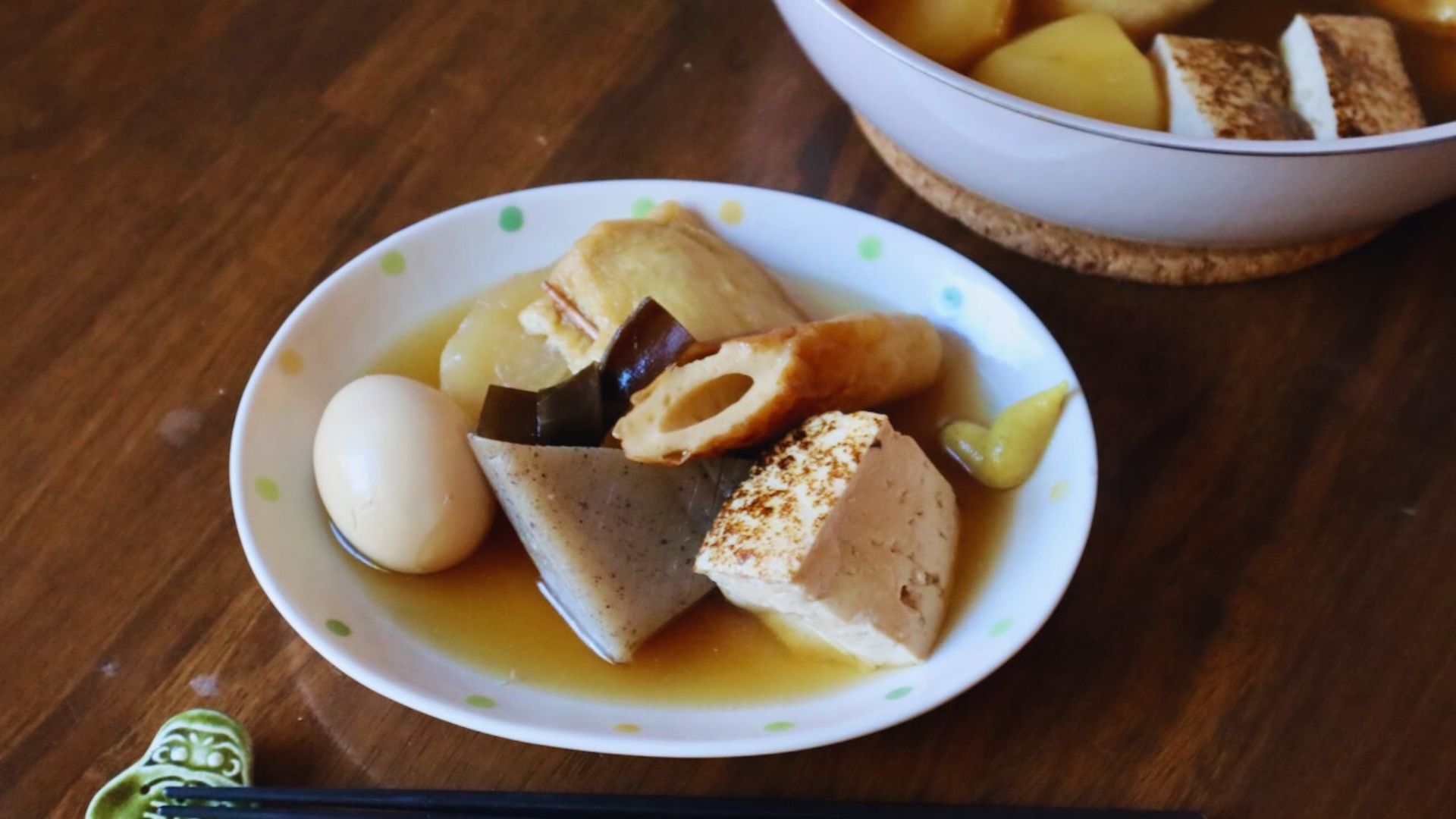
Slow-simmered fish cakes, tofu, daikon, and boiled eggs in a light soy broth. A classic winter comfort food sold at convenience stores.
32. Chanko Nabe

A high-protein hot pot traditionally eaten by sumo wrestlers, loaded with chicken, tofu, and vegetables. Hearty, warming, and surprisingly balanced.
33. Kaiseki

A multi-course fine dining experience based on seasonal Japanese ingredients. Each dish is a small work of art.
34. Shojin Ryori

Traditional Buddhist vegetarian cooking using tofu, vegetables, and mountain plants. It’s quietly elegant and deeply nourishing.
35. Osechi Ryori

Special boxed foods eaten during Japanese New Year, each item carrying symbolic meaning. A beautiful tradition tied to family and celebration.
36. Kappo Ryori

A chef-led dining style where the cook prepares dishes in front of you at a counter. More relaxed than kaiseki but equally skillful.
37. Tofu (Hiyayakko)
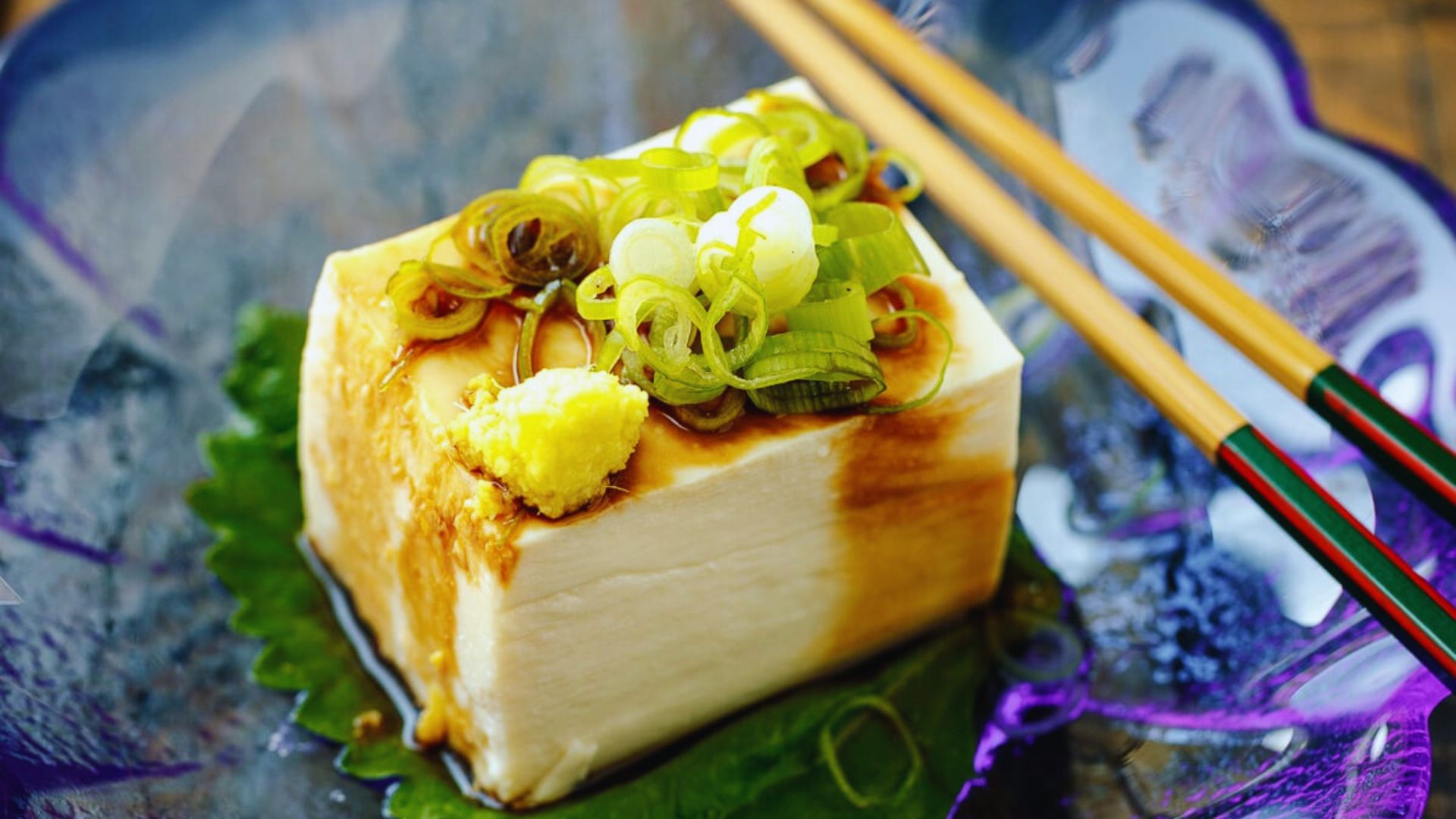
Cold silken tofu topped with ginger, green onion, and soy sauce. Simple, refreshing, and clean-tasting.
38. Chawanmushi
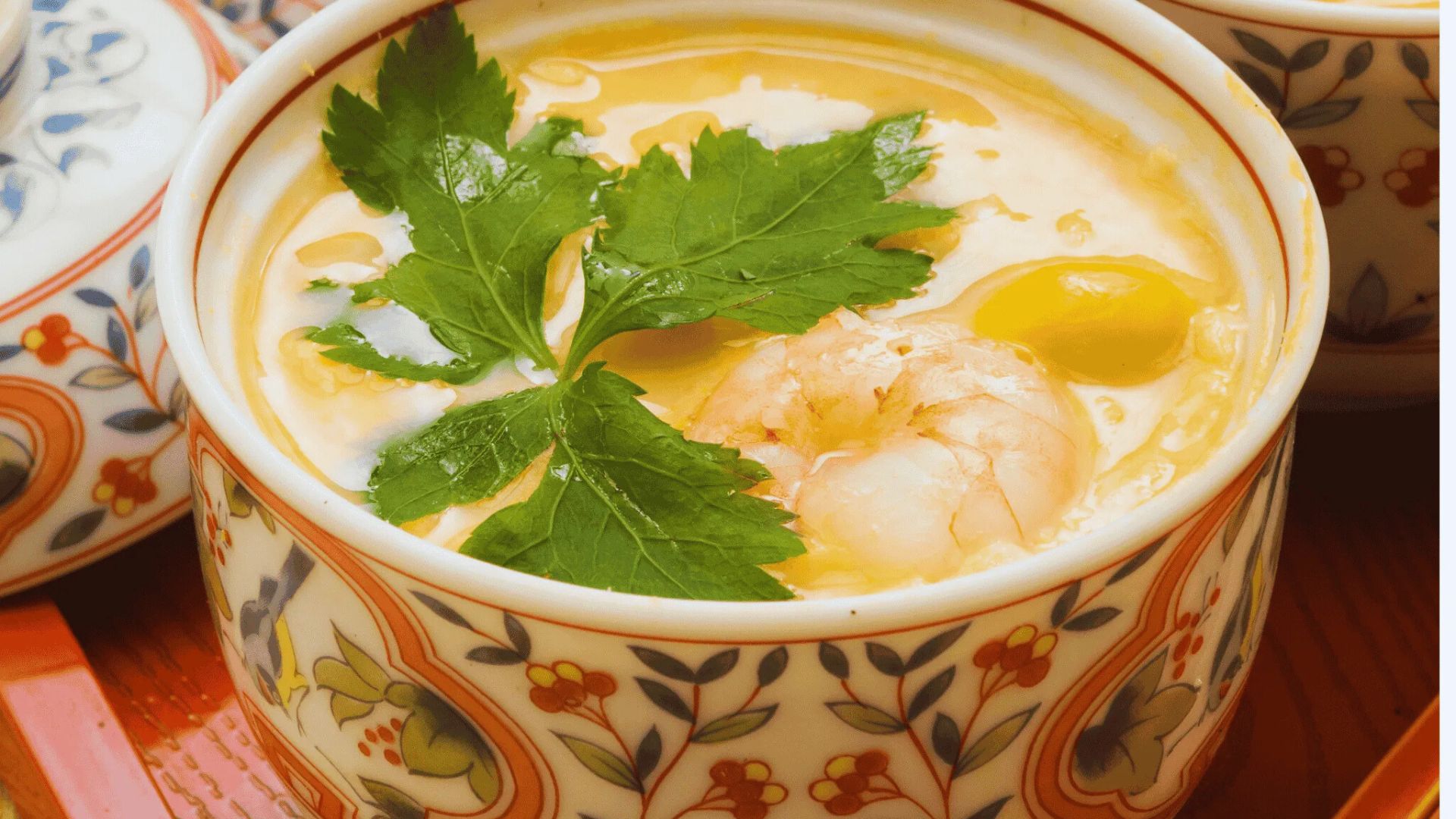
A silky steamed egg custard with shrimp, mushrooms, and ginkgo nuts inside. Soft and savory, it melts on the tongue.
39. Tsukemono
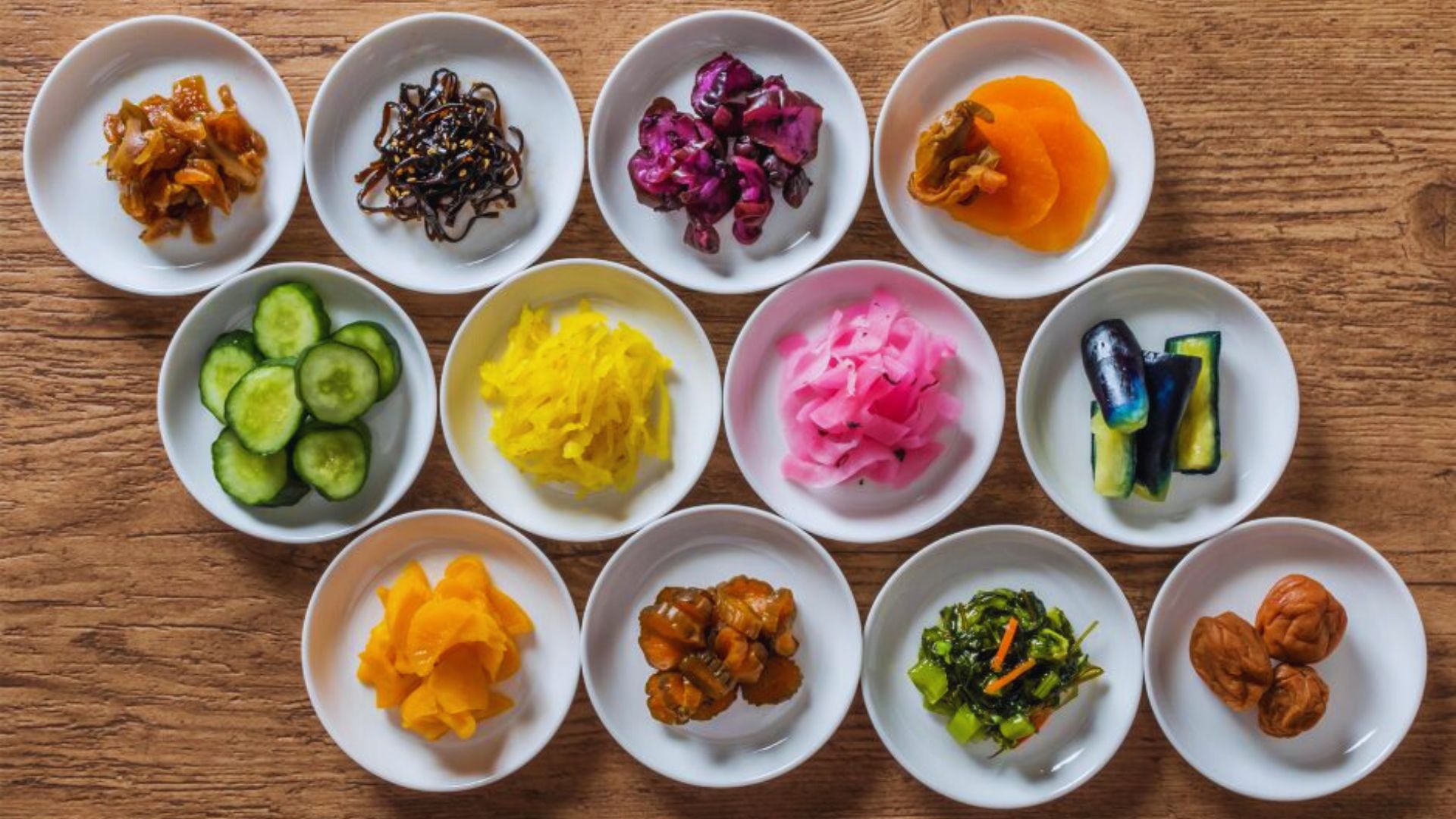
Japanese pickled vegetables like cucumber, daikon, and eggplant. Served as a side dish to balance richer flavors.
40. Tamagoyaki
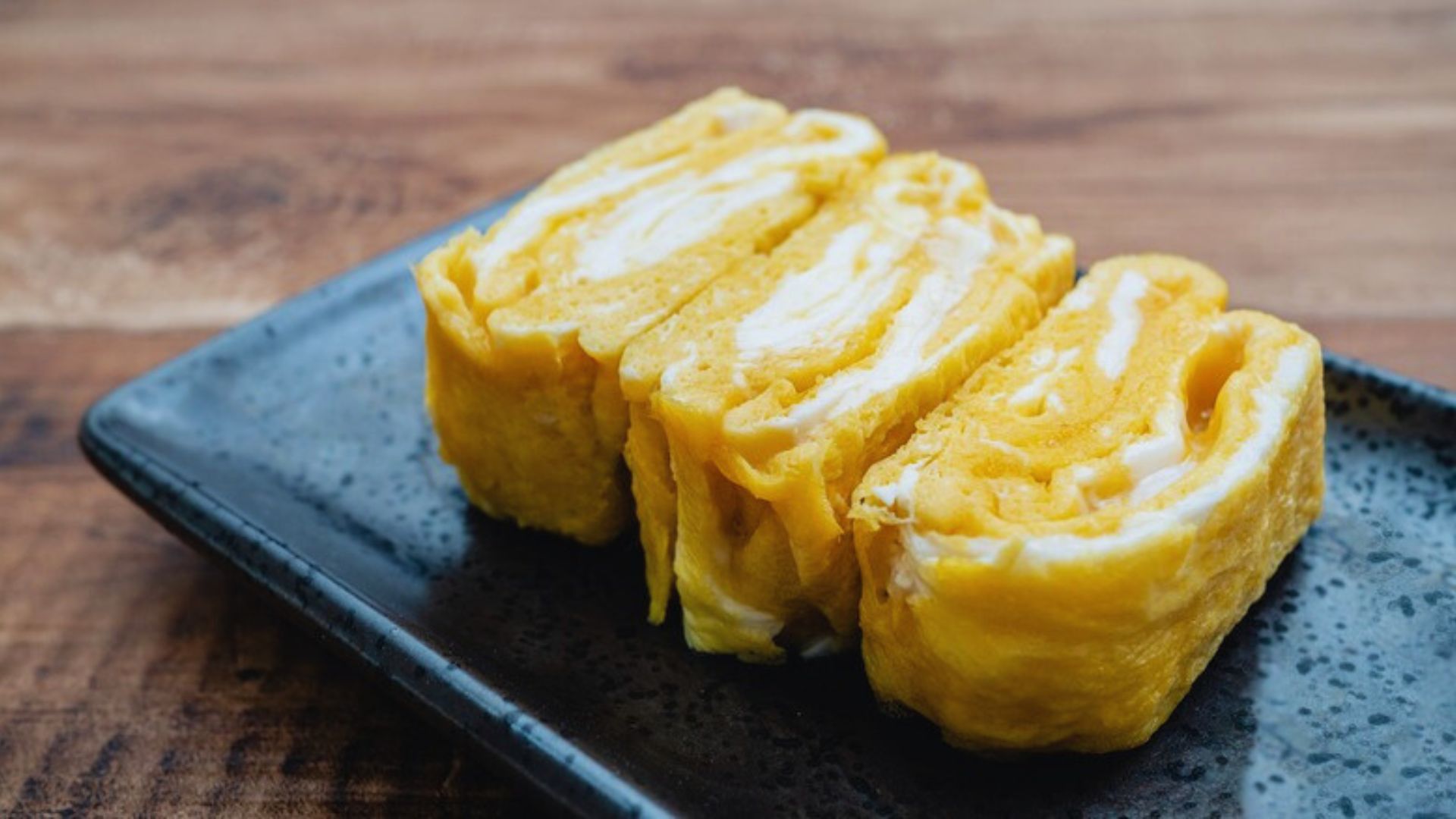
A sweet and savory rolled Japanese omelette cooked in a rectangular pan. It’s a lunchbox staple and a true cooking skill to master.
41. Somen
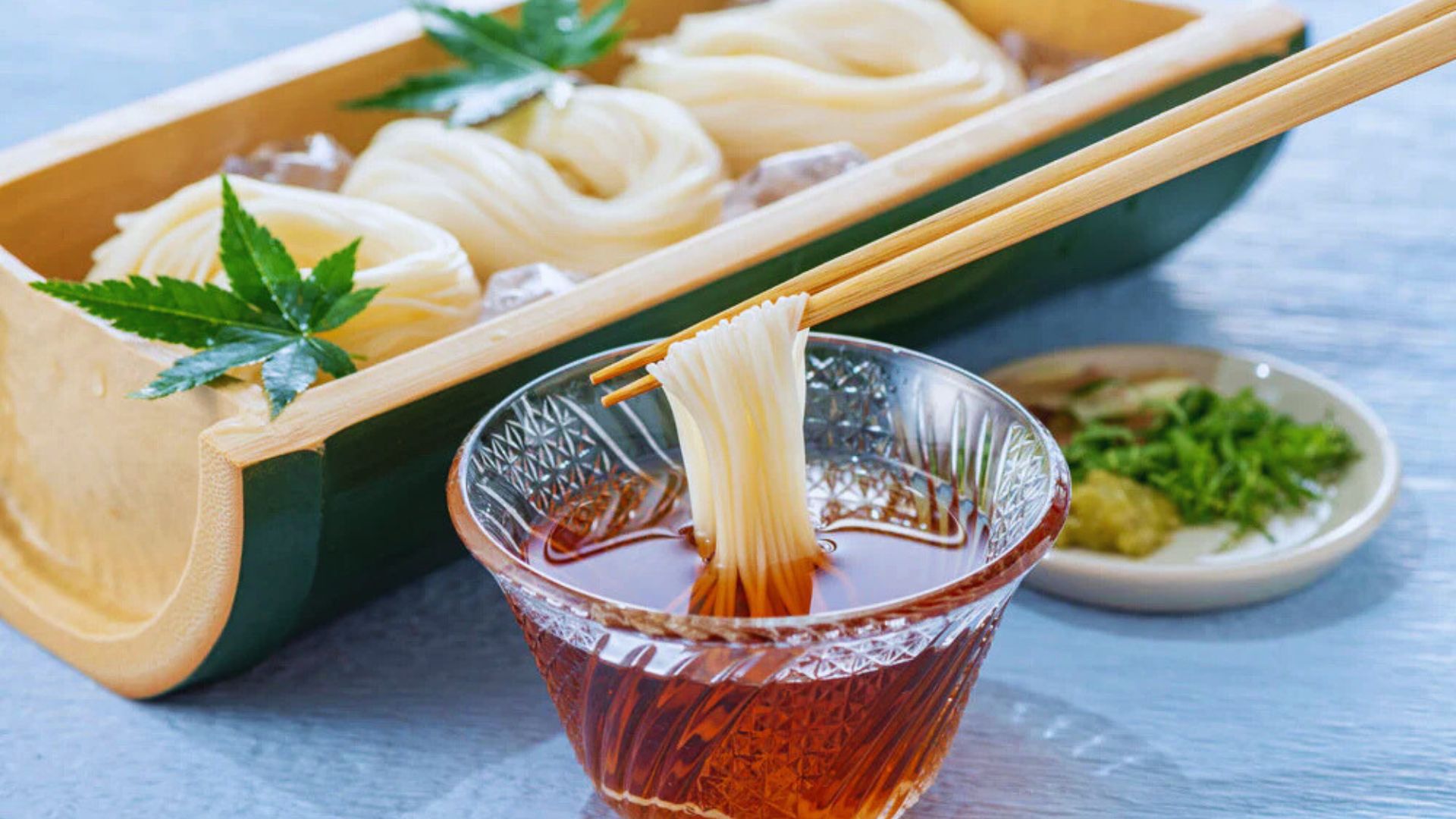
Very thin wheat noodles are usually served cold with a light dipping sauce. A summer dish that feels cool and effortless to eat.
42. Hiyashi Chuka
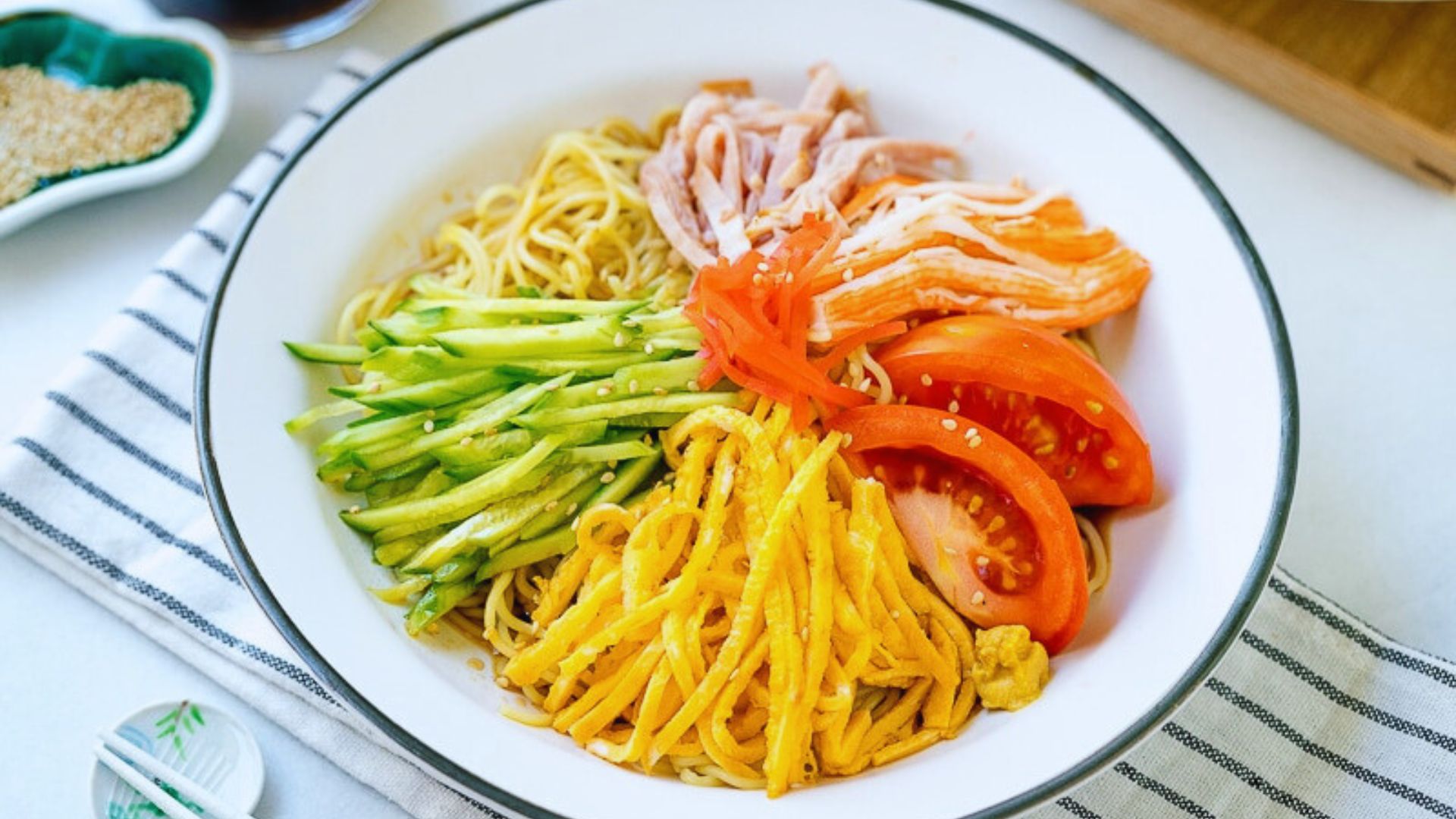
Chilled ramen noodles topped with colorful toppings like ham, cucumber, and egg in a tangy sesame or soy dressing. A summer classic.
43. Mochi
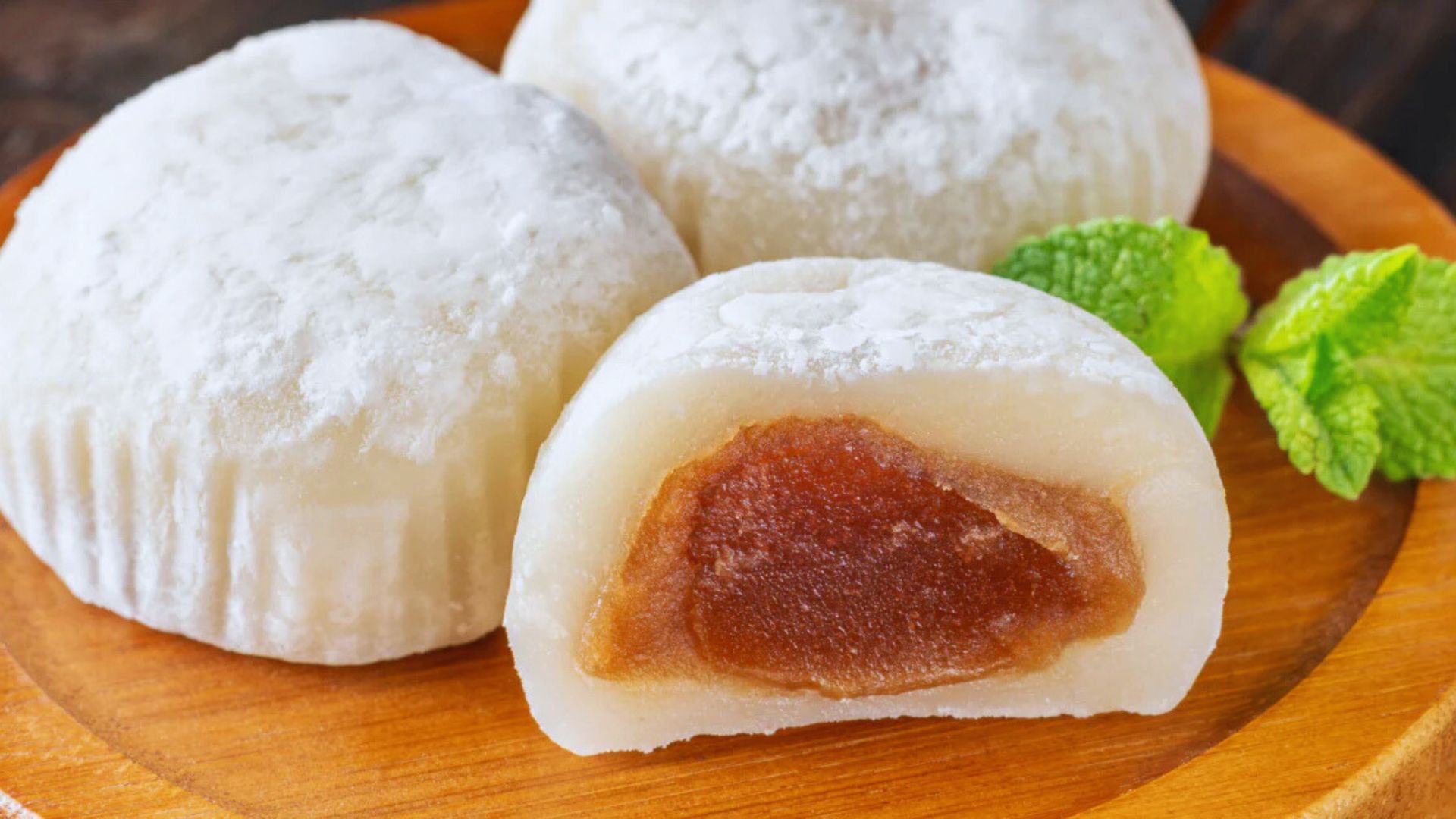
Soft, chewy rice cakes made from pounded glutinous rice. Eaten plain, with bean paste, or filled with ice cream.
44. Wagashi

Traditional Japanese sweets made from bean paste, rice flour, and seasonal ingredients. Each piece looks like a tiny piece of nature.
45. Yokan
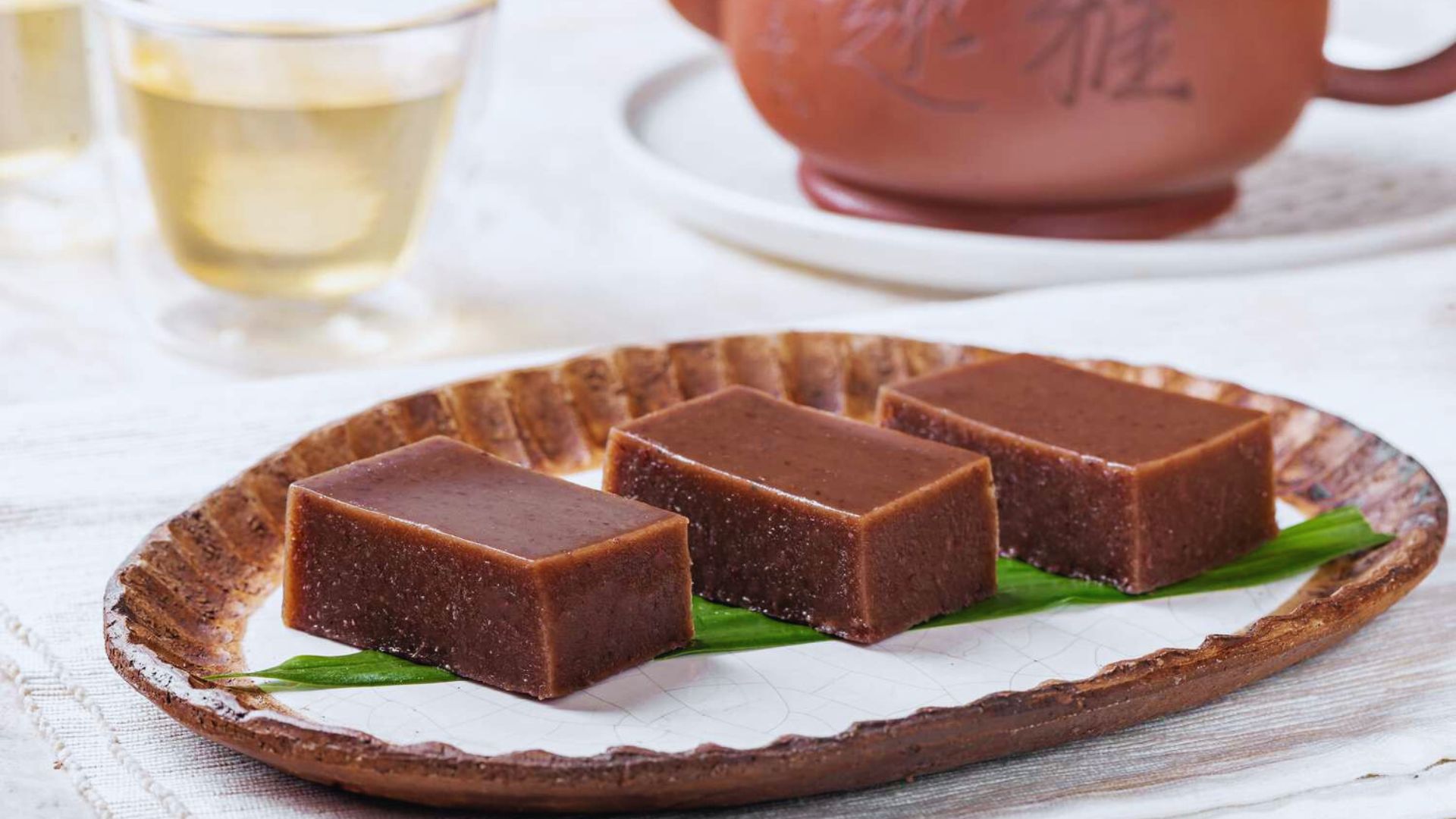
A firm, sweet jelly made from red bean paste and agar. Sliced into neat rectangles and eaten with green tea.
46. Anmitsu
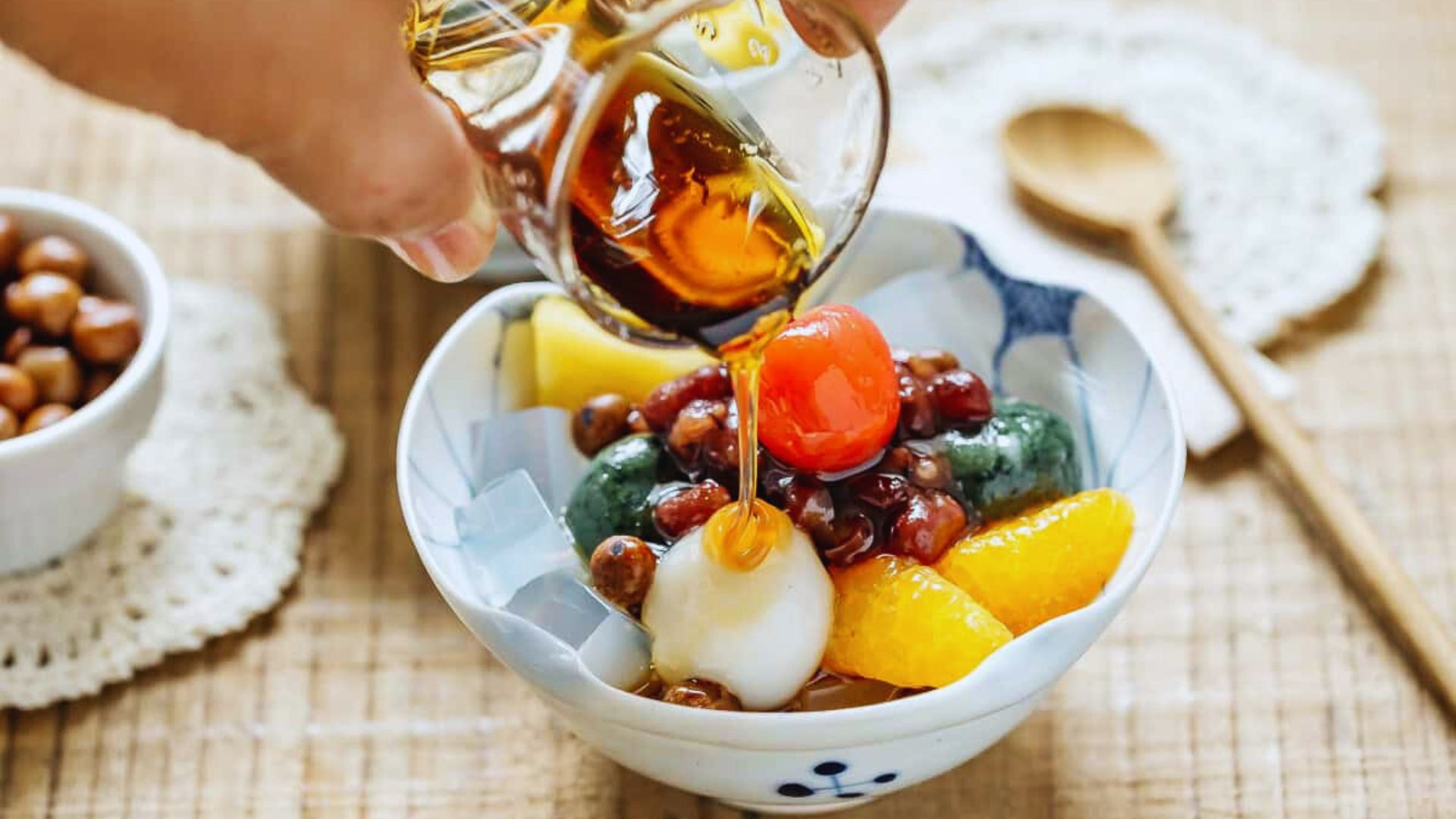
A chilled dessert of agar jelly, sweet bean paste, and fruit, drizzled with black sugar syrup. Light, sweet, and refreshing.
47. Warabimochi
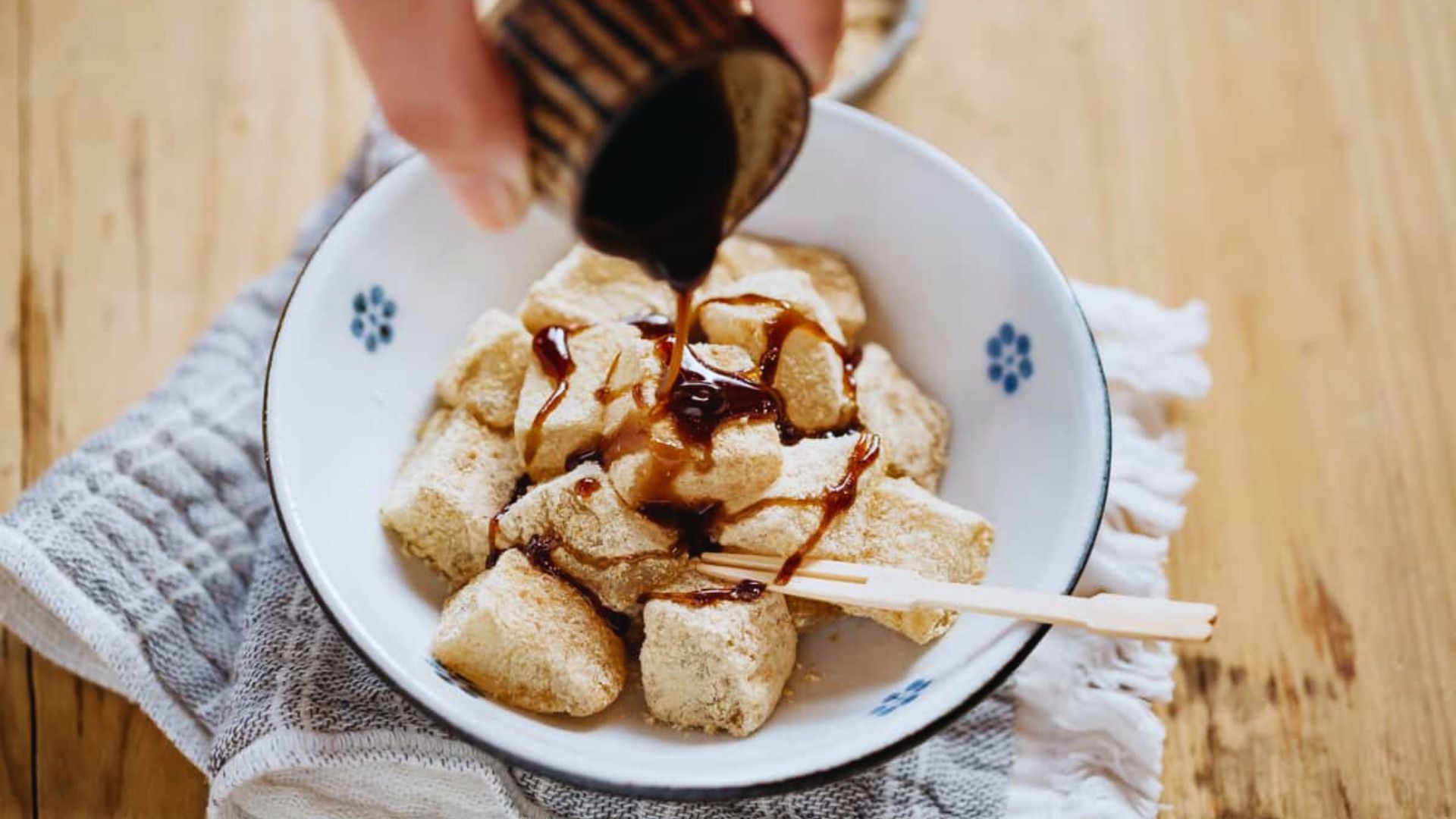
A soft, wobbly treat made from bracken starch, dusted in roasted soybean powder and black syrup. Lighter and more delicate than regular mochi.
48. Zenzai / Oshiruko

A warm sweet soup made from red bean paste with mochi or rice dumplings. It’s the Japanese equivalent of a warm hug in a bowl.
49. Gyutan
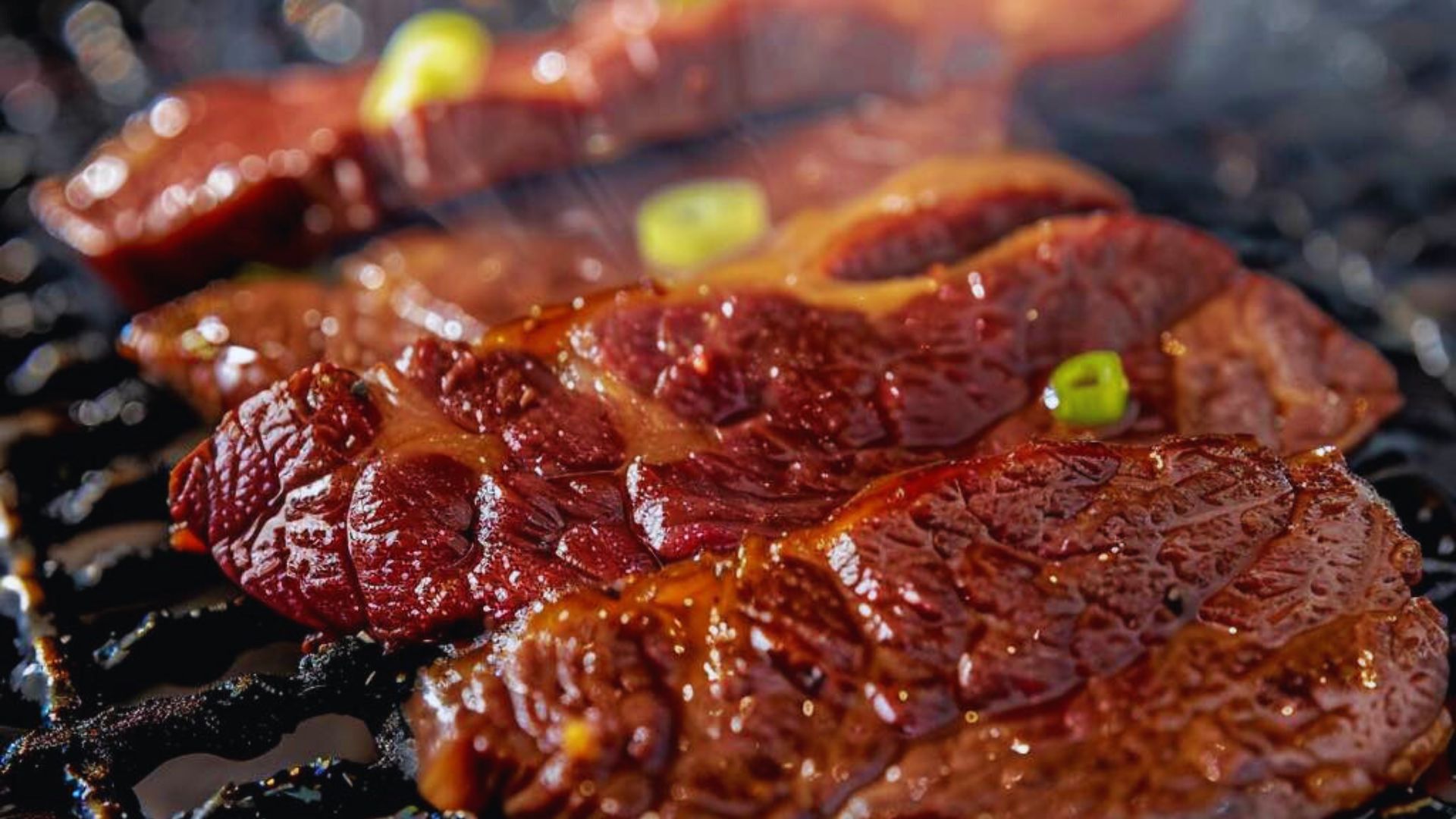
Grilled beef tongue, thinly sliced and seasoned simply with salt. A Sendai specialty that’s tender and full of flavor.
50. Ochazuke
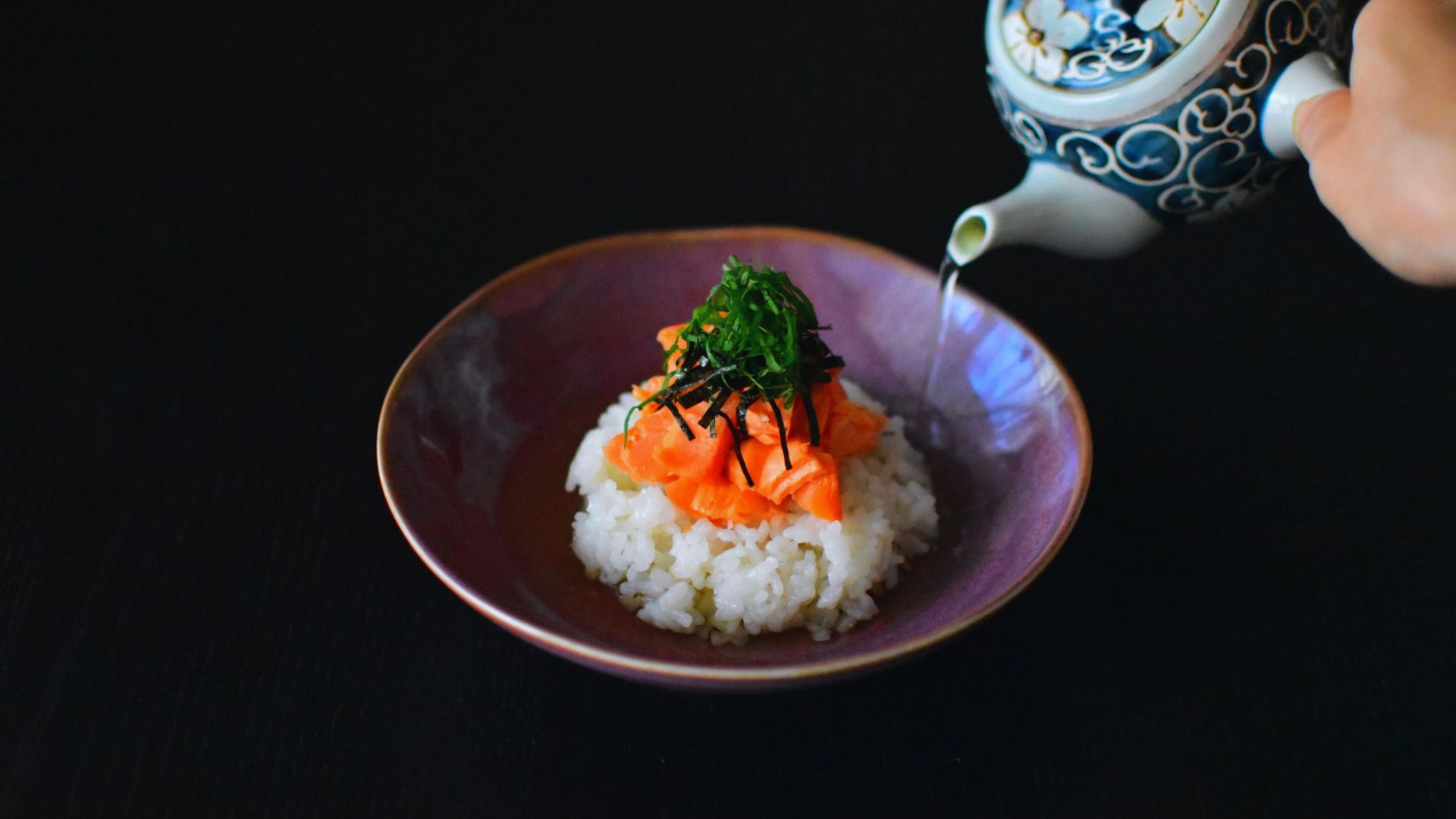
Steamed rice with green tea or dashi poured over it, topped with pickles or fish. The perfect light meal or end to a long night.
Most Popular Japanese Food Recipes You Can Try at Home
 You don’t need a Japanese kitchen to cook great Japanese food, just a few key ingredients.
Easy Japanese Recipes for Beginners
Start with miso soup, tamagoyaki, and onigiri. These three dishes teach you the basics of Japanese flavor and technique.
Popular Restaurant-Style Recipes
Karaage, gyoza, and curry rice are all easy to replicate at home with ingredients from most Asian grocery stores.
Quick Japanese Meals
Ochazuke, soba noodles, and oyakodon take under 20 minutes and use pantry staples you likely already have.
Most Popular Japanese Food Vegetarian Options

Japanese cuisine has more vegetarian-friendly dishes than most people realize.
Best Vegetarian Japanese Dishes
Hiyayakko, miso soup, tsukemono, soba, and agedashi tofu are all plant-based or easy to make. Many wagashi desserts are also vegan.
Shojin Ryori (Buddhist Cuisine)
This centuries-old cooking style uses zero animal products. Dishes like sesame tofu and simmered root vegetables are rich in flavor without any meat.
Tips for Eating Vegetarian in Japan
Tell restaurants you avoid fish broth (niboshi and dashi are common). Convenience stores often stock onigiri with pickled plum or vegetable fillings.
Best Japanese Food Experiences to Try

How you eat matters just as much as what you eat in Japan.
Street Food and Local Markets
Takoyaki stalls, yakisoba carts, and fresh taiyaki shops at festivals are part of how Japan eats outdoors. Go hungry.
Izakaya Dining
An izakaya is a Japanese pub where small plates arrive with drinks. It’s casual, loud, and one of the most fun ways to eat in Japan.
Omakase and Fine Dining
At an omakase restaurant, the chef decides everything. You sit, trust, and eat whatever comes; it’s often the best meal of your life.
How to Choose the Right Japanese Food for You

Not sure where to start? Here’s a simple guide based on your taste.
Beginner-Friendly Options
Sushi, ramen, gyoza, and curry rice are safe starting points. They’re familiar in texture and easy to love from the first bite.
For Adventurous Eaters
Try basashi, ankimo, or kaki fry. These dishes push past comfort zones but reward the curious with incredible depth of flavor.
Based on Taste Preferences
Love savory and rich? Try sukiyaki or wagyu. Prefer light and fresh? Go for sashimi or cold soba. Like crispy food? Karaage and korokke are your best friends.
Tips for Trying Japanese Food for the First Time
A few simple tips can make your first Japanese food experience much smoother.
- Say “itadakimasu” before eating and “gochisousama” when you finish it’s basic table respect.
- Never stick chopsticks upright in rice. It resembles a funeral ritual and is considered rude.
- Point at menu photos or plastic food displays outside the restaurant if you can’t read Japanese.
- Dashi is the base broth in most Japanese soups made from fish and dried seaweed.
- Mirin is a sweet rice wine used in cooking to add depth and a mild sweetness.
- Soy sauce (shoyu) is the backbone of most savory Japanese flavors. Keep a bottle at home.
- When in doubt, watch what locals around you are doing and follow their lead.
Conclusion
Japanese food changed how I think about eating. Once you taste real ramen or freshly made sushi, there’s no going back.
The 50 most popular Japanese food dishes in this list are a great starting point. Pick one or two that sound exciting and give them a try at a restaurant or in your own kitchen.
I’d love to know which dish you tried first. Drop a comment below and tell me your experience. If this guide helped you, share it with a friend who loves food too!
Frequently Asked Questions
What is the most popular Japanese food in the world?
Sushi is the most recognized Japanese dish globally. Ramen comes in a close second, with thousands of dedicated restaurants worldwide.
Is Japanese food healthy?
Yes, most traditional Japanese food is low in saturated fat and high in fish, vegetables, and fermented foods. It’s one of the healthiest diets studied by researchers.
What Japanese food is good for beginners?
Start with ramen, sushi rolls, gyoza, or chicken karaage. These are familiar in taste and easy to find at most Japanese restaurants.
Can vegetarians eat Japanese food?
Yes. Dishes like hiyayakko, miso soup, vegetable tempura, and shojin ryori are all vegetarian-friendly. Just watch out for hidden fish-based broths.
What is the difference between sushi and sashimi?
Sushi includes vinegared rice, while sashimi is just raw fish on its own. Both are enjoyed fresh, but they are different eating experiences.
