


I’ve visited Death Valley twice, and it still amazes me every time. This guide covers what to do in Death Valley during your visit, from salt flats to sand dunes to sunrise viewpoints.
I’ll show you the best spots to see, how to stay safe in extreme heat, and how to plan your trip from Las Vegas or California cities.
You’ll get practical tips for one-day itineraries, family activities, and scenic drives. I’ve spent time testing these routes myself, so you can trust this advice.
Let’s help you make the most of America’s hottest national park.
Where Is Death Valley National Park in California

Death Valley sits on the California-Nevada border, about 120 miles northwest of Las Vegas. The park covers over 3.4 million acres and is the largest national park in the lower 48 states.
From Las Vegas, take US-95 South to Highway 373, then Highway 190 West. The drive takes about 2 hours to Furnace Creek. From Los Angeles, take I-5 north to Highway 14, then Highway 395, and finally Highway 190 East. That’s 4-5 hours.
The main visitor center sits at Furnace Creek with exhibits, maps, and ranger talks. Highway 190 provides the main park access. Gas up before entering. Stations are limited inside.
Death Valley offers salt flats, sand dunes, and below-sea-level basins. The extreme heat and desert landscapes make it completely different from other California parks like Yosemite or Joshua Tree.
What to Do in Death Valley National Park
From sunrise viewpoints to salt flats, here are the best activities and spots to see during your visit.
1. Watch Sunrise at Zabriskie Point
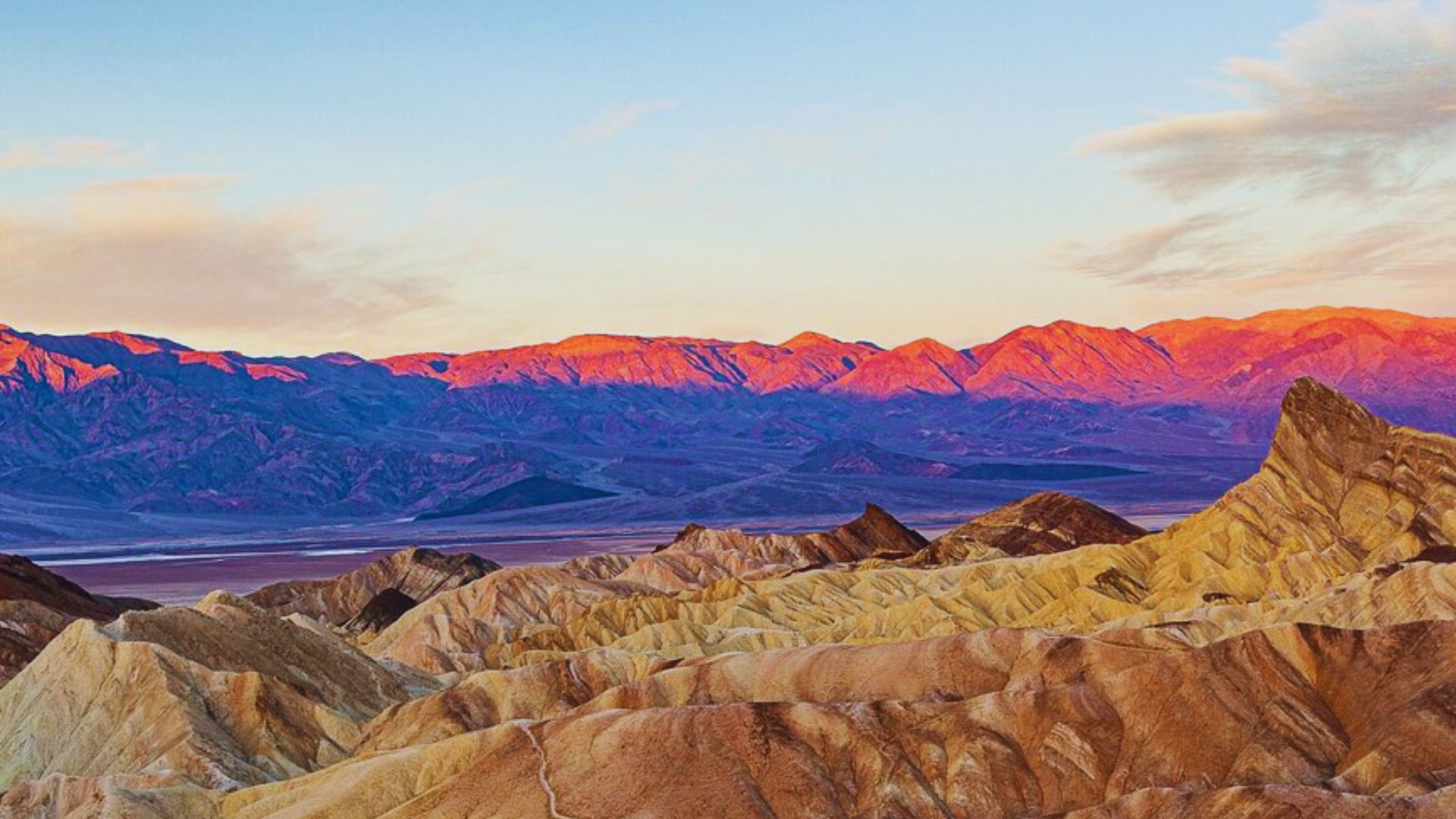
Get to Zabriskie Point before dawn for golden badlands glowing in orange, pink, and gold. The viewpoint sits just off Highway 190 with a short paved path. Bring a jacket. Mornings get cold even in summer.
2. Walk the Salt Flats at Badwater Basin
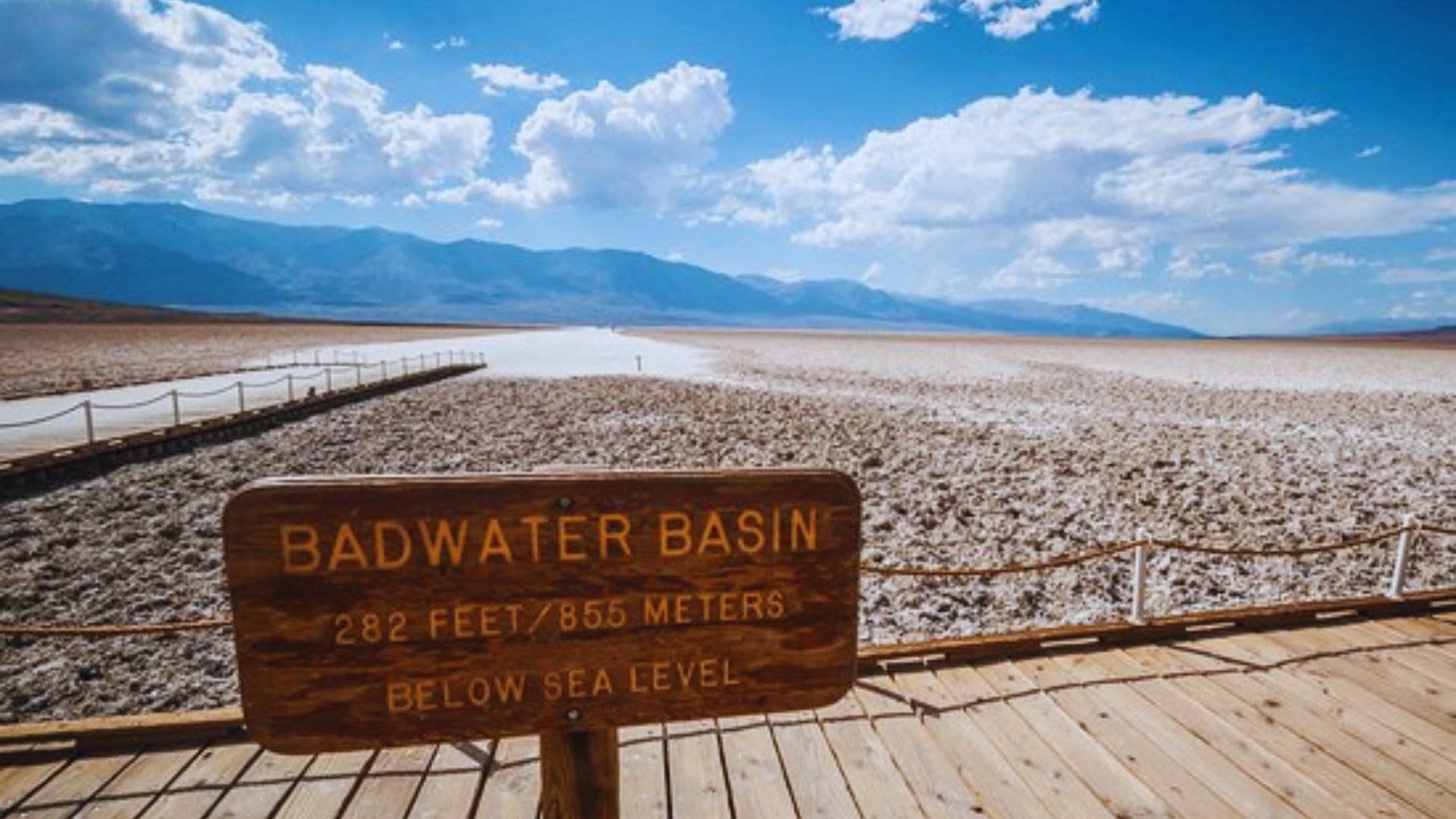
Badwater Basin sits 282 feet below sea level, the lowest point in North America. Walk onto the white salt flats with hexagonal patterns stretching for miles. Go early morning or late afternoon to avoid intense heat.
3. Take in the View from Dante’s View
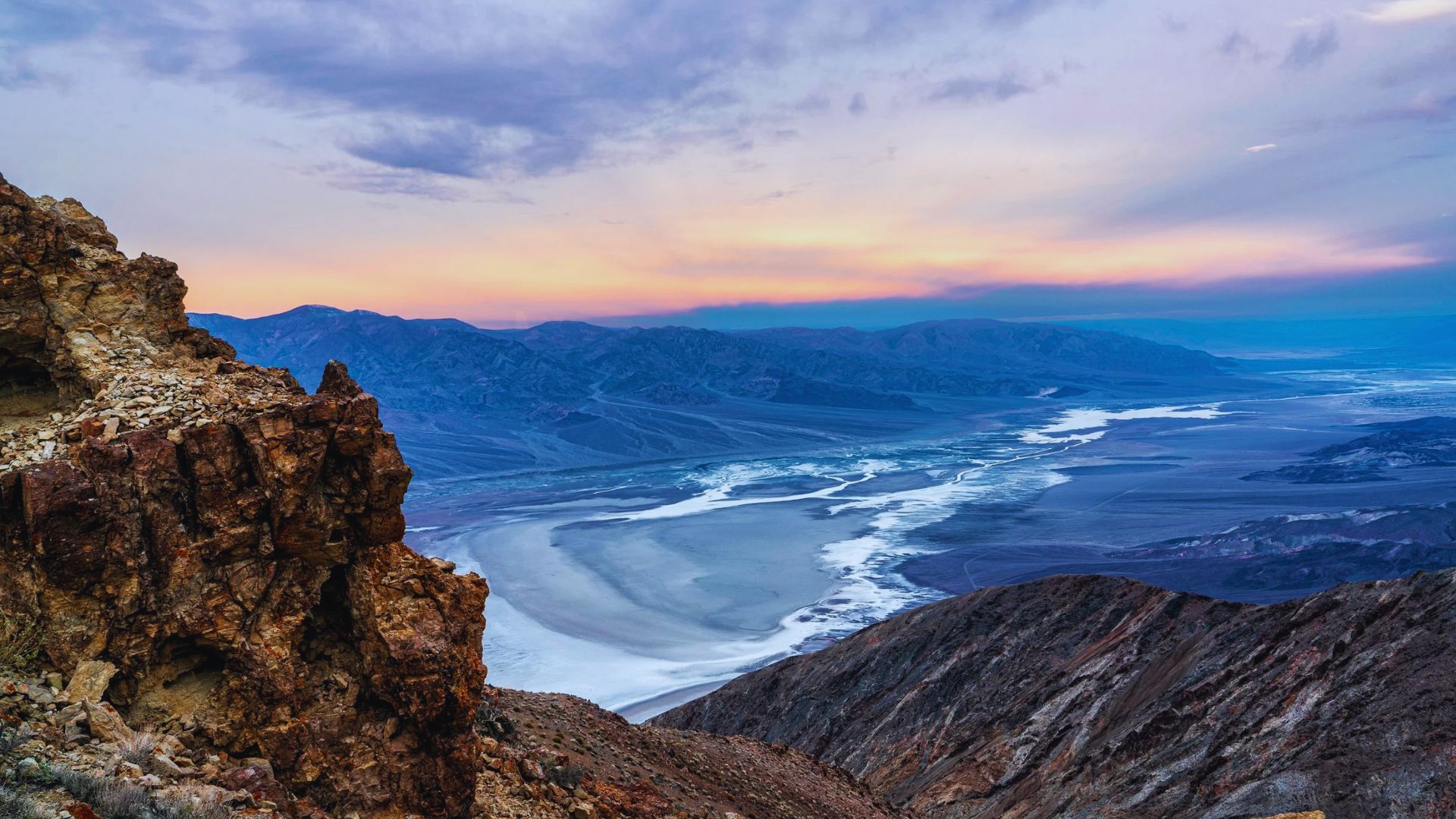
Dante’s View sits at 5,475 feet elevation with the best overview of the valley. You can see Badwater Basin far below and the Panamint Mountains across the valley. Bring layers. It’s wheelchair accessible.
4. Drive the Scenic Artist’s Drive Loop
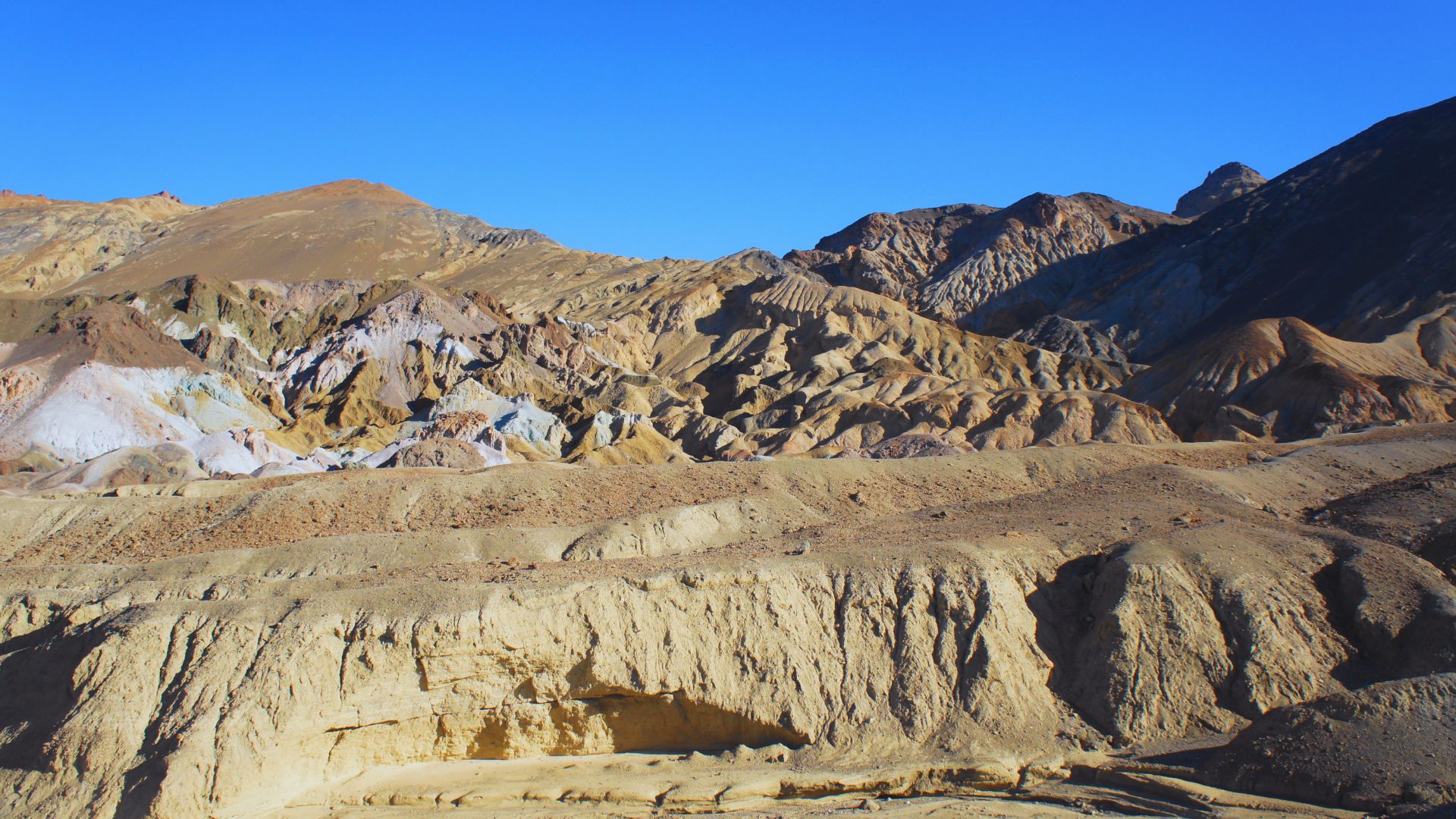
Artist’s Drive is a one-way, 9-mile scenic loop through colorful volcanic hills with pink, green, purple, and gold layers. RVs and trailers aren’t allowed. The entire loop takes 30-45 minutes.
5. Visit the Mesquite Flat Sand Dunes
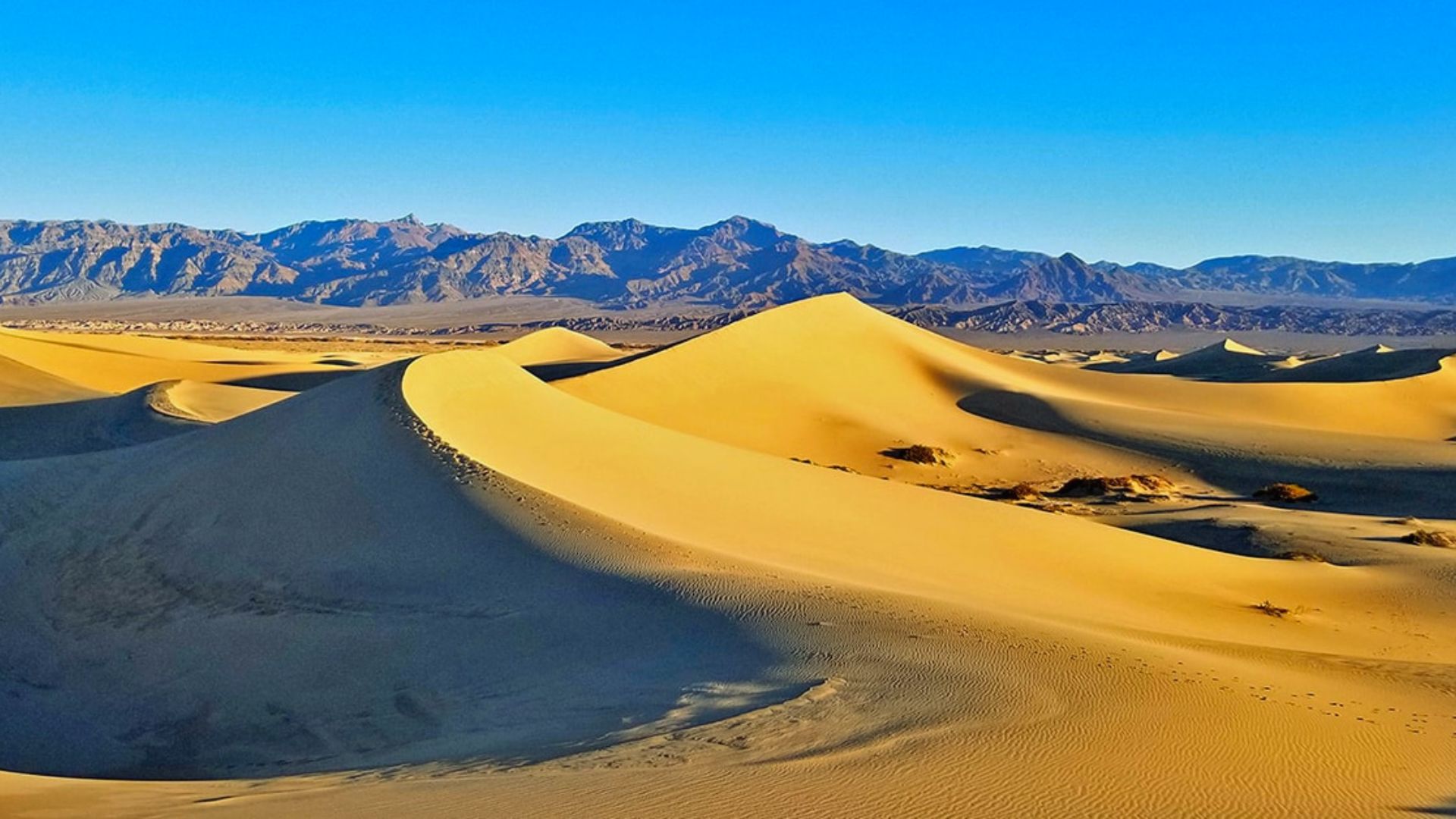
The Mesquite Flat Sand Dunes rise up to 100 feet high. Go at sunrise or sunset for the best shadows and cooler temperatures. Wear closed-toe shoes. You can hike anywhere on the dunes.
6. Visit Devil’s Golf Course
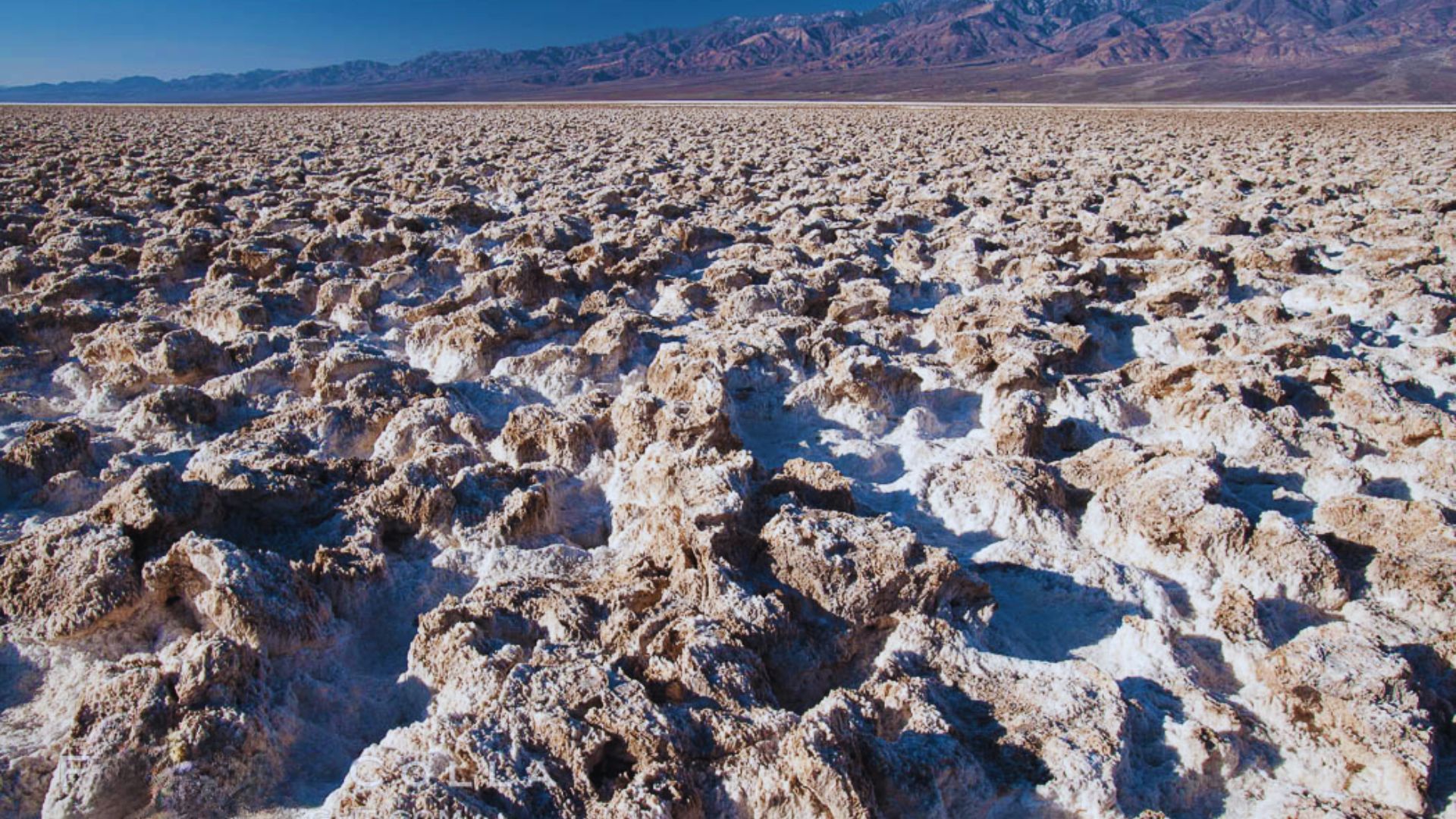
Devil’s Golf Course is a vast field of jagged salt formations. The salt crystals form sharp spikes and ridges that crunch and crack as you walk. Bring sturdy shoes. It’s free to visit.
7. Stop at Harmony Borax Works
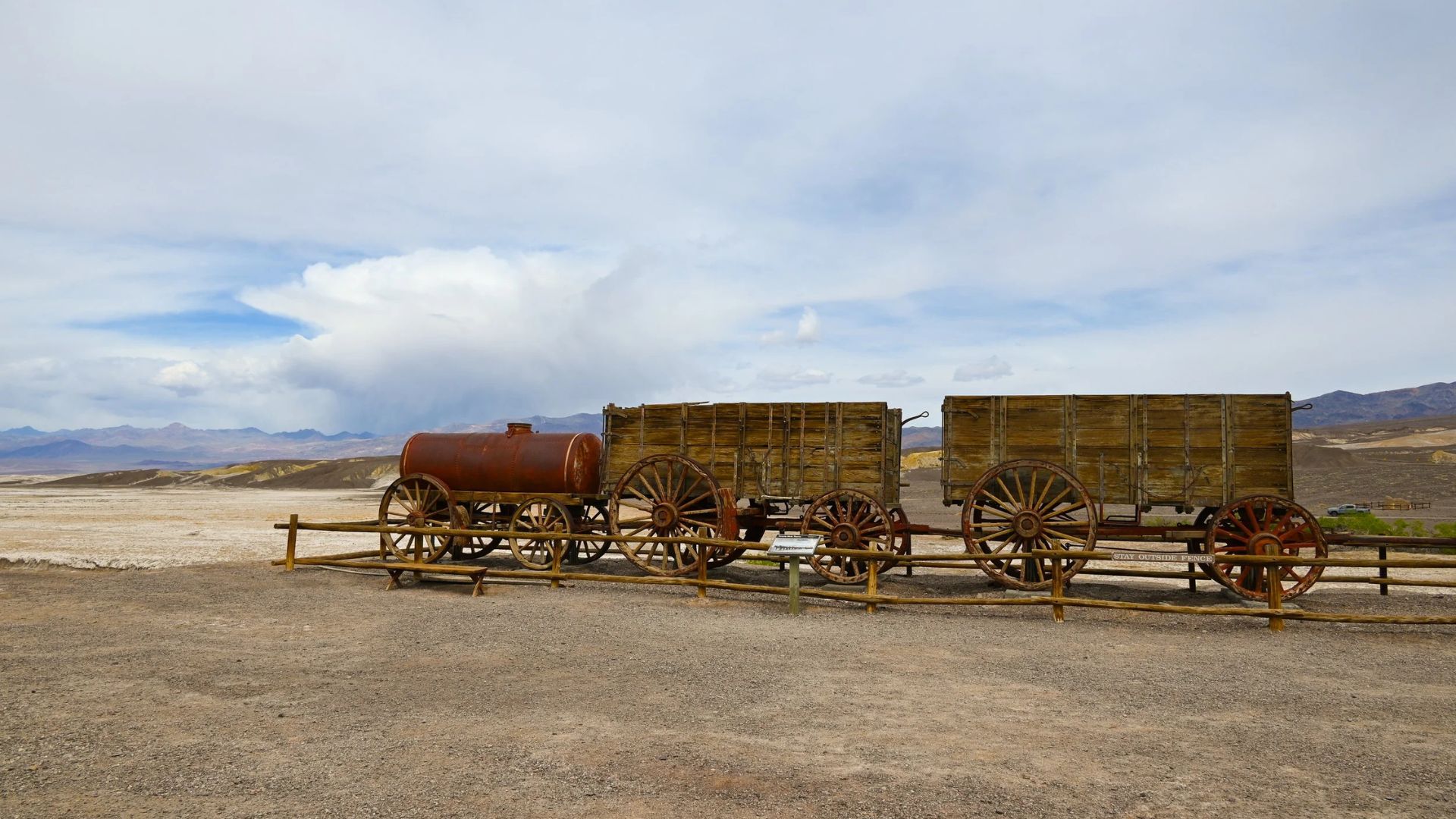
Harmony Borax Works shows the remains of Death Valley’s borax mining history. Old wooden buildings and equipment sit preserved in the desert. The short interpretive trail takes about 15 minutes. It’s just off Highway 190 near Furnace Creek.
8. Hike or Walk the Rim at Ubehebe Crater
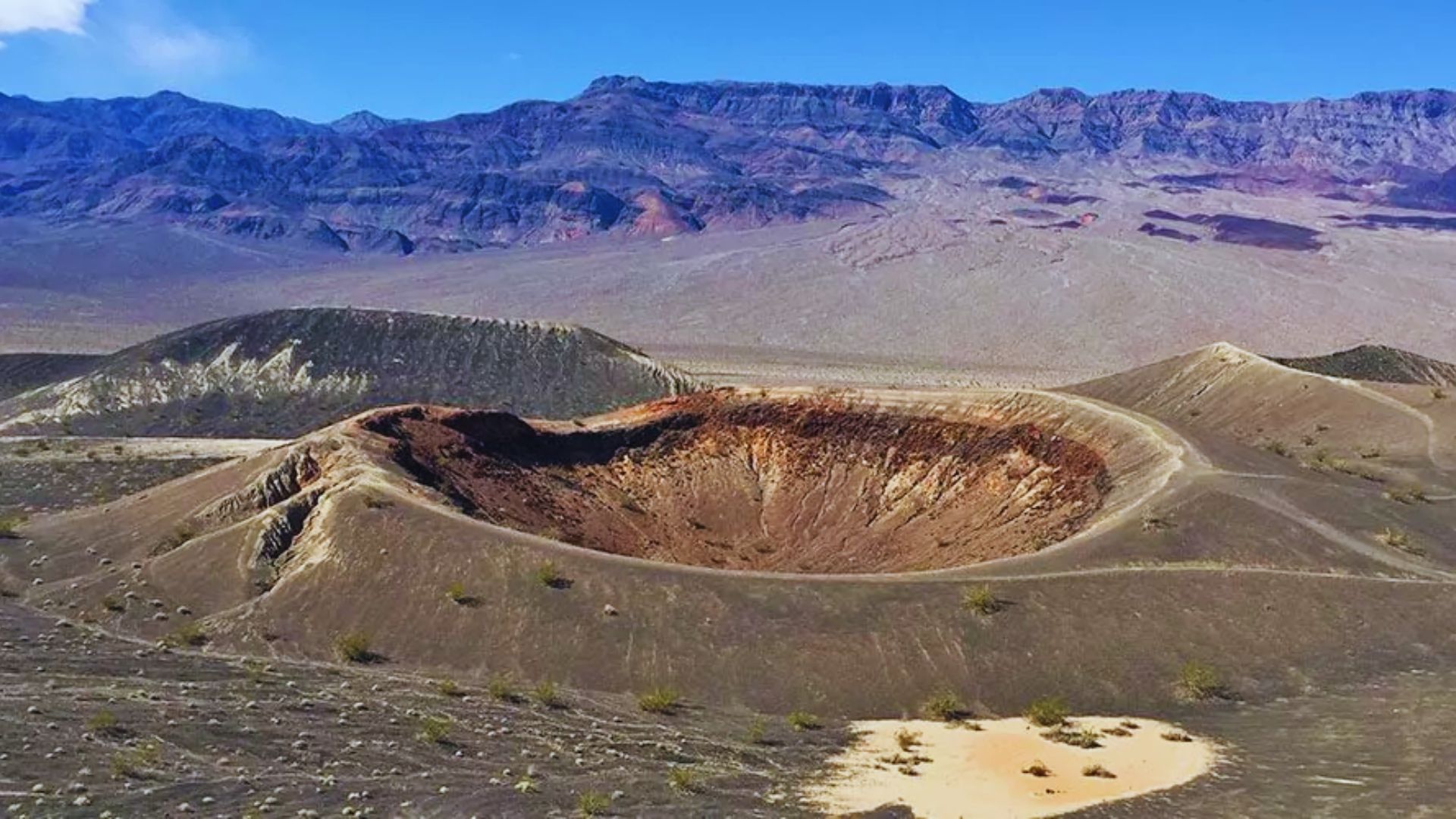
Ubehebe Crater is a 600-foot-deep volcanic crater formed about 2,000 years ago. The rim trail circles the entire crater, about 1.5 miles. The crater sits about 50 miles from Furnace Creek. Bring water and snacks.
9. Stargaze Under Death Valley’s Dark Skies
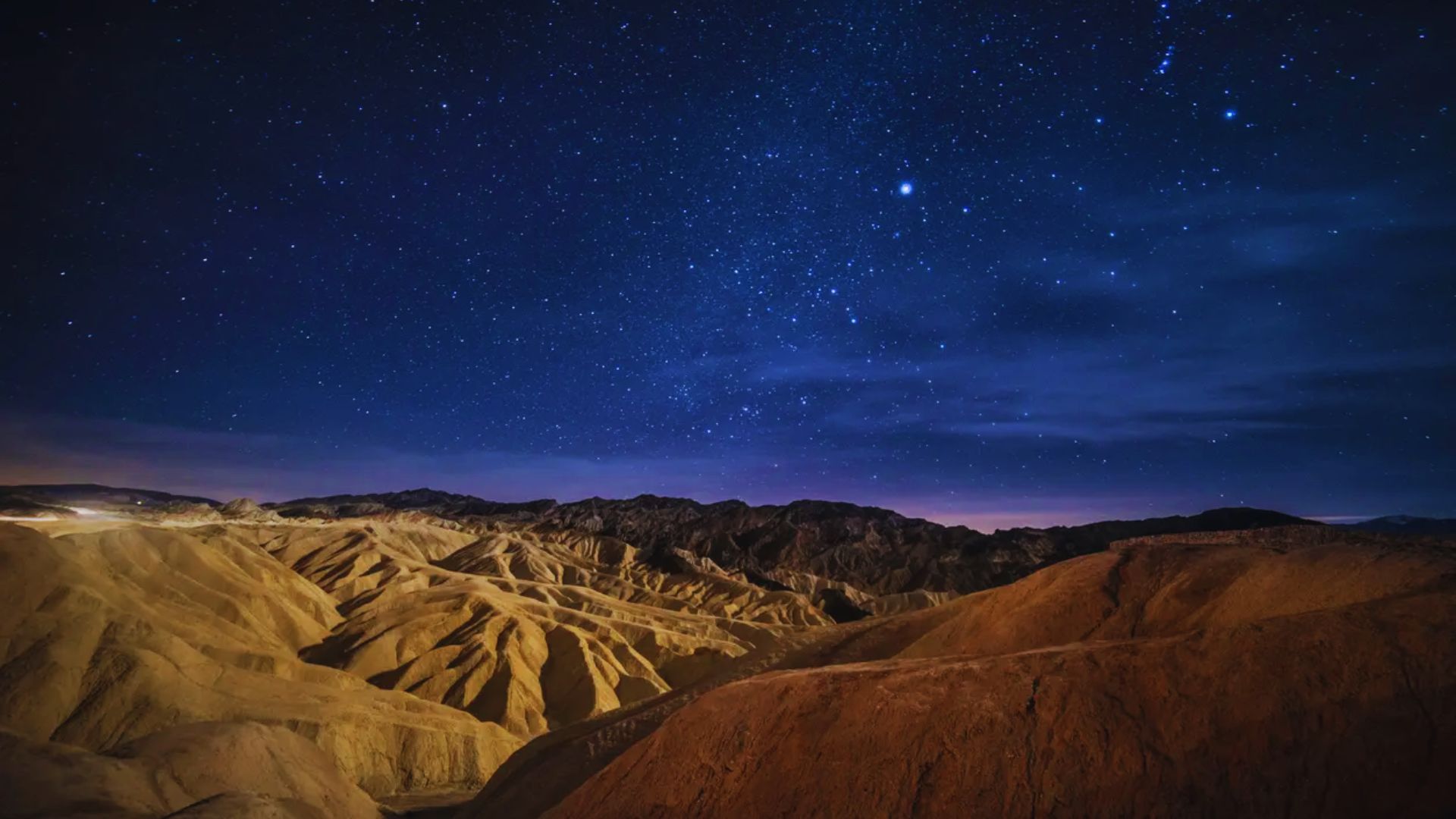
Death Valley has some of the darkest skies in the United States. The park offers ranger-led stargazing programs in winter and spring. Bring a flashlight with a red filter. Go during a new moon for the darkest skies.
10. Drive Badwater Basin Road
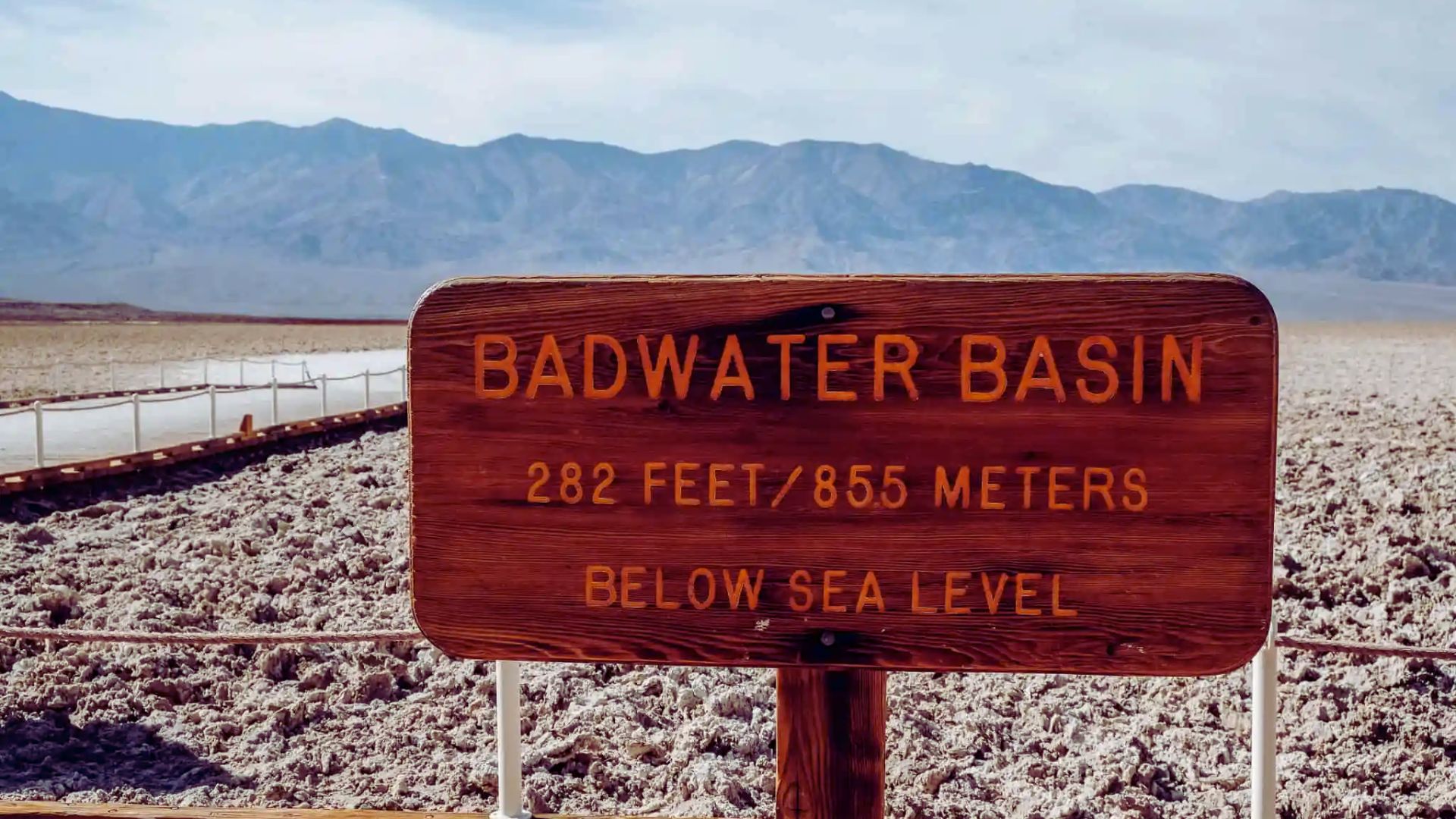
Badwater Basin Road runs 17 miles south from Highway 190 and passes several major attractions. You’ll see Badwater Basin, Devil’s Golf Course, and Natural Bridge Canyon. It takes 1-2 hours depending on stops.
11. Visit Twenty Mule Team Canyon

Twenty Mule Team Canyon offers a 2.7-mile one-way dirt road through colorful badlands. The road is narrow and bumpy but passable in most vehicles. It takes about 30 minutes to drive through.
12. Visit the Wildrose Charcoal Kilns
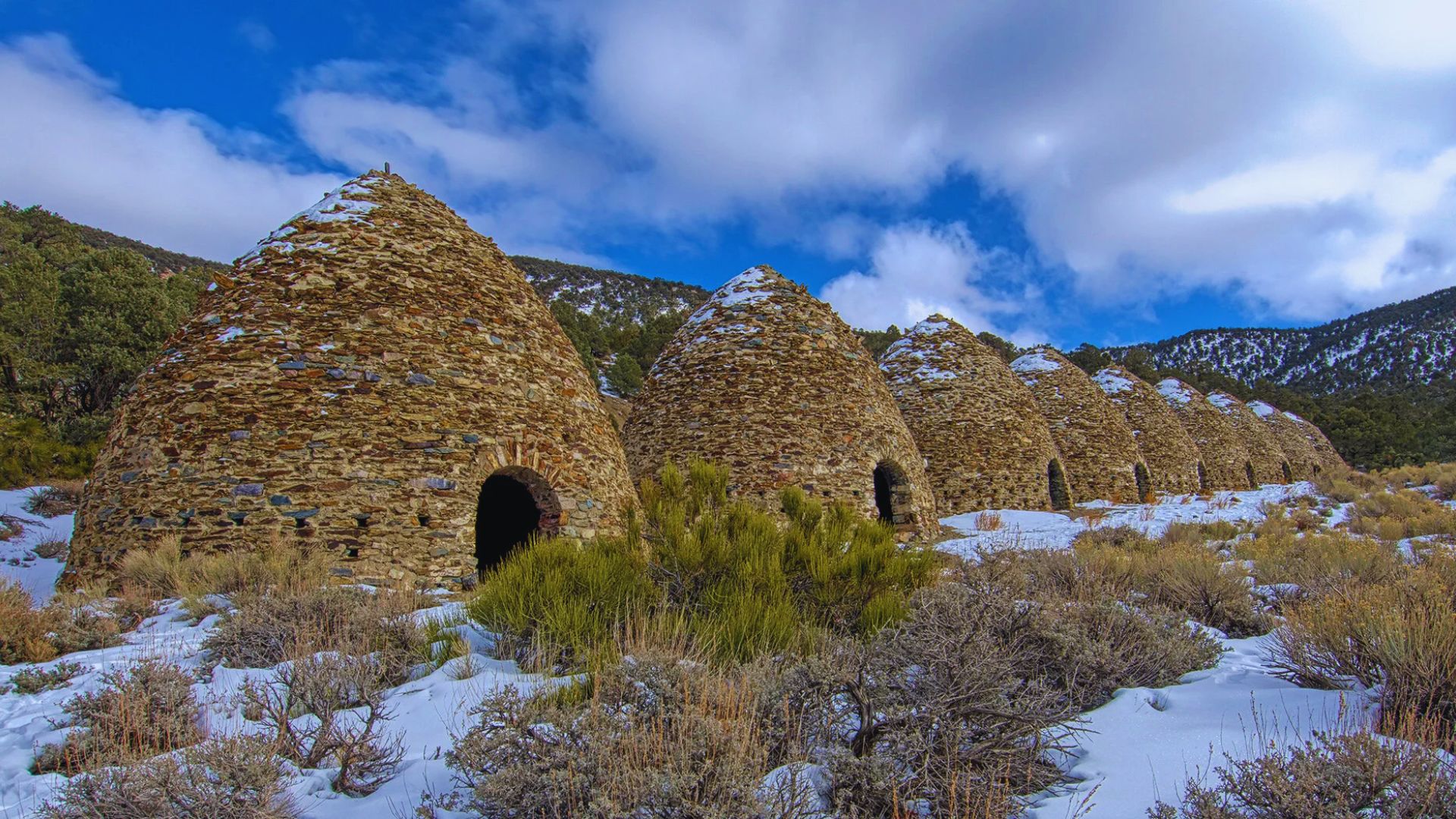
The Wildrose Charcoal Kilns are ten beehive-shaped stone structures built in the 1870s at 6,900 feet elevation. The drive takes you out of the desert heat into cooler mountain air. It’s a 37-mile drive from Furnace Creek.
13. Walk the Salt Creek Boardwalk
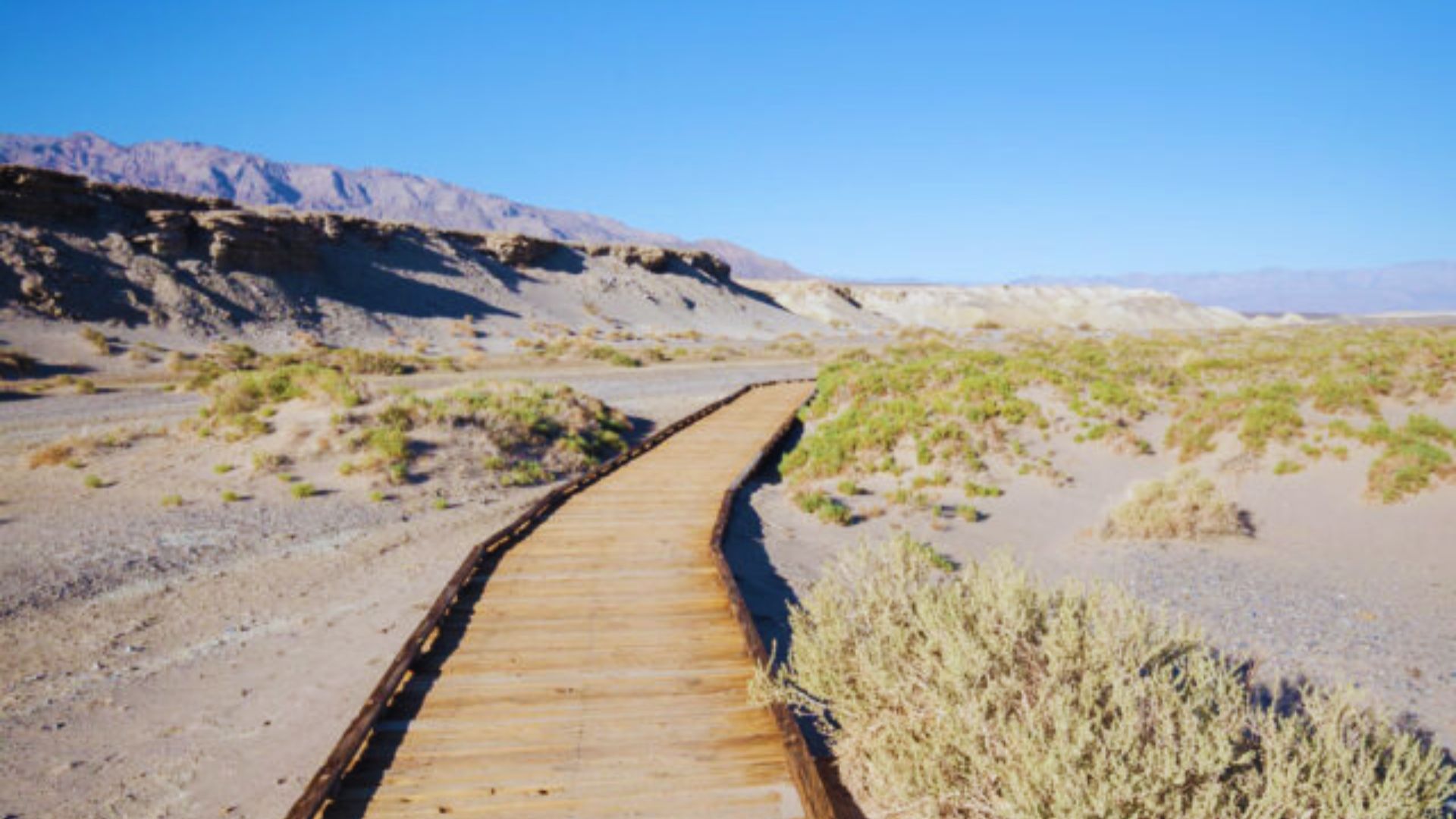
Salt Creek has a 0.5-mile boardwalk trail through a desert wetland. Rare pupfish live in the shallow creek. The boardwalk is wheelchair accessible. Spring is the best time to visit.
14. Visit Rhyolite Ghost Town (Nearby Side Trip)
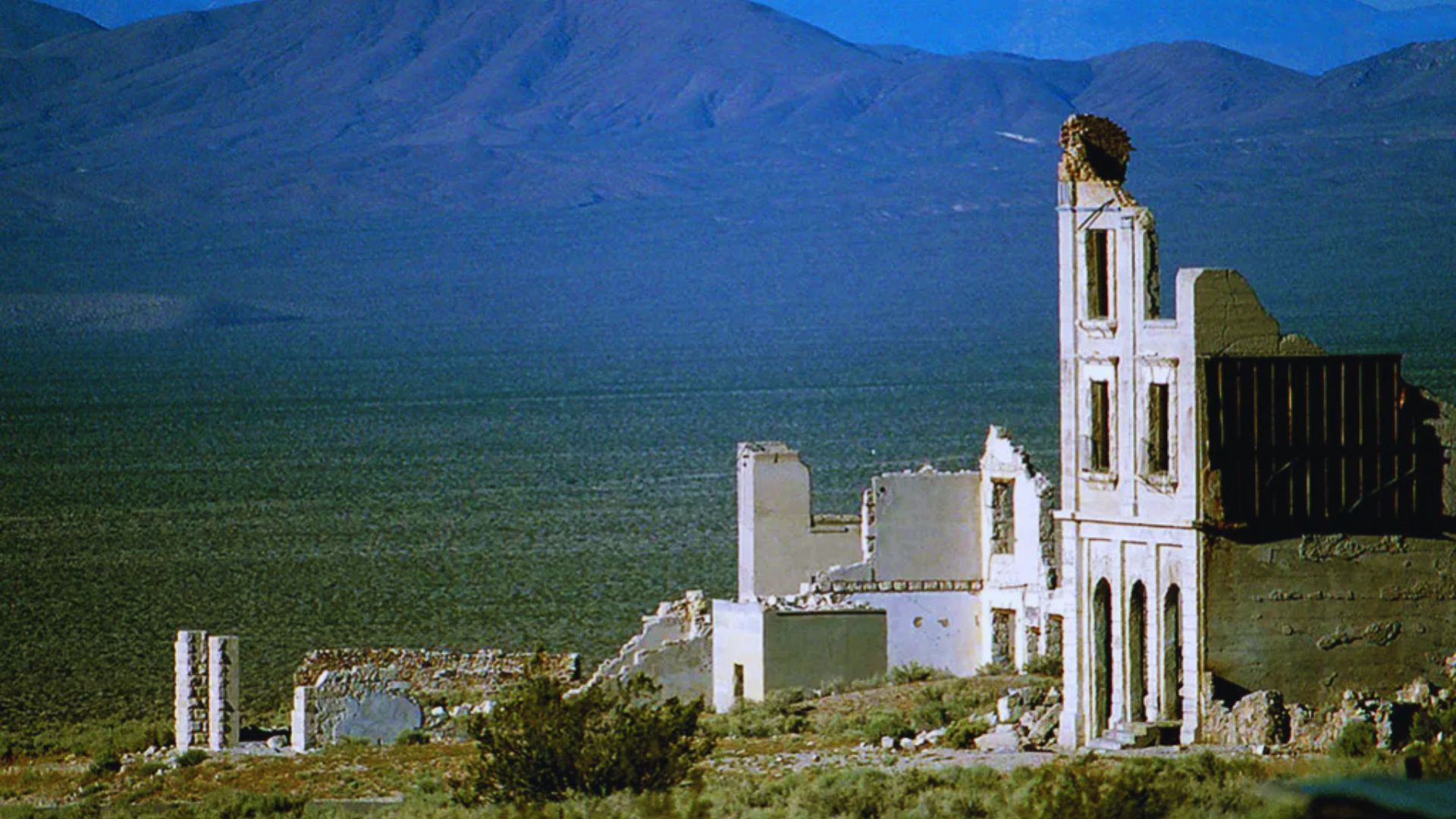
Rhyolite Ghost Town sits just outside the park boundary in Nevada. This old gold mining town has crumbling buildings and rusted equipment. It’s free to visit. Drive 40 miles north from Furnace Creek.
15. Visit Natural Bridge Canyon

Natural Bridge Canyon has a 35-foot rock bridge formed by water erosion. Hike the rocky 1-mile trail to the bridge. The hike is moderately difficult with loose rocks. Go in the morning before it gets too hot.
16. Enjoy Sunset at Father Crowley Vista Point
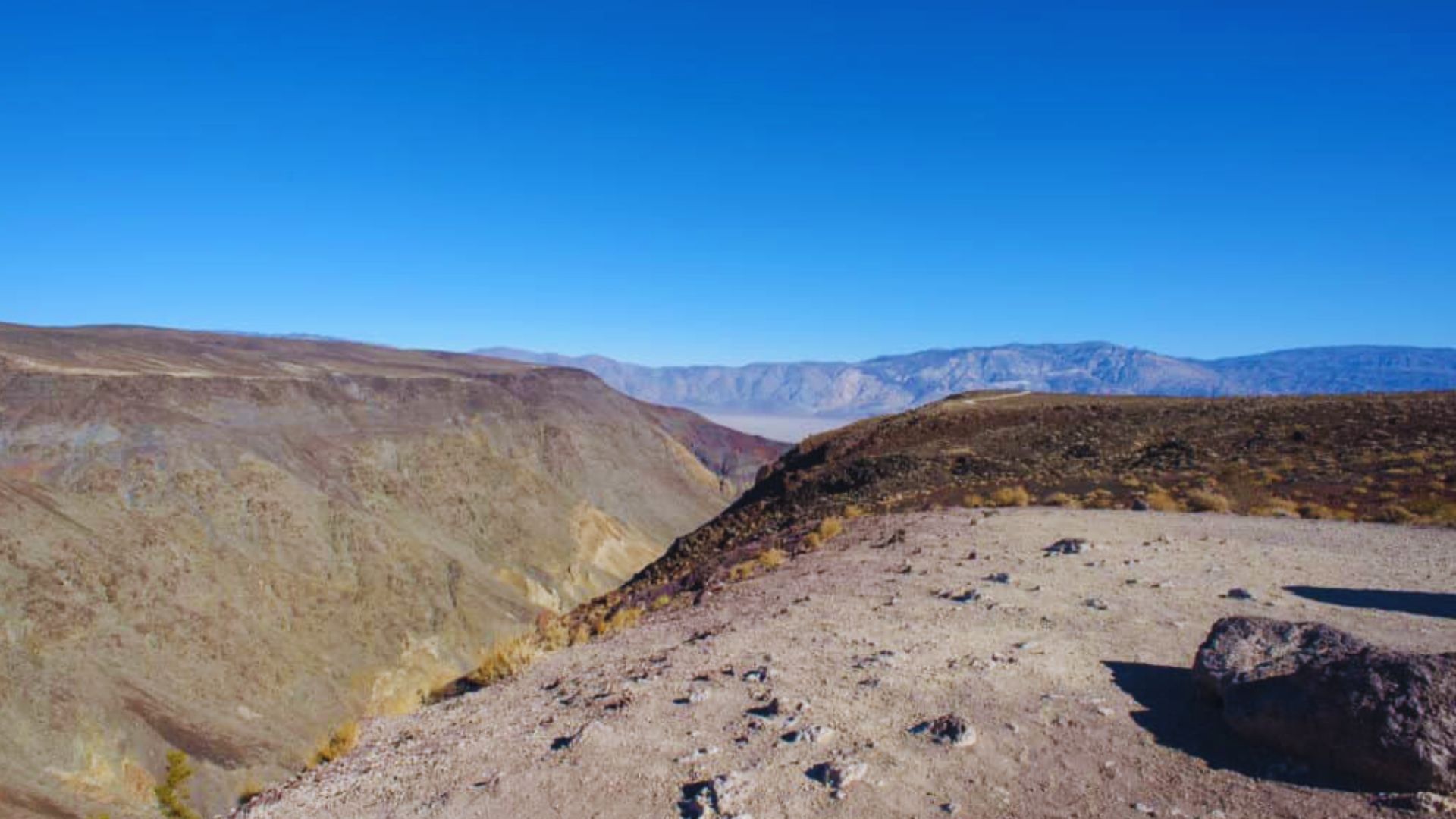
Father Crowley Vista Point overlooks Rainbow Canyon and the Panamint Valley. The canyon walls glow orange and red at sunset. It’s outside the park boundary on Highway 190, about 40 miles west of Furnace Creek.
17. Drive Through Titus Canyon (4WD)
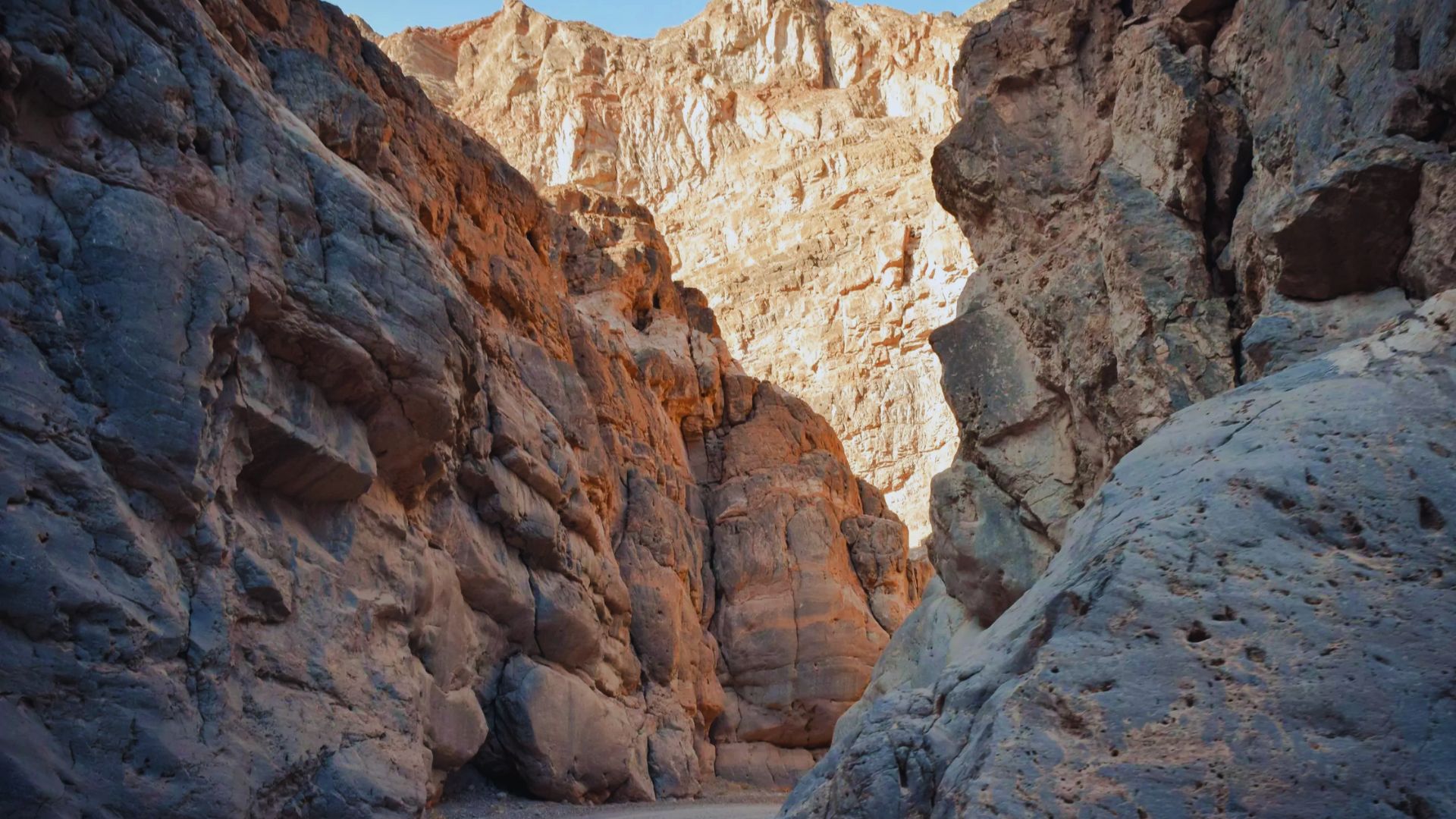
Titus Canyon is a 27-mile one-way dirt road that requires high-clearance 4WD vehicles. You’ll see petroglyphs, old mining camps, and colorful rock layers. The drive takes 2-3 hours. Don’t attempt it in low vehicles or after rain.
18. See the Devils Cornfield

Devils Cornfield is a flat area covered with arrowweed plants that look like corn stalks from a distance. It’s on Highway 190 between Furnace Creek and Stovepipe Wells. It takes 5 minutes to see.
19. Experience Death Valley in One Day
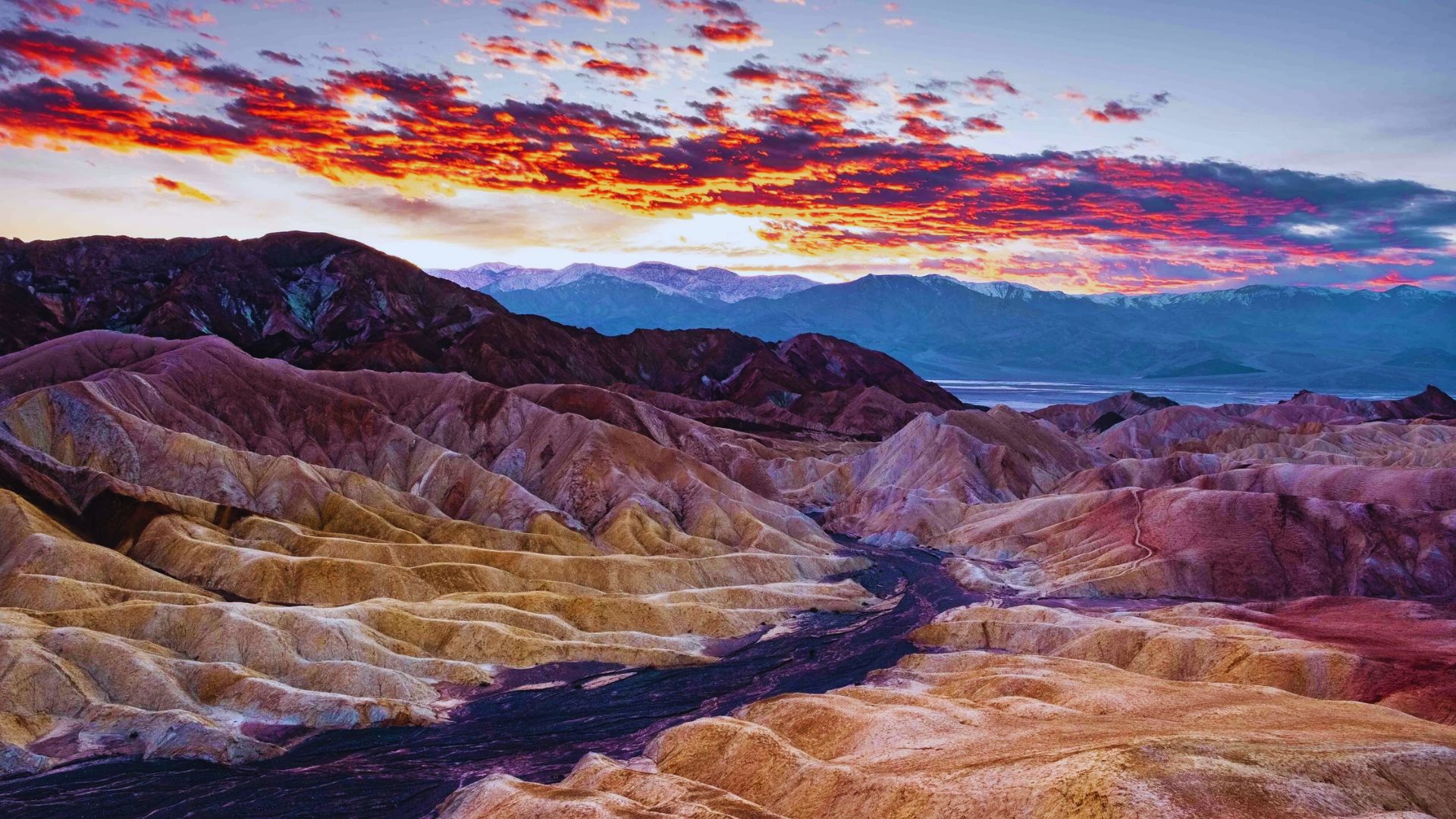
Start at Zabriskie Point for sunrise. Drive to Badwater Basin and walk the salt flats. Head up to Dante’s View. Stop at Artist’s Drive. End at Mesquite Flat Sand Dunes for sunset. Pack breakfast, lunch, and plenty of water.
20. Find Non-Hiking Things to Do in Death Valley
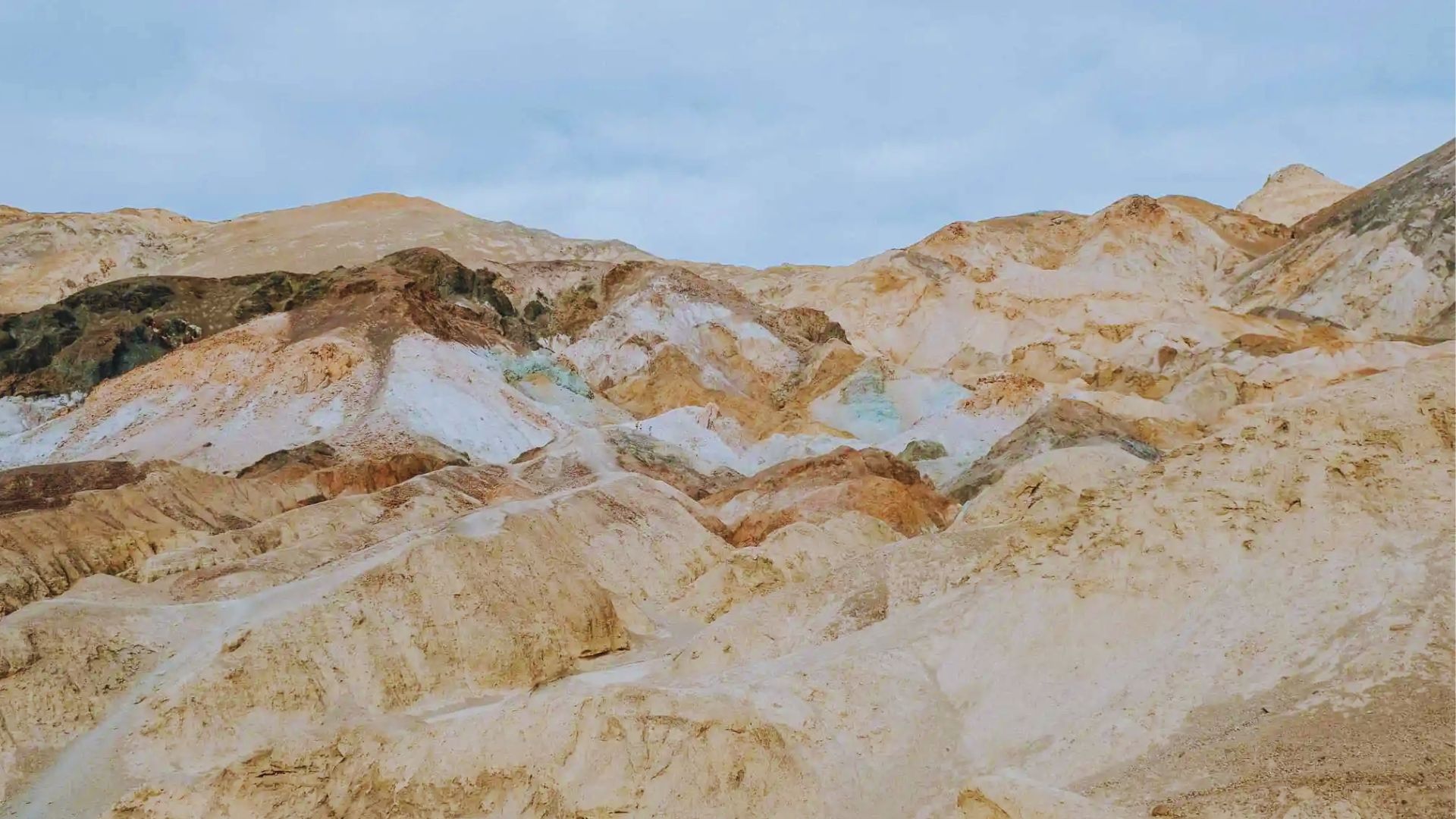
You can see most of Death Valley from your car. Drive to Badwater Basin, Dante’s View, and Zabriskie Point. Do the Artist’s Drive loop. Visit the Furnace Creek Visitor Center for exhibits and AC.
21. Visit Death Valley with Kids
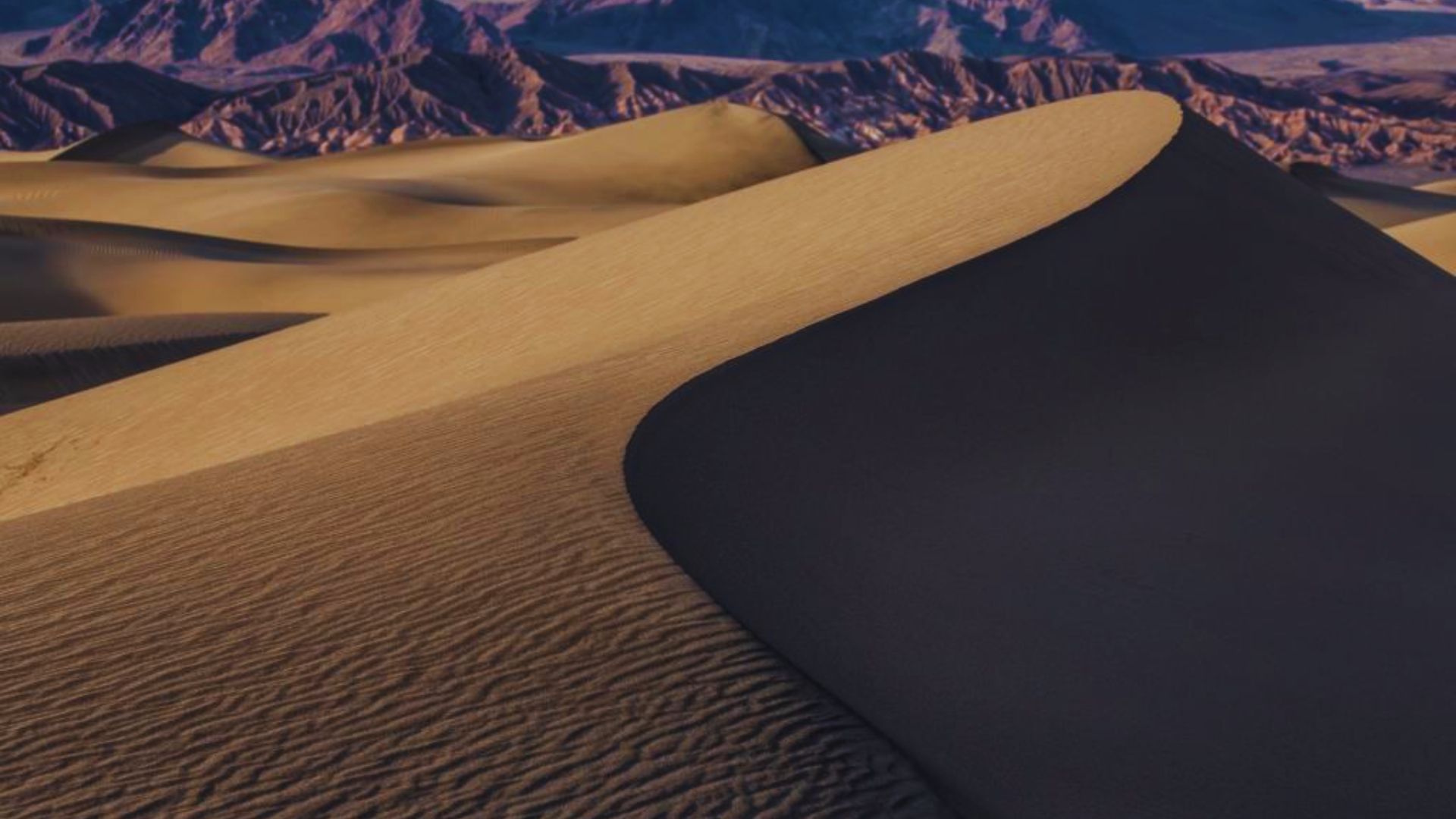
Kids love the sand dunes. Bring sleds for sliding down. Walk on the salt flats at Badwater Basin. Visit the visitor center for junior ranger programs. Go in winter or spring when temperatures are milder.
Death Valley Safety Tips You Should Know
The park’s extreme conditions require serious preparation and respect for the harsh desert environment.
- Drink at least one gallon of water per person per day. Temperatures reach 120°F in summer. Wear light-colored clothing and apply sunscreen every two hours.
- Cell service doesn’t exist in most of the park. Download offline maps before you arrive and bring a paper map as backup. Tell someone your plans and expected return time.
- Pack extra food, water, and a first aid kit. The nearest hospital is over 100 miles away. Keep your gas tank above half full at all times.
- Stay on paved roads unless you have a high-clearance 4WD vehicle. Flash floods can wash out dirt roads instantly. Never drive through standing water.
- Don’t hike alone in backcountry areas. Leave a detailed itinerary at the visitor center. Watch for wildlife on roads at dawn and dusk.
Conclusion
Death Valley taught me that extreme places can be incredibly rewarding when you respect them. I’ve watched sunrises that painted entire mountains gold and walked on salt flats that felt like another world.
What to do in Death Valley comes down to seeing these rare landscapes while staying safe in the heat. Bring more water than you think you need. Go early or late in the day.
Take your time at each stop. This park rewards preparation and patience.
Now it’s your turn. Share your favorite Death Valley spots or questions in the comments below.
Frequently Asked Questions
What is the best time of year to visit Death Valley?
Winter and spring (November through April) offer the best weather with temperatures between 60-80°F. Summer is extremely hot, often exceeding 120°F. Wildflowers bloom in March and April after wet winters.
How many days do you need in Death Valley?
Two to three days lets you see the major attractions at a comfortable pace. You can hit highlights in one full day if time is limited.
Do I need a 4WD vehicle in Death Valley?
Most main attractions are on paved roads accessible to any vehicle. You only need 4WD for backcountry routes like Titus Canyon. Standard cars work fine for most visitors.
Where should I stay when visiting Death Valley?
Furnace Creek has lodging and camping inside the park. Stovepipe Wells offers another in-park option. Outside the park, Beatty and Pahrump in Nevada have budget-friendly hotels.
Is it safe to visit Death Valley in summer?
Summer visits are risky due to extreme heat. If you go, stay in your air-conditioned car and limit outdoor time to early morning. Winter and spring are much safer choices.
