


Most people want to stay safe when they travel. But figuring out which mode of transport is actually the least risky? That part is harder than it sounds.
Every year, millions of people get hurt while traveling simply because they didn’t know the risks. Safe travel starts with knowing the facts before you book anything.
This guide covers it all. I’ll break down the safest travel modes using real data, show you how to protect your money, and share simple steps to prepare before any trip. I’ve spent years writing about travel safety, and I know what actually works.
Why Travel Safety Matters More Than Ever

Knowing the risks helps you make smarter choices every time you head out.
Each mode of transport carries a different level of risk. Road travel causes the most deaths worldwide. Choosing trains or planes over cars can significantly lower your chances of being in an accident.
Car crashes are the leading cause of travel-related deaths globally. But scams, poor infrastructure, and cybercrime are real concerns too. Knowing what to watch for puts you ahead before you even leave home.
Safety is also one of the top reasons people choose one mode of transport over another. Some avoid certain areas due to high crime or poor roads. Others pick trains over planes based on personal comfort, even when the stats say otherwise.
Statistically, What Is the Safest Way to Travel?

The numbers tell a clear story about which travel modes carry the least risk per mile traveled.
How Travel Safety Is Measured (Passenger Miles)
Passenger miles track deaths or injuries per billion miles traveled, giving a fair way to compare all transport types.
Travel safety is measured using passenger miles. This allows for a fair comparison between short car trips and long flights. Without this measure, the data would be misleading.
What Is the Safest Way to Travel Statistically
Air travel consistently ranks as the safest mode of transport when passenger mile data is used.
Flying is the safest way to travel by a wide margin. In the U.S., driving is roughly 95 times more dangerous than flying per mile. Trains and buses also rank far safer than cars.
Global Comparison of Transportation Safety
Safety records vary by country, but air and rail consistently come out on top worldwide.
Air travel and rail lead most global safety comparisons. Road travel is consistently the riskiest. Developing countries show higher road fatality rates due to poor infrastructure and older vehicles.
Comparing the Safety of Different Travel Modes
A side-by-side look at how planes, trains, buses, cars, and boats stack up on safety.
Air Travel: The Safest Way to Travel
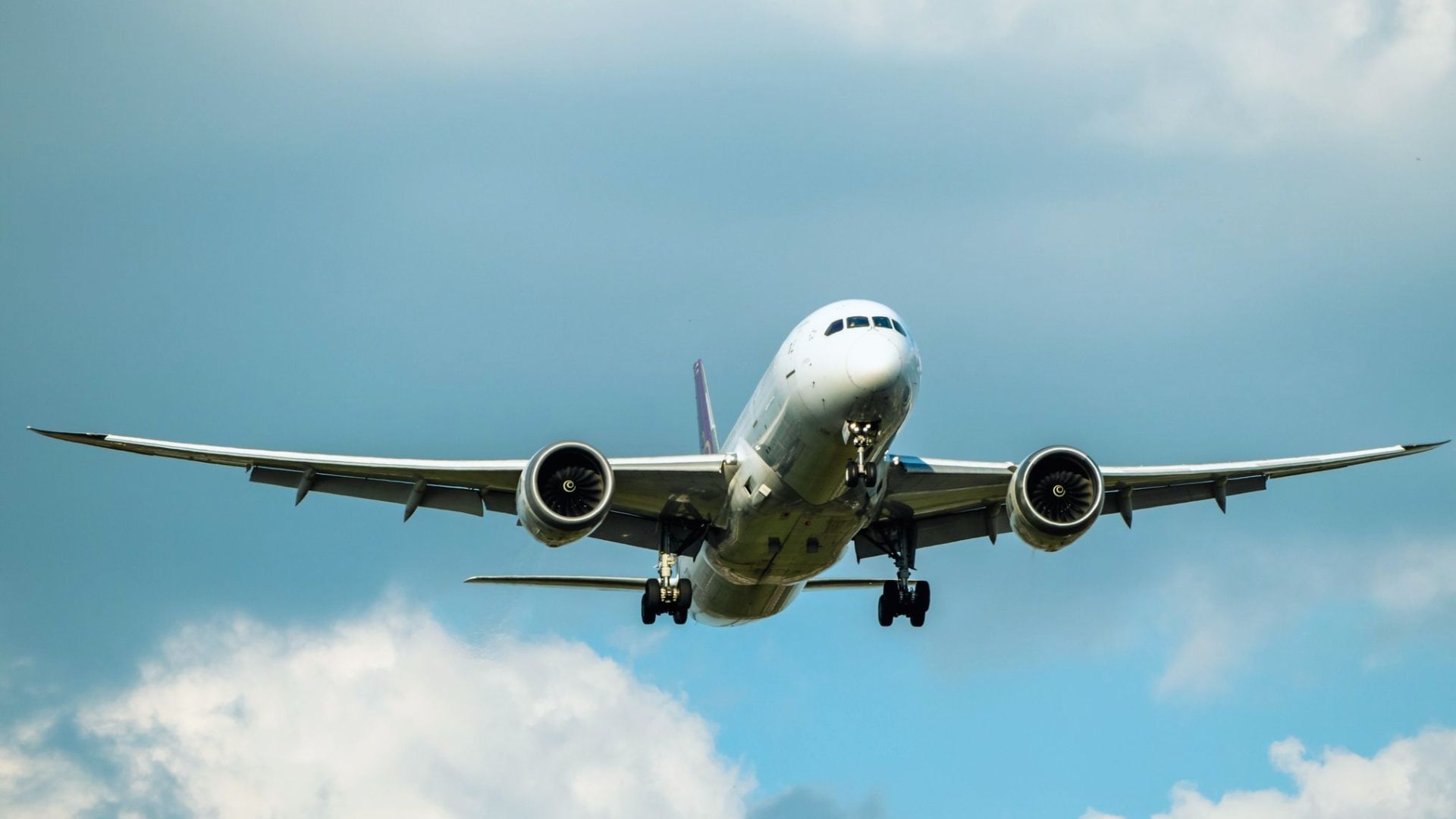
Flying remains the safest choice for long distances, with record low accident rates in recent years.
The odds of a fatal plane crash are roughly 1 in 11 million. Modern aircraft have multiple backup systems, and pilots undergo strict training. For long-distance travel, flying is the gold standard.
Train Travel: Safe and Reliable for Long Distances

Trains are one of the most reliable and low-risk ways to cover long distances on the ground.
Trains run on dedicated tracks, keeping road collisions rare. They follow strict maintenance schedules and are run by professional crews. High-speed trains in Europe and Asia are especially safe.
Bus Travel: Affordable and Secure Option

Buses are one of the safest road-based options when operated by licensed and regulated companies.
Per passenger mile, buses have a lower fatality rate than cars. Licensed operators follow safety rules and use trained drivers. Always choose reputable companies and avoid informal or unlicensed services.
Car Travel: Most Common but Highest Risk

Cars are the most used form of transport but also the leading cause of travel-related deaths worldwide.
Road accidents kill over 1.35 million people every year globally. Driver error, speeding, and distracted driving are the top causes. Always wear a seat belt, avoid phone use, and stick to the speed limit.
Boat Travel: Safety Depends on Conditions

Boat safety varies widely depending on weather, vessel type, and local regulations.
Large cruise ships run by reputable companies have solid safety records. Smaller ferries in developing countries carry much higher risks. Always check safety reviews before booking any boat trip.
Factors Affecting Travel Safety
Several forces shape how safe travel is at any given moment, from traffic levels to climate events.
Rising Road Traffic
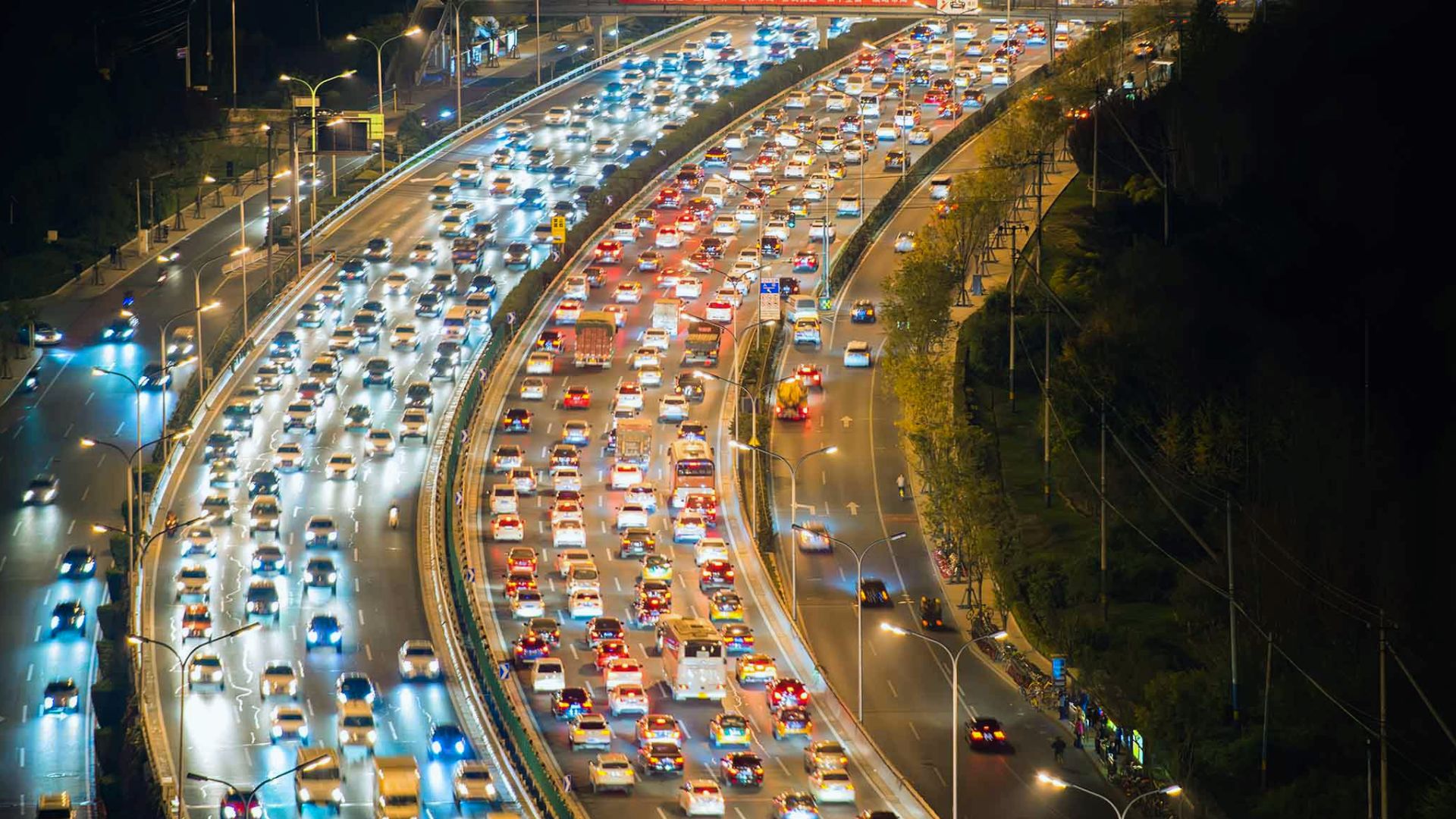
Road traffic has returned to pre-pandemic levels, raising accident rates in many cities worldwide.
More vehicles on the road means a higher chance of collisions. Urban areas are seeing the biggest spike. Staying alert and avoiding peak hours can help lower your risk on busy roads.
Geopolitical Tensions

Political conflicts and instability can directly affect the safety of certain air routes and destinations.
Some flight paths are rerouted or suspended due to active conflicts. Always check your government’s travel advisories before booking flights to or through affected regions.
Climate Change and Extreme Weather

More frequent extreme weather events are making both boat and road travel riskier than before.
Floods, storms, and heatwaves are happening more often. These conditions can make roads dangerous and seas unpredictable. Check weather forecasts closely before any trip, especially for coastal or rural routes.
What Is the Safest Way to Travel with Money

Keeping your money safe while traveling takes a bit of planning but saves a lot of stress.
Best Ways to Carry Cash Securely
How you carry cash matters more than most people think when traveling in unfamiliar places.
Split your cash between different spots on your body and in your bag. Use a money belt for larger amounts. In higher-risk areas, carry a small decoy wallet to hand over if confronted.
Using Cards and Digital Payments Safely
Cards and mobile payments are convenient but come with risks worth knowing before you travel.
Credit cards offer more fraud protection than debit cards. Use ATMs inside banks, not standalone street machines. Turn on transaction alerts and avoid public Wi-Fi for any banking activity.
Avoiding Theft and Travel Scams
Knowing common scams and theft tactics can stop you from losing money while away.
Pickpocketing is most common in tourist-heavy areas. Use a crossbody bag with hidden zippers. Common scams include fake taxi drivers and overcharging at tourist spots. Research scams at your destination before you leave.
Common Travel Mistakes to Avoid
Small mistakes can turn a smooth trip into a stressful one fast.
- Booking transport through unofficial channels just to save a few dollars
- Leaving luggage unattended in airports, train stations, or busy public areas
- Traveling without a backup payment method or printed copies of key documents
- Skipping travel insurance to cut costs, then facing a medical bill abroad
- Ignoring local safety warnings, travel advisories, or hotel reviews before arrival
Safety Tips Before You Travel
A little preparation before you leave makes your entire trip far less stressful.
- Check government travel advisories for your destination before booking anything
- Buy travel insurance that covers medical emergencies, evacuation, and trip cancellations
- Carry a basic first aid kit, portable charger, and copies of your important documents
- Research safe neighborhoods, local transport options, and nearby hospitals at your destination
- Pack TSA-approved locks and keep a digital backup of your passport at all times
Conclusion
After years of writing about travel, I truly believe the safest trips are the ones you plan with care.
Statistically, flying wins. But your habits matter just as much as the mode you choose. Wear your seat belt. Use a money belt. Do your research ahead of time.
If this guide helped you, drop a comment below.
Share it with a friend who has a trip coming up, and check out our other travel safety guides for more.
Frequently Asked Questions
What is the safest way to travel?
Flying is the safest way to travel based on global data. Per mile, commercial flights have far fewer fatalities than cars, buses, or trains.
What is the safest way to travel statistically?
Based on passenger miles, air travel has the lowest fatality rate of any transport mode. Cars carry the highest risk by a significant margin.
What is the safest way to travel in 2025?
In 2025, flying is still the safest option for long distances. For shorter trips, regulated trains and licensed buses are reliable, low-risk alternatives.
What is the safest way to travel right now?
Flying and taking regulated trains or buses are the safest choices right now. Always check current travel advisories and avoid unlicensed transport.
What is the safest way to travel with money?
Use a money belt, split your cash, and carry a credit card with fraud protection. Avoid debit cards at street ATMs and stay alert in busy tourist areas.
