


I used to think Brussels was just a city full of politicians and paperwork. I was wrong.
The more I read about it, the more I realised how much this city hides in plain sight. It is known for running Europe’s biggest institutions, yes.
But it is also known for chocolate that ruins every other chocolate for you, waffles you will think about for weeks, and history that goes back centuries.
There is a lot packed into one city. In this guide, I am breaking down exactly what Brussels is known for, so you can see it clearly too.
Let’s get started.
Overview of Brussels

Brussels is the capital of Belgium and sits at the centre of Western Europe.
It shares borders with France, the Netherlands, Germany, and Luxembourg, which makes it a natural meeting point for cultures and politics.
The city runs on two official languages: French and Dutch.
You will hear both on the streets, read both on signs, and find both in daily life. It is one of the few truly bilingual capitals in the world.
Brussels is also the political and economic engine of Europe. It hosts the headquarters of the European Union and NATO, which brings in diplomats, journalists, and professionals from across the globe.
The metro area is home to around 1.2 million people, making it one of the most internationally connected cities in Europe.
What Is Brussels Known For?
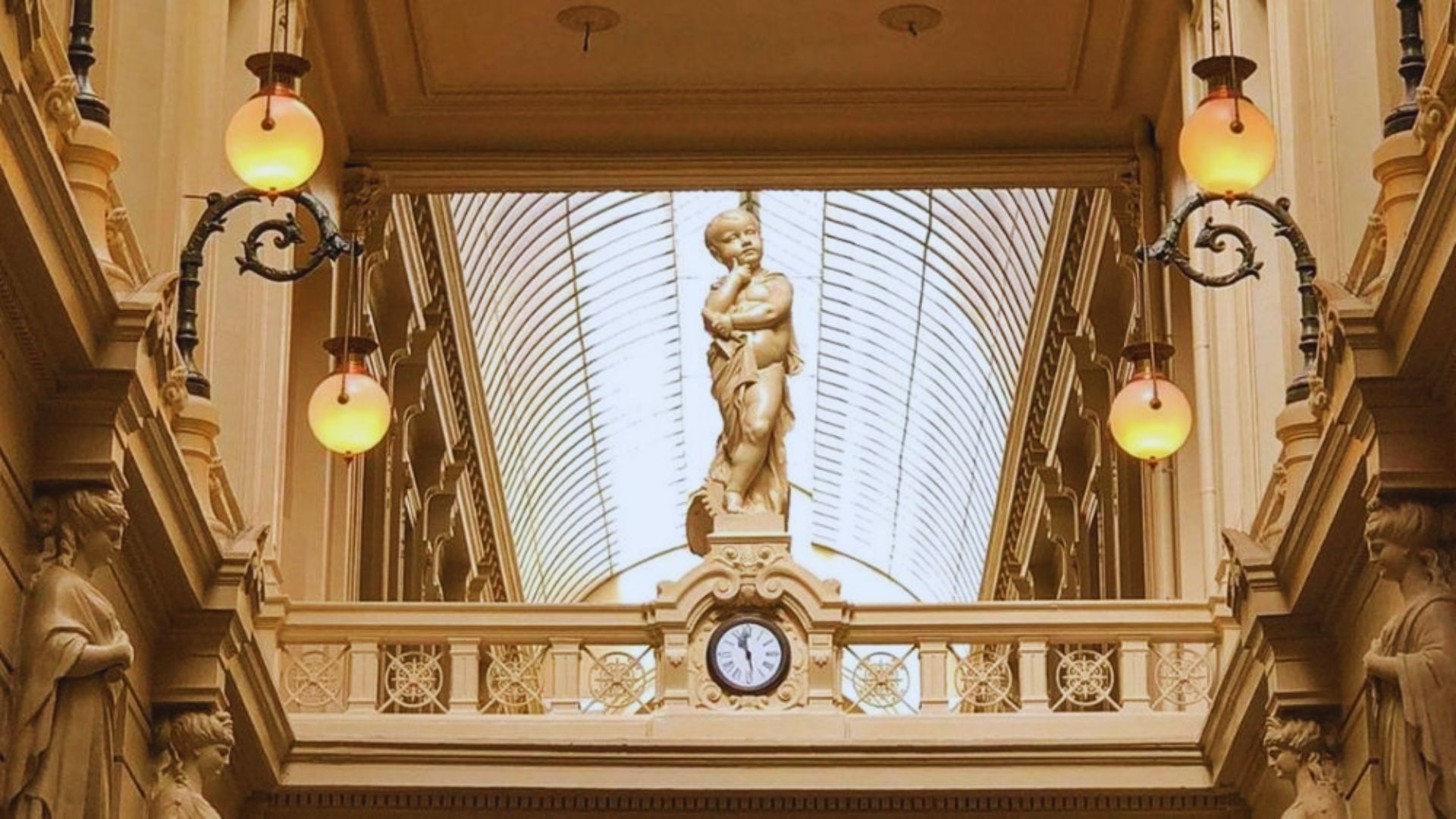
If someone asks you what Brussels is known for, the honest answer is: a lot. This city punches well above its size.
Here is a quick look at what puts Brussels on the map:
- European Union headquarters: Brussels is the political capital of Europe, hosting major EU institutions
- Rich medieval and modern history: from its origins as a small river settlement to a global power centre
- Iconic food: Belgian waffles, world-class chocolate, golden fries, and a beer culture unlike anywhere else
- Striking structure: Gothic guild houses sit right next to Art Nouveau buildings and glass-and-steel offices
- Cultural diversity: over 180 nationalities call Brussels home, making it one of the most multicultural cities on earth
Brussels is not just a political city. It is a living, breathing mix of old and new, local and global, serious and delicious.
5 Reasons to Visit Brussels
You might think Brussels is just for diplomats and politicians. Trust me, it is so much more than that. Here are five reasons I think everyone should visit at least once.
1. World-Famous Belgian Chocolate
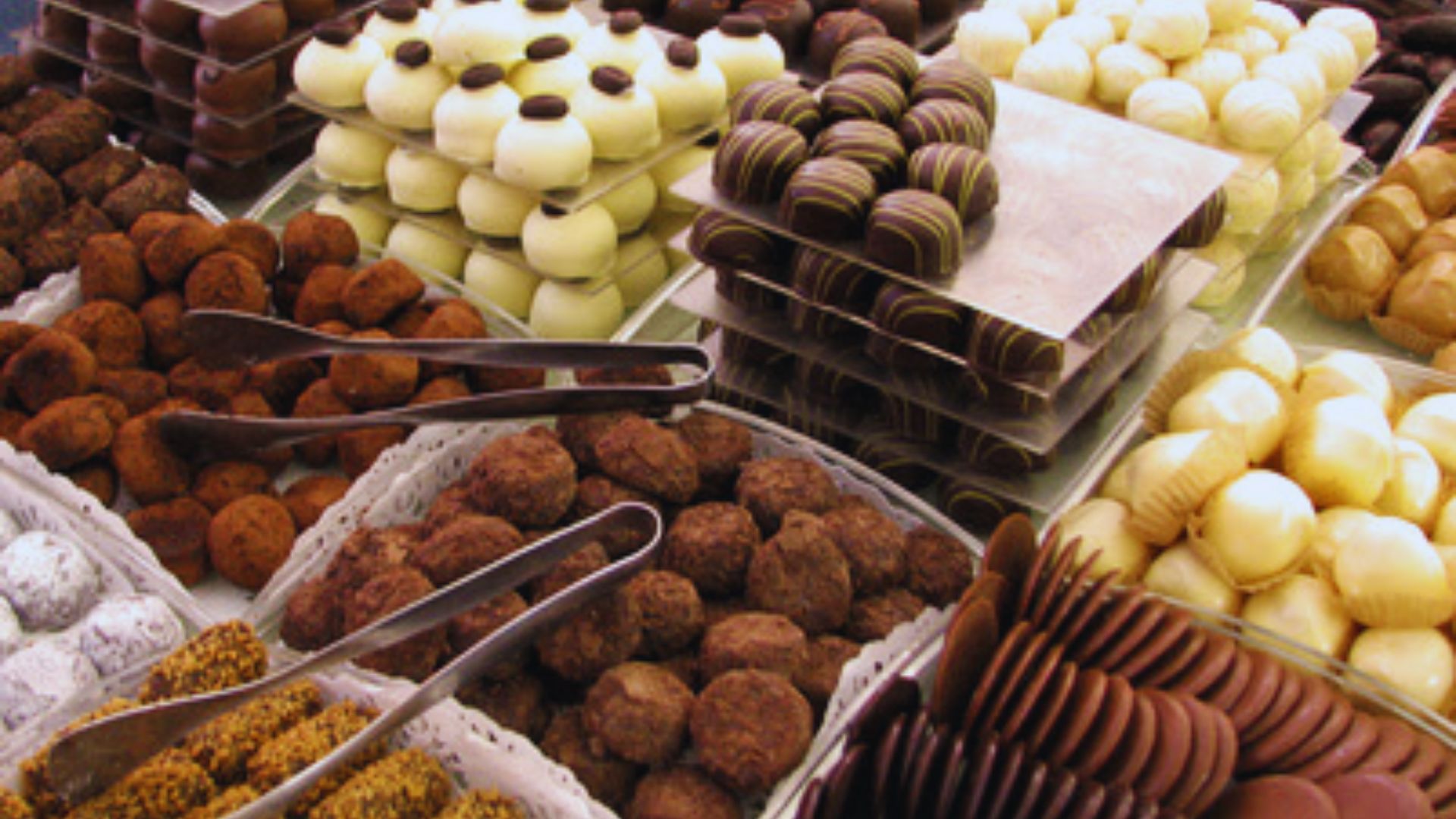
Belgian chocolate is not a marketing gimmick. It is genuinely one of the best in the world, and Brussels is where you will find the finest of it.
The city is packed with premium chocolatiers, many of whom have been crafting their recipes for generations. Shops like Neuhaus and Godiva started right here in Brussels.
You can walk into a chocolatier, watch the process, and walk out with a box of something extraordinary. It is one of those experiences that sticks with you.
2. Iconic Waffles and Street Food
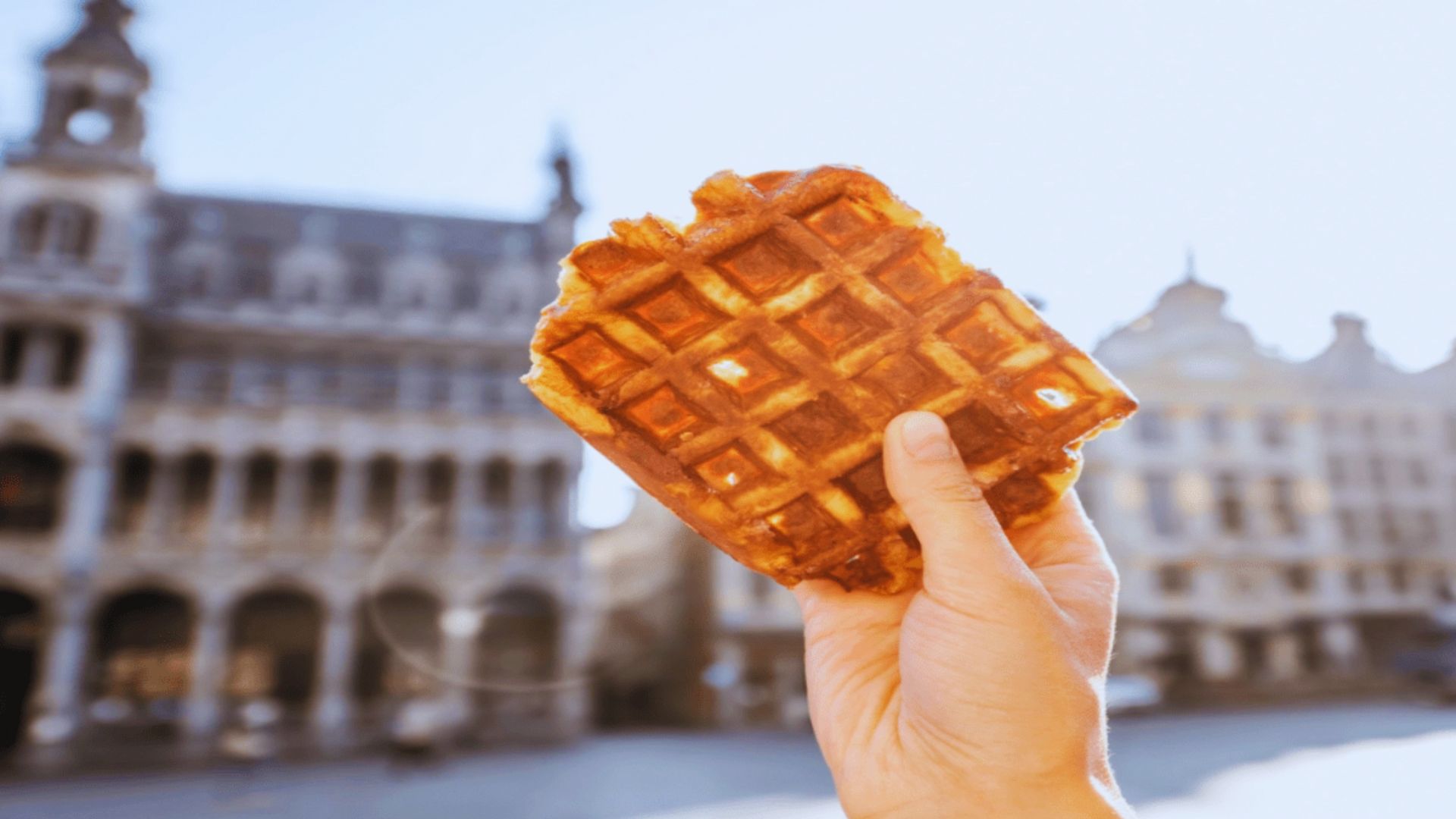
Belgian waffles are not the flat, round kind you might find at a hotel buffet. They are thick, crispy on the outside, soft on the inside, and served warm.
Brussels has two main waffle styles: the lighter Brussels waffle and the denser Liège waffle. Both are worth trying, and street stalls across the city serve them fresh all day.
The food culture here goes beyond waffles. Frites, steamed mussels, and a glass of local beer make for a perfect afternoon.
3. Historic Landmarks and Structure
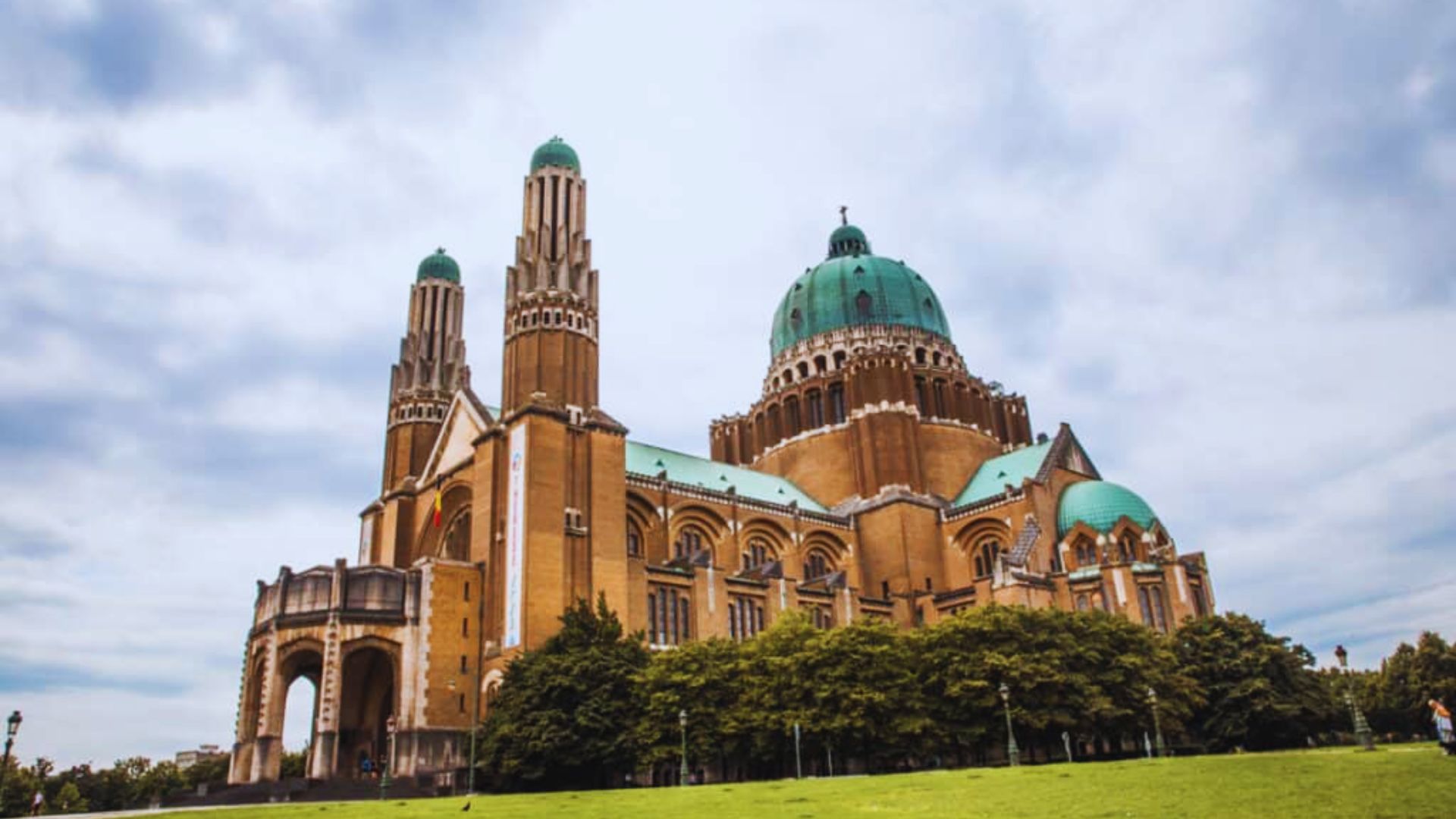
The Grand Place in the centre of Brussels is one of the most photographed squares in Europe, and for good reason. The ornate guild houses surrounding it date back to the 17th century.
You will also find Gothic churches, Art Nouveau townhouses, and striking modern museums all within walking distance of each other. The city layers its history visually.
I personally love how Brussels does not try to hide its past. Old and new sit side by side, and it works beautifully.
4. Heart of the European Union
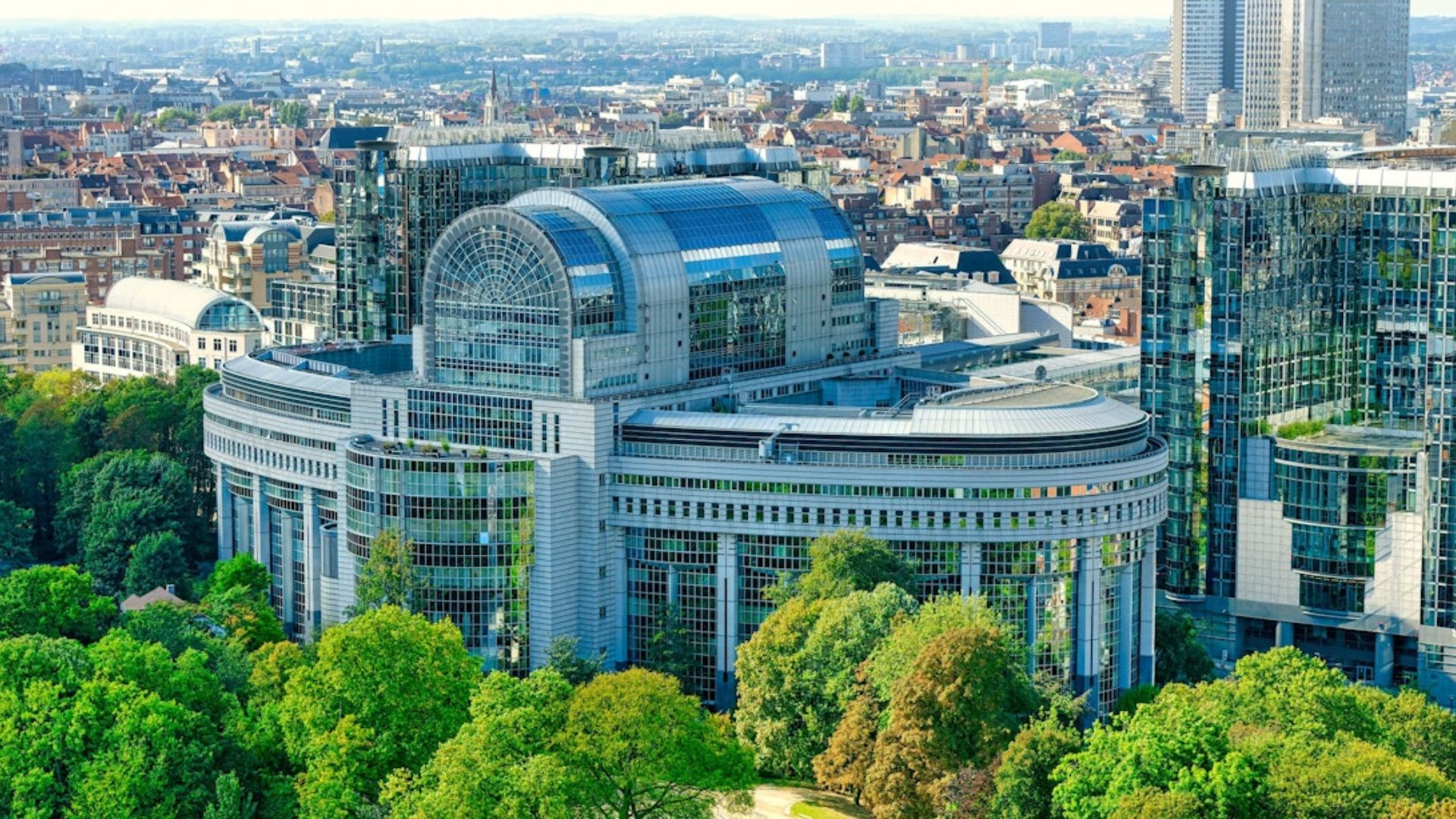
Brussels holds a level of political weight that few cities can match. The European Parliament and European Commission are both based here.
This means that decisions shaping over 440 million lives across Europe are made right in the centre of this city. That alone makes it historically significant.
For anyone interested in politics, international relations, or modern history, Brussels offers real context that no textbook can fully replace.
5. Vibrant Culture and Festivals
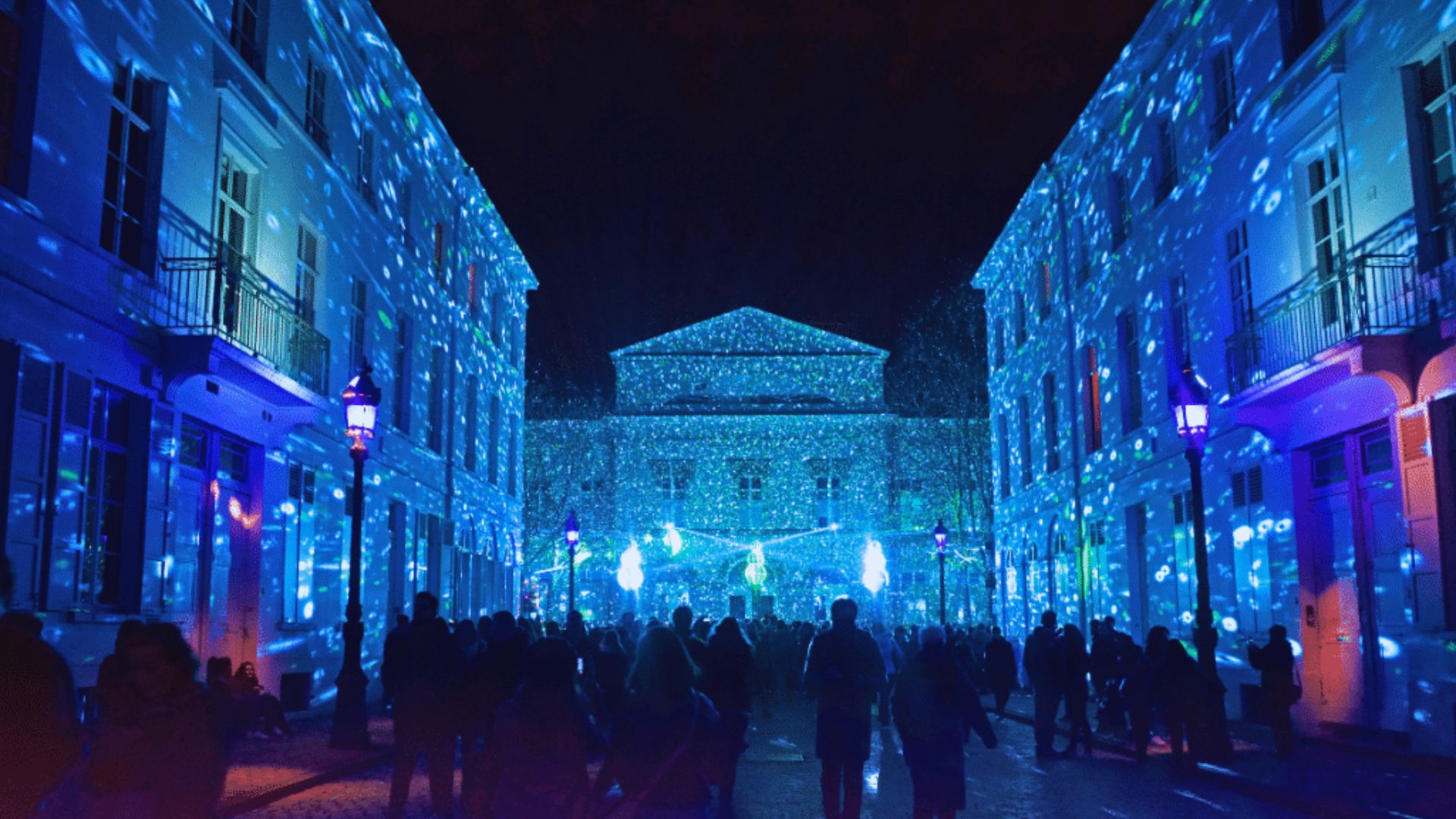
Brussels has a serious art and festival scene. The Royal Museums of Fine Arts, the Magritte Museum, and the MIMA (Millennium Iconoclast Museum of Art) are all worth a full afternoon.
The city hosts large-scale events throughout the year, from the famous Flower Carpet in the Grand Place to international jazz festivals and Brussels Comic Strip Festival.
With over 180 nationalities living side by side, the cultural mix in daily life is something you feel immediately.
History of Brussels
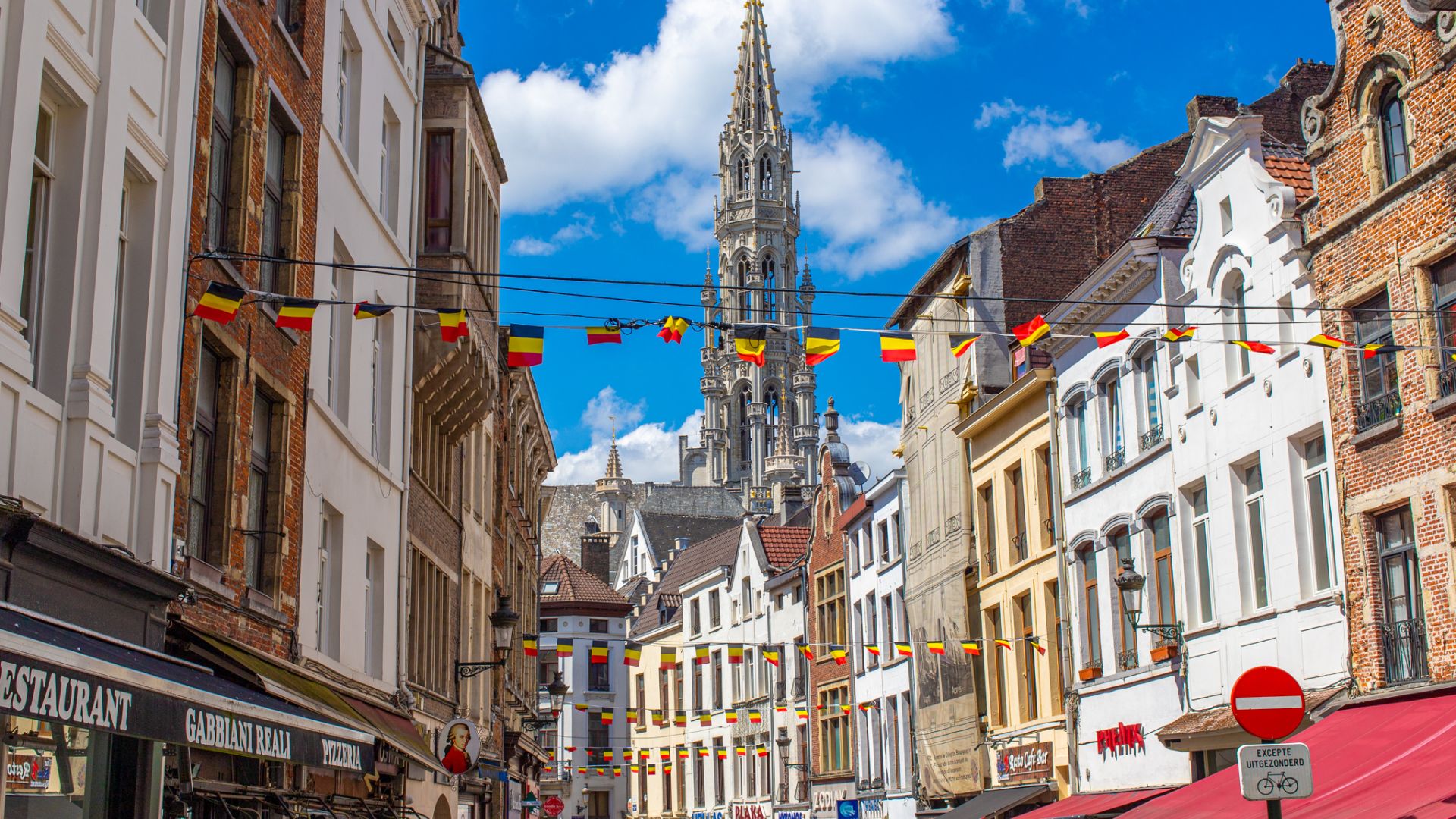
Brussels started as a small settlement on the Senne River around the 10th century. It grew quickly because of its location along major trade routes connecting the North Sea ports to inland Europe.
By the Middle Ages, it had become a thriving trade hub. Merchants, craftsmen, and guilds shaped the city’s early wealth, which is why the Grand Place looks the way it does today.
Over the centuries, Brussels passed through Spanish, Austrian, French, and Dutch rule before Belgium became an independent country in 1830. Brussels was named its capital immediately.
In the 20th century, the city became the seat of European political institutions. That shift turned Brussels from a national capital into a genuinely global city.
Population and Demographics
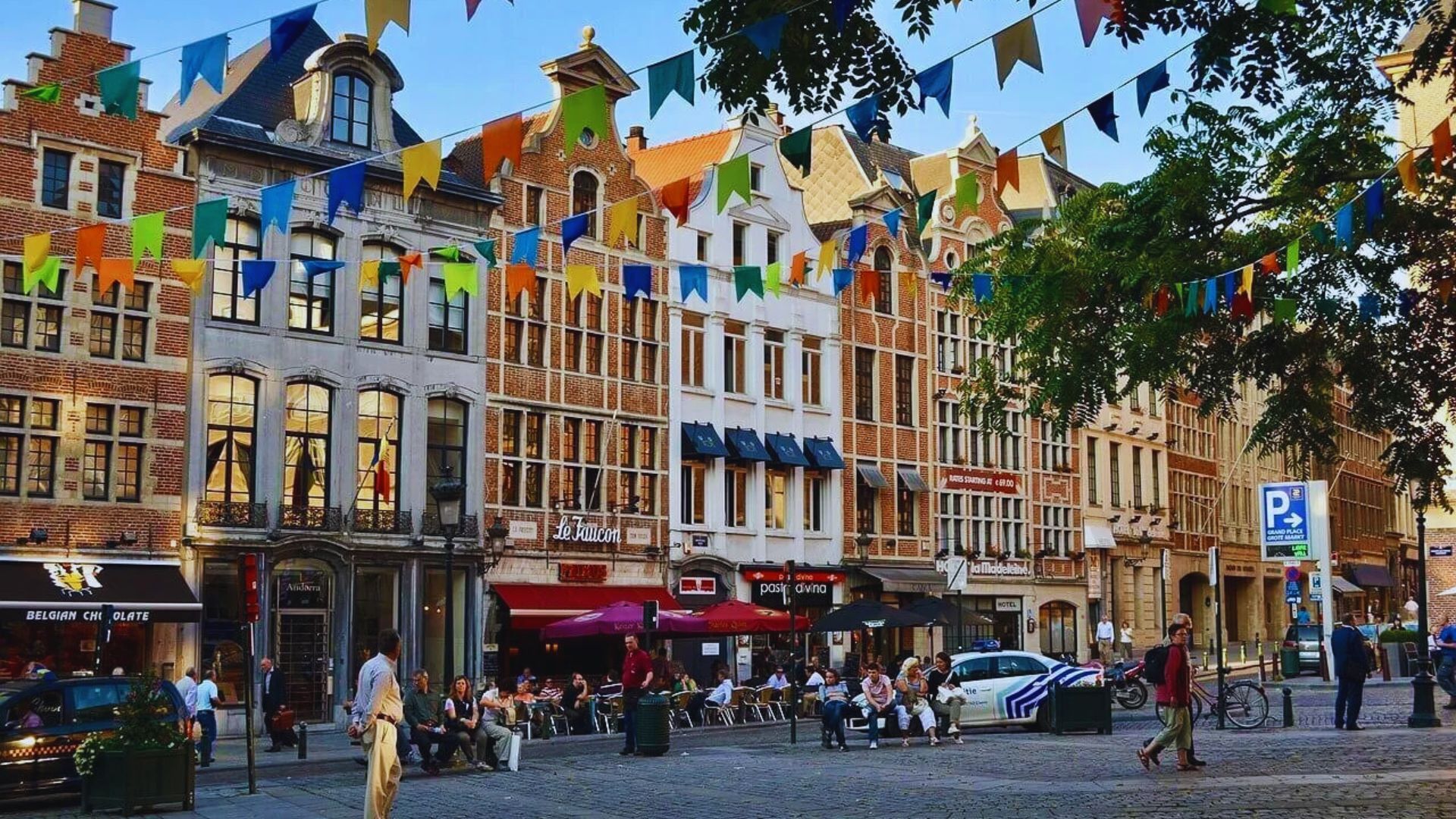
The city of Brussels proper has around 185,000 residents. The wider metro area brings that number up to approximately 1.2 million.
What makes the population interesting is how international it is. Nearly one-third of people living in Brussels were born outside Belgium. Many are EU workers, diplomats, or professionals from across the world.
French and Dutch are the official languages, but English is widely spoken, especially in professional and political circles.
This mix of nationalities creates a city that feels open and globally aware in everyday life.
Climate in Brussels
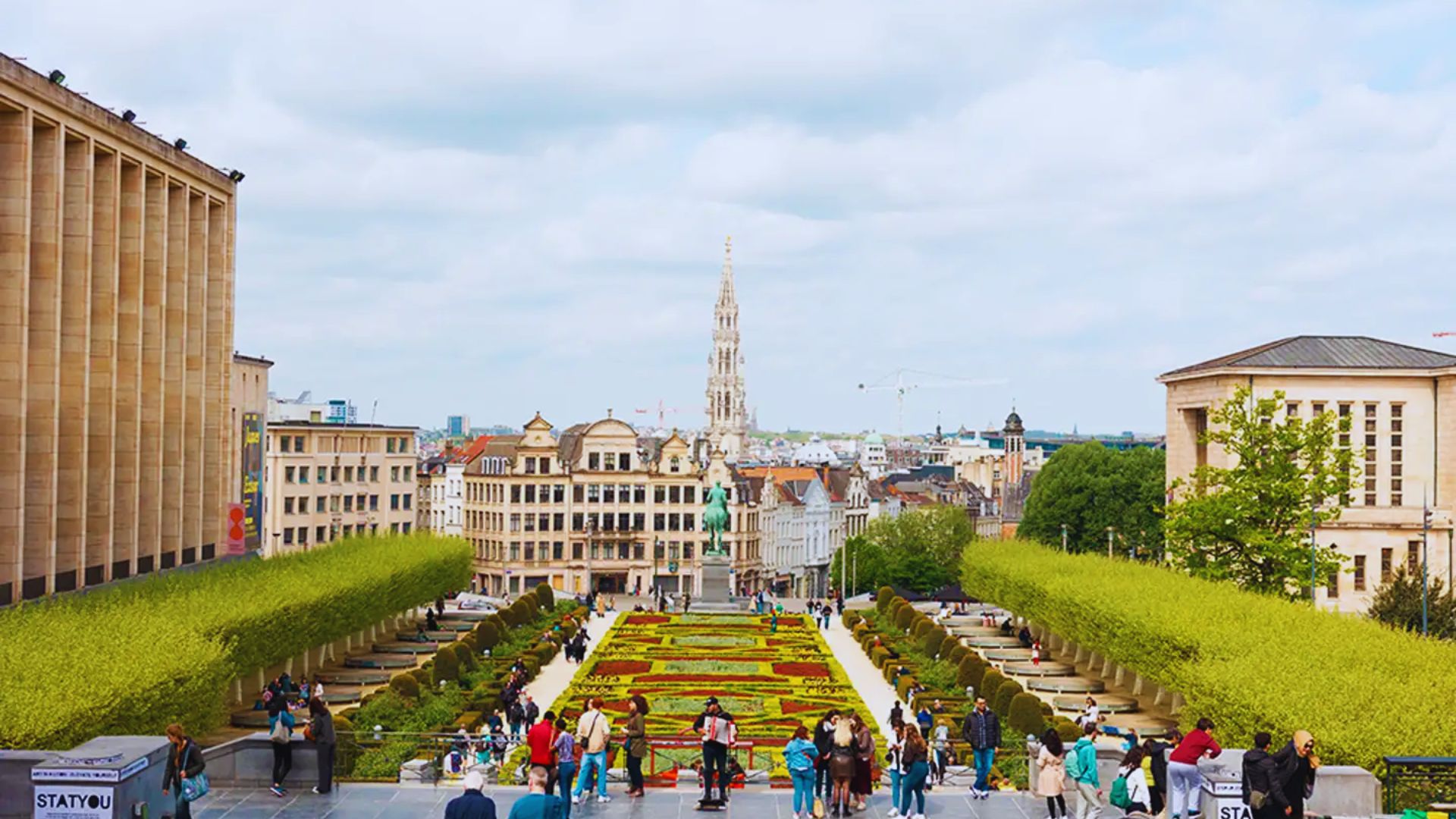
Brussels has a temperate maritime climate. That means mild summers, cool winters, and a fair amount of rain spread throughout the year.
Summers sit around 20 to 22 degrees Celsius on average. Winters are cool but not severe, hovering between 2 and 7 degrees Celsius. Snow is possible but not guaranteed.
Spring (April to June) and early autumn (September to October) are the best times to visit. The weather is comfortable, the city is lively, and tourist crowds are manageable.
I would avoid July and August if you prefer a quieter visit. That is peak tourist season, and prices reflect it.
Famous Food in Brussels

Food is one of the biggest reasons people fall in love with Brussels. The city takes eating seriously, and it shows in every street corner and market stall.
Here are the foods Brussels is best known for:
- Belgian waffles: served warm, often topped with fruit, cream, or just powdered sugar
- Chocolate: from handmade pralines to rich dark bars, the quality here is unmatched
- Frites: thick-cut Belgian fries, usually served in a paper cone with a choice of sauces
- Beer: Belgium has over 1,500 beer varieties, Brussels alone has dozens of bars dedicated to local brews
If there is one city where eating your way through a trip is completely justified, it is Brussels. Every meal feels like a small event here.
Top Attractions in Brussels
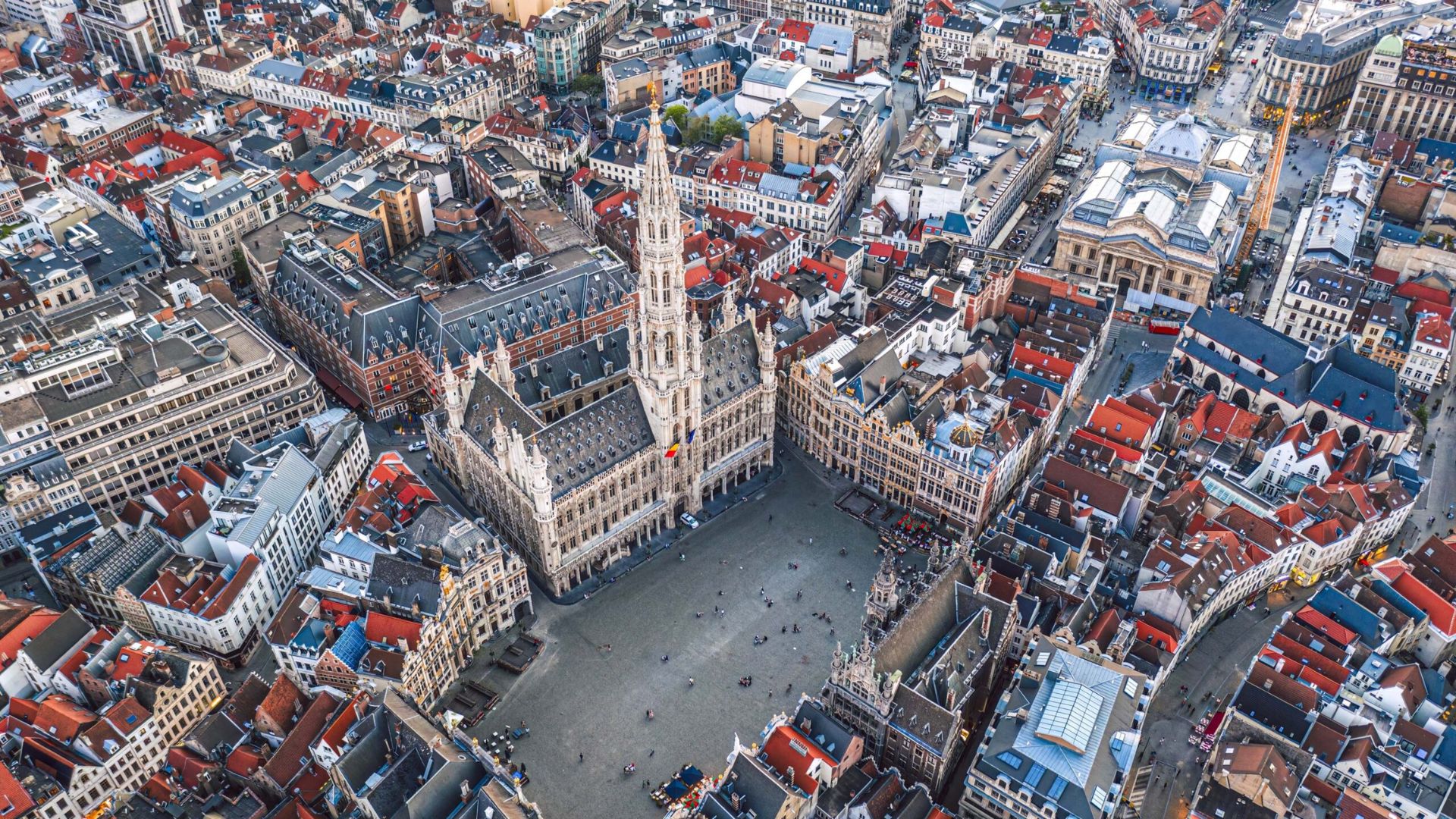
Brussels has more to see than most visitors expect. A few days here and you will barely scratch the surface.
The must-see spots include:
- Grand Place: a UNESCO World Heritage Site and one of the most striking medieval squares in Europe
- Atomium: a giant iron crystal structure built for the 1958 World Expo, now an iconic symbol of the city
- Museums and galleries: the Magritte Museum, Royal Museums of Fine Arts, and the Museum of Natural Sciences are all worth visiting
- Parks and public spaces: Parc du Cinquantenaire, Laeken Park, and the Bois de la Cambre offer green space and fresh air
I always tell people: do not just stick to the tourist trail. Walk the neighbourhoods. The real Brussels shows up in the small details.
Culture and Lifestyle in Brussels
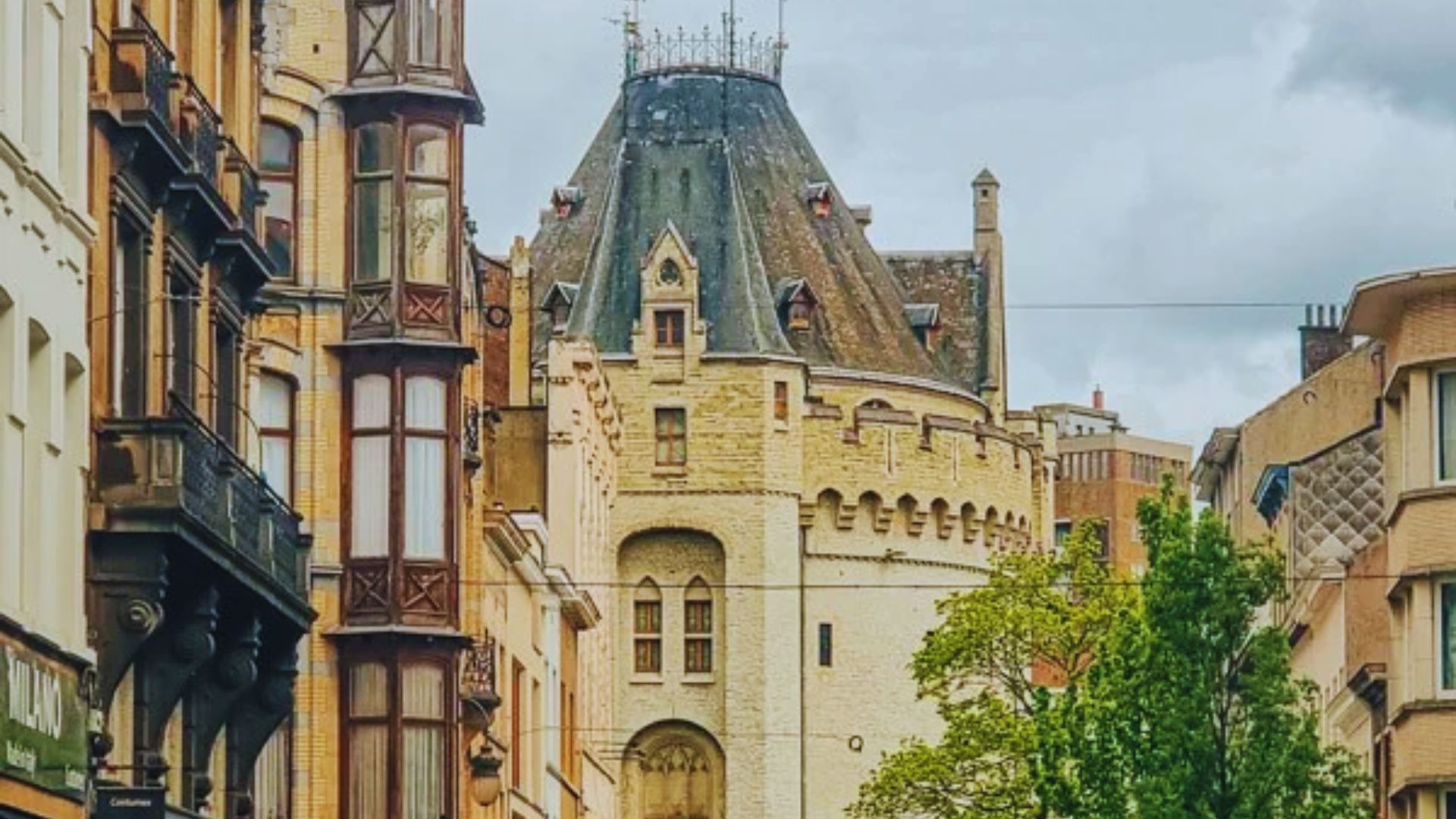
Art is woven into daily life in Brussels.
The city has a long love affair with Art Nouveau architecture, and you can spot the curved lines and decorative facades on buildings all around the city.
Day-to-day life moves at a relaxed but purposeful pace. People take lunch seriously. Markets are popular on weekends. Coffee shops and bookstores fill up easily on quiet afternoons.
Brussels blends tradition and modernity better than most cities. Old guild houses stand next to contemporary offices.
Ancient churches host modern art exhibitions. It never feels like one era is trying to erase another.
Why Brussels Matters Globally
Brussels carries real global weight. It is home to the European Union and NATO, which makes it one of the most politically influential cities in the world.
Economic activity here is massive. The EU institutions alone bring in thousands of professionals, and international trade decisions flow through this city regularly.
Culturally, Brussels has shaped comics, chocolate, fashion, and cinema far beyond its size. Its influence is quiet but consistent, and that is what makes it genuinely significant.
Conclusion
Brussels never quite leaves you. I have read about dozens of cities, and this one keeps coming back up for good reason.
It is the kind of place that makes you want to book a flight, try something new, and just walk without a plan.
If this guide sparked even a little curiosity, I did my job. Now I want to hear from you.
What part of Brussels interests you the most? Drop it in the comments below, and share this with a friend who loves to explore new places!
Frequently Asked Questions
What Is Brussels Most Famous For?
Brussels is most famous for being the headquarters of the European Union and NATO. It is also globally recognised for Belgian waffles, world-class chocolate, and its stunning medieval architecture.
Is Brussels Worth Visiting?
Yes, Brussels is absolutely worth a visit for its rich history, incredible food scene, and vibrant cultural life. It is a city that offers something meaningful for every kind of traveller.
What Language Is Spoken in Brussels?
Brussels has two official languages: French and Dutch. English is also widely spoken, particularly in professional and international settings.
What Is the Best Time to Visit Brussels?
Spring (April to June) and early autumn (September to October) offer the most comfortable weather and a lively city atmosphere. These months are generally considered the best for visiting.
How Big Is Brussels Population-Wise?
The city of Brussels has around 185,000 residents, while the wider metropolitan area is home to approximately 1.2 million people.
