


Planning a Tuscany itinerary for wine lovers can feel overwhelming. I get it.
You want to taste amazing wines. You want to see rolling vineyards. But you only have three days.
This guide will show you exactly how to spend 72 hours in Tuscany’s best wine regions. I’ve mapped every tasting, every hilltop town, and every scenic drive. You’ll visit Chianti, Val d’Orcia, out and Montalcino without wasting time.
Here’s what we’ll cover: when to go, where to stay, which wineries to book, and how to expand this into a longer trip. I’ve spent years touring these vineyards, so you can trust this plan works.
Let’s make your short Tuscany wine trip unforgettable.
Things to Know Before Travelling to Tuscany
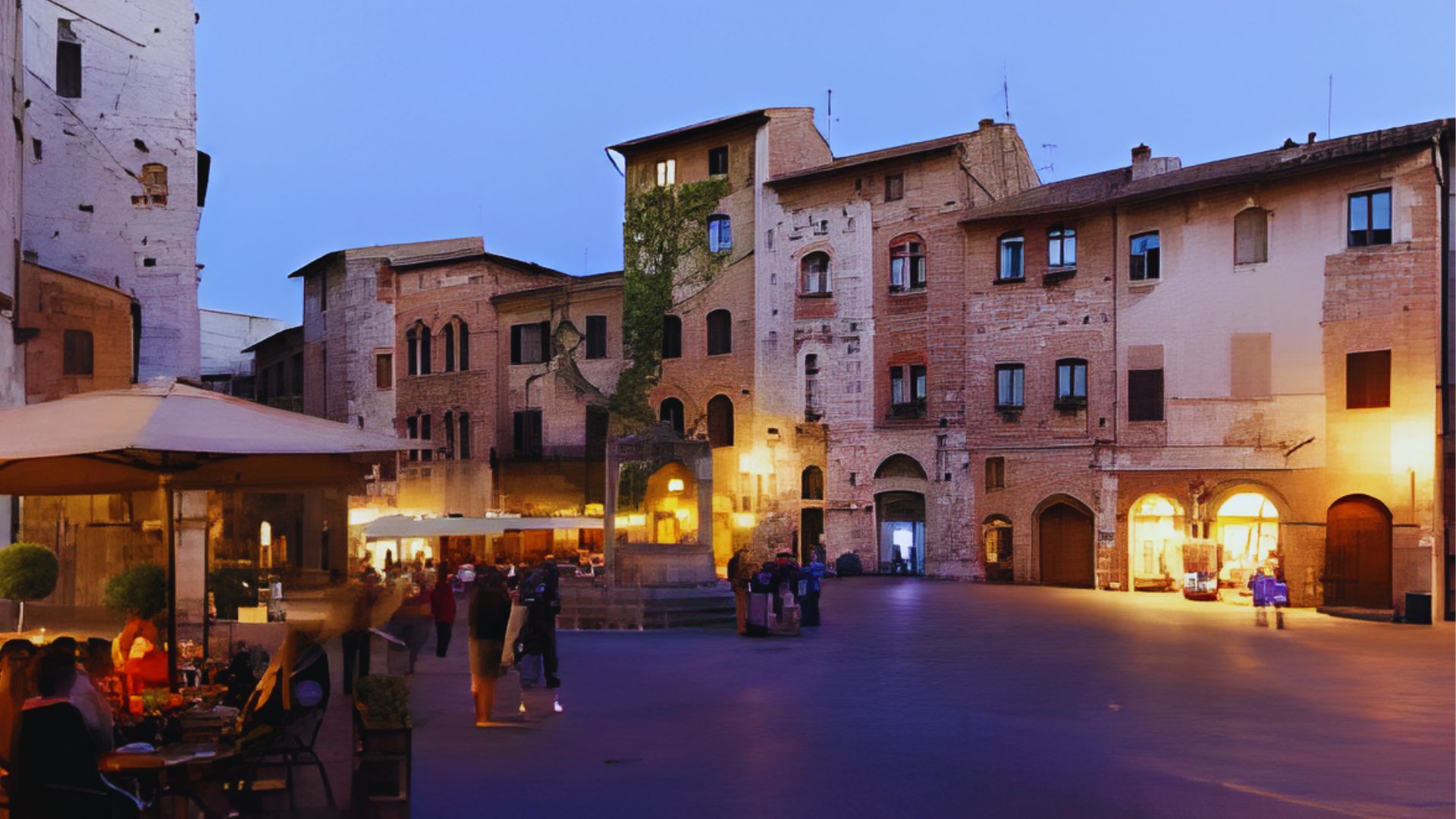
Smart planning makes good wine trips great. Know the basics first.
September through October is wine heaven. Harvest season brings energy to every vineyard. The weather stays warm but not hot. Crowds thin out after August.
Spring works too. April and May offer mild temperatures and blooming landscapes.
Avoid July and August. Heat exhausts you. Tourists fill every town.
Yes, rent a car. Public transport doesn’t reach most wineries. Buses run infrequently between small towns.
One person should stay sober or hire a driver. Many wineries offer spittoons for tasting. Tours solve this problem but limit flexibility.
Day 1: Chianti Classico Wine Region
Start strong in Tuscany’s most famous wine zone.
Starting a Tuscany Itinerary 3 Days in Chianti
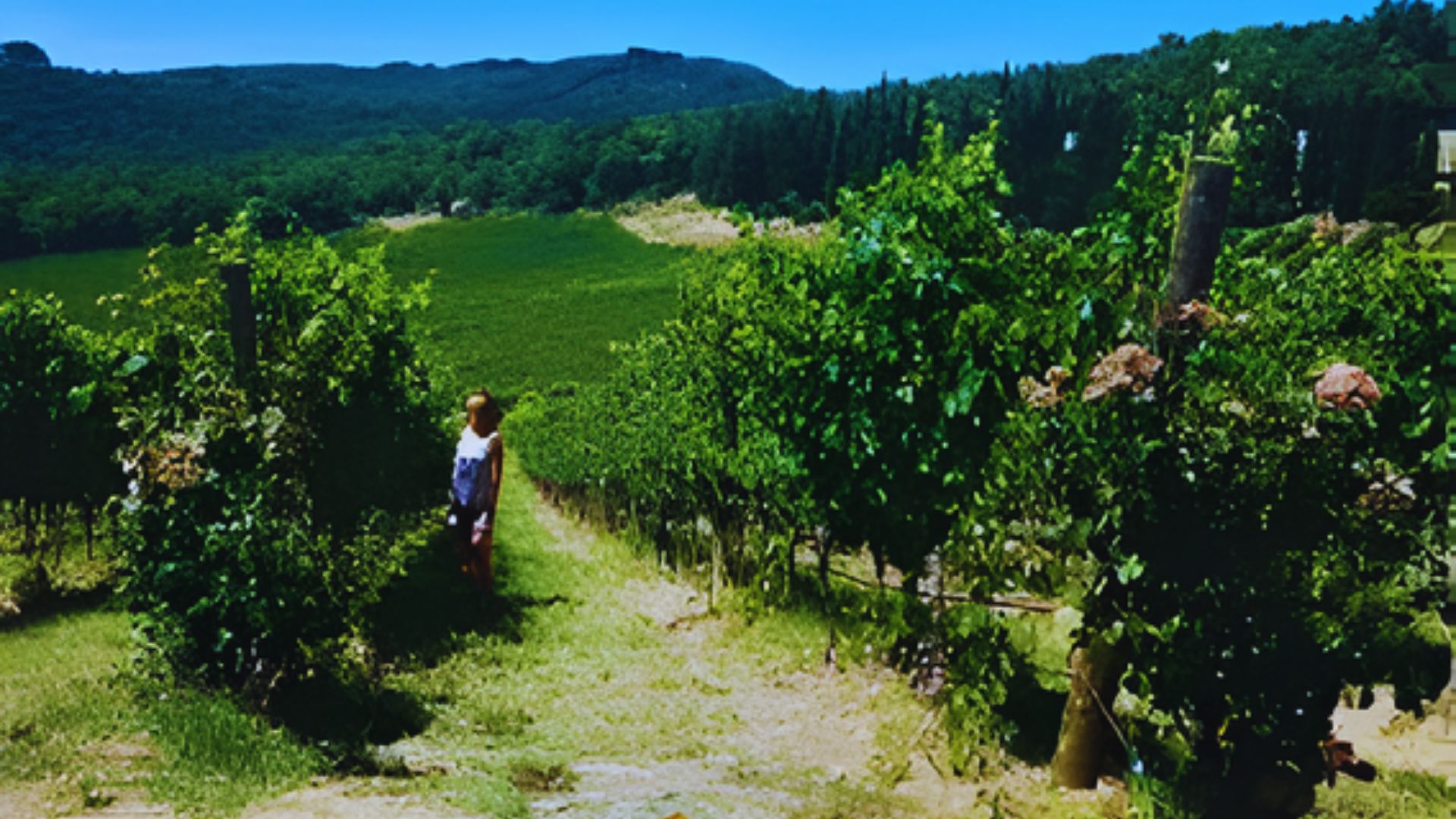
Base yourself in Greve or Radda. Both towns sit centrally in Chianti Classico. Florence is just 30 minutes north if you’re flying in.
Arrive by late morning. Grab lunch in Greve’s main square. Local shops sell salami, cheese, and olive oil.
Wine Tasting in Gaiole or Greve in Chianti

Book one or two wineries maximum for day one. Jet lag and travel fatigue are real.
Castello di Brolio offers history and excellent Chianti Classico. Smaller producers like Vignamaggio provide intimate experiences. You’ll meet actual winemakers.
Reserve tastings three weeks ahead.
Scenic Drive Through Chianti Vineyards
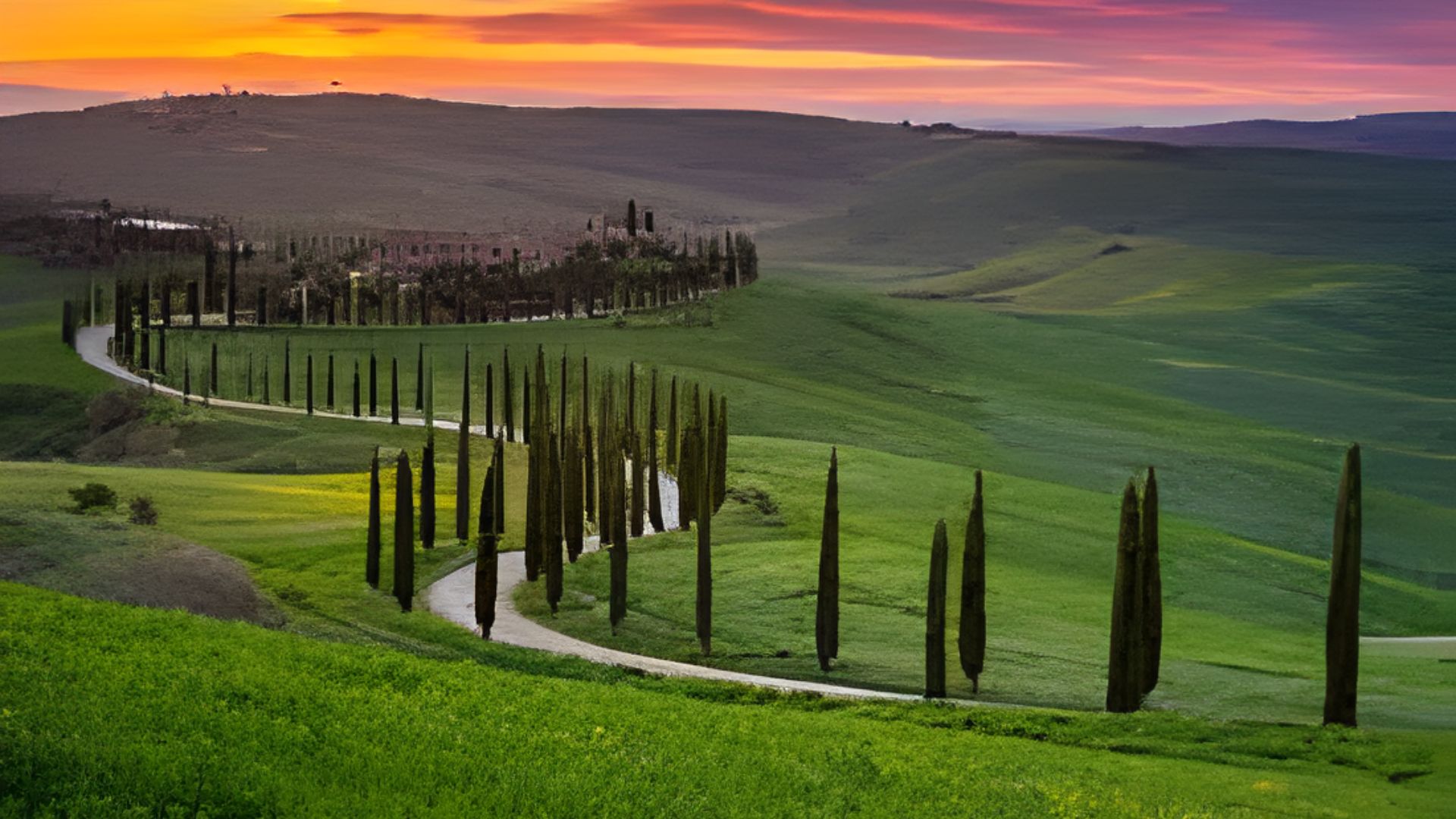
The SR222 highway cuts through Chianti’s heart. Every turn reveals another vineyard or olive grove. Stop randomly at viewpoints.
I prefer driving. More ground covered, less sweat.
Castellina or Radda Stops
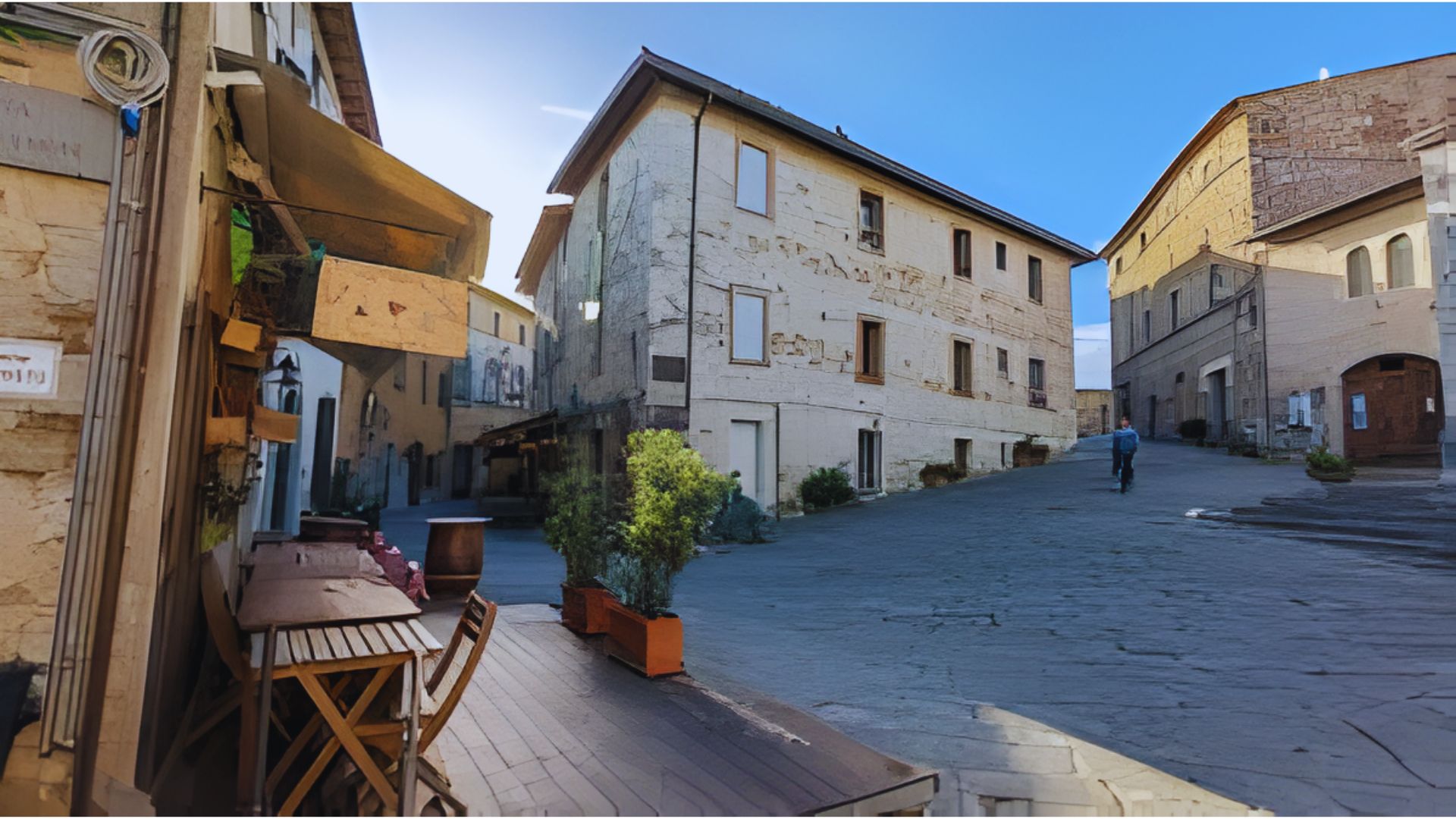
Castellina feels medieval. Walk the ancient walls. Radda is quieter with a weekly market at its piazza.
Stop at both if time allows. Grab an espresso.
Sunset Views Over the Chianti Hills
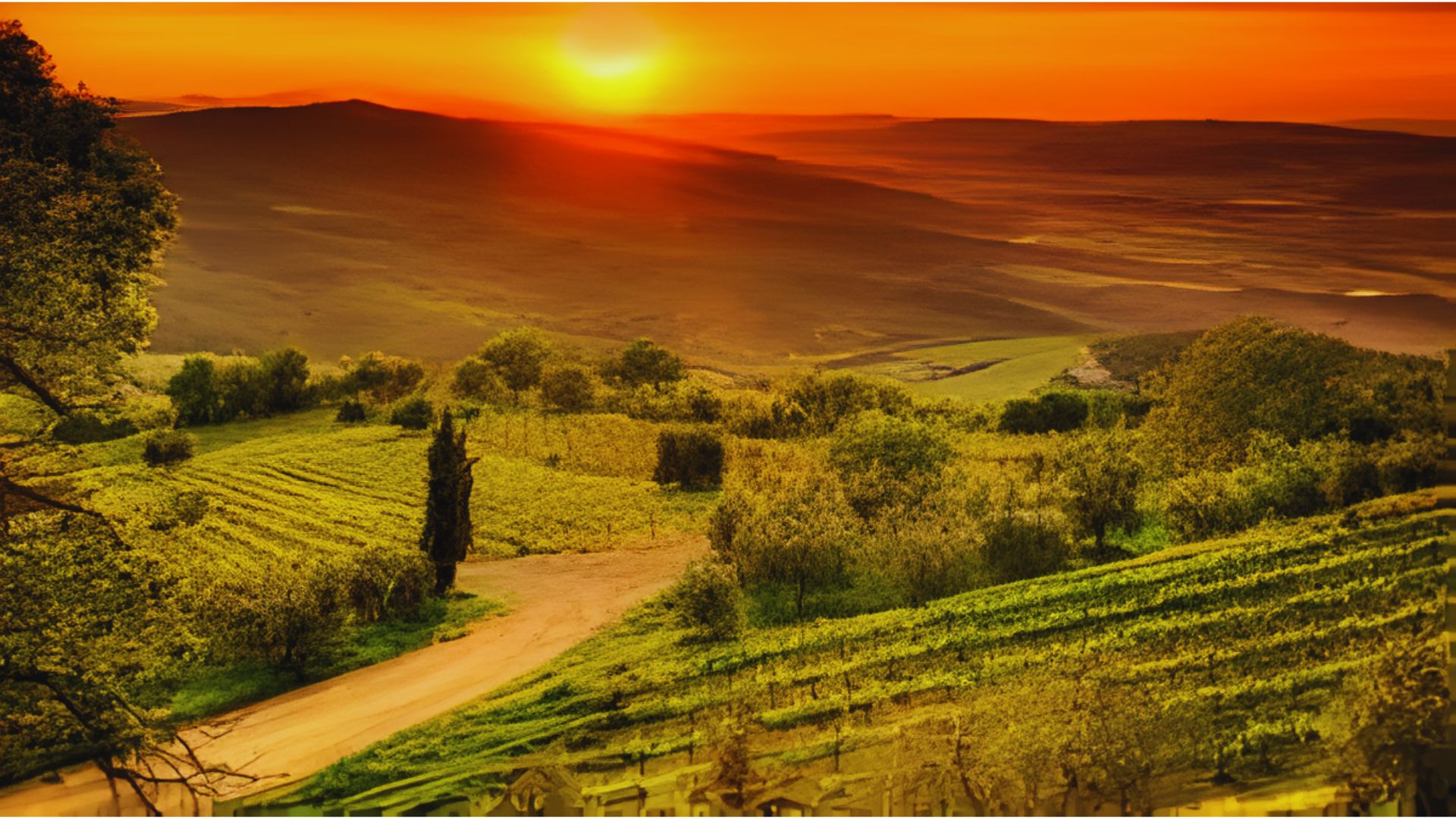
Find a high point before dusk. The light turns golden over vine-covered slopes. Many agriturismos have terraces perfect for sunset watching.
This moment reminds you why Tuscany matters.
Day 2: Val d’Orcia & Montepulciano Wines
Day two takes you south into postcard territory.
Val d’Orcia Highlights in a 3 Day Tuscany Itinerary
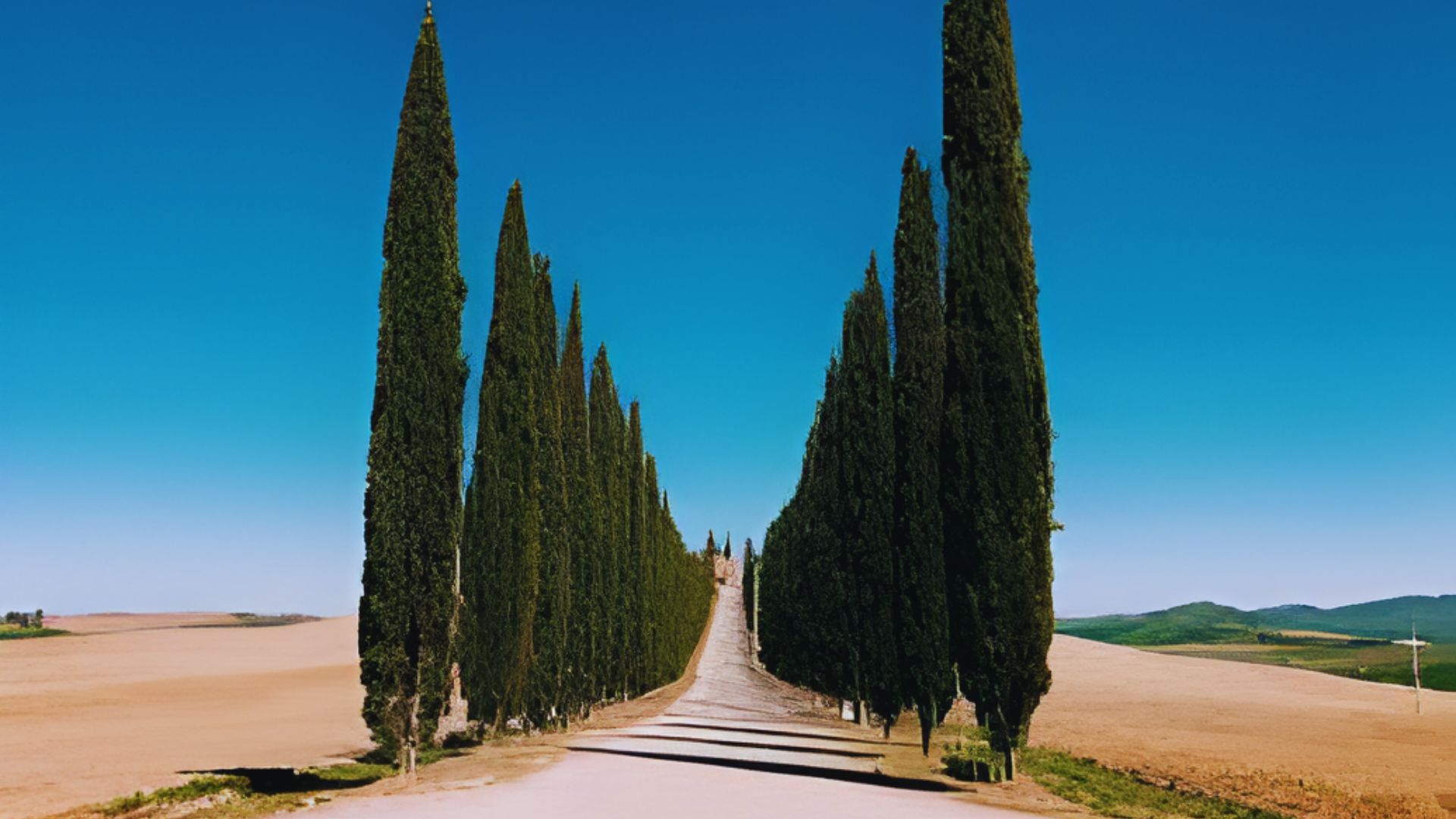
Drive the SP146 through Val d’Orcia. UNESCO protects this landscape for good reason. Cypress-lined roads wind past perfect hills.
Stop at San Quirico d’Orcia. Pienza sits on a hilltop nearby. This Renaissance town makes incredible pecorino cheese.
The drive itself is the highlight. Don’t rush it.
Montepulciano Wine Tasting (Vino Nobile)

Vino Nobile di Montepulciano ranks among Italy’s best reds. It’s bolder than Chianti but smoother than Brunello.
Contucci winery sits right in town. Their cellars go deep underground. Avignonesi offers modern tasting rooms with valley views. Their Vin Santo dessert wine is exceptional.
Touring Montepulciano’s Historic Center
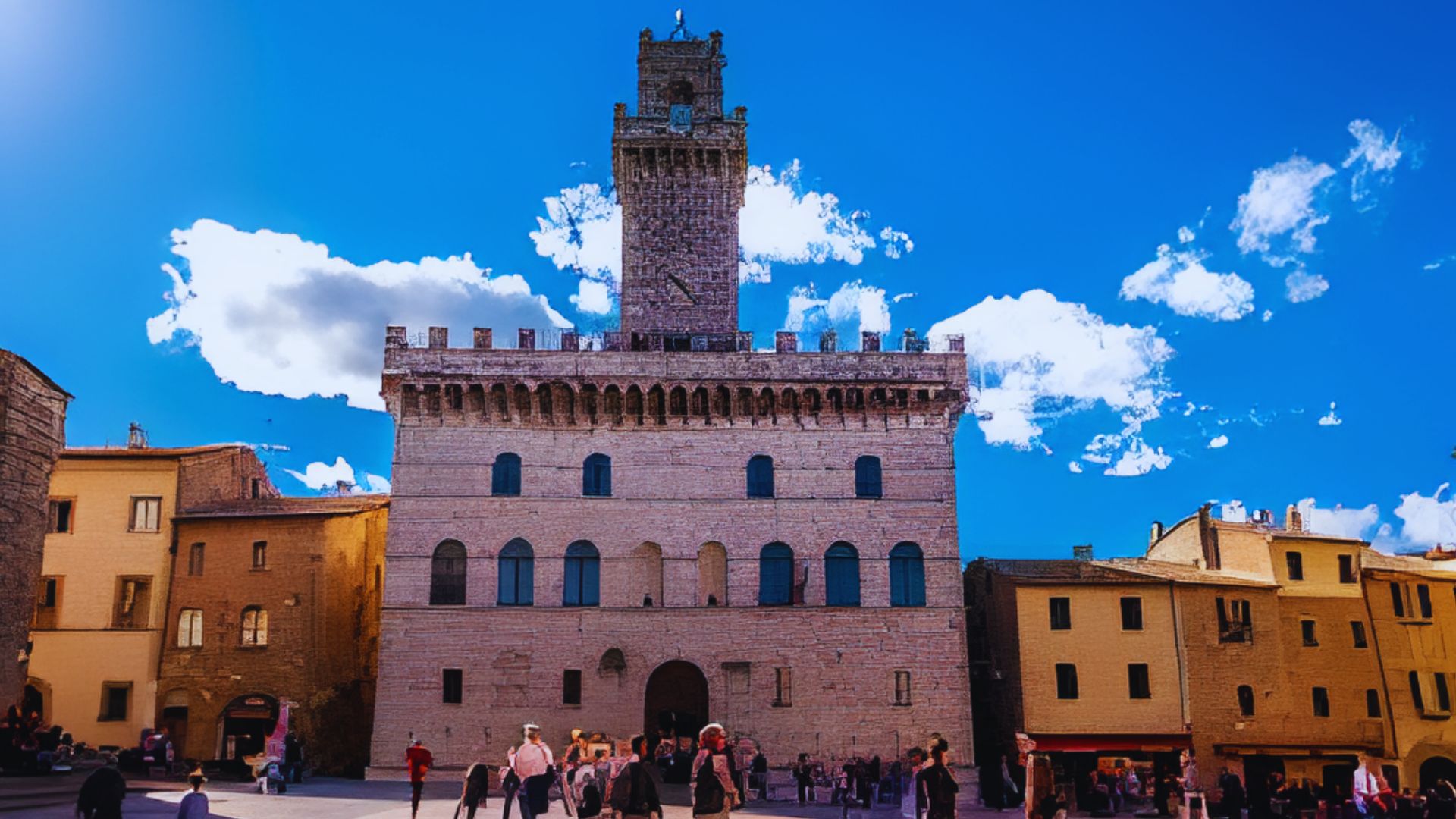
The main street climbs steeply upward. Medieval buildings line both sides. Small wine bars hide in every alley.
Walk slowly. Peek into courtyards. I always buy wine to ship home here.
Pienza Cheese and Wine Pairings
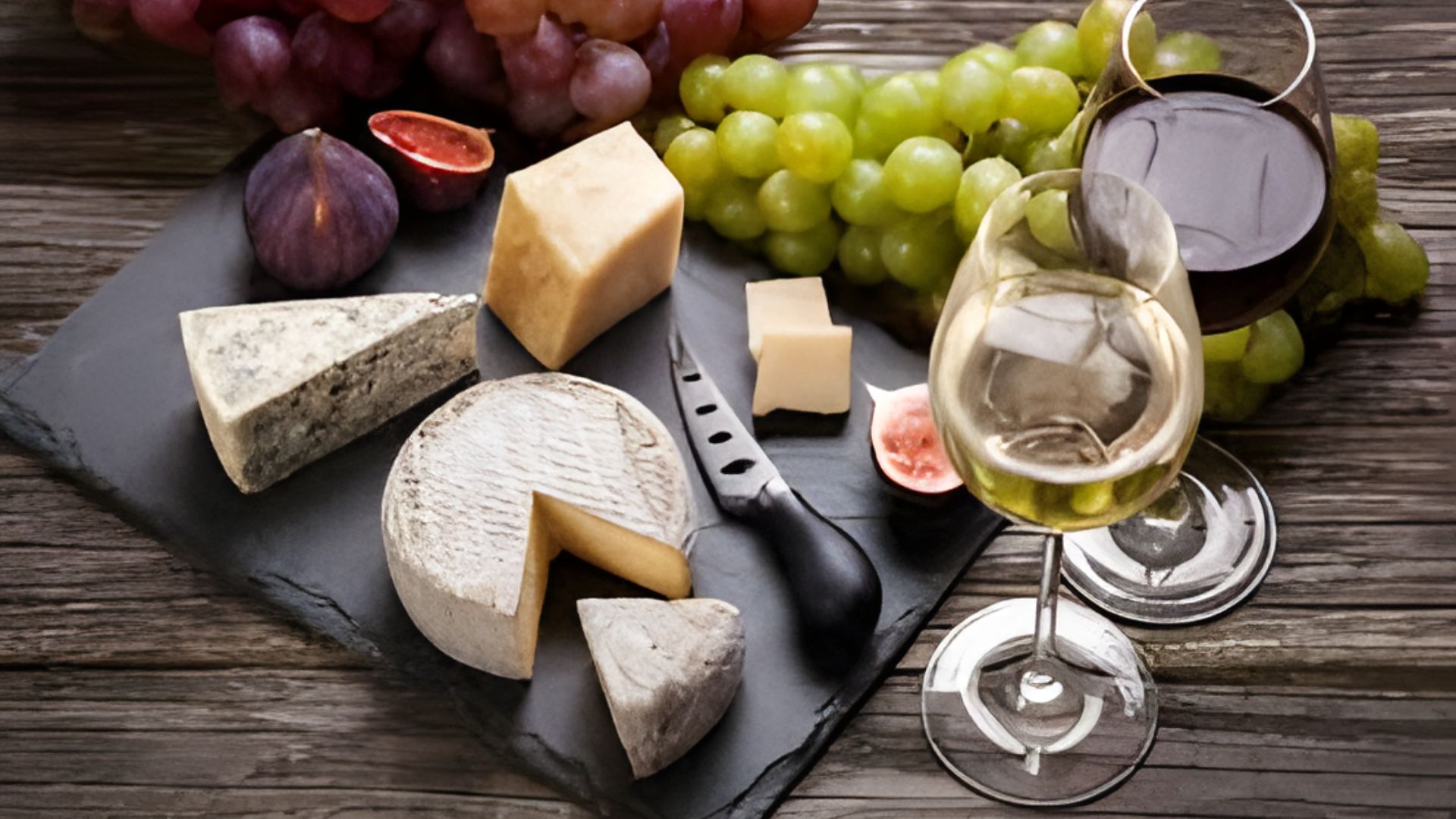
Pienza’s pecorino cheese pairs perfectly with local wines. Young pecorino tastes mild and creamy. Aged versions develop sharp, complex flavors.
Pair fresh pecorino with white wine. Aged versions need robust reds.
Overnight Stay in Val d’Orcia Countryside

Sleep in an agriturismo tonight. You’ll eat what they grow. Dinners stretch for hours. Wine flows freely.
The quiet at night is complete.
Day 3: Montalcino & Brunello di Montalcino.
Your final day focuses on Tuscany’s most prestigious wine.
Montalcino in a Tuscany Itinerary for Wine Lovers
Montalcino perches on a high hill. The fortress walls still stand. Views stretch across three valleys.
The town is tiny but packed with wine bars. Every shop sells Brunello. Arrive early. Beat the tour buses.
Brunello di Montalcino Wine Tastings

Brunello is Sangiovese at its finest. Regulations require five years of aging before release. The wine tastes powerful but Refined.
Biondi-Santi created Brunello. Their wines cost hundreds but defined the category. Poggio Antico offers better value. Their terrace overlooks endless vineyards.
Book two wineries here. Brunello deserves serious attention.
Biodynamic vs Traditional Wineries
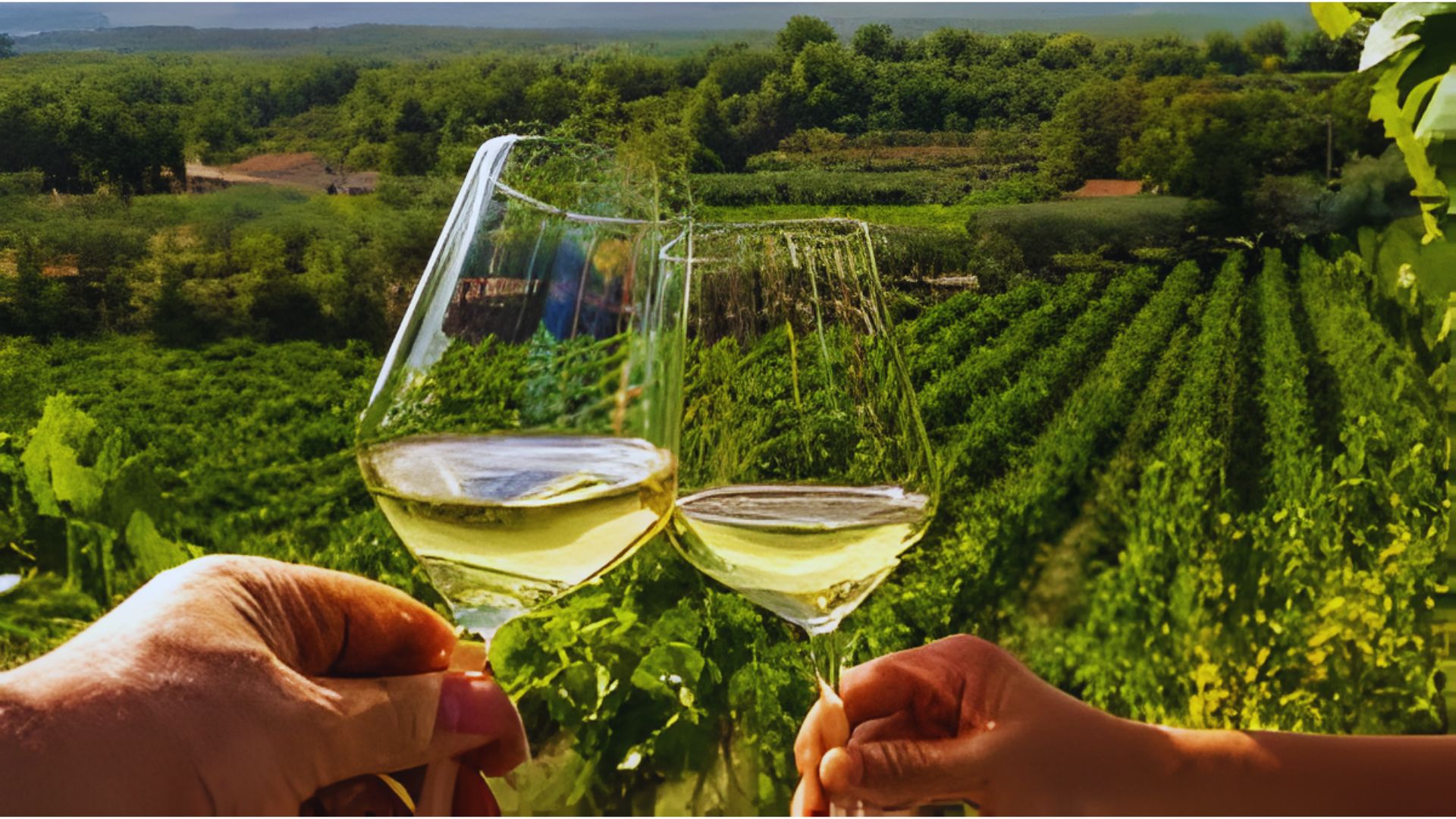
Some producers follow biodynamic farming. No chemicals. Planting by moon phases.
Castello Romitorio practices biodynamic viticulture. Their wines taste pure and focused.
Try both styles. Decide what you prefer.
Sant’Antimo Abbey Stop
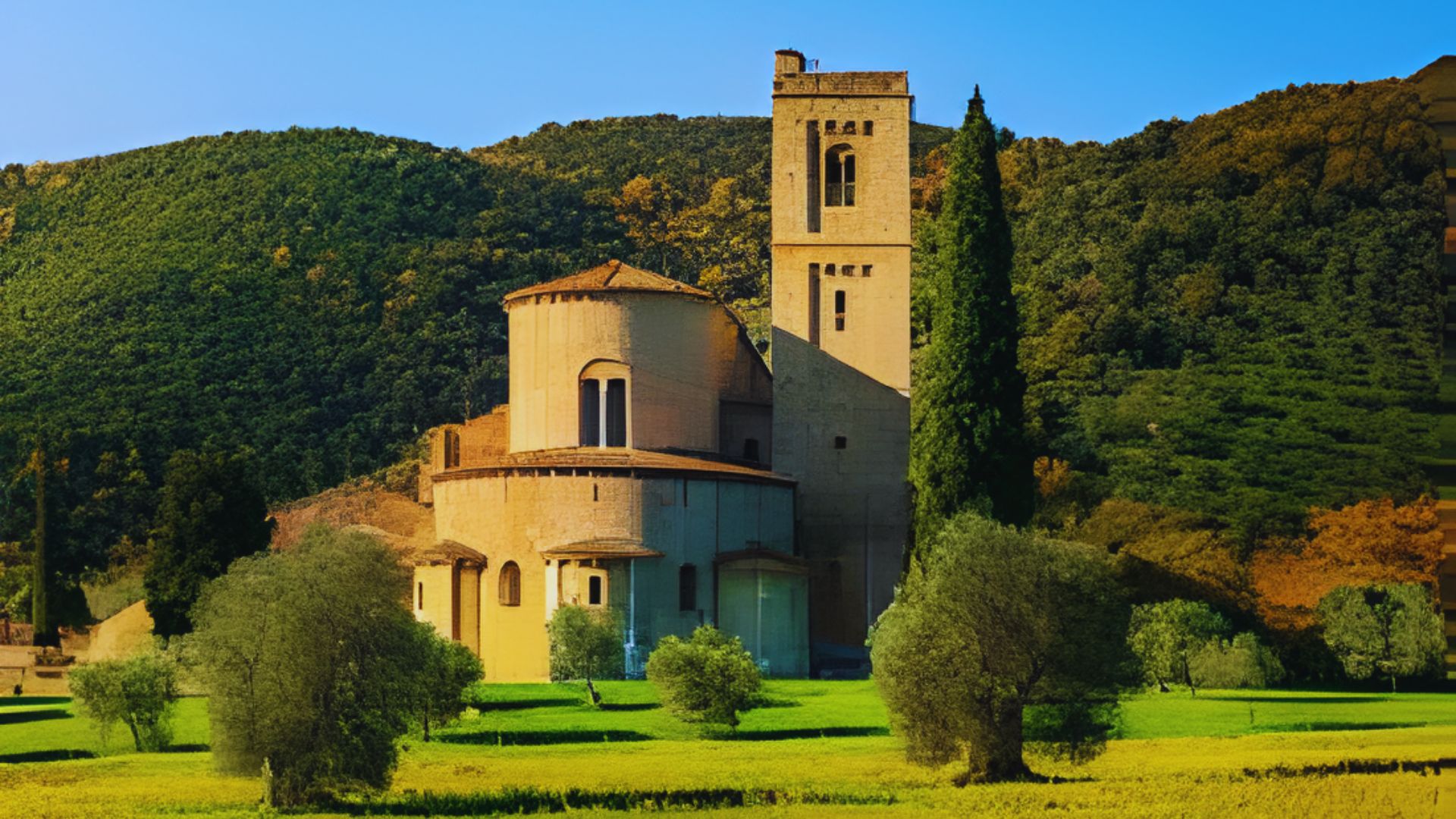
This 12th-century abbey sits below Montalcino. Monks still sing Gregorian chants daily.
Stop here mid-morning. It’s free to enter.
Farewell Tuscan Wine Lunch
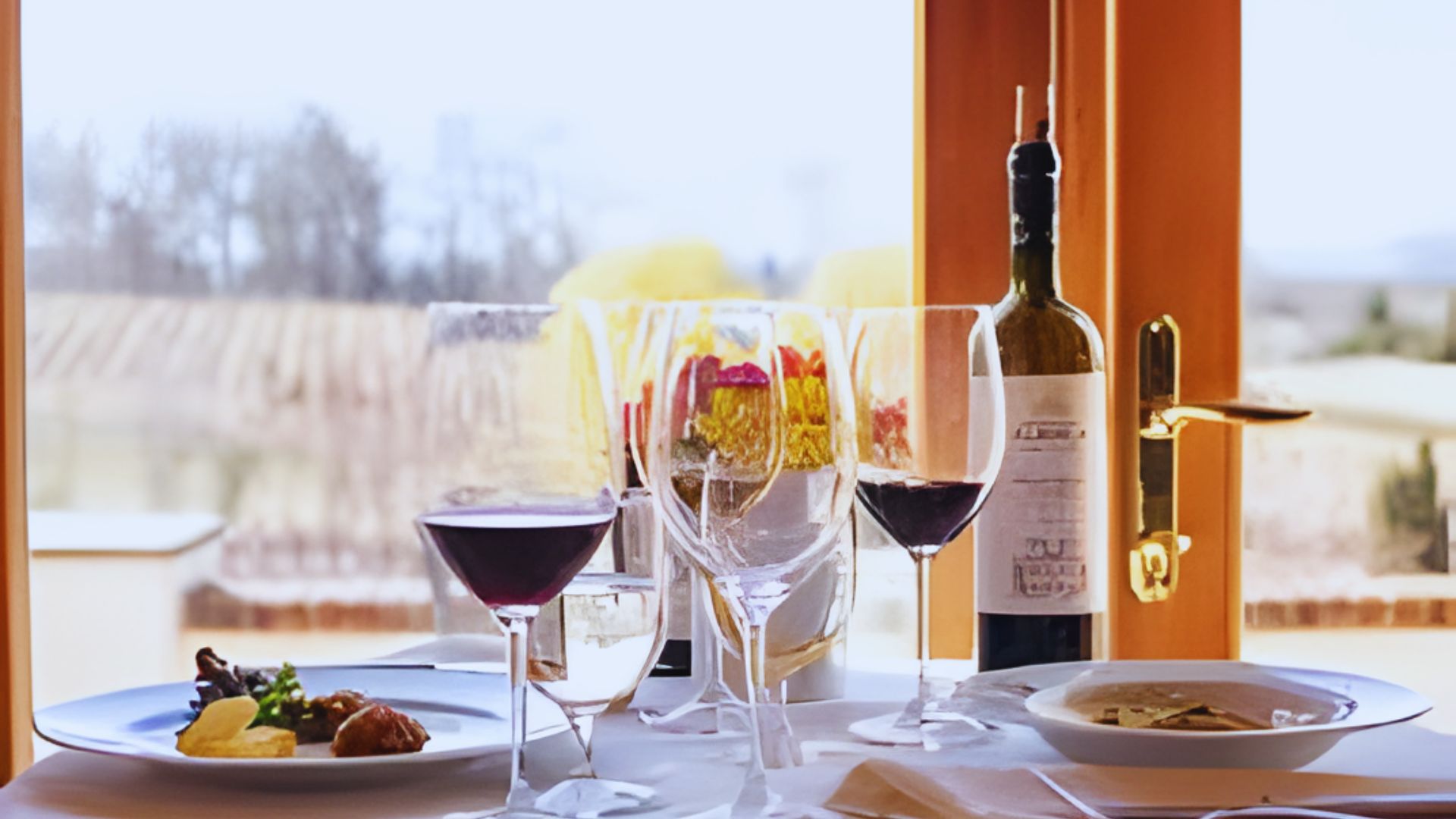
End your trip with a long lunch. Order pici pasta with ragu. Finish with cantucci dipped in Vin Santo.
Drink Rosso di Montalcino. It’s Brunello’s younger sibling.
Savor this meal. Your Tuscany wine trip ends here.
Where to Stay for a 3 Day Tuscany Wine Itinerary
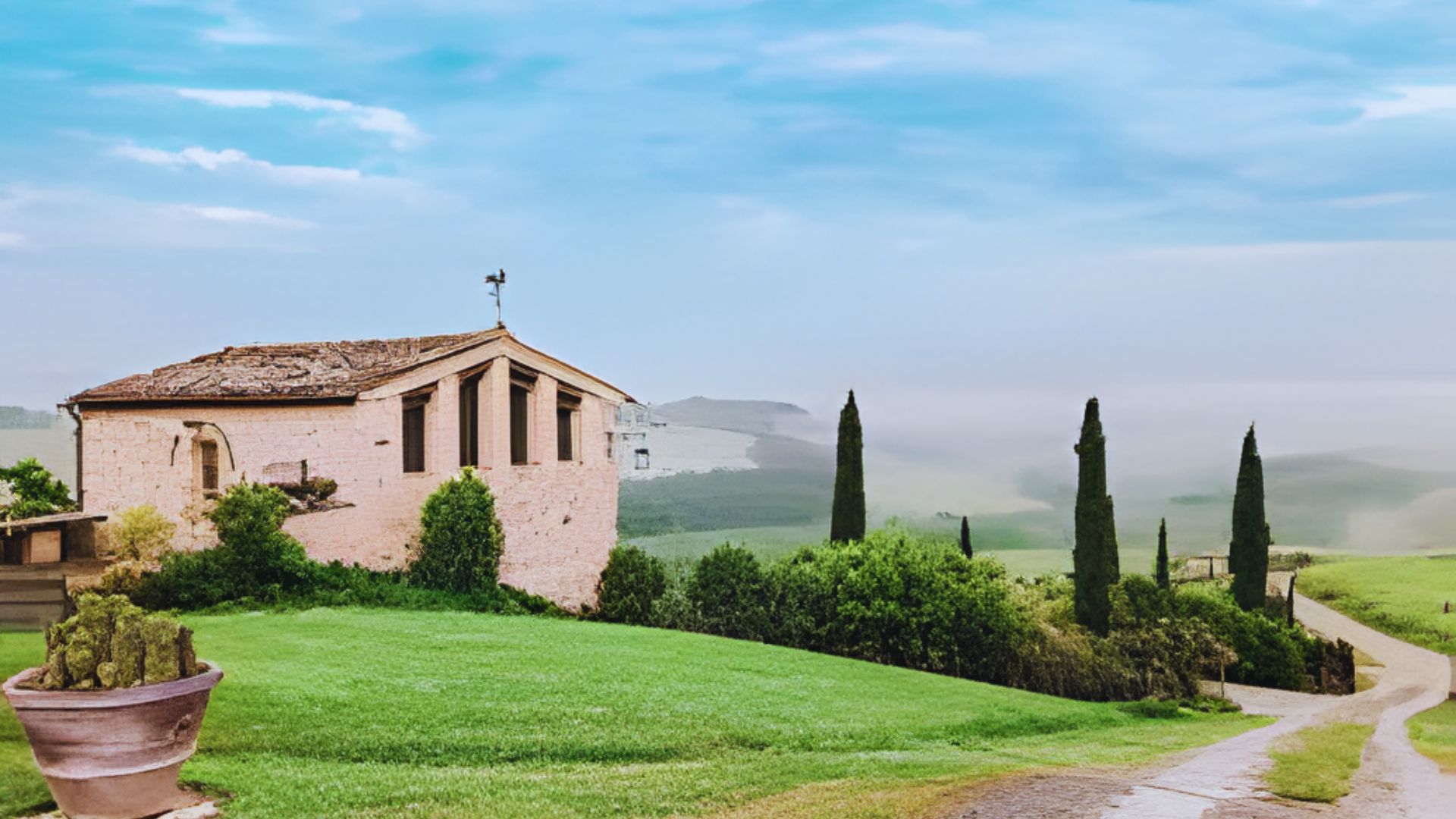
Location matters when maximizing wine time.
- Best Base in Chianti for Short Trips
- Agriturismo Stays in Val d’Orcia
- Wine Resorts Near Montalcino
7 Day Tuscany Itinerary for Wine Lovers
More time means deeper experiences.
How to Expand This 3 Day Tuscany Itinerary to 7 Days
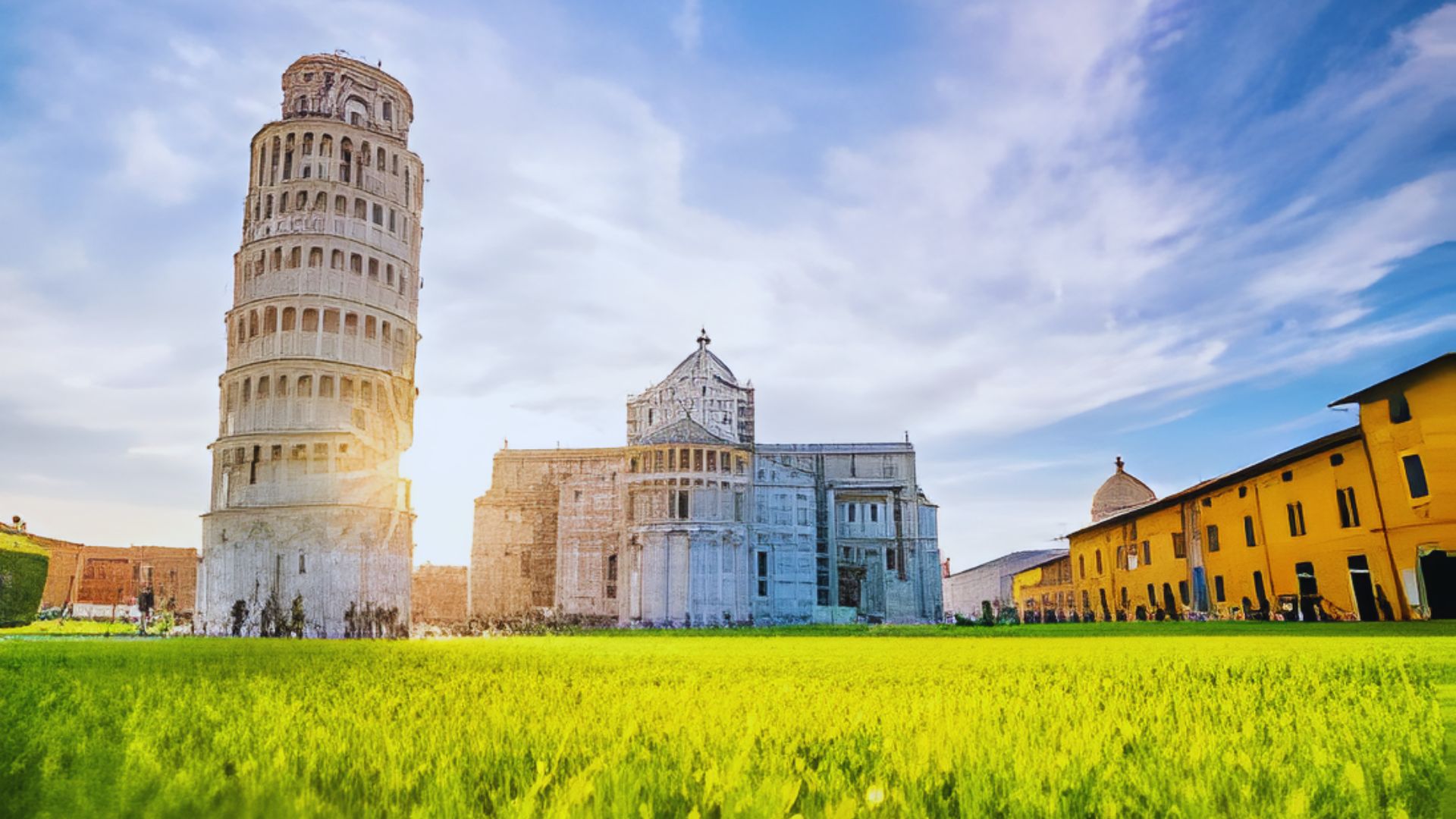
Add Florence at the start or end. Spend two days in the city. See art, eat well, then head to wine country.
Double your time in each wine region. Visit more wineries. Take cooking classes.
Seven days removes all rushing.
Adding Siena and San Gimignano to a 7 Day Tuscany Itinerary
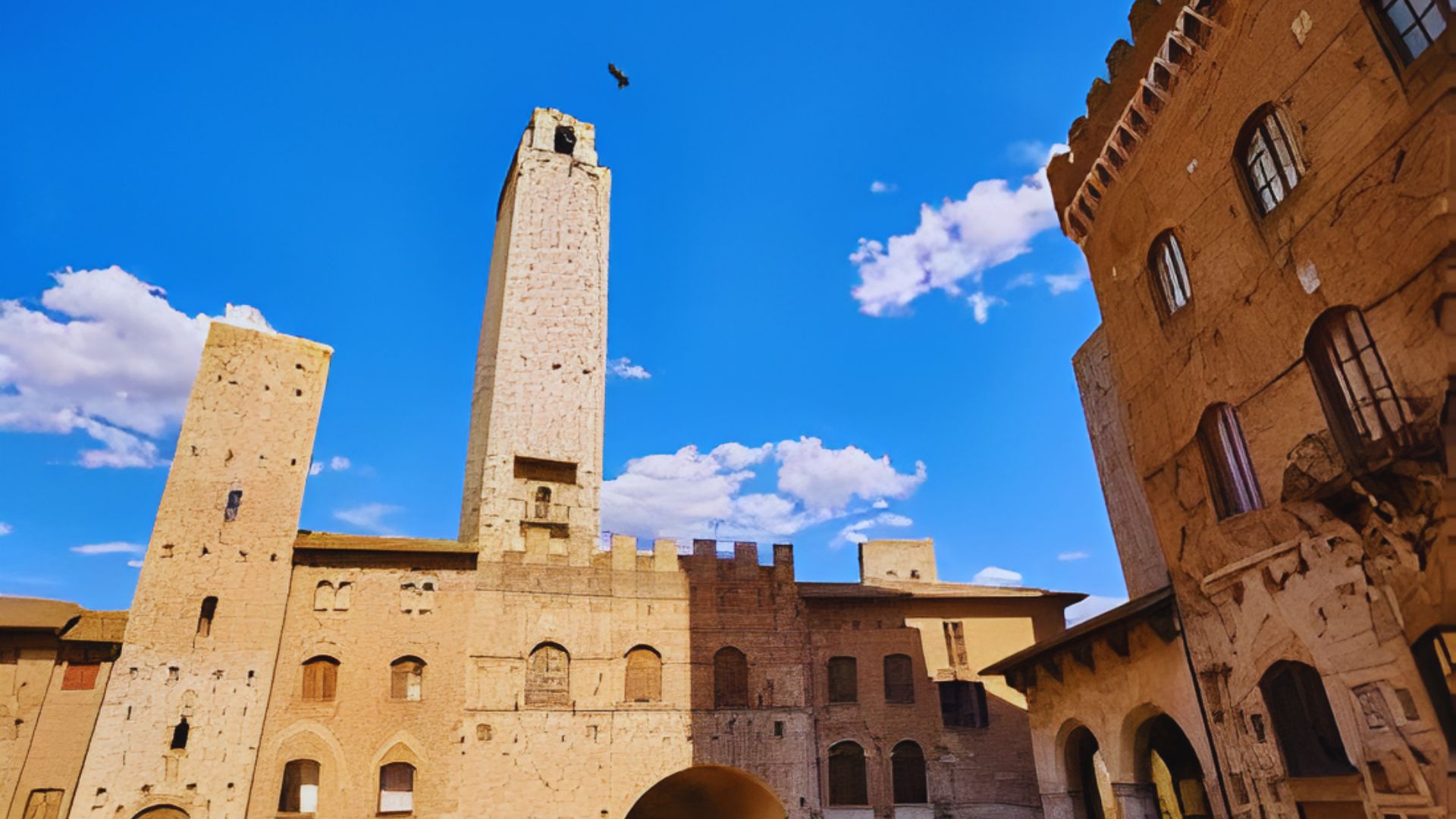
Siena deserves a full day. The medieval center is magnificent. San Gimignano’s towers make it instantly recognizable. Try Vernaccia wine here.
Both fit easily into a week-long itinerary.
Slower Wine Travel in Chianti and Val d’Orcia
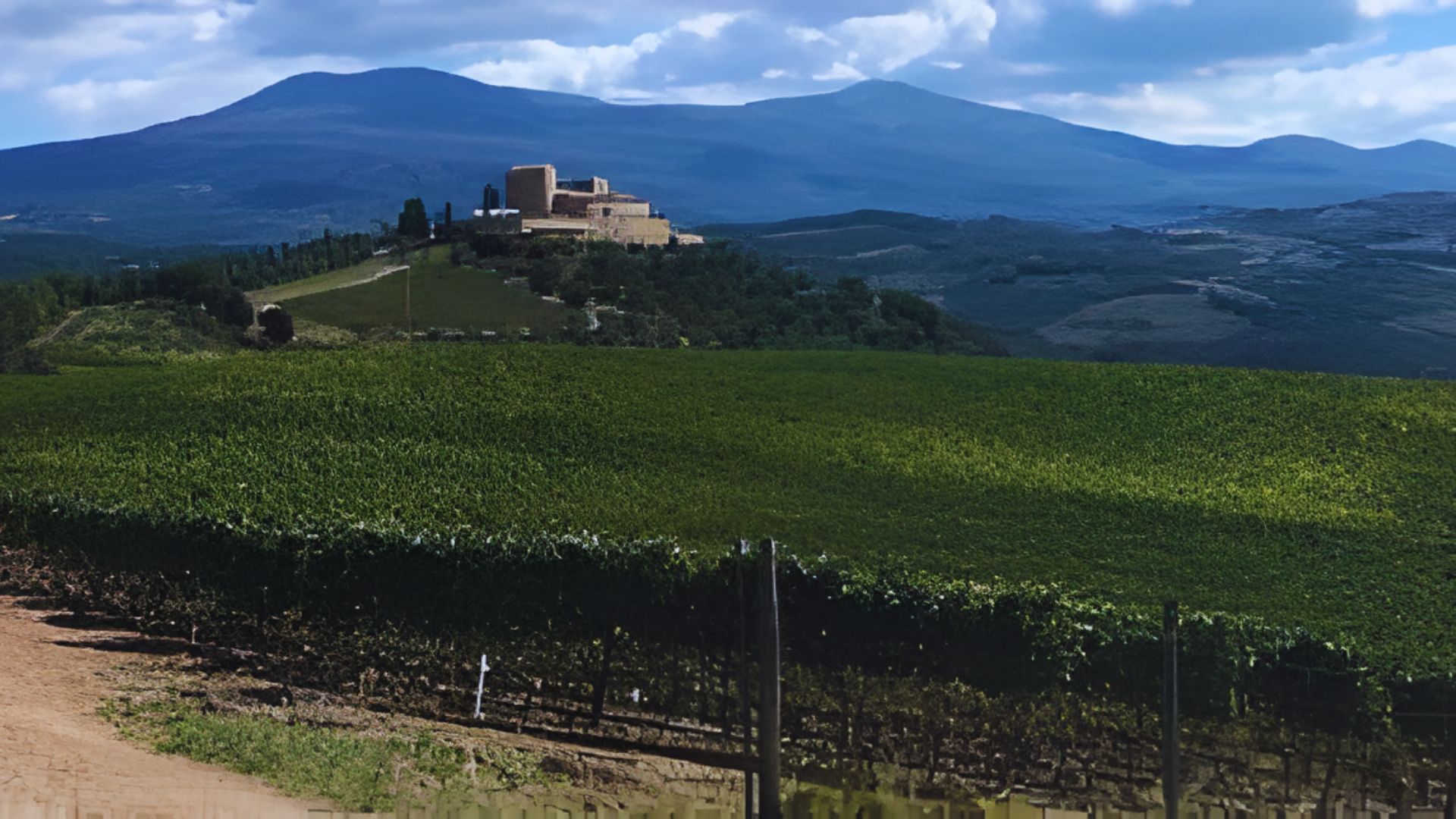
Spend three days in Chianti instead of one. Rent bikes. Take long lunches. Visit tiny villages.
Same for Val d’Orcia. Stay in different agriturismos.
Slow travel changes everything. You’ll remember more. Stress less.
When a One Week in Tuscany Itinerary Makes Sense
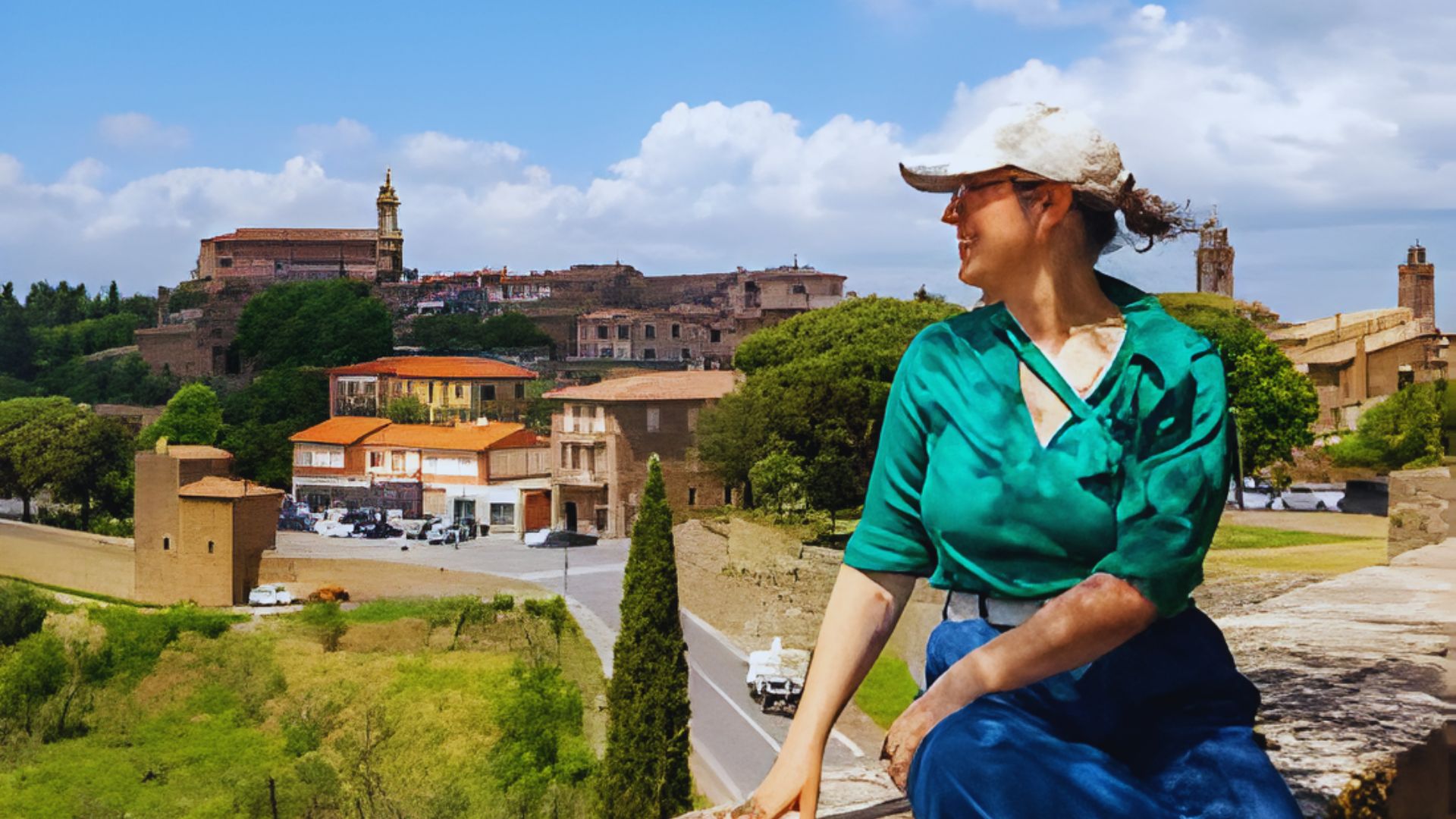
Choose seven days if wine is your main interest. Three days working for sampler trips. Seven days for serious wine lovers.
10 Day Tuscany Itinerary for Wine & Culture Lovers
Two weeks opens all possibilities.
Turning a 3 Day Tuscany Itinerary into 10 Days
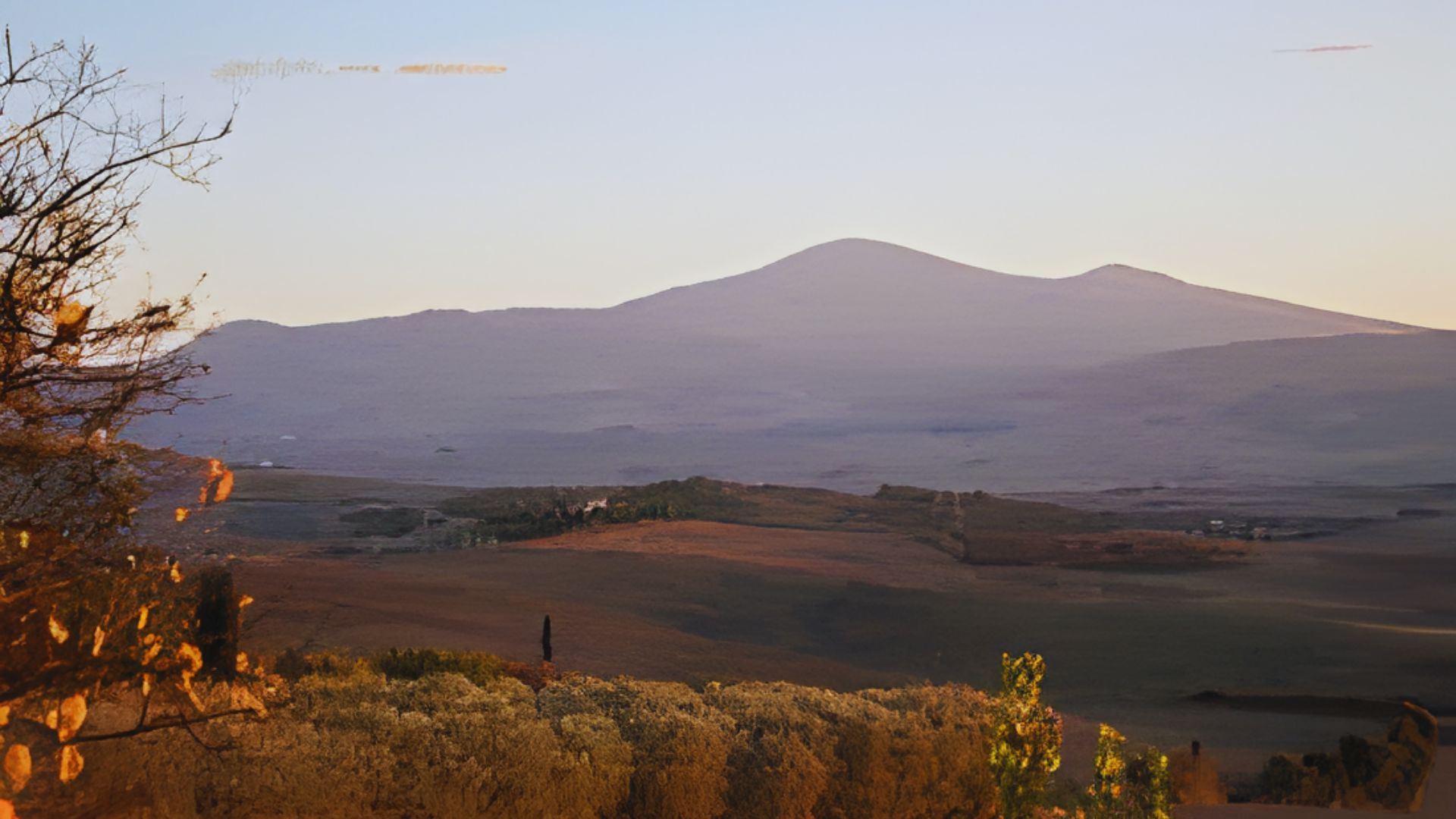
Add Florence, Siena, and coastal areas. You’ll cover wine regions plus major cities plus beaches.
Include rest days. Ten days of constant touring exhausts anyone.
This becomes a comprehensive Tuscany trip. Wine is part of it, not all of it.
Florence and Tuscany Itinerary Combination
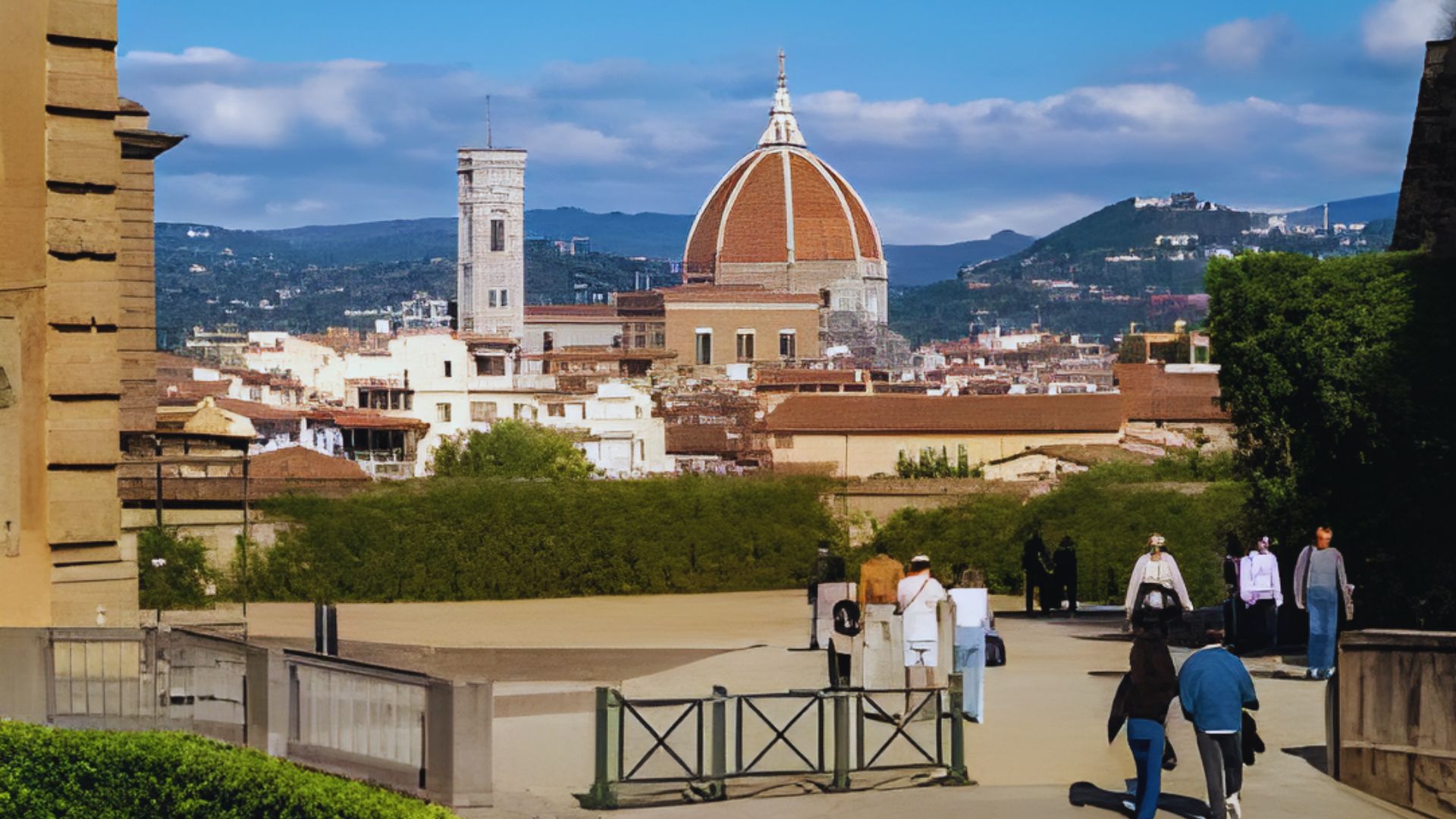
Start with three days in Florence. Museums, churches, markets, and restaurants fill your time.
Then do the full wine circuit. Return to Florence for your flight home.
Florence adds cultural depth. Renaissance art balances wine-focused days.
Coastal Tuscany or Pisa Add-Ons
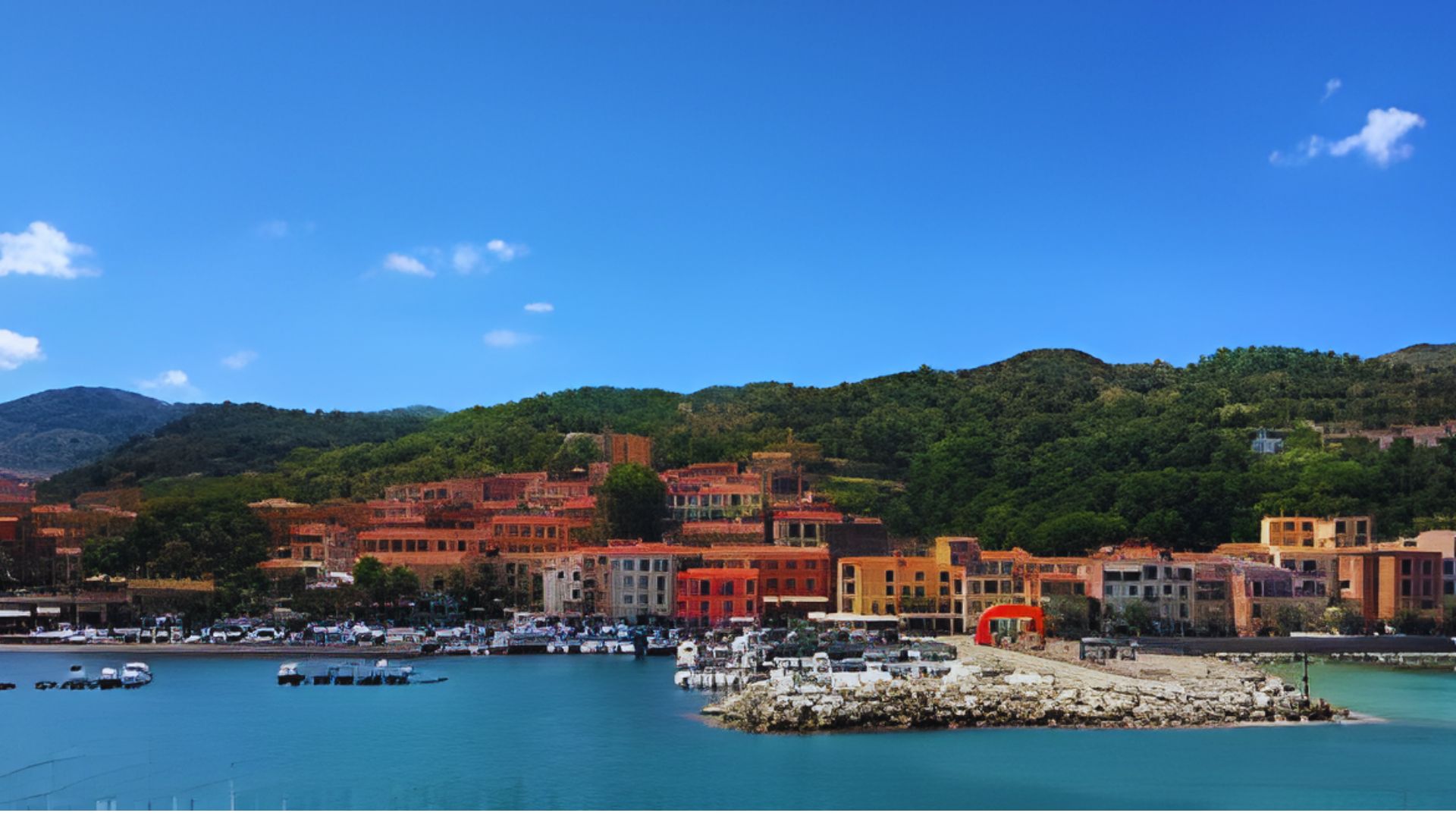
The Tuscan coast offers different scenery. Beach towns provide seafood and relaxation.
Pisa works as a quick stop. The tower takes an hour.
Who Should Choose a Tuscany Itinerary 10 Days

Pick ten days for a full Italian experience. Wine, art, history, beaches, and food all included.
Families might prefer this length. First-time Italy visitors benefit from the broad overview.
Tips for Planning Your Tuscany Wine Trip
- Book wine tastings at least four weeks in advance for popular wineries
- Rent a car for flexibility, or hire a driver if you want to drink freely at every stop
- Pack comfortable walking shoes since wineries often have gravel paths and uneven terrain
- Bring a small cooler bag if buying wine to keep bottles safe during transport
- Download offline maps of wine regions as cell service can be spotty in countryside areas.
Conclusion
Three days in Tuscany changed how I think about wine. Standing in those vineyards made everything click.
Your trip will do the same. Book those wineries now. Pack light. Go with an open mind.
The wines will surprise you. The landscapes will stick with you.
Drop a comment below about which region excites you most. Share this with your travel partner. Then start making reservations.
Frequently asked Questions
How much does wine tasting cost in Tuscany?
Expect to pay 15 to 40 euros per person per tasting, with premium wineries and vineyard tours costing 30 to 60 euros.
Can you visit Tuscany wineries without a car?
Technically yes, but it’s difficult since public transport is limited and private drivers cost 200 to 400 euros daily.
What should I wear to Tuscany wine tastings?
Casual but neat clothing with comfortable walking shoes works best, and brings layers since cellars stay cool.
Is three days enough for Tuscany wine country?
Three days provides a solid introduction to major wine regions and absolutely works for a focused wine trip.
Should I buy wine at Tuscany wineries or wait?
Buy at the wineries since prices often match retail and you’ll find bottles unavailable elsewhere, plus they ship internationally.
