

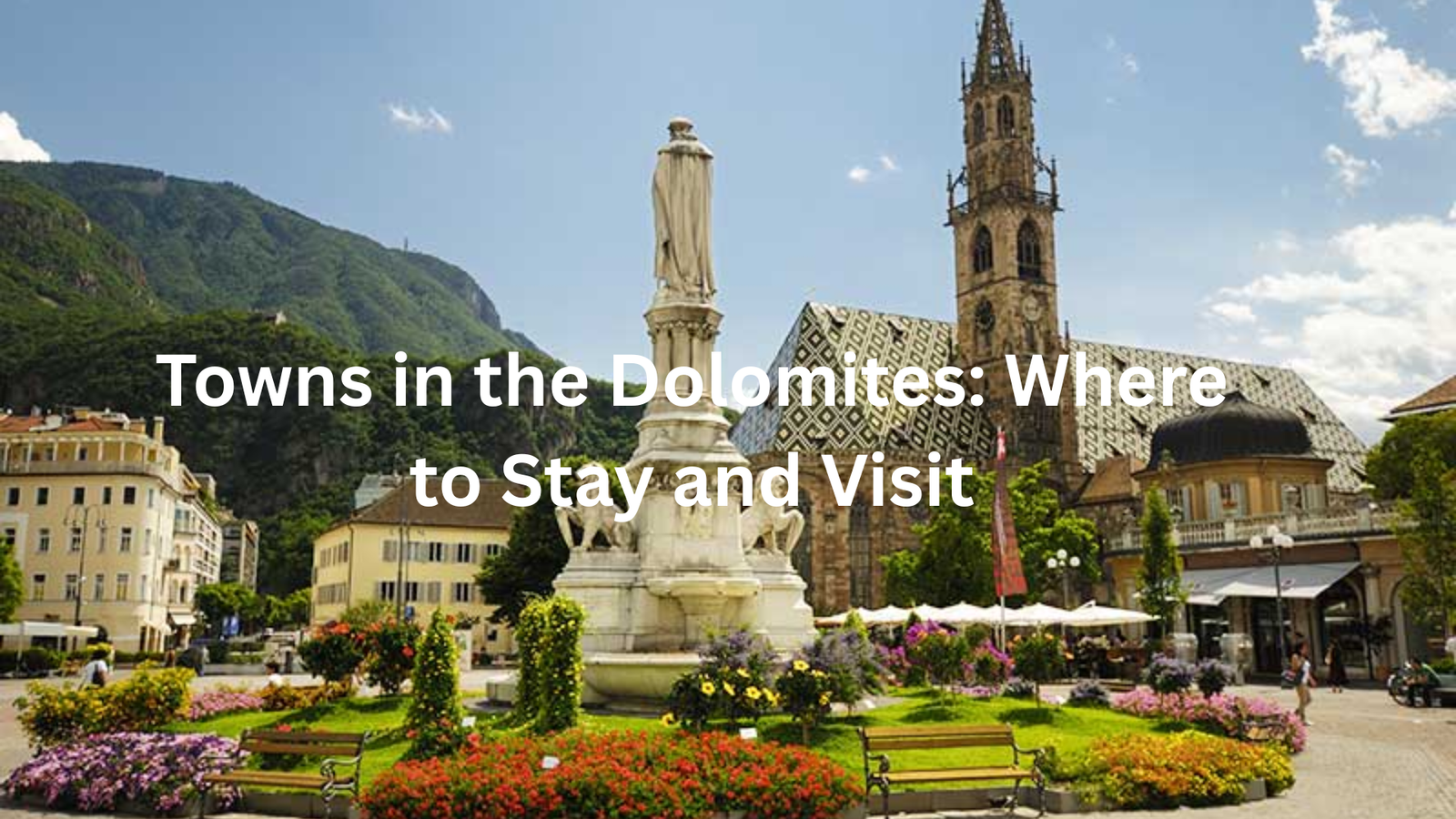
Choosing where to stay in the Dolomites can shape your entire trip. This UNESCO mountain region is known for sharp peaks, calm lakes, and a mix of Italian and German influences. The towns are far apart, so your base decides which areas you can realistically reach.
Many visitors pick one town and then realize some of the main sights are too far for a simple day out. A smarter plan is to split time between the east, around Cortina and Tre Cim,,e and the west around Val Gardena and Seceda.
I have spent weeks moving through towns from Ortisei to Misurina and comparing access, comfort, and practical details. This guide walks you through the best options across the east, west, and south so you can choose your stay with confidence.
Best Towns in the Dolomites
Here’s every town worth considering in the Dolomites. I’ve organized them by location and what makes each one useful. Use this list to narrow down where you’ll actually stay based on what you want to see.
1. Cortina d’Ampezzo
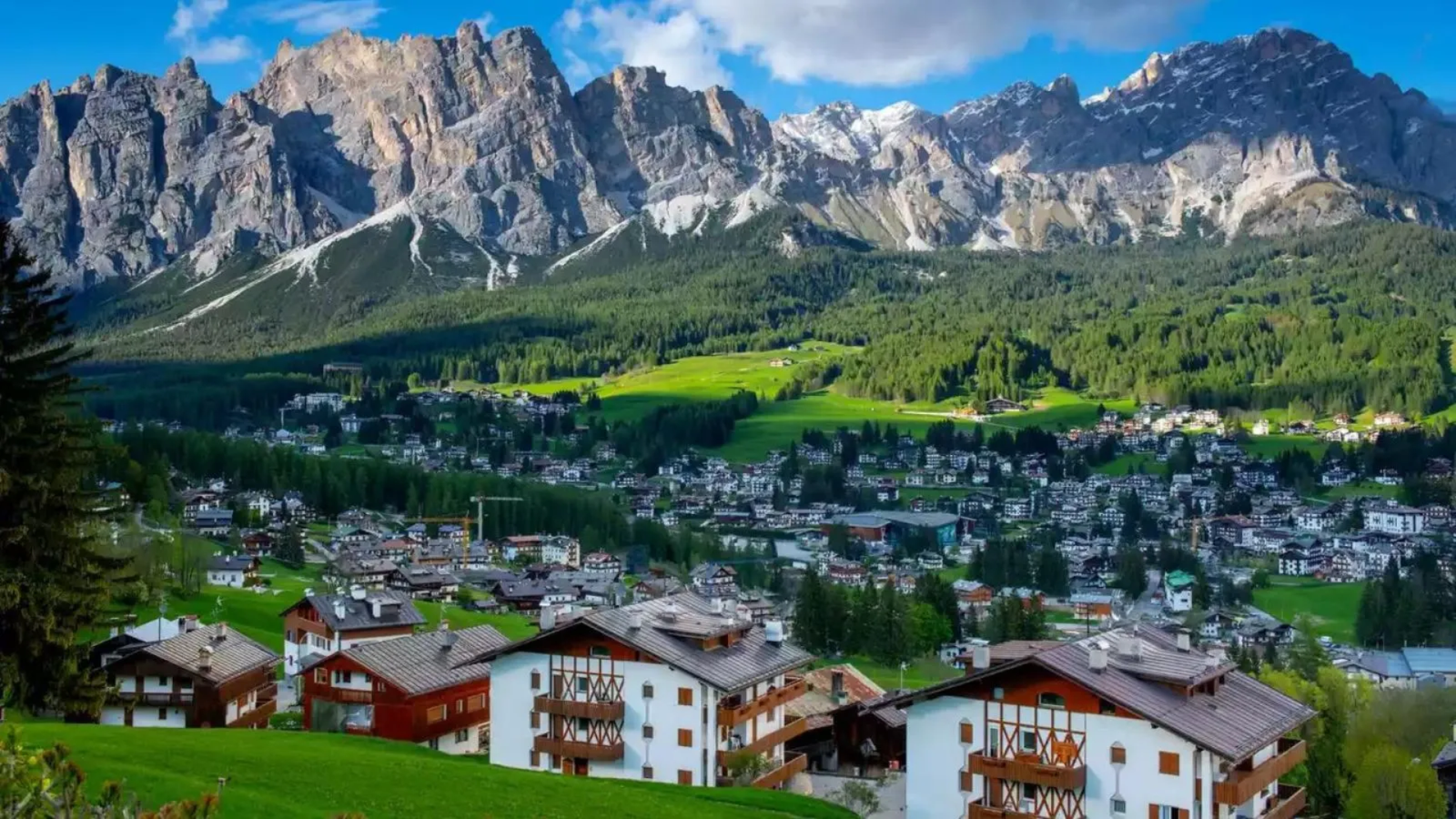
Cortina is the biggest and busiest town in the Dolomites. It has the most hotels, restaurants, and services. If you want options and don’t mind crowds, this is your spot.
What Cortina offers:
- Access to major hikes, Tre Cime, Croda da Lago, Cinque Torri, and Lago Sorapiss, is all reachable from here.
- Good public transport, Dolomiti Bus connects to trailheads and nearby towns. You don’t necessarily need a car.
- Full-service Supermarkets, gear shops, pharmacies, and lots of dining choices.
- Winter sports hub, Host town for the 2026 Winter Olympics. Expect construction and traffic until then.
- Lively atmosphere. This isn’t a quiet mountain village. It feels like a small resort city.
Start here if it’s your first time in the Dolomites. Cortina gives you the most flexibility and the easiest logistics. Just know you’ll share it with lots of other tourists, especially in summer and winter peak seasons.
2. Ortisei

Ortisei is the largest town in Val Gardena. It’s not tiny or quaint, but it works extremely well as a base. Cable cars go directly up to Seceda and Alpe di Siusi from town.
Why Ortisei is practical:
- Direct lift access: The Seceda cable car starts right in town. You can be on the ridge in 15 minutes.
- Plenty of options, Lots of hotels, apartments, restaurants, and shops. You won’t struggle to find what you need.
- Good for the family. Easy logistics and accessible trails make it family-friendly.
- Works year round Summer hiking and winter skiing both operate from the same lifts.
- Feels like a small city. More developed than other mountain towns but still surrounded by peaks.
I recommend Ortisei if you want convenience over atmosphere. It’s not the most charming town, but the location and lift access are hard to beat. You’ll spend more time in the mountains than in town anyway.
3. Selva di Val Gardena
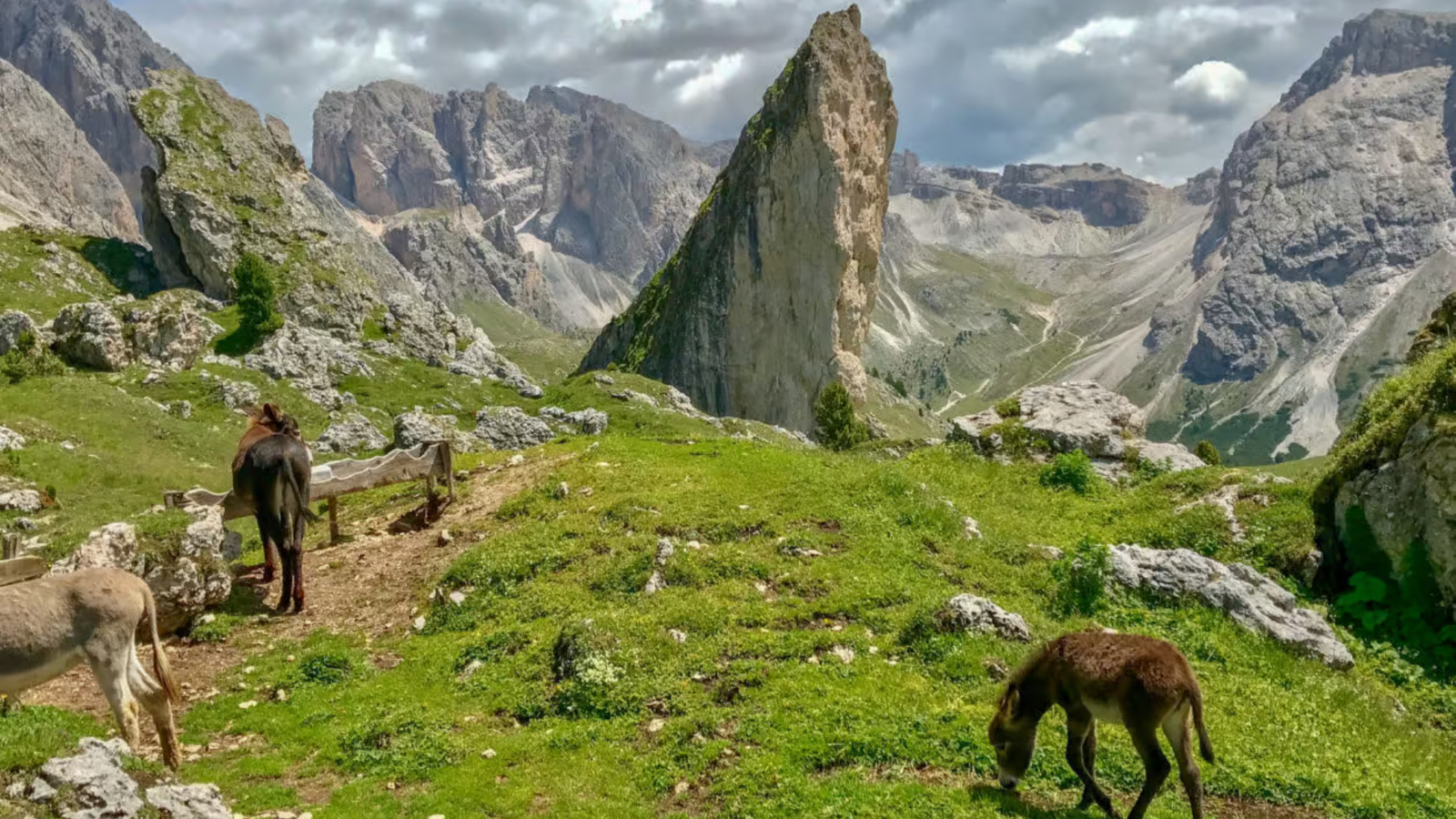
Selva sits higher up the valley than Ortisei. It’s smaller and quieter, but still has good restaurants and lodging. The big advantage is direct lift access to multiple trail networks.
What makes Selva work:
- Fast trail access, Lifts to Dantercepies and Ciampinoi put you on trails quickly. Less driving to trailheads.
- Good atmosphere, It’s developed enough to have services but small enough to feel relaxed.
- Part of the Dolomiti Superski, Winter visitors get access to massive ski terrain.
- Less busy than Ortisei, you’ll see fewer tour groups and day trippers here.
Choose Selva if hiking is your main priority. You save time every morning by starting from the lifts instead of driving to parking lots. The town itself is pleasant without being special.
4. Santa Cristina
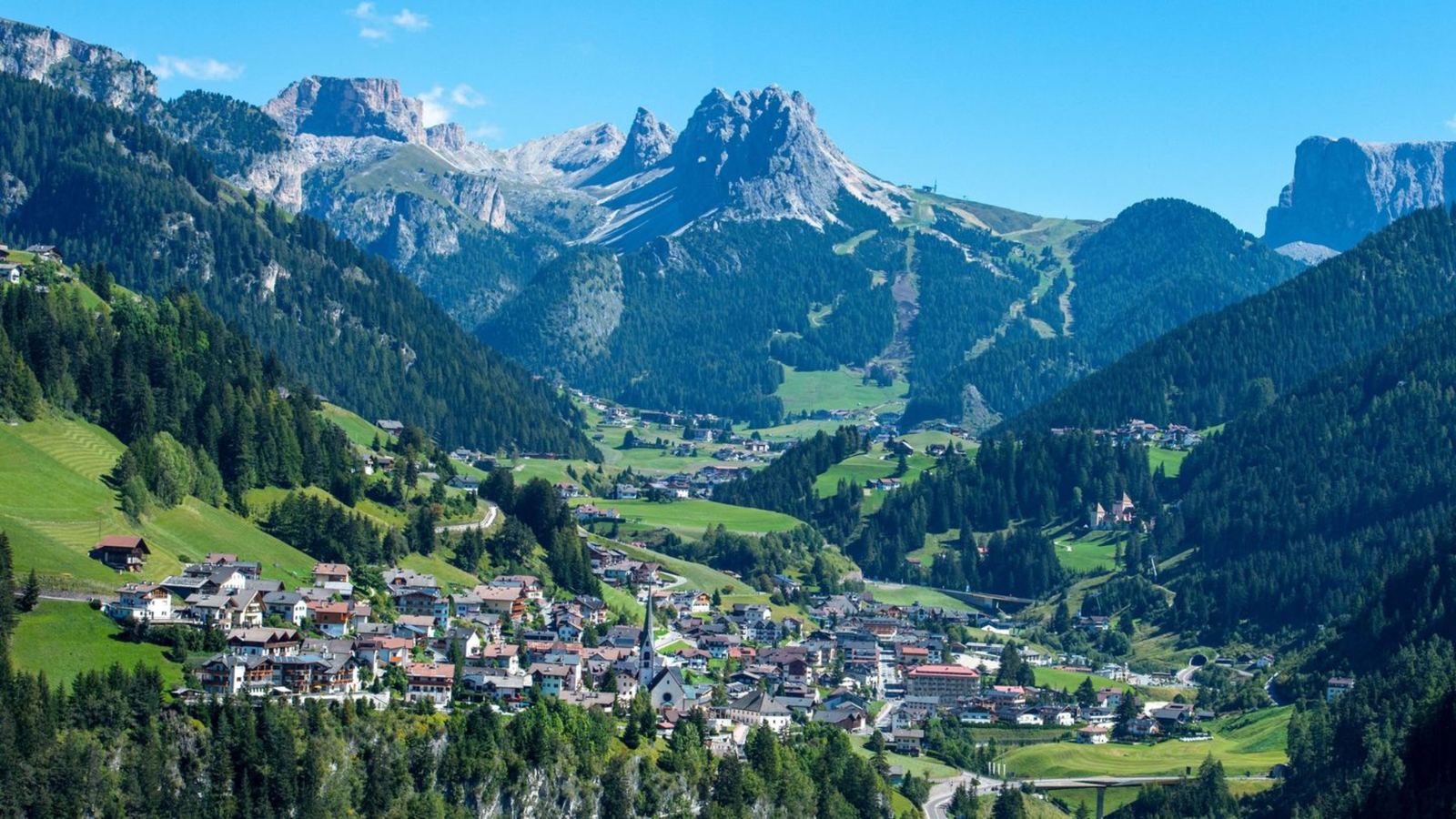
Santa Cristina sits between Ortisei and Selva. It’s the smallest of the three main Val Gardena towns. You get the same valley access with fewer people around.
Why consider Santa Cristina:
- Peaceful base. Noticeably quieter than Ortisei. Feels more like a village.
- Cable car access still has lifts to trails and ski areas.
- Good middle ground, close enough to both Ortisei and Selva if you need more services.
- Limited nightlife, A few restaurants, but not much evening activity.
Pick Santa Cristina if you want Val Gardena access without the busier town feel. It’s a smart choice for couples or anyone who values quiet evenings after hiking. Just check that your accommodation is near the cable car station.
5. Santa Magdalena
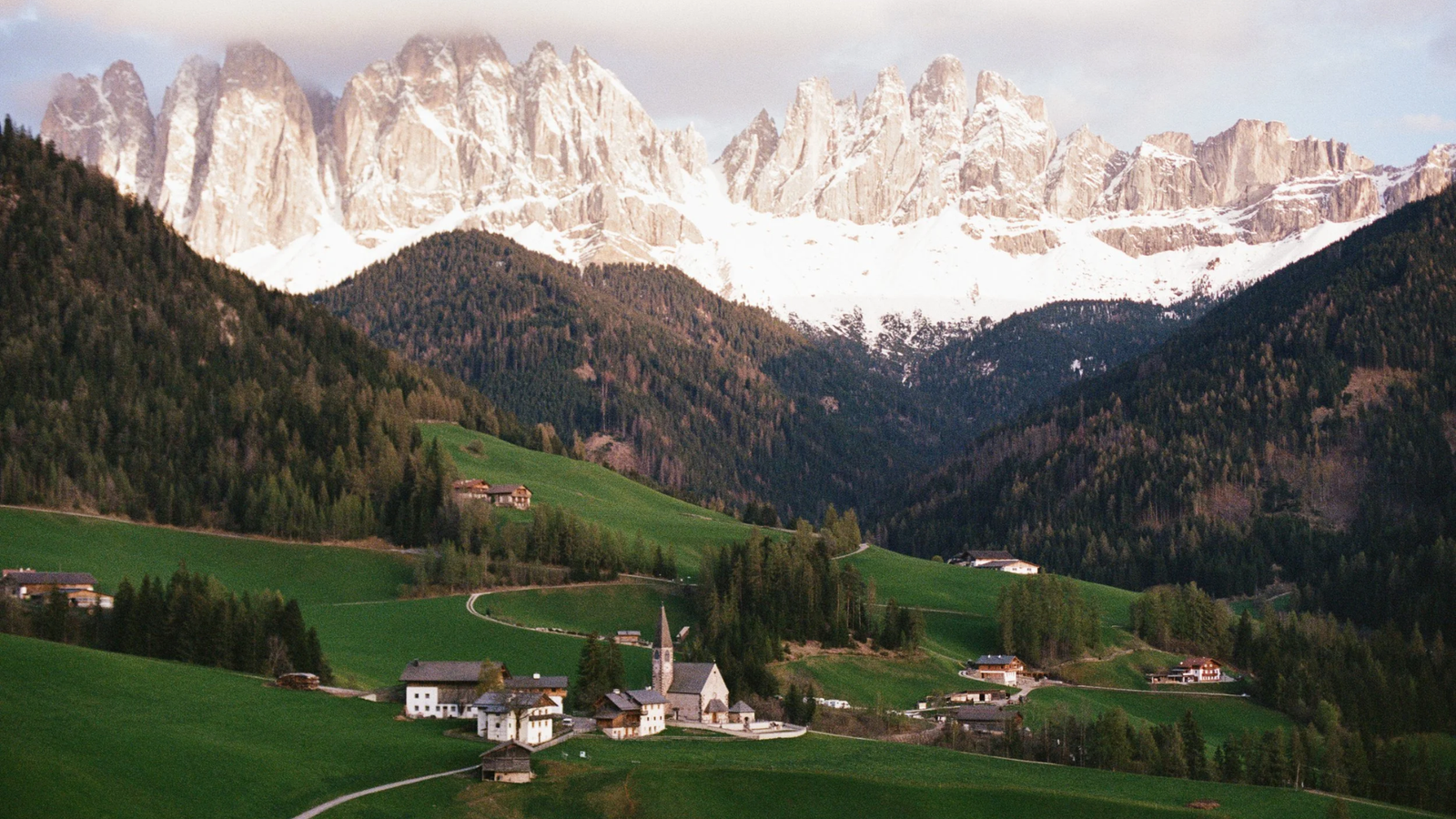
Santa Magdalena is tiny. It’s the village you see in those famous Dolomites photos with the church and Odle peaks behind it. This is not a practical basis for exploring the whole region.
What you get here:
- Classic view, the Puez Odle backdrop is spectacular. This is why people come.
- Adolf Munkel tra.A beautiful high-altitude walk starts nearby.
- Geisler Alm access. Good hikes in the immediate area.
- Very limited service, A few guesthouses and restaurants. No supermarkets or shops.
- Strong local culture. The valley feels authentically Tyrolean and less touristy.
Stay here if photography and scenery matter more than convenience. You’ll need a car. You’ll drive to most other hikes. But the setting is among the best in the Dolomites. I’d suggest one or two nights here as part of a longer trip.
6. Misurina
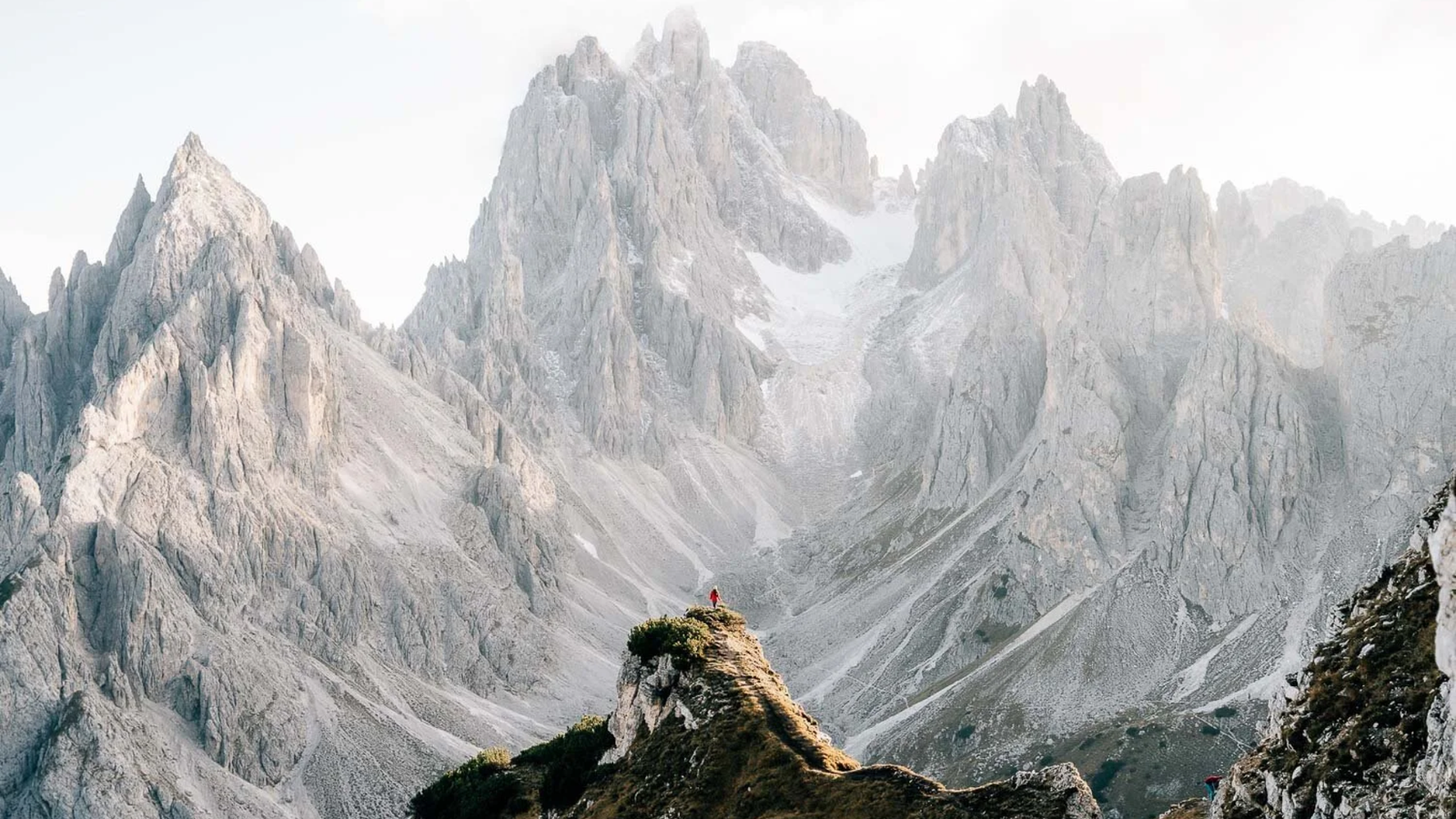
Misurina is a small lakeside village. Lago di Misurina sits right beside the road with mountains reflected in the water. It’s quiet and scenic but limited.
Why Misurina works:
- Lake setting: You wake up to water and mountain views. It’s peaceful.
- Close to Tre Cim, the famous three peaks are a short drive away. You’re perfectly positioned for sunrise hikes.
- Easy access, Right on a major road, so it’s simple to reach.
- A handful of hotels and restaurants. Not much else.
- Very quiet. Almost nothing happens here after dark.
Use Misurina for one or two nights when you’re focusing on the Tre Cime area. It’s too isolated for a week-long stay. But if you want to wake up early and hit the trails before crowds arrive, this location is perfect.
7. Sesto & San Candido
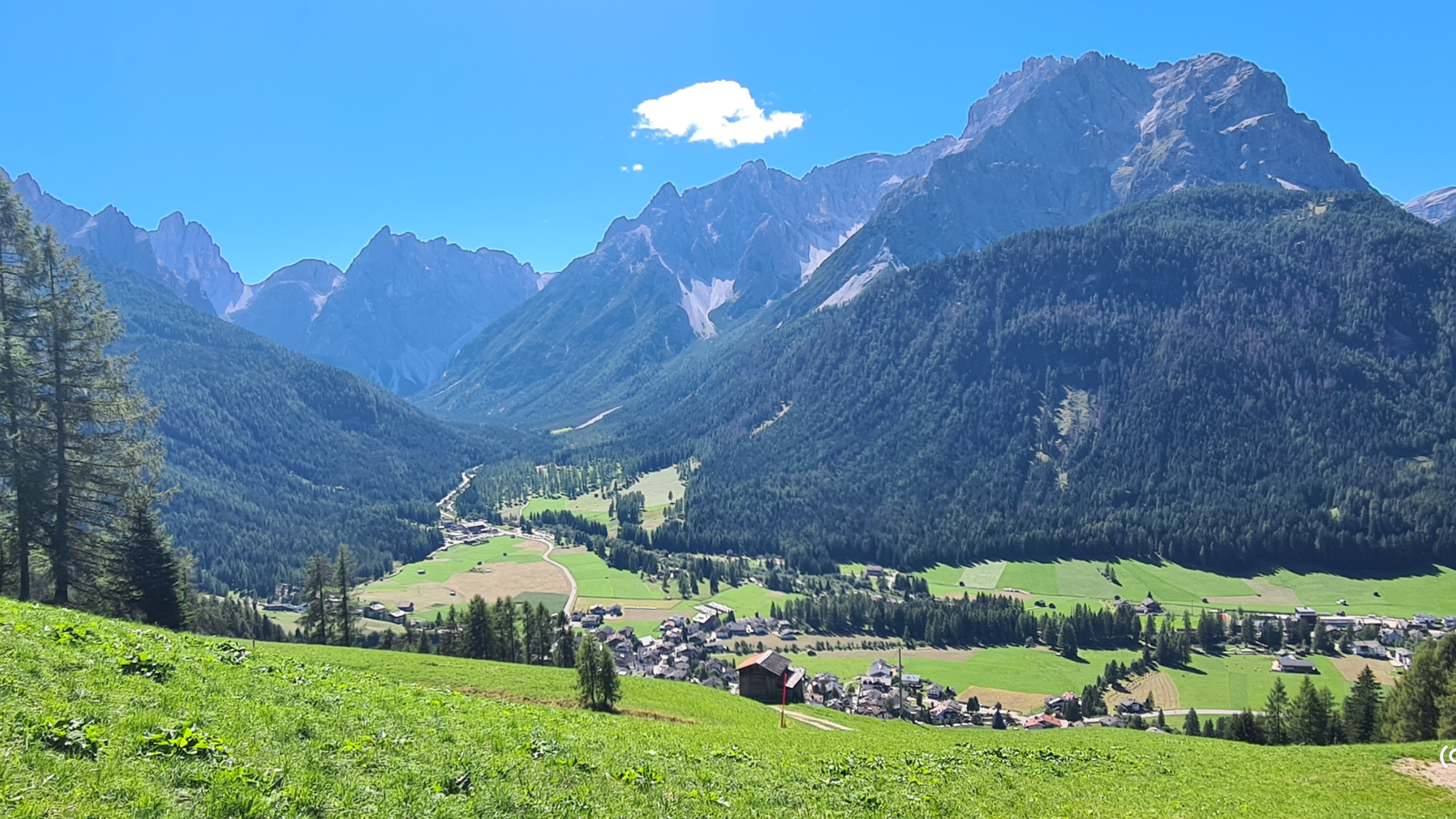
Sesto and San Candido are two small towns five minutes apart. They’re in the northern Dolomites near the Austrian border. Much quieter than Cortina but with access to the same major hikes.
What these towns offer:
- Tre Cime access. You’re close to the north side trailheads without Cortina’s crowds.
- Val Fiscalinais is a beautiful valley with multiple hikes starting from one parking area.
- Strada degli Alpini: A dramatic high altitude trail.
- Lago di Braies is about 30 minutes away by car.
- Peaceful atmosphere. These feel like working mountain towns, not tourist resorts.
Choose Sesto or San Candido if you want the eastern Dolomites without staying in Cortina. You’ll drive a bit more to reach some trailheads, but you’ll have quieter evenings and easier parking. I preferred this area to Cortina for atmosphere.
8. Alpe di Siusi / Siusi allo Sciliar
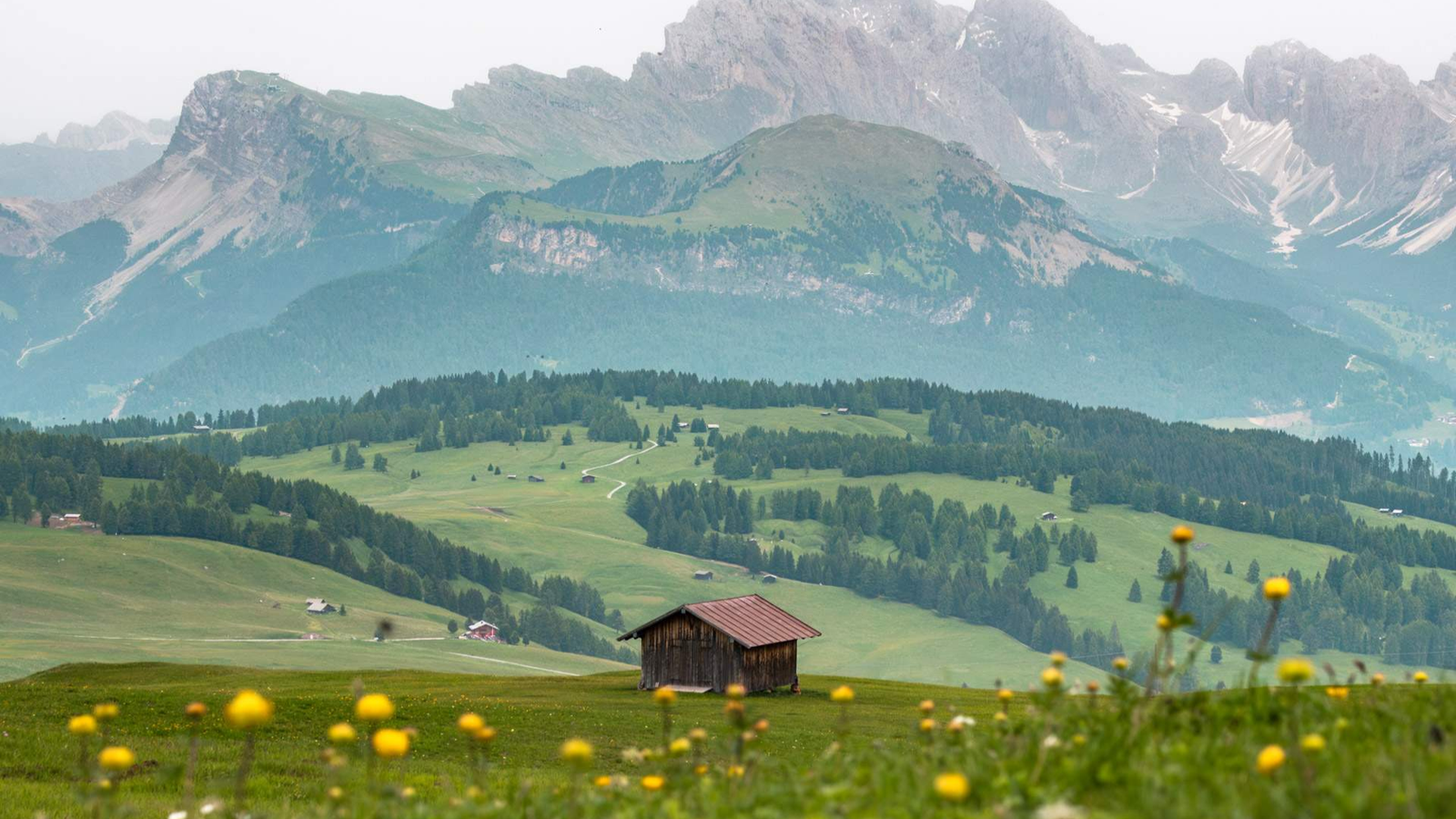
Alpe di Siusi is Europe’s largest high alpine meadow. It’s a massive plateau with gentle trails and incredible views. You can stay up on the plateau or in the village of Siusi below.
What makes this area special:
- Scenic meadows, rolling grasslands with dramatic peaks surrounding you. It’s different from the rocky trails elsewhere.
- Car restrictions: The road closes from 9 am to 5 pm. Take the cable car from Siusi or Ortisei instead.
- Easy hiking, mostly flat or gentle terrain. Good for families or anyone wanting relaxed walks.
- Cable car access: You can reach the plateau without driving.
- Peaceful setting feels remote even though it’s well connected.
Stay here if you want relaxing scenery over challenging hikes. Alpe di Siusi is beautiful but not dramatic in the same way as Tre Cime or Seceda. It’s perfect for a slower pace or for travelers with kids.
9. Corvara (Alta Badia)

Corvara sits in the Alta Badia valley. People call it “the Pearl of the Dolomites,” which sounds like marketing, but the setting really is excellent. It’s centrally located for reaching multiple areas.
Why Corvara works well:
- Central position. You can reach Val Gardena, the Cortina area, and the southern passes from here.
- Passo Gardena access: Beautiful pass with great views and trails.
- Via ferrata options: Several climbing routes nearby.
- Ski area connection, Part of the Sella Ronda ski circuit in winter.
- Good service hotels and restaurants without feeling overdeveloped.
Pick Corvara if you want one base for mixed activities. It’s especially good if you’re doing both hiking and via ferrata routes. The downside is you’ll drive more than if you split your stay between east and west.
10. San Martino di Castrozza & Fiera di Primiero

These southern Dolomites towns get way less attention than Cortina or Val Gardena. That’s the main appeal. You get beautiful mountains with a fraction of the tourists.
What this area offers:
- Pale di San Martino range: Dramatic peaks with excellent hiking and climbing.
- Fewer crowds, Trails, and towns feel much quieter than the famous northern areas.
- The town option, San Martino, is more developed and ski-focused. Fiera di Primiero feels more local and authentic.
- Good photography. The peaks here are as impressive as anywhere else in the Dolomites.
- Longer drives to other areas. You’re isolated from the rest of the Dolomites. This is its own region.
Consider this area if you’ve already seen the main Dolomites highlights. Or stay here first if you specifically hate crowds. The mountains are excellent, just less well-known. I’d recommend splitting time between here and the more famous valleys.
11. Canazei & Campitello di Fassa

Canazei e Campitello si trovano in Val di Fassa. They’re centrally located near several major mountain passes. The passes connect you to the best high-altitude hiking.
Why these towns work:
- Pass proximity Passo Sella, Passo Fedaia, and Passo Pordoi are all close. These passes have trailheads and impressive views.
- Sassolungo access Hike around this iconic massif from multiple angles.
- Piz Boè, the highest peak in the Sella Group, is reachable from here.
- Lively towns, Good restaurant scenes, and plenty of lodging options.
- Central to multiple areas, you can reach Val Gardena, Marmolada, and other valleys fairly quickly.
Choose Canazei or Campitello if you want variety. You’ll drive the passes regularly, which some people love and others find tiring. These towns give you flexibility without committing to one specific area.
12. Alleghe

Alleghe is a small town beside Lake Alleghe. It’s quieter and less visited than the main hubs. The setting is beautiful, but access to major hikes requires more driving.
What Alleghe offers:
- Lake view, Wake up to water and mountains. Peaceful atmosphere.
- Monte Civetta access. This massive wall is the main hiking draw in the area.
- Fewer tourists. You’ll see mostly Italian visitors and very few international tourists.
- Limited services, Small town with basic restaurants and lodging. Not much nightlife.
- Isolated location. You’ll drive 45 minutes or more to reach the most famous trails.
Use Alleghe as a quiet base if you’ve already covered the main Dolomites areas. It’s a nice addition to a longer trip, but not ideal as your only base. The lake setting makes it worth a night or two.
13. Arco

Arco sits at the southern edge of the Dolomites region. It’s technically outside the main mountain area but gets included in town lists. The appeal is specific.
Why Arco matters:
- Rock climbing destination, Popular with climbers for sport routes and bouldering.
- Lake Garda proximity. You’re near the lake, which some travelers combine with Dolomites trips.
- Gateway location: Good entry point if you’re coming from Verona or southern Italy.
- Not in the mountains, you’re in the foothills, not surrounded by dramatic peaks.
Only stay in Arco if you’re climbing or need a base near Lake Garda. It’s not useful for typical Dolomites hiking. Most people skip it entirely unless they have a specific reason to be there.
How to Choose the Right Town?
Don’t just pick a town because it looks pretty in photos. Your choice needs to match what you actually want to do in the Dolomites. Use these filters to narrow down your options fast.
Match Town to Travel Style
Your interests determine which towns make sense. A hiker needs different access than a photographer or skier. Here’s how to match towns to what you care about.
Town recommendations by type:
- For first timers, Cortina or Ortisei give you the easiest logistics, most services, and access to famous sights. You won’t feel lost or stressed.
- For hikers, Selva, Santa Magdalena, Sesto, and Canazei put you closest to major trailheads. Less driving, more time on trails.
- For the scene, Val di Funes, Alpe di Siusi, and Misurina offer the most dramatic views right from town. Perfect for photographers or people who want beauty without hard hikes.
- For skiing, Cortina, Selva, Corvara, and Canazei connect to the biggest ski areas. Direct lift access from the town matters in winter.
- For quiet stays, Misurina, Santa Cristina, and Fiera di Primiero have fewer tourists and peaceful evenings. Good if you hate crowds.
Be honest about your priorities. If you’re mainly hiking, don’t choose a town just because it has good restaurants. Pick based on trail access first. Everything else is secondary.
Time Needed Per Region
How long you’re staying changes your strategy completely. Short trips need focus. Longer stays let you cover more ground.
Here’s the time breakdown:
- 1 to 3 days. Pick one area only. Either stay in the east (Cortina, Sesto, Misurina) or the west (Val Gardena, Alpe di Siusi). Don’t try to see everything. You’ll waste time driving instead of hiking.
- 4 to 7 days. Split your stay between east and west. Spend 2 to 3 nights in Cortina or Sesto, then move to Ortisei or Selva for the rest. This covers the main highlights without rushing.
I recommend the split stay for most travelers. The valleys are too far apart for easy day trips. Moving once during your week gives you proper access to both sides without killing yourself with long drives.
Seasonal Notes
When you visit, changes in which towns work best. Summer is completely different from winter. Shoulder seasons are their own situation.
What to expect each season:
- The summer (June to September) Hiking season brings the biggest crowds. All towns are open, lifts run, and trails are accessible. Book accommodation early. Expect full parking lots at popular trailheads.
- Winter (December to March), the ski season transforms the towns. Cortina, Selva, and Canazei get busy. Smaller villages like Santa Magdalena stay quiet. Christmas markets add atmosphere but also tourists.
- Shoulder seasons (April to May, October to November): Many hotels and lifts close. Trails may have snow or mud. The weather is unpredictable. But you’ll have the mountains almost to yourself if you don’t mind limited services.
Plan your town choice around the season. A town perfect for summer hiking might be dead in October. Check lift schedules and hotel opening dates before booking outside peak season.
Transportation Tips
Getting around the Dolomites requires planning. This isn’t a place where you can just figure it out when you arrive. Your transport choice affects which hikes you can do and how much time you waste.
- A car gives you the most freedom, but buses work in specific areas. I’ve done both. Each option has clear advantages depending on where you stay and what you want to see.
- Renting a car is best. You can reach any trailhead, leave early to beat crowds, and move between valleys easily. Remote hikes require a car. You’re not stuck to bus schedules.
- Public buses work in some areas. Val Gardena and Cortina have solid bus networks. You can reach major trails and towns without a car if you stay in these regions.
- Free bus passes. Many hotels in Val Gardena include a guest card that covers local buses and some cable cars. Ask when booking.
- No Uber or rideshares. Don’t expect app-based transport. Taxis exist but are expensive and not always available in small villages.
I recommend a car unless you’re only staying in Val Gardena or Cortina. Buses get you to popular spots but miss the quieter, better trails. You’ll also spend more time waiting and dealing with schedules instead of hiking.
Conclusion
Choosing the right towns in the Dolomites depends on what you want from your trip. Cortina and Ortisei are great for first-timers who want comfort and easy access. Selva and Sesto are better for people focused on long days on the trails, while Val di Funes and Misurina are perfect if you want calm views.
For most week-long trips, staying in both the east and west helps you see more without long drives. This approach keeps your days simple and lets you enjoy the areas at a steady pace instead of rushing between valleys.
You now have a clear sense of which towns match your plans and how much time to spend in each spot. If you are sorting out your Dolomites trip, feel free to ask questions. I reply to every comment.
Frequently Asked Questions
What is the best town to stay in the Dolomites?
Cortina d’Ampezzo for first timers wanting services and access to famous hikes. Ortisei for convenient cable car access to Seceda and Alpe di Siusi. Selva di Val Gardena for hikers wanting fast trail access. Your best town depends on your priorities and which areas you want to visit.
How many towns should I stay in during a Dolomites trip?
For 1 to 3 days, stay in one town only. For 4 to 7 days, split between two towns in different regions, typically one in the east (Cortina, Sesto) and one in the west (Ortisei, Selva). This maximizes access without excessive driving.
Do I need a car to visit towns in the Dolomites?
A car offers the most freedom for reaching remote trailheads and moving between valleys. However, public buses work well in the Val Gardena and Cortina regions. Many Val Gardena hotels include free bus passes. No Uber or rideshare services operate in the Dolomites.
What is the quietest town in the Dolomites?
Santa Magdalena in Val di Funes, Misurina, and Fiera di Primiero are among the quietest. They have limited services but peaceful atmospheres with far fewer tourists. Santa Cristina offers a quieter alternative while still providing cable car access and more amenities than tiny villages.
Which Dolomites towns are best for families?
Ortisei offers easy cable car access, plenty of restaurants, and services families need. Alpe di Siusi provides gentle meadow trails perfect for kids. Cortina has the most facilities, but bigger crowds. Choose towns with direct lift access to avoid long drives with children every day.
