


Planning a Lisbon vacation doesn’t have to be complicated.
I’ve visited Portugal’s capital multiple times across different seasons, and I know exactly what works for first-timers.
This Lisbon vacation guide covers the best time to visit, where to stay, top things to do, what to eat, realistic costs, and worthwhile day trips.
I’ll help you avoid the mistakes I made and show you how to plan a stress-free trip that fits your budget and style.
Whether you want a relaxed cultural getaway or a first-time European vacation, Lisbon delivers without the chaos of bigger cities.
Let’s get started.
Where Is Lisbon & Why Visit
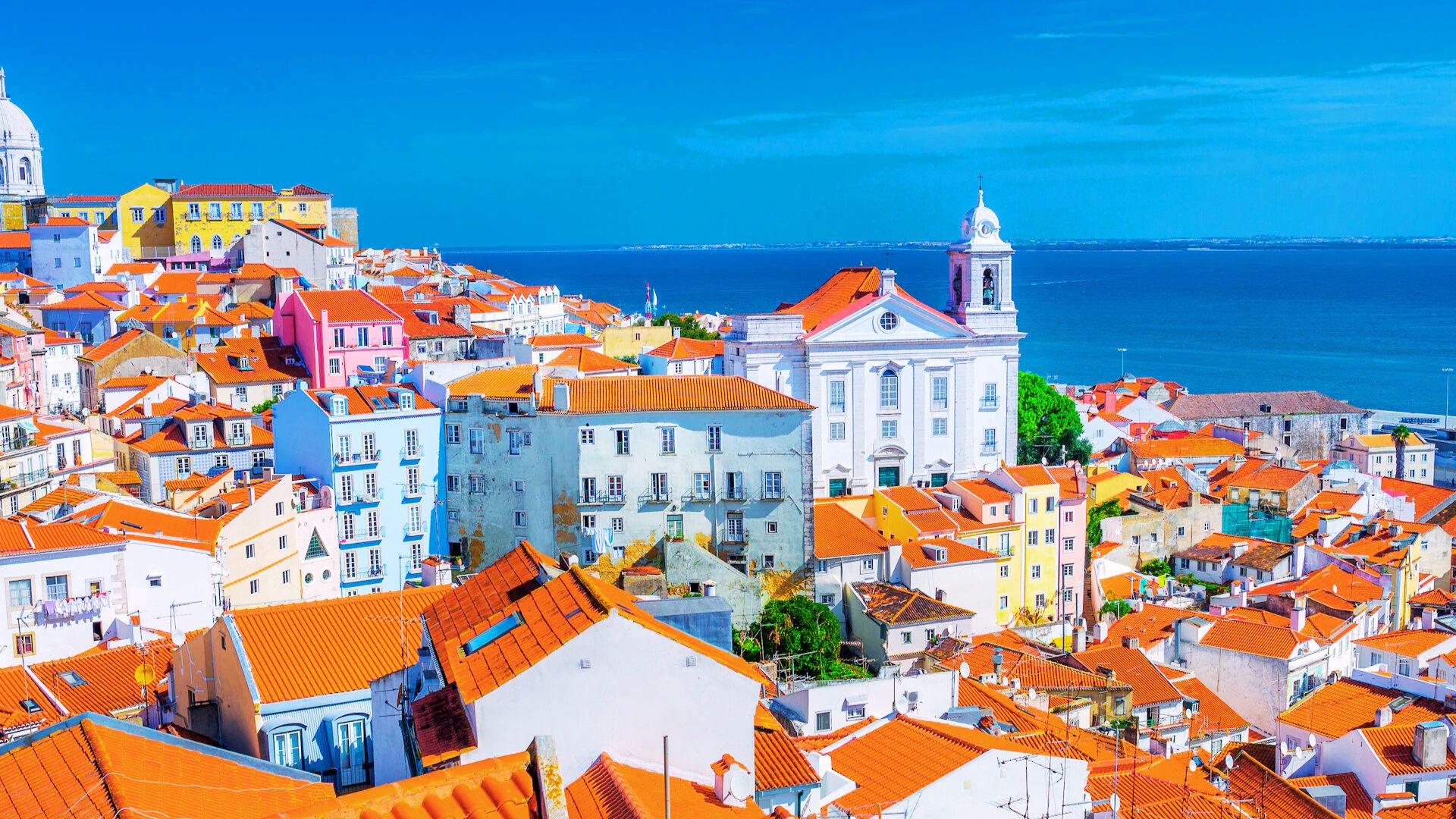
Lisbon sits on Portugal’s western coast where the Tagus River meets the Atlantic Ocean. The city spreads across seven hills with incredible views around nearly every corner.
What makes Lisbon special? It’s affordable. You can eat well, stay comfortably, and see major sights without overspending.
The weather stays mild year-round. Even winter rarely gets truly cold.
Lisbon is compact enough to walk, though those hills can challenge you. Trams and funiculars help. You won’t spend hours commuting between attractions.
The food scene is outstanding. Fresh seafood, local wine, and pastries that’ll ruin bakeries back home. Most restaurants charge fair prices if you know where to look.
Best Time to Visit Lisbon
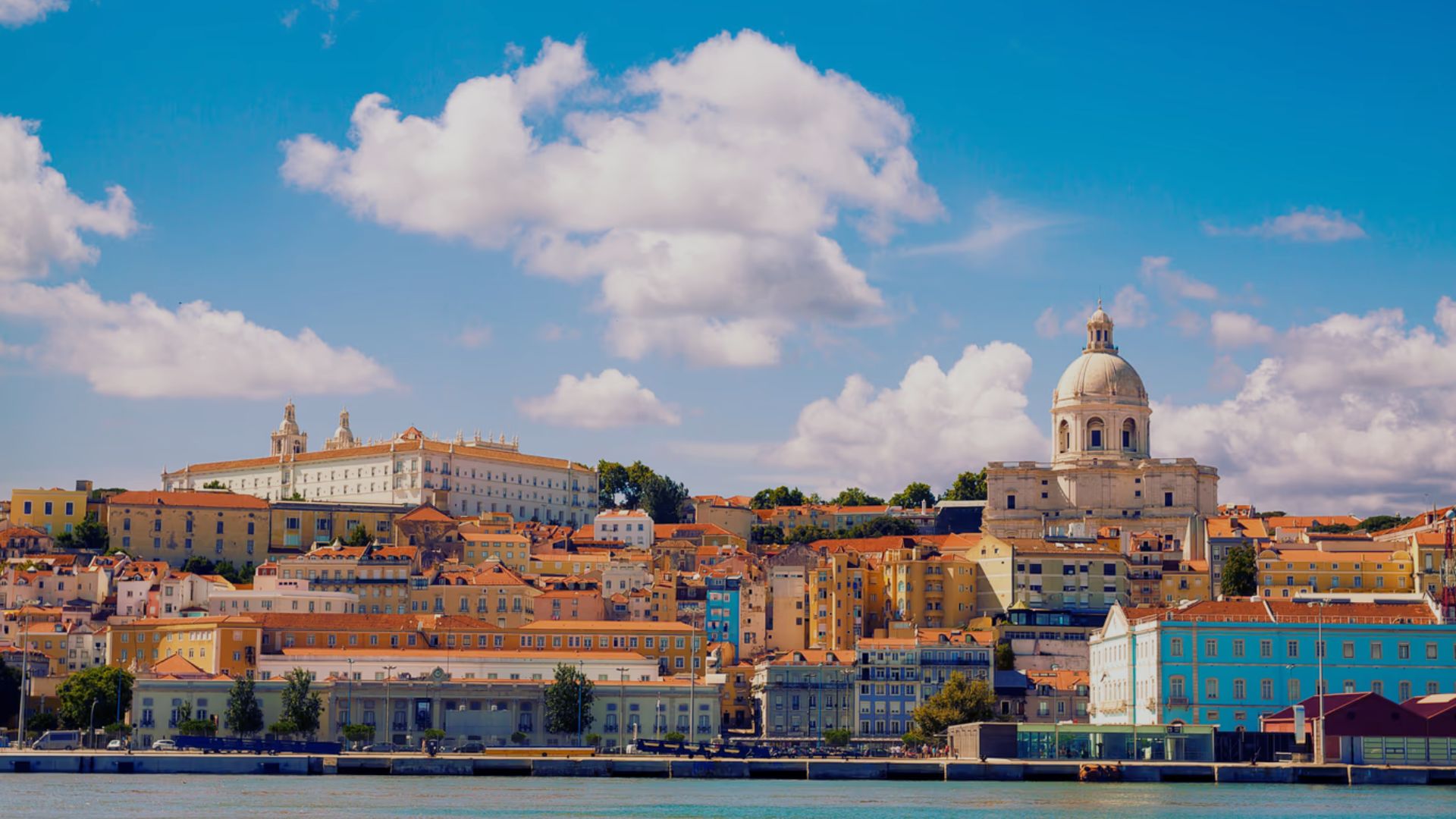
Timing affects your whole experience. Each season brings different weather, crowds, and costs.
Spring (March–May)
Spring hits the sweet spot. Temperatures range from 15°C to 22°C. You’ll need a light jacket for evenings, but days are comfortable for walking.
Crowds build in April and May, but March stays quiet. Hotel prices sit between winter lows and summer peaks. You can find good deals booking ahead.
Jacaranda trees bloom in spring, covering streets in purple flowers. Parks look their best. Rain happens more in March, so pack a compact umbrella.
Summer (June–August)
Summer brings the most tourists. Expect long lines at monuments and packed trams. Hotels cost more, sometimes double winter rates.
Temperatures climb to 28°C to 35°C. The city gets hot, especially August. But beaches are close, which helps.
Festivals happen throughout summer. Santo António in June brings street parties across the city. Book everything in advance.
Fall (September–October)
Fall might be the best time for a Lisbon vacation. September still feels like summer, with temperatures around 25°C. October cools slightly but stays pleasant.
Tourist crowds thin after mid-September. Prices drop compared to summer, but weather stays reliable. You get sunny days without intense heat.
The ocean stays warm enough for swimming through September. October brings some rain, but nothing extreme.
Winter (November–February)
Winter is low season. Fewer tourists mean shorter lines and better prices. Hotels can cost 40-50% less than summer.
Temperatures range from 10°C to 16°C. Mild by Northern European standards, but you’ll want warm layers. Rain happens more frequently, especially November and December.
Some beach activities close down. But museums, restaurants, and historic sites stay open. If you don’t mind occasional rain, winter offers great value.
Where to Stay in Lisbon
Your neighborhood choice affects your whole trip.
Baixa & Chiado
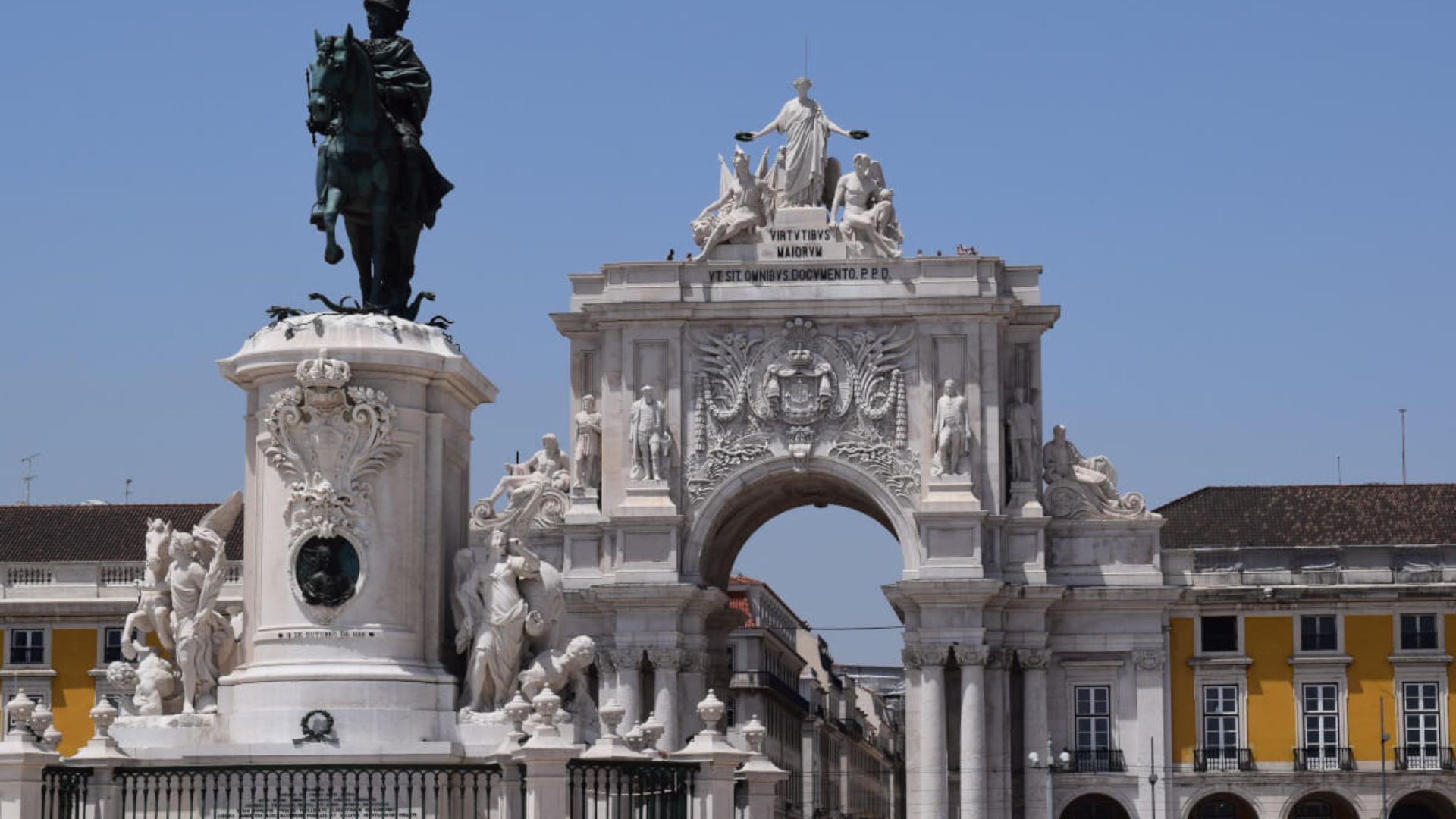
Baixa is downtown Lisbon. It’s flat, organized, and easy to navigate. Perfect for first visits or anyone with mobility concerns.
You’re close to major sights, metro stations, and restaurants. The area feels safe and touristy, which helps when you want convenience.
Chiado sits next to Baixa, slightly more upscale with boutiques and cultural spots. Both can be pricey but save transportation costs.
Alfama
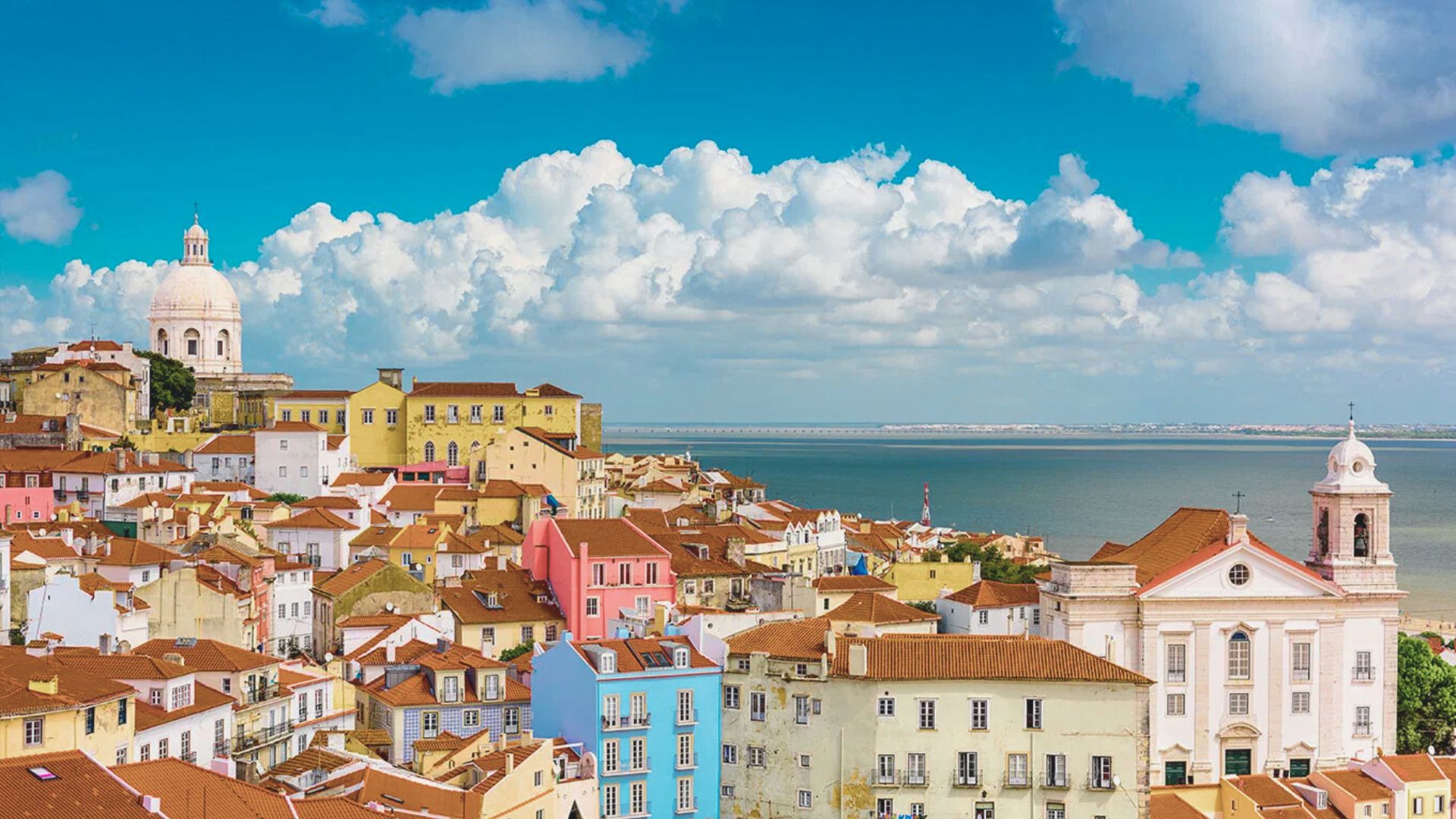
Alfama is the oldest neighborhood. Narrow streets wind uphill past tiled buildings and small squares. It’s gorgeous and atmospheric.
Staying here puts you near the castle and great viewpoints. You’ll hear fado music drifting from restaurants at night.
The downside? Steep streets and stairs. If you have heavy luggage, this might not work. Some streets are too narrow for cars.
Bairro Alto & Príncipe Real
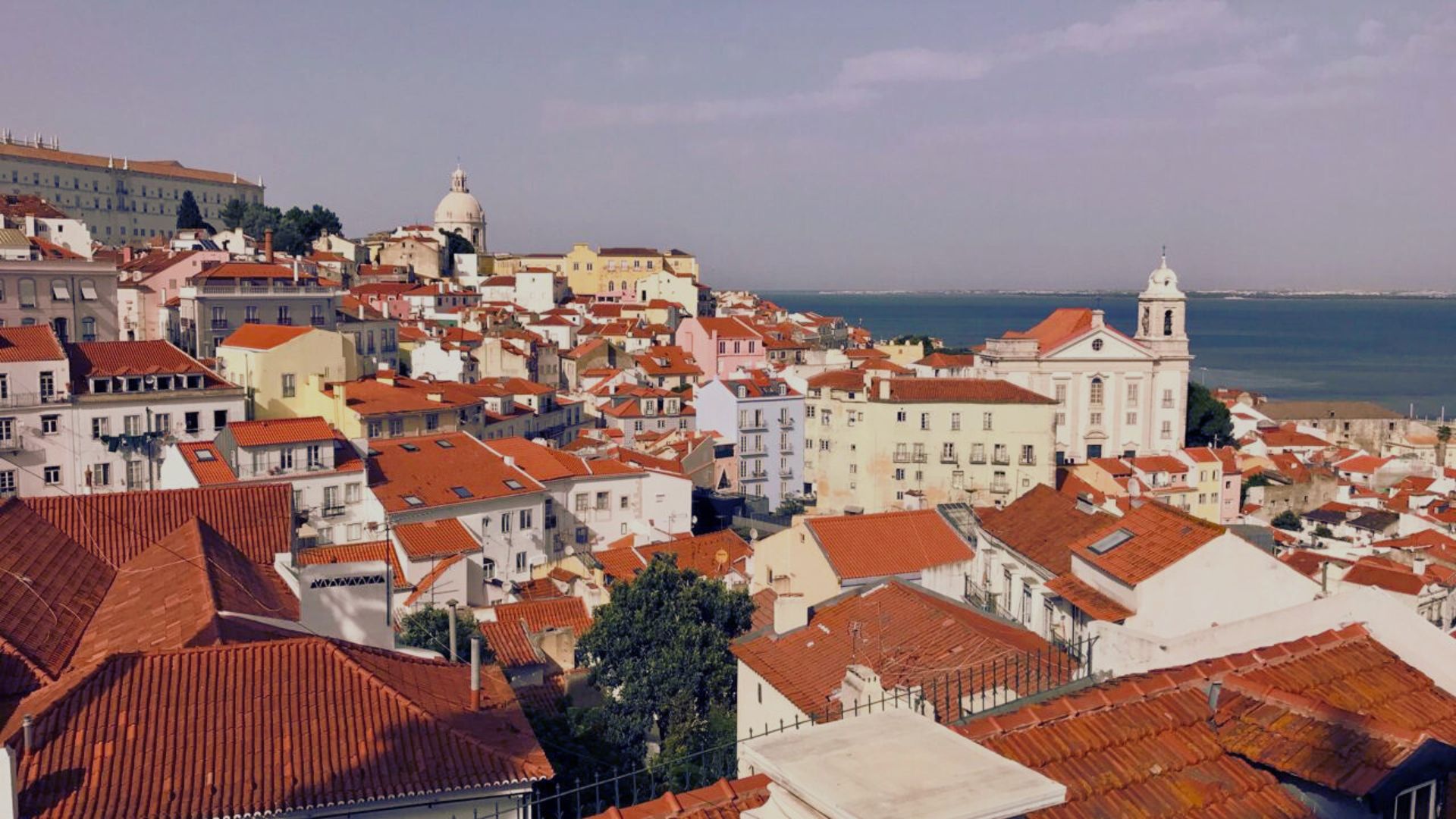
Bairro Alto changes at night. Quiet during the day, then packed with bars after dark. If you want nightlife close by, stay here.
Príncipe Real is calmer, with trendy cafés, gardens, and LGBTQ-friendly spaces.
Expect some noise at night in Bairro Alto. Light sleepers should request quiet rooms.
Belém
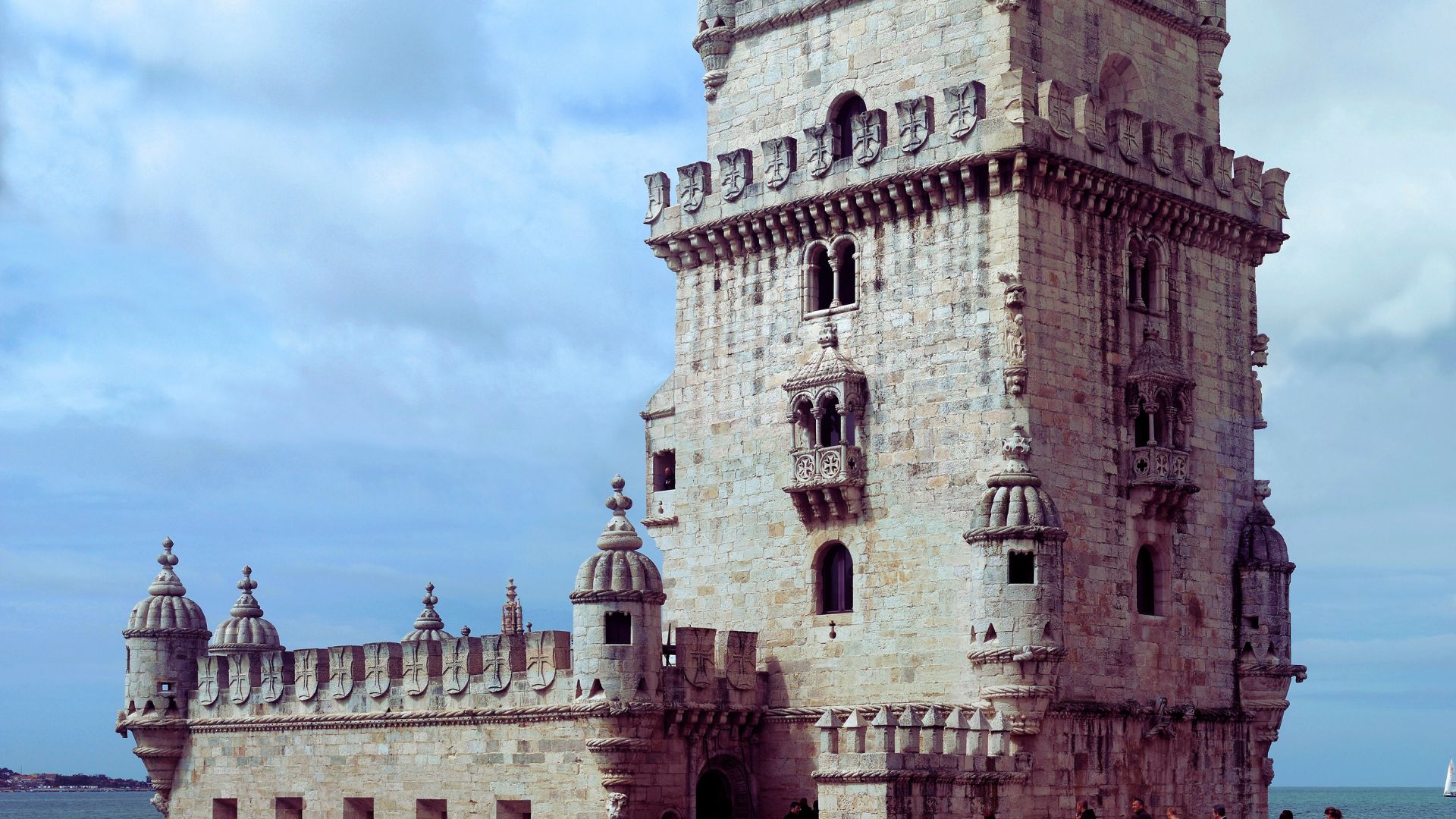
Belém sits west of the center along the river. You’re close to major monuments like the Tower of Belém and Jerónimos Monastery.
It’s quieter and more residential. You get river views and parks.
But you’ll rely on trams or buses to reach other neighborhoods.
Hotels vs Apartments
Hotels offer daily cleaning, front desk help, and easy booking. Apartments give you more space, a kitchen, and better value for groups or longer stays.
Apartments mean handling your own setup. No daily housekeeping. Check-in can be tricky with key pickups.
For short trips, I prefer hotels. For a week or more, apartments make sense.
Top Things to Do in Lisbon
These are the experiences that make Lisbon memorable, not just photo opportunities.
1. Ride Tram 28

Tram 28 rattles through Alfama, Graça, and Estrela, passing sights that cars can’t reach.
The mistake? Boarding at popular stops during peak hours. You’ll wait forever.
Start early in the morning or catch it at less crowded stops like Campo de Ourique. You’ll get a seat and enjoy the ride. Have your metro card ready and watch your belongings.
2. Walk Through Alfama
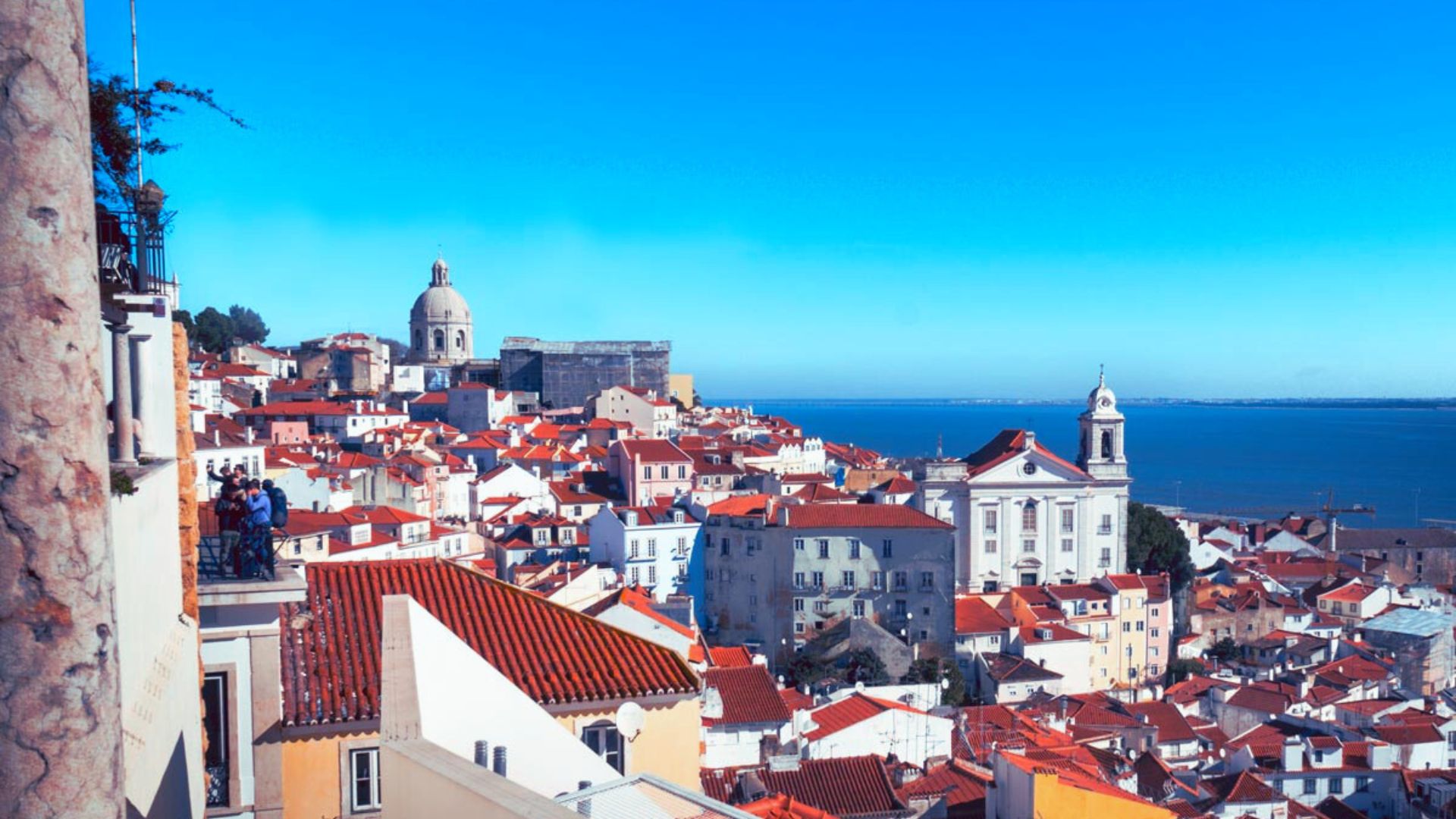
Alfama rewards wandering. Head uphill toward São Jorge Castle. Stop at miradouros (view points) along the way. Miradouro de Santa Luzia and Portas do Sol offer incredible views.
Early morning or late afternoon gives the best light. Wear comfortable shoes.
Cobblestones and hills make fancy footwear impractical.
3. Visit Belém’s Monuments
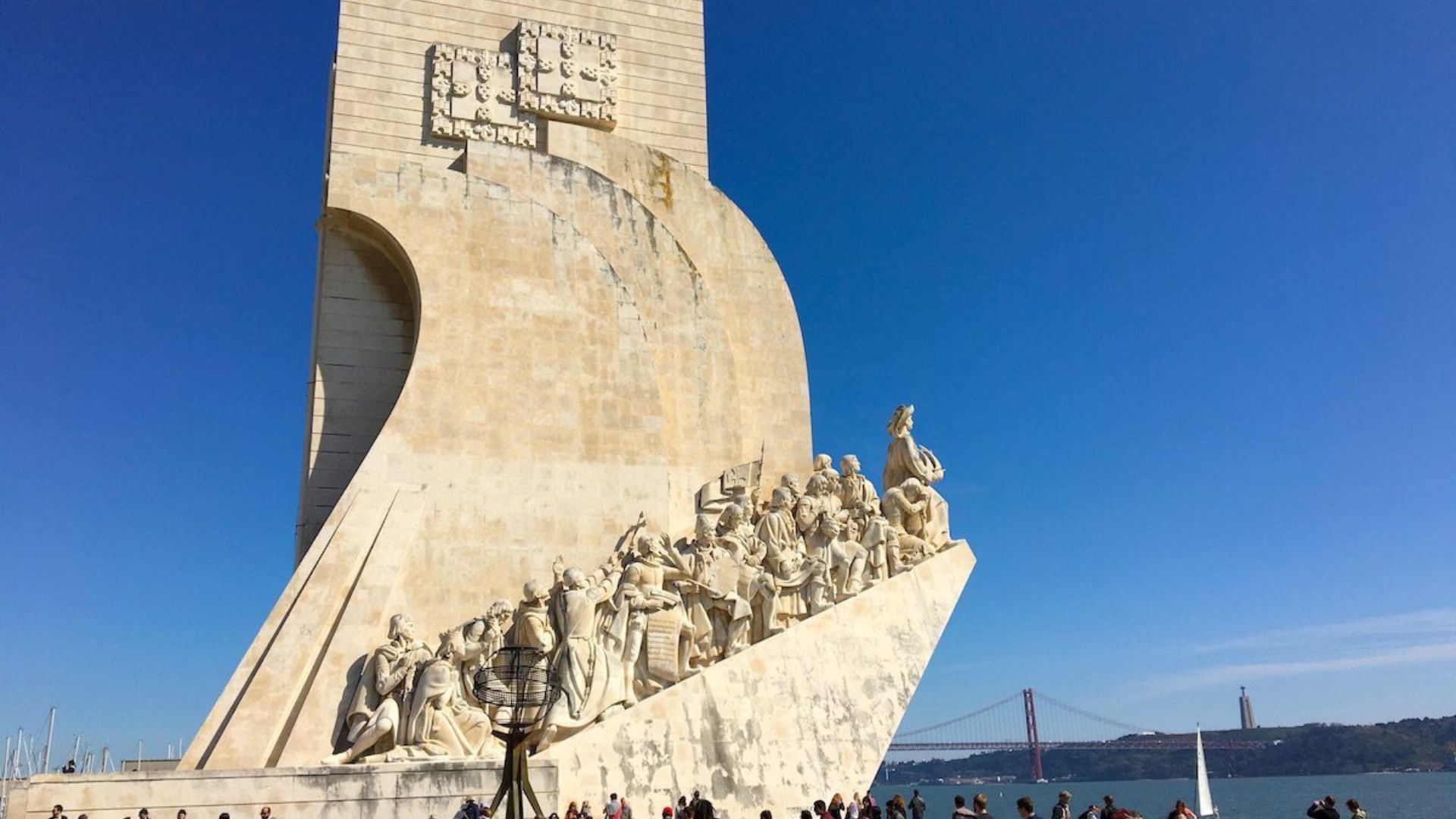
Jerónimos Monastery is massive and impressive, built in the 1500s with incredible detail. The Tower of Belém sits right on the water.
Both can have long lines. Book tickets online or arrive when they open.
Stop at Pastéis de Belém for their famous custard tarts. Yes, it’s touristy. Yes, it’s worth it.
4. Watch Sunsets at Viewpoints
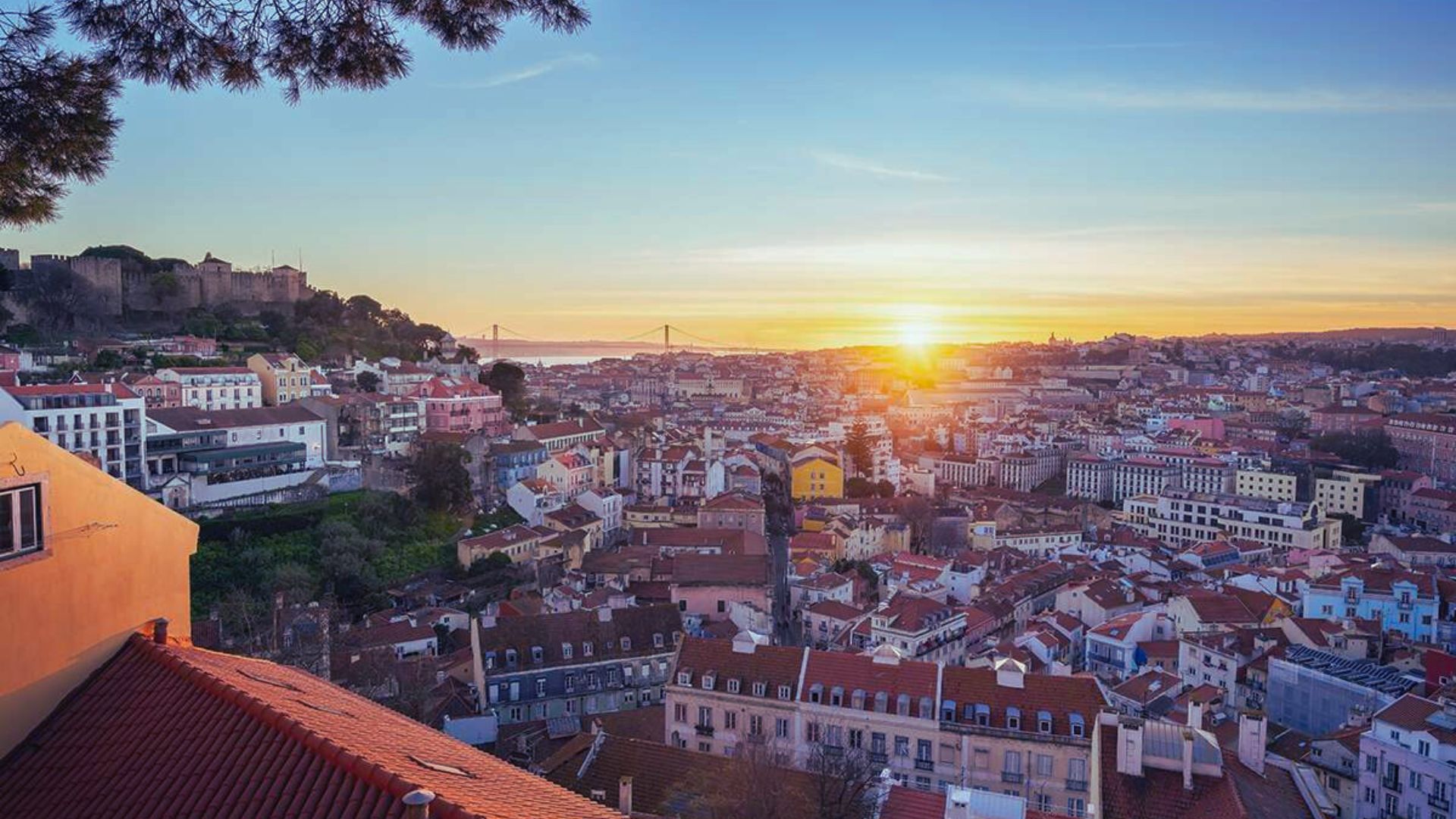
Miradouro da Graça gets crowded but has great views and a café. São Pedro de Alcântara offers wide views over the city center.
For fewer crowds, try Miradouro da Senhora do Monte.
It’s higher up and requires more walking. Bring a light jacket even in summer.
5. Experience Fado Music
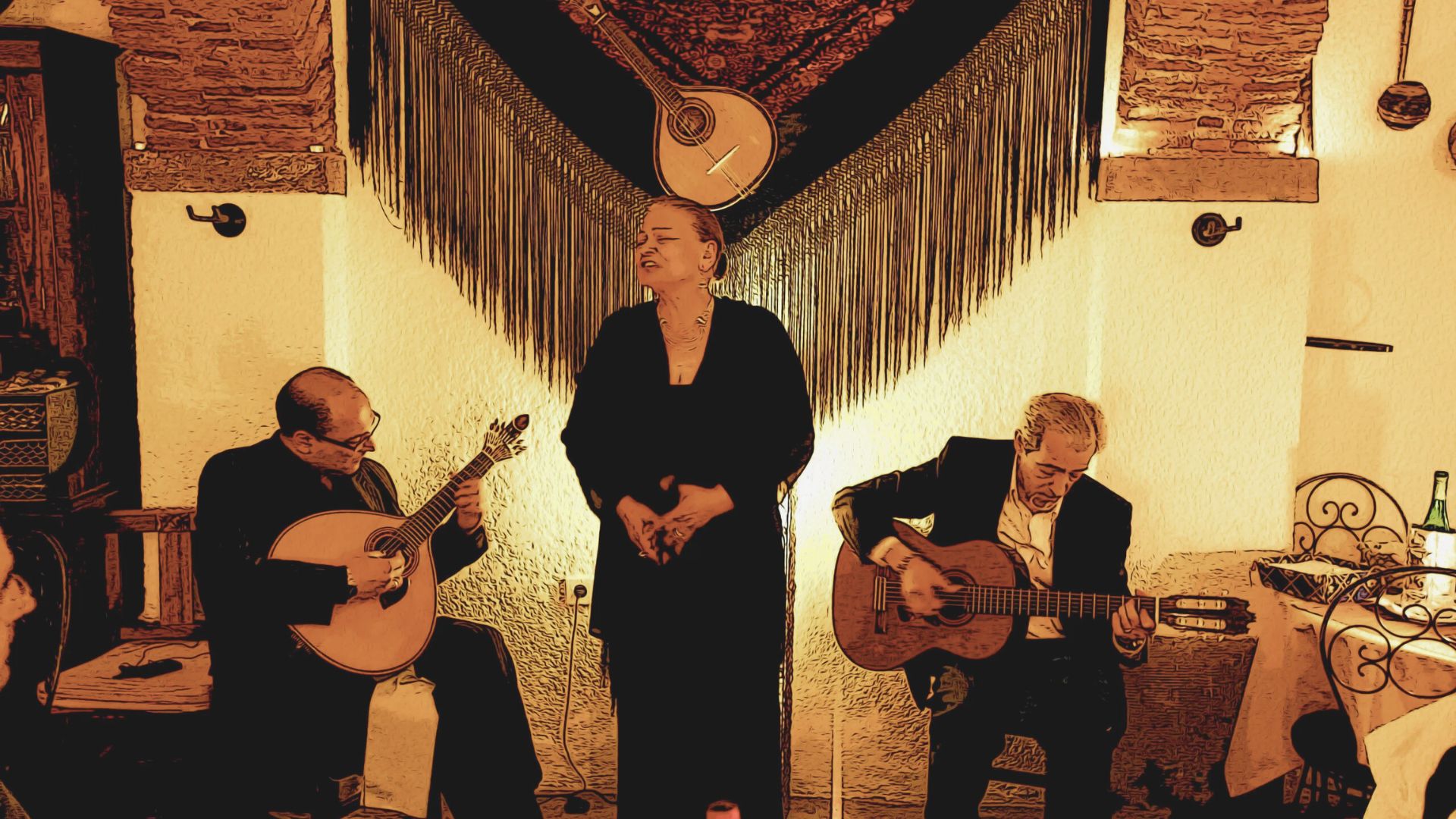
Fado is traditional Portuguese music, usually melancholic and emotional. You’ll find fado houses throughout Alfama and Bairro Alto.
Tourist venues charge high prices for mediocre performances. Look for smaller, family-run places where locals go. Ask your hotel host for recommendations.
Performances start around 8 or 9 PM. Expect 2-3 hours with dinner included.
Easy Lisbon Itinerary
Here’s a no-rush plan you can adjust based on your interests and energy levels.
Day 1: Historic Center
Start in Baixa. Walk through Praça do Comércio toward Rossio. Stop at Santa Justa Lift for views without climbing stairs.
Walk through Chiado, maybe visit Carmo Convent ruins. Have lunch at Time Out Market for variety.
Afternoon, walk along the riverfront toward Cais do Sodré. In the evening, find a restaurant in Baixa or Cais do Sodré.
Day 2: Alfama & Castle
Start early with Tram 28 or walk into Alfama. Head uphill toward São Jorge Castle.
Tour the castle in the morning before it gets hot. After, wander downhill through Alfama. Stop at viewpoints.
Lunch somewhere in Alfama. Grilled sardines if you like seafood. In the afternoon, visit the Fado Museum or relax at a café. Consider booking a fado show for the evening.
Day 3: Belém
Take Tram 15 to Belém. Start at Jerónimos Monastery when it opens. Walk to the Tower of Belém.
Grab pastéis de nata at Pastéis de Belém. The line moves fast.
Afternoon, visit the Coach Museum or walk along the waterfront. Head back to the center for dinner at a traditional Portuguese restaurant.
Day 4 (Optional): Hidden Spots
Explore neighborhoods you’ve skipped. LX Factory is a creative space with shops, cafés, and street art.
Príncipe Real has great shopping and a garden. The Feira da Ladra flea market happens on Sundays.
This is your buffer day. Revisit favorites or take it slow.
Day Trips from Lisbon
Each of these destinations offers something different and all are easy to reach from the city.
Sintra
Sintra is 40 minutes by train from Lisbon. It’s famous for colorful palaces and misty forests.
Pena Palace looks like something from a storybook. Quinta da Regaleira has mysterious gardens and underground tunnels. You’ll need a full day. Wear walking shoes.
Cascais
Cascais is a beach town 30 minutes from Lisbon by train. It’s more relaxed than Sintra.
Nice beaches, a small historic center, and coastal walks. You can bike along the waterfront or sit at beach cafés. Half-day trips work, but a full day lets you relax.
Fátima or Arrábida
Fátima is a major Catholic pilgrimage site. If you’re interested in religious history, it’s significant.
Arrábida Natural Park offers beaches and hiking south of Lisbon. Less touristy, more nature-focused. You’ll need a car or organized tour.
What to Eat in Lisbon
Portuguese food is simple, fresh, and satisfying without complicated preparations.
Traditional Dishes
Bacalhau (salted cod) appears everywhere. Bacalhau à Brás mixes cod with eggs and potatoes.
Sardines, especially grilled, are a summer staple. Cheap and delicious when fresh.
Caldo verde is a green soup with potatoes and sausage. Perfect for cooler days.
Pastéis de Nata
Pastéis de Belém gets the fame, but other bakeries make excellent versions.
Manteigaria has locations with fresh tarts made throughout the day.
Most local bakeries sell decent pastéis de nata for under a euro. Eat them warm if possible.
Seafood and Wine
Seafood is fresh and affordable. Grilled fish, octopus salad, and seafood rice are solid choices.
Portuguese wine is underrated and cheap. Vinho verde is light and slightly fizzy. Port wine is everywhere.
Visit Time Out Market for variety. Regular neighborhood markets like Mercado de Campo de Ourique give more authentic experiences with lower prices.
Affordable vs Tourist Prices
Tourist areas charge more. A full meal with wine in Baixa might cost 20-30 euros. Neighborhood spots run 12-18 euros.
Lunch specials (prato do dia) offer great value, often under 10 euros with soup, main, dessert, and drink.
If menus have five languages with photos, it’s probably overpriced. Look for places where locals eat.
Lisbon Vacation Budget
Here’s what things actually cost so you can plan realistically.
| Budget Type | Daily Cost | Includes |
|---|---|---|
| Budget | 40-60 euros | Hostel accommodation, cheap meals, public transport, free or low-cost sights |
| Mid-Range | 80-120 euros | Decent hotel or apartment, restaurants for most meals, paid attractions, occasional taxis |
| Higher-End | 150+ euros | Nicer hotels, dining flexibility, tours, frequent taxis or ride-sharing |
Specific Costs:
- Nice dinner: 15-25 euros per person
- Museum entry: 5-10 euros
- Beer at a bar: 2-3 euros
- Hostel dorm: 15-20 euros per night
- Budget hotel: 50-70 euros per night
- Mid-range hotel: 80-120 euros per night
Accommodation is your biggest variable, so choose based on what comfort level matters most to you.
Common Mistakes to Avoid
- Don’t only stay in Baixa and Belém. You’ll miss the real Lisbon character.
- Don’t eat at restaurants with aggressive touts outside. Quality places don’t chase customers.
- Don’t assume everywhere takes cards. Many small shops are cash-only.
- Don’t skip the hills completely. The views make it worthwhile. Use funiculars if needed.
- Don’t try to do Sintra and Cascais in one day. You’ll rush both.
Helpful Travel Tips
- Learn basic Portuguese phrases. Most people in tourist areas speak English, but “obrigado” goes far.
- Bring layers. Even summer evenings can be cool near the water.
- Download offline maps. Google Maps works well, but offline access saves data.
- Keep some cash. ATMs are common, but have euros for small purchases.
- Respect fado performances. When music starts, silence is expected.
- Try less famous neighborhoods. Marvila, Mouraria, and Graça have character without tourist crowds.
Conclusion
Your Lisbon vacation can be exactly what you want it to be. Relaxed and cultural. Affordable and memorable.
I’ve given you the practical information that actually helps when you’re there.
From choosing your timing based on weather and crowds to finding neighborhoods that match your travel style, these details make the difference.
You don’t need to see everything or follow a rigid schedule. Pick what interests you most, leave room for wandering, and don’t stress about perfect plans.
Lisbon works best when you experience it at an easy pace.
Book your trip, pack comfortable shoes, and get ready to fall for this waterfront capital.
Frequently Asked Questions
How many days should I spend in Lisbon?
Three to four days covers the main sights comfortably, plus one or two more if you want day trips.
Is Lisbon expensive compared to other European cities?
Lisbon is more affordable than most Western European capitals with good value in neighborhoods away from tourist centers.
Do I need to speak Portuguese to visit Lisbon?
English works fine in tourist areas, but learning basic Portuguese phrases helps and shows respect.
Is Lisbon safe for first-time visitors?
Lisbon is very safe with only petty theft in crowded areas being the main concern.
What’s the best way to get around Lisbon?
Walking works best centrally, with a Viva Viagem card for trams and metros, plus cheap Ubers for late nights.
