

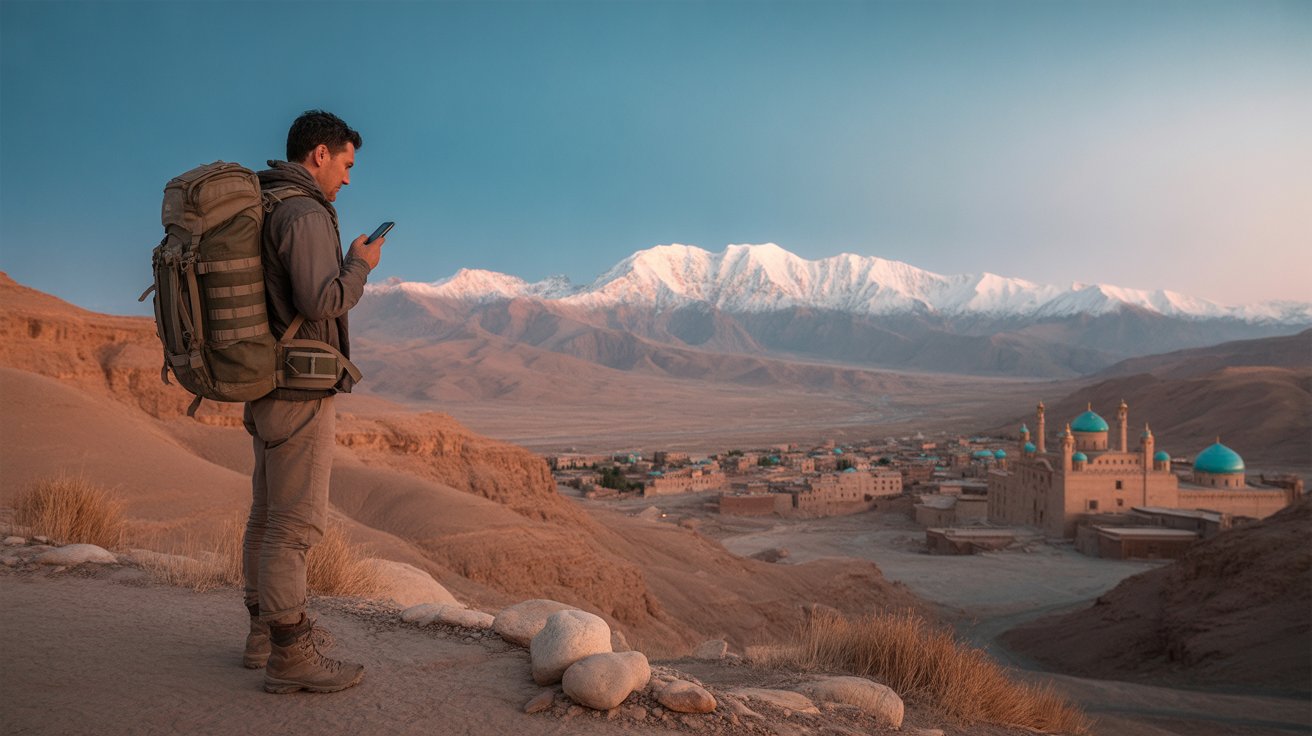
Central Asia is one of the world’s most beautiful yet untouched regions, often referred to as the “Five Stans”: Kazakhstan, Kyrgyzstan, Tajikistan, Turkmenistan, and Uzbekistan. It offers intriguing Silk Road history, dramatic landscapes, and deep traditions found nowhere else.
Picture yourself admiring the blue-tiled Registan Square, trekking a scenic route in the Karakol Valley, staying in a nomadic yurt at Son Kul, or strolling through the fragrant Osh Bazaar. Sounds like your kind of trip? These are some of the top reasons to visit Central Asia.
This comprehensive guide offers you practical tips, insider knowledge, and cultural nuances to help you avoid common mistakes and travel through Central Asia hassle-free. Let’s dive in.
1. Plan Your Trip Around the Best Time to Visit Central Asia
The best time to visit Central Asia is during the shoulder seasons. Spring (April–June) brings moderate temperatures, blooming wildflowers, and lush valleys. Fall (September–October) offers pleasant weather and clear skies, suitable for sightseeing tours and hiking adventures.
Summers can be extremely hot in cities like Samarkand, but allow comfortable high-altitude trekking. Winters are harsh, but they present skiing opportunities in Karakol and Shymbulak.
2. Use Trains and Shared Transport to Get Around
Trains are reliable and comfortable in Uzbekistan and Kazakhstan, but the most common way to get around is by shared taxis (marshrutkas). These connect cities and villages across Central Asia, making them the go-to for locals and tourists alike. Marshrutkas are generally cheap, but can be quite cramped. If you’re seeking comfort, consider renting a car or hiring a private driver.
Guided tours are also a great way to get around. These planned excursions often assign a local guide who understands the language, cultural traditions, and social norms of each country.
3. Get an eSIM to Stay Connected Across Borders
Wi-Fi is available in hotels and cafés in major cities, but connectivity can be patchy, especially in rural and alpine regions. This is where an international eSIM by WonderConnect comes in handy. Download the app before departure and activate it upon arrival for instant mobile connectivity. This helps you avoid high roaming fees or getting a local SIM in each country.
4. Learn Basic Phrases or Use Google Translate for Easier Travel
Due to the region’s Soviet Union past, Russian is widely spoken across major cities as it is used as the primary language for business and education, especially in Kazakhstan and Kyrgyzstan. That said, several local languages are spoken in each country, particularly in remote areas.
Learning a few phrases can help you navigate daily interactions with the locals. A translation app may assist with other tongues, but an offline dictionary is more reliable in remote areas.
5. Stay in Guesthouses and Homestays
Unlike hotels, guesthouses offer a more authentic and affordable experience. While most of them have basic amenities, and comfort levels vary, the hospitality at these accommodations is often exceptional. Homestays are common in Kyrgyzstan and Tajikistan, offering rustic yurt stays, delicious home-cooked meals, authentic cultural immersion, and utmost tranquility.
These establishments are typically budget-friendly, but booking platforms don’t list all available options. Reach out to community-based tourism networks to connect with vetted homestays.
6. Eat Local but Choose Busy Spots for Food Safety
Hearty, loaded with fresh produce, and shaped by nomadic dairy culture, Central Asian cuisine is rich in flavor. It’s meat-heavy, with many dishes containing beef, mutton, and horse meat. Try staple dishes like plov, lagman, manty, and shashlik, but make sure to get them at busy eateries, where ingredients are fresher. Avoid raw salads, unpeeled fruits, and tap water.
7. Carry Cash and Understand Local Tipping Etiquette
Digital payment adoption is accelerating rapidly, particularly in Kazakhstan, but cash remains king across much of the region. ATMs are available in cities but scarce in remote areas. Credit cards are accepted in larger hotels and restaurants, but cash may be required in rural areas.
Carry small bills for taxis or paying at smaller businesses and restaurants. Tipping is not expected, but it is appreciated as a kind gesture. Round up bills or leave small amounts.
Note: Local currencies vary by country, and exchange rates can fluctuate. Use a currency conversion tool when traveling to a new country and exchange bills at designated counters.
8. Check Visa Requirements and Apply Early for Each Country
Visa policies vary significantly between countries. Uzbekistan and Kazakhstan offer visa-free or e-visa options for many nationalities, but Turkmenistan has strict visa requirements and mandates for guided tours. Always check official sources, as terms can change frequently.
Keep in mind that border crossings may have different rules from airports, and countries have varying security protocols. Print copies of visas and documents, as digital ones aren’t always accepted. Apply for your visa registrations early to avoid any issues while traveling.
9. Be Aware of Local Customs and Safety Practices
Central Asia is generally safe, with most countries experiencing low levels of violent crime due to their high hospitality. That said, petty crimes such as pickpocketing still happen in crowded areas of major cities like Bishkek, Tashkent, and Almaty, so caution is highly recommended.
This region is widely socially and politically conservative, having traditional norms and strong patriarchal values. Dress modestly, especially in rural or religious areas, as a sign of respect.
Hospitality is a major part of the culture, so you may be invited into homes during your travels. Refusing food or tea can be considered impolite; try to accept graciously when possible. Police presence is common. Be sure that you carry identification at all times in case it is required.
Travel Smarter, Not Harder in Central Asia
Central Asia rewards travelers who come prepared. While it may lack the high-end infrastructure of popular destinations like Europe, that’s exactly what makes it raw, authentic, and immersive.
Simply plan around the right season for good weather, embrace local ways of traveling, eating, and staying to get a glimpse into everyday life, and familiarize yourself with cultural norms.
And remember: stay flexible, as some of the best moments come from the unexpected
