


I hadn’t even reached the good parts yet. Most people don’t realize how much this park holds until they’re already inside it.
I put this guide together after doing the research and the walking myself.
If you want to know the best things to do in Volcano National Park before you arrive, this is the guide that will actually prepare you for what’s waiting.
Why Visit Volcano National Park?

Hawaii Volcanoes National Park sits on the Big Island and covers over 330,000 acres. It’s home to Kīlauea, one of the most active volcanoes on Earth, and Mauna Loa, one of the largest.
The park has been a UNESCO World Heritage Site since 1987.
What sets it apart from every other park in the U.S. is simple: it’s alive. The landscape is constantly shifting. Lava has reshaped entire sections of the park within recent decades.
It works for almost every type of traveler. Photographers come for the crater glow. Hikers come for the lava fields. Families come for the lava tubes. History lovers come for the petroglyphs and Hawaiian cultural sites.
In terms of basics: the park is located near Hilo on the Big Island, it’s open 24 hours, and the entrance fee is $35 per vehicle, valid for seven days.
15 Things to Do in Volcano National Park
This park has far more to offer than most visitors realize. Here are 15 experiences worth building your trip around.
1. Witness the Kīlauea Volcano Crater
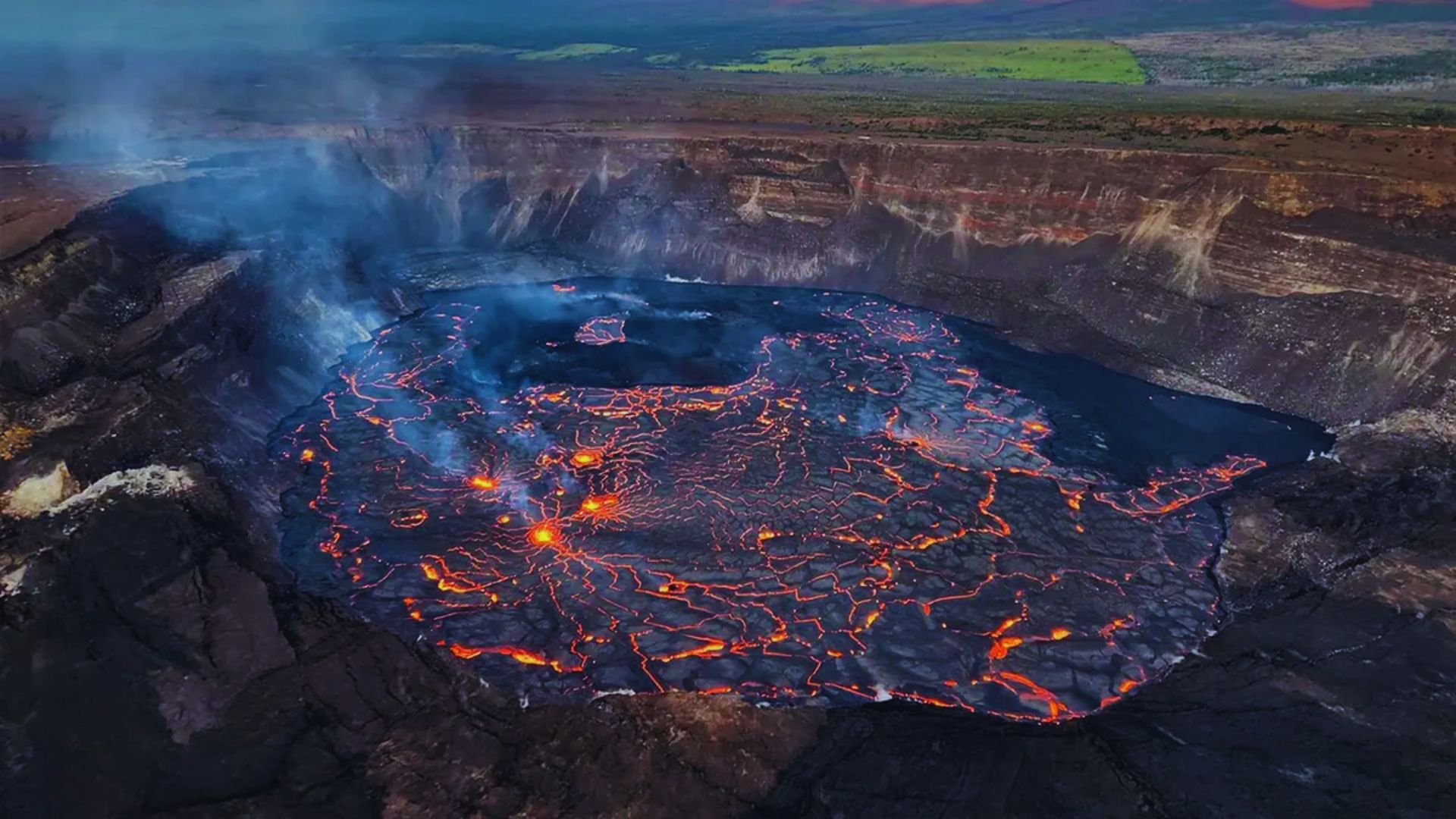
Kīlauea is the star of the park. Standing at the crater rim and looking down into that massive caldera is genuinely breathtaking. It’s one of those moments that doesn’t translate well in photos.
The Kīlauea Overlook and the rim trail offer the best ground-level views. On clear days, you can see deep into the caldera from multiple points along the path.
Check the park’s official site before visiting. Activity levels change, and some viewpoints open or close depending on conditions.
2. Drive the Crater Rim Drive

Crater Rim Drive loops around the summit caldera and connects most of the major viewpoints and stops in the upper park. It’s the easiest way to cover a lot of ground in one go.
For first-time visitors, this is the best starting point. You’ll pass steam vents, sulphur banks, the Jaggar Museum area, and several trailheads without leaving your car.
Note that parts of this road were closed after 2018 eruptions. Check current road conditions before you plan your route.
3. Check out Thurston Lava Tube (Nāhuku)

Thurston Lava Tube is one of the most visited spots in the park. It’s a real lava cave formed thousands of years ago when the outer layer of a lava flow cooled and hardened while the molten rock inside drained out.
The walk through the tube takes about 10 to 15 minutes. It’s lit, paved, and accessible for most fitness levels. Great for kids too.
Go early in the morning to beat the crowds. The surrounding rainforest trail is also worth a slow walk.
4. Hike the Kīlauea Iki Trail
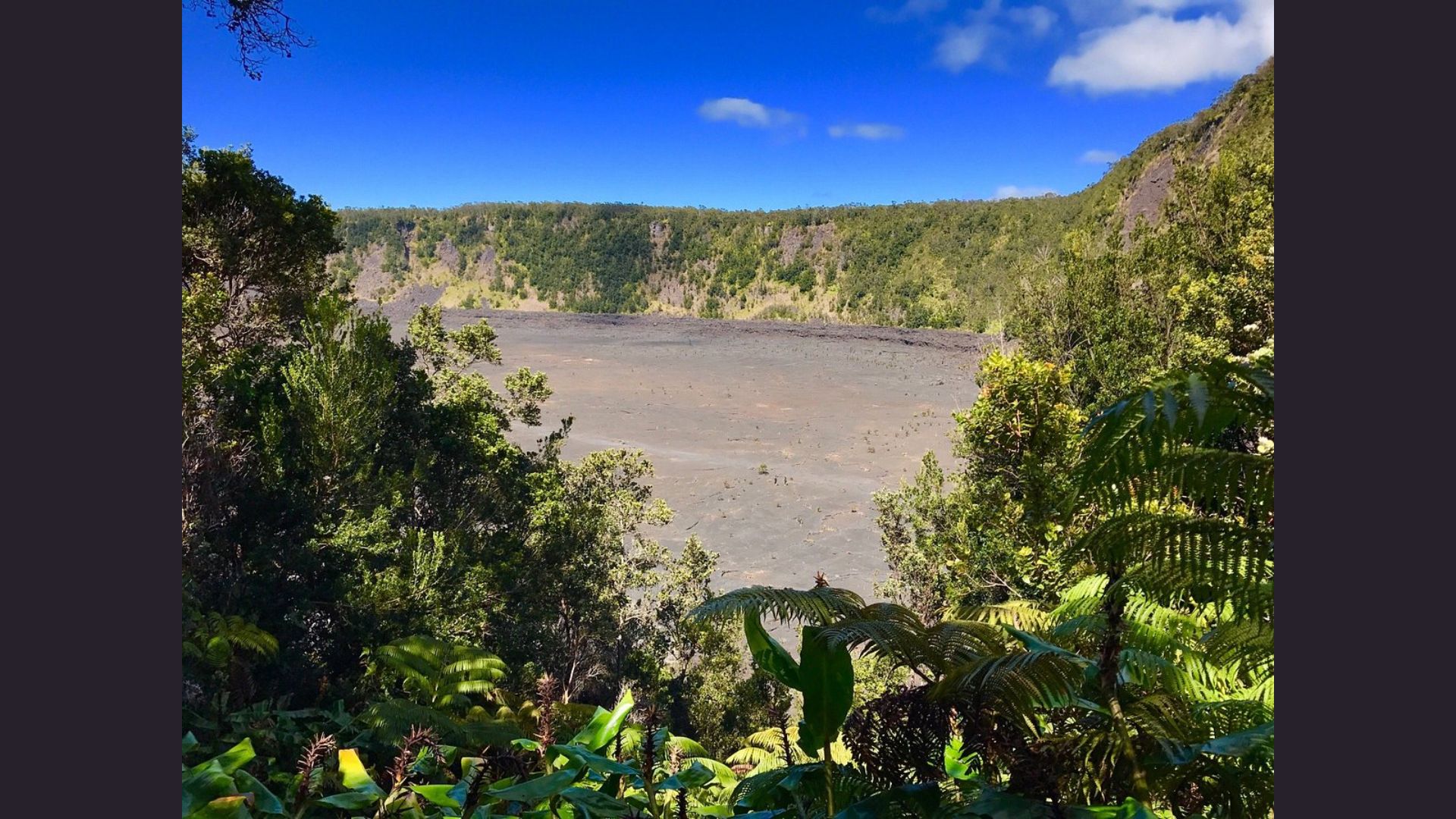
This 4-mile loop is one of the most talked-about hikes in the entire park. You descend into a crater and walk across a hardened lava lake that was actively erupting in 1959.
The contrast is striking. One side is lush forest, the other is a wide open field of cracked black lava. It takes about two to three hours at a comfortable pace.
Wear sturdy shoes. The lava surface is uneven, and the trail can be slippery after rain.
5. Visit Halemaʻumaʻu Crater at Night

When Kīlauea is active, the glow from Halemaʻumaʻu Crater at night is something you’ll remember for a long time. The red light reflecting off the clouds above the crater is unlike anything else in the park.
This is also one of the best photography opportunities in all of Hawaii. Long exposure shots of the glowing crater rim come out stunning.
Check the park’s volcanic activity updates before planning a night visit. The experience depends entirely on current eruption levels.
6. Take the Chain of Craters Road
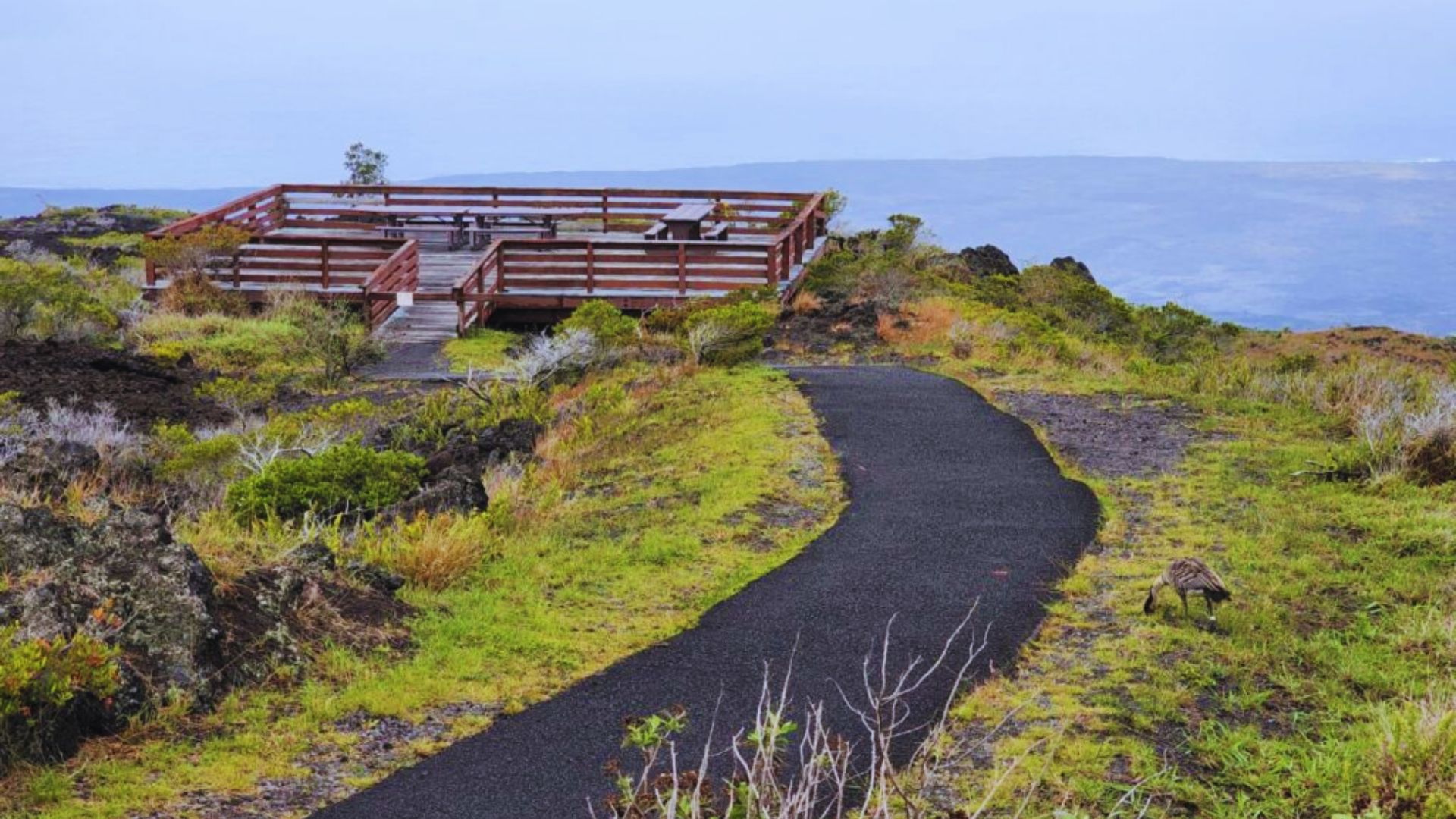
Chain of Craters Road runs about 20 miles from the summit area all the way down to the coast. Along the way, you pass through layers of lava fields, older craters, and eventually reach sea-level cliffs.
The coastal views at the end of the road are dramatic. Lava hardened mid-flow into the ocean here, and the black rock against the blue water is a striking sight.
This is a long drive, so plan at least two to three hours round trip if you want to stop and explore properly.
7. See Steam Vents and Sulphur Banks
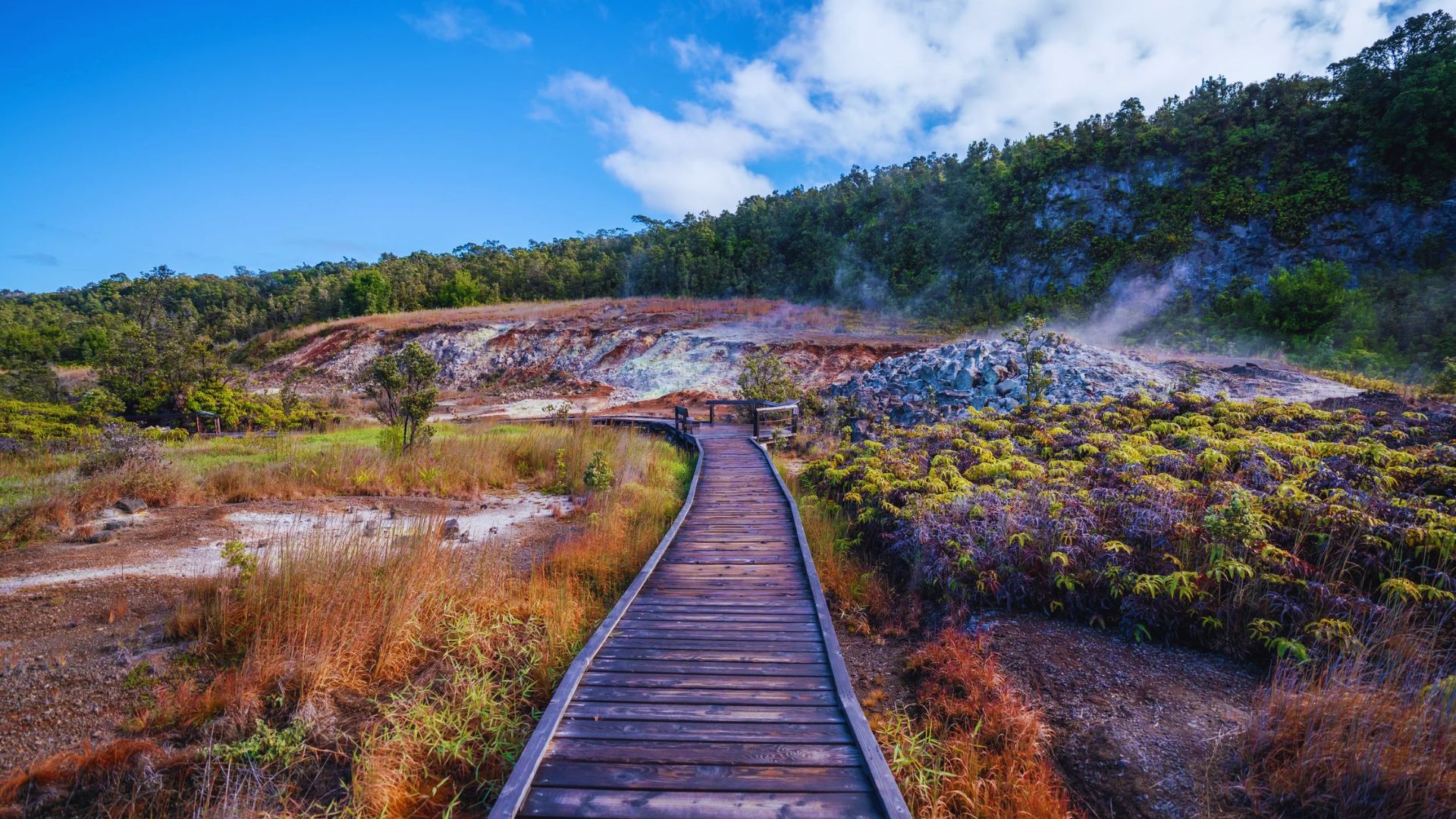
Steam vents are one of the first things you notice when you arrive in the summit area. Hot groundwater meets volcanic heat underground and rises as steam through cracks in the earth.
The Sulphur Banks trail nearby has a strong smell of sulfur and a landscape covered in yellow mineral deposits. It’s a short, easy walk but genuinely unlike anything most people have seen before.
Both spots sit close to the visitor center and make for a great warm-up before longer activities.
8. Hike Devastation Trail
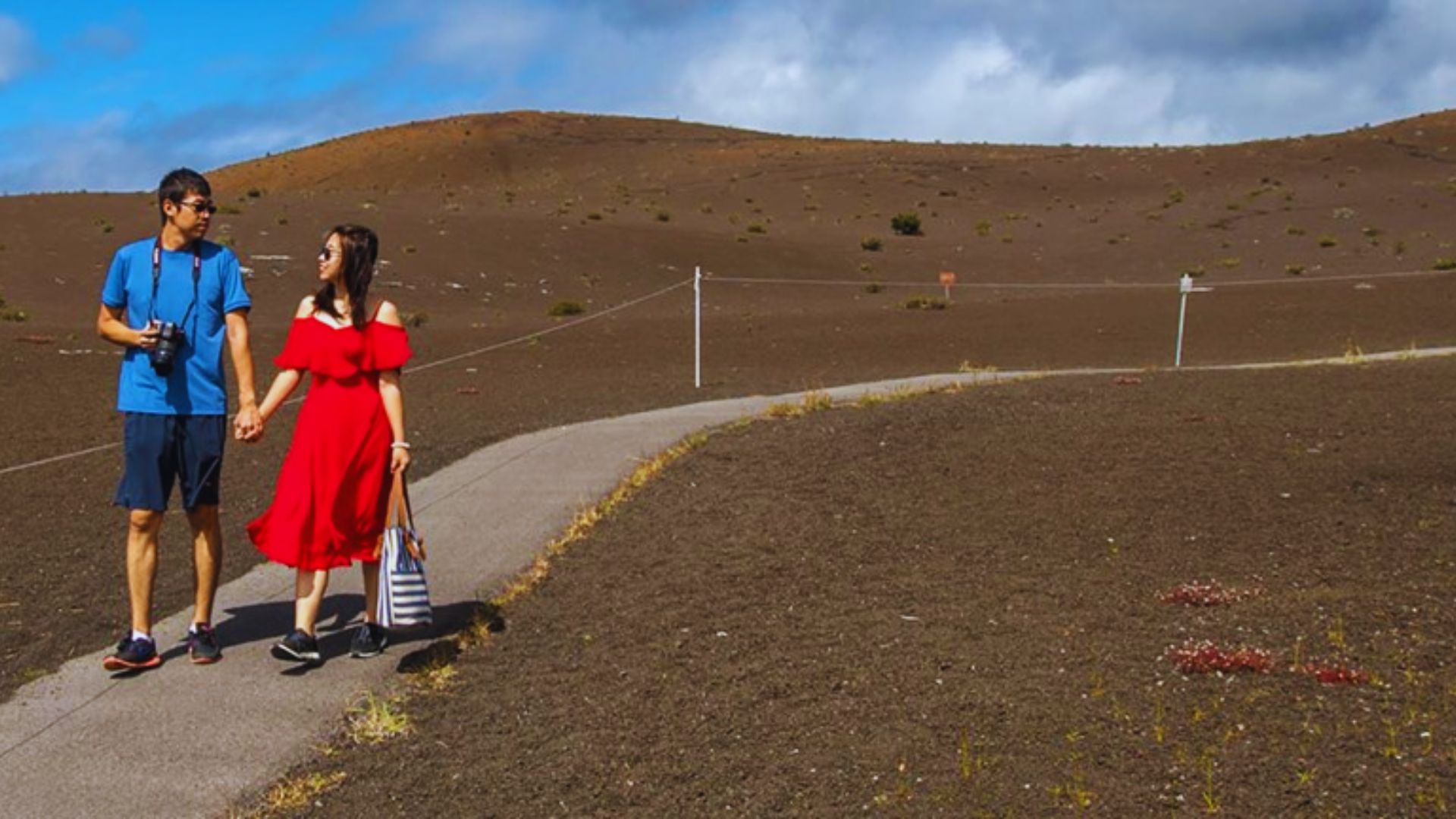
Devastation Trail is a half-mile paved path that cuts through a landscape shaped by the 1959 Kīlauea Iki eruption. Dead tree trunks still stand in the middle of a cinder field, bleached white against black lava.
It’s short, flat, and easy. The visual impact, though, is significant. This trail shows you what volcanic destruction actually looks like years later.
It connects to the Kīlauea Iki trailhead, so many hikers combine both in one morning.
9. Visit the Jaggar Museum Area

The Jaggar Museum itself has been closed since 2018 due to eruption damage, but the overlook area nearby remains one of the best viewpoints in the park for seeing the Kīlauea caldera.
Even without the museum open, the platform gives you a wide, clear view of the crater and the surrounding landscape. It’s especially impressive in the early morning when clouds are low.
Check the park website for any updates on reopening or changes to this area before your visit.
10. Check out Petroglyphs at Puʻu Loa
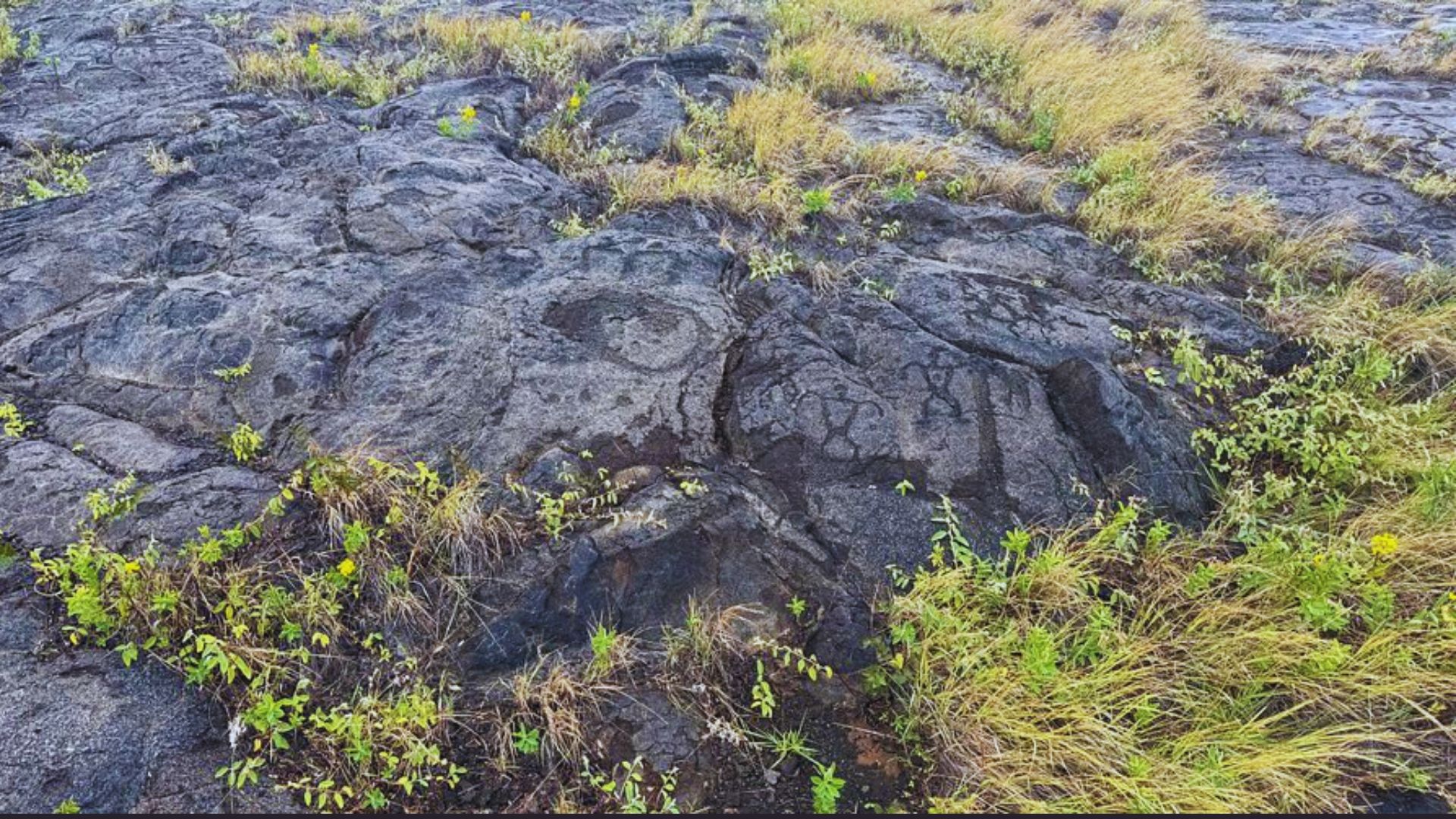
The Puʻu Loa Petroglyph Field is one of the largest collections of ancient Hawaiian rock carvings in the islands. Over 23,000 individual images have been carved into the lava here over centuries.
The 1.4-mile round-trip trail leads you to a raised boardwalk above the field. You view the petroglyphs from above to protect them from foot traffic.
This is a quiet, cultural stop that adds real depth to a park visit. It’s easy to overlook, but worth the effort.
11. Go Birdwatching in Native Forests

The park’s native forests are home to several rare Hawaiian birds that exist nowhere else on Earth. The ʻApapane, ʻOmaʻo, and the Hawaiian goose (Nēnē) are among the species you might spot.
The Nēnē is the state bird of Hawaii and was once nearly extinct. The park has been central to its recovery, and sightings are fairly common near grassy areas and roadsides.
Bring binoculars and go early in the morning. The Kipukapuaulu trail is one of the best spots for birdwatching in the park.
12. Experience Lava Viewing (When Active)

Active lava viewing is completely dependent on current volcanic activity. When Kīlauea is erupting, the park offers viewing areas where you can watch lava up close, sometimes flowing or pooling within the crater.
Always check the USGS Hawaiian Volcano Observatory website before visiting if lava viewing is your main goal. Conditions change without warning.
If active lava is visible, stay within designated viewing areas and follow all ranger instructions. Volcanic fumes are a real safety concern.
13. Camp Inside the Park

Camping inside the park is one of the best ways to fully experience it. The Namakanipaio Campground sits at about 4,000 feet elevation and is surrounded by eucalyptus and ʻōhiʻa forest.
Nights here are cool and quiet. Waking up inside the park means you can reach trailheads before the day-tripper crowds arrive.
Cabins are also available at Namakanipaio through Volcano House. Book well in advance, especially for peak season visits.
14. Visit Volcano House

Volcano House is the only lodge inside the park and sits right on the edge of Kīlauea caldera. It’s been welcoming guests in some form since 1866.
You don’t have to stay overnight to enjoy it. The restaurant serves local Hawaiian food with a direct view of the crater, and it’s a great lunch stop on a full day in the park.
If you can book a room here, do it. Watching the crater glow from your window at night is something you won’t get anywhere else.
15. Join a Guided Ranger Program
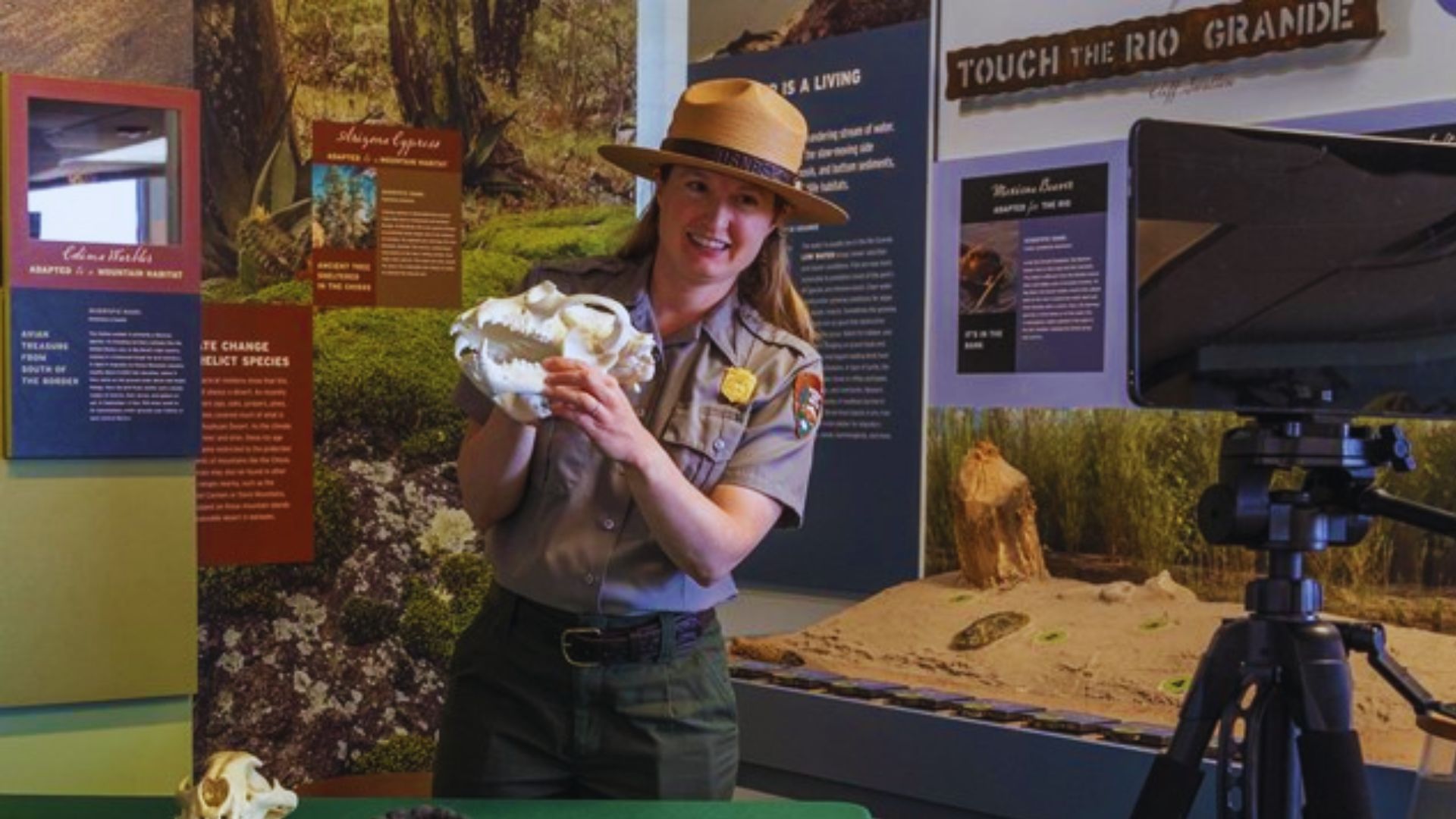
The park’s ranger programs run throughout the year and cover everything from volcanic geology to Hawaiian culture and local wildlife. Most are free with park admission.
Rangers bring the park to life in a way that self-guided visits sometimes miss. You’ll leave with context that makes everything you’ve already seen make more sense.
Check the park’s current schedule at the visitor center when you arrive. Programs vary by season and availability.
Travel Tips for Visiting Volcano National Park
A little preparation makes a big difference here. The park’s conditions can change fast, and being ready saves you both time and stress.
- Entry fees: $35 per vehicle, valid for 7 days. Annual America the Beautiful passes are accepted.
- What to pack: Layers are important. Summit elevation means cooler temperatures even in summer. Wear sturdy, closed-toe shoes for lava trails. Bring plenty of water.
- Volcanic gases: Volcanic smog (known as vog) can cause respiratory issues. People with asthma or breathing conditions should check air quality reports before visiting.
- Unstable terrain: Never step off marked trails onto active lava fields. The crust can be thin and dangerous beneath the surface.
- Road conditions: Some roads remain closed from 2018 eruption damage. Always check the park’s official site for current closures.
- Best time to visit: Early morning is cooler, less crowded, and better for birdwatching and photography. Night visits are worth it when the crater is active.
A visit here is genuinely low-stress if you plan ahead. The park is well-managed and staff are helpful throughout.
Conclusion
This park stayed with me long after I left. Not because of one trail or one viewpoint, but because of how the whole place feels. There’s nothing passive about visiting here.
The ground moves, the craters glow, and the landscape keeps surprising you. That’s rare.
So don’t just save this guide and forget about it. Book the trip, lace up your shoes, and go see it for yourself.
Then come back and tell me which moment stopped you in your tracks. Drop it in the comments. I read every single one.
Frequently Asked Questions
What Are the Best Things to Do in Volcano National Park?
The top experiences include hiking Kīlauea Iki Trail, walking through Thurston Lava Tube, driving Chain of Craters Road, visiting the Halemaʻumaʻu Crater at night, and checking out the Puʻu Loa petroglyphs. These cover history, geology, and the most dramatic landscapes the park has to offer.
Is Volcano National Park Worth Visiting?
Absolutely. It’s one of the few places in the U.S. where you can see an active volcano, walk across hardened lava lakes, and experience Hawaiian cultural history all in one place.
How Many Days Do You Need in Volcano National Park?
One to two days is enough to cover the main highlights. Two days gives you time to hike, drive the scenic routes, and catch the crater at night.
Can You See Lava in Volcano National Park?
It depends on current volcanic activity. When Kīlauea is actively erupting, lava viewing areas may be open, but always check the USGS Hawaiian Volcano Observatory for real-time updates before your visit.
What Should I Not Miss in Volcano National Park?
Don’t miss Kīlauea Iki Trail, Thurston Lava Tube, Chain of Craters Road, the steam vents, and Halemaʻumaʻu Crater at night if conditions allow.
