


I’ve visited Split three times, and each trip reveals something new about this coastal Croatian city.
Split stands as Croatia’s second-largest city, where ancient Roman history meets modern life along the Adriatic coast.
You’ll find UNESCO World Heritage sites, fresh seafood markets, and crystal-clear waters all in one place.
Street cafés fill with people sipping coffee, fishermen sell their daily catch at the market, and centuries-old palace walls house apartments where families have lived for generations.
This guide covers everything you need to know about things to do in Split, from famous landmarks to local favorites.
Why Split Is One of Croatia’s Most Popular Coastal Cities
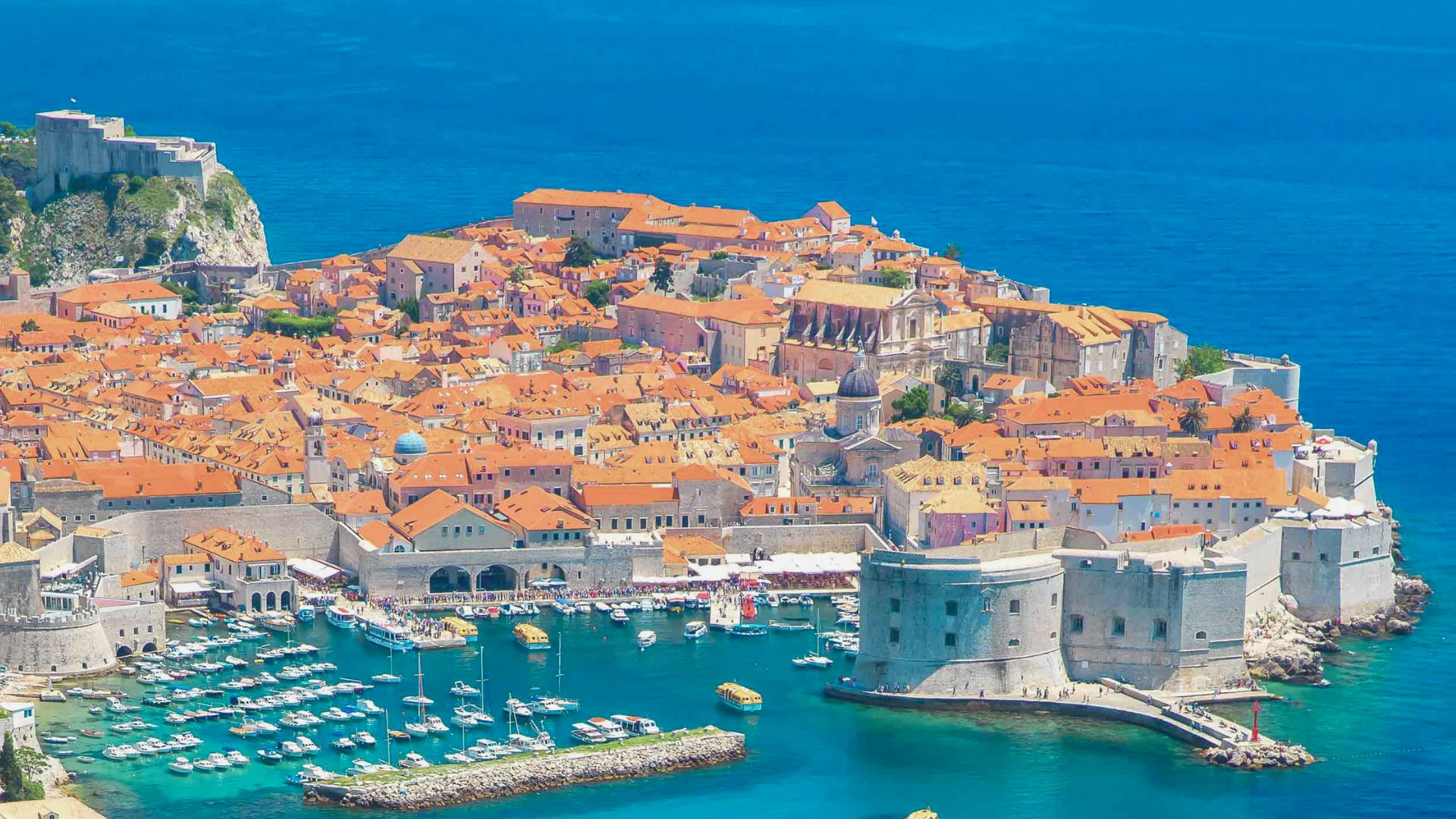
Split’s location puts you at the center of Croatia’s Dalmatian coast with easy ferry access to nearby islands like Hvar, Brač, and Vis.
The city combines ancient history with modern amenities, giving you both cultural experiences and comfortable travel infrastructure.
Diocletian’s Palace forms the living heart of the old town, where restaurants, shops, and homes occupy 1,700-year-old Roman structures.
The waterfront promenade stretches for miles with cafés and palm trees. Split costs less than Dubrovnik while offering comparable attractions and better island connections.
Top Things to Do in Split, Croatia
Split packs impressive sights into a walkable city center. Here are the best activities that blend history, nature, food, and local culture.
1. Wander Through Diocletian’s Palace
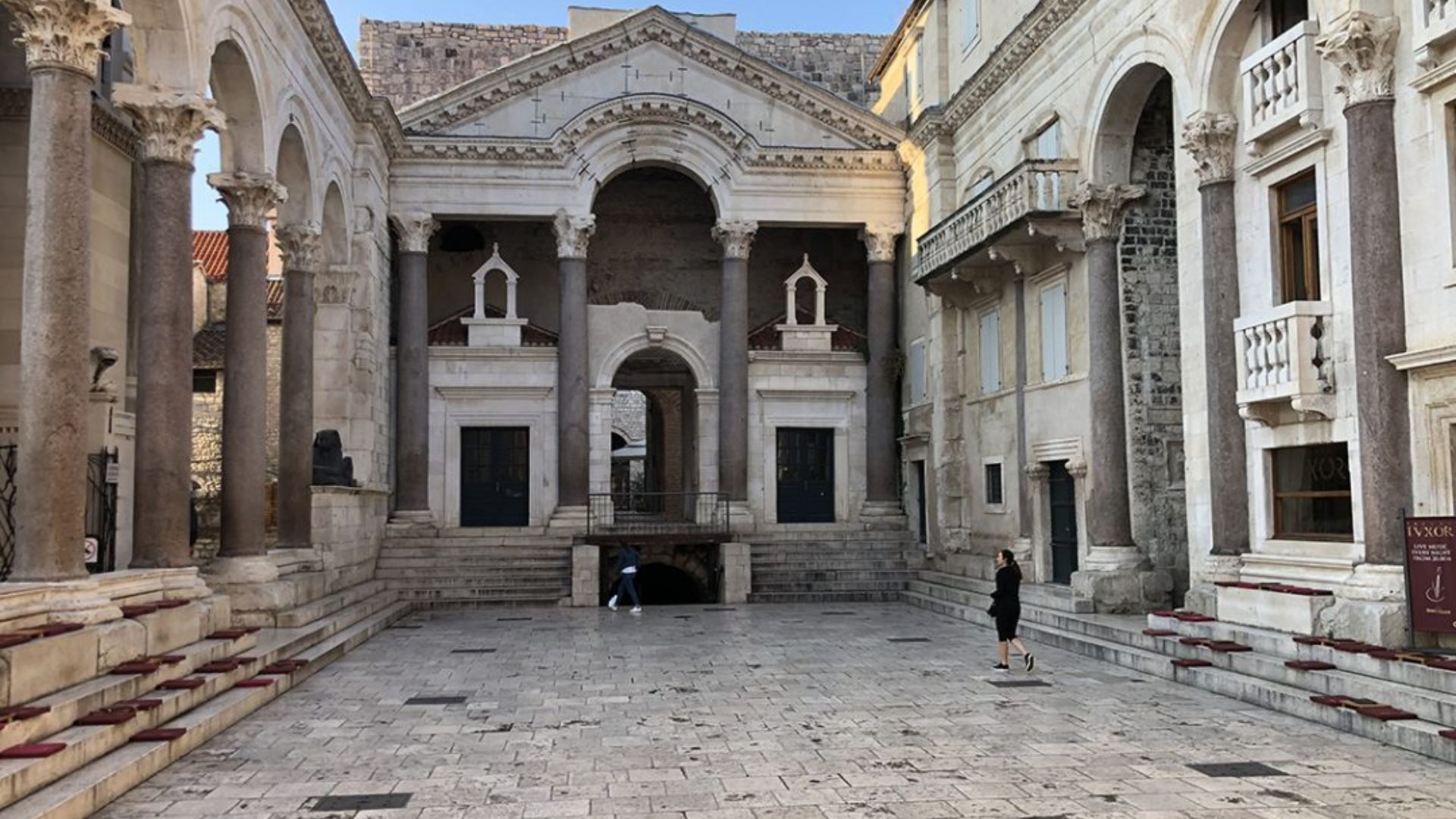
Diocletian’s Palace sits right in the heart of Split and earned its UNESCO World Heritage status for good reason. Roman Emperor Diocletian built this massive complex in the third century as his retirement home, and today it’s one of the most interesting things to do in Split, Croatia.
You can walk freely through the palace streets, squares, and alleys without paying a ticket. The basement halls offer a look at the palace’s foundation and served as a filming location for Game of Thrones.
Shops, restaurants, and homes now fill the ancient walls, creating a living museum where 3,000 people actually reside.
2. Climb Marjan Hill for Panoramic Views
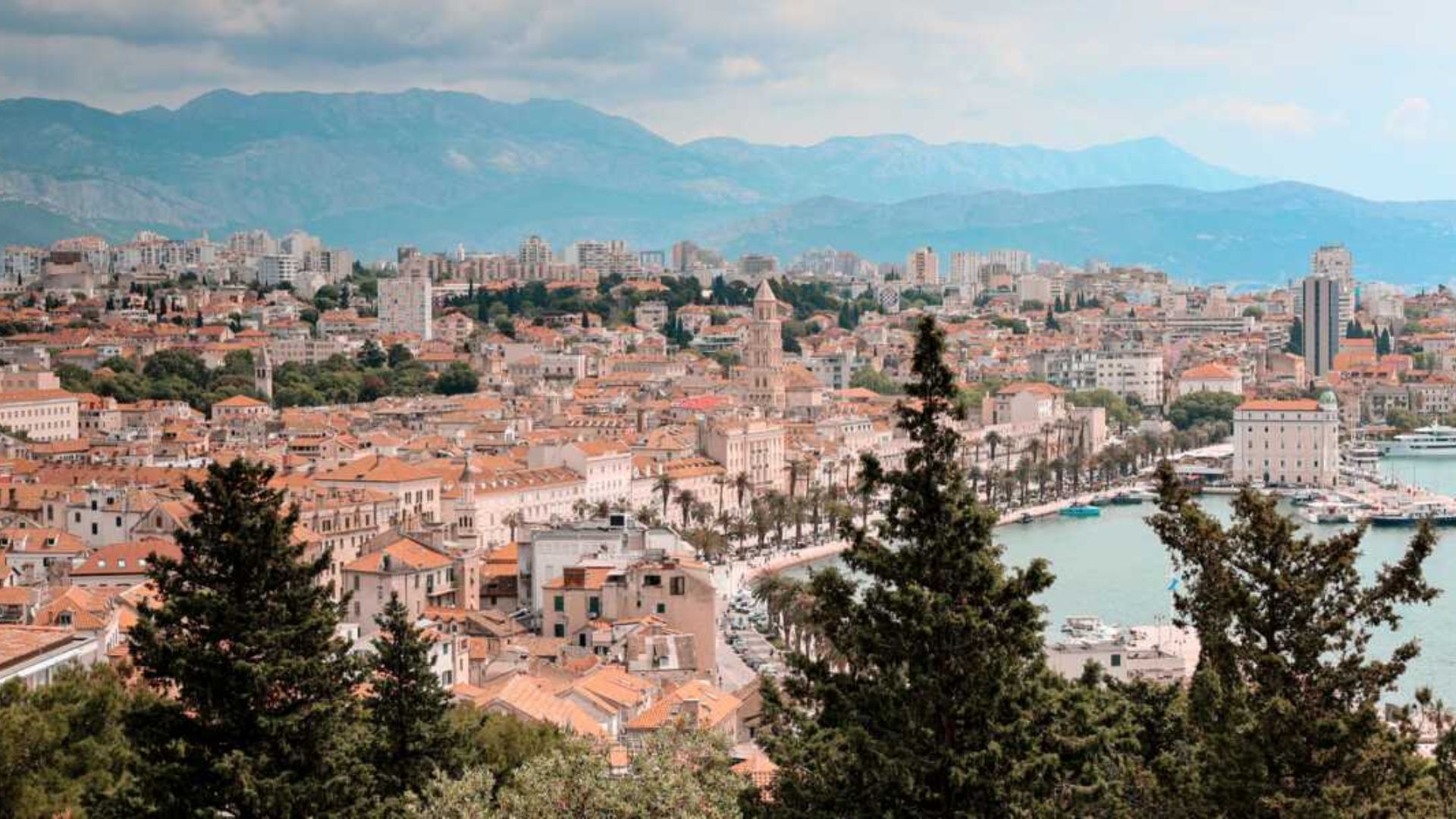
Marjan Hill rises above the city as a large public park covered in pine trees. More than 300 stairs wind through the greenery, leading to several lookout points with views over Split, the islands, and the sea.
Visit early in the morning or late afternoon to avoid the midday heat. Along the way, you’ll pass the medieval hermitage called the Oratory of St. Cyriaka, carved into the rock centuries ago. The climb takes about 30 minutes at a steady pace, and benches line the route for rest stops.
3. Stroll Along the Riva Promenade
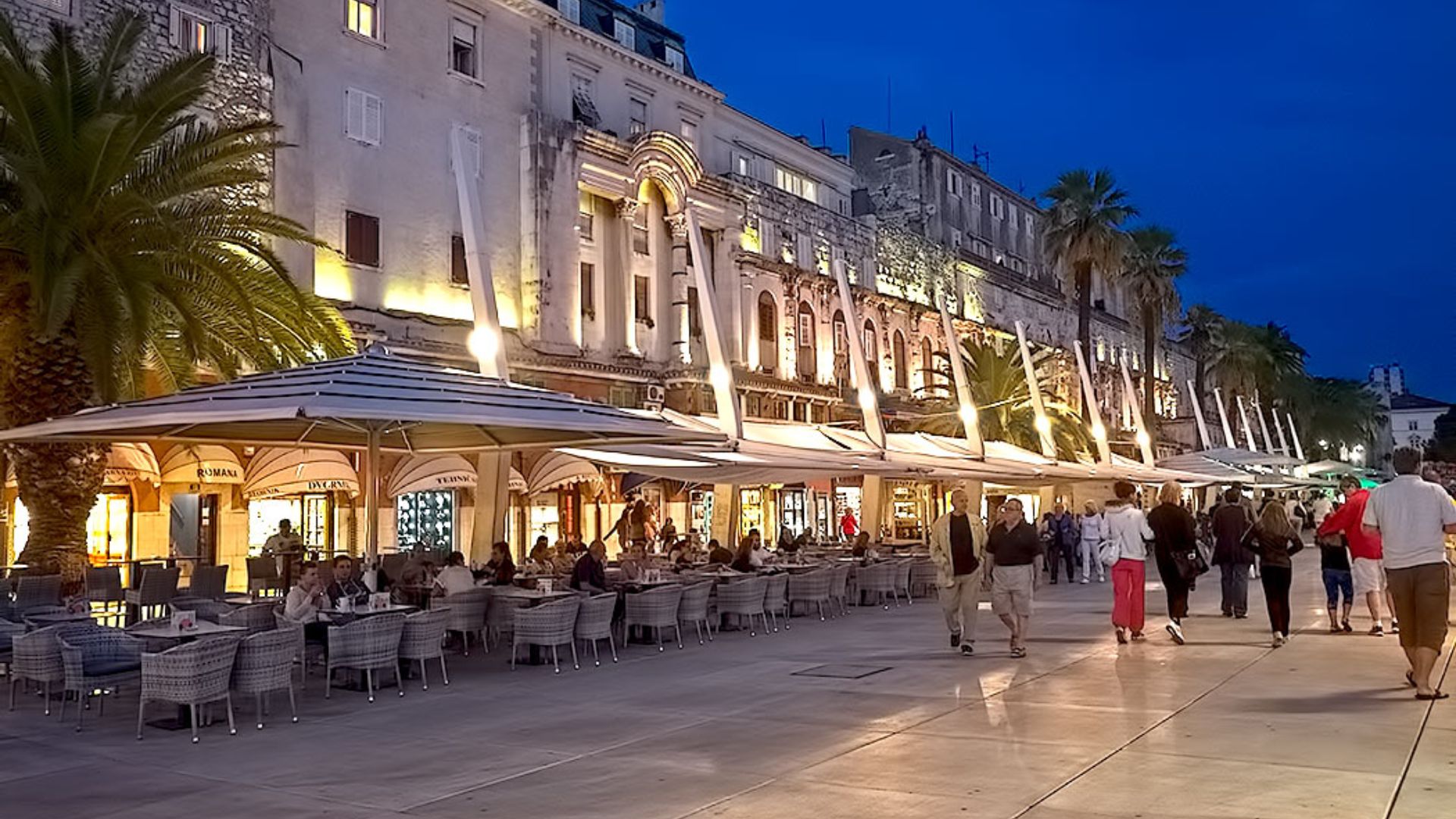
The Riva Promenade stretches along the waterfront with palm trees swaying overhead. This wide walkway connects the harbor to the Old Town entrance and fills with both visitors and locals throughout the day.
Grab a seat at one of the many cafés to watch boats come and go while sipping Croatian coffee. Sunset brings out crowds who gather to see the sky turn orange and pink over the water. The Riva serves as Split’s main gathering spot and a starting point for exploring the city.
4. Get Lost in Veli Varoš Neighborhood
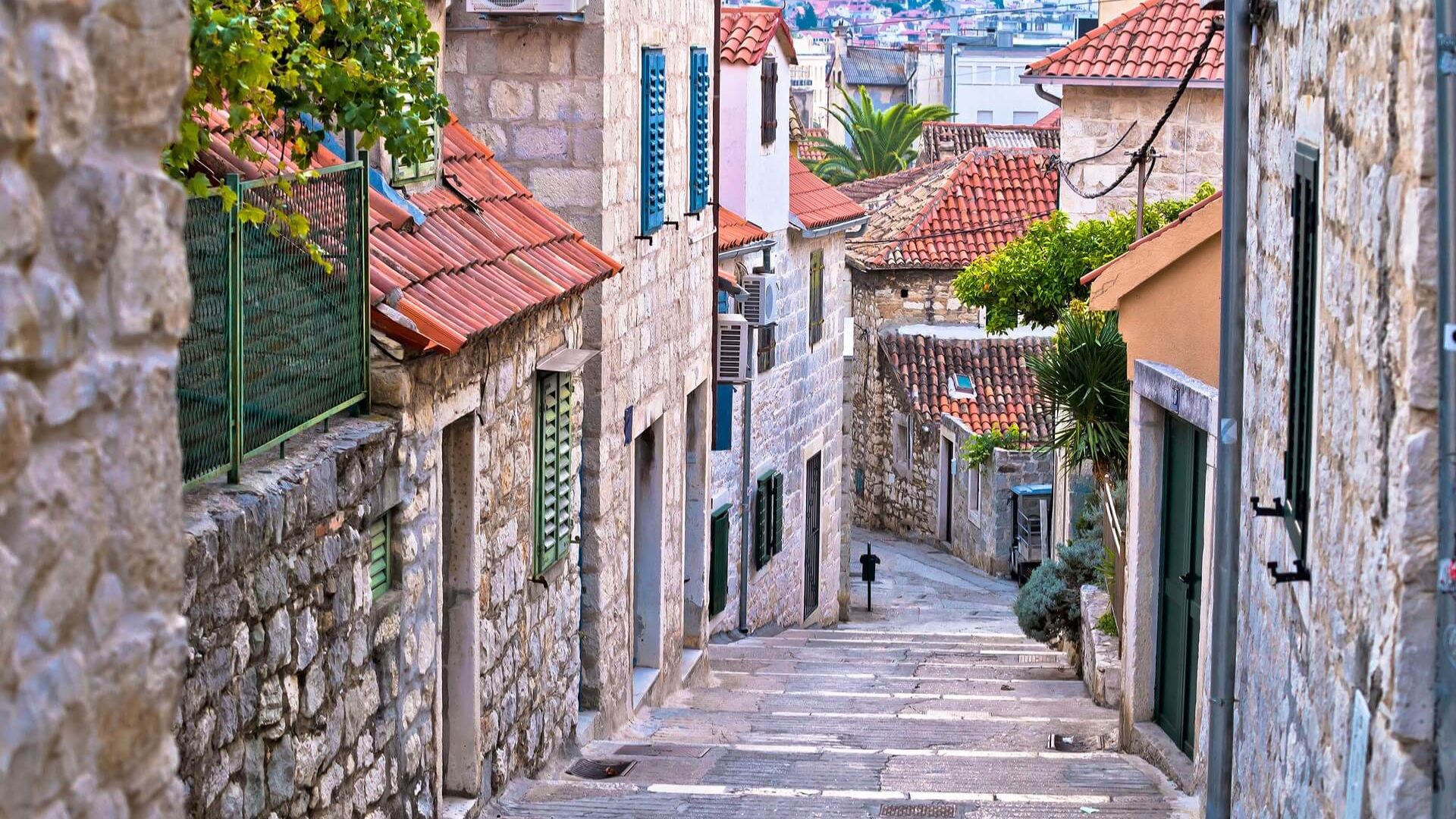
Veli Varoš sits just west of Diocletian’s Palace but feels worlds away from the busy tourist areas. This old fishing quarter features narrow stone streets, colorful houses with laundry hanging from windows, and small medieval churches tucked between buildings.
Sunday mornings work best for quiet walks through the neighborhood when you can hear church bells echo off the walls. Local families have lived here for generations, and you’ll see them chatting on doorsteps or tending small gardens. The area shows you authentic Split life without the souvenir shops.
5. Visit the Archaeological Museum
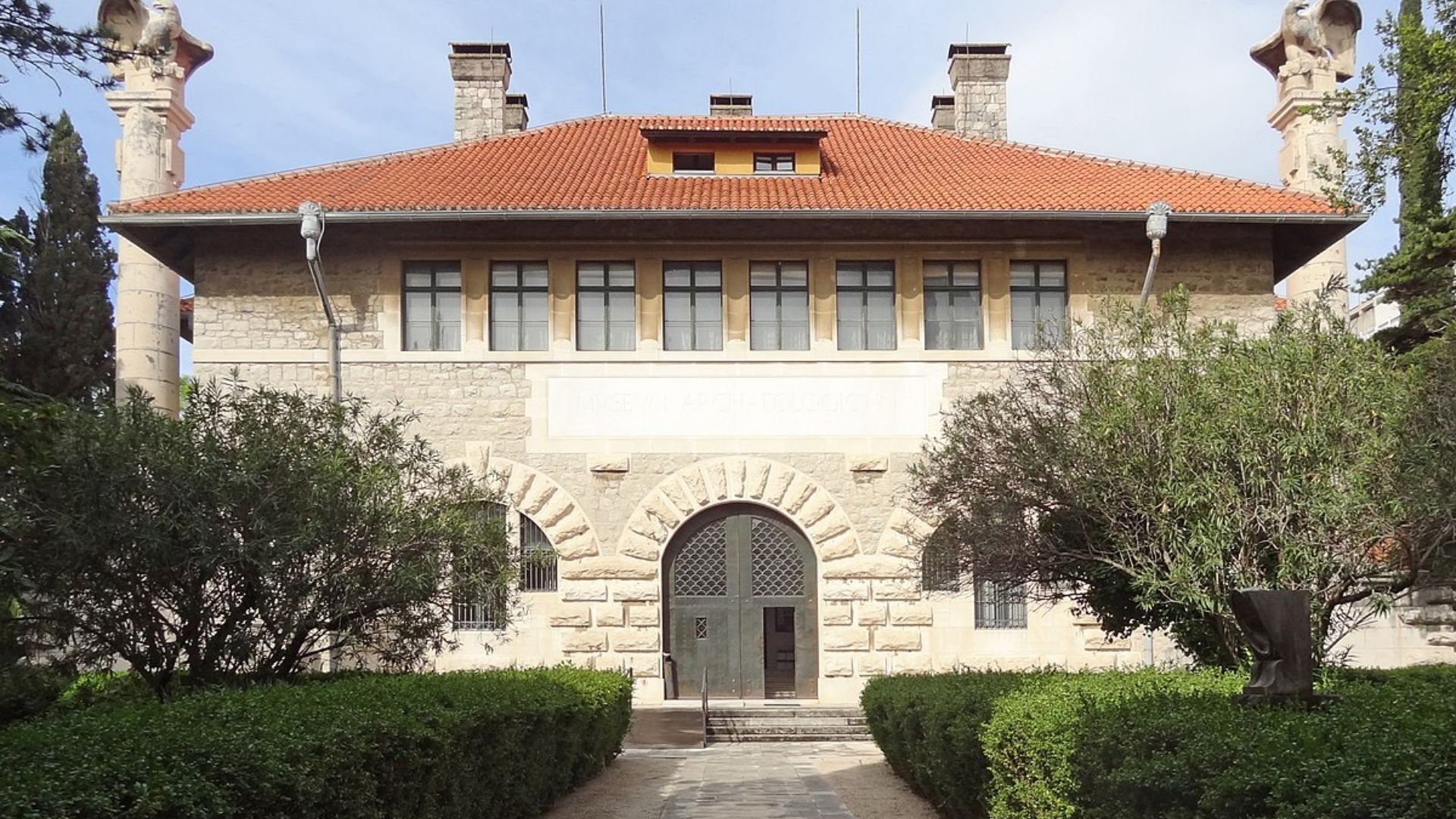
Croatia’s oldest museum opened in 1820 and houses thousands of artifacts from the region’s ancient past. The outdoor lapidarium displays impressive stone sculptures and carvings from Roman times, while indoor galleries showcase pottery, coins, and jewelry.
Many pieces come from nearby Salona and Diocletian’s Palace excavations. The museum’s peaceful courtyard offers a quiet break from the city streets, with benches under shade trees. Entry costs less than most attractions, making it one of the best value things to do in Split, Croatia, for history fans.
6. Experience Local Beaches
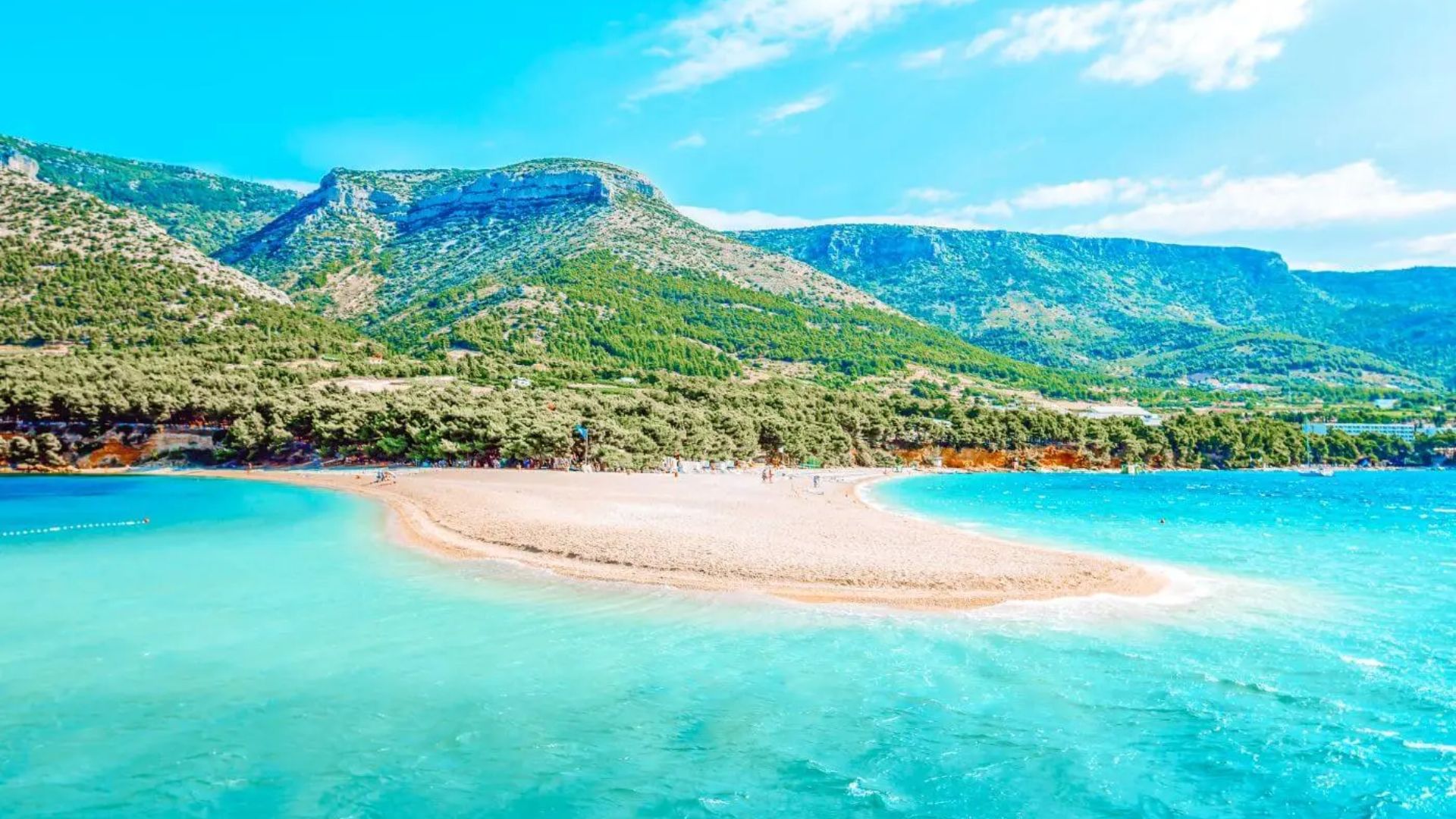
Split’s beaches look different from typical sandy shores, as most feature smooth pebbles or rocky platforms with ladders leading into the sea. Bačvice Beach, the most popular spot, has a small sandy area where locals play picigin, a traditional ball game played in shallow water.
Little Sheeps Beach and the beaches along Marjan’s south side offer quieter swimming spots. Beach bars serve cold drinks and simple food right by the water. Pack water shoes since the rocky surfaces can hurt bare feet, and bring a towel to sit on the concrete platforms.
7. Sample Croatian Cuisine at Local Spots

Croatian food centers on fresh ingredients, grilled meats, and seafood caught the same day. Must-try dishes include peka (meat and vegetables cooked under a bell-shaped lid), ćevapi (grilled meat rolls), burek (flaky pastry with cheese or meat), and priganice (sweet fried dough).
Villa Spiza serves home-style cooking in a tiny dining room with just a few tables and a daily changing menu. The Green Market opens every morning with vendors selling fruits, vegetables, cheese, and fish, with Saturday mornings bringing the biggest crowds. For a farm-to-table meal, head to restaurants near Klis Fortress where family farms supply the kitchens.
8. Indulge in World-Class Ice Cream
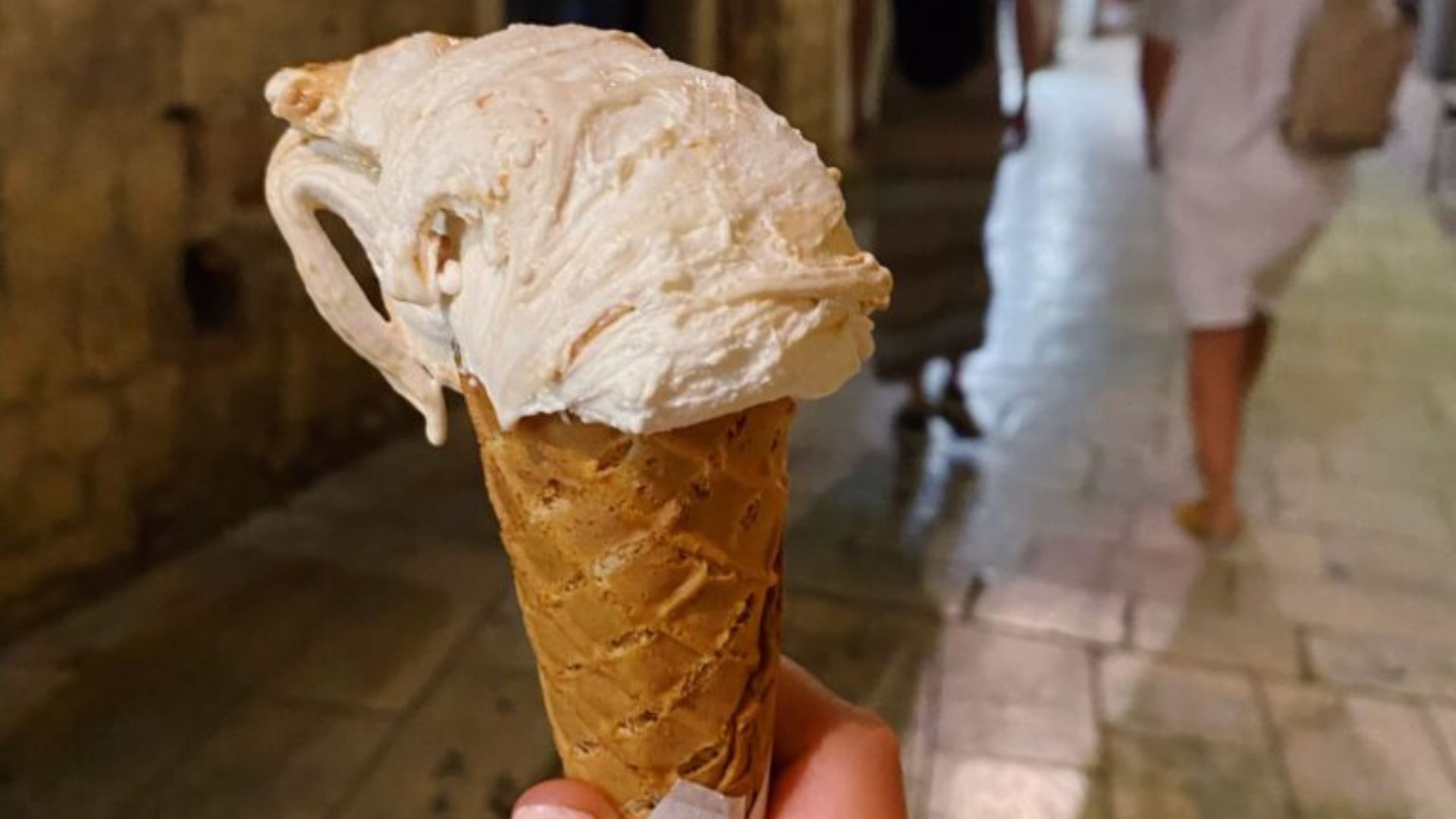
Split takes ice cream seriously, with shops competing to create the creamiest flavors. Art Pâtisserie and Luka Ice Cream both earn rave reviews from locals and visitors alike, offering classic flavors alongside seasonal specialties.
Grab a cone and find a bench in Imperium Caesar Square to enjoy your treat while watching street performers. The shops use natural ingredients and change their flavors based on what’s fresh, so you might find fig, lavender, or rose hip varieties depending on the season.
9. Visit Ancient Salona Ruins
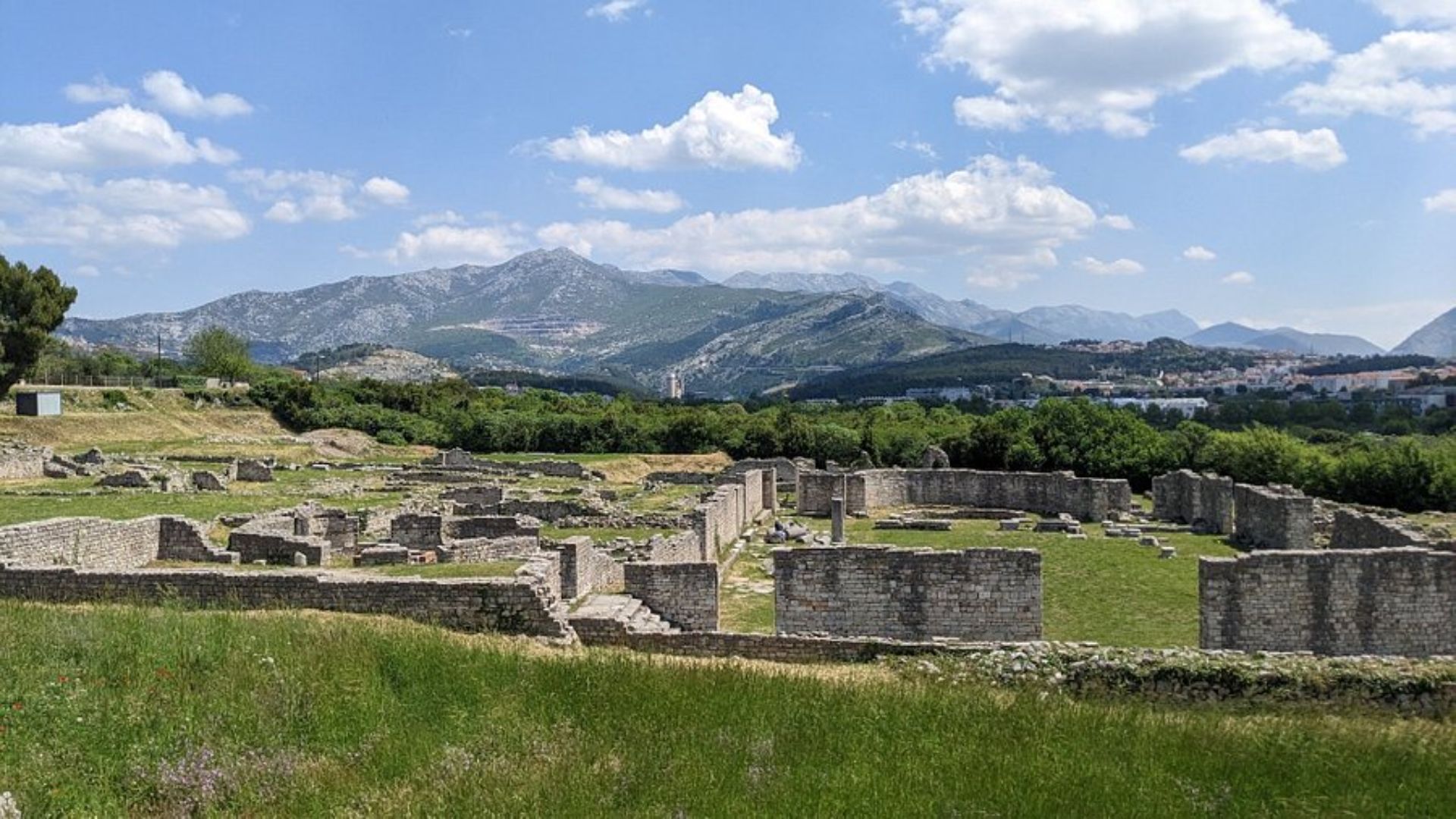
Before Diocletian built his palace, Salona served as the capital of the Roman province of Dalmatia. This sprawling archaeological site sits about 5 kilometers north of Split and predates the palace by several centuries.
You can walk among the remains of the forum, amphitheater, grave sites, and early Christian monuments spread across a large field. Public bus number 1 or 37 reaches the ruins in about 20 minutes from Split’s center. Consider booking a guided tour to learn the stories behind the broken columns and foundation walls, as few signs explain the site.
10. Visit Klis Fortress
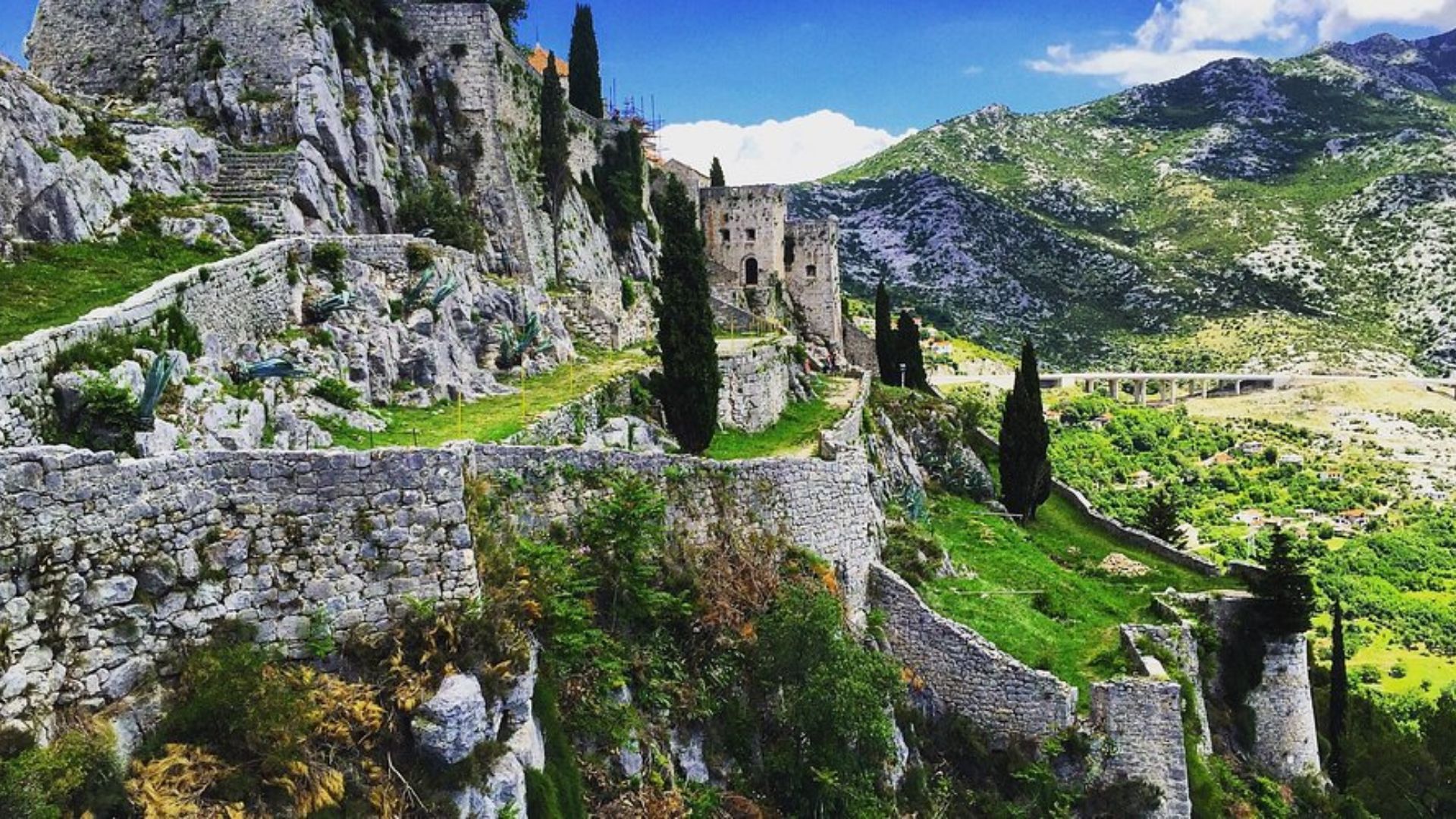
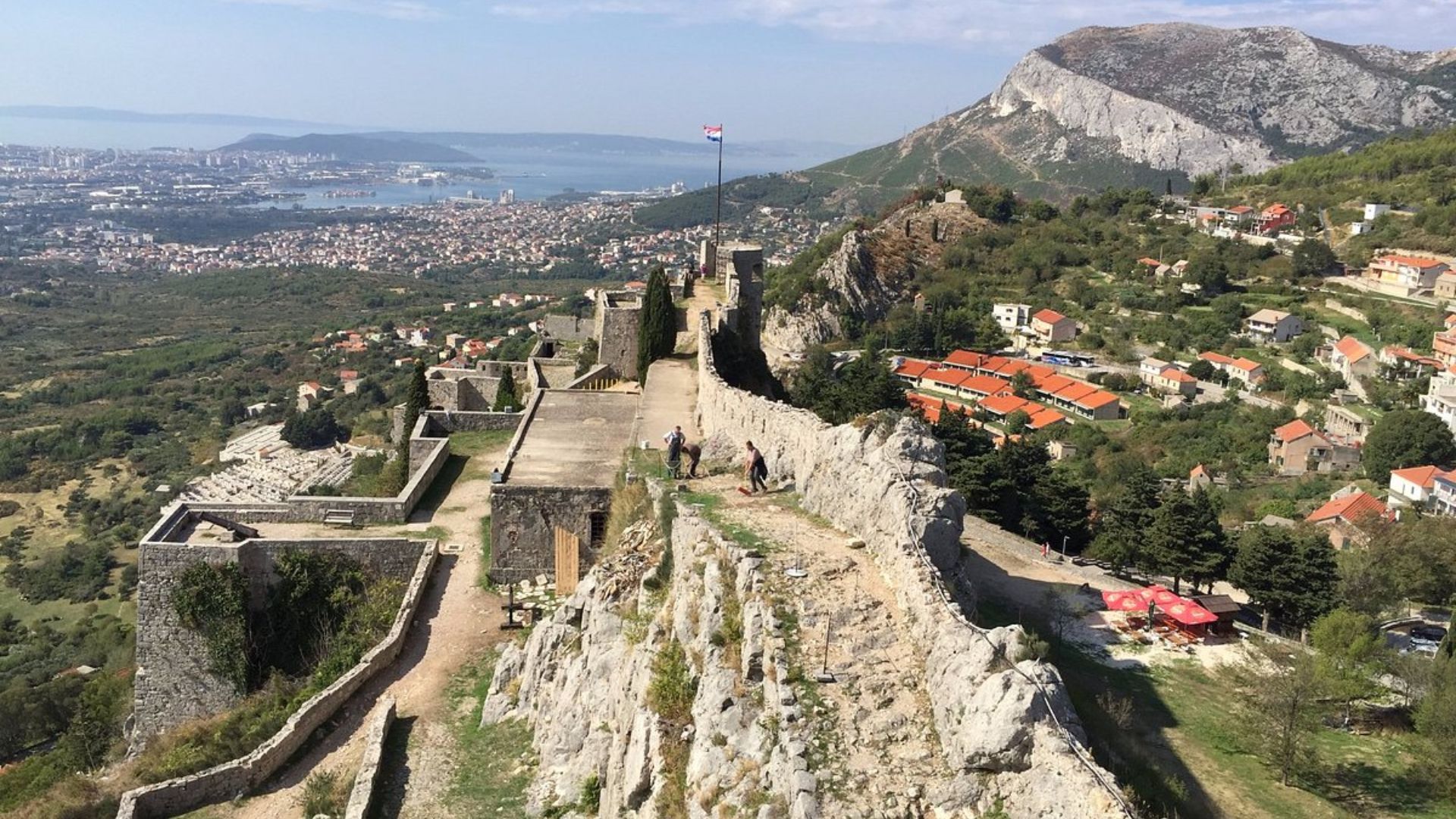
This medieval fortress clings to a cliff edge about 15 kilometers inland from Split, guarding the mountain pass for over 2,000 years. Game of Thrones fans will recognize it as the exterior of Meereen, but the fortress impresses even those who never watched the show.
The views from the ramparts stretch across Split, the islands, and the mountains in every direction. Stone pathways wind through different levels of the fortress, though the surfaces are uneven and sometimes slippery, so wear shoes with a good grip. A small café inside serves drinks and snacks.
11. See Remarkable Attractions
Some of the most memorable things to do in Split, Croatia, don’t appear in typical guidebooks. Froggyland, a taxidermy museum featuring over 500 posed frogs in human situations, sounds odd but delivers genuine fun for all ages.
Stop by the statue of Gregory of Nin near the Golden Gate and rub his big toe for good luck, as tradition suggests. Marvlvs Library Jazz Bar combines books, music, and drinks in a cozy space filled with literary charm. Evening walking tours share local legends and ghost stories about the Old Town’s dark corners.
12. Experience Football Culture
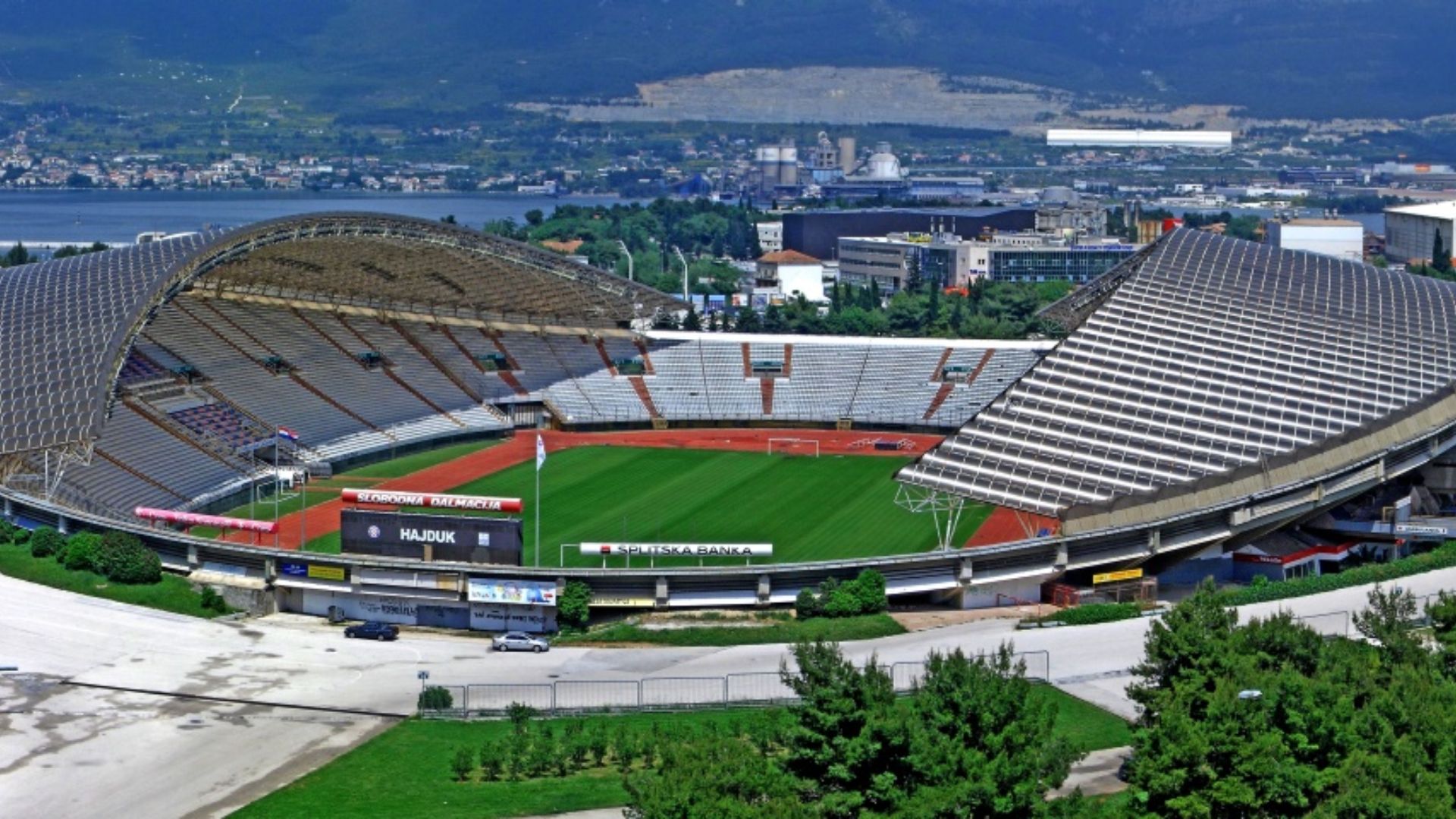
Hajduk Split football club inspires intense loyalty throughout the city, with red and blue team colors appearing on flags, scarves, and graffiti. Attending a match at Stadion Poljud ranks among the most exciting things to do in Split, Croatia, if you want to see local passion on full display.
Before games, fans gather at Imperium CaesarSquaree to sing, drink, and build energy for the match. The atmosphere reaches fever pitch during derby games against Dinamo Zagreb, and tickets sell out days or weeks ahead. Even if you can’t get tickets, you’ll feel the city’s football energy on game days.
13. Relax at Sustipan Park
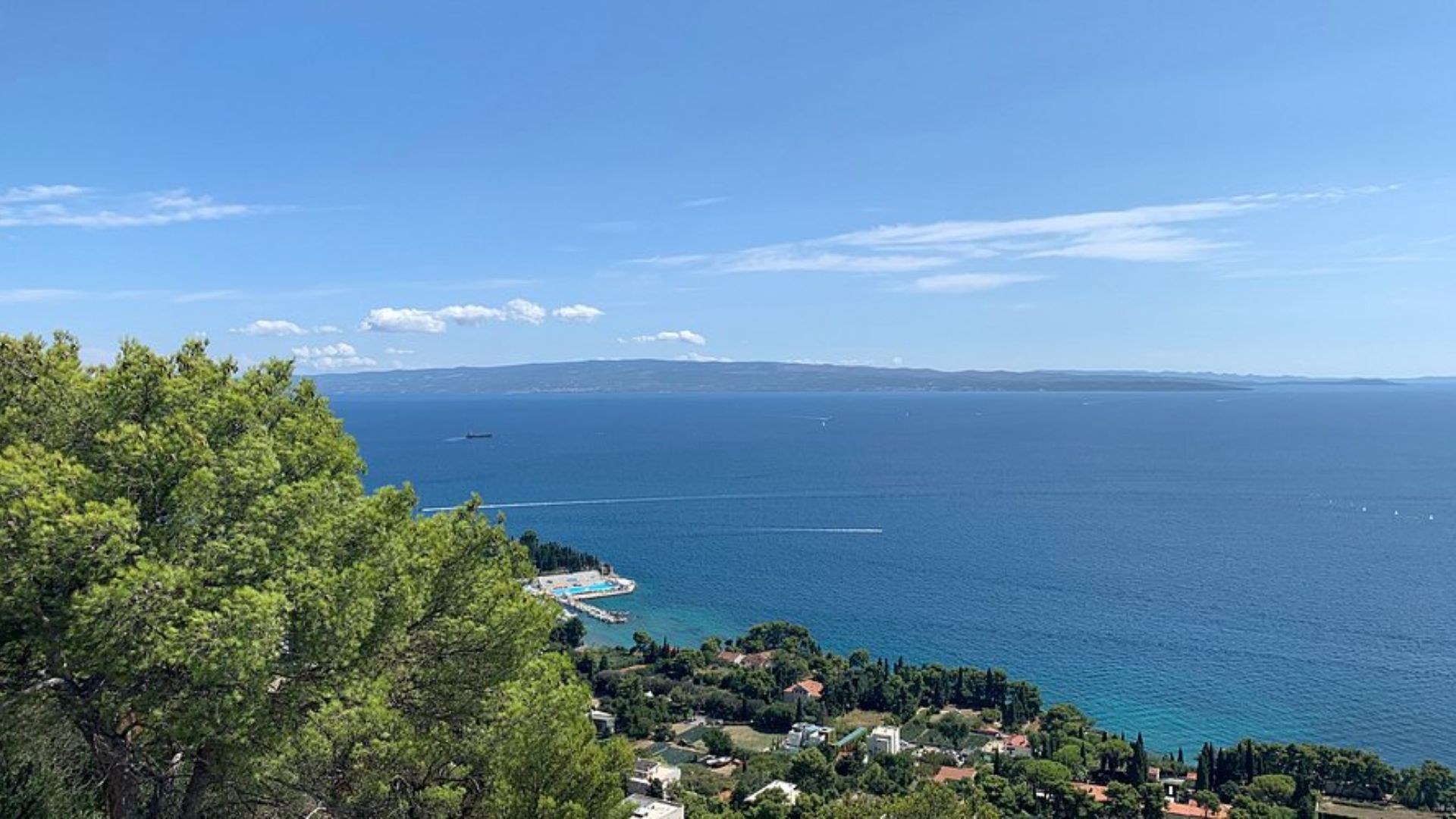
When you need a break from the Old Town crowds, head to Sustipan Park on the southern peninsula. These former Benedictine monastery grounds now serve as a public park with grass, trees, and benches overlooking the Adriatic.
The small church of Crkva sv. Stjepana stands near the park entrance, and paths wind through the grounds to different viewpoints. Locals come here to read, picnic, or simply sit and watch the sea. The park stays quiet even during peak tourist season.
Practical Tips for Visiting Split
Planning helps you make the most of your time in Split. The best months to visit are May, June, September, and October when temperatures stay comfortable and crowds thin out.
Important considerations:
- Footwear and Terrain: Wear comfortable walking shoes since Roman paving stones and uneven surfaces cover most streets. The Old Town is completely walkable with pedestrian-only streets.
- Weather Protection: Summer temperatures often exceed 30°C (86°F), so carry water and apply sunscreen frequently. The heat can be intense during midday hours.
- Safety and Money: Watch your belongings in crowded areas like markets and bus stations. Bring small bills for the Green Market, as vendors lack change for large notes.
- Accommodation: Choose lodging near but not inside Diocletian’s Palace. Wheeled suitcases struggle on ancient cobblestones inside the palace walls.
- Booking Activities: Book tours through GetYourGuide or Airbnb Experiences for reliable, verified options. These platforms offer secure booking with customer reviews.
Conclusion
Split combines Roman ruins, fresh Mediterranean food, island access, and local culture into one compact city.
You can spend mornings exploring ancient palace rooms, afternoons at rocky beaches, and evenings at family-run restaurants where the menu changes based on the daily catch.
The city moves at a relaxed pace compared to many European destinations. Start planning your trip now by booking your accommodations and activities in advance.
Check ferry schedules for island day trips and reserve popular tours early to secure your preferred dates.
Frequently Asked Questions
How Many Days Should You Spend in Split?
Plan for at least 3 to 4 days to cover the main sights without rushing. A full week gives you time to relax and take day trips to islands or national parks. Staying a month lets you really get to know the local culture and hidden spots.
Is Split Better Than Dubrovnik for First-Time Visitors?
Split offers lower prices, fewer crowds, and a more genuine local feel than Dubrovnik. The city provides easier ferry access to islands and less tourist-focused restaurants and shops. You’ll get a more authentic Croatian experience while still seeing impressive historical sites.
Can You Swim in the Sea at Split’s Beaches?
Yes, many beaches and rocky swimming spots line the coast around Split. Water shoes help protect your feet from the pebbles and rocks. Plaža Ježina and Plaža Kaštelet rank as top choices. Note that Krka National Park no longer allows swimming at the waterfalls.
What Currency Does Split Use and Should You Bring Cash?
Croatia is transitioning from the Kuna to the Euro. Most restaurants and shops accept credit cards, but you’ll need cash for the Green Market and small street vendors. ATMs are easy to find throughout the city for withdrawing money as needed.
Is Split a Good Base for Exploring Other Parts of Croatia?
Split’s central coastal location makes it ideal for reaching other destinations. Ferries connect to multiple islands daily, buses run to national parks and nearby cities, and you can even take day trips into Bosnia and Herzegovina. The city’s transport connections make regional exploration simple.
