


I’ve been to Hakone twice, and it still surprises me every single time. If you want to know the best things to do in Hakone, you’re in the right place.
This guide covers it all. Ropeway rides, pirate ship cruises, onsen soaks, shrine visits, and local food you can’t miss.
I’ve helped hundreds of readers plan trips just like this one.You won’t need to guess or scroll through dozens of sites.
I’ll lay out exactly what to do, when to go, and what to skip.
Let’s get into it.
Best Time to Visit Hakone
Hakone is worth visiting any time of year, but each season brings something different. Spring, from March to May, is ideal for cherry blossoms around Lake Ashi.
Summer can get crowded, but the greenery is full and views are mostly clear. Fall, from October to November, brings red and gold leaves across the hills.
Winter is quieter and more affordable. On clear winter days, Mount Fuji stands out sharply against the sky. I personally love visiting in late October.
The crowds thin out, the air is crisp, and the colors are hard to beat. Avoid Golden Week in early May. It gets very busy and accommodation books out fast.
Top 17 Things to Do in Hakone
Hakone has far more to offer than most people expect. Here’s what made my list.
1. Ride the Hakone Ropeway

The Hakone Ropeway takes you over volcanic mountains with steaming vents below. On a clear day, Mount Fuji comes into full view from the cable car.
The ride from Sōunzan to Togendai is about 30 minutes long. Go early to beat the lines. The views over Owakudani are some of the best in the area.
It’s a stop I’d never skip on any Hakone trip.
2. Eat Black Eggs at Owakudani
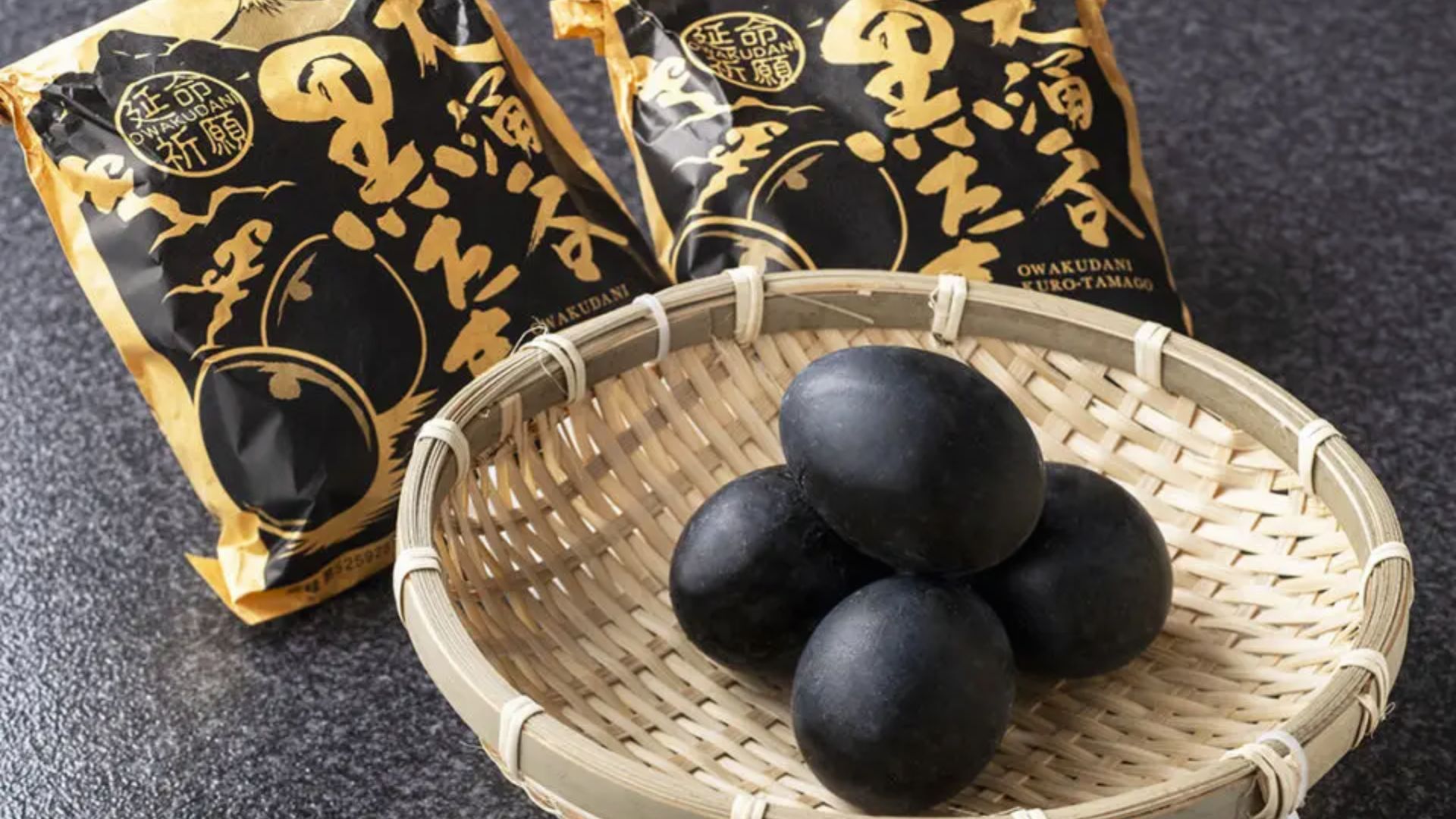
Owakudani is a volcanic valley filled with sulfur vents. The most popular food here is the black egg, called kuro-tamago, boiled in natural hot spring water.
The shell turns black from the minerals. Local legend says one egg adds seven years to your life. I had two, just to be safe.
They taste like regular hard-boiled eggs, but eating them here makes it a fun stop worth having.
3. Cruise Lake Ashi on a Pirate Ship
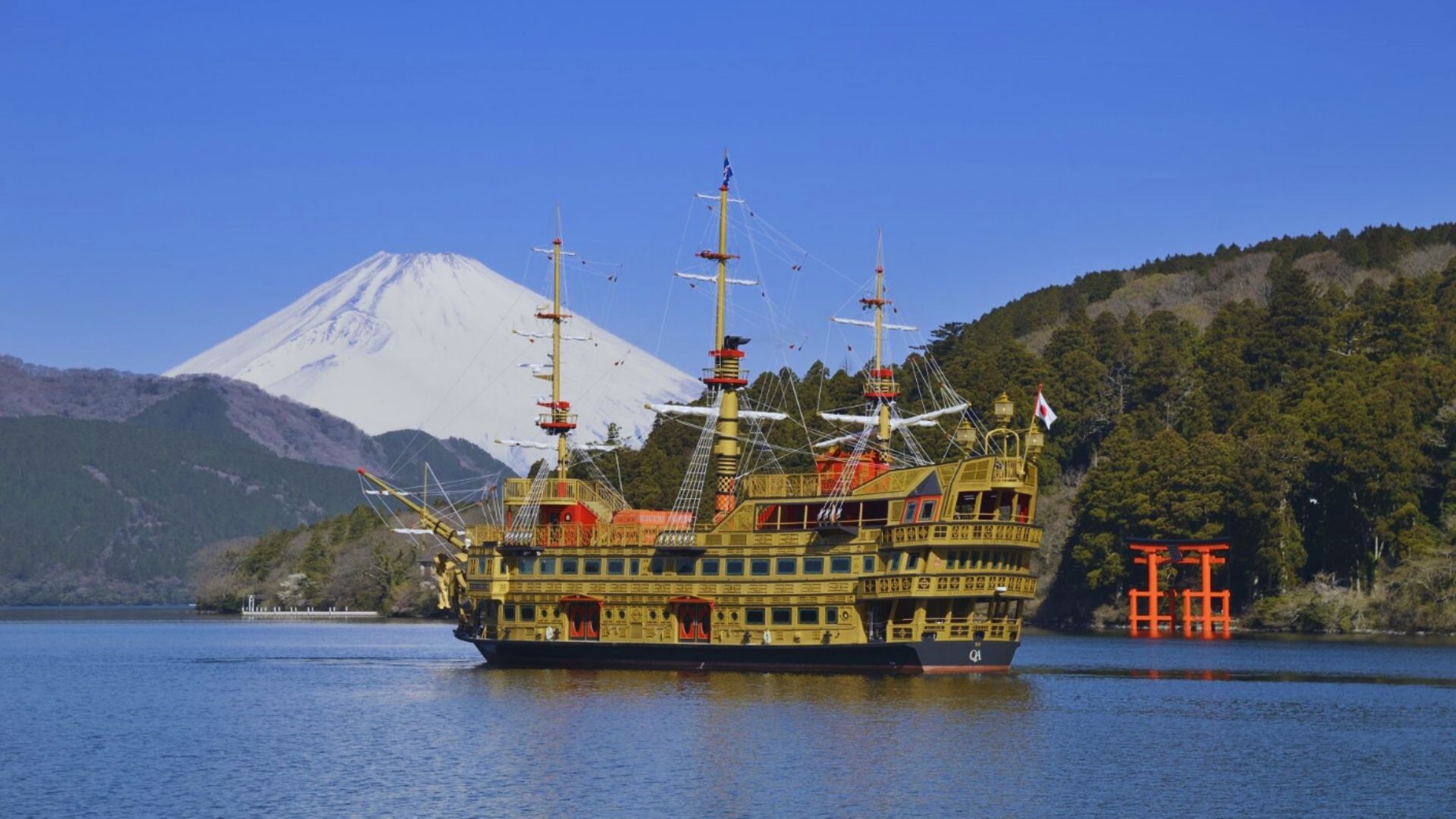
Lake Ashi sits at the base of Mount Fuji. One of the best ways to see it is on the pirate ship cruise.
The boats run between Hakone-machi and Togendai. On a clear day, Mount Fuji reflects off the water. I took this cruise on my second visit.
The views were some of the best I saw on the whole trip. It’s relaxing, scenic, and a little playful all at once.
4. Visit Hakone Shrine

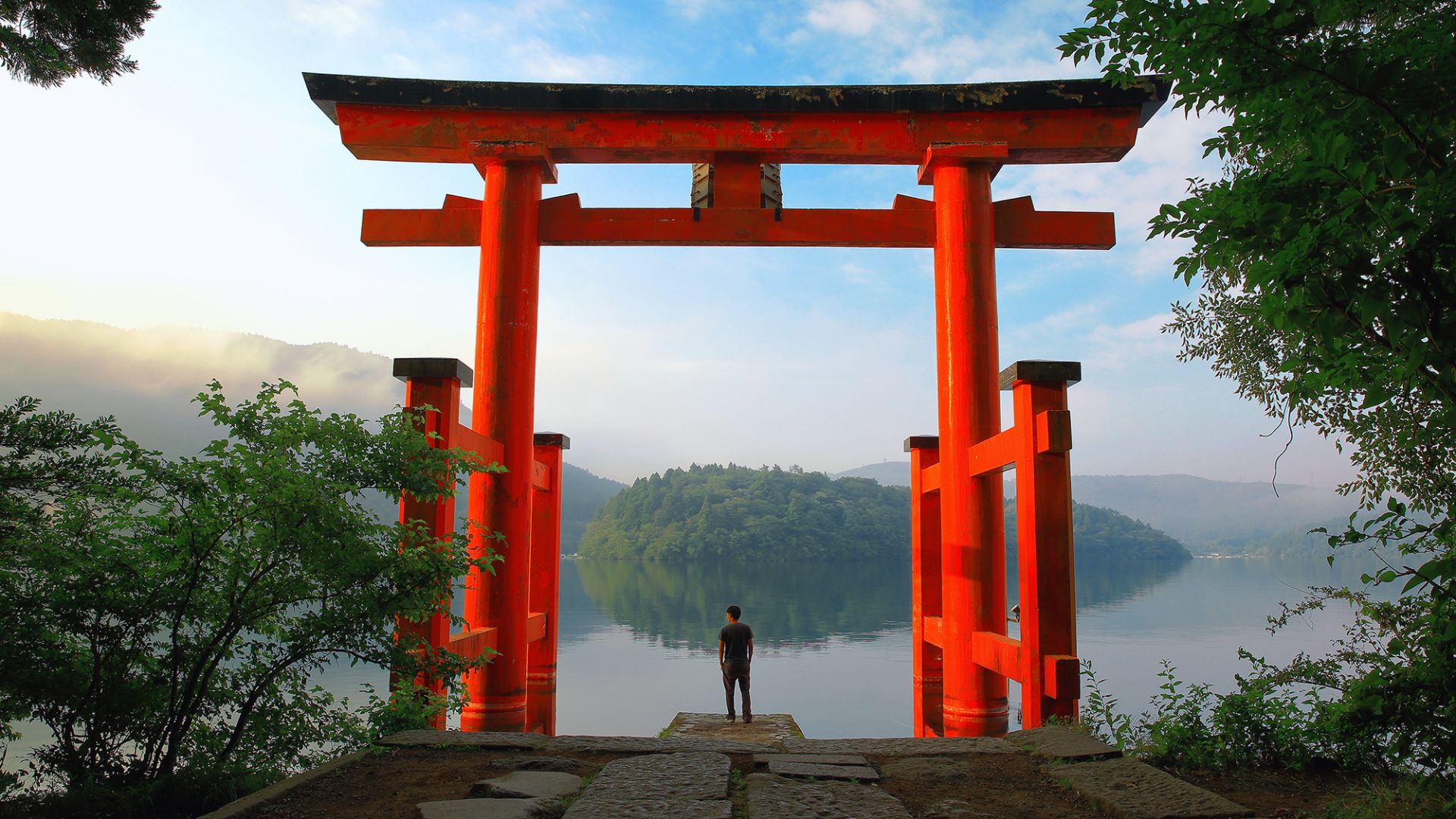
Hakone Shrine sits on the shore of Lake Ashi, surrounded by tall cedar trees. The torii gate standing in the water is one of the most photographed spots here.
The forest path leading up to the shrine is calm and quiet. I visited early in the morning and had it mostly to myself.
It’s free to enter and easy to spend an hour wandering the grounds. A must-see stop.
5. Gora Park
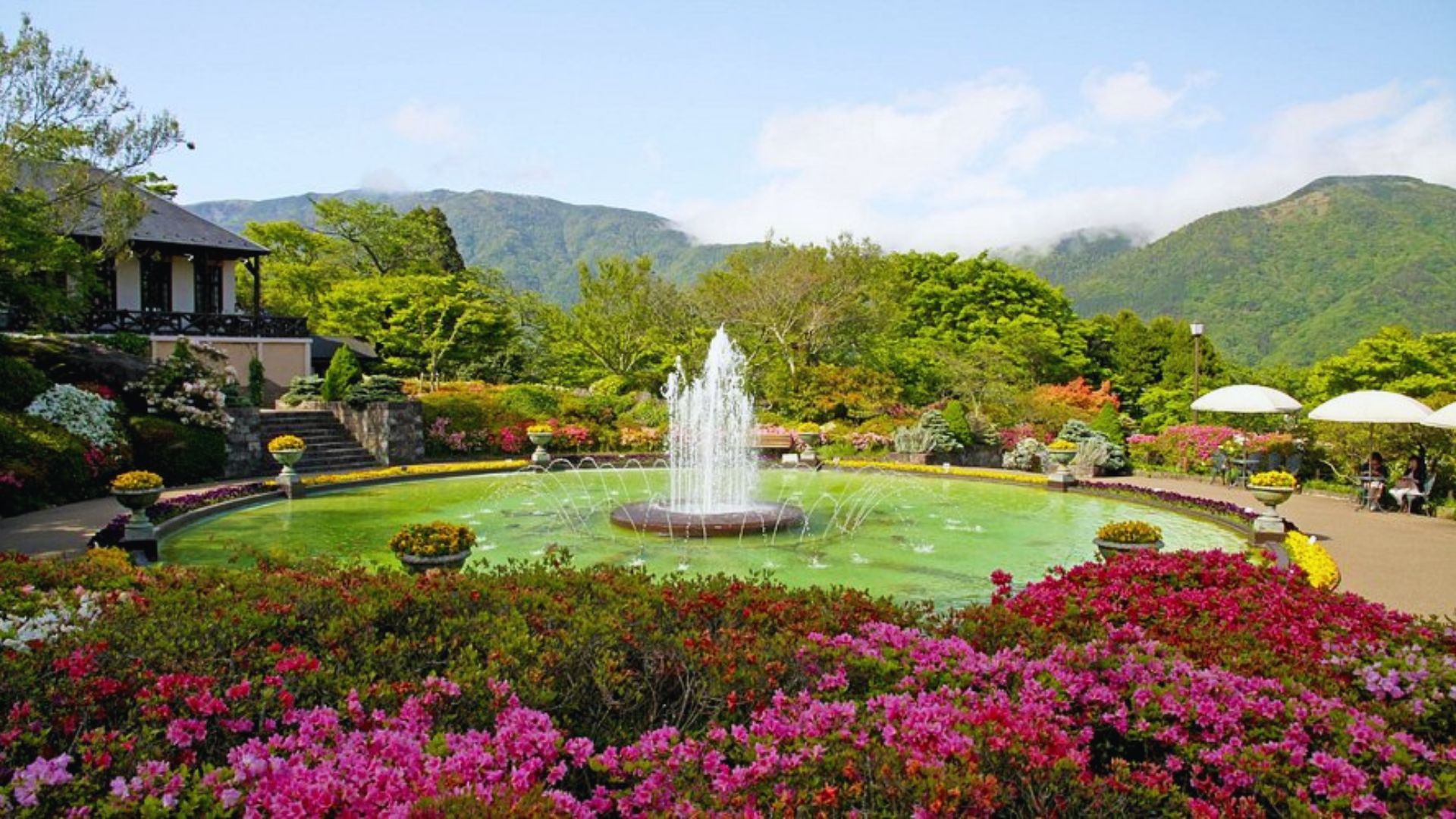
Gora Park is a French-style garden near the top of the Hakone Tozan Railway. It has roses, tropical plants, and a small greenhouse.
There’s also a craft workshop where you can try stained glass or woodwork. I liked sitting in the garden with a coffee on a slow afternoon.
The park isn’t huge, but it’s well-kept. It’s a great place to slow down and take a proper break.
6. Stroll the Hakone Open Air Museum

The Hakone Open Air Museum is one of Japan’s best outdoor art spaces. Sculptures are spread across a large hillside garden with mountain views in the background.
There’s also a Picasso gallery and a free foot spa inside. I spent three hours here and never got bored.
The mix of art and open space is hard to find anywhere else. It’s well worth the entrance fee.
7. Soak in Hakone Yuryo Onsen

Hakone Yuryo is a day-use onsen near Hakone-Yumoto Station. It has indoor and outdoor baths with a calm garden setting. No ryokan stay needed.
A day pass gives you full access to the baths and rest areas. I visited after a long day of walking.
The water is smooth and easy on tired muscles. It’s one of the best spots to rest and reset before the next day.
8. Hike the Hakone Hachiri Trail

The Hakone Hachiri is a stone-paved trail once used by samurai on the old Tokaido highway. It runs through a cedar forest between Hakone-machi and Mishima.
I hiked a section near the Amazake-chaya teahouse. The uphill parts are steep, but the shaded forest makes it manageable.
It’s a quiet walk that gives you a real feel for Hakone’s history. Even a short section is worth the effort.
9. Stop at Ubako Station
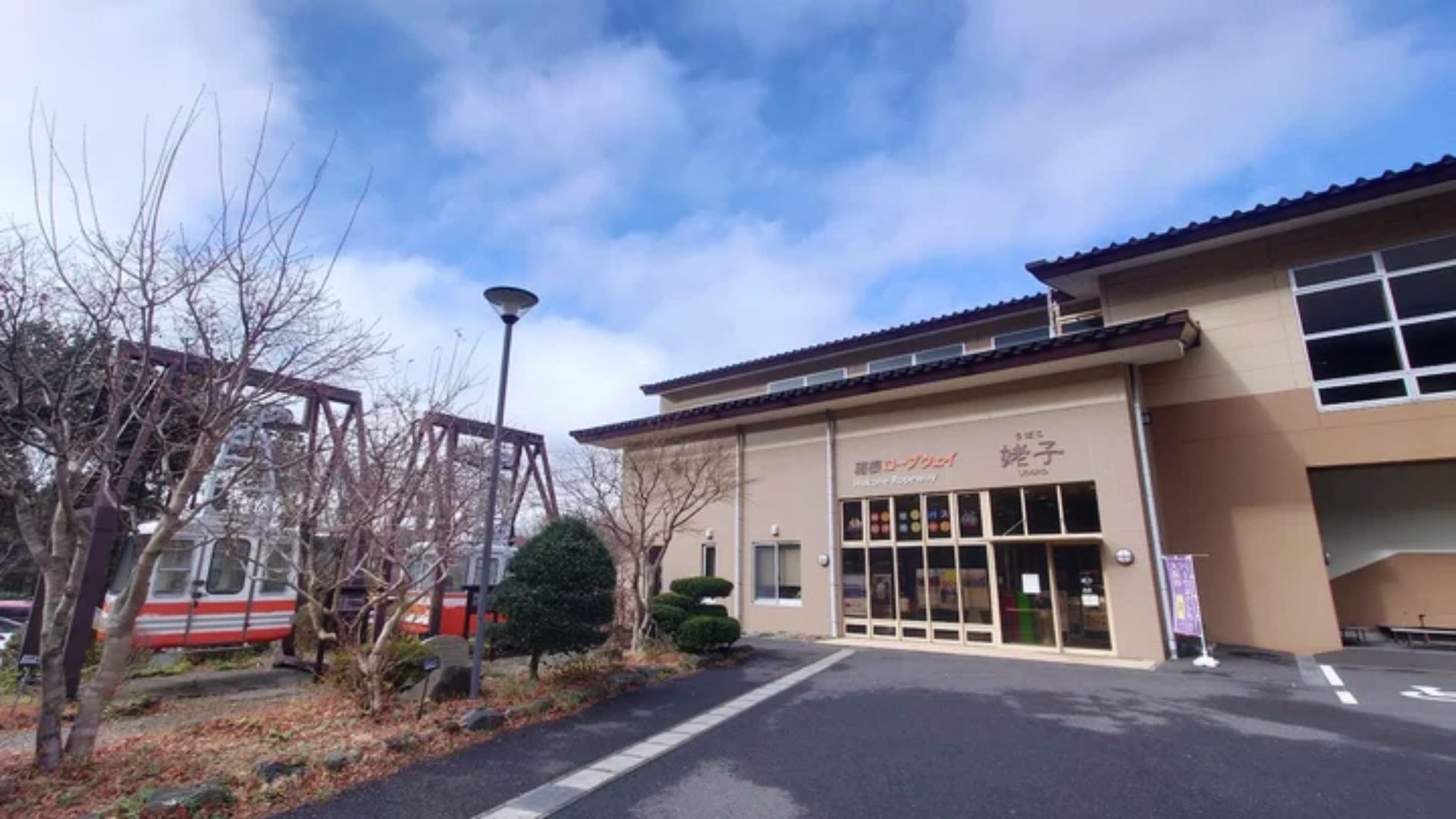
Ubako is a quiet ropeway station that most visitors skip. It has open views of forested mountains and Lake Ashi below.
I got off here on my second visit. The area was nearly empty. It’s calm and scenic, a nice break from the busier stops.
If you want a quiet moment with good views and almost no crowds, Ubako is worth stepping off for a while.
10. Visit Odawara Castle
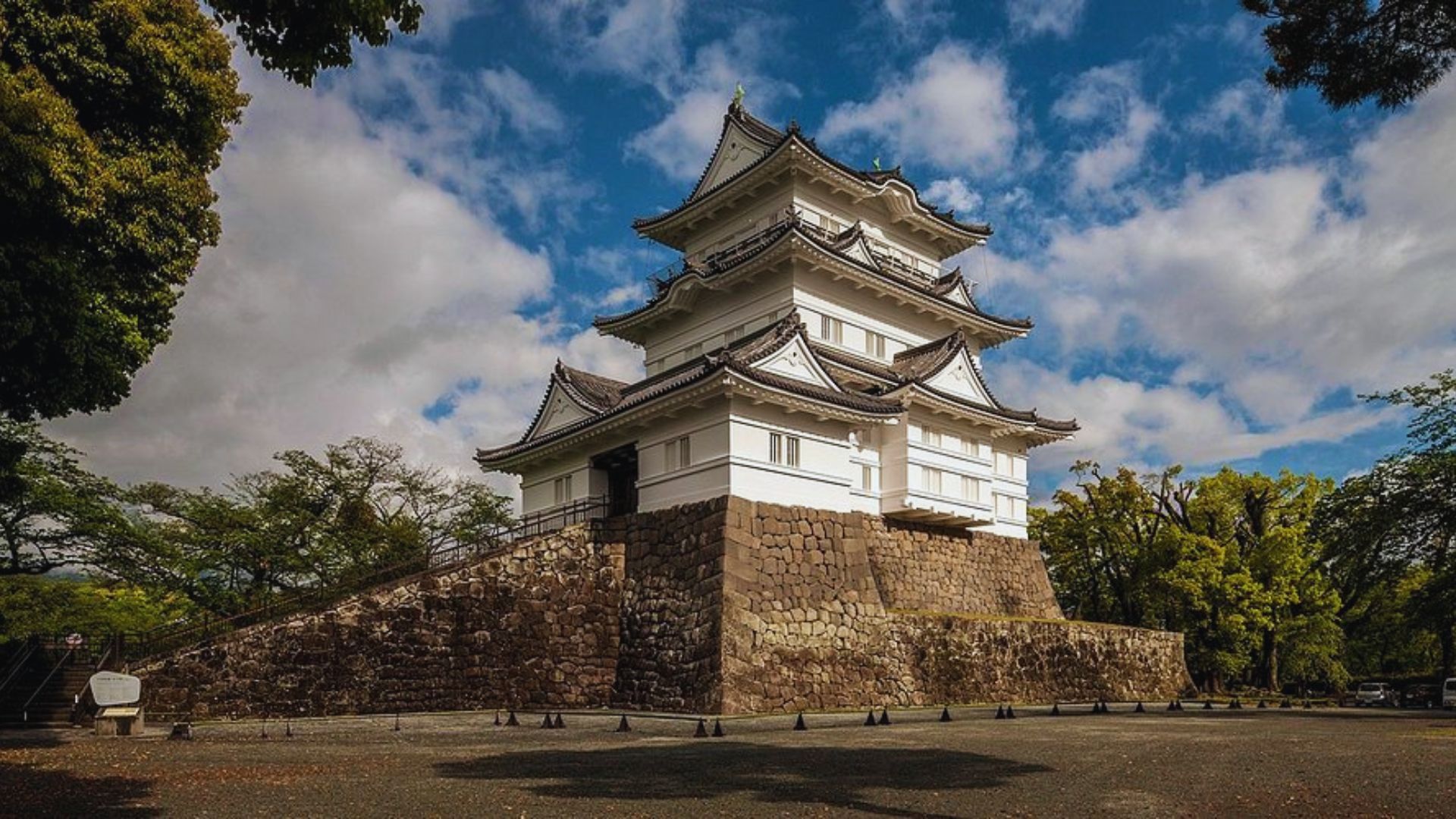
Odawara Castle is about 15 minutes from Hakone-Yumoto by train. It’s a reconstructed castle with a museum inside and good views from the top.
The grounds include a small zoo and a Japanese garden. I stopped here on my way out of Hakone.
The space is easy to walk around and works well as a half-day stop. It adds a solid layer of history to the overall trip.
11. Forest Bathing & Hot Spring Combo
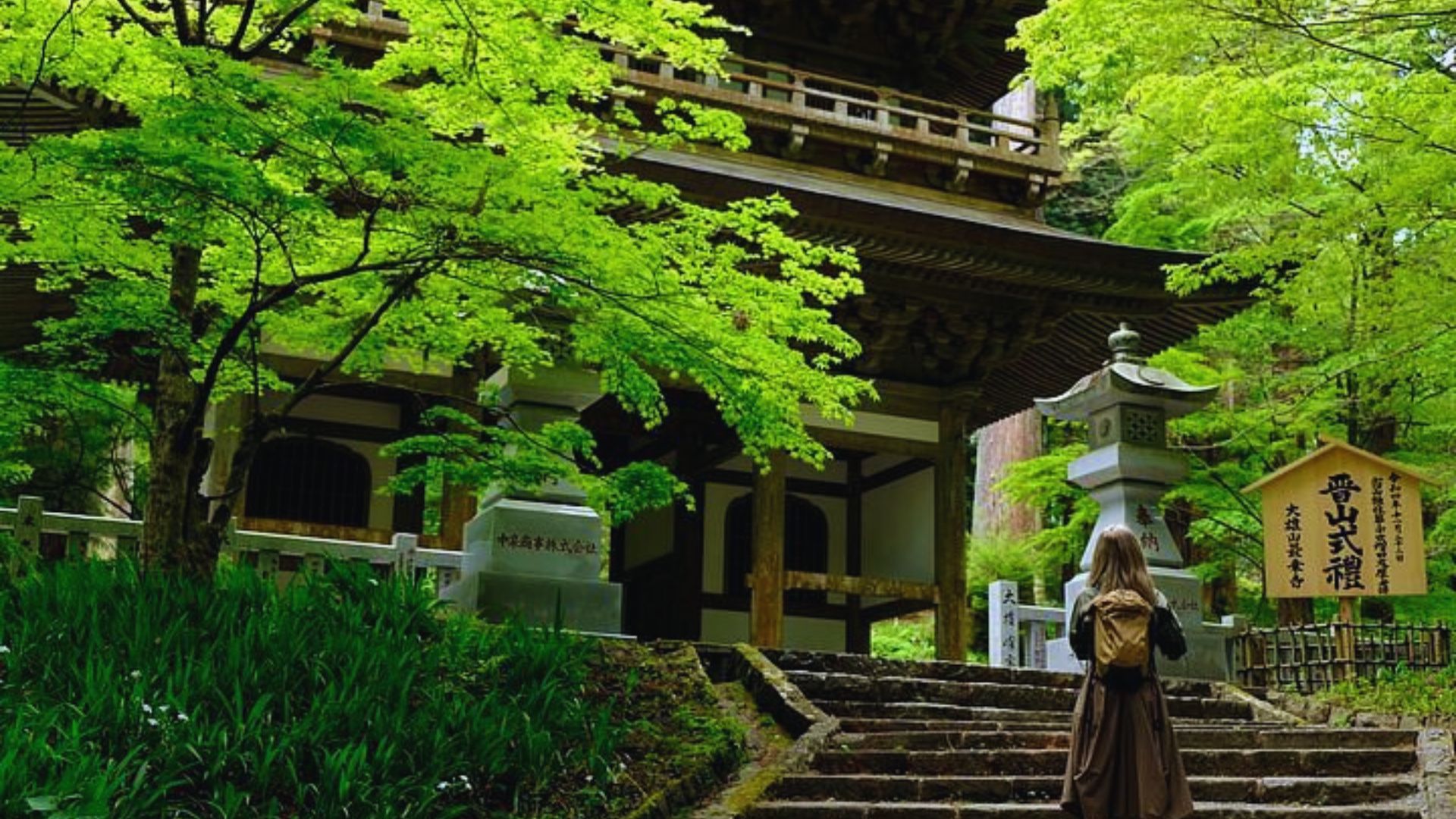
Hakone is one of the best places in Japan for forest bathing, known as shinrin-yoku. The trails around Hakone-Yumoto are quiet and surrounded by trees.
Pairing a forest walk with a hot spring soak afterward makes for one of the most restful days you can have here.
I tried this combo on my first visit. Fresh air followed by warm spring water is genuinely hard to beat.
12. Take a Scenic Funicular from Gora to Sōunzan
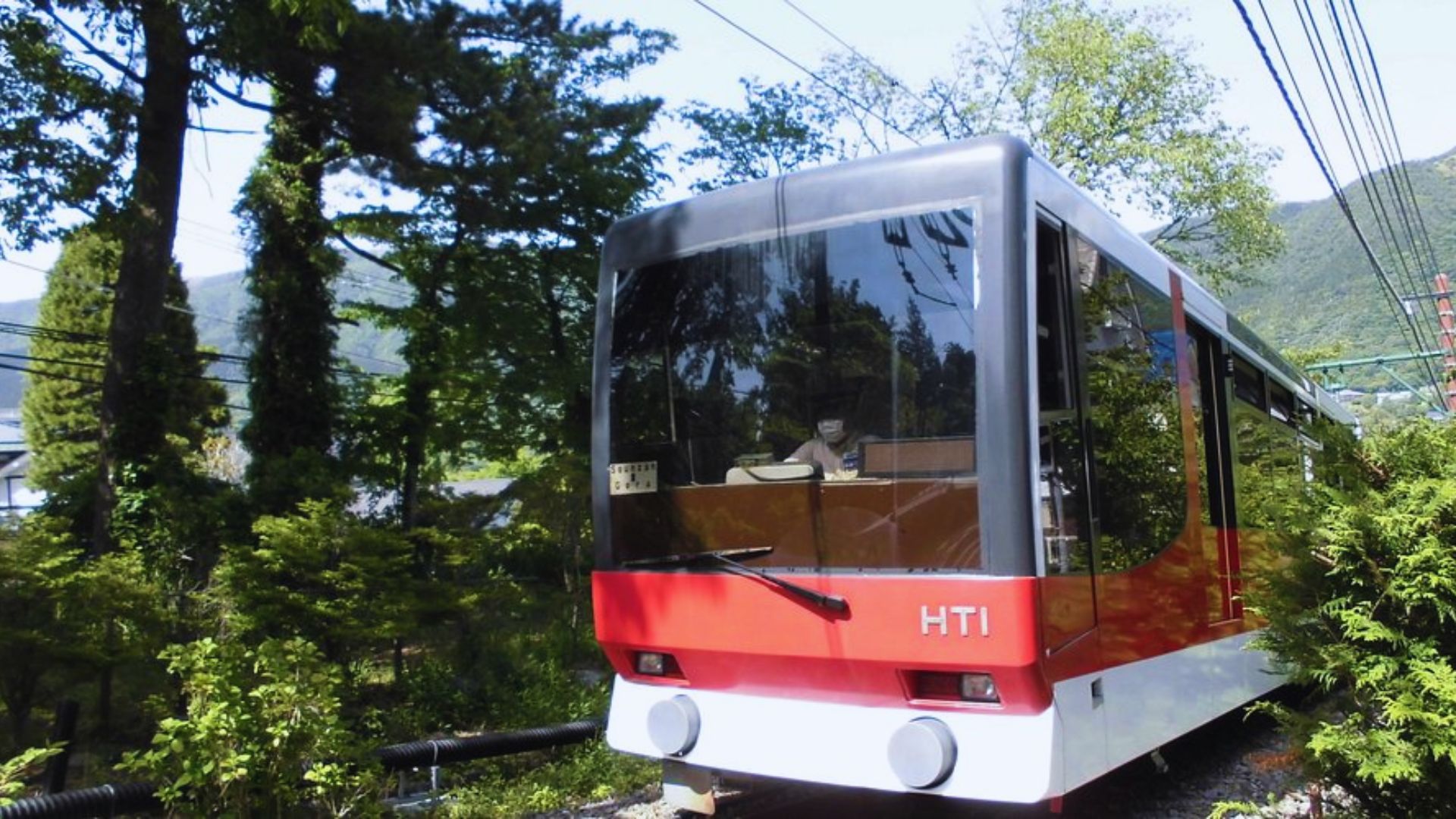
The funicular from Gora to Sōunzan runs through forested hillside and connects to the ropeway above.
The ride is about ten minutes long. Views through the windows are worth slowing down for. I love how each leg of the Hakone transport loop feels different.
This one is quiet and a little old-school. It’s not the headline stop, but it adds a lot to the full Hakone experience.
13. Shop at Owakudani Gift Shops
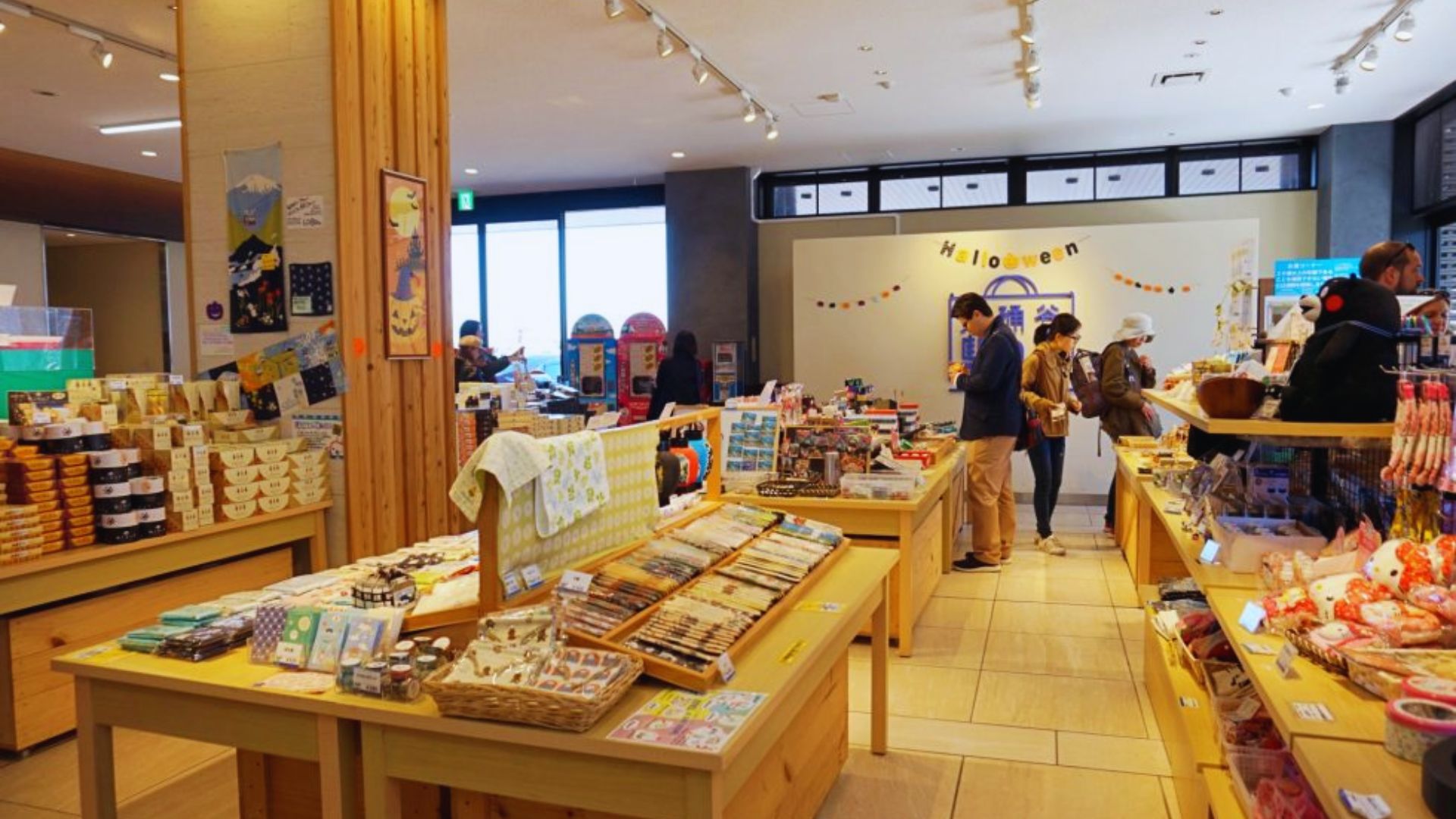
The shops at Owakudani sell more than black eggs. You’ll find black egg-flavored snacks, keychains, onsen bath salts, and local crafts.
It’s one of the better places in Hakone to pick up souvenirs. I bought onsen salts and a couple of snacks when I was there.
Prices are fair and the selection is solid. Give yourself at least 20 minutes to look around properly before moving on.
14. Taste Local Hakone Sweets & Mochi

Hakone has a solid sweets scene beyond the black eggs. Mochi shops near Hakone-Yumoto sell freshly made pieces in red bean, matcha, and sesame flavors.
Some shops let you watch the mochi being made through the window. I picked up a box near the station and finished it on the walk back.
They were soft, fresh, and far better than anything pre-packaged. Worth every bite.
15. Visit the Pola Museum of Art
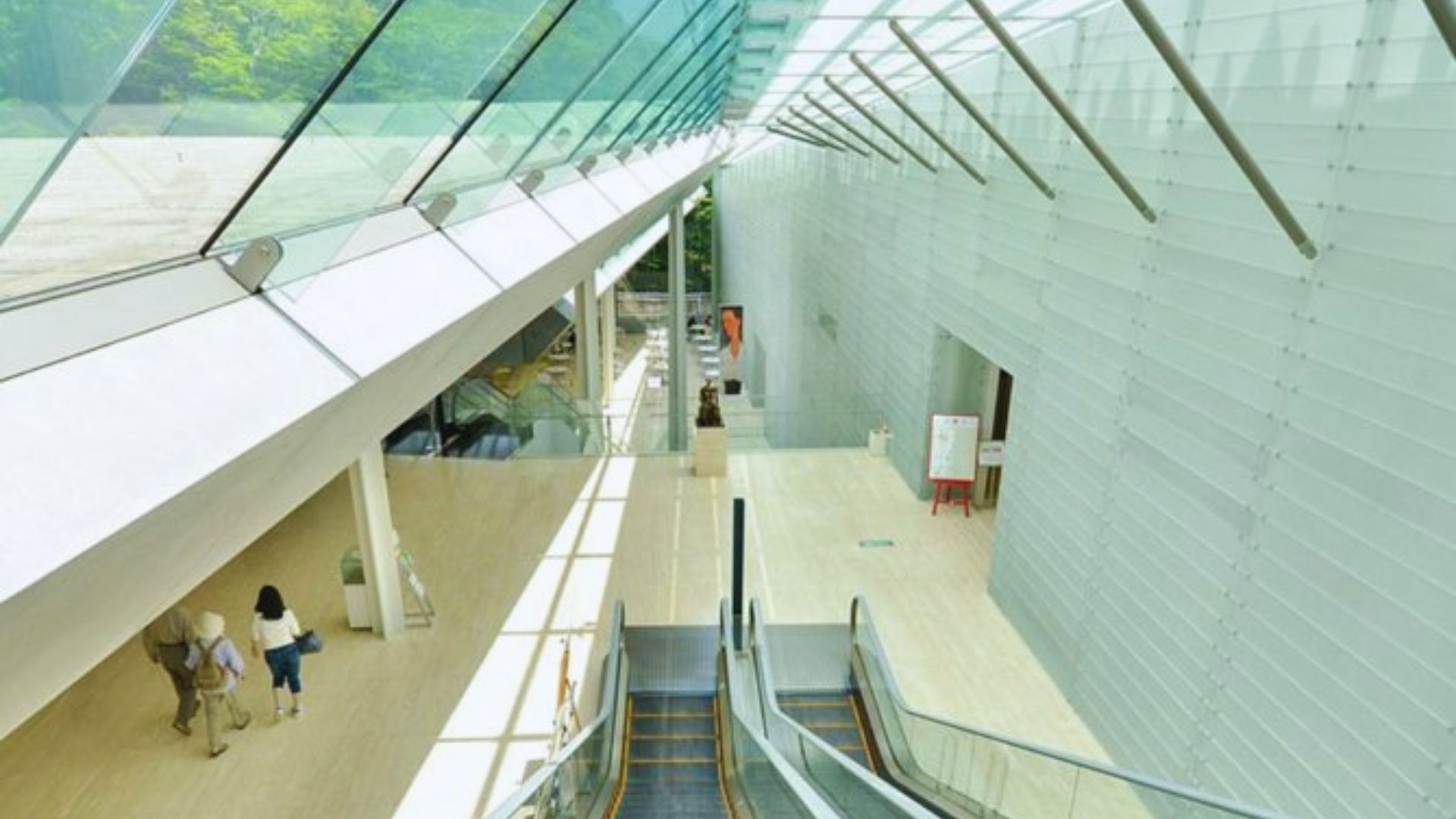
The Pola Museum of Art sits inside a forest in Hakone and holds one of Japan’s best private art collections.
It includes works by Monet, Renoir, and Picasso, along with Japanese paintings and glass pieces. The building lets in a lot of natural light and blends with the trees outside.
I visited on a rainy afternoon. It was a great call. Budget at least two hours here.
16. Ride the Hakone Tozan Railway
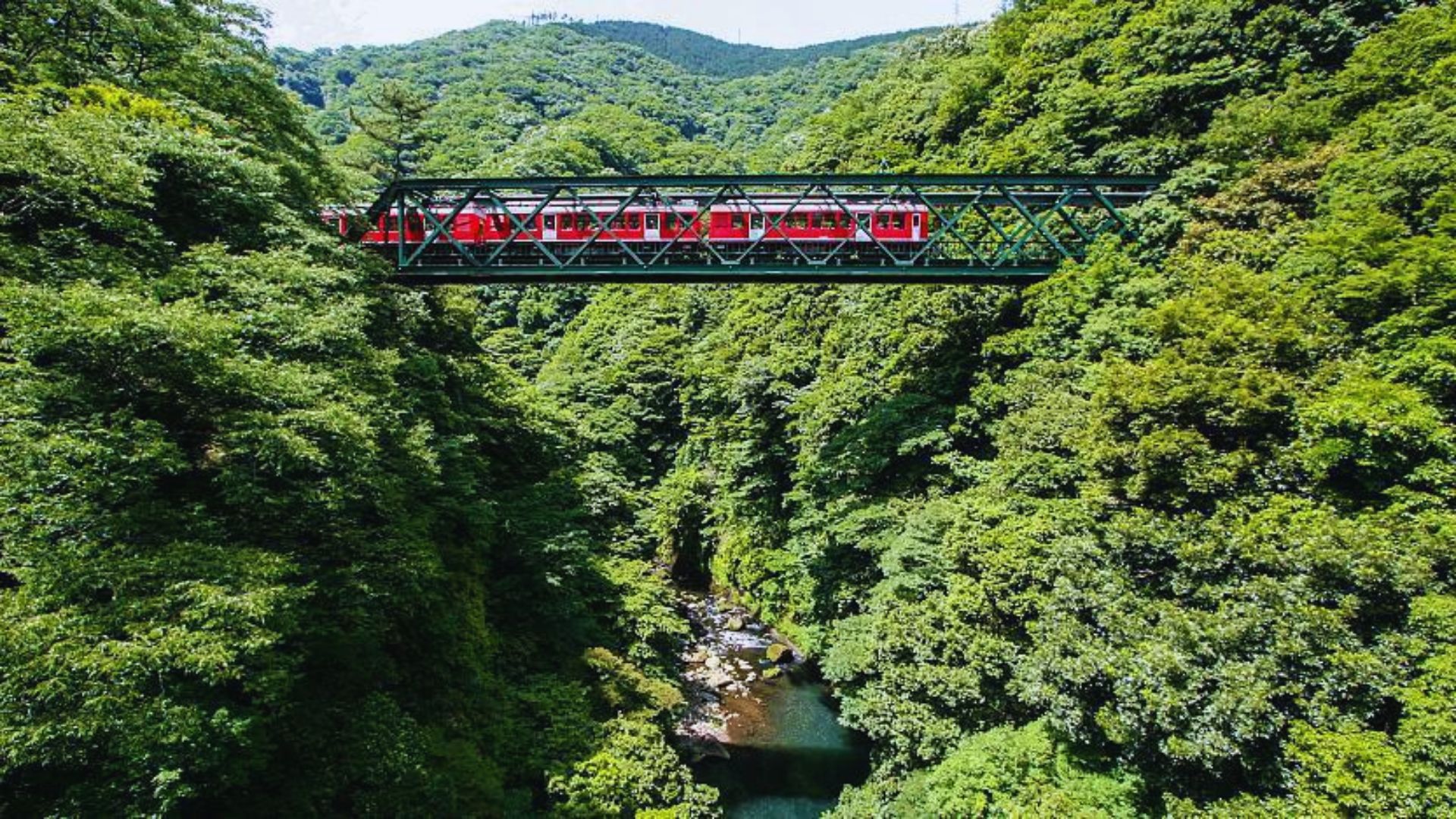
The Hakone Tozan Railway is Japan’s steepest mountain railway. It zigzags up the hillside through tunnels and over bridges with forest views on both sides.
In June and July, hydrangeas bloom along the track. I rode it in late autumn with red and yellow leaves outside the window.
It’s a short ride that leaves a big impression. Look out the window the whole time. Don’t miss it.
17. Try Ryokan Dining Experiences
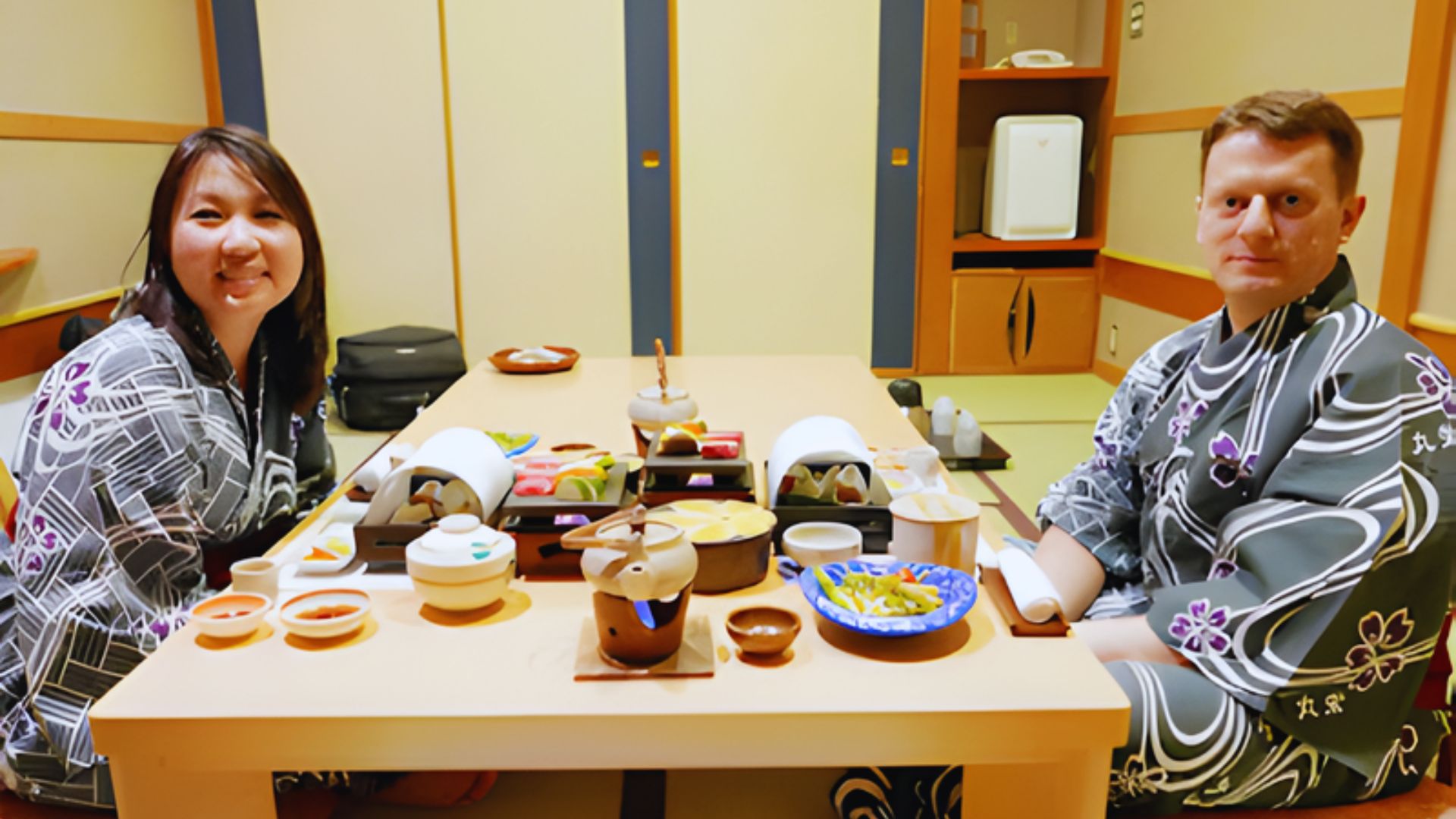
Staying at a ryokan in Hakone includes kaiseki, a traditional multi-course Japanese dinner. Each dish is small, seasonal, and carefully made.
Breakfast usually includes rice, miso soup, grilled fish, and pickles. I had my first full ryokan meal on my second Hakone trip.
I didn’t know what half the dishes were, but I loved every bite. It’s a dining experience that’s genuinely hard to find anywhere else.
5-Day Hakone Itinerary

Five days in Hakone gives you time to hit the highlights and still slow down. Here’s how I’d plan it.
Days 1–3: Must-See Attractions & Scenic Spots
Day 1, start with the ropeway and Owakudani. Take your time at the volcanic valley and grab a black egg while you’re there.
Day 2, head to Lake Ashi, take the pirate ship cruise, and visit Hakone Shrine in the morning before it gets busy.
Day 3 is for the Open Air Museum and a scenic ride on the Tozan Railway. These three days cover the top spots without feeling rushed.
Days 4–5: Cultural, Hiking & Relaxation Experiences
Day 4 is for the Pola Museum, Gora Park, and a slow forest walk through the trees. End the evening with an onsen soak at Hakone Yuryo.
It’s a great way to rest your legs after three busy days.
Day 5, hike a section of the Hachiri trail in the morning, then stop at Odawara Castle on the way out. A calm, satisfying way to close the trip.
Tips for Visiting Hakone
Planning ahead makes a real difference in Hakone. These five tips will help you get more out of your trip.
- Get the Hakone Free Pass. Covers most transport. Pays for itself fast.
- Book ryokans early. They fill up quick, especially on weekends.
- Go early. Beat the crowds at the ropeway and Owakudani.
- Check the weather. The ropeway can close on windy days.
- Wear good shoes. Some trails have uneven stone paths.
Keep these in mind and your Hakone trip will go a lot more smoothly.
Conclusion
Hakone surprised me the first time I visited, and it did again on my second trip.
From pirate ship cruises to onsen soaks, the best things to do in Hakone are all right here in this guide.
I hope it makes your planning easier. Now it’s your turn. Drop a comment and tell me which stop you’re most excited about.
Found this helpful? Share it with a friend planning a trip to Japan.
Frequently Asked Questions
How many days do you need in Hakone?
Two to three days covers the main sights, but five days lets you go at a more relaxed pace.
Is the Hakone Free Pass worth it?
Yes, it covers the ropeway, pirate ship, and railway, making it great value for most visitors.
Can you see Mount Fuji from Hakone?
Yes, but only on clear days. Morning visits to Lake Ashi and the ropeway give the best chance of a clear view.
Is Hakone expensive to visit?
It’s moderately priced. The Free Pass helps keep transport costs down, but ryokan stays can add up quickly.
What is the best area to stay in Hakone?
Hakone-Yumoto works well for budget and mid-range options, while Gora and the lakeside area are better for ryokan stays.
