


Planning a trip and searching for the best 17 things to do in Cartagena Colombia? You’re in the right place.
I’ve put together this guide to help you skip the guesswork. Cartagena is a city that mixes history, Caribbean beaches, local food, and real culture all in one place.
In this article, you’ll find top spots to visit, hidden areas worth your time, day trips, dining picks, and travel tips.
I’ve spent time researching this city closely, and I want to make sure you leave with a solid plan.
How to Get to Cartagena
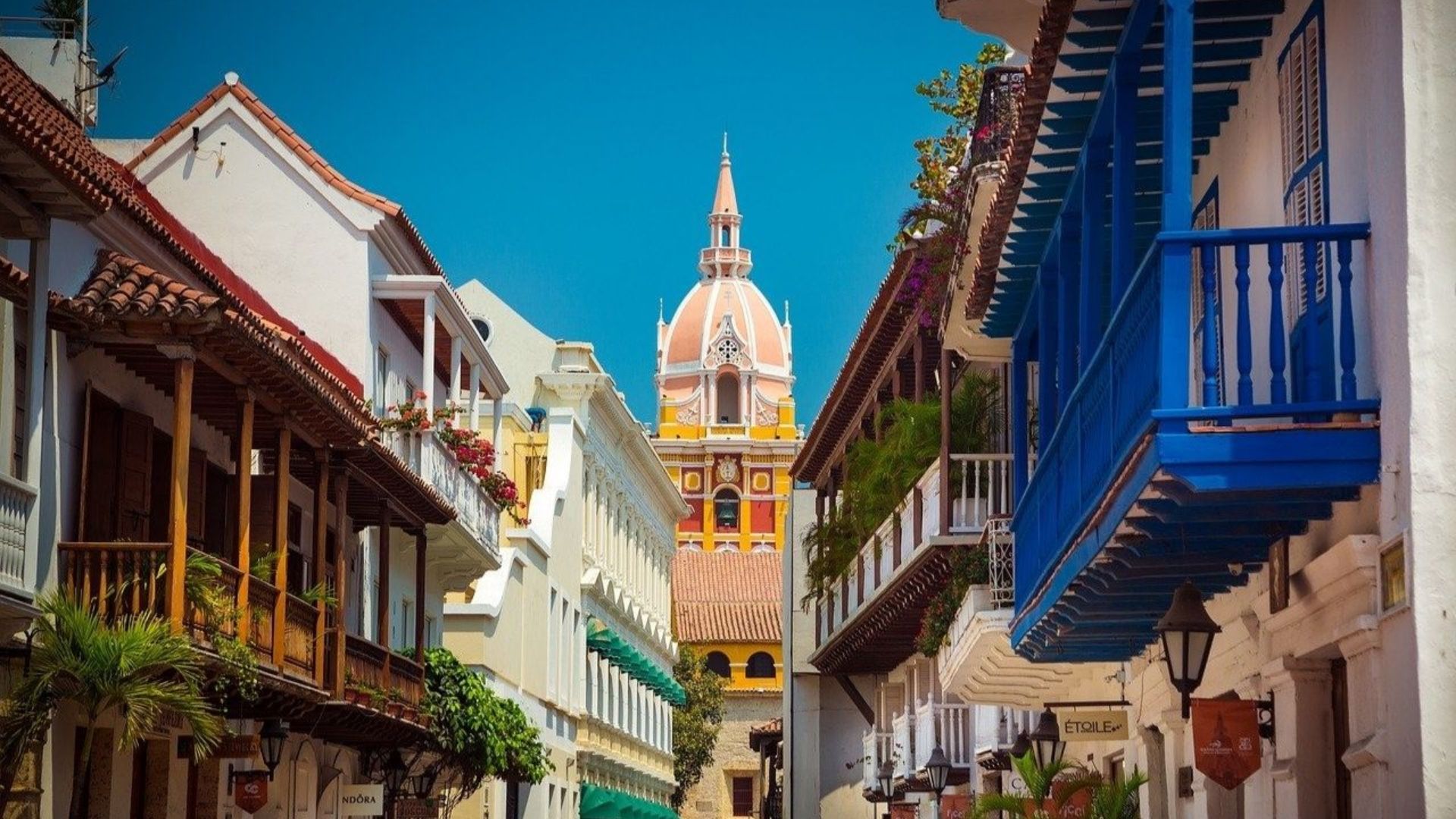
Getting to Cartagena is simple from most major cities. Rafael Núñez International Airport connects the city to Bogotá, Medellín, and several international destinations. Flights from Bogotá take about one hour.
You can also arrive by bus from other Colombian cities. Long-distance bus travel is affordable and gives you a chance to see the country along the way.
Once in the city, taxis, ride-hailing apps like InDriver, and tuk-tuks are the main ways to get around.
17 Things to Do in Cartagena Colombia
From historic forts to Caribbean islands, here is everything worth seeing and doing in this Colombian coastal city.
1. Visit the Historic Streets of the Walled City of Cartagena
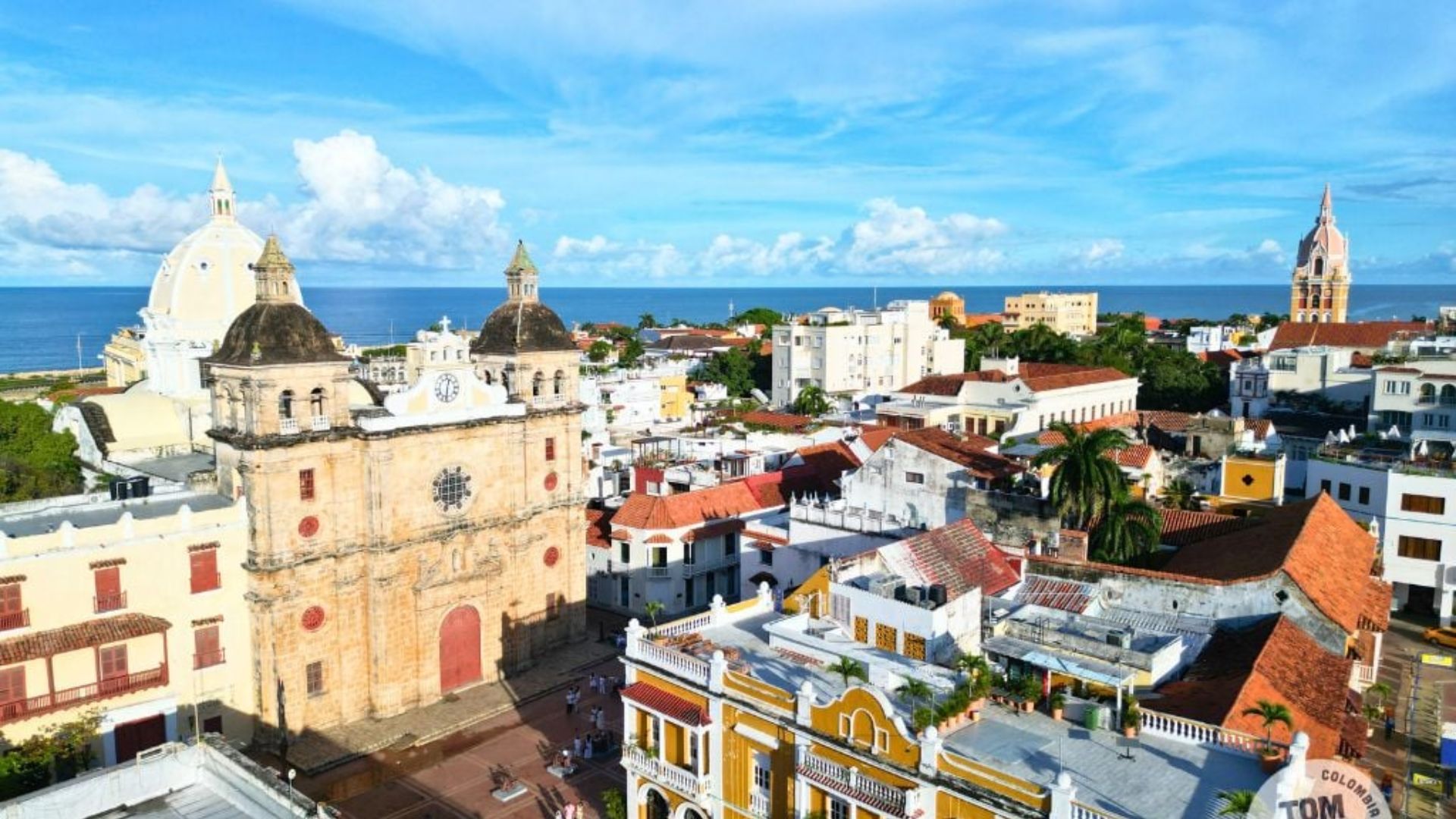
The Walled City is the heart of Cartagena. The streets are narrow, lined with brightly painted buildings, flower-filled balconies, and open plazas. You don’t need a guide here. Just walk, stop at a café, and sit near Plaza de Bolívar.
The walls were built in the 16th century to protect against sea attacks. Today, you can walk along the top and get clear views of the city and the Caribbean. This is free and one of the best things to do in Cartagena.
2. Visit the Iconic Castillo San Felipe de Barajas
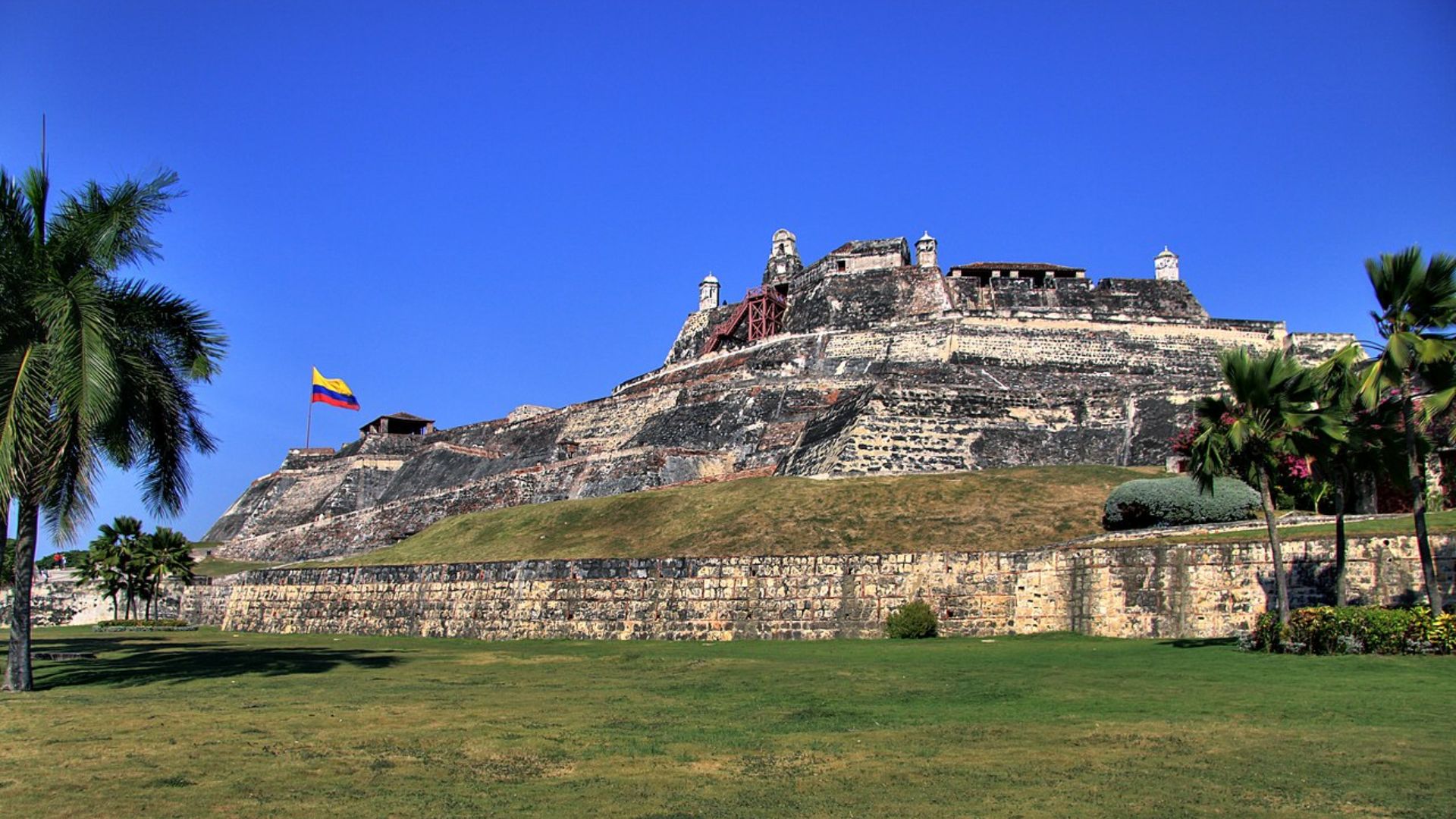
Castillo San Felipe de Barajas is one of the largest Spanish forts ever built in the Americas. It sits on a hill with wide views over the city and the water. Inside, a network of tunnels used during military sieges makes the visit feel very real.
Entry costs a small fee. Go in the morning to avoid the midday heat. Guided tours are available if you want the full historical context.
3. Visit Street Art and Nightlife in Getsemaní
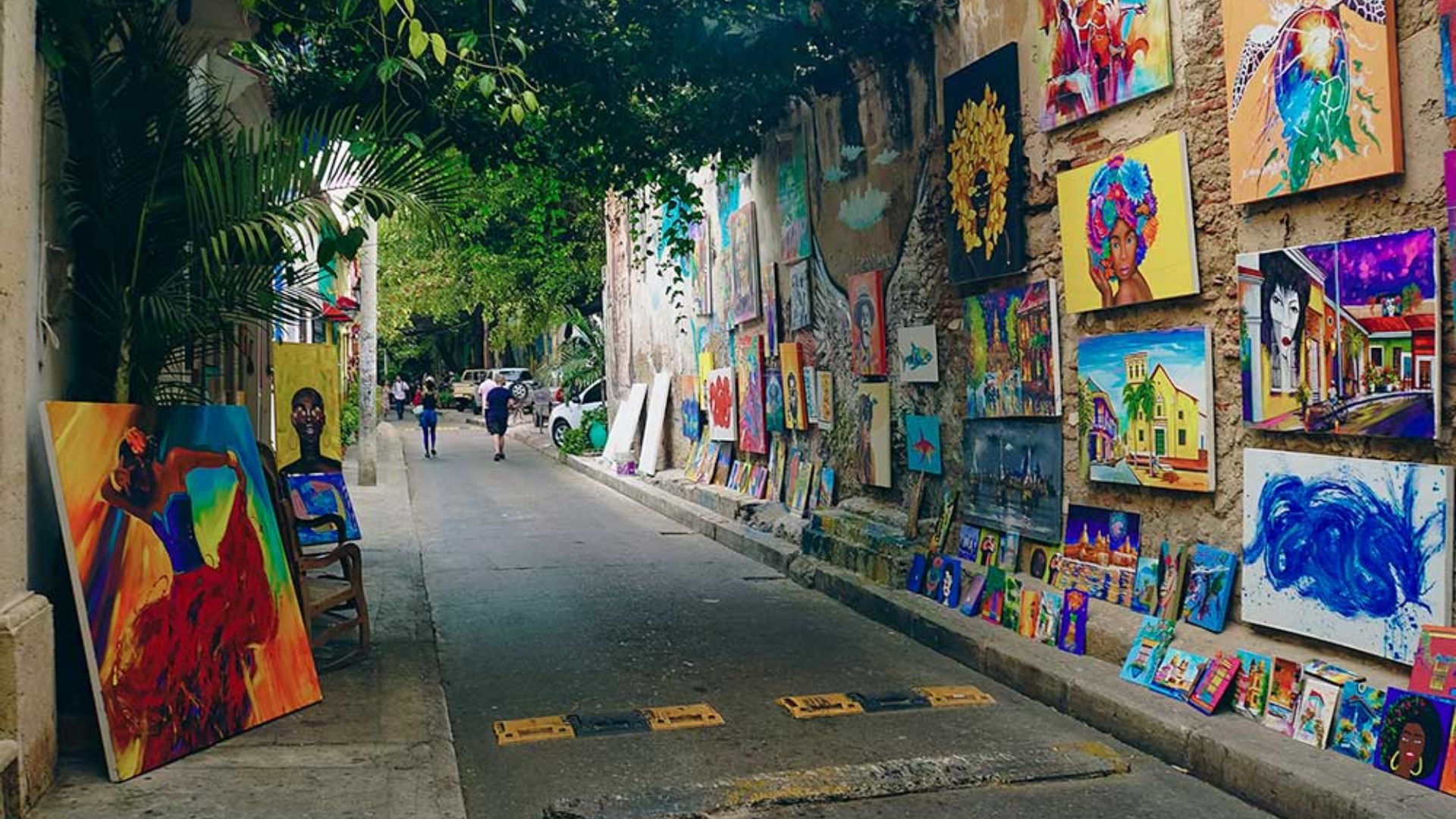
Getsemaní is the most authentic neighborhood in Cartagena. Its walls are covered in large murals that tell stories about Afro-Colombian life, politics, and local history. It’s like reading the city through its art.
At night, small bars open up, live music fills the corners, and locals gather at Plaza de la Trinidad. It’s relaxed and social, not loud or touristy. Best visited in the late afternoon and evening.
4. Take a Free Walking Tour With Free Tour Cartagena
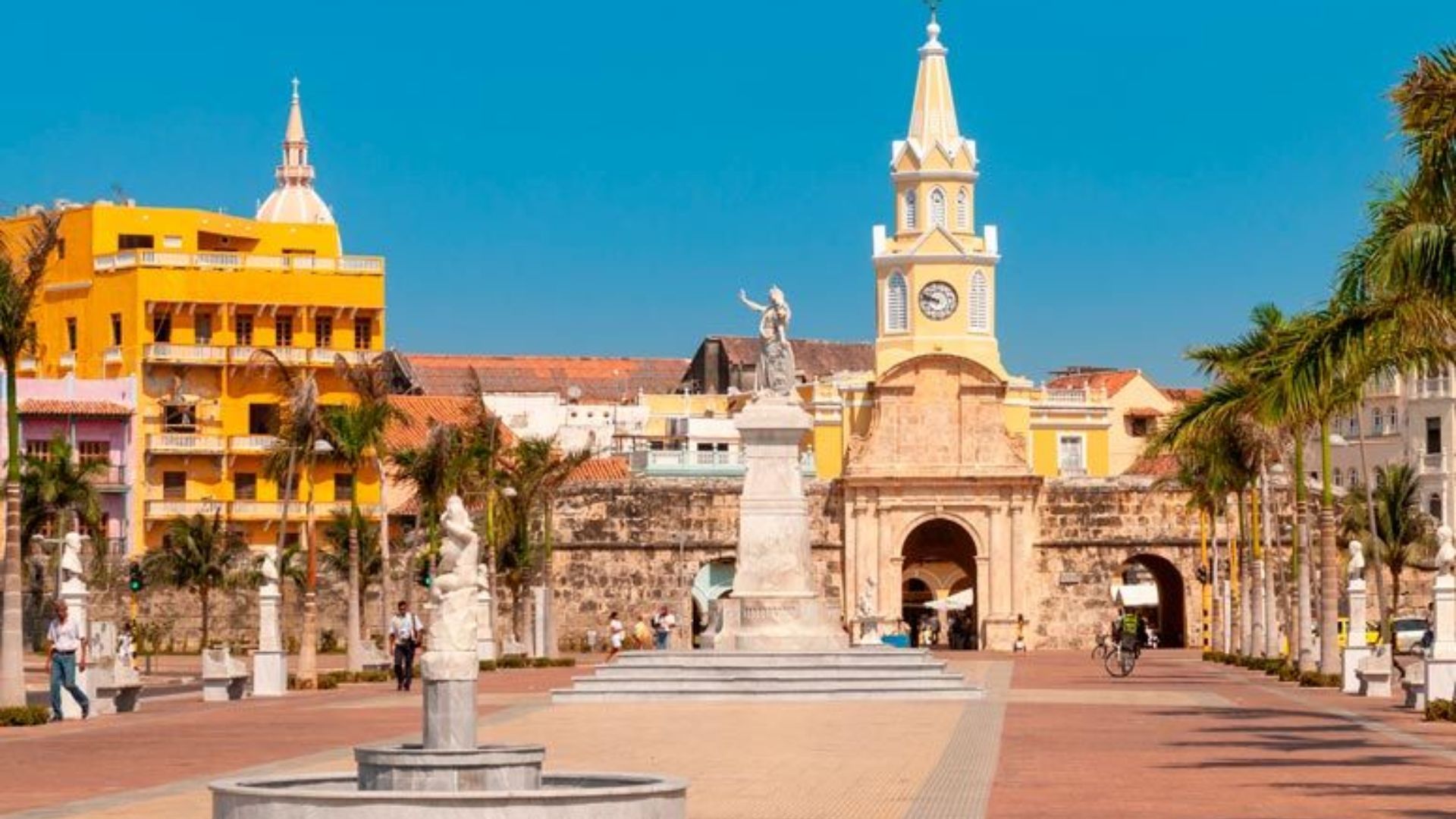
Free Tour Cartagena runs daily tours led by local guides covering the Walled City, key plazas, and cultural landmarks. The tour takes about two hours and you pay what you think it was worth at the end.
It’s one of the best ways to understand how the city is laid out before you start visiting on your own. Book online or show up early at the meeting point.
5. Take a Boat Trip to the Rosario Islands
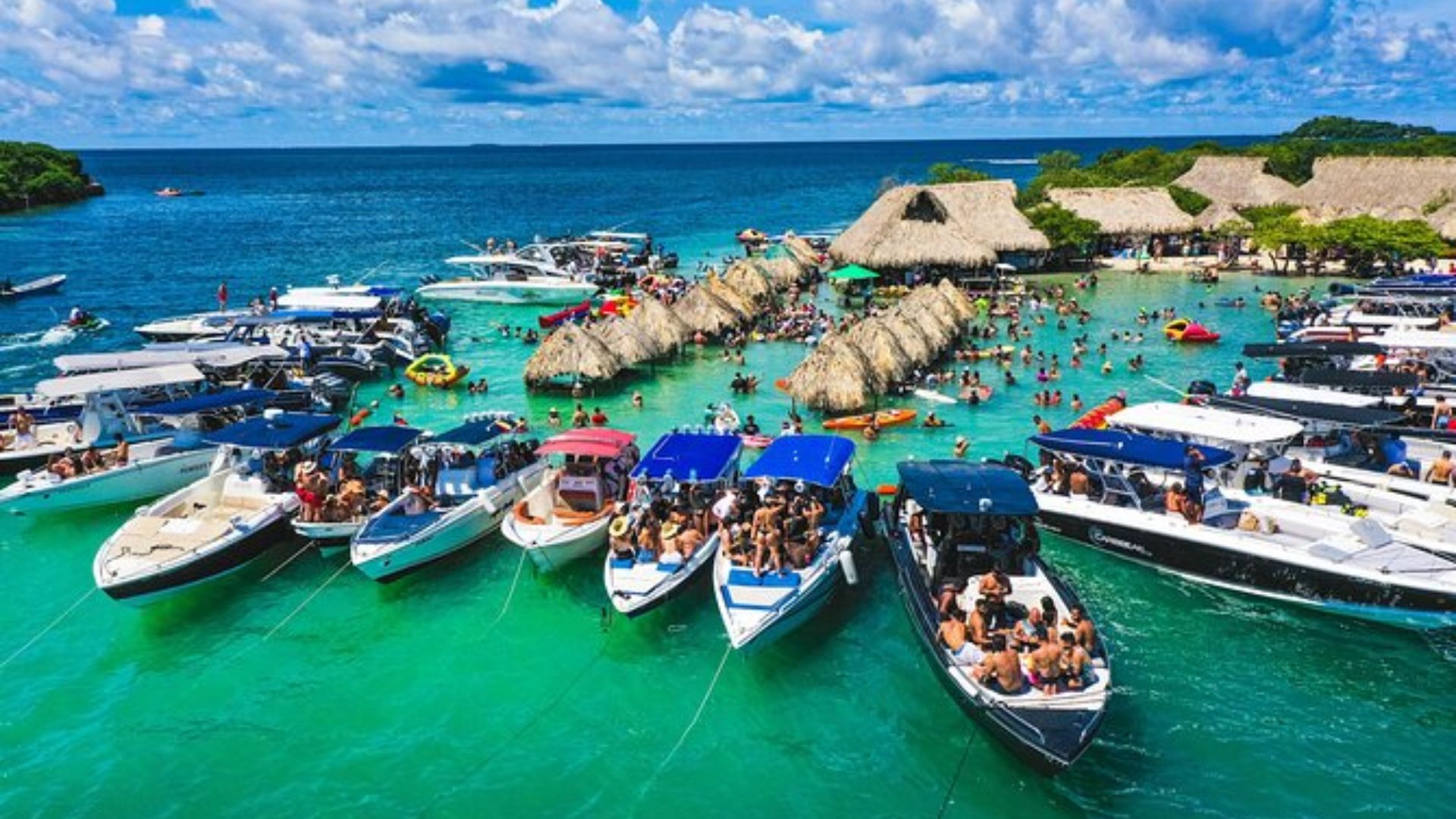
The Rosario Islands sit about 35 kilometers from Cartagena inside a protected national park. The water is a clear blue-green, perfect for snorkeling over coral reefs. It feels completely different from the city.
Boats leave from the Muelle de los Pegasos pier each morning. Most tours include transport, a stop at the island aquarium, lunch, and snorkeling time. Book the day before to secure your spot.
6. Spend a Beach Day at Playa Blanca
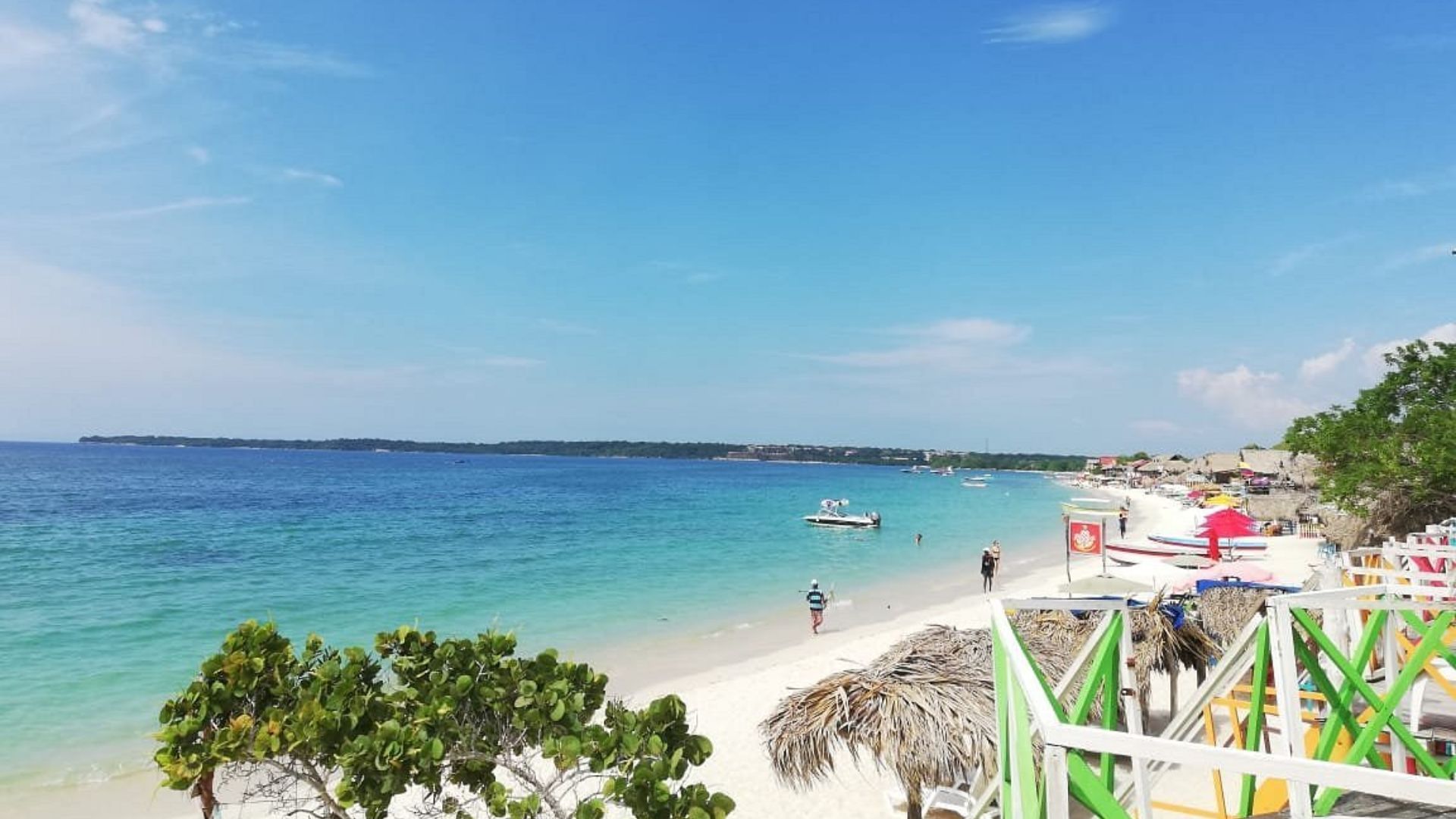
Playa Blanca is on the Barú Peninsula, about an hour from the city by boat or bus. The sand is wide, the water is calm, and vendors sell fresh ceviche, fried fish, and coconut water right on the beach.
Go on a weekday for more space and fewer vendors. The sun here is strong, so bring good sunscreen and arrive early.
7. Stay Overnight on Barú Island
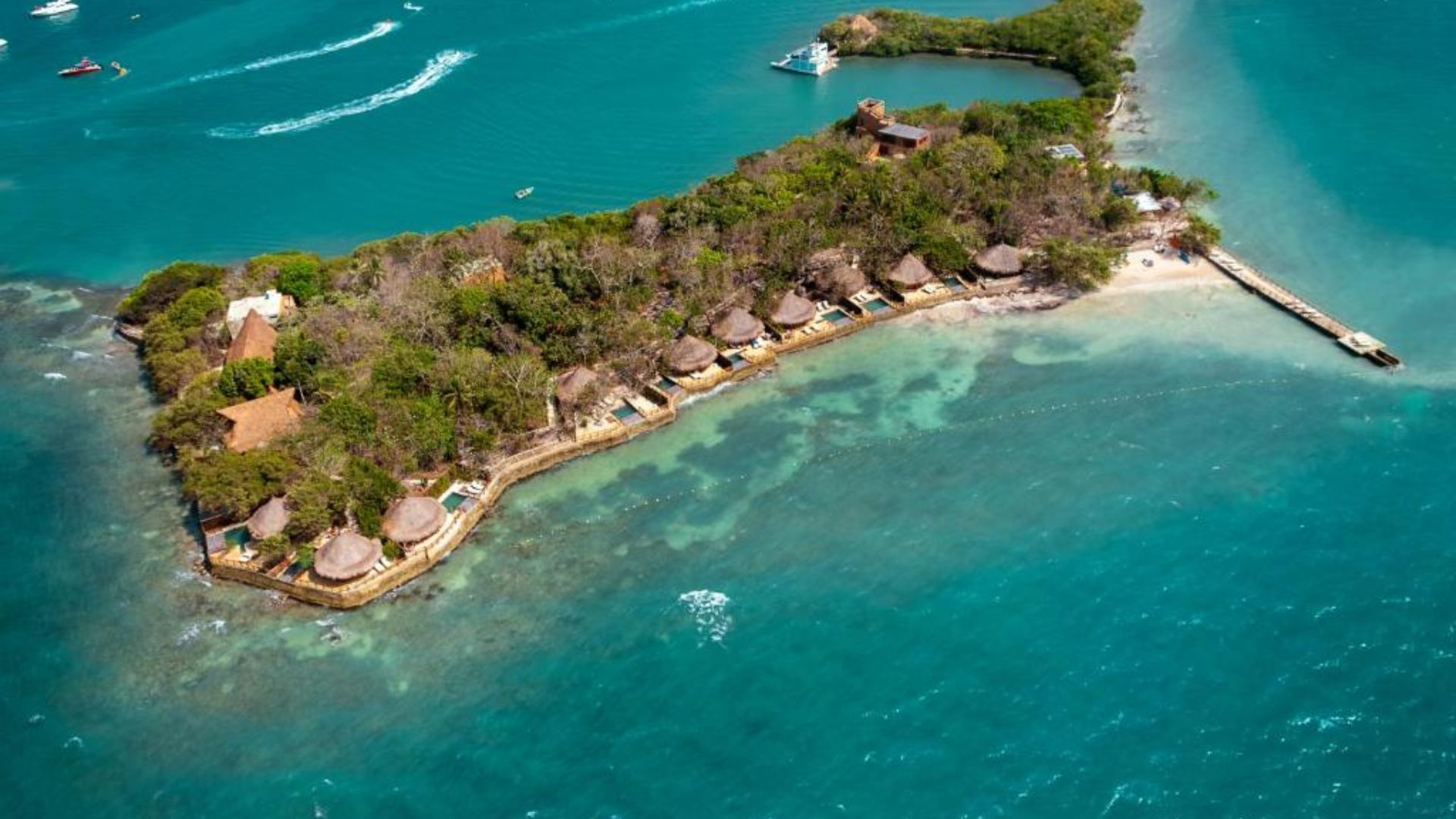
Most people visit Barú for the day, but staying overnight changes the experience completely. Before the day trip boats arrive in the morning, the beach is nearly empty and the water is still.
Options range from budget hammock spots to beachside bungalows. Book ahead during high season between December and March. It’s a good reset from the energy of the city.
8. Walk Through the Local Food Market at Mercado de Bazurto
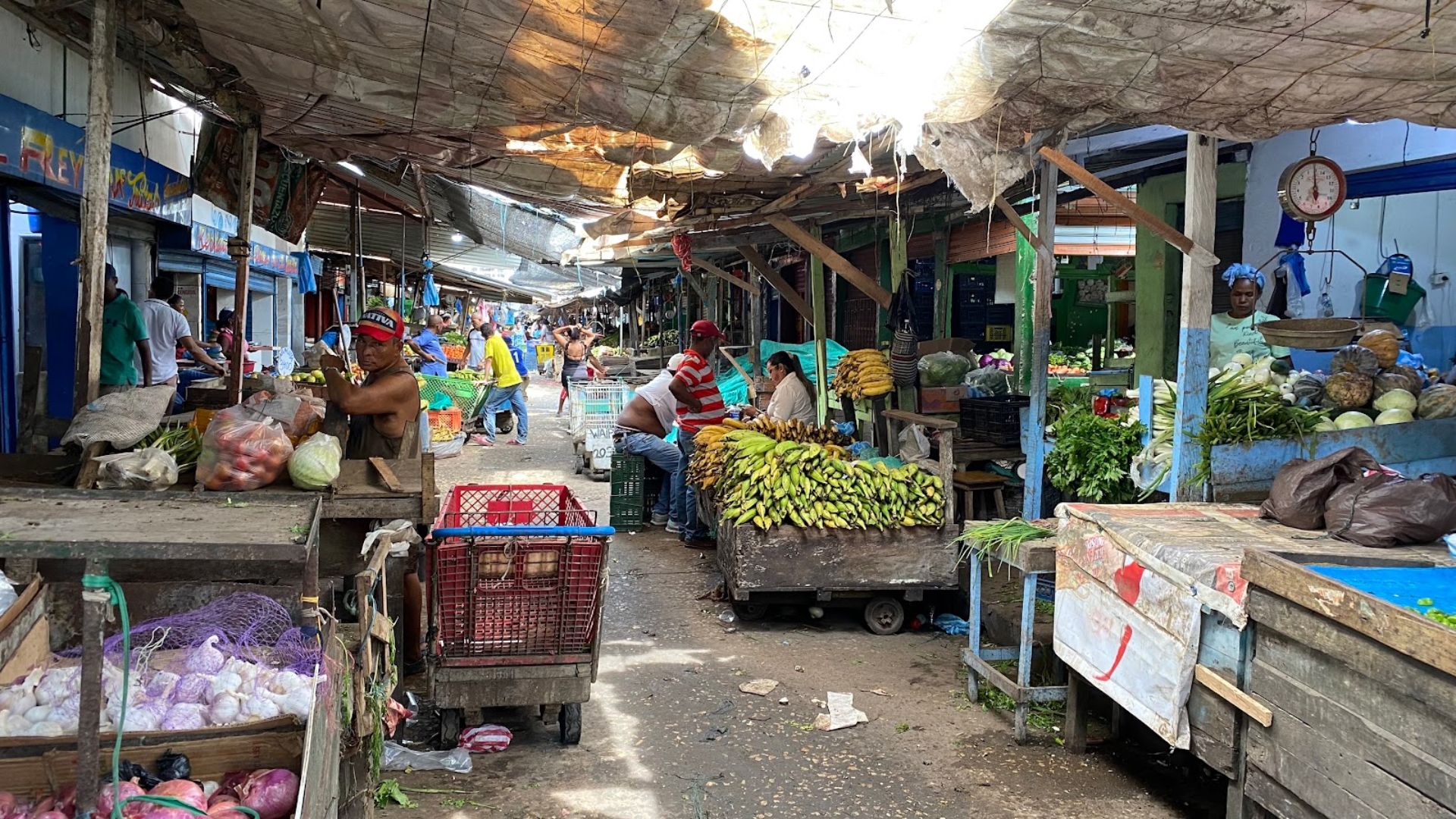
Mercado de Bazurto is where locals shop every day. It’s loud, colorful, and full of fresh tropical fruit, seafood, spices, and street food stalls. This is not a tourist market.
Go in the morning when it’s at its busiest. Try sancocho, arepas, fried fish, or fresh juice at very low prices. If large markets feel overwhelming, go with a local guide.
9. Visit the Mangrove Ecosystem at the Boquilla Mangroves
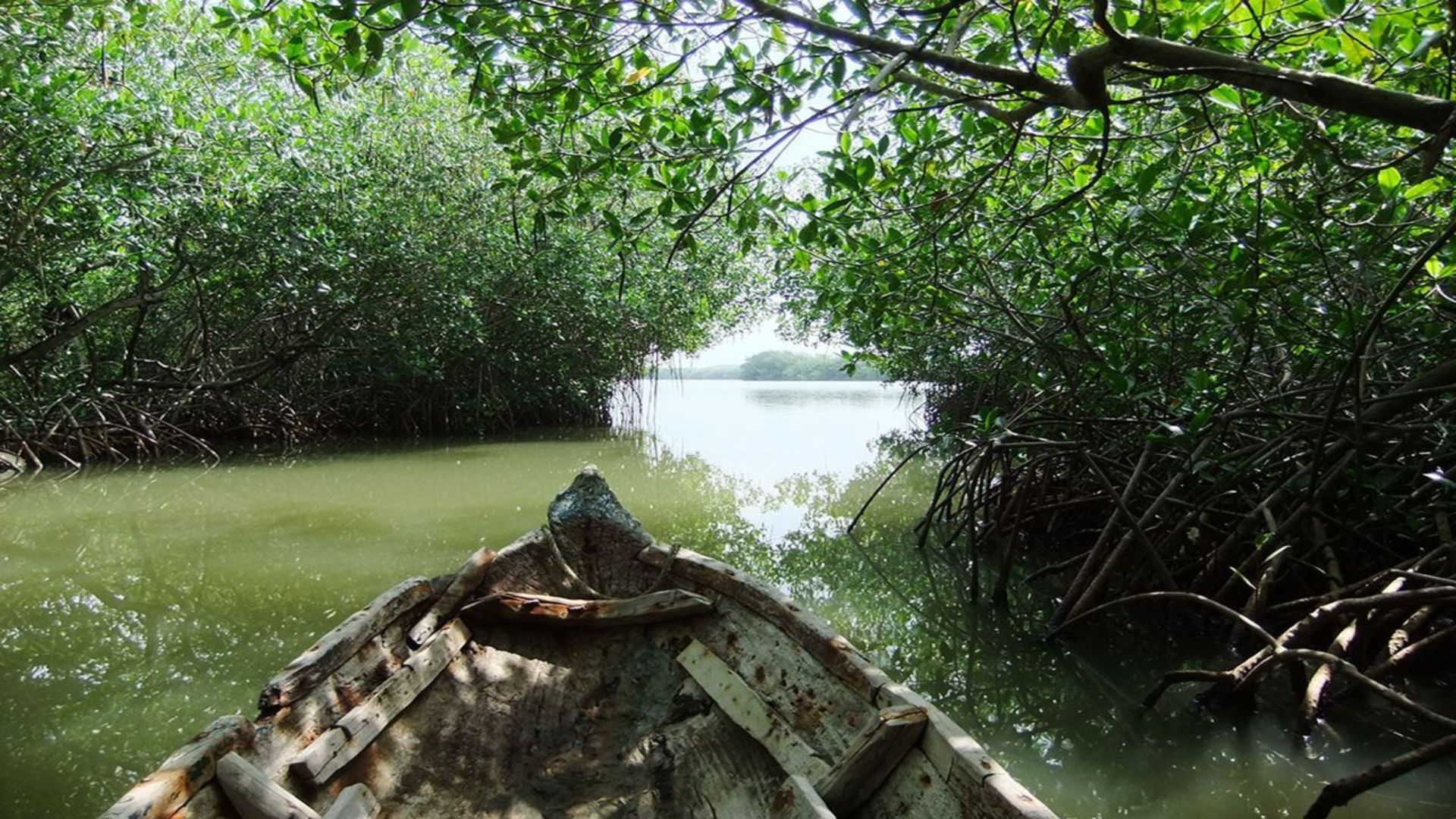
La Boquilla is a small fishing community north of Cartagena where local families run canoe tours through narrow mangrove channels. Birds nest in the trees above, and the water is calm throughout.
Tours take about 90 minutes and cost very little. The guides also share stories about the Afro-Caribbean history and traditions of the community, which adds real depth to the experience.
10. Visit the Cultural Town of San Basilio de Palenque
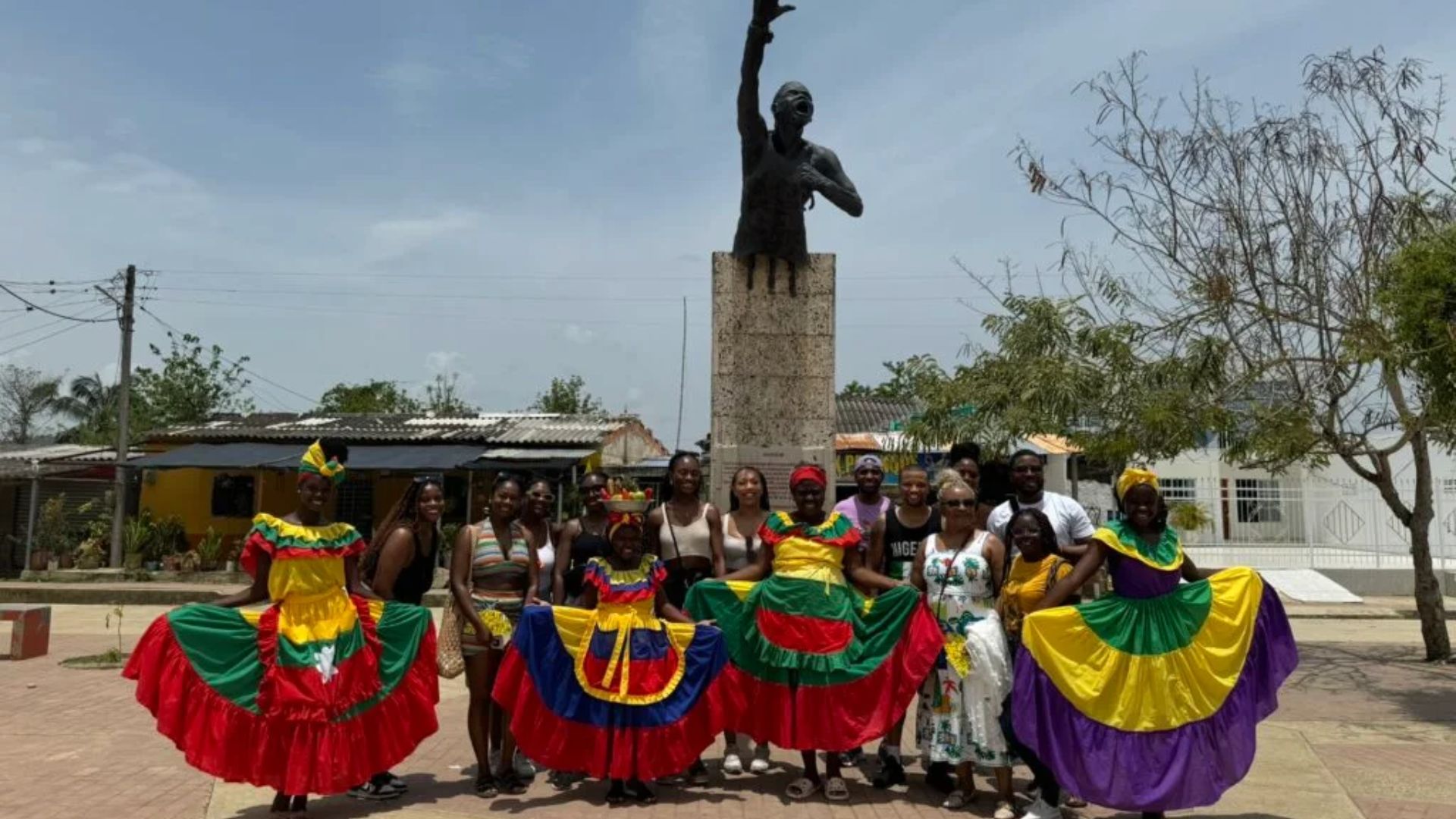
]San Basilio de Palenque, about 50 kilometers from Cartagena, is considered the first free African town in the Americas. Founded in the 17th century by escaped enslaved Africans, the community still speaks Palenquero, a blend of Spanish and African dialects.
Guided day trips from Cartagena include transport, a local lunch, and a community tour. It is one of the most meaningful cultural experiences you can have near the city.
11. Walk Through the Historic Districts of El Centro and San Diego
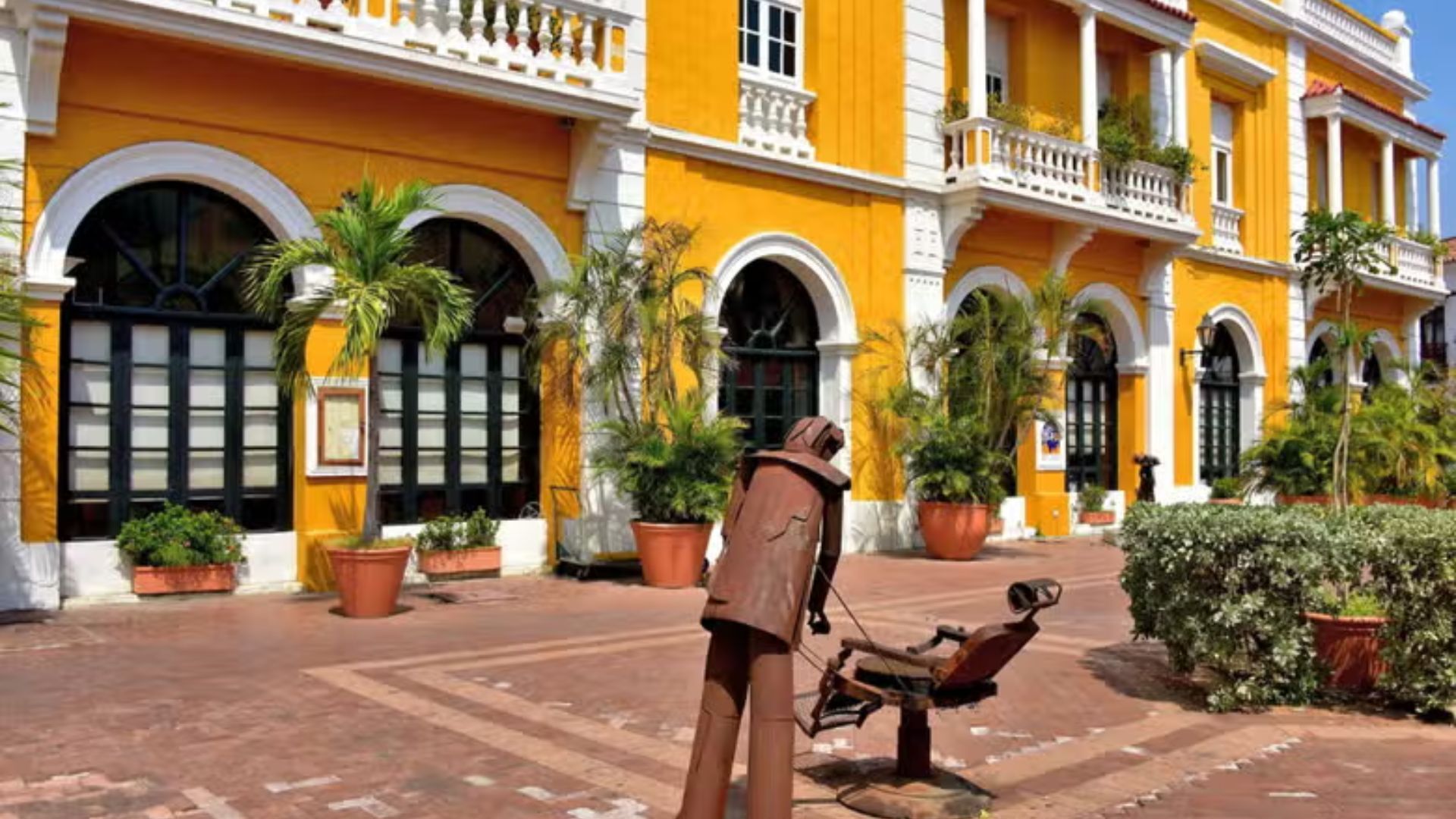
El Centro is the social center of the Walled City, home to the main cathedral, Plaza de Bolívar, and many small restaurants and shops. San Diego, just a short walk away, is calmer with boutique hotels, art galleries, and quieter plazas.
Both neighborhoods have stone streets and colorful colonial walls. Many old homes are now open to visitors as restaurants, museums, or hotels. You can cover both areas comfortably in one morning.
12. Enjoy a Catamaran Cruise Along the Caribbean Coast

A catamaran cruise takes you out into the Caribbean Sea for a few hours in the afternoon. Most trips include snorkeling stops, music, food and drinks, and a sunset return to the city.
It works well for groups, couples, and solo travelers alike. Book through a reputable company and read reviews before you pay, as prices and quality vary.
13. Try a Local Food and Restaurant Experience at Carmen Cartagena

Carmen Cartagena sits inside a colonial building in the Walled City and serves seasonal modern Colombian food. The menu puts a creative spin on traditional flavors, and the portions are generous.
It sits on the higher end of the price range, but the quality is worth it. Make a reservation a day or two ahead, especially during busy season.
14. Visit the Lively Dining Scene at Don Diablo Cartagena
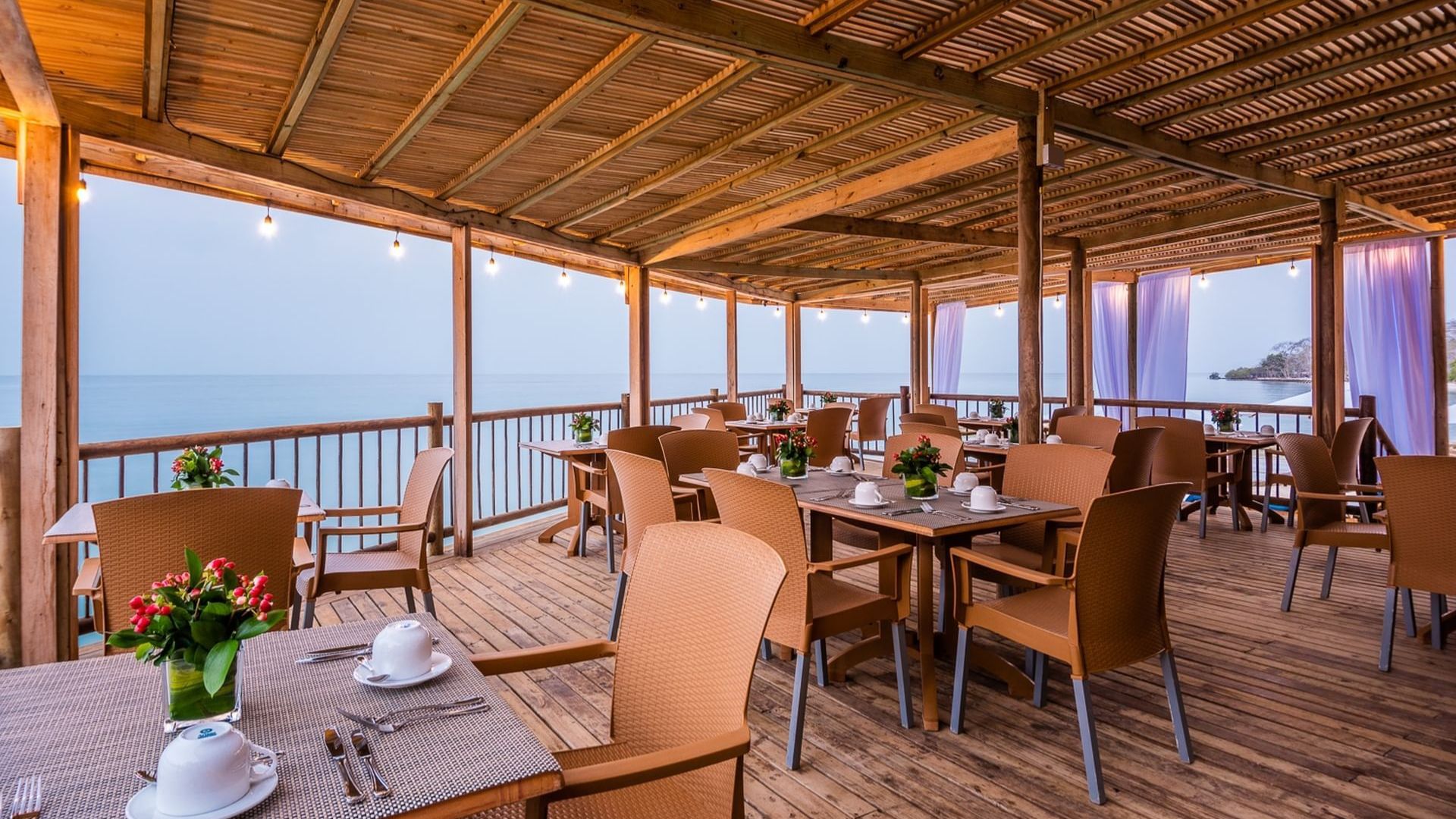
Don Diablo draws both locals and visitors with its open seating, solid service, and a menu that covers Colombian classics and international dishes. Prices are more accessible than most Old Town restaurants.
The evening atmosphere is warm and social. Arrive before 7pm to avoid the wait, as tables fill up fast on most nights.
15. Shop for Colombian Designers and Handmade Products in the Old Town

The Old Town has boutiques selling clothing from Colombian designers, locally made skincare products, and handmade artisan goods. It’s a far better option than buying generic souvenirs.
Browse the streets around Plaza Santo Domingo and Calle del Cuartel. Many smaller boutiques prefer cash, so bring pesos and a small bag. Even window shopping here is worth the time.
16. Take a Day Trip to Tayrona National Natural Park
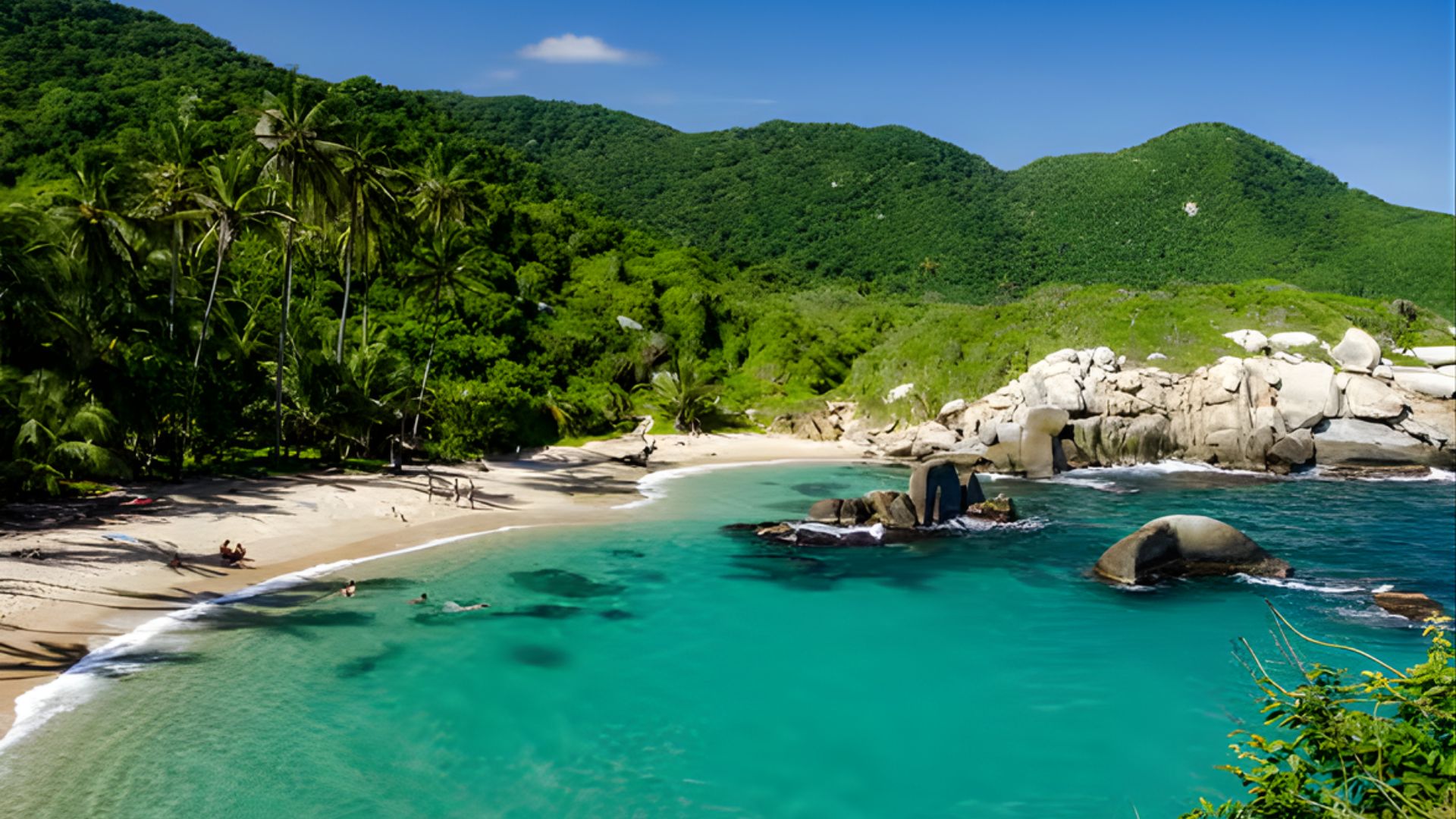
Tayrona sits on Colombia’s northern Caribbean coast and combines thick jungle with hard-to-reach beaches. From the main entrance near Santa Marta, trails range from 30 to 90 minutes before you reach the coast.
It’s a long day from Cartagena with a four-hour drive each way. Consider staying overnight in Santa Marta to make it worthwhile. Go on a weekday, and note the park closes every Tuesday.
17. Watch the Sunset from the City Walls Near the Clock Tower
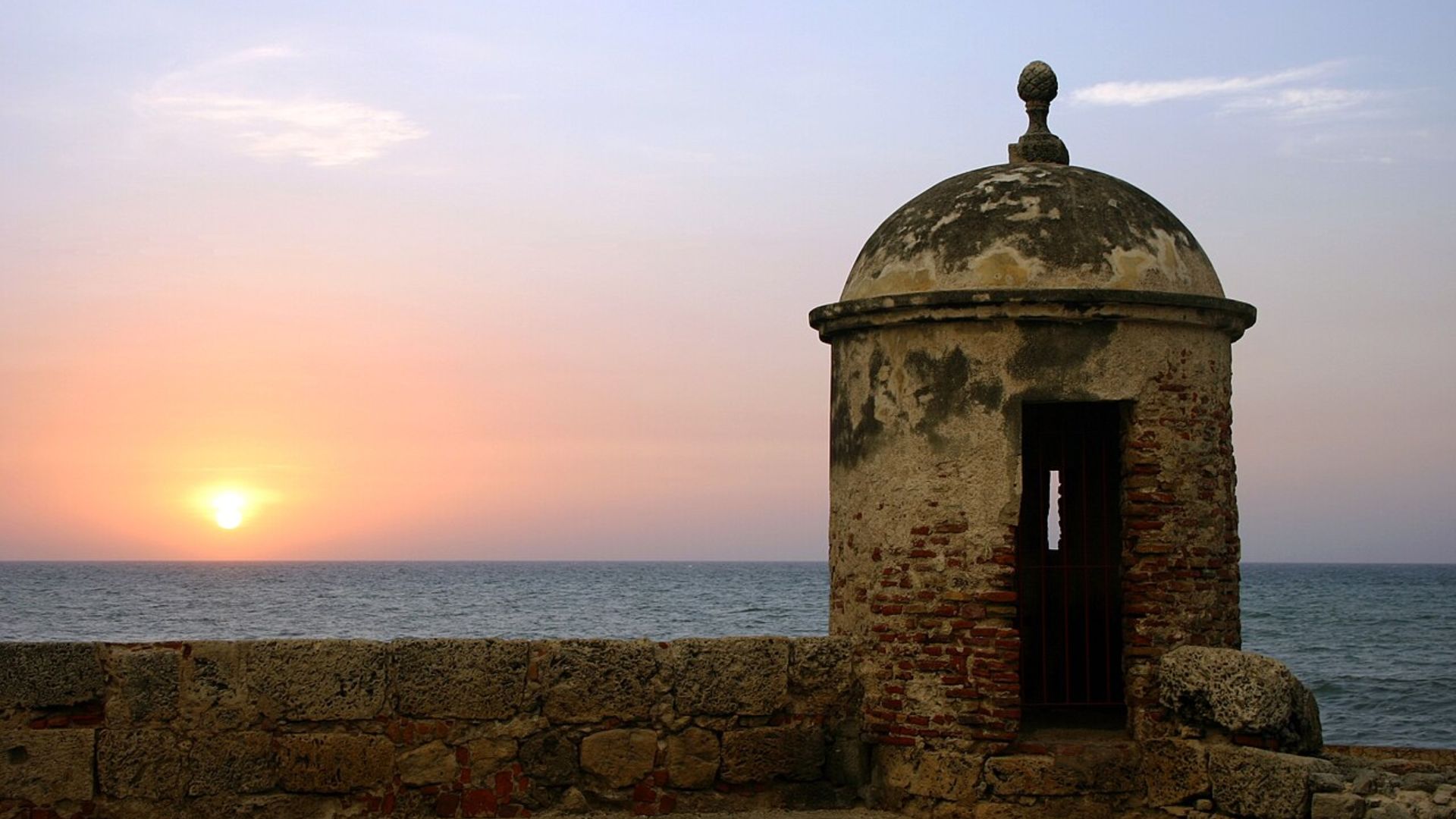
The Torre del Reloj is the main gate into the Walled City, and the stretch of wall nearby is one of the best spots in Cartagena to end the day. Around 5:30pm, locals and visitors line the top of the old fortification walls to watch the sun drop over the Caribbean.
Street musicians often play below, vendors sell cold drinks and fresh fruit, and the whole area takes on a slower, quieter pace than the rest of the day. There is no entrance fee and no tour required. Find a good spot along the wall, sit down, and let the hour pass. It is a simple experience that stays with you long after you leave.
Travel Tips Before Visiting Cartagena
Here are a few practical things to know before you visit Cartagena.
- Visit between December and April for the best weather with clear skies and calm seas
- Use InDriver for taxis and stick to walkable streets inside the Walled City
- Pay in Colombian Pesos for better rates as ATMs are easy to find in the Old Town
- Book popular tours like Rosario Islands and Tayrona at least a day ahead
- Buy travel insurance before your trip as medical costs can add up quickly
Conclusion
You now have a full list of things to do in Cartagena Colombia, from walking the old streets to taking a boat out to the islands.
Honestly, what surprised me most about this city was how much variety it packs into such a small area. One morning you’re in a 400-year-old fort, and by afternoon you’re on a Caribbean beach.
Start with what excites you most and build from there. Have a favorite spot from this list or a tip to add? Drop it in the comments. I’d love to hear what you think.
Frequently asked questions
What is the best time to visit Cartagena, Colombia?
The dry season from December to April offers the best weather with clear skies and calm seas. This is the most popular time, so book accommodation and tours early.
Is Cartagena safe for tourists?
Cartagena is generally safe in areas like the Walled City, San Diego, and Bocagrande. Stay aware of your surroundings, keep valuables out of sight, and avoid poorly lit streets at night.
How many days do you need in Cartagena?
Three to four days is enough to cover the main spots inside the city and take one or two day trips. If you plan to visit Tayrona National Park or stay on Barú Island, add one or two more days.
Do you need to speak Spanish to get around Cartagena?
Basic Spanish phrases will help, especially at local markets and with taxi drivers. In tourist areas, hotels, and popular restaurants, you will find staff who speak some English.
What currency is used in Cartagena, and can you pay with a card?
The Colombian Peso (COP) is the official currency used across the city. Most hotels and larger restaurants accept cards, but smaller shops and markets prefer cash, so always carry some pesos with you.
