


Have you ever thought of what it feels like to walk through a city where history and daily life exist side by side?
Cairo is a place that surprises you at every turn, and I felt that from my very first day. In this guide, I share what I experienced, learned, and enjoyed while exploring the city.
You will learn ancient wonders, quiet neighborhoods, lively markets, and practical tips that truly matter.
With my firsthand travel experience, I have put together everything you need to know in one place.
If you are planning your trip, this guide to the best things to do in Cairo will help you visit with confidence and curiosity.
Things to Know About Cairo: At A Glance

Cairo is the capital of Egypt, located along the Nile River near the Giza Plateau. Arabic is the official language, and English is widely spoken in tourist areas.
The local currency is the Egyptian Pound, with cash commonly used and cards accepted at hotels and major restaurants.
The best time to visit is from October to April due to cooler weather, while summers are extremely hot.
Uber and Careem are the most reliable ways to get around, as traffic is heavy. Modest clothing is required at religious sites, and comfortable walking shoes are recommended.
Cairo is generally safe for tourists, though caution is advised in crowded areas. Bottled water is recommended, and freshly prepared local food is safe to eat.
Best Things to Do in Cairo Egypt
Cairo offers some of the most important historical sites in the world. These experiences form the foundation of any first visit to the city.
1. The Pyramids of Giza & The Great Sphinx
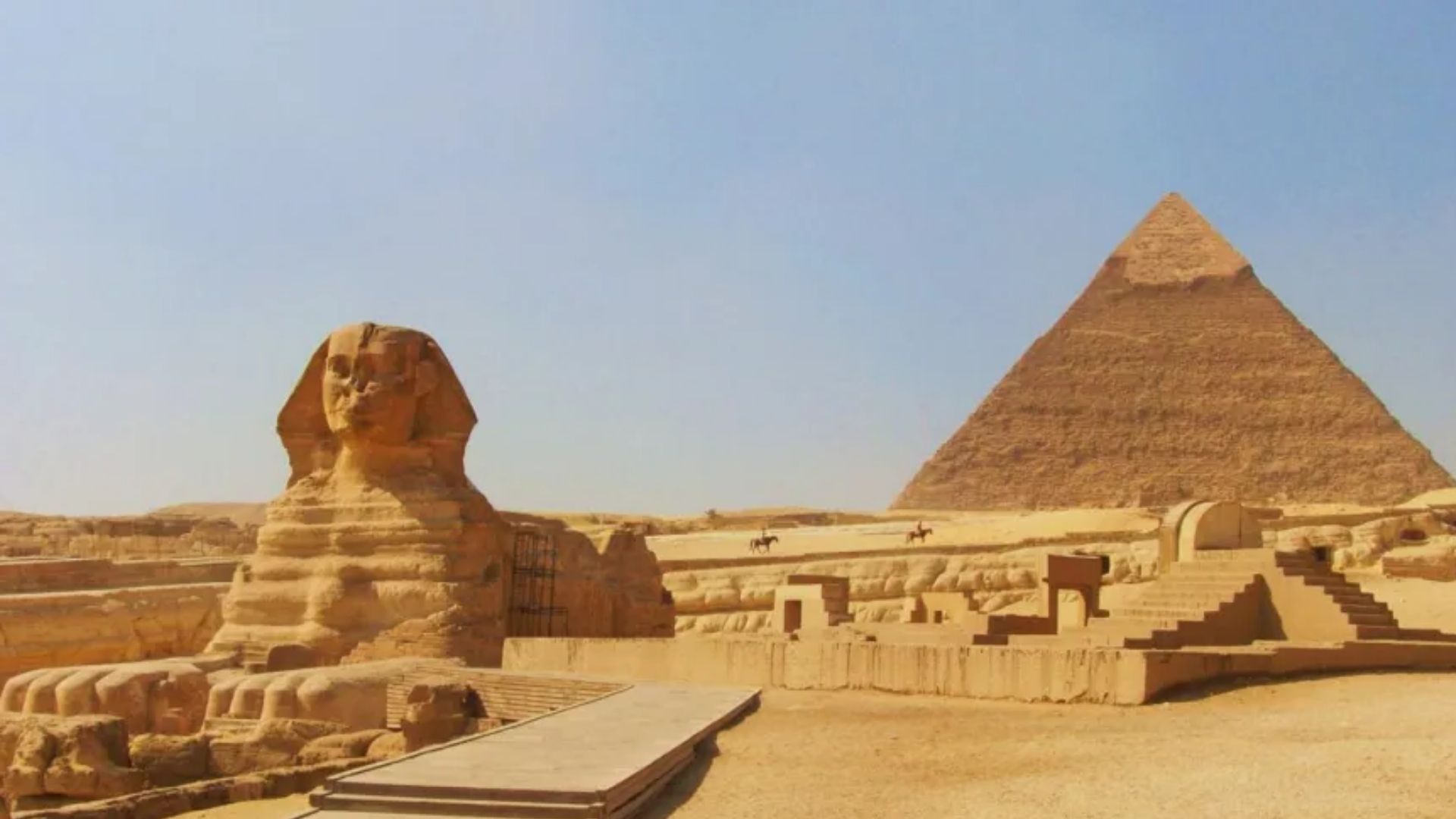
Seeing the Pyramids of Giza in person was unforgettable for me. The massive scale feels unreal, even if you have seen photos before.
The Great Sphinx stands nearby, carved from limestone and full of mystery. I visited early in the morning to avoid heat and crowds. Camel rides are available, and hiring a local photographer helped capture clear views.
2. Saqqara and the Step Pyramid

Saqqara felt calmer and more open compared to Giza when I visited. The Step Pyramid of Djoser is the world’s oldest stone pyramid and marks the beginning of pyramid design.
Walking through the complex gave real insight into early Egyptian engineering. A guided tour made the visit more meaningful by explaining tomb carvings and burial rituals in detail.
3. Dahshur’s Red and Bent Pyramids

Dahshur was one of the quietest pyramid sites I visited. The Red Pyramid and Bent Pyramid show early experiments in pyramid construction.
I was able to walk freely without crowds and even enter the Red Pyramid. This area feels untouched and ideal for travelers who want history without noise, vendors, or heavy tourist traffic.
4. Egyptian Museum of Cairo
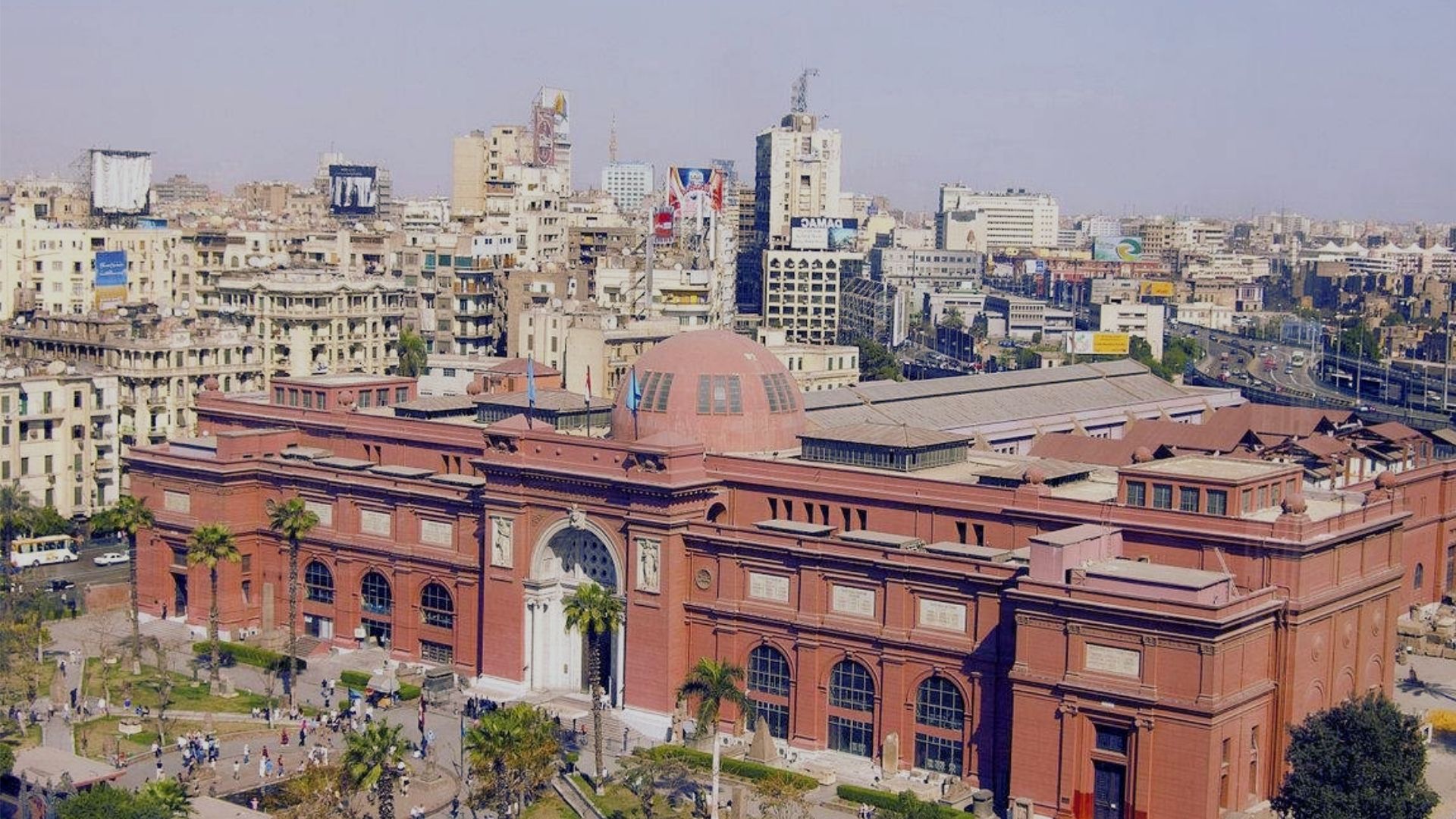
The Egyptian Museum in Tahrir Square holds an enormous collection of ancient artifacts. I focused on Tutankhamun’s treasures, royal mummies, and carved statues.
The museum can feel overwhelming, so I used an audio guide to stay organized. It helped me understand timelines and artifact importance instead of rushing through rooms without context.
5. Coptic Cairo

Coptic Cairo offered a completely different side of the city. I visited the Hanging Church, Ben Ezra Synagogue, and nearby historic churches in one walk.
The area is compact but filled with religious history. Stone pathways and narrow streets require comfortable shoes.
The atmosphere felt peaceful and slower compared to central Cairo, making it easy to visit.
6. Citadel of Saladin & Mosque of Muhammad Ali

The Citadel of Saladin sits high above the city and offers some of the best views I saw in Cairo. Inside, the Mosque of Muhammad Ali stands out with its grand domes and Ottoman-style design.
I spent time walking the courtyard and enjoying the skyline. Visiting in the late afternoon worked well, especially when the light softened across the city.
7. Khan el-Khalili Bazaar
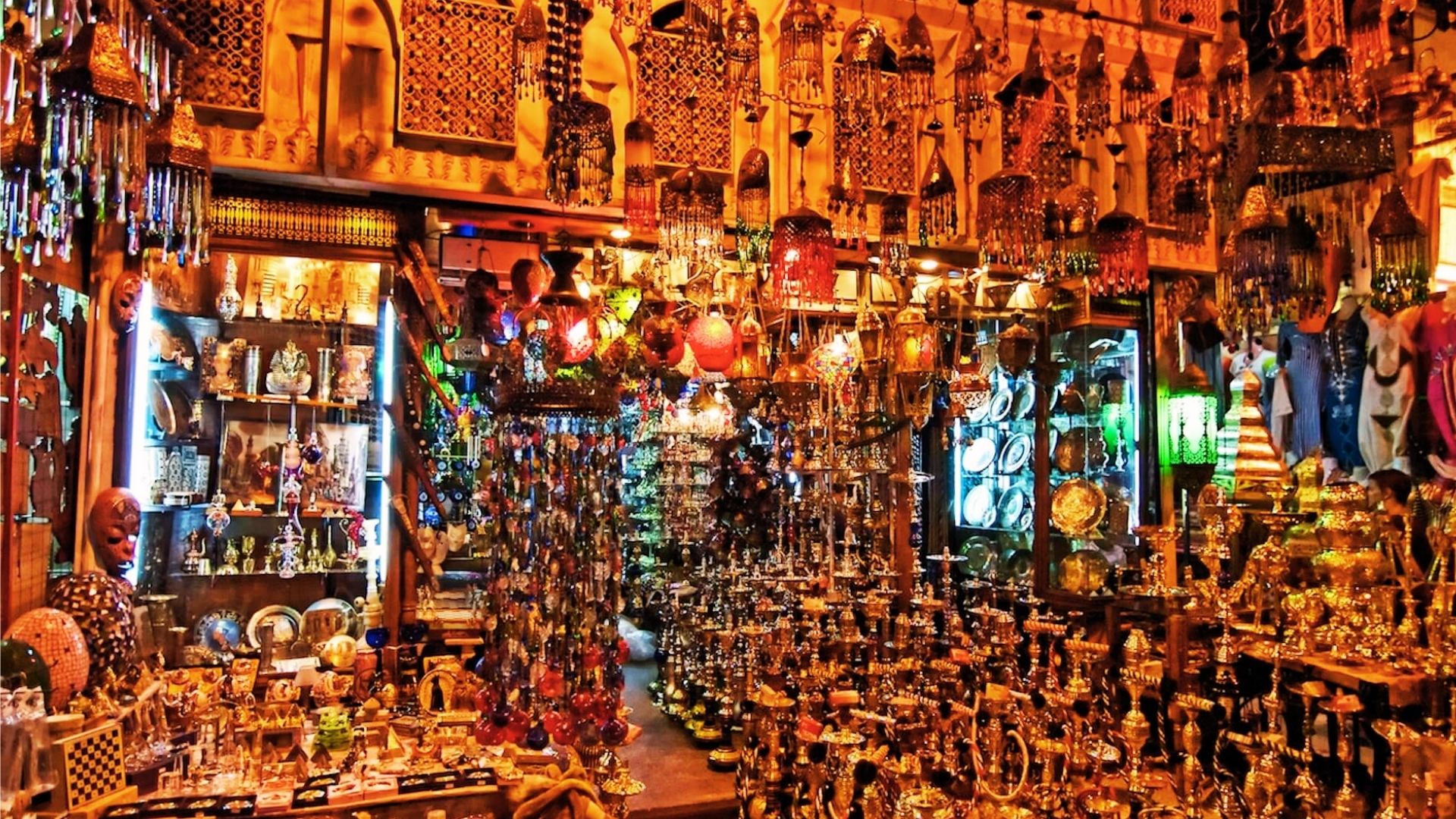
Khan el-Khalili is one of the busiest places I checked out in Cairo. The market is filled with narrow lanes selling spices, jewelry, souvenirs, and handmade goods.
I enjoyed wandering without a plan and stopping for mint tea along the way. Bargaining is expected, but staying polite helps. Even if you don’t shop much, the atmosphere is worth experiencing.
8. Al-Muizz Street
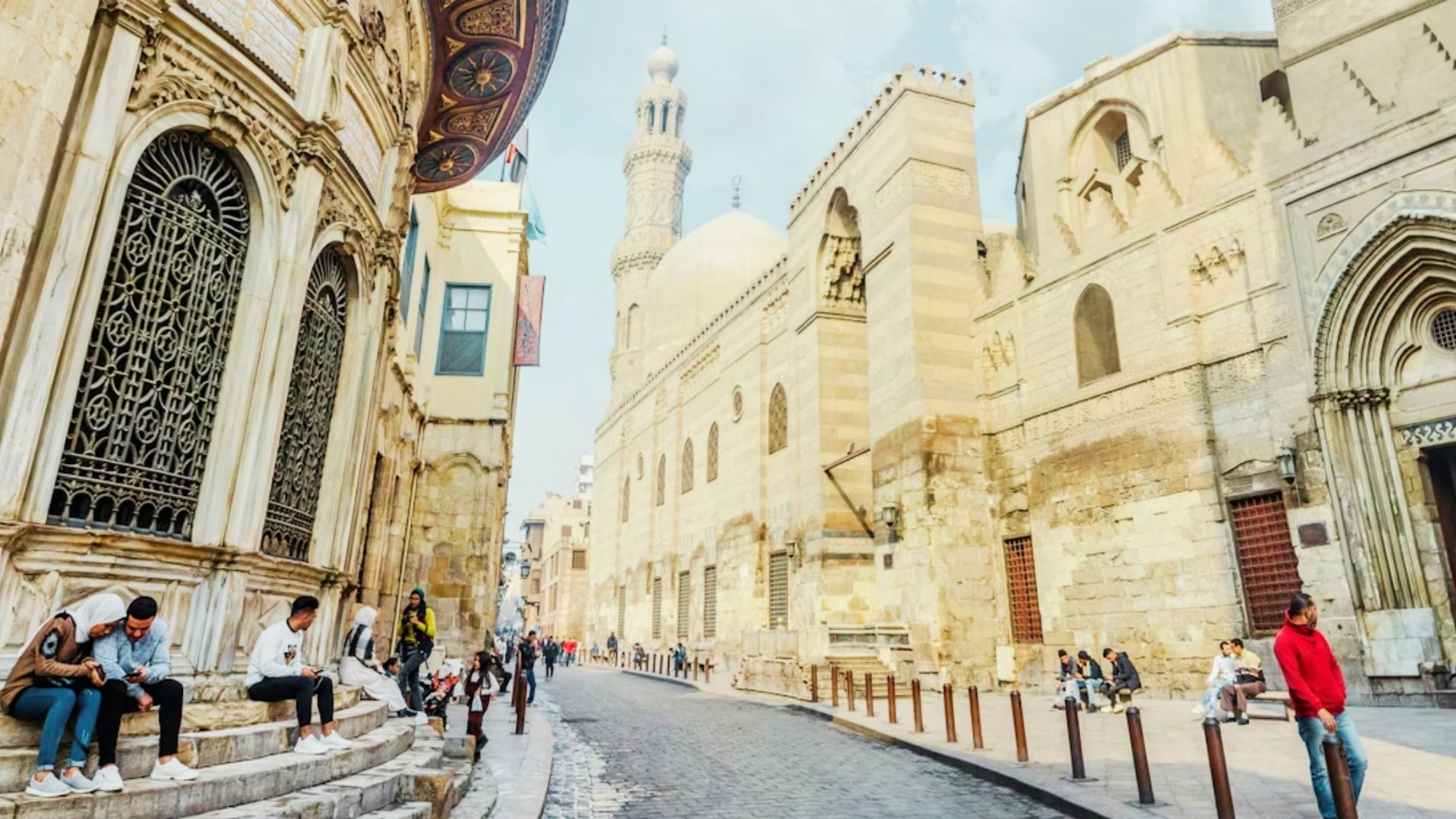
Walking along Al-Muizz Street felt like stepping into medieval Cairo. The street is lined with historic mosques, madrasas, and old buildings that are beautifully preserved.
I visited in the evening when the lights highlighted the architecture. It was easy to check on foot, and there were small cafes nearby where I stopped to rest and watch daily life unfold.
9. National Museum of Egyptian Civilization

The National Museum of Egyptian Civilization felt modern and well organized when I visited.
The main highlight was the Royal Mummies Hall, where ancient rulers are displayed respectfully and clearly explained.
I liked how the museum focused on Egypt’s full history, not just the pharaohs. It was less crowded than other museums and easy to navigate without rushing.
10. Nile River Felucca Ride

Taking a felucca ride on the Nile gave me a slower view of Cairo that felt refreshing after busy sightseeing.
The traditional sailboat moves quietly across the river, without engine noise. I chose a sunset ride, which made the weather cooler and the views softer.
It’s a simple experience, but it shows the city from a calm and different perspective.
11. Cairo Tower

Visiting Cairo Tower gave me one of the widest views of the city in one place. From the top, I could see the Nile, downtown Cairo, and surrounding neighborhoods.
I went close to sunset to avoid the heat and crowds. The observation deck is the main highlight and doesn’t take long, making it easy to fit into the day.
12. Al-Azhar Park
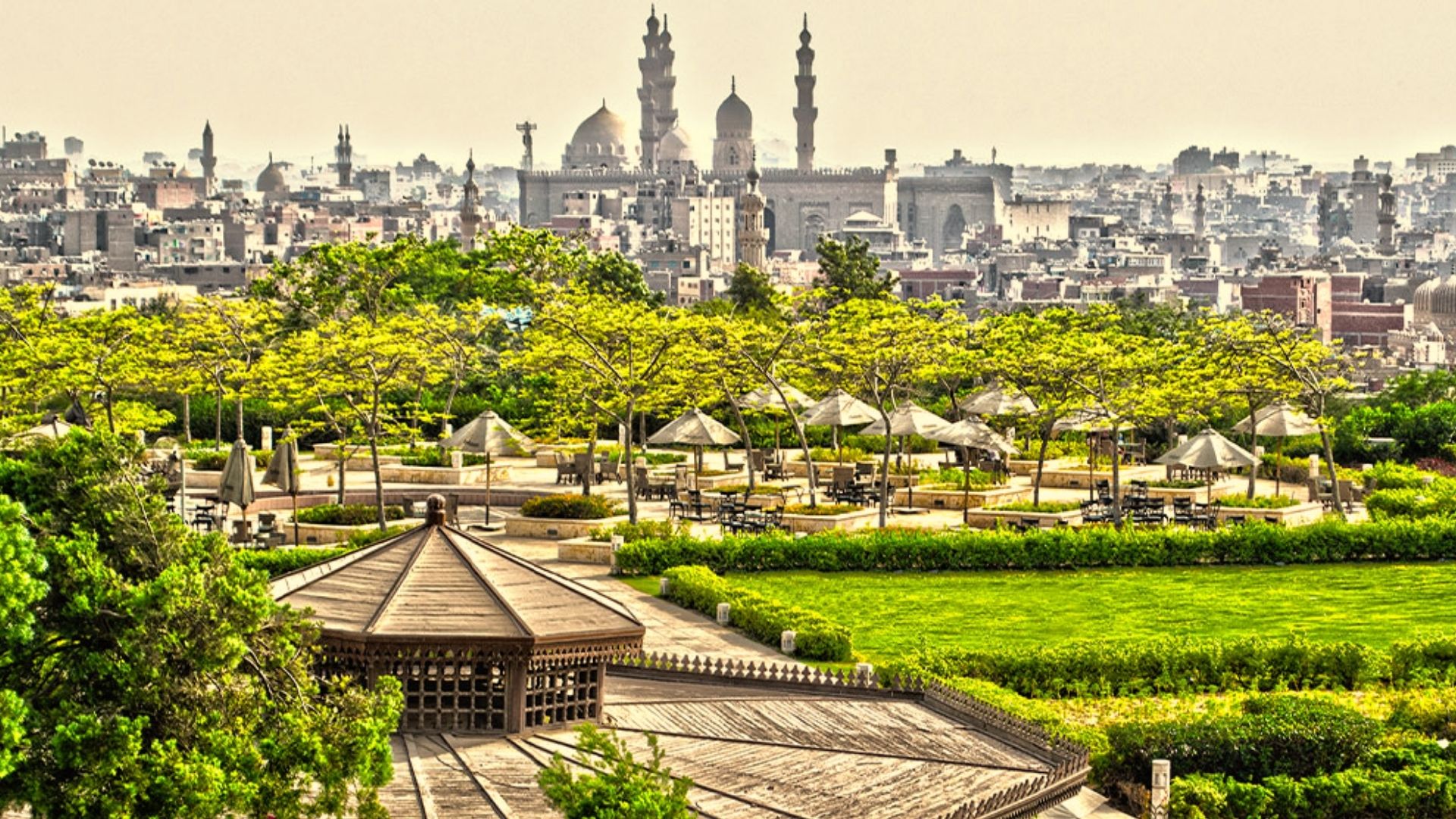
Al-Azhar Park felt like a peaceful break from Cairo’s traffic and noise. The park has open green spaces, walking paths, and viewpoints overlooking the city skyline.
I visited in the late afternoon when the temperature dropped slightly. It was a good place to rest, walk slowly, and enjoy a calmer side of Cairo between major attractions.
13. Mosque of Ibn Tulun

The Mosque of Ibn Tulun stood out for its size and quiet atmosphere. I checked out the wide courtyard and noticed the simple, open design compared to other mosques.
Climbing the spiral minaret gave me an uncommon view of the city. The site was less crowded, which made it easier to take time and visit without feeling rushed.
14. Zamalek Neighborhood

Zamalek showed me a more modern and relaxed side of Cairo. I walked through tree-lined streets, visited small art galleries, and stopped at local cafés.
The area feels calmer than central Cairo and is easy to chaec out on foot. It’s a good place to slow down, especially in the evening, and enjoy the city at a lighter pace.
15. Cairo at Night

Visiting Cairo at night felt very different from the daytime experience. I walked through Khan el-Khalili, saw historic mosques lit up, and sat at a café for tea.
The cooler air made walking more comfortable. Nighttime shows a lively but less rushed side of the city that many visitors miss during the day.
16. Grand Egyptian Museum

Visiting the Grand Egyptian Museum was one of the highlights of my trip. The museum is vast, with over 100,000 artifacts, including Tutankhamun’s treasures.
I spent hours exploring the exhibits, and the layout made it easy to understand Egypt’s history.
The modern displays and interactive features brought the ancient world to life, and I especially enjoyed the spacious halls without the crowds of older museums.
17. Museum of Islamic Art

The Museum of Islamic Art impressed me with its detailed collection of calligraphy, ceramics, and textiles.
Walking through the rooms felt like a path through centuries of Islamic history. I appreciated how each section was well-organized, helping me follow the timeline of artistic development.
The quiet atmosphere allowed me to focus on intricate patterns and designs that I would have missed elsewhere.
18. Sahel & Mokattam Hills

Climbing the Mokattam Hills gave me a different perspective of Cairo. From the top, the city stretches across the horizon with the Nile cutting through it.
I visited early in the morning to enjoy cooler temperatures and soft sunlight. The views are breathtaking, and it feels less touristy than other lookout points.
Walking the small trails around the hills was peaceful and refreshing.
19. Abdeen Palace Museum

Abdeen Palace Museum offered a glimpse into Egypt’s royal history. The palace is beautifully maintained, with ornate rooms, antique furniture, and detailed artwork.
I spent time walking through halls and imagining life during Egypt’s monarchy. Guided explanations helped me understand the significance of key artifacts.
The quiet atmosphere made it easy to visit without feeling rushed or distracted.
20. Prince Mohamed Ali Palace & Museum of Musical Instruments

Visiting Prince Mohamed Ali Palace was like stepping back in time. The palace features intricate architecture, historic furniture, and decorative artwork.
I also visited the small Egyptian Museum of Musical Instruments inside, which showcased rare traditional instruments.
The combination gave me both historical and cultural insight. Walking through the rooms, I could imagine the lifestyle of Egypt’s elite in the past.
21. Coptic Museum
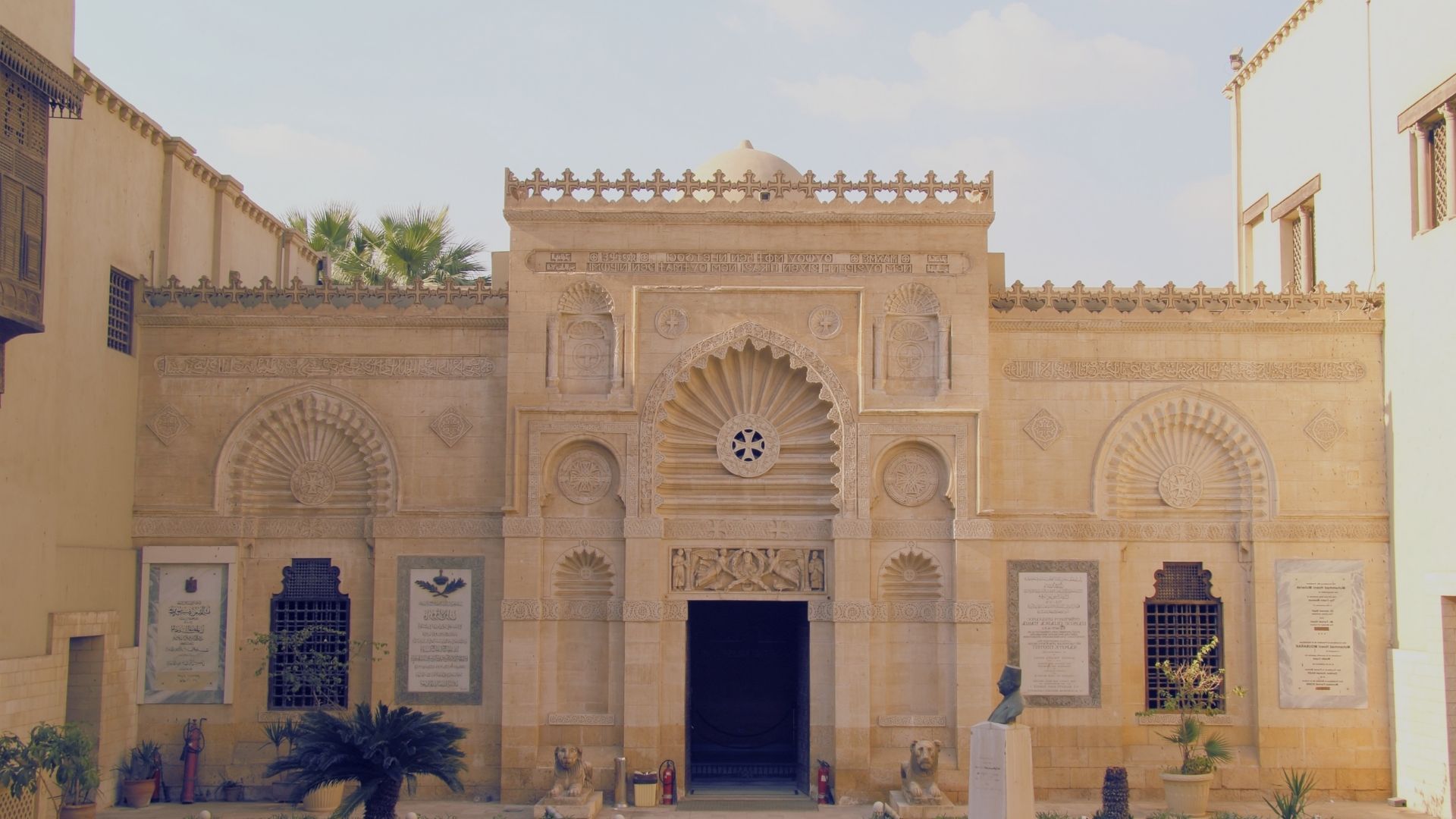
Visiting the Coptic Museum gave me a deep appreciation for Egypt’s Christian history. The museum displays ancient icons, manuscripts, and religious artifacts in well-organized halls.
Walking through, I could see how traditions evolved over centuries. The quiet space allowed me to study details without feeling rushed, and I especially enjoyed the intricate wood carvings and textiles that reflected the craftsmanship of earlier generations.
22. Gayer-Anderson Museum

The Gayer-Anderson Museum felt like stepping into a historic Cairo home. I visited its decorated rooms, traditional furniture, and beautiful courtyards.
The museum’s layout made it easy to see daily life during the 17th century. I enjoyed reading about the history behind each room and imagining how residents lived.
The calm atmosphere and one of a kind architecture made it one of my favorite stops in Cairo.
23. Museum of Egyptian Musical Instruments

The Museum of Egyptian Musical Instruments was a fascinating, smaller museum I stumbled upon.
It displays instruments from ancient times to modern eras, showing how music evolved in Egyptian culture.
I liked that it was quiet and easy to navigate. Hearing recordings of traditional music while checking the instruments made the visit more engaging, giving me a sense of Egypt’s rich musical history.
24. Bab Zuwayla

Bab Zuwayla is one of Cairo’s oldest gates and a stunning example of medieval architecture. I climbed to the top to see the city walls and narrow streets below.
Walking around, I could picture the bustling markets and historic life that surrounded the gate centuries ago.
It’s less crowded than other historic sites, which made exploring more relaxed and gave me plenty of time to take photos.
25. Museum of Islamic Art in Cairo

The Museum of Islamic Art in Cairo is impressive for its vast collection of artifacts, including ceramics, metalwork, and textiles.
I spent hours exploring, appreciating the intricate designs and historical context. The exhibits are well-labeled, which helped me understand different periods of Islamic history.
Visiting this museum gave me a new perspective on Egypt’s cultural diversity beyond the pharaohs and pyramids.
Practical Travel Tips
Cairo can be busy and overwhelming, so a few practical tips make your visit easier and more enjoyable. These simple guidelines will help you stay comfortable, safe, and respectful while exploring the city.
- Best Time to Visit: October to April (cooler months, less humidity).
- Transportation: Use Uber or Careem, hire private drivers for day trips, avoid traffic during rush hours.
- Dress Code: Wear modest clothing, especially at religious sites.
- Footwear: Comfortable shoes are essential for walking around historical areas.
- Safety & Local Etiquette: Stay hydrated, respect local customs, and negotiate prices politely when shopping.
Suggested Itineraries to Travel in Cairo
Cairo has so much to offer that planning your days helps you see the best sights without feeling rushed.
Here are a couple of suggested itineraries for 2 or 3 days to experience history, culture, and local life:
48 Hours in Cairo
- Day 1: Pyramids of Giza, Great Sphinx, Grand Egyptian Museum, Nile dinner cruise.
- Day 2: Coptic Cairo, Citadel of Saladin, Khan el-Khalili bazaar, evening at the Cairo Opera House.
3-Day Cultural & Venture Mix
- Day 1: Giza Pyramids and Saqqara, lunch at Pyramid Cave.
- Day 2: Museums and Citadel, Al-Azhar Park, Nile felucca ride.
- Day 3: Day trip to Dahshur or Memphis, dinner in Zamalek.
Conclusion
Visiting Cairo was an unforgettable experience filled with history, culture, and vibrant city life.
From standing in awe at the Pyramids of Giza to exploring quiet corners of Coptic Cairo, every moment offered something new and memorable.
I loved wandering through bustling markets, cruising the Nile, and enjoying peaceful views from the Citadel.
Planning your days and following practical tips makes exploring easier and more enjoyable. Cairo truly has something for everyone.
Start planning your trip and learn all these the best things to do in Cairo today!
Frequently Asked Questions
What is the best time to visit Cairo?
The best time to visit Cairo is from October to April when the weather is cooler and humidity is lower. This makes sightseeing more comfortable and enjoyable.
Are the Pyramids of Giza open all year?
Yes, the Pyramids of Giza are open year-round. Visiting early in the morning is recommended to avoid crowds and the heat of midday.
Is Cairo safe for tourists?
Cairo is generally safe for tourists. Exercise caution in crowded areas, stay aware of your surroundings, and follow local customs to ensure a smooth visit.
How much time should I spend at each attraction?
Major attractions like the Pyramids or the Egyptian Museum typically take 2–3 hours. Smaller sites, streets, or neighborhoods may require 1–2 hours, including time for walking and photos.
What is the best time to visit the Pyramids?
The ideal time to visit the Pyramids of Giza is early in the morning after they open. This allows you to visit comfortably, avoid crowds, and capture great photos in soft light.
