


I still remember the first time I heard about Biscayne National Park. A place just 25 miles from Miami, yet it felt worlds away from the city noise. Most people don’t even know it exists.
This guide covers 11 things to do in Biscayne National Park, from snorkeling coral reefs to cruising past historic stilted houses.
I will walk you through how to get there, when to go, and where to stay. I have done the research so you don’t have to. Let’s get into it.
Complete Guide to Visiting Biscayne National Park
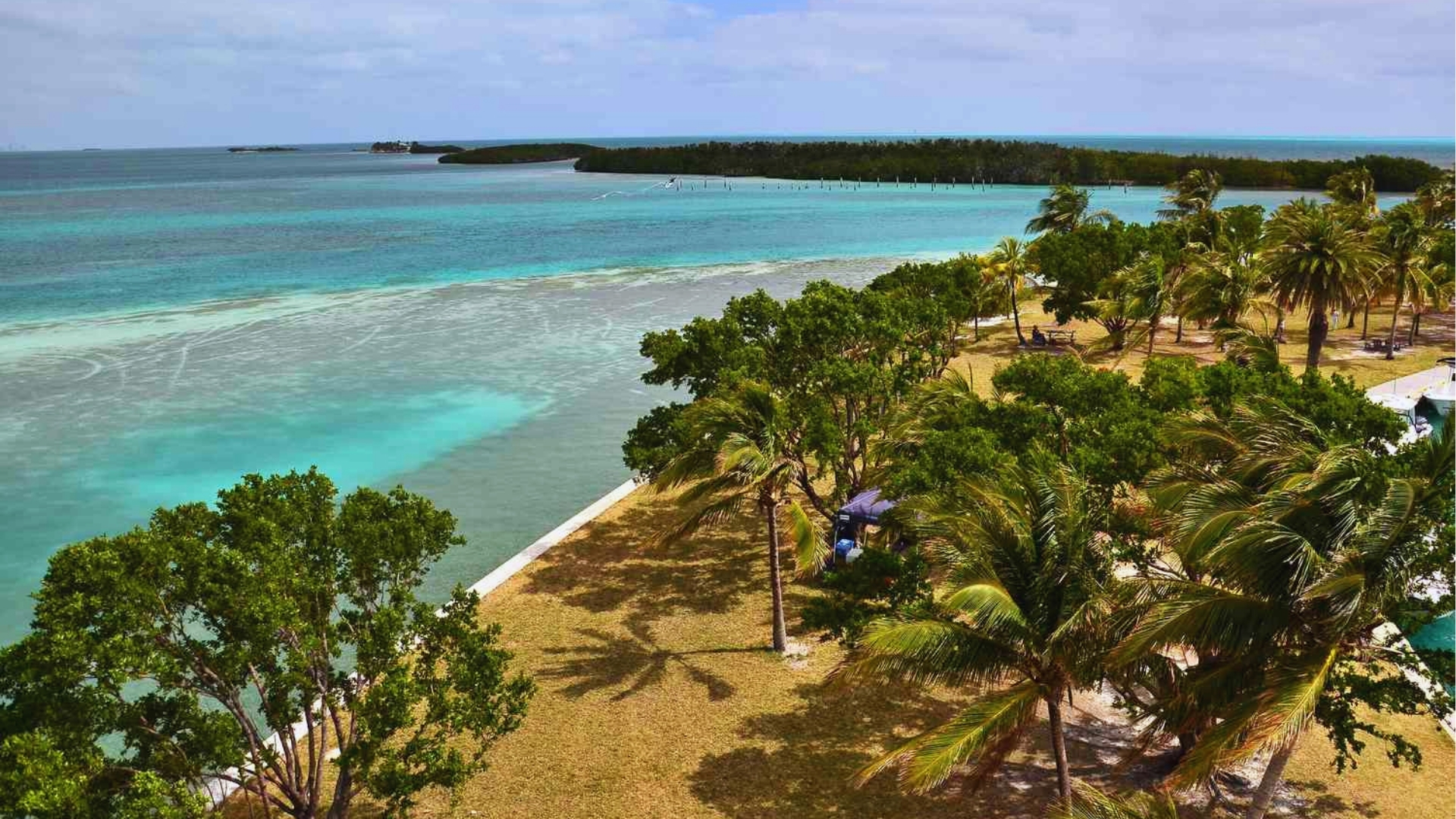
Biscayne National Park sits just 25 miles south of Miami in Homestead, Florida. It covers 172,971 acres, and about 95% of that is water.
The rest is made up of keys, shoreline, and mangroves. The park is open daily, entrance is free, and fees only apply for tours, boat rentals, and camping.
What most first-timers don’t know is that you need a boat to see the best parts. Without one, you are stuck near the mainland at Convoy Point.
The park looks small on a map but feels massive once you are out on the water. Plan ahead and it pays off.
How to Get to Biscayne National Park
Getting here is straightforward once you know which entrance to use.
The main entrance is at Convoy Point in Homestead, Florida. From Miami, take Florida’s Turnpike south to Exit 6, then head east on North Canal Drive. It takes about 45 minutes from downtown Miami.
The closest airports are Miami International Airport (MIA) and Fort Lauderdale-Hollywood International Airport (FLL). Both are roughly an hour away.
There is no direct public transit to the park. Most visitors rent a car or join a guided tour that includes transport.
11 Things to Do in Biscayne National Park
From snorkeling reefs to kayaking lagoons, this park packs more into its waters than most parks do on land.
1. Visit the Dante Fascell Visitor Center
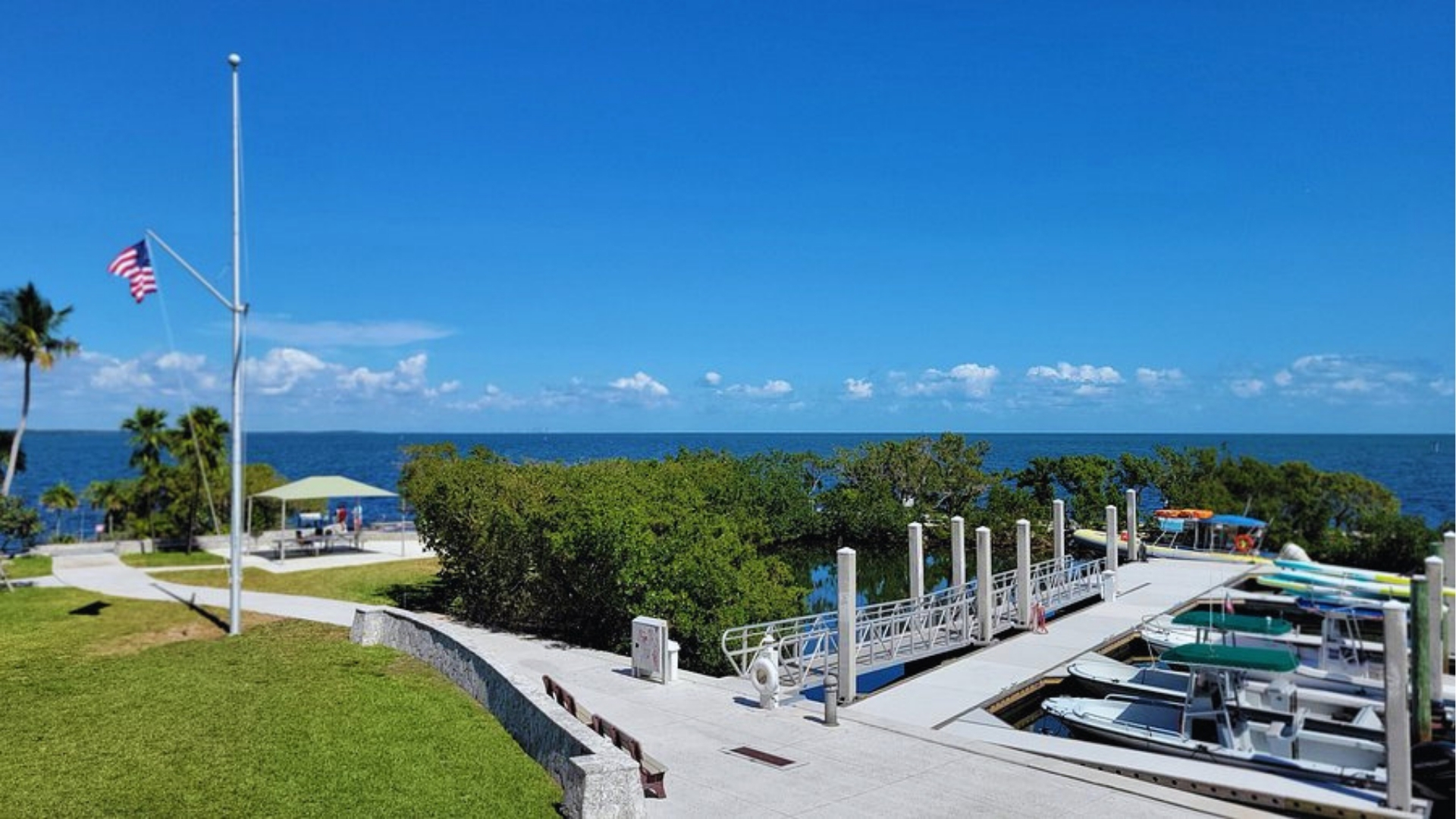
Start here. The visitor center at Convoy Point is free to enter and gives you a solid overview of the park. There are exhibits on the coral reef ecosystem, local history, and wildlife.
Staff here can help you plan your day and point you toward current conditions. It is a good first stop, especially if you are new to the park.
2. Walk the Convoy Point and Jetty Trail
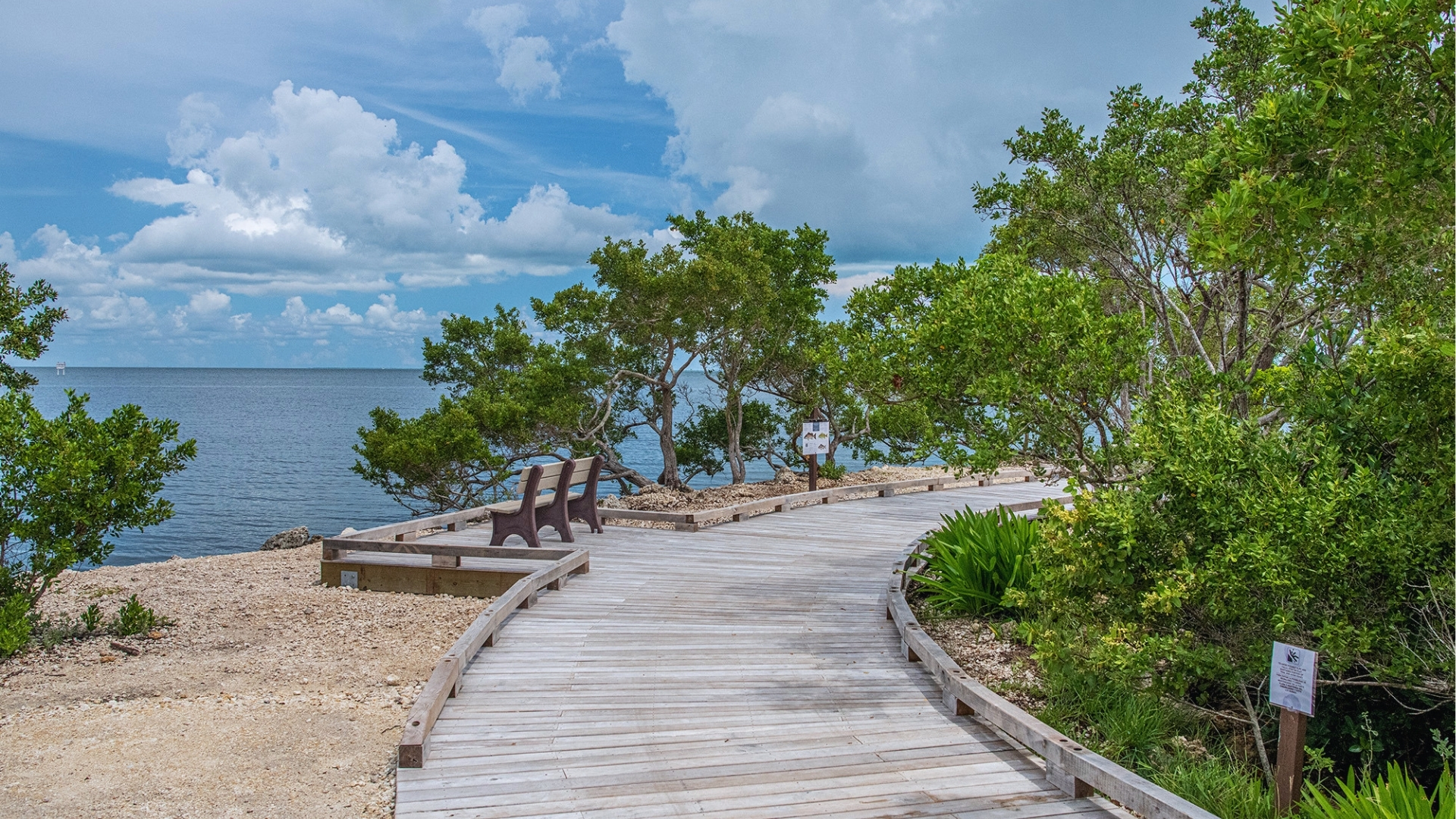
This short trail runs along the shoreline near the visitor center. It is one of the few things you can do without a boat.
The jetty gives you clear views of Biscayne Bay. It is easy, flat, and great for birdwatching. Good option if you arrive early and are waiting for a tour.
3. Visit Boca Chita Key
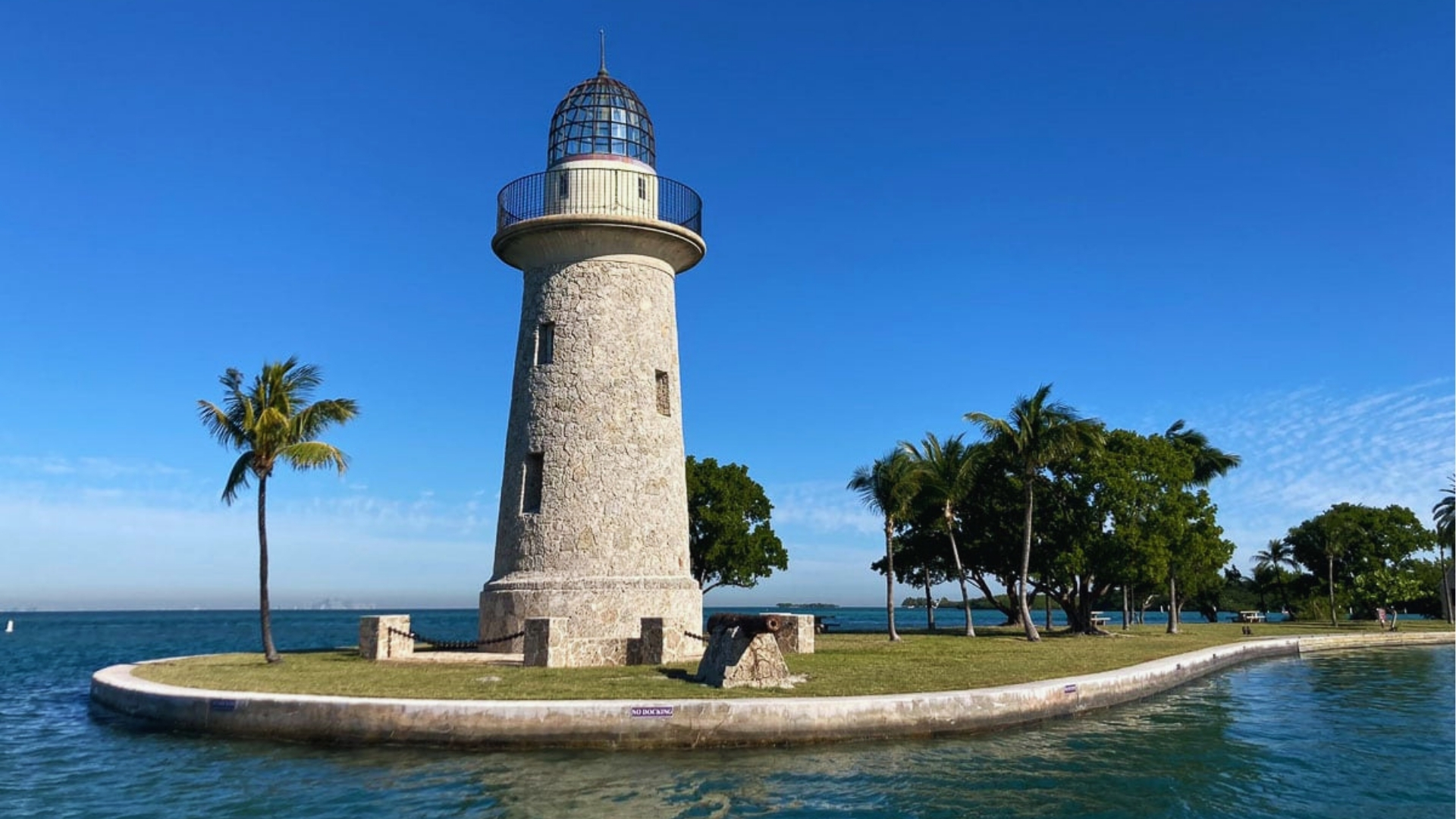
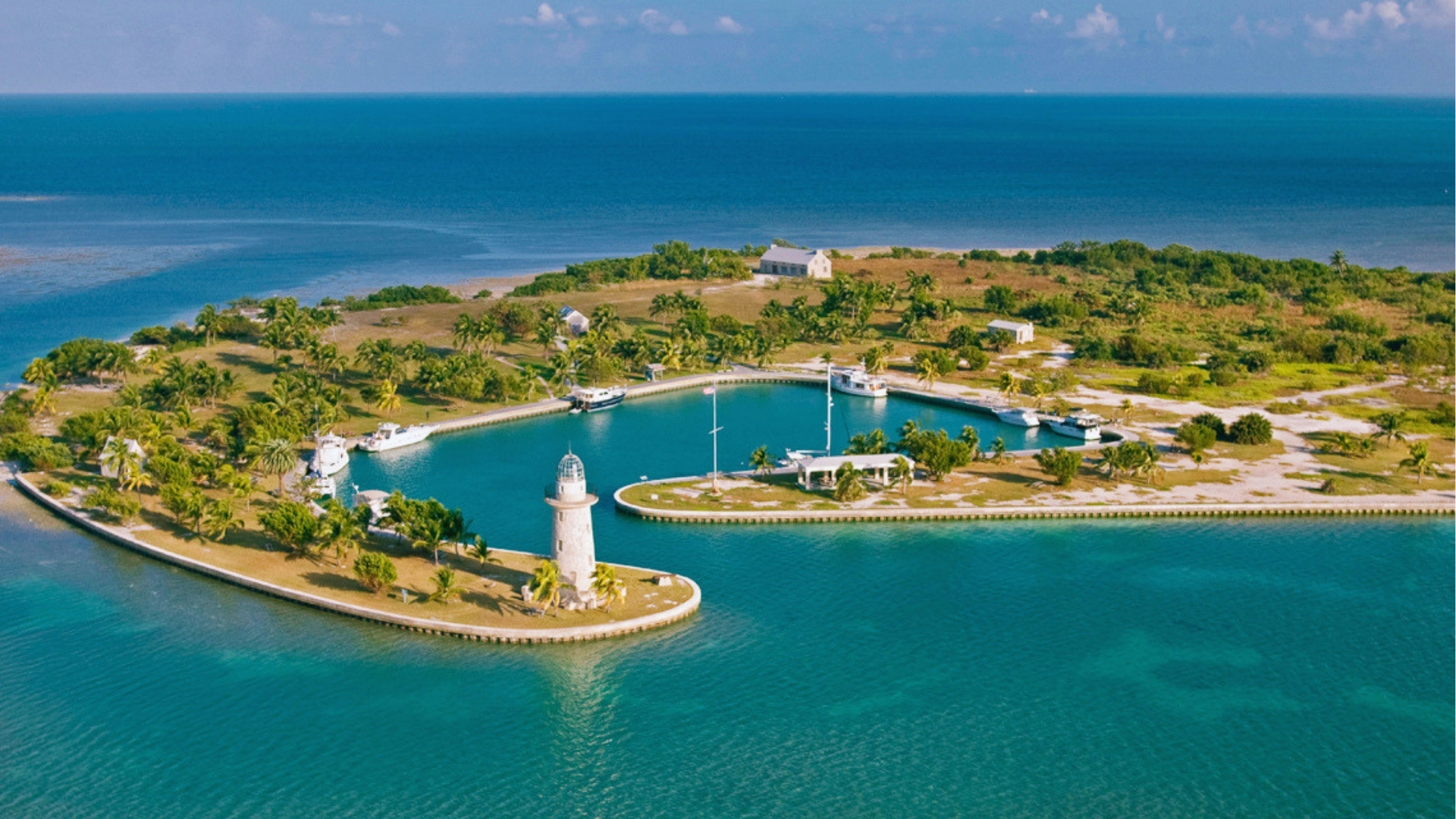
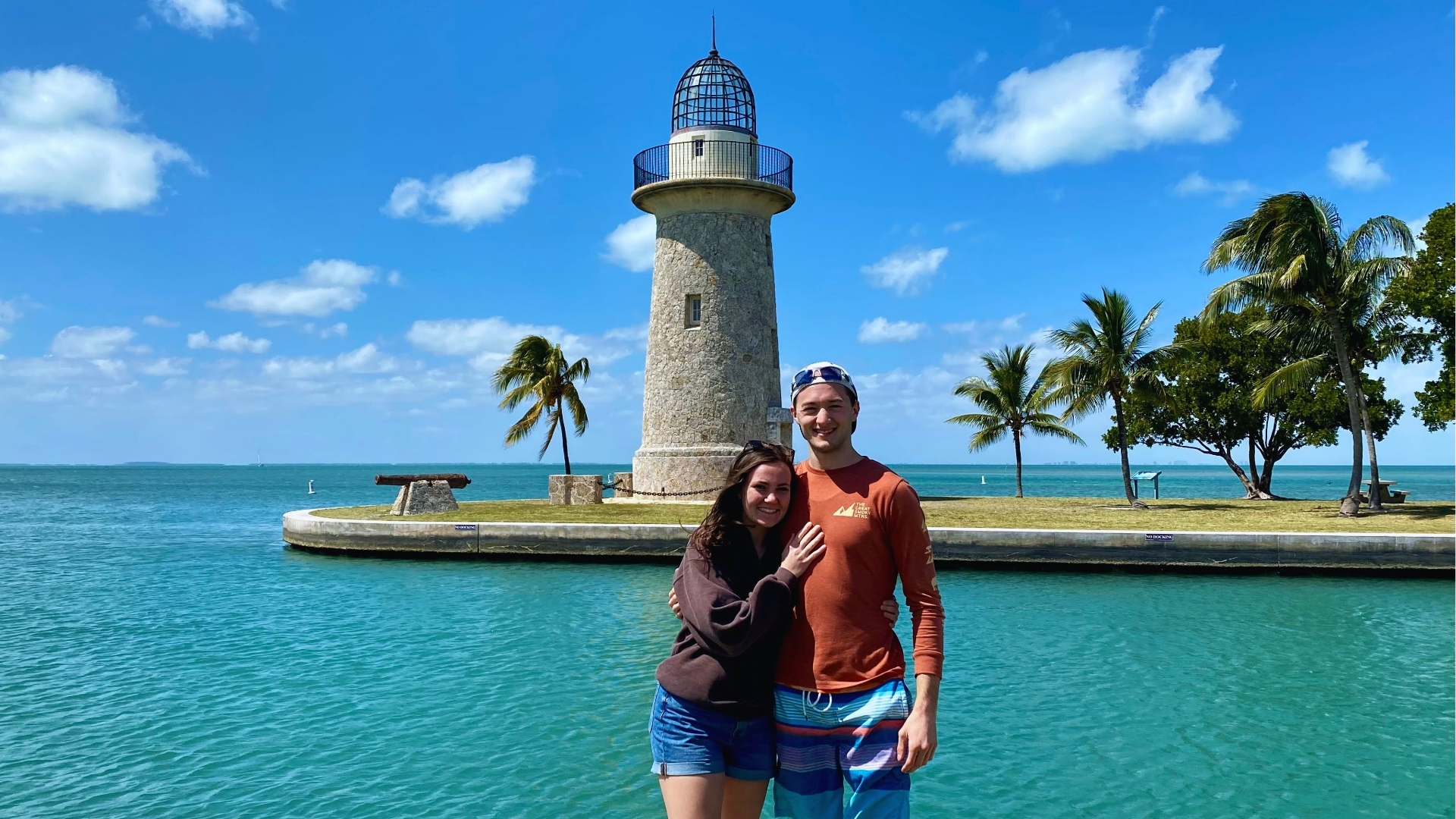
Boca Chita Key is one of the most visited spots in the park. It has a decorative lighthouse, a small harbor, and picnic areas.
You can camp here overnight too. The key has a bit of history, having once been a private retreat. Getting here requires a boat or tour, but the trip is worth it.
4. Visit Elliott Key
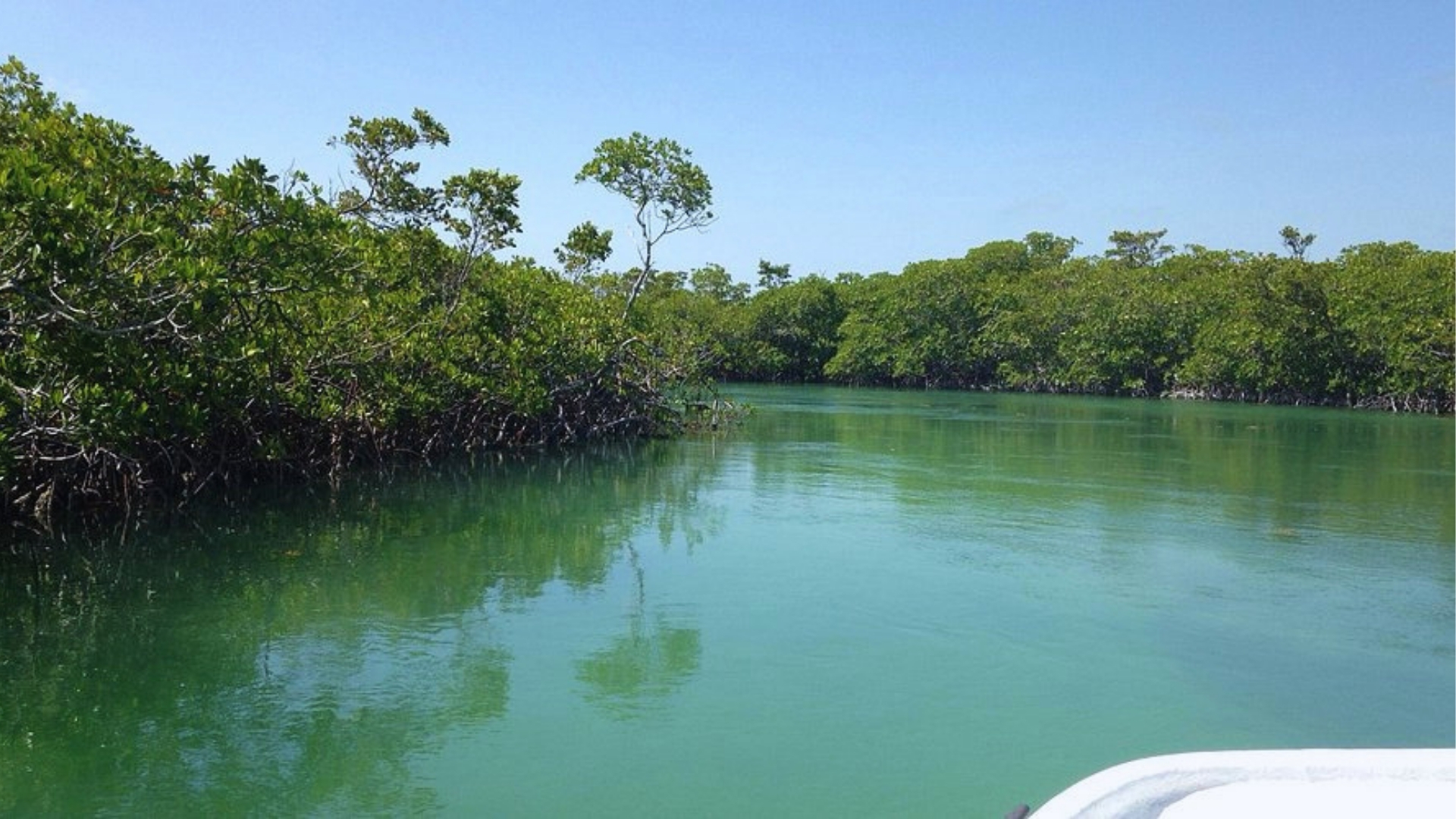
Elliott Key is the largest of the park’s keys. It has a campground, restrooms, a visitors dock, and a trail that runs through native hardwood forest.
It is quieter than Boca Chita and great if you want to spend a full day away from the mainland. The trail, known as Spite Highway, is a straight path through the trees.
5. Stop by Adams Key
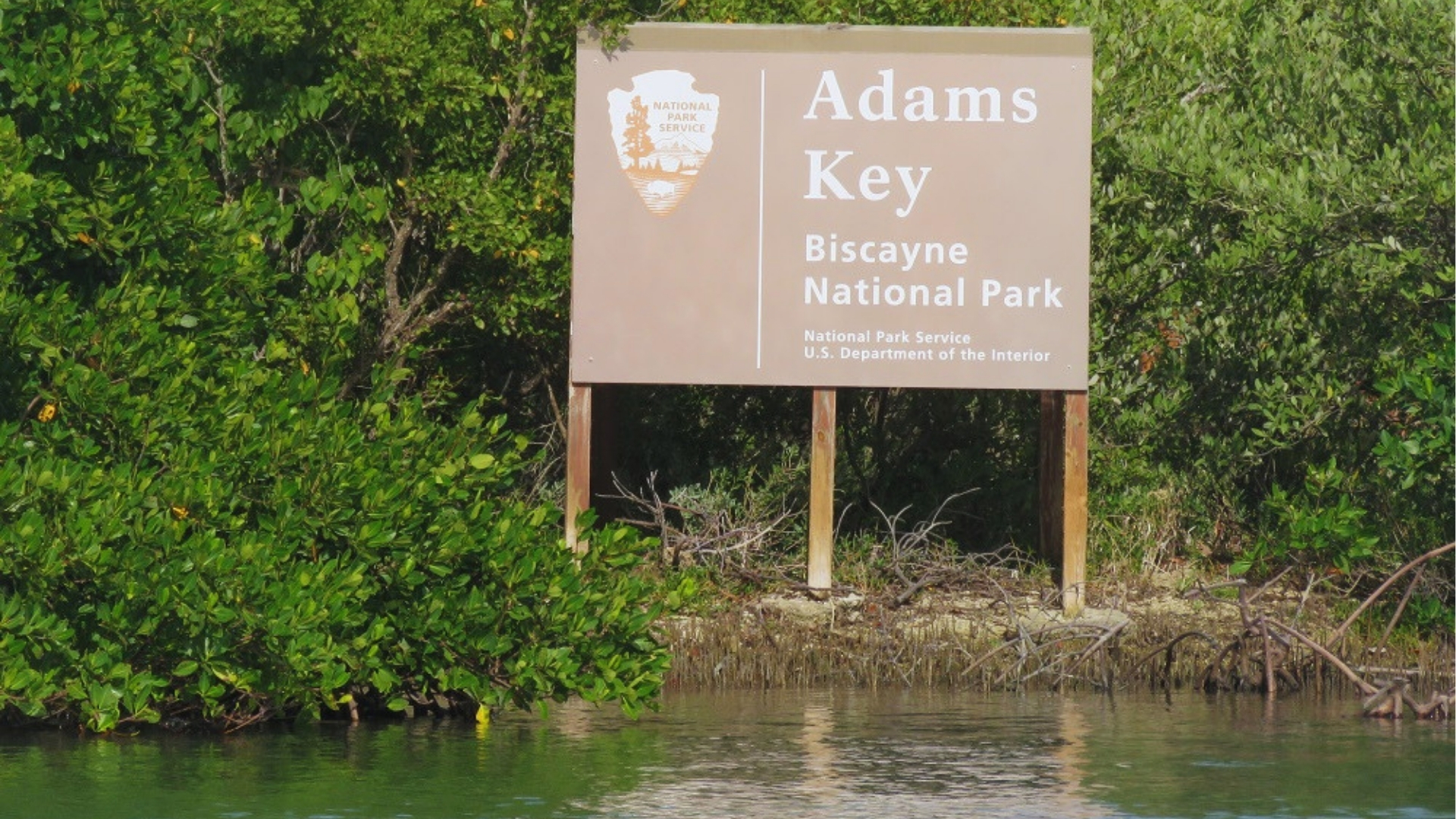
Adams Key is smaller and less visited. It used to be the site of a private club and is now a day-use area. There is a short loop trail and some picnic tables.
It is a calm spot with good views and easy access if you are already out on the water.
6. Kayak or Paddleboard in Jones Lagoon
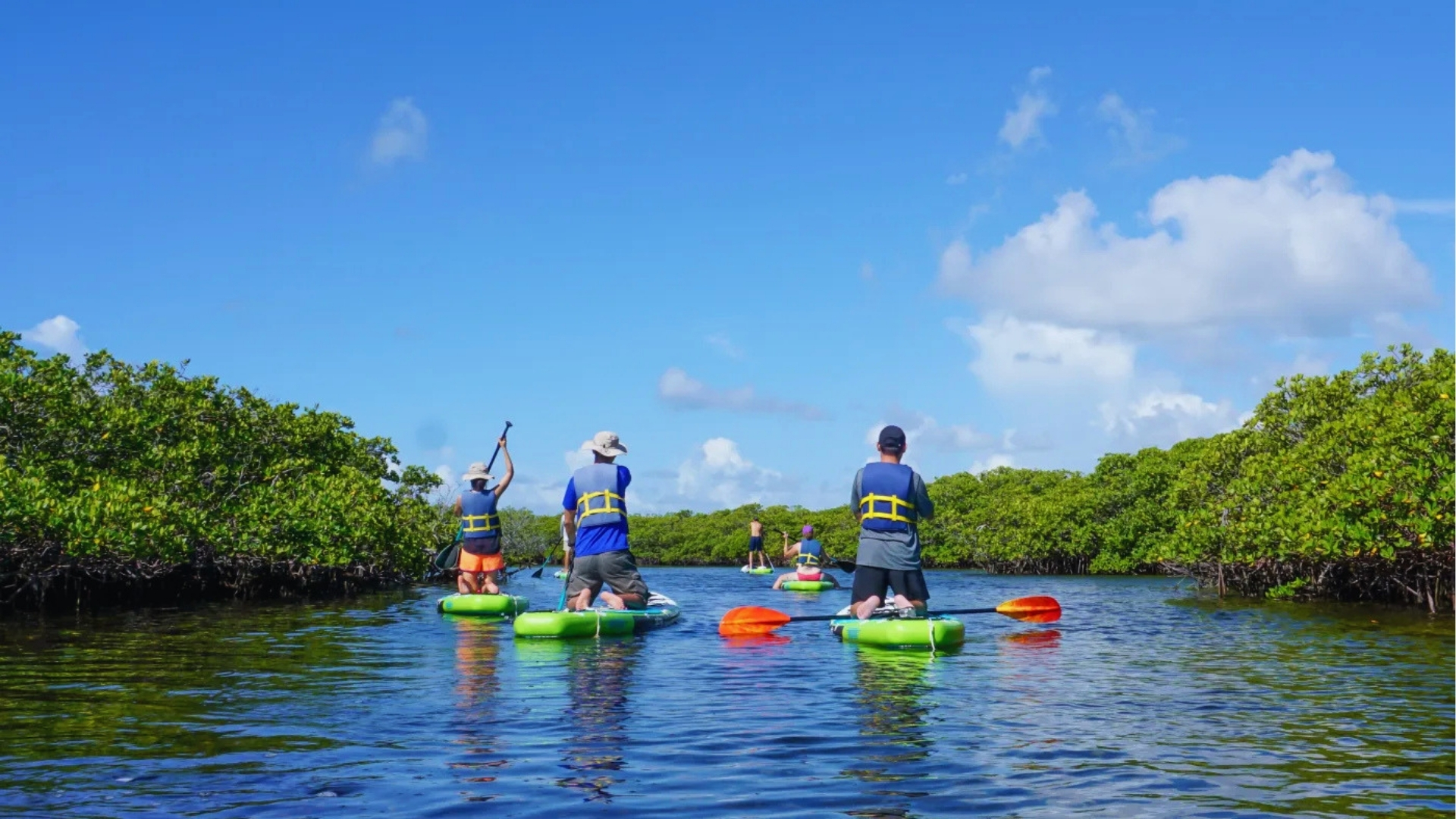
Jones Lagoon is one of the most peaceful spots in the park. It sits between two keys and is protected from wind and boat traffic.
Paddling through here feels like being in a private corner of the world. Look out for manatees, rays, and herons. You can rent kayaks or paddleboards through the park’s concessioner.
7. Snorkel the Coral Reefs
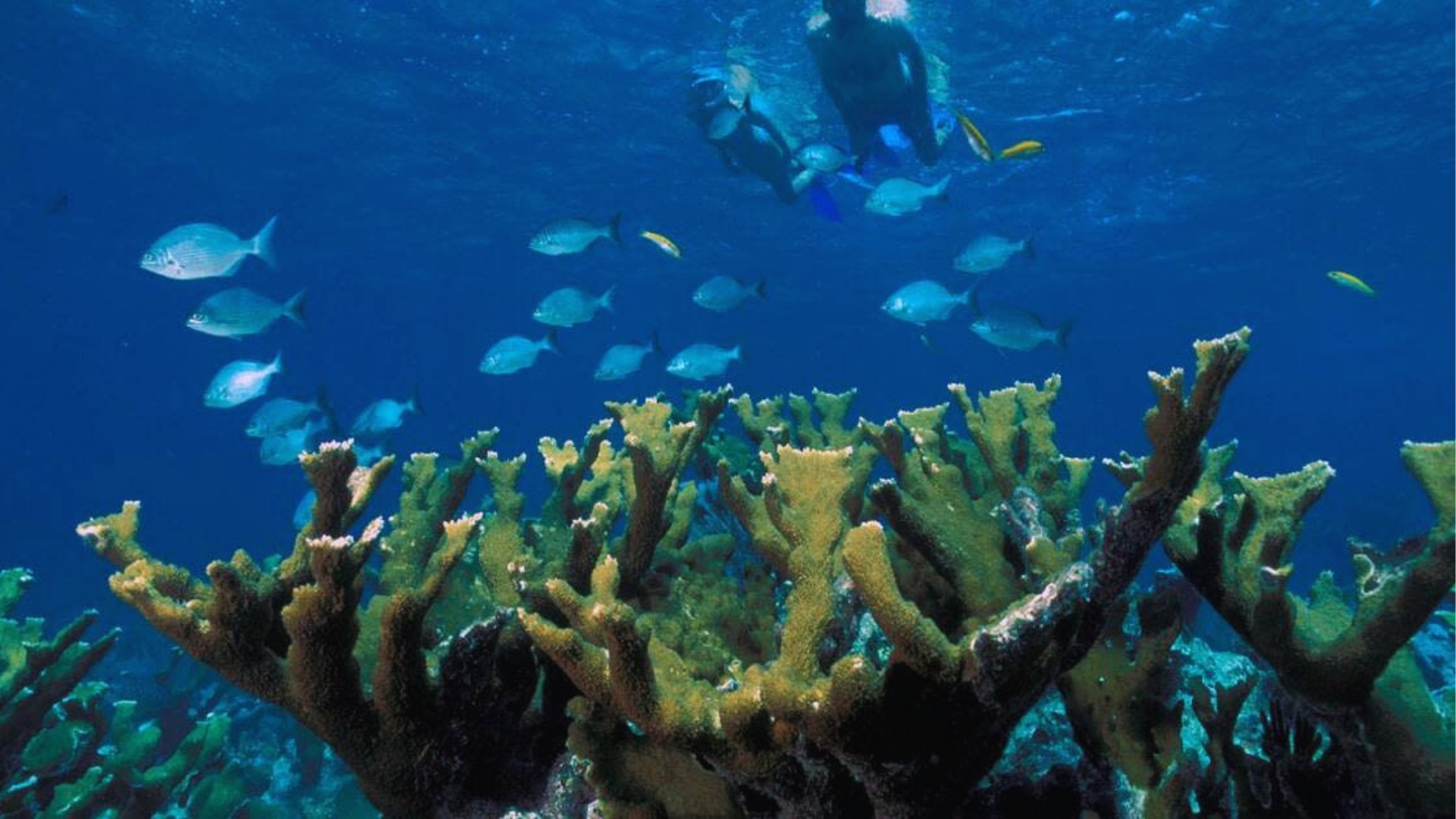
Biscayne holds part of the only living coral reef system in the continental U.S. Snorkeling here puts you right on top of that reef.
You will see parrotfish, angelfish, and sea turtles if you are lucky. The water clarity is best from December through April. Guided snorkel tours leave from Convoy Point and include all gear.
8. Find the Maritime Heritage Trail (Shipwrecks)
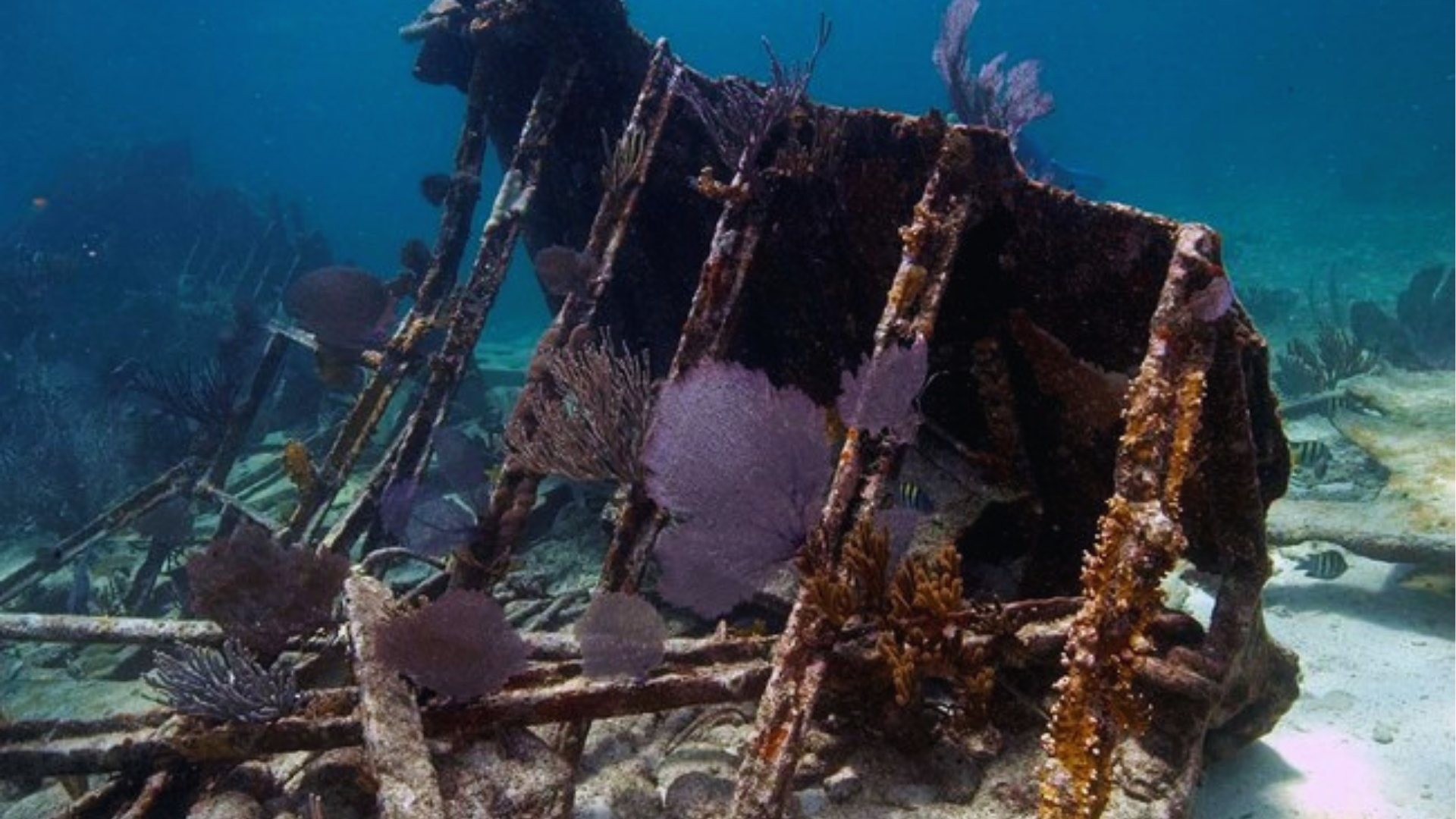
This is one of the most interesting things the park has to offer. There are six shipwrecks within the park boundaries, all accessible by snorkel or scuba.
Each wreck has been marked with plaques that you can read underwater. It feels like an open-air museum beneath the surface. Dive tours are available through the park concessioner.
9. Cruise Through Stiltsville
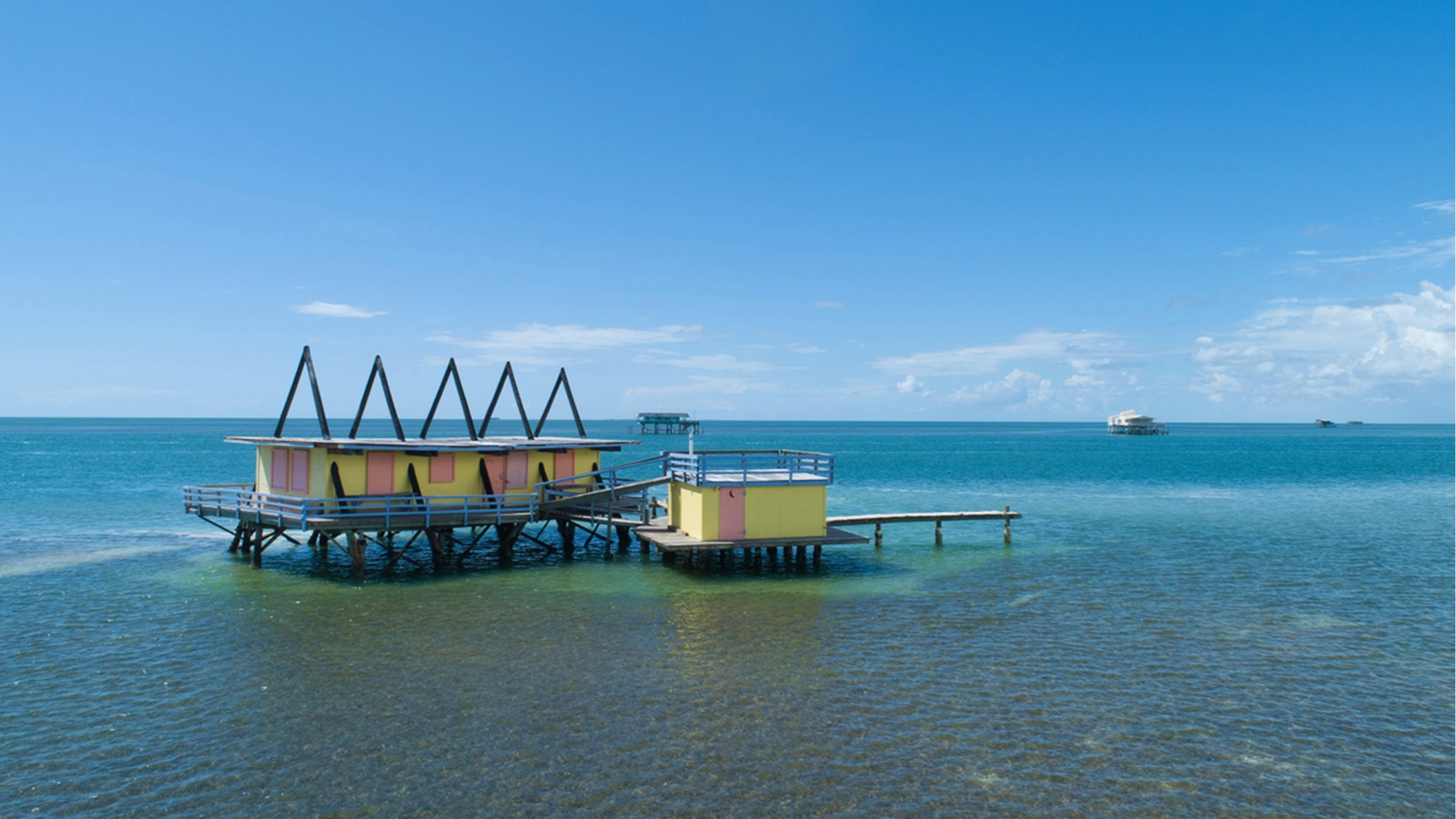
Stiltsville is a collection of houses built on stilts in the middle of the bay. There are seven structures still standing, all managed by a nonprofit.
You cannot go inside, but a boat cruise past them is worth it. The history behind Stiltsville involves fishing camps, gambling halls, and legal battles. Most tour boats pass through this area.
10. Go Wildlife Watching
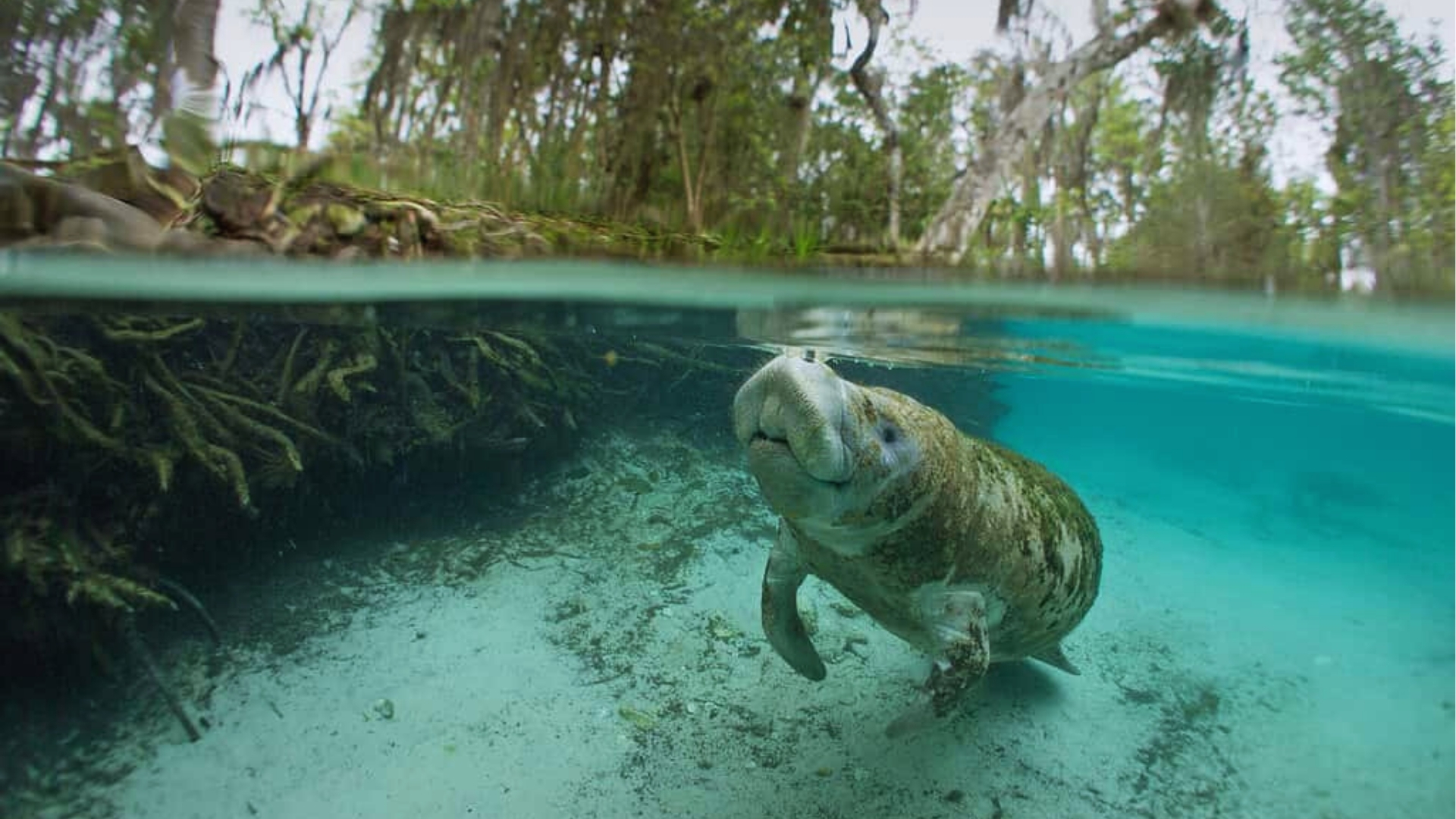
The park is home to manatees, American crocodiles, dolphins, and over 170 bird species. Bald eagles nest here in winter.
The mangrove shoreline is especially rich with life. Early mornings are best. Bring binoculars and a camera with a zoom lens.
11. Stay for Sunset Views

Biscayne Bay turns golden at sunset. From the jetty, the keys, or any boat on the water, the view is hard to beat.
If you time your visit right, you can catch the sun going down behind the Miami skyline in the distance. It is one of those moments that stays with you.
How to Get Around Biscayne National Park

Most of the park is water, so knowing your boat options before you arrive saves a lot of time.
Guided Tours and Rentals
The park’s concessioner, Biscayne National Park Institute, runs glass-bottom boat tours, snorkel trips, and ferry rides to the keys.
If you don’t have a boat, this is your best option. Private charters are also available near Homestead Bayfront Park Marina.
Book in advance, especially on weekends and during peak season.
Bringing Your Own Boat
If you have a private vessel, you can launch from Homestead Bayfront Park Marina. There are designated anchorage areas near Boca Chita Key and Elliott Key.
Just make sure to check current park regulations before heading out.
Best Time to Visit Biscayne National Park
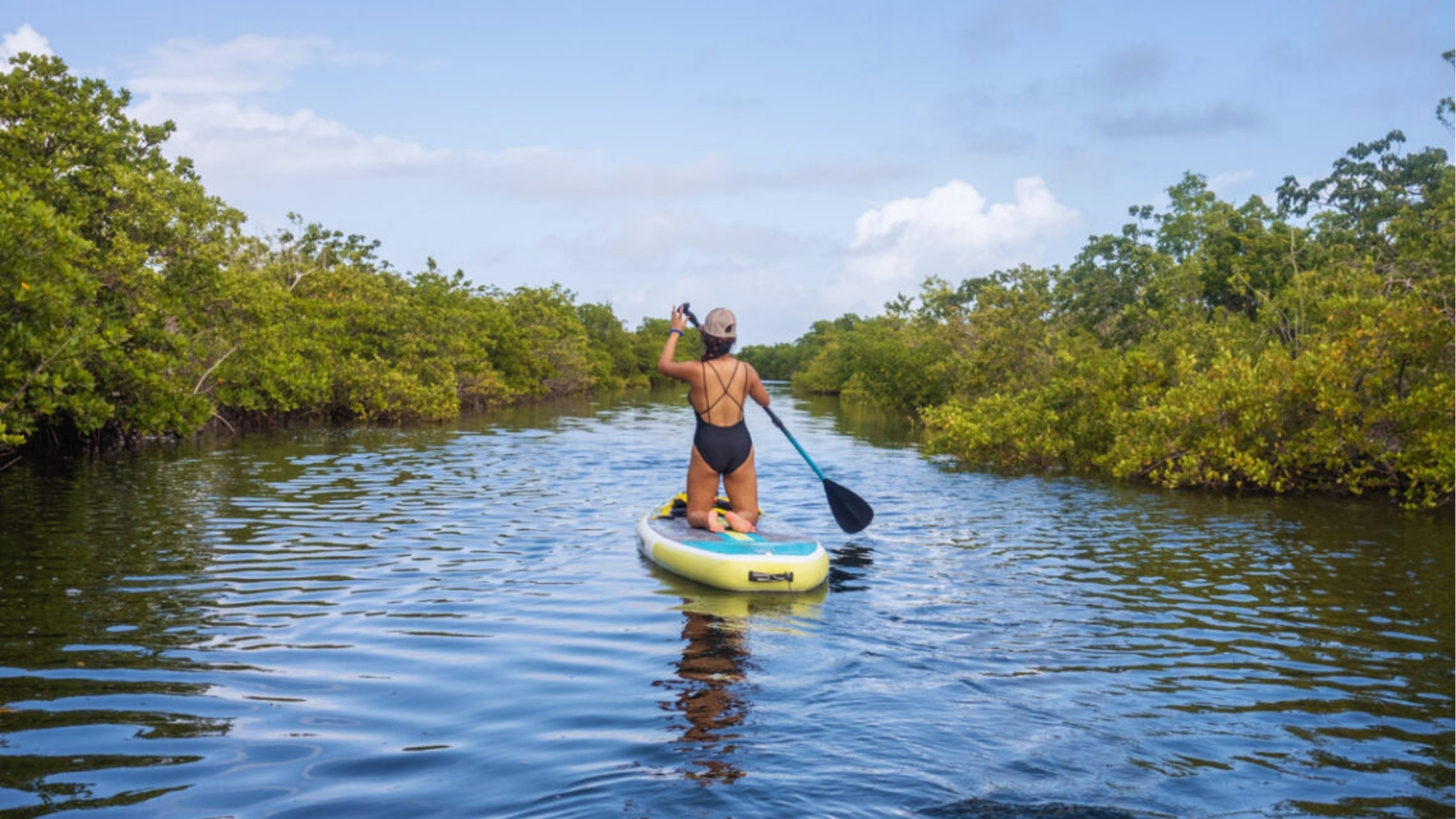
Dry season gives you the best water, weather, and wildlife, so plan around it if you can.
Dry Season – December to April
This is the best window to visit. Water clarity is at its highest, temperatures sit comfortably in the 70s, and conditions for snorkeling and boating are good.
Crowds are manageable compared to summer. January through March is the sweet spot for snorkeling and birdwatching.
Wet Season – May to November
Afternoon thunderstorms are common, mosquitoes are heavy near the keys, and hurricane season runs through October.
It is still possible to visit, but you need to watch the weather closely and be flexible with your plans.
Where to Stay Near Biscayne National Park
Picking the right base saves you time and makes early morning park access much easier.
Camping on the Keys
Boca Chita Key and Elliott Key both have campgrounds. The sites are basic, but waking up on a key surrounded by water is hard to beat.
You need a boat to get there and reservations are recommended, especially on weekends.
Hotels in Homestead or Miami
Homestead is the closest town and has solid budget options. It puts you just minutes from Convoy Point, which is ideal for early tour departures.
Miami has more variety but adds at least 45 minutes of drive time each way.
Tips for Visiting Biscayne National Park
A little prep goes a long way out here.
- Book tours in advance, especially in winter and on weekends. Spots fill up fast.
- Bring reef-safe sunscreen and strong bug spray. Both are non-negotiable near the keys.
- Pack more water and food than you think you need. There are no vendors inside the park.
- Download offline maps before you leave. Cell service drops once you are on the water.
- Always check weather and sea conditions before heading out. Afternoon storms can come in fast.
- Wear water shoes if you plan to snorkel or walk near the shoreline. The terrain can be rough.
Conclusion
Biscayne is one of those parks that catches you off guard. You expect water. You don’t expect how alive it all feels beneath the surface.
Snorkeling over that coral reef was honestly one of the best things I have done in Florida.
If you are planning a trip, start with the visitor center, book a snorkel tour, and save time for a sunset on the bay.
You will not regret it. Drop a comment below if you have visited, or share this with someone who is planning a Florida trip.
Frequently Asked Questions
Is Biscayne National Park free to enter?
Entry to the park is free. However, guided tours, boat rentals, and camping on the keys come with fees.
Do I need a boat to visit Biscayne National Park?
You don’t need your own boat, but most of the park is only reachable by water. Guided tours and ferry services are available from Convoy Point.
Can you swim at Biscayne National Park?
Yes, swimming is allowed. The snorkeling areas near the coral reefs are the most popular spots for getting in the water.
How far is Biscayne National Park from Miami?
The main entrance at Convoy Point is about 25 miles south of Miami. The drive takes roughly 45 minutes depending on traffic.
Are there alligators or crocodiles in Biscayne National Park?
Yes, American crocodiles live in the park’s shallow coastal waters. Alligators are less common here. Keep a safe distance and do not feed wildlife.
