


I almost skipped Tenerife for a safer, more familiar destination. I’m really glad I didn’t.
What I found was an island that felt completely different from anything I expected, volcanic landscapes, ancient forests, hidden beaches, and mountain villages all in one place.
This Tenerife travel guide covers the best time to visit, top attractions, a full week-long itinerary, and tips that actually help you plan.
If you’re on the fence about going, this guide might just make up your mind.
Here’s everything worth knowing before you book.
What Makes Tenerife Stand Out
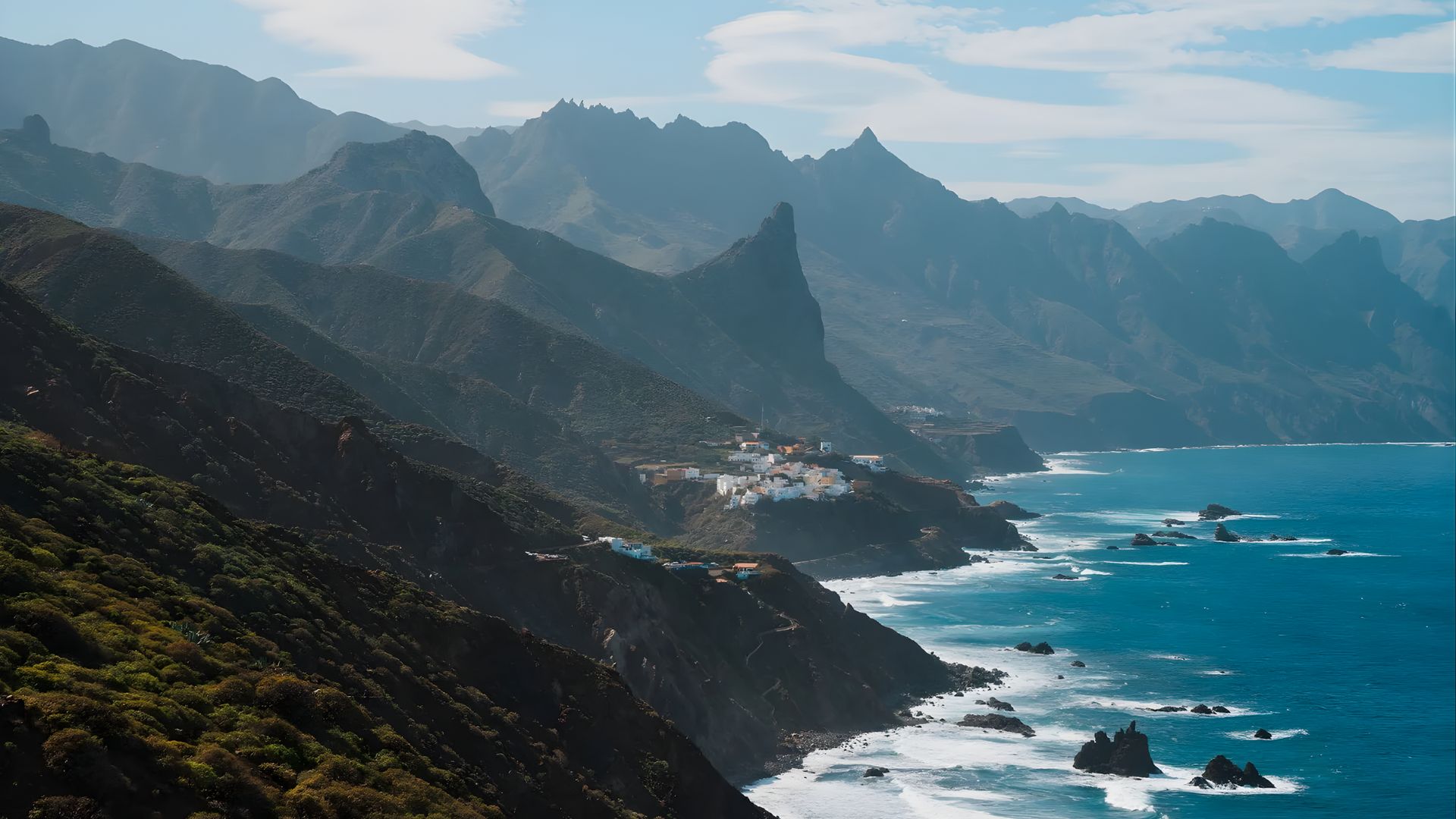
Tenerife is the largest of the Canary Islands, and it sits just off the northwest coast of Africa.
That location means warm weather almost all year. But what makes it worth visiting is the contrast.
You get black lava fields, ancient forests, white sand beaches, and a snow-capped volcano all on the same island.
It’s the kind of place that looks different depending on which direction you drive.
Best Time to Visit Tenerife
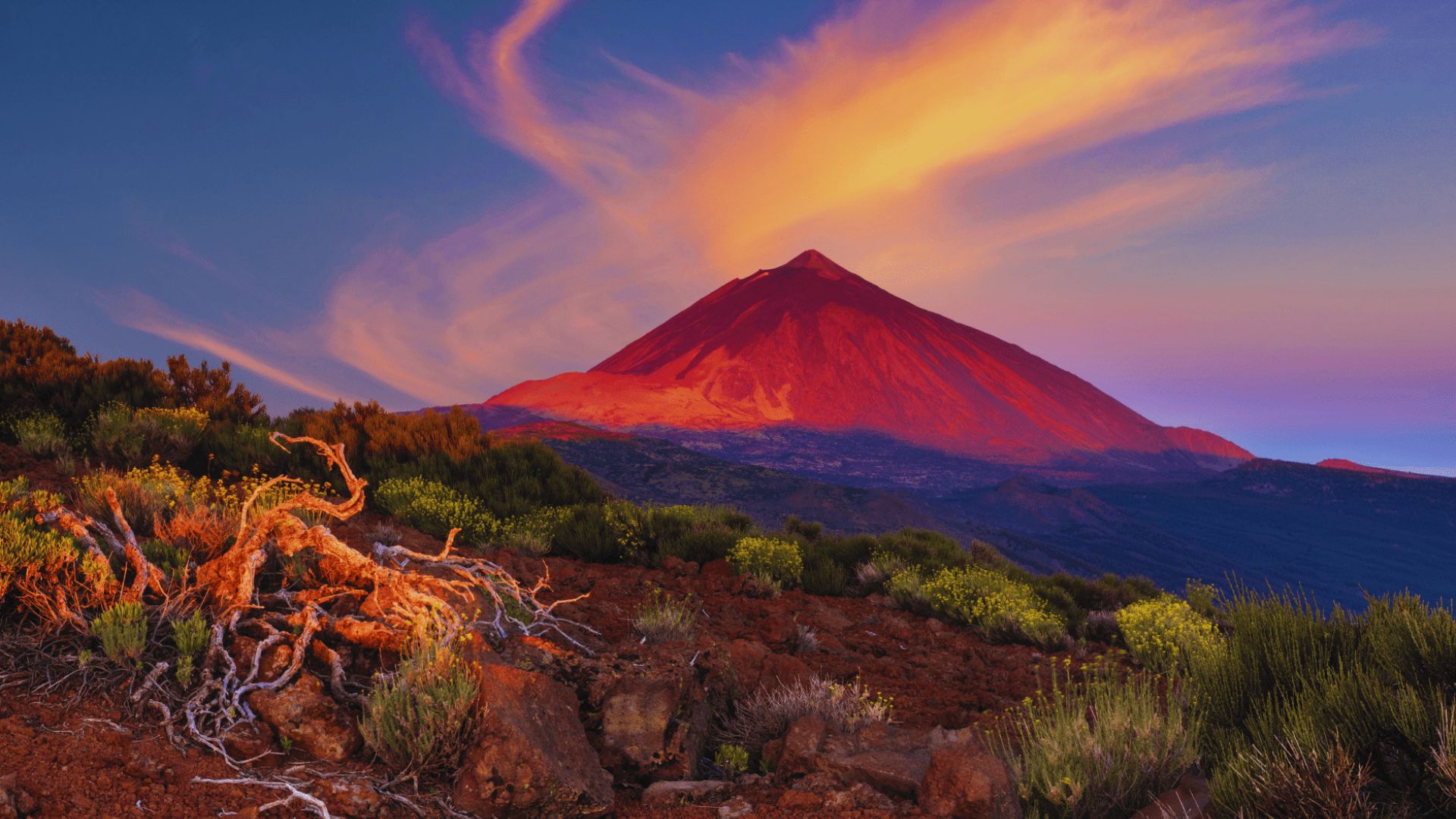
The best time to visit Tenerife is between March and May or September and November.
The weather is warm but not too hot, crowds are smaller, and prices are lower. Summer brings more tourists and higher costs.
Winter is mild and popular with Europeans escaping the cold. If you want sunshine without the peak-season rush, spring and early autumn are your best bet.
List of Top 7 Attractions in Tenerife
Tenerife packs a lot into one island, here are the seven spots worth putting on your list.
1. Teide National Park & Mount Teide
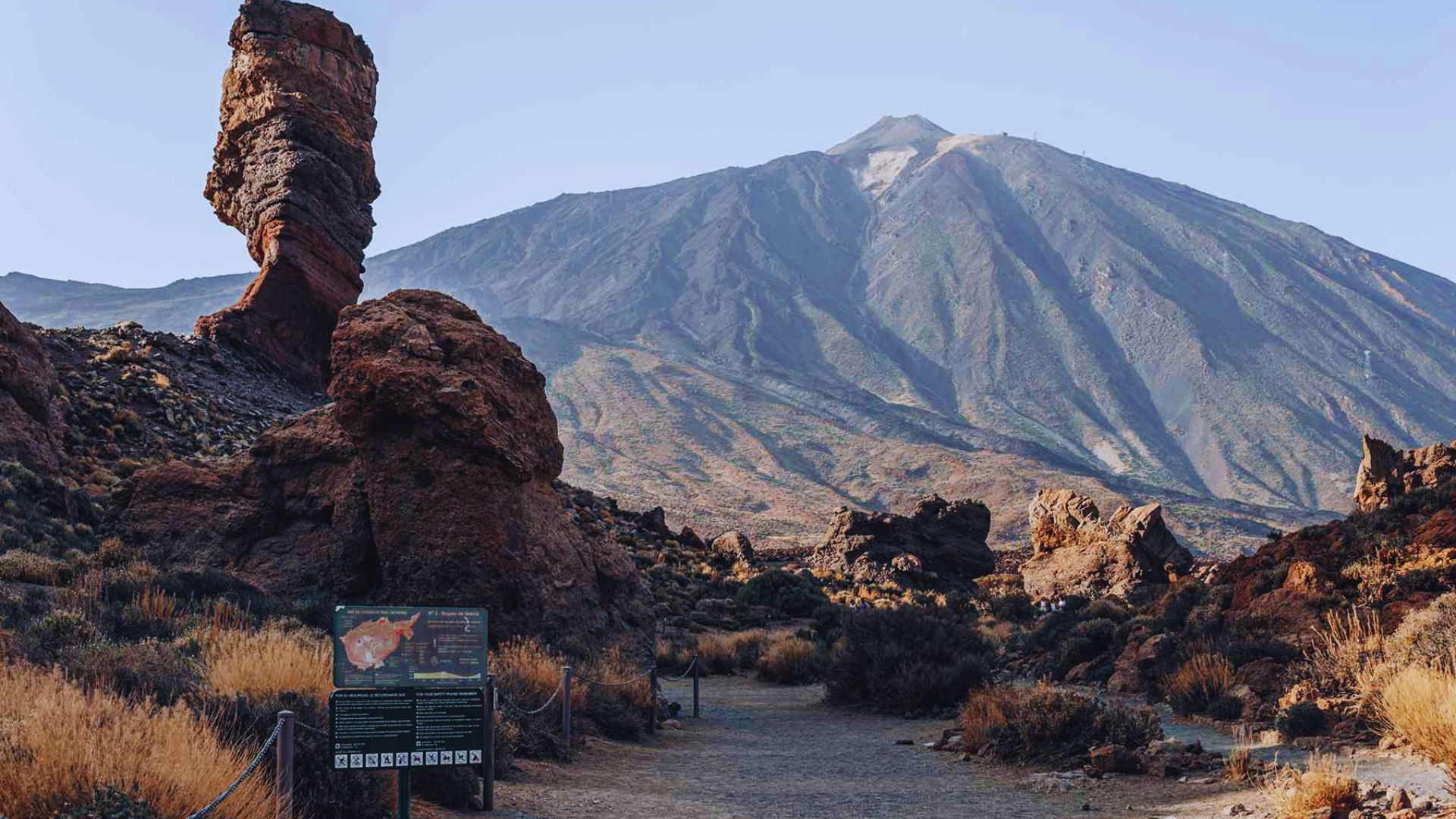
Spain’s highest peak sits at 3,715 meters and is a UNESCO World Heritage Site. The lunar-like landscape is unlike anything you’ve seen.
Take the cable car up for jaw-dropping views across the island and beyond to the other Canary Islands on a clear day.
2. Masca Village & Valley Views
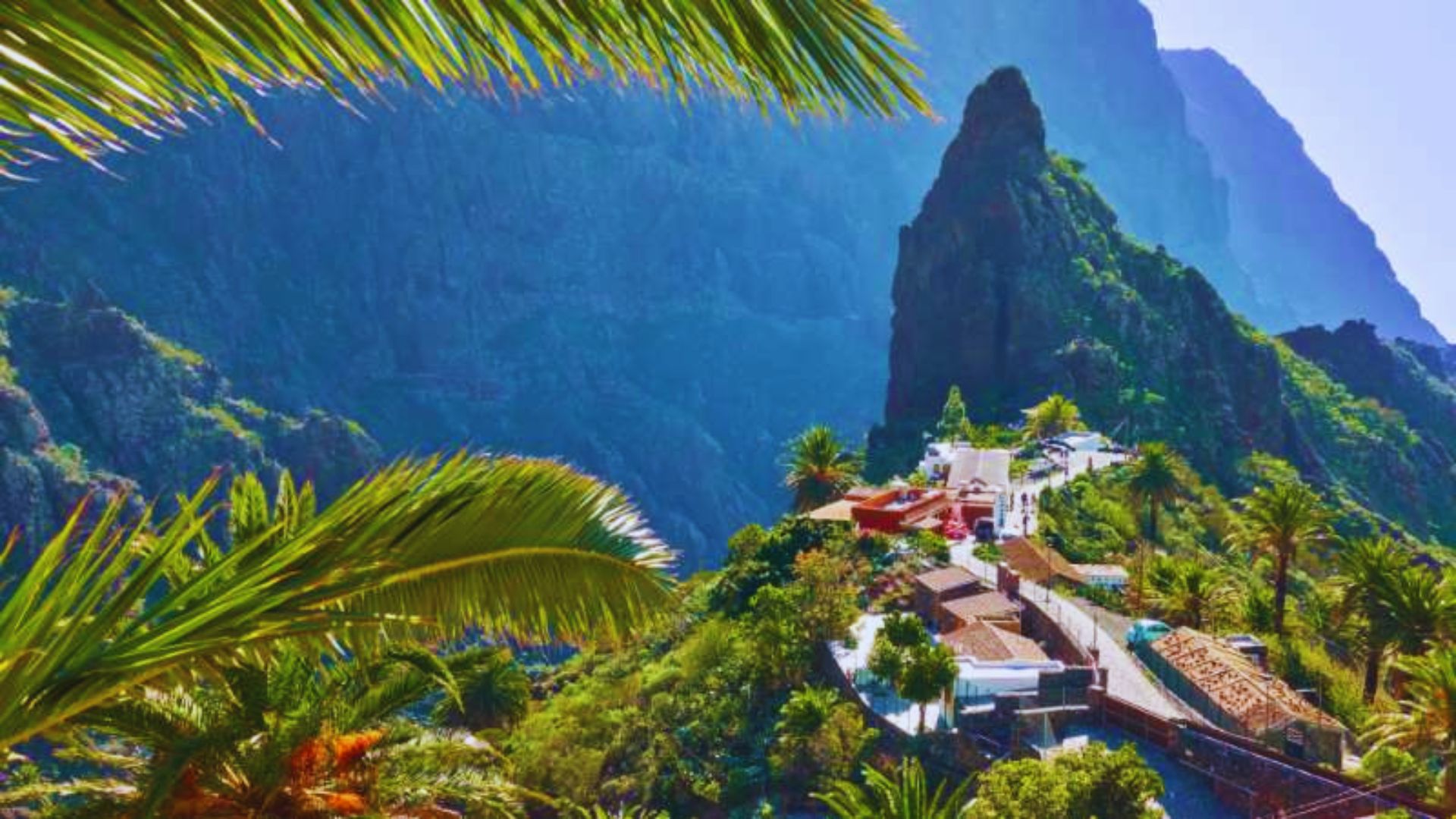
Masca is a tiny mountain village tucked into the Teno Massif. The winding drive up alone is worth it. The views over the ravine are breathtaking.
Many visitors hike down to the coast, though you’ll need to book a boat back in advance.
3. Anaga Rural Park & Playa de Benijo
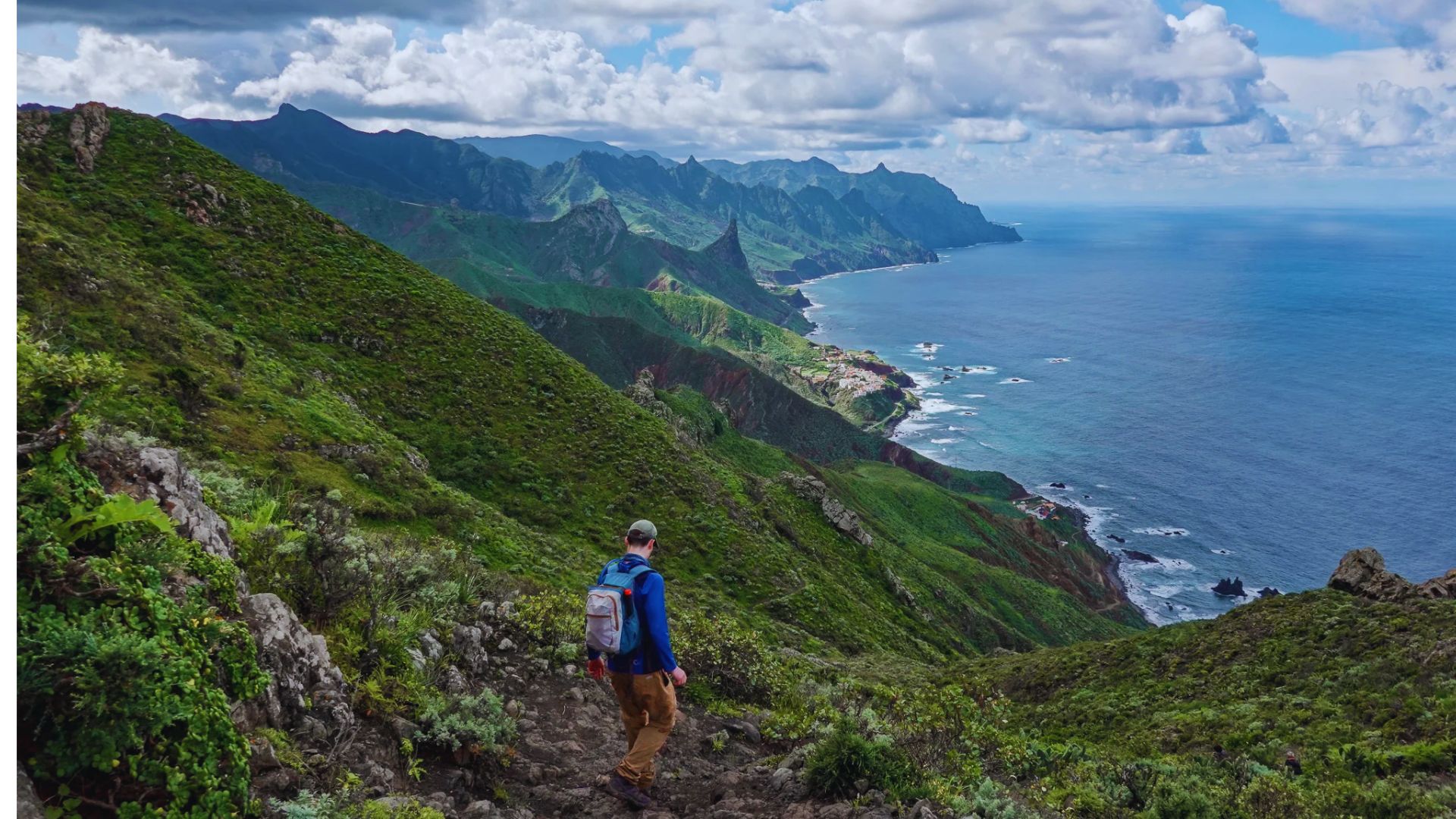
Anaga is one of the oldest forests in Europe, covered in ancient laurel trees and wrapped in mist.
Playa de Benijo sits at the edge of the park, a wild black-sand beach with crashing waves and no tourist crowds.
4. Playa de Las Teresitas
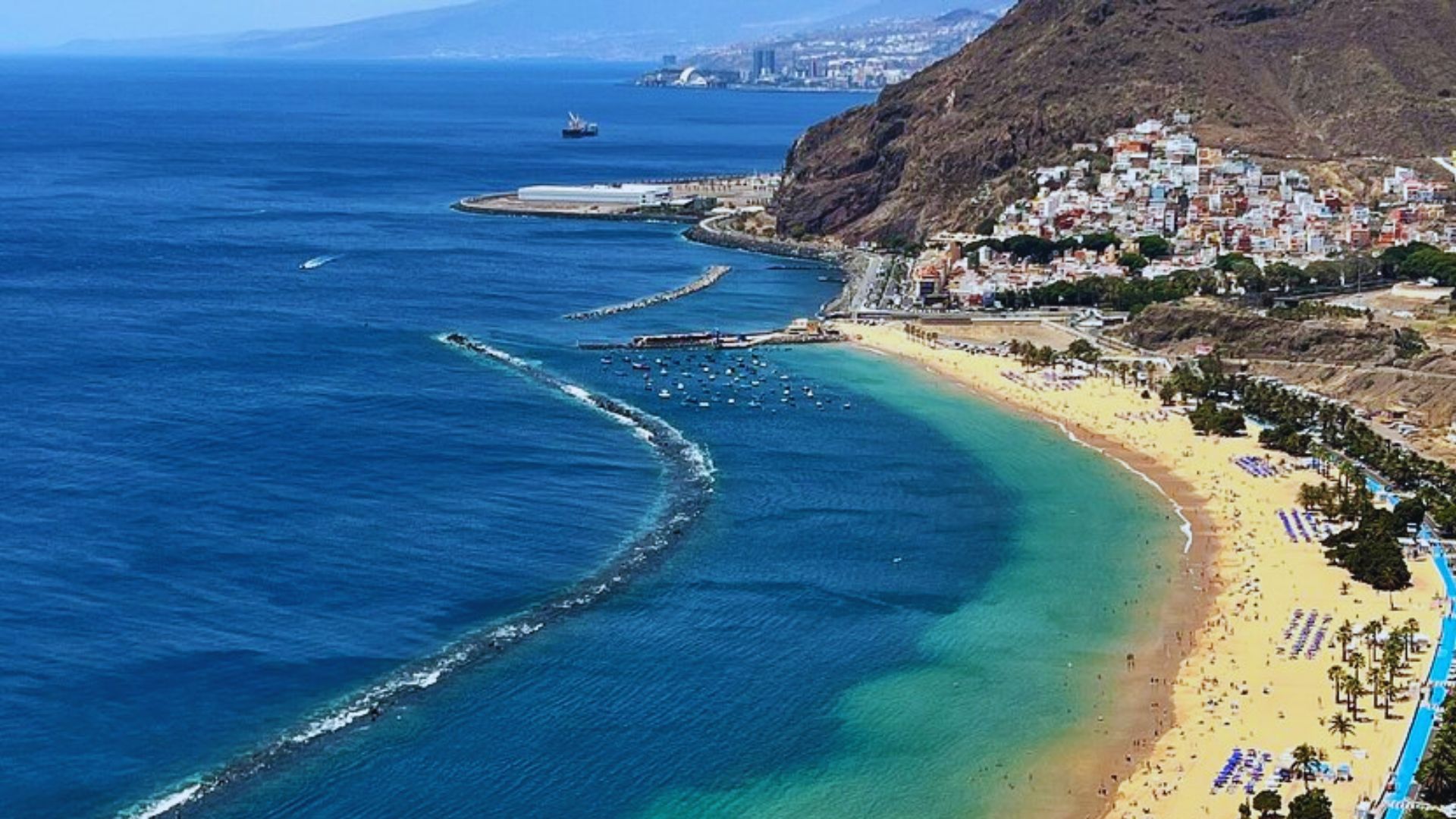
This golden beach near Santa Cruz is one of the few sandy beaches in the north. The sand was brought in from the Sahara, and the calm sheltered water makes it great for families.
It’s a favorite with locals and far less commercial than southern resorts.
5. Loro Parque
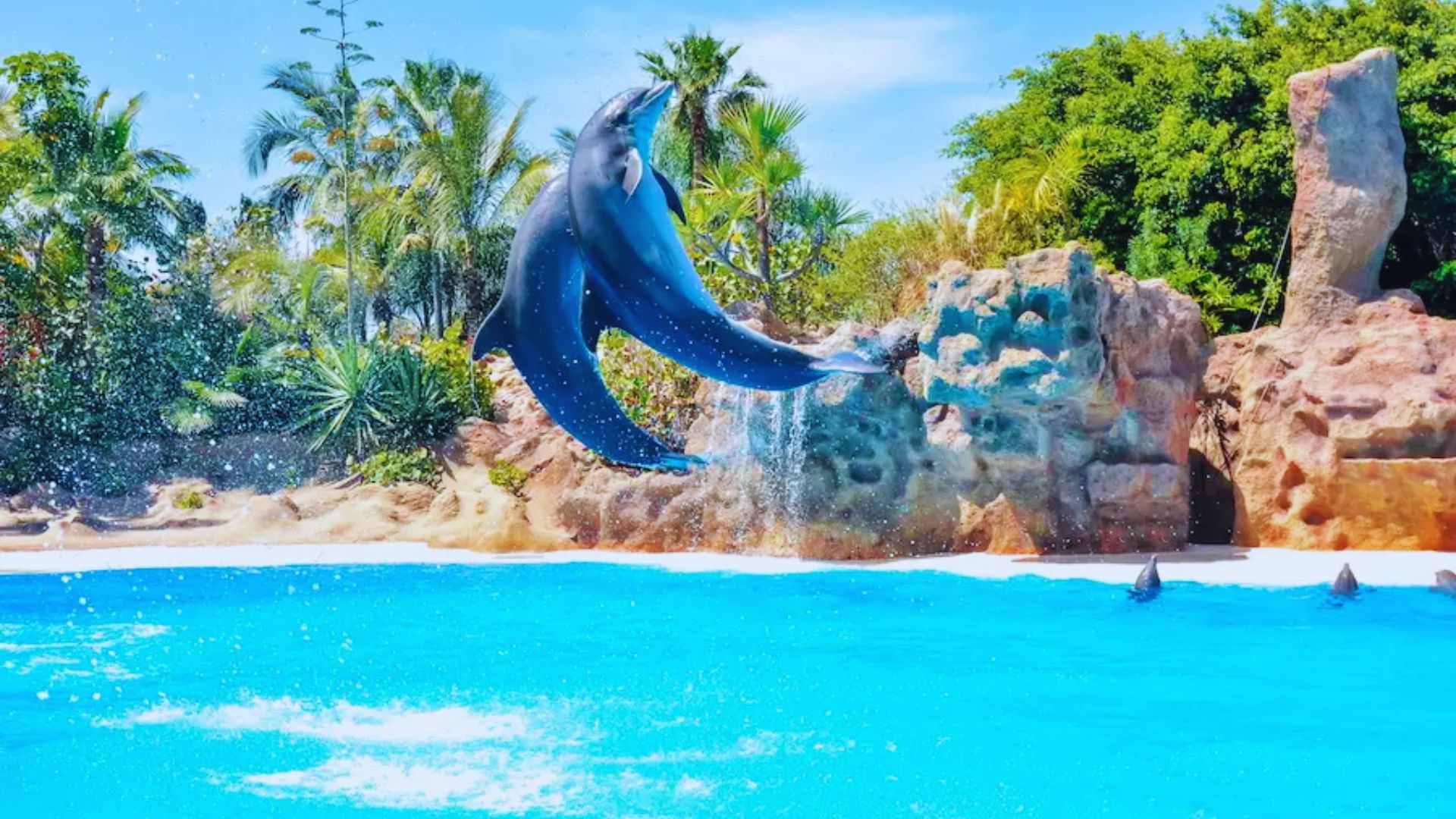
Located in Puerto de la Cruz, Loro Parque is a top-rated zoo and animal park. It’s home to orcas, gorillas, sea lions, and one of the world’s largest parrot collections.
A good pick for families, though animal welfare is worth considering before you visit.
6. Siam Park
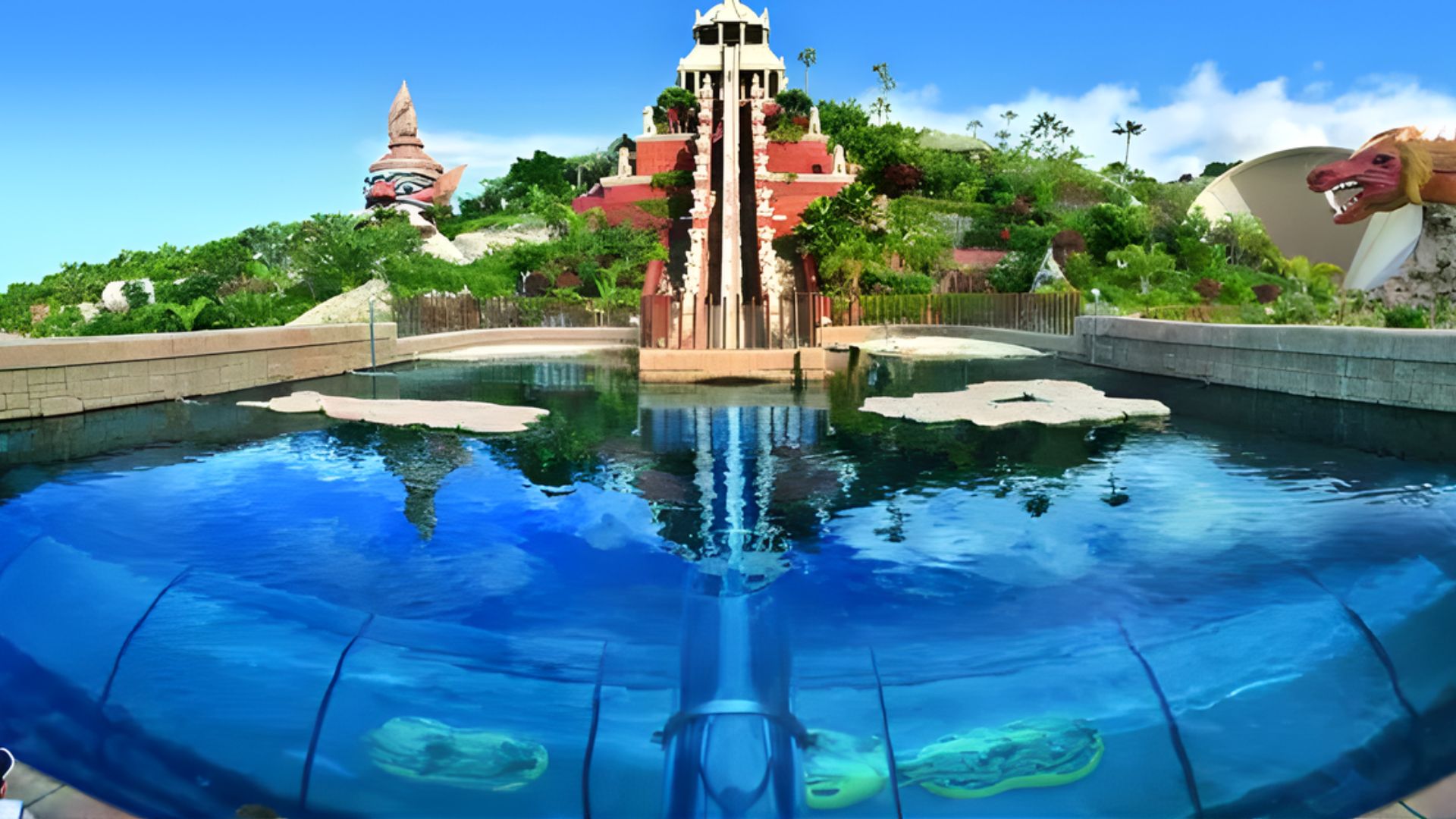
Voted one of the best water parks in the world, Siam Park is in Costa Adeje. The Thai-themed park has massive rides, a wave pool, and lazy rivers.
It gets very busy in summer, so book tickets ahead and arrive early.
7. Los Gigantes Cliffs & Marina
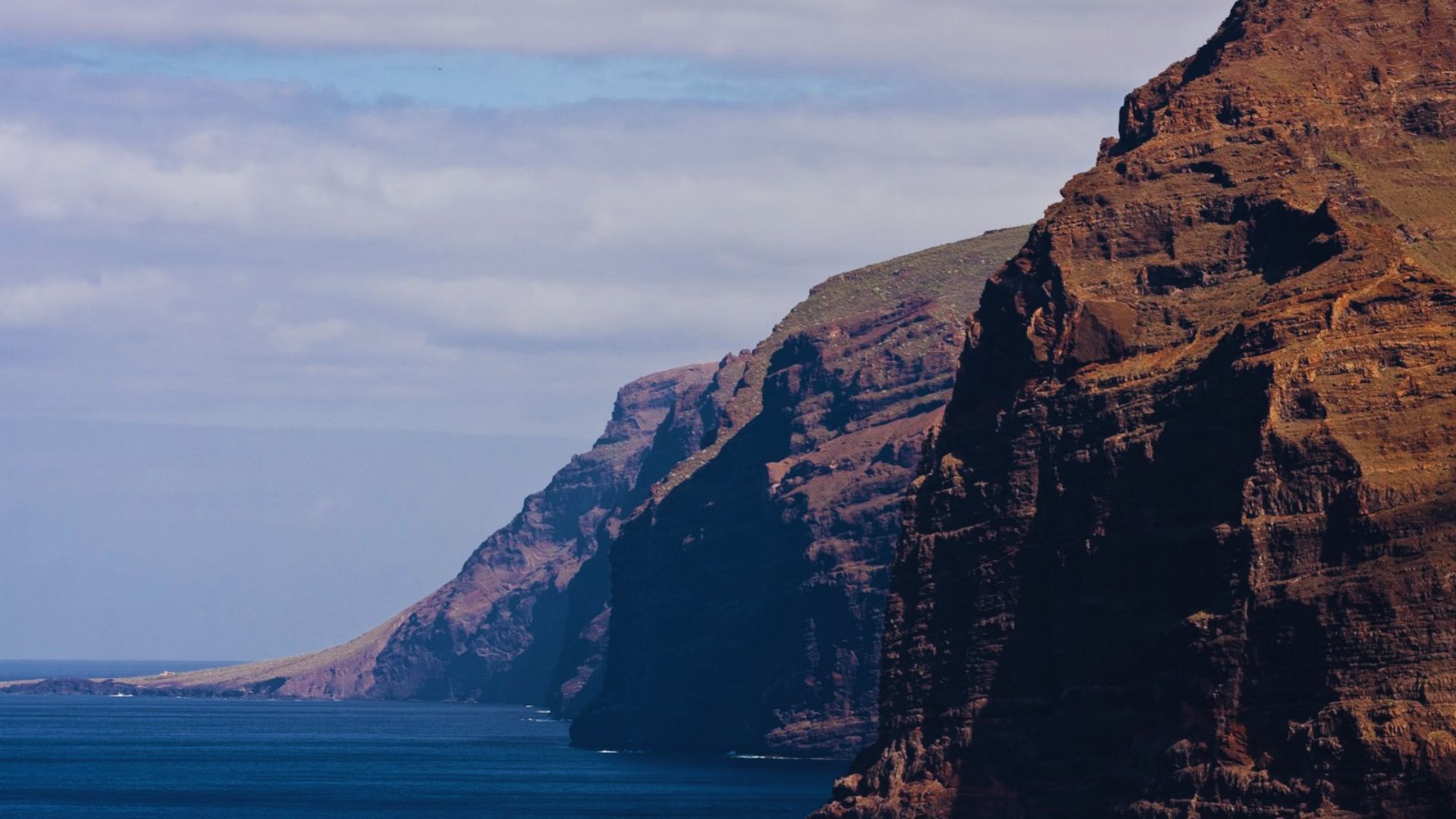
These dramatic volcanic cliffs rise up to 600 meters straight out of the sea. The best way to see them is by boat from Los Gigantes marina.
Dolphin and whale watching tours also depart from here regularly.
Tenerife Itinerary 7 Days: The Perfect First-Timer Route
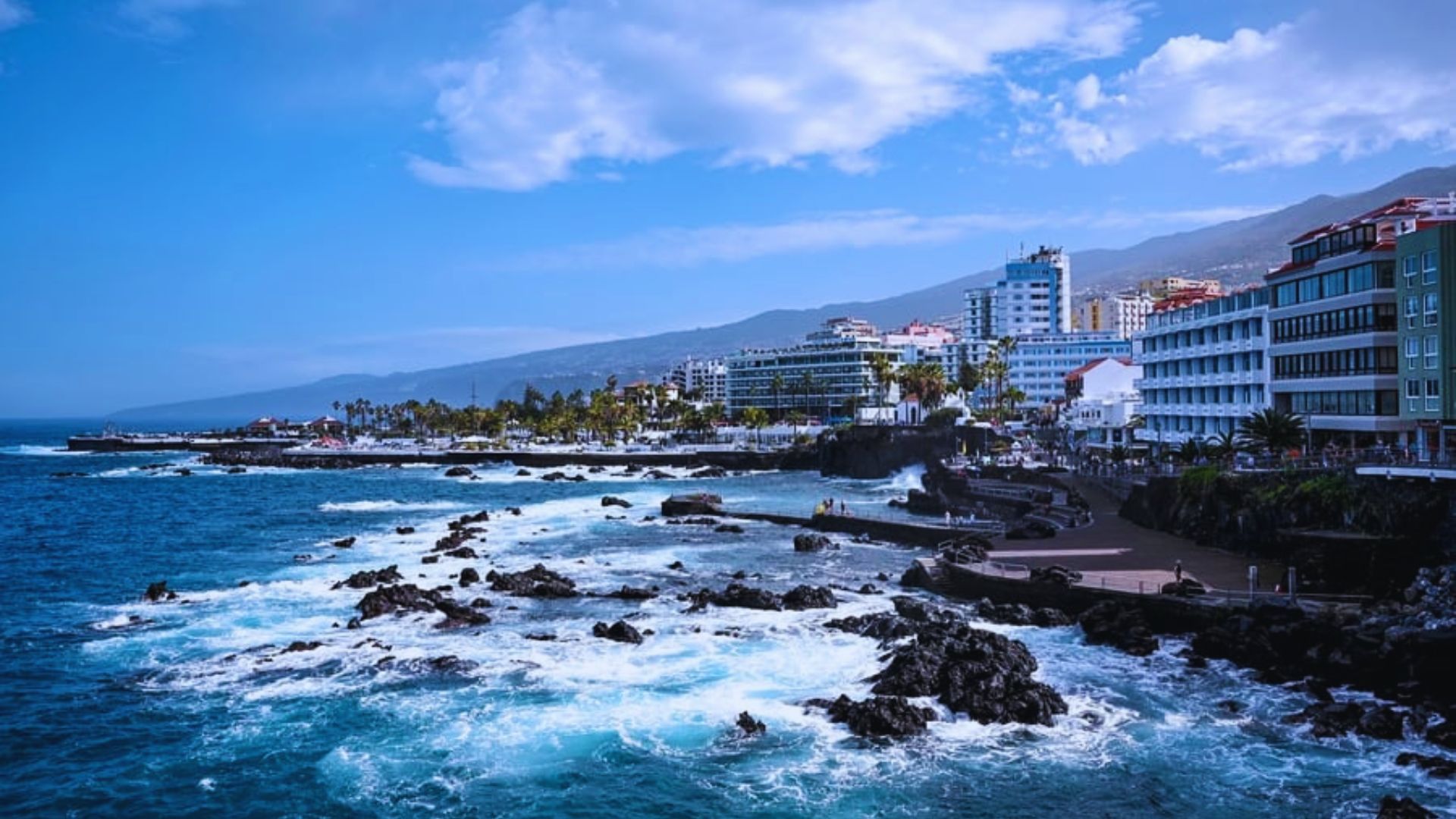
A week in Tenerife gives you enough time to cover the south, the center, and the north without feeling rushed. Here’s a simple plan that actually works.
Day 1–2: Start With the South
Start in the south: most hotels, beaches, and nightlife are based here, making it the easiest place to land and settle in.
Spend Day 1 at Playa de las Americas or Los Cristianos to get your bearings and decompress.
On Day 2, head to Siam Park or take a whale-watching boat trip from Los Gigantes. The south is well-connected and a smart base for the week.
Day 3–4: Head Into the Heart of the Island
On Day 3, drive up to Teide National Park and take the cable car if it’s running. the views above the clouds are hard to believe.
On Day 4, head northeast to Anaga Rural Park. Winding roads cut through ancient laurel forest, with valleys dropping to the sea.
End the day in Taganana, grab lunch at a local bar, and take it slow.
Day 5–6: Switch to the North
On Day 5, head to Anaga Rural Park for a walk through the ancient laurel forest trails;cool, green, and unlike anything in the south.
End the day at Playa de Benijo just before sunset; it’s dramatic and worth every minute.
Day 6 is perfect for Loro Parque in the morning, then a slow afternoon stroll through Puerto de la Cruz’s charming old town. Two very different days, both unforgettable.
Day 7: Rest, Relax, or Head Out
Day 7 is yours to do whatever feels right.
Sleep in, pack slowly, and spend the morning at Playa de Las Teresitas: it’s calm, golden, and never feels rushed.
The water is clear and the crowds are manageable, making it the perfect spot for one last lazy morning.
If you want one last thing to do, catch a ferry to La Gomera. It’s just 30 minutes away and feels like a completely different world.
Tenerife Travel Tips to Know Before You Go
A few things worth knowing before you arrive so your trip goes smoothly.
- Renting a car: A rental car gives you the freedom to reach Masca, Anaga, and Teide on your own schedule.
- Cable car bookings: The Teide cable car sells out fast. Book online a few days ahead or arrive very early.
- North vs. south weather: The south is sunnier and drier. The north is cooler and can be cloudy on the same day.
- Currency and costs: Tenerife uses the Euro. It’s affordable overall, but tourist areas in the south charge more.
- Mountain road driving: Roads to Masca and Anaga are narrow and steep. Use a smaller car and avoid driving them after dark.
Keep these in mind before you book and your trip will go a lot smoother than most first-timers expect.
Conclusion
Tenerife surprised me more than I expected. I went in thinking it was just a beach destination and left with a completely different view of the island.
From the volcanic trails of Teide to the quiet black-sand beaches in Anaga, there’s something here for everyone.
I hope this Tenerife travel guide makes your planning easier.
Have you been or are you planning to go? Drop a comment below and tell me your favorite spot.
And if this helped, share it with someone who needs it.
Frequently Asked Questions
How many days do you need in Tenerife?
Seven days is ideal, but five days works if you prioritize the top spots.
Is Tenerife good for first-time visitors?
Yes, it’s easy to get around, English is widely spoken, and there’s something for every type of traveler.
What is the main airport in Tenerife?
Tenerife has two airports, TFS in the south and TFN in the north. Most international flights land at TFS.
Is it safe to swim at Tenerife beaches?
South beaches are calm and safe. Always check the flag system before swimming at northern beaches.
Do I need to book Teide National Park in advance?
The park is free, but book the cable car permit online at least two weeks ahead.
