


Japan has thousands of temples. I know because I tried to visit them all, at least in my head.
I spent weeks buried in research, cutting the list down to the ones that are truly worth your time. Some blew me away. Some were just okay.
But the 17 must-visit temples in Japan I’m sharing here? Every single one is worth the trip.
From Kyoto’s golden pavilions to Tokyo’s ancient shrines, I’ve got you covered. This guide is built on real research, so you can stop second-guessing and start planning.
Let’s get started.
What Makes Japan’s Temples So Special
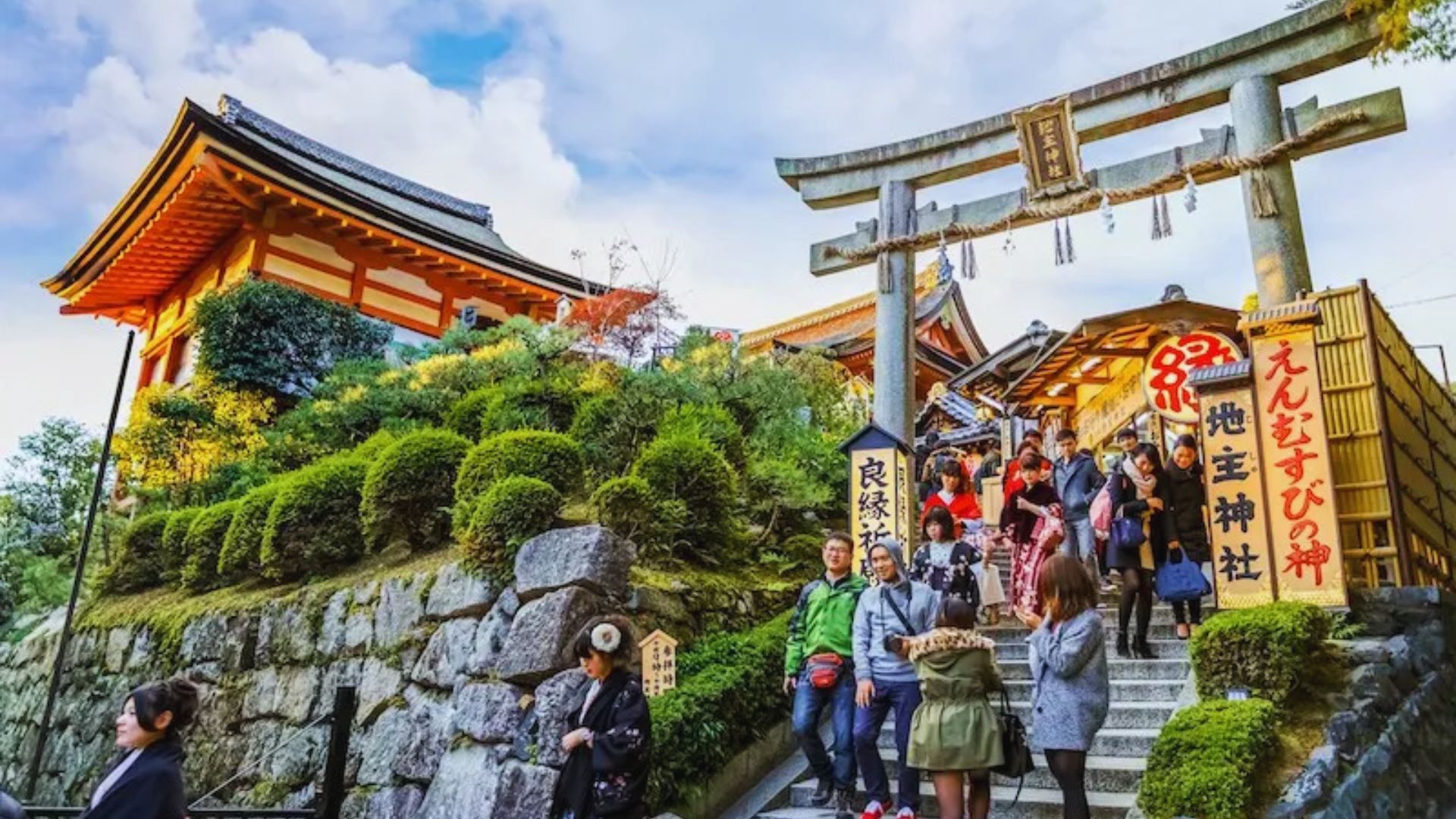
Japan has over 77,000 Buddhist temples and Shinto shrines spread across the country. Each one tells a different story. Some are tucked into dense forests.
Others sit beside waterfalls, mountain peaks, or right in the middle of busy cities. Many date back over a thousand years and still hold active religious ceremonies today.
Visiting even a handful of them gives you a real window into Japanese history, culture, and daily life.
These are not just tourist spots. They are living places that have shaped this country for generations.
The 17 Best Temples in Japan Worth Adding to Your List
Each of these temples has something different to offer, and all of them are worth your time.
1. Kinkakuji (Golden Pavilion)
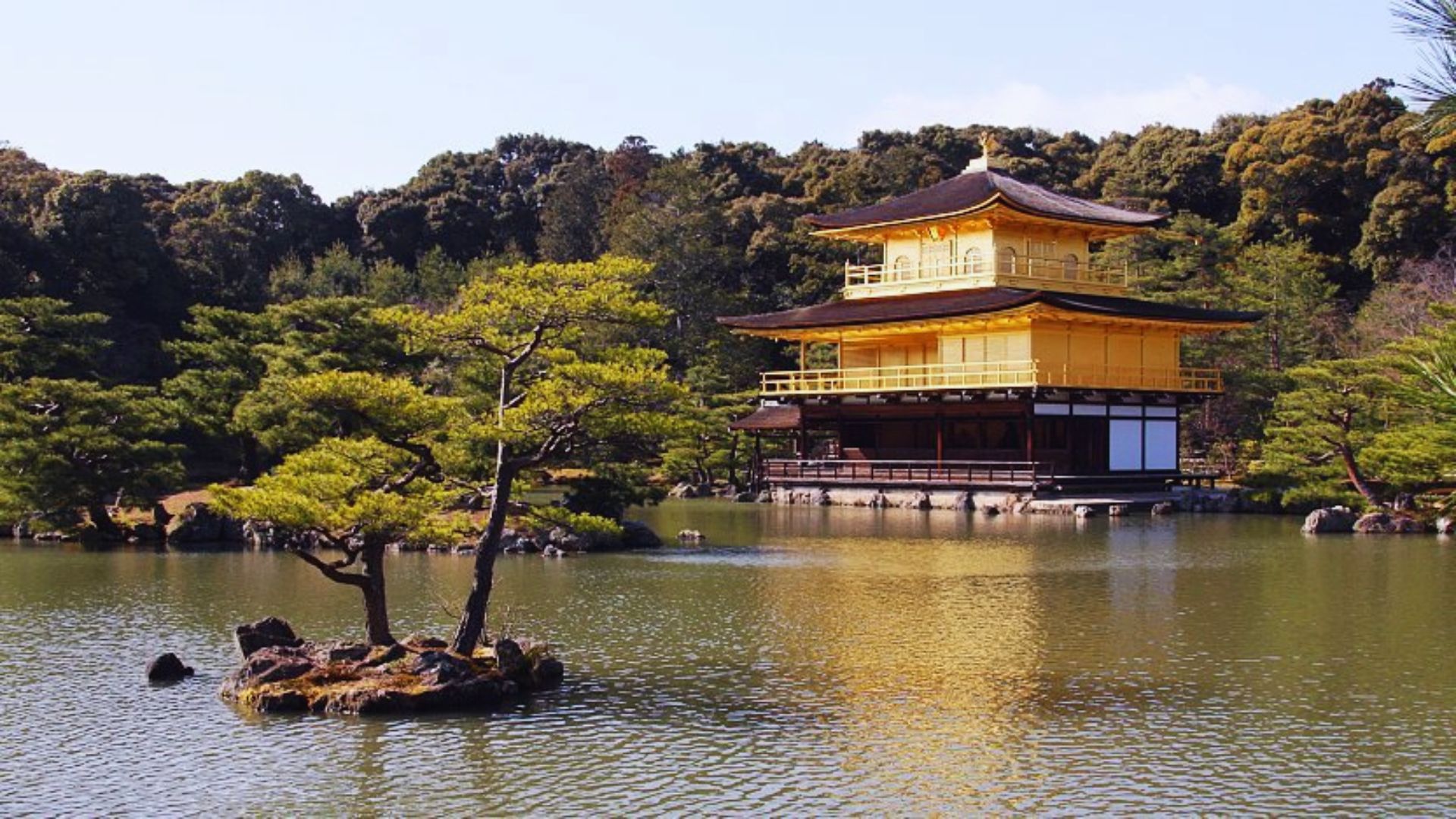
Kinkakuji is one of the most photographed spots in Japan. The top two floors are covered in real gold leaf.
It sits beside a calm reflecting pond that mirrors the entire structure. Built in 1397, this Zen Buddhist temple draws millions of visitors every year.
The garden path around the pond is peaceful and well worth taking slowly.
2. Ginkakuji (Silver Pavilion)
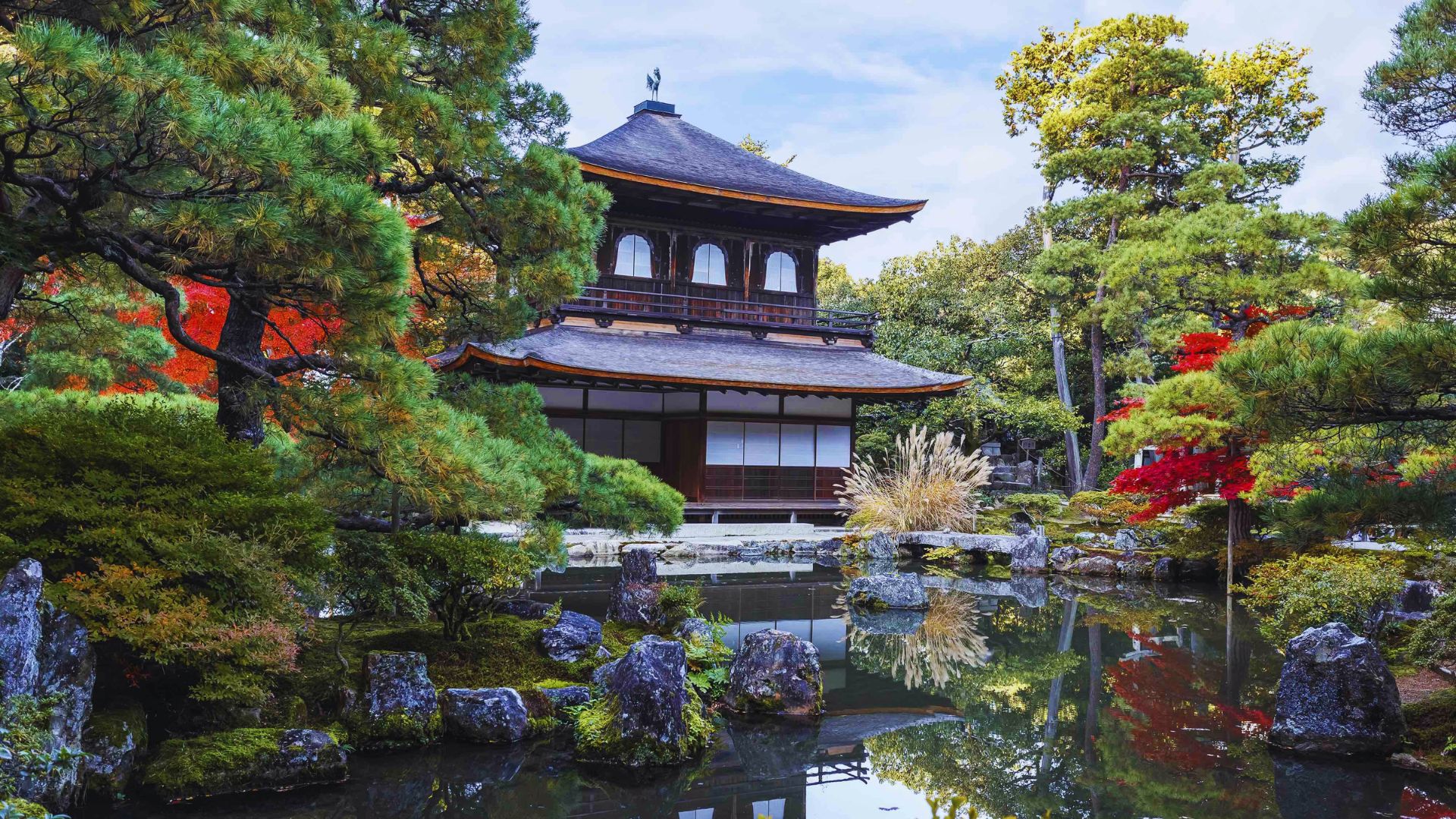
Ginkakuji never got its silver coating, but that’s part of what makes it interesting.
The dark wood pavilion sits against a backdrop of carefully raked sand and lush moss gardens. I find the quieter vibe here more relaxing than Kinkakuji.
The hillside walking trail gives you good views of the whole complex and the city below.
3. Kiyomizudera Temple
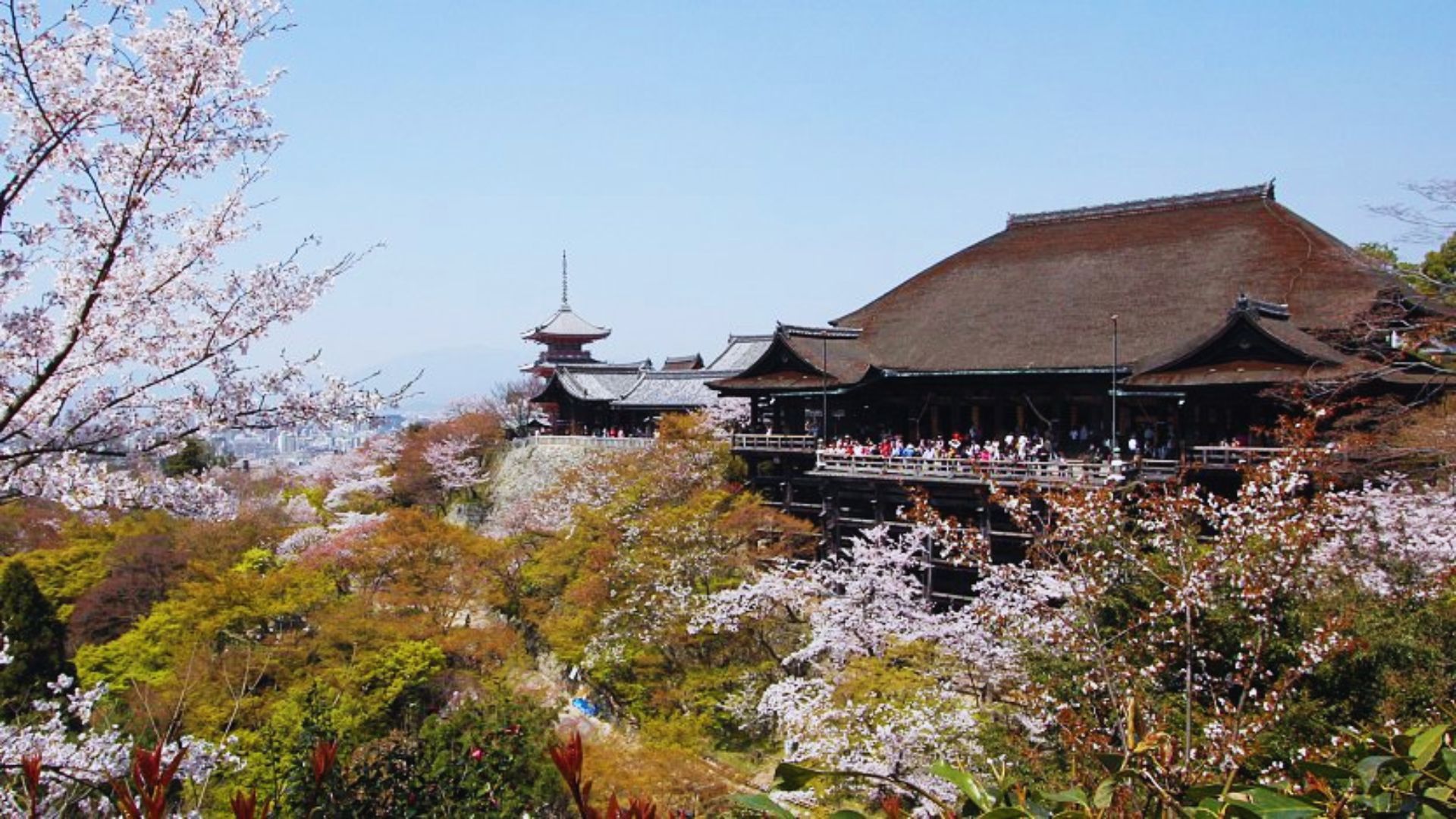
Kiyomizudera sits on the edge of a wooded hillside in eastern Kyoto.
The main hall has a large wooden stage that hangs over the slope below, all built without a single nail.
From the stage, you get sweeping views of the city. The stone-paved streets leading up here are lined with local shops and tea houses worth browsing.
4. Ryoanji Temple
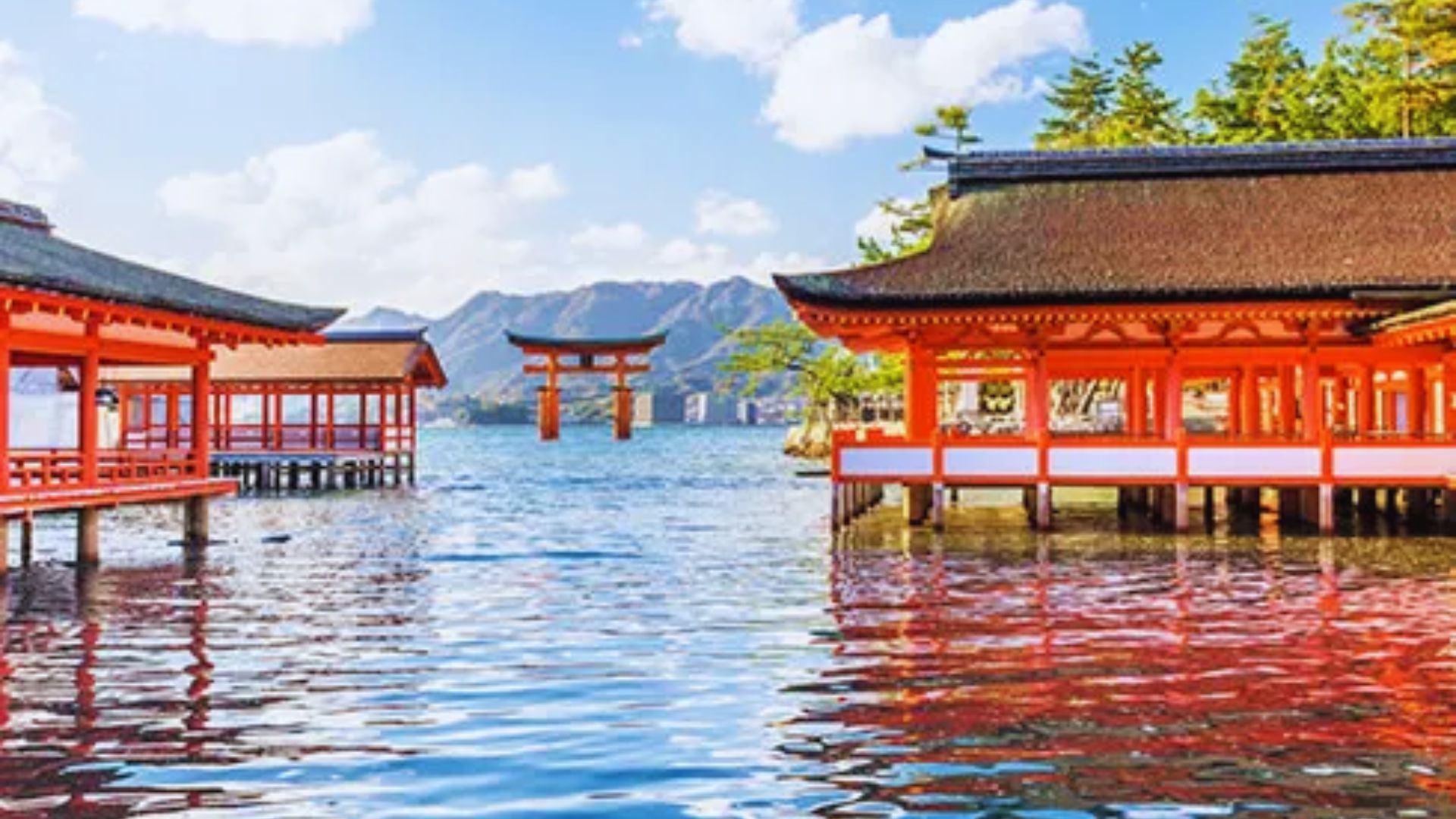
Ryoanji holds one of the most talked-about rock gardens in the world. Fifteen stones sit in raked white gravel, and no one fully agrees on what the arrangement means.
I sat in front of this garden for a long time and still couldn’t figure it out.
That mystery is exactly why people keep coming back year after year.
5. Todaiji Temple, Nara
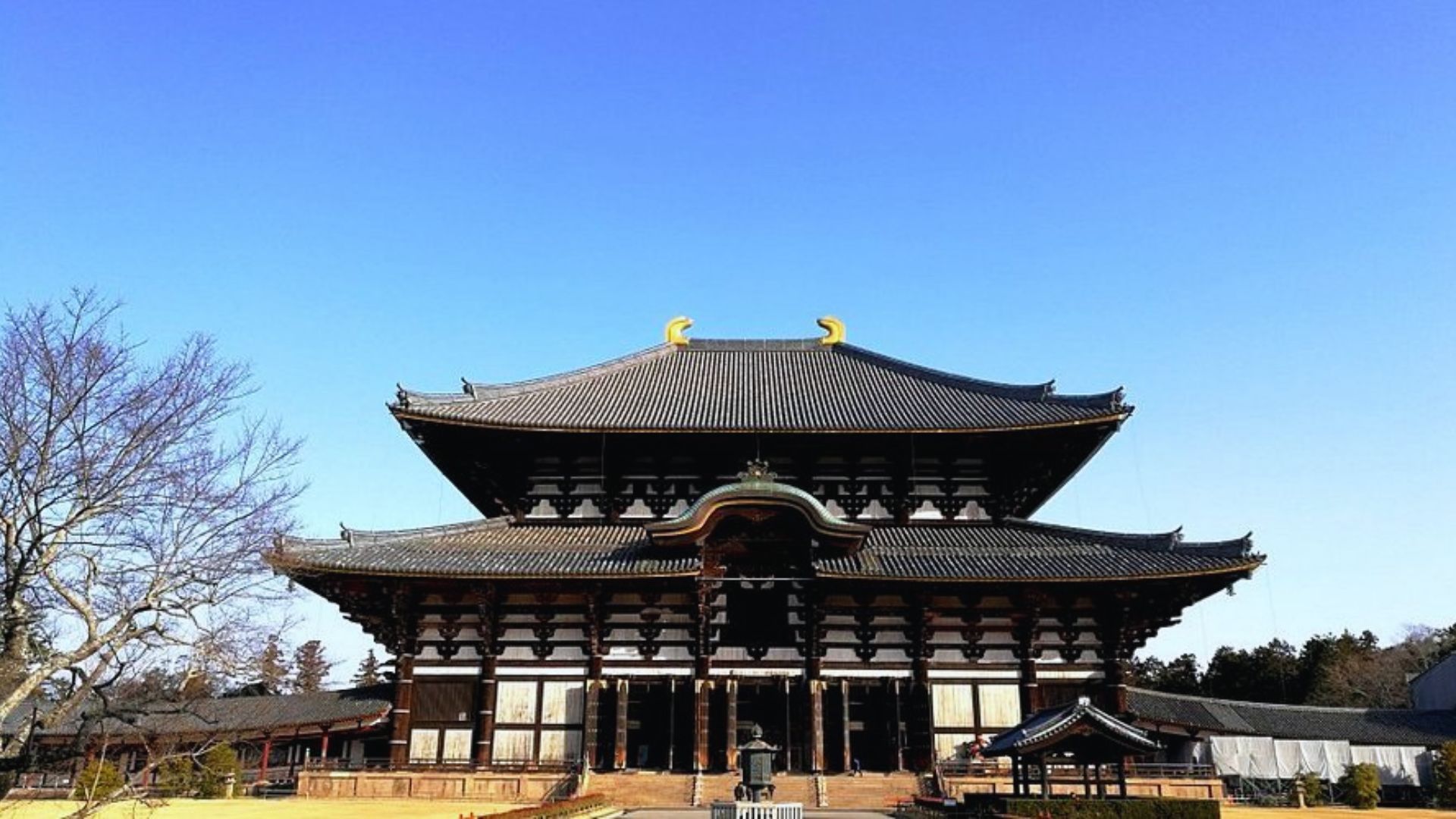
Todaiji is one of the most impressive temple complexes in Japan. The main hall, Daibutsuden, is one of the largest wooden structures in the world.
Inside stands a bronze statue of Buddha nearly 15 meters tall. Getting here from central Nara is easy.
The deer that roam freely around the grounds add a memorable layer to the whole visit.
6. Horyuji Temple, Nara
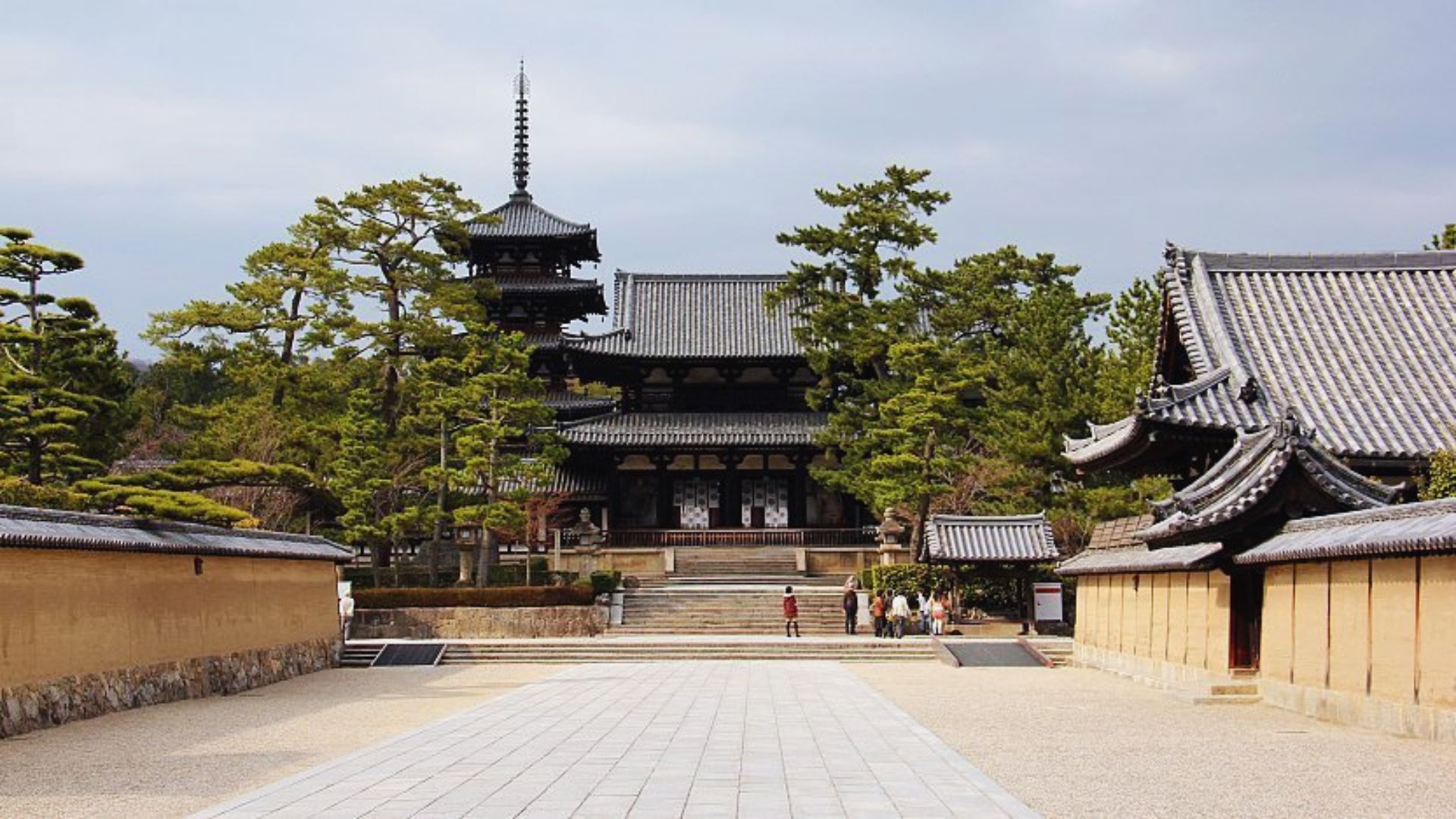
Horyuji is a UNESCO World Heritage Site and one of the oldest temples in Japan.
Some wooden buildings here date back to the late 7th century, making them the oldest surviving wooden structures on earth.
The complex includes pagodas, halls, and galleries filled with ancient Buddhist art. It’s a must-stop for anyone with an interest in Japanese history.
7. Chusonji Temple, Iwate
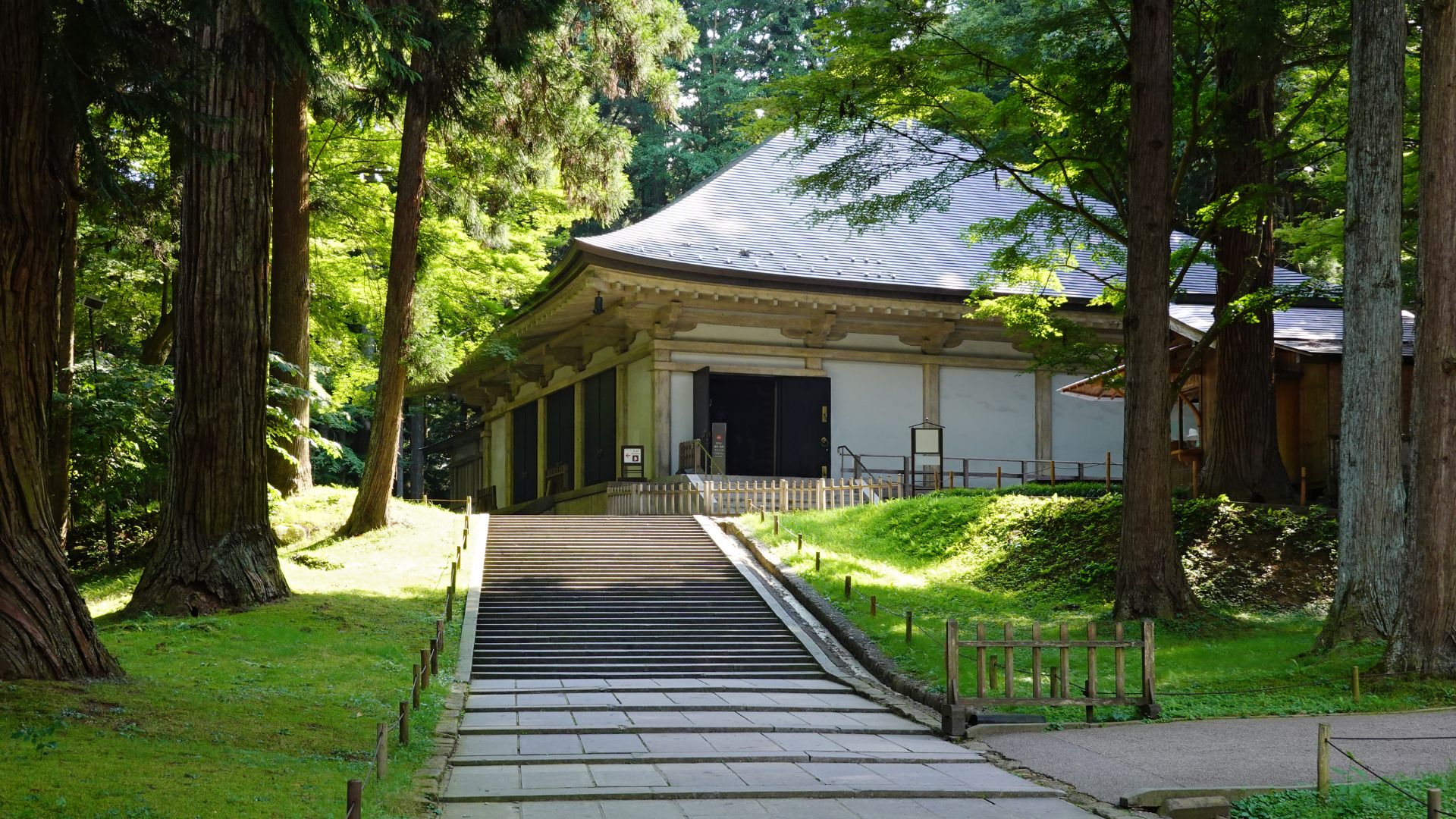
Chusonji is in Hiraizumi, a small town that once rivaled Kyoto in power and culture.
The main draw is the Konjikido, a gilded hall standing since 1124. Inside are golden decorations and the remains of three Fujiwara clan generations.
The forested hillside walk up to the complex is calm and well worth the trip to northern Japan.
8. Zojoji Temple, Tokyo
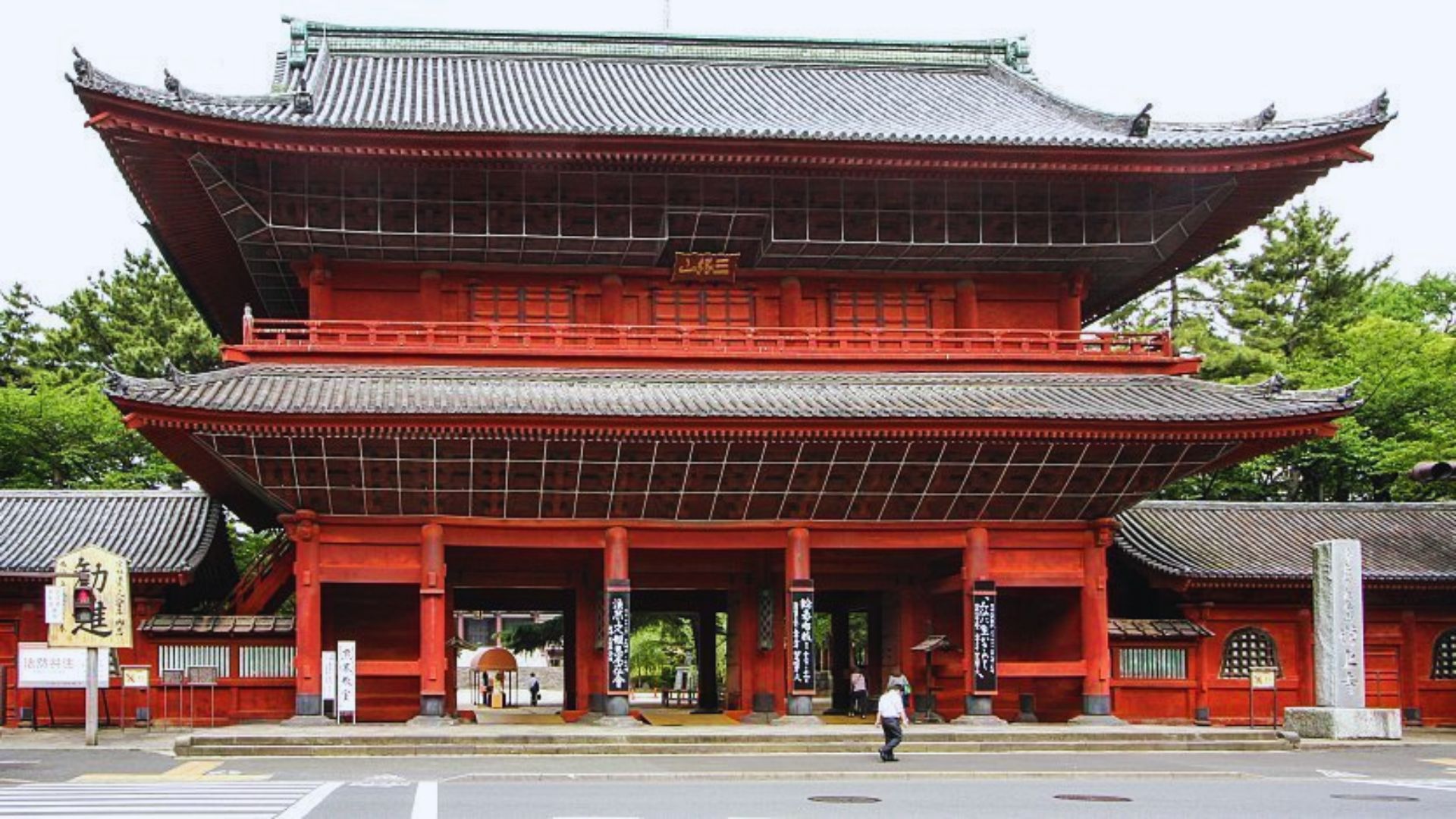
Zojoji stands in the Shiba area of Tokyo, just a short walk from Tokyo Tower.
The red and white tower looming behind the dark wooden temple gate is one of the most striking sights in the city.
Built in 1393, this temple serves as the main temple for the Jodo sect of Buddhism in Japan.
9. Sensoji Temple, Tokyo
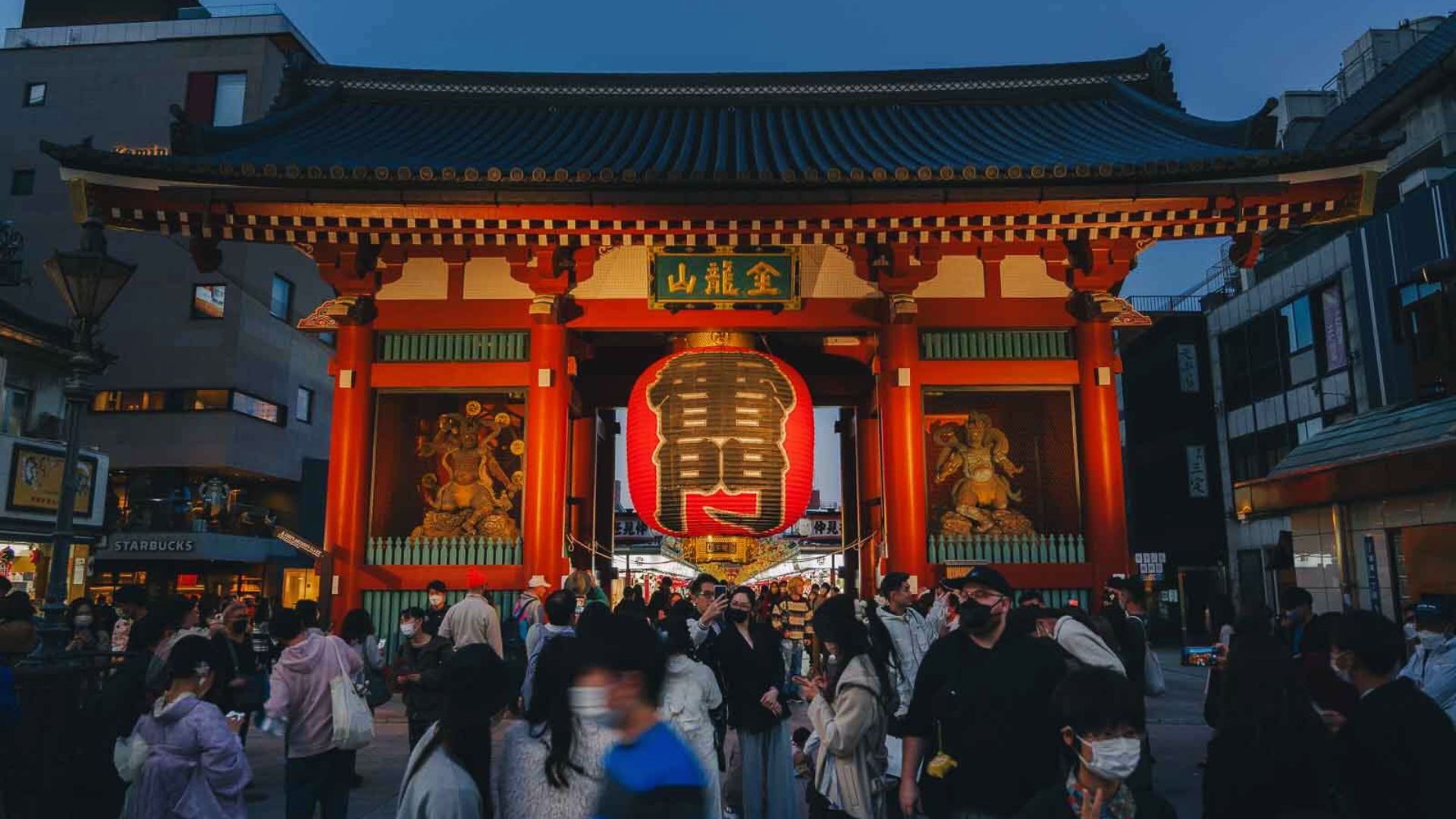
Sensoji is in Asakusa and is the oldest temple in Tokyo. Millions walk through the Kaminarimon gate and down Nakamise shopping street each year.
The giant red lantern at the gate has become a symbol of the city. I always recommend coming early in the morning.
The atmosphere before the crowds arrive is something you simply won’t find later in the day.
10. Meiji-jingu Shrine, Tokyo
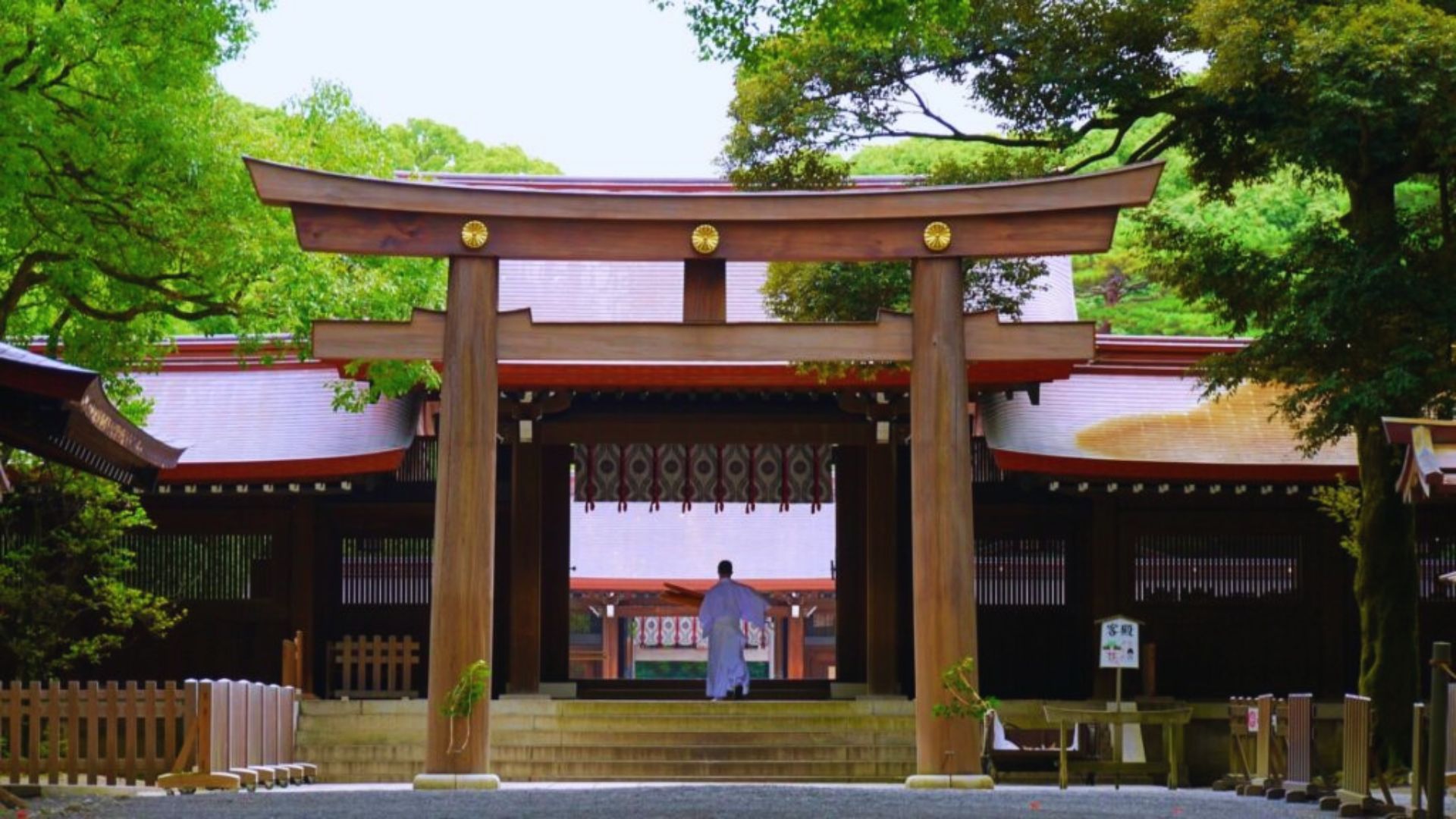
Meiji-jingu is a Shinto shrine set inside a dense forest in central Tokyo.
The forest, made up of around 120,000 trees, was planted when the shrine was built in 1920. Walking the long gravel path to the main hall is a calming experience.
This is a great place to see traditional Shinto ceremonies throughout the year.
11. Kofukuji Temple, Nara
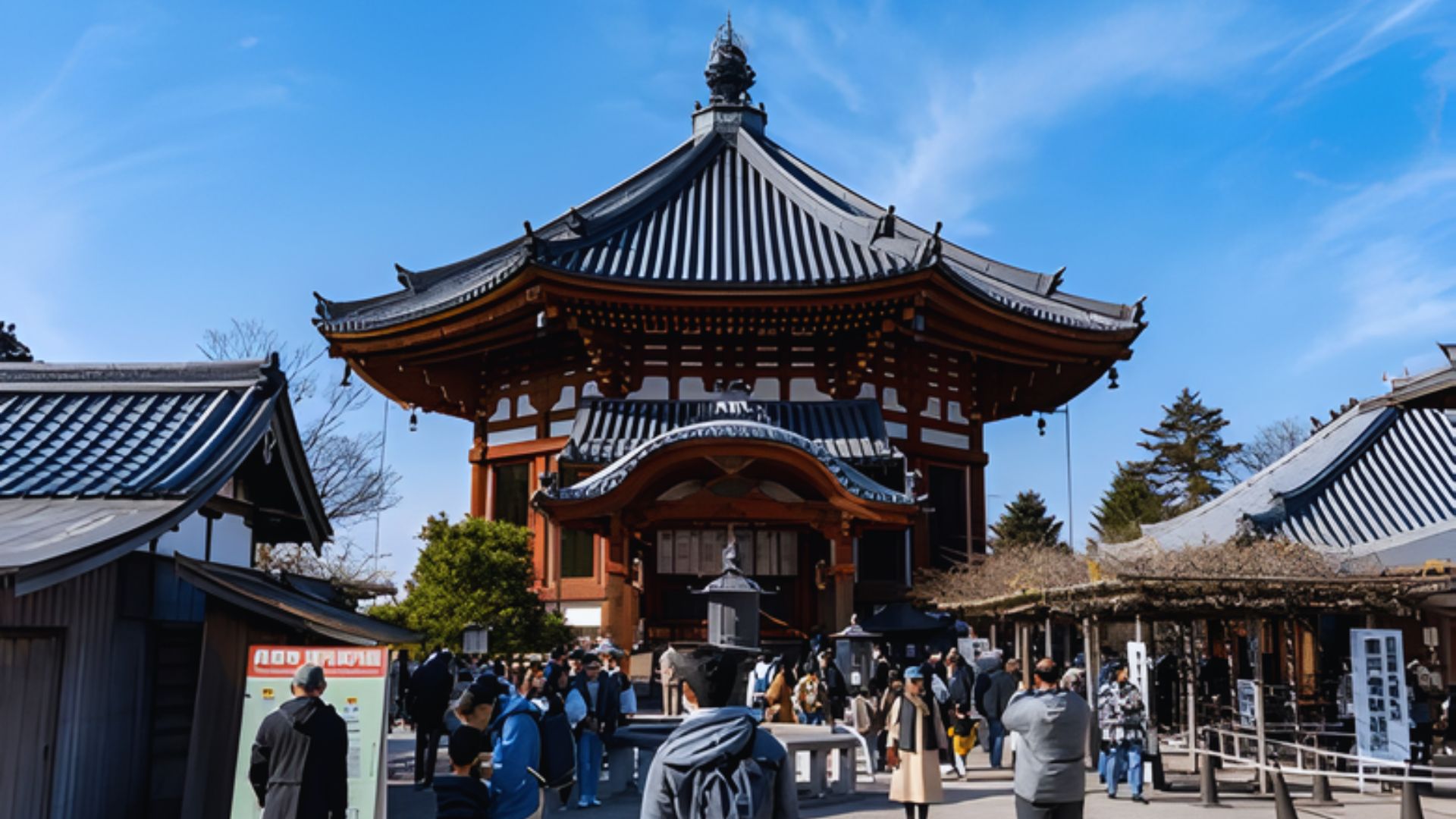
Kofukuji sits in the center of Nara and was once one of the most powerful Buddhist temples in Japan.
Its five-story pagoda is the second tallest in the country. The temple holds a large collection of Buddhist sculptures, many of which are national treasures.
The deer-filled park right next to it makes this visit even more enjoyable.
12. Seigantoji Temple, Wakayama
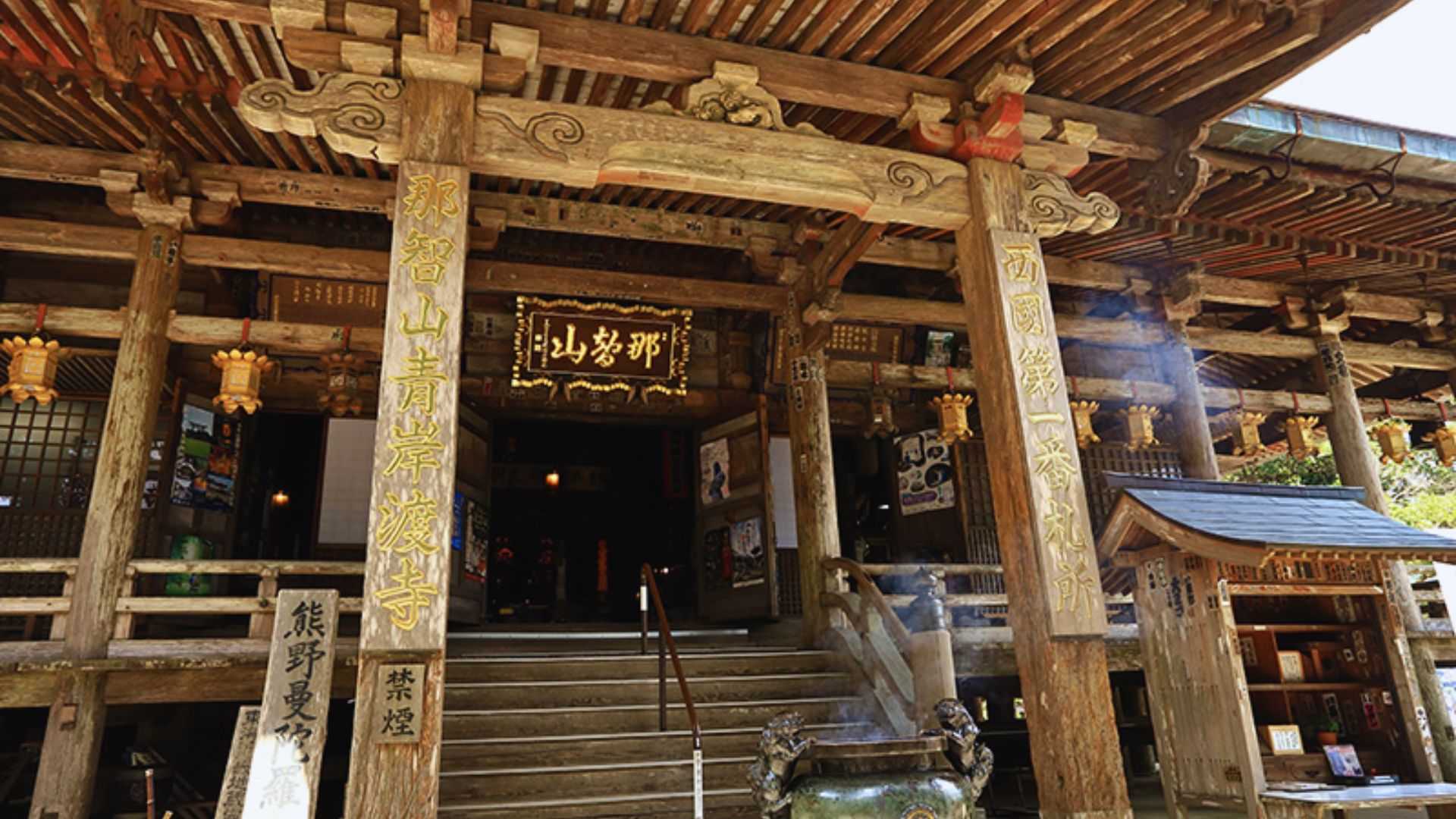
Seigantoji sits right next to Nachi Falls, the tallest waterfall in Japan.
The three-story red pagoda with the waterfall behind it is one of the most photographed views in the country.
The temple is part of the UNESCO-listed Kumano Kodo pilgrimage route. Getting here takes effort, but the view from this spot is completely worth it.
13. Kinpusenji Temple, Yoshino, Nara
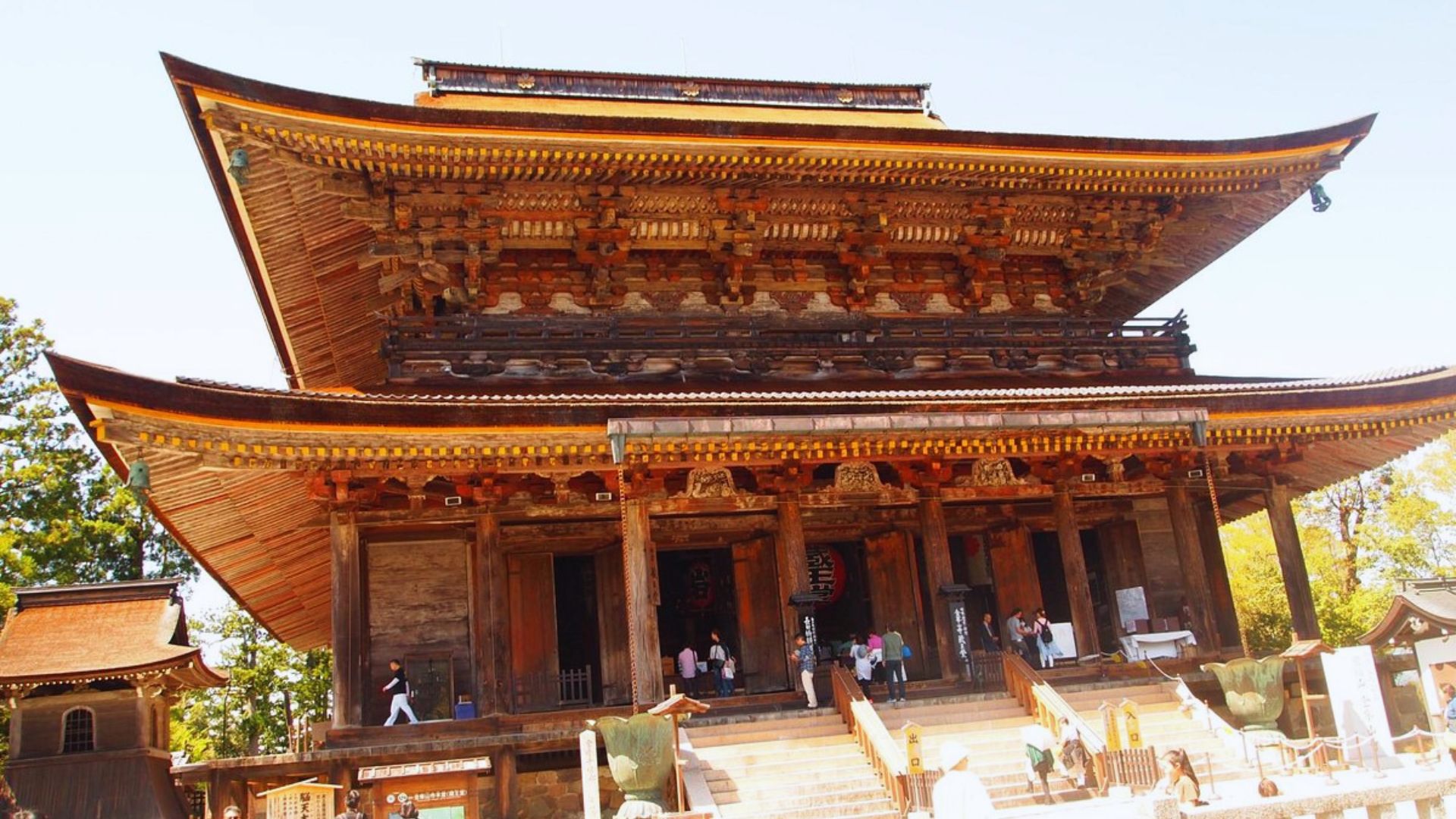
Kinpusenji sits at the entrance to Mount Yoshino, one of Japan’s most sacred mountain ranges.
The main hall is the second largest wooden structure in Japan. The temple holds three giant wooden statues, shown to the public only for brief periods each year.
Yoshino is also known for its thousands of cherry trees, so spring is a great time to visit.
14. Ushiku Daibutsu, Ibaraki
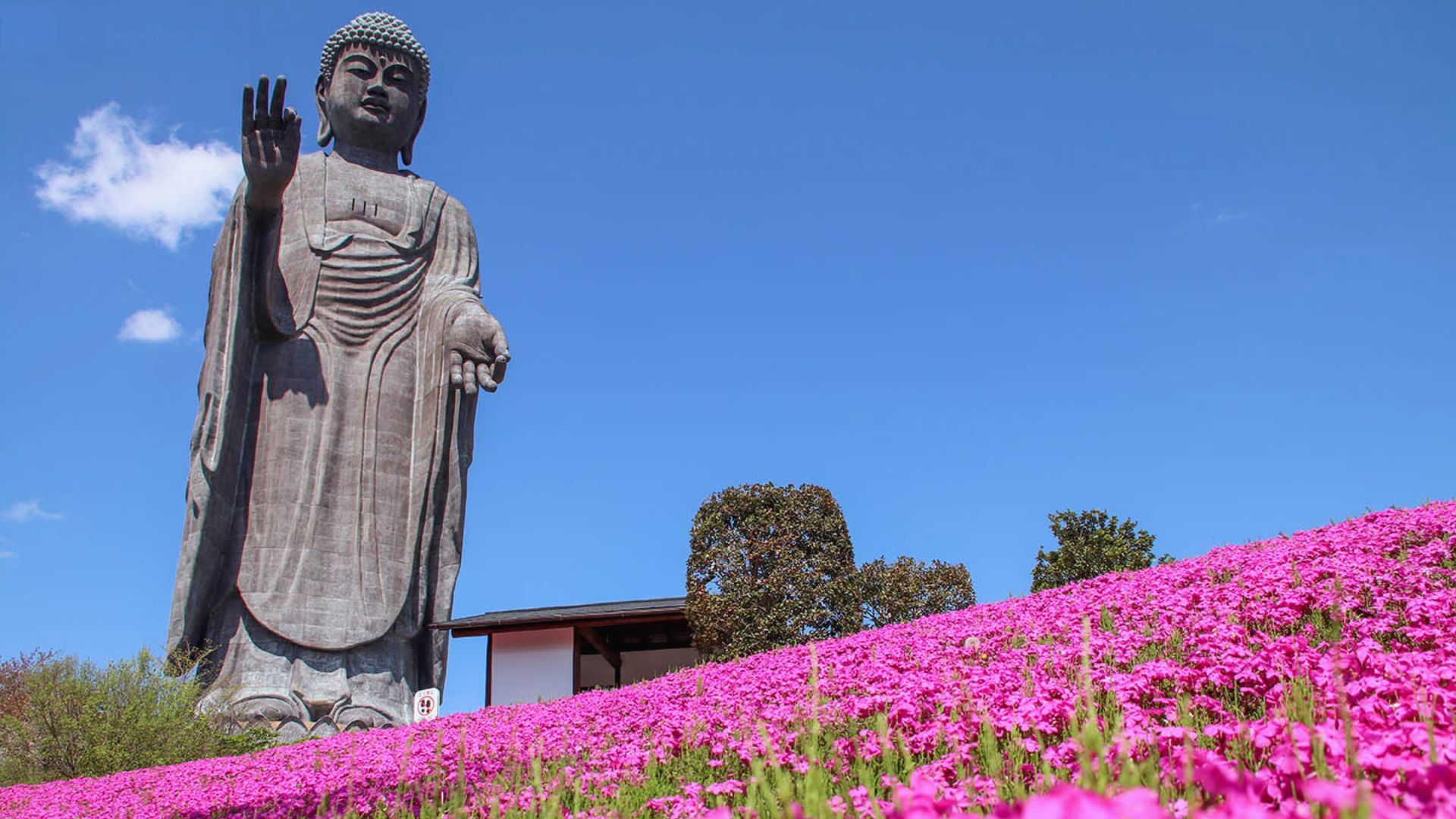
Ushiku Daibutsu stands 120 meters tall, making it one of the largest Buddha statues in the world.
Located in Ibaraki Prefecture, it’s about an hour from Tokyo by train. You can take an elevator inside the statue and look out from viewing platforms at different levels.
The surrounding grounds include a garden and a small deer park.
15. Kamakura Daibutsu (Great Buddha), Kanagawa
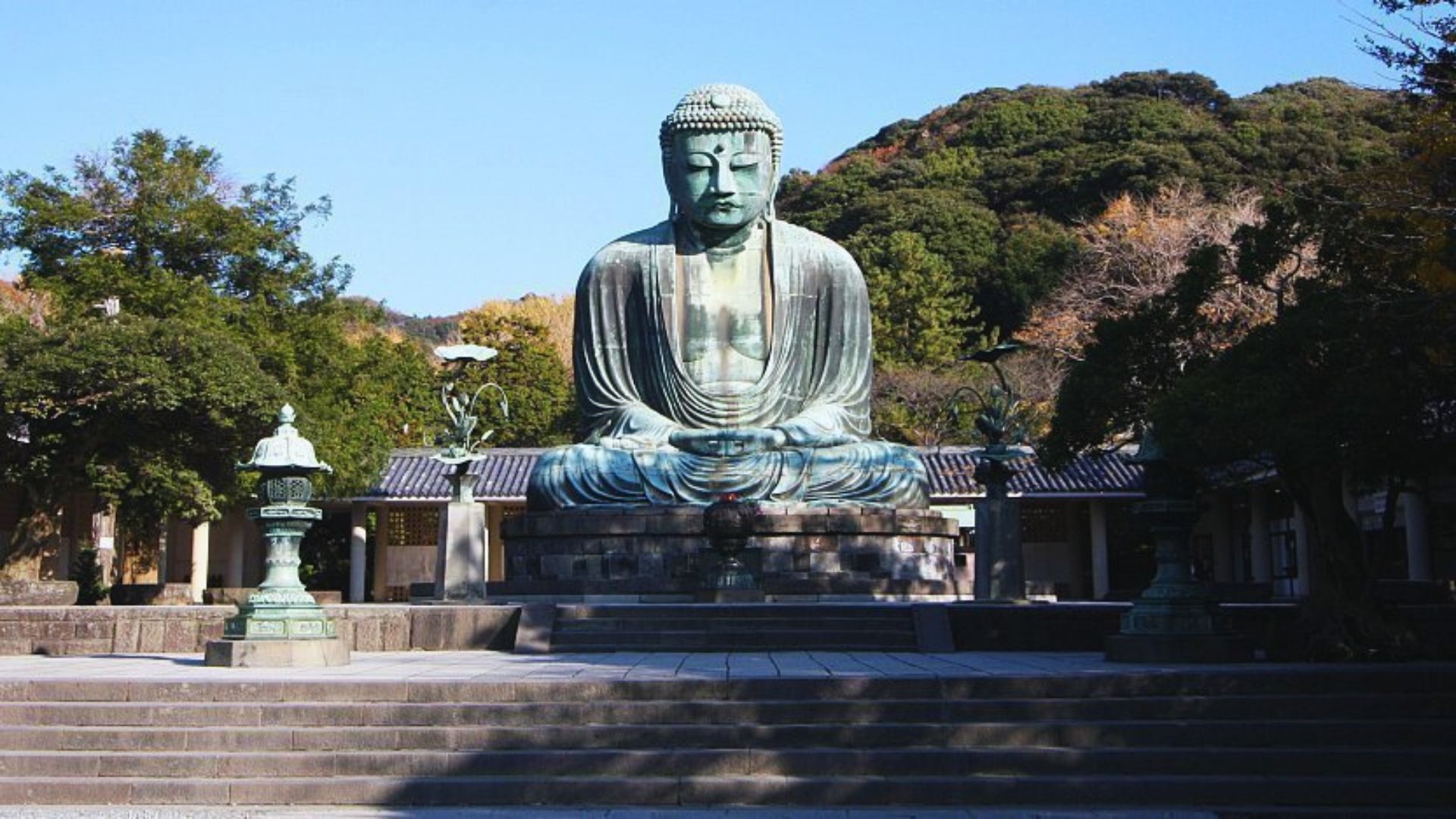
The Kamakura Daibutsu is a 13-meter bronze Buddha that has sat outdoors since the 13th century.
It’s at Kotokuin Temple in Kamakura, about an hour south of Tokyo. You can go inside the statue for a small fee.
The town also has many other temples nearby, making it a solid half-day trip from the city.
16. Hasedera Temple, Nara
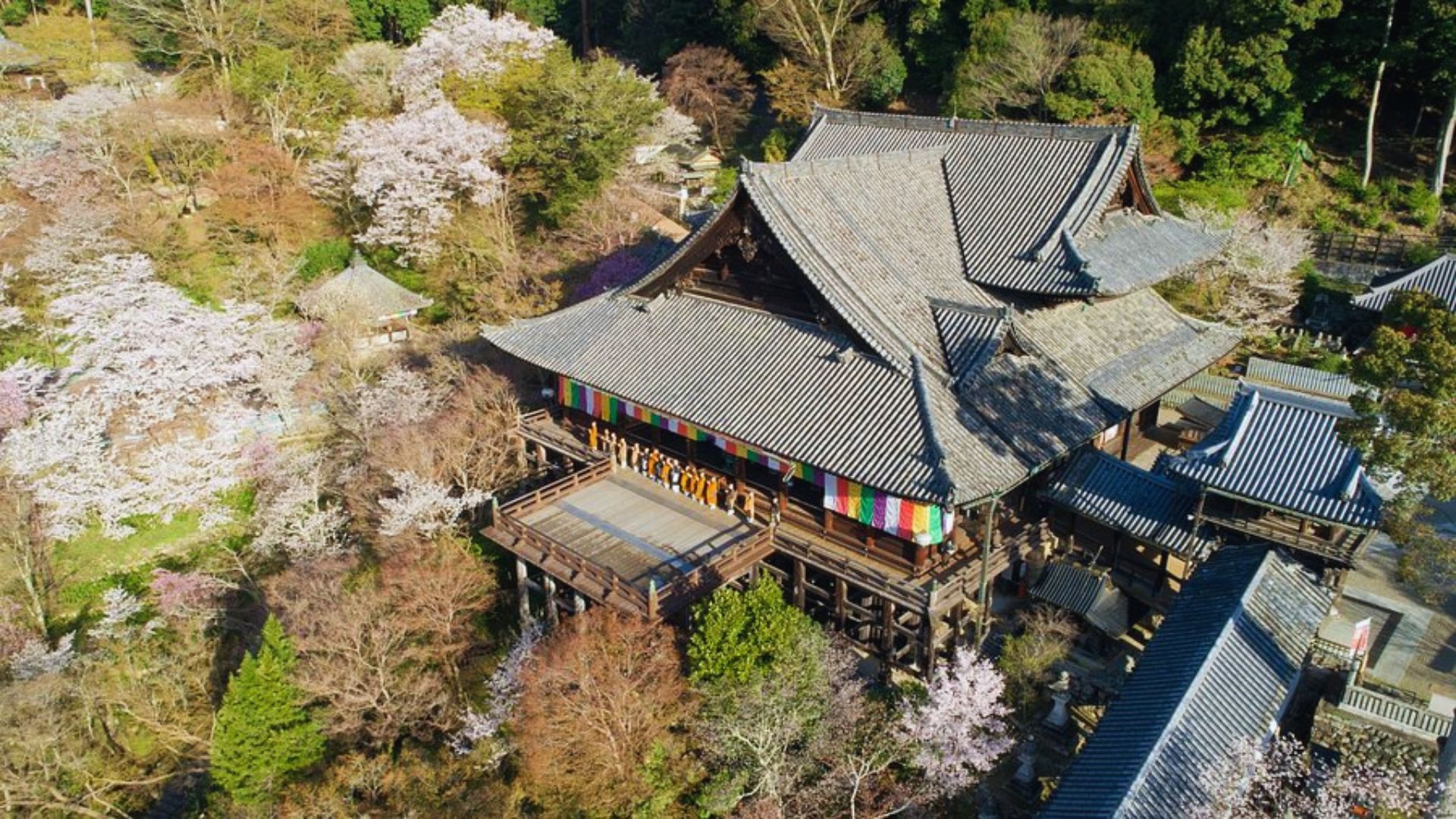
Hasedera has roots going back to 686 AD, making it one of the oldest temples in Japan.
The main hall holds a massive eleven-faced wooden Kannon statue, nearly 10 meters tall. A covered wooden corridor winds up the hillside to the main hall, lined with hanging lanterns.
In spring, the temple is also known for its large peony garden.
17. Daikakuji Temple, Kyoto
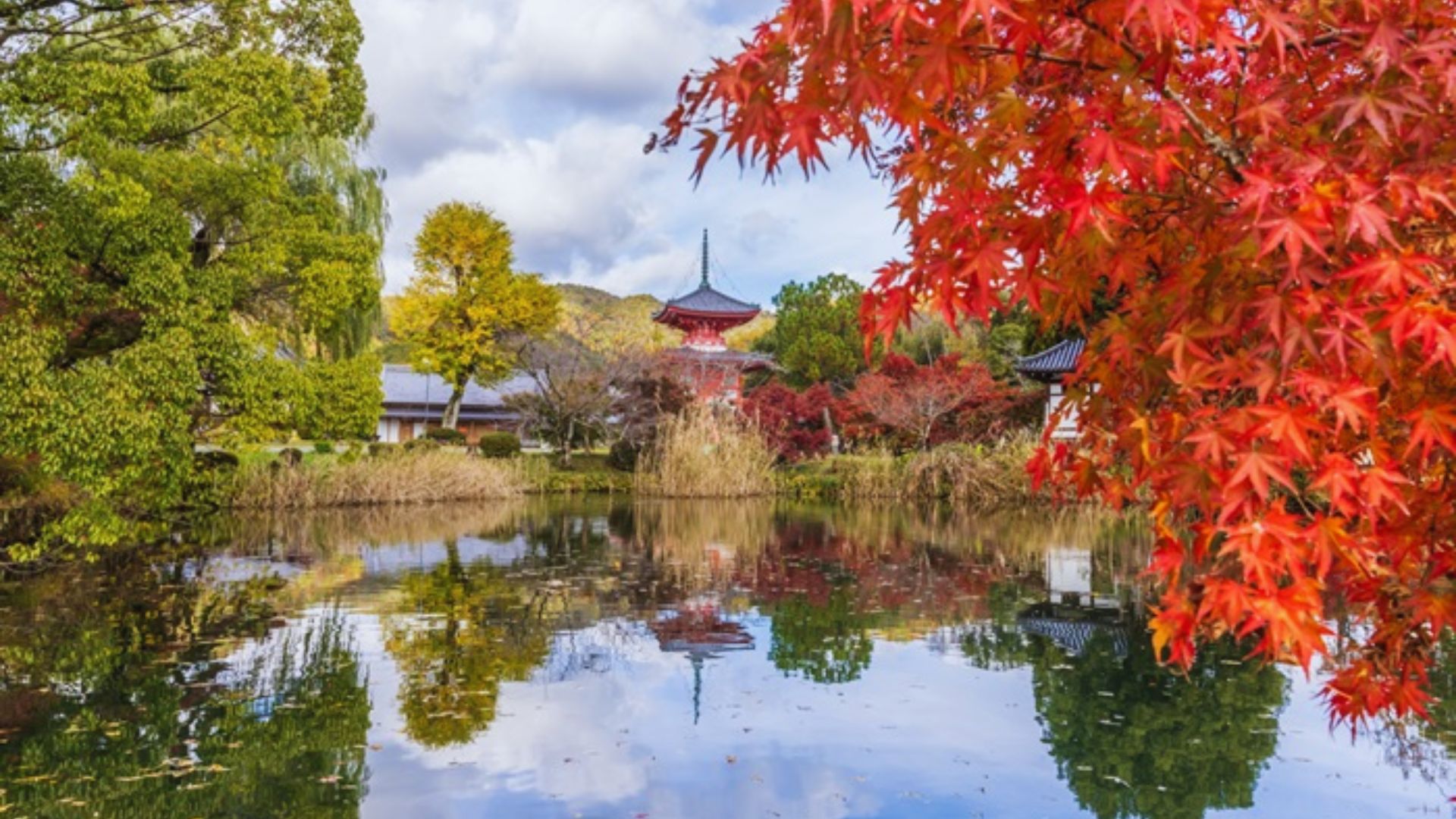
Daikakuji was an imperial villa before it became a temple in 876 AD.
It sits beside Osawa Pond, one of Japan’s oldest man-made ponds, created for moon-viewing ceremonies. The halls are connected by long corridors lined with painted sliding doors.
It’s quieter than most Kyoto temples and feels more like a palace than a typical religious site.
Best Time to Explore Japan’s Temples
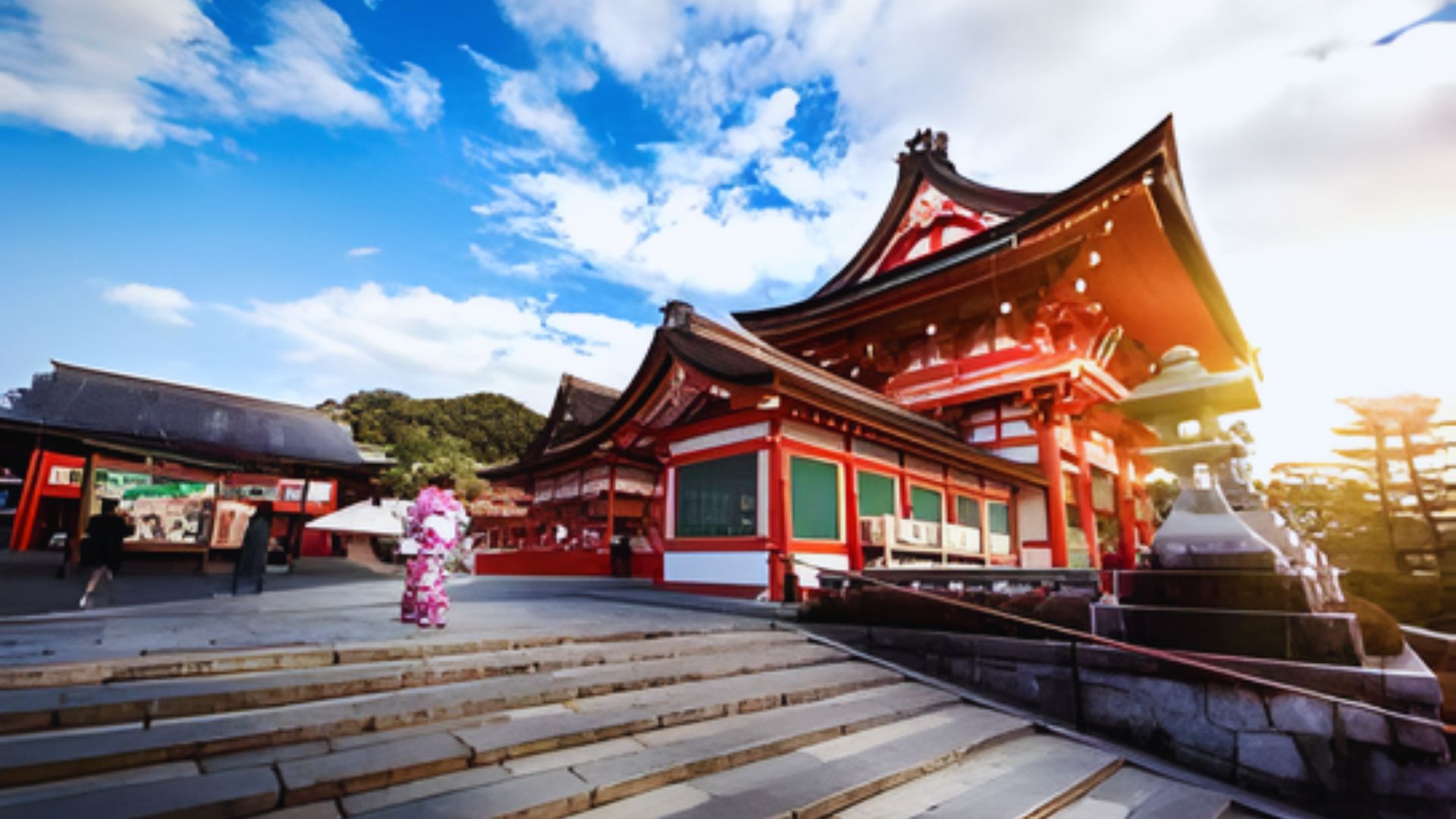
The best time to visit temples in Japan depends on what you want to see. Spring (March to May) brings cherry blossoms, and many temples look spectacular during this season.
Crowds are large though, so book ahead. Summer is hot and humid but less packed in some areas.
Autumn (October to November) is my personal favorite. The red and orange leaves around temple grounds are hard to beat.
Winter can be rewarding too, especially on clear days in Kyoto. Early mornings always give you the quietest and most peaceful experience, no matter the season.
Tips for Visiting Temples in Japan
A few simple habits can make your temple visits much more smooth and respectful.
- Dress modestly. Cover your shoulders and knees, and be ready to remove your shoes when asked.
- Bow at the gate before entering. It takes a second and goes a long way.
- Keep your voice low. These are active places of worship.
- At Shinto shrines, rinse your hands at the water basin before approaching the main hall.
- Check opening hours and entrance fees before you go to avoid a wasted trip.
These small steps go a long way in making your visit more meaningful and respectful for everyone there.
Conclusion
Japan’s temples offer something for everyone, from gold-covered pavilions to ancient rock gardens and towering Buddha statues.
I still think about standing in Ryoanji’s quiet courtyard, just listening to nothing. It stays with you. Start with what interests you most, history, architecture, or a peaceful morning walk.
Did this guide help you plan your trip?
Drop a comment below and share it with someone heading to Japan. Check out our other travel guides for more tips across Asia.
Frequently Asked Questions
How many temples are there in Japan?
Japan has over 77,000 Buddhist temples, making it one of the most temple-rich countries in the world.
Is it free to visit temples in Japan?
Some temples are free to enter, but many charge a small fee, usually between 500 and 1,000 yen.
Can you visit temples in Japan on a Sunday?
Yes, most temples in Japan are open seven days a week, including Sundays and public holidays.
What should I wear when visiting temples in Japan?
Wear modest clothing that covers your shoulders and knees, and be ready to remove your shoes inside some buildings.
How long should I spend at each temple?
Most temple visits take between 30 minutes and one hour, depending on the size of the complex.
