


I have stood on Dubrovnik’s ancient walls and walked through Split’s Roman palace on the same trip. Both cities are incredible, but they are very different.
So, which one is right for you?
In this blog, I will help you decide between Split vs Dubrovnik based on vibe, cost, beaches, nightlife, and day trips.
I have visited both cities and spoken to fellow travelers too. Here is what I found.
General Overview of Split and Dubrovnik
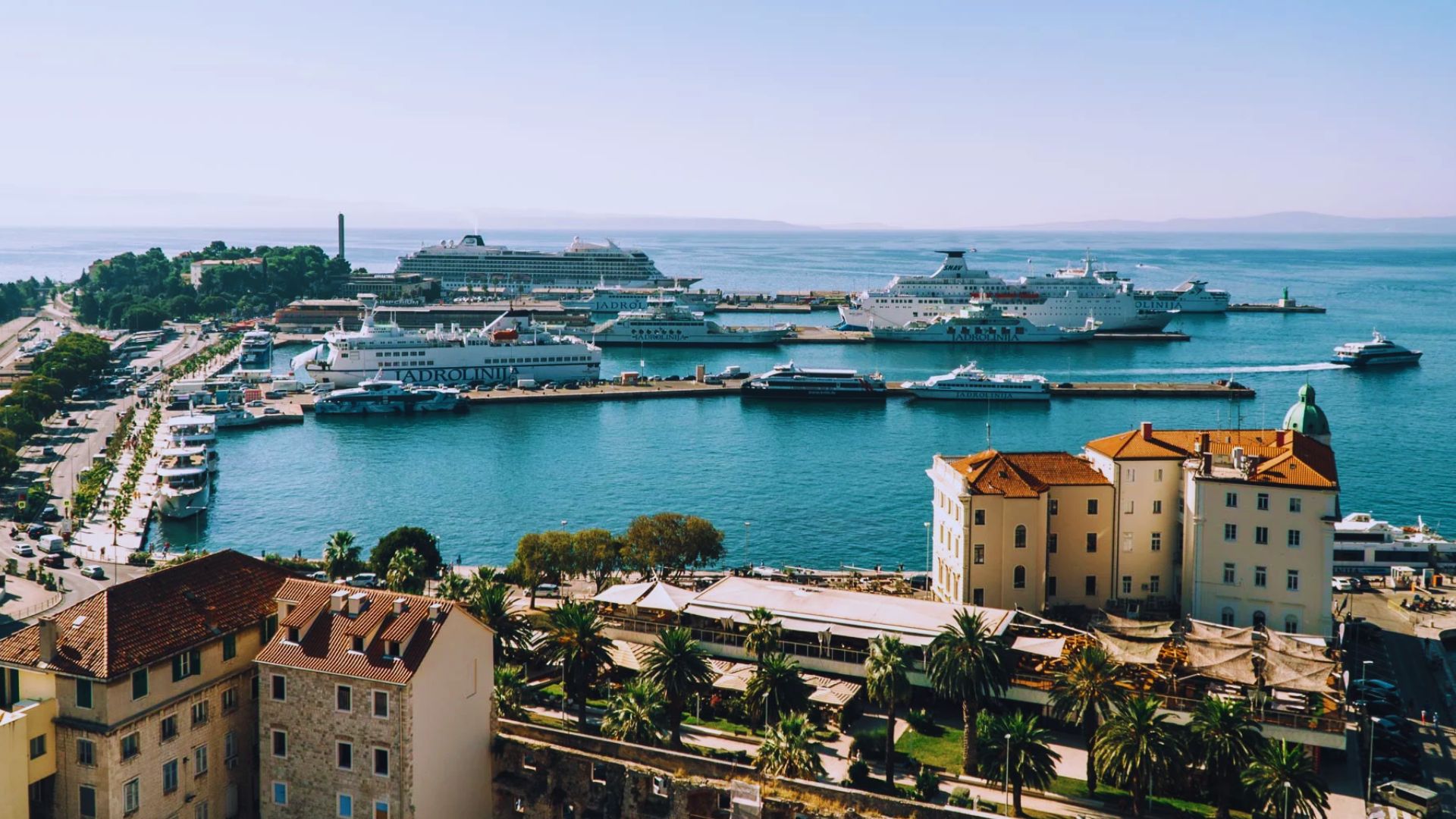
Split and Dubrovnik are two of Croatia’s top destinations, each with a different vibe.
Dubrovnik, the “Pearl of the Adriatic,” is famous for its medieval Old Town, walkable city walls, and romantic, luxurious atmosphere.
Split centers around Diocletian’s Palace, offering historic streets, a lively social scene, and easy access to beaches and day trips.
Both cities boast stunning Adriatic views, rich history, and cultural experiences, making them must-visit destinations depending on whether you prefer romance and luxury or energy and adventure.
Dubrovnik: The Luxury and Historic Experience
Dubrovnik gives you history, fine food, and views that stay with you long after you leave.
Cultural Highlights
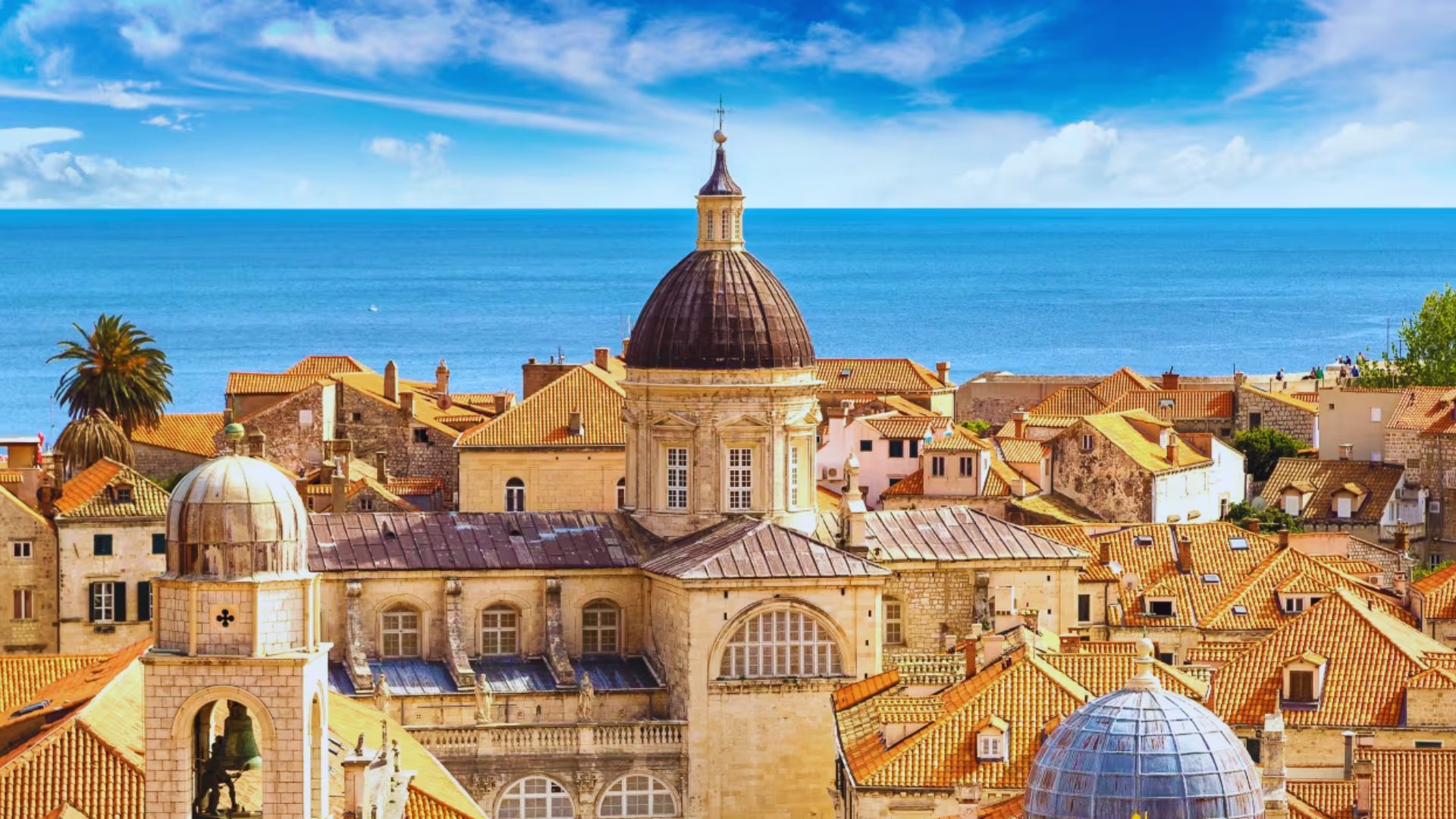
Dubrovnik’s Old Town is a UNESCO World Heritage Site. The medieval streets feel frozen in time.
Fans of Game of Thrones will spot filming locations around every corner. The city walls walk is one of the best things to do here, with wide views of the Adriatic Sea and nearby islands.
Geographical Features
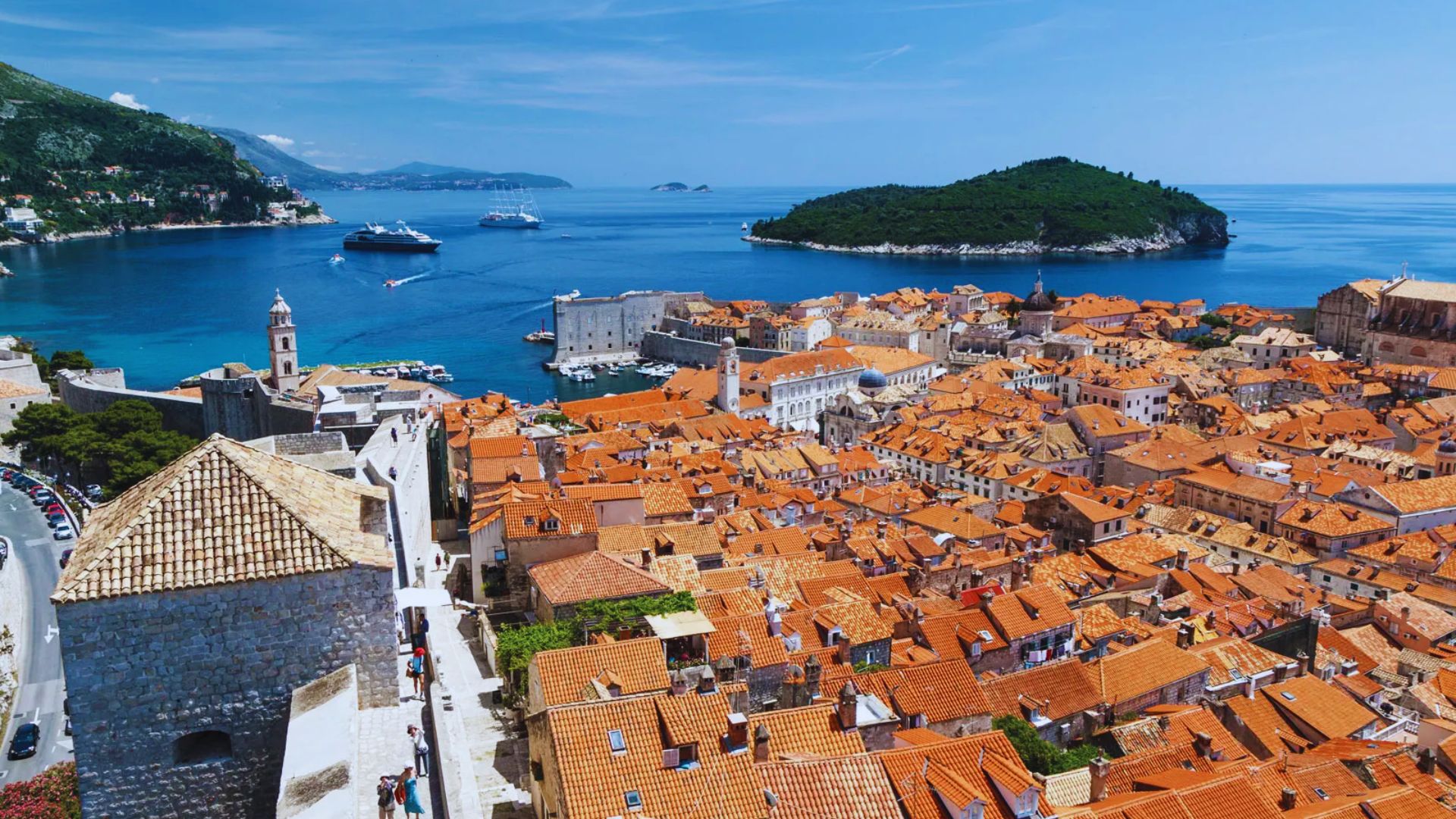
The city is built on coastal cliffs with white limestone streets and terracotta rooftops. Take the cable car up to Mt. Srđ for sunset views that are hard to forget.
Day trips to Lokrum Island, Cavtat, Korčula, and Mljet Island are all easy from here.
Experiential Highlights
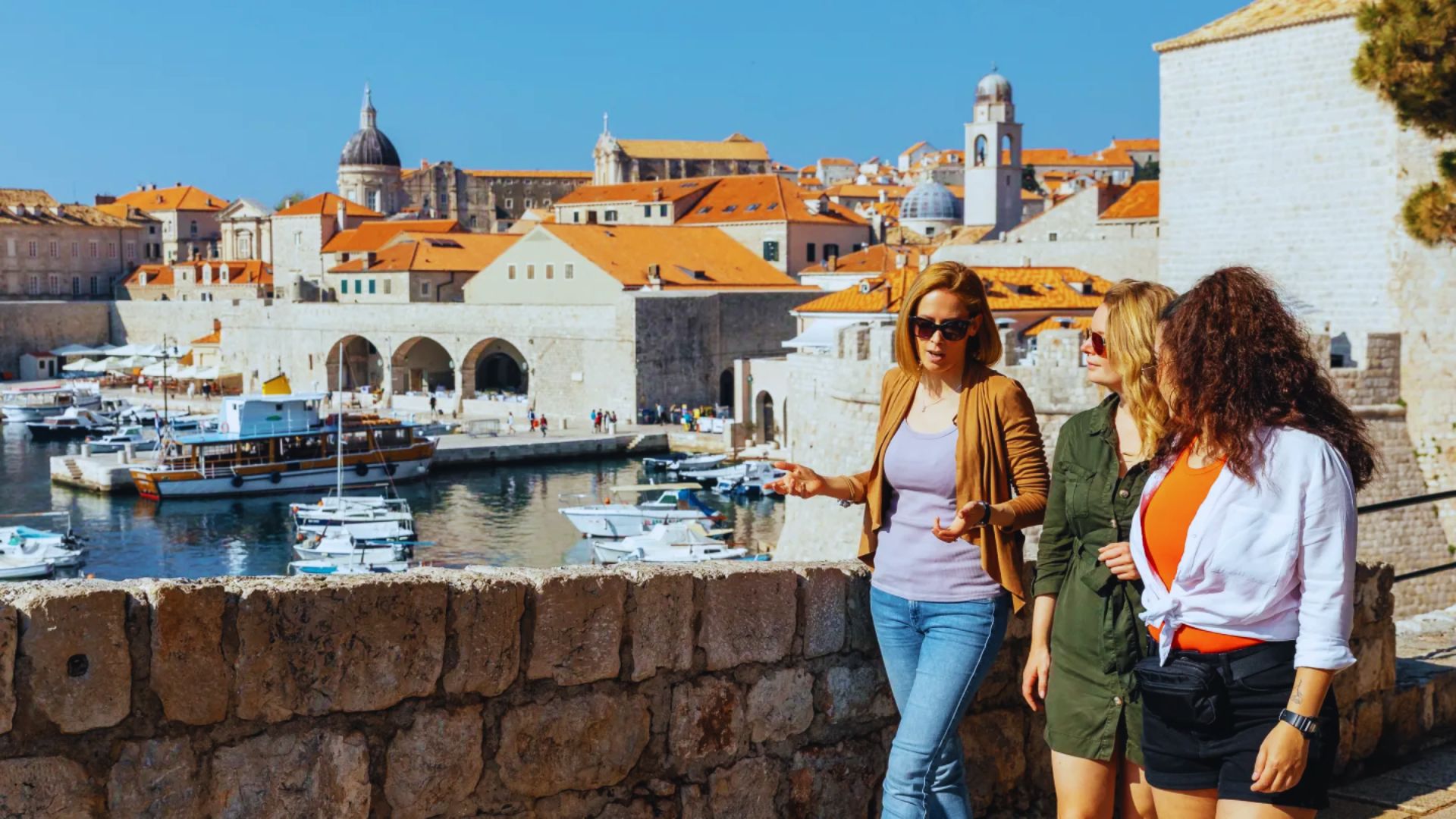
Dubrovnik has some of Croatia’s best restaurants, including Michelin-recommended spots. The vibe is relaxed but refined.
It is a great pick for couples and food lovers. Beaches like Banje, Sveti Jakov, and Copacabana are close to the Old Town, though some have minimum spends.
Split: The Urban and Social Experience
Split mixes ancient Roman history with a lively modern city feel that is hard to find anywhere else.
Cultural Highlights
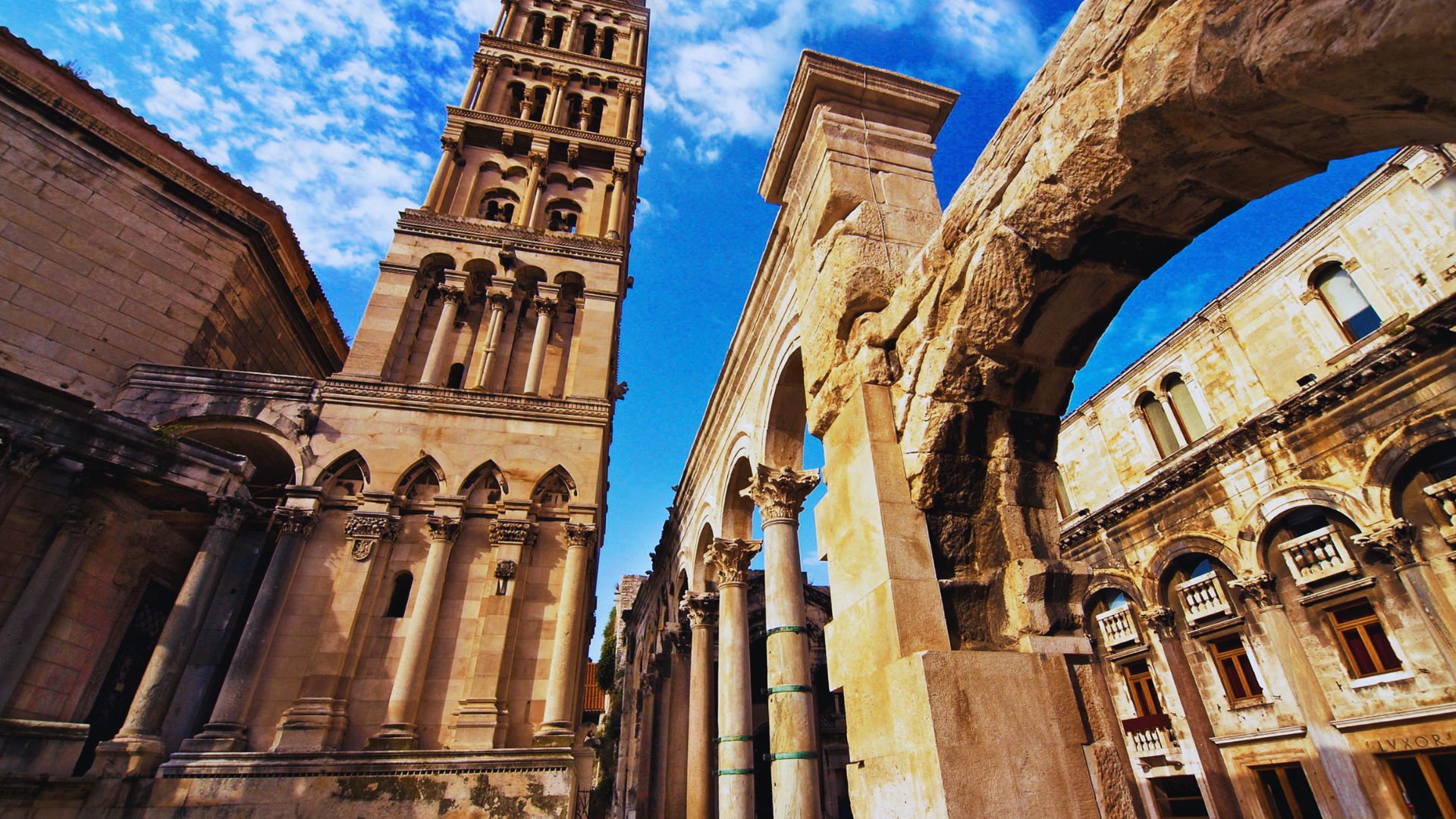
Diocletian’s Palace is the heart of Split, and people actually live and work inside it. St. Domnius Cathedral and Narodni Trg, also called People’s Square, are worth a visit.
The city blends Roman ruins with a very real, lived-in energy. Day trips to Hvar, Krka National Park, the Blue Cave, and Trogir are all popular from Split.
Geographical Features
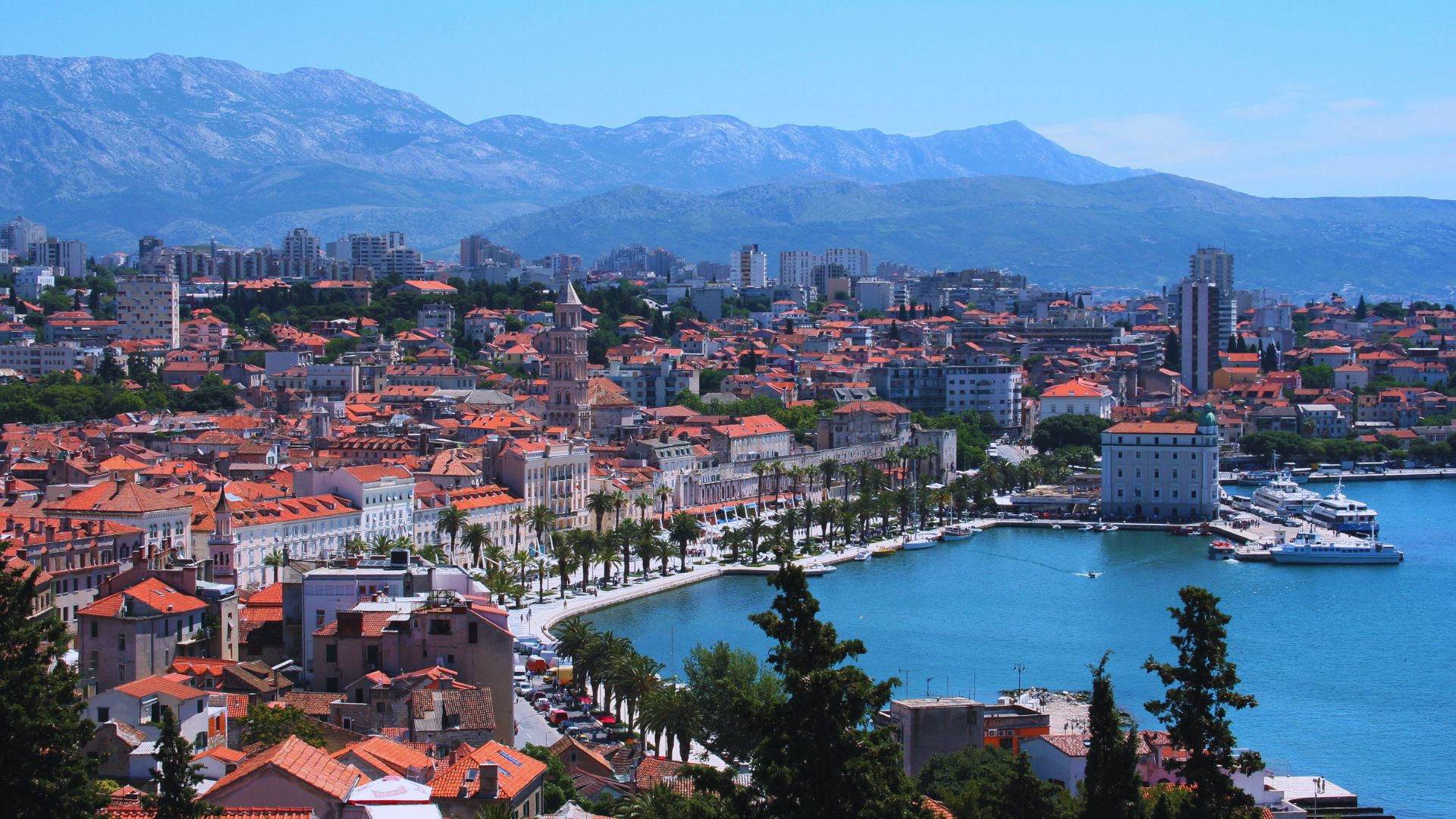
Split is coastal but also very urban. Bacvice Beach is right in the city, great for a quick swim. If you want something quieter, Trstenik, Kastelet, and Kasjuni are all solid options a short distance away.
Experiential Highlights
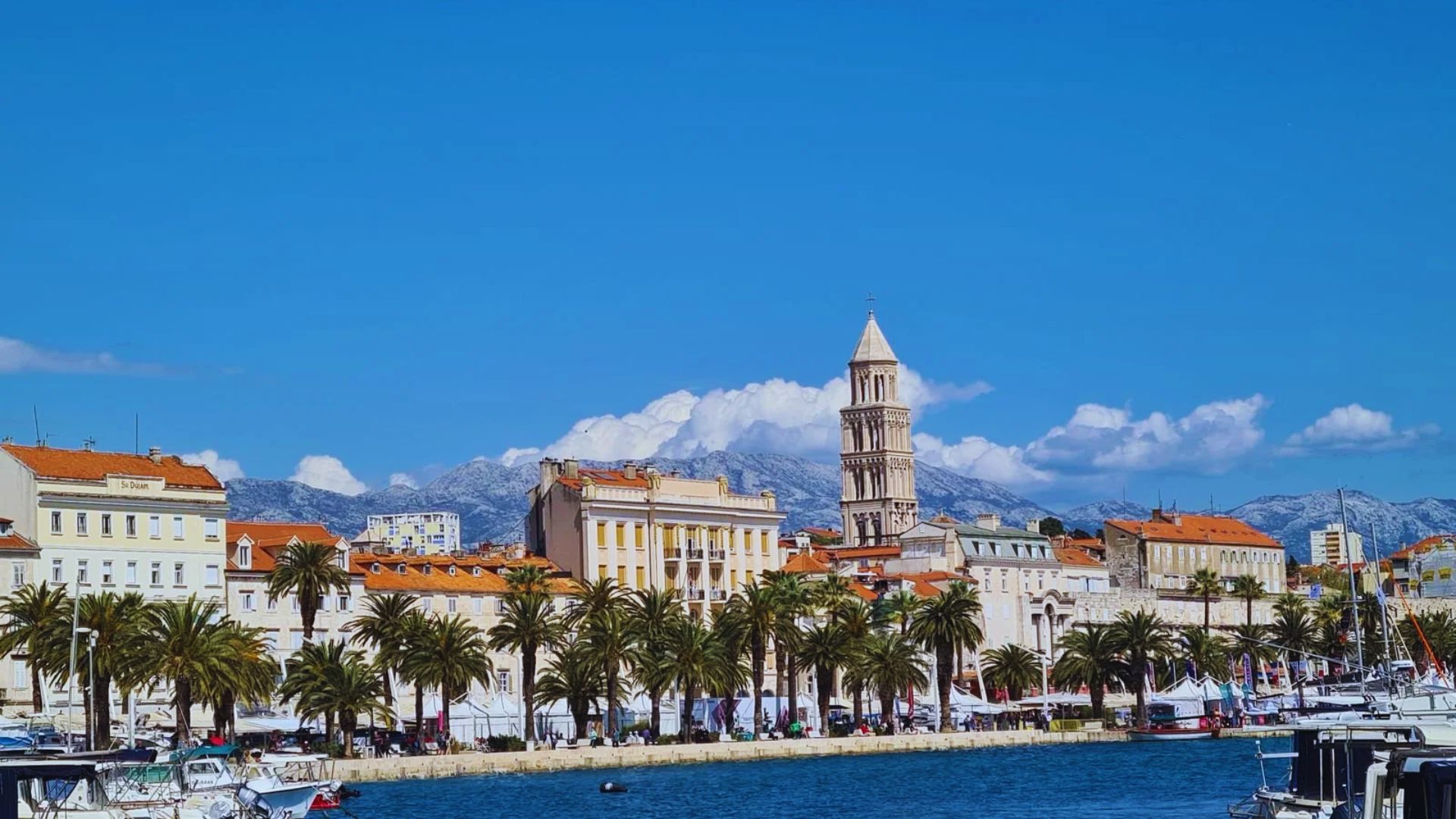
Split has a strong nightlife scene with beach clubs, bars, and live music. It suits solo travelers and groups well.
Accommodation and food are more affordable here than in Dubrovnik, which makes a big difference for longer stays.
Split vs Dubrovnik: Direct Comparison Table
Side-by-side, see how Dubrovnik and Split stack up across vibe, food, beaches, and more to help you choose the right city for your trip.
| Category | Dubrovnik | Split |
|---|---|---|
|
Vibe |
Historic, romantic, luxurious |
Urban, social, lively |
|
Old Town |
Medieval, walkable walls |
Roman palace, historic streets |
|
Food |
Fine dining, international, seafood |
Local, casual, fusion |
|
Nightlife |
Limited clubs and bars |
Beach clubs, lively bars, music scene |
|
Beaches |
Rocky and sandy, tourist-heavy |
Sandy, near city, more options |
|
Hotels |
Luxury hotels, boutique stays |
Budget to mid-range, variety |
|
Cost |
Higher, premium destination |
Moderate, more affordable |
|
Activities |
City walls, cable car, tours |
Day trips, water sports, nightlife |
|
Day Trips |
Islands and coastal towns |
Krka, Hvar, Plitvice, Trogir |
Tips for Visiting Both Cities
A few practical tips to help you get the most from your time in either city.
- Book early for Dubrovnik. Hotels and tours fill up fast, especially in summer. Prices drop if you plan ahead.
- Stay inside Diocletian’s Palace in Split. It is one of the most interesting places to sleep in Europe. Very few cities let you stay inside a Roman ruin.
- Visit in May, June, or September. July and August are very crowded and hot in both cities. Shoulder season gives you better weather and fewer crowds.
- Get a Dubrovnik Card if you plan to do the walls, cable car, and a few museums. It saves money and time.
- In Split, rent a scooter or book a boat tour. The surrounding islands and beaches are easy to reach and far less crowded than the city center.
Conclusion
I will be honest with you. If I had to pick just one, I would go to Split first and save Dubrovnik for a special trip.
Split gave me more freedom, better food for less money, and easier access to day trips. Dubrovnik gave me one of the most memorable evenings of my life, walking the walls at golden hour.
Both cities are worth it. The real question is what you want from your trip.
Drop a comment below and tell me which one you are leaning toward. I read every reply.
Frequently Asked Questions
Is Split or Dubrovnik better for first-time visitors to Croatia?
Both are great starting points. Split works well if you want more variety and lower costs. Dubrovnik is better if you want a focused, historic experience and do not mind spending more.
Which city is more affordable, Split or Dubrovnik?
Split is noticeably cheaper. You will pay less for accommodation, food, and activities compared to Dubrovnik, which is one of the more expensive cities on the Adriatic coast.
Can I visit both Split and Dubrovnik on the same trip?
Yes, easily. The two cities are about four hours apart by bus or ferry. Many travelers stop in Split first, then head south to Dubrovnik before flying home.
Which city has better beaches?
Split has more beach options that are easier to reach from the city center. Dubrovnik’s beaches are scenic but tend to get very crowded in peak season and some charge entry fees.
What is the best time of year to visit Split or Dubrovnik?
May, June, and September are the best months. The weather is warm, the sea is swimable, and both cities are far less crowded than in July and August.
