


I almost skipped Ho Chi Minh City for a beach town. That would have been a mistake I’d still regret. This city pulled me in from the first morning and didn’t let go for five days.
There’s a version of this place that most travelers never see because they leave too soon. I put together this Ho Chi Minh City itinerary to change that.
Whether you have three days or five, this guide will help you see more, waste less time, and actually understand what makes Saigon worth every hour you give it.
Ho Chi Minh City at a Glance

Ho Chi Minh City, still widely called Saigon, is Vietnam’s biggest and most fast-paced city. District 1 is the tourist center, while Districts 3, 4, and 5 offer a more local feel.
The best time to visit is between December and April. That’s the dry season, and outdoor sightseeing becomes far more comfortable.
A 4 to 5 day trip is the sweet spot. You get time for the main landmarks, a day trip or two, and still have room to slow down.
Getting around is easy. Grab is cheap and reliable. Short walks work well in District 1, and metered taxis are available too.
How to Plan the Perfect Ho Chi Minh City Itinerary
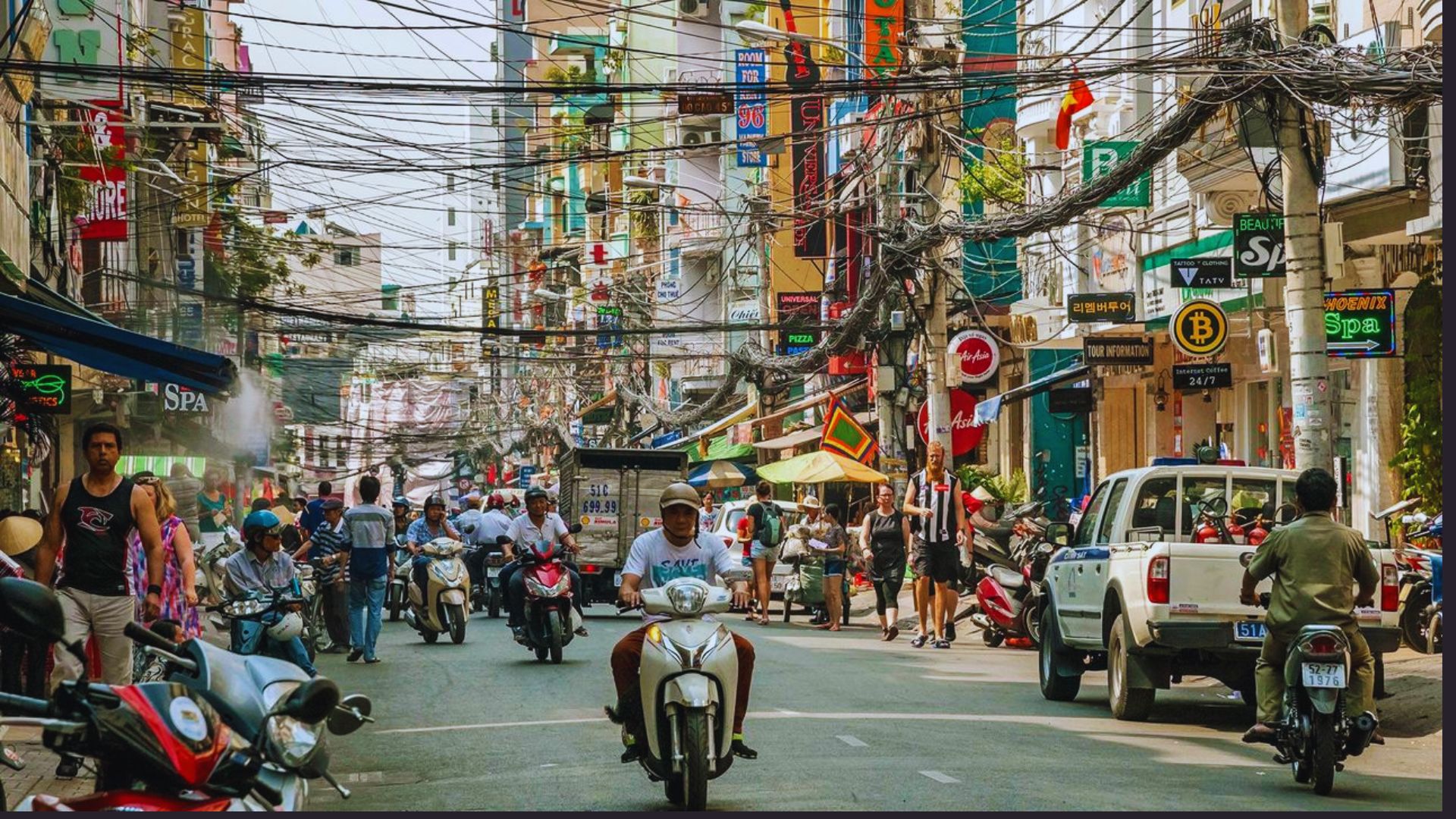
Before booking anything, it helps to have a basic framework. Knowing your trip length and where you’ll stay shapes everything else.
Choosing the Right Duration (3 vs 5 Days)
Three days covers the highlights: War Remnants Museum, Cu Chi Tunnels, Ben Thanh Market, and one evening food crawl. Doable, but tight.
Travelers following a Ho Chi Minh City itinerary 3 days plan will need to prioritize and skip slower-paced activities like the Mekong Delta or Cholon.
Five days gives you breathing room. A full-day Mekong Delta tour, a morning in Chinatown, and still time for a spa day. The extra days make the whole trip feel less rushed.
Where to Stay in the City
Where you stay affects how much time you waste commuting. District 1 is the most convenient option, while District 3 offers a quieter, more local experience.
- District 1: Best for first-timers. Close to landmarks, nightlife, and restaurants.
- District 3: Quieter. Great cafés, local eateries, and a residential feel.
- Budget stays: Guesthouses in District 1 range from $10 to $25 per night.
- Mid-range hotels: Solid 3-star options between $40 to $80 per night.
- Luxury: Rooftop pools and premium service from $120 and above.
For most travelers, District 1 makes the most sense. It keeps travel time short and energy focused on the city.
Travel Tips for First-Time Visitors
First-time visitors often get overcharged, wear the wrong clothes into temples, or struggle with payments. Here’s what actually helps.
- Currency: Vietnamese Dong (VND) is the local currency. Carry cash for street food and markets.
- Payments: Big hotels and restaurants take cards. Street stalls are cash-only.
- Safety: Generally safe, but keep your bag close in crowded areas.
- Etiquette: Dress modestly at temples. Remove shoes and speak softly inside.
- Scams: Always use Grab or agree on a taxi fare before getting in.
A little preparation goes a long way here.
Day 1: Visit the Heart of Saigon
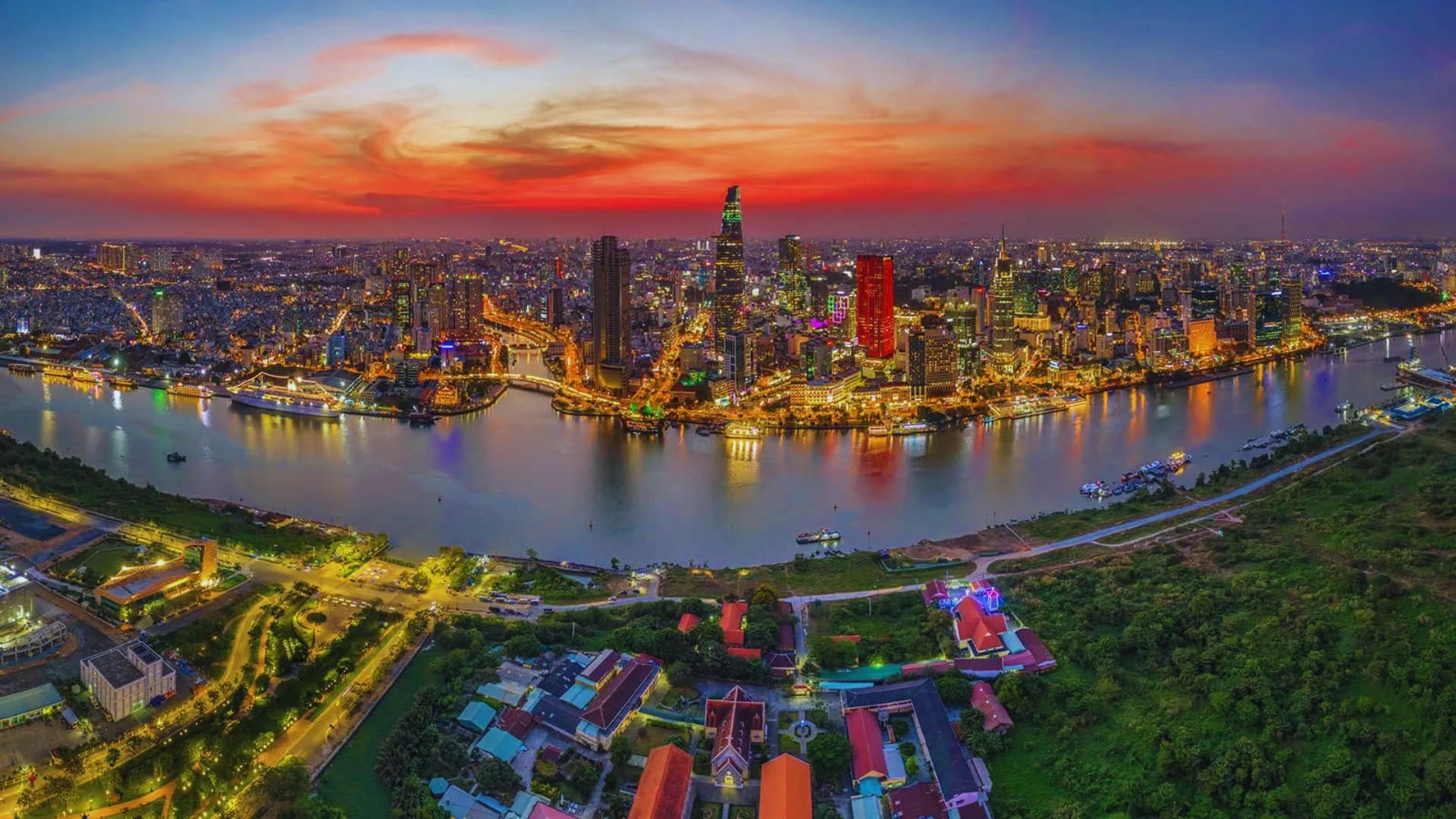
Start with the landmarks, hit a market in the afternoon, then ease into the evening with street food and a rooftop drink.
Visit Historic Landmarks
Notre-Dame Cathedral is one of the most recognizable spots in District 1. The red-brick French colonial structure is worth a visit even if you’re not religious.
Right next door, the Central Post Office looks more like a grand hall than a working post office. Most visitors walk right past it. Don’t.
Independence Palace is a short walk away. This is where the Vietnam War effectively ended in 1975. The building is preserved exactly as it was, including the underground war rooms.
Check out Local Markets
Ben Thanh Market sells everything: clothing, spices, souvenirs, and food. Go in the morning when it’s less crowded and easier to browse.
Bargaining is expected. Start at half the asking price and meet in the middle. Sellers expect it, so don’t feel awkward.
Evening Food and Nightlife
Head to a rooftop bar in District 1 for sunset views. Chill Skybar or EON Heli Bar both offer great city views. Prices are higher up here, but worth it once.
Then do a street food crawl around Bui Vien. Try banh mi, pho, and fresh spring rolls. Budget around 100,000 to 150,000 VND for a full street food dinner.
Day 2: War History and Cultural Depth

Day two slows down and gets heavier. It’s the kind of day that stays with you long after you leave.
War Remnants Museum Experience
The War Remnants Museum in District 3 documents the Vietnam War through raw photographs, weapons, and personal accounts. It’s one of the most visited museums in Southeast Asia for good reason.
The third floor is the hardest to get through. Many visitors take breaks between floors. Go in the morning and give yourself at least two hours.
Cu Chi Tunnels Half-Day Trip
The Cu Chi Tunnels are about 40 kilometers from the city. Viet Cong soldiers used this underground network to move troops, store supplies, and launch attacks during the war.
You can crawl through sections yourself. It’s tight, dark, and physically demanding but gives you a real sense of what life underground looked like.
Book a half-day tour from District 1. Most return you by early afternoon, leaving time for the museum in the same day.
Relaxing Evening in District 1
Keep the evening low-key after a heavy day. Cong Caphe is a popular café with solid coconut coffee and a retro vibe.
Nguyen Hue Walking Street is pedestrian-only in the evenings. It’s lined with lights and outdoor seating. A good place to decompress.
Day 3: Mekong Delta Experience

Get your rest the night before. The Mekong Delta tour is a full day and one of the best things you can do on this entire trip.
Full-Day Mekong Delta Tour
Most tours head to Ben Tre or My Tho. You’ll travel by wooden boat through narrow canals, visit small villages, and watch locals make coconut candy by hand.
Lunch is usually included and served riverside. Fresh fish, rice, and local fruit. Simple and genuinely good.
What Makes It Exceptional
The Mekong Delta shows you rural Vietnamese life up close. Rice paddies, floating markets, and wooden homes built right on the river’s edge.
Most city-focused itineraries skip this. That’s a mistake. The contrast between Saigon’s pace and the delta’s stillness is something no landmark can replicate.
Alternative for Short Trips
For a Ho Chi Minh City itinerary 3 days plan, the Mekong Delta tour can replace Day 4’s Cholon visit. It’s a better use of a full day if you have to choose.
A half-day My Tho tour is also available for tighter schedules. Don’t skip it entirely.
Day 4: Hidden Gems and Local Experiences
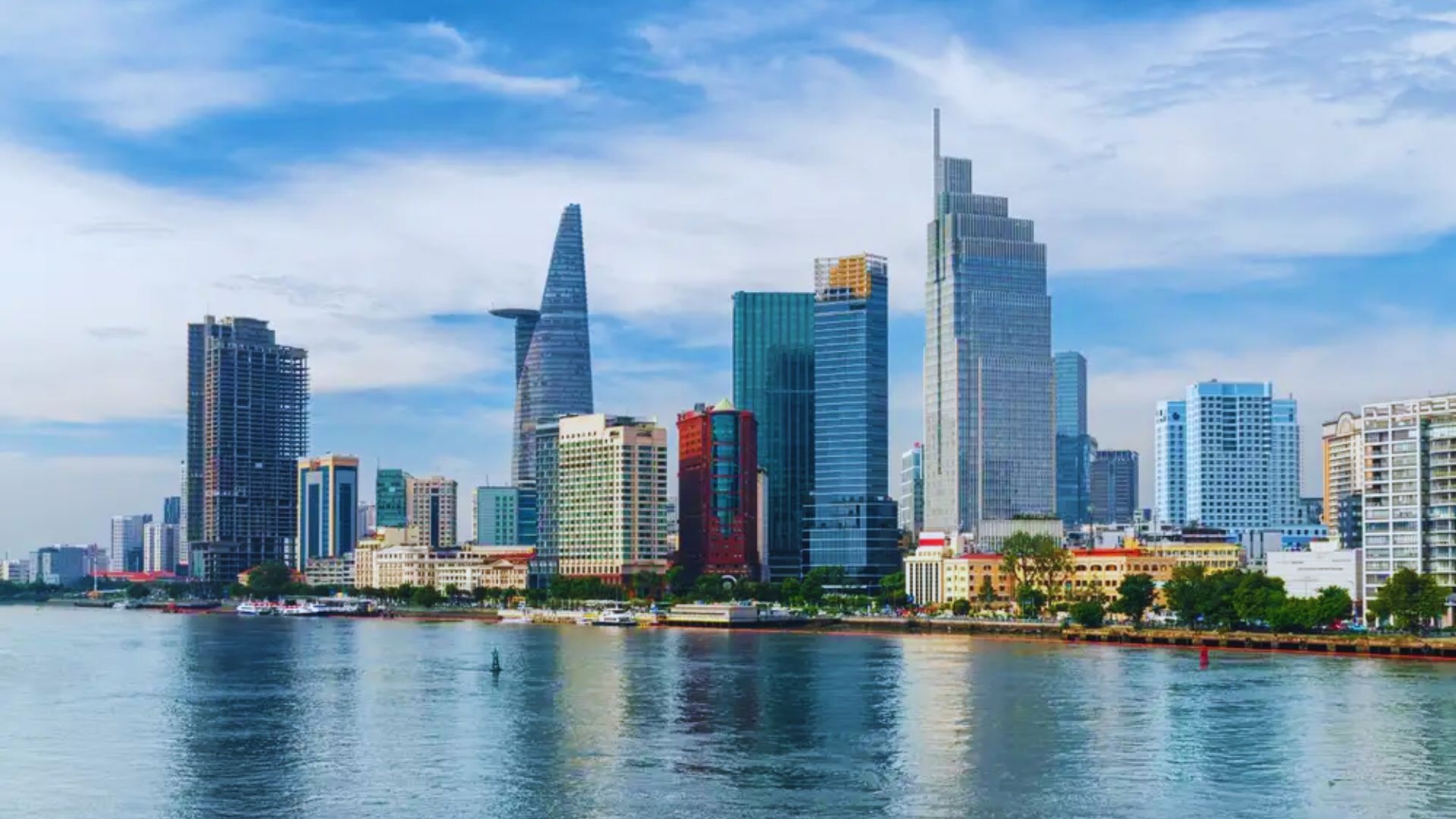
By day four, you’re comfortable with the city. This is the day to step away from the tourist trail entirely.
Visit Cholon (Chinatown)
Cholon, in District 5, has been a Chinese Vietnamese hub for centuries. The Thien Hau Temple is the main draw. Giant incense coils hang from the ceiling and burn for days.
Wander through the wet market on Chau Van Liem Street. It’s loud, packed, and full of dried goods and herbs you’ve probably never seen before.
Visit Exceptional Cafés
Ho Chi Minh City has a serious coffee culture. The apartment cafés on Nguyen Hue Street sit inside an old residential building, with each floor turned into its own café. Take the stairs and explore.
Try egg coffee and iced coconut coffee. Both are local favorites and taste nothing like what you’d find back home.
Saigon River Cruise or Sunset Views
A dinner cruise along the Saigon River runs for about two hours and includes local food. Relaxed, scenic, and a completely different pace from the streets.
If cruises aren’t your thing, Bach Dang Wharf at sunset is quieter, cooler, and just as rewarding.
Day 5: Flexible Exploration and Shopping

The last day is yours to shape. Most people use it for souvenirs, a missed museum, and a massage before the airport.
Museums or Art Spaces
The Ho Chi Minh City Museum of Fine Arts is housed in a colonial building and shows Vietnamese art across different periods. Quiet, unhurried, and worth a morning visit.
For something more current, San Art and other independent galleries in Districts 1 and 3 reflect a growing local art scene.
Shopping for Souvenirs
Ben Thanh Market is the most convenient for last-minute shopping. Lacquerware, silk scarves, and hand-painted art are all easy finds.
For better quality at fixed prices, try the shops along Dong Khoi Street. Skip the malls unless you’re after international brands.
Spa and Relaxation
A 60-minute traditional Vietnamese massage typically costs 150,000 to 300,000 VND. Many spas in District 1 also offer foot massages and herbal treatments.
Book an afternoon slot so you’re refreshed before your evening departure. A calm way to close out the trip.
Travel Budget for 4-5 Days

Ho Chi Minh City is very affordable. Budget travelers can manage on $30 to $40 per day, covering accommodation, street food, and transport.
Mid-range travelers spending on nicer meals, tours, and a comfortable hotel can expect $70 to $100 per day. The Cu Chi Tunnels tour costs around $15 to $20, and the Mekong Delta full-day tour runs $25 to $40. Museum entry fees are mostly under $5.
Rooftop bars and alcohol are where costs climb fastest. Keep bar nights to one or two and your budget stays on track.
Key Tips to Maximize Your Itinerary
A solid plan helps, but a few practical habits will make the whole trip run smoother from day one.
- Book day tours in advance. Cu Chi Tunnels and Mekong Delta fill up fast in peak season.
- Use Grab for all rides. Cheaper than taxis, no pricing surprises.
- Start early. Heat builds by midday and popular spots get crowded fast.
- Carry small bills. Many street vendors can’t break large notes.
- Eat where locals eat. A packed plastic-chair restaurant is almost always a good sign.
- Wear light, breathable clothing. Humidity is real, especially May to October.
- Stay hydrated. Bottled water is cheap and available everywhere.
Flexibility matters too. Some of the best moments happen when you put the map down and just walk.
Conclusion
Ho Chi Minh City got under my skin in a way I didn’t expect. And I’ve seen that happen to almost every traveler I’ve helped plan this trip for. The city gives back what you put in.
Stay longer, go deeper, and you’ll leave with stories worth telling.
So here’s what I want you to do: start building your Ho Chi Minh City itinerary today.
Then come back and tell me which day surprised you the most. Drop it in the comments. I genuinely want to know.
Frequently Asked Questions
How Many Days Are Enough for a Ho Chi Minh City Itinerary?
Three to five days is the ideal range. Five days gives you the best coverage without feeling rushed.
Can I Follow a Ho Chi Minh City Itinerary in 3 Days?
Yes, but stick to the top priorities: War Remnants Museum, Cu Chi Tunnels, and Ben Thanh Market. Plan each day tightly and skip slower activities.
What Is the Best Area to Stay in Ho Chi Minh City?
District 1 is the most practical choice. It puts you within walking distance of most major attractions and suits all budgets.
Is Ho Chi Minh City Expensive for Tourists?
No, it’s one of the more affordable cities in Southeast Asia. Street food, local transport, and budget stays are all very reasonably priced.
What Are the Must-Visit Places in Ho Chi Minh City?
The War Remnants Museum, Cu Chi Tunnels, Ben Thanh Market, and the Mekong Delta are the top priorities. Notre-Dame Cathedral and Independence Palace round out the historical highlights.
