


Acadia National Park is a top-tier destination for hikers and adventurers on the entire East Coast. Located on Maine’s rocky coastline, this 49,000-acre park offers a mix of towering granite cliffs and forest trails.
I’ve hiked these trails multiple times and can tell you they’re open to all ability levels. Kids can take flat, easy trails along lakeshores. Daredevils climb iron-rung ladders fixed to vertical cliffs.
This guide covers the most fulfilling hikes in Acadia, from challenging climbs to quiet forest walks. You’ll find useful details about length, difficulty, and what makes each trail special.
Top Hikes in Acadia National Park
The following trails represent the best the park offers, from adrenaline-pumping cliff climbs to relaxing waterside loops that anyone can complete.
1. Beehive Trail: Iconic Cliff Adventure
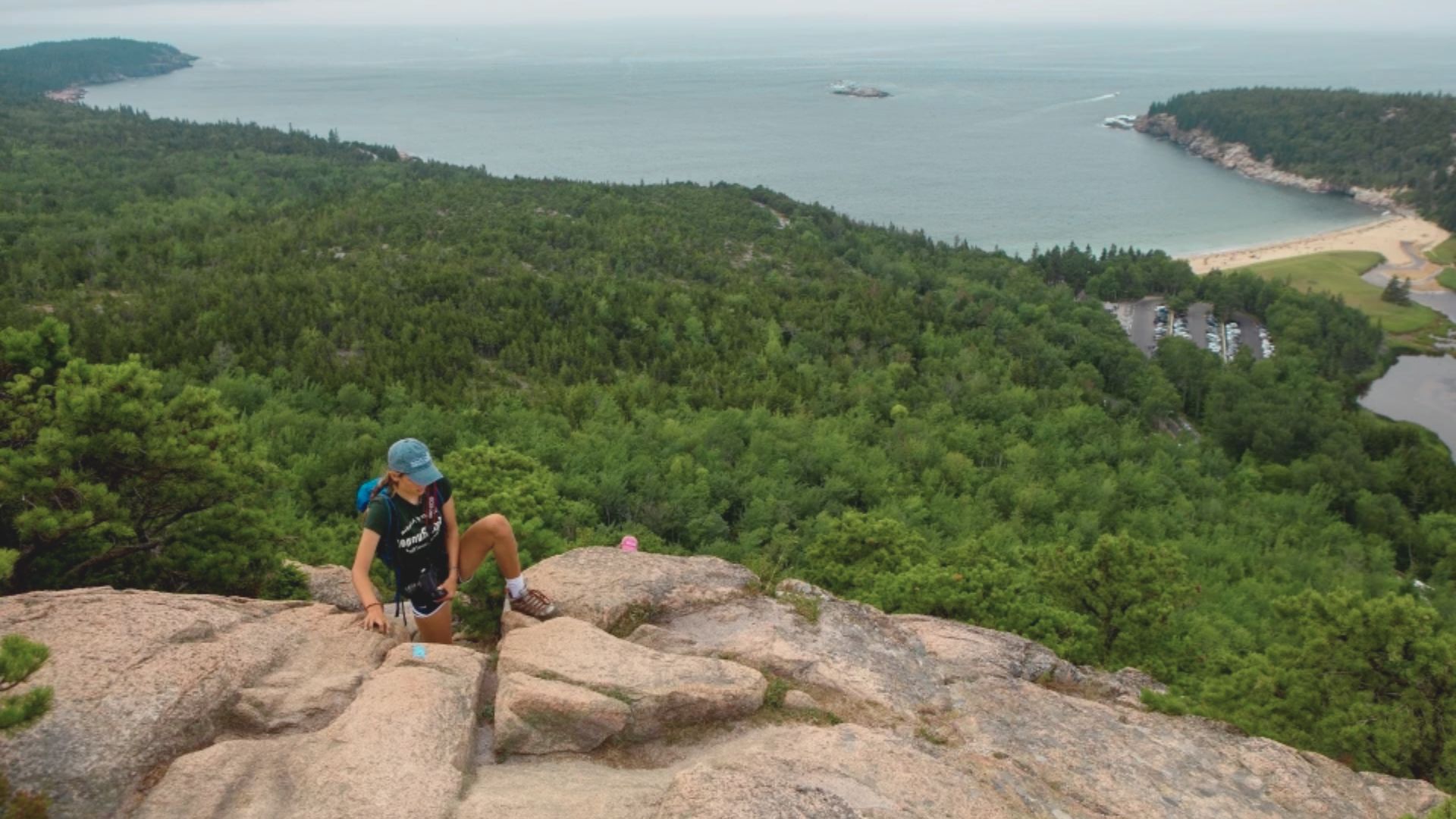
The Beehive Trail delivers big thrills in a compact package. This 1.4-mile loop climbs 520 feet up a sheer granite face using iron rungs and narrow ledges.
Your reward comes at the summit. Sand Beach spreads below in a perfect crescent against blue water. The view extends across Frenchman Bay to the Schoodic Peninsula.
Start early to avoid crowds and afternoon heat. The metal rungs become slippery when wet, so skip this trail during or after rain. Rated as strenuous despite the short distance.
2. Precipice Trail: Acadia’s Most Thrilling Hike
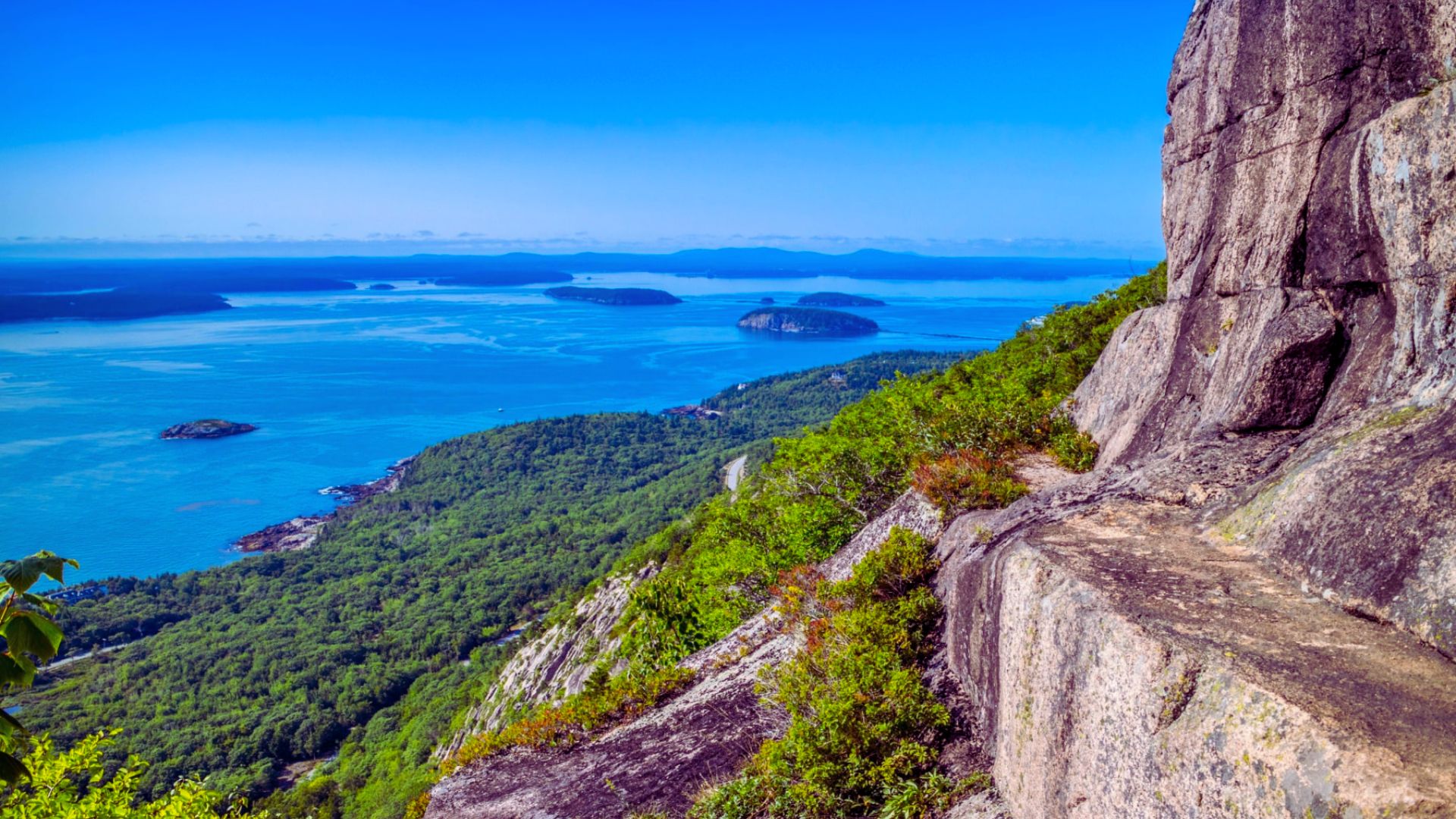
Precipice Trail takes everything intense about Beehive and amplifies it. This 2.4-mile route climbs 1,000 feet up Champlain Mountain via iron rungs and exposed cliff sections.
The trail closes from spring through late summer to protect nesting peregrine falcons. When open, it offers the park’s most exciting challenge.
Bring gloves for a better grip on metal rungs. Avoid this trail in wet conditions or high winds. Never attempt it if you’re uncomfortable with heights.
3. Jordan Pond Loop: Classic Lakeside Walk
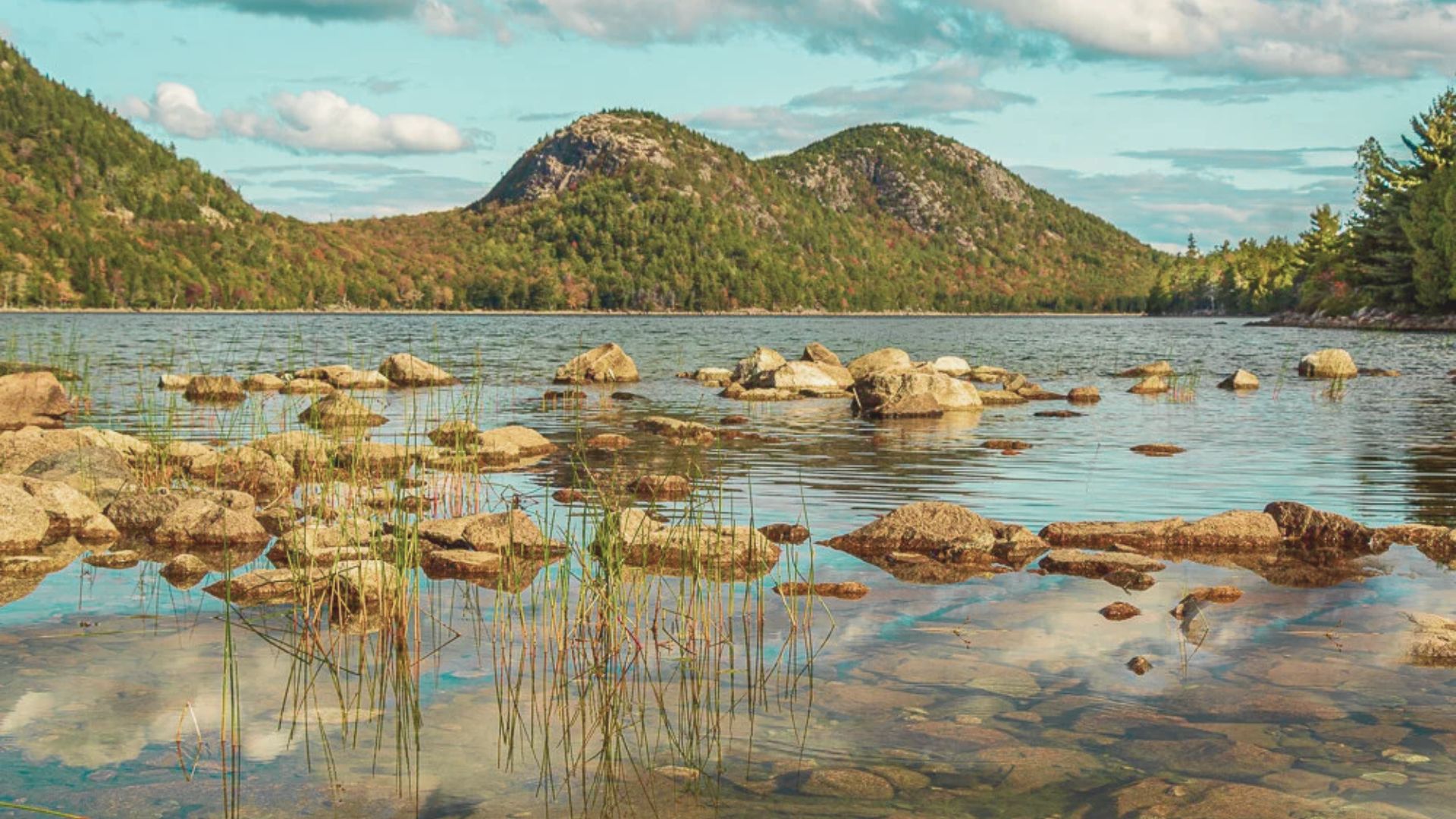
Jordan Pond Loop provides the perfect counterpoint to Acadia’s cliff trails. This 3.3-mile path circles the pond on nearly flat terrain. Wooden bridges cross inlet streams while the path alternates between gravel carriage roads and boardwalks.
The pond’s clear water reflects the surrounding mountains. Fall brings spectacular color as maples and birches turn red, orange, and gold.
Plan your visit to include a stop at Jordan Pond House for their famous popovers and tea. The 1.5 to 2-hour loop works well for families.
4. South Bubble Trail: Perfect Mix of Views and Fun
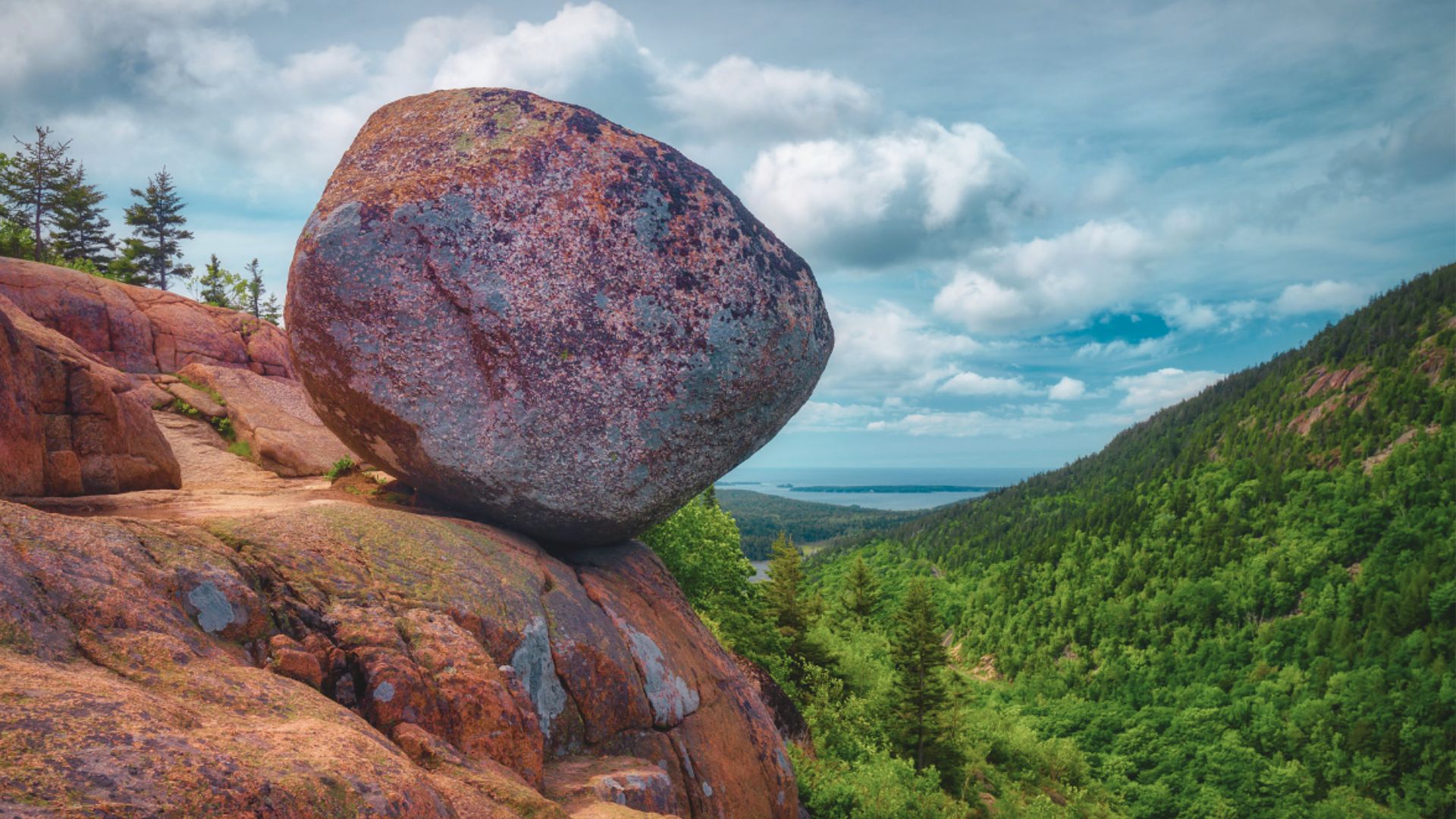
South Bubble Trail combines moderate effort with outstanding rewards. The 1.5-mile round trip climbs 400 feet to reach Bubble Rock, a massive glacial erratic perched on the mountain’s edge.
From the summit, Jordan Pond spreads below with the Atlantic visible beyond. Many hikers take creative photos pretending to push the giant rock.
You can extend this hike by connecting to other trails. Link up with Jordan Pond Loop for a longer outing. October brings peak fall color.
5. Ocean Path: Scenic Coastal Stroll
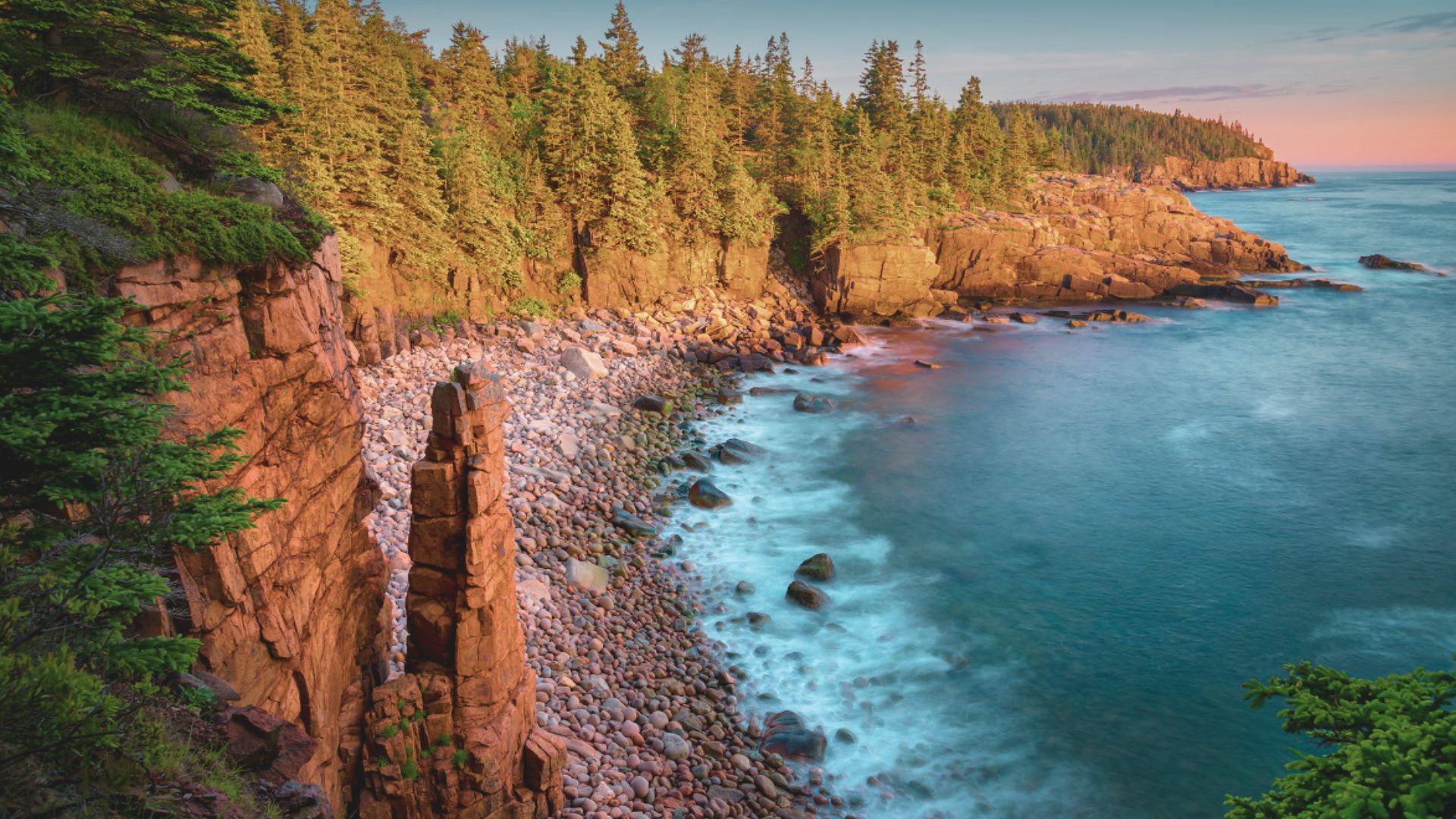
Ocean Path traces the shoreline for 4 miles between Sand Beach and Otter Point. This paved trail requires minimal effort while delivering maximum coastal beauty. Waves crash against pink granite ledges.
Stop at Thunder Hole when the tide is rising. Water funnels into a narrow chasm and explodes upward with a booming sound. Otter Cliff rises 110 feet straight from the ocean.
The path works for visitors of all abilities, including those using wheelchairs. Two to three hours before high tide offers the best conditions.
6. Cadillac Summit Loop: Sunrise Over Acadia

Cadillac Mountain reaches 1,530 feet, making it the highest point on the Atlantic coast of North America. The Summit Loop Trail circles the peak for 0.5 miles, offering 360-degree views.
A paved road leads to the summit, so you can drive up. Parking requires a vehicle reservation system during peak season from May through October.
Sunrise remains the classic experience, with the sun emerging from the Atlantic. Sunset offers an equally beautiful alternative with far fewer people.
7. Bass Harbor Lighthouse: Iconic Coastal Landmark
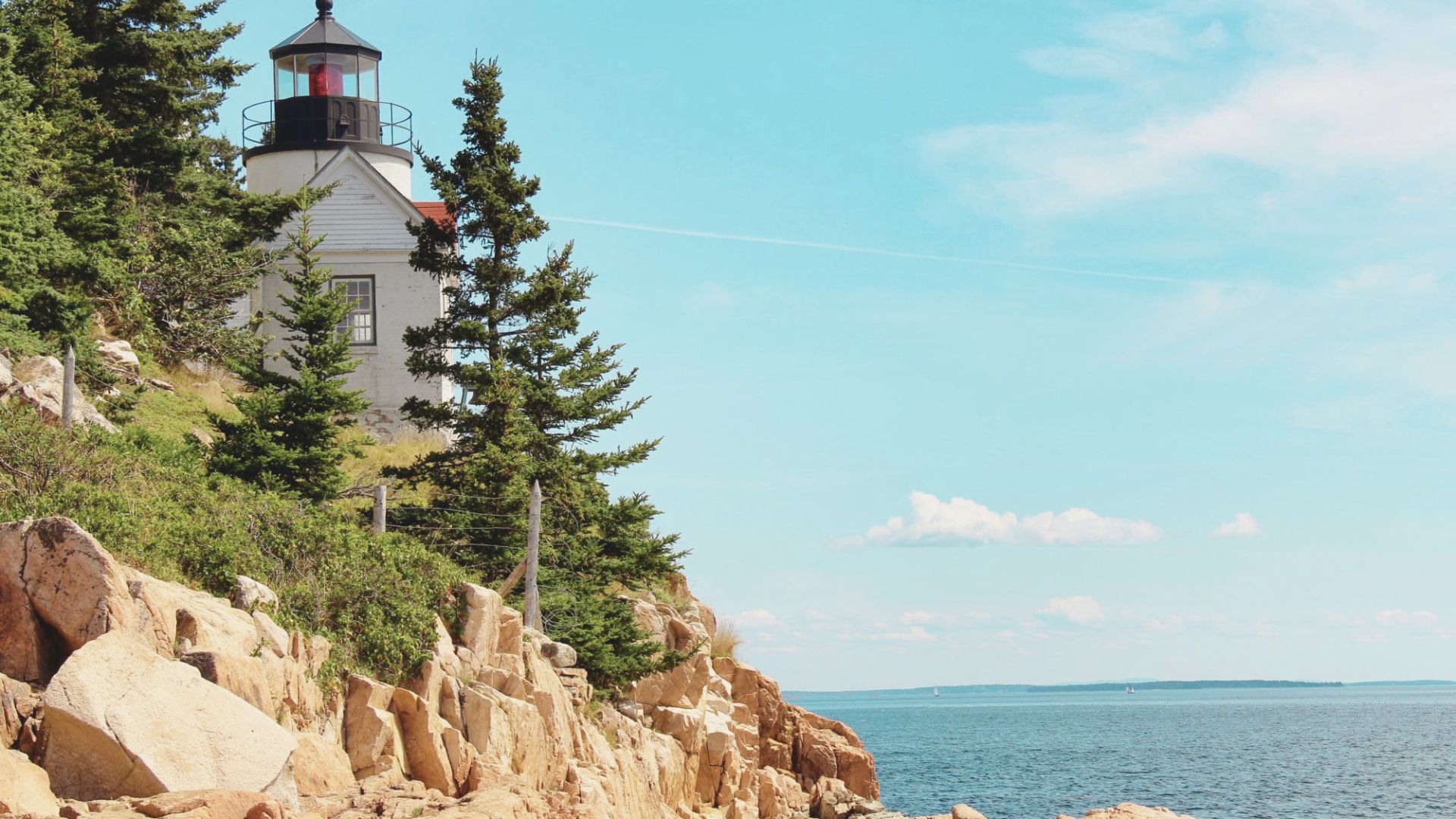
Bass Harbor Head Light sits on the southwest corner of Mount Desert Island. A short 0.25-mile walk from the parking area brings you to viewing areas above this historic 1858 lighthouse.
The lighthouse ranks among the most photographed in New England. The classic shot captures the tower from the rocks below, with waves breaking against the shore. Sunset paints the scene in golden light.
Parking can fill quickly during summer and fall. The short walk involves some uneven terrain and stairs.
8. Beech Mountain Fire Tower: Hidden Gem Trail

Beech Mountain Trail climbs 800 feet over 1.2 miles to reach a fire tower on the park’s western side. This area sees fewer visitors, offering a quieter mountain experience.
The fire tower adds 40 feet of elevation. Long Pond stretches below, while the mountains of the interior rise to the east. The Southwest Harbor area and its islands appear to the south.
The trail rates as moderate in difficulty. Allow 2 to 3 hours for the round trip.
9.Flying Mountain: Quick Climb, Big Views
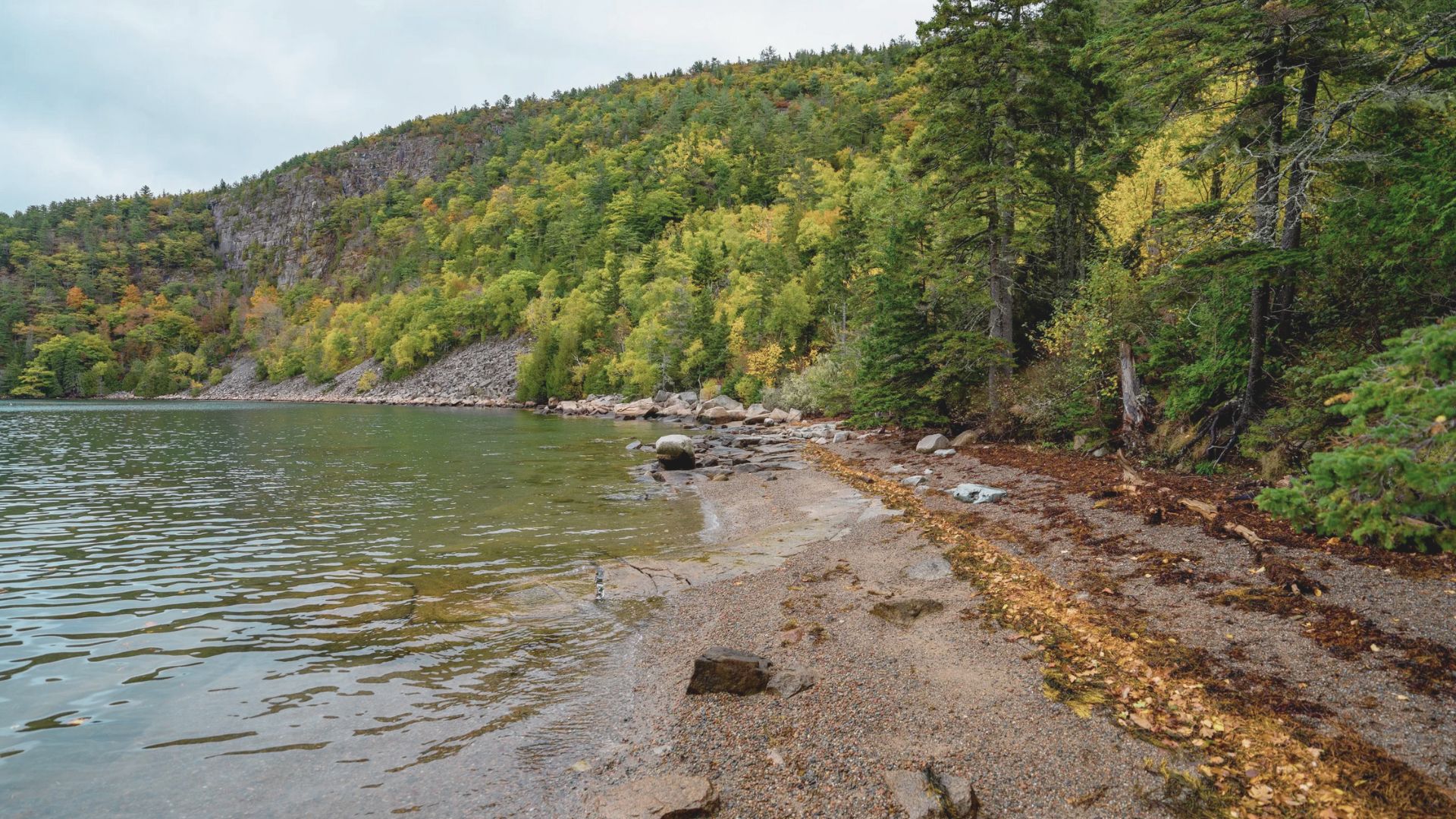
Flying Mountain rewards hikers with spectacular harbor views for minimal effort. This 1.5-mile loop climbs just 284 feet but delivers panoramas across Somes Sound, the only true fjord on the East Coast.
From the top, the sound stretches north and south with mountains rising on both sides. Boats dot the water below.
Fewer people attempt this trail compared to the east side favorites. Total hiking time runs about an hour.
10. Jordan Cliffs Trail: Elevated Viewpoint Challenge
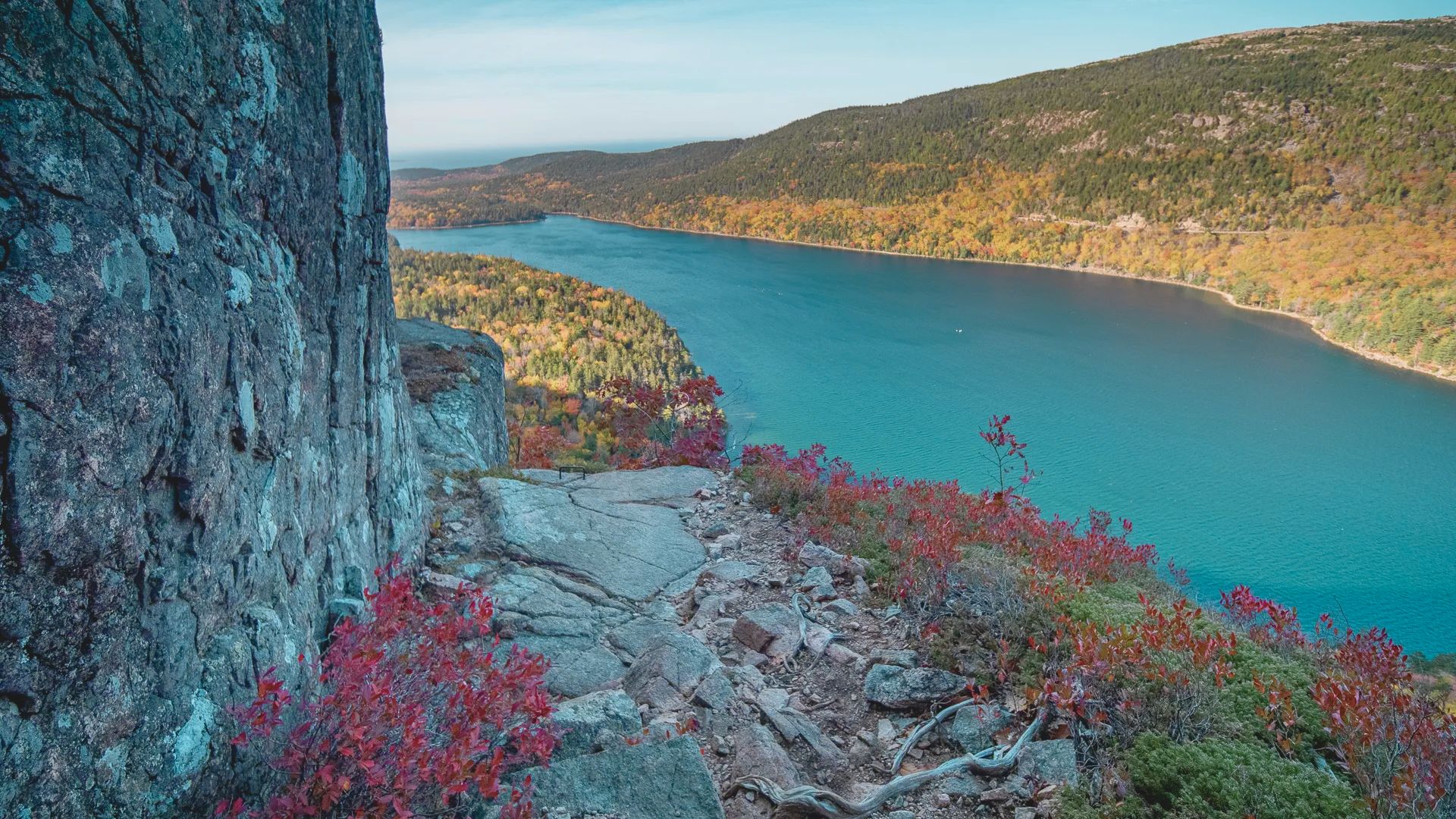
Jordan Cliffs Trail offers a strenuous alternative for experienced hikers. This 3.5-mile route climbs 1,000 feet along the cliffs east of Jordan Pond, using iron rungs and ladder sections.
Views open up repeatedly as you climb, with Jordan Pond visible far below. The trail traverses open ledges where you can see the full sweep of the park’s interior mountains.
You can combine this trail with others to create longer loops. The trail requires dry conditions and a head for heights. Plan 3 to 4 hours.
11. Gorham Mountain Trail: Family-Friendly Summit
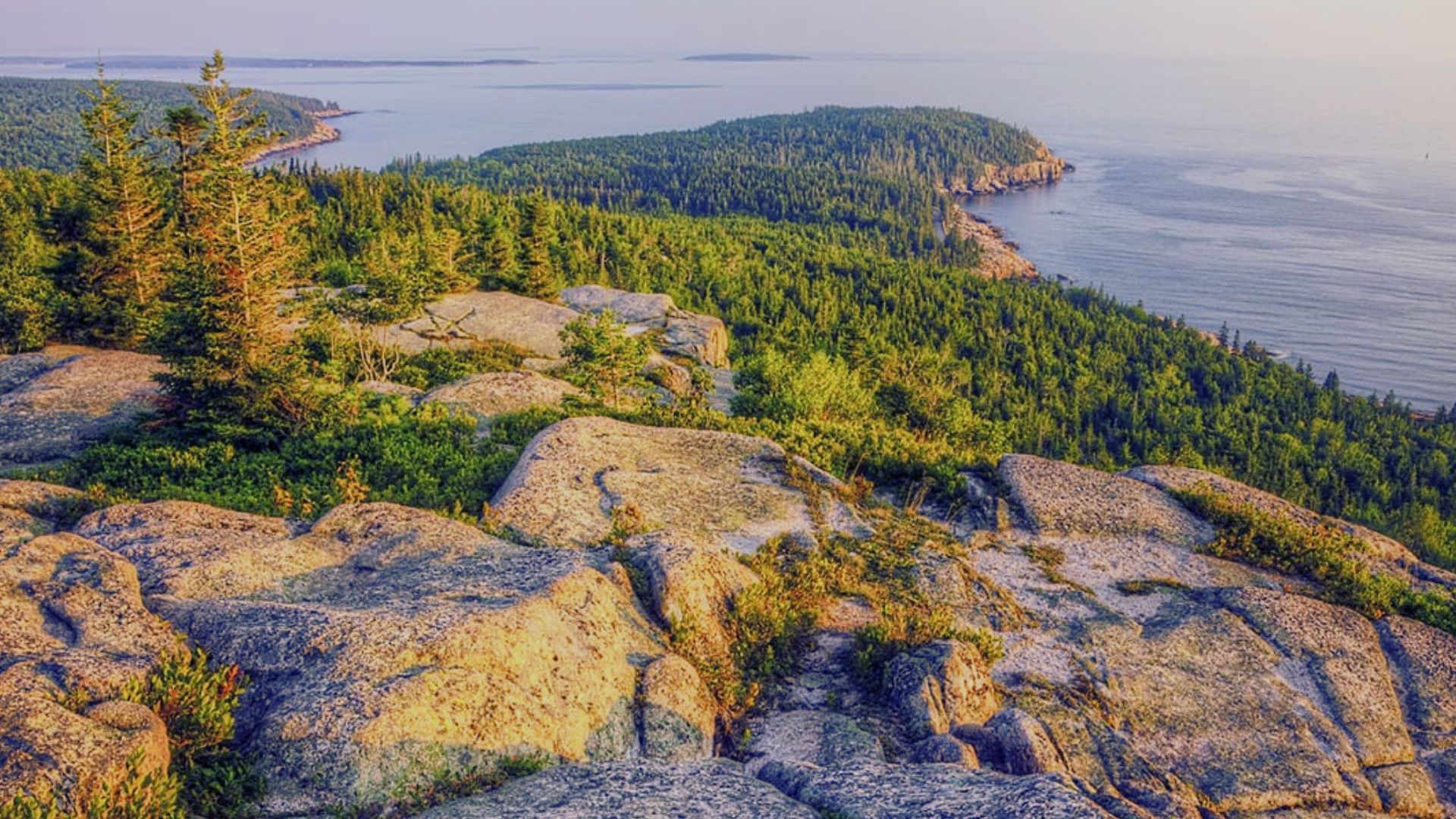
Gorham Mountain Trail provides an achievable summit experience for families. The 1.8-mile round trip climbs 525 feet to reach a 525-foot peak with ocean views. The grade stays moderate throughout.
From the summit, Sand Beach curves below while the Beehive’s distinctive profile rises nearby. The Atlantic stretches to the horizon.
Many visitors combine this with Ocean Path for a longer coastal outing. Allow 1.5 to 2 hours for the round trip.
Tips for Hikes in Acadia National Park
Planning makes your hiking experience safer and more enjoyable while helping protect this special place for future visitors.
- Start Your Hikes Early in the Day: Trailhead parking lots fill by 8 or 9 AM during peak season from June through October. Arriving at sunrise guarantees a parking spot and lets you complete your hike before the afternoon heat and crowds arrive.
- Layer Your Clothing for Changing Conditions: Coastal weather shifts quickly in Acadia. Morning fog can give way to hot sun, or wind and rain can roll in from the ocean without warning. Bring a light jacket even on warm days.
- Respect Wildlife and Natural Features: Stay on marked trails to prevent erosion and protect fragile alpine plants. Never feed animals or leave food scraps, as this changes their natural behavior and creates problems.
- Bring Plenty of Water and Real Food: Maine’s coastal climate can be deceptively draining. Carry at least one liter of water per person for shorter trails, more for longer routes. Bring actual meals or substantial snacks rather than just energy bars.
- Check Current Conditions Before You Go: Stop at the visitor center or check the park website for trail conditions, weather forecasts, and any closures. Some trails close seasonally for wildlife protection or after storms cause damage.
Conclusion
The different hikes in Acadia National Park are perfect for people with different interests. Adventurers can climb vertical faces using iron rungs. Parents with kids can take nice lakeside walks on safe, easy paths.
Your speed matters more than checking off a list. A few visitors spend seven days doing only three or four trails, choosing to experience each one slowly.
Maine’s coast offers more beyond the park. Visit pretty lighthouses, lovely villages, and try fresh lobster. Which Acadia trail will you hike first? Share your plans below.
Frequently Asked Questions
What is the most difficult hike in Acadia National Park?
Precipice Trail ranks as the most challenging route in the park. This 2.4-mile climb ascends 1,000 feet using iron rungs, narrow ledges, and exposed cliff faces. The trail requires both physical fitness and mental comfort with significant heights and exposure.
When is the best time to visit Acadia for hiking?
September and early October provide ideal hiking conditions with comfortable temperatures, fall foliage colors, and fewer crowds than the summer months. Late spring offers blooming wildflowers and moderate weather.
Do I need hiking experience for Acadia trails?
Many trails in the park require no previous hiking experience. Ocean Path, Jordan Pond Loop, and the Cadillac Summit Loop work well for beginners and families. More challenging routes like Beehive and Precipice demand fitness, confidence with heights, and experience on steep, exposed terrain.
Are dogs allowed on Acadia hiking trails?
Dogs are permitted on most trails in Acadia, but must stay on leash at all times. Ladder trail, including Precipice, Beehive, and Jordan Cliffs, prohibits dogs due to safety concerns. Sand Beach and several carriage roads also restrict dogs during peak season to protect wildlife anthehe nd the visitor experience.
How long should I plan to spend hiking in Acadia?
A full week allows you to experience the park’s range of trails at a comfortable pace. Three to four days lets you complete several signature hikes, including both clifftop climbs and coastal walks. Even a single day provides enough time for two or three shorter routes if you start early.
