

Hidden between Iceland and Norway sits a remote group of 18 islands that most travelers have never heard of. The Faroe Islands offer dramatic cliffs, powerful waterfalls, and friendly locals who welcome visitors to their unique corner of the world.
This guide comes from real experience visiting these islands. You’ll get practical advice on the best things to do, from chasing waterfalls to spotting puffins. The islands remain refreshingly free from crowds, making now the perfect time to visit.
If you’re ready for an outdoor experience unlike anywhere else, keep reading. These tips will help you make the most of your time in this special place.
Top Things to Do in the Faroe Islands
The Faroe Islands pack incredible natural beauty into a small area. From oceanside waterfalls to Viking history, these activities showcase what makes these islands so memorable.
1. Visit Mulafossur Waterfall in Gasadalur
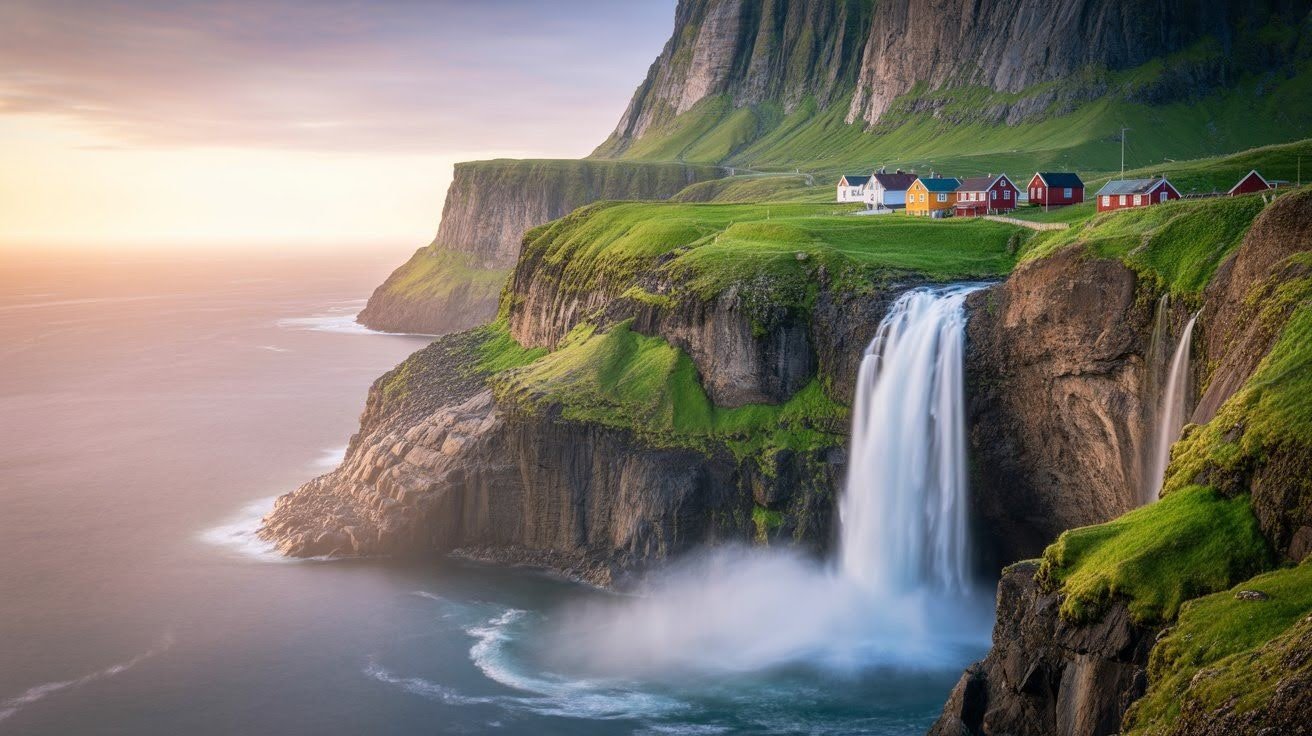
Mulafossur Waterfall is probably the most photographed spot in the entire country. Water drops straight from a clifftop into the Atlantic Ocean below, with a tiny village of colorful houses completing the scene. The location sits just 15 minutes from the airport, making it perfect for your first stop.
Getting there takes only a two-minute walk from the parking area. Early morning visits reward you with fewer tourists and softer light for photos. This fairy tale setting feels almost too perfect to be real, but it absolutely is.
2. Explore Saksun Village and Its Lagoon
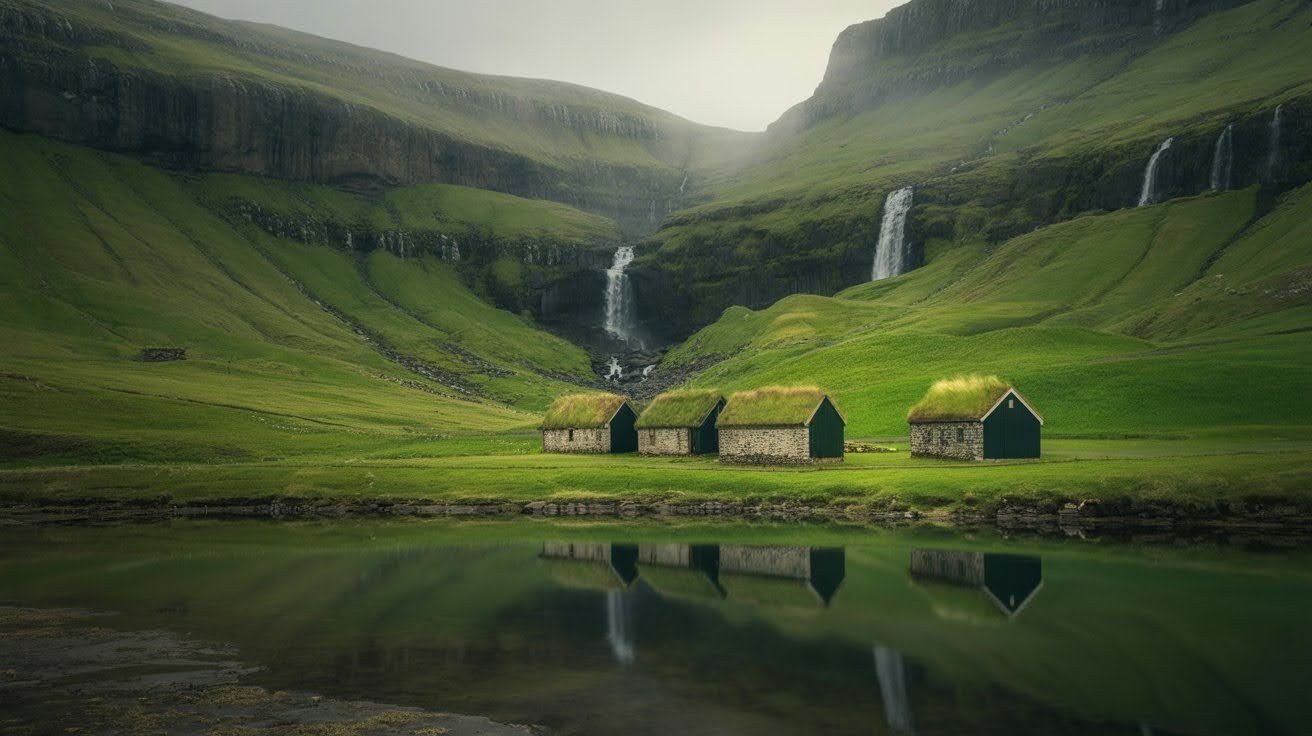
Only 11 people live in Saksun full-time, but this tiny village draws visitors from around the world. Traditional houses with grass roofs sit surrounded by waterfalls on all sides. A peaceful lagoon fills the valley, creating reflections that look like something from a movie.
The drive requires navigating single-lane roads with occasional passing spots. Take your time and enjoy the dramatic views along the way. When you arrive, the Hollywood-quality scenery makes every narrow turn worthwhile.
3. Hike to Lake Sørvagsvatn
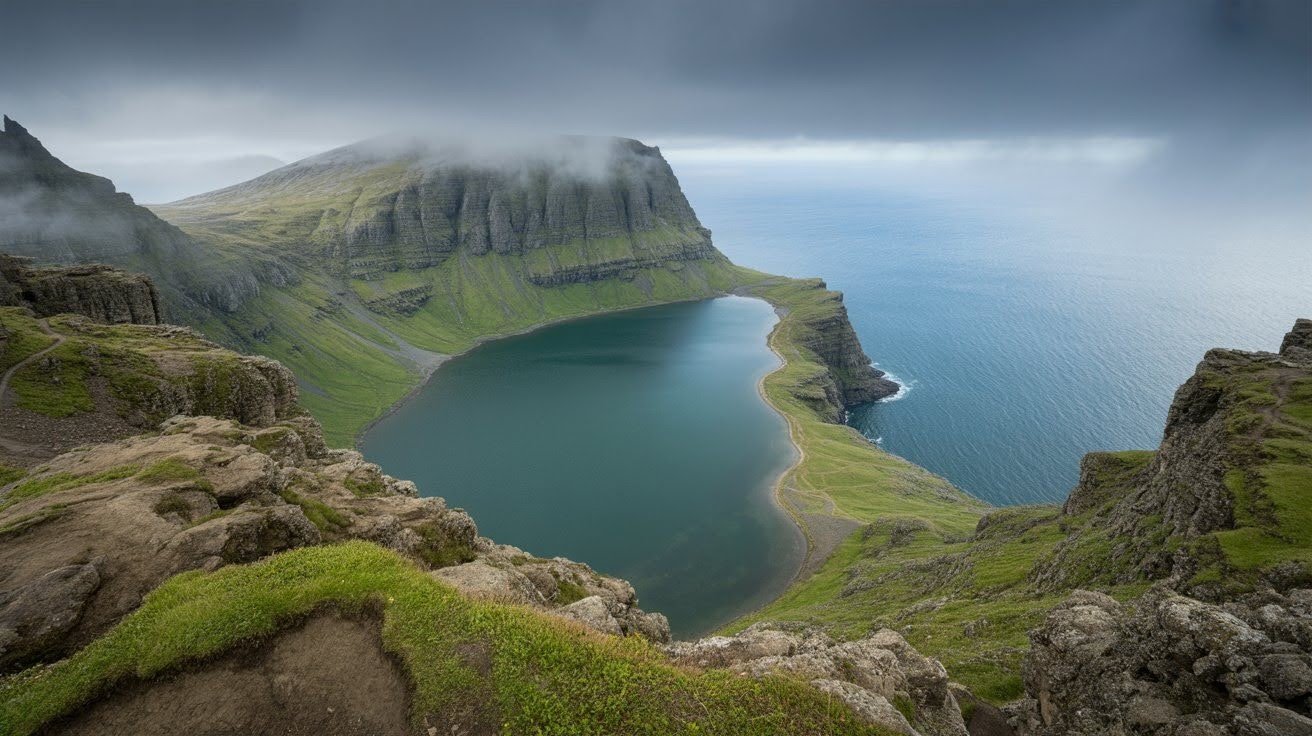
This lake creates an amazing optical illusion that confuses your brain. From certain angles, the water appears to float high above the ocean, though it’s actually much closer to sea level. The one-hour hike takes you to viewpoints where you can see this mind-bending perspective yourself.
Located on Vagar Island near the airport, this ranks among the top Faroe Islands things to do for active travelers. The views deliver exactly what you hope for, but bring solid hiking shoes. The trail gets rocky and can be slippery when wet.
4. Experience Torshavn’s Tinganes District
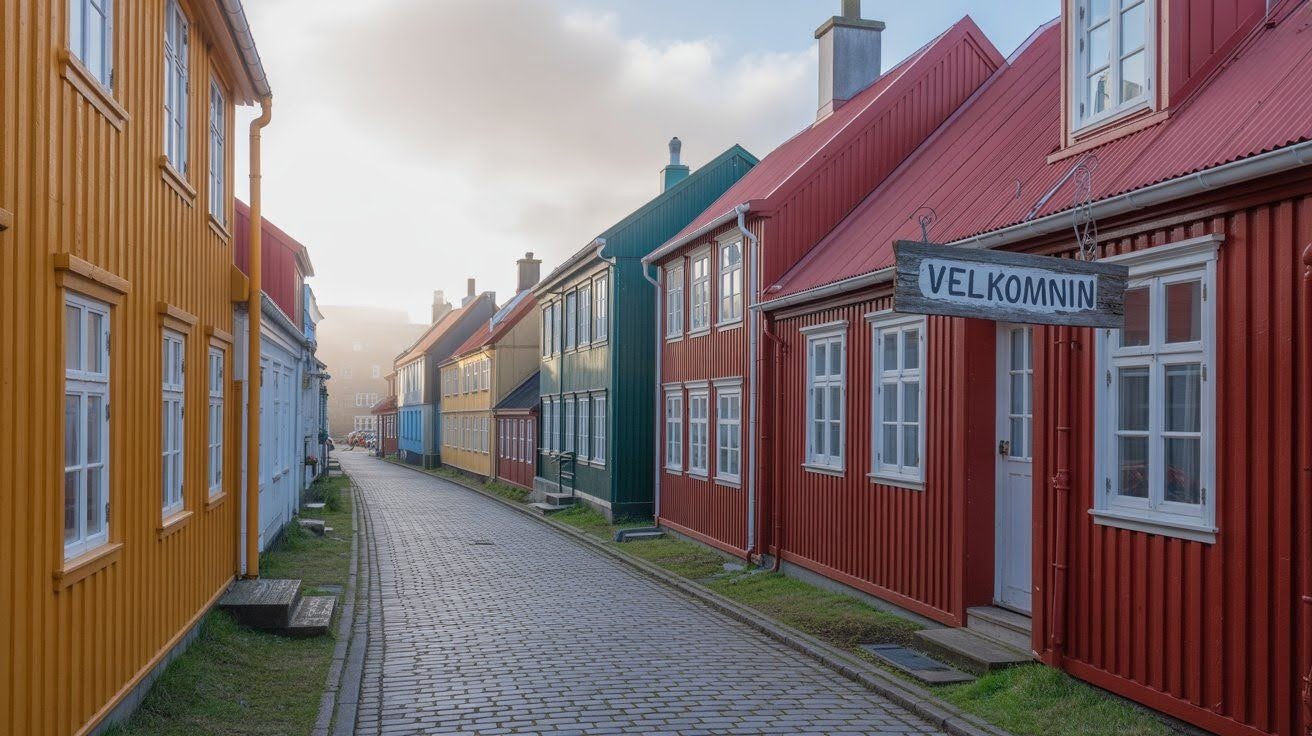
Torshavn holds the title of world’s smallest capital city. The Tinganes district served as a Viking gathering place over 1,000 years ago. Today, red turf-roofed buildings house actual government offices, including where the Prime Minister works.
Walking these narrow lanes feels like stepping back in time. The colorful wooden buildings create perfect photo opportunities around every corner. Spend an hour or two wandering without a specific plan and you’ll find the charm that makes this district special.
5. Take a Boat Tour Along Vestmanna Cliffs
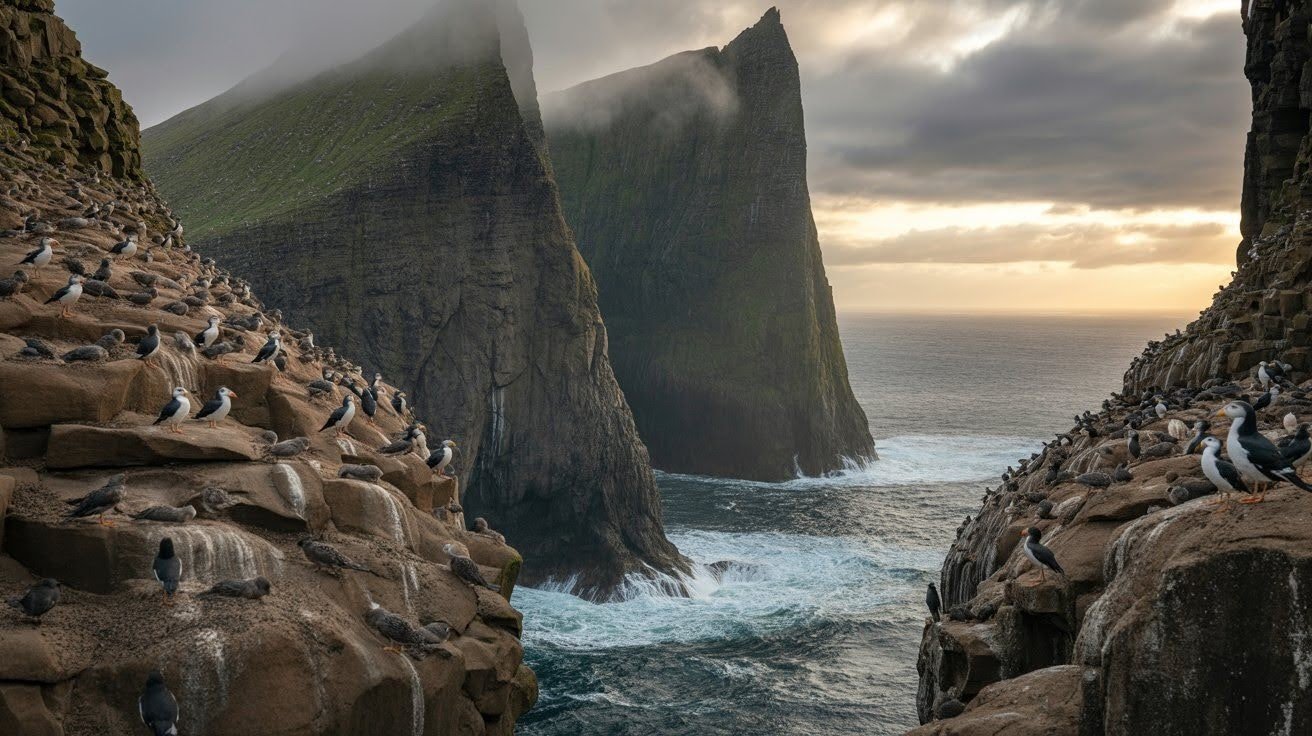
A three-hour boat tour from Vestmanna village shows you the islands from a completely different angle. Massive sea cliffs rise straight from the water, creating caves and passages that boats can carefully navigate. Thousands of seabirds nest on every available ledge, filling the air with calls.
The dramatic rock formations honestly look like something from Jurassic Park. This boat trip gives you the best way to appreciate the raw power of the coastline. The captain knows exactly where to go for the most impressive views.
6. Drive Through the Eysturoy Subsea Tunnel
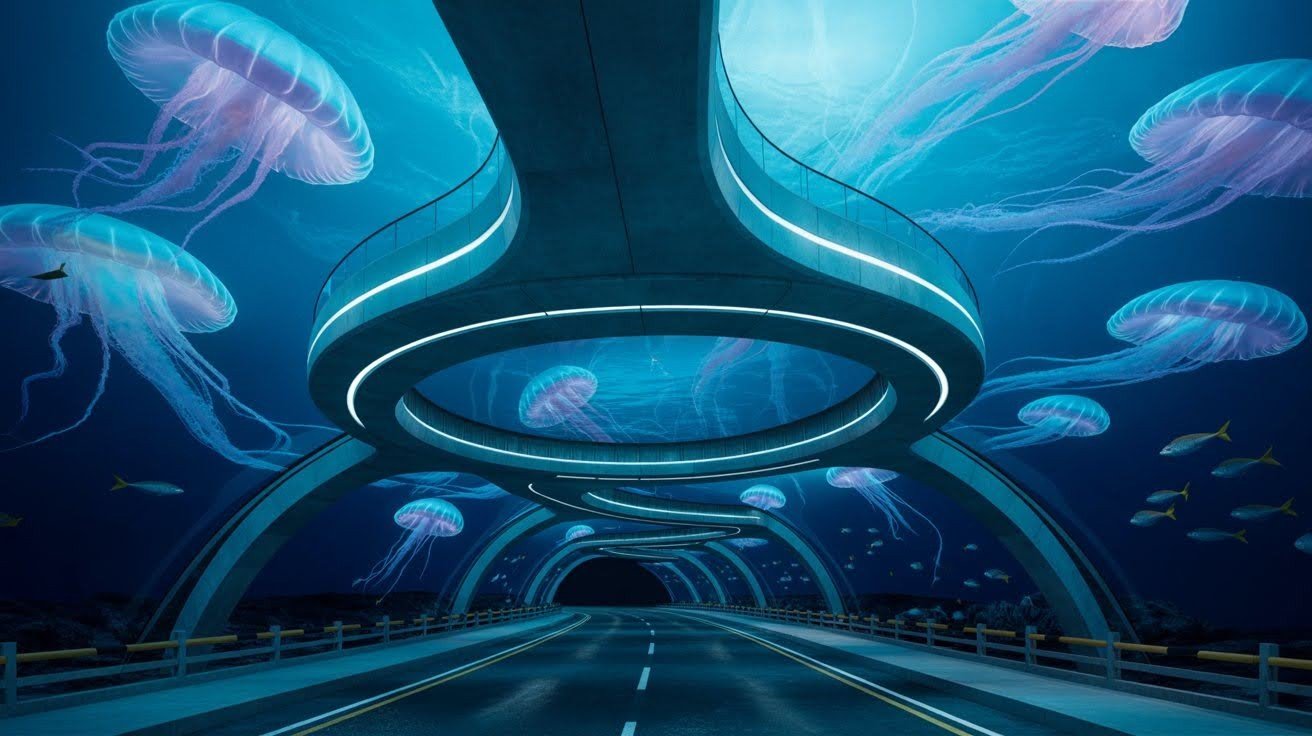
The Faroe Islands opened the world’s first undersea roundabout in 2020. This engineering achievement sits 187 feet below the ocean surface. An art installation called “jellyfish” lights up the circular intersection with changing colors.
You can loop around the roundabout multiple times if you want extra photos (just watch for other cars). The whole tunnel system connects islands in ways that used to require ferries. It’s not just functional but genuinely cool to experience.
7. Spot Puffins and Local Wildlife
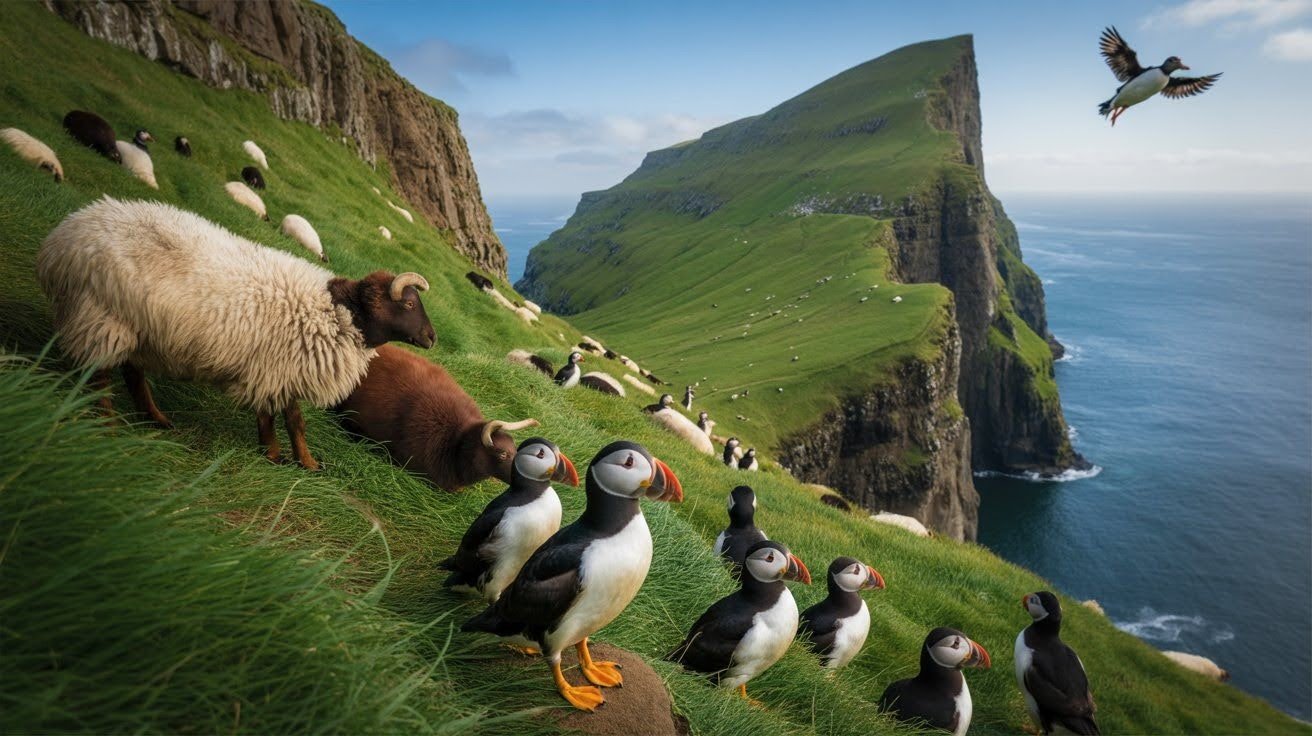
Over one million puffins come to the Faroe Islands to breed between May and August. Mykines Island offers the best viewing opportunities, where you can watch these colorful birds up close. They waddle around, dive for fish, and generally act adorable.
Beyond puffins, you’ll see Faroese sheep absolutely everywhere. With roughly 80,000 sheep and 54,000 people, that’s about two sheep per person! Highland cattle with shaggy coats also roam the hillsides. If you can time your visit for puffin season, it’s absolutely worth it.
Important Travel Tips for the Faroe Islands
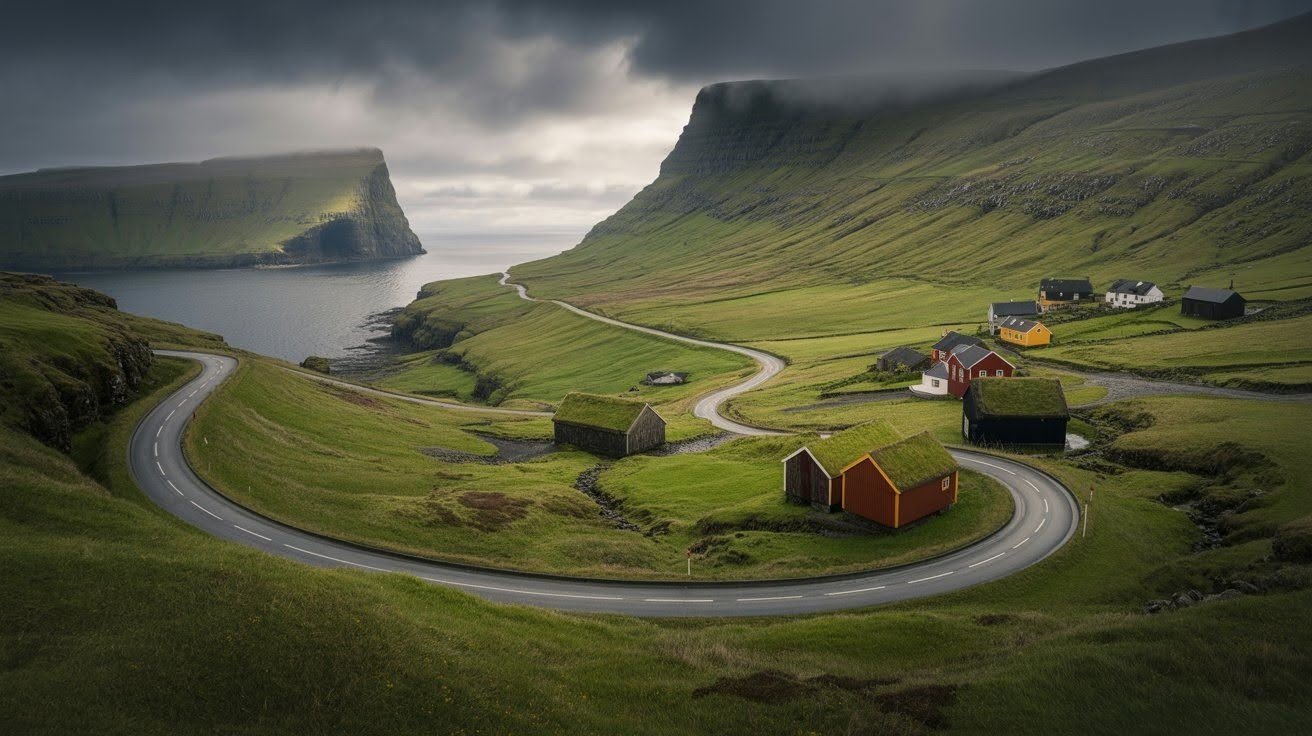
Planning your trip requires knowing a few key details about getting around and what to expect. The islands remain relatively untouched by mass tourism, which means some preparation helps.
- Direct flights from Edinburgh take just 1.5 hours, with other connections through Copenhagen and Reykjavik.
- Renting a car is necessary for seeing the islands properly book ahead with local companies for better rates.
- Roads are well-maintained but include single-lane sections with lay-bys where you pull over to let others pass.
- Subsea tunnels connect major islands, making travel much faster than in the past.
- May through August is high season with the longest daylight hours
- June brings nearly 20 hours of daylight, giving you tons of time for things to do
- Book hotels early for the summer months as options fill up quickly
- Contactless payment works almost everywhere credit cards are accepted universally
- The currency is the Faroese krona or the Danish krone (they have equal value)
- Faroese is the primary language, but English is widely spoken
- Pack layers for temperatures around 50°F, even in summer
- Expect rain at any time waterproof gear is essential
Local Food and Drink to Try
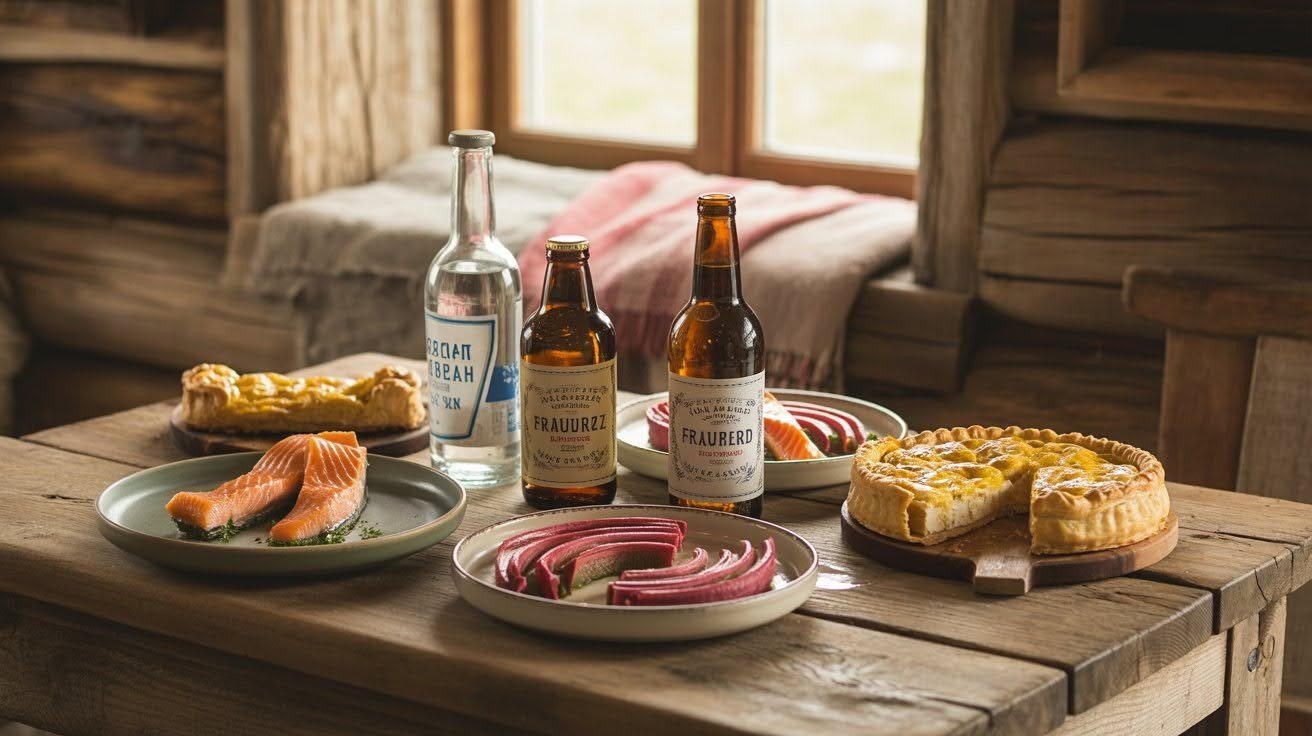
Faroese food reflects the islands’ location and traditions. Fresh ingredients from the ocean and land create memorable meals worth seeking out.
The local salmon has earned worldwide fame for its quality. Top restaurants in Europe specifically source Faroe salmon for their menus. Rhubarb grows well in the climate and appears in both savory dishes and sweet desserts. For drinks, try Nykur Vodka (made with organic ingredients) or Slupp Beer from the local brewery.
- Aarstova serves authentic Faroese cuisine in a traditional setting (reservations required)
- KOKS holds two Michelin stars and requires booking months in advance
- The TARV Grillhouse does excellent grilled salmon and surprisingly good espresso martinis
- Paname Cafe offers quality coffee and fresh pastries for a casual meal
These spots range from casual to fancy, giving you options for different moods and budgets. Even simple meals showcase the quality of local ingredients.
Conclusion
The Faroe Islands deliver the kind of dramatic natural beauty that stays with you long after you leave. From cascading waterfalls to clifftop hikes, these activities show you why this destination deserves more attention.
Visit soon, before word spreads too widely. The islands maintain an authentic character precisely because they haven’t been overrun by tourists yet. That special quality makes every experience feel more genuine.
Three days gives you a solid introduction, while a full week lets you really soak in the atmosphere. The long summer daylight hours mean you can pack in plenty of Faroe Islands things to do each day. Start planning now and book your accommodations early.
The memories you make here will be unlike anywhere else you’ve traveled.
Frequently Asked Questions
How Many Days Should I Spend in the Faroe Islands?
Plan for at least three nights to give yourself 2.5 full days of activities. Four to seven days works better if you want time for serious hiking and visiting multiple islands. The long daylight hours in summer let you see more each day.
Can I See the Northern Lights in the Faroe Islands?
Yes, the northern lights appear between September and March when conditions are right. Weather affects viewing chances significantly. Gjogv village on Eysturoy Island offers one of the best viewing locations with dark skies.
Why Do Houses Have Grass Roofs?
Traditional Viking construction used birch bark covered with sod and grass. These roofs protect homes from rain and provide excellent insulation. The technique remains common throughout Scandinavia and gives Faroese villages their distinctive look.
Is It Easy to Get Around Without Speaking Faroese?
English is widely spoken in towns, hotels, and restaurants throughout the islands. Many people also speak Danish since it’s taught in schools. The Visit Faroe Islands translator app helps with basic phrases. Contactless payment eliminates most language barriers.
What Should I Pack for a Summer Trip?
Bring layers for temperatures around 50°F, including a good waterproof jacket, since rain can happen up to 300 days per year. Sturdy hiking shoes are essential for trails that can be rocky and slippery. Don’t forget your camera for waterfalls and wildlife.
