


Planning a trip to El Salvador and not sure where to start? I’ve got you covered.
This guide walks you through the best El Salvador places to visit, from volcanoes and crater lakes to colonial towns and hidden beaches. I’ll share what to do, where to stay, and tips that actually help on the ground.
El Salvador is small but packed with variety. You can hike a volcano in the morning and swim in a lake by afternoon. It’s that kind of country. Let’s get into it.
Why Should El Salvador Be Your Next Trip?
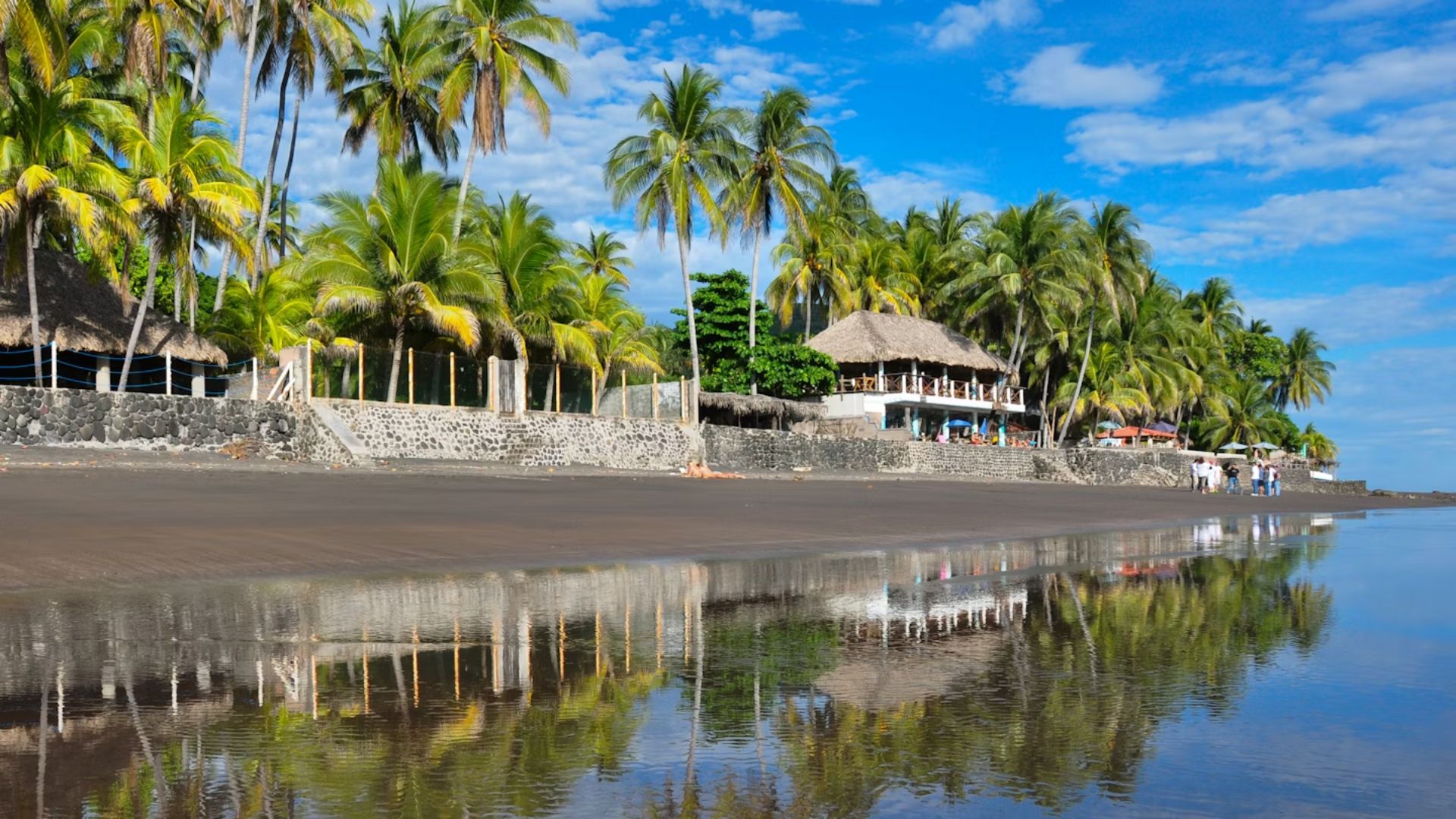
El Salvador is the smallest country in Central America, but it fits a lot in. You get volcanoes, crater lakes, colonial towns, Pacific beaches, Maya ruins, and some of the best street food in the region, all within a few hours of each other.
It’s affordable, the dry season runs from November to April, and the locals are genuinely welcoming. Most visitors are surprised by how much there is here. This guide covers the 15 best places to make sure you don’t miss any of it.
Top 15 El Salvador Places to Visit
From volcanic craters and crater lakes to colonial towns and Pacific beaches, here are the top 15 places in El Salvador worth adding to your travel list.
1. Suchitoto – Colonial Charm and Lake Views

Suchitoto is one of the most well-preserved colonial towns in El Salvador. Walk cobblestone streets, visit Los Tercios waterfall, and browse local art galleries.
Stay at Casa 1800 Suchitoto or Los Almendros de San Lorenzo. Try fresh pupusas near the square and stop by Arte Iñil for a hands-on indigo workshop.
2. La Ruta de las Flores – Scenic Flower Route

This highland route connects coffee towns, waterfalls, and colorful street murals. Key stops include Juayúa for its weekend food festival, Ataco for murals and crafts, and Nahuizalco for handmade wicker goods.
Stay at Casa 1800 Ataco or Casa 1800 Los Naranjos.
3. Santa Ana Volcano – Volcano Hike

El Salvador’s highest volcano offers a 1.5-hour hike through misty cloud forest to a bright green crater lake. Guided tours are required. Book in advance, especially on weekends. Bring layers because it gets cold at the top.
4. El Zonte Beach – Relaxation and Surfing

El Zonte is a laid-back beach with good waves and a sea cave worth checking out at low tide. Surf lessons are easy to find. Stay at Hotel Palo Verde for a sustainable experience, or head to El Tunco nearby for nightlife.
5. Cerro Verde National Park – Scenic Views

Cerro Verde sits between two volcanoes with well-marked cloud forest trails, orchids, and great birdwatching. On clear days, you get full views of Santa Ana and Izalco. Casa 1800 Cerro Verde is perfectly placed for sunset views.
6. Conchagua Volcano – 360° Gulf Views

Conchagua gives you sweeping views over the Gulf of Fonseca. The hike goes through dense forest to a full 360-degree summit view. Camping overnight is possible. Best reached by 4×4 tour.
7. Coatepeque Lake – Crater Lake Paradise

This deep blue crater lake is warm, calm, and surrounded by waterside restaurants serving fresh fish. Rent a boat or join a group tour. Hotel Equinoccio sits right on the lakeshore and is a solid base.
8. Lago de Suchitlán – Birdwatching and Boating

A large reservoir near Suchitoto known for excellent birdwatching. Go early for herons and kingfishers. Rent boats from Puerto Turistico San Juan and bring binoculars. Sunset boat trips are worth staying for.
9. Izalco Volcano – The Lighthouse of the Pacific

Once used by sailors to guide ships at sea, Izalco is a steep, exposed hike with dramatic volcanic scenery. Start early and bring water. A guided tour adds safety and historical context to the climb.
10. Bahia de Jiquilisco – Mangroves and Wildlife

One of Central America’s largest mangrove estuaries. Boat tours take you through narrow forest channels packed with birds. From August to January, guided nighttime tours let you watch sea turtles nest. Stay at Puerto Barrillas for waterfront access.
11. El Boqueron Volcan – San Salvador’s Backyard Hike

The volcano above San Salvador is one of the most accessible hikes in the country. The crater trail is short with impressive views. Go on a weekday for a quieter experience. Stop at Pampa or Picnic restaurants on the way up.
12. Laguna Verde – Buggy and Off-Road Tours

A small crater lake near Apaneca best reached by guided off-road buggy. The ride through coffee farms is half the fun. Once there, take a short boat trip or enjoy a lakeside picnic. Trails can be muddy, so guided tours are the way to go.
13. La Ruta de las Siete Cascadas – Waterfall Hiking
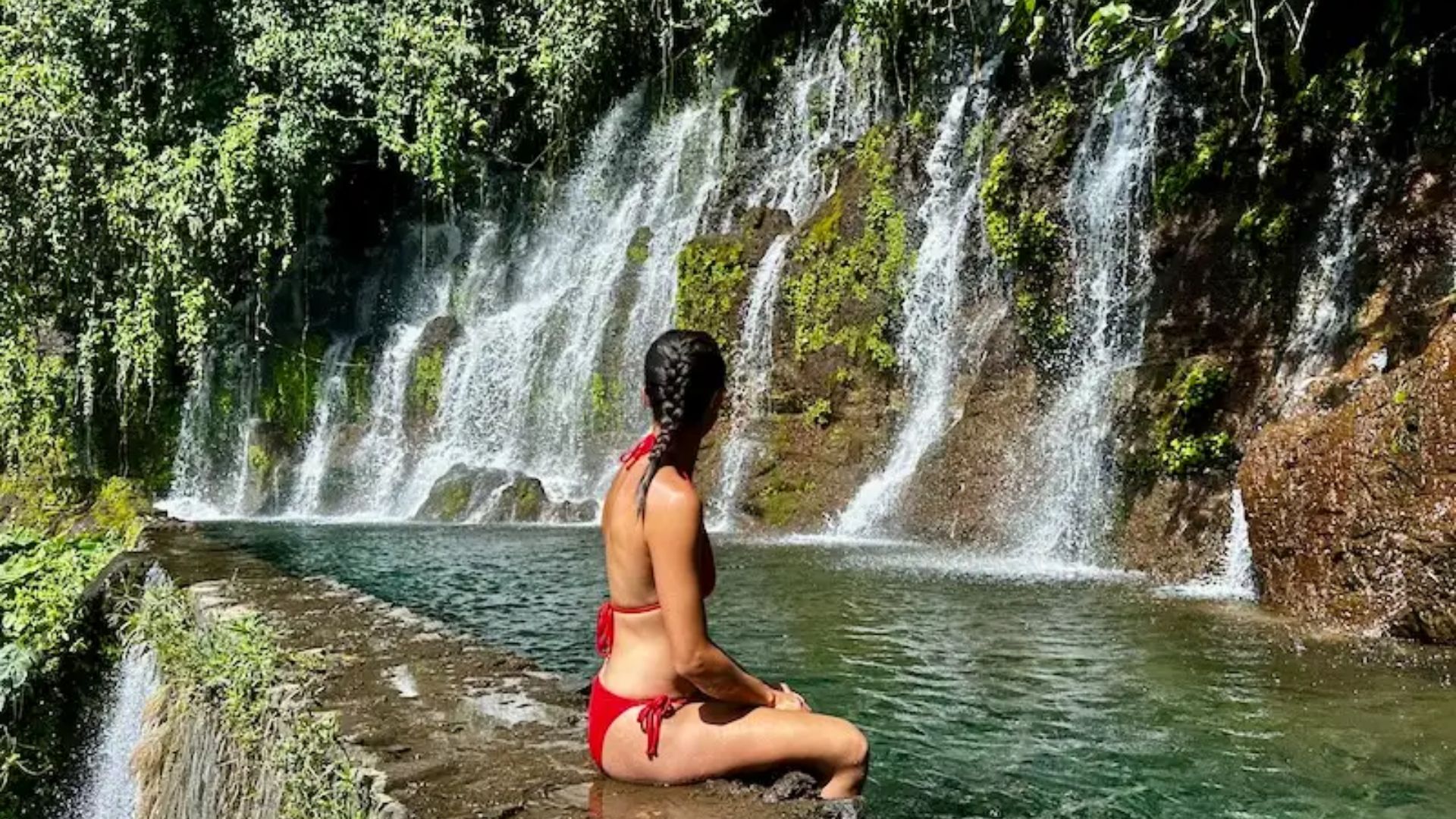
This route near Juayúa covers around 10 waterfalls in 2 to 3 hours. The standout is a 55-meter waterfall you can climb with ropes. Pair it with a stop at Chorros de la Calera or a nearby coffee plantation walk.
14. San Salvador – Cultural and Historical Hub

The capital mixes history, art, and city life well. Don’t miss the Metropolitan Cathedral, National Palace, and the light-filled El Rosario Church. The San Benito neighborhood has the best food and nightlife. Good hotel options include Nico Urban Hotel and Hyatt Centric.
15. Archaeological Sites – Mayan History

Tazumal in Chalchuapa features a restored Maya pyramid, ball courts, and burial sites with an on-site museum. Joya de Cerén, a UNESCO World Heritage Site, is a Maya village preserved in volcanic ash. Think storage jars, food remains, and garden beds frozen in time.
Travel Tips for Visiting El Salvador
A few practical things to know before you go to make your trip smoother from day one.
- The best time to visit is during the dry season from November to April. Trails are clear, beaches are at their best, and getting around is easy.
- The rainy season runs from May to October. Expect lush green landscapes but also muddy trails and occasional road flooding.
- El Salvador has improved significantly in recent years. Avoid unfamiliar areas at night and stay in touch with your hotel or tour operator for local advice.
- Most popular tourist spots are safe and well-traveled. Stick to known areas, use common sense, and you’ll have no issues.
- Renting a car gives you the most flexibility. Most attractions are within a 1 to 2-hour drive from San Salvador, making day trips simple to plan. Local tour operators are a great option for volcano hikes and 4×4 routes.
Conclusion
El Salvador surprised me. I expected volcanoes and beaches, but I found a country full of warmth, color, and places that stay with you long after you leave.
From the cobblestone streets of Suchitoto to the green crater lake of Santa Ana, there’s something here for every kind of traveler. Start planning your trip. Pick two or three spots that stand out to you and build from there.
Have you visited any of these El Salvador places to visit? Drop a comment below. I’d love to hear where you went and what you thought.
Frequently Asked Questions
Is El Salvador safe for tourists?
Yes, the security situation has improved significantly in recent years. Stick to tourist areas, travel with a local guide when needed, and stay updated through your hotel or tour operator.
What is the best time of year to visit El Salvador?
November through April is the dry season and the most comfortable time to travel. Trails are in better condition and outdoor activities are easier to plan.
Do I need a visa to visit El Salvador?
Many nationalities, including U.S. and EU citizens, can enter El Salvador visa-free for up to 90 days. Check with your country’s embassy to confirm before traveling.
What currency is used in El Salvador?
El Salvador uses the U.S. dollar. Bitcoin is also accepted in some areas, especially around El Zonte, which is known for its Bitcoin-friendly economy.
How many days do I need to see El Salvador properly?
Seven to ten days gives you enough time to cover the main highlights without rushing. A two-week trip lets you slow down and go deeper into the places you love most.
