


Digital media has become a central part of communication in today’s online environment. Businesses, educators, marketers, and content creators all depend on visual content to share ideas effectively. Images and videos help capture attention, explain information clearly, and improve engagement across digital platforms. Because of this growing demand, many creators now rely on tools that allow them to edit images online and use AI for video production.
These technologies make it easier to create professional visual content without requiring expensive equipment or complex software. Online image editors simplify photo adjustments, while artificial intelligence is transforming how videos are produced, edited, and optimized.
Understanding how these tools work can help creators build a more efficient workflow for producing high-quality digital content.
The Growing Need to Edit Images Online
Images are widely used in blog posts, social media graphics, advertisements, and website designs. However, raw photos often require adjustments before they are ready to publish. This is where tools that allow users to edit images online become extremely useful.
Online image editors allow users to upload images directly from their devices and make changes within a web browser. Unlike traditional desktop software, these platforms do not require installation or powerful hardware. This makes them accessible to users with different levels of experience.
Most online editing tools provide features such as cropping, resizing, brightness adjustment, and color correction. These options help improve image quality and make visuals more suitable for digital platforms.
Because these tools are simple and convenient, many creators prefer editing images online rather than using complex design software.
Key Features of Online Image Editing Platforms
Platforms designed to edit images online often include a wide range of editing capabilities that make image improvement easy.
One of the most common features is cropping and resizing. These tools allow users to adjust image dimensions for websites, banners, or social media posts.
Color adjustment options help users improve the visual balance of images by modifying brightness, contrast, and saturation levels.
Another useful feature is text overlays. Adding text to images allows creators to produce promotional graphics, informational visuals, or announcements.
Filters and visual effects are also popular. They allow users to quickly enhance the appearance of images by applying artistic styles or color adjustments.
With these features, online image editors provide powerful editing capabilities while remaining easy to use.
Understanding the Role of AI for Video
Video content is growing rapidly across digital platforms. From educational tutorials to marketing campaigns, videos help communicate complex ideas in a more engaging way. As the demand for video content increases, many creators are turning to AI for video production.
Artificial intelligence is transforming how videos are created, edited, and optimized. AI systems can automate several tasks that traditionally required manual editing, such as trimming clips, enhancing visuals, and adjusting audio.
By using AI for video, creators can reduce editing time and focus more on developing creative content.
How AI Improves Video Production
AI-powered video tools use advanced algorithms to analyze visual and audio elements within video files. This analysis allows the system to make intelligent adjustments that improve overall video quality.
For example, AI can automatically identify important scenes in a video and remove unnecessary segments. This helps create shorter and more focused content.
AI tools can also improve video clarity by adjusting lighting, sharpening details, and stabilizing shaky footage.
Another important feature is automated subtitles and voice recognition. AI can convert spoken dialogue into text, making videos more accessible and easier to understand.
These capabilities allow creators to produce professional videos with less manual effort.
Combining Image Editing and AI Video Tools
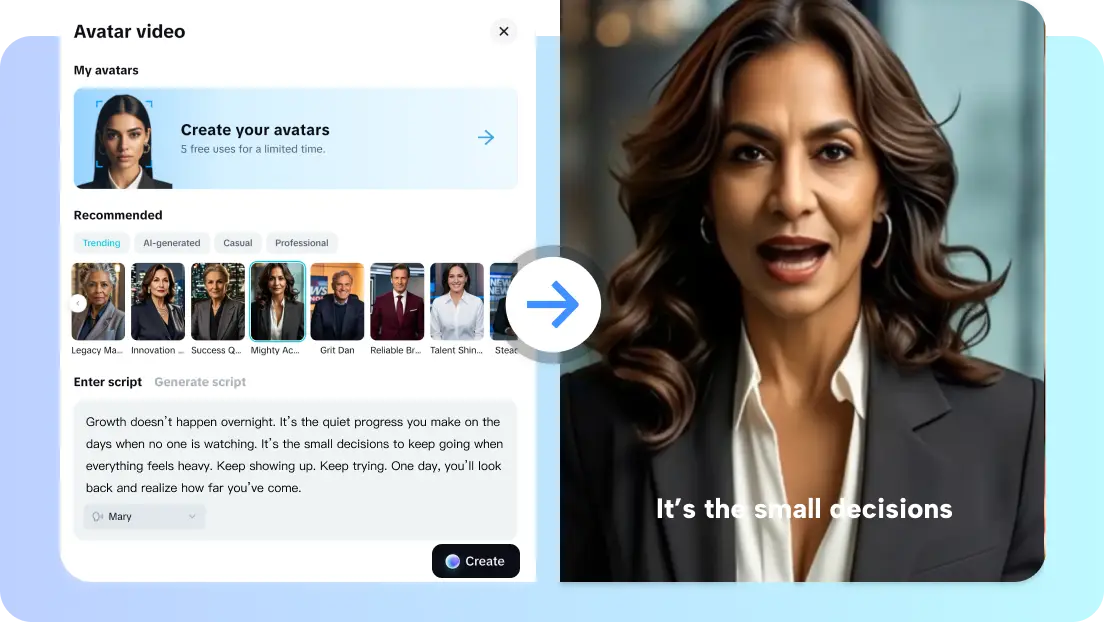
Many modern content creators use both tools that allow them to edit images online and platforms that apply AI for video production. This combination creates a more complete and efficient content workflow.
For example, images edited online can be used as thumbnails, graphics, or visual elements within videos. These visuals help make video content more attractive and informative.
At the same time, AI-powered video tools can turn scripts, images, and short clips into complete video presentations. This helps creators produce engaging content for marketing, education, and social media platforms.
Using both technologies together allows creators to maintain consistent visual quality across different types of content.
Advantages of Using Smart Content Creation Tools
There are several benefits to using tools that help edit images online and systems that apply AI for video.
One major advantage is speed. Automated editing features allow creators to complete tasks much faster than traditional manual editing methods.
Another benefit is accessibility. These tools are designed to be user-friendly, allowing beginners to produce professional-looking content.
Cost efficiency is another important factor. Many online tools provide free or affordable features, making them suitable for small businesses and independent creators.
Finally, these tools encourage creativity. By simplifying technical processes, creators can focus more on developing engaging and informative content.
Tips for Creating Better Visual Content
To get the best results from tools that allow users to edit images online, it is important to start with clear and high-quality images. Good source material helps produce better final results.
When working with AI for video, preparing a well-structured script or storyboard can help improve the final video output.
Creators should also maintain consistent colors, fonts, and styles across both images and videos. This helps strengthen brand identity and improves visual consistency.
Testing final content before publishing ensures that visuals appear clear and balanced on different devices and screen sizes.
The Future of AI and Online Editing Tools
Technology is continuously improving the capabilities of digital content tools. Artificial intelligence is becoming more advanced and capable of performing complex editing tasks automatically.
Future developments in AI for video may include more realistic visual effects, automated storytelling features, and improved real-time editing capabilities.
At the same time, tools that allow users to edit images online are becoming more powerful while remaining simple to use. Many platforms are now integrating intelligent design suggestions and automatic image enhancements.
These innovations will continue to make content creation faster and more accessible for creators worldwide.
Conclusion
Visual content is an essential part of modern digital communication. Tools that allow users to edit images online provide convenient solutions for improving photos and designing engaging graphics.
At the same time, technologies that use AI for video are transforming how videos are produced, edited, and shared online.
By combining these tools, creators can build an efficient workflow that supports high-quality image and video production. As technology continues to evolve, these solutions will play an increasingly important role in helping creators produce professional and engaging digital content.
