


Imagine driving past active volcanoes, through misty cloud forests, and along golden beaches all in one trip. Costa Rica packs incredible variety into a small country, and the best way to see it all is behind the wheel.
A Costa Rica road trip gives you the freedom to stop wherever you want and stay as long as you like. You can wake up early to spot wildlife, skip crowded tour buses, and find quiet beaches that most visitors never see.
This guide covers everything you need to know. You’ll learn when to go, how to plan your route, what car to rent, and which stops deserve your time. By the end, you’ll be ready to hit the road with confidence.
Why a Road Trip is the Perfect Way to Explore Costa Rica
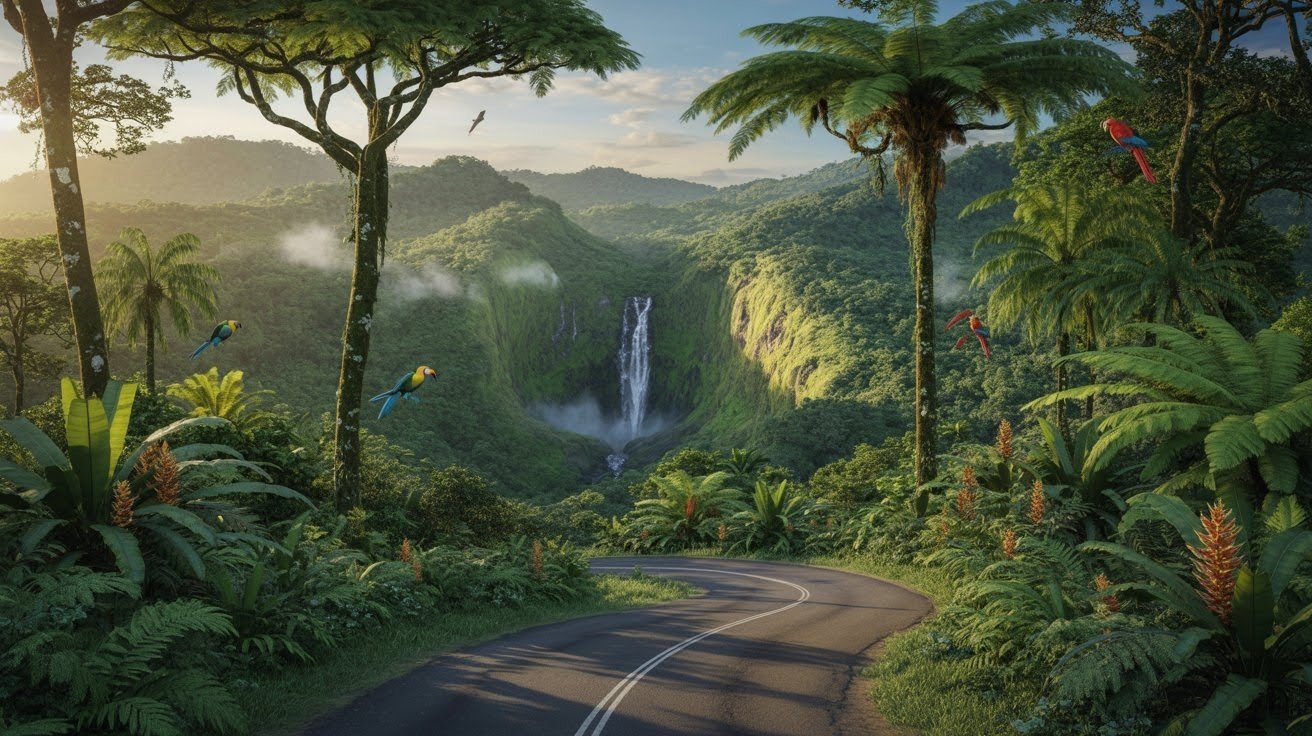
Most organized tours rush you through Costa Rica’s highlights in a week. With your own vehicle, you control the pace. Want to spend an extra day at that waterfall you found? Go for it. Heard about a local restaurant from another traveler? Drive there for dinner.
Public shuttles and private transfers add up fast. A rental car costs less when you split it between travel companions, plus you avoid paying separately for each leg of your trip. You can also reach remote lodges and beaches that shuttles don’t service.
The early bird gets the sloth sighting. Arriving at national parks right when they open means fewer crowds and more active wildlife. Late afternoon light makes for better photos at waterfalls. When you drive yourself, you choose the timing that works best.
Essential Planning: Before You Hit the Road
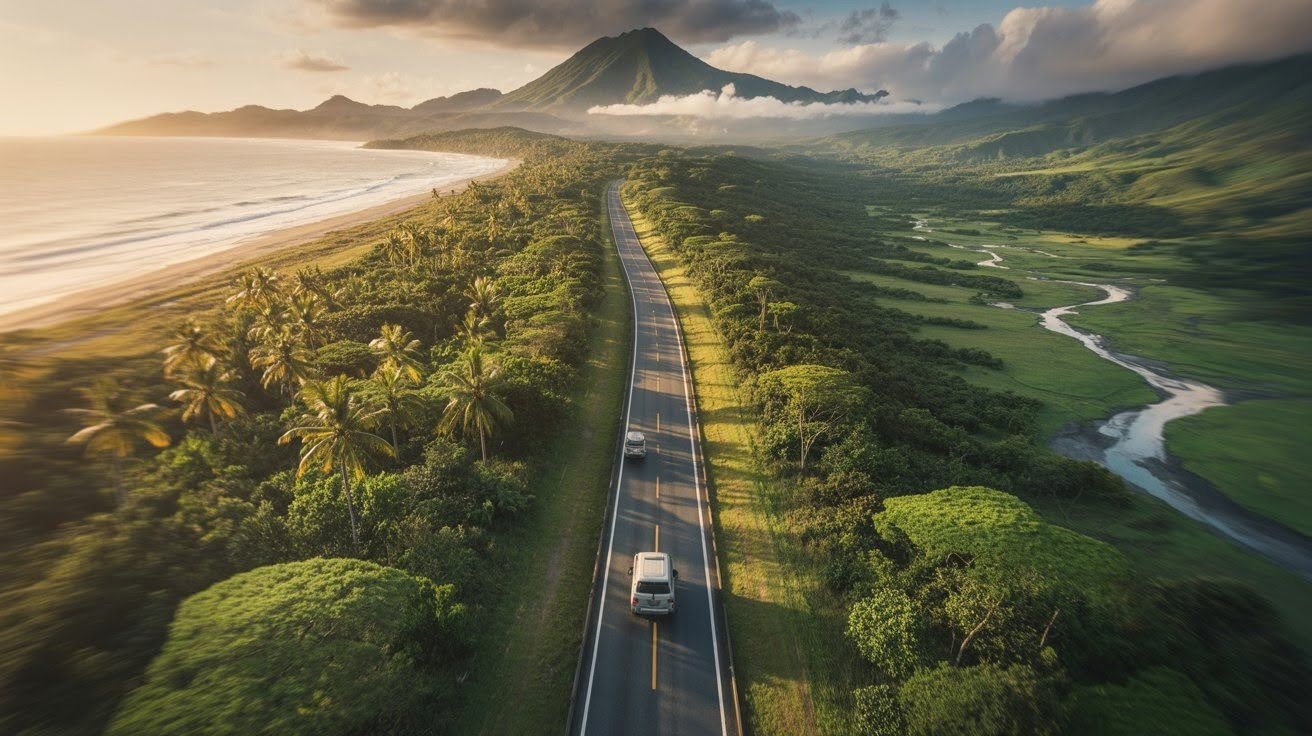
Smart planning makes the difference between a smooth Costa Rica road trip and a stressful one. Let’s cover the basics.
Best Time for Your Costa Rica Road Trip
The dry season runs from December through April. Roads stay in better condition, and you can reach most destinations without trouble. Mornings bring blue skies, though afternoons might see brief showers in some regions.
The wet season lasts from May to November. You’ll find cheaper rates and fewer tourists, but some unpaved roads become difficult or impossible to pass. The Caribbean coast actually gets its driest weather from September to October, while the Pacific side stays wetter. The Osa Peninsula receives heavy rain almost year-round.
How Long You Need
Plan for at least two weeks if you want to see Costa Rica properly. Three to four weeks is even better. This gives you time to actually relax at each stop instead of just checking boxes.
You can hit the main highlights in 10 to 14 days, but you’ll spend a lot of time driving. Shorter trips work fine if you focus on one or two regions instead of trying to cover everything. Remember that drives take longer than Google Maps suggests because of road conditions and slow traffic.
The Ultimate Costa Rica Road Trip Itinerary
This route takes you through Costa Rica’s best regions in a logical loop. Adjust the nights at each stop based on your total time available.
Starting Point: San Jose
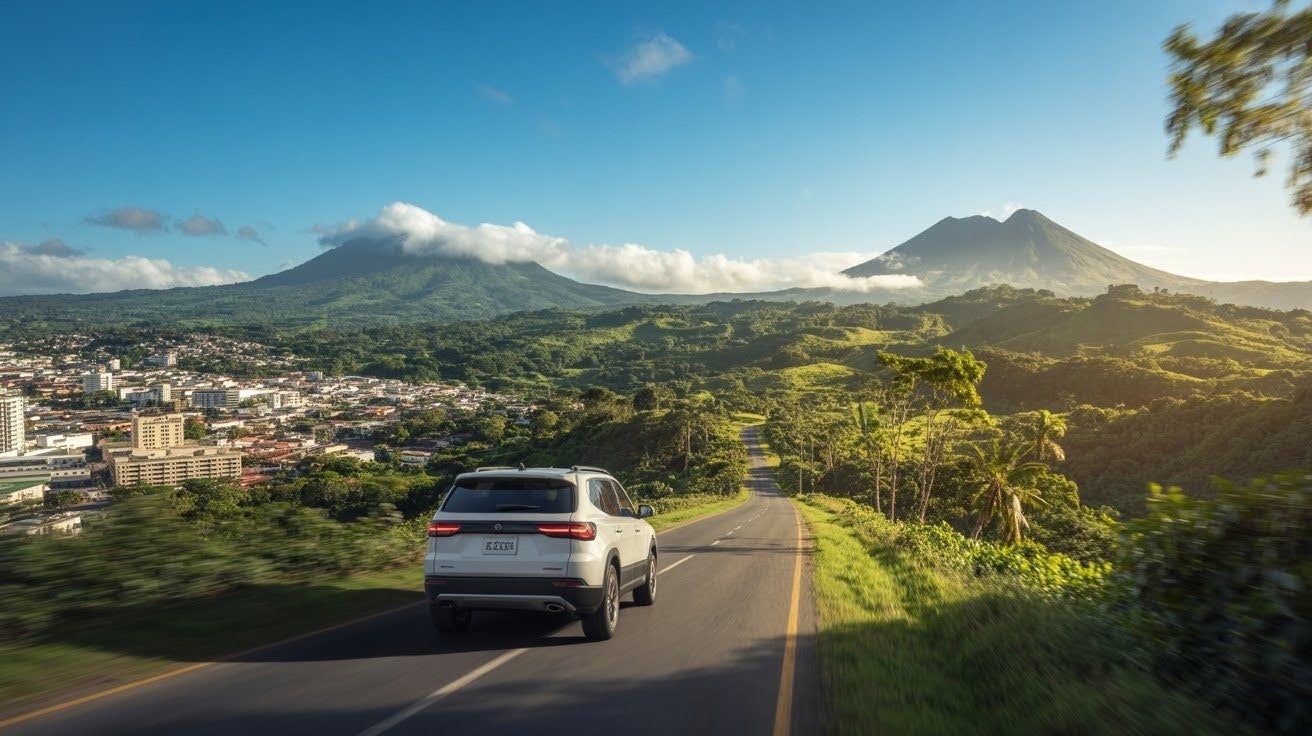
Most international flights land in San Jose. Pick up your car and head out the same day if your flight arrives in the morning. The capital city doesn’t offer much for tourists, so save it for your return if you need to kill time before your flight home.
Traffic in San Jose gets heavy, especially during rush hours. Get clear directions from your rental company and use GPS to exit the city quickly.
Stop 1: Caribbean Coast – Puerto Viejo (4 to 6 nights)
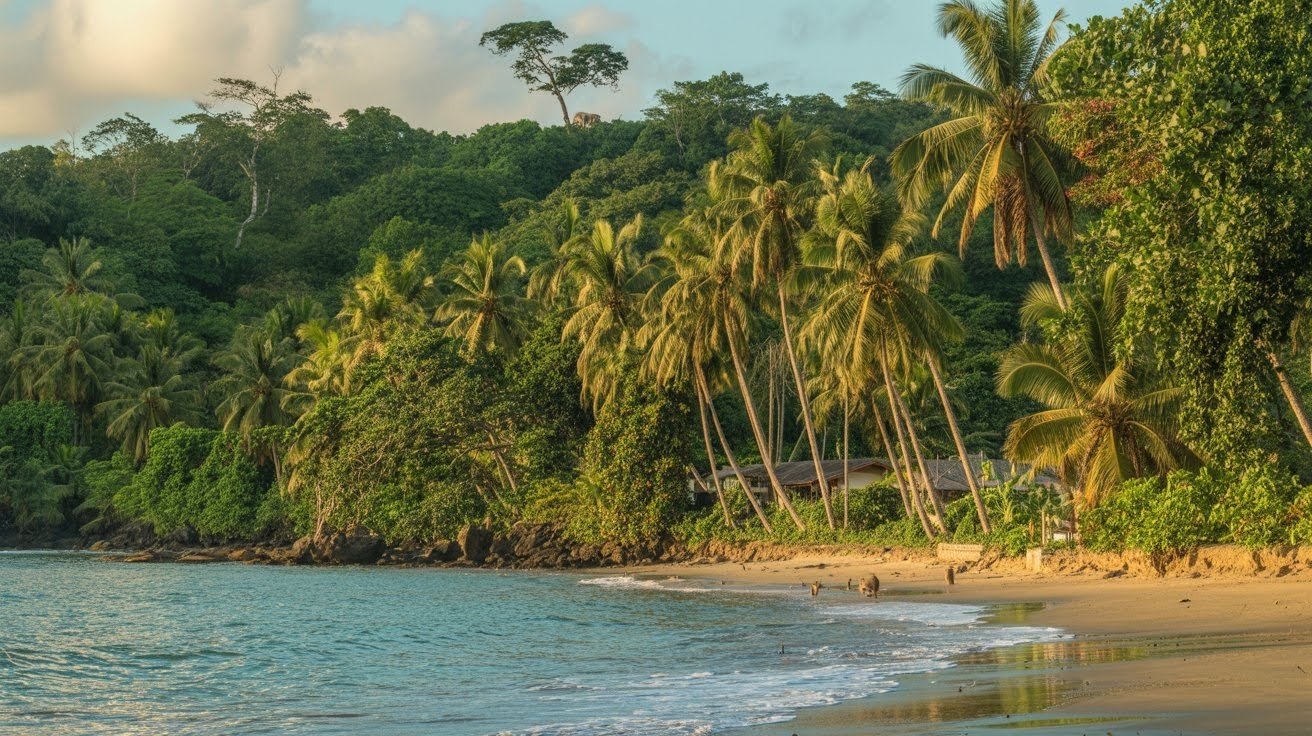
The drive to Puerto Viejo takes about four hours on paved roads. Starting your Costa Rica road trip here makes sense because you won’t need to backtrack across the country later.
Cahuita National Park offers easy hiking trails with monkeys, sloths, and snakes. Beach hop down the coast to find your favorite spot. Visit the Jaguar Rescue Centre to see animals being rehabilitated. The Afro-Caribbean culture here feels different from the rest of Costa Rica. Don’t miss the rice and beans cooked in coconut milk.
Stop 2: Bajos del Toro (2 to 4 nights)
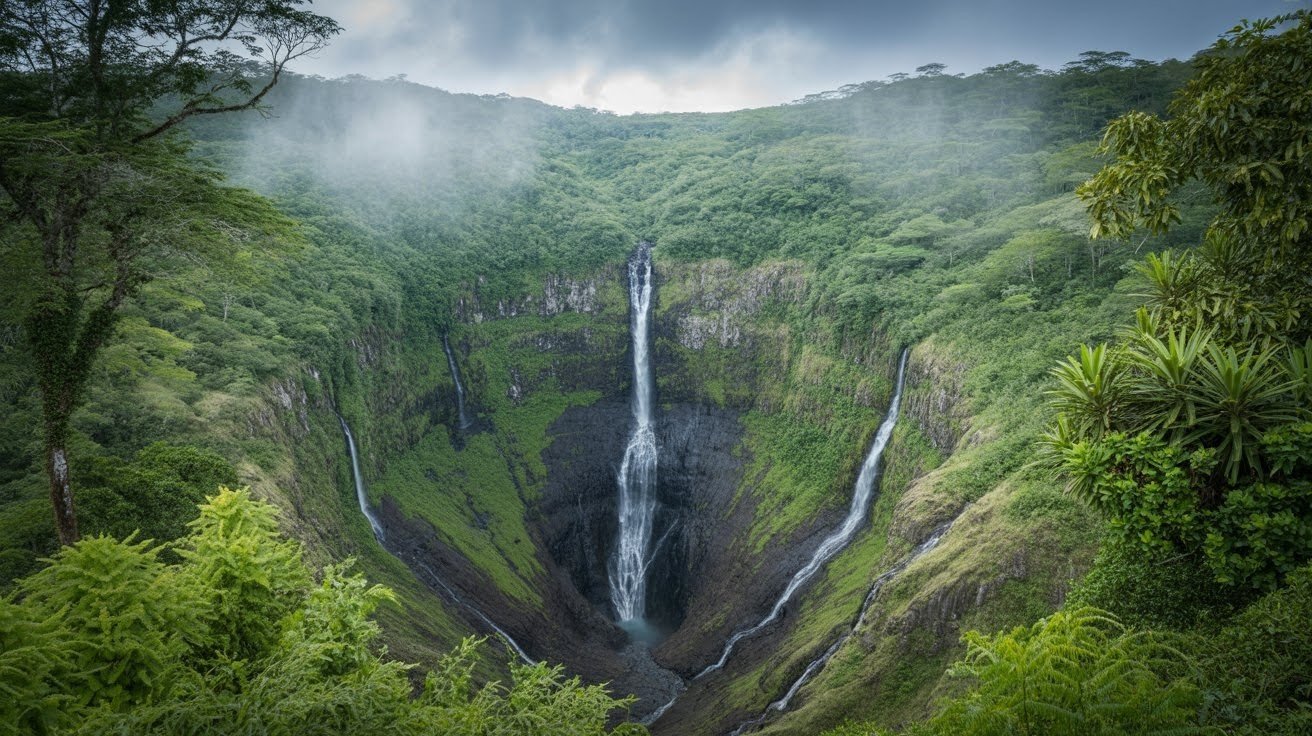
This hidden gem sits about three hours from Puerto Viejo. The last section includes unpaved roads, but they’re usually manageable.
Waterfalls are everywhere here, and most visitors skip this area completely. Catarata del Toro drops 300 feet into an old volcanic crater. Blue Falls gets its name from the bright blue water. Vuelta del Canyon requires a bit of hiking but rewards you with multiple cascades. Cool mountain air makes a nice break from coastal heat.
Stop 3: La Fortuna & Arenal (3 to 5 nights)
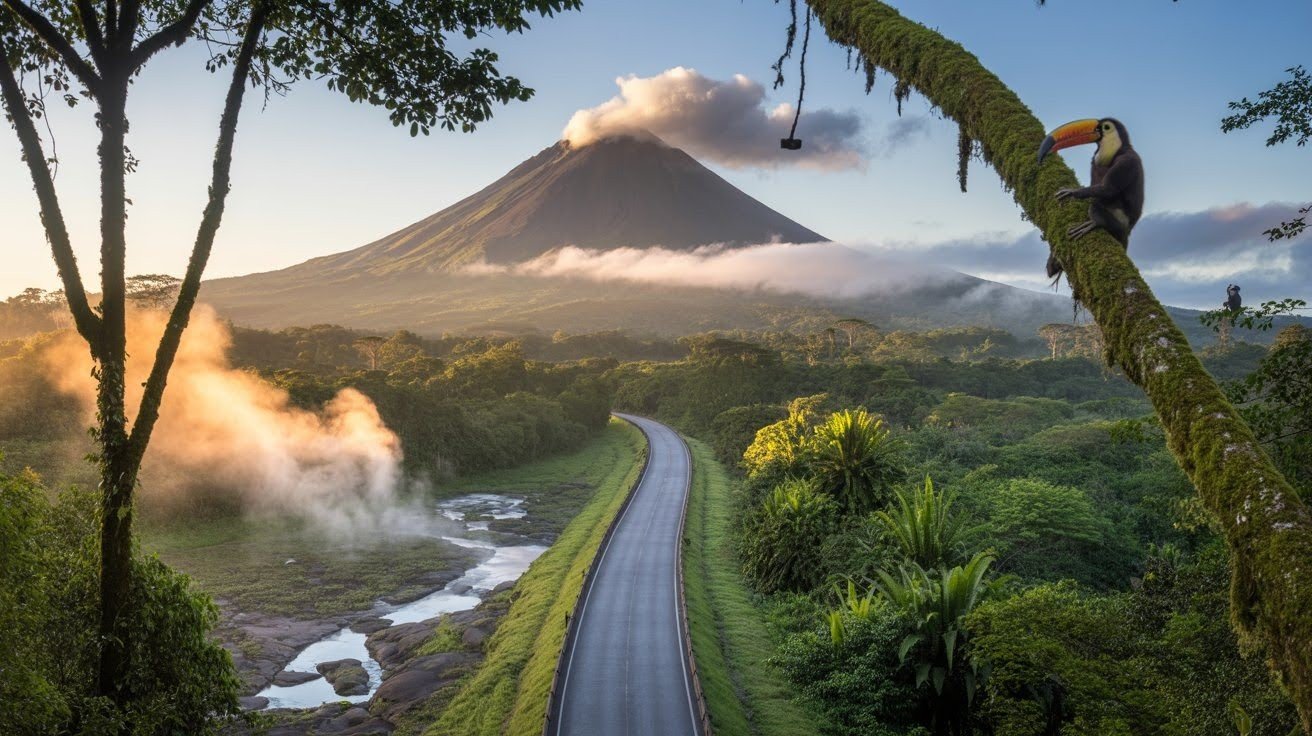
Smooth paved roads make this an easy 90-minute drive. La Fortuna serves as Costa Rica’s activity hub.
The Arenal Volcano dominates the skyline on clear mornings. Walk the hanging bridges through the rainforest canopy. El Choyin offers free natural hot springs if you don’t want to pay resort prices. Howler monkeys wake you up at dawn, and toucans visit fruit feeders at many hotels.
Stop 4: Monteverde Cloud Forest (2 to 4 nights)
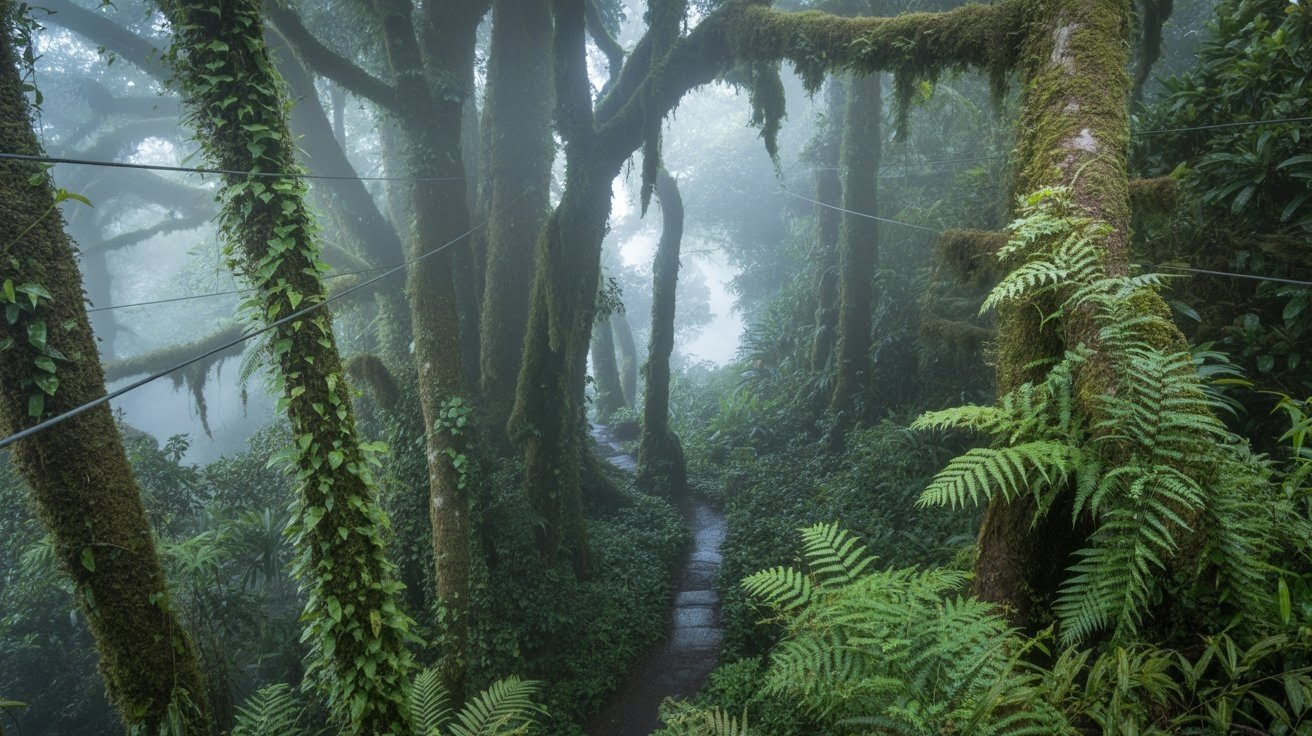
Two route options exist between La Fortuna and Monteverde. The shorter route around Lake Arenal includes about 45 minutes of rough, unpaved road. The longer route adds an hour but stays mostly paved.
The cloud forest stays misty and cool year-round. Hiking trails wind through moss-covered trees that look prehistoric. Ziplines here claim to be among the world’s best. You can see Monteverde in two nights if you’re pressed for time.
Stop 5: Nicoya Peninsula – Montezuma (3 to 5 nights)
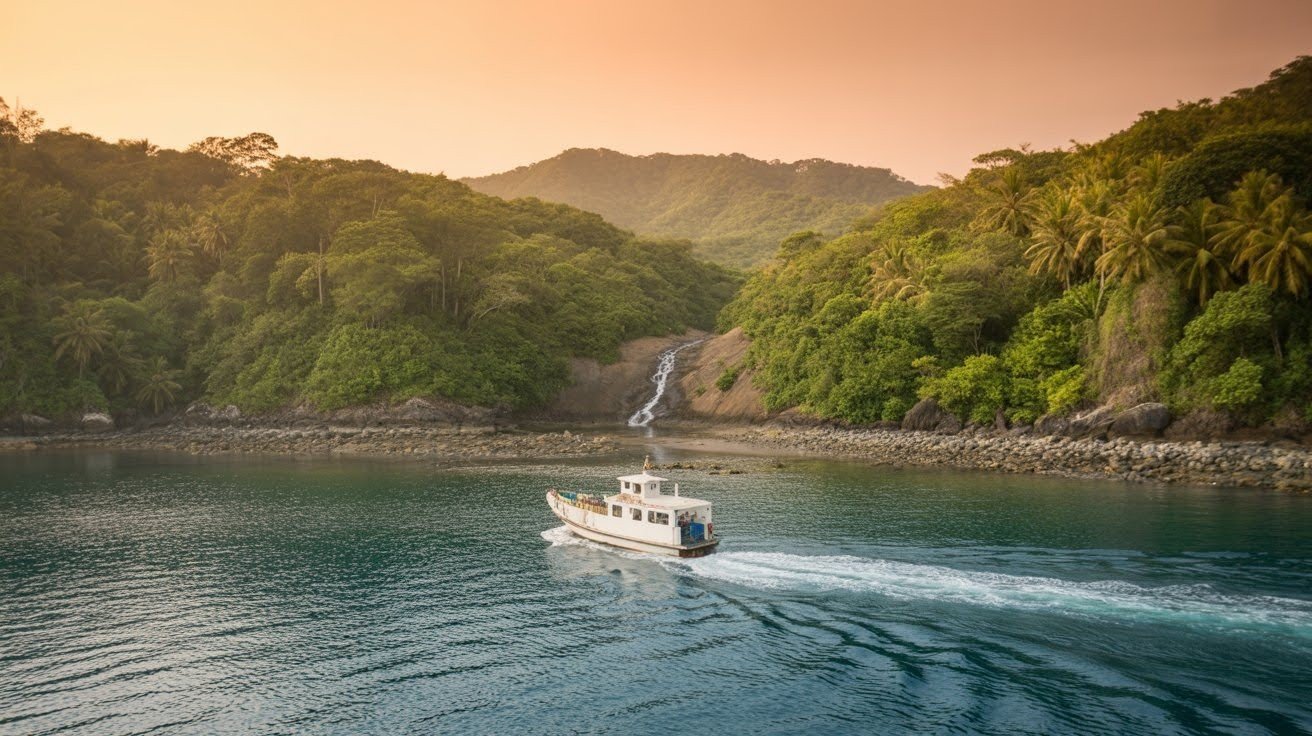
Drive to Puntarenas and take the ferry to Paquera. This saves hours compared to driving around the Gulf. The ferry runs multiple times daily and costs about $30 for a car plus passengers.
Montezuma offers a more laid-back vibe than the crowded Santa Teresa area. A waterfall sits right in town, and tide pools appear at low tide. Cabo Blanco Reserve protects the peninsula’s southern tip with excellent hiking. The town has great restaurants and a friendly international community.
Stop 6: Manuel Antonio (2 to 4 nights)

The coastal drive south on Highway 34 takes about four hours with good ocean views. Manuel Antonio National Park is Costa Rica’s smallest but most visited park.
Arrive at the park entrance by 7 AM to guarantee entry and see active wildlife. Monkeys, sloths, and iguanas are almost guaranteed sightings. The beaches inside the park are beautiful and safe for swimming. The town outside the park has solid restaurant options and nightlife.
Stop 7: Uvita (2 to 4 nights)
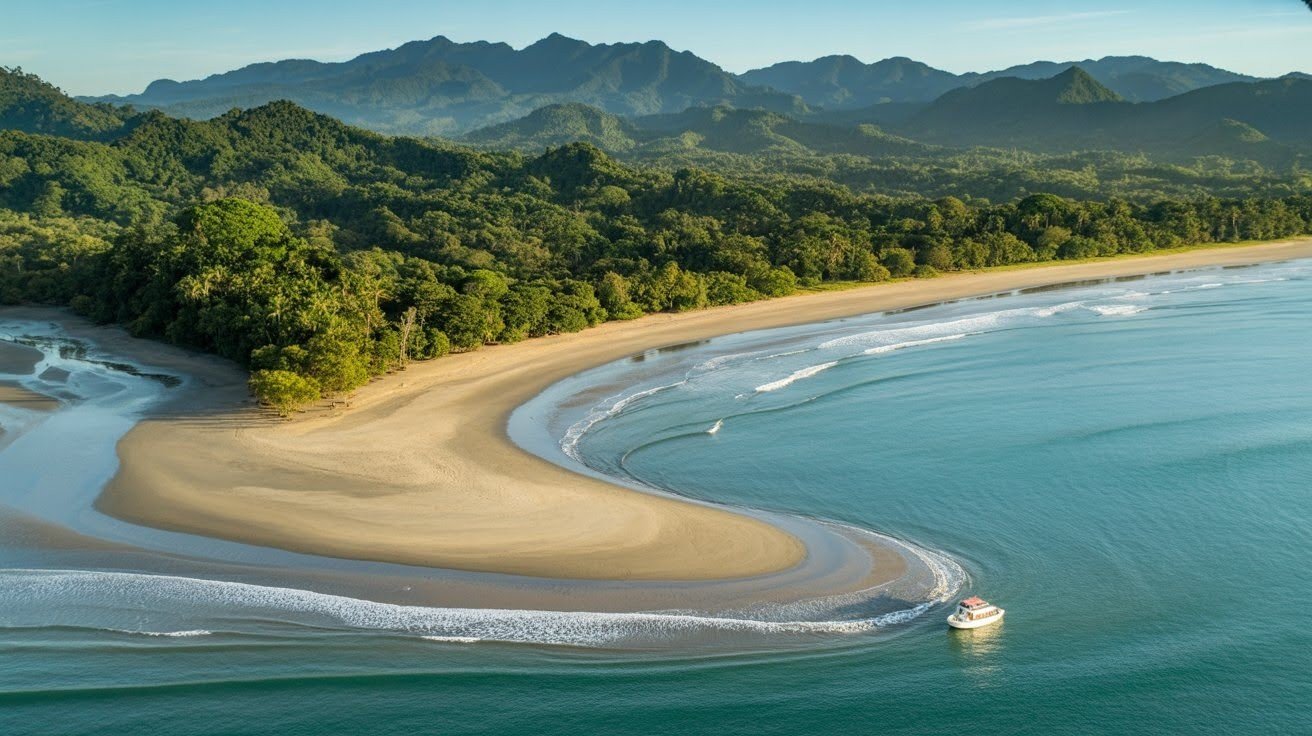
Just 45 minutes further south, Uvita offers a quieter beach town experience. The famous whale tail sand formation appears at low tide in Marino Ballena National Park.
Humpback whales visit from both hemispheres, making this one of the longest whale watching seasons anywhere. Book a boat tour if you’re here between July and October or December and March. The town stays small and relaxed compared to Manuel Antonio.
Stop 8: Drake Bay & Corcovado (3 to 5 nights)
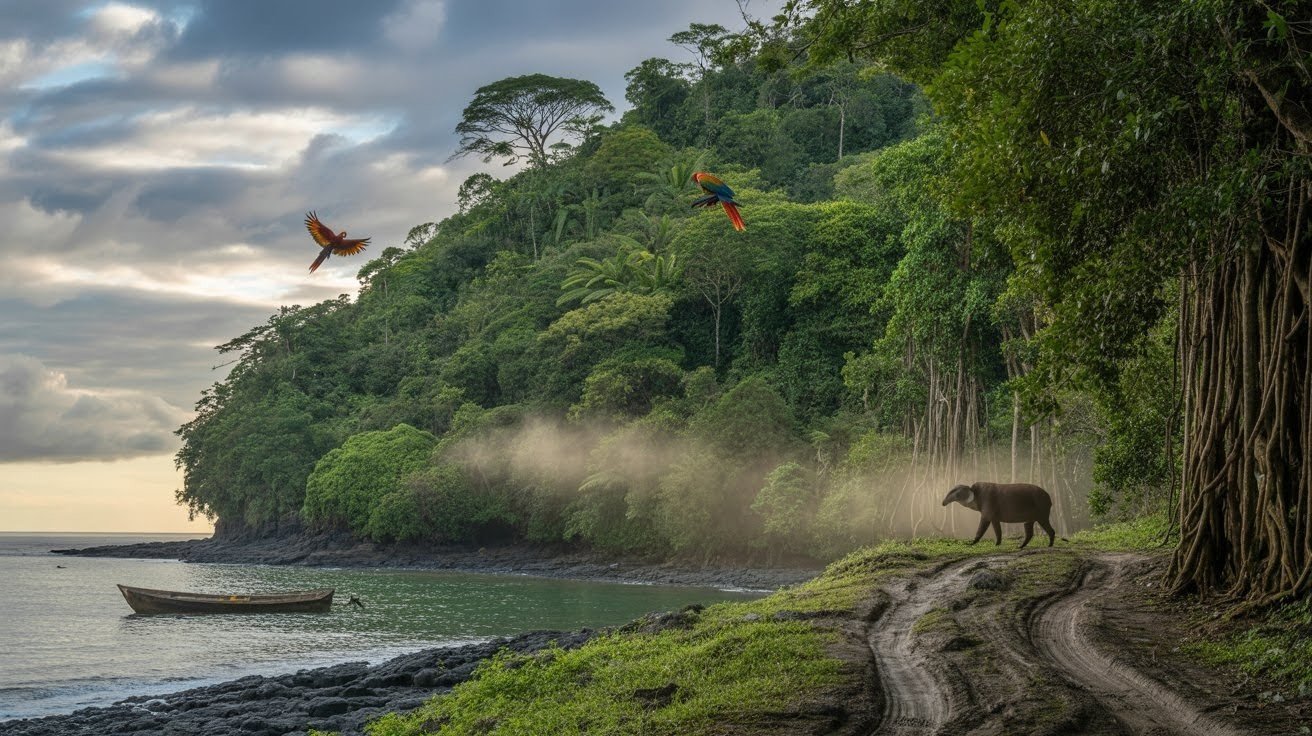
This section requires serious planning. The rough road to Drake Bay absolutely needs 4×4 and high clearance. Many people park in Sierpe and take a boat instead.
Corcovado National Park protects Costa Rica’s wildest rainforest. Book an overnight camping tour with a certified guide for the best wildlife viewing on your entire Costa Rica road trip. You’ll see tapirs, scarlet macaws, and possibly even jaguars. The free Drake Bay trail offers coastal hiking with whale watching from shore. This remote region feels like true wilderness.
Stop 9: Dominical (2 to 4 nights)
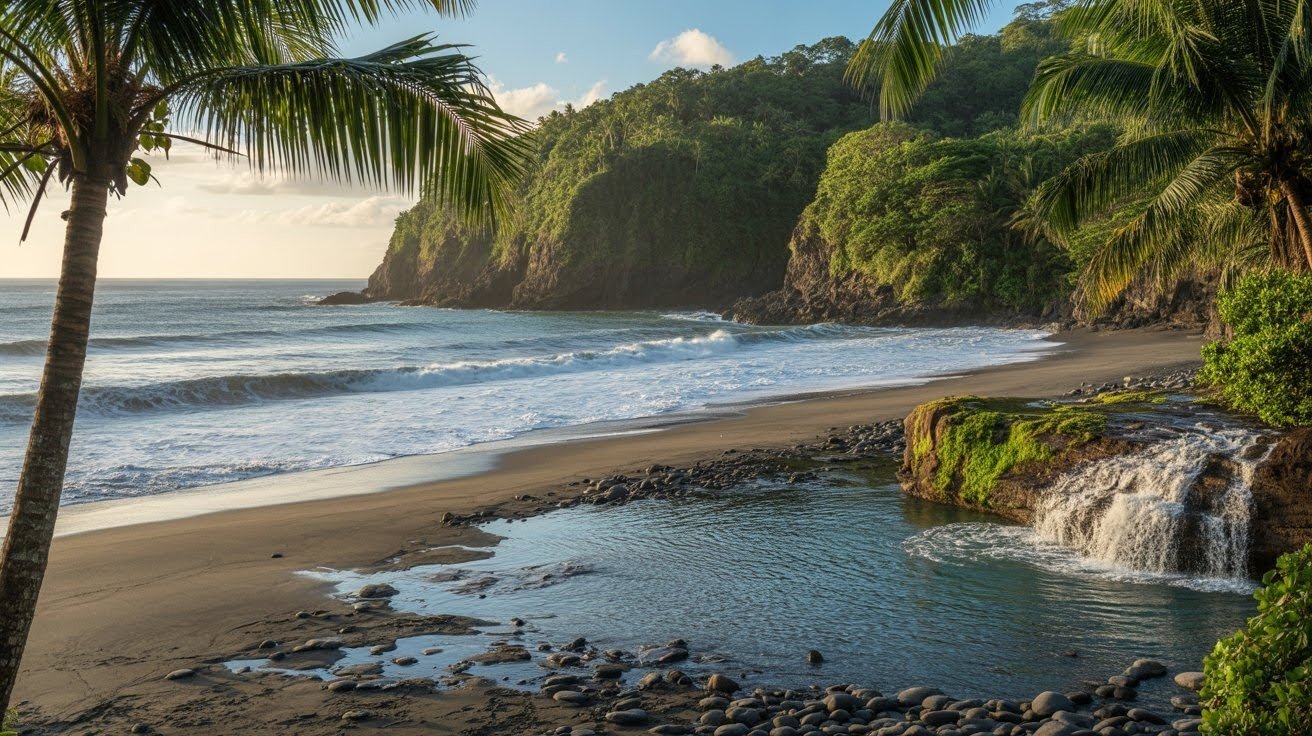
Break up your return drive with a few nights in Dominical, about 90 minutes from Drake Bay. This surf town attracts a younger, backpacker crowd.
Hike to Nauyaca Waterfalls for swimming in natural pools. Playa Dominicalito, just south of town, is a protected bay perfect for swimming. The main beach has strong currents but great waves for experienced surfers. Plenty of casual restaurants serve fresh fish and cold beer.
Return to San Jose
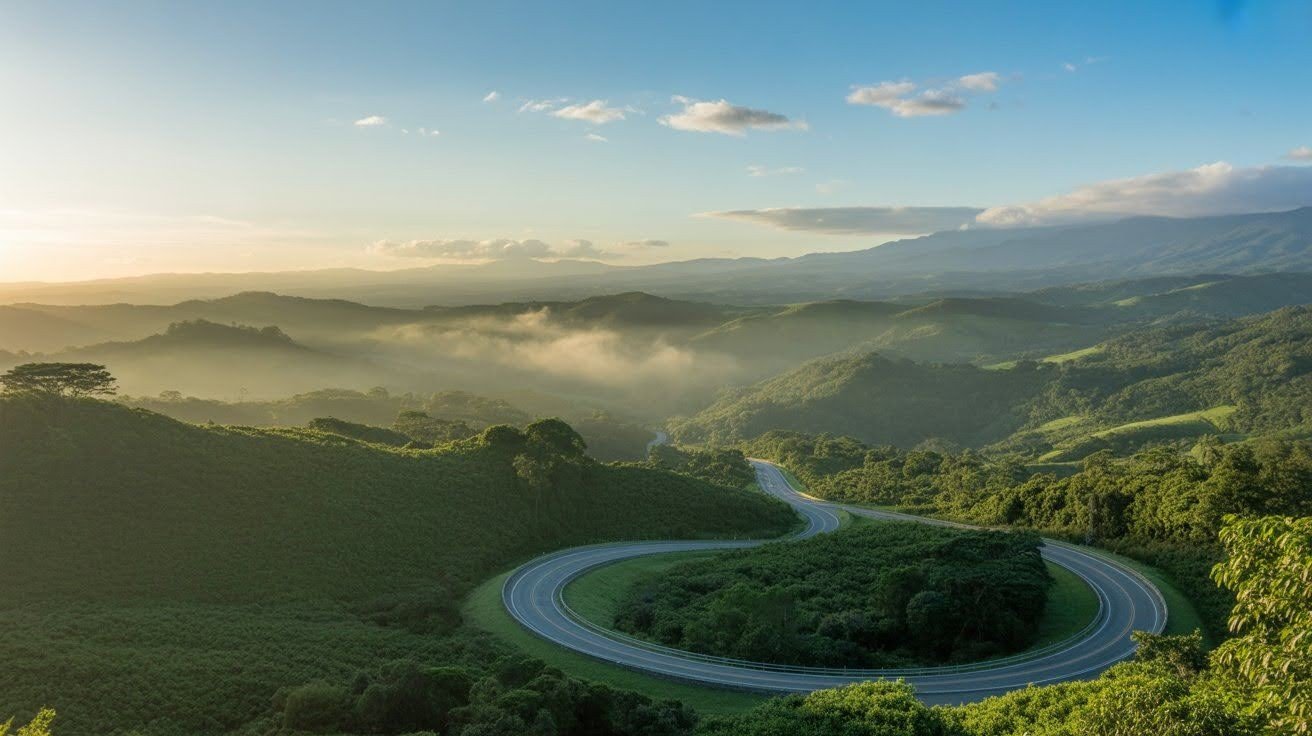
The final drive takes four to five hours with traffic. Leave early in the morning to avoid San Jose rush hour. Return your car with a full tank of gas to avoid inflated refueling fees. Many rental companies are closed on Sundays, so plan accordingly.
Money-Saving Tips for Your Road Trip
A Costa Rica road trip doesn’t have to break your budget. Smart choices add up to significant savings.
- Rent a 4×4 camper for ultimate flexibility and savings on hotels. Several companies specialize in this.
- Book accommodation outside peak season or in less touristy towns along your route.
- Skip expensive guided tours when you can. Many waterfalls, beaches, and trails are free to visit.
- Fill up your gas tank in larger towns where prices run lower.
- Eat at sodas instead of tourist restaurants. These local spots serve filling meals for $5 to $8.
- National parks charge entrance fees, but many beaches, hot springs, and swimming holes cost nothing.
The freedom of having your own car already saves money compared to organized tours. These tips stretch your budget even further while keeping your Costa Rica road trip comfortable and fun.
Conclusion
A Costa Rica road trip delivers experiences that no tour bus can match. You’ll find hidden waterfalls, empty beaches, and authentic local spots that most visitors miss. The freedom to change plans and follow recommendations from people you meet along the way makes the trip feel truly yours.
Don’t stress about following this itinerary exactly. Some places will grab you and deserve extra time. Others might not fit your style. That flexibility is the whole point of driving yourself.
Start planning, rent that car, and get ready for an amazing time. Costa Rica’s pura vida lifestyle is waiting for you around every curve in the road. The mountains, jungles, and beaches are calling.
Come back and tell us about your favorite stops. Safe travels!
Frequently Asked Questions
Can I drive in Costa Rica with a US driver’s license?
Yes, your US driver’s license works in Costa Rica for up to 90 days. Some rental companies recommend getting an international driving permit, but it’s not legally required for American tourists.
Is it safe to drive in Costa Rica as a tourist?
Driving in Costa Rica is generally safe. Watch for common scams like fake parking attendants or people claiming you damaged their car. Keep valuables out of sight and park in secure lots when possible.
What happens if I get in an accident with my rental car?
Call the police and your rental company immediately. Don’t move the vehicles before the police arrive. Your mandatory insurance covers liability, and optional coverage handles damage to your rental car. Get a police report for insurance claims.
Are Costa Rica’s roads suitable for regular cars, or do I need an SUV?
Most main routes work fine with a regular car. An SUV gives you better clearance for potholes and unpaved sections. Only rent a true 4×4 if you’re going to Drake Bay or other remote areas during the rainy season.
Should I book accommodations in advance or find them as I go?
Book ahead during high season from December through April and around holidays. The wet season offers more flexibility for last-minute bookings. Reserve at least your first few nights, then decide based on your pace and plans.
