


Have you ever planned a trip and then realized the timing changed everything? That is exactly how I felt when I first visited.
The best time to visit Azores became more important than the destination itself. The islands look calm, but the weather can shift within hours.
I have seen sunshine turn into mist and rain on the same day. In this guide, I will walk you through seasons, monthly changes, crowds, and travel tips so you can plan better.
This will help you choose the right time without guessing or missing out on what matters most.
Where Are the Azores and Why Timing Matters

The Azores are nine islands set in the middle of the Atlantic Ocean, far from mainland Portugal.
I noticed right away how the ocean shapes everything, especially the weather. It stays mild through the year, but rain and clouds can appear at any time.
The climate here is very changeable. I saw sunshine, fog, and light rain all in one day, so timing your visit really matters. Each island also feels different.
São Miguel can be sunny by the coast and cloudy in the hills, while Pico Island and Terceira often shift quickly too.
Best Time to Visit Azores by Season
I’ve visited across different months, and each season felt very different. The right time really depends on what you want to do and how much weather change you can handle.
Spring (March to May)
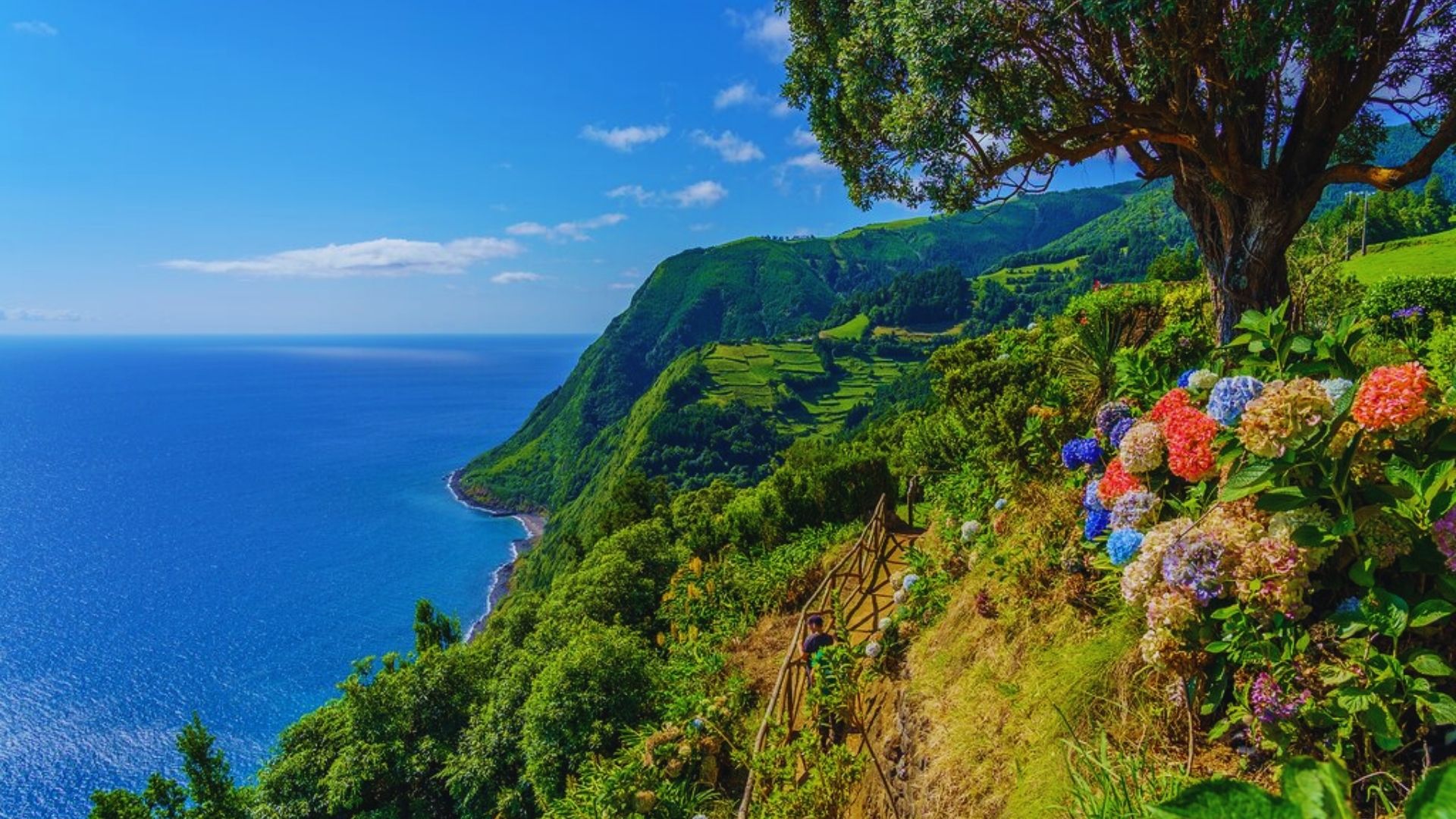
Spring feels fresh and calm, and it’s a great time if you enjoy greenery and quiet travel.
- The weather stays mild (around 14-20°C) with some rain and clear breaks
- Hills and fields turn very green with flowers starting to bloom
- Whale migration begins, making April and May ideal for sightings
- Good time for hiking as trails are less crowded and cooler
- Travel is easier with moderate prices and fewer visitors
- Pros: peaceful vibe, active wildlife, good hiking conditions
- Cons: weather can shift fast, the sea can be rough some days
Summer (June to August)

This is when I found the weather most stable, especially for beach days and long outings.
- Warmest months (20-26°C) with more sunshine and less rain
- Best time for swimming, boat tours, and coastal activities
- Hydrangeas bloom across the islands, especially in July and August
- Sea conditions are calmer, making island travel smoother
- Peak tourist season, so flights and stays cost more
- Pros: best weather, great for outdoor plans, easy island hopping
- Cons: higher prices, more crowds at popular spots
Fall (September to November)
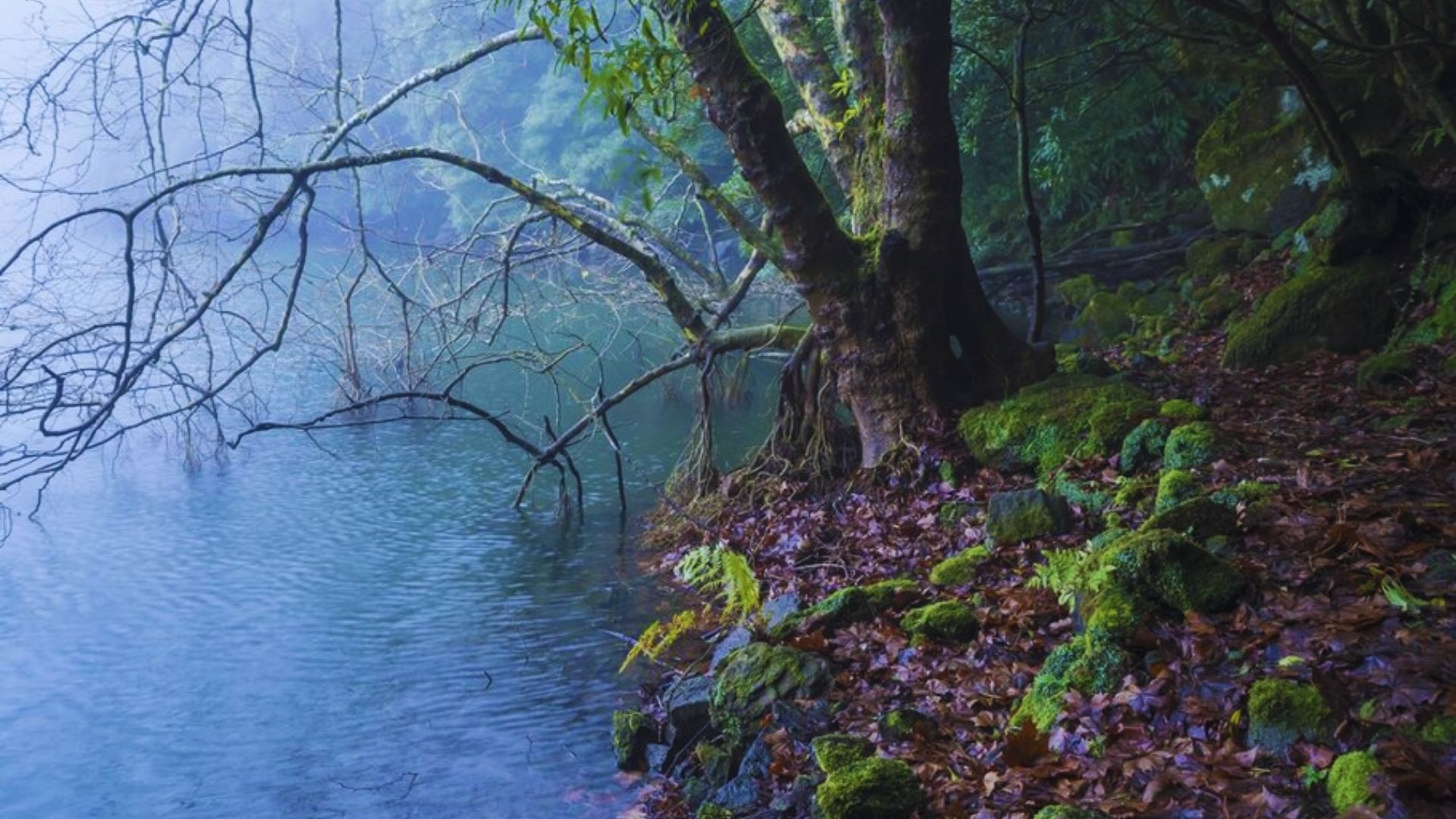
This season felt the most comfortable to me, with fewer crowds but still good conditions.
- Mild temperatures (18-24°C) with less heat and softer sunlight
- The ocean stays warm throughout the summer, which is still good for swimming
- Fewer tourists, making popular places feel more relaxed
- Great time for hiking, sightseeing, and photography
- Rain starts to increase by late October and November
- Pros: fewer crowds, good weather mix, better prices
- Cons: rising chance of rain later in the season
Winter (December to February)

Winter felt quiet and slow, but the weather can limit what you can do each day.
- Cooler temperatures (13-17°C) with frequent rain and wind
- Outdoor plans often depend on daily weather changes
- The lowest number of tourists across all islands
- Flights and hotels are more affordable during this time
- Limited options for water activities and long hikes
- Pros: low costs, quiet atmosphere, no crowds
- Cons: high rainfall, fewer activities, less reliable weather
Month-by-Month Guide to Visiting the Azores
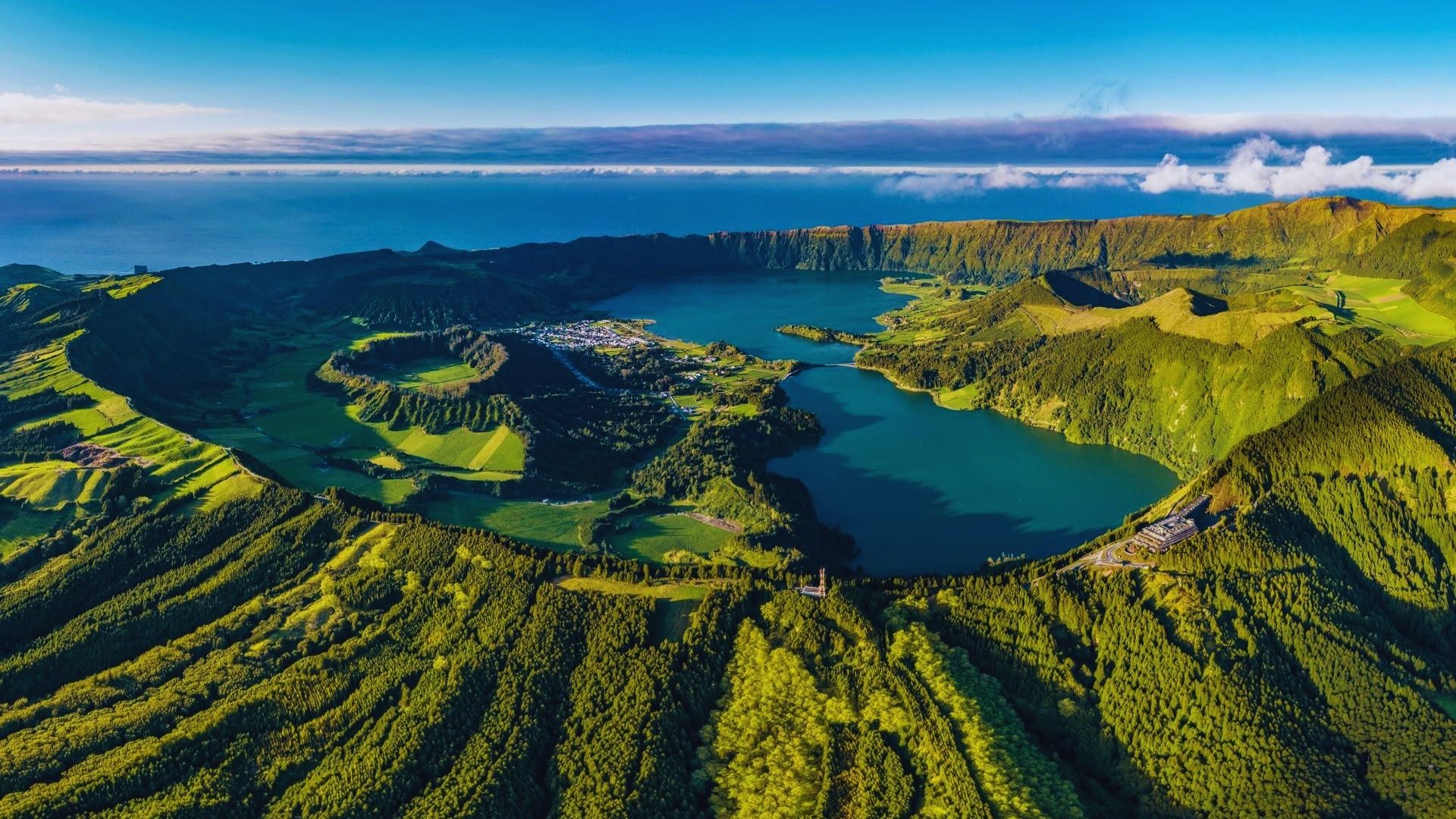
I’ve tried different months, and each one felt slightly different in terms of weather and crowds. This quick breakdown helps you pick what fits your plan best.
1. January
January feels quiet and slow in the Azores, with cool weather around 13-17°C and frequent rain showers. Tourist numbers stay very low, and prices are lower.
Outdoor plans depend on daily weather, but it suits budget travel and relaxed stays. Pros include low cost and a calm atmosphere, while cons include rain and limited activities.
2. February
February stays similar to January, with cool temperatures, wind, and regular rain across the islands. Crowds remain low, and travel costs are still affordable.
Some local events take place, but outdoor activities can be limited. It works well for quiet trips, though weather changes and fewer activity options can affect plans.
3. March
March marks the start of spring, with slightly warmer days and fresh green views. Rain is still common, but you get more clear breaks.
Tourist numbers slowly increase, though prices remain moderate. It’s a good time for early hiking and nature views, but changing weather can still affect outdoor plans.
4. April
April feels fresher with blooming landscapes and milder weather, usually between 14–20°C. Whale watching becomes popular during this time.
Crowds are still manageable, and prices stay reasonable. Outdoor plans improve, though quick weather shifts are common. It offers a good mix of nature and fewer tourists, with some rain still expected.
5. May
May is one of the most balanced months, with mild temperatures, greener scenery, and better weather stability. Whale watching peaks, and hiking conditions are great.
Crowds remain moderate, and prices are fair. It’s ideal for outdoor plans, though short rain spells can still happen during the day.
6. June
June brings warmer weather, longer days, and more sunshine across the islands. Crowds begin to rise, and prices increase slightly.
It’s great for hiking, sightseeing, and early swimming. Travel becomes smoother with better conditions, though popular spots can start getting busy by the end of the month.
7. July
July is warm and sunny, with temperatures around 22–26°C and very good outdoor conditions. Hydrangeas are in full bloom, adding color across the islands.
It’s peak tourist season, so prices are higher and places get crowded. Best for beaches and tours, but expect busy locations.
8. August
August stays warm and sunny, with stable weather perfect for swimming and boat trips. Crowds are at their highest, and prices peak during this time.
Sea conditions are calm, making island travel easy. It’s great for outdoor plans, though busy areas and higher costs can affect the experience.
9. September
September feels calmer, with warm weather and fewer tourists after summer. The ocean stays warm, making it great for swimming and outdoor plans.
Prices start to drop slightly. It offers a strong balance of good weather and fewer crowds, though light rain can begin later in the month.
10. October
October remains mild, with fewer visitors and lower prices compared to summer. The sea is still warm, but rainfall increases gradually.
It’s good for hiking and relaxed travel without crowds. The weather can shift more often, so flexible plans help. It suits those looking for quieter conditions.
11. November
November turns wetter and cooler, with fewer clear days and more wind. Tourist numbers drop, and prices become low again.
Outdoor activities are limited, but it’s peaceful and less crowded. It works for budget trips, though frequent rain and changing weather can affect daily plans.
12. December
December feels quiet with cool weather, rain, and fewer visitors across the islands. Prices stay low, and the atmosphere is calm.
Some festive events take place, but outdoor options remain limited. It suits relaxed travel, though weather changes and rain can impact sightseeing and activities.
Tourist Seasons in the Azores Explained
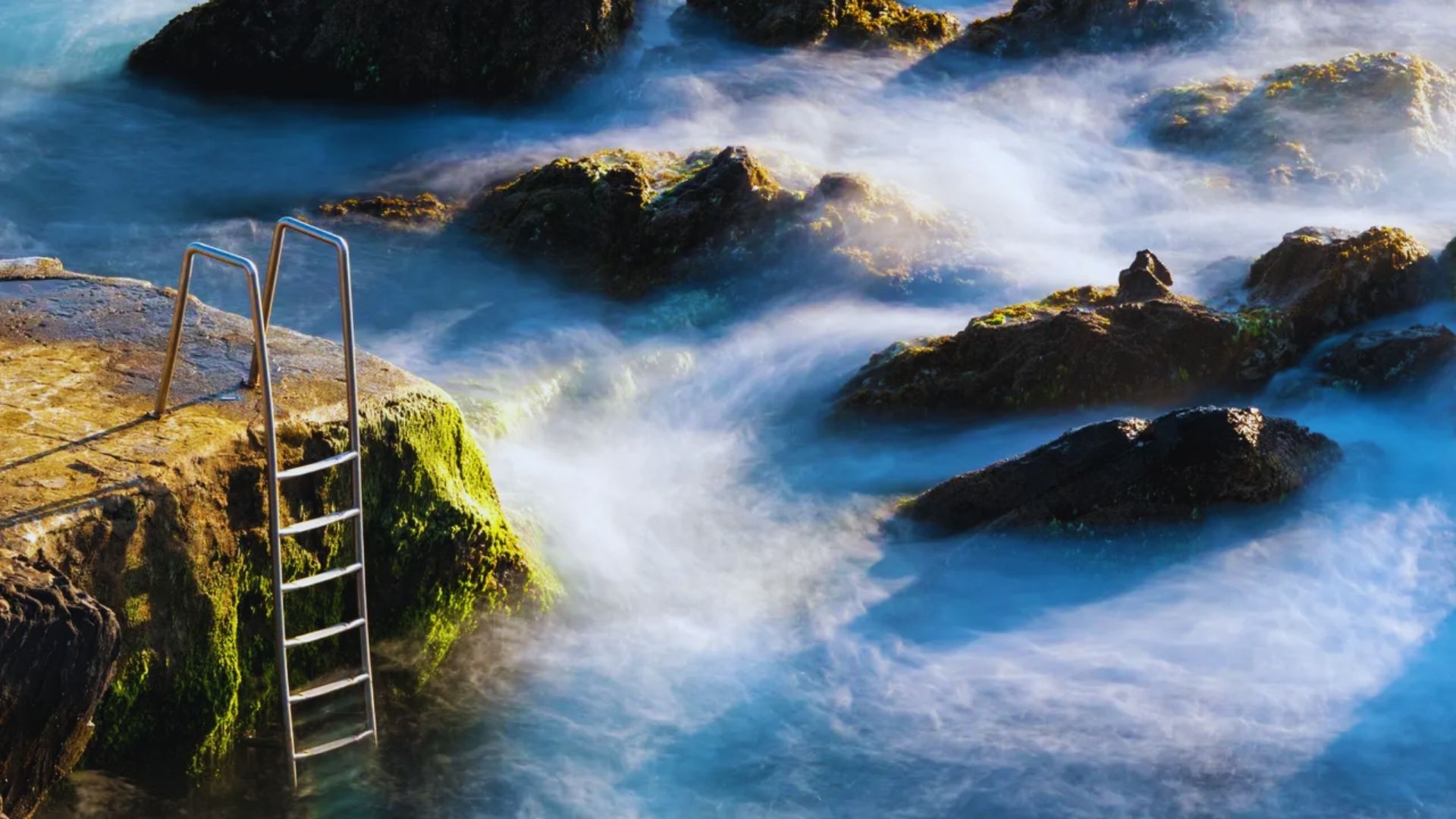
I noticed that tourist seasons here change the whole travel feel, from prices to how busy each place gets. Picking the right season helps you plan better and avoid surprises.
Peak Season (June to August)
This is the busiest time in the Azores, with the most visitors and the highest prices.
- The weather is warm, sunny, and more stable for outdoor plans
- Best time for swimming, boat tours, and island hopping
- Flights and hotels cost more due to high demand
- Popular spots can feel crowded, especially in July and August
- Easy travel between islands with better sea conditions
- Pros: best weather, smooth travel, wide activity options
- Cons: high prices, crowded locations, early bookings needed
Shoulder Season (April-May & September-October)
This period felt the most comfortable to me, with fewer people but still good conditions.
- Mild weather with a mix of sun and light rain
- Fewer tourists, making places feel more relaxed
- Prices are moderate compared to peak season
- Great for hiking, sightseeing, and whale watching (spring)
- The sea stays warm in early fall for swimming
- Pros: fewer crowds, fair prices, good overall conditions
- Cons: weather can change quickly, not always fully sunny
Off-Season (November to March)
This is the calmest time, but the weather plays a big role in daily plans.
- Cooler temperatures with frequent rain and wind
- The lowest number of tourists across all islands
- Flights and stays are more affordable
- Outdoor plans may be limited due to weather changes
- Fewer tours and activities are available
- Pros: low cost, quiet atmosphere, easy bookings
- Cons: unpredictable weather, limited activities, and less clear days
Choosing the right season here can shape your whole experience, from weather to crowds and cost.
Festivals and Events in the Azores by Month

Local events can shape your trip, especially in smaller towns. Picking the right time adds more cultural moments to your visit.
Spring Events: Religious festivals and Holy Spirit celebrations take place across the Azores, with processions and shared meals in a calm setting.
Summer Festivals: This is the busiest time with music events and street celebrations, including Sanjoaninas in Terceira, but crowds and prices are higher.
Fall Events: Smaller harvest events focus on food and local culture, with a quieter and more relaxed feel.
Winter Celebrations: Christmas and New Year bring lights and local gatherings, though weather can limit outdoor plans.
Timing your visit with these events can add a more local and memorable feel to your trip.
When is the Worst Time to visit the Azores?
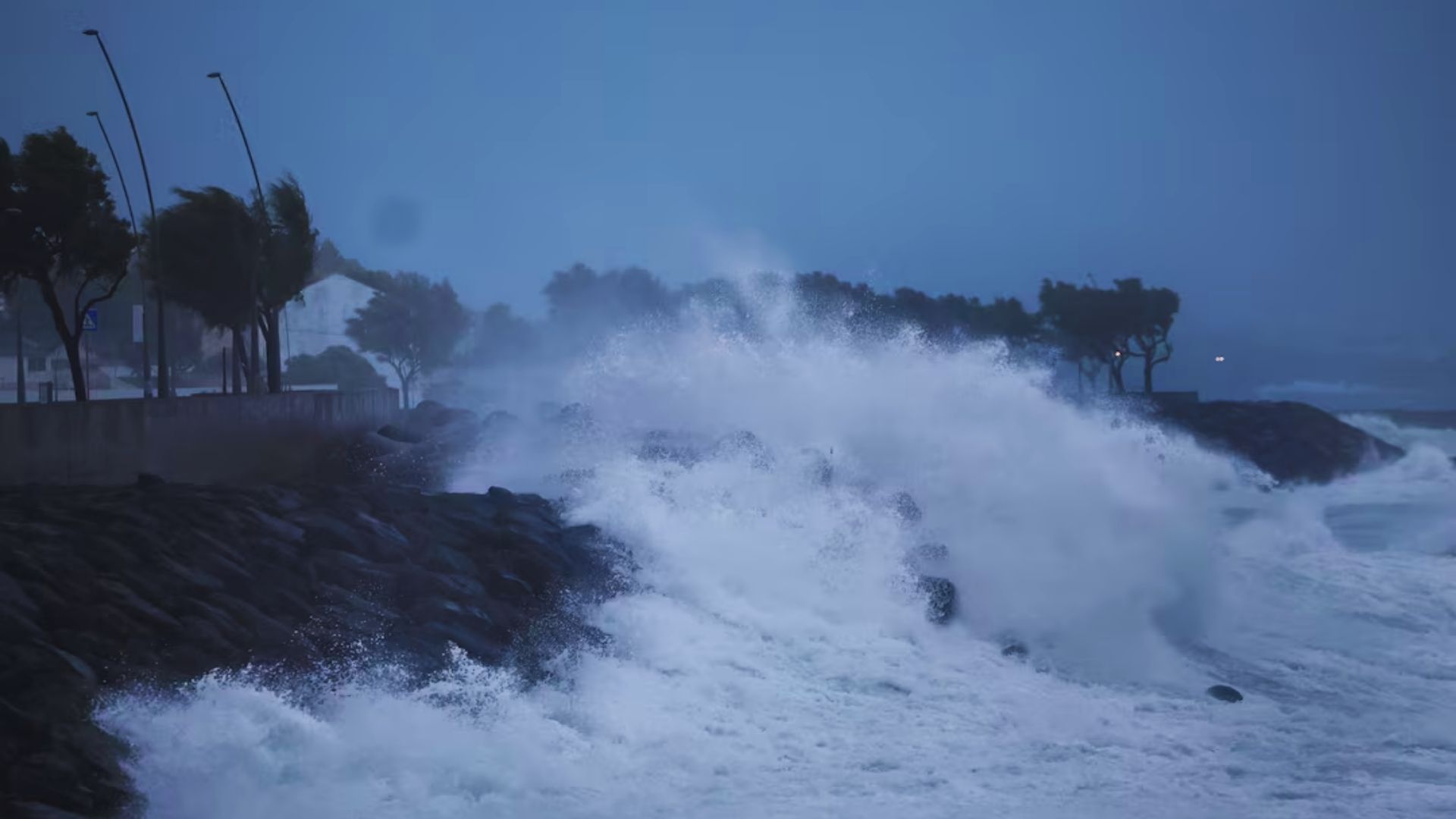
From my experience, the least favorable time is when rain and wind start affecting daily plans. This usually falls in the winter months when conditions are less stable.
Rainiest months: November to February bring frequent rain, cloudy skies, and fewer clear days, which can limit views and outdoor plans across the Azores.
Storm risk periods: Winter months often bring strong winds and rough seas, sometimes disrupting ferry services and boat tours between islands.
Limited activity windows: Outdoor activities like hiking and swimming become more difficult due to frequent weather changes and shorter clear spells.
When travel plans may be affected: Flights, ferries, and tours may face delays or cancellations during bad weather, so flexible planning helps.
If you want smoother travel and more outdoor time, it’s best to avoid these months.
Travel Tips for Choosing the Right Time
I learned quickly that timing in the Azores can change your whole trip. A few simple tips can help you plan better and avoid common issues.
Pack layers for changing weather: Weather can shift within hours, so carrying light layers, a rain jacket, and comfortable shoes helps you stay prepared.
Book early for summer trips: June to August gets busy, so flights and stays fill up fast. Booking early saves money and gives better options.
Consider flexible travel dates: A few days of flexibility can help you avoid bad weather and find better prices.
Check local event calendars: Festivals and events can affect crowds and availability, so checking dates helps you plan around them.
A little planning around timing can make your trip smoother and more enjoyable.
Final Thoughts
After spending time across different months, I found there is no single perfect answer for the best time to visit Azores.
It depends on your plans and how you handle changing weather. Summer gives the best outdoor conditions, while spring and fall offer fewer crowds and better prices.
Winter feels quiet, but it can limit activities. I learned that flexible planning matters more than the exact month.
Plan your dates based on your priorities, not just the season. A little flexibility can turn your trip into a better experience!
Frequently Asked Questions
Is It Better To Stay On One Island Or Visit Multiple?
If you have less than 5 days, staying on one island like São Miguel is easier. For longer trips, visiting 2-3 islands gives a better overall experience.
Do You Need A Car In The Azores?
Yes, renting a car is the best way to get around. Public transport is limited, especially for reaching viewpoints and hiking spots.
How Many Days Are Enough For The Azores?
Around 5-7 days works well for one or two islands. For a slower pace or more islands, 8–10 days is better.
Is The Azores Expensive To Visit?
It can be moderate in cost. Summer is more expensive, while winter and shoulder months offer better prices for flights and stays.
Is It Easy To Travel Between Azores Islands?
Yes, you can use flights or ferries. Flights are faster and more reliable, while ferries depend on the weather, especially outside of summer.
