


Thailand has become one of the most popular travel spots in Asia, and for good reason. This amazing country offers something for every type of traveler. You can relax on white sand beaches, visit ancient temples, eat incredible street food, and meet some of the friendliest people on Earth.
From the busy streets of Bangkok to the peaceful mountains of Chiang Mai, Thailand has it all. The country is home to over 1,400 islands, countless temples, and cities that never sleep.
In this guide, you’ll learn about the best places to visit in Thailand. We’ll cover seven must-see destinations that show off the country’s beauty and culture. By the end, you’ll know exactly where to go on your Thai adventure.
Why Thailand Should Be on Your Travel List?
Thailand is one of the most affordable countries to visit in Southeast Asia. You can find great hotels for under $30 a night, eat delicious meals for just a few dollars, and take trains or buses without breaking the bank. This makes it perfect for both budget travelers and those looking for luxury.
The country is famous for its rich Buddhist culture. Thousands of golden temples dot the landscape, each telling its own story. The Thai people are known for their warm hospitality and respectful nature. Many travelers say Thailand is one of the safest countries they’ve visited, especially compared to other popular destinations.
The food scene alone is worth the trip. From pad thai to green curry, Thai cuisine offers bold flavors that will change how you think about food. You’ll find everything from tropical islands with crystal clear water to misty mountains covered in tea plantations. Getting around is easy, too, with reliable buses, trains, and ride-sharing apps available everywhere.
Best Places to Visit in Thailand
When planning your trip, these seven locations should top your list. Each offers something unique and shows a different side of this incredible country.
1. Bangkok: The Vibrant Capital City
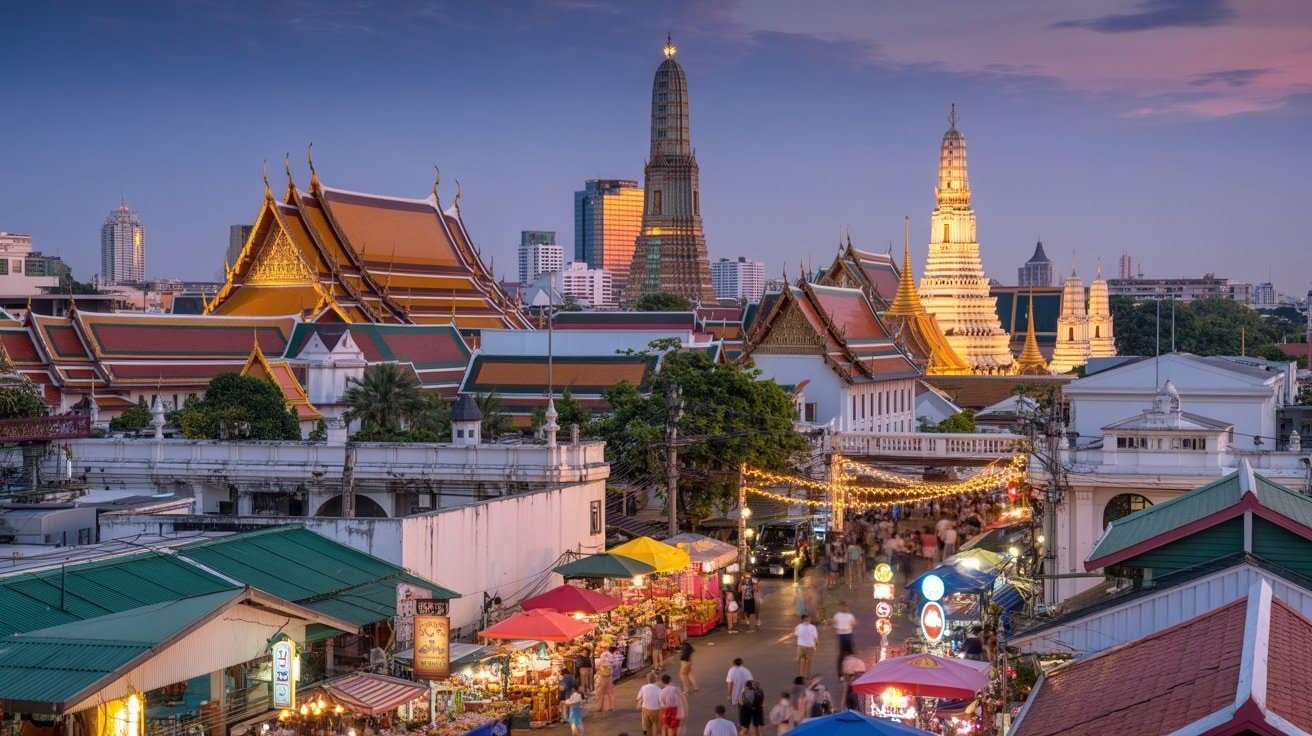
Bangkok is often the first stop for visitors, and it sets the tone perfectly. The city is home to some of Thailand’s most famous temples. The Grand Palace and Wat Phra Kaew house the Emerald Buddha, one of the most sacred objects in the country. Wat Pho features a massive reclining Buddha statue covered in gold leaf, while Wat Arun stands tall along the Chao Phraya River with its colorful spires.
Beyond the temples, Bangkok offers world-class shopping malls, rooftop bars, and some of the best street food in Asia. The weekend markets are legendary, especially Chatuchak, where you can shop for hours. You’ll find hotels at every price point, from $10 hostels to five-star luxury properties. The city’s night markets come alive after dark, offering everything from grilled seafood to handmade crafts.
2. Chiang Mai: Northern Cultural Hub
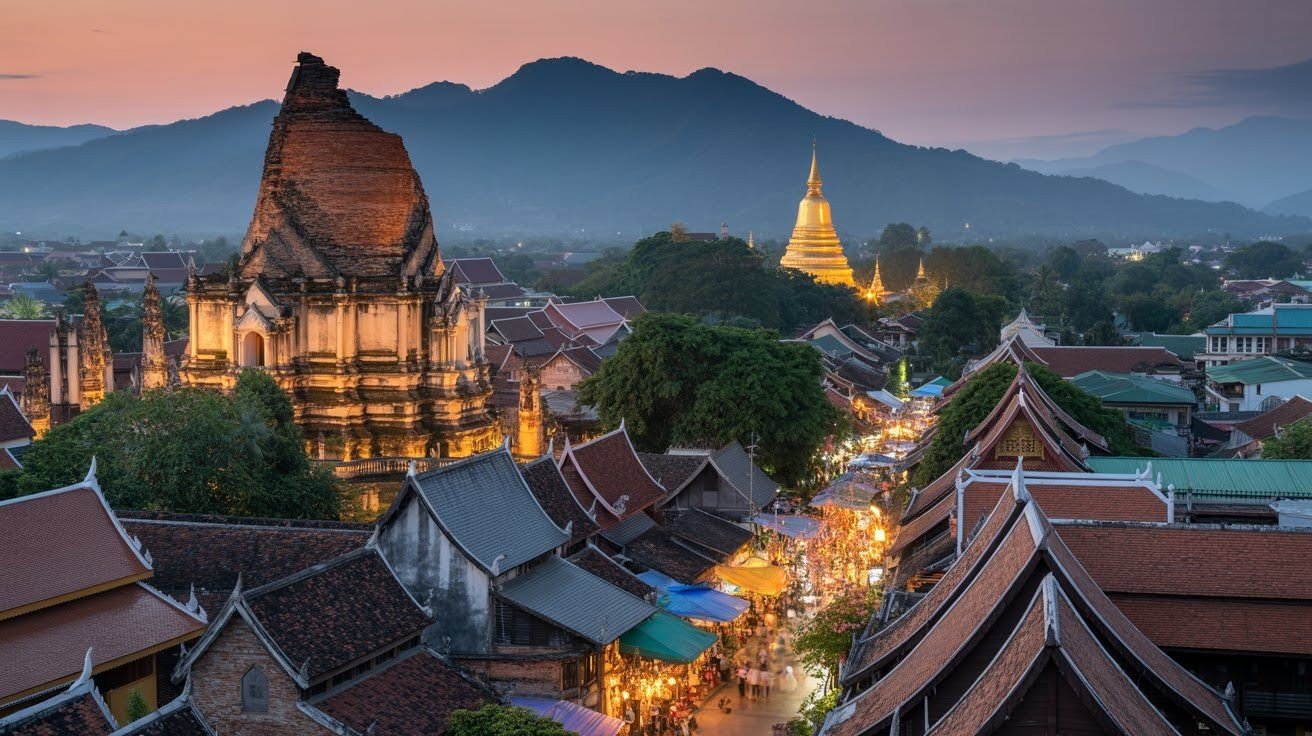
Chiang Mai gives you a completely different feel from Bangkok. The Old City is surrounded by ancient walls and filled with beautiful temples. Wat Chedi Luang sits in the center, its partially ruined structure telling stories from centuries past. The city moves at a slower pace, making it perfect for those who want to relax.
The temple on Doi Suthep mountain offers incredible views over the city and valley below. The climb up 300 steps is worth it for the golden pagoda at the top. Chiang Mai’s night bazaar is smaller and less overwhelming than Bangkok’s markets. You can find guesthouses and boutique hotels throughout the Old City, many housed in traditional teak buildings.
3. Krabi: Limestone Cliffs and Beaches
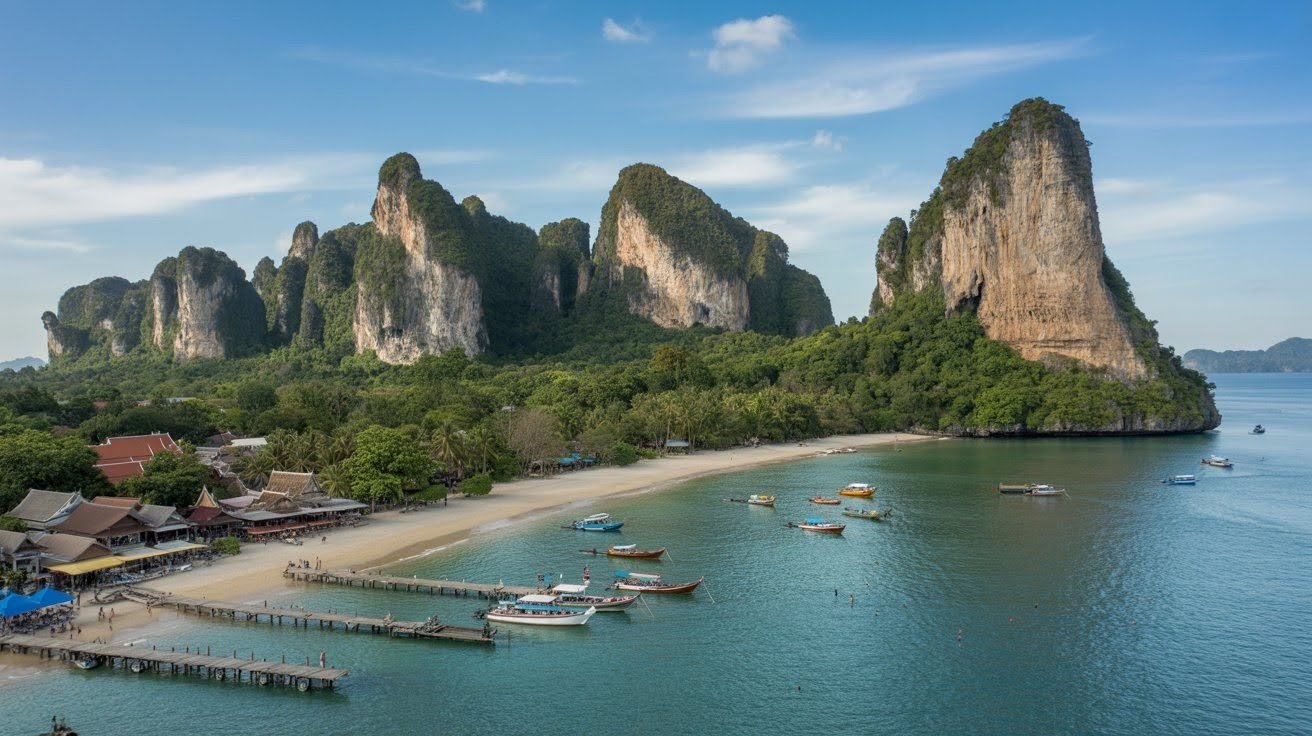
Krabi province is home to some of Thailand’s most beautiful coastal scenery. Tall limestone cliffs rise straight out of the turquoise water, creating a view you won’t forget. Railay Beach is accessible only by longtail boat, which keeps it peaceful and less developed than other areas. The beach is famous for rock climbing, with routes for beginners and experts.
Ao Nang serves as the main hub, with plenty of restaurants, hotels, and tour operators. From here, you can take day trips to the Phi Phi Islands or the Hong Islands. The Four Islands tour is popular and shows you some of the best swimming and snorkeling spots. Hotels range from budget bungalows to luxury resorts right on the beach.
4. Chiang Rai: Off the Beaten Path
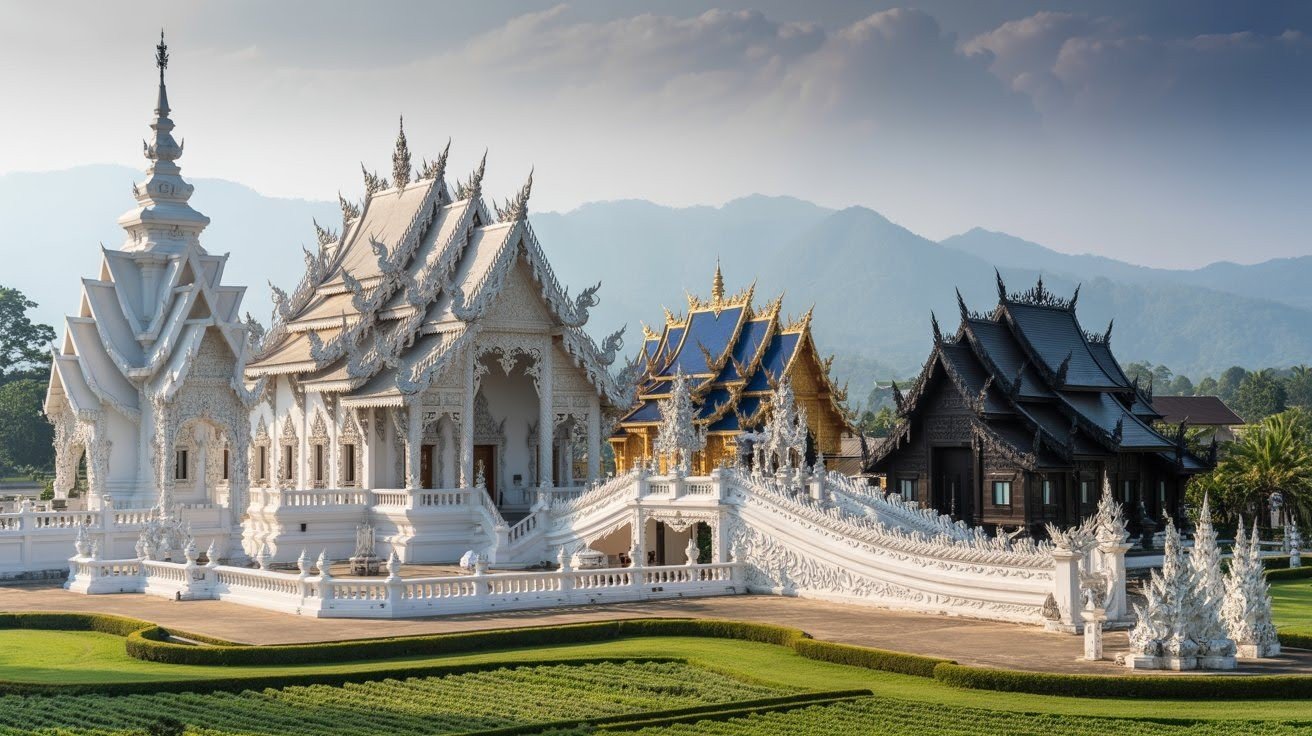
Chiang Rai doesn’t get as many visitors as Chiang Mai, which is part of its charm. The White Temple (Wat Rong Khun) is unlike any temple you’ve seen before. Its bright white exterior and modern artistic design make it look like something from a fantasy movie. The Blue Temple (Wat Rong Seur Ten) is newer but equally impressive with its deep blue interior and intricate details.
The Black House (Baan Dam Museum) rounds out the color-themed attractions. It’s actually a collection of dark wooden buildings filled with art and cultural artifacts. The countryside around Chiang Rai is covered in tea plantations and rice fields. This area is perfect if you want to see the best places to visit in Thailand without dealing with large crowds.
5. Ayutthaya: Ancient Capital Ruins
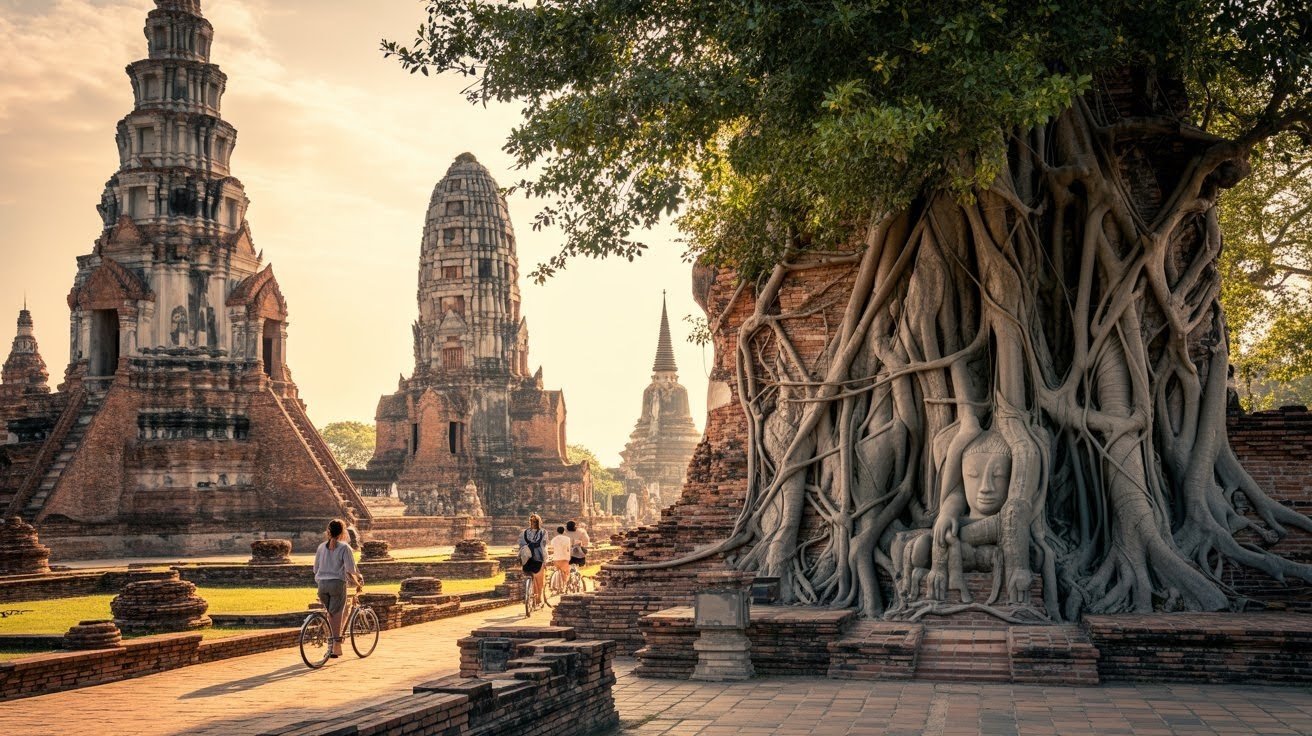
Ayutthaya was once the capital of Siam and one of the most powerful cities in Asia. Now it’s a UNESCO World Heritage Site filled with temple ruins and historical sites. The city was destroyed in 1767, but what remains is truly impressive. Stone Buddha statues sit among crumbling walls, and ancient prangs (tower structures) still stand tall.
You can reach Ayutthaya in about 90 minutes from Bangkok by train or van. Many visitors rent bicycles to get around the historical park, which is the best way to see multiple sites in one day. Wat Mahathat is famous for the Buddha head wrapped in tree roots, one of Thailand’s most photographed sites. Wat Phra Si Sanphet and Wat Chaiwatthanaram are also must-see stops during your visit.
6. Koh Samui: Gulf Coast Island Paradise
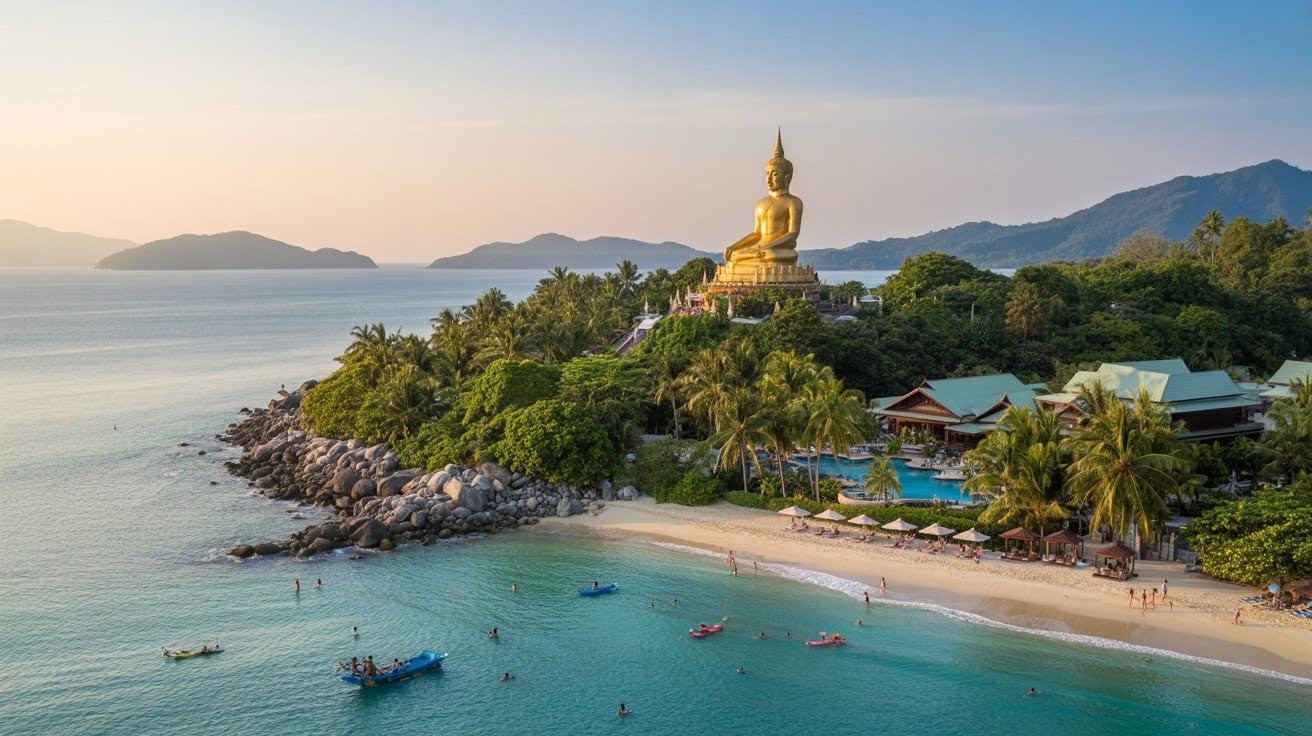
Koh Samui sits in the Gulf of Thailand and offers a more upscale island experience. The beaches here are clean and well-maintained, with Chaweng Beach being the most popular for its soft sand and clear water. Lamai Beach is quieter and attracts visitors who want a more relaxed atmosphere.
The island is family-friendly with activities for all ages. You can visit the Big Buddha Temple, take an elephant sanctuary tour, or simply relax by the pool. Koh Samui also works as a base for visiting nearby islands. Koh Tao is famous for diving, while Koh Pha Ngan hosts the Full Moon Party each month. The island has some of Thailand’s nicest resorts, many offering private beach access and spa services.
7. Phuket: Thailand’s Largest Island
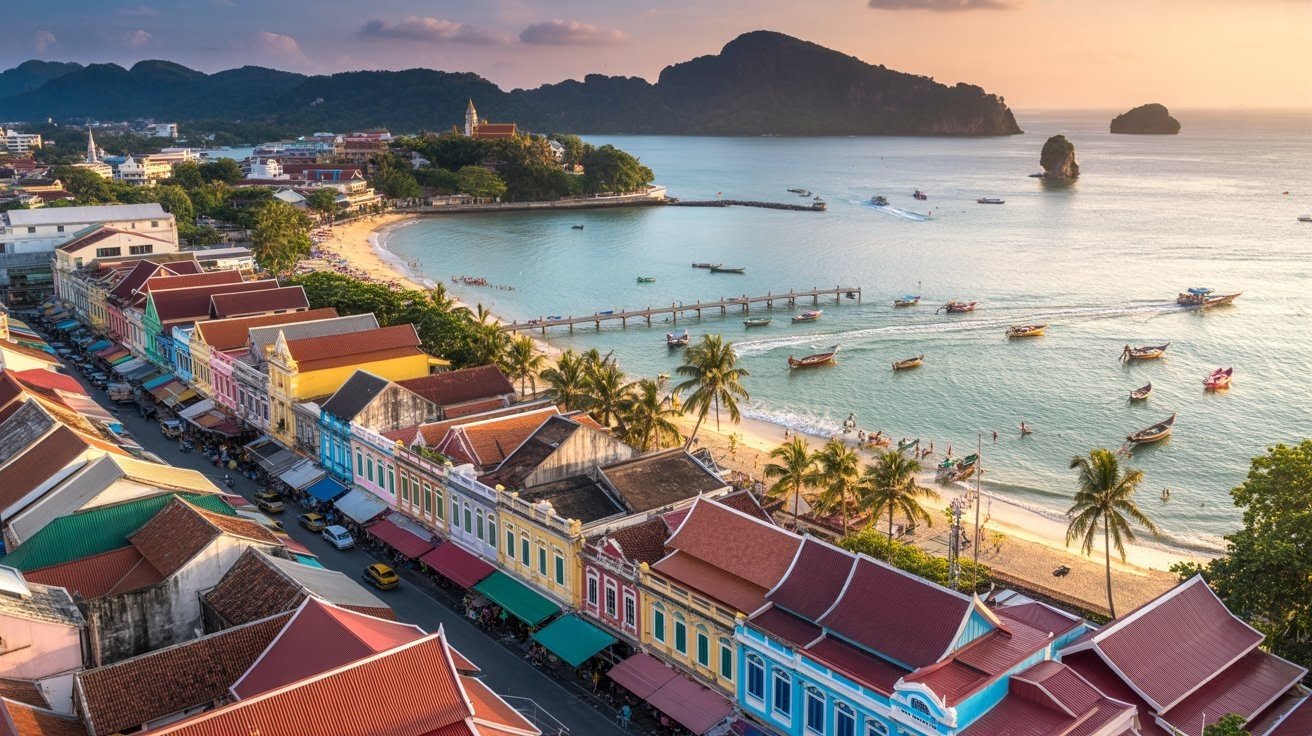
Phuket is the biggest island in Thailand and offers the most variety. It serves as the gateway to the Andaman Sea and hundreds of smaller islands. Old Phuket Town features colorful Sino-Portuguese buildings, art galleries, and cafes. The Sunday walking street market is a great place to try local food and shop for souvenirs.
The island has beaches for every taste. Patong is busy and packed with restaurants, bars, and nightlife. Nai Thon Beach in the north is quiet and perfect for swimming. Freedom Beach requires a boat ride but rewards you with pristine sand and few crowds. You can take day trips to James Bond Island, the Phi Phi Islands, or the Similan Islands for world-class diving. Accommodation options include everything from hostels to luxury villas overlooking the ocean.
Essential Tips for Visiting Thailand
Planning will make your trip smoother and more enjoyable. Here are the most important things to know before you go.
The best time to visit is from November to February when the weather is cooler and drier. March to May gets very hot, while June to October brings rain. However, the rainy season also means fewer tourists and lower prices.
- Dress appropriately at temples by covering your shoulders and knees
- Download the Grab app for easy and safe transportation in cities
- Get a local SIM card or eSIM at the airport for cheap data
- Buy travel insurance before your trip to cover medical emergencies
- Use ATMs to get Thai Baht, but avoid currency exchange booths at tourist spots
- Be careful of common scams like tuk-tuk drivers offering cheap tours
- Bring sunscreen and insect repellent, as these are expensive in Thailand
Thailand’s transportation system is reliable and affordable. You can take overnight trains between major cities, book air-conditioned buses, or fly domestically for reasonable prices. In cities, use Grab instead of regular taxis to avoid getting overcharged.
Conclusion
The best places to visit in Thailand offer an incredible variety. You can spend your mornings at ancient temples, your afternoons on tropical beaches, and your evenings eating some of the world’s best food. Each destination has its own personality and shows a different side of Thai culture.
Start by choosing what interests you most. If you love history, focus on Bangkok and Ayutthaya. Beach lovers should head to Krabi or Phuket. Those seeking culture and cooler weather will love Chiang Mai and Chiang Rai.
Thailand welcomes millions of visitors each year, and most leave wanting to come back. The combination of affordability, safety, and beauty makes it perfect for first-time travelers and experienced globetrotters alike. Start planning your trip today and see why Thailand remains one of the most loved countries in Southeast Asia.
Frequently Asked Questions
Is It Safe to Travel Solo in Thailand?
Yes, Thailand is very safe for solo travelers, including women. Stick to busy areas at night, don’t leave drinks unattended, and trust your instincts. Millions of people travel alone here each year without problems. Keep copies of important documents and stay alert in crowded places.
How Many Days Do You Need to Visit Thailand?
Plan for at least 10 to 14 days to see the best places to visit in Thailand. This gives you time for Bangkok, one northern city, and one beach area. If you only have a week, focus on two regions. Three weeks lets you visit multiple islands and explore the north thoroughly.
What Vaccinations Are Required for Thailand?
No vaccinations are legally required to enter Thailand. However, doctors recommend being up to date on routine vaccines like measles and tetanus. Hepatitis A and Typhoid vaccines are also suggested. Consult your doctor at least a month before traveling to get proper advice.
Can You Drink Tap Water in Thailand?
No, don’t drink tap water in Thailand. Stick to bottled water, which is cheap and available everywhere. Most hotels provide free water bottles daily. Ice in restaurants is usually safe since it comes from filtered sources. Brush your teeth with bottled water to be extra careful.
What Is the Currency Exchange Rate in Thailand?
Thailand uses the Thai Baht. The exchange rate is around 35 to 36 Baht per US Dollar, but this changes daily. Exchange money at banks or authorized exchange shops, not at the airport, where rates are poor. Most places accept credit cards, but carry cash for street food and small shops.
