


I almost canceled my first February trip to Europe.
Here’s what I found: February is Europe’s best-kept secret.
While everyone waits for summer, I found empty museums, half-price hotels, and experiences that don’t exist during peak season.
I’ve spent three Februarys in this continent now. I’ve tested what works and what doesn’t.
This guide shares the destinations worth visiting when the crowds disappear.
Let’s get started.
Why February Is a Great Time to Visit Europe
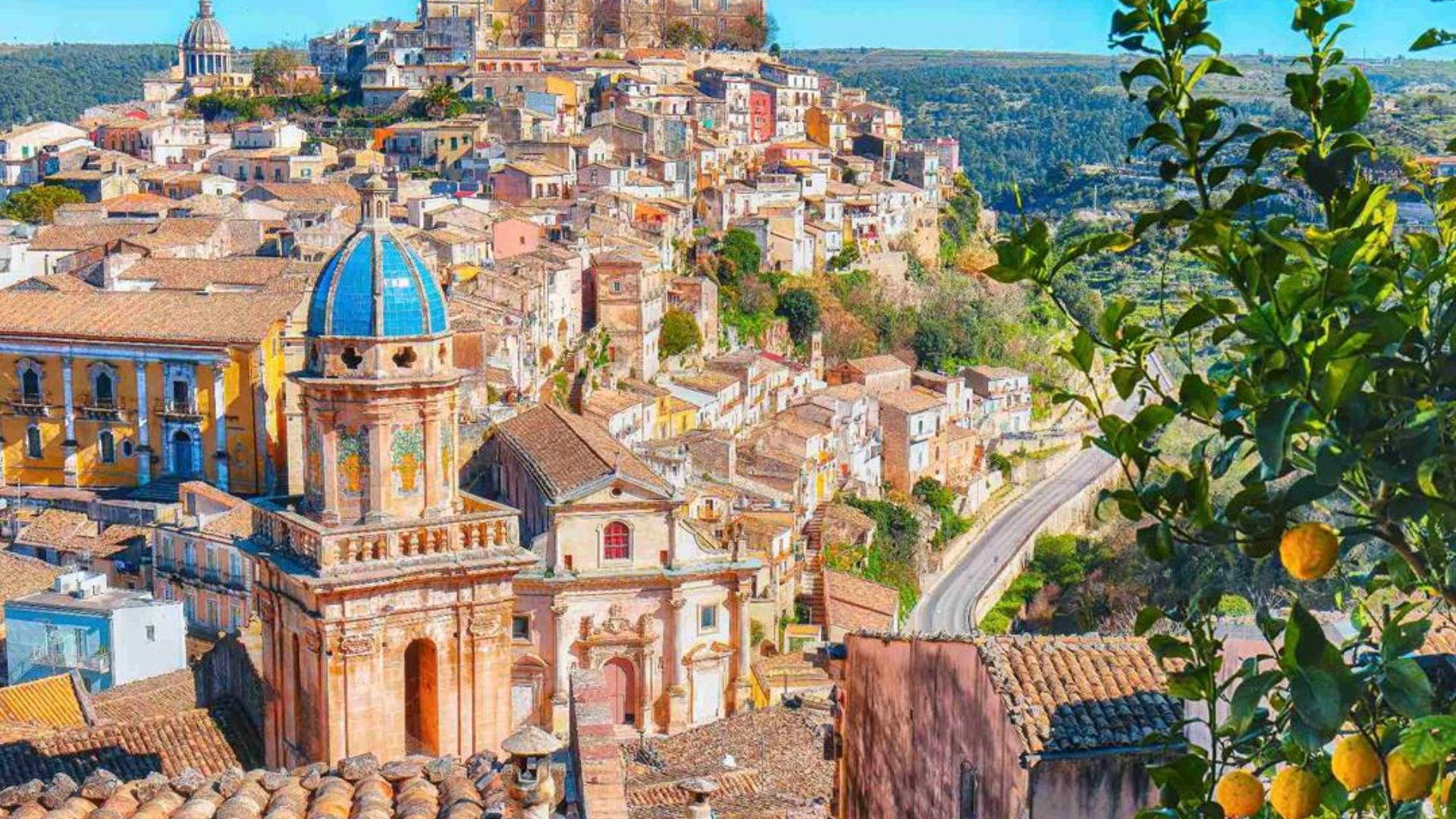
February sits between winter holidays and spring break. Tourist numbers drop, which means shorter museum lines and easier reservations.
Prices reflect this quieter period. I’ve found hotel rates 30-40% cheaper than summer. Flights follow the same pattern, especially mid-week departures.
Weather varies dramatically across Europe. Northern regions offer proper winter conditions for skiing and Northern Lights. Southern areas provide mild temperatures for city walks.
You can catch Europe’s best winter festivals too. Venice Carnival and Nice Carnival both happen in February.
Best Places to Visit in Europe in February
I’ve divided these into three categories. Each offers something different, from snow-covered landscapes to sunny coasts.
Winter Wonderland and Northern Lights Destinations
These are the spots for serious winter. We’re talking thick snow, aurora borealis, and temperatures that require real winter gear.
If you want the full Arctic experience or alpine skiing at its best, these are your destinations.
- Tromsø, Norway:Tromsø sits above the Arctic Circle. I saw the Northern Lights on three of five nights. The city has excellent seafood and surprisingly active nightlife.
- Reykjavik, Iceland:Iceland in February means fewer tourists and better aurora viewing. Hot springs while snow falls around you? Incredible. Skip the crowded Blue Lagoon for lesser-known spots.
- Lapland, Finland:Full Arctic experience here. Husky sledding, reindeer farms, glass igloos under the night sky. Perfect snow coverage and Northern Lights from your bed.
- Zermatt, Switzerland:The Matterhorn covered in fresh snow is stunning. Some of Europe’s best skiing with consistent February powder. The car-free village stays peaceful.
- St. Moritz, Switzerland:Luxury winter sports central. Excellent skiing and charming town, though pricey. February brings White Turf horse races on the frozen lake.
- Interlaken, Switzerland:Between two lakes, surrounded by Alps. Great base for accessing multiple ski resorts without paying resort town accommodation prices.
Cultural Cities and Romantic European Escapes
Europe’s classic cities shine differently in February. Museums empty out, locals outnumber tourists, and you actually get to experience these places instead of just photographing them.
These cities work best when you’re ready to walk, explore neighborhoods, and spend time in cafes.
- Venice, Italy:Venice Carnival transforms the city completely. I visited during Carnival week and saw elaborate masks everywhere. Outside Carnival, you can walk St. Mark’s Square without crowds.
- Paris, France:Paris feels more authentic in February. I walked the Seine with locals instead of tour groups. Museum lines shrink. Cold weather makes cafe hot chocolate even better.
- Rome, Italy:Ancient sites look dramatic under grey winter skies. I explored the Colosseum with minimal crowds. February temperatures hover around 12-15°C, perfect for all-day walking.
- Vienna, Austria: Ball season runs through February. I attended a smaller ball and felt transported back in time. Coffeehouses provide perfect warm refuges between sightseeing.
- Prague, Czech Republic: Snow-dusted architecture looks incredible. I wandered Old Town and warmed up in traditional Czech pubs. Tourist numbers drop significantly.
- Budapest, Hungary: Thermal baths make Budapest perfect for February. I spent afternoons in Széchenyi Baths while snow fell around outdoor pools. Ruin bars stay lively year-round.
- Salzburg, Austria: Mozart’s birthplace brings quiet beauty in February. I explored Hohensalzburg Fortress without crowds and enjoyed evening concerts in intimate venues.
- Edinburgh, Scotland: Cold and windy, but the dramatic setting shines in winter light. I climbed Arthur’s Seat on a clear day with views to the Highlands. Whisky tastings feel especially right this month.
- Dublin, Ireland: Mild even in winter. Pub culture thrives and locals chat more during quieter months. Book readings and traditional music happen nightly.
- Amsterdam, Netherlands: Amsterdam without summer crowds reveals its real character. I cycled canals, visited museums at my own pace, and discovered brown cafes filled with locals. Pack rain gear.
- Copenhagen, Denmark: Hygge culture peaks in February. Cozy cafes, warm pastries, and a design scene without crowds. Tivoli Gardens sometimes opens for winter with special lighting.
Mild Weather and Warm February Getaways
Not everyone wants snow and freezing temperatures. These spots give you pleasant weather, outdoor activities, and actual sunshine.
You can still walk around in a light jacket and enjoy being outside without bundling up.
- Barcelona, Spain: One of the best places to visit in Europe in February for sunshine without extreme heat. Temperatures reached 15°C. I walked Las Ramblas in a light jacket and enjoyed beach views.
- Canary Islands, Spain: Tenerife and Gran Canaria provide proper warmth. 20-22°C temperatures and actual beach time. These islands sit off Africa’s coast with year-round spring climate.
- Madeira, Portugal: Flowers bloom in February. I hiked levada trails in comfortable temperatures and swam in natural pools. This Portuguese island feels subtropical all winter.
- Lisbon, Portugal: Mild weather and vibrant culture. I explored hills in February sunshine, rode vintage trams, and ate fresh seafood by the river. Occasional rain, but pleasant 15°C temperatures.
Best Time to Book and Travel Tips
Book your February Europe trip 2-3 months ahead. This gets you better flight prices and hotel selection. Venice during Carnival needs even earlier booking.
Here’s what I’ve learned from multiple February trips:
- Layer clothing because indoor heating varies widely
- Book ski accommodations early as February is peak Alpine season
- Check festival dates before finalizing travel, especially Venice Carnival
- Pack waterproof boots for rain and slush
- Reserve Northern Lights tours in advance as they fill quickly
- Download offline maps to avoid standing in cold looking at your phone
- Book museum tickets online to skip lines
- Check opening hours as some attractions reduce winter schedules
- Plan indoor backup activities for bad weather days
Flight prices drop in early February after winter holidays. Best deals come from Tuesday through Thursday flights.
Conclusion
February changed how I see European travel. The continent offers incredible diversity this month, and you now know where to find it.
Here’s what to do next: Pick one destination from this list. Open a new tab and check flight prices for a Tuesday or Wednesday in early February.
Don’t just bookmark this. Seeing actual numbers makes it real. Most people wait for summer. You know better now.
Stop reading. Search those flights.
Frequently Asked Questions
Is February a good time to visit Europe?
Yes. Lower prices, fewer crowds, and diverse experiences from skiing to city exploring. I’ve found it ideal for avoiding peak season chaos.
Which European destinations are warmest in February?
Canary Islands, Madeira, and southern Portugal are warmest at 20-22°C. Barcelona and Lisbon stay mild around 15°C.
Can I see the Northern Lights in February?
Absolutely. February offers excellent viewing in Tromsø, Reykjavik, and Lapland. Long dark nights and clear skies increase your chances.
Are European cities crowded in February?
No. Most cities see significantly fewer tourists. Much shorter museum lines and easier reservations. Venice during Carnival is the exception.
What should I pack for Europe in February?
Layers, waterproof boots, warm coat, and rain gear. Northern destinations need serious winter clothing. Southern areas need lighter layers but pack a jacket.
