


Find the best beaches Big Island Hawaii offers, from green sand to crystal-clear snorkeling bays and peaceful shores.
I’ve spent a lot of time researching Hawaii’s coastline, and the best beaches Big Island has to offer are some of the most varied I’ve come across.
Each spot feels different. Some have rare green sand. Others have calm, clear water for snorkeling and family swims.
In this blog, I’ll walk you through the top 9 beaches, what makes each one worth visiting, practical tips, and answers to common questions.
I’ve cross-checked every detail so you get only reliable, useful information.
General Overview of Big Island Beaches

The Big Island of Hawaii has one of the most varied coastlines in the state. You’ll find white sand beaches, black sand beaches, and even a rare green sand beach all on the same island.
The west coast is known for calm, sunny conditions, making it great for swimming and snorkeling.
The east side tends to be rougher and more dramatic. With over 60 miles of coastline, there is always a beach that fits your mood and pace.
Top 9 Beaches on the Big Island
From remote hikes to resort-front shores, the Big Island’s beaches offer something genuinely different at every stop.
1. Kua Bay (Maniniʻowali Beach)
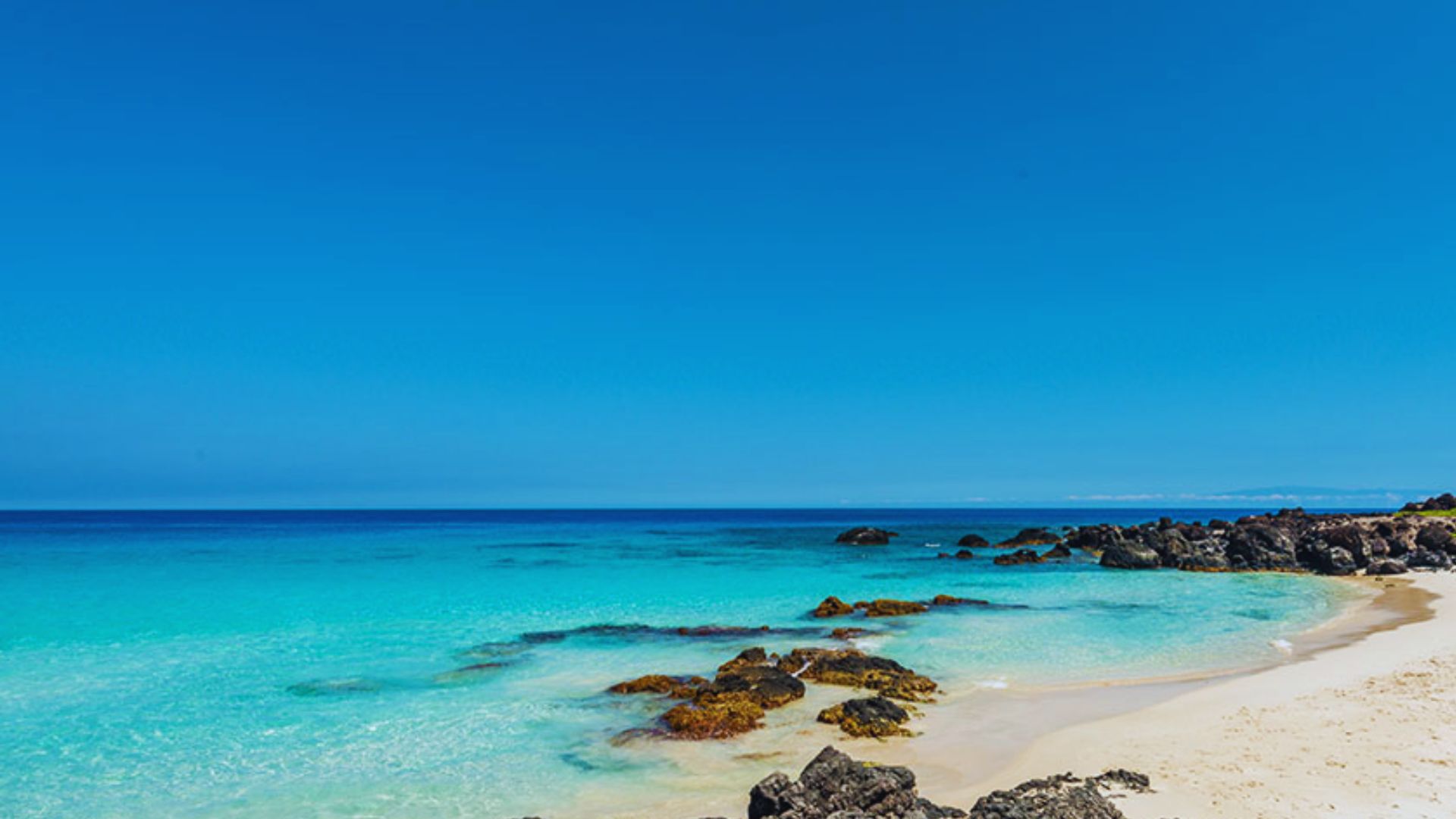
Kua Bay is one of the most popular spots on the west coast of the Big Island. The white sand is fine and soft, and the water is a deep, clear blue.
It’s a great spot for snorkeling and swimming throughout the day. Sunset here is worth staying for, hands down.
2. Kekaha Kai State Park

Kekaha Kai State Park covers several beaches, including Maniniʻowali Bay, Makalawena Beach, and Mahaiʻula Bay.
The area sits beside sweeping lava fields, giving it a dramatic, raw feel. It’s a good spot for hiking between beach areas, and you’ll likely have far more space here than at the busier spots on the island.
3. Mahaiʻula Beach
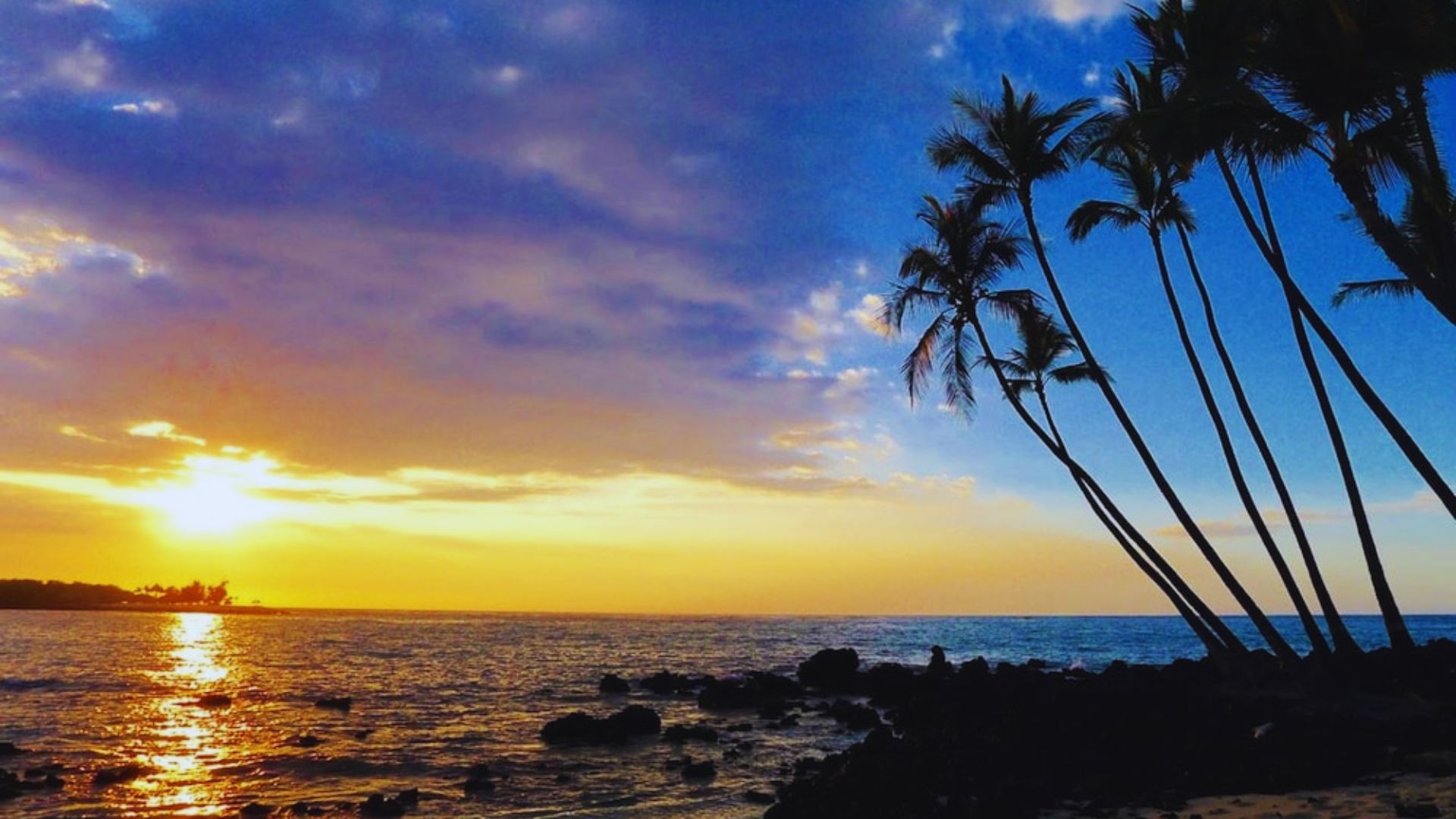
Mahaiʻula Beach sits inside Kekaha Kai State Park and is lined with coconut palm trees along white sand.
It’s quieter than many beaches on the island, making it a solid pick for a relaxed afternoon. The setting works well for photography, especially in the soft light of the early morning.
4. Makalawena Beach
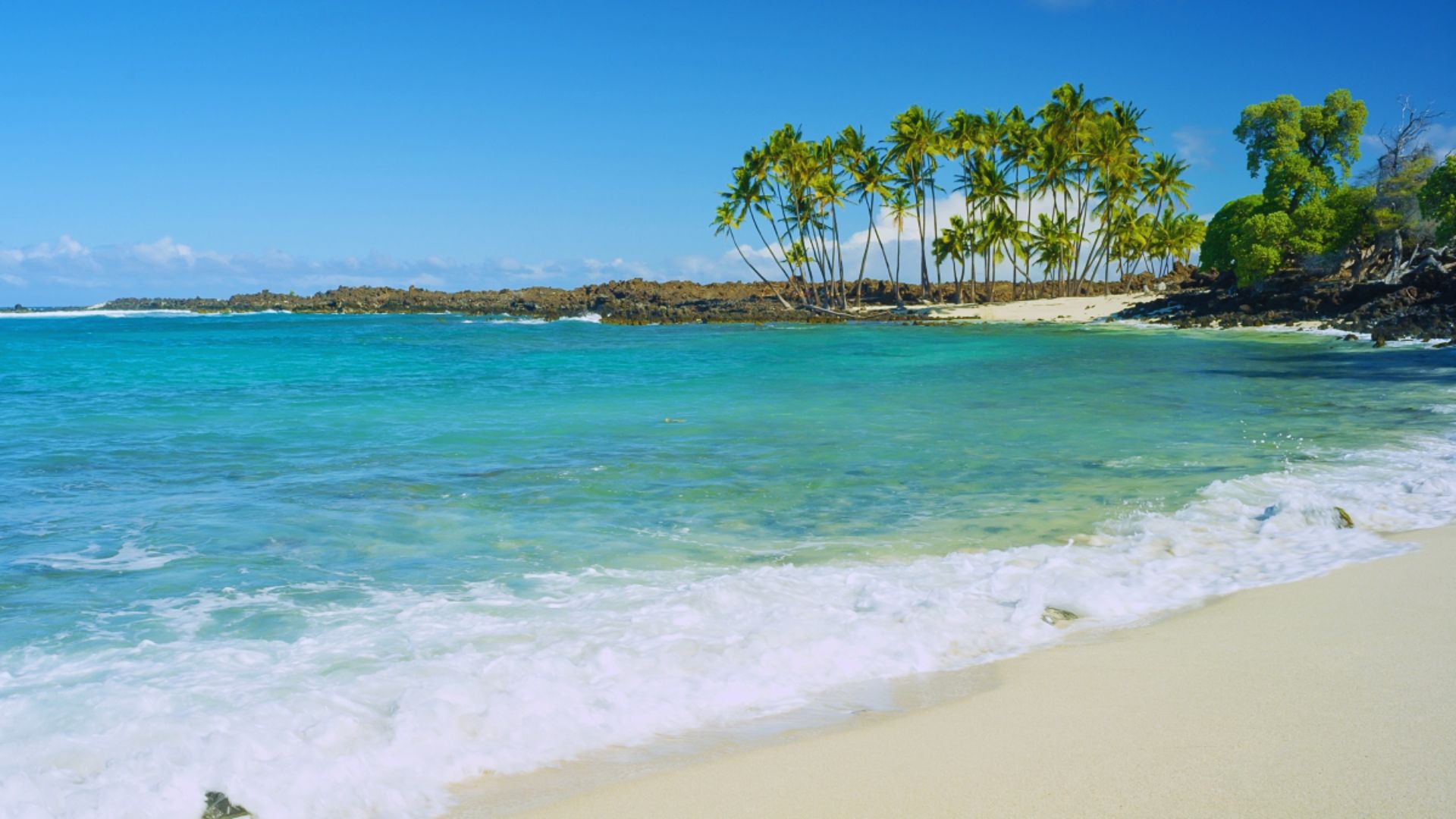
Makalawena Beach requires a short hike of about one mile, but the reward is clear once you get there.
You’ll find a clean stretch of white sand and calm waters, mostly without the crowds. It’s a good choice for anyone who values peace and open space over convenience.
5. Kaunaʻoa (Mauna Kea) Beach
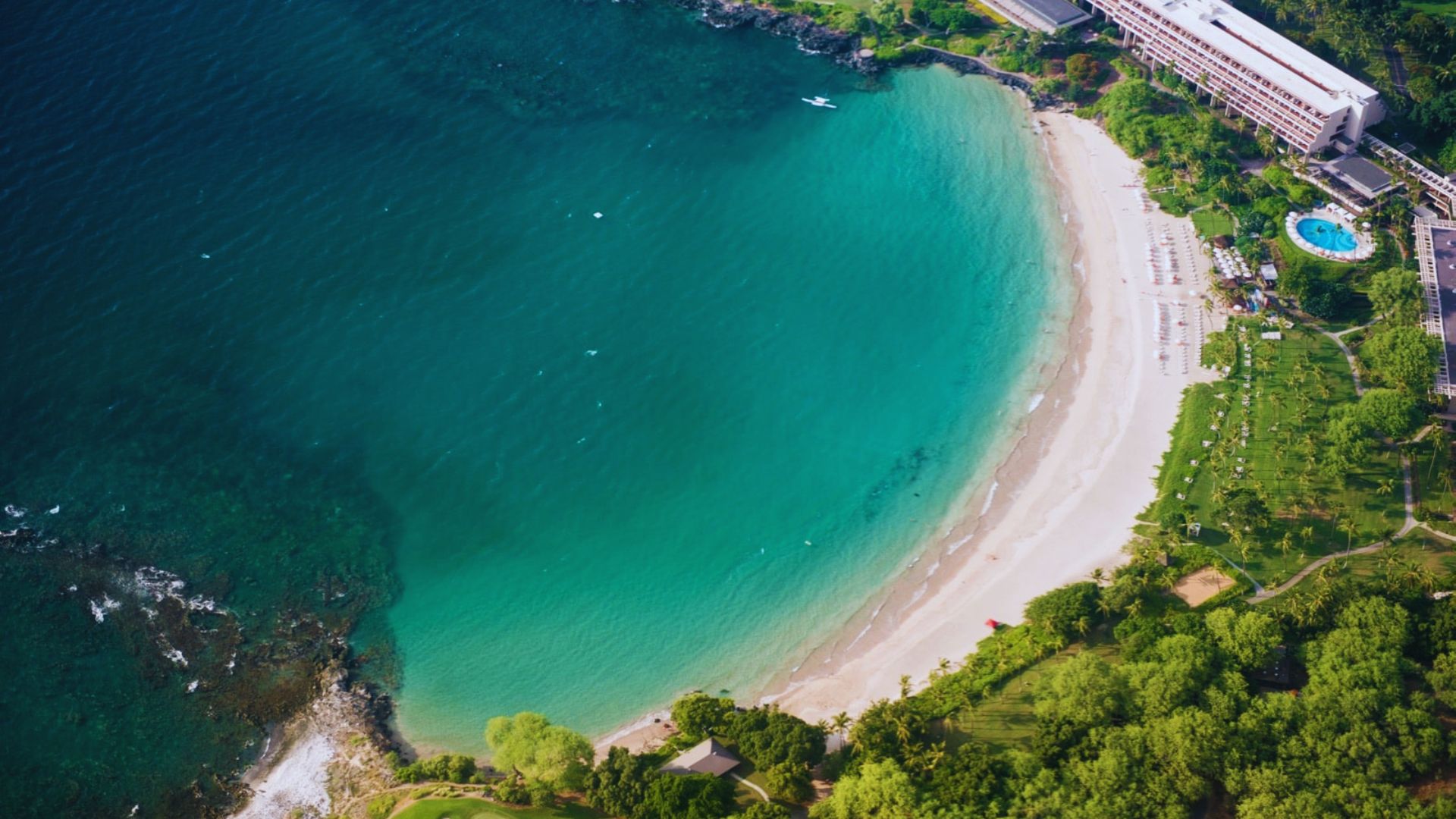
Kaunaʻoa Beach, also called Mauna Kea Beach, sits in front of the Mauna Kea Resort. The white sand is wide and the water is clear enough for a good snorkel session.
Manta rays have been spotted here, which makes it a solid pick for families and nature lovers alike.
6. Hapuna Beach
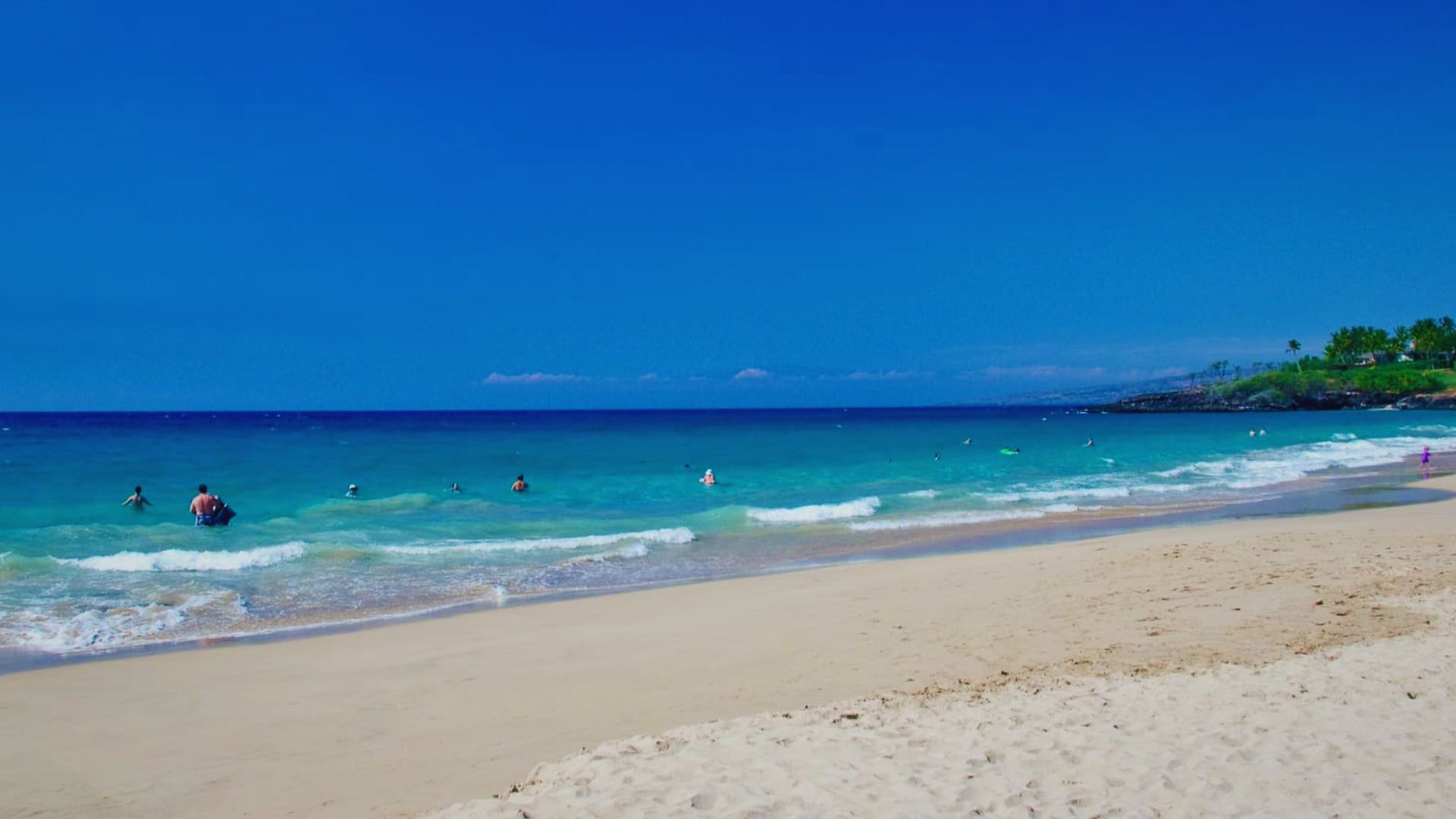
Hapuna Beach is one of the most well-known beaches on the Big Island. The wide stretch of white sand draws families and sunbathers throughout the year.
The waves here can be powerful, so swimmers should stay aware of the current, particularly during certain times of the year when conditions shift.
7. Waialea Bay (Beach 69)

Waialea Bay, often called Beach 69, is a quieter white sand beach with calm, clear water. It’s a solid choice for snorkeling and an easy swim.
The beach tends to be less busy on weekdays, which gives it a more relaxed and open feel compared to the more popular spots nearby.
8. Papakōlea Green Sand Beach
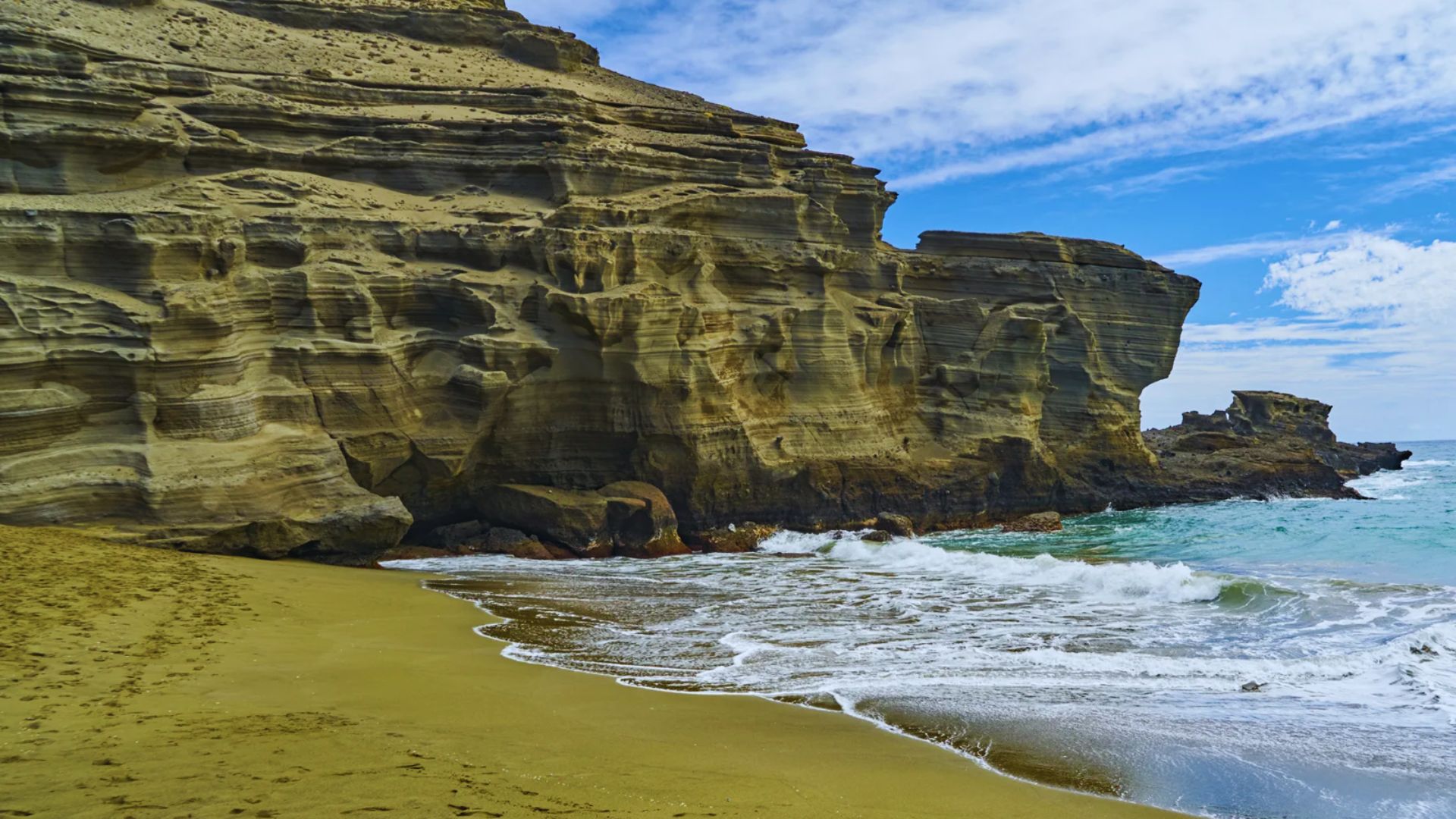
Papakōlea is one of only two green sand beaches in the entire country. The green color comes from olivine crystals mixed into the sand.
Getting here takes a hike of 1.5 hours or more each way, so wear good shoes and bring water. It’s a striking spot that stays with you long after you leave.
9. Beaches Along Hualālai
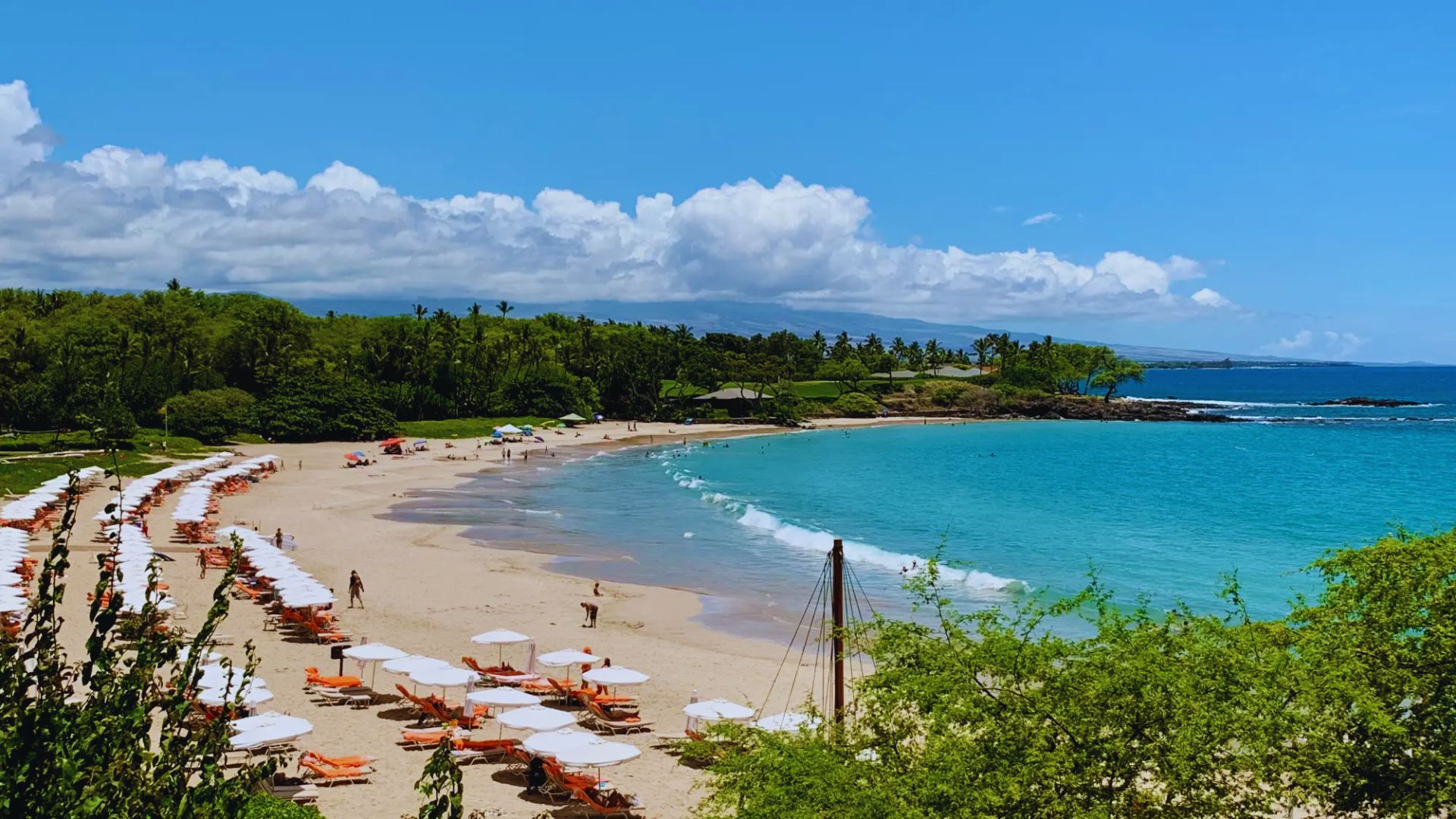
The beaches along Hualālai offer scenic oceanfront walks with a real chance of spotting wildlife. Endangered monk seals have been seen resting along this stretch.
The variety of beach types here makes it worth walking the full length. It’s a calmer, quieter area compared to the more popular west coast spots.
Tips and Activities at Big Island Beaches
From snorkeling to hiking, here are practical tips to help you get the most out of visiting the best beaches Big Island has.
- Bring reef-safe sunscreen to protect both your skin and the coral reefs near the shore.
- Arrive early at popular beaches like Hapuna and Kua Bay to secure parking and a good spot.
- Carry plenty of water, especially if you’re heading to remote beaches like Makalawena or Papakōlea.
- Check ocean conditions before entering the water, as currents can be strong at several beaches on the island.
- Stay at least 50 feet away from monk seals if you spot them resting on the sand.
Conclusion
The best beaches Big Island offers are more than just a checklist. Each one has its own character.
I personally think Papakōlea Green Sand Beach is worth every step of that long hike, and Kua Bay is a spot I’d go back to without a second thought.
I hope this guide helps you plan a trip you’ll actually look forward to. If you’ve visited any of these beaches, drop a comment below and share your favorite.
And if this post helped, pass it along to someone planning a Hawaii trip soon.
Frequently Asked Questions
Is it safe to swim at the best beaches Big Island has?
Most beaches are safe when conditions are calm. Always check the surf report before getting in, especially at Hapuna where currents can pick up fast.
What is the best time of year to visit Big Island beaches?
The west coast is sunny and calm from April through October. Early mornings are the best time to go, no matter the season.
How do I get to Papakōlea Green Sand Beach?
Drive to the trailhead and hike about 1.5 hours each way. Bring water and wear sturdy shoes as the path is uneven and fully sun-exposed.
Are Big Island beaches family-friendly?
Yes. Kaunaʻoa Beach and Waialea Bay are great picks for families, with calm water and open space that works well for kids.
Do I need to pay to access Big Island beaches?
Most beaches are free. Some state parks charge a small parking fee, so bring cash or a card just in case.
