


Picking the best area to stay in London for first time visitors can feel overwhelming. London is huge. Every neighborhood has a different feel, price range, and vibe. I’ve been there, standing with a suitcase, wondering if I picked the right spot.
This guide covers 9 top areas to help you choose wisely. I’ll walk you through what each neighborhood offers, who it suits, and what to expect. No fluff. Just honest, useful advice.
I’ve spent years researching and visiting London. You’re in good hands.
How to Choose the Best Area to Stay in London for First Time Visitors
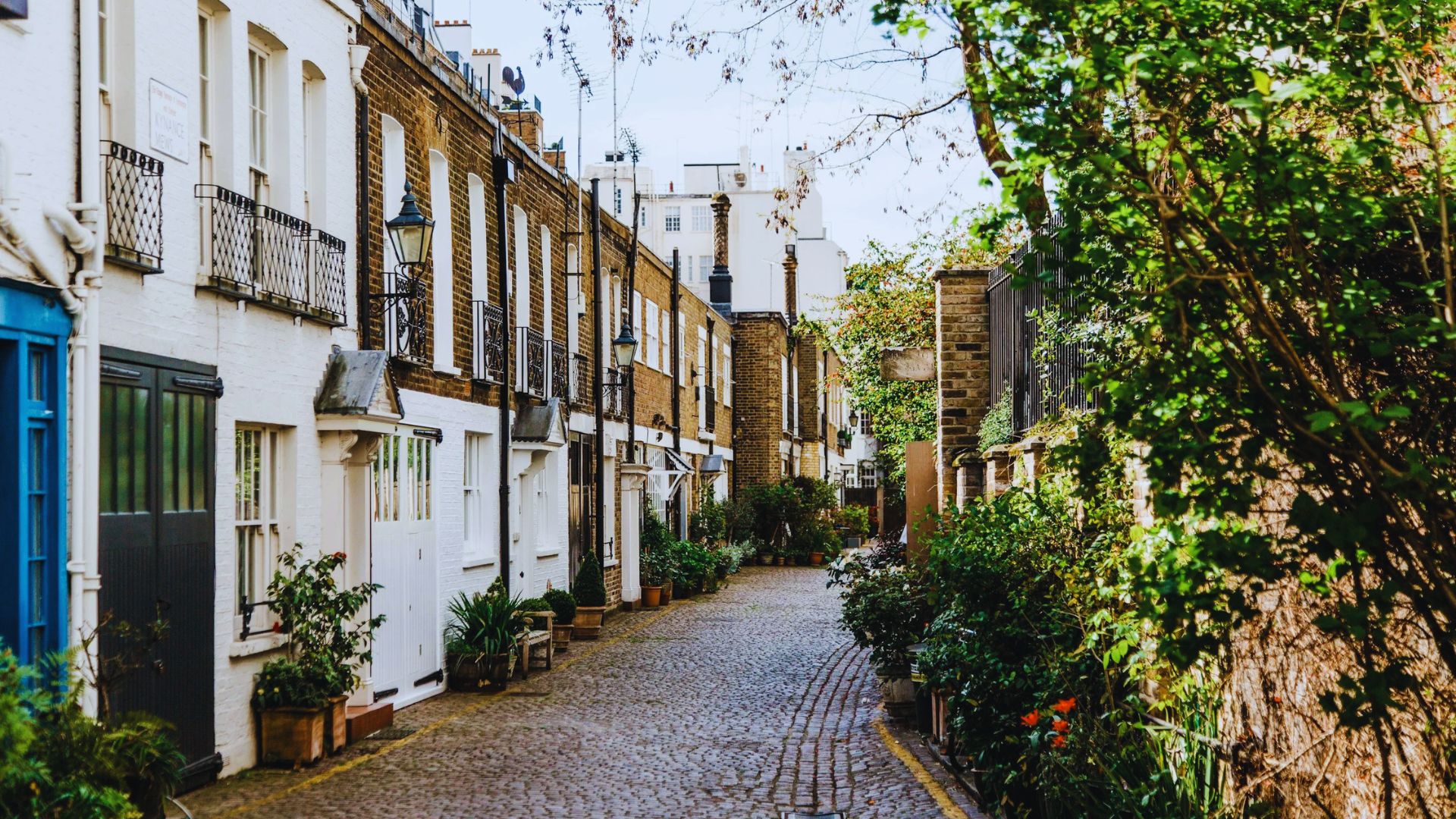
London has 33 boroughs and not every area works for every traveler. Before you book, think about a few key things.
Trip length matters. Staying three days or less? Pick somewhere central like Westminster or Covent Garden. For longer stays, you can go further out and save money.
Know your priorities. Write down the top five things you want to see and find the area closest to most of them. Staying near a major tube station often matters more than the neighborhood itself.
Set a budget early. Central areas cost more. Outer areas like Shepherd’s Bush and Swiss Cottage are easier on the wallet. Mid-range options like South Bank sit in between.
Traveling with family or accessibility needs? South Bank and Notting Hill work well for families. For step-free access, the Elizabeth line and Jubilee line are your best bet.
Hotel or Airbnb? Hotels near tube stations are the simpler choice for first-timers. Airbnbs in residential areas give you more space and a kitchen, which cuts food costs on longer stays.
9 Best Area to Stay in London for First Time Visitors
From historic landmarks to quiet green spaces, these nine areas cover every type of traveler and budget.
1. Westminster
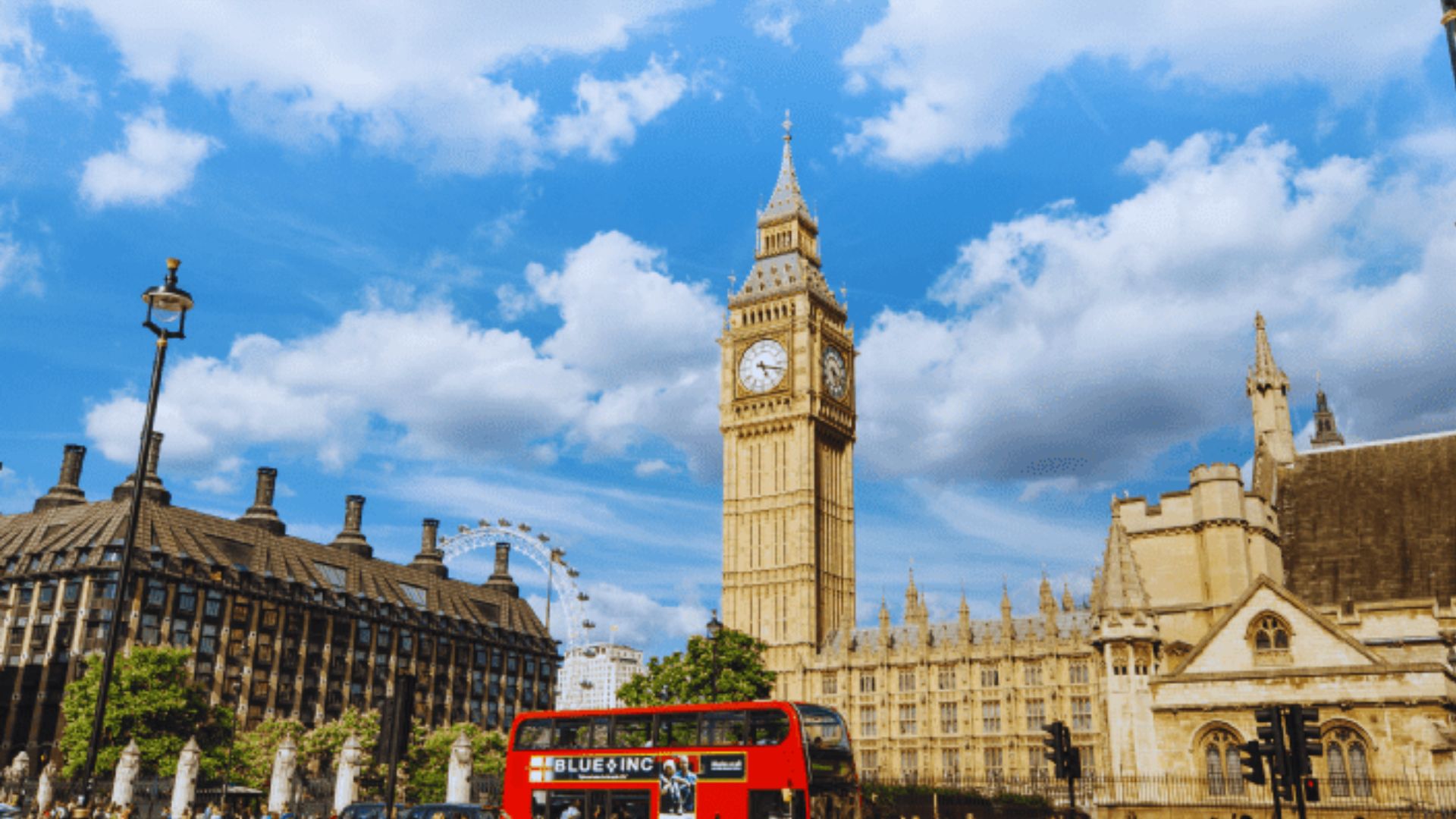
Westminster is the easiest choice for a first visit. You wake up minutes from Big Ben, Buckingham Palace, Westminster Abbey, St. James’s Park, and the Churchill War Rooms. Victoria station nearby makes airport transfers simple.
It’s central, safe, and well-connected. The tradeoff is cost and crowds. It’s one of the priciest areas and gets very touristy. Best for short-stay visitors who want the highlights without wasting time on transport.
2. South Bank
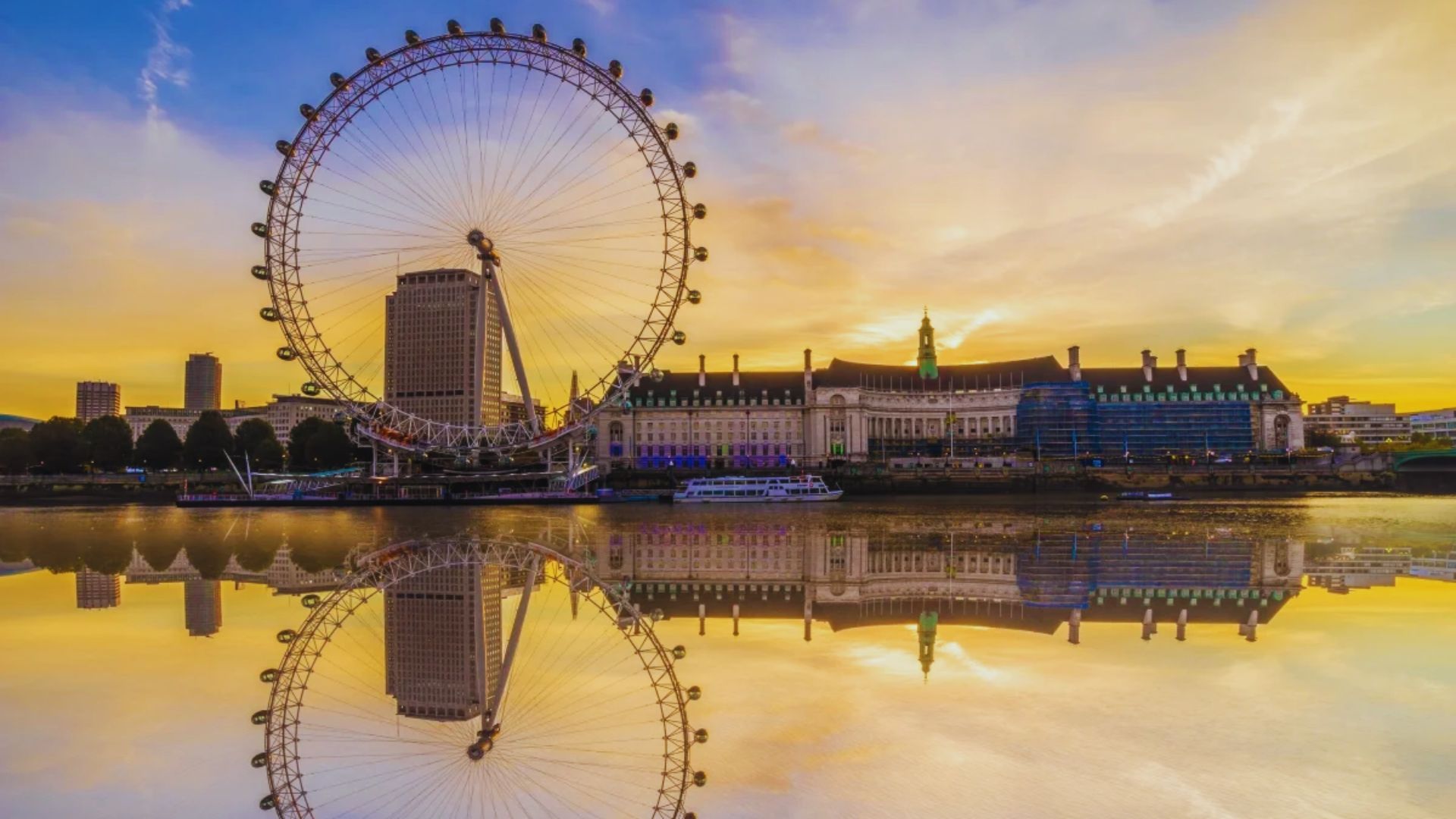
South Bank packs a lot into one riverside stretch. The Tate Modern, Shakespeare’s Globe, Borough Market, and the London Eye are all within walking distance of each other. It’s calmer than central London and works well for families thanks to open spaces and light traffic.
Hotels typically run between £120 and £200 per night. It can feel quiet at night and accommodation options are limited, but the riverside setting makes it a solid base.
3. Covent Garden
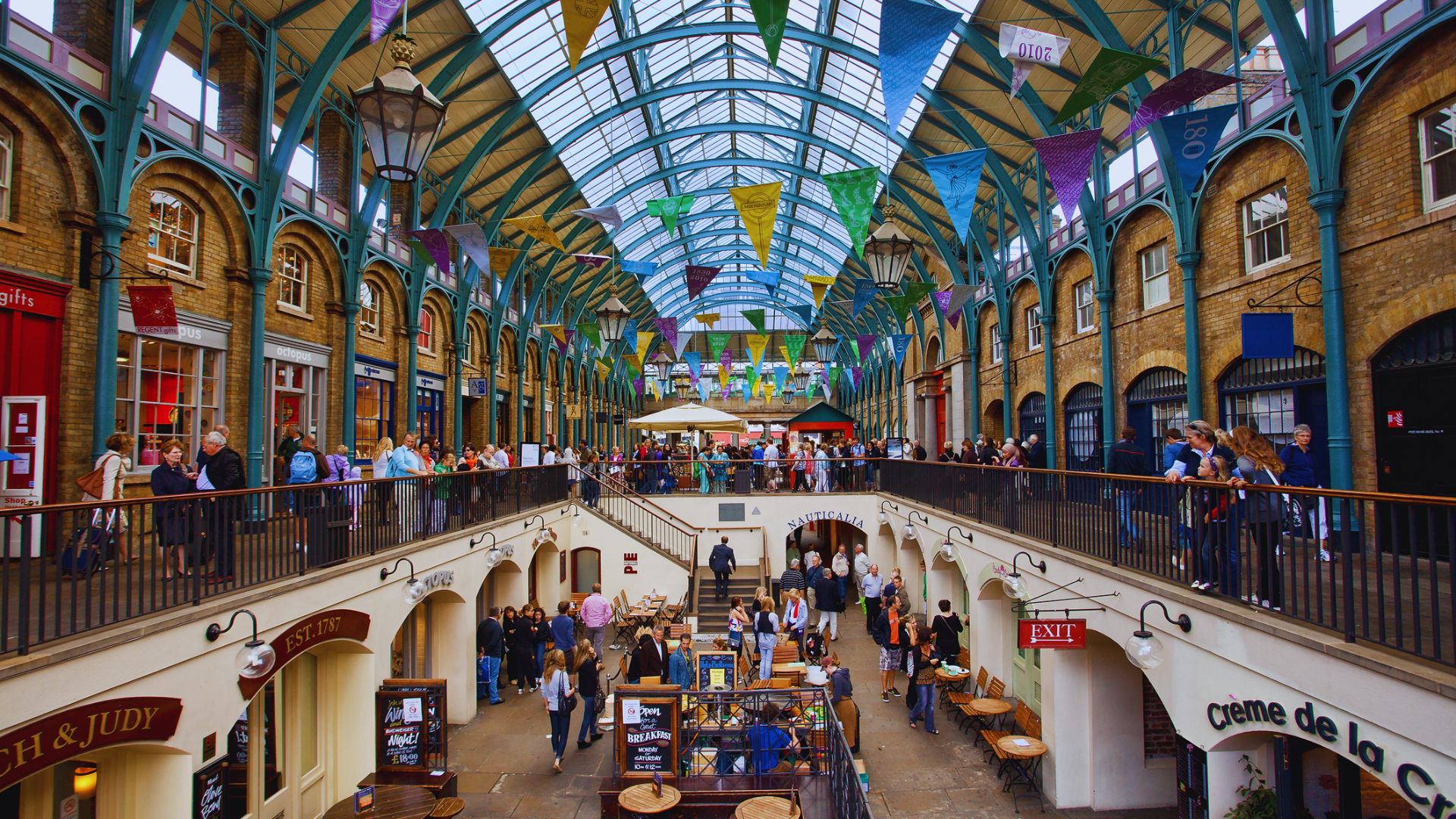
Covent Garden puts you within walking distance of almost everything. The West End, Trafalgar Square, the British Museum, and the Thames are all under 20 minutes on foot. The theater scene is on your doorstep and the food options cover every cuisine and budget.
It gets noisy and pricey, especially on weekends, but for couples and solo travelers who want to be in the middle of everything, it’s hard to beat.
4. Leicester Square
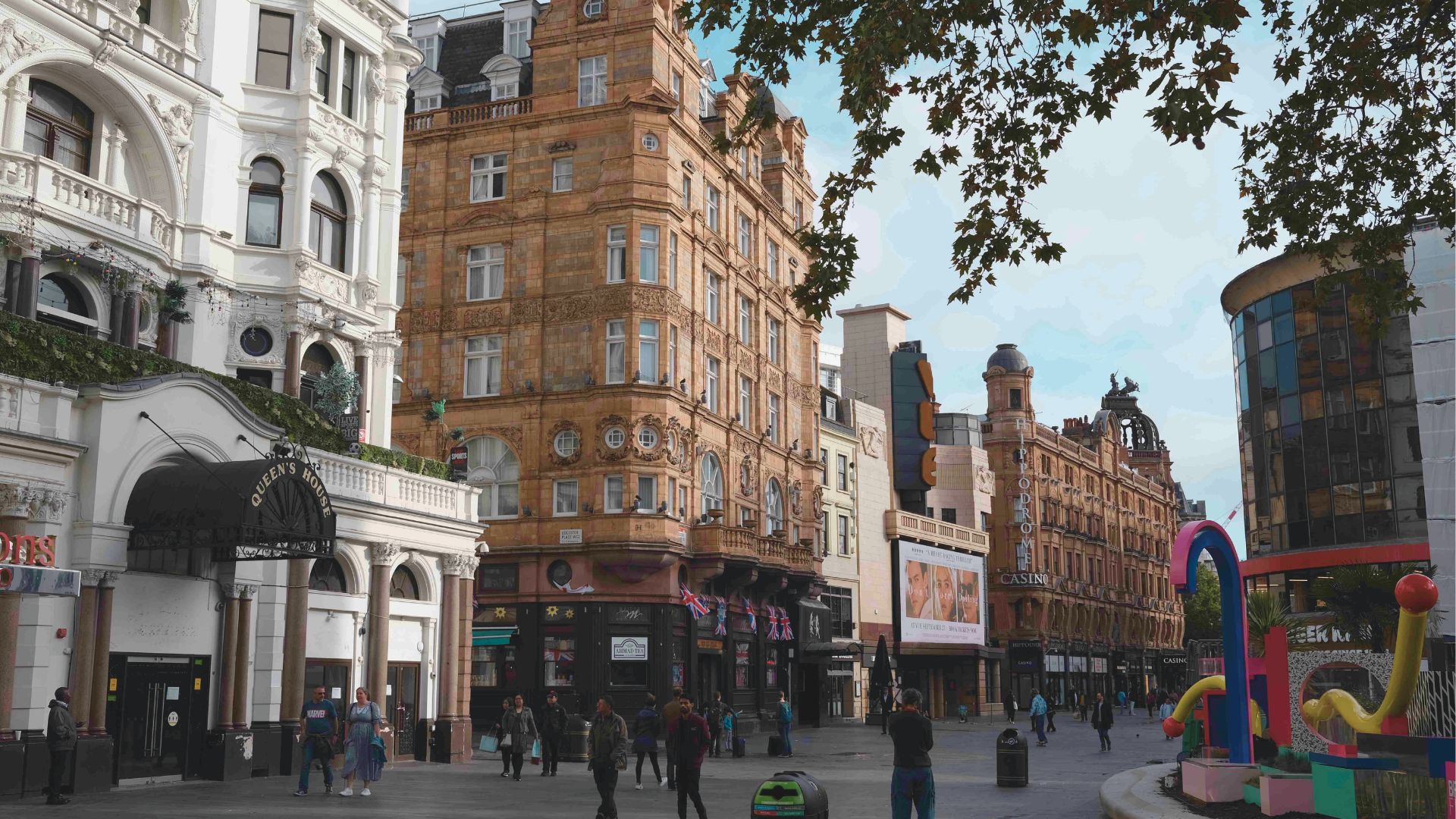
Leicester Square is pure city energy. Chinatown, Soho, Covent Garden, and the West End all sit within a 10-minute walk. Oxford Street is close for shopping and you can walk back to your hotel late without worrying about the last tube.
The downsides are noise at night, overpriced tourist restaurants, and streets that feel rough after dark. Budget hotels start around £90 per night but mid-range options run £150 to £250. Book early for better rates.
5. Soho
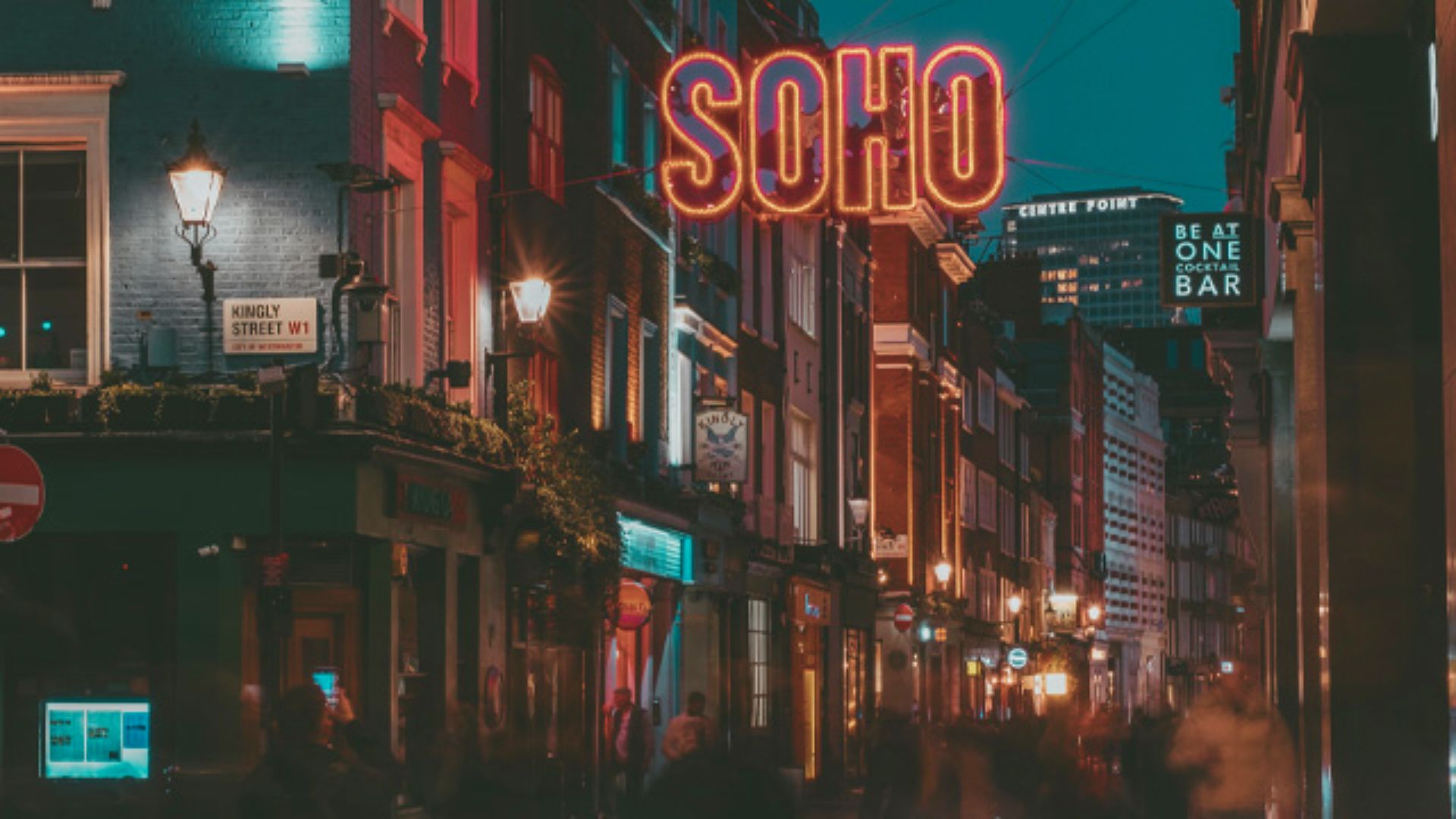
Soho is the best area in central London for food. Ramen, dim sum, Italian, French, and everything in between sits within a few streets of each other. Carnaby Street adds a more relaxed shopping option compared to Oxford Street.
It’s loud, creative, and full of life day and night. Not ideal for families or light sleepers, but for solo travelers, couples, and food lovers, Soho delivers a side of London that feels genuinely local.
6. Notting Hill
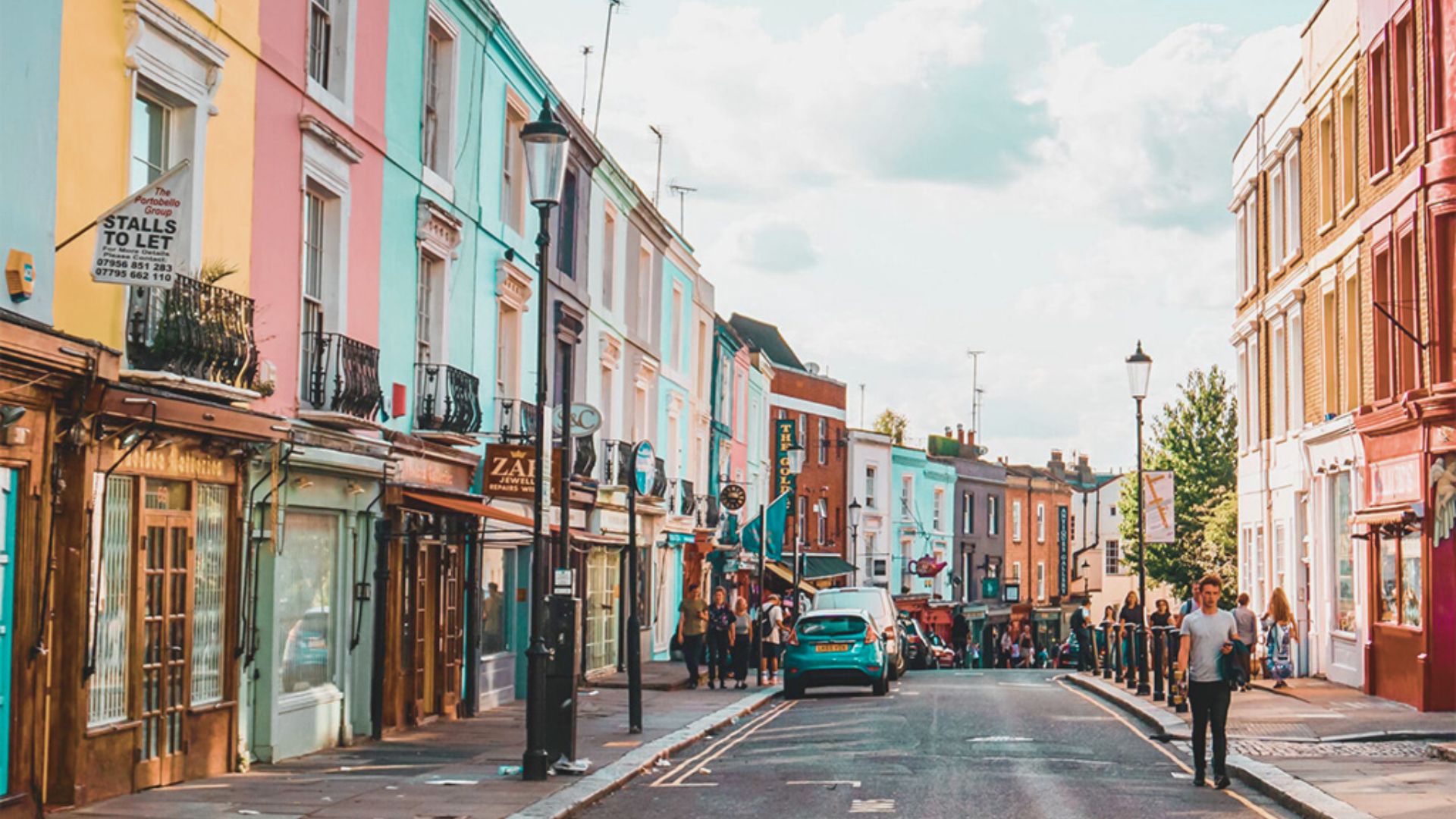
Notting Hill feels calmer and more residential than anywhere else on this list. The pastel houses on Portobello Road, the quiet garden squares, and the independent cafés give it a laid-back feel.
Portobello Road Market on Saturdays is one of the best in the city. It’s further from the main sights and requires more tube time, but families love it for the open spaces, clean streets, and good Airbnb options. Holland Park is nearby for kids.
7. Shepherd’s Bush
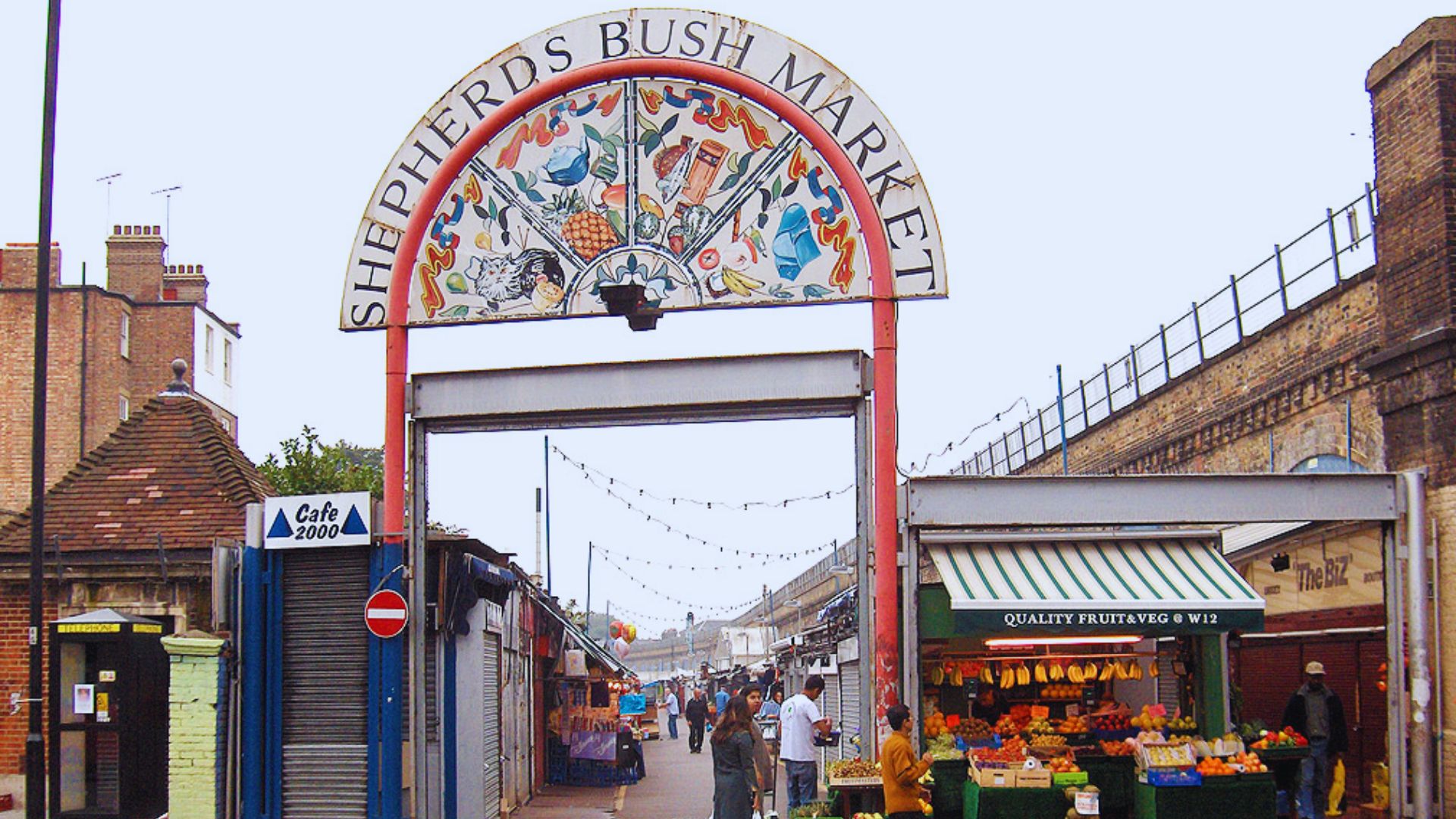
Shepherd’s Bush won’t win any awards for charm, but it works well if budget matters. Hotels and Airbnbs here cost significantly less than central London. Westfield London, one of Europe’s largest shopping centers, is right on the doorstep.
The Central line and Overground both connect you to central London in around 20 minutes. There are no major tourist attractions nearby, so it suits longer stays or travelers who need a practical, affordable base over a scenic one.
8. Camden
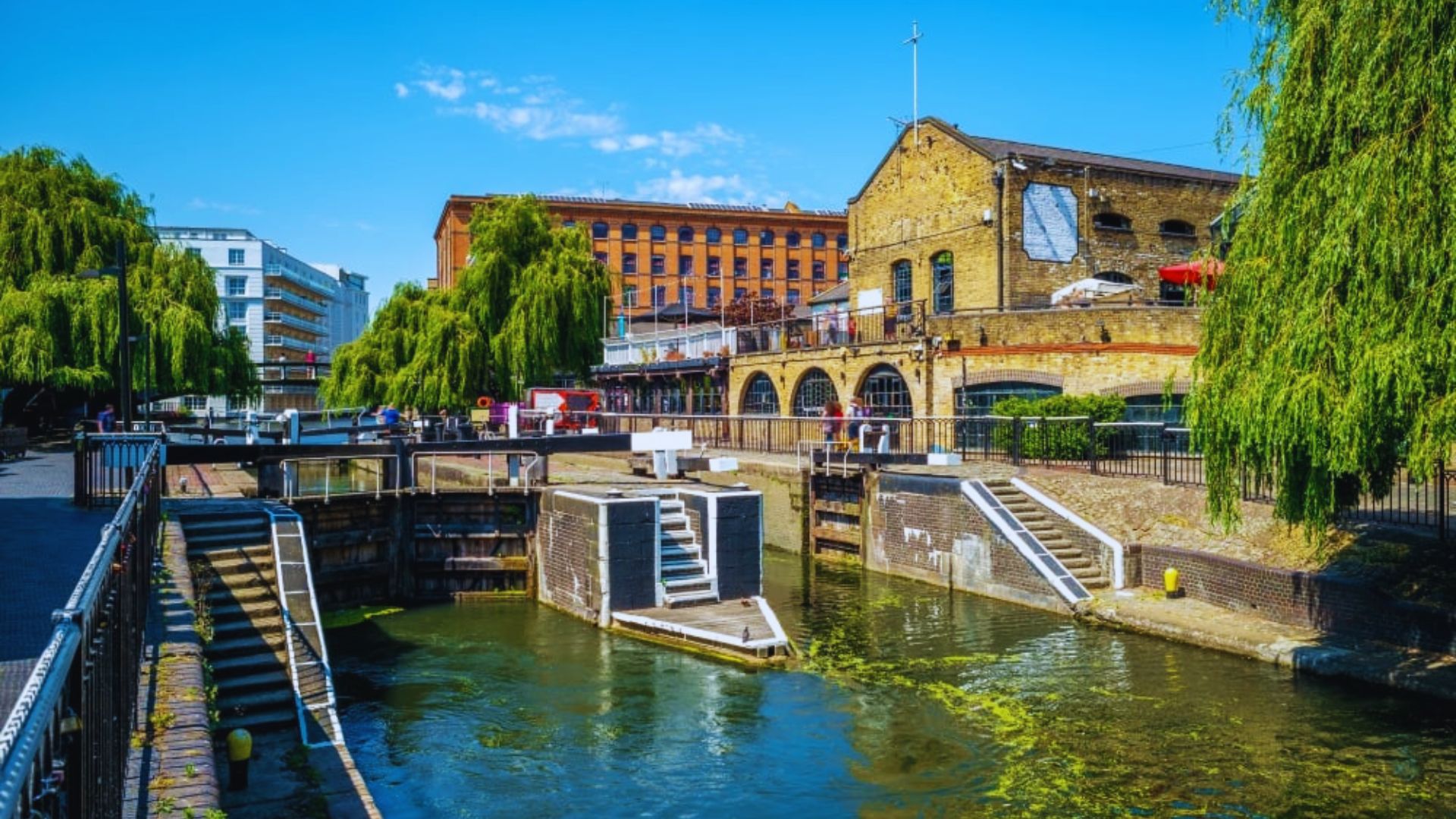
Camden has a reputation and earns it. The markets are unlike anywhere else in London, with vintage clothing, street food, handmade goods, and live music all in one stretch. Regent’s Park is a 10-minute walk and Primrose Hill offers one of the best skyline views in the city.
The Northern line connects you to the West End in around 15 minutes. It can feel rough late at night and it’s not ideal for families, but younger travelers and music fans tend to love it.
9. Regent’s Park / Swiss Cottage
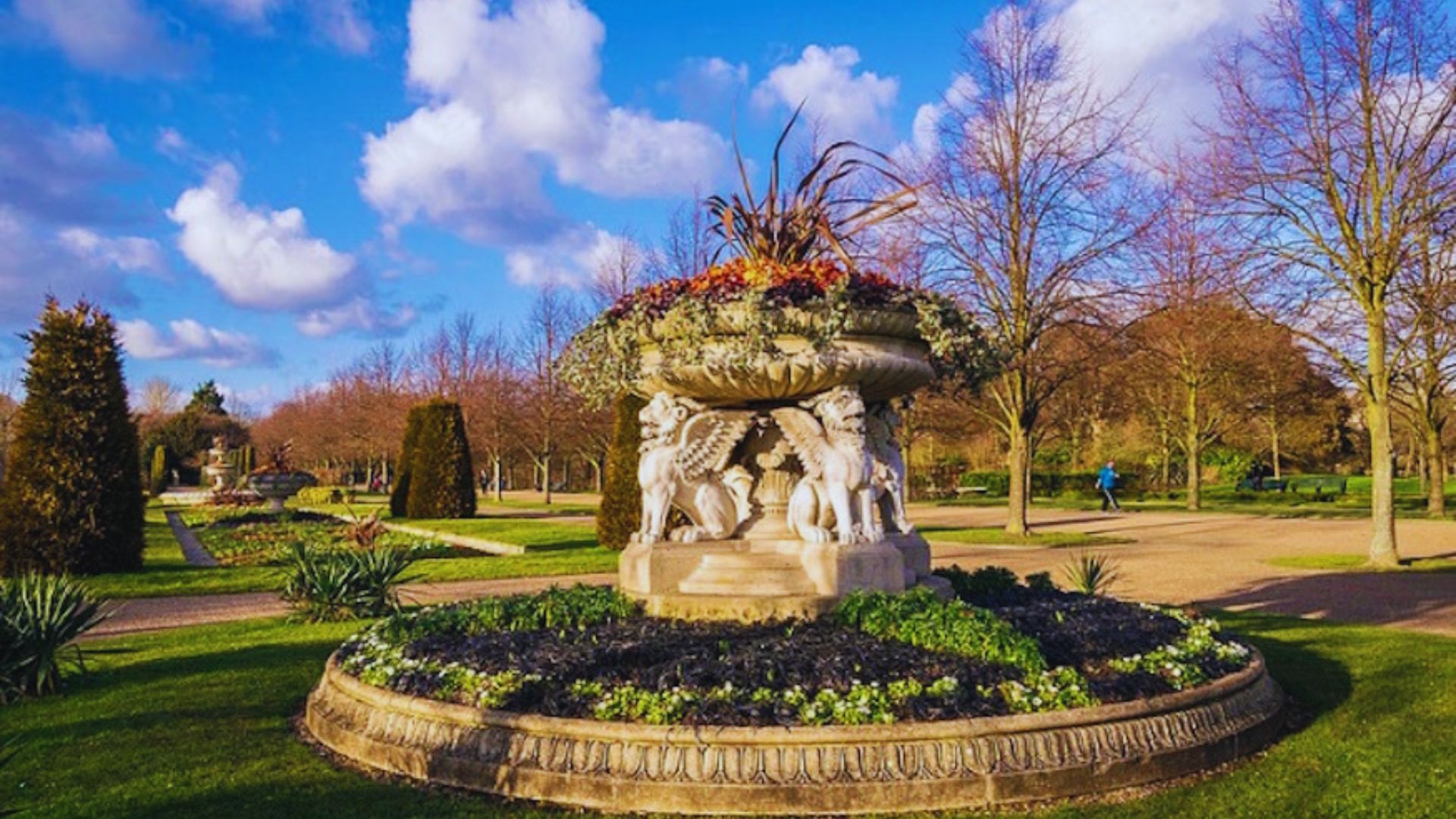
This part of north London is peaceful and green. Regent’s Park has open lawns, a boating lake, and London Zoo inside its borders. Swiss Cottage adds a calm, residential feel with local restaurants and a community atmosphere.
Swiss Cottage station on the Jubilee line gets you to Bond Street in 8 minutes and Baker Street in 2. Accommodation is more affordable than central areas. It’s low-key and lacks nightlife, but for budget-conscious travelers who want a quiet base with fast tube access, it’s a smart pick.
Areas That May Not Suit Every First-Time Visitor
Areas around Oxford Circus and Piccadilly Circus are convenient but can be relentlessly noisy. Foot traffic, deliveries, and nightlife make sleeping difficult. King’s Cross has improved but still feels chaotic right around the station. Always check street-view images before booking, especially if you’re a light sleeper.
Further out, areas like Lewisham, Woolwich, and parts of Hackney require long journeys with bus changes and slower tube lines.
Unless you have a specific reason to stay there, a first visit isn’t the time to test them. Stick to Zone 1 or Zone 2 and you’ll spend more time sightseeing and less time commuting.
Frequently Asked Questions
Which area is best for first-time visitors to London on a budget?
Shepherd’s Bush and Swiss Cottage offer the best value without being too far from central London. Both have good tube links that keep commute times short.
Is it safe to stay in central London as a solo traveler?
Yes, most central areas like Westminster, Covent Garden, and South Bank are safe for solo travelers. Use common sense at night and stick to well-lit streets.
How many days do you need in London for the first time?
Most first-time visitors find that 4 to 5 days covers the major sights without feeling rushed. A full week gives you room to visit beyond the highlights.
Should I stay close to a tube station in London?
Yes. Being within a 5 to 10 minute walk of a tube station makes a big difference in how easily you can get around. Check tube line maps before booking your hotel.
What is the most central area to stay in London?
Covent Garden and Leicester Square are considered among the most central locations. They sit within walking distance of the West End, major museums, and the Thames.
