


I’ve spent time researching remote Utah landscapes, and Bentonite Hills, Utah, keeps coming up for good reason.
This guide covers everything you need before heading out, including location, directions, road conditions, photography tips, and rules to follow.
I put this together so you don’t waste time guessing. You’ll know exactly what to expect, how to get there safely, and what to bring.
If you love wild, open land or just want a great photo spot far from the crowds, this place is worth the drive. I’ve covered remote Utah destinations for years, so this guide is built on real research.
What Makes Bentonite Hills Worth Seeing
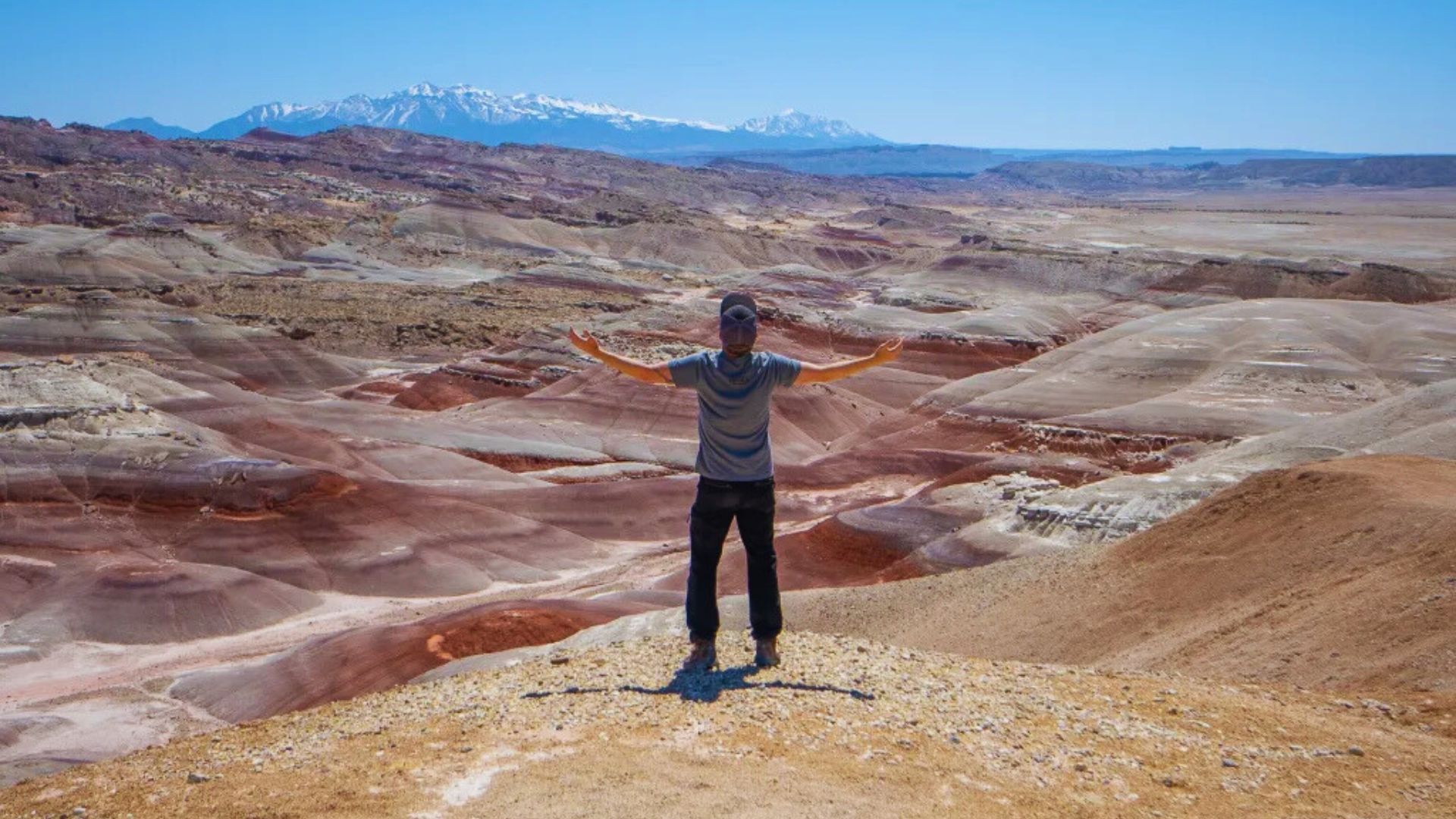
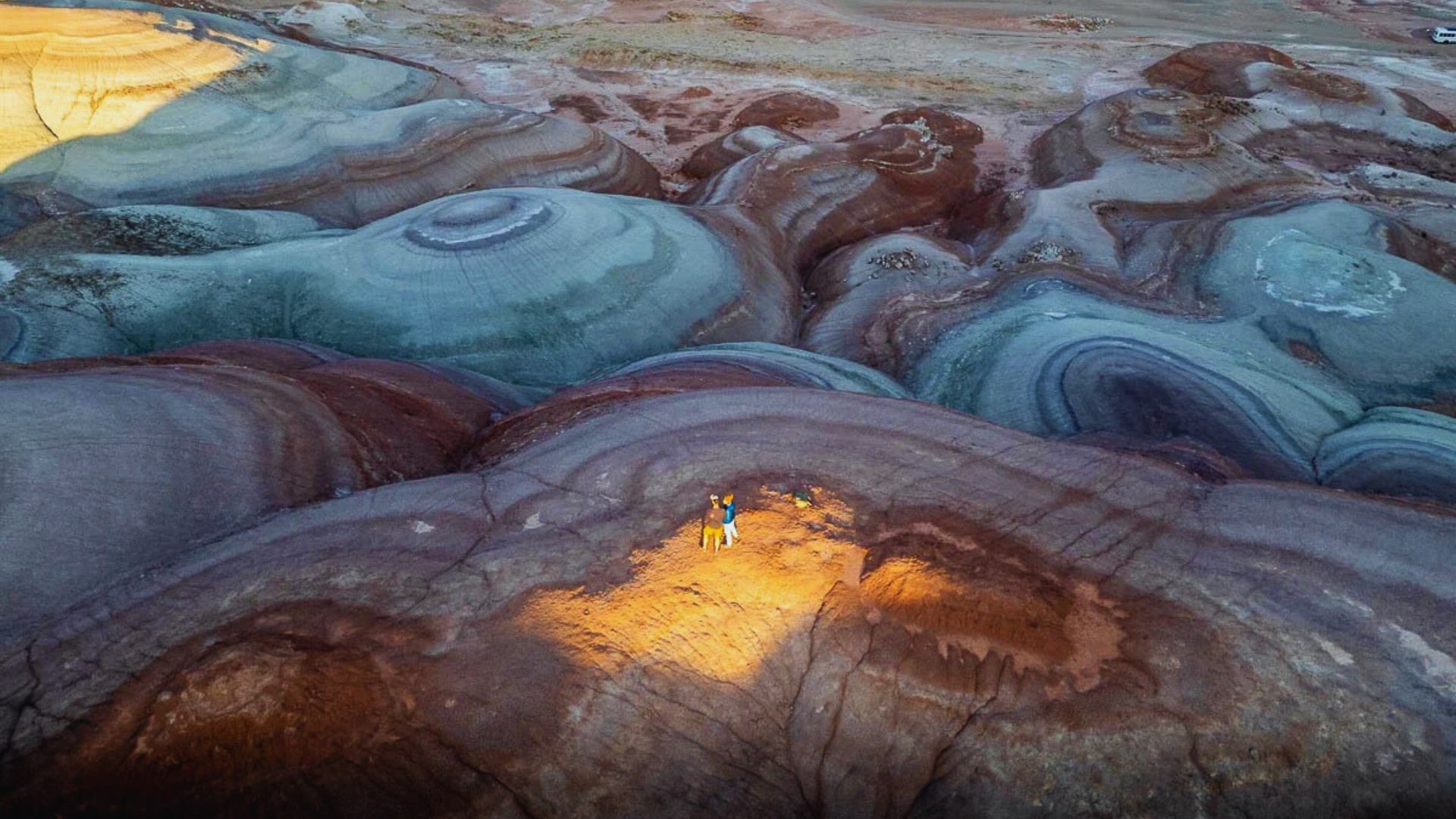
The bentonite hills in Utah are not your typical red rock scenery. These hills show off layers of red, purple, gray, and brown that shift depending on light and time of day.
It looks almost unreal when you first see it, and no filter is needed to make it pop. The hills are made of bentonite clay and volcanic ash that weathered over time into bumpy, cracked textures that look like another planet.
The formations are fragile and change slowly with erosion. That is part of what makes this place worth seeing and worth protecting when you visit.
Where Is Bentonite Hills, Utah, located?

This remote desert spot sits near Capitol Reef and Hanksville in south-central Utah.
Location Overview
Bentonite Hills Utah sits in the Cathedral Valley region, north of Capitol Reef National Park. The nearest town is Hanksville.
This is a deep desert country far from crowds and far from cell service. You won’t find a visitor center or paved road nearby.
Coordinates and Area
The general area falls around 38.5°N, 110.9°W. The land is open and flat around the hills, with wide desert views in every direction.
There are no services, no shops, and no shade structures. Plan accordingly.
Bentonite Hills, Utah Map and Directions
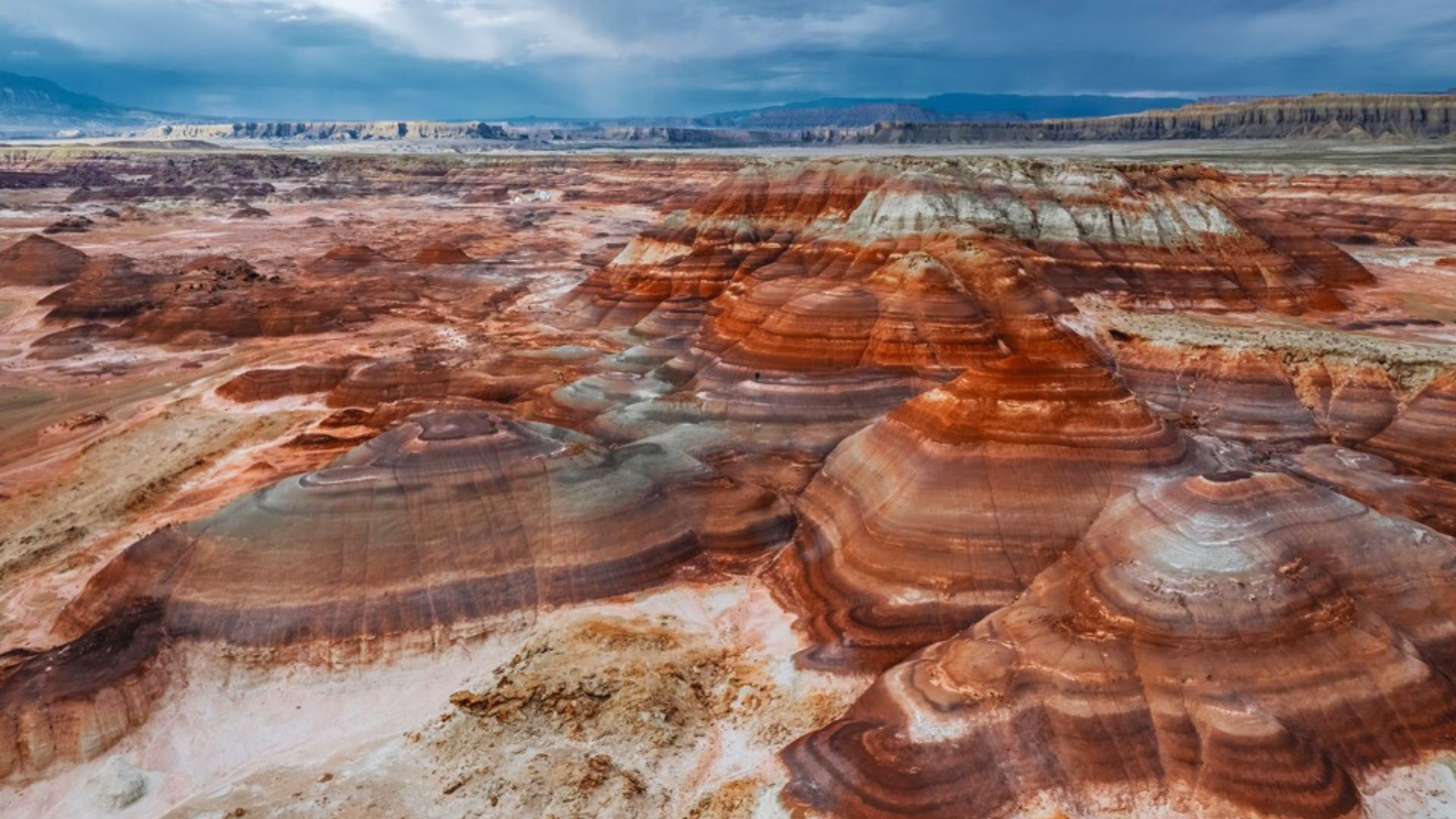
Getting here takes planning offline maps and a reliable vehicle is non-negotiable.
Map Tips
Do not rely on cell service out here. Downloading an offline map before you leave apps like Gaia GPS or Maps.me work well.
Google Maps may not show the correct route once you’re on dirt roads. Road names can be unmarked, so GPS coordinates help more than street names.
How to Get to Bentonite Hills Utah
Access is mainly via Hartnet Road, which runs north from Capitol Reef’s Cathedral Valley area. The road is unpaved and can get rough depending on weather.
Directions from Hanksville
Hanksville is the most common starting point. From there,
- Head south on UT-95 briefly, then take Notom Road heading south toward Capitol Reef.
- Turn onto Hartnet Road going west into the Cathedral Valley area.
- Follow the road toward the bentonite hills formations coordinates help here.
Total drive from Hanksville is roughly 1 to 1.5 hours depending on road conditions.
Can You Drive to Bentonite Hills Utah?
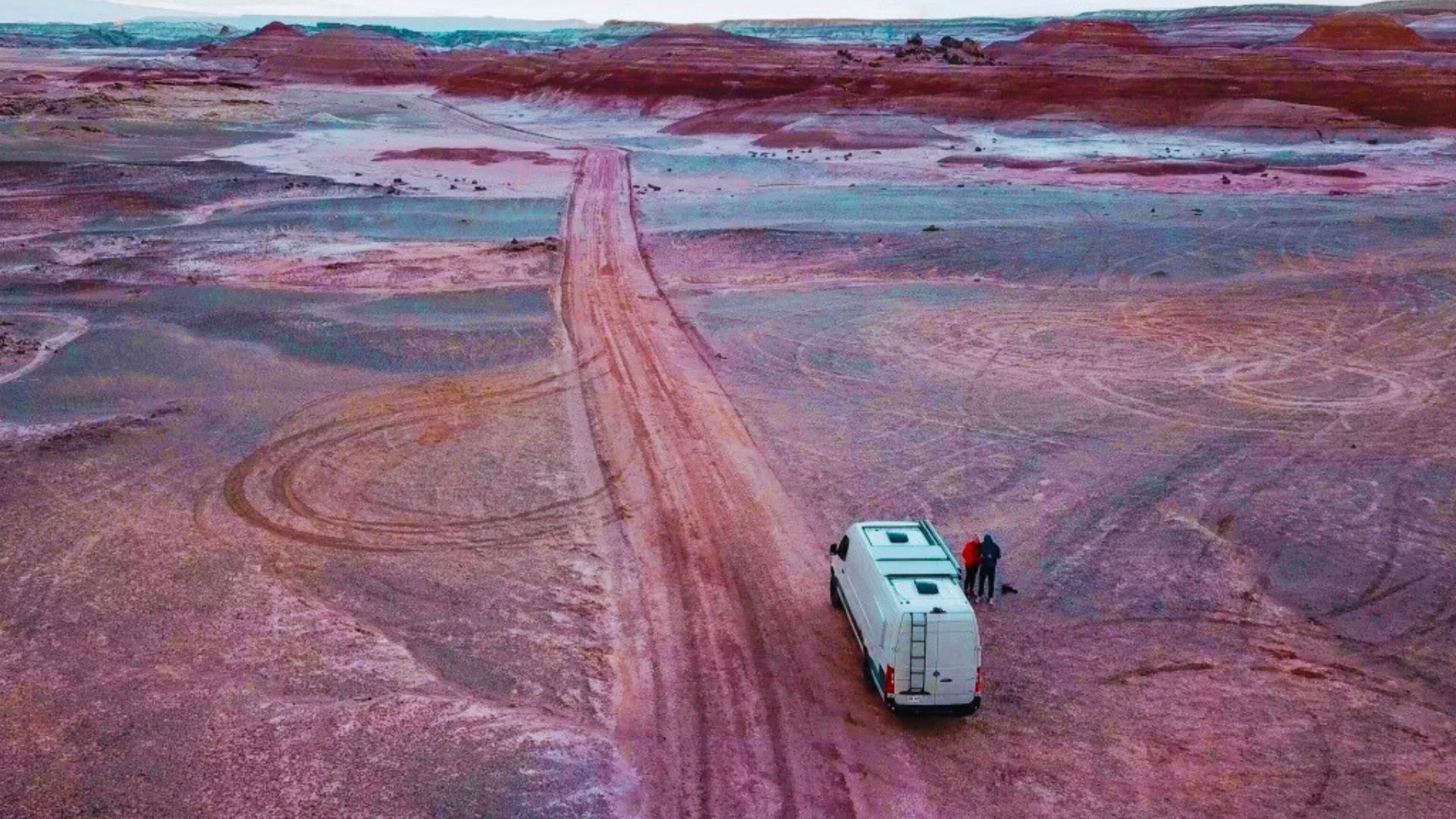
Road conditions here can change fast knowing what you’re getting into before you go.
Vehicle Requirements
A high-clearance vehicle is strongly recommended. Trucks, SUVs, or 4WD vehicles handle the road better than sedans.
The road has rough patches, loose gravel, and uneven surfaces. Low-clearance cars risk damage.
Road Conditions and Weather Risks
Bentonite clay turns into a slick, muddy mess after rain. The road can become completely impassable. Even a light shower can make it dangerous.
Always check the weather 48 hours before your visit. If rain is in the forecast, reschedule. This is not a place to take chances.
Things to Do at Bentonite Hills, Utah
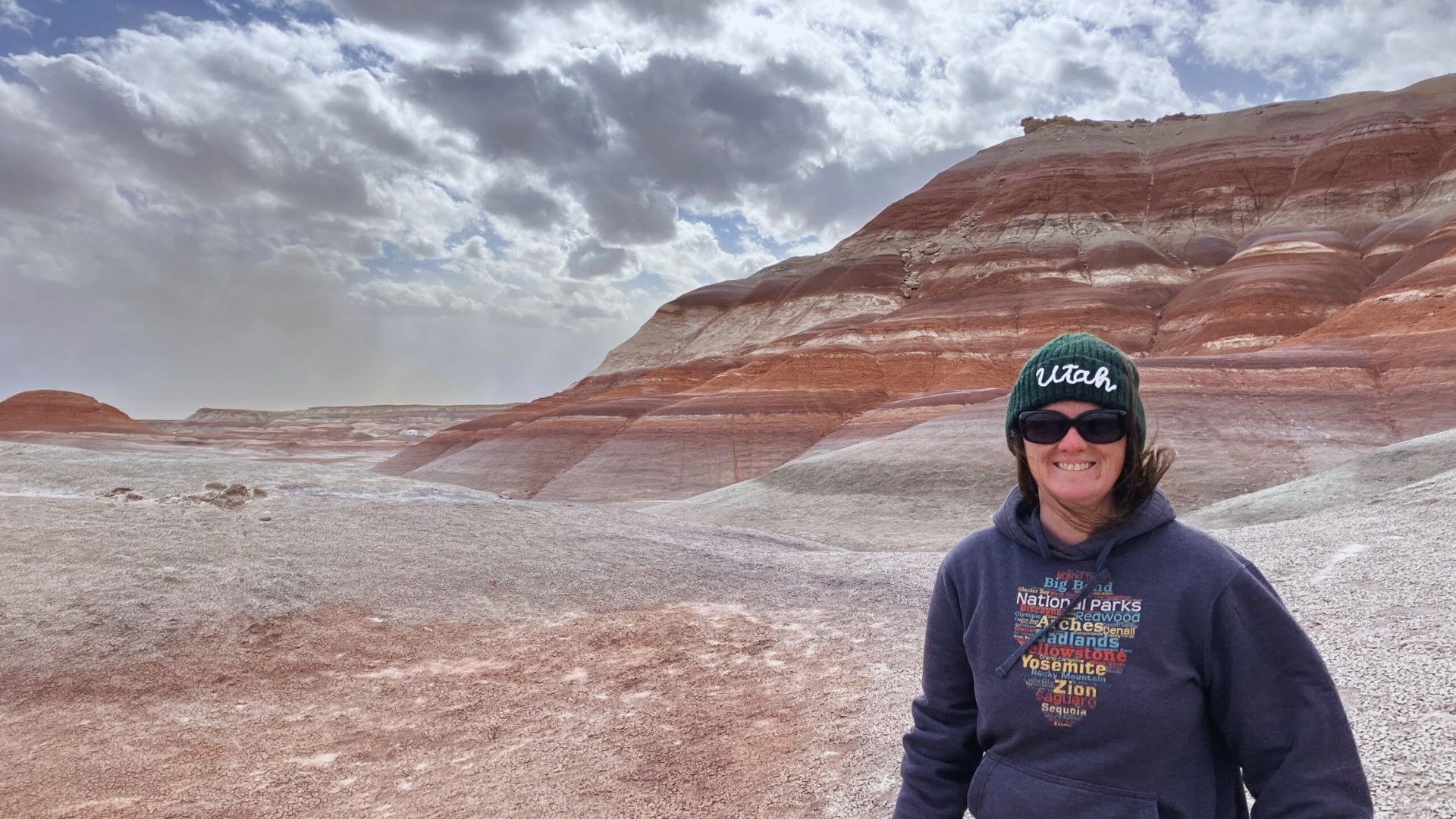
Walking among these colored hills and taking photos are the main draws here.
Take In the Landscape
There are no marked trails, but you can walk around the open desert and view the hills from different angles.
The landscape is quiet, wide, and gives you that rare feeling of being completely away from everything. Scenic viewpoints are not marked — you find your own.
Photography at Bentonite Hills
Photographers love this place for good reason. The colors are layered and rich. The textures in the clay catch light in interesting ways.
Best lighting conditions:
Sunrise and sunset give the hills their most vivid colors. Midday sun tends to flatten the scene. Golden hour the hour after sunrise or before sunset is when the reds and purples pop the most.
Bring a wide-angle lens for landscape shots and a longer focal length to compress layers in the hills. Shoot in RAW if you can, though the colors honestly need little editing.
What It Really Looks Like
Some photos online are heavily edited. In real life, the colors are still impressive, but they’re more muted than what you’ll see on Instagram.
The real experience is less about the “wow” photo and more about being in that quiet, open space. It feels big.
Best Time to Visit Bentonite Hills Utah
Timing your visit right makes a big difference in both safety and scenery.
Best Seasons
Spring (April to May) and fall (September to October) are the best times to visit. Summer brings extreme heat and temperatures can push past 100°F.
Winter roads may be frozen or icy. Spring and fall offer mild temperatures and better light.
Best Time of Day
Go early in the morning or late in the afternoon. Golden hour light hits the clay colors at the right angle and makes everything richer.
Midday is the worst time for photos and the hottest for walking.
Rules and Responsible Travel at Bentonite Hills
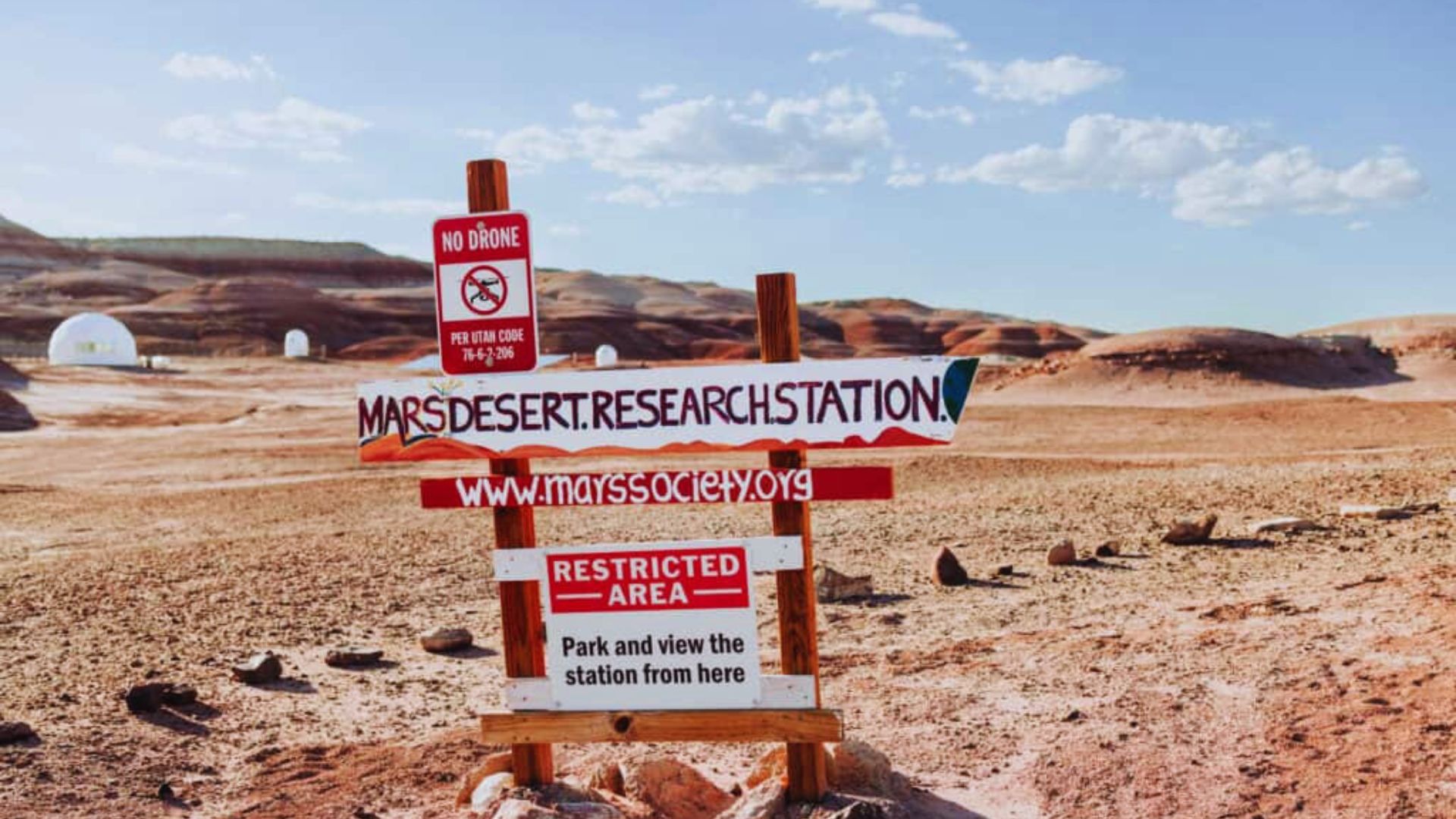
This landscape is fragile. What you do here has a real impact.
Is There a Hike at Bentonite Hills, Utah?
There are no official hiking trails here. You can walk, but there’s no marked path to follow. That’s part of the experience, but also means you need to be careful where you step.
Protecting the Terrain
Bentonite clay is soft and holds footprints for a very long time. Tire tracks and shoe prints can scar the surface for years.
Avoid walking on the colored hills themselves. Stay on rocks or established dirt paths where possible.
Leave No Trace
Follow these basics:
- Stay on existing roads and durable surfaces.
- Pack out everything you bring in.
- Don’t collect rocks or clay samples.
- Keep vehicles on established tracks only.
Tips for Visiting Bentonite Hills, Utah
Small prep steps make a big difference in a place this remote.
- Check the weather forecast carefully to avoid rainy days entirely.
- Download offline maps before leaving cell range.
- Carry at least 2 gallons of water per person.
- Fill your gas tank in Hanksville, there are no fuel stops nearby.
- Tell someone your plans and expected return time.
- Bring food, sunscreen, and a first aid kit.
- Go early both for better light and cooler temperatures.
Conclusion
Bentonite Hills Utah, is one of those places I keep thinking about. It is remote, raw, and honestly unlike most things you will see in the US.
The colors, the quiet, and the open land all add up to something worth making the drive for. Just go prepared.
Check the weather, bring enough water, and respect the land. The fragile terrain depends on visitors like you to stay mindful.
If you have been out there, drop a comment below. I would love to hear your experience. And if this guide helped, share it with someone who would appreciate it.
Frequently Asked Questions
Is Bentonite Hills, Utah, free to visit?
Yes, there is no entry fee to visit the bentonite hills area. It sits on BLM (Bureau of Land Management) land, which is open to the public at no cost.
How far is Bentonite Hills, Utah, from Moab?
Moab is roughly 2.5 to 3 hours away from the Bentonite Hills area. The drive takes you through some of Utah’s best desert scenery along the way.
Can I camp near Bentonite Hills, Utah?
Dispersed camping is allowed on BLM land in the area. There are no developed campgrounds, so you’ll need to be fully self-sufficient with water, food, and waste disposal.
What should I wear to visit Bentonite Hills, Utah?
Wear sturdy, closed-toe shoes since the terrain is uneven. Light, breathable clothing works well in spring and fall. Bring a hat, sunglasses, and sunscreen; shade is nonexistent out there.
Is Bentonite Hills, Utah, suitable for kids?
It can be, as long as you come prepared. There’s no strenuous activity required. Keep kids away from the clay slopes themselves to avoid damaging the surface and to prevent slips.
