

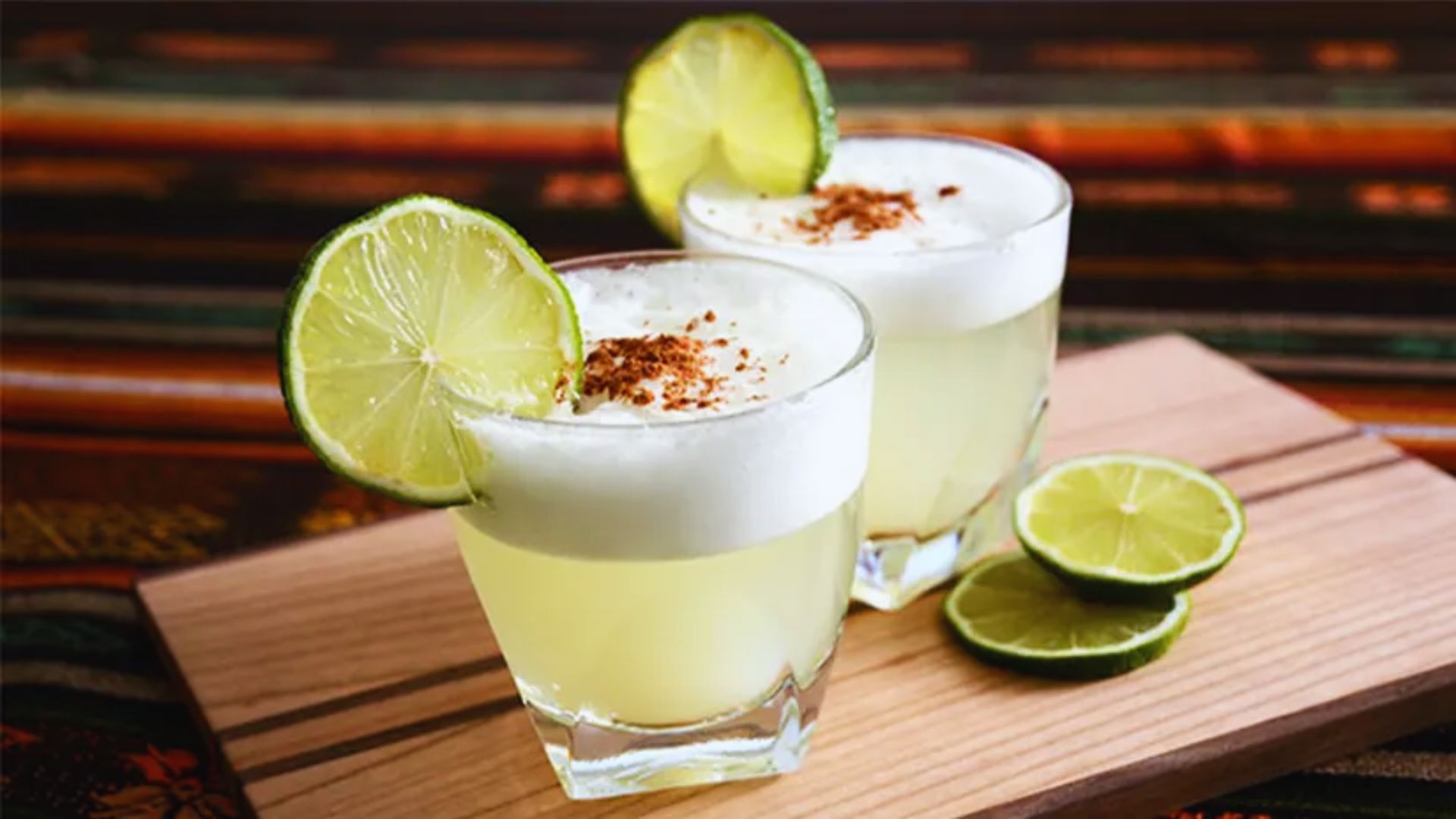
I landed in Lima with zero clue what to drink. The hotel menu had 20 options. I panicked and pointed at random.
Turns out, I picked something I loved. But I wish someone had told me what to expect first.
That’s exactly why I wrote this. You’ll find 15 Peruvian drinks worth trying, from ancient fermented brews to tropical fruit blends you’ve never heard of.
I’ll also tell you where to find them and what locals actually drink daily.
No guessing. Just good drinks and real answers.
Why Peruvian Drinks Reflect Culture and Geography

Peru has three very different regions: the coast, the highlands, and the Amazon. Each one produces its own ingredients and drinks.
The coast gave the world Pisco, a grape-based spirit tied to Peruvian identity. The highlands brought coca leaf tea, used for altitude sickness for centuries.
The Amazon adds tropical fruits like aguaje and lucuma that show up in juices and milkshakes. Fermentation has been part of Peruvian culture since the Inca Empire.
Chicha was made long before the Spanish arrived. These drinks are not just refreshing. They carry history in every glass.
List of 15 Must-Try Peruvian Drinks for Cultural Insights
From ancient fermented brews to tropical fruit blends, these 15 drinks show you what Peru really tastes like.
1. Pisco Sour
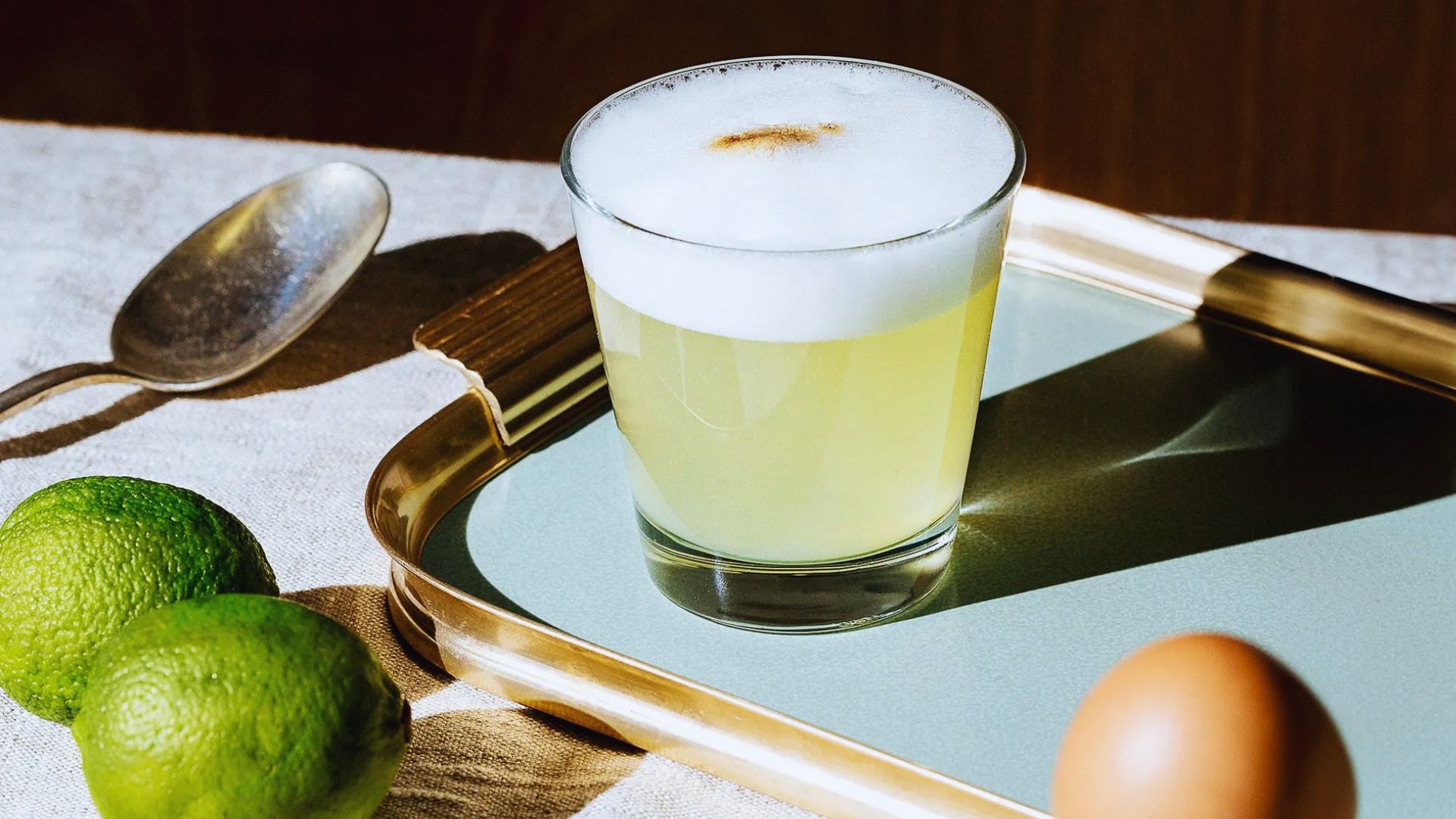
Pisco Sour is Peru’s most famous cocktail. It is made with Pisco, a grape-based brandy, lime juice, egg white, simple syrup, and Angostura bitters.
The egg white creates a frothy top that makes it easy to spot. It is tart, creamy, and strong. You’ll find it at almost every bar and restaurant in Peru.
It’s the drink most visitors try first, and it’s a solid place to start.
2. Chilcano
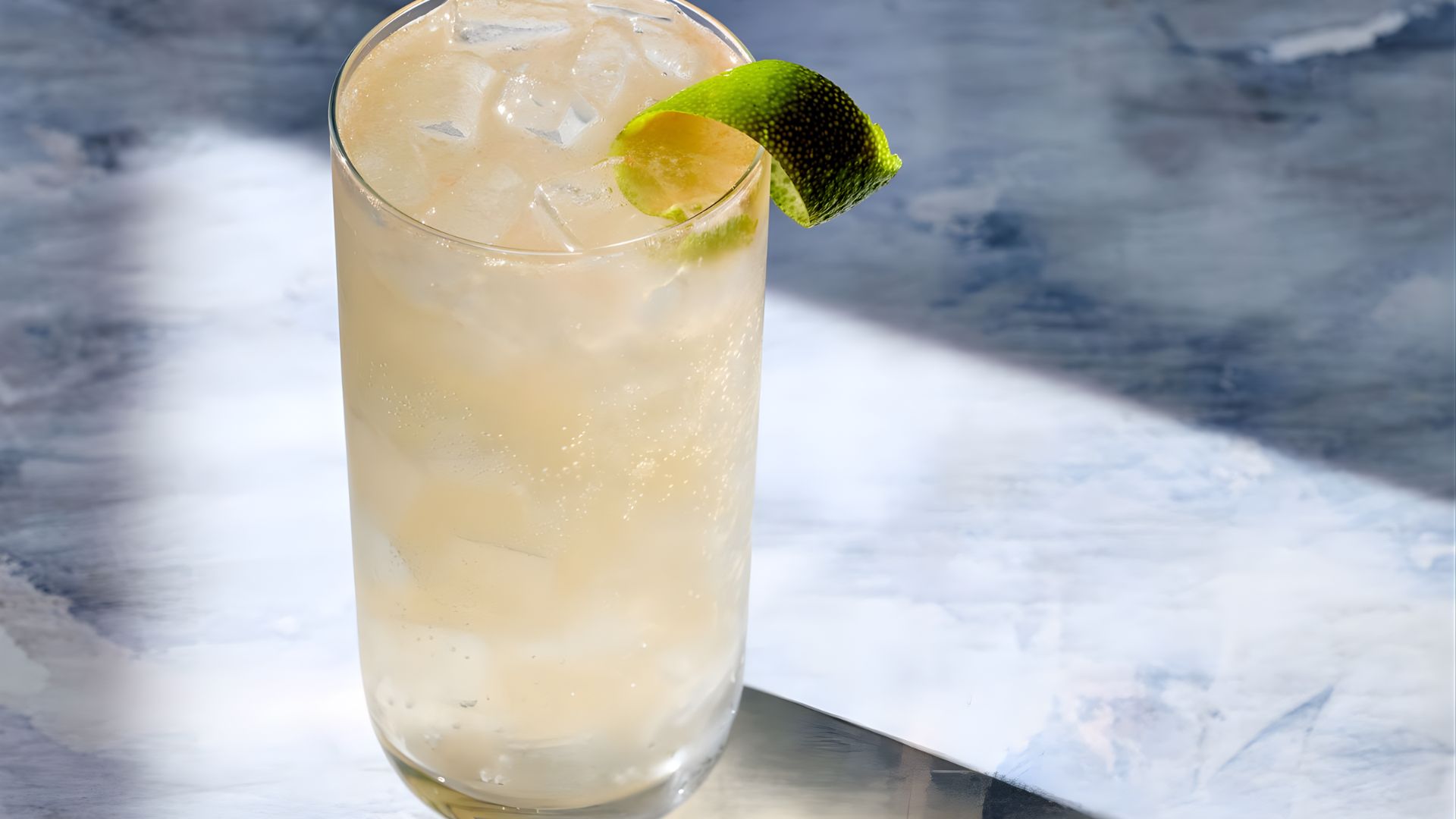
Chilcano is a lighter Pisco-based drink. It mixes Pisco with ginger ale, lime juice, and a dash of Angostura bitters.
It’s less intense than a Pisco Sour and much easier to drink on a warm afternoon. Locals love it for its refreshing taste.
You’ll find it in bars across Lima and beyond. If the Pisco Sour feels too heavy for your first drink, Chilcano is the right call.
3. Chicha Morada

Chicha Morada is a non-alcoholic purple drink made from dried purple corn. It’s boiled with pineapple peel, cinnamon, cloves, and sugar.
The result is a deep purple color with a sweet, slightly spiced taste. It is one of the most popular everyday drinks in Peru.
You’ll find it in homes, restaurants, and markets. Kids and adults drink it regularly. It has been around for centuries and still shows up at every table.
4. Inca Kola
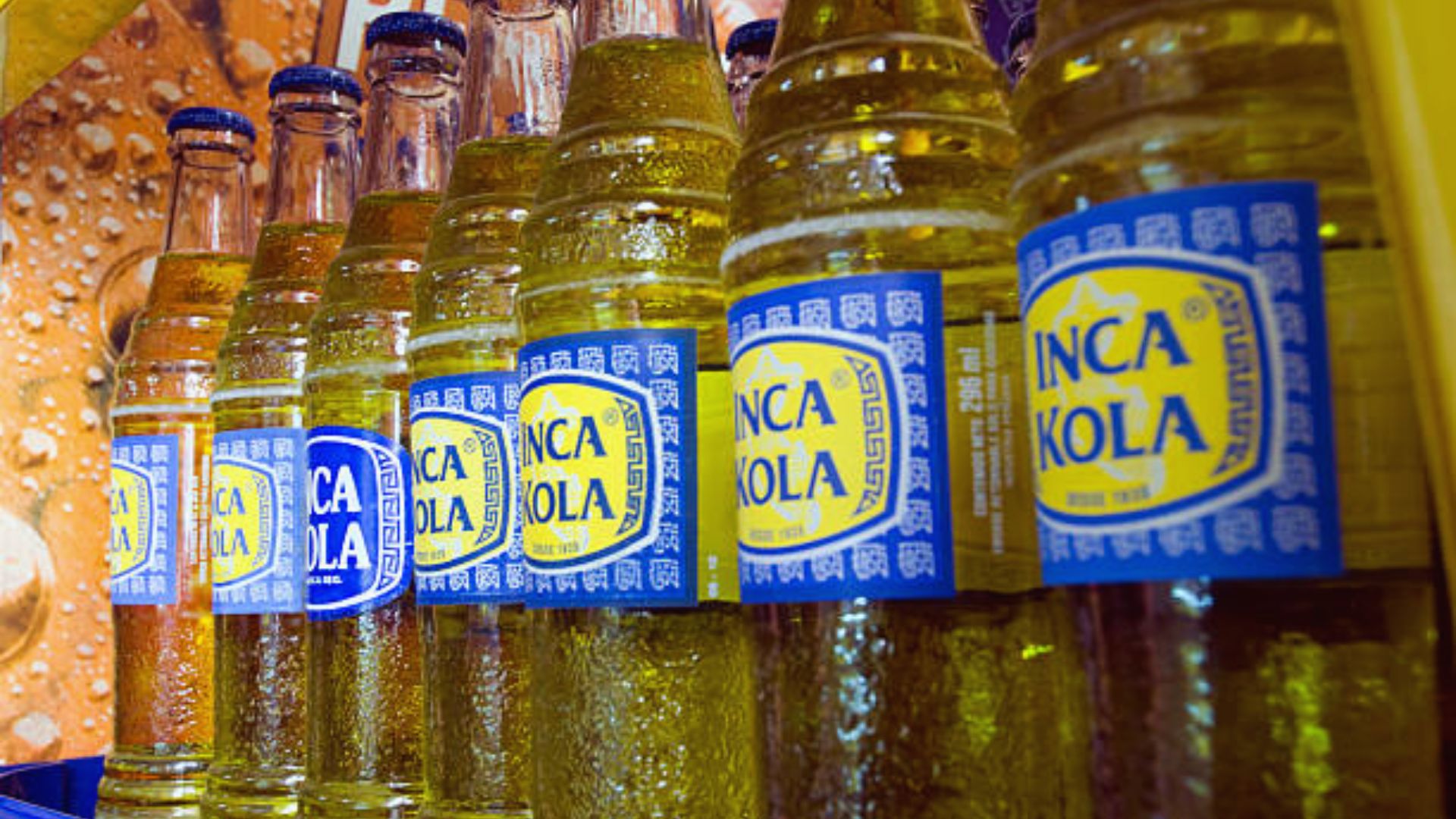
Inca Kola is Peru’s national soft drink. It is bright yellow with a sweet, fruity flavor that many say tastes like bubblegum. Created in 1935, it outsells Coca-Cola in Peru.
You’ll find it at restaurants, fast food spots, and corner stores across the country. Peruvians feel strongly about this drink.
If you want a taste of everyday Peruvian culture without alcohol, start with a cold bottle of Inca Kola.
5. Mate de Coca

Mate de Coca is coca leaf tea. It’s one of the first things hotels and restaurants offer visitors in Cusco and other high-altitude cities.
It helps the body adjust to the altitude. The taste is mild, slightly grassy, and warm. It is completely legal in Peru and widely available.
Many travelers swear by it. I’d recommend trying it as soon as you arrive in any highland city. It works.
6. Chicha de Jora
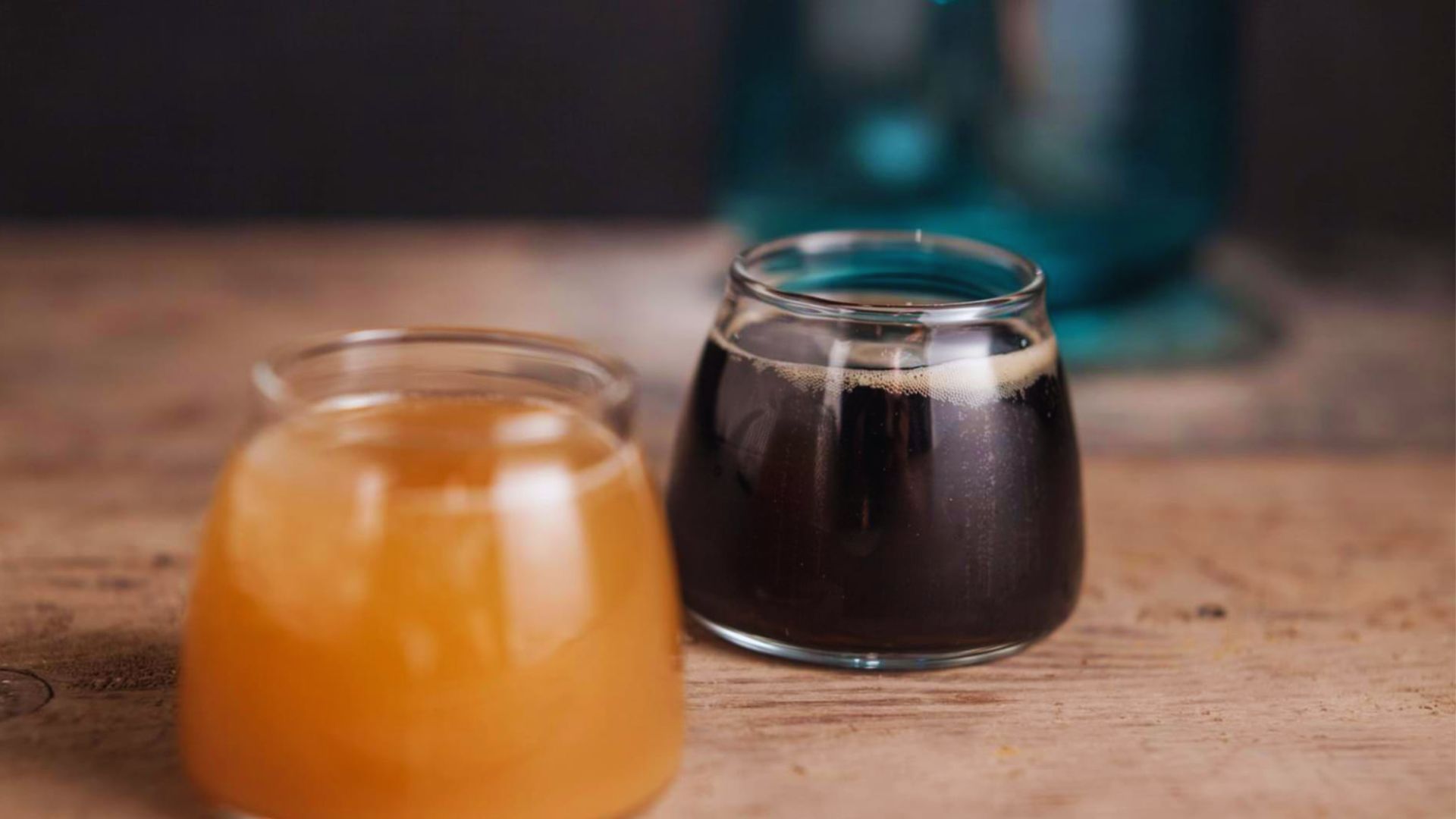
Chicha de Jora is a fermented corn drink from the Inca era. Made from yellow fermented corn, it has a sour, earthy, and slightly fizzy taste.
It’s mostly found in the highlands, where families still make it at home. Some bars in Cusco serve it as well. It’s an acquired taste for most visitors.
But trying it is a real way to connect with centuries of Peruvian tradition in one glass.
7. Emoliente
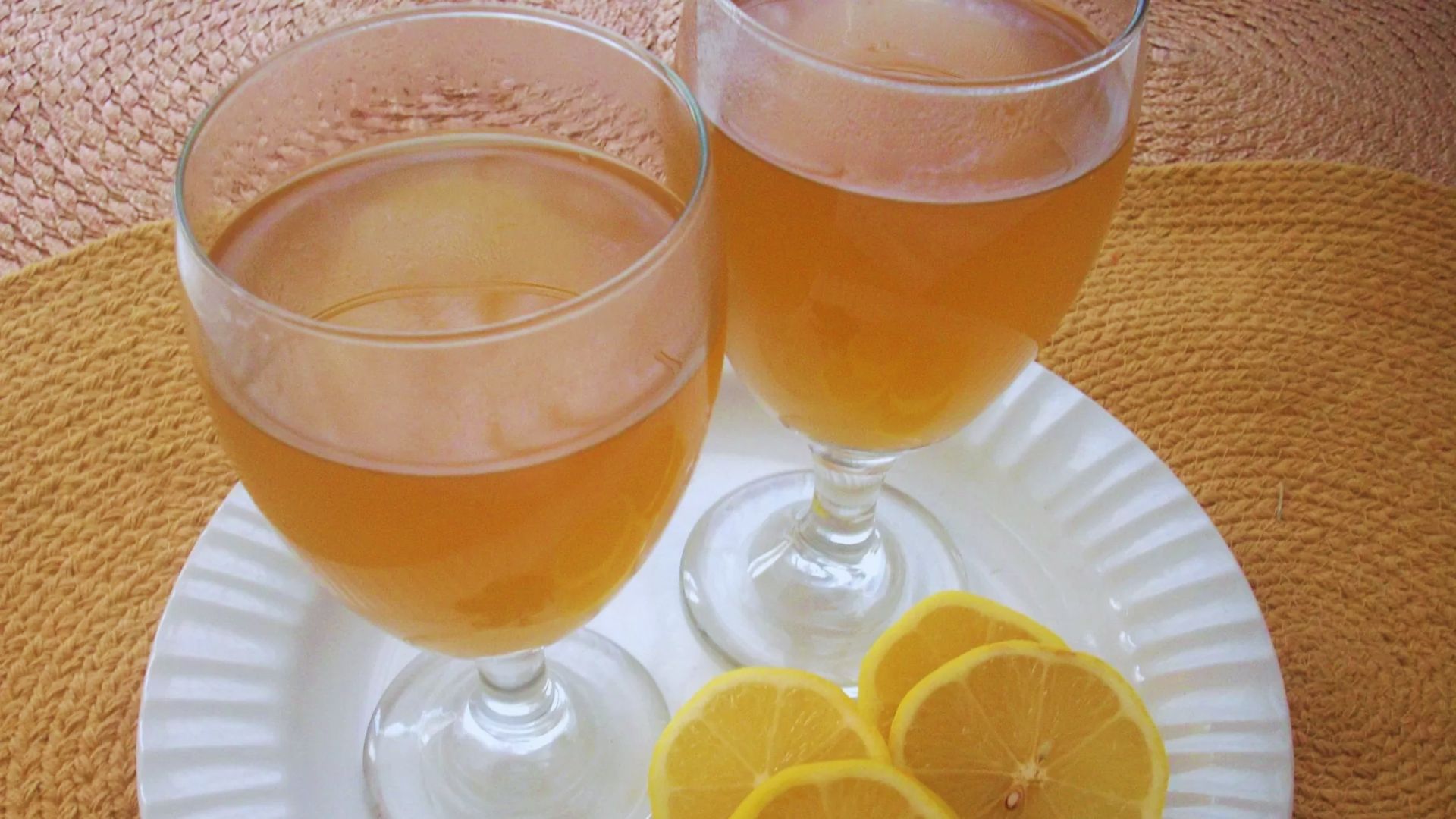
Emoliente is a warm herbal drink sold by street vendors, mostly in the early morning. Made with barley, flaxseed, and a blend of herbs, each vendor has their own recipe.
It’s believed to aid digestion and keep you going through the day. You’ll often see it sold from carts before sunrise.
Grabbing a cup early in Lima is one of the most local, grounded experiences you can have in Peru.
8. Lucuma Milkshake

Lucuma is a Peruvian fruit with a dry, sweet taste that many compare to maple syrup. Blended into a milkshake, it becomes rich and creamy.
It’s one of the most popular fruit shakes in Peru. You’ll find it at juice bars, cafes, and restaurants across the country.
If you’ve never tried lucuma before, a milkshake is the easiest way to start. It’s smooth, filling, and very much a local favorite.
9. Aguajina
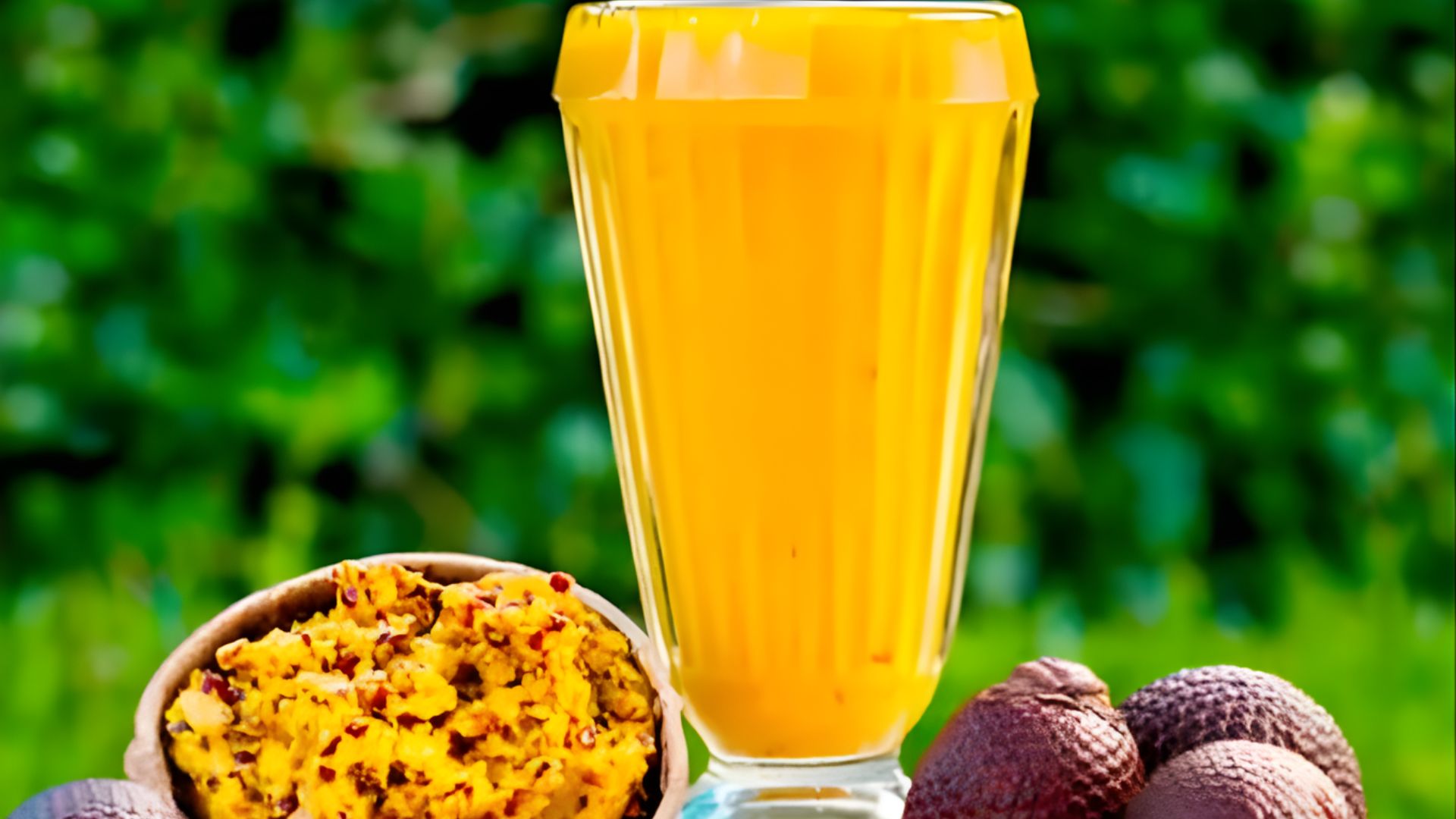
Aguajina is made from the aguaje fruit, a palm fruit native to the Amazon. It has a tangy, tropical taste with a rich orange color.
Street vendors in jungle regions sell it fresh every day. Packed with vitamins, it has been part of Amazonian diets for generations.
If you make it to the Peruvian Amazon, this is the drink to look for first. It’s refreshing and very hard to find outside Peru.
10. Pisco Punch
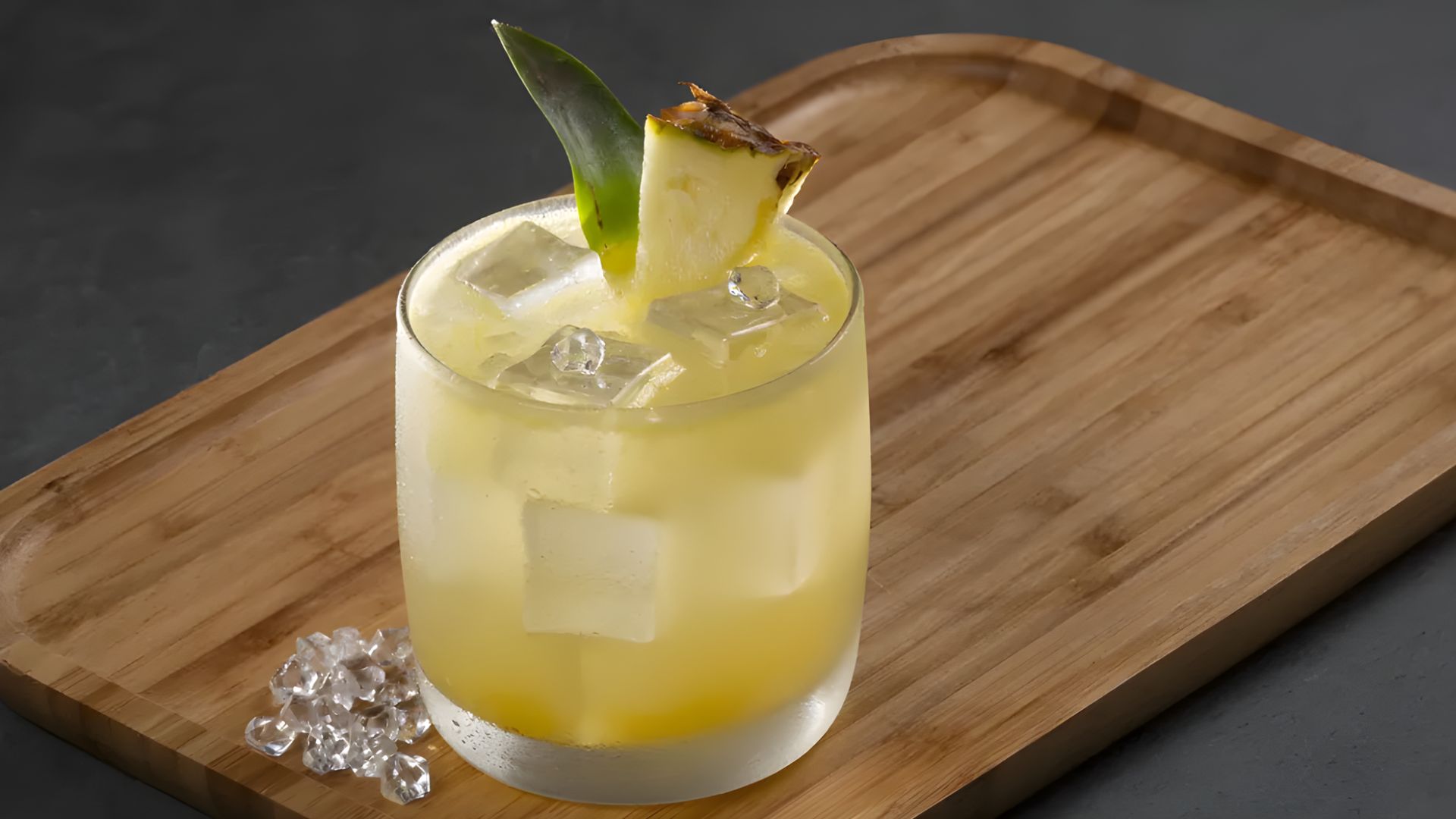
Pisco Punch is a cocktail with roots in San Francisco’s Gold Rush era. It mixes Pisco with pineapple syrup, lemon juice, and water.
Though it was popular in the US in the 1800s, its origins trace back to Peru. Today, bartenders in Lima have brought it back to the menu.
It’s sweeter and lighter than a Pisco Sour. If you enjoy fruit-forward cocktails, this one is worth ordering.
11. Cusqueña Beer
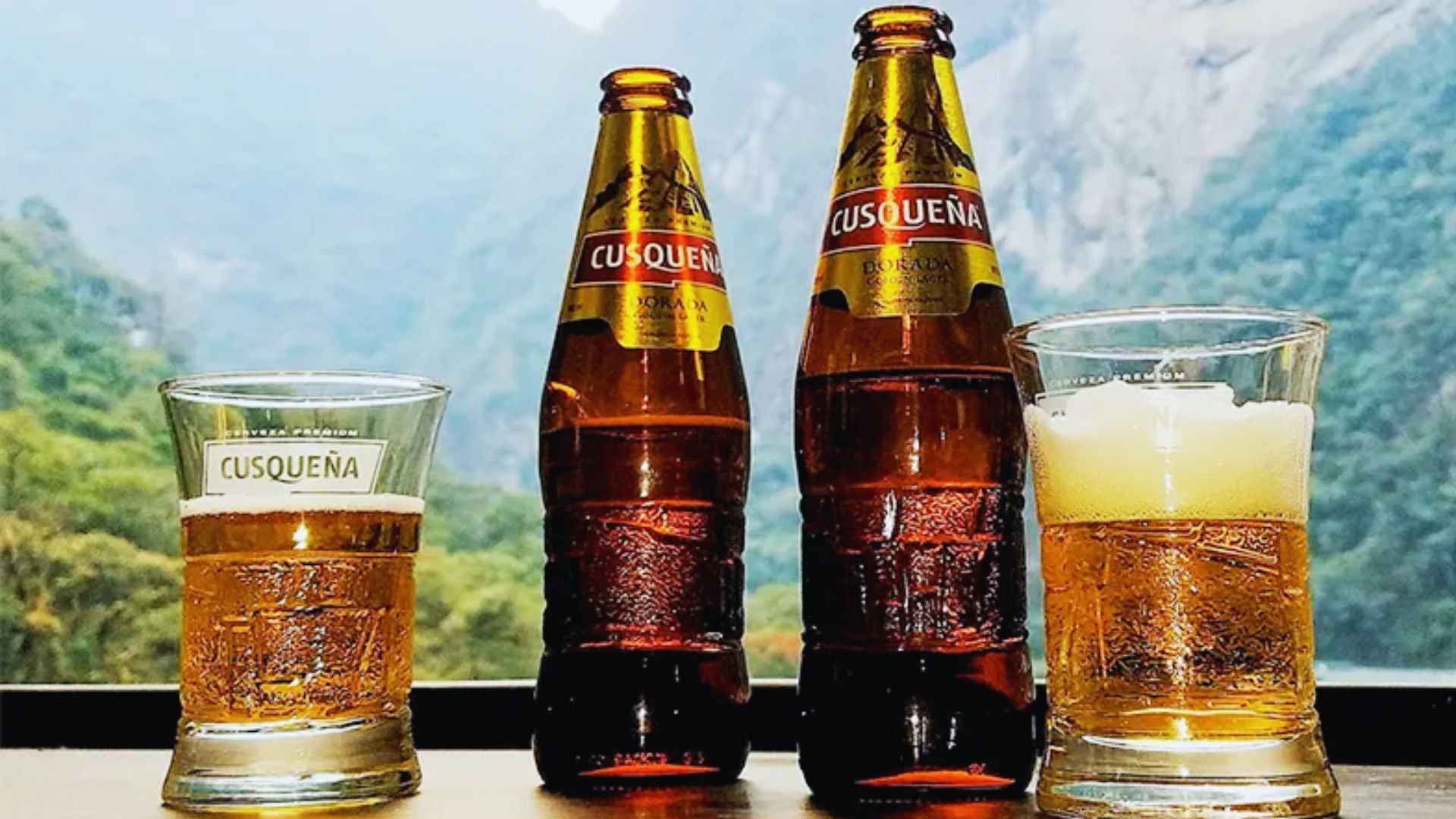
Cusqueña is Peru’s most well-known beer brand. It comes in golden, dark, wheat, and red varieties.
The golden lager is the most popular and pairs well with most Peruvian dishes. Named after Cusco, you’ll find it at bars, restaurants, and shops all over the country.
It’s affordable, cold, and easy to enjoy with a meal. Many travelers make it their go-to drink before they’ve even tried the local cocktails.
12. Leche de Tigre
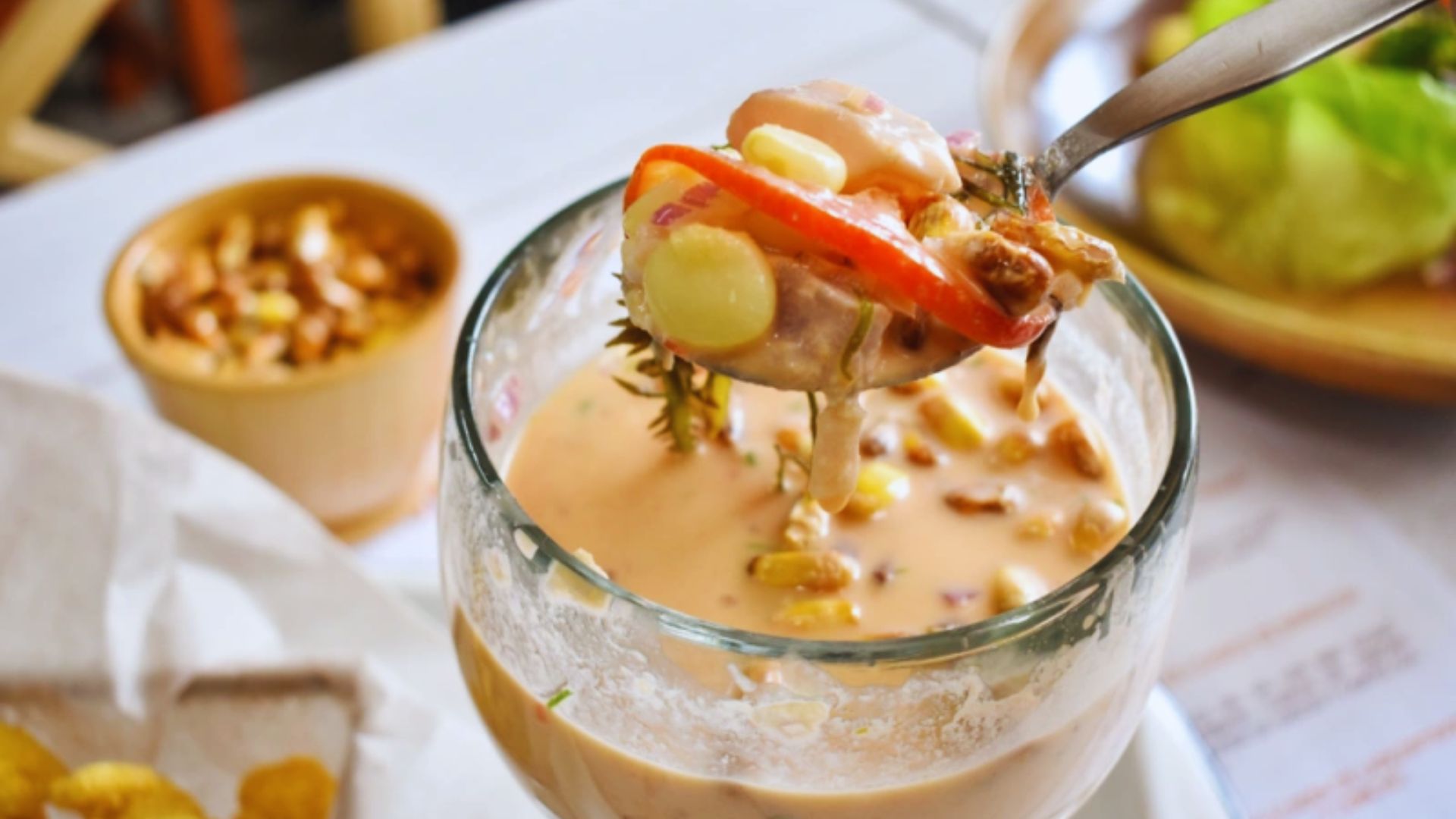
Leche de Tigre means “tiger’s milk.” It’s the marinade left over from ceviche, made with lime juice, fish broth, onion, chili, and cilantro.
Many Peruvians drink it straight as a hangover cure or a quick appetizer. It’s bold, spicy, and tart all at once. You’ll find it at ceviche restaurants in Lima.
It’s not for everyone. But if you want something truly local and daring, this is the one to try.
13. Cremolada
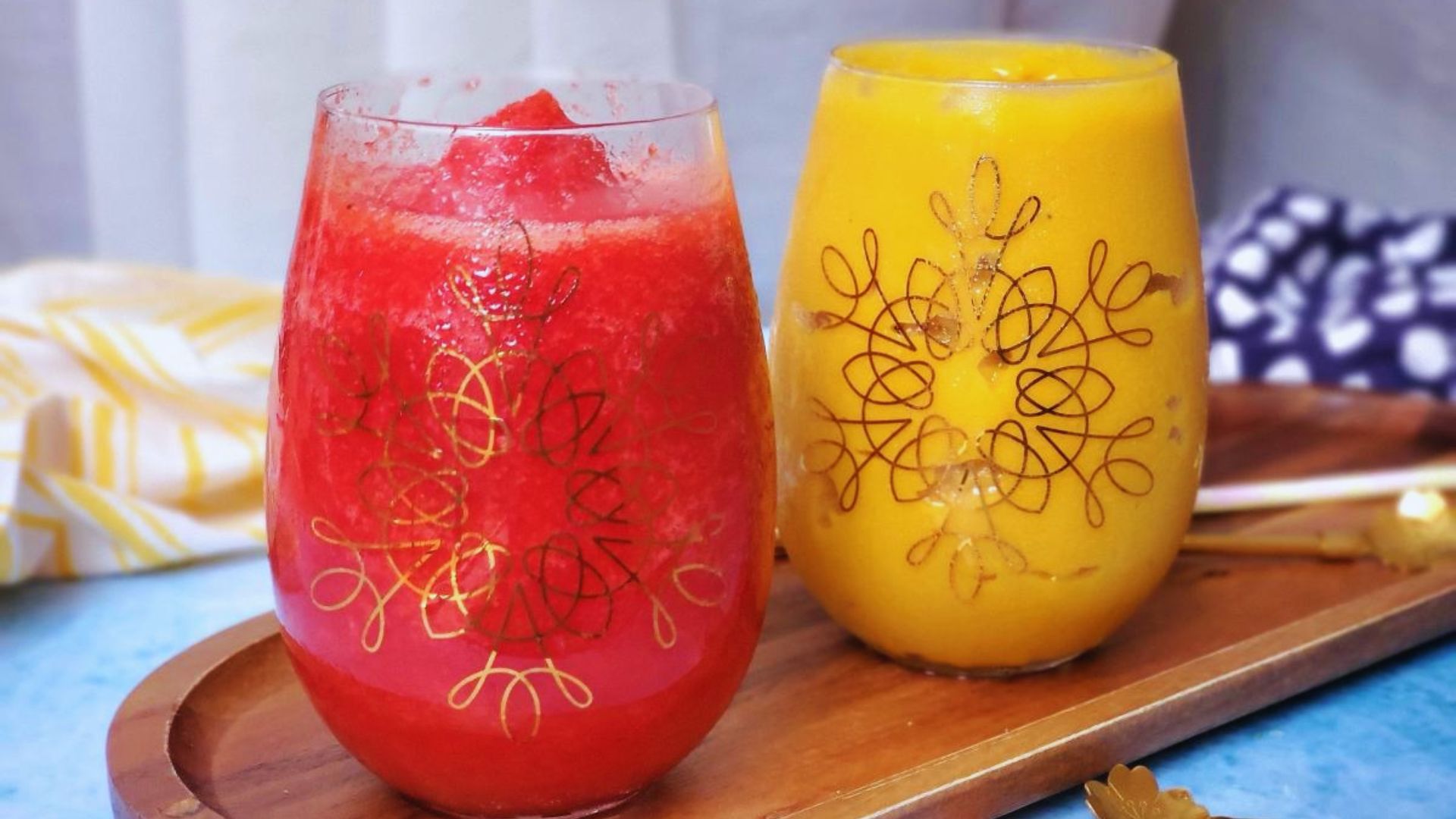
Cremolada is Peru’s take on shaved ice. Made with shaved ice and fruit syrup or fresh juice, it’s sold from carts and small shops on warm days.
Common flavors include maracuya (passion fruit), chicha morada, and other tropical fruits. It’s cold, sweet, and affordable. Kids and adults both love it.
On a hot afternoon along the coast or in Lima, a cremolada is a simple pleasure that’s hard to pass up.
14. Jugo Especial
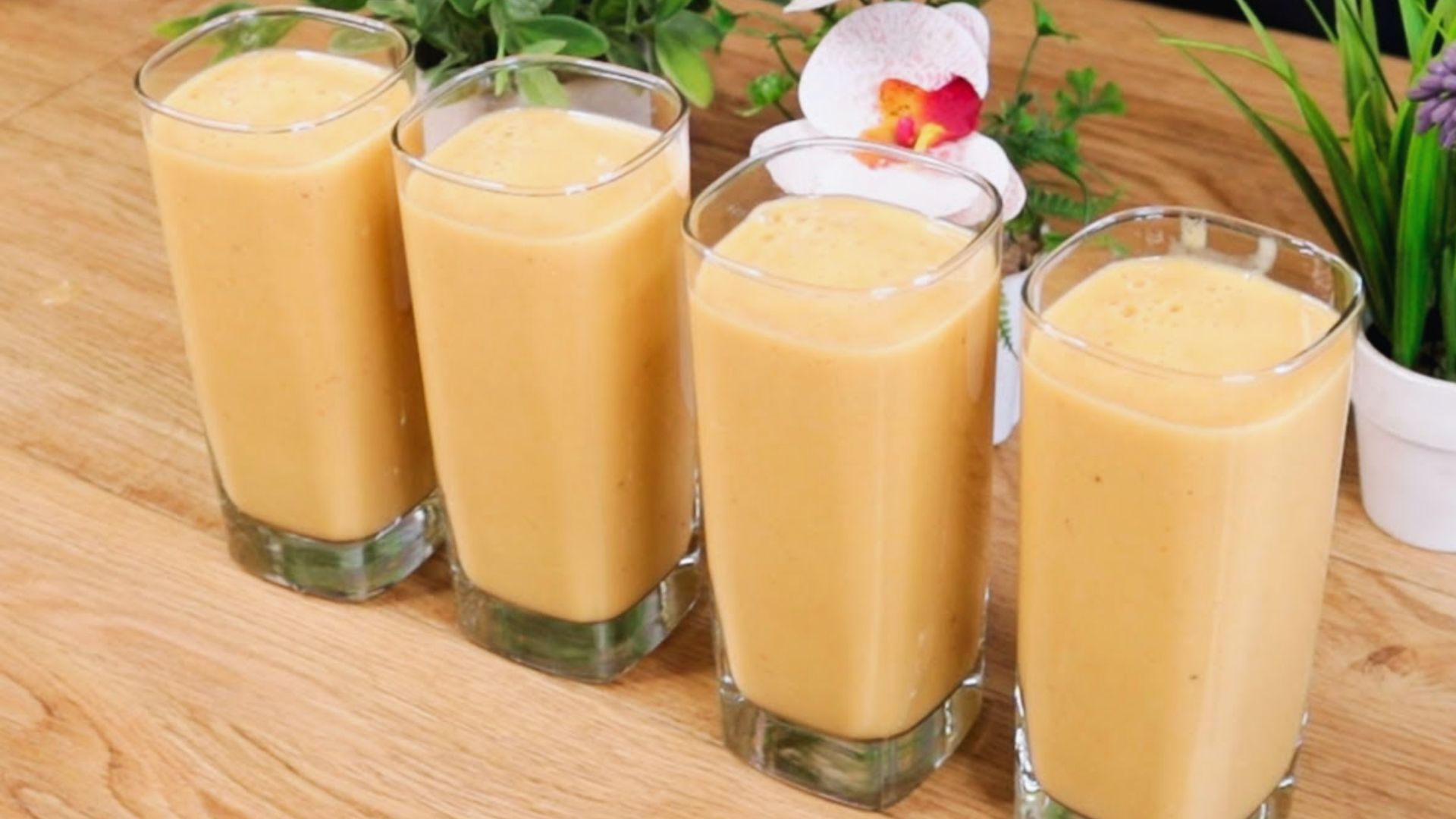
Jugo Especial means “special juice.” It’s a blended drink made from fresh fruit, milk, and sometimes eggs or honey. Every vendor and cafe has their own version.
Common fruits include papaya, banana, lucuma, and mango. It’s thick, filling, and nutritious. You’ll find it at juice bars and markets across Peru.
It’s a popular breakfast choice for locals. If you want something fresh and filling in the morning, this is it.
15. Fresh Peruvian Fruit Juices

Peru has access to hundreds of tropical fruits, many of which are hard to find anywhere else.
Fresh juices made from maracuya (passion fruit), granadilla, carambola, and camu camu are common at markets and juice bars. These juices are made to order with no additives.
They are bright, tart, and full of flavor. Trying them at a local market is one of the best ways to experience what Peruvian produce actually tastes like.
Tips for Trying Peruvian Drinks
Knowing where to look and what to ask for makes all the difference.
- Markets and Street Vendors: Head to Mercado Central in Lima for emoliente, cremoladas, and fresh juices at low prices.
- Restaurants and Bars: Miraflores and Barranco in Lima have great bars. Ask for the house specialty.
- Alcoholic vs Non-Alcoholic Options: Pisco-based drinks for adults, chicha morada and fresh juices for those who skip alcohol.
- Popular Tourist Picks: Pisco Sour, Cusqueña beer, and Inca Kola are easy to order anywhere.
- Local Favorites: Locals drink chicha morada at home, emoliente in the morning, and leche de tigre after a late night.
Start with what feels right for you, then work your way through the list.
Conclusion
Peru’s drink culture has stayed with me long after my trip ended. A glass of chicha morada or a well-made Pisco Sour carries centuries of history in it.
I hope this guide helps you order with confidence. Now it’s your turn.
Which Peruvian drink are you most excited to try? Drop a comment below and let me know.
If this was helpful, share it with a friend planning a trip to Peru.
Frequently Asked Questions
What is the most popular drink in Peru?
Pisco Sour is the most famous, but chicha morada is the most consumed everyday drink.
Is Pisco Sour an alcoholic drink?
Yes, it’s a strong cocktail made with Pisco, a grape-based brandy.
What non-alcoholic drinks should I try in Peru?
Chicha morada, Inca Kola, mate de coca, and fresh tropical fruit juices are great picks.
Where can I find authentic Peruvian drinks?
Local markets, street vendors, and traditional restaurants are your best bet.
Is mate de coca safe to drink?
Yes, it’s completely legal in Peru and widely recommended for altitude adjustment.
