


I have spent time researching Joshua Tree National Park, and I can tell you, it is one of those places that stays with you.
If you are planning a trip and wondering what to actually do there, you are in the right place.
In this blog, I will walk you through the 23 best things to do in Joshua Tree National Park, from easy trails to off-road drives and everything in between.
I have put this together to save you time and help you plan better.
Let’s get into it.
Why Visit Joshua Tree National Park
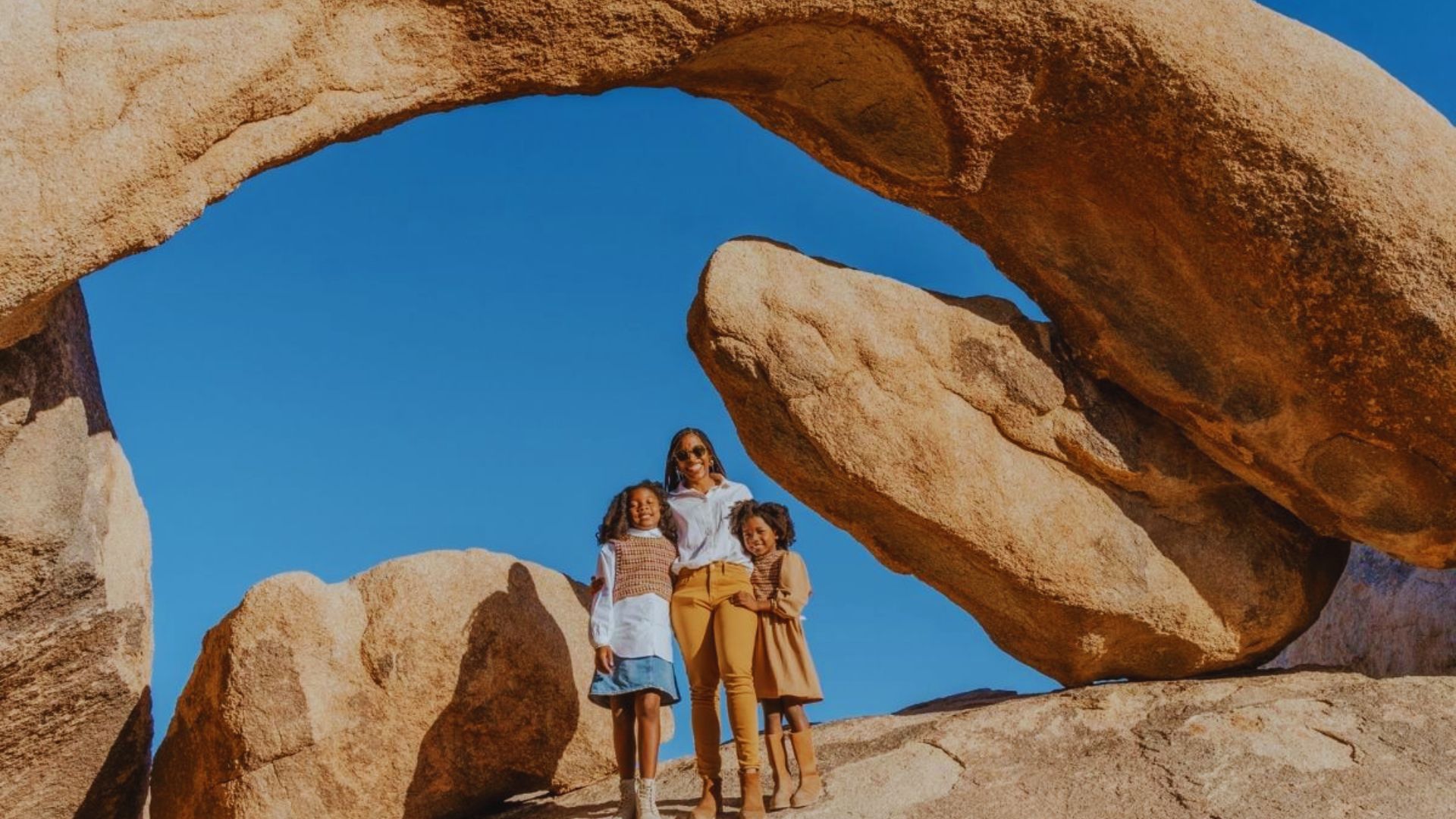
Joshua Tree National Park sits where two deserts meet, the Mojave and the Colorado. That makes it unlike most parks in the US.
You get massive rock formations, twisted Joshua trees, clear night skies, and over 8,000 climbing routes all in one place.
It is a park that works for everyone, from families on a road trip to serious hikers and climbers. The landscape feels raw and open, and that is exactly what makes it worth the trip.
23 Best Things to Do in Joshua Tree National Park
Here are the top experiences waiting for you at the park, covering everything from easy walks to full-day drives.
1. Join a Ranger Program
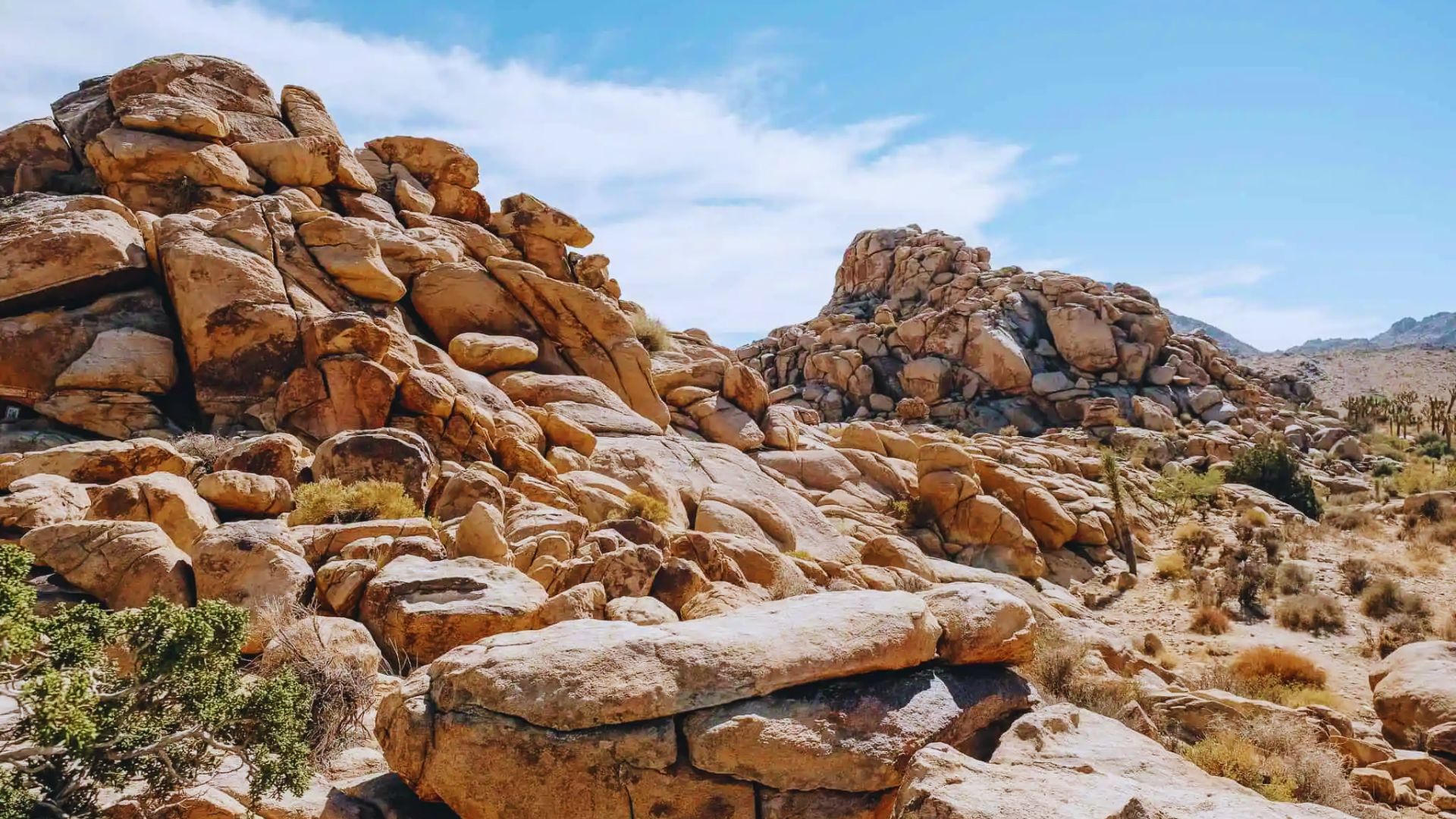
Rangers lead walks, talks, and evening programs throughout the park. You will learn about wildlife, geology, and desert history straight from the experts.
It is free, informative, and great for all ages.
2. Stargazing
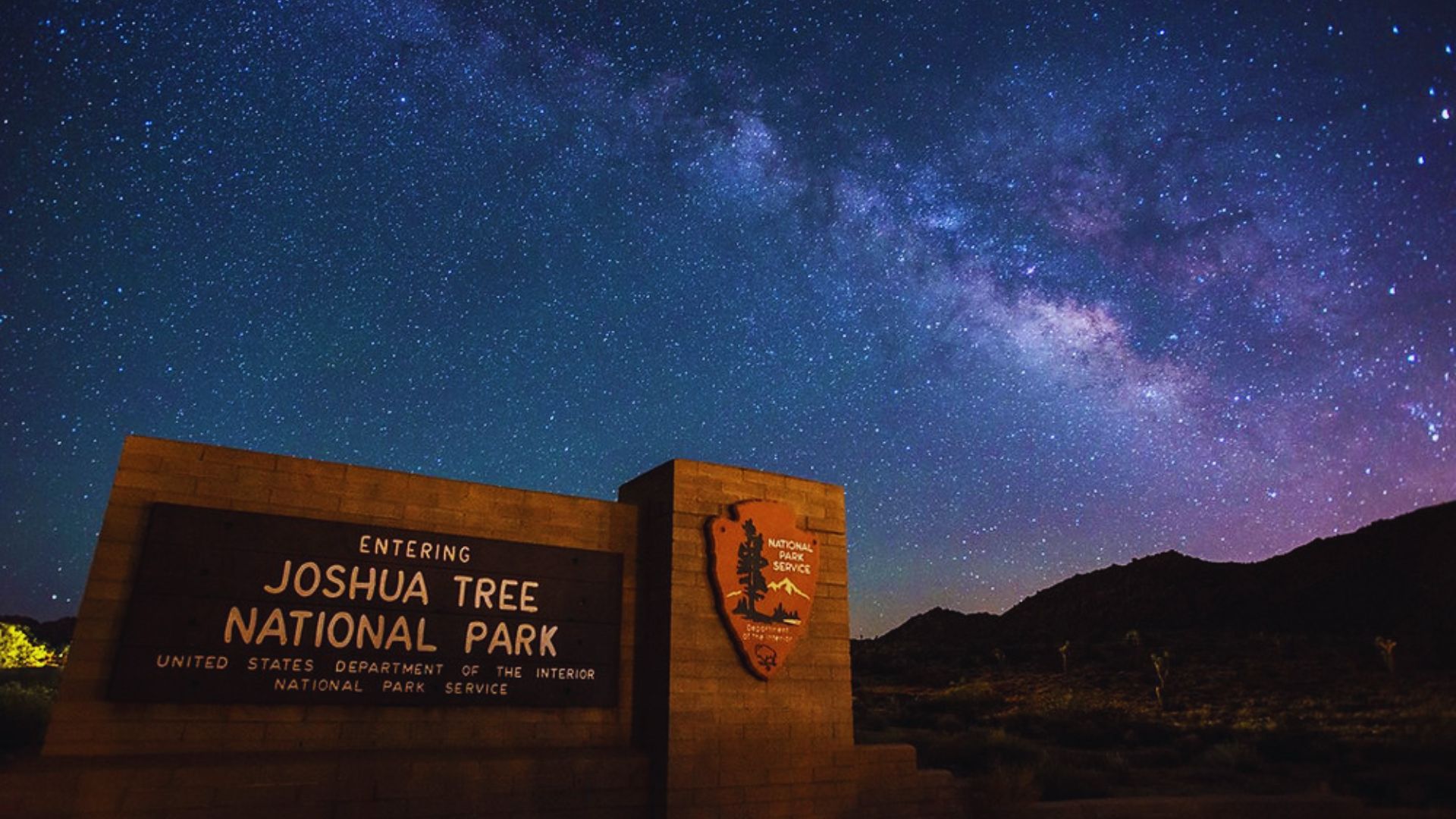
The night sky here is hard to beat. Bring warm layers and a red-light flashlight to protect your night vision.
Some ranger-led night programs are also available if you want a guided experience.
3. Drive Berdoo Canyon Road
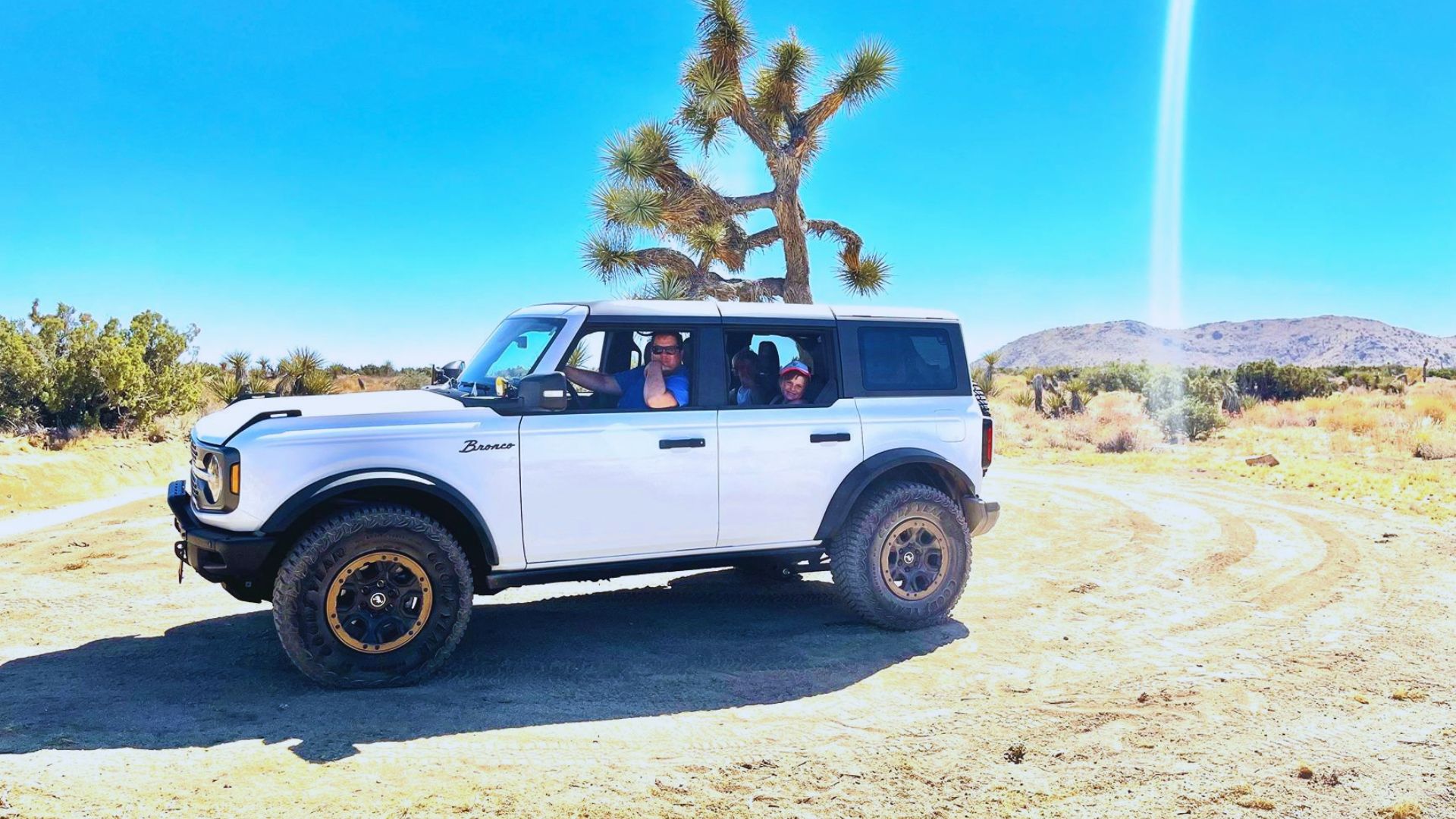
This is a 4WD, high-clearance road that links Geology Tour Road to Dillon Road. Along the way, you can spot the ruins of Berdoo Camp. It is rough terrain, so go prepared with the right vehicle.
4. Watch Rock Climbers at Hidden Valley Campground
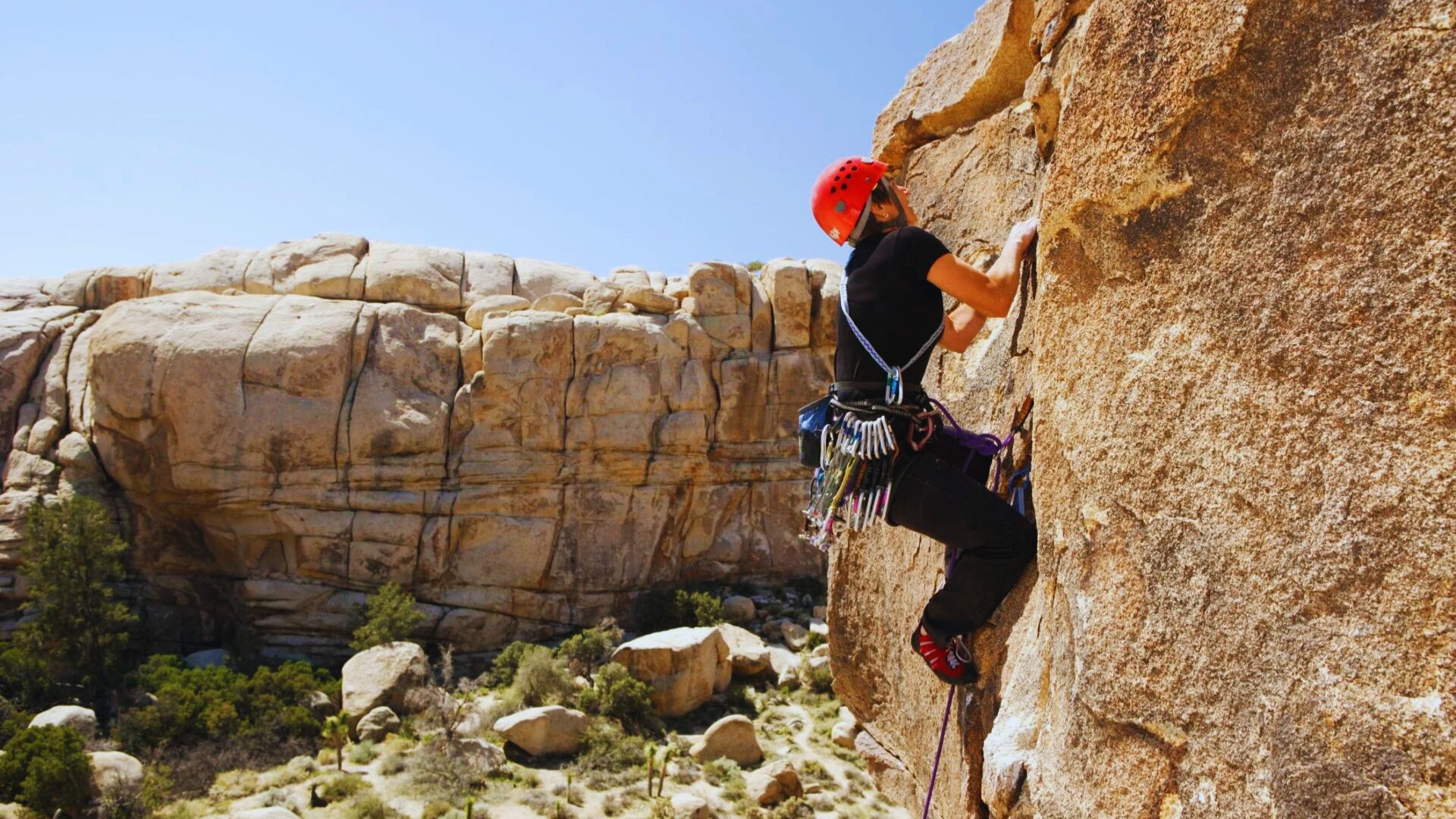
The picnic area here gives you a clear view of climbers on the rocks. It is a great spot to relax, eat lunch, and watch skilled climbers work the walls above you.
5. Walk the Cholla Cactus Garden Trail
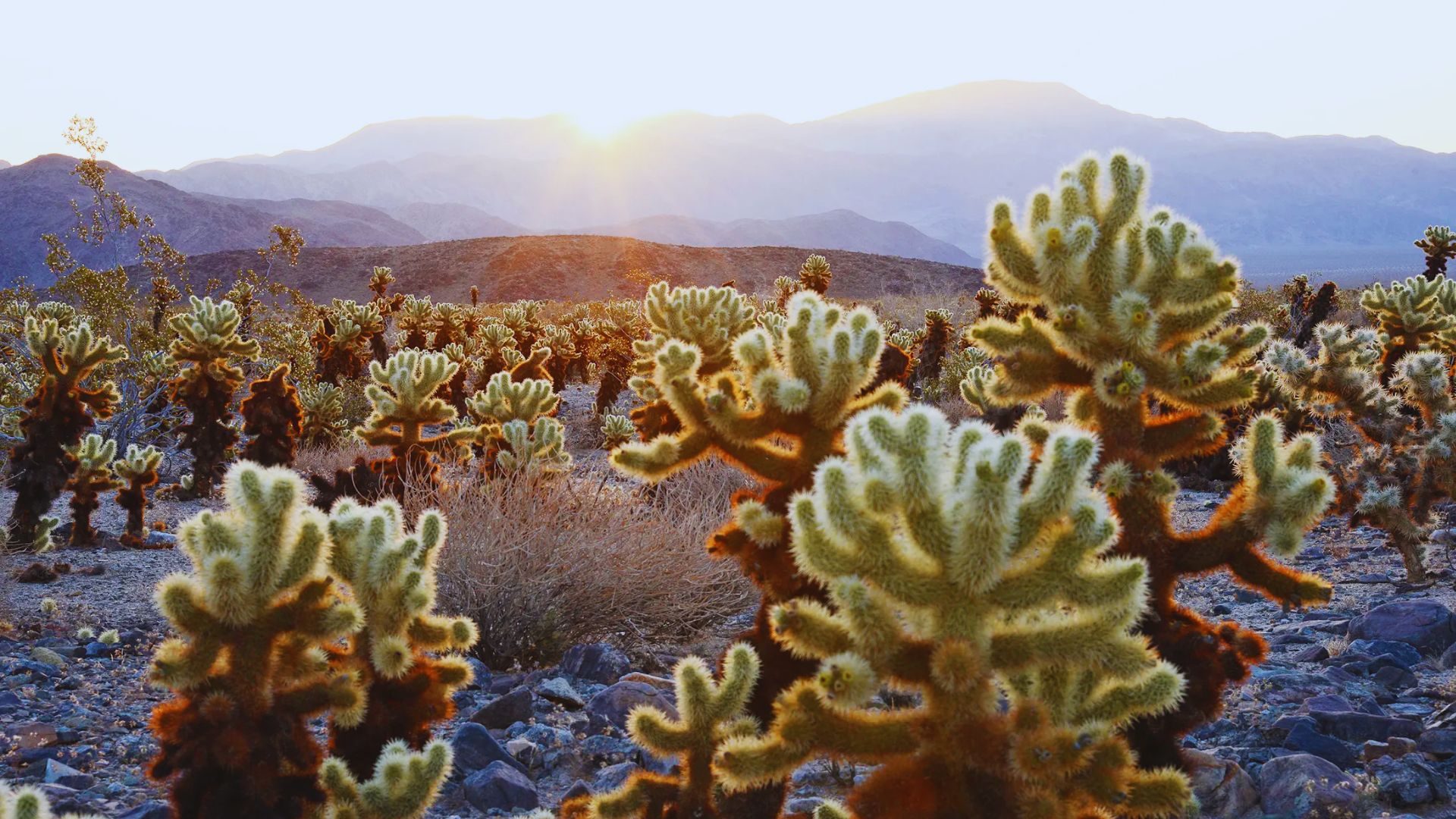
This is an easy 0.25-mile boardwalk through a dense field of cholla cactus. The views are impressive. Stay on the path, as those prickers attach quickly and hurt.
6. Bike the Park Roads
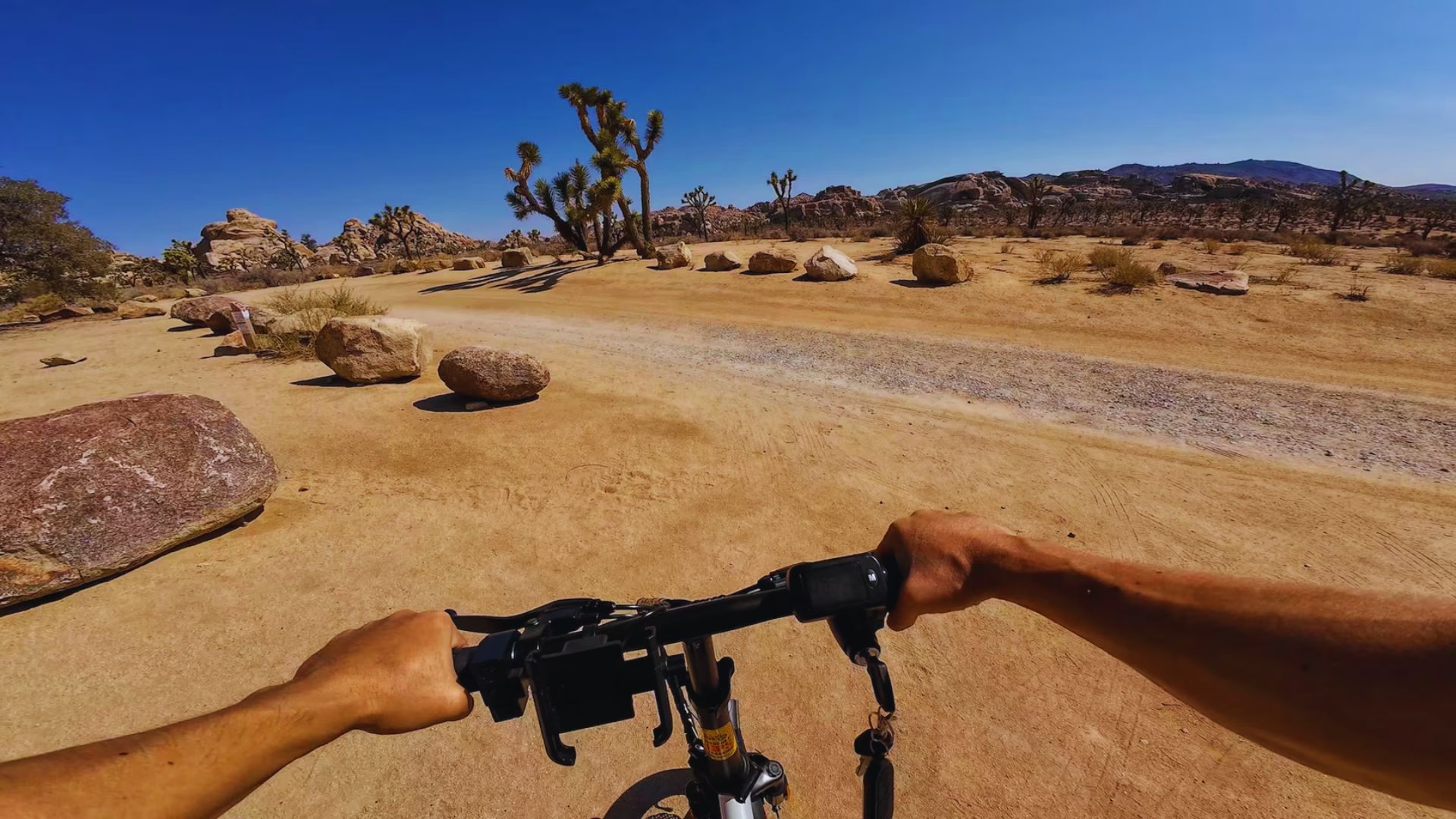
There are no dedicated bike trails, but the backcountry roads are open for cycling. Stick to established roads to keep the desert ecosystem intact. It is a peaceful way to see the park at your own pace.
7. Drive Black Eagle Mine Road
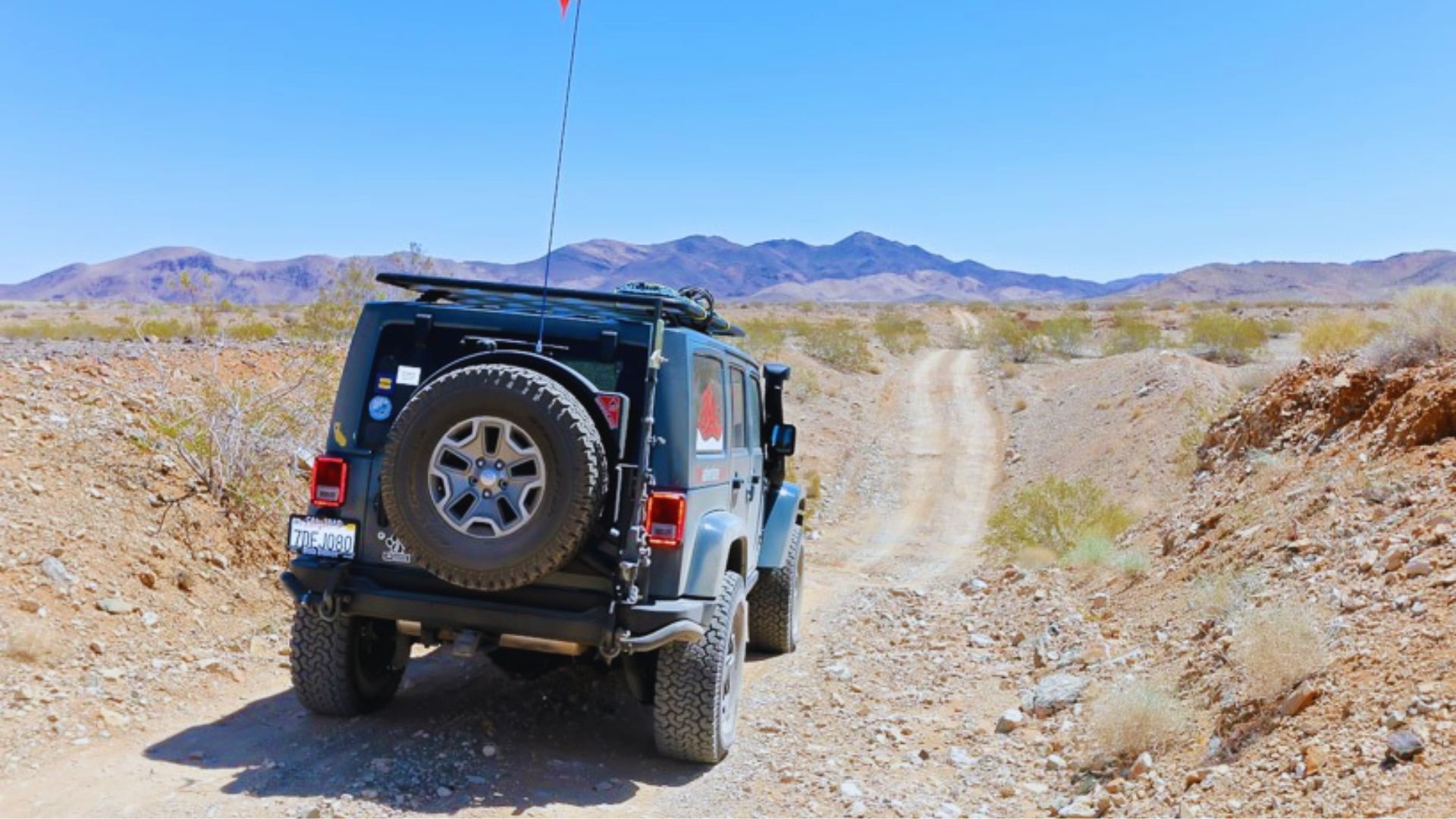
This dead-end dirt road starts near the Cottonwood Visitor Center. It leads to old mines worth exploring, but go carefully and never enter abandoned mine shafts alone or without proper gear.
8. Birding
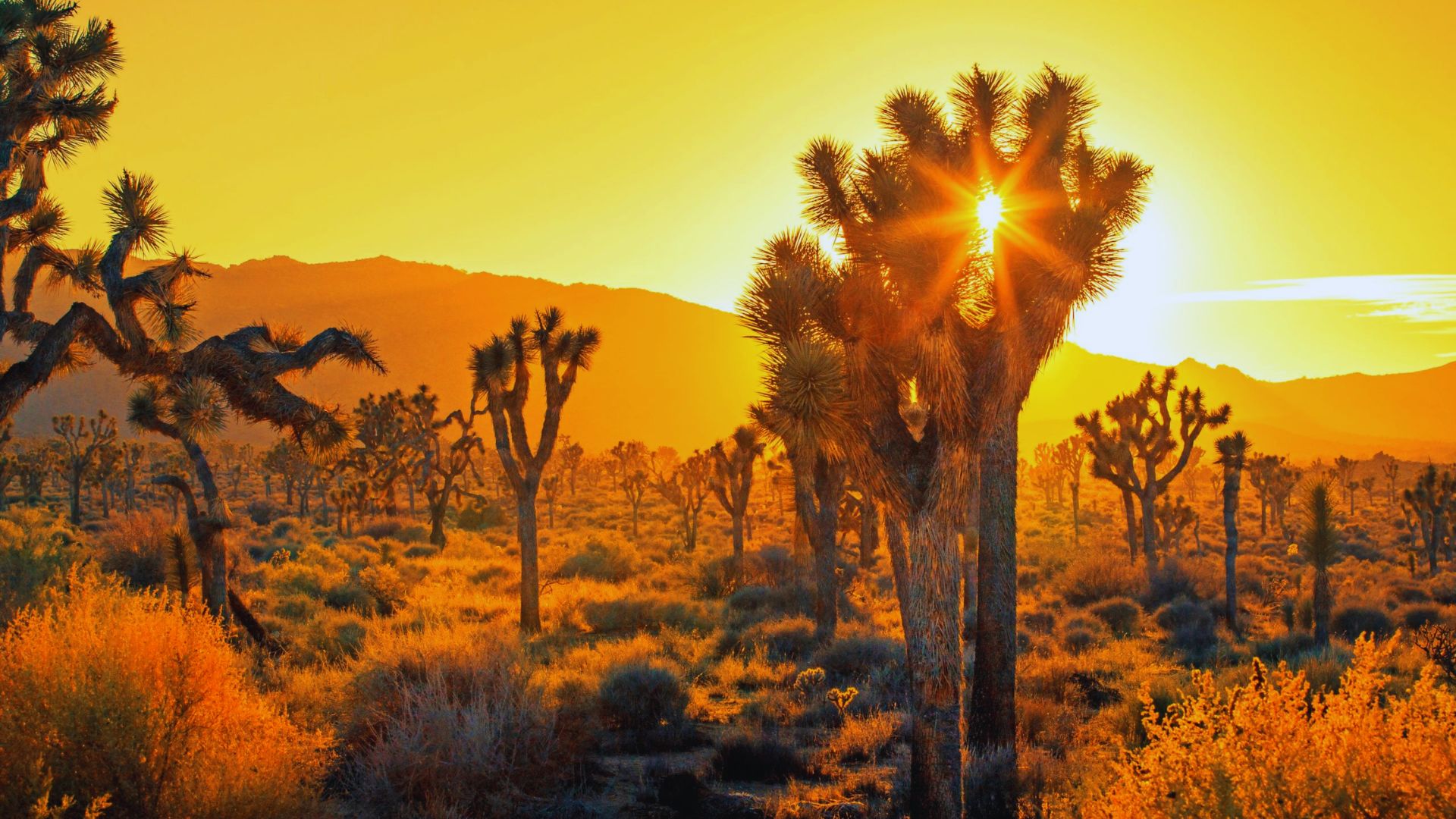
The oases and water spots in the park attract both resident and migratory birds. Keep an eye out for the Roadrunner, American Kestrel, and Western Bluebird. Bring binoculars for the best views.
9. Rock Climbing
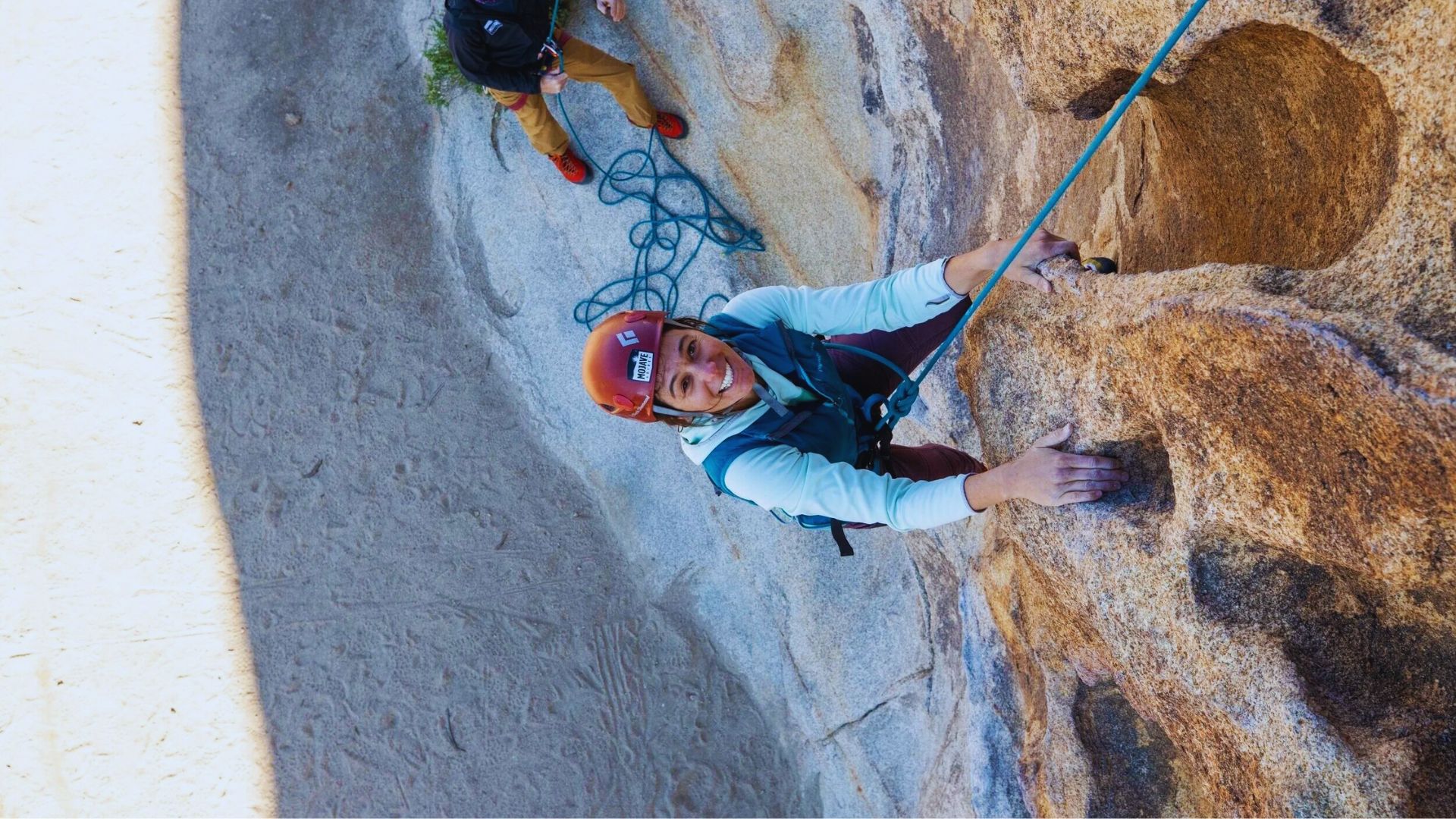
With over 8,000 routes and 2,000 boulder problems, this park is a climber’s dream. If you are new to it, guided classes are available. You do not need experience to get started here.
10. Drive the Geology Tour Road
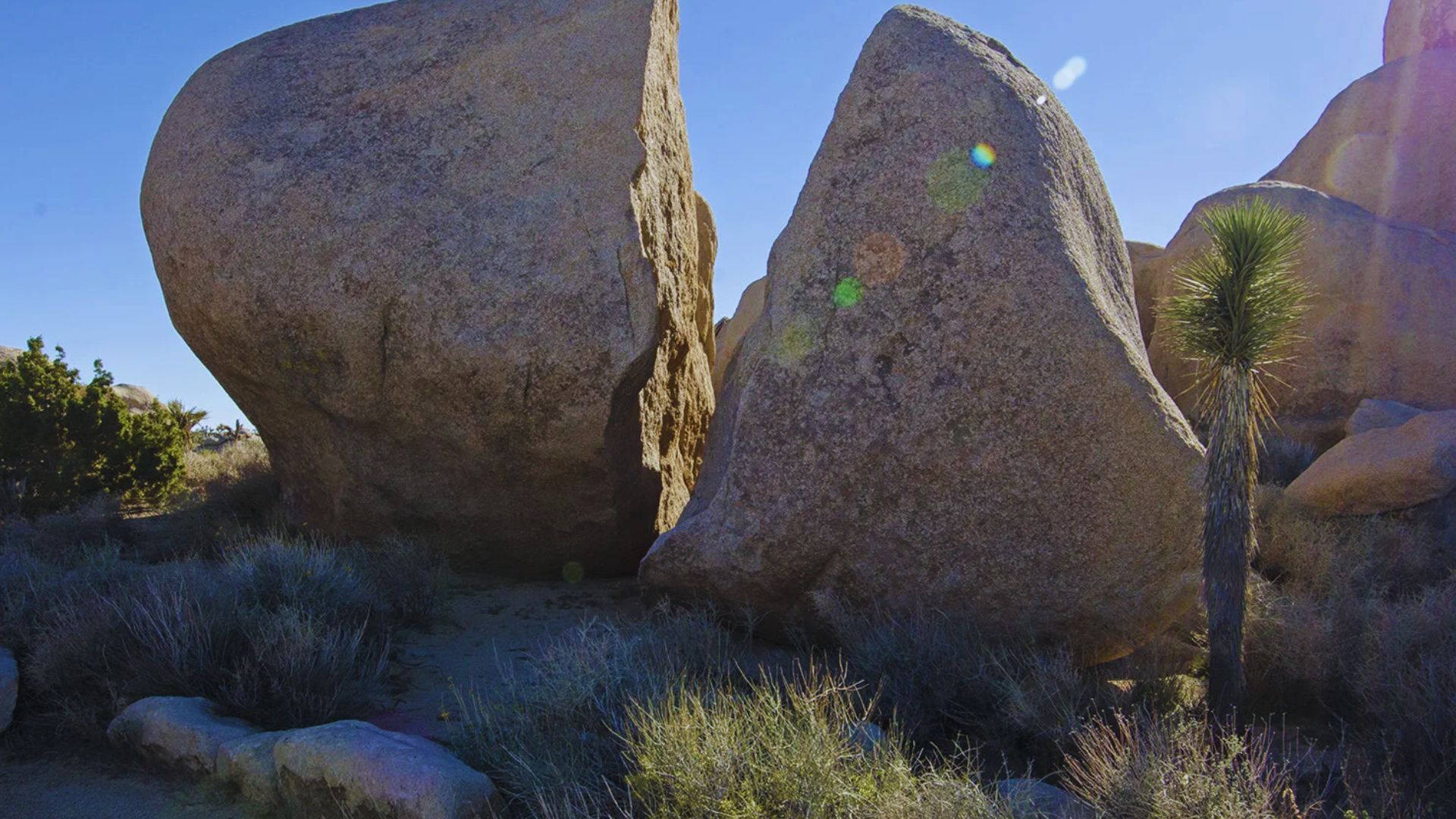
This road starts near Jumbo Rocks Campground and includes a 5.4-mile downhill section with a 6-mile loop. The geological features along the way are worth stopping for frequently.
11. Hike the Hidden Valley Loop Trail
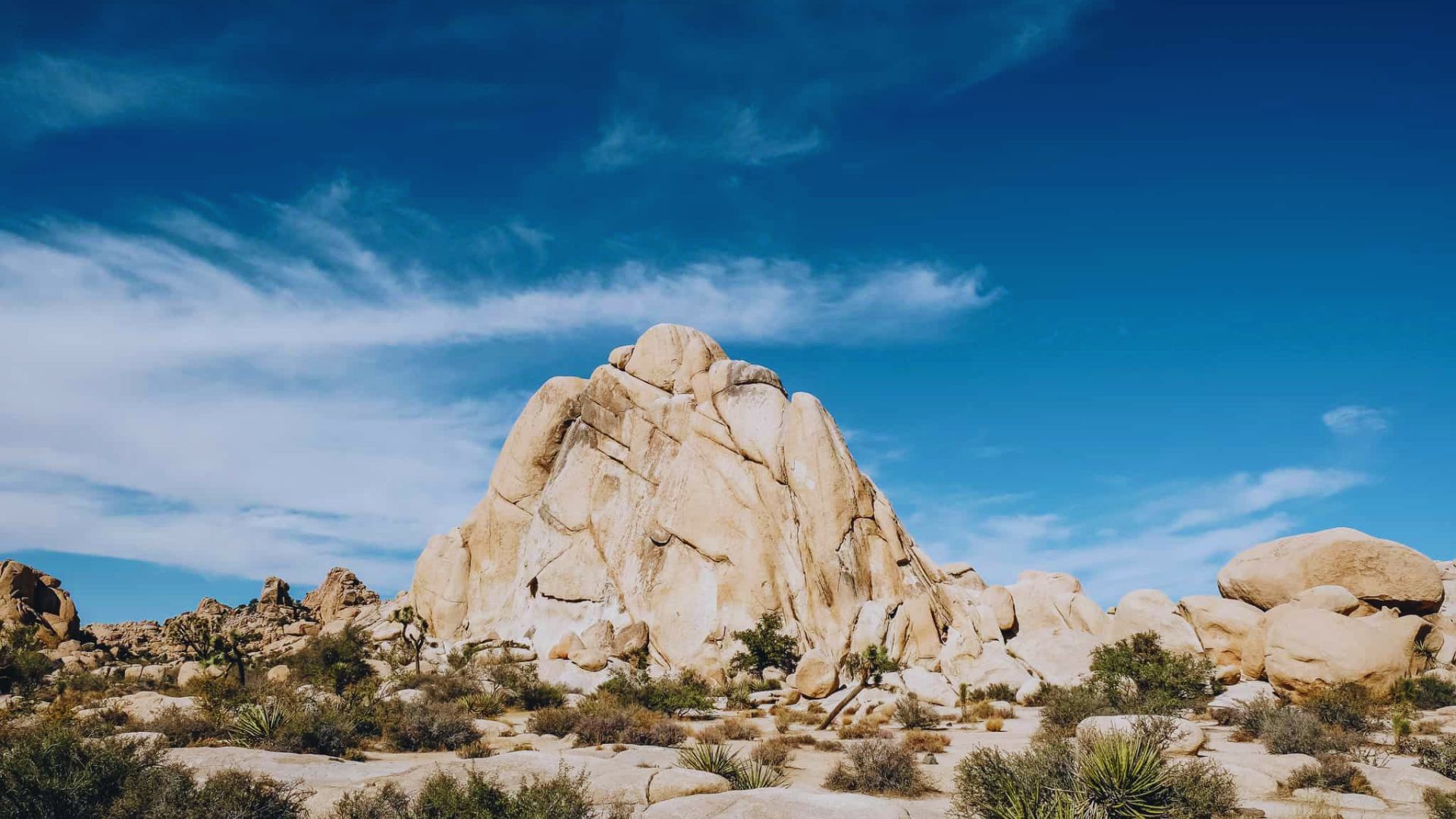
This is a 1-mile loop with just 100 feet of elevation gain. The trail passes through a rock-enclosed valley that was once used by cattle rustlers. It is easy, short, and full of character.
12. Drive Covington Flat
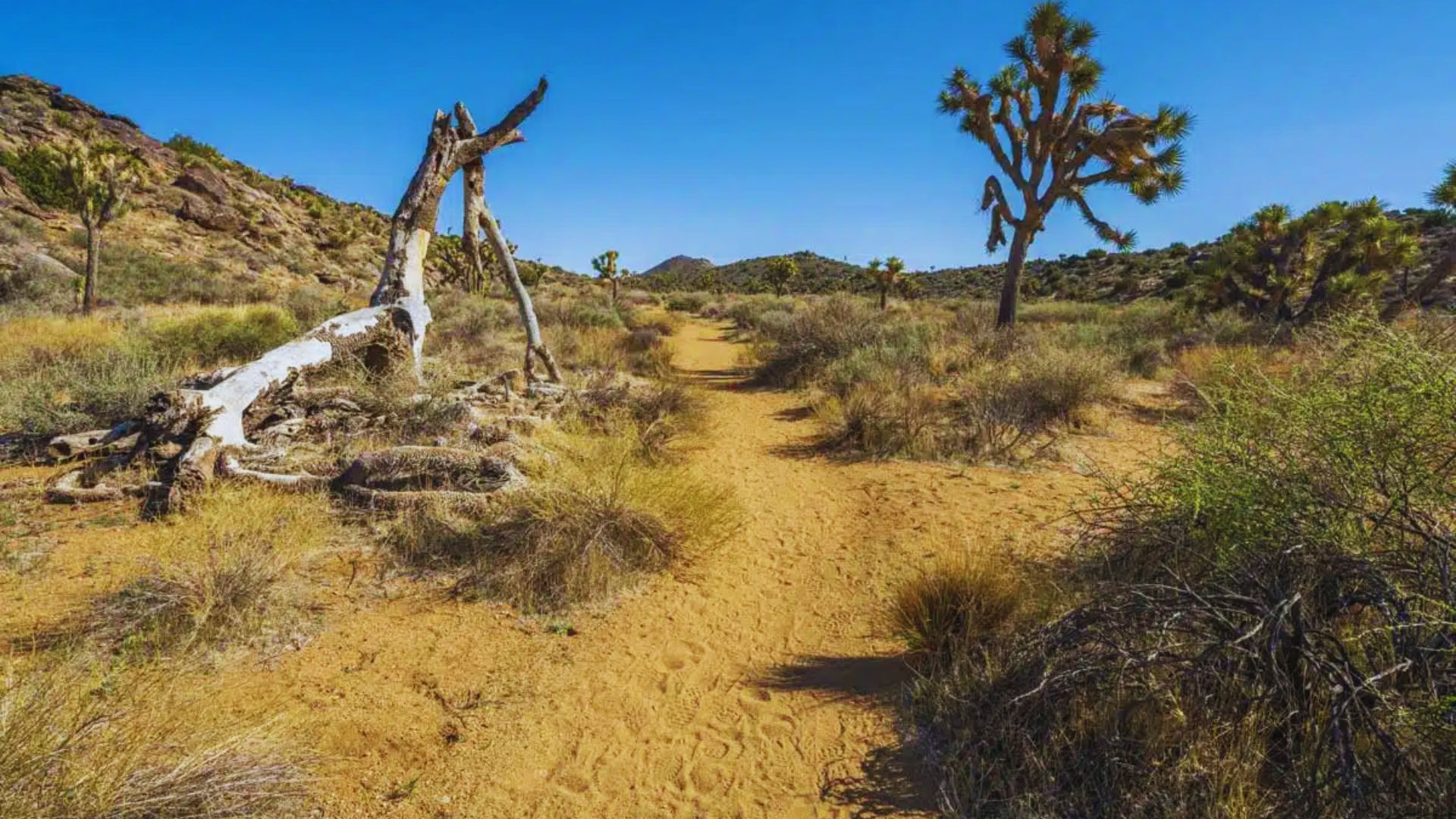
This drive takes you through large Joshua trees, juniper, and pinyon pines. From certain points, you get sweeping views of Palm Springs and the surrounding mountain ranges.
A great option for a scenic detour.
13. Stop at Skull Rock
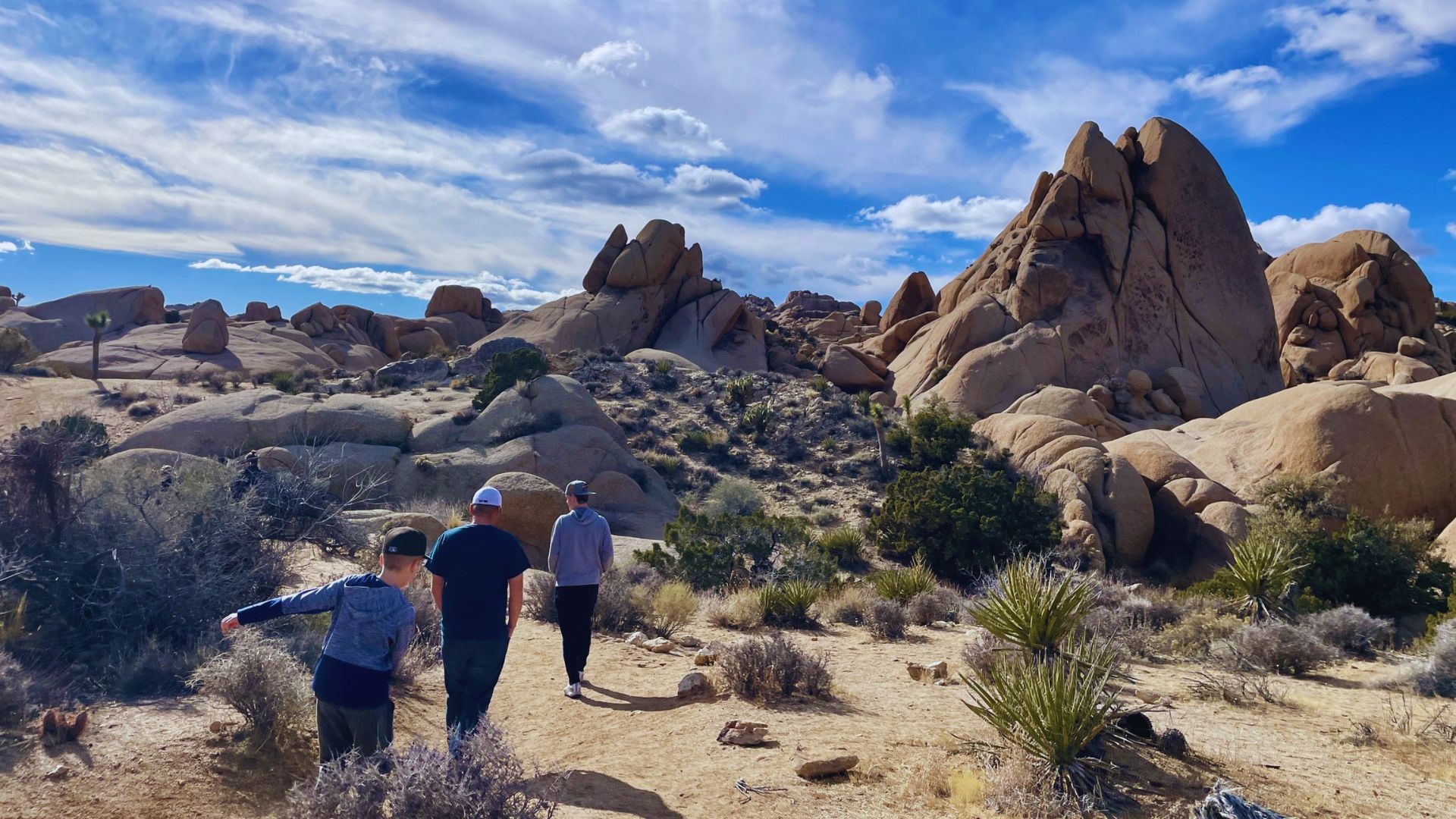
This roadside rock is shaped exactly like a skull, and it is one of the most photographed spots in the park. Pull over, take your photo, and move on.
It is quick, easy, and worth the stop.
14. Walk the Oasis of Mara Trail
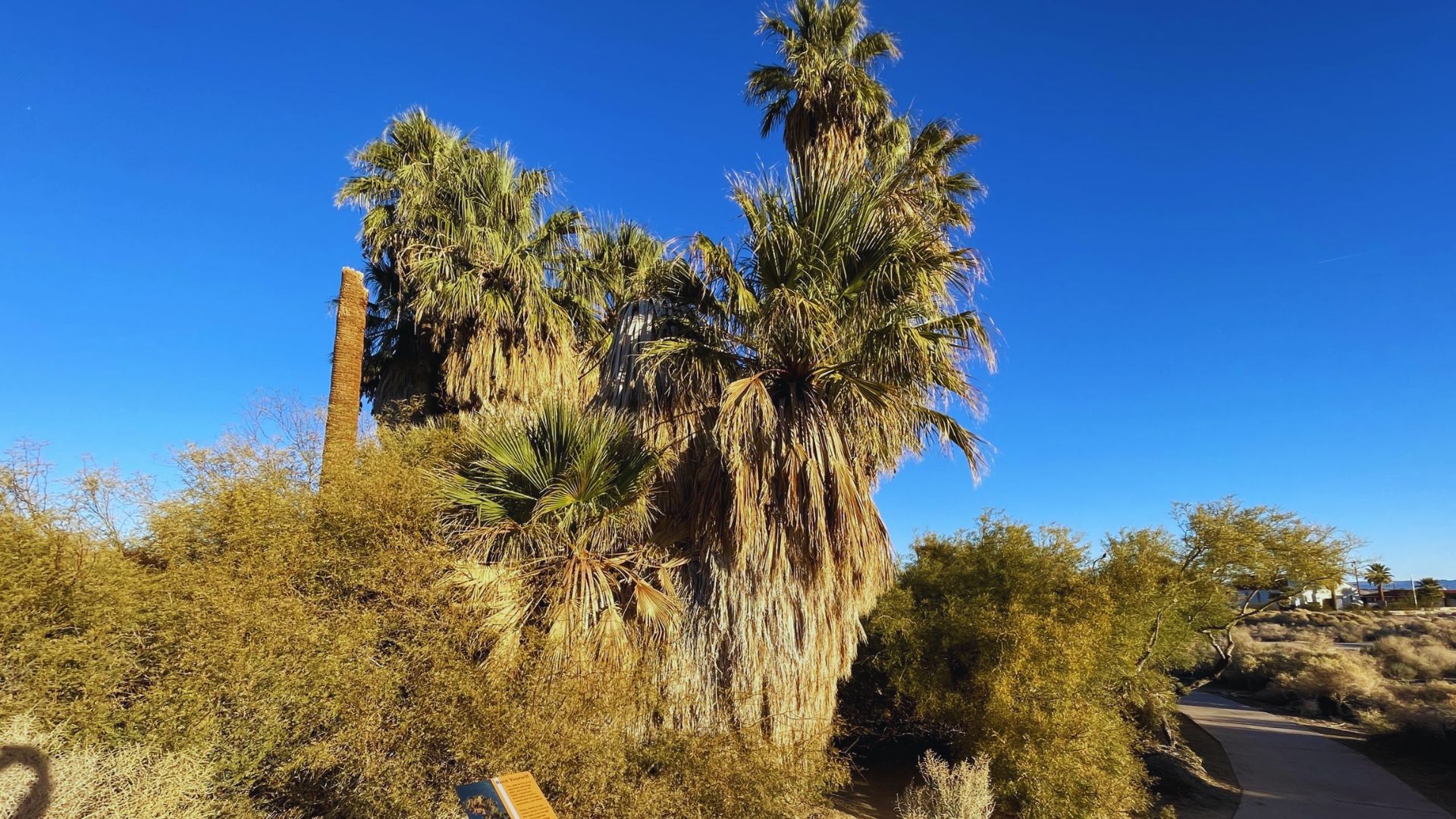
This 0.5-mile loop has very little elevation change. It tells the story of both human and wildlife history in the area.
It is calm, flat, and great for a short break between drives.
15. Walk the Discovery Trail at Skull Rock
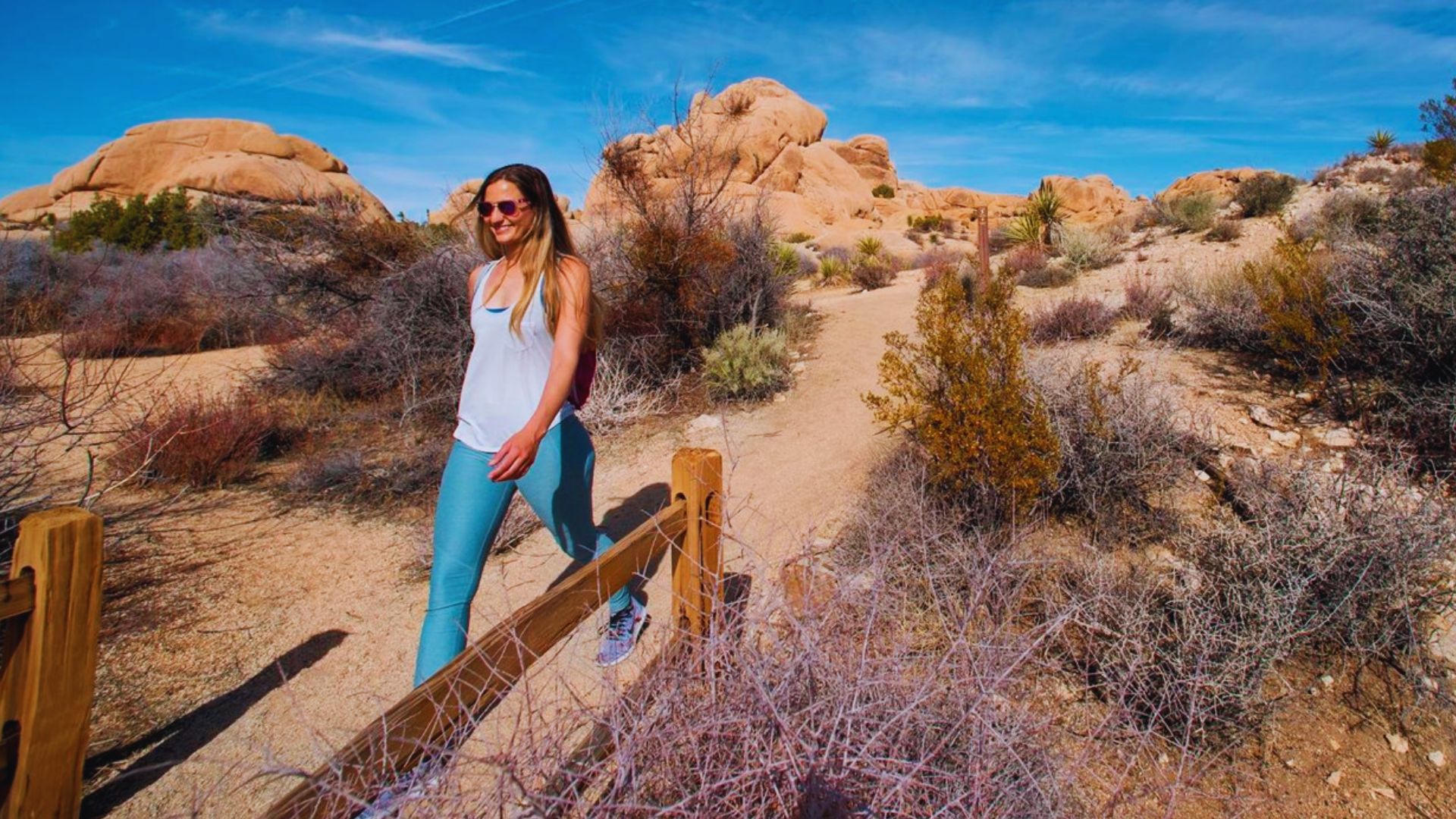
This 0.7-mile loop connects Skull Rock to the Split Rock Trail. It is a good option if you want to stretch your legs while you are already stopping at Skull Rock.
Easy walking, good scenery.
16. Drive Old Dale Road
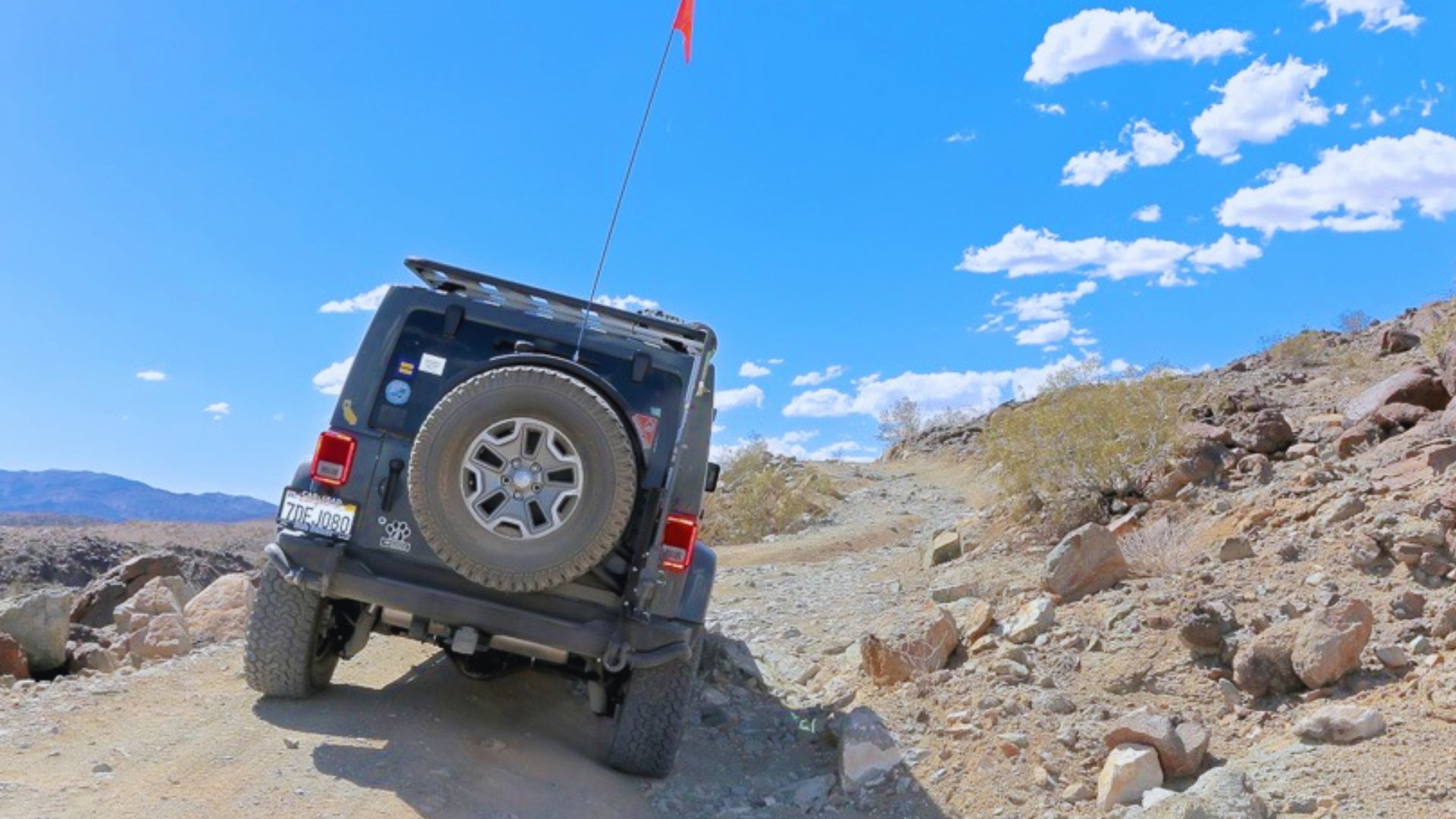
This 23-mile dirt road offers wide-open views and passes several old mines. It connects to Highway 62 east of Twentynine Palms.
A longer drive, but the isolation and scenery make it worthwhile.
17. Go Horseback Riding
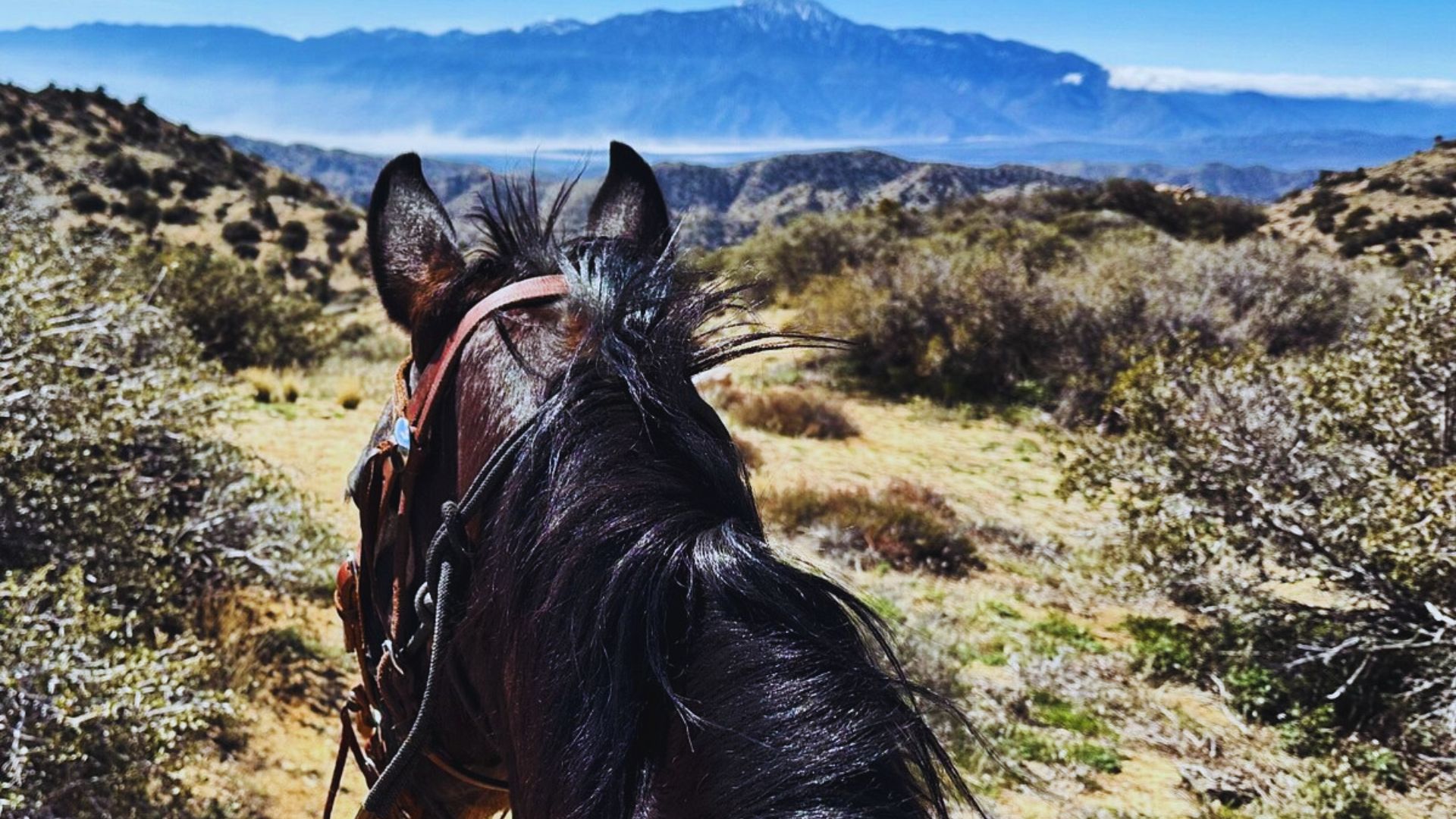
Knob Hill Ranch is the only outfitter offering trail riding tours in the area. The park itself has 253 miles of riding trails if you bring your own horse.
It is a slower, quieter way to see the land.
18. Drive the Queen Valley Roads
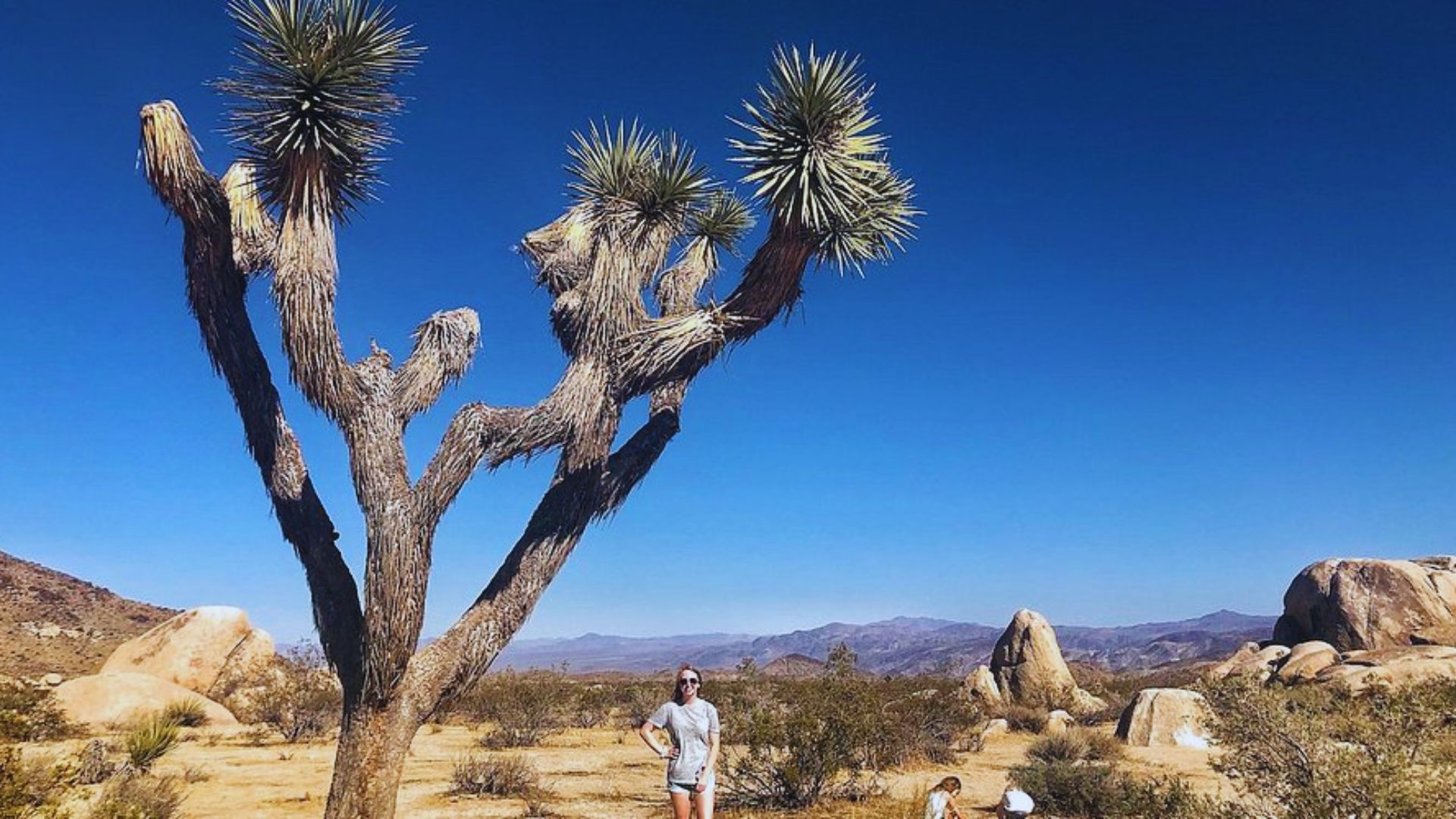
This 3.4-mile road network winds through boulder piles and stands of Joshua trees. Bike racks are available along the route, making it easy to park and ride sections.
Good for both drivers and cyclists.
19. Drive Pinkham Canyon–Thermal Canyon Roads
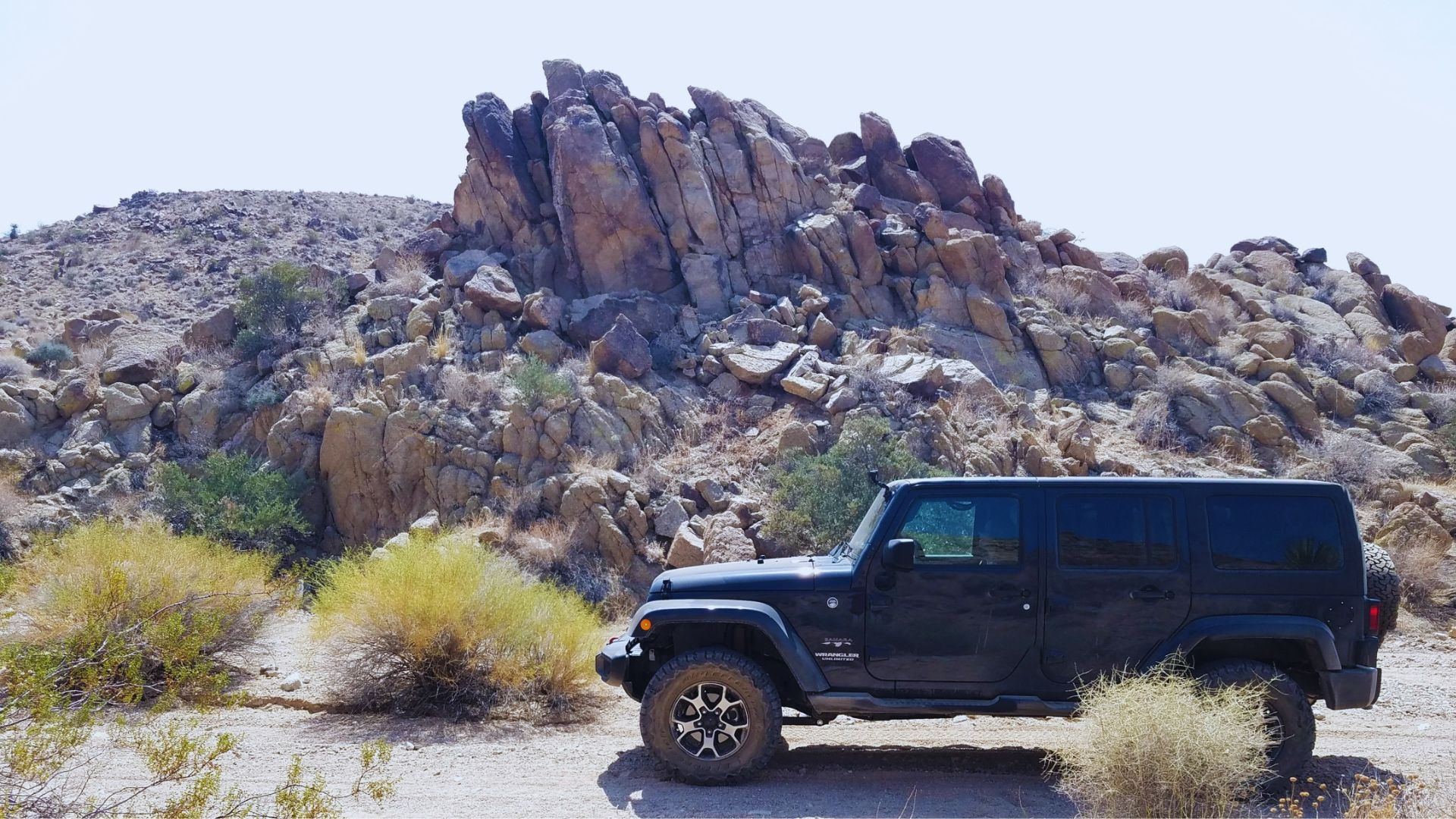
This is a 20-mile route designed for experienced 4WD drivers only. Expect soft sand, rocky flood plains, and challenging conditions.
Do not attempt this without the right vehicle and solid off-road experience.
20. Enjoy Wildflowers in Bloom
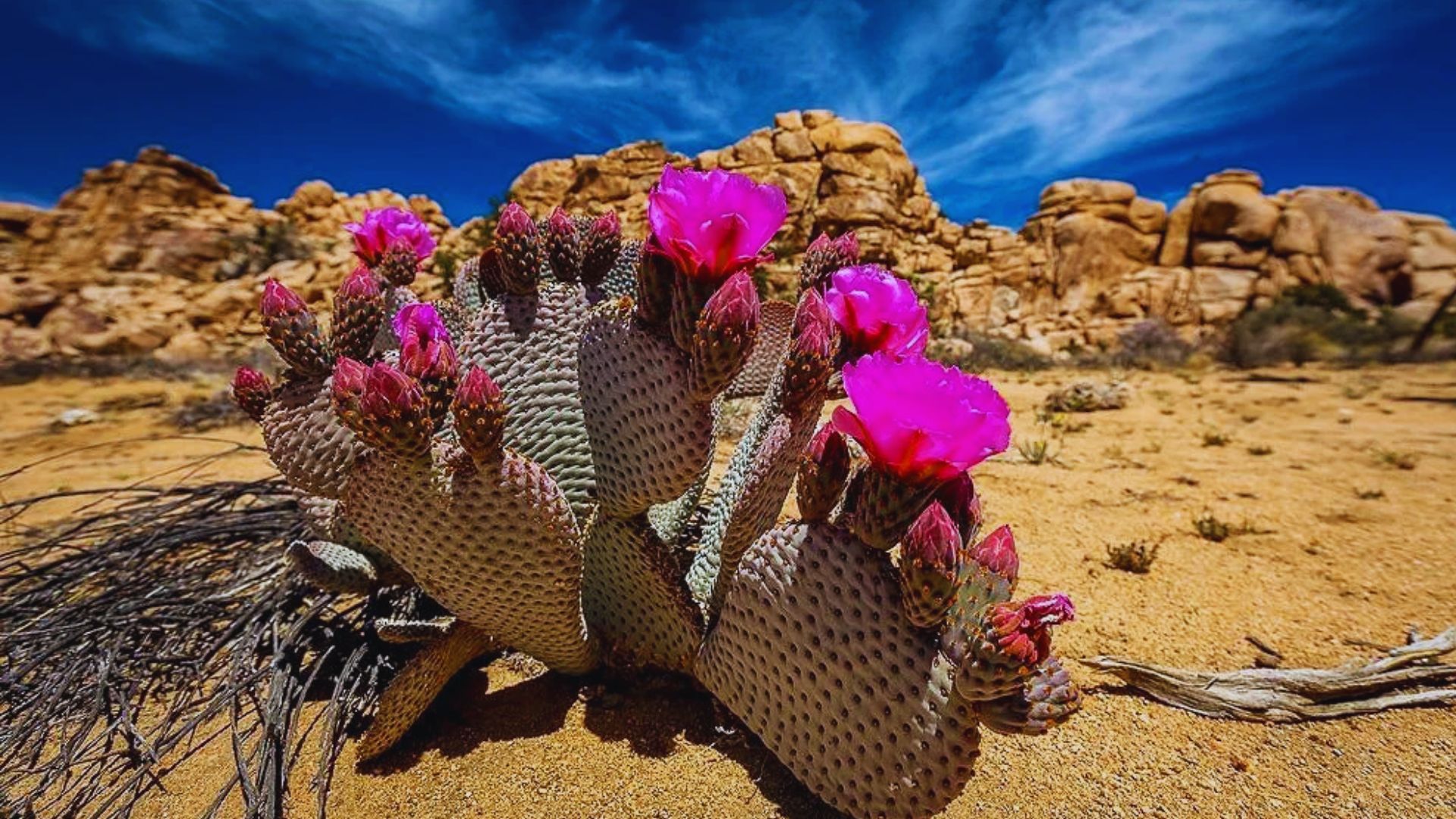
From late February through June, the desert floor can fill with color depending on winter rainfall. It is weather-dependent, but when it happens, it is one of the most memorable sights in the park.
21. Visit the Jumbo Rocks Area
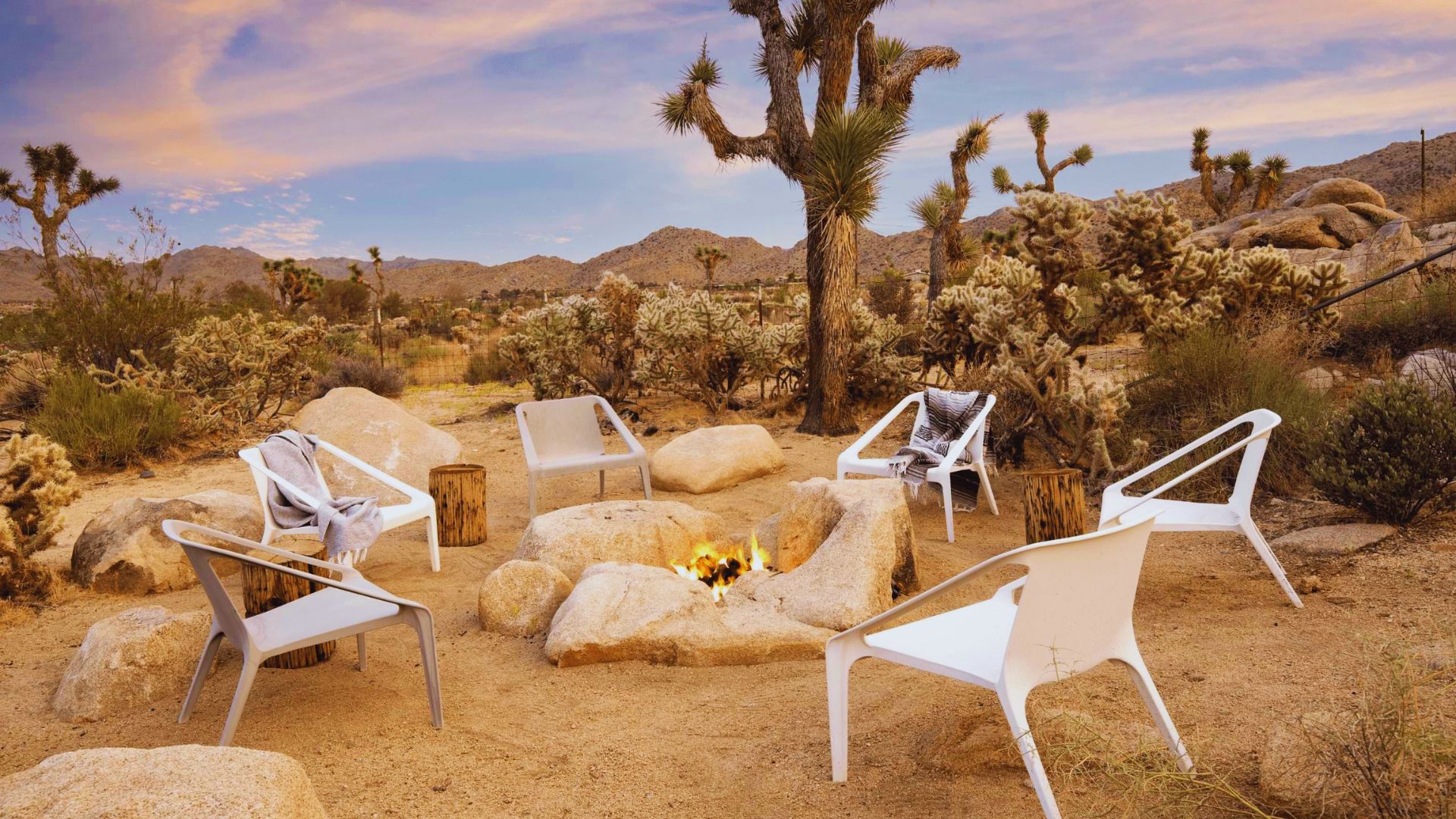
The rock formations here are massive and iconic. It is a great spot for short walks, photography, and just sitting among the boulders.
Many visitors spend a couple of hours here without even planning to.
22. Explore Keys View
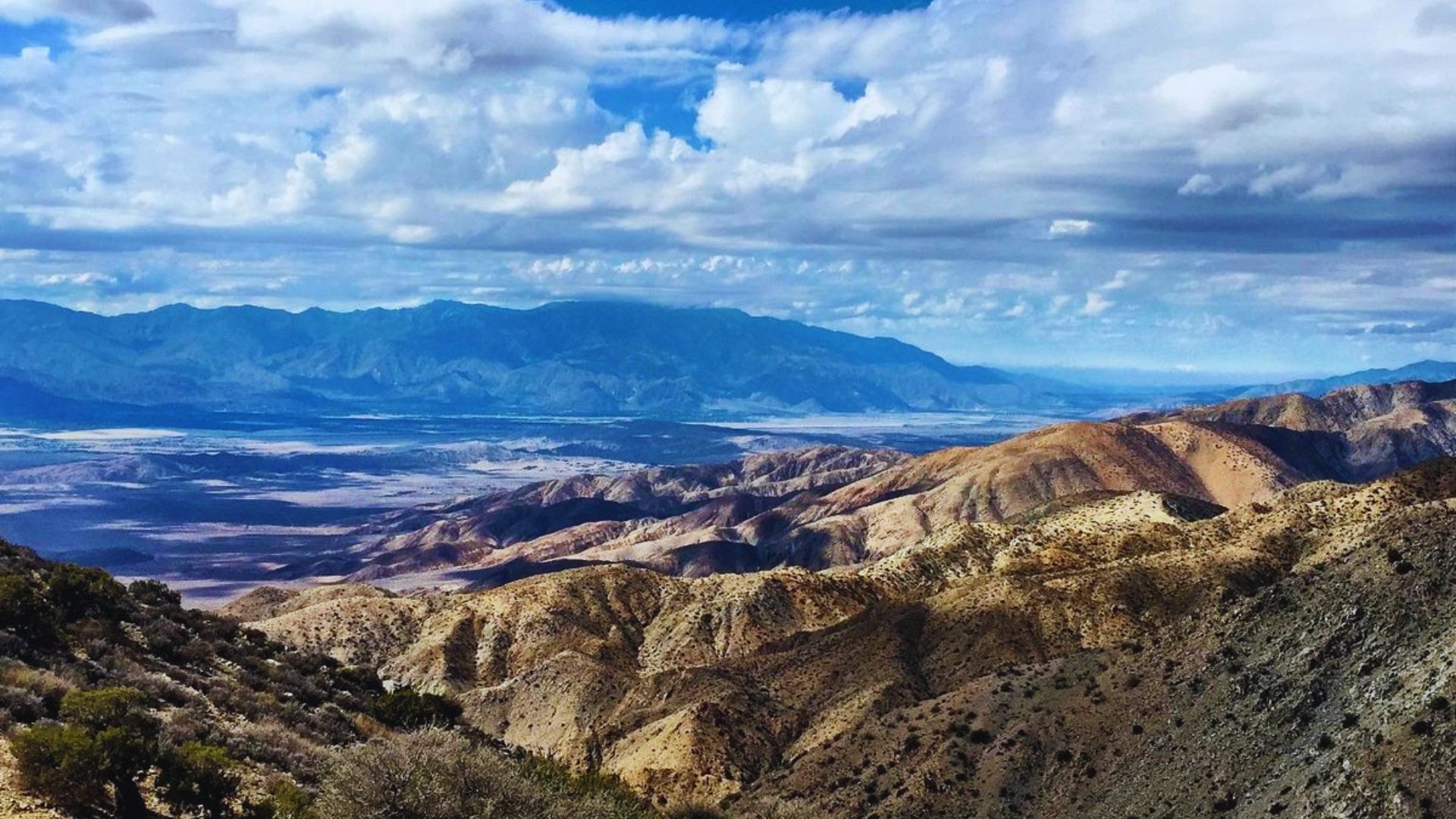
From the parking lot, a short walk takes you to a panoramic overlook of the Coachella Valley and the San Andreas Fault.
It is one of the easiest viewpoints in the park to access and one of the most impressive.
23. Hike Ryan Mountain
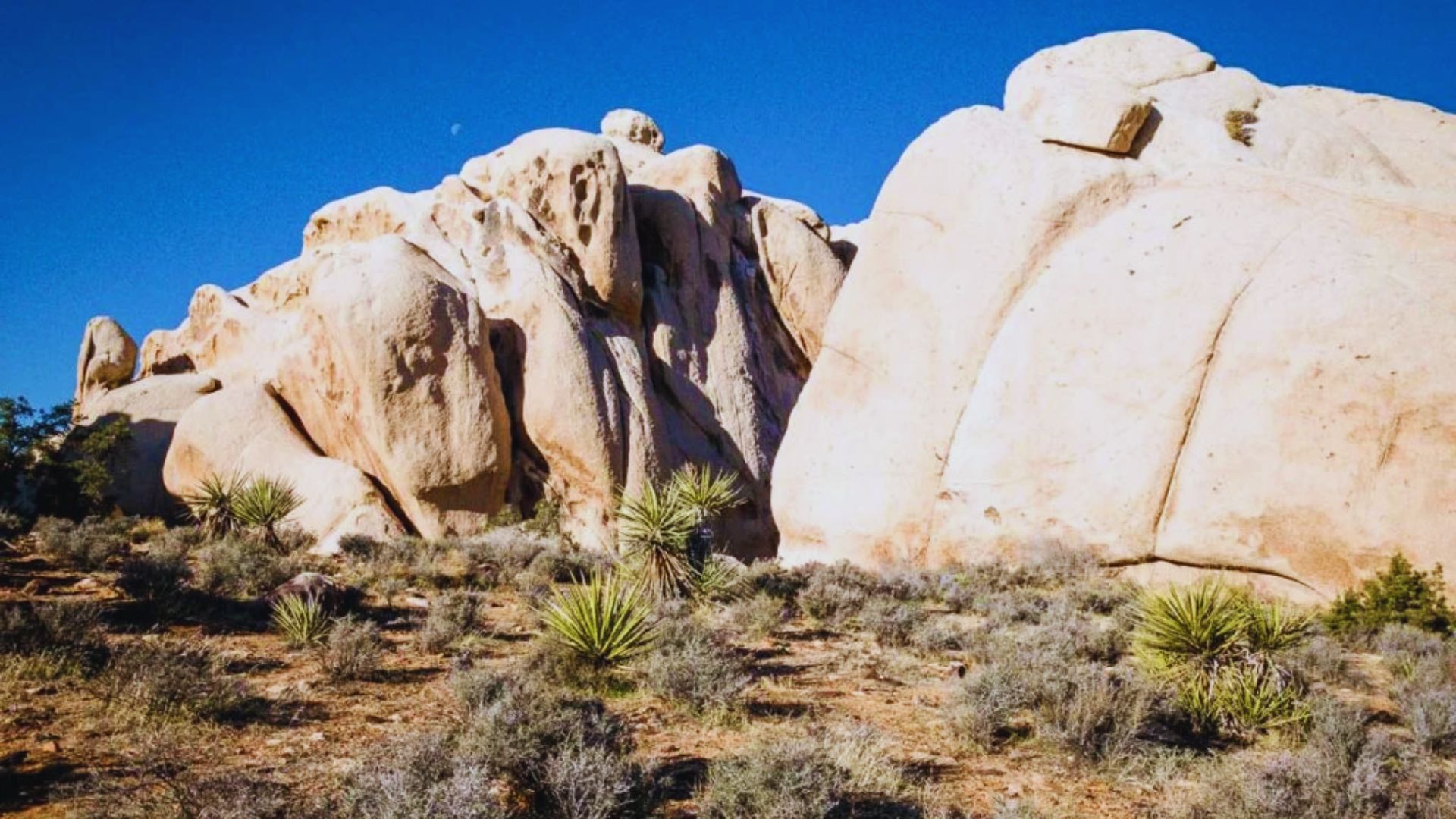
Ryan Mountain is considered a short, moderate hike. At the top, you get wide views of the desert floor and surrounding mountain ranges.
It is a solid option if you want one proper hike without it taking your whole day.
Tips for Visiting Joshua Tree
A few practical things that will make your visit smoother and more enjoyable.
- Bring more water than you think you need. The desert heat is serious, and there are very few water sources inside the park.
- Start early in the day. Mornings are cooler, trails are quieter, and the light is better for photos.
- Fill up your gas tank before entering. There are no gas stations inside the park, and the nearest ones can be a long drive away.
- Check road conditions before driving dirt roads. Some routes require 4WD or high clearance, and conditions change after rain.
- Download offline maps before you go. Cell service inside the park is limited or nonexistent in many areas.
Conclusion
Joshua Tree is one of those parks that surprises you. I went in expecting rocks and sand, and came out thinking about the night sky for weeks.
If you are still figuring out your itinerary, I hope this list helped narrow things down. Start with what excites you most and build from there.
You do not need to do it all in one trip.
Have a favourite activity from this list? Drop it in the comments below. I would love to hear what you are planning.
Frequently Asked Questions
How many days do you need at Joshua Tree National Park?
Two to three days is ideal for most visitors. It gives you enough time to cover the main sites, do a few hikes, and still catch the night sky without rushing.
Is Joshua Tree National Park worth visiting?
Yes, it is worth it. The rock formations, desert landscape, and stargazing make it a place that stands out from other national parks. It works well for many types of visitors.
What is the best time of year to visit Joshua Tree?
October through April offers the most comfortable temperatures. Summer can get extremely hot, sometimes over 100°F, making outdoor activities difficult during midday hours.
Can beginners go rock climbing at Joshua Tree?
Yes. Guided classes are available for people with no experience. The park has routes for all skill levels, so beginners can learn safely with the right instruction.
Is there cell service inside Joshua Tree National Park?
Cell service is very limited inside the park. It is a good idea to download offline maps and save important information before you enter, so you are not left without navigation.
