


I’ve helped plan countless Southeast Asia trips, but Vietnam is the one that keeps surprising people, and honestly, it surprised me too.
It’s not just one destination, it’s a chain of completely different worlds stitched together.
The challenge isn’t whether to go, it’s figuring out where to go without wasting time. That’s exactly why I put this guide together.
If you’re trying to map out the best cities to visit in Vietnam and want a route that actually flows, you’re about to see what most travelers miss.
Why Vietnam is Perfect for a Multi-City Trip
Vietnam is long and narrow, which actually works in your favor as a traveler.
The country stretches over 1,600 kilometers from north to south, but getting between cities is straightforward with trains, sleeper buses, and cheap domestic flights.
The cultural shift as you move through the country is real. The north feels older and more reserved.
Central Vietnam is steeped in royal history. The south is faster, louder, and more modern. Each region feels like a different country.
For trip length, 10 to 14 days is the minimum to cover the main stops without feeling rushed. Two to three weeks gives you room to slow down and actually absorb each place.
Transportation is affordable and reliable. The Reunification Express train connects major cities along the coast.
Budget airlines like VietJet and Bamboo Airways make long stretches quick and cheap.
Best Cities to Visit in Vietnam (Detailed Guide + Itinerary Planning)
Vietnam has more good cities than most travelers realize. Here’s a detailed look at each one so you can decide what fits your travel style and timeline.
1. Hanoi: The Cultural Capital

Hanoi’s Old Quarter is a grid of narrow streets, each historically dedicated to a specific trade. It’s chaotic, loud, and completely absorbing. Give yourself two full days here at minimum.
Street food is a core part of the Hanoi experience. Bun cha, banh mi, and egg coffee are the starting points. Most of the best stalls are on small side streets, not the main tourist drag.
Key attractions include Hoan Kiem Lake, the Temple of Literature, the Ho Chi Minh Mausoleum, and the Vietnam Museum of Ethnology. Two days covers these comfortably with time left for wandering.
2. Ho Chi Minh City: Modern Energy Meets History

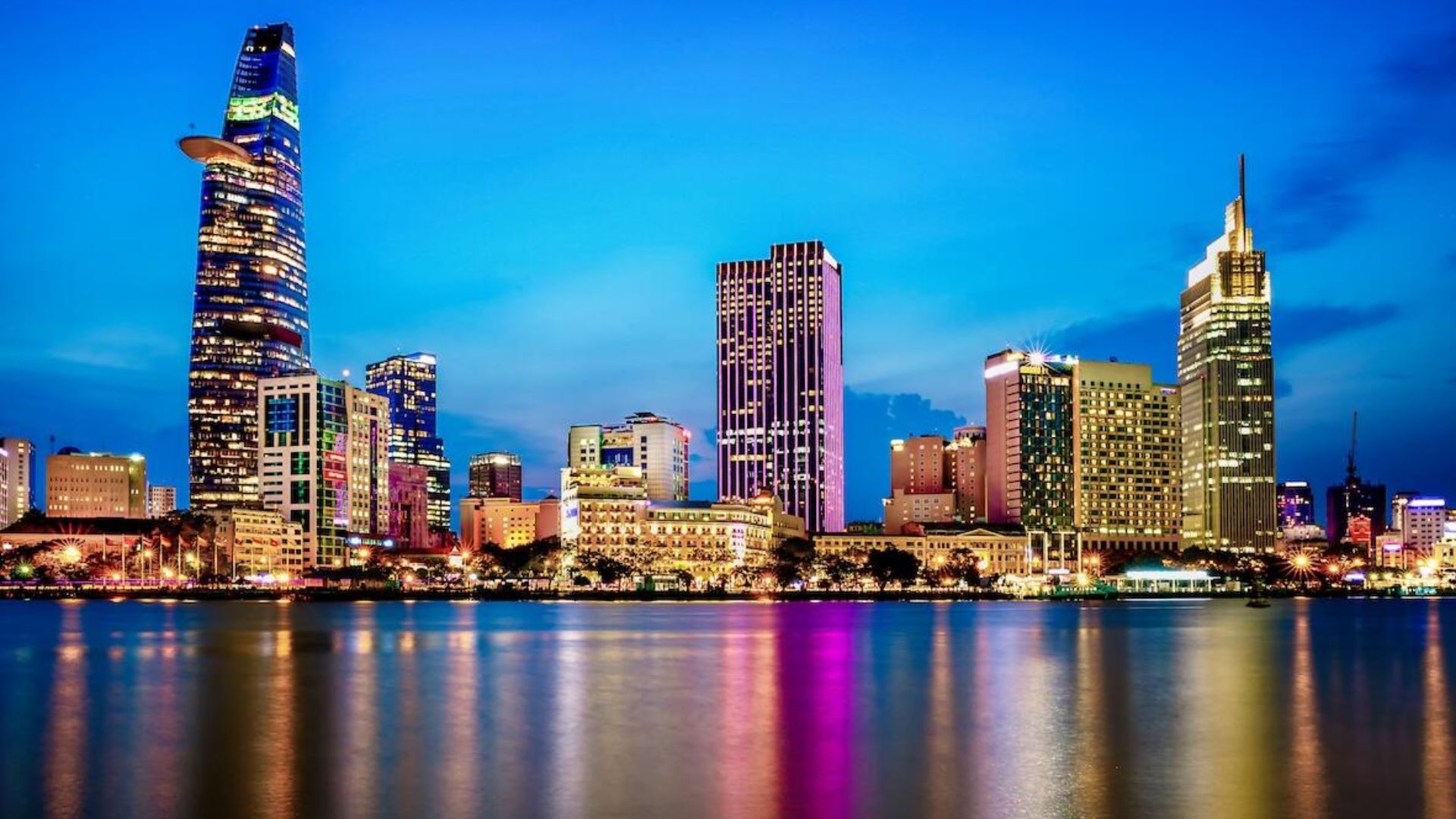
Ho Chi Minh City moves fast. It’s Vietnam’s biggest city and its economic engine. But underneath all that energy, there’s serious history worth spending time with.
The War Remnants Museum and Cu Chi Tunnels are essential stops. The tunnels especially give you a perspective on the Vietnam War that no book fully captures.
Plan for two to three days here. Use the first day for history, the second for the local café scene and markets, and the third for a Mekong Delta day trip if your schedule allows.
3. Da Nang: Coastal City with Urban Comfort
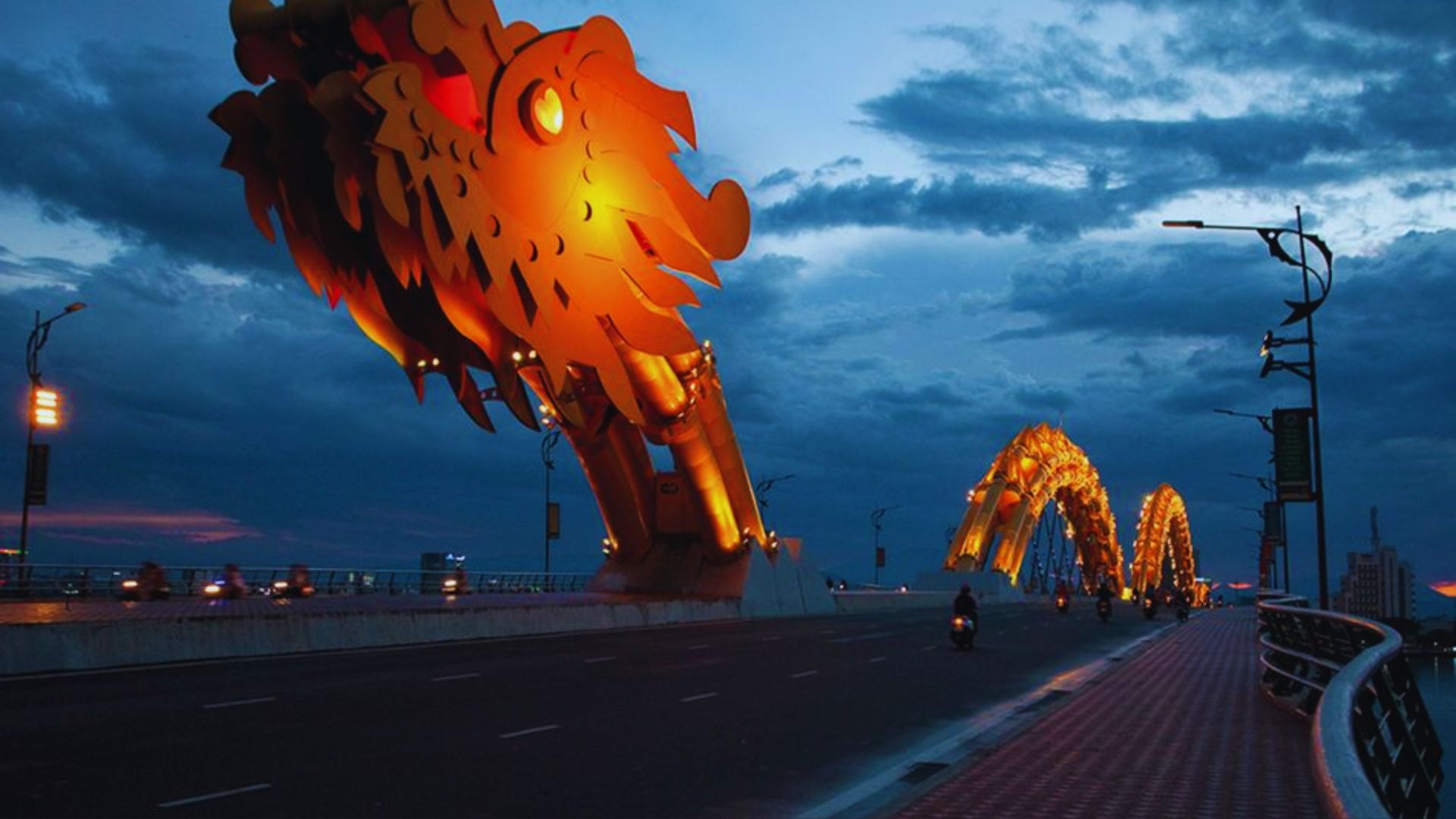
Da Nang is one of the most livable cities in Vietnam, and travelers are starting to notice. It has wide beaches, good infrastructure, and easy access to both Hoi An and Hue.
The Dragon Bridge is a local landmark worth seeing at night when it lights up. My Khe Beach runs for miles and rarely feels overcrowded outside peak season.
One to two days in Da Nang is usually enough. Most travelers use it as a base and day-trip to Hoi An and Hue from here.
4. Hoi An: Lantern-Lit Ancient Town

Hoi An is one of the most visually striking towns in all of Southeast Asia. The ancient town center is a UNESCO World Heritage Site, with yellow-painted shophouses, silk lanterns, and old merchant buildings lining narrow streets.
The town is famous for custom tailoring. Many travelers get clothes made here in 24 to 48 hours at reasonable prices.
The food scene is also exceptional: white rose dumplings, cao lau noodles, and fresh banh mi are local specialties. Two days is the ideal stay. Walk the ancient town in the evening when the lanterns are lit, explore the markets in the morning, and rent a bicycle to reach the nearby beach.
5. Hue: Imperial City of Vietnam

Hue was Vietnam’s royal capital under the Nguyen dynasty, and the city still carries that weight. The Imperial Citadel is the main draw, a massive fortified complex that takes at least half a day to explore properly.
The royal tombs scattered around the city are worth visiting too. Each emperor built his own, and the architecture varies significantly between them.
One to two days is enough for Hue. It’s quieter than Da Nang and Hoi An, which is part of its appeal. The local food scene, especially bun bo Hue (spicy beef noodle soup), is excellent.
6. Sapa: Mountain Escapes and Rice Terraces
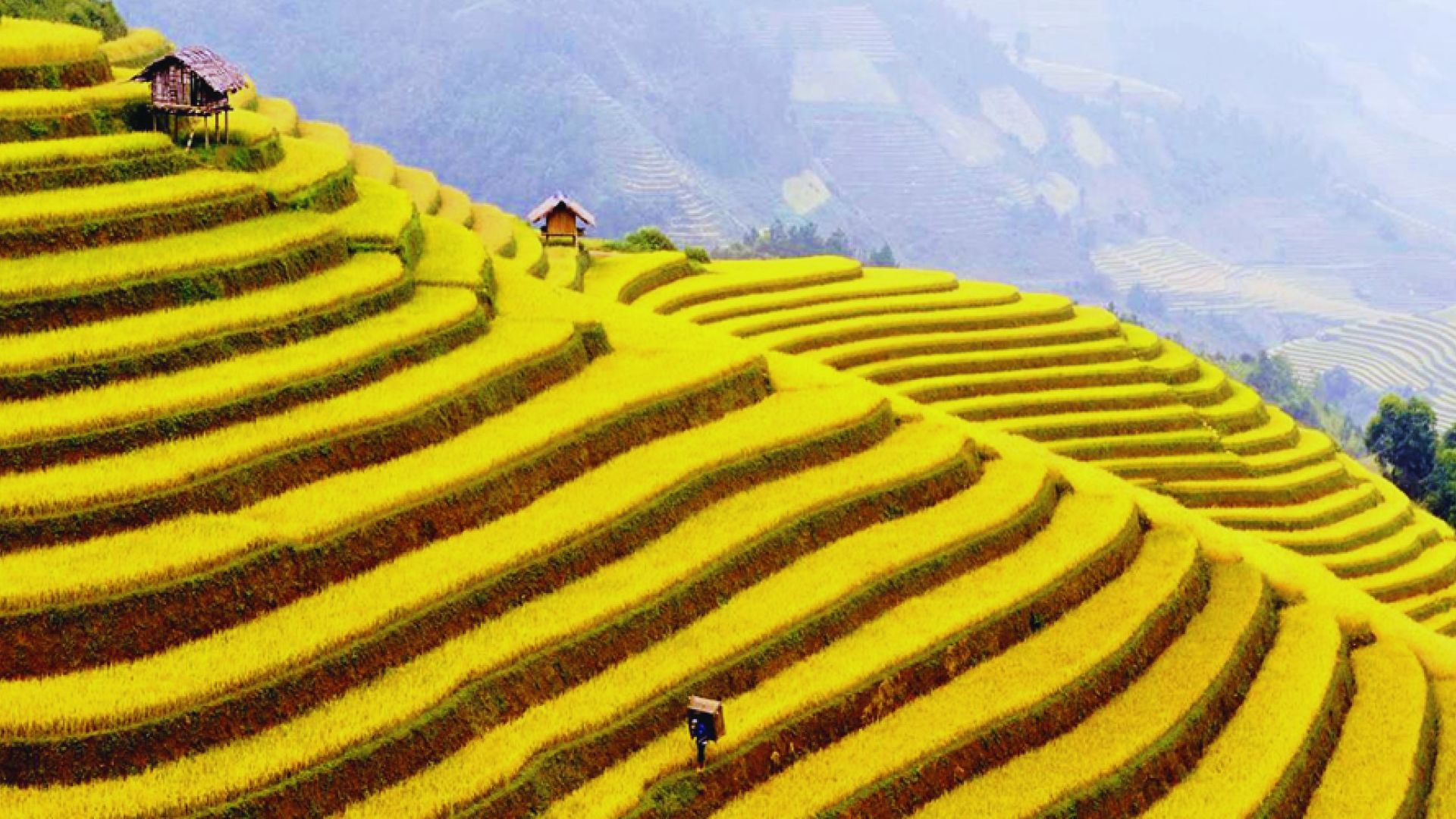
Sapa sits in the northern highlands near the Chinese border and looks nothing like the rest of Vietnam. Terraced rice fields cover the hillsides, and the mountain air is noticeably cooler.
Trekking through the villages here is the main activity. Homestays with local minority communities are widely available and give you a genuine window into a completely different way of life.
The best time to visit is September to November when the rice terraces turn golden before harvest. Avoid the rainy season if possible, as trails get slippery and views disappear in fog.
7. Ha Long Bay: Natural Wonder

Ha Long Bay is one of Vietnam’s most iconic sights. Thousands of limestone islands rise out of the emerald water, and the scale of it doesn’t fully register until you’re out on the water.
Day cruises exist, but overnight cruises are far better. Sleeping on a junk boat in the bay, waking up surrounded by karsts in the morning mist, is a genuinely memorable experience.
Book through a reputable operator from Hanoi. Budget around $100 to $200 per person for a solid overnight cruise with meals included.
8. Ninh Binh: “Ha Long Bay on Land”

Ninh Binh gets called Ha Long Bay on land because of its limestone karst scenery, but the experience here is quieter and more accessible.
Trang An is the main attraction: a UNESCO-listed landscape of waterways, caves, and rice paddies. You visit Trang An by rowing boat, guided through cave passages and out into open paddy fields. It takes about three hours and is one of the most peaceful things you can do in Vietnam.
Rent a bicycle for the afternoon and ride out to Mua Cave for a hilltop view over the whole valley. One to two days here is ideal.
9. Phu Quoc: Tropical Island Getaway
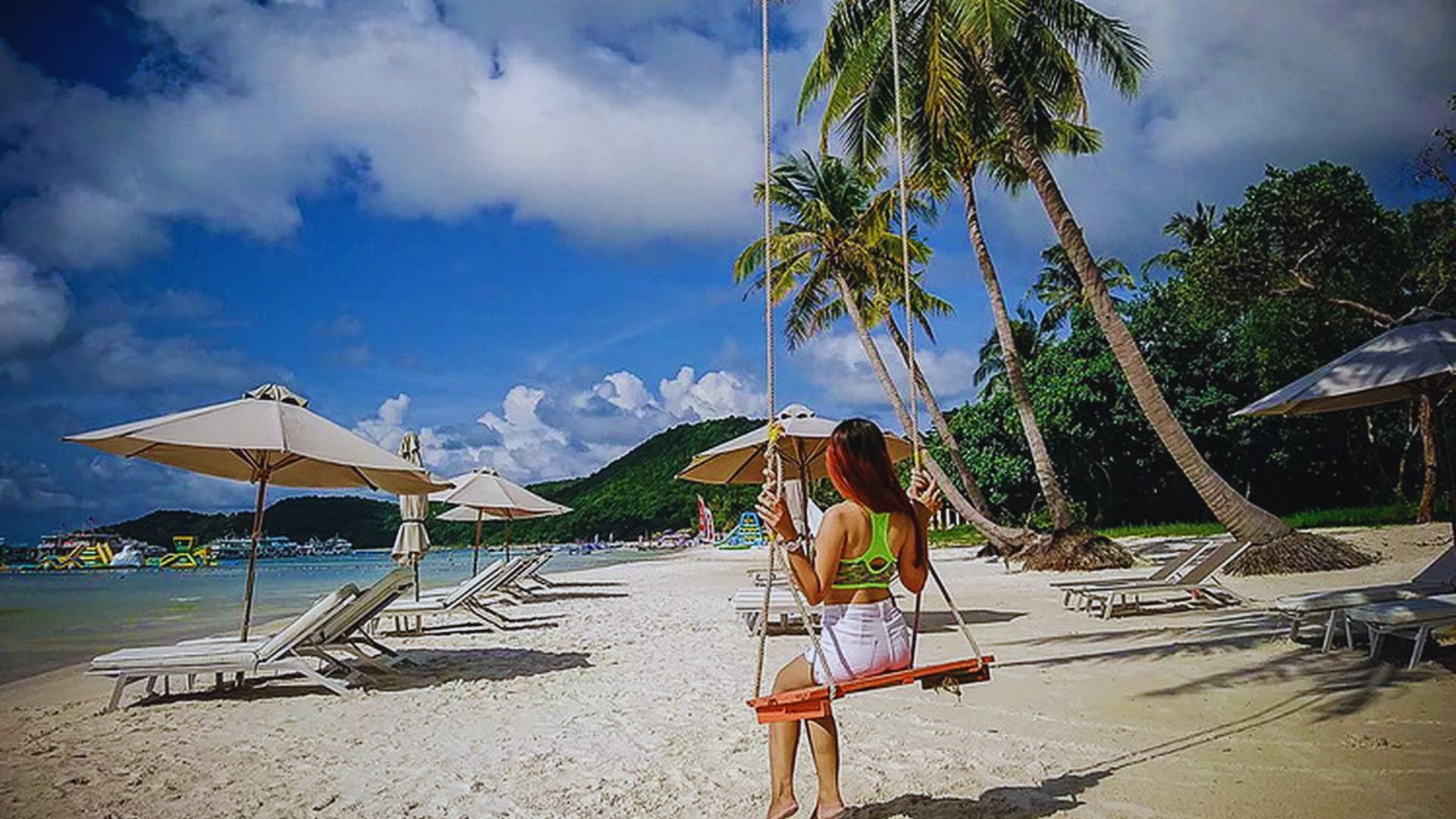
Phu Quoc is Vietnam’s largest island, located in the Gulf of Thailand near the Cambodian border. The beaches on the western coast are calm and clear, with soft sand and good sunsets.
The northern part of the island is still forested and less developed. The southern resort areas have a wider range of hotels and restaurants. It suits both budget travelers and those looking for something more comfortable.
Three to four days is the sweet spot. Two days for beaches and relaxing, one for exploring the island by scooter, and one for a boat trip to the nearby smaller islands.
10. Dala: The City of Eternal Spring

Dalat sits at 1,500 meters above sea level in the Central Highlands. The climate is cool year-round, which is a genuine relief after the lowland heat. It’s also known for its French colonial architecture, strawberry farms, and flower gardens.
The waterfalls around Dalat are worth visiting, especially Datanla and Elephant Falls.
The city also has a quirky side: the Crazy House, a guesthouse that looks like something out of a surrealist painting, draws visitors from across the country. Two days is enough. Use one for the city and one for the surrounding countryside.
11. Can Tho: Mekong Delta Experience
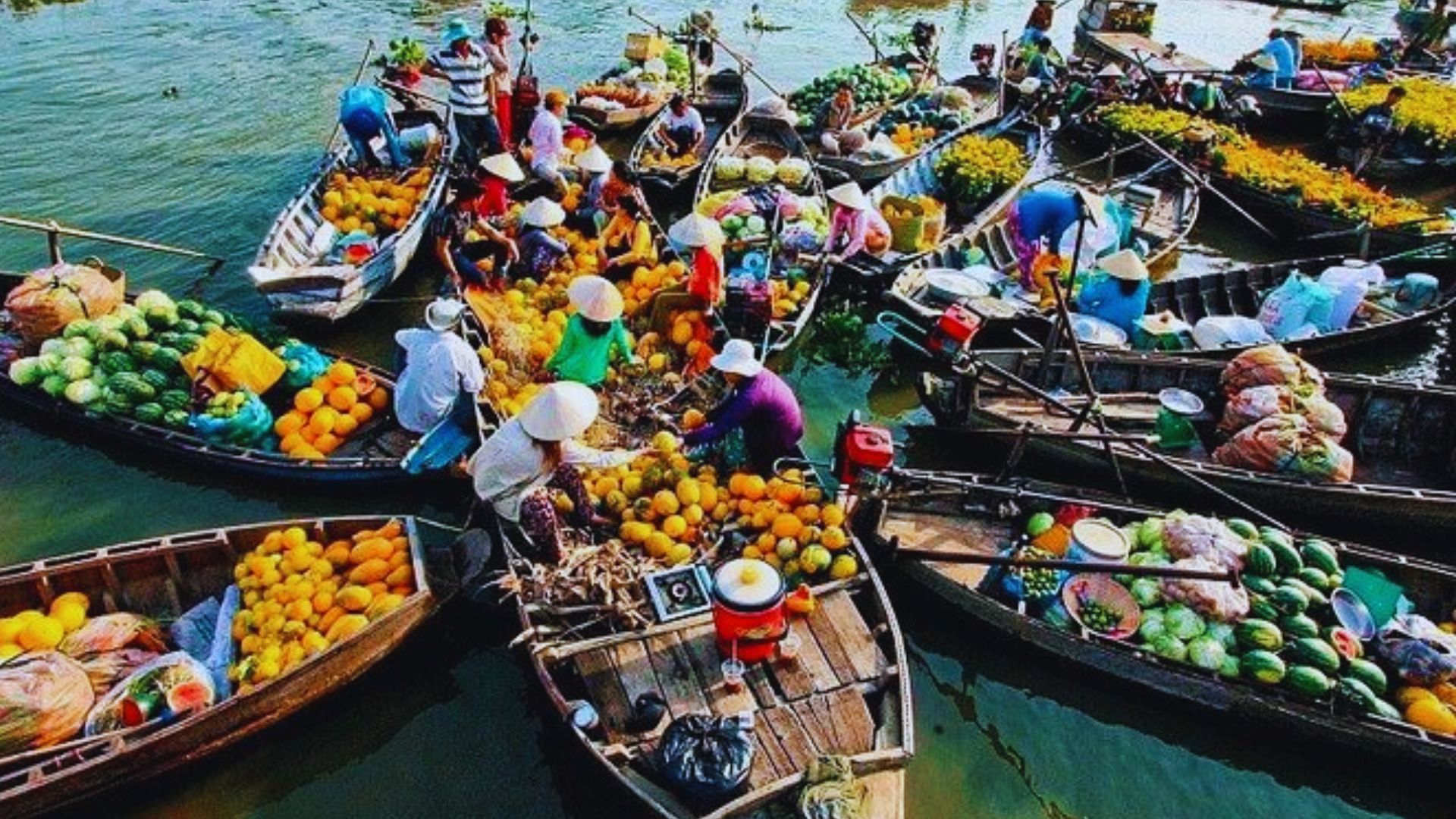
Can Tho is the largest city in the Mekong Delta and the best base for exploring the floating markets. Cai Rang Floating Market is the most famous, best seen in the early morning when trading is most active.
The river life here is completely different from anything in Vietnam’s major cities. Wooden boats loaded with fruit, fish, and produce move slowly through wide canals lined with palm trees.
A day trip from Ho Chi Minh City is possible, but staying overnight lets you catch the market at its best without a 3am wake-up from the city.
12. Quy Nhon: Hidden Coastal Gem
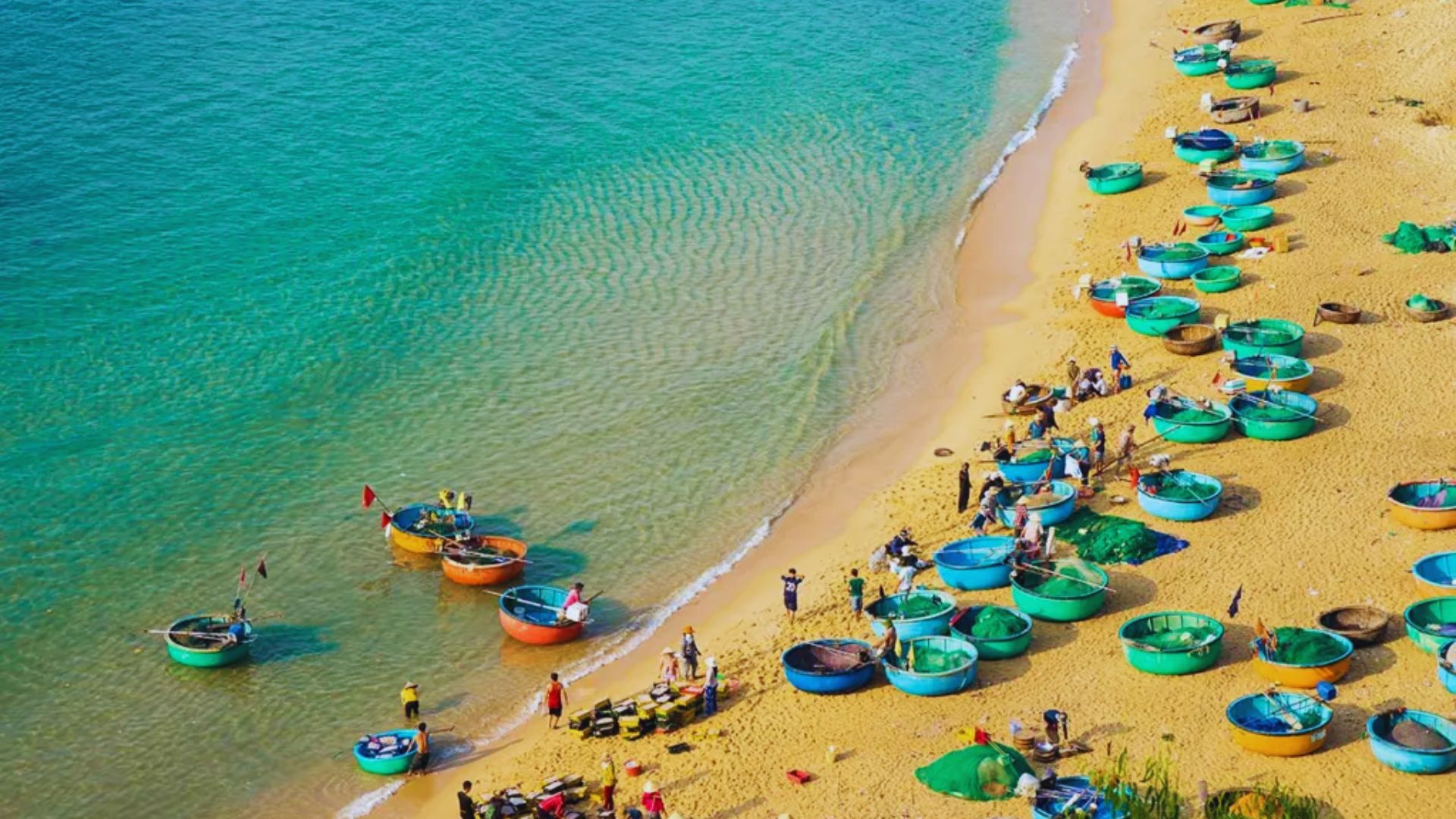
Quy Nhon is one of those places that hasn’t been fully discovered by the mainstream travel crowd yet. The beaches are long, clean, and far less crowded than those in Da Nang or Mui Ne.
The city has an authentic local feel. You’re more likely to share a beach with Vietnamese families than other tourists, which is part of what makes it worth visiting.
It’s a long journey from major hubs, so plan at least two to three nights to make the travel worthwhile. Domestic flights from Hanoi or Ho Chi Minh City are the most practical option.
13. Phong Nha: Activities and Caves

Phong Nha-Ke Bang National Park in central Vietnam is home to some of the largest cave systems on Earth. Son Doong, the world’s largest known cave, is located here. Tours to Son Doong are extremely limited and expensive, but other caves like Paradise Cave and the Dark Cave are accessible and impressive.
The Dark Cave is a favorite for adventure travelers. You zip-line into it, swim through underground passages, and crawl through mud chambers.
Two days works well here. One for a major cave tour, one for kayaking or cycling through the national park.
14. Vung Tau: Quick Escape from Ho Chi Minh City
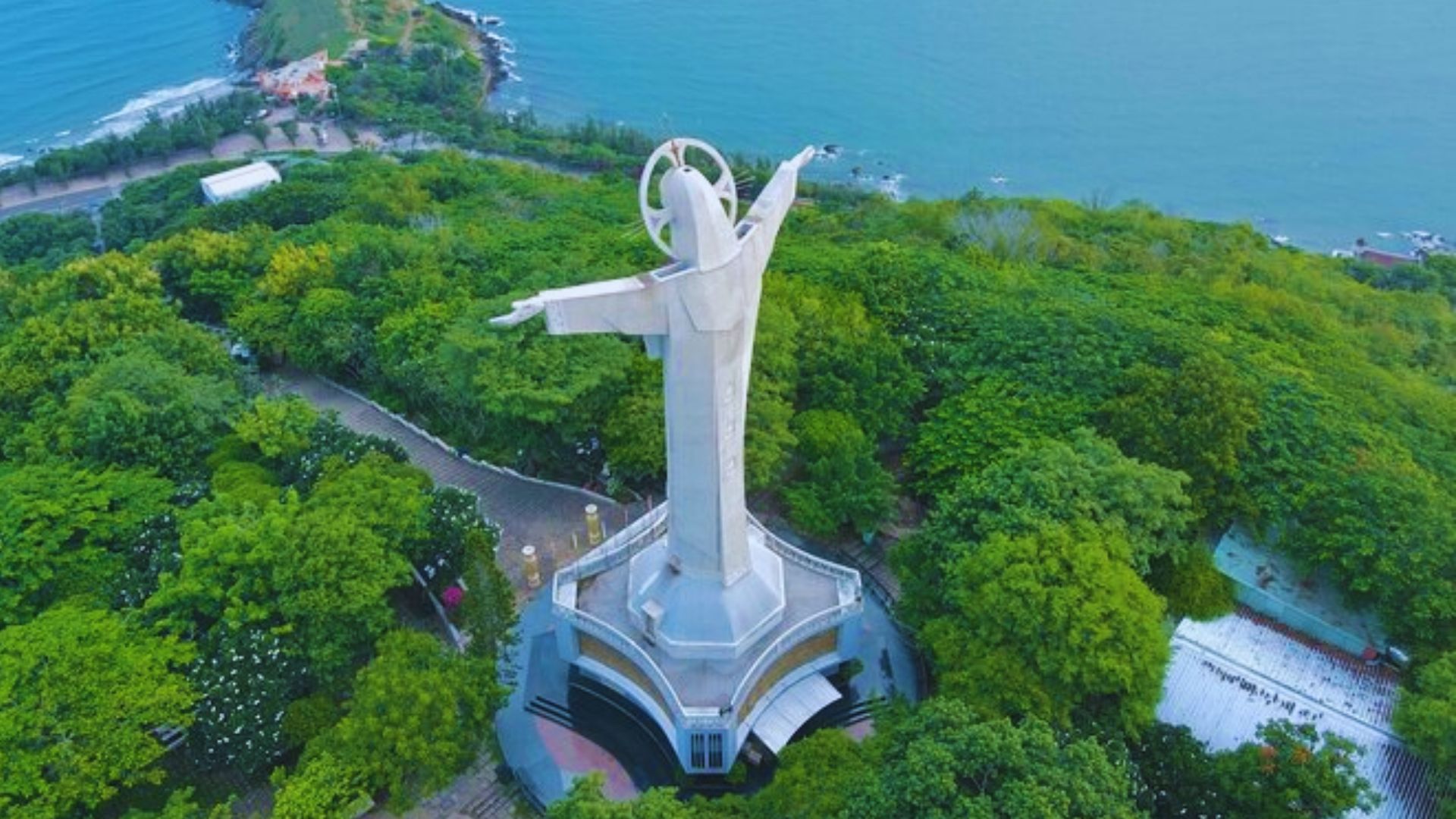
Vung Tau is a coastal city about two hours from Ho Chi Minh City by ferry or road. It’s a popular weekend escape for locals and a reasonable option for travelers who want a short beach break without flying.
The beaches here aren’t Vietnam’s best, but the seafood is excellent and the vibe is relaxed. The giant Christ statue on the hillside offers good views over the city and coast.
A one to two night stay is sufficient. Best visited as a side trip from Ho Chi Minh City rather than a primary destination.
15. Hai Phong: Underrated Northern City
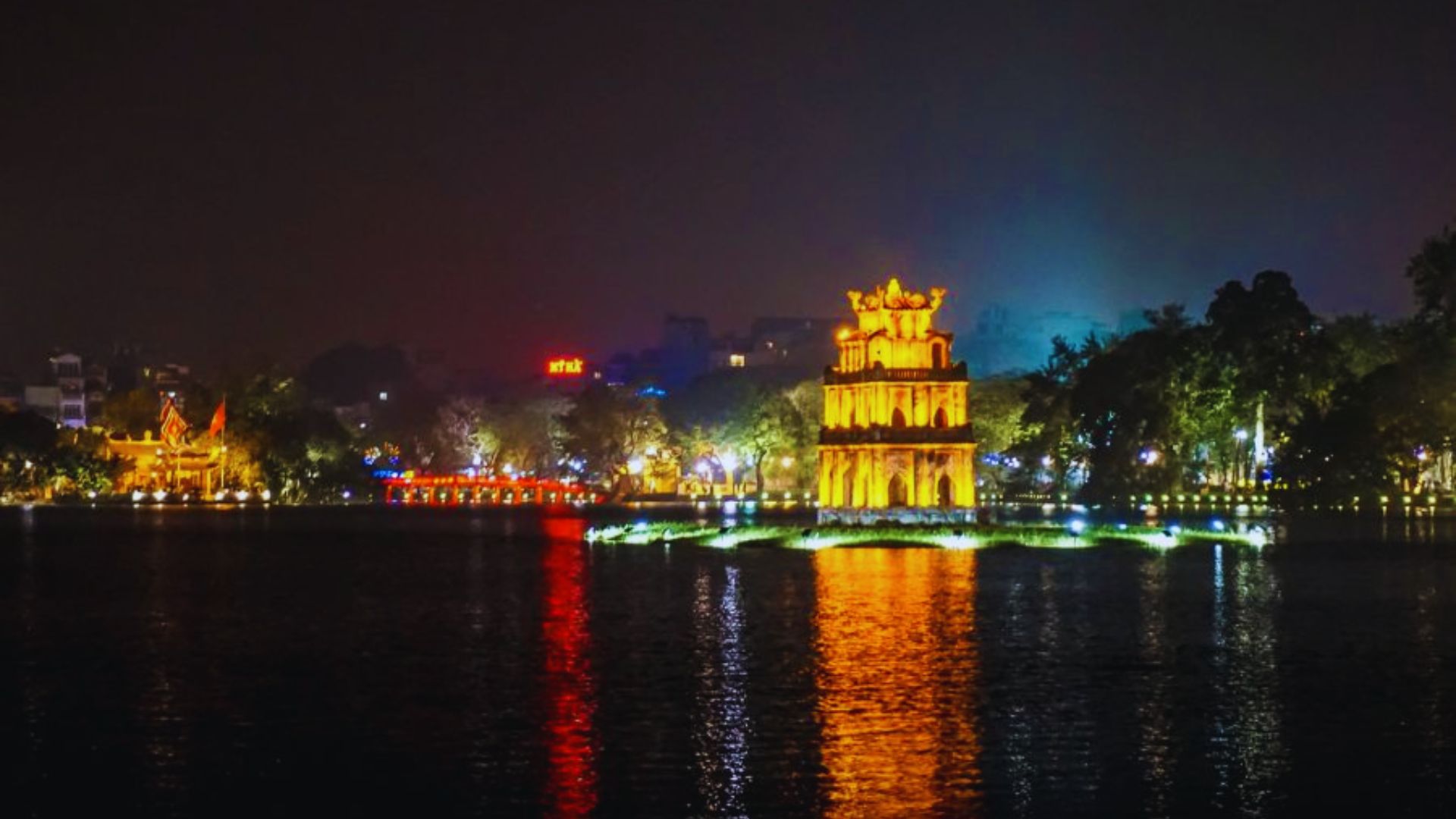
Hai Phong is Vietnam’s third-largest city and sits close to both Hanoi and Ha Long Bay. Most travelers pass through without stopping, which is a mistake given its food scene and colonial architecture.
The city is well-known for banh mi Hai Phong, a slightly different version of the classic sandwich, and fresh seafood. The pace here is slower than Hanoi and the streets are noticeably less crowded.
It also serves as the gateway to Cat Ba Island, which has its own section of Ha Long Bay and is worth a night or two.
16. Con Dao: Offbeat Island Paradise

Con Dao is a small archipelago off the southern coast that was historically used as a prison island under French colonial rule and later the South Vietnamese government. That history is part of what makes it worth visiting.
Today, it’s one of Vietnam’s most secluded beach destinations. Turtle nesting sites, coral reefs, and near-empty beaches make it a strong choice for travelers looking to get away from the crowds.
Access is by domestic flight from Ho Chi Minh City. Plan at least three nights. It’s not a place to rush.
17. Buon Ma Thuot: Coffee Capital of Vietnam

Buon Ma Thuot is a city in the Central Highlands that most tourists skip entirely. That’s a mistake if you care about coffee. Vietnam is one of the world’s top coffee producers, and this region is the heart of it.
You can visit working coffee farms, see the processing firsthand, and drink some of the freshest coffee you’ll find anywhere. The local culture is also heavily influenced by the indigenous Ede community.
One to two days is enough. Best combined with a visit to Dalat since both are in the highlands.
How to Plan the Perfect Vietnam Itinerary (10–14 Days)
The most common and practical route through Vietnam runs from north to south: Hanoi first, then down through central Vietnam, finishing in Ho Chi Minh City.
You can do it in reverse, but the north-to-south direction aligns better with most international flight options.
A 10-day breakdown might look like this: two days in Hanoi, one day in Ninh Binh, overnight cruise in Ha Long Bay, then fly to Da Nang for two days covering Hoi An and Hue, then two days in Ho Chi Minh City with a Mekong day trip to close it out.
With 14 days, you can add Sapa before Hanoi, spend more time in Hoi An, and fit in a short stop in Dalat or Quy Nhon before ending in Ho Chi Minh City.
Travel time between cities varies. Hanoi to Da Nang is about 1 hour 20 minutes by air or 14 hours by train.
Da Nang to Ho Chi Minh City is around 1 hour 30 minutes by air. Budget flights are cheap and often the most practical choice for longer stretches.
Key Travel Tips for First-Time Visitors
Vietnam is easy to travel as a first-timer, but a few things can catch you off-guard if you don’t know about them in advance. A bit of preparation makes the whole trip run smoother.
- Visa: Most nationalities can apply for an e-visa online before arrival. Check the official Vietnam Immigration portal for current requirements and processing time.
- Currency: The Vietnamese Dong (VND) is the local currency. ATMs are widely available. Always carry some cash for markets, street food, and rural areas.
- Payments: Cards are accepted at hotels, malls, and larger restaurants. Cash is still king for most day-to-day spending.
- Bargaining: Expected at markets. Start low and negotiate calmly. Smile and keep it friendly.
- Safety: Vietnam is generally safe for tourists. Watch your belongings in crowded areas, use Grab instead of street taxis, and don’t leave bags visible on motorbike trips.
- Scams: Common ones include overpriced taxi meters and inflated tour prices. Book tours through reputable operators and always confirm pricing upfront.
- Cultural etiquette: Dress modestly at temples and pagodas. Remove shoes before entering. Avoid raising your voice in public.
Vietnam is one of the most welcoming countries in Southeast Asia. Most locals are genuinely helpful, especially if you make an effort to be respectful.
Conclusion
Vietnam isn’t a place you just visit, it’s one you experience differently every time.
The real question is: which version of Vietnam do you want to see first?
Start mapping your route, lock in your must-visit cities, and make it happen.
If you’re still unsure, drop your travel dates or preferences in the comments, I’ll help you fine-tune a plan that fits your style perfectly.
Frequently Asked Questions
What Are the Best Cities to Visit in Vietnam for First-Time Travelers?
Hanoi, Ho Chi Minh City, Hoi An, Da Nang, and Ha Long Bay cover the most ground for a first visit. Together they give you history, coastline, culture, and natural scenery.
How Many Days Are Enough to Explore Vietnam?
Seven days gives you a solid taste of two or three cities, 10 days covers the main highlights comfortably, and 14 days lets you slow down and add lesser-known stops. More time always pays off here.
What Is the Best Route to Travel Across Vietnam?
North to south starting in Hanoi and ending in Ho Chi Minh City is the most popular and practical route. South to north works just as well if your flights are set up that way.
Is Vietnam Cheap for Tourists?
Yes, Vietnam is one of the most affordable destinations in Southeast Asia. Street food, local transport, and budget accommodation are all very reasonably priced, and even mid-range travel remains good value.
What Is the Best Time to Visit Vietnam?
The north is best from October to April. Central Vietnam is most pleasant from February to August. The south is good year-round, though the rainy season runs from May to November. Visiting in sections means weather will vary by region.
